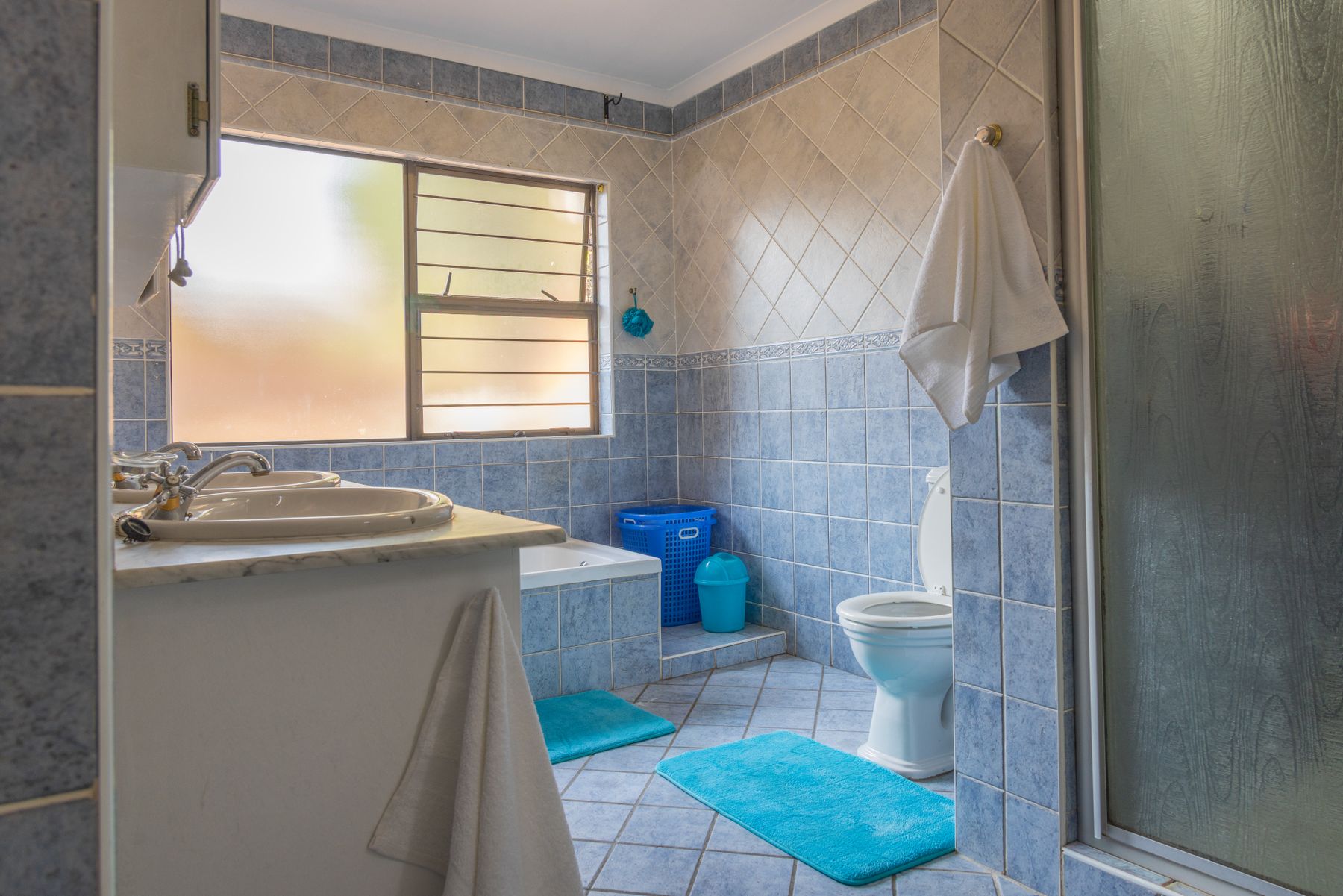
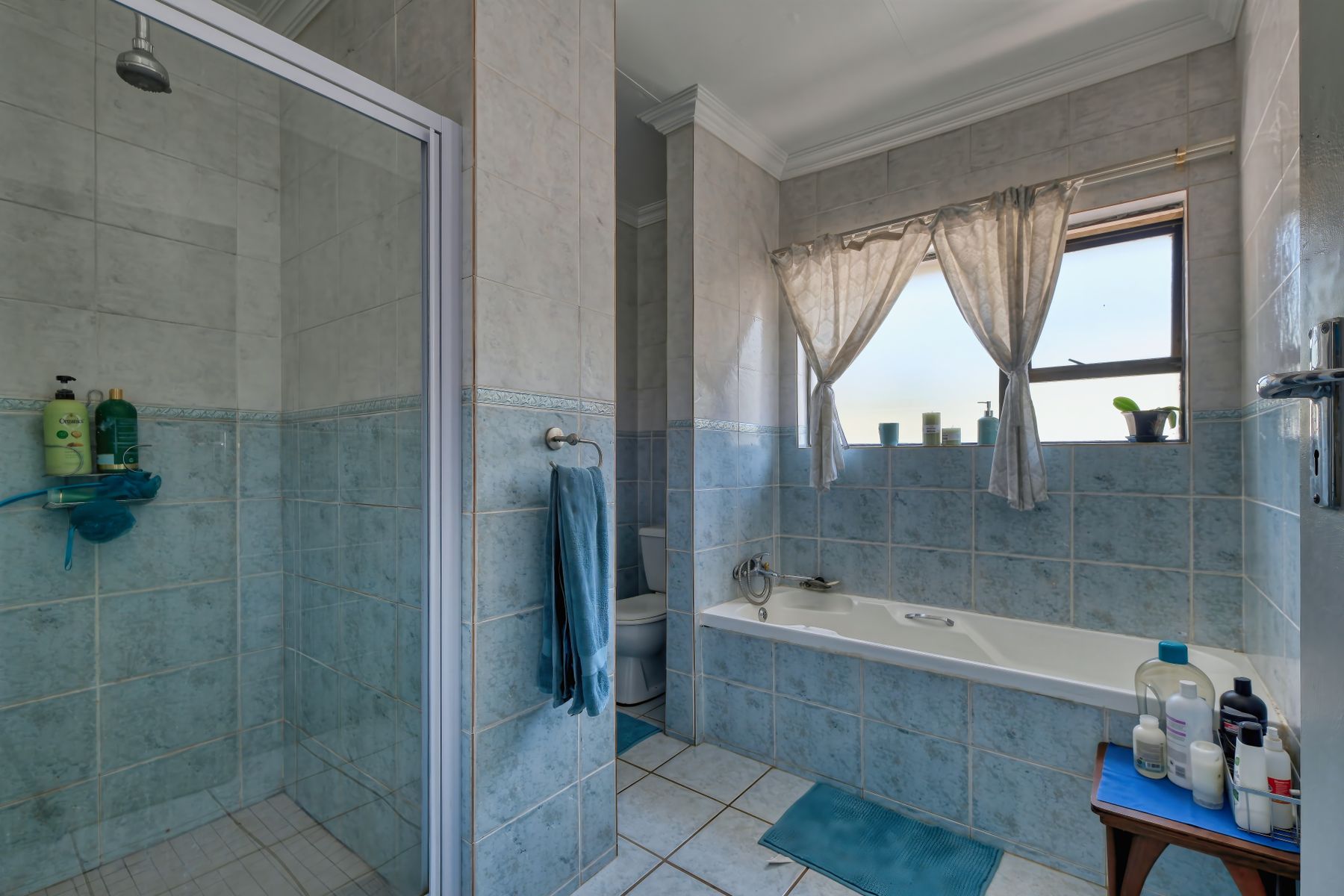
Choose the Blue Undertone Before the Finish
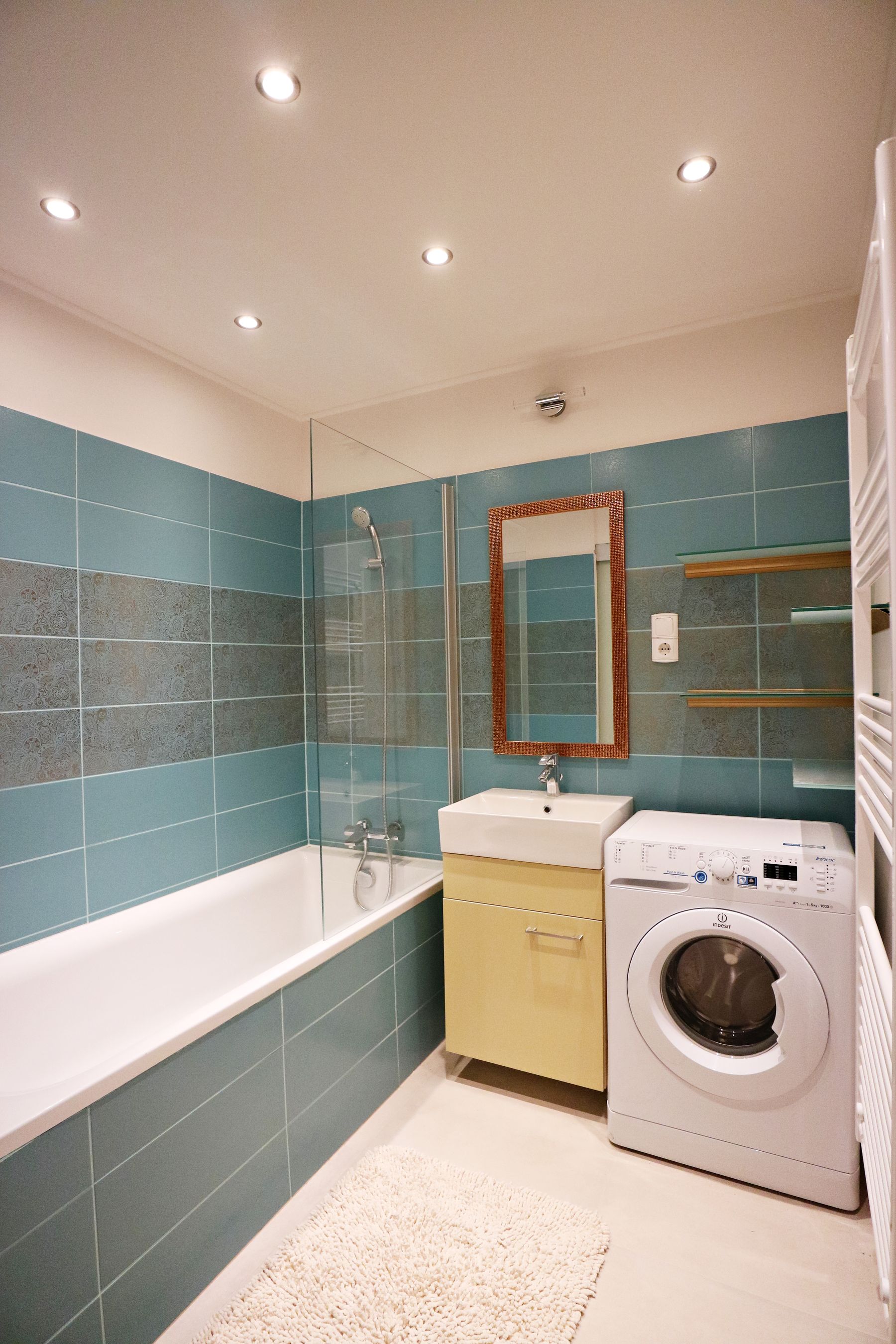
Grey-blue, teal, navy and cobalt react differently to white fixtures, warm wood and daylight. Decide whether the room should feel soft, cool, moody or vivid before choosing tile format or paint sheen. Large blue surfaces can look much darker once installed, especially in bathrooms with limited windows.
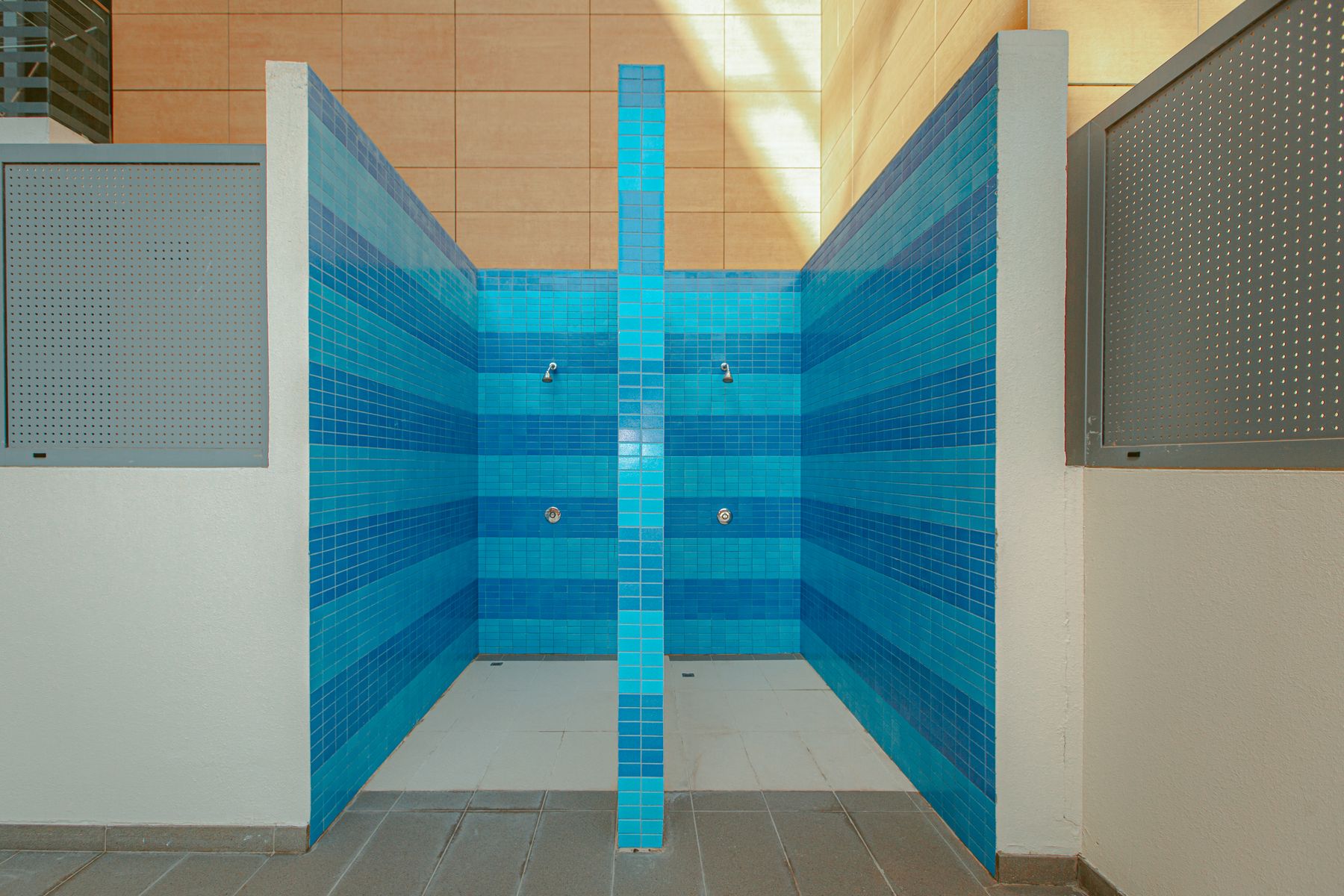
Use Saturated Blue in One Wet Zone
A shower is a practical place to use a stronger blue because the wet zone already needs a durable hard surface. Saturated tile can create a clear focal area while the rest of the bathroom stays lighter. Keep grout and fittings simple enough that color remains the main visual move.
Pair Blue Tile With White Ceramic
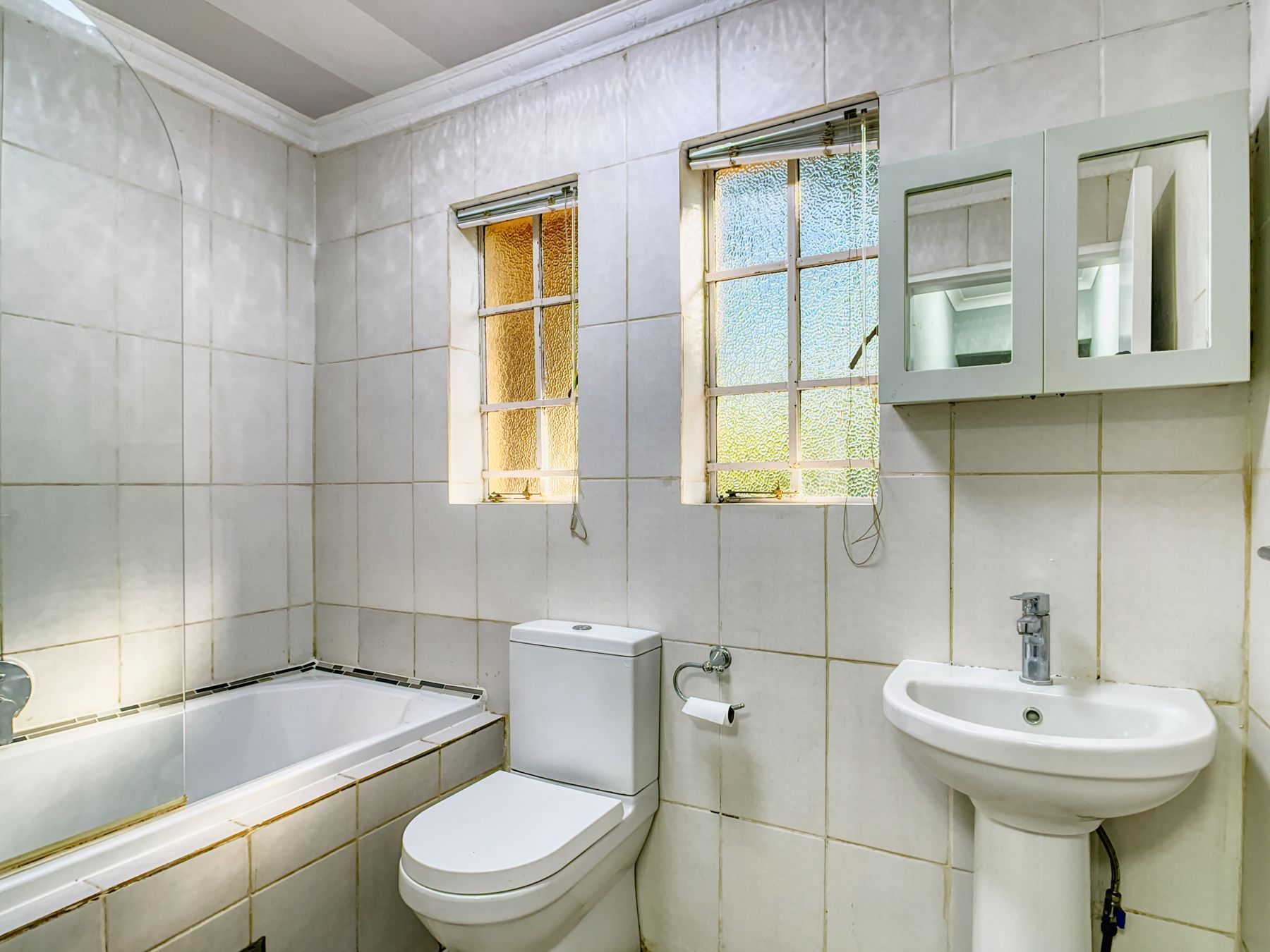
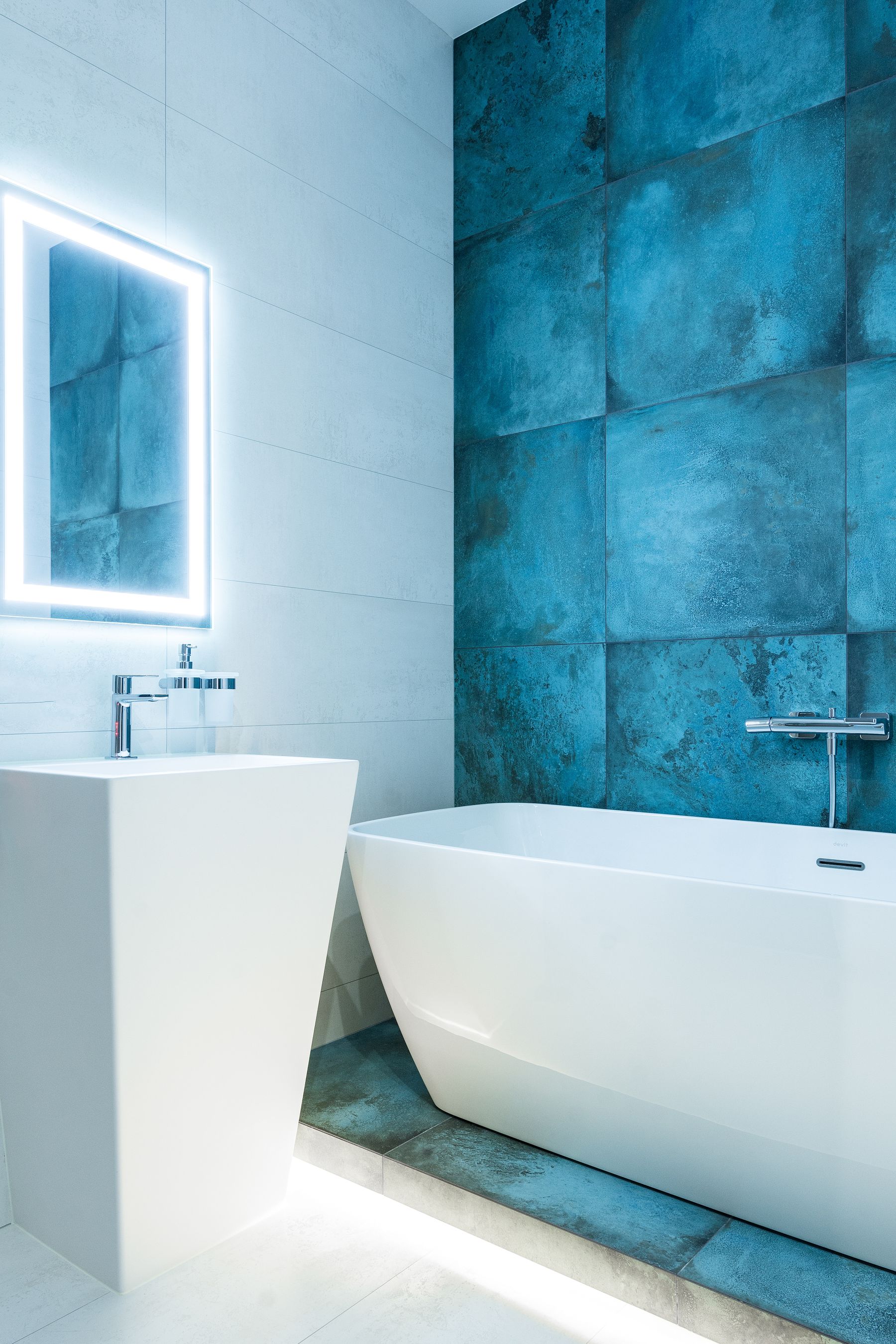
White sinks, tubs and toilets give blue a crisp reference point and help the room feel clean rather than heavy. This pairing works with pale blue as well as darker tile. Chrome and polished nickel can reinforce the cool clarity, while warmer metals can soften it.
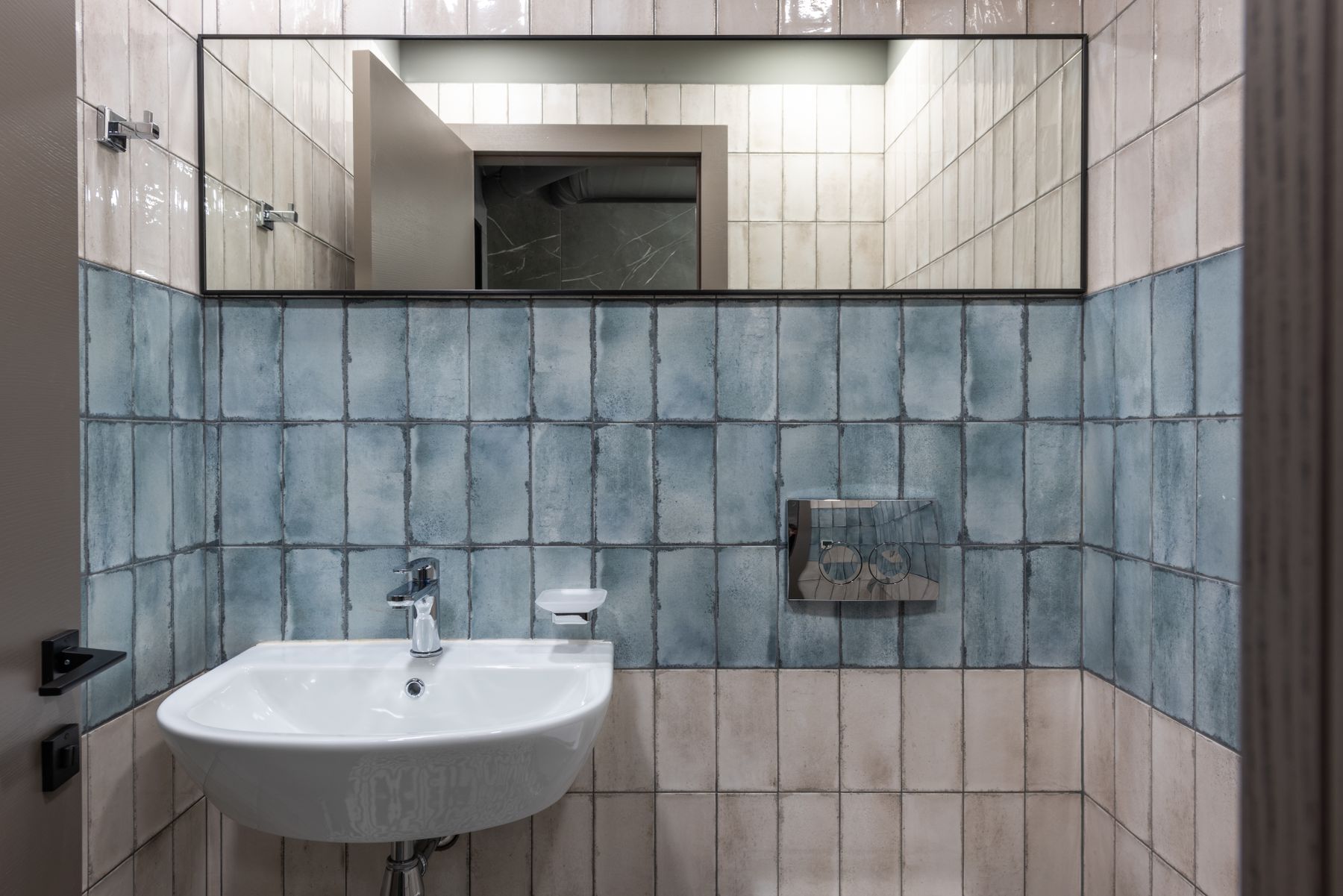
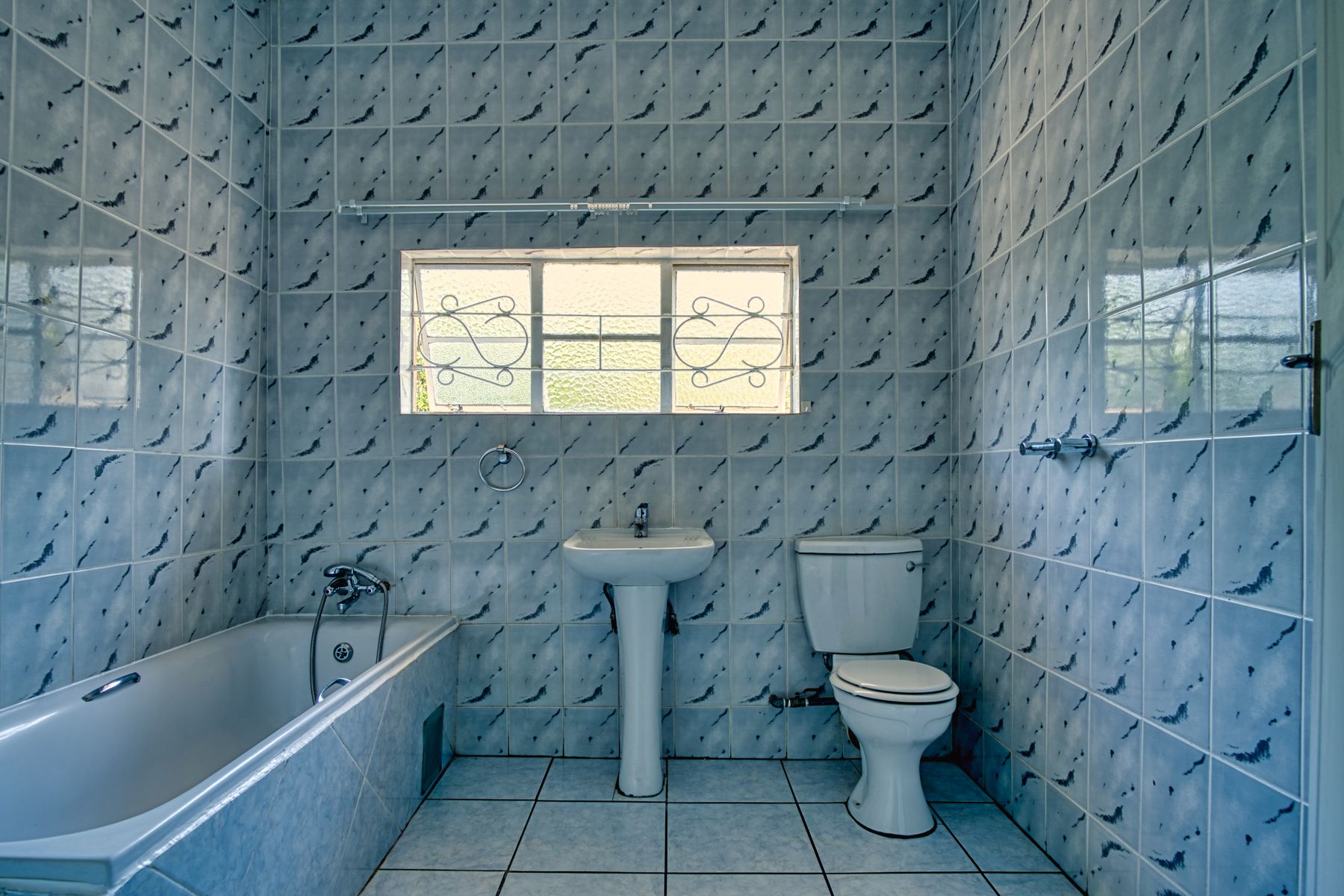
Use Daylight to Reveal the Depth of Blue
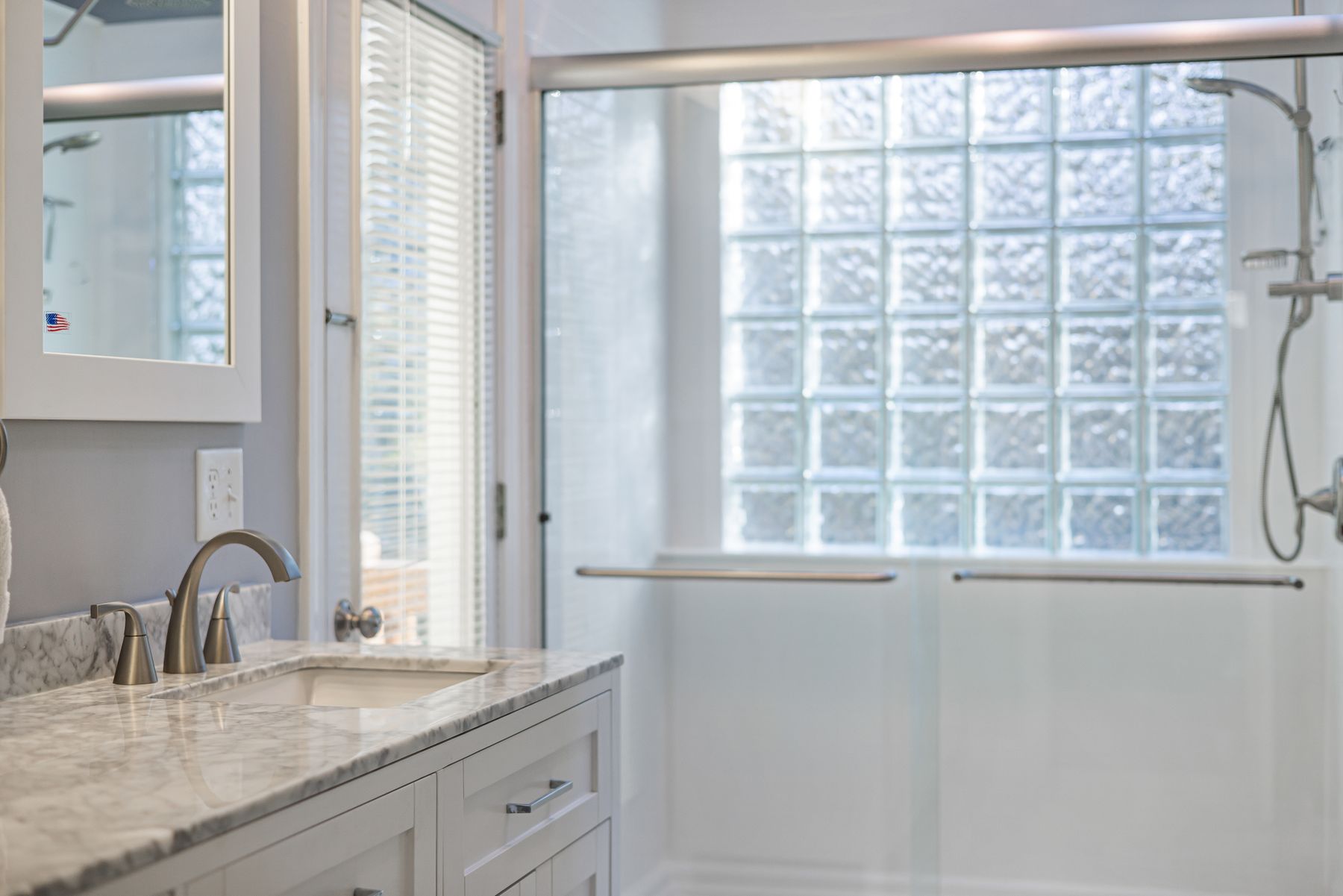
Blue changes dramatically through the day. Natural light can reveal green, grey or violet undertones that are less obvious under showroom lighting. Preserve windows and reflective surfaces where possible, and check evening lighting so the same blue does not turn flat or overly dark after sunset.
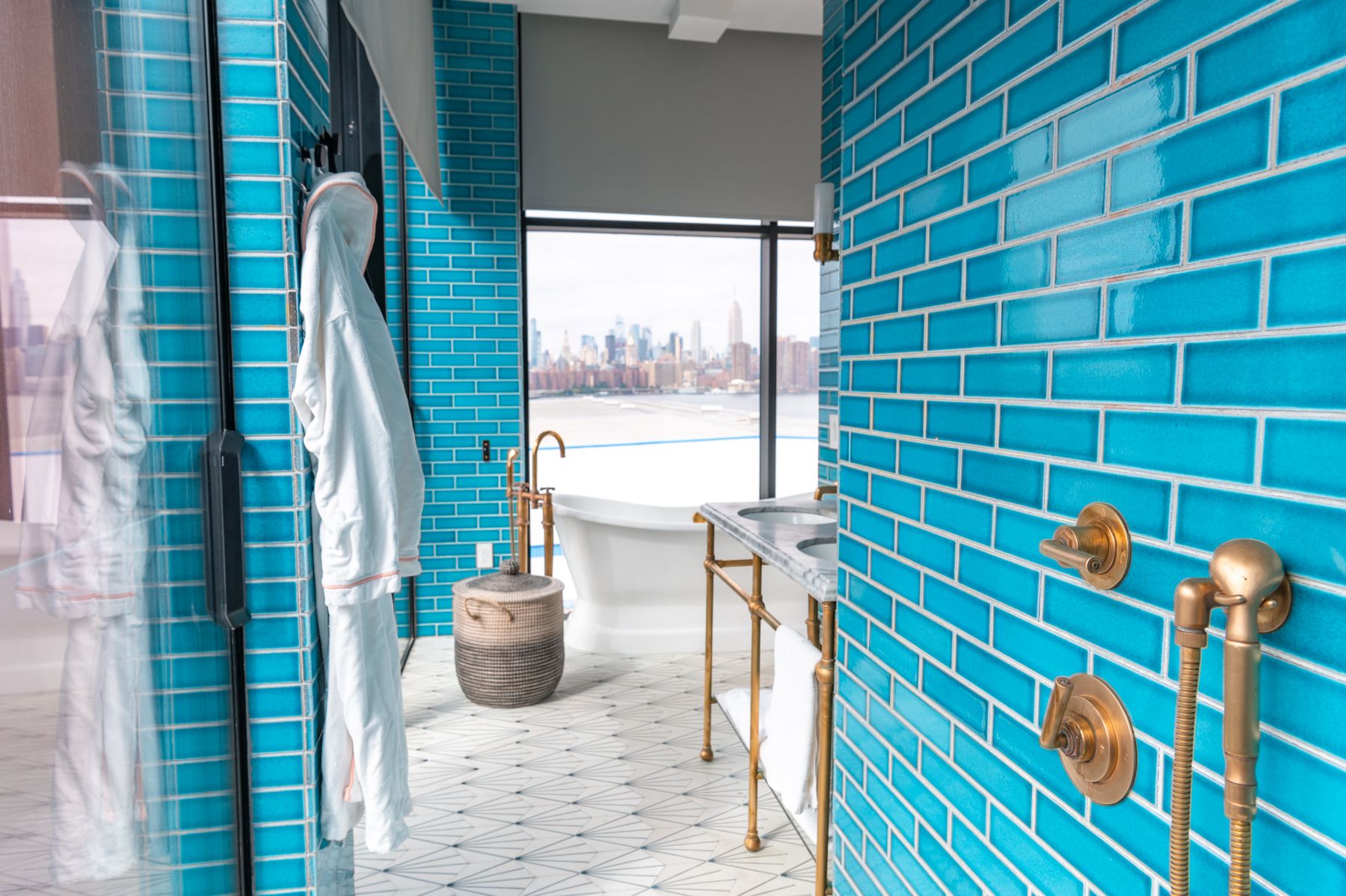
Warm Blue With Brass Rather Than More Color
Brass or another warm metal can keep blue from feeling too cool without introducing a second strong color. Use it on faucets, shower fittings or mirror trim and let the blue tile remain dominant. The contrast is strongest when the metal is limited to functional details rather than repeated on every accessory.
Keep a Minimal Blue Bathroom Geometric
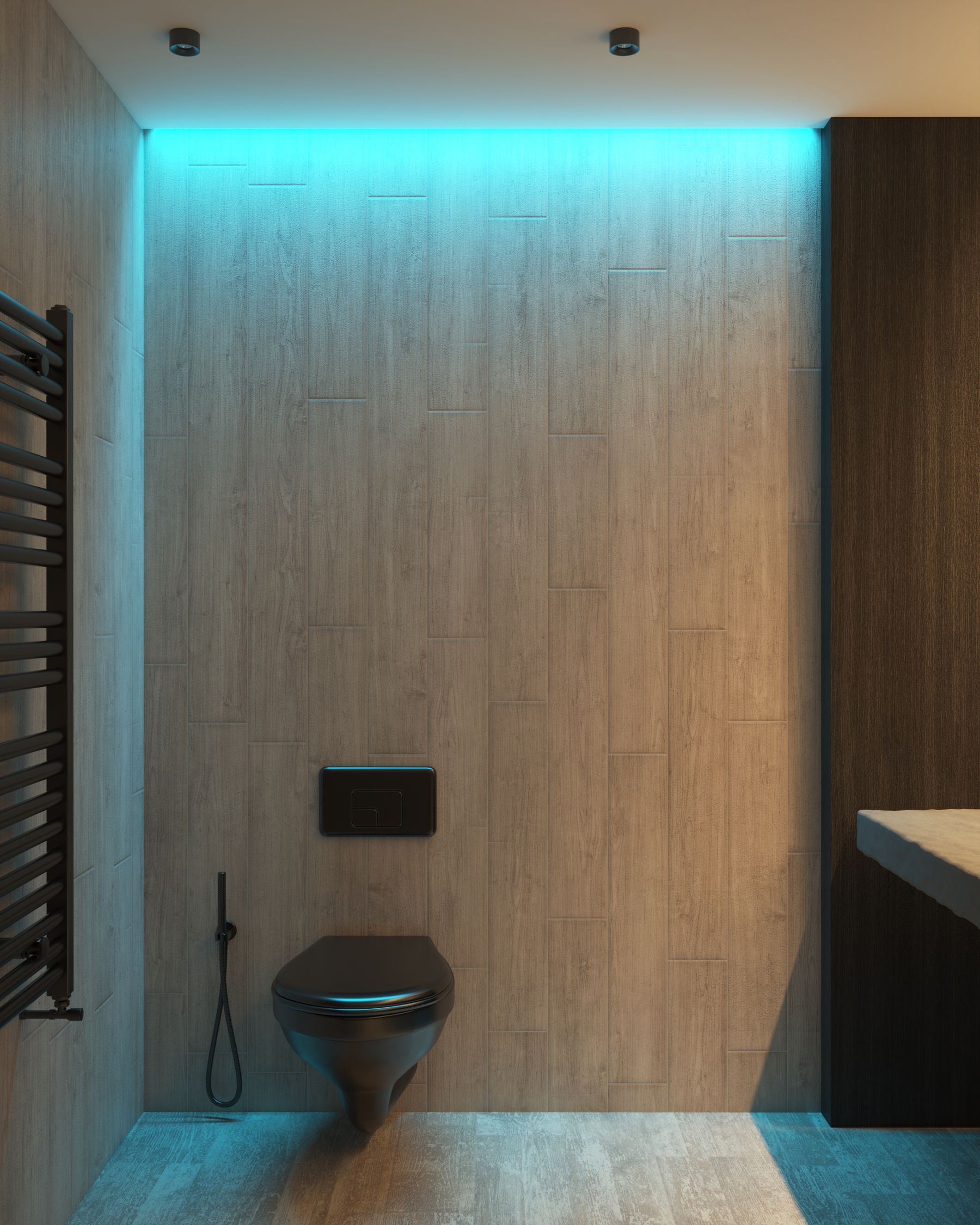
Blue can work in a minimalist bathroom when the tile layout, glass and fixture geometry stay quiet. Let the color create the interest while joints, hardware and accessories remain disciplined. This route works especially well with medium or muted blue rather than a highly patterned surface.
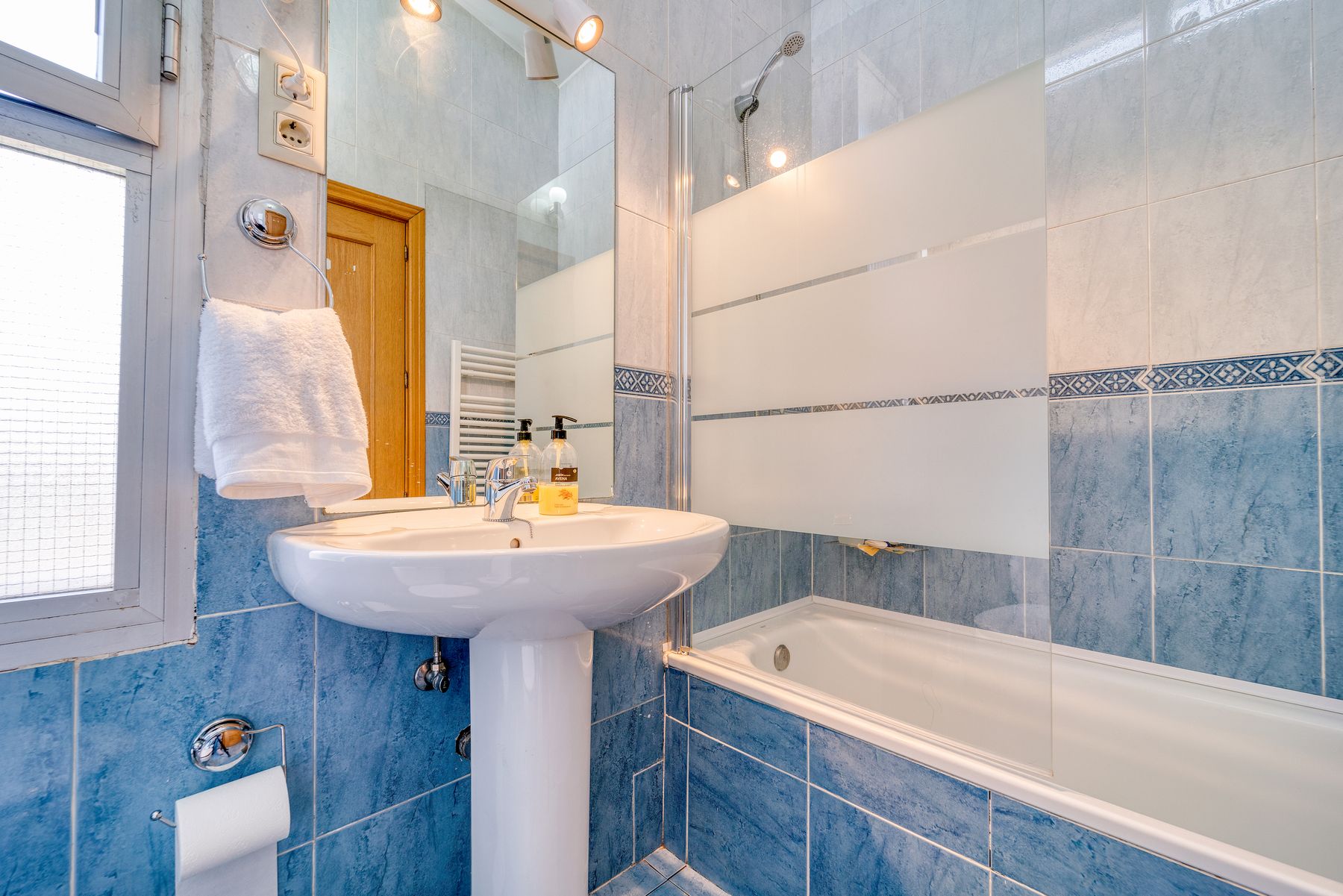
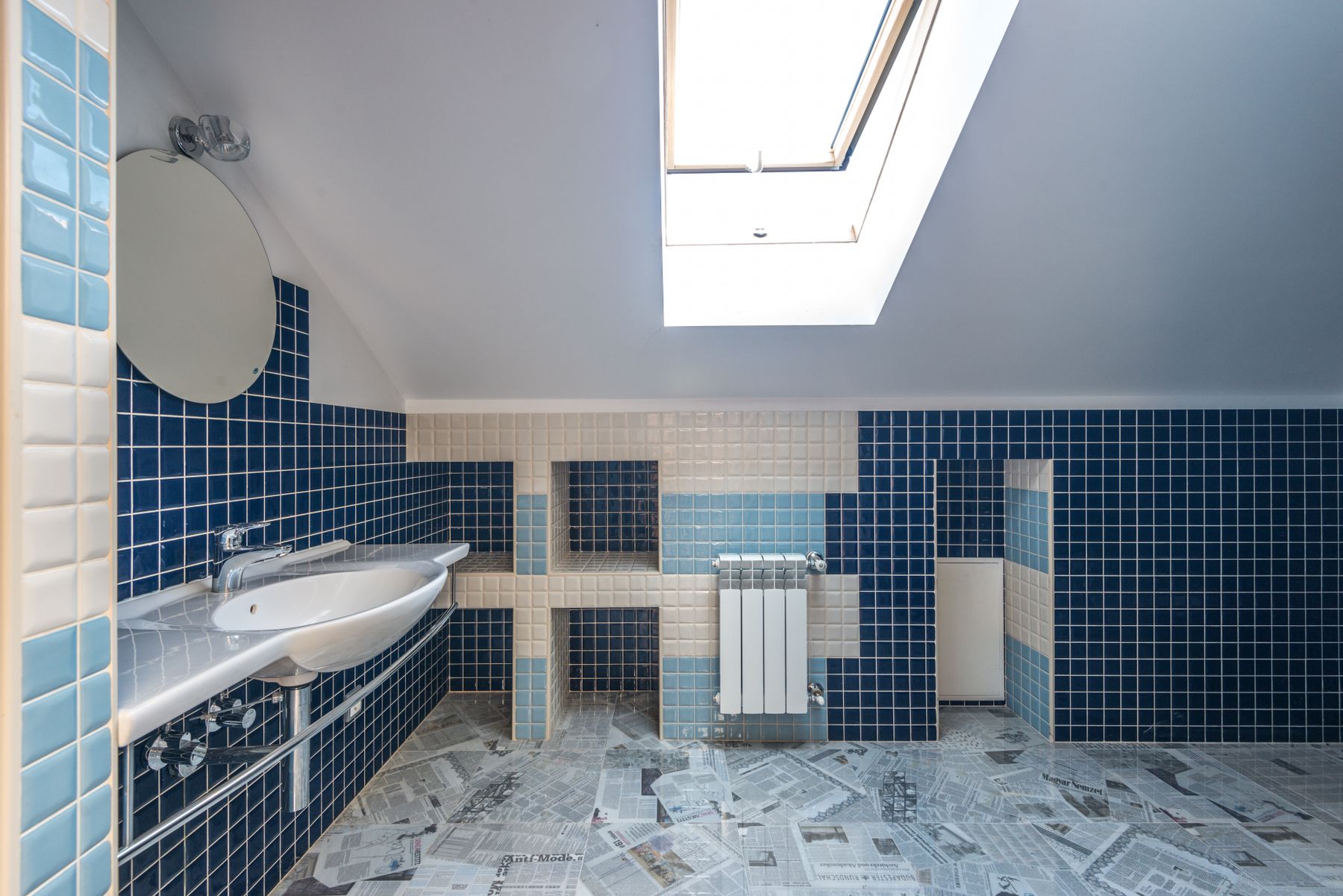
Use Blue and White Pattern With Clear Boundaries
Blue-and-white tile can add rhythm without making the room feel themed if the pattern has a clear start and stop. Keep adjacent surfaces quieter and use daylight to prevent the pattern from becoming visually dense. In smaller rooms, one patterned wall or floor is usually enough.
Concentrate Blue Around the Bath
A bath surround or the wall behind a tub can carry blue without requiring the vanity and floor to match. This is useful when the tub is already the focal point of the room. Keep white ceramic and chrome or nickel nearby so the bathing zone stays fresh and legible.
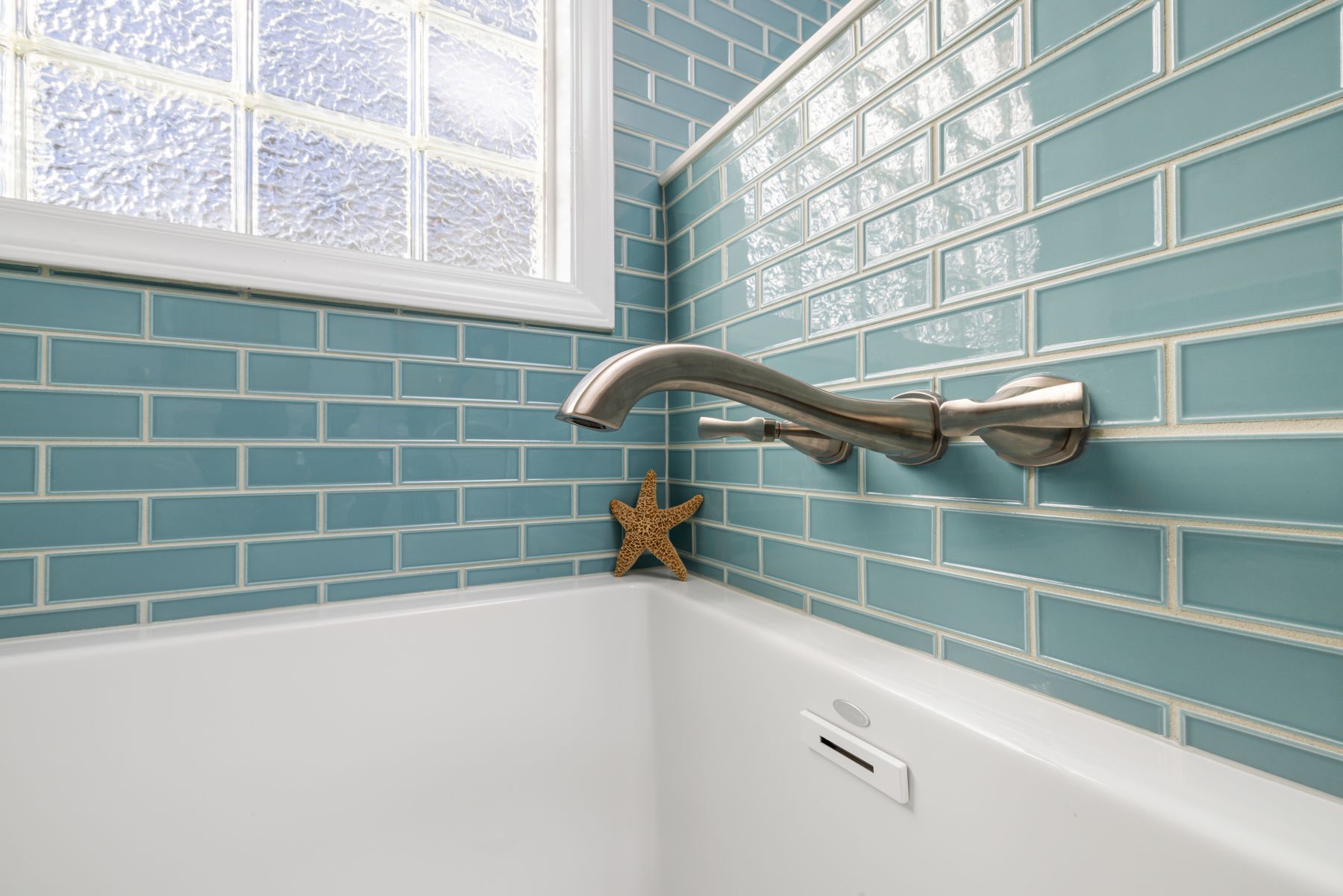
Use Mosaic for Fine-Grain Blue Texture
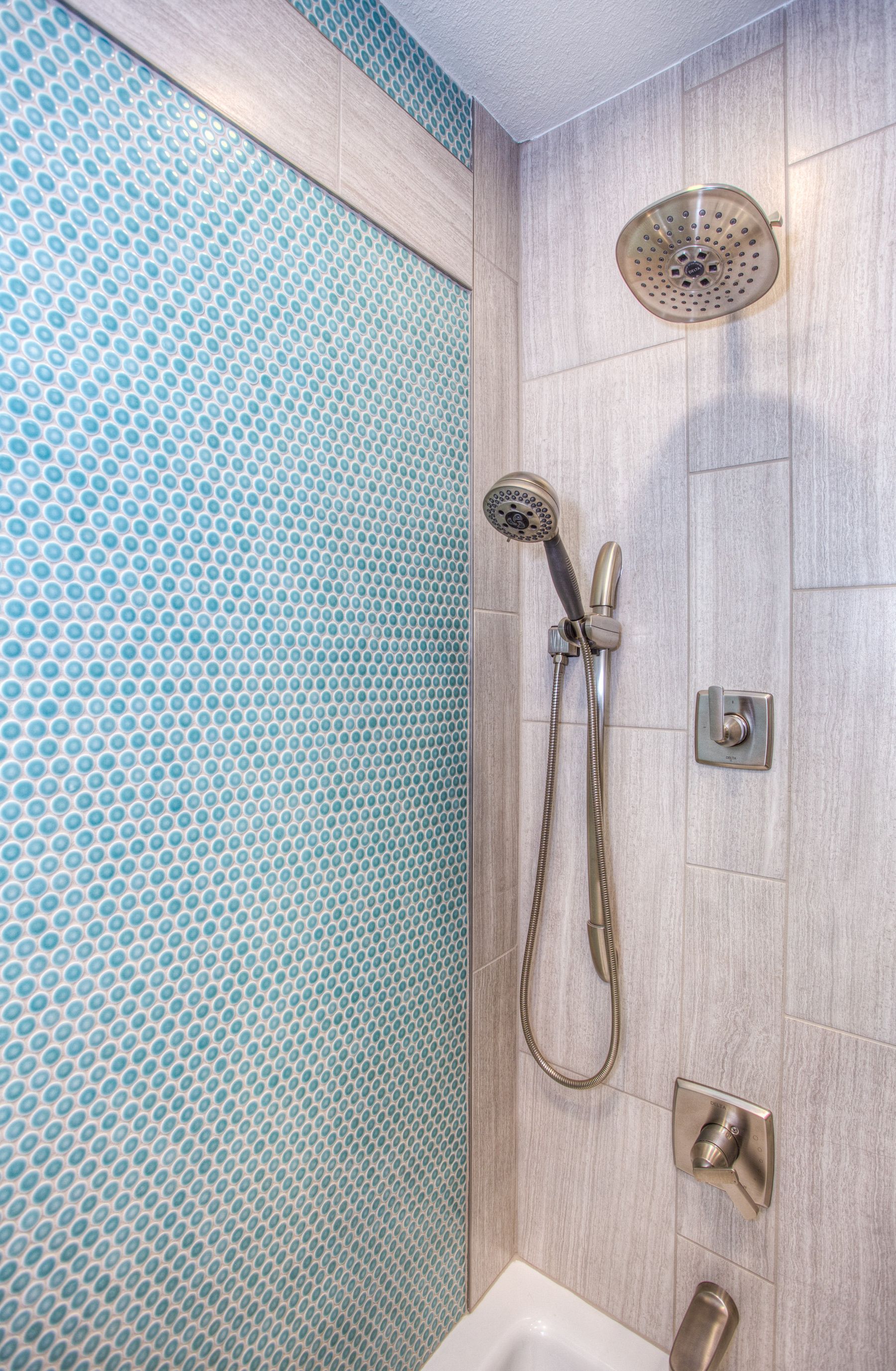
Blue mosaic introduces variation through many small tonal shifts, which can make a shower feel more tactile and less flat. Because mosaic means more grout, maintenance and cleaning should be considered before using it across a large wet area. Stainless steel or chrome works well when you want the result to stay cool and clean.
Use a Blue Accent Wall for Lower Commitment
Paint or a simpler wall finish is the easiest route when you want blue without committing to full-height tile. A blue vanity wall or upper wall can still influence the entire room while the tub, shower and floor remain neutral. Use bathroom-suitable finishes and keep the hardest splash zones protected.