ROOM

Kitchen

Explore kitchen ideas by style, color, material and space — from white, black and blue kitchens to Scandinavian, Japandi, industrial, farmhouse, rustic, minimalist and small-space design.

ROOM EDITExplore this room through style, color, space and product detail.

BROWSE KITCHEN

Choose another angle.

The same room can be explored through several discovery paths without duplicating the underlying articles.

STYLE

By Style

STYLE

Art Deco

Geometric pattern, sculptural forms, polished materials, symmetry and restrained metal accents used with clear functional planning.

Explore →
STYLE

Bohemian

Layered interiors with natural texture, warm wood, plants, useful pottery, textiles and personal detail balanced with practical storage.

Explore →
STYLE

Coastal

Light, relaxed interiors built around pale surfaces, natural timber, soft blue-green accents, tactile woven details and an emphasis on daylight rather than literal nautical decoration.

Explore →
STYLE

Contemporary

Considered contemporary interiors with clear cabinetry, expressive materials and comfortable everyday spaces.

Explore →
STYLE

Eclectic

Individual interiors that connect different furniture, patterns and materials through color, proportion and practical use.

Explore →
STYLE

Farmhouse

Warm, practical interiors using painted cabinetry, timber, tactile materials and furniture-like elements without excessive nostalgia.

Explore →
STYLE

Gothic

Gothic-inspired interiors with selected pointed forms, detailed furniture, deep finishes and practical lighting.

Explore →
STYLE

Industrial

Metal, substantial wood, workshop references and practical forms softened with warmer materials.

Explore →
STYLE

Japandi

Restrained wood palettes, useful storage and carefully spaced tactile details.

Explore →
STYLE

Japanese

Japanese-inspired interiors grounded in functional planning, restrained materials, natural wood, practical storage and deliberate relationships between space and everyday rituals.

Explore →
STYLE

Mid-Century

Warm woods, sculptural forms, geometric detail and restrained retro references.

Explore →
STYLE

Minimalist

Minimalist interiors built around clear function, reduced visual noise, disciplined materials and deliberate negative space.

Explore →
STYLE

Modern

Modern interiors built around clear geometry, controlled materials, integrated function and visual calm without relying on decorative minimalism.

Explore →
STYLE

Retro

Colorful interiors with graphic tile, simple period references, bold cabinetry, patterned surfaces and later-twentieth-century character used without novelty set dressing.

Explore →
STYLE

Rustic

Natural materials, tactile finishes, warm wood and practical pieces with visible character.

Explore →
STYLE

Scandinavian

Light woods, useful simplicity, calm surfaces and warm functional details.

Explore →
STYLE

Traditional

Balanced interiors with framed cabinetry, familiar furniture forms, repeated details, classic materials and comfortable everyday function.

Explore →
STYLE

Victorian

Victorian-inspired interiors that use recognizable period forms, characterful furniture, richer materials and selective decorative detail within contemporary functional requirements.

Explore →
STYLE

Vintage

Collected furniture, aged finishes and characterful details balanced with everyday function.

Explore →

LATEST KITCHEN IDEAS

More ways to shape the room.

Guides are ordered by editorial priority and recent updates, while remaining connected to their relevant style, color, space and topic hubs.

Bright farmhouse kitchen with dining table, chairs and natural light

Eat-In Kitchen Ideas

Eat-in kitchen ideas should begin with the meals people actually have there. A small table for two, an island perch for a quick breakfast and a full family dining area solve different problems. The right choice allows chairs to pull out without blocking the refrigerator, leaves a route for carrying hot food and gives the table useful light at night. It should also belong visually to the kitchen without forcing dining furniture to match the cabinet fronts. Decide the role and footprint of the eating area before choosing stools, pendants or a dramatic table.

Explore the guide →
Kitchen with integrated refrigerator, wall ovens and a long preparation counter

Kitchen Appliance Ideas

Kitchen appliance ideas should start with cooking habits, food storage and cleanup rather than a matching finish package. A refrigerator needs a useful landing place, a dishwasher should support the sink without trapping the main route and an oven must open without colliding with an island or doorway. Countertop equipment also needs a planned home if the preparation surface is to remain usable. Compare dimensions, door movement, ventilation and service access before cabinetry is finalized, then decide which appliances should stand out and which can recede.

Explore the guide →
Green kitchen cabinets with pale tiled backsplash and light worktop

Kitchen Backsplash Ideas

Kitchen backsplash ideas should solve a practical wall problem while giving the counter and cabinets a clear relationship. The surface behind the sink and cooking area faces splashes and frequent cleaning, but it also occupies a long band at eye level. Decide where the backsplash begins and ends before choosing a pattern. A quiet tile can make colored cabinets feel composed; a patterned wall can become the focal point when neighboring materials step back. Review the actual tile, grout and counter together, and select the finish and installation detail for the exact exposure rather than copying a photograph.

Explore the guide →
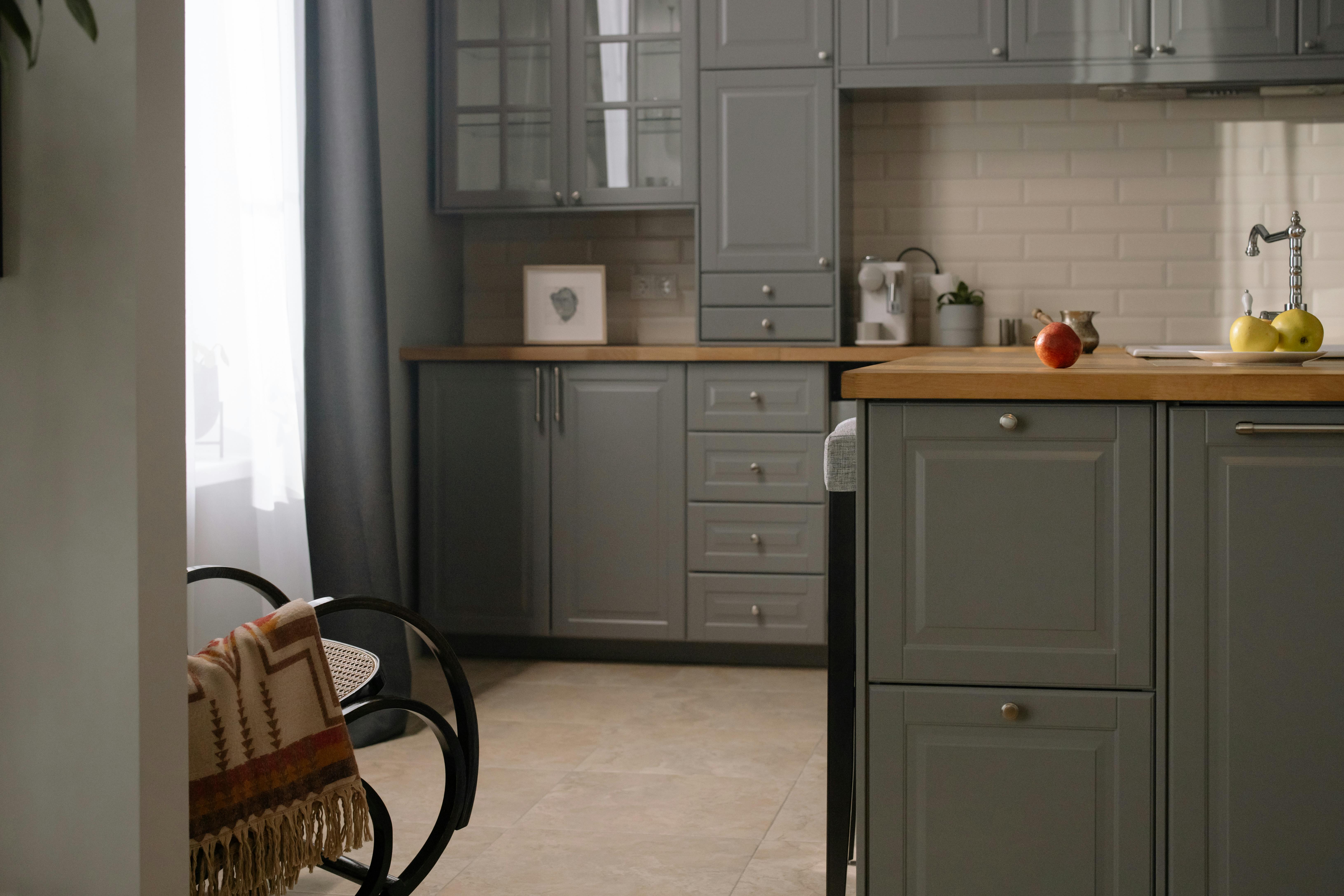
Pale grey kitchen cabinets with warm timber worktops and soft daylight

Kitchen Cabinet Ideas

Kitchen cabinet ideas have an unusually large effect because cabinets occupy so much of the room's visual field. Door profile, color, grain, finish and the way upper and lower runs meet can make the same layout feel calm, formal or heavy. Start with the elevation: where tall units end, how doors align, and whether the window and worktop still have room to breathe. Then choose a cabinet finish that works with the counter and lighting. This guide concerns the visible cabinet composition; Kitchen Storage Ideas covers what belongs inside the drawers, pantry and shelves.

Explore the guide →
Bright kitchen with a broad, mostly clear preparation counter

Kitchen Counter Organization Ideas

Kitchen counter organization should protect a real place to prepare food while keeping the few things used every day within reach. The answer is rarely another row of containers. Start by separating daily equipment from occasional tools, then assign short working zones around the sink, coffee maker and cooking area. A tray can contain oils, a rail can lift utensils from the surface and a small shelf can serve cups—but only when each addition saves movement and remains easy to clean. This guide focuses on the working counter; the broader Kitchen Storage guide covers cabinets, pantry and built-in capacity.

Explore the guide →
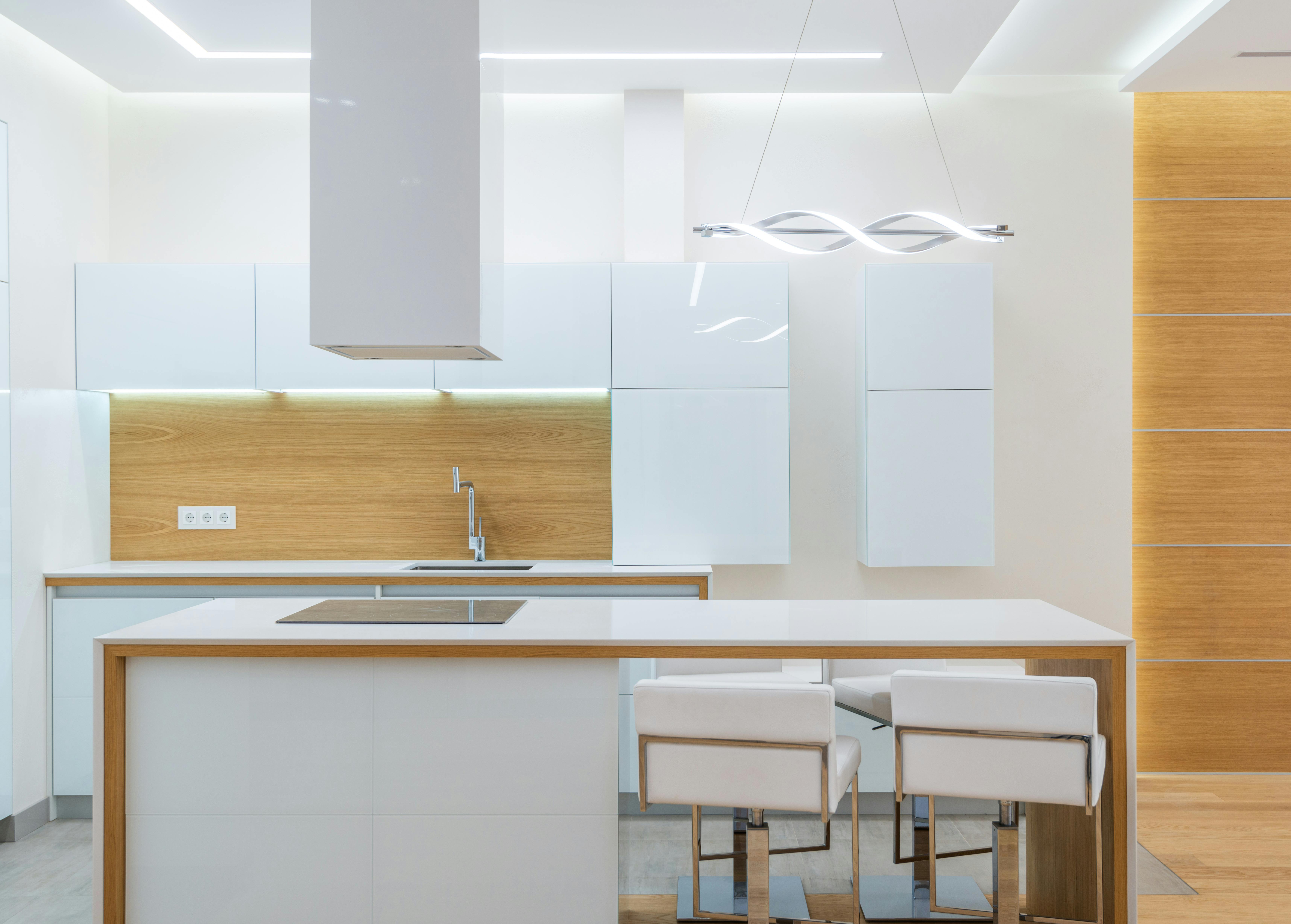
Kitchen counter with three chairs arranged along a bright yellow island

Kitchen Counter Seating Ideas

Kitchen counter seating works when the counter height, seat height, overhang and route behind the stools are planned together. Three chairs squeezed beneath a short island do not create three comfortable places, and a deep seat can obstruct the working side even when it looks compact. Decide whether the perch is for quick breakfast, conversation or regular meals, then test occupied stools with nearby drawers and appliances open. This guide focuses on the seating interface; Kitchen Island Ideas covers the island's broader role and Eat-In Kitchen Ideas compares counters with full dining tables.

Explore the guide →
Light stone-look kitchen worktop against simple cabinetry

Kitchen Countertop Ideas

Kitchen countertop ideas begin with a surface that can support the way the household actually cooks. Color and veining matter because the counter is a long, visible plane, but its finish, joints, edges and relationship to the sink and range affect every day of use. A dark worktop can give pale cabinets definition; a light one can make heavy cabinetry easier to read. Neither is automatically the practical choice. Compare full-size samples with cabinet fronts and backsplash, decide where an uninterrupted preparation run belongs, and check the care requirements of the exact material before committing.

Explore the guide →
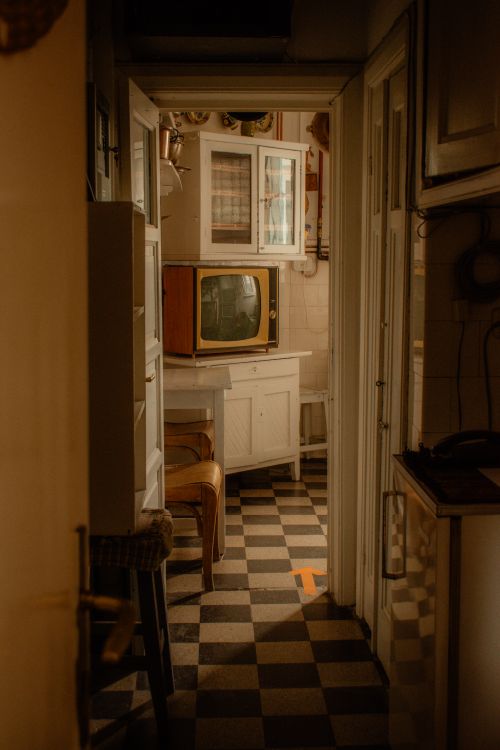
Vintage kitchen and dining corner with a visible checkerboard floor

Kitchen Flooring Ideas

Kitchen flooring has to carry foot traffic, chair movement, dropped utensils and routine cleaning while still belonging to the cabinets and adjoining rooms. The useful choice is not simply the hardest-looking material. Compare water response, slip characteristics, comfort, repairability, installation conditions and the way seams or boards meet the layout. Wood can make an open plan continuous; tile can handle a demanding work zone; a checkerboard pattern can give a modest kitchen strong structure. Test real samples with the cabinet, worktop and actual light before committing.

Explore the guide →
Contemporary kitchen with marble island and seating

Kitchen Island Ideas

Kitchen island ideas are useful only after the island has a job and the surrounding kitchen still works. A large stone centerpiece can look impressive in a photograph while interrupting the route between refrigerator, sink and range; a smaller table-height extension or peninsula may serve a household better. Decide whether the island is primarily for preparation, storage, seating or cleanup, then give those uses enough clear surface and comfortable circulation. Its material, lighting and visual weight can follow the plan rather than trying to rescue it.

Explore the guide →
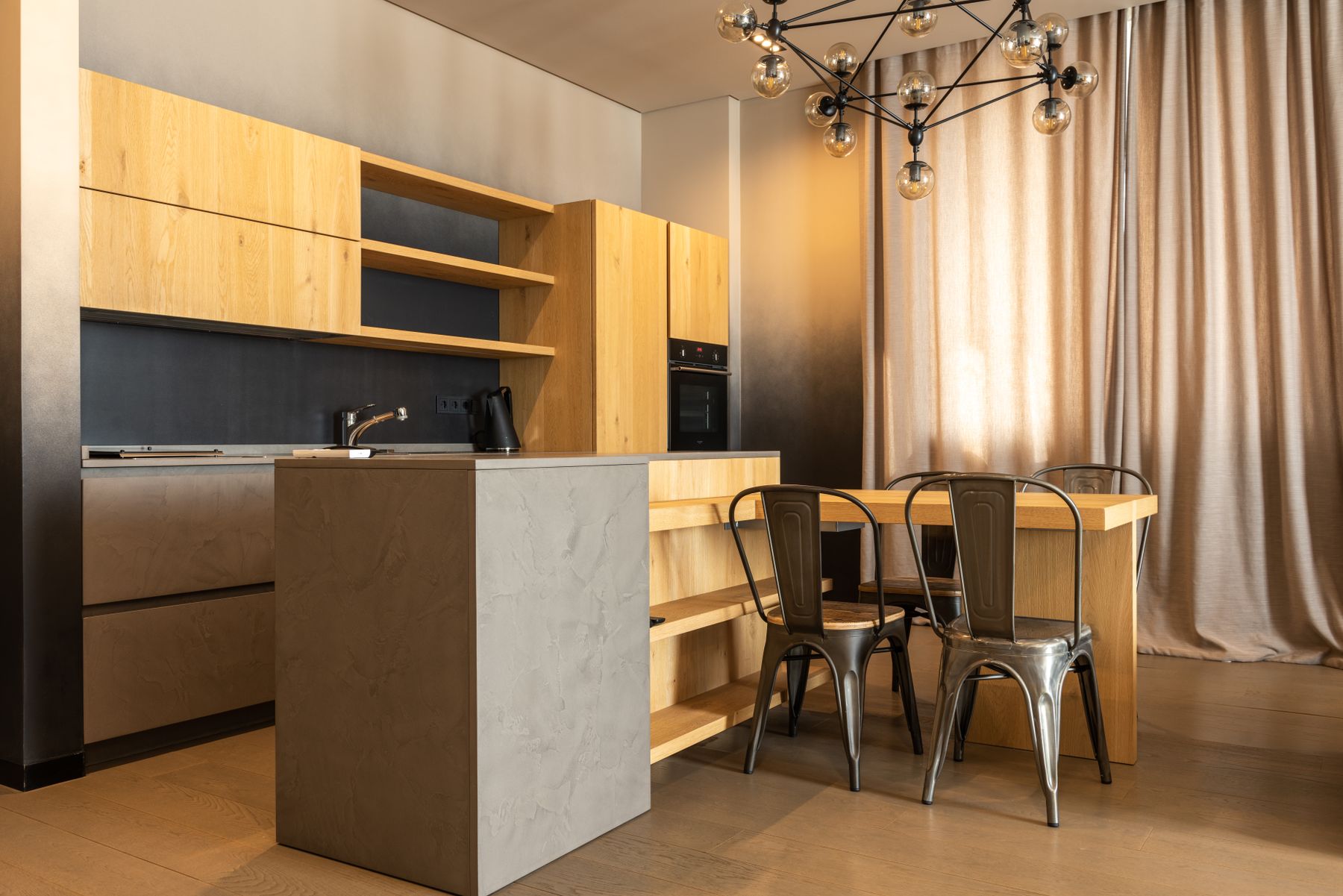
Wood and grey kitchen with a peninsula end and nearby dining table

Kitchen Layout Ideas

Kitchen layout ideas should be tested through movement rather than a diagram that looks balanced on paper. The refrigerator, sink, preparation surface, range and dining area form a sequence that changes with the household's routines. A one-wall run can be efficient when its counter is not fragmented; a galley can keep work close but needs a clear passage; a peninsula can add a surface where an island would block circulation. Compare these arrangements with appliance doors and chairs in use, then decide which layout protects the most useful preparation space.

Explore the guide →
Light kitchen with under-cabinet illumination and warm ambient light

Kitchen Lighting Ideas

Kitchen lighting ideas should begin with the work surface, not the pendant catalog. A bright central fixture can still leave the counter in shadow when someone stands between it and the food, while attractive island pendants may do little for the sink or range. A good plan gives preparation areas clear task light, supports movement with an ambient layer, then adds a softer setting for meals and evening use. Daylight and the finishes of cabinets and counters affect how those layers feel, so judge the scheme in the actual room rather than by fixtures in isolation.

Explore the guide →
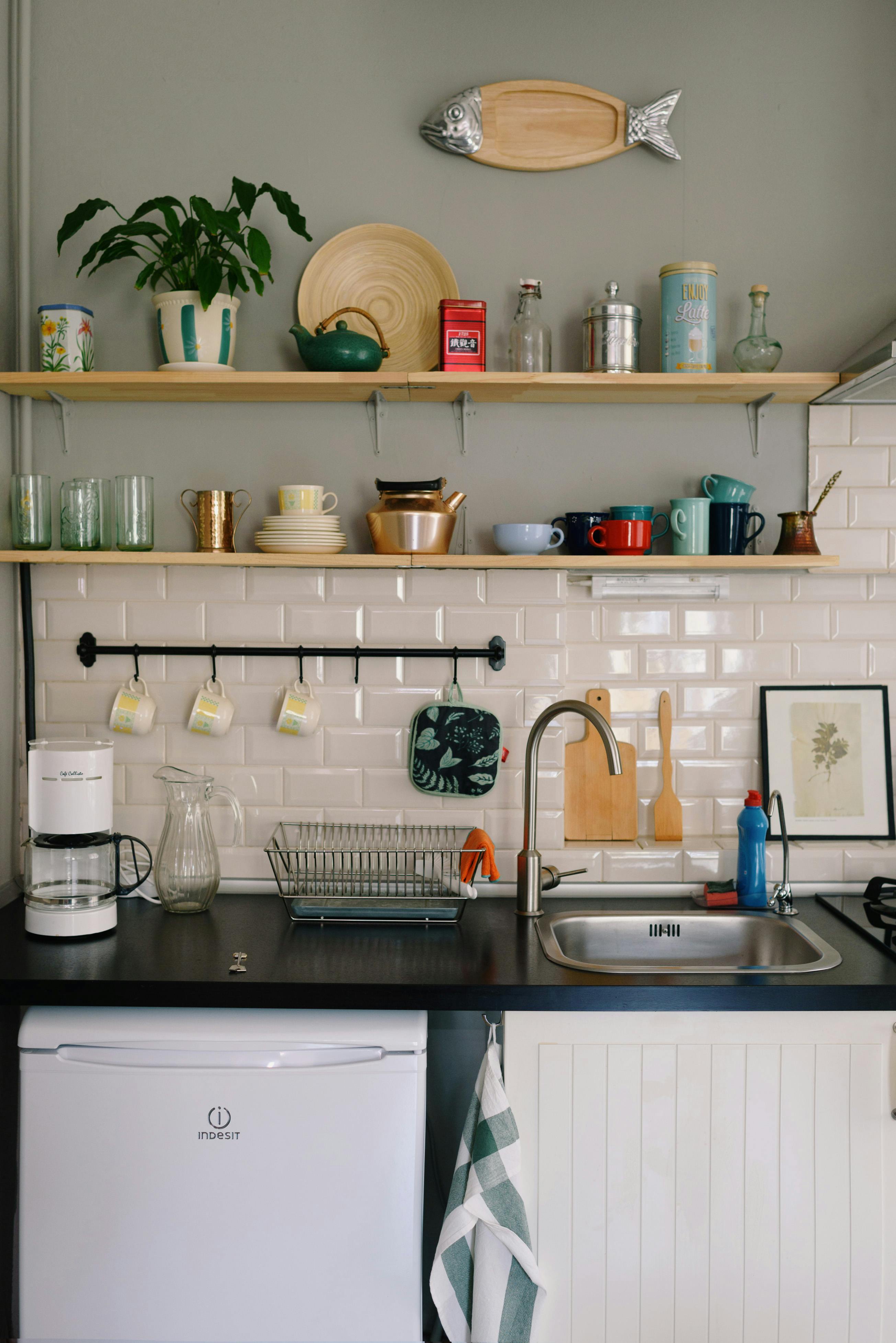
Open wood kitchen shelves holding everyday cups, bowls and glassware above a sink

Kitchen Shelving Ideas

Kitchen shelving works best when its location, depth and contents are decided together. A long shelf can make a small kitchen feel open, yet it may be harder to reach and clean than the upper cabinet it replaces. A short working shelf near the sink can keep cups useful; a shallow ledge can hold spices without swallowing the preparation area. Choose shelves for a specific task, verify structure and clearances, and limit visible inventory to things used often enough to stay clean. This guide focuses on shelf design and placement; Kitchen Storage Ideas covers the room's complete cabinet and pantry plan.

Explore the guide →
White kitchen with an apron-front sink, traditional faucet and simple cabinetry

Kitchen Sink Ideas

A kitchen sink should be chosen as part of the work sequence, not as an isolated feature. Bowl size affects the surrounding counter, cabinet and cleanup routine; mounting style changes the worktop edge; faucet reach and window clearance determine whether the setup is comfortable every day. Begin with the largest cookware, the way dishes are washed and where food is prepared, then coordinate the sink, faucet, drainage, waste and dishwasher. A beautiful sink is successful only when the cabinet support, worktop cutout and plumbing are resolved for the exact model.

Explore the guide →
Green kitchen with cabinets, open shelves and integrated lighting

Kitchen Storage Ideas

Kitchen storage ideas should make the things used every day easier to reach, not simply add more cupboards. A deep cabinet in the wrong place can hold a great deal and still make cooking slower, while a smaller drawer beside the preparation surface may solve a daily frustration. Plan storage around the route from pantry and refrigerator to sink, worktop and range. Then choose where closed cabinetry, a tall pantry and a limited amount of open shelving each earn their space. This guide addresses the kitchen's storage architecture; the Small Kitchen guide concentrates on fitting the whole room into a tighter footprint.

Explore the guide →
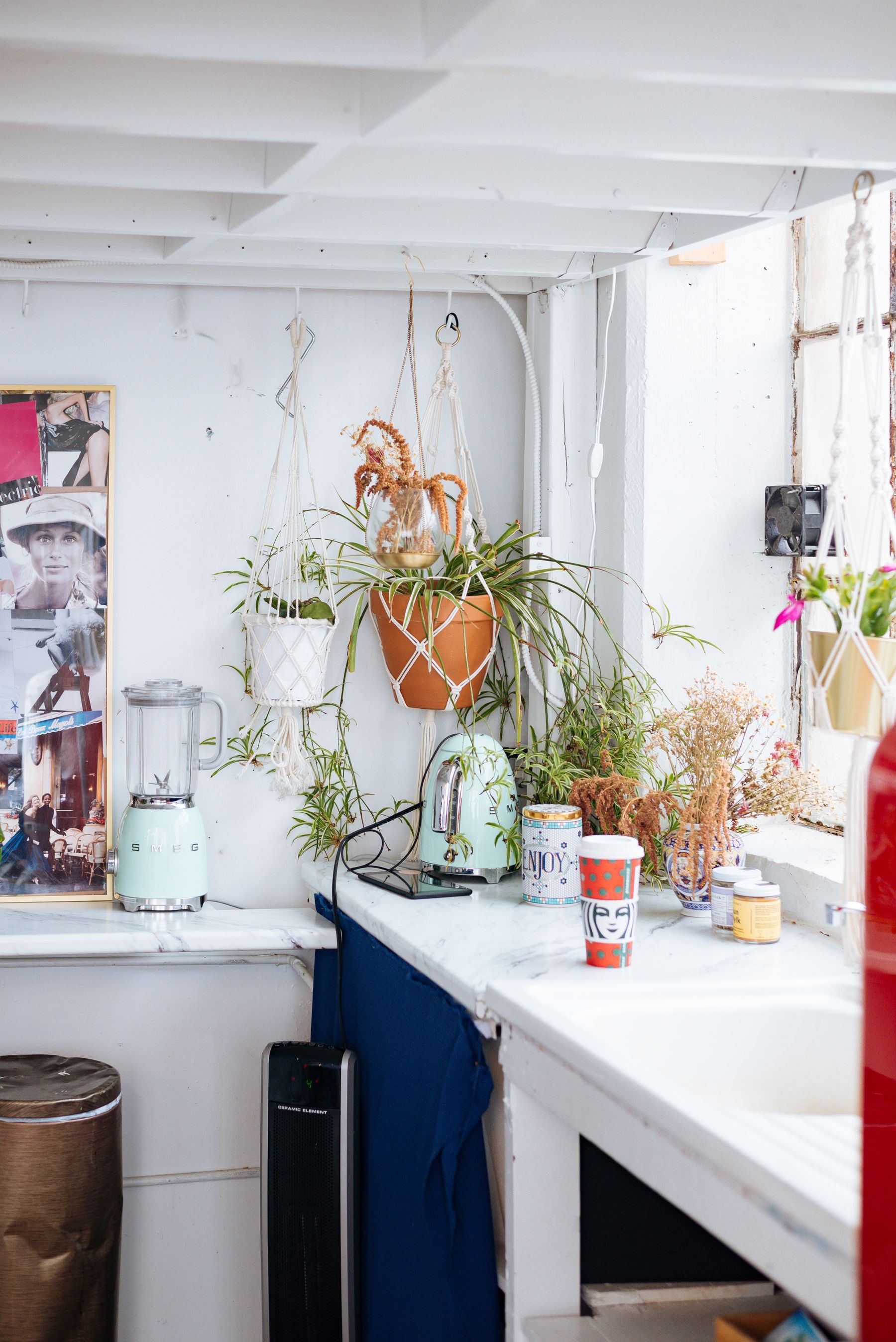
Bright kitchen corner with hanging planters, pale counters, blue fabric and small appliances

Boho Kitchen Ideas

Boho kitchen ideas work best when the room feels collected rather than decorated all at once. Wood, woven fibers, plants, ceramics, pattern and color can all belong in the same kitchen, but they need enough clear working space around them to remain enjoyable. The strongest bohemian kitchens usually begin with one substantial natural material, then add a few personal layers that are useful, washable and easy to change as the room evolves.

Explore the guide →
Warm farmhouse kitchen with dining table, island, natural light and visible food preparation

Farmhouse Kitchen Ideas

Farmhouse kitchen ideas work best when usefulness comes before nostalgia. The style can include framed cabinetry, timber, apron-front sinks, open shelving and substantial tables, but none of those elements should feel like decoration for its own sake. The strongest farmhouse kitchens combine practical work surfaces, furniture-like proportions and materials that are comfortable with everyday wear, then let warmth come from use rather than from themed accessories.

Explore the guide →
Dark modern kitchen with black cabinetry, central island and warm pendant lighting

Gothic Kitchen Ideas

Gothic kitchen ideas work best when the room draws on a few deliberate architectural and material cues rather than simply becoming dark. Pointed forms, carved furniture, deep timber, metalwork, veined stone and controlled contrast can create a dramatic atmosphere while the kitchen remains practical to cook in. This guide combines one clearly labeled AI concept with real photographic references for individual ingredients; the photographs are not presented as verified historical or Gothic interiors.

Explore the guide →
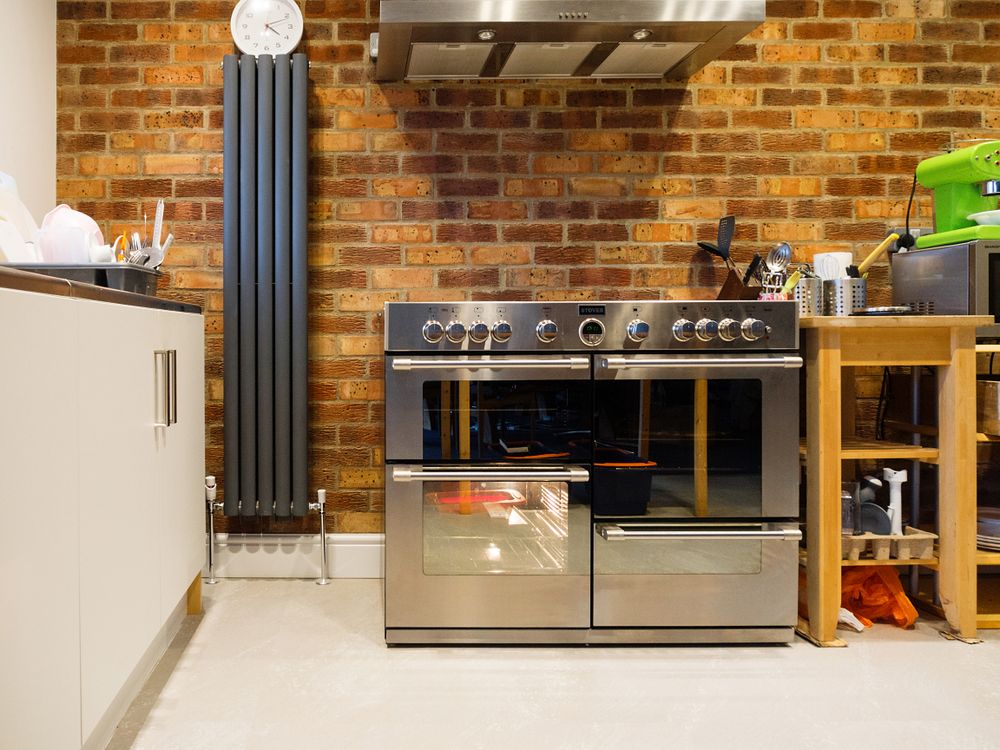
Industrial kitchen with exposed brick, stainless steel oven, contemporary appliances and practical metal details

Industrial Kitchen Ideas

Industrial kitchen ideas work best when the materials feel structural rather than themed. Steel, dark metal, timber, concrete, brick and stainless steel can give a room weight and clarity, but the strongest schemes use those materials where they make practical sense. Warm wood, good task lighting and softer seating keep the kitchen residential, while visible construction details add character without relying on decorative gears, pipes or faux workshop props.

Explore the guide →
Minimal wood-led kitchen with clean cabinetry, open shelving, warm tones and restrained everyday objects

Japanese Kitchen Ideas

Japanese kitchen ideas are most useful when they are approached through function, proportion and material restraint rather than through decorative shorthand. There is no single Japanese kitchen look, and this guide does not treat pale wood, slatted screens or ceramic bowls as proof of cultural authenticity. Instead, it focuses on practical principles that translate well to many homes: a clear preparation sequence, compact storage, quiet materials, carefully framed transitions and everyday objects that earn their place.

Explore the guide →
Kitchen with pale counters, muted green cabinetry, black pendants and stools with wooden legs

Mid-Century Kitchen Ideas

Mid-century kitchen ideas are most convincing when the room borrows the era's proportions, materials and silhouettes rather than trying to recreate a period set. Warm timber, restrained geometry, sculptural lighting, muted color and furniture with tapered or curved forms can all bring the character into a contemporary kitchen. The strongest schemes choose one or two of those signals, keep the working layout current and let modern appliances remain practical.

Explore the guide →
Minimalist white and wood kitchen with clean cabinetry, open floor area and restrained lighting

Minimalist Kitchen Ideas

Minimalist kitchen ideas are most convincing when subtraction improves how the room works. The goal is not an empty kitchen or a perfectly bare worktop; it is a space where storage, circulation and materials are clear enough that everyday objects do not have to compete with the architecture. A successful minimalist kitchen hides visual noise, protects useful negative space and relies on a few well-chosen surfaces rather than constant decoration.

Explore the guide →
Warm rustic kitchen with wooden cabinetry, natural counters, open storage and everyday kitchen objects

Rustic Kitchen Ideas

Rustic kitchen ideas are strongest when texture feels useful rather than theatrical. Wood grain, stone, pottery, metal and simple textiles can give a kitchen depth, but they need quiet surfaces around them so the room does not become visually heavy. A convincing rustic kitchen usually chooses one or two substantial natural materials, lets them age honestly and keeps the busiest working areas practical to clean and use.

Explore the guide →
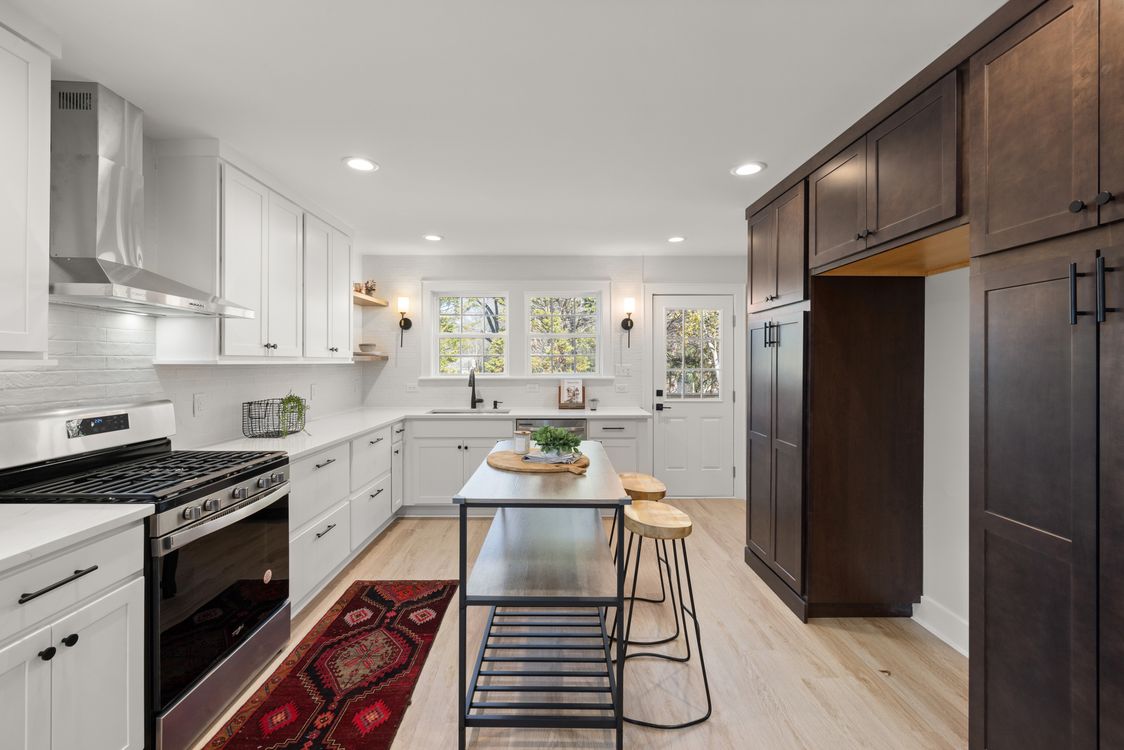
Warm compact kitchen with white cabinetry, wood flooring, practical storage and a small dining perch

Small Kitchen Ideas

Small kitchen ideas work best when every decision improves movement, preparation or storage rather than simply trying to make the room look larger. A compact kitchen can be highly functional when the main work sequence is short, one real preparation surface is protected and storage is concentrated where it has the most capacity. The strongest schemes also leave deliberate breathing room: visible wall, floor or daylight can be as valuable as one more cabinet.

Explore the guide →
Spacious modern wood kitchen with island, pale worktops and pendant lighting

Wood Kitchen Ideas

Wood kitchen ideas can feel calm, architectural, rustic or highly contemporary depending on the grain, tone and surrounding materials. Timber adds warmth before any decorative layer is introduced, but it also brings visual movement, so the strongest schemes decide early how much wood the room can carry. The useful questions are not only which species to choose, but where the wood should dominate, how the grain should run and which stone, metal and lighting will allow it to stay legible.

Explore the guide →
Modern kitchen with yellow and grey cabinetry, clean worktops and restrained contemporary styling

Yellow Kitchen Ideas

Yellow kitchen ideas are most successful when the color is treated as a material decision rather than a cheerful afterthought. Butter yellow can behave almost like a warm neutral, ochre adds earthiness, mustard creates a stronger focal point and brighter yellow brings more graphic energy. The useful question is not whether yellow belongs in a kitchen, but how much of it the room can carry and which surrounding materials will make it feel deliberate.

Explore the guide →
Minimal black kitchen with a central island, dark cabinetry and warm pendant lighting

Black Kitchen Ideas

Black kitchen ideas work best when darkness is treated as a material strategy rather than a single paint choice. Matte cabinetry, blackened timber, dark stone and metal can create a calm architectural envelope, but the room still needs contrast, reflected light and variation in surface. The most convincing black kitchens make a few large decisions clearly: where the darkest mass belongs, where the eye gets visual relief and which materials are allowed to interrupt the black.

Explore the guide →
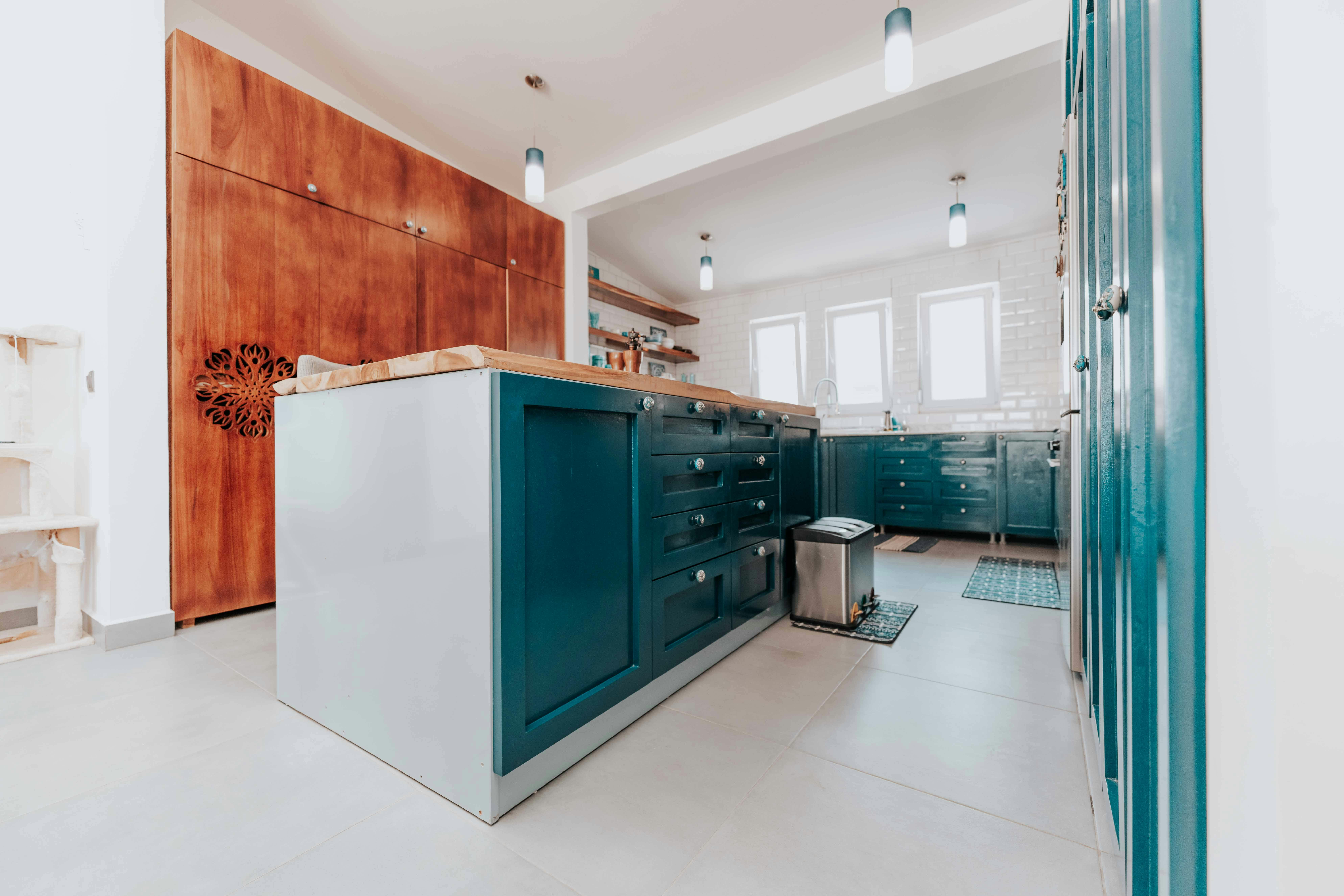
Spacious modern blue kitchen with warm wood accents, central island and ambient lighting

Blue Kitchen Ideas

Blue kitchen ideas can feel crisp, calm or deeply dramatic depending on how much grey, green or black sits inside the color. Pale blue can behave almost like a neutral, teal introduces more warmth and movement, and navy can give cabinetry the same architectural weight as black with a softer edge. The most successful rooms choose the depth of blue first, then build the stone, timber, metal and lighting around it.

Explore the guide →
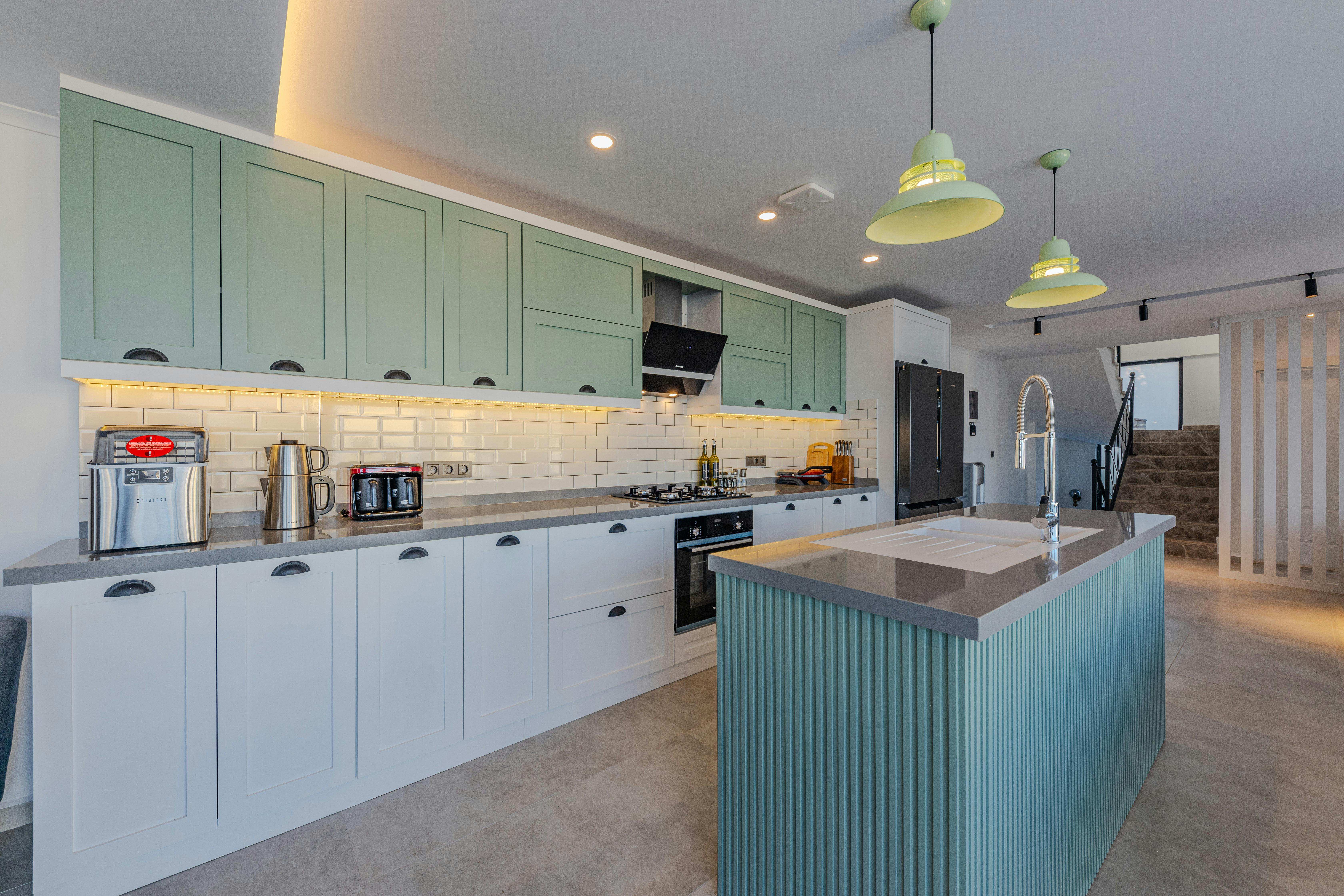
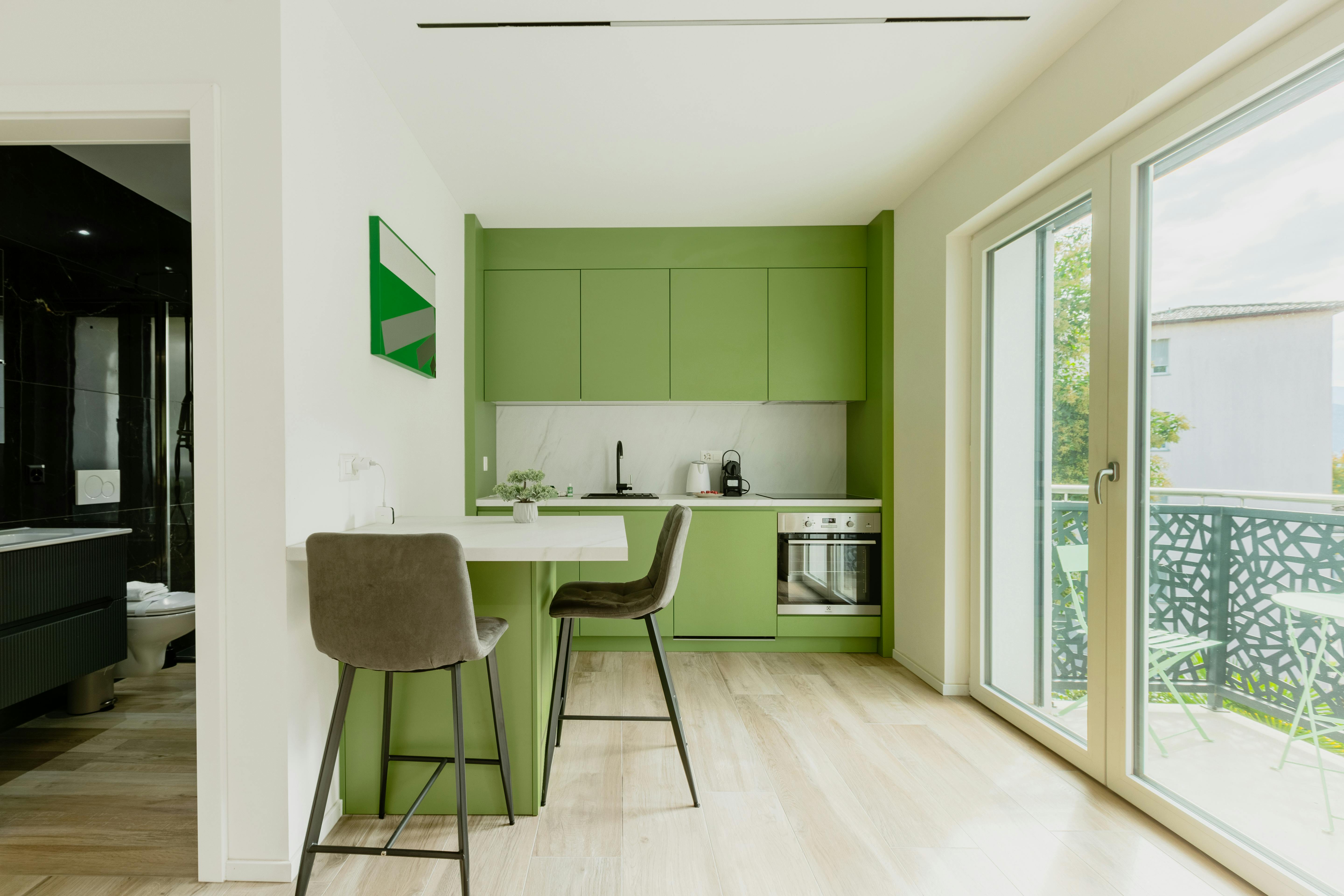
Bright modern kitchen with green cabinetry, pale worktops and natural daylight

Green Kitchen Ideas

Green kitchen ideas can move from quiet and almost neutral to rich and architectural. Sage and muted olive sit comfortably beside timber and warm stone, while deeper forest green can give cabinetry the same visual authority as navy or black. The useful starting point is not simply choosing green, but deciding whether the room needs softness, depth or contrast and then building the surrounding materials around that decision.

Explore the guide →
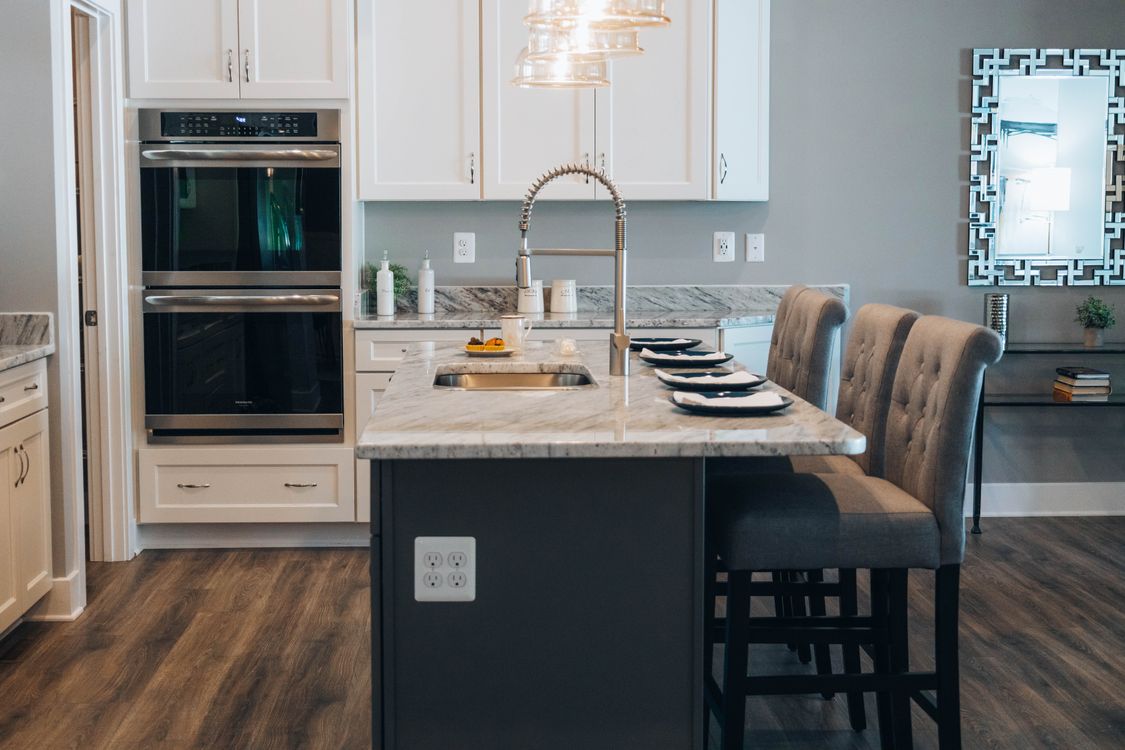
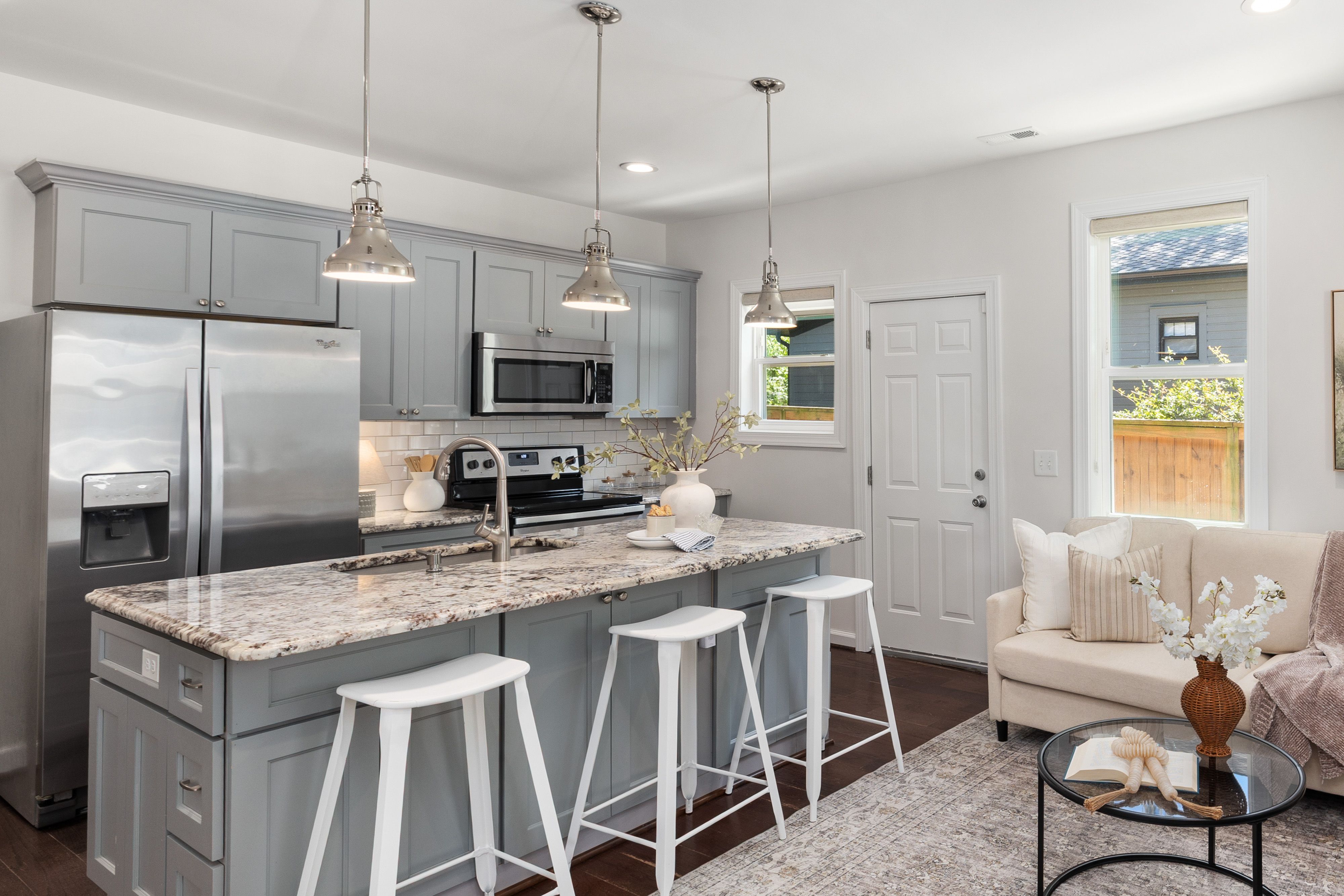
Bright grey kitchen with a granite island, pendant lights and stainless steel appliances

Grey Kitchen Ideas

Grey kitchen ideas work best when grey is treated as a range of undertones, materials and light levels rather than one flat color. Pale mushroom greys can feel calm and airy, mid greys can give cabinetry more definition, and charcoal can create strong architectural contrast. The useful question is not simply whether grey suits a kitchen, but which grey belongs beside the floor, worktop, timber and daylight already in the room.

Explore the guide →
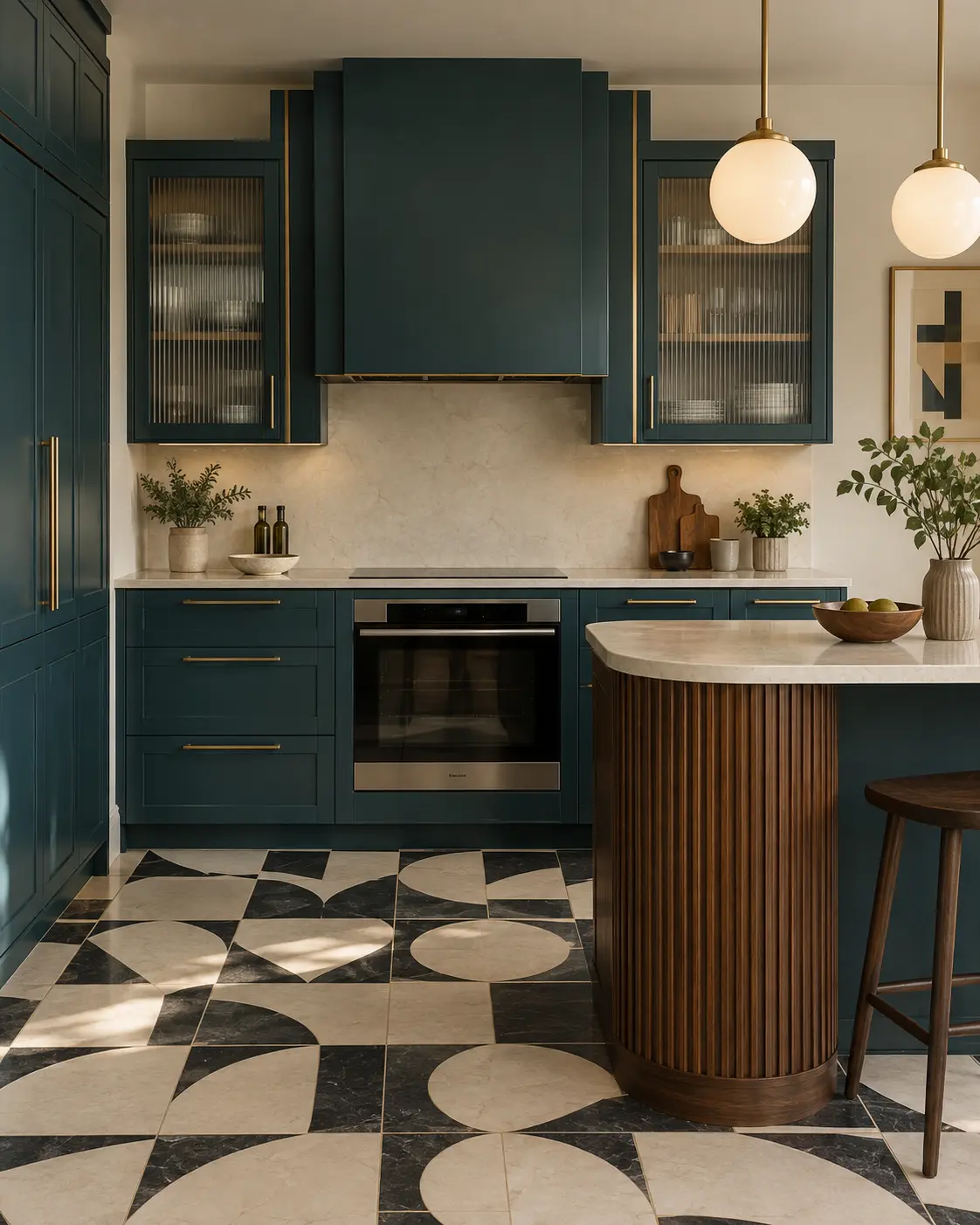
AI-generated Art Deco-inspired kitchen with teal cabinets, reeded glass, brass details and a curved fluted peninsula

Art Deco Kitchen Ideas

Art Deco kitchen ideas work best when geometry, proportion and polished materials are given a clear hierarchy. Rich cabinet color, reeded glass, warm metal, curved or stepped forms and graphic pattern can all belong in the same room, but they should not all demand equal attention. This guide adapts those ideas to a contemporary working kitchen. The hero is explicitly an AI-generated concept visualization; the photographic references below illustrate individual material or lighting relationships rather than documenting verified period interiors.

Explore the guide →
Bright kitchen with soft blue cabinetry, pale worktops and natural light

Coastal Kitchen Ideas

Coastal kitchen ideas are most convincing when they feel light, tactile and connected to natural materials rather than decorated with obvious nautical motifs. Pale cabinetry, soft blue-green color, warm timber, quiet stone and woven texture can create the relaxed atmosphere without anchors, rope or beach signs. The strongest schemes begin with daylight and material balance, then use color sparingly enough that the kitchen still feels architectural.

Explore the guide →
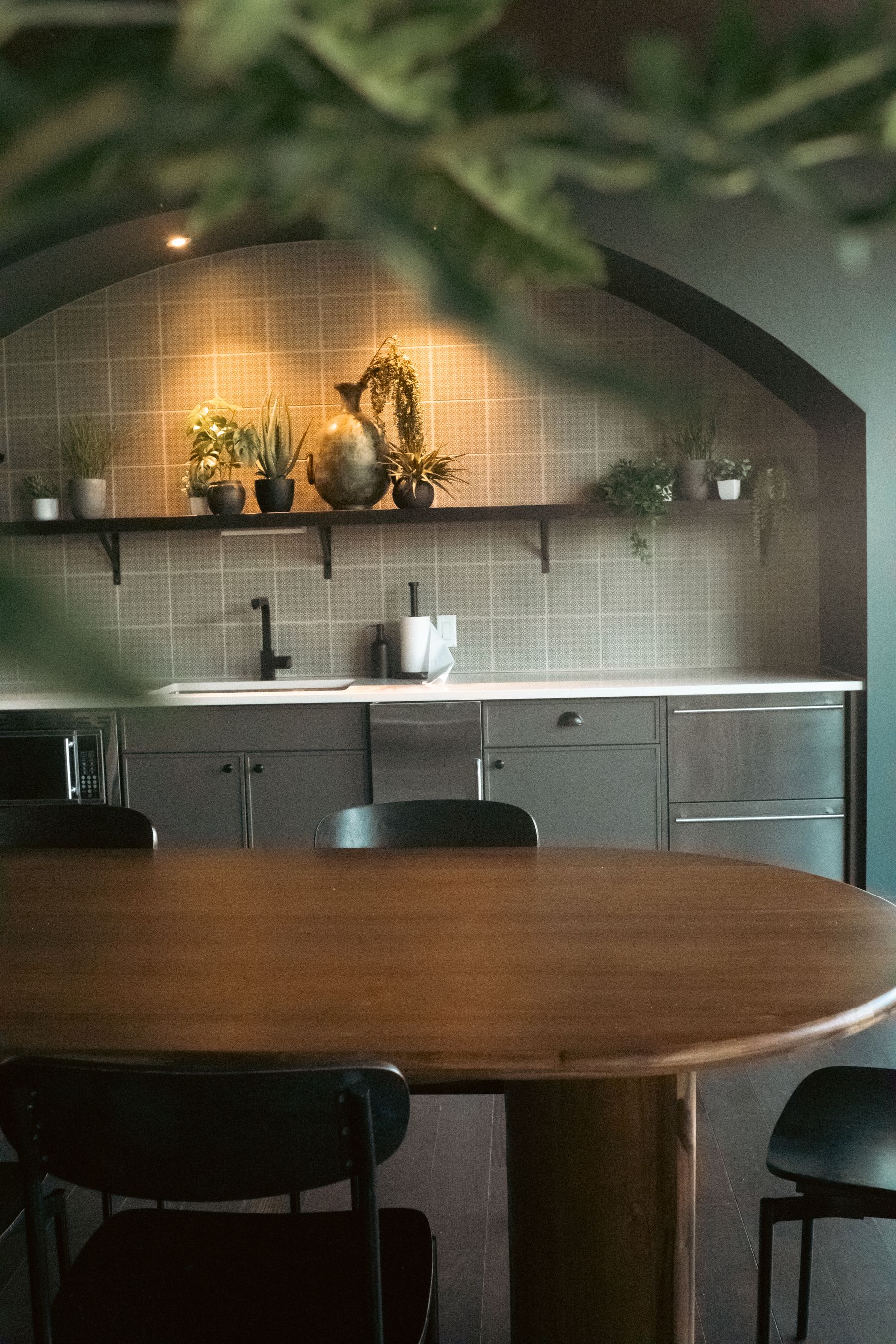
Dark kitchen cabinetry below a tiled arch and planted shelf, with a rounded wooden table

Contemporary Kitchen Ideas

Contemporary kitchen ideas allow more freedom than strict minimalism or a narrowly defined period style. The room can combine simple cabinetry with expressive stone, curved furniture, darker color, warm timber and sculptural lighting as long as the hierarchy remains clear. The strongest contemporary kitchens feel current because the proportions, materials and relationships are resolved, not because they contain every new finish at once.

Explore the guide →
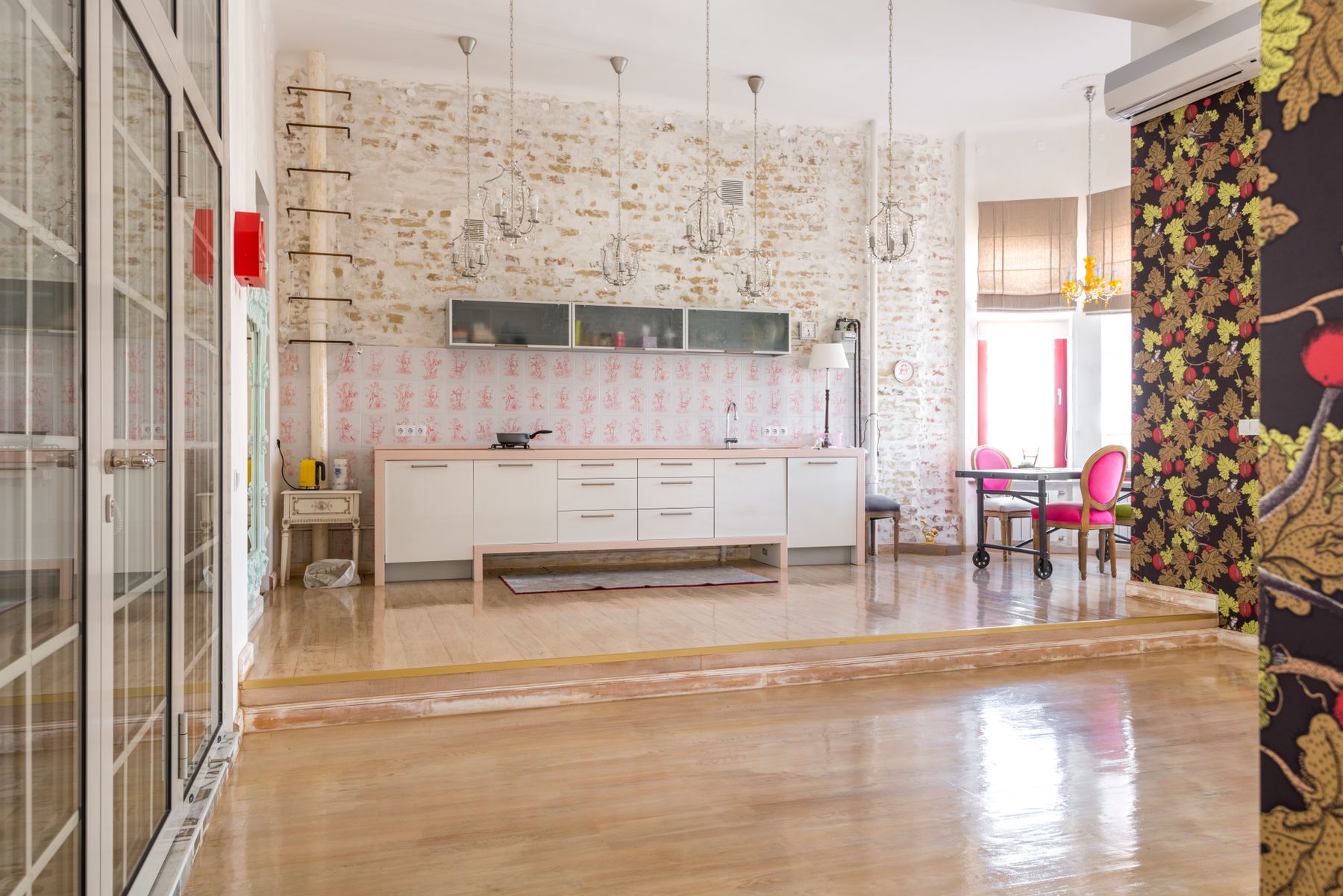
White kitchen with exposed pale brick, patterned backsplash, chandelier forms and pink dining chairs

Eclectic Kitchen Ideas

Eclectic kitchen ideas succeed when different pieces have a visible reason to belong together. An older table can sit beside new cabinetry, a patterned backsplash can meet a restrained worktop and sculptural lighting can coexist with simple storage when color, material, proportion or spacing creates a relationship between them. The goal is not maximum variety. It is a room where contrast feels intentional and the practical work zones remain clear.

Explore the guide →
Calm white-and-wood kitchen with clean cabinetry, restrained lighting and a quiet material palette

Japandi Kitchen Ideas

Japandi kitchen ideas are strongest when restraint comes from proportion, storage and material hierarchy rather than from collecting recognizable style symbols. Warm wood, quiet worktops, selective dark contrast, simple cabinetry and a few tactile objects can create a calm kitchen without making the room empty. The photographs in this guide illustrate individual design relationships rather than claiming that every pictured interior belongs to one verified named style.

Explore the guide →
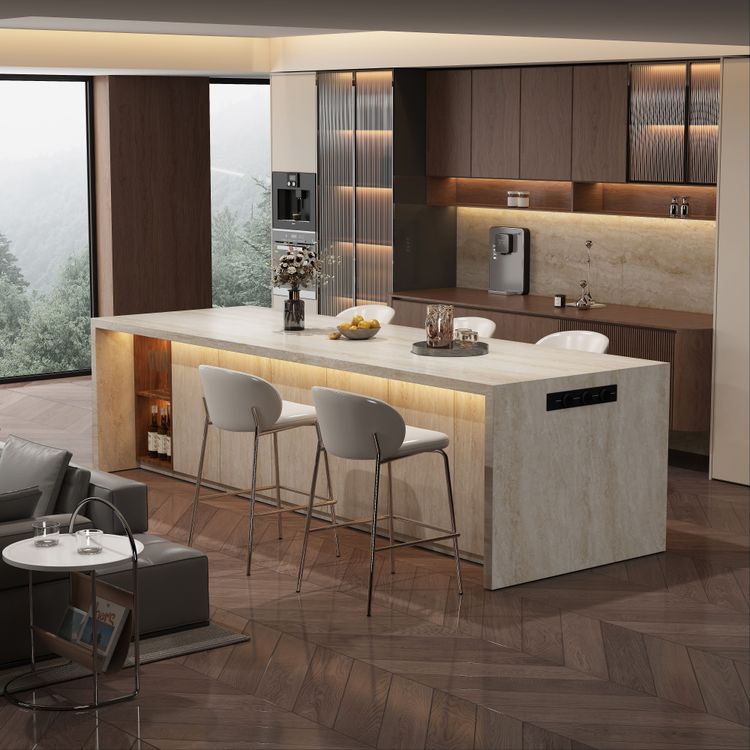
High-end modern kitchen with marble island, integrated cabinetry, seating and a large forest-facing window

Luxury Kitchen Ideas

Luxury kitchen ideas are most convincing when the value is visible in proportion, material quality, joinery and lighting rather than in an accumulation of expensive-looking features. A well-resolved island, carefully matched stone, precise cabinetry, comfortable seating and appliances integrated into the architecture can make a kitchen feel substantial without becoming ostentatious. The strongest schemes invest in the largest, hardest-to-change decisions first and use decorative details more selectively.

Explore the guide →
Spacious modern kitchen with white and dark wood cabinetry, central island and clean architectural lines

Modern Kitchen Ideas

Modern kitchen ideas are strongest when the room is organized before it is decorated. Clear cabinet geometry, controlled material changes, integrated storage and layered lighting do more to create a modern kitchen than any single color or appliance. The best examples also avoid sterility: timber, tactile stone, softer seating and one deliberate warm counterpoint keep clean lines connected to everyday life.

Explore the guide →
Retro kitchen with bold yellow cabinetry, vintage stove, patterned tile and warm nostalgic lighting

Retro Kitchen Ideas

Retro kitchen ideas work best when the room borrows a confident color, graphic pattern or recognizable silhouette without trying to reproduce an entire decade. A warm counter, checked floor, colored cabinet run or globe light can establish the direction while current appliances and storage remain practical. The strongest retro kitchens choose a small palette, give the boldest feature enough room and avoid filling every surface with nostalgic motifs.

Explore the guide →
Warm Scandinavian kitchen with natural light, wooden furniture and a bright, relaxed palette

Scandinavian Kitchen Ideas

Scandinavian kitchen ideas are strongest when brightness, practicality and warmth arrive from the same decisions. Pale timber, simple cabinetry and light walls are familiar ingredients, but the room also needs comfortable dining, useful storage, enough texture and a little color to avoid feeling sterile. The best examples are easy to live with: everyday objects can remain visible when they have a purpose, while the working surfaces stay clear enough for cooking.

Explore the guide →
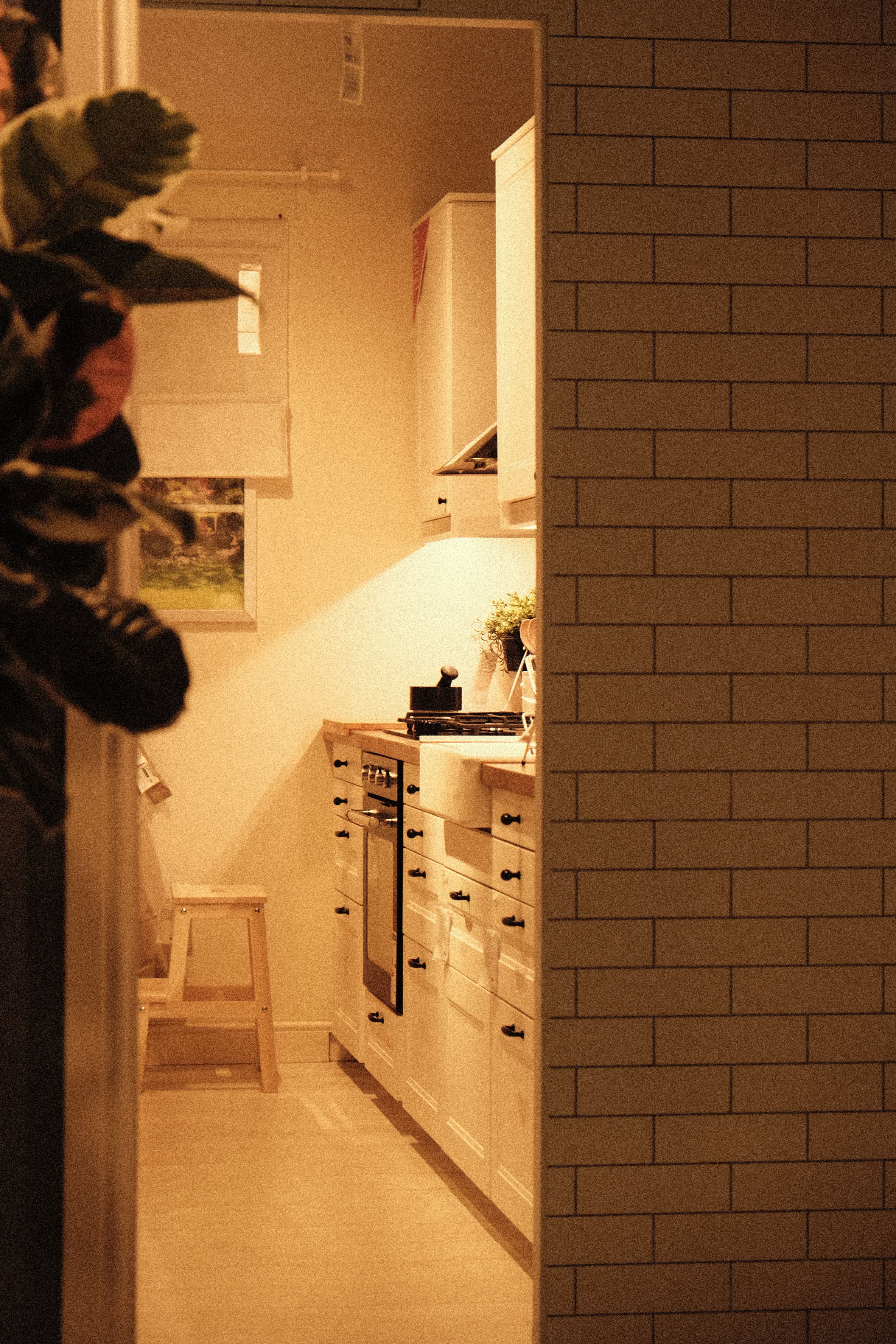
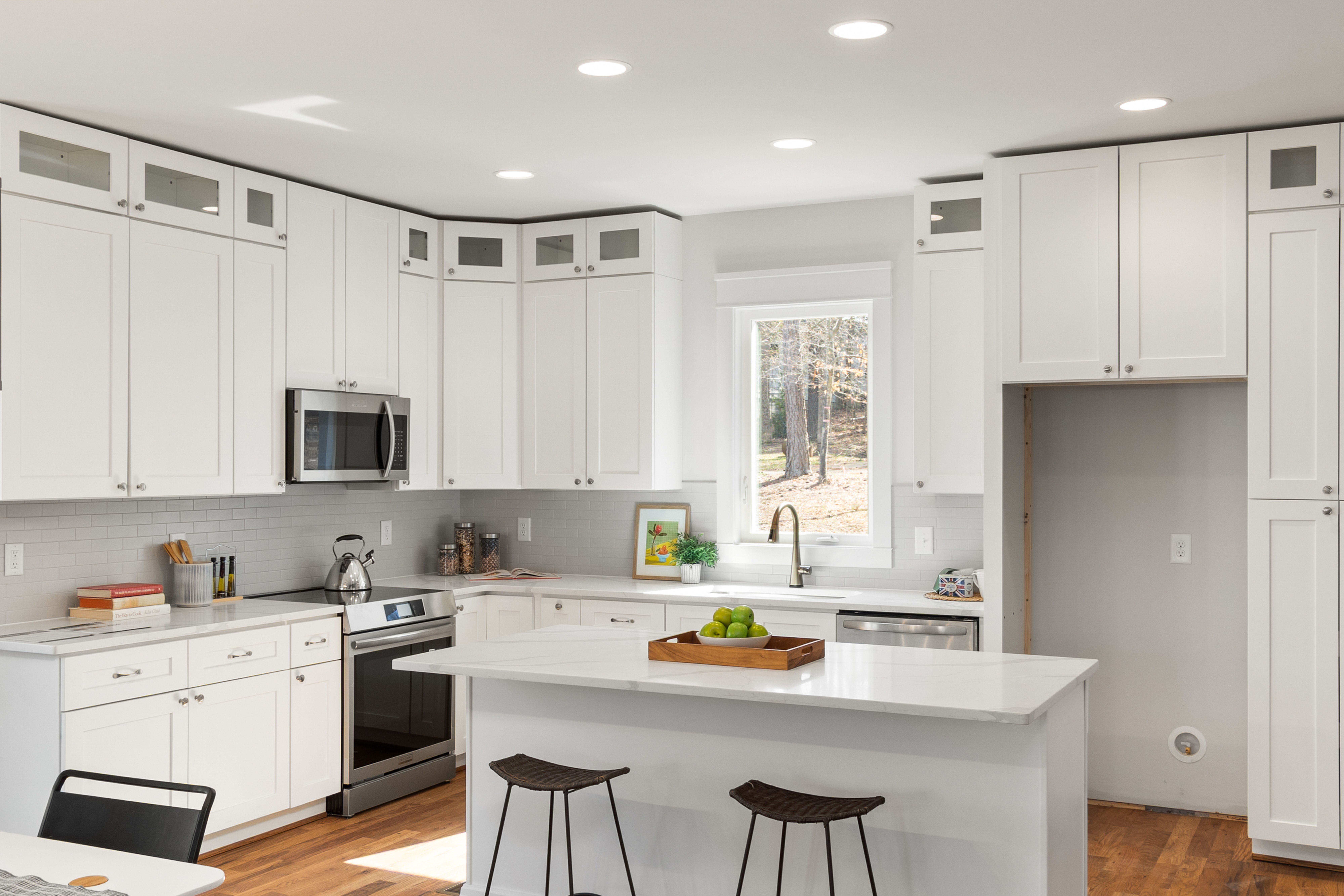
Classic white kitchen with paneled cabinet doors, pale veined worktops and restrained traditional detailing

Traditional Kitchen Ideas

Traditional kitchen ideas work best when proportion, storage and material continuity do more of the work than ornament. Framed doors, useful furniture, a substantial table, repeated hardware and carefully chosen trim can make a room feel settled without becoming overly formal. The strongest schemes decide where detail matters, keep the busiest work areas practical and allow modern appliances to remain straightforward.

Explore the guide →
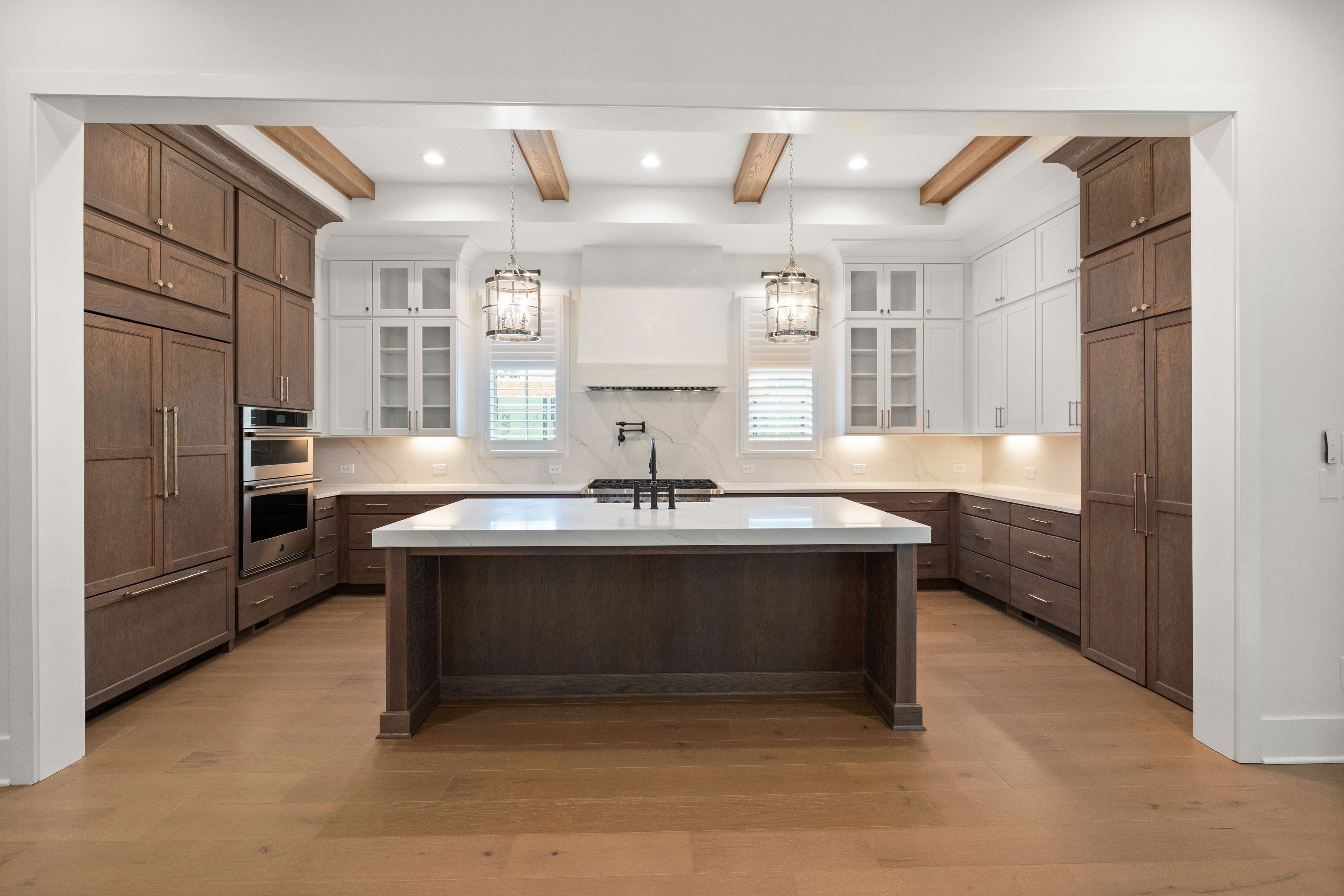
Ornate cream kitchen with paneled cabinetry, framed cooking area, island and decorative traditional details

Victorian Kitchen Ideas

Victorian kitchen ideas are most useful when period character is translated into present-day routines rather than recreated literally. Pantry storage, substantial worktables, detailed dressers, dark timber, patterned surfaces and visible kitchenware can all inform the room, but they need modern lighting, safe appliances and practical work zones around them. This guide distinguishes between historical evidence and contemporary references so the result can feel layered without pretending to be a museum reconstruction.

Explore the guide →
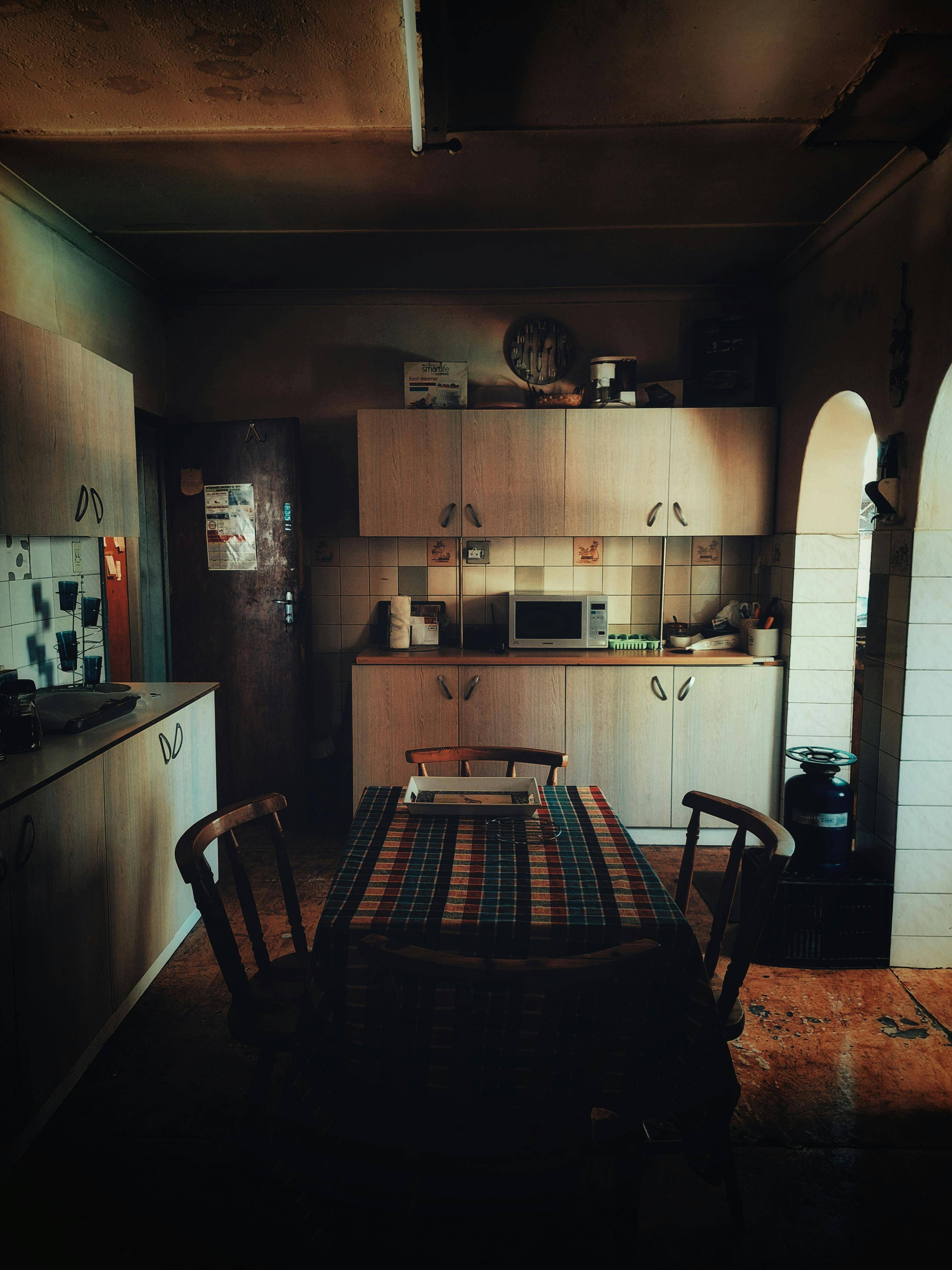
Warm vintage-style kitchen with wooden cabinetry, a plaid-covered table and softly aged finishes

Vintage Kitchen Ideas

Vintage kitchen ideas feel strongest when the room contains a few genuinely characterful elements rather than a complete set of reproduction pieces. An older cupboard, worn timber table, muted cabinet color, original-looking tile or collected kitchenware can establish the mood while modern appliances and work surfaces keep the room practical. The aim is to let age and patina contribute to the kitchen without turning everyday use into a historical reenactment.

Explore the guide →