Start With the Seating Relationship
Arrange the main sofa and additional chairs so people can speak without turning awkwardly or leaning across a large gap. The television may still be visible, but it need not control every angle. Decide how many people use the room regularly and test the route around the seating group. A chair that looks good in a plan can become an obstacle if it blocks the entry or a door.
Choose a Sofa for the Room, Not the Catalog
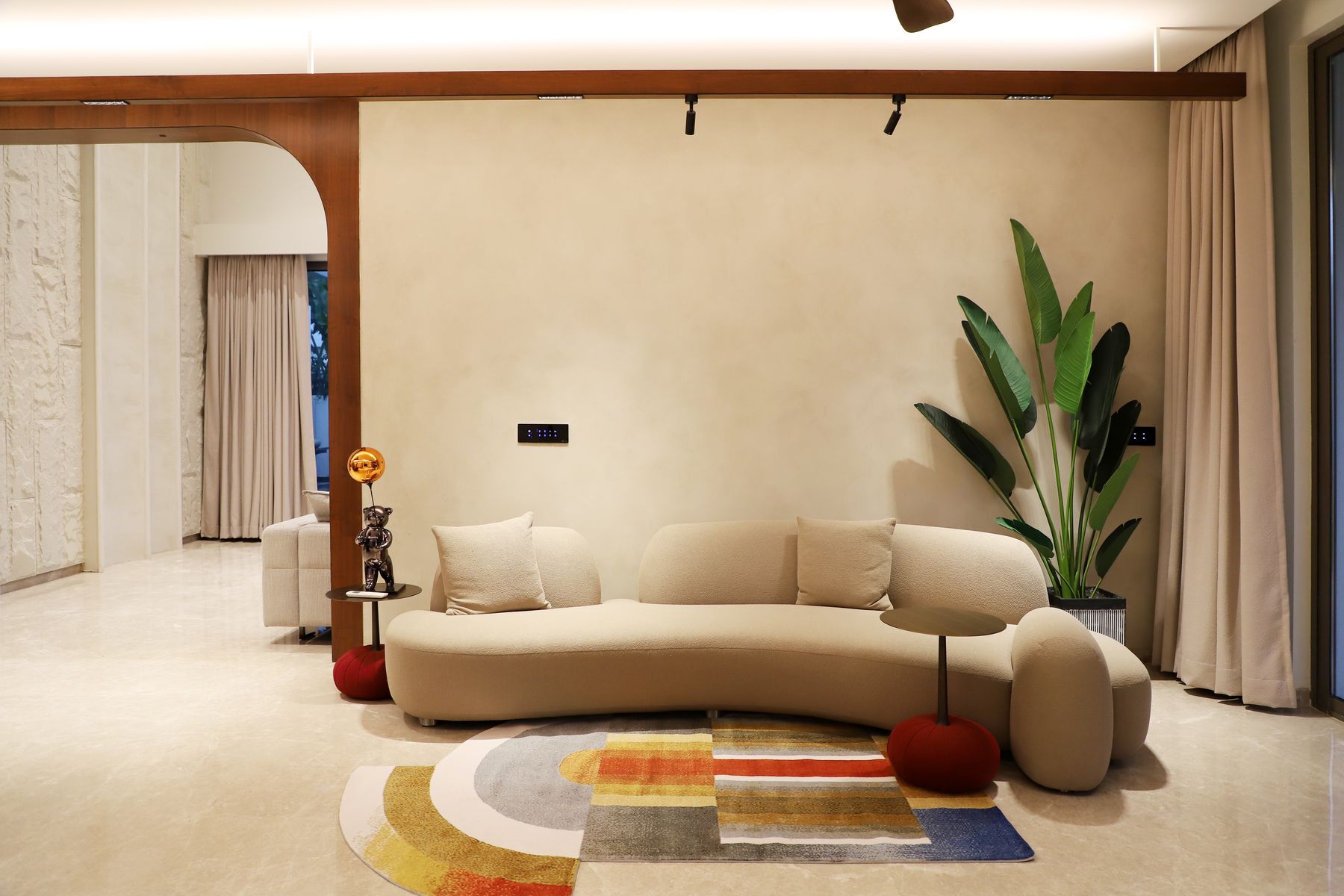
A sofa is usually the largest piece in the living room, so its length, depth and shape determine the remaining circulation. A curved form can make a spacious room feel more social, while a straighter compact sofa may protect more floor in a narrow plan. Consider how people actually sit, recline or gather, and leave a usable path behind or beside the sofa. The right scale matters more than a fashionable silhouette.
Let the Rug Hold the Group Together
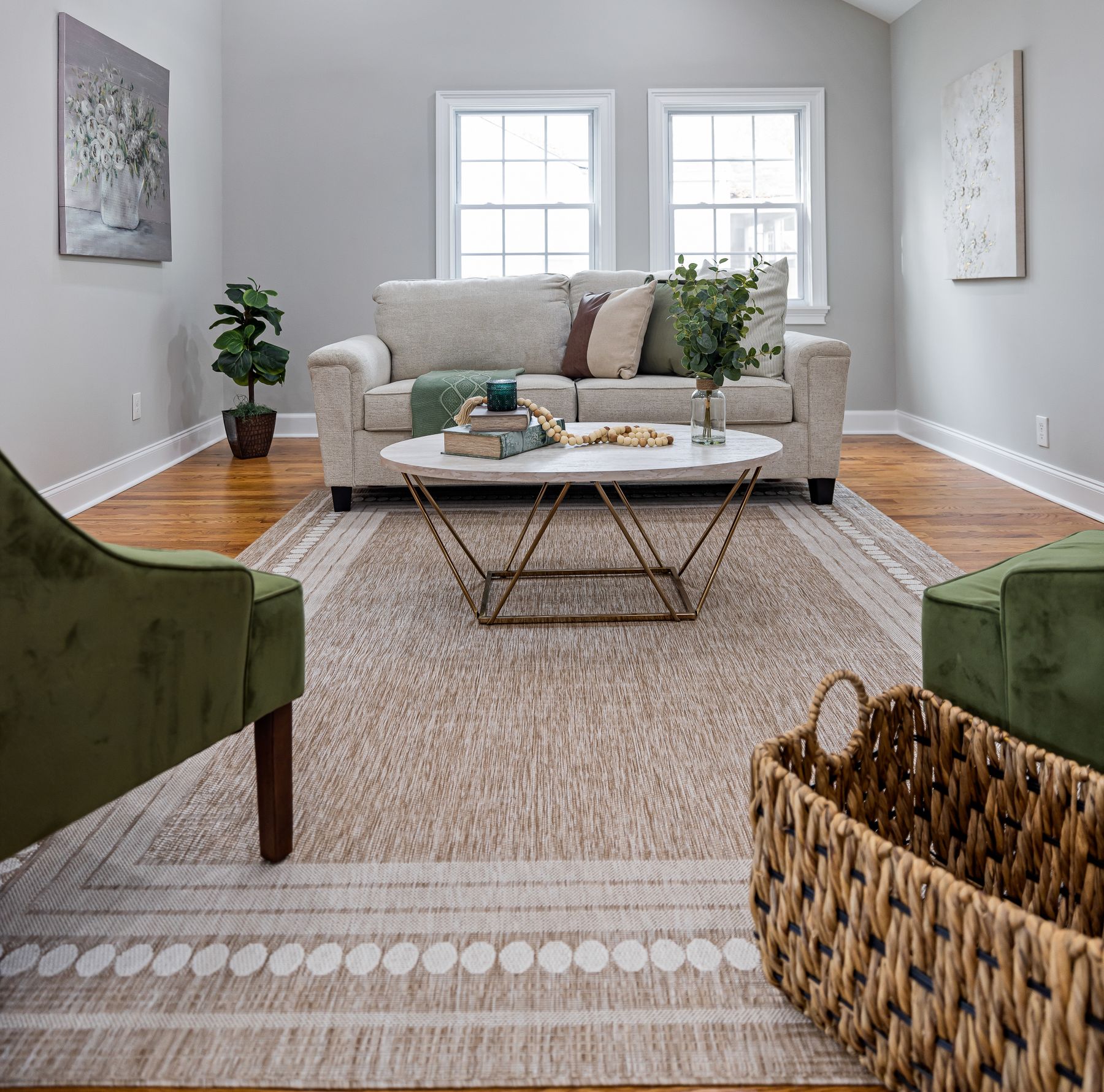
A rug can establish the boundary of the sitting area, especially in an open room. It should relate to the furniture footprint rather than float as a small mat under only the coffee table. Pattern and pile also affect cleaning, comfort and how chairs move. Test a real sample against the floor and upholstery before choosing a pale tone from a photograph alone.
Give the Fireplace a Clear Supporting Role
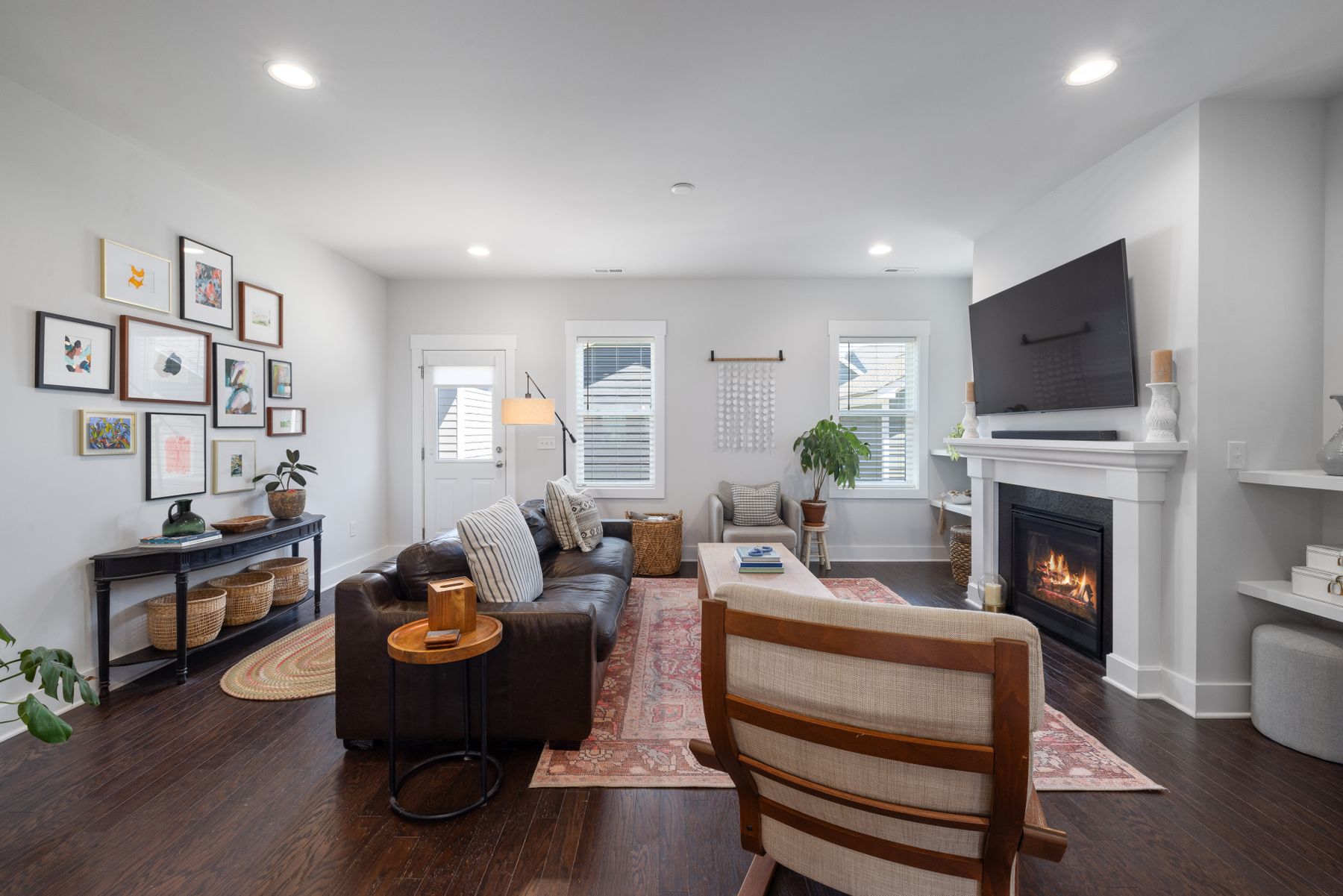
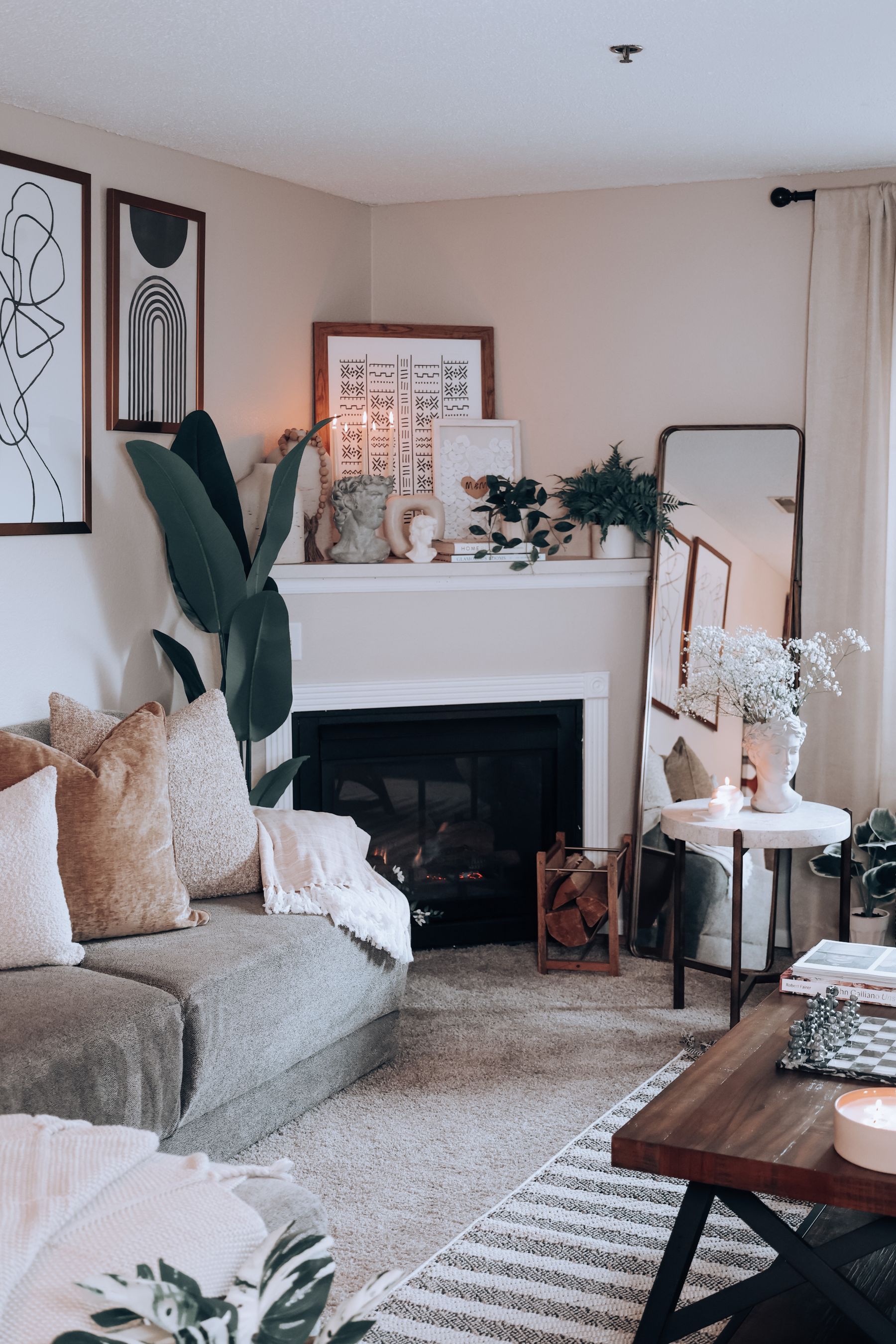
A fireplace is a natural focal point, but it does not require every sofa and chair to face it directly. Position the seating for conversation and views, then let the mantel and wall finish support that arrangement. Limit competing objects around the firebox so the architectural feature remains readable. If it is a working fireplace, follow the actual clearance and installation requirements for its type rather than copying a styled image.
Use One Confident Color Against Quiet Surfaces
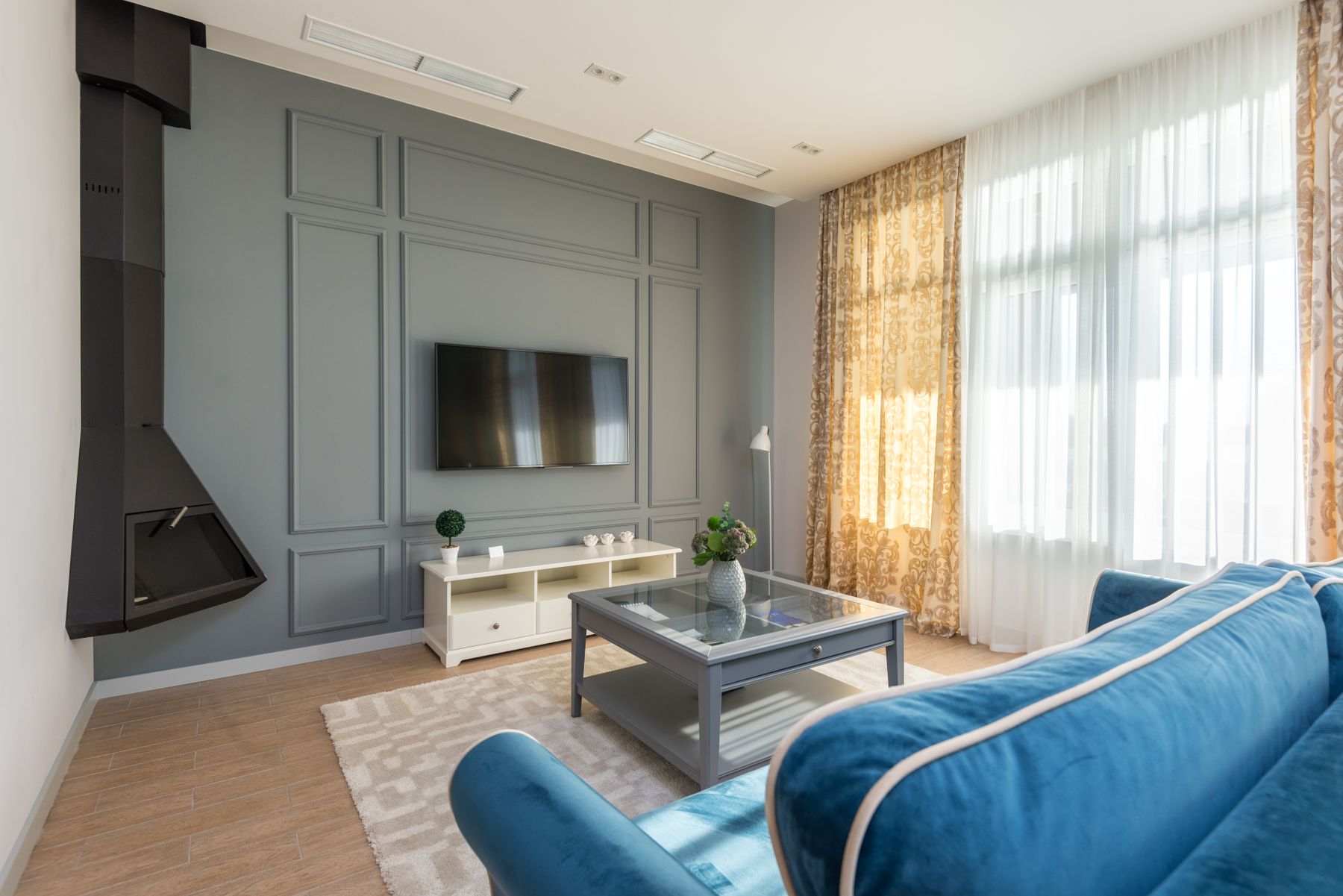
Modern rooms do not need to be entirely beige or grey. A blue sofa against quieter walls and a pale rug gives color enough scale to matter. Keep neighboring finishes controlled and consider how the color looks under daylight and lamps. Repeating the exact blue in every pillow or artwork can feel too matched; a related tone or material often makes the room more natural.
Let Daylight Guide the Furniture Position
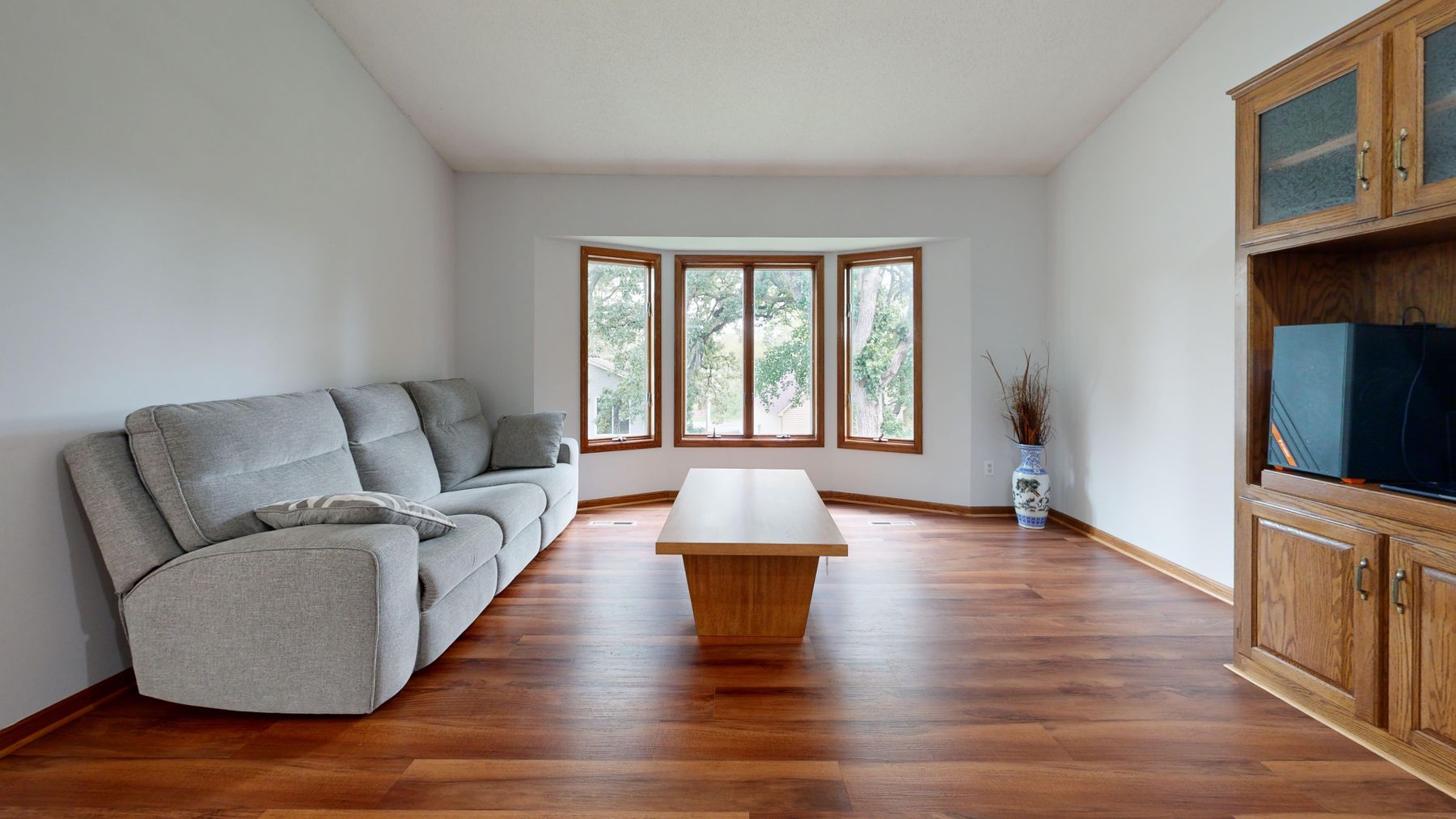
Windows can make a living room feel open, but placing a large sofa or tall cabinet directly across them may reduce useful light and views. Use the brightest part of the room for the activity that benefits from it, such as reading, while checking glare on screens. Curtains or blinds should solve privacy and light control without permanently darkening the space. Assess the room at different times of day before fixing the seating plan.
Layer Light Around the Actual Activities
General light helps people move through the room, while a floor or table lamp supports reading and a softer evening layer. Place the light where the person actually sits and check that the source does not glare into a screen or another seat. A sculptural lamp can be a useful accent, but its height and beam still need to work. Consider the cable route and outlet before treating it as the last decorative purchase.
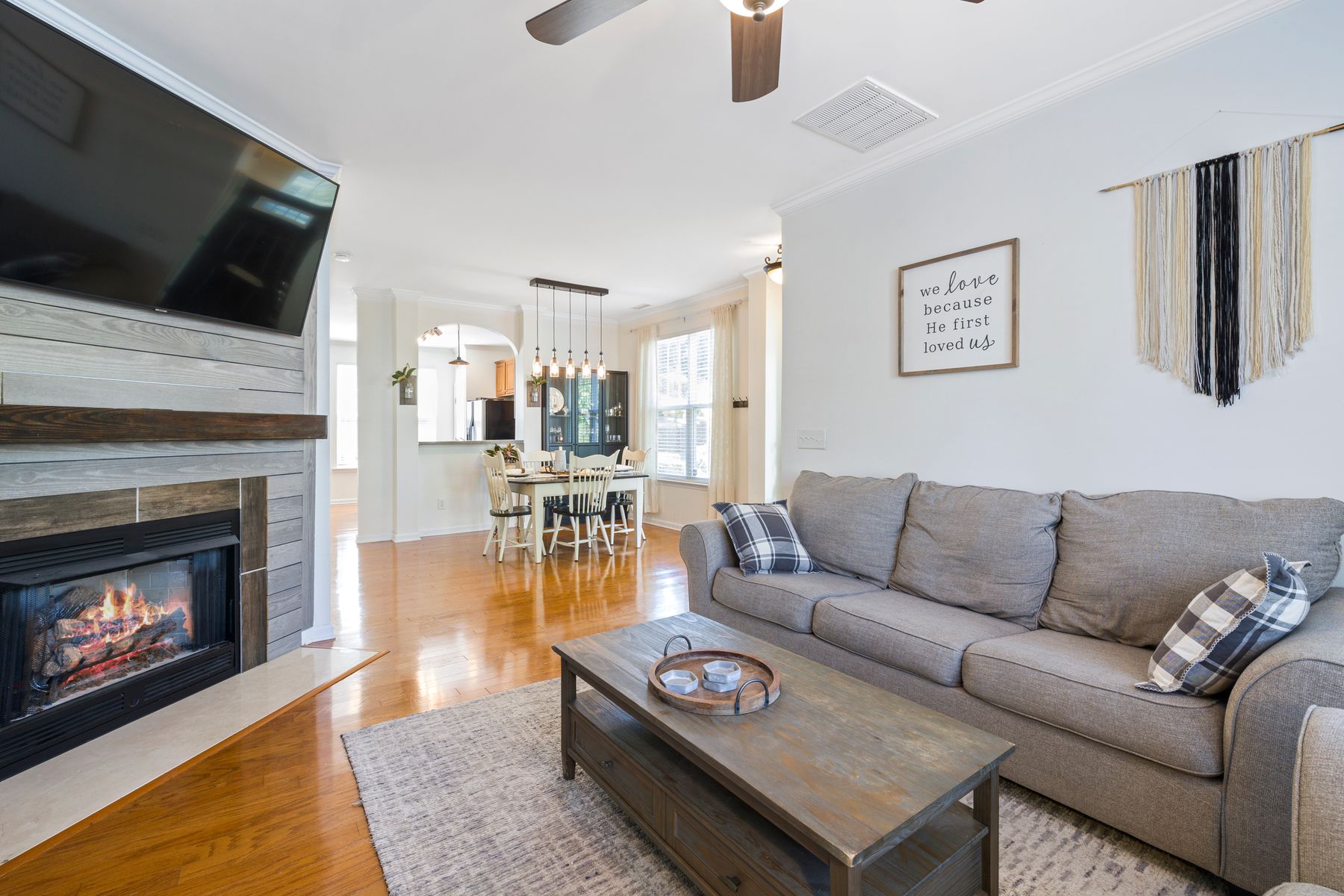
Connect an Open Living Area Without Blurring It
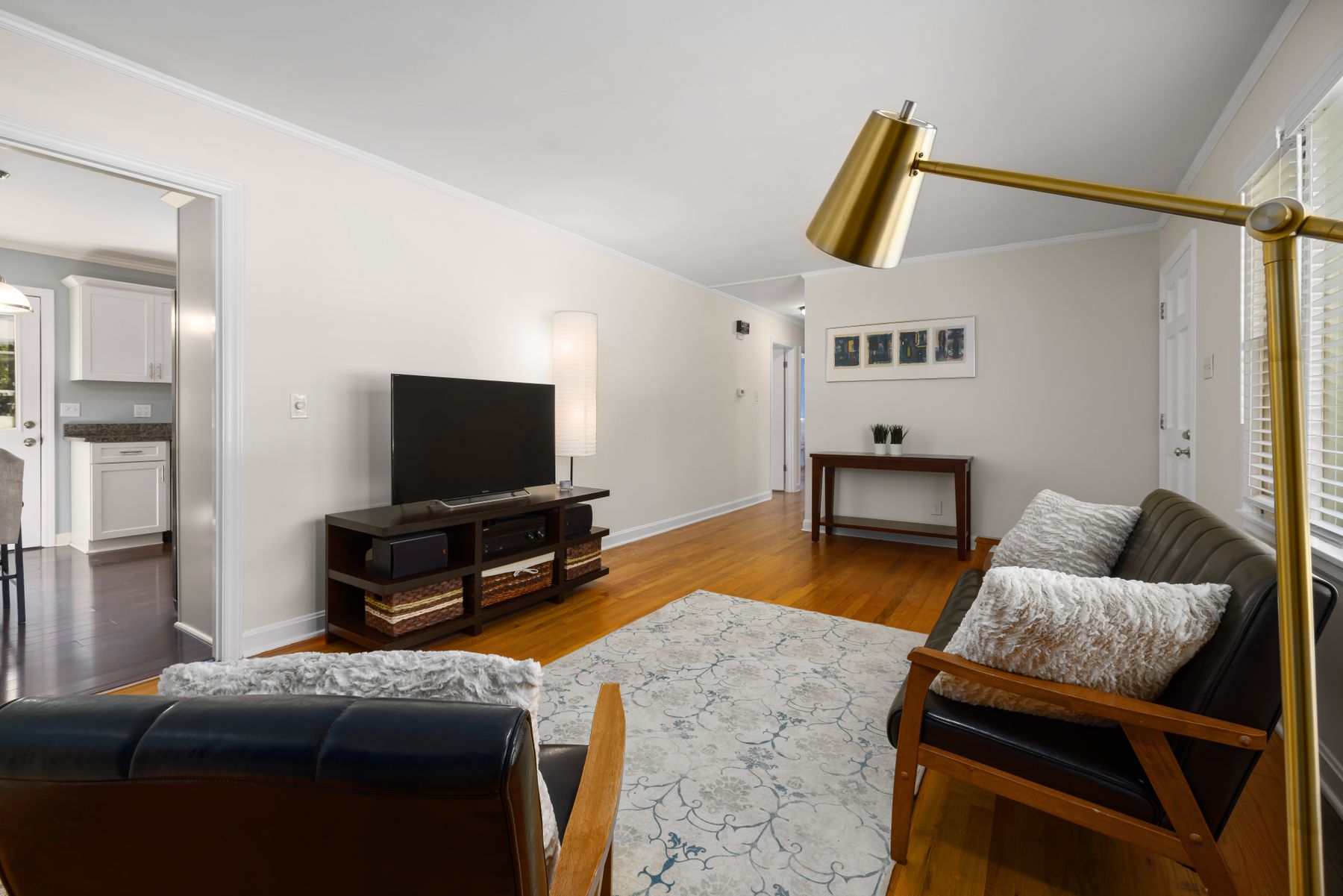
In an open plan, the living room needs a recognizable center even though the dining and kitchen areas remain in view. A rug, sofa orientation and lighting can establish that zone without building a wall. Repeat one wood tone or metal finish across the spaces, but let furniture keep its own character. Preserve a clear route to dining rather than running the main walkway through the conversation group.
Use Vertical Space in a Compact Room
A compact living room may need books, media and daily objects nearby, but low pieces scattered across every wall can consume the circulation. Concentrate storage vertically where it will not block light or dominate the sofa. Keep open shelving edited enough to remain useful, and anchor tall units appropriately for the product and wall. A smaller table or side surface may serve better than an oversized coffee table.
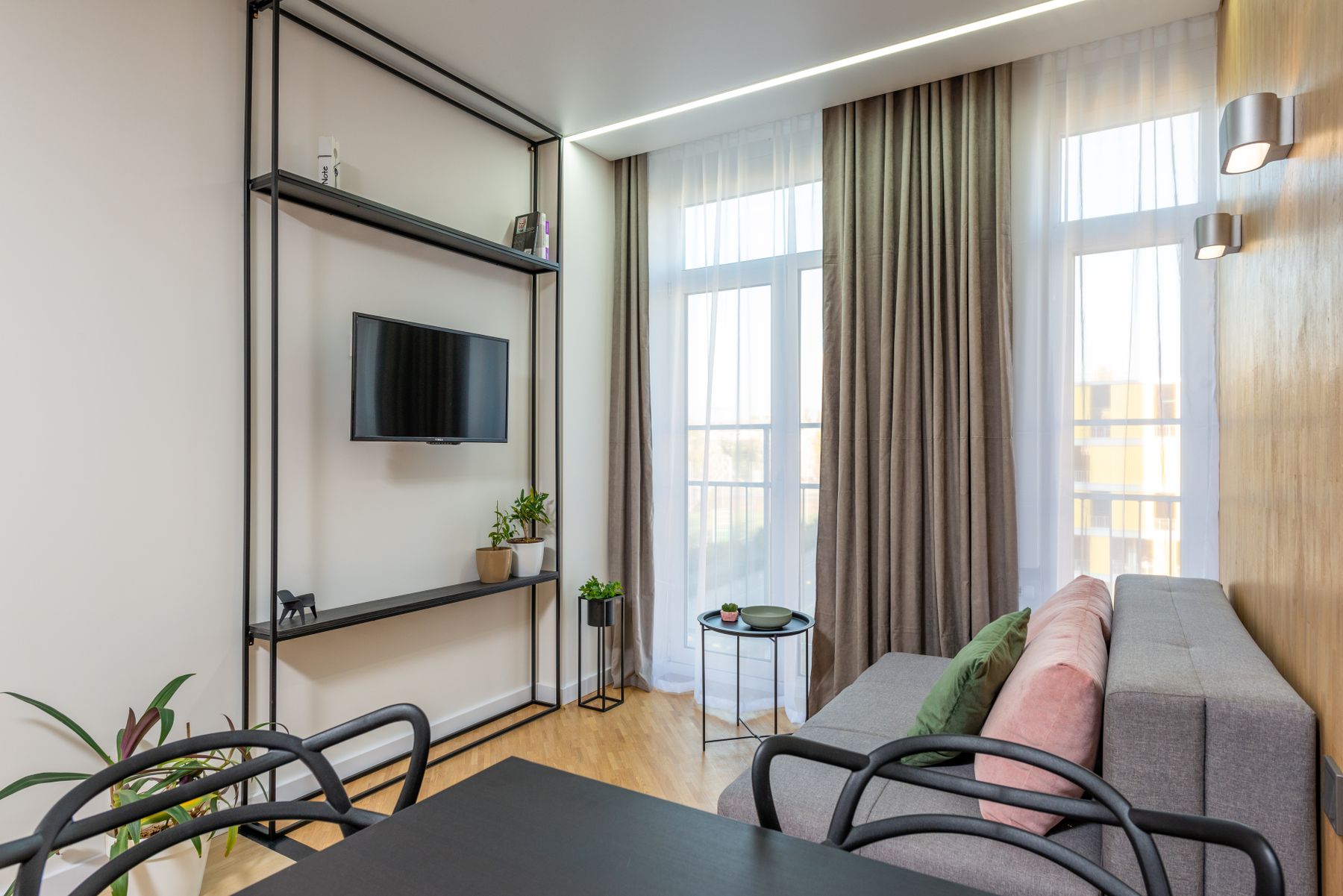
Balance Hard Architecture With Soft Material
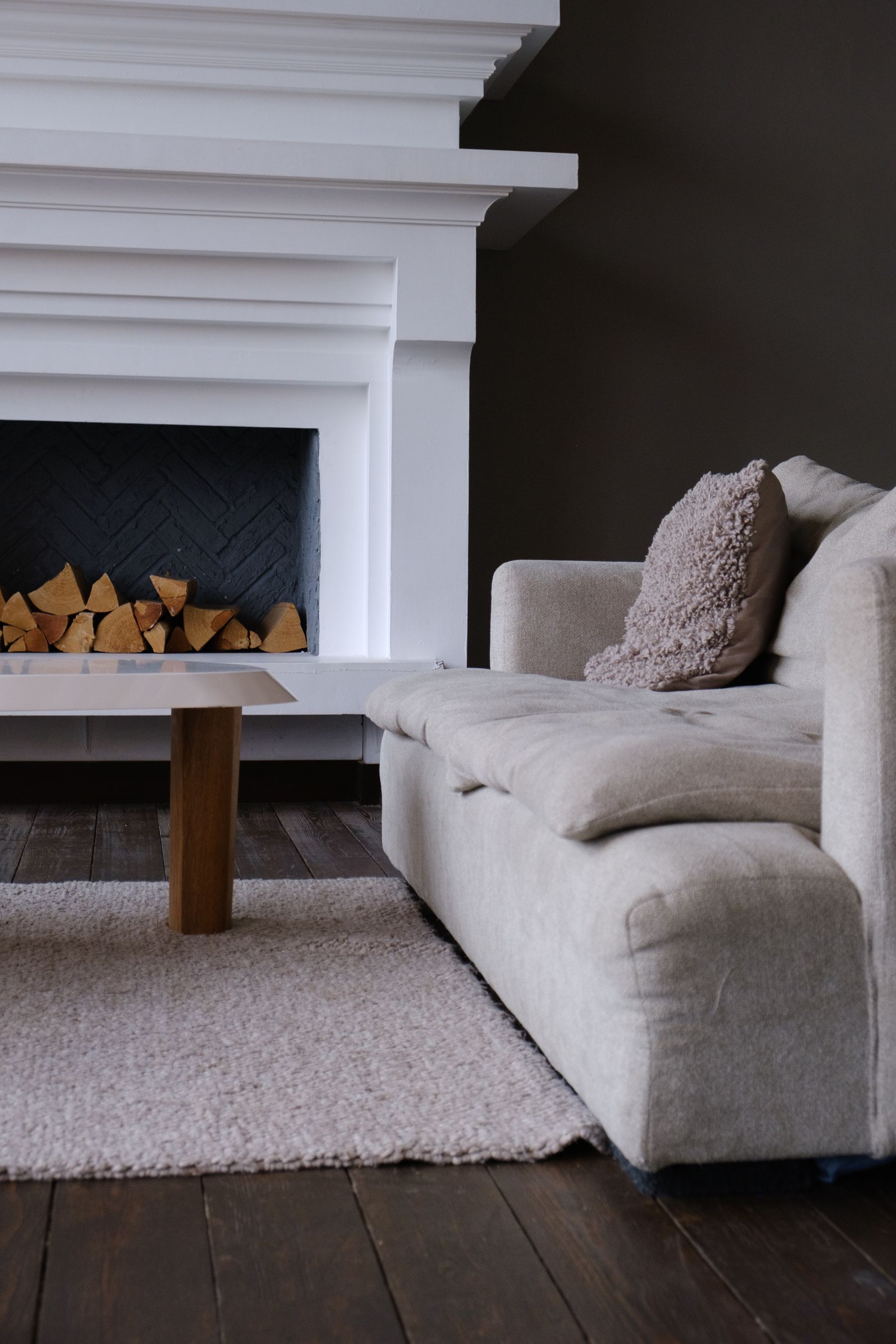
A modern room can contain dark paint, crisp fireplace lines and wood flooring without feeling severe when upholstery and textiles offer a softer counterweight. Limit the number of competing textures so each one reads clearly. Comfort is also practical: choose fabric and rug construction that suit the household's use and cleaning routine. The most memorable detail may be the contrast between materials rather than another ornament.