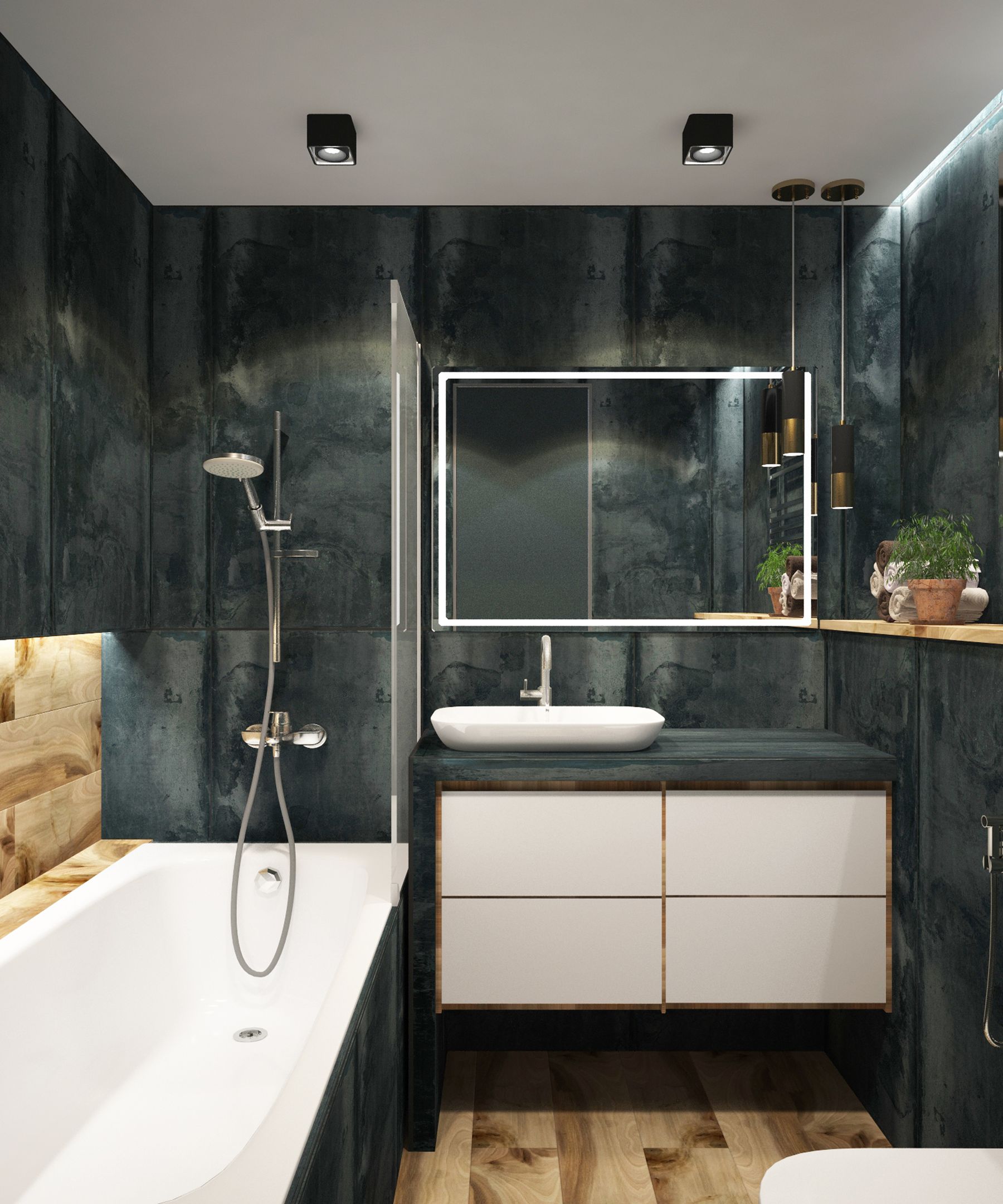
Use a Dark Counter as One Strong Horizontal Plane
A dark countertop can ground a pale vanity wall without making the entire bathroom dark. It works especially well when the sink, mirror and wall remain lighter enough to preserve contrast. Keep the surface relatively clear so the horizontal line reads as intentional rather than cluttered.

Use Marble When the Veining Can Be the Pattern
Marble and marble-look surfaces add movement without requiring another decorative motif. The stronger the veining, the simpler the backsplash and cabinet front should be. Natural stone and engineered alternatives differ in sealing, stain resistance and maintenance, so the visual effect should be balanced against the real care routine.
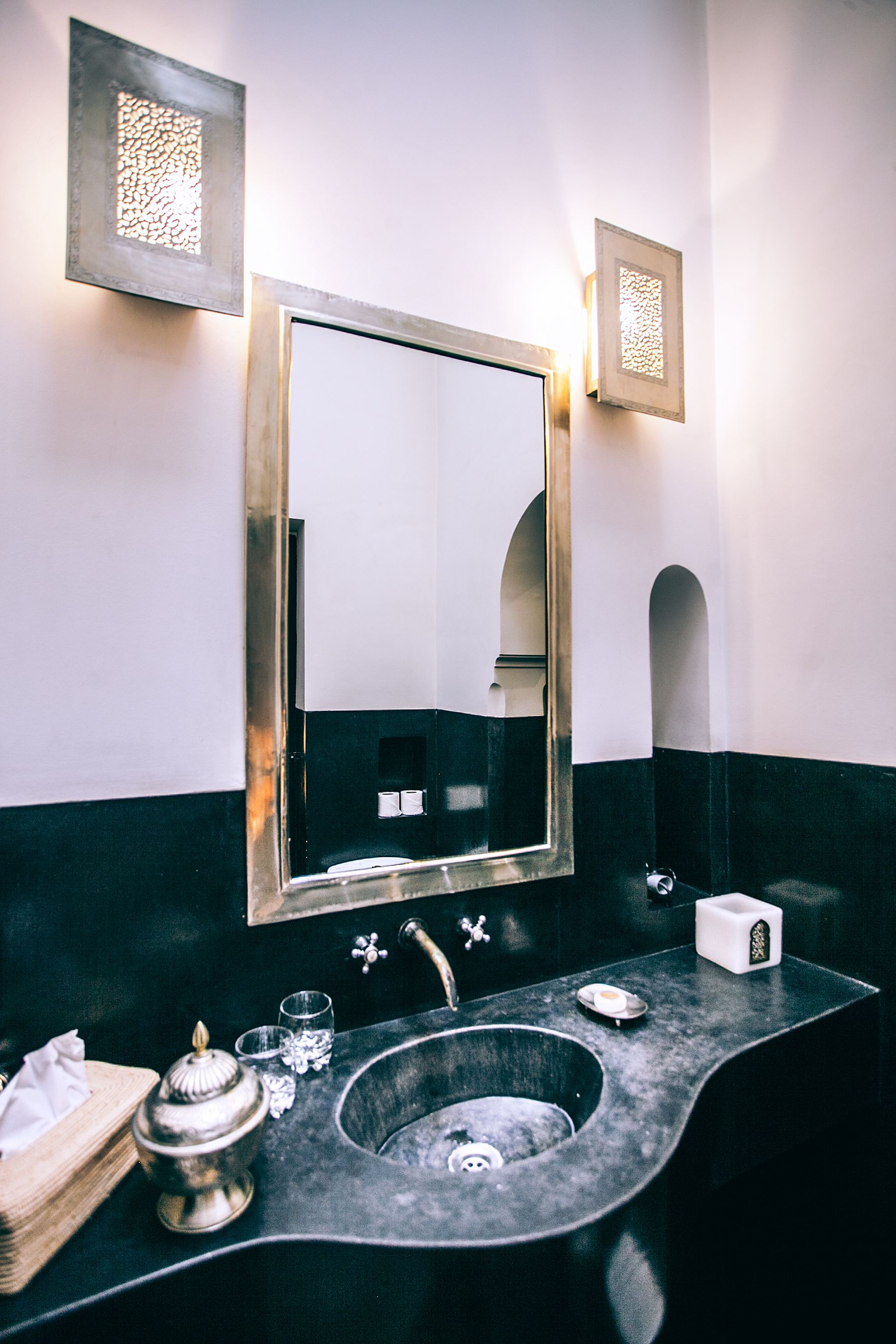
Use Black Marble for a More Dramatic Vanity
Black marble or dark stone-look surfaces create stronger contrast and can make a vanity feel more architectural. They work best when the basin, wall or mirror introduces enough light to keep edges visible. Dark polished finishes can also show water marks and residue more clearly.
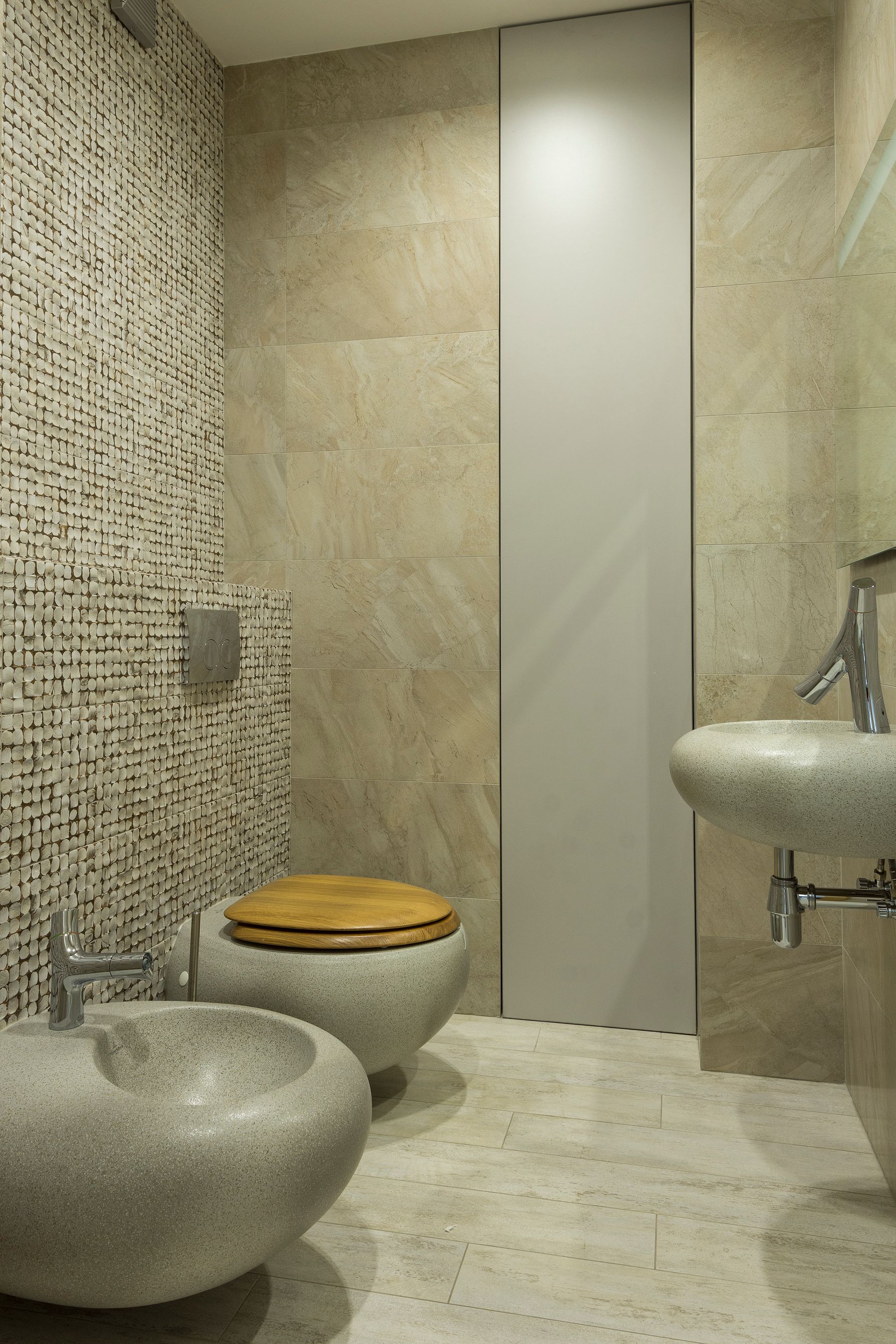
Use Pale Stone for a Quieter Japandi-Led Vanity
Pale stone and stone-look surfaces work well when the vanity needs tactile weight without strong contrast. They pair naturally with warm wood, simple basins and restrained hardware. Keep the edge profile and backsplash minimal so the surface reads as one calm material.
Use Premium Stone Only Where It Earns the Cost
A premium vanity top does not need to be oversized or highly ornate to feel luxurious. Precise fabrication, a clean sink cutout and good alignment with the cabinetry often matter more than adding several expensive materials at once. Concentrate the strongest stone where it is touched and seen most.
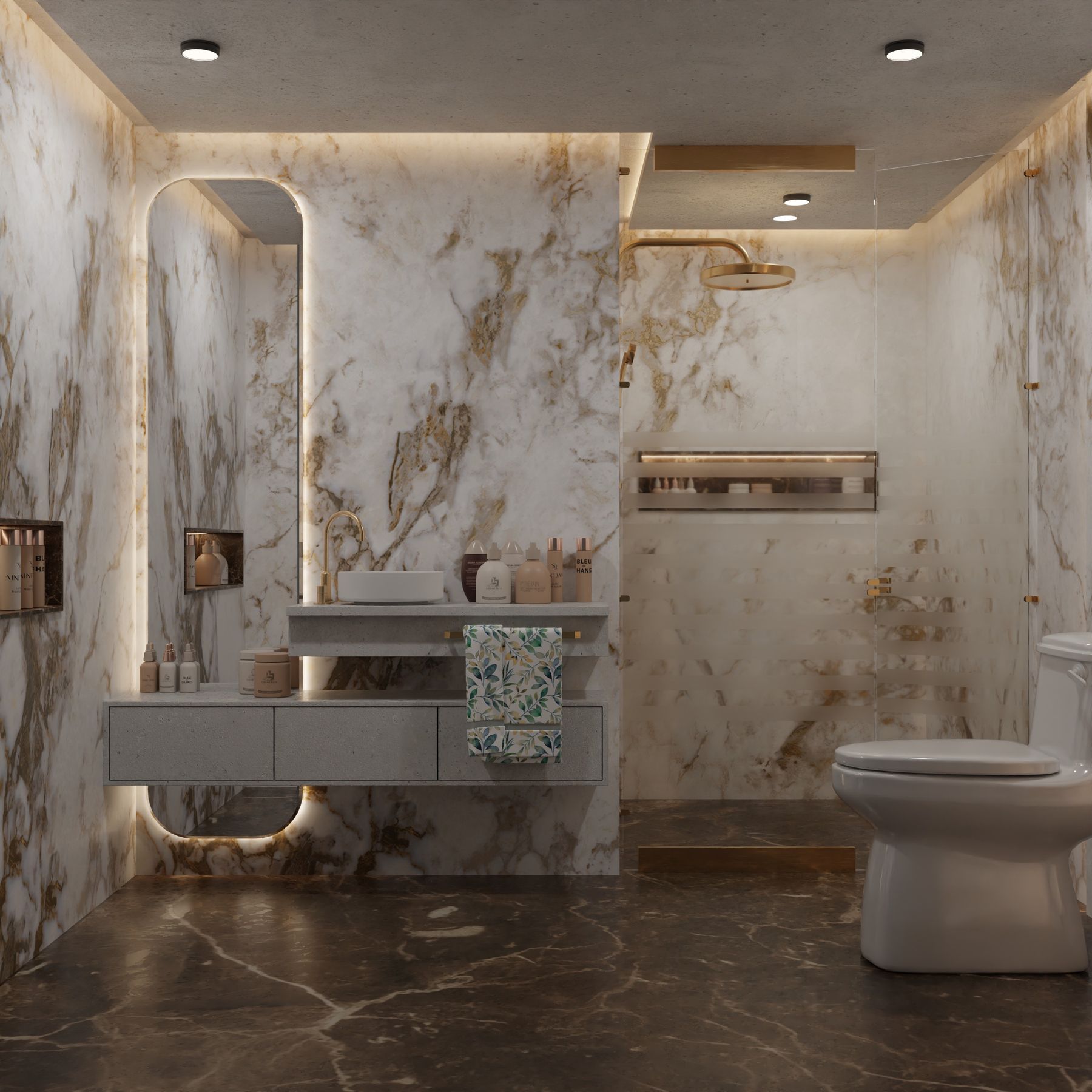
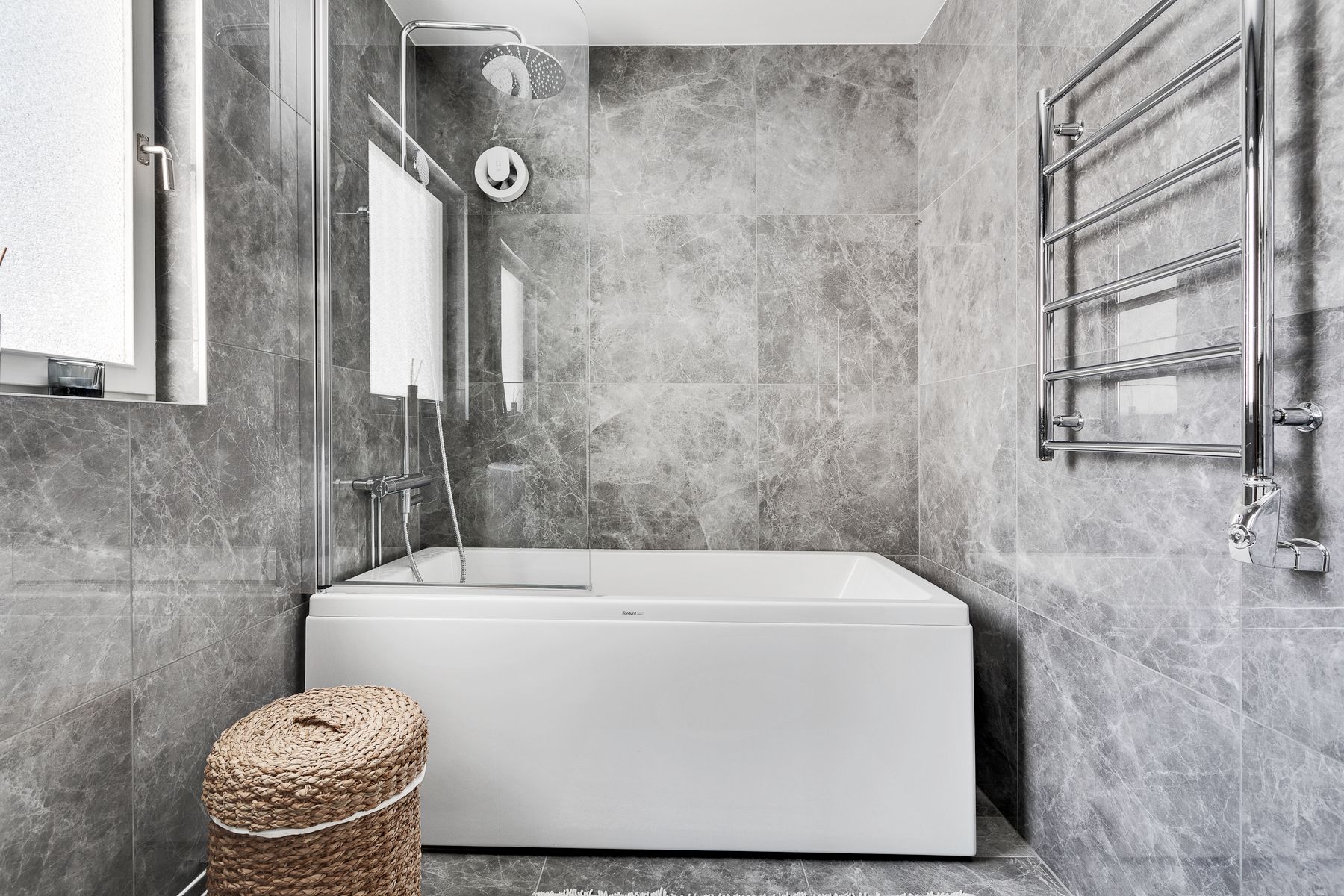
Use Grey Stone for a Flexible Neutral Base
Grey stone or marble-look surfaces can bridge white ceramic, black fittings, wood cabinetry and cooler tile without becoming the focal color. The key is undertone: warm grey and cool grey react differently beside wood and metal. Choose the counter with the cabinet and floor samples present.
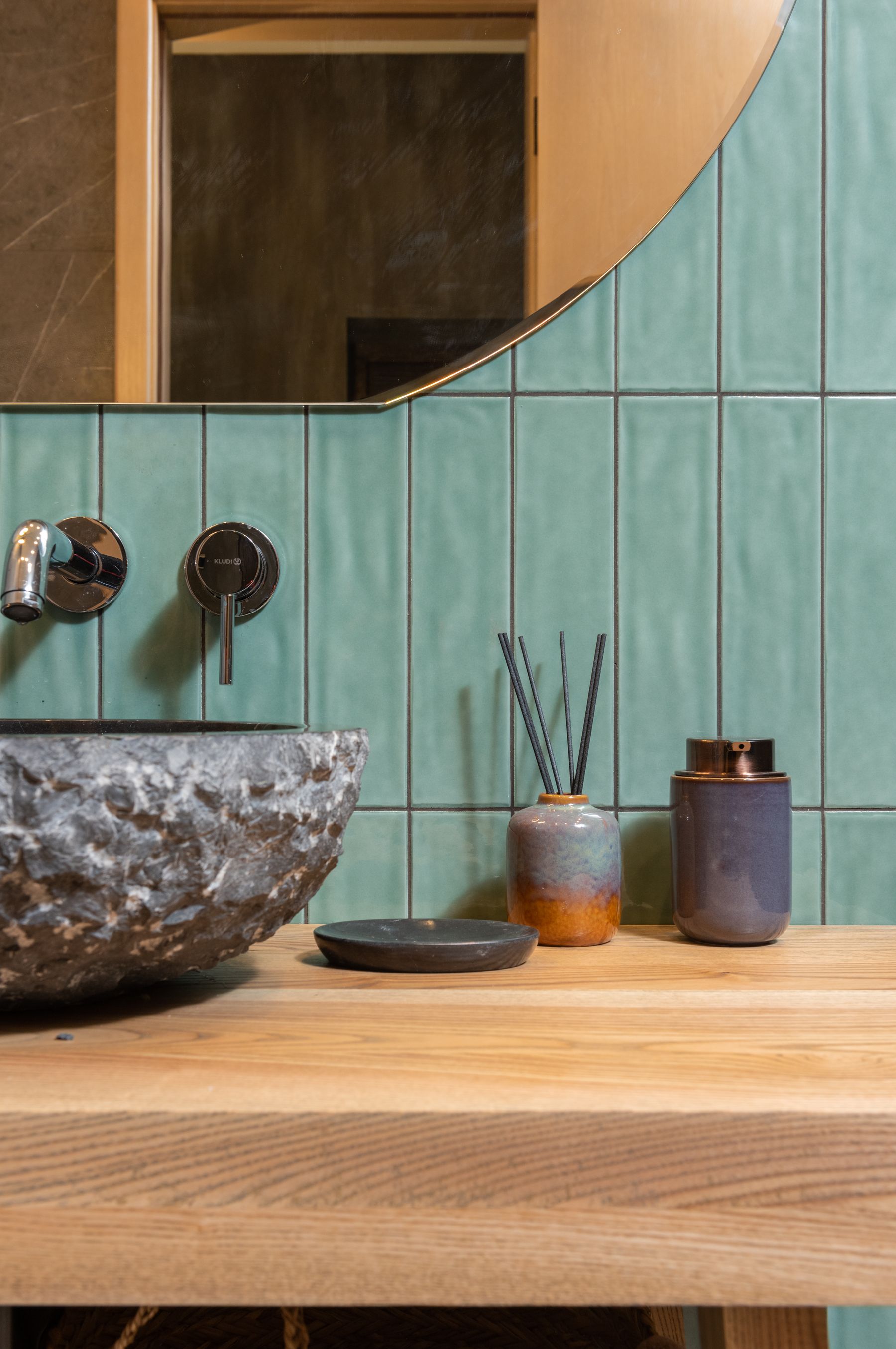
Let Texture Stay Controlled at the Vanity
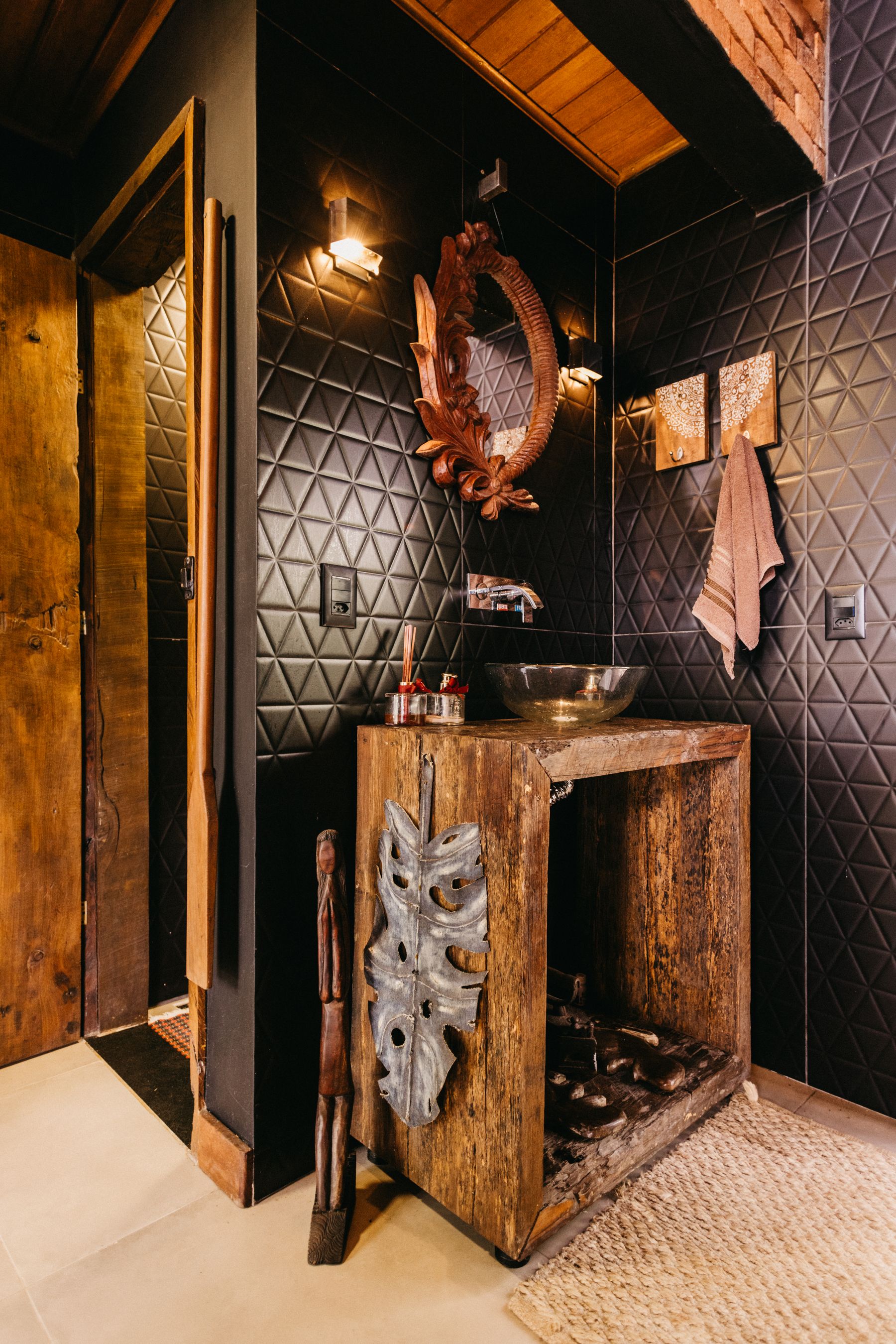
Textured stone, concrete-look finishes and more tactile counters can add rustic or handcrafted character, but the sink area still needs to be easy to wipe and maintain. Keep the working surface smoother than highly decorative vertical elements when possible. Texture should add depth, not create a permanent cleaning problem.
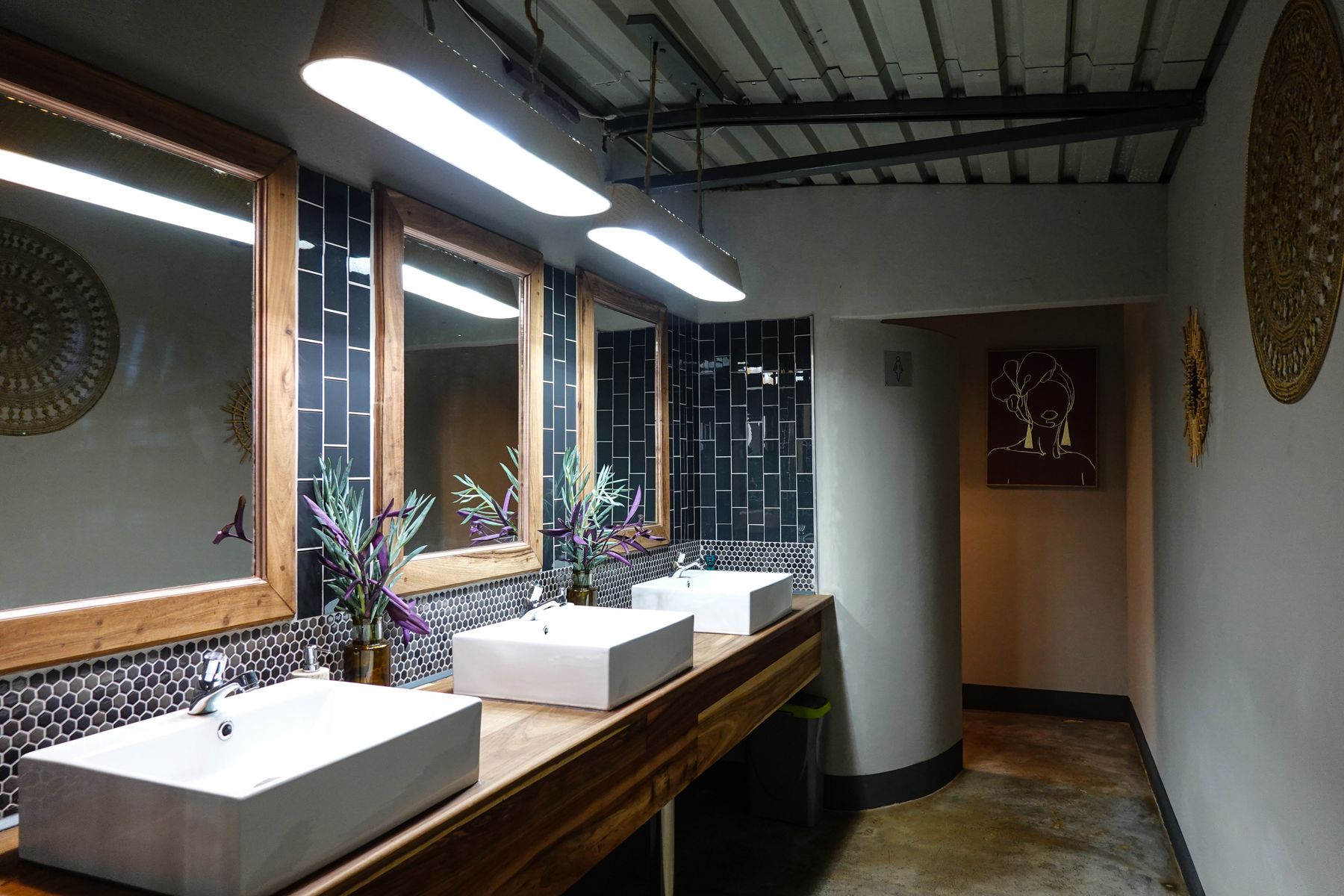
Protect Usable Counter Space Around Two Sinks
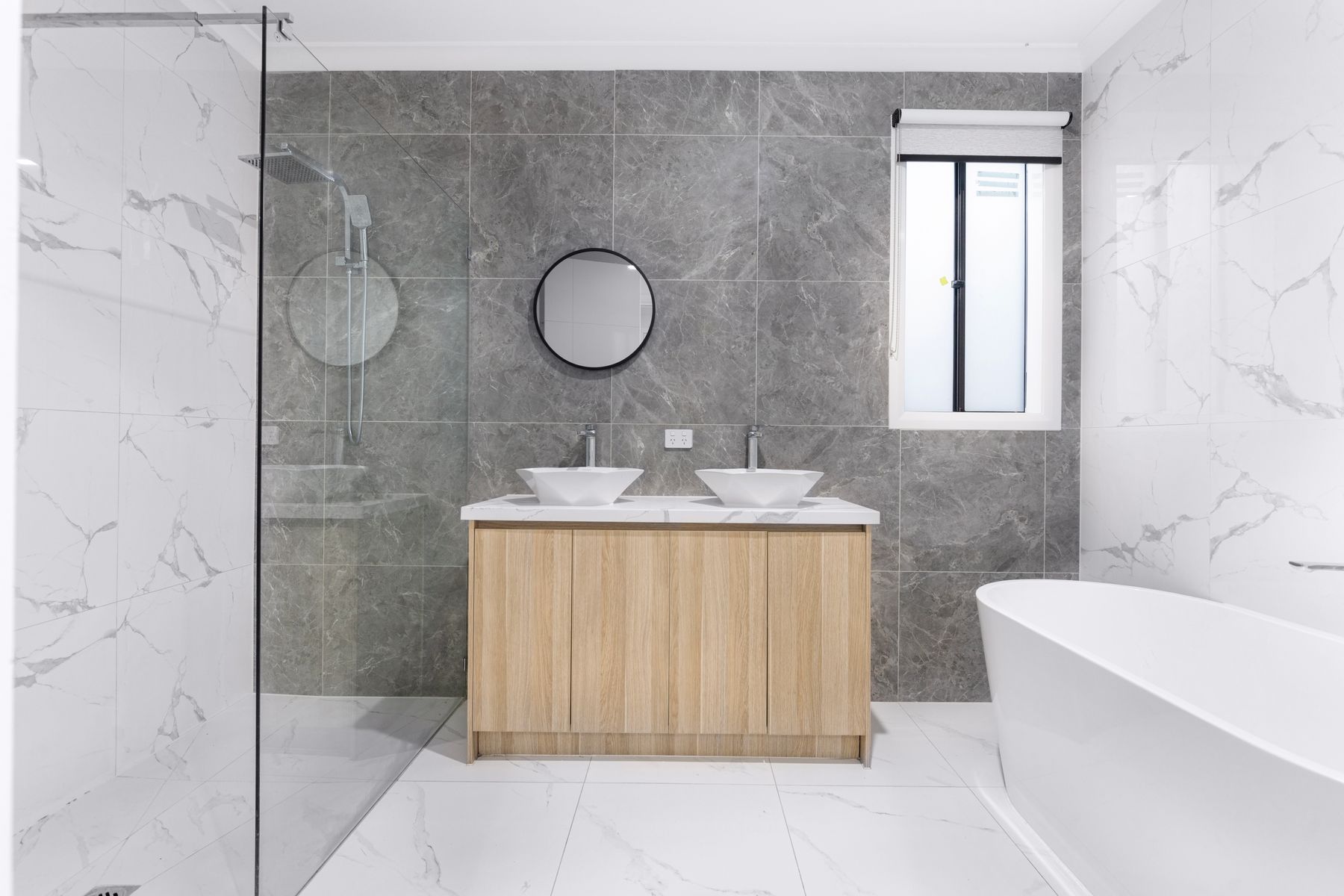
A double vanity can consume counter space quickly if the sinks are too large or placed too close to the edges. Leave useful landing space between or beside basins for shared routines. The countertop should support two users without turning every available inch into plumbing.
Keep a Minimal Counter Easy to Use
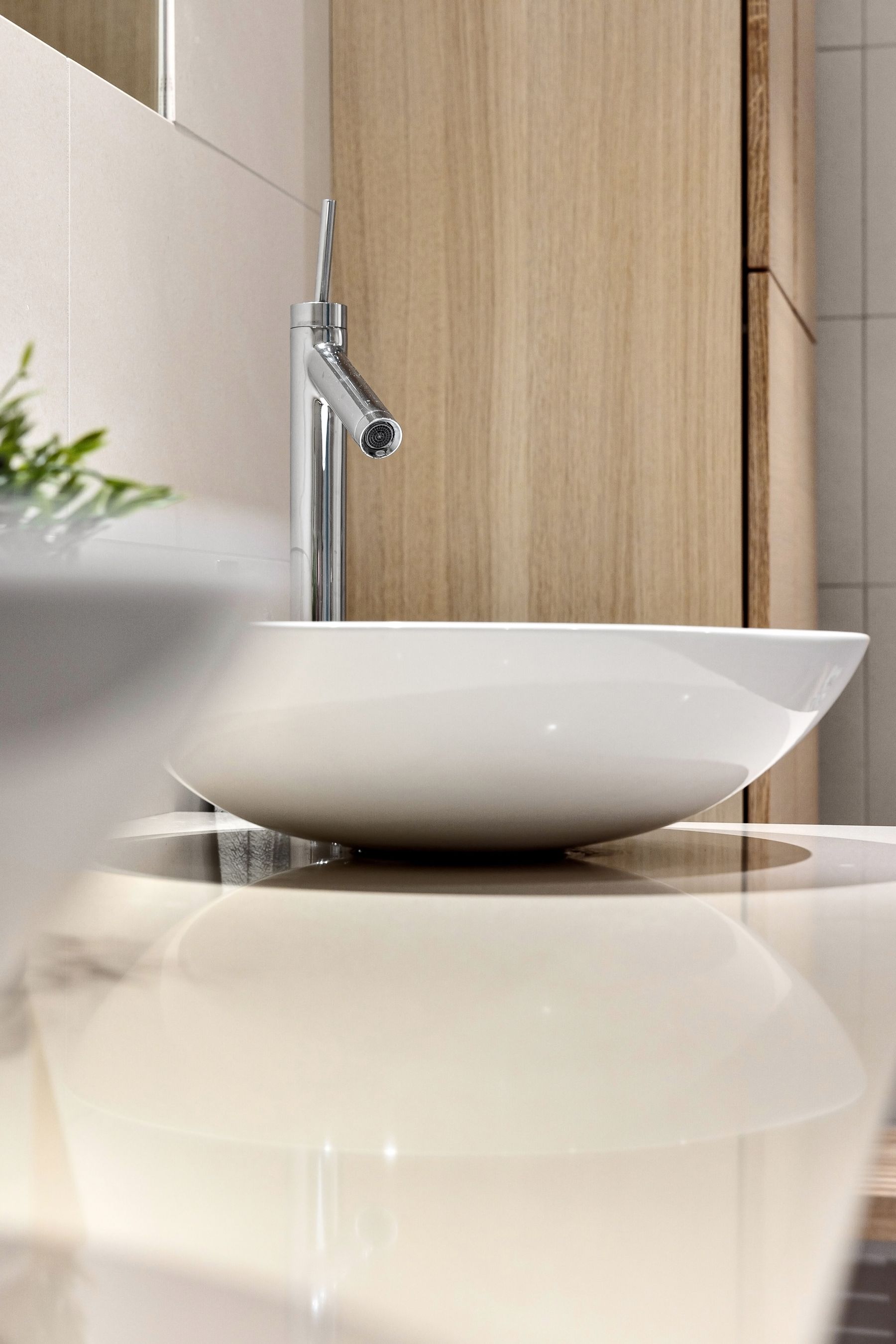
Minimalist vanity tops often look best with one sink, clean joints and very little visible clutter. That visual simplicity should not reduce practical landing space for soap, grooming tools or daily items. Use hidden storage below so the counter can remain clear without becoming unusably narrow.
Use Color on the Counter as One Deliberate Accent
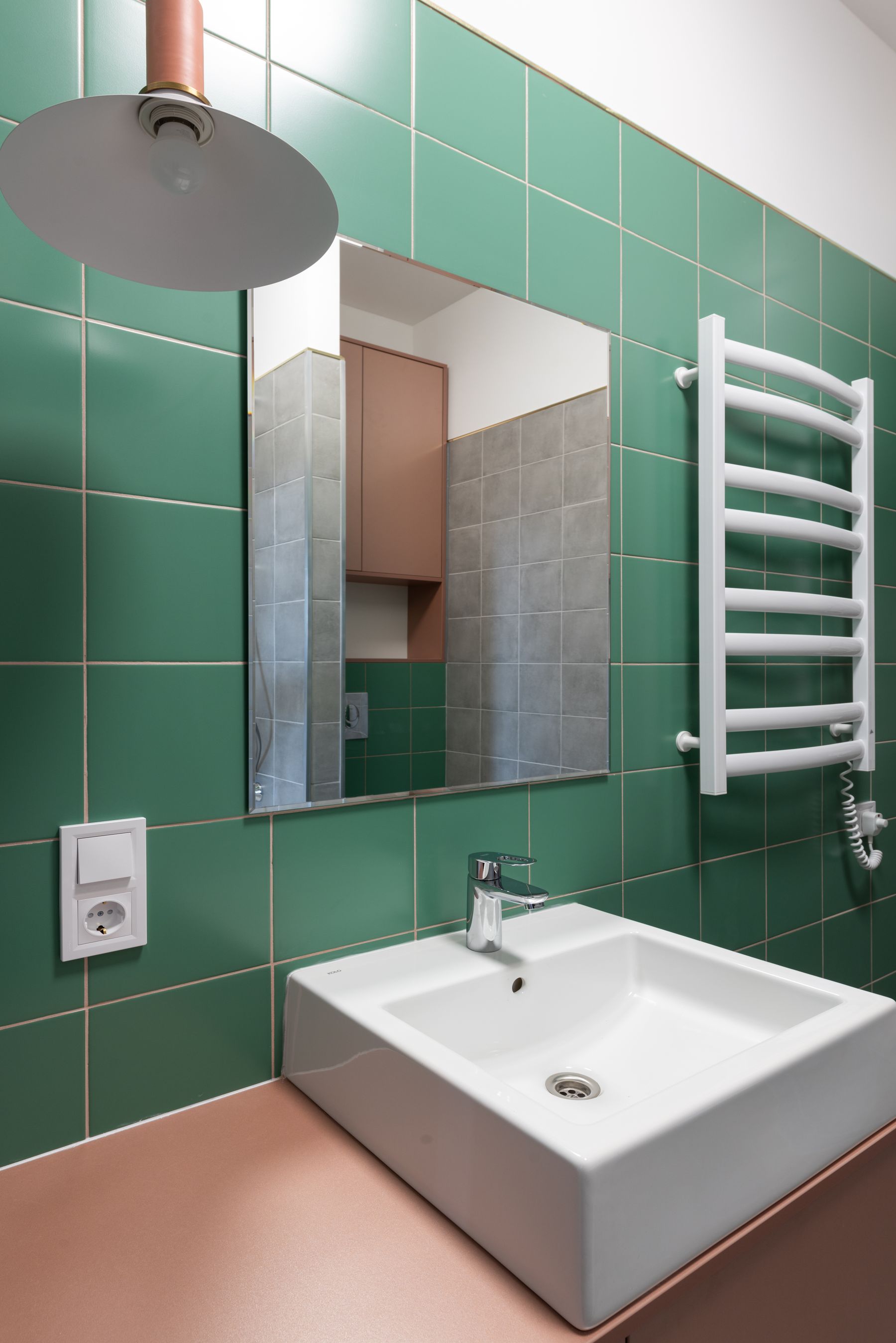
A pink, green, blue or other colored vanity surface can create personality without committing the whole room to strong wall color. Keep the basin and surrounding finishes quieter so the counter remains the single color event. This approach works especially well in contemporary and retro-influenced bathrooms.