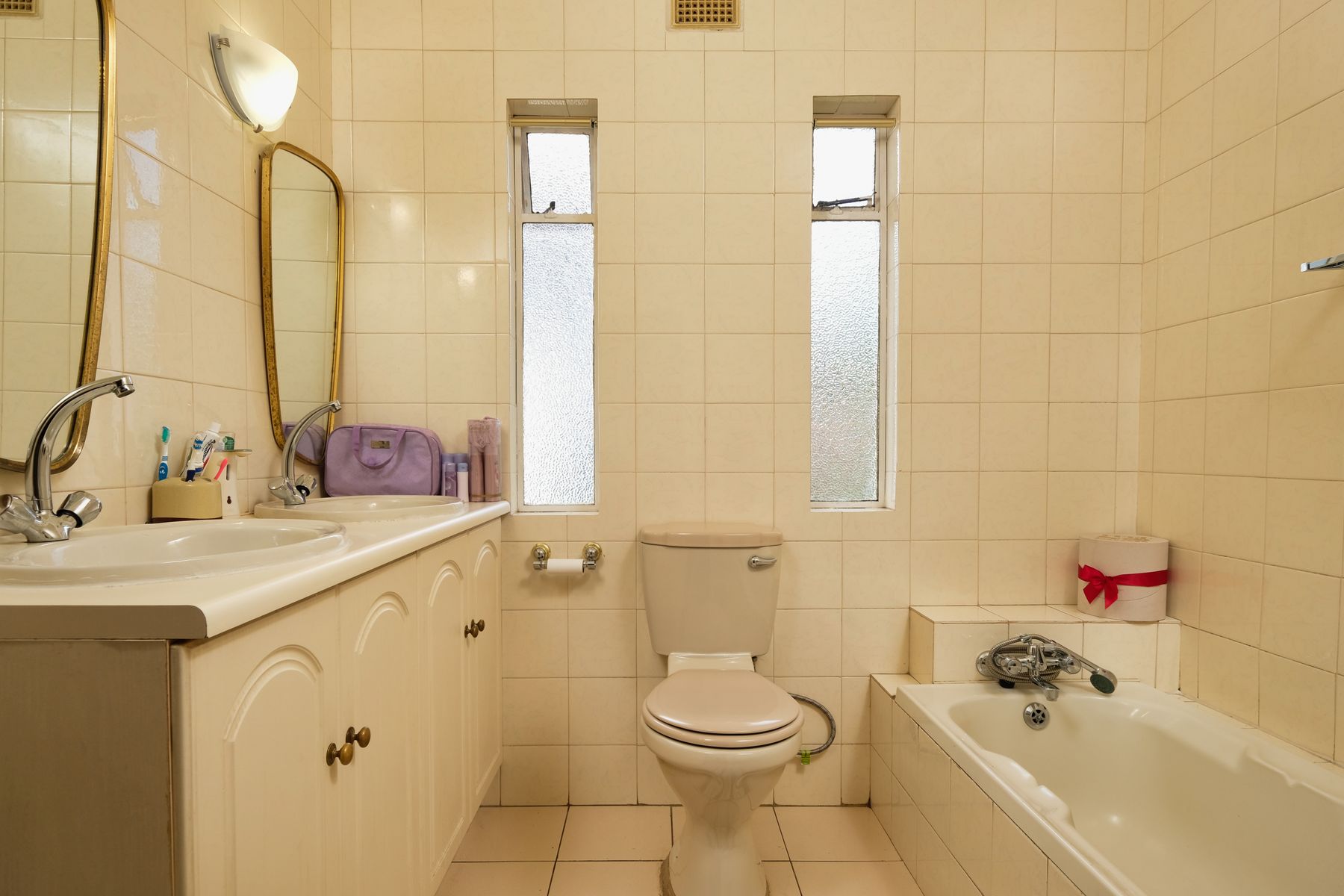
Choose Single or Double Sinks From the Routine
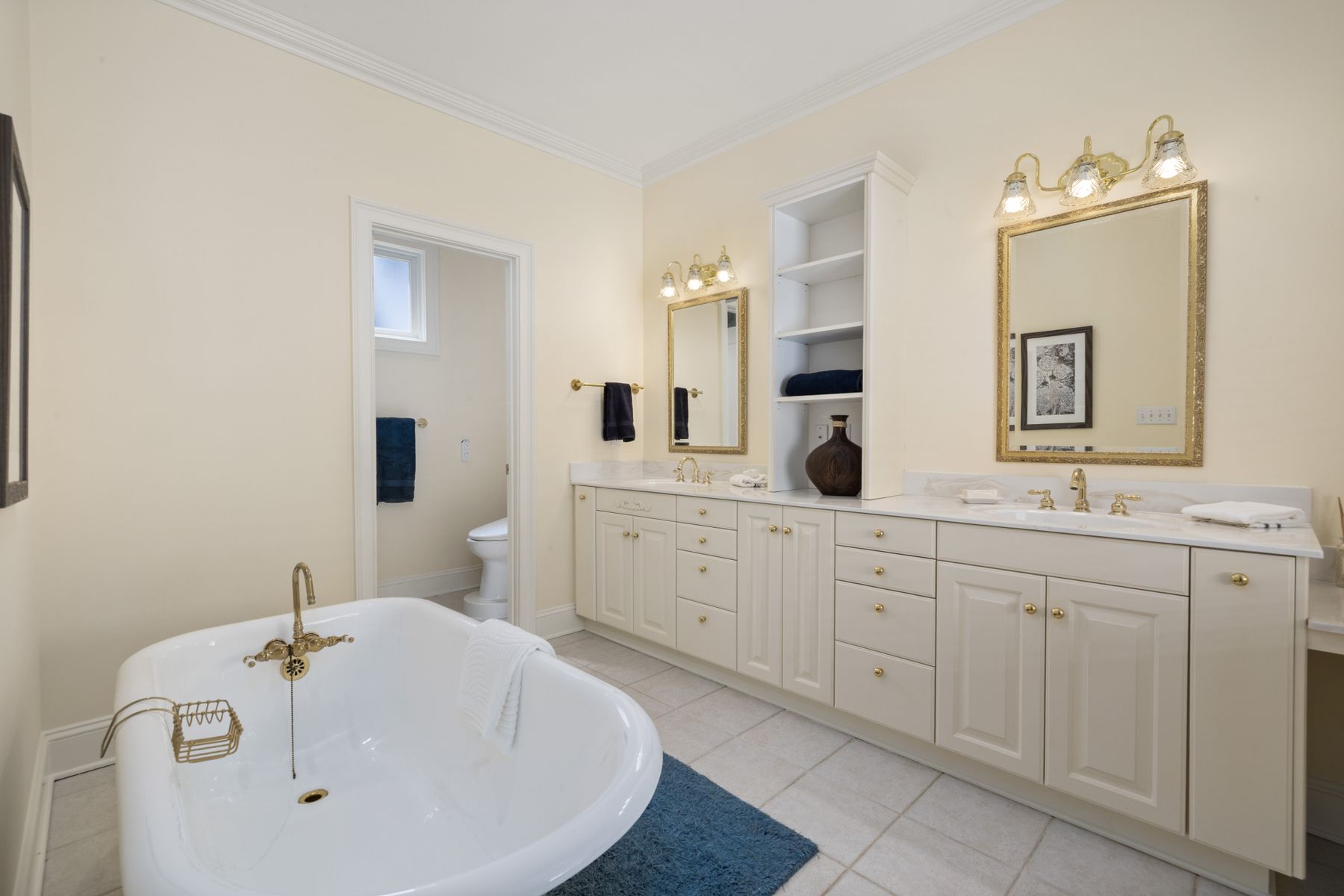
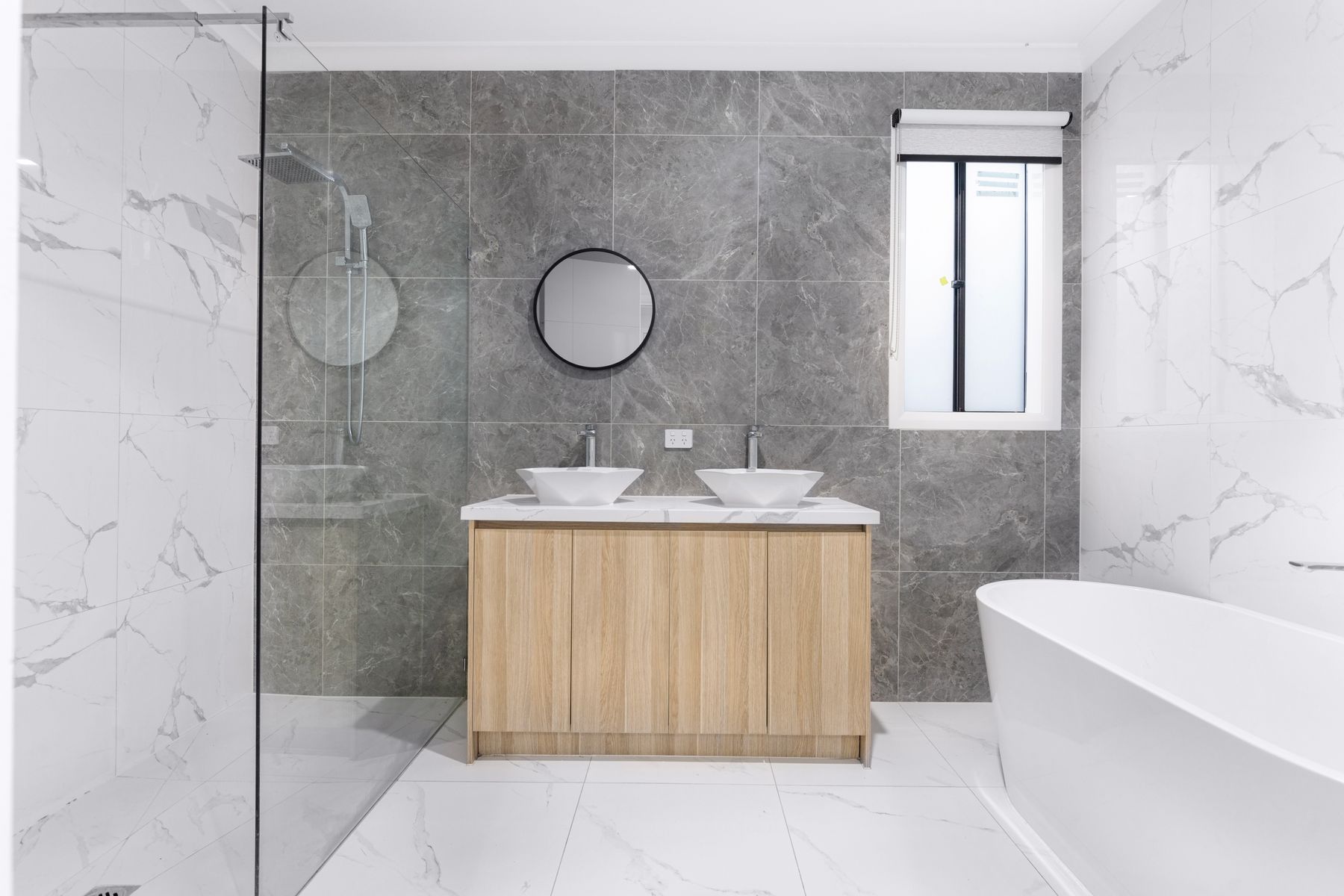
A double vanity is useful when two people genuinely use the room at the same time, but two sinks also reduce uninterrupted counter and drawer space. In some bathrooms, one generous sink with wider storage works better than forcing a symmetrical pair. Start with the morning routine, then choose the basin count.
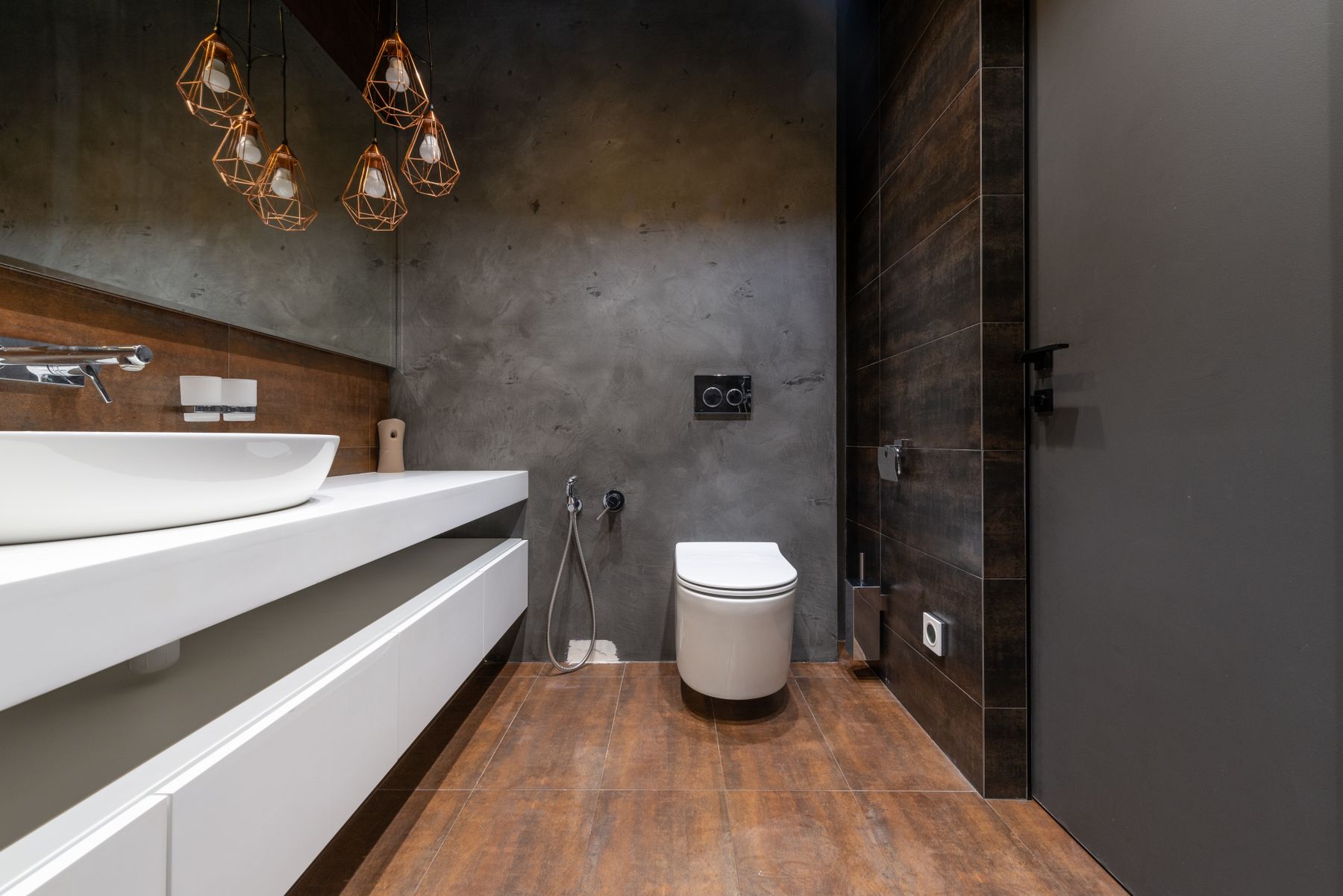
Prioritize Drawers for Everyday Storage
Drawers bring grooming products forward and make small categories easier to organize than deep cabinet cavities. Use shallow drawers for daily tools and deeper lower drawers for larger bottles or towels. Plumbing can complicate the top drawer, so internal cutouts should be designed around the actual sink and trap.
Use a Compact Vanity to Protect Circulation
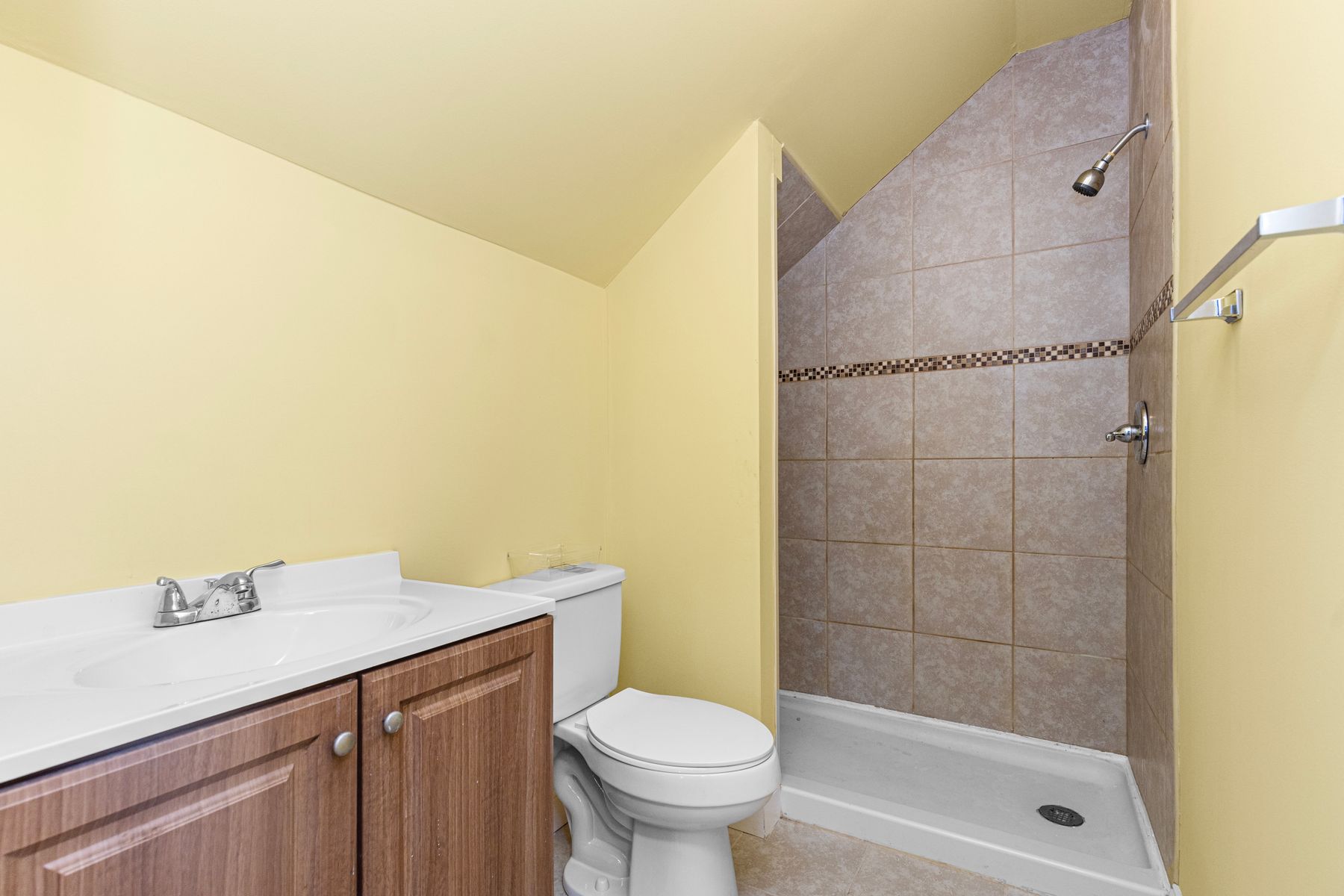
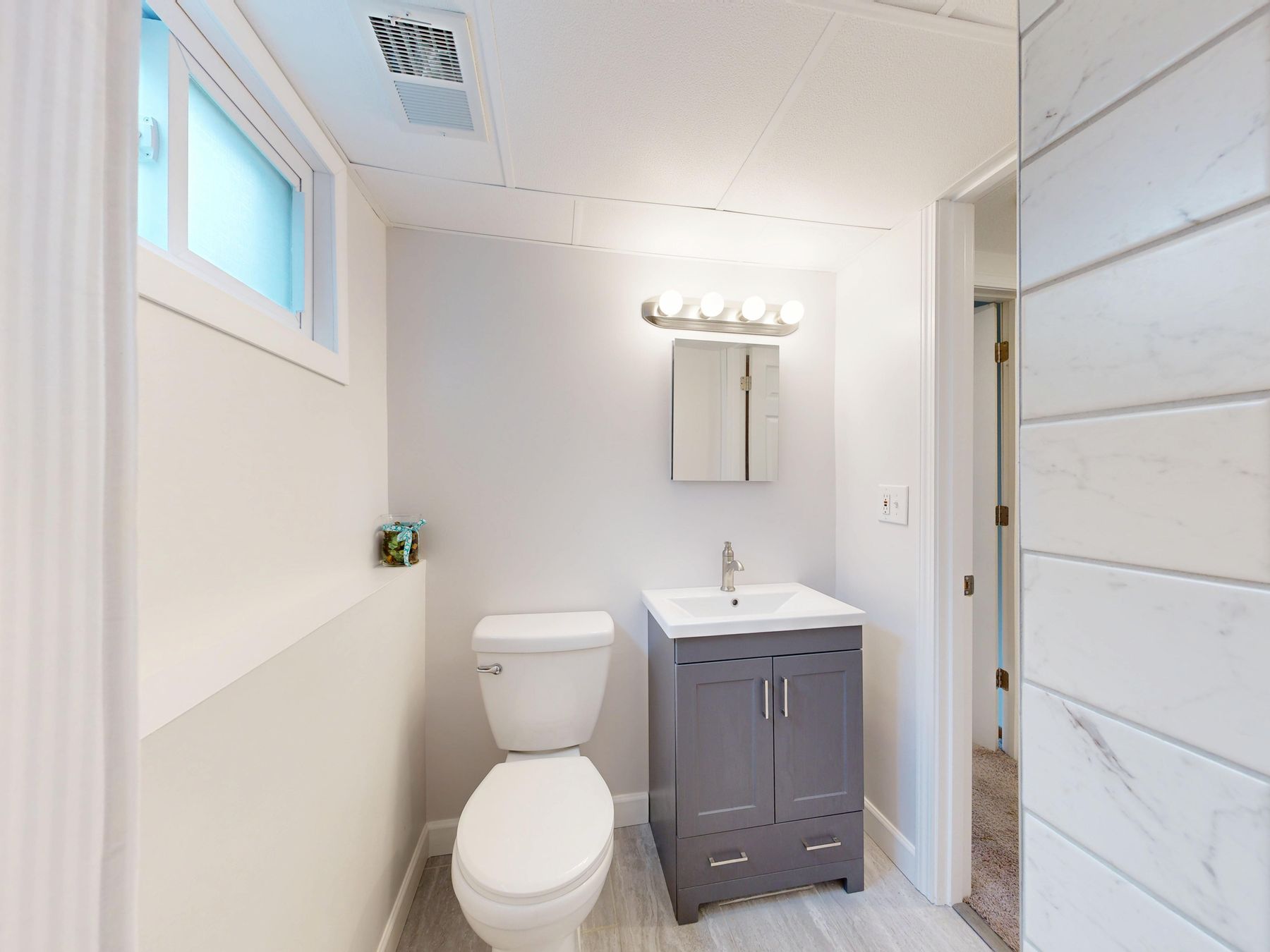
In a small bathroom, the vanity depth can matter more than the width. A shallower cabinet or wall-hung unit can preserve the path past the sink without giving up all storage. Keep handles, doors and drawers from projecting into the main circulation route.
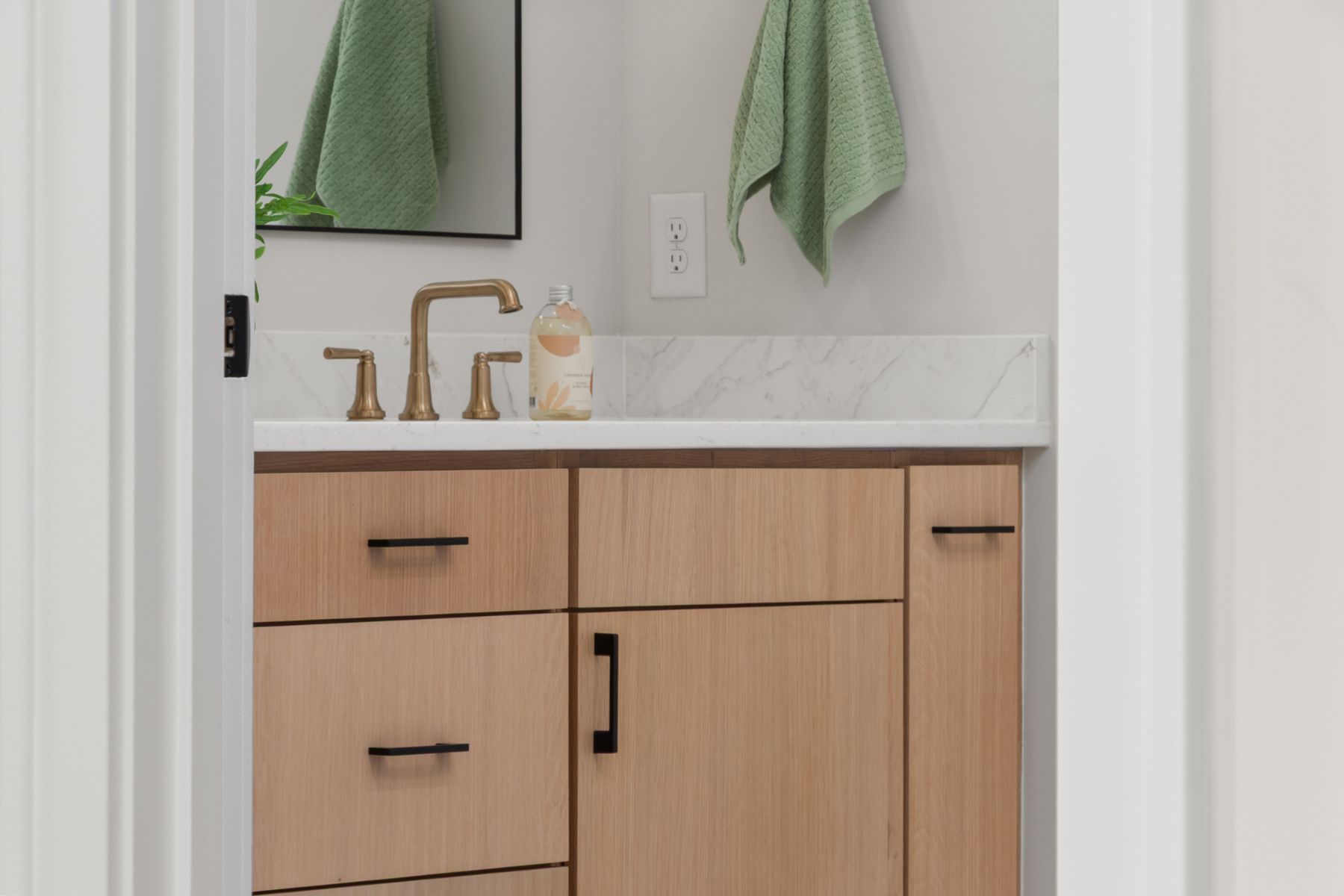
Use Warm Wood as the Main Material
A wood vanity can provide enough warmth and texture to carry an otherwise pale bathroom. Keep surrounding tile and hardware comparatively simple so the grain remains visible. In a humid room, construction, finish and edge detailing matter as much as the wood tone.
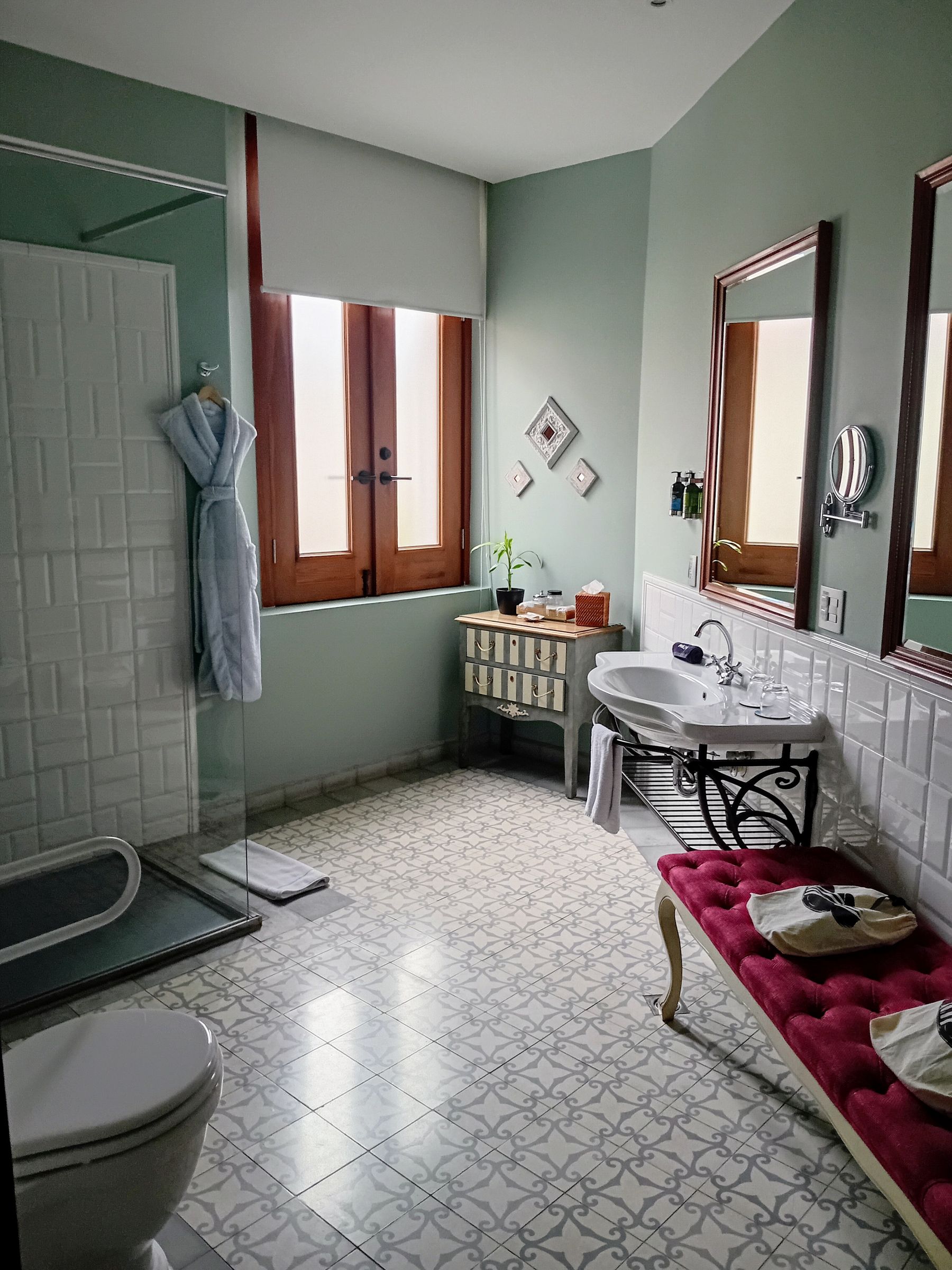
Let Framed Cabinetry Add Traditional Weight
Framed doors and furniture-like proportions can make a vanity feel more traditional without turning the whole room historic. Keep mouldings and hardware restrained enough that the surfaces remain easy to clean. The internal storage should still follow current routines rather than antique furniture conventions.
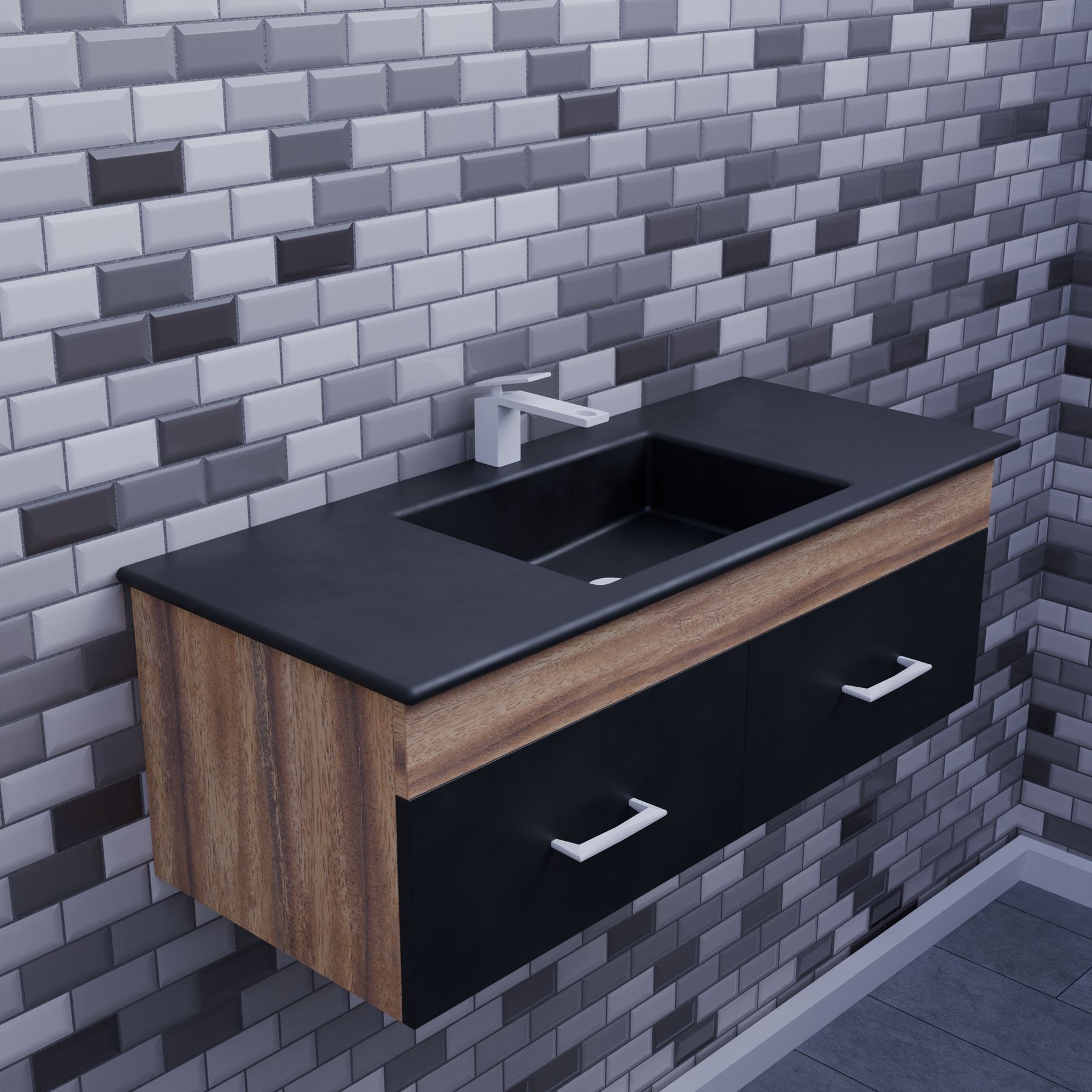
Use Dark Cabinetry to Ground a Pale Bathroom
A dark or black vanity can create strong visual weight against white tile, pale stone or clear glass. It is a practical route when you want contrast without committing the whole bathroom to dark walls. Choose a finish that handles fingerprints and cleaning well.
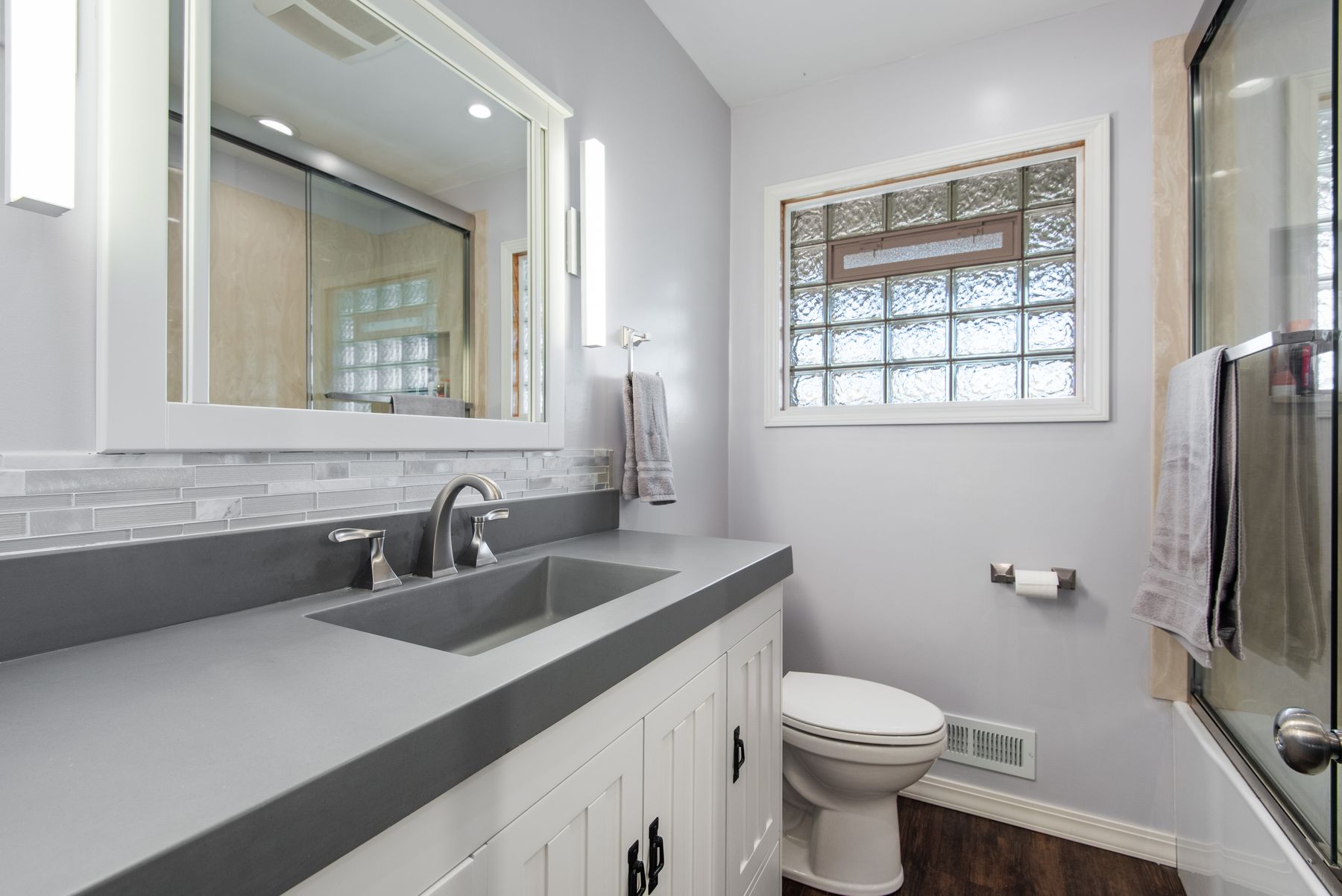
Use Grey for a Quieter Neutral Vanity
Grey cabinetry is useful when white feels too light and black too heavy. Warm grey and greige pair well with timber and brass, while cooler grey works with chrome, white ceramic and blue-toned stone. Test the cabinet beside the actual countertop so the undertones do not clash.
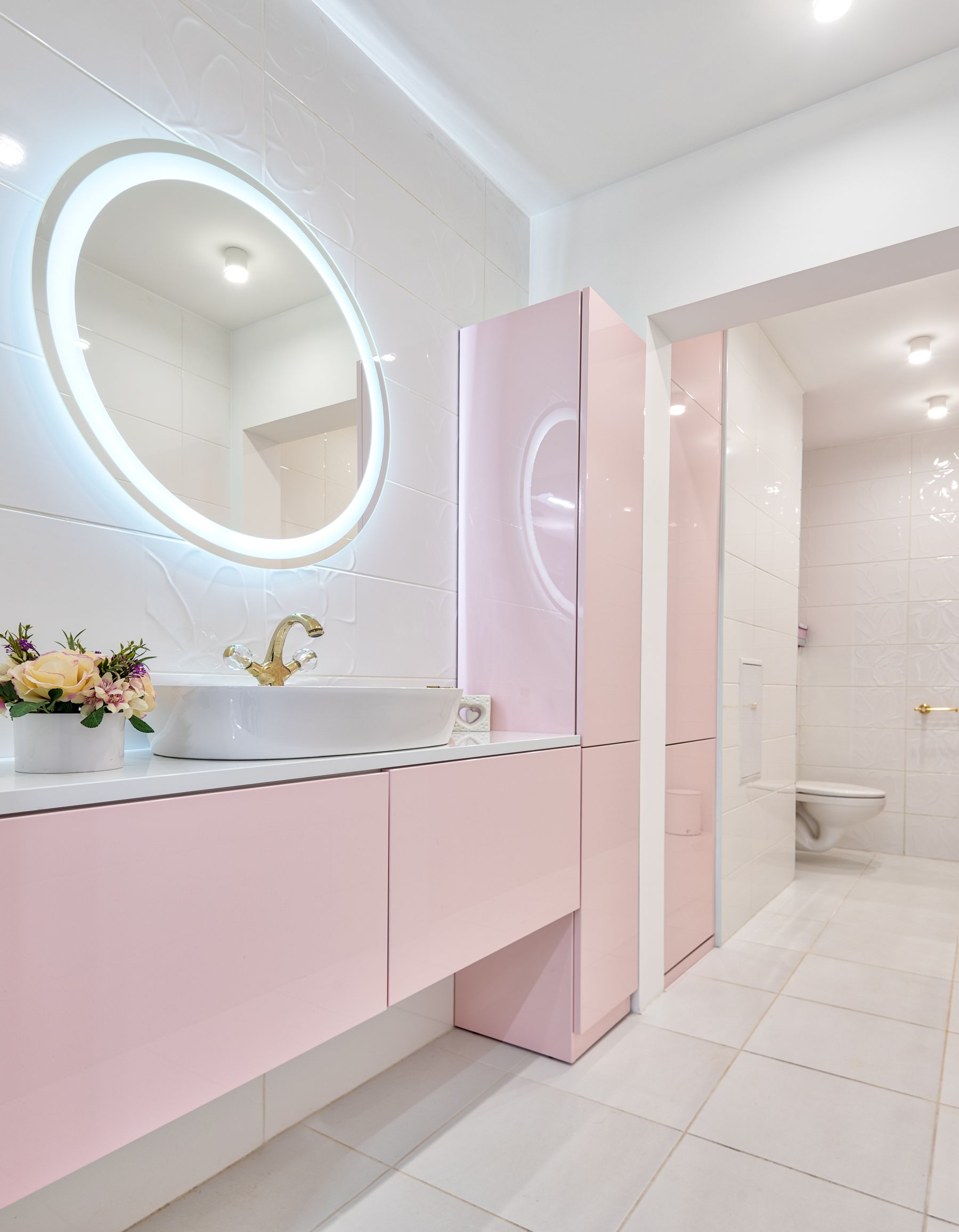
Use Painted Color on the Vanity Instead of Every Wall
A painted vanity can introduce pink, green, blue or another color at furniture scale without making permanent tile equally bold. This is one of the easier ways to give the bathroom personality while keeping the shell adaptable. Choose a durable bathroom-suitable finish and keep the countertop relatively calm.
Treat the Vanity, Mirror and Lighting as One Elevation
The vanity wall works best when sink position, mirror width and lighting are planned together. A centered mirror may not make sense if the basin is offset, and side lighting needs enough wall space beside the glass. Draw the whole elevation before ordering individual pieces.
Use White Cabinetry When the Room Needs Visual Lightness
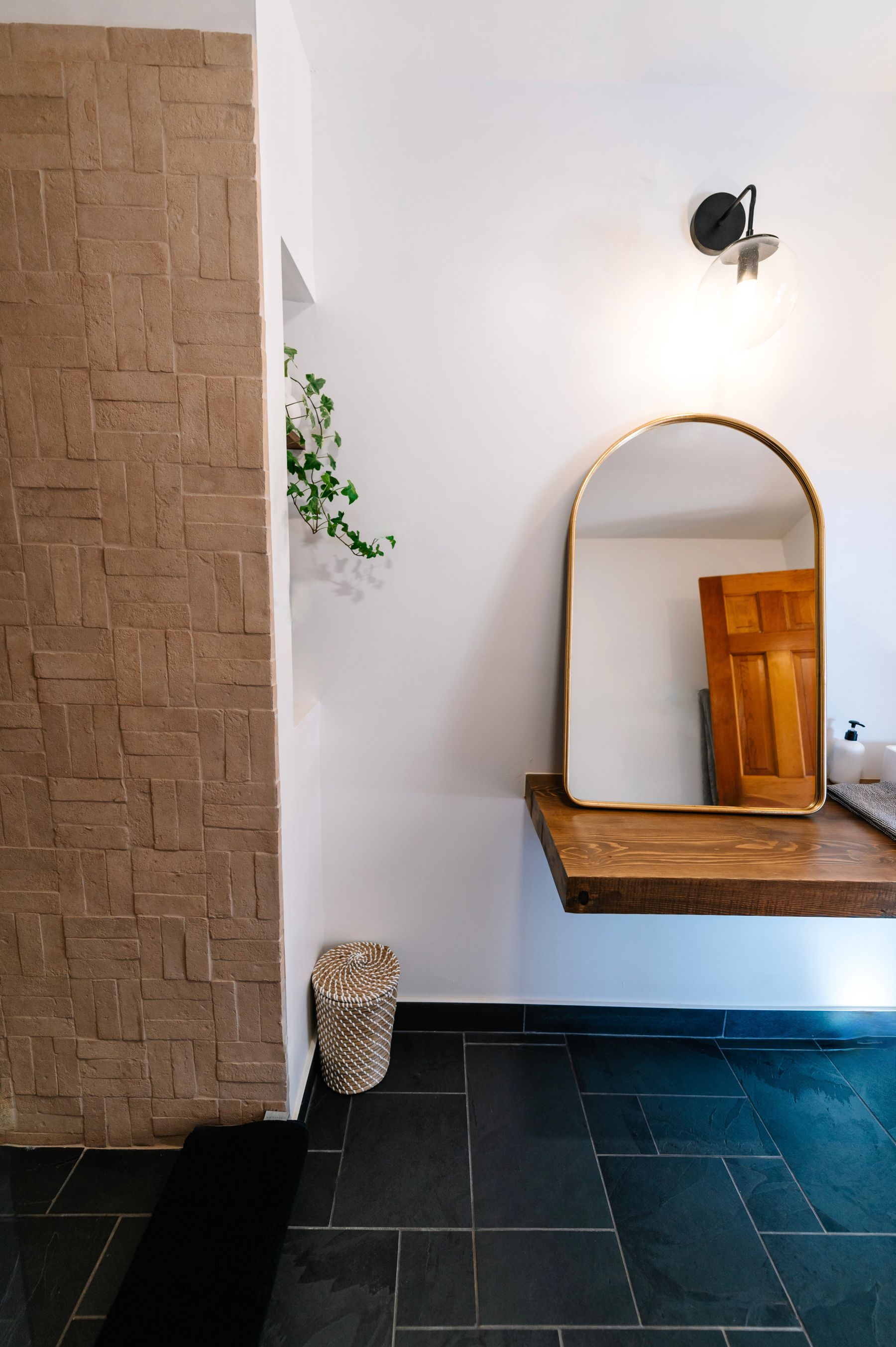
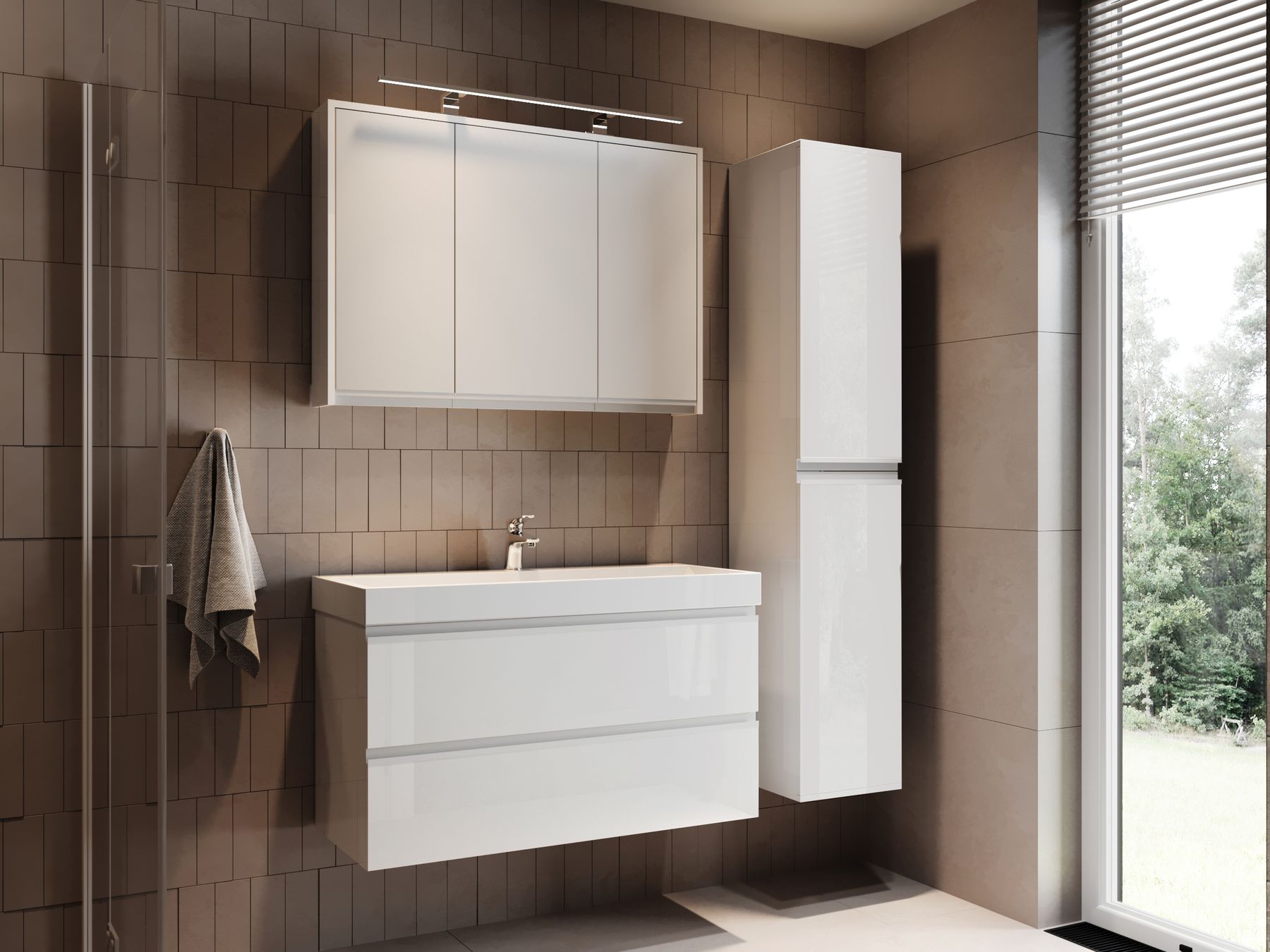
White cabinetry can make a vanity feel quieter in a small or highly patterned bathroom. Add depth through the counter, hardware or mirror rather than through more cabinet detail. The result works best when the white matches or deliberately contrasts with the surrounding tile instead of nearly matching it.