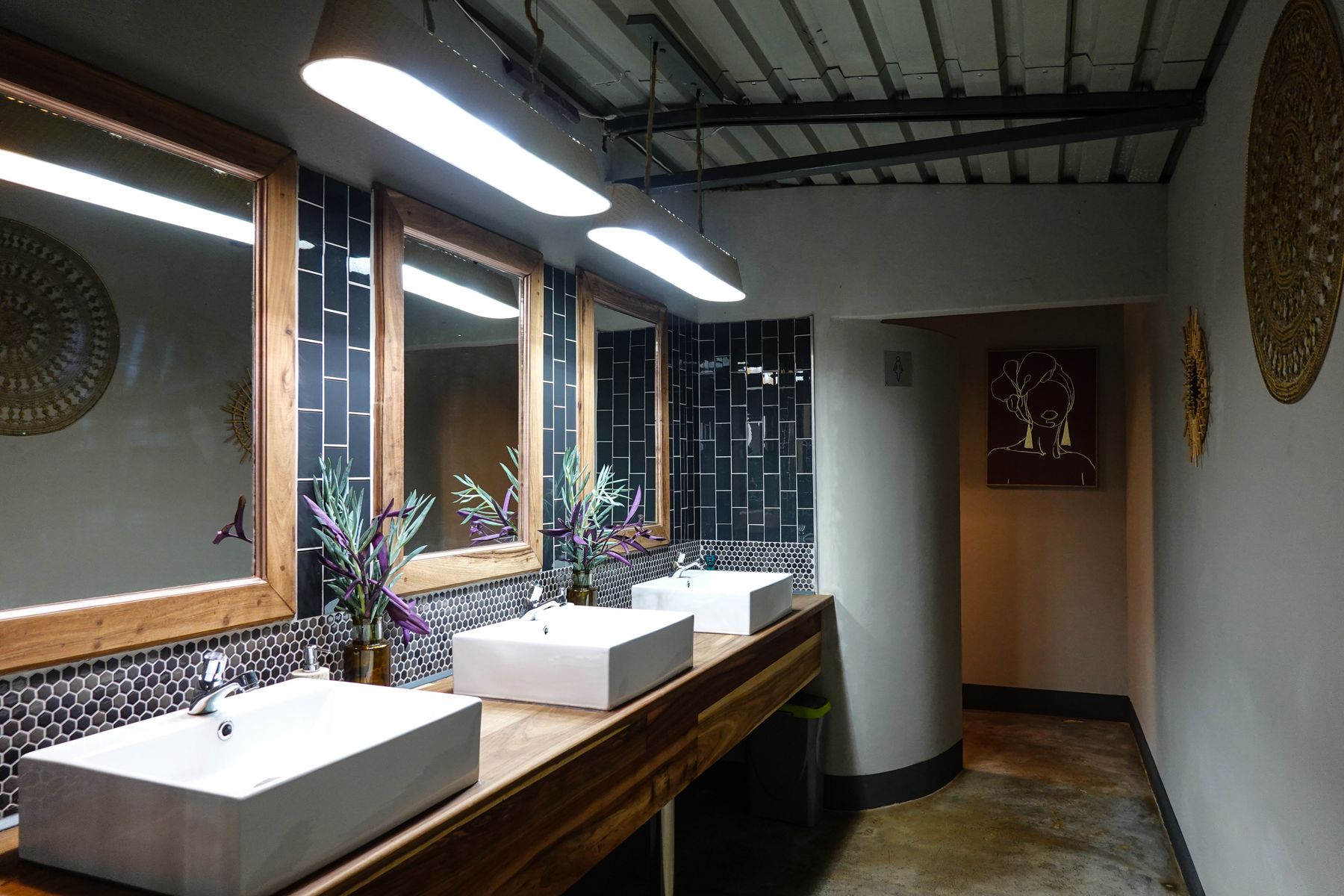
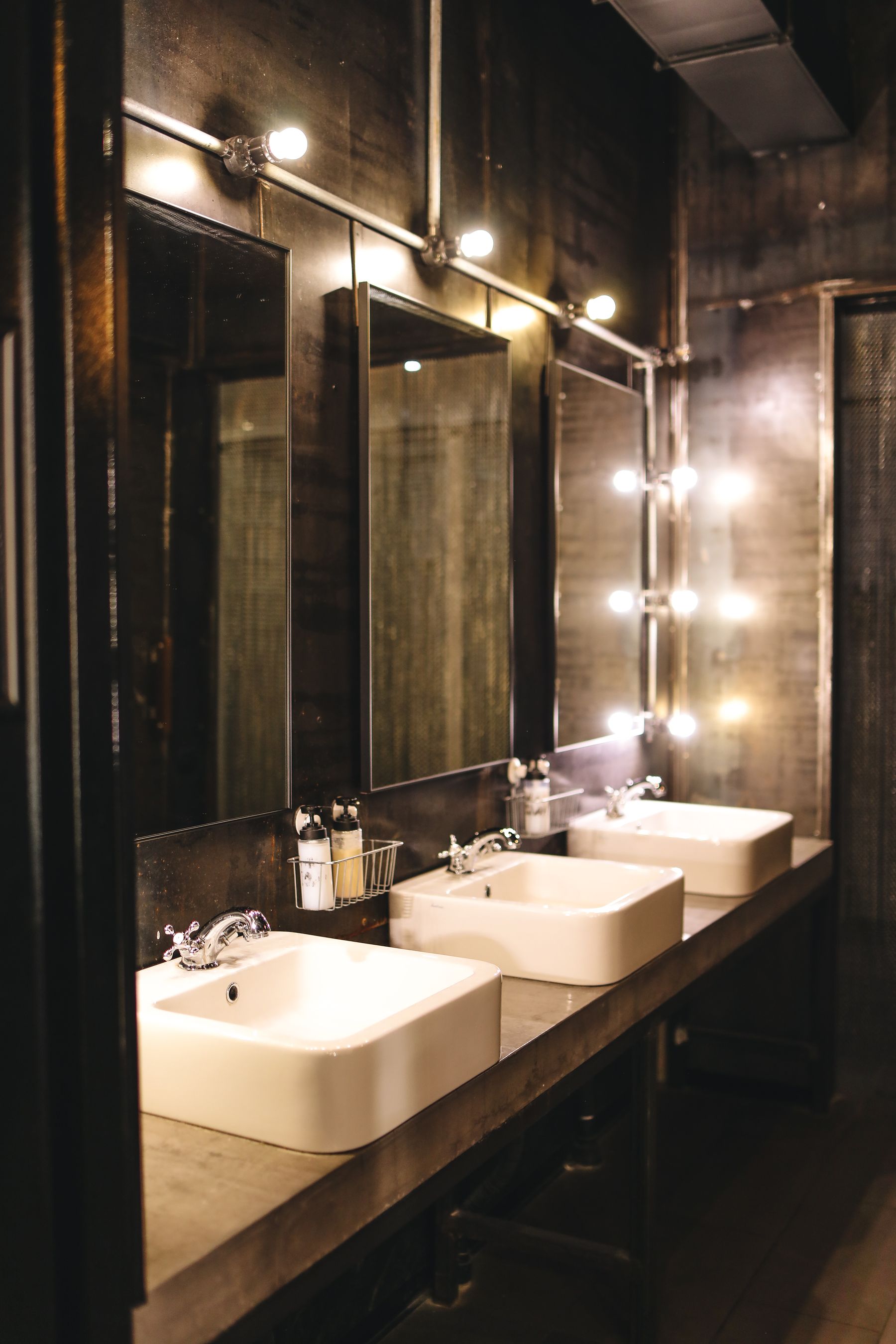
Choose One or Two Sinks From the Routine
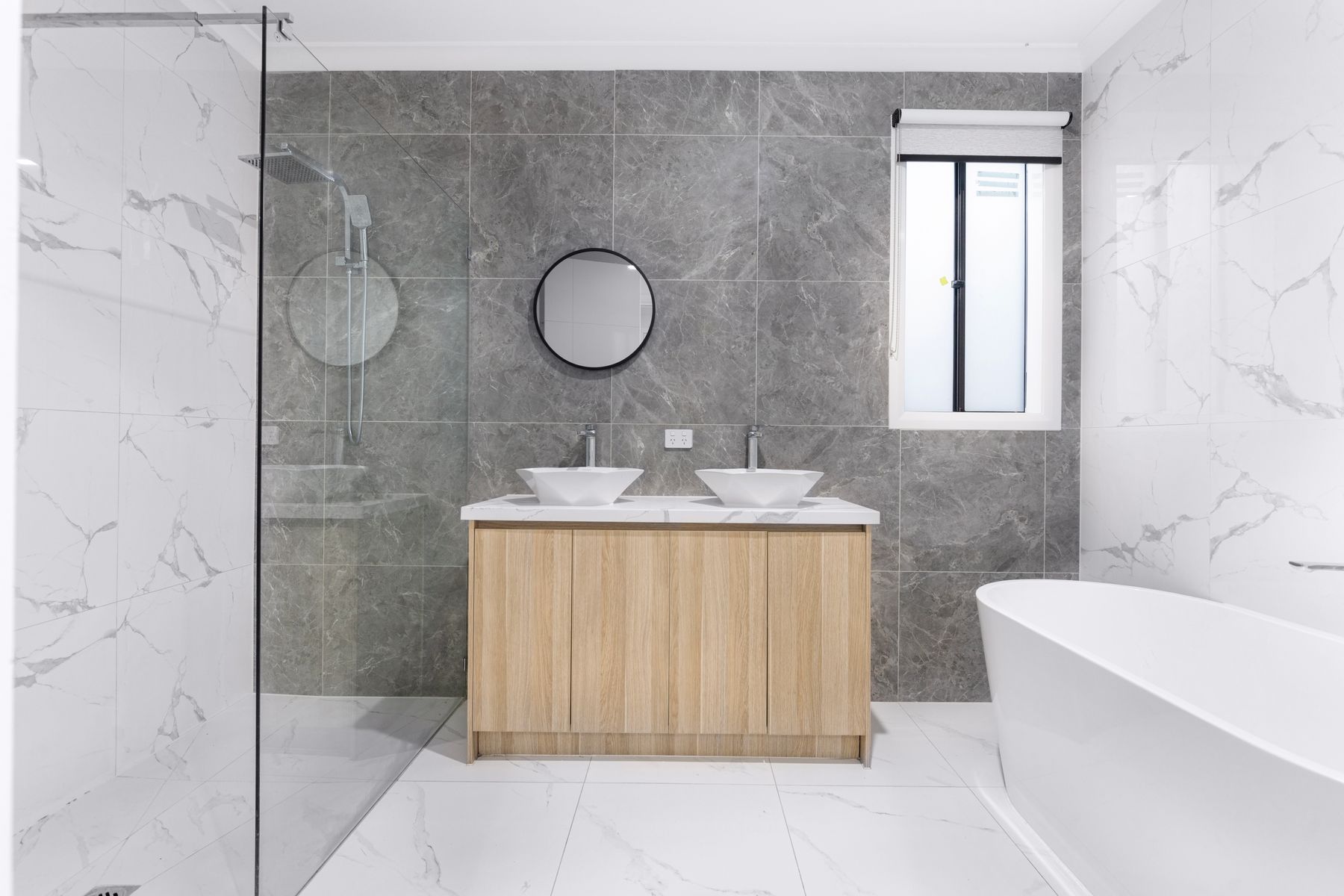
Two sinks can reduce congestion when two people regularly get ready at the same time, but they also consume counter and cabinet space. In many bathrooms, one generous basin with more usable counter and drawers works better. Decide from simultaneous use, storage needs and wall width rather than from the assumption that a wide vanity requires two sinks.
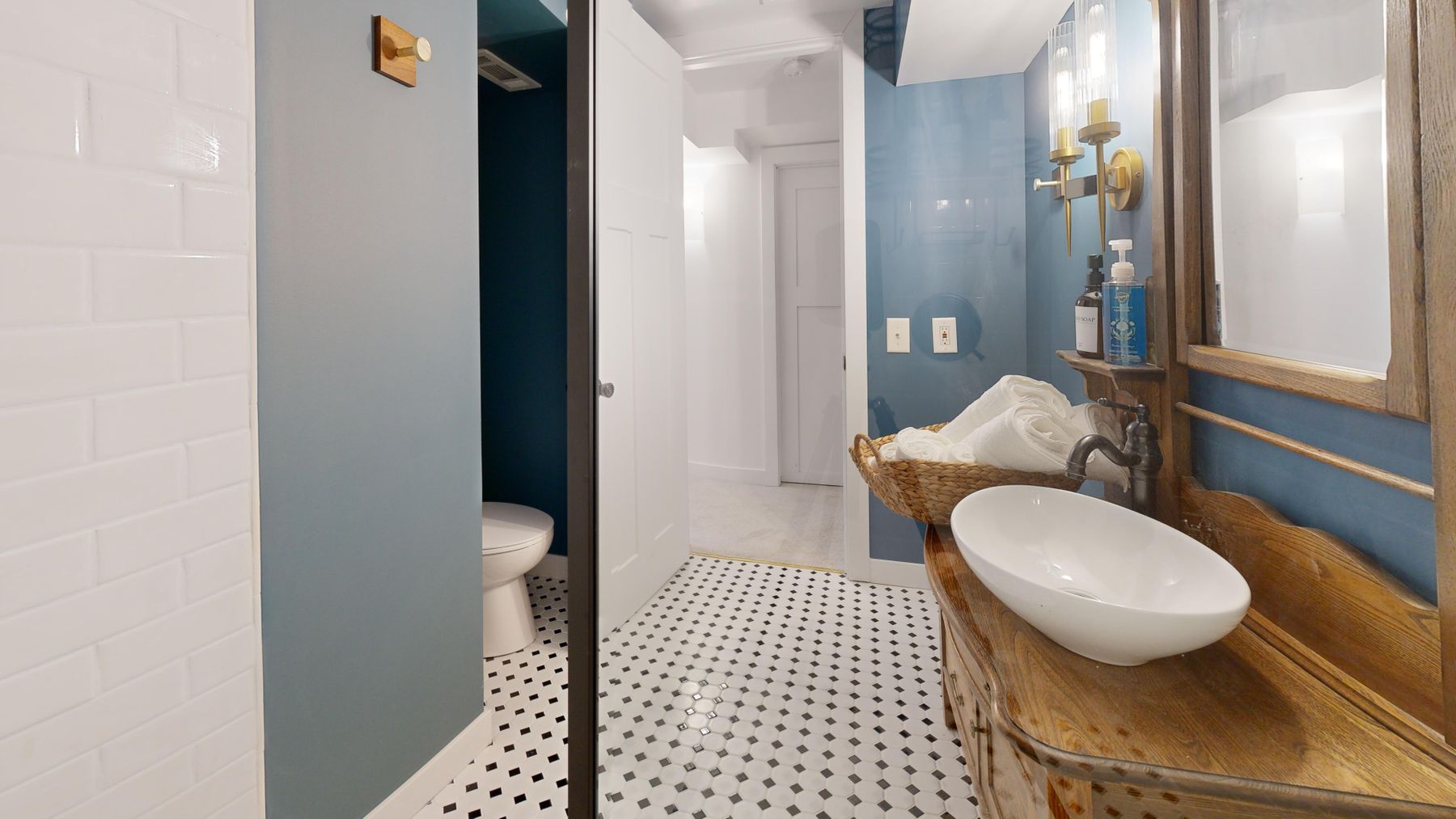
Use a Vessel Sink When the Counter Can Support It
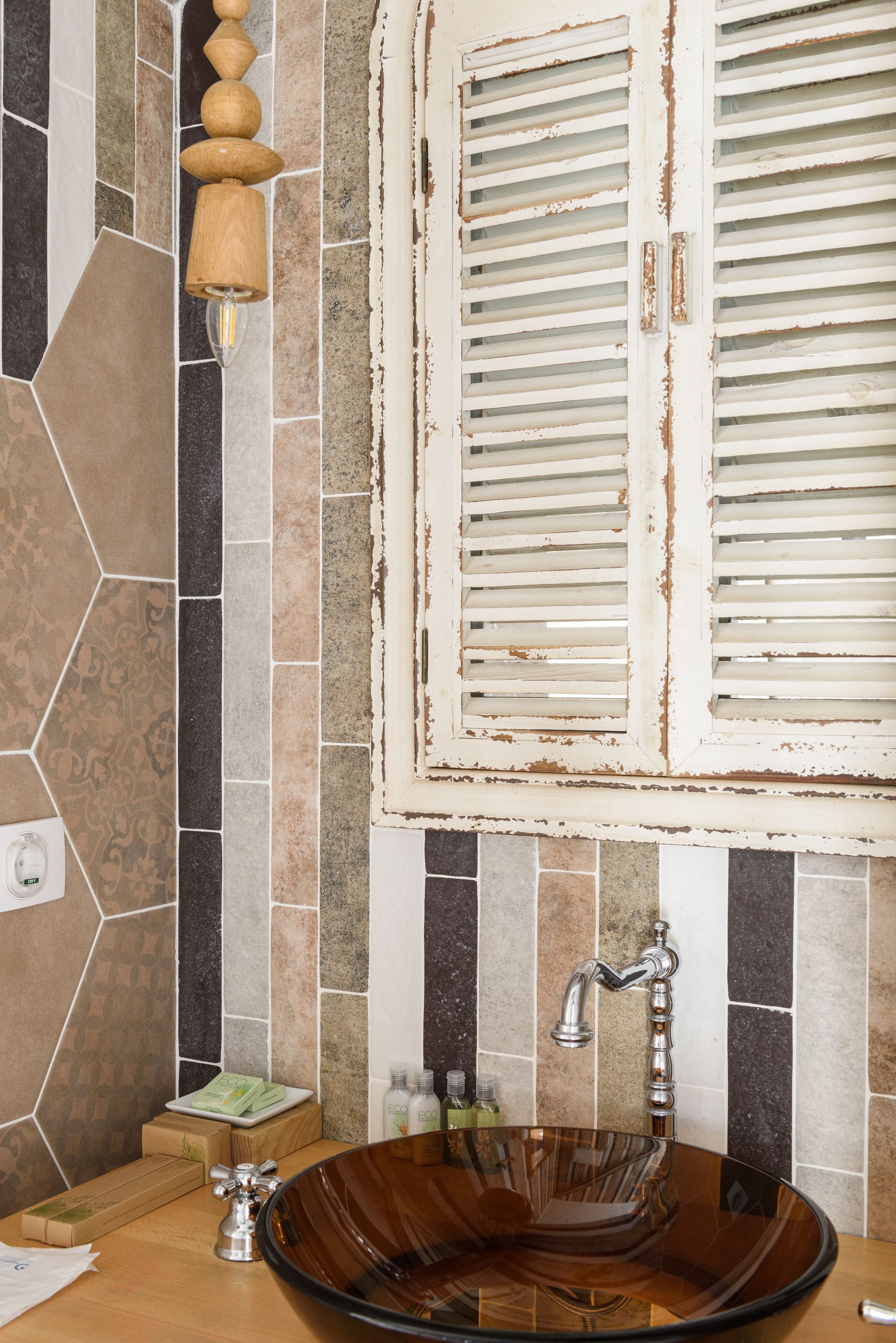
A vessel sink can create a strong furniture-like focal point, but its height changes the relationship between basin rim, countertop and faucet. It can also reduce usable surface around the bowl if the vanity is narrow. The counter height should be adjusted so the finished rim remains comfortable for the intended users.
Use Stone as the Main Sink Material
A stone or stone-look basin can add material weight without requiring the entire bathroom to use heavy texture. Keep surrounding tile and hardware restrained so the basin remains the focal material. Natural stone may require sealing and specific cleaning, while engineered or ceramic alternatives can offer a similar visual effect with less maintenance.
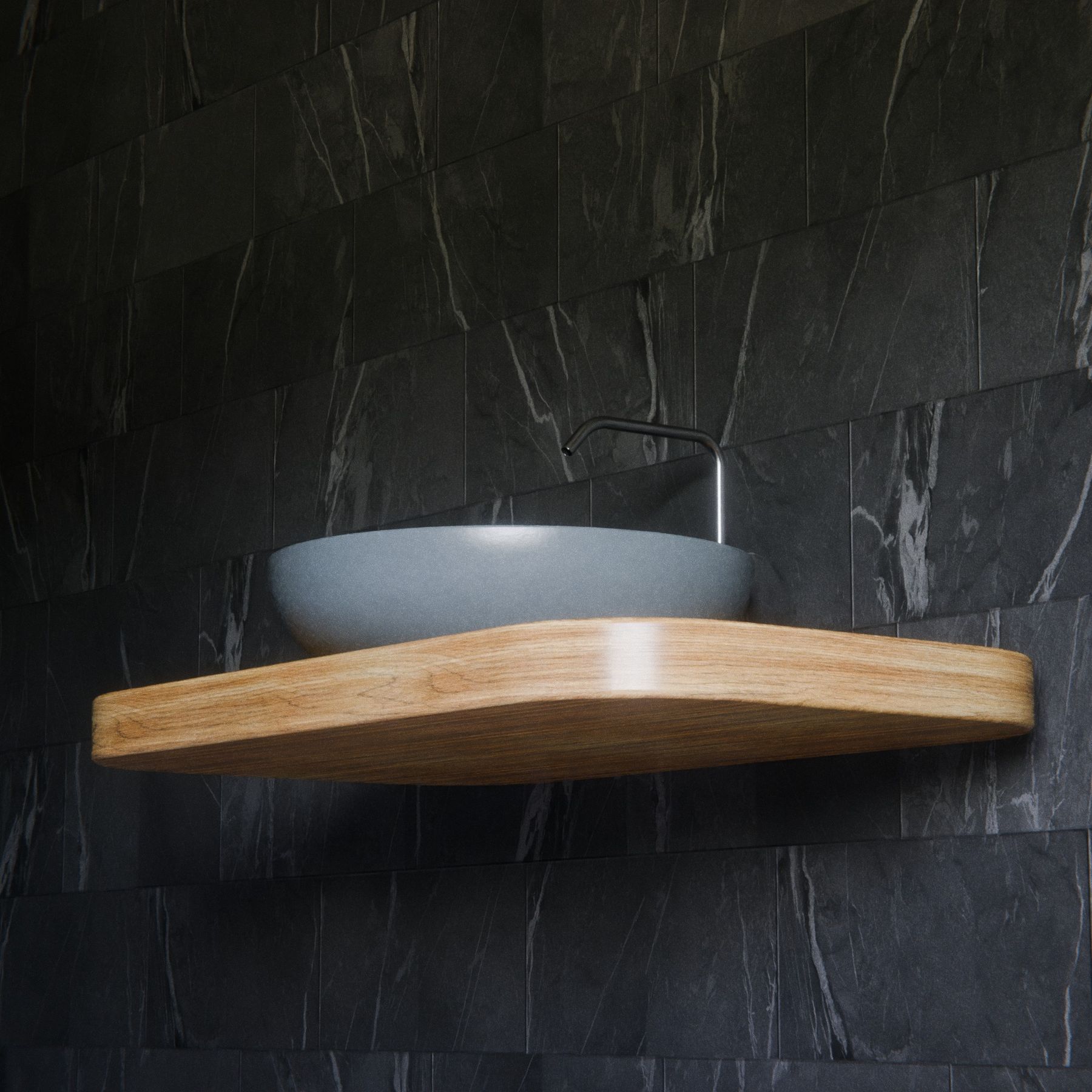
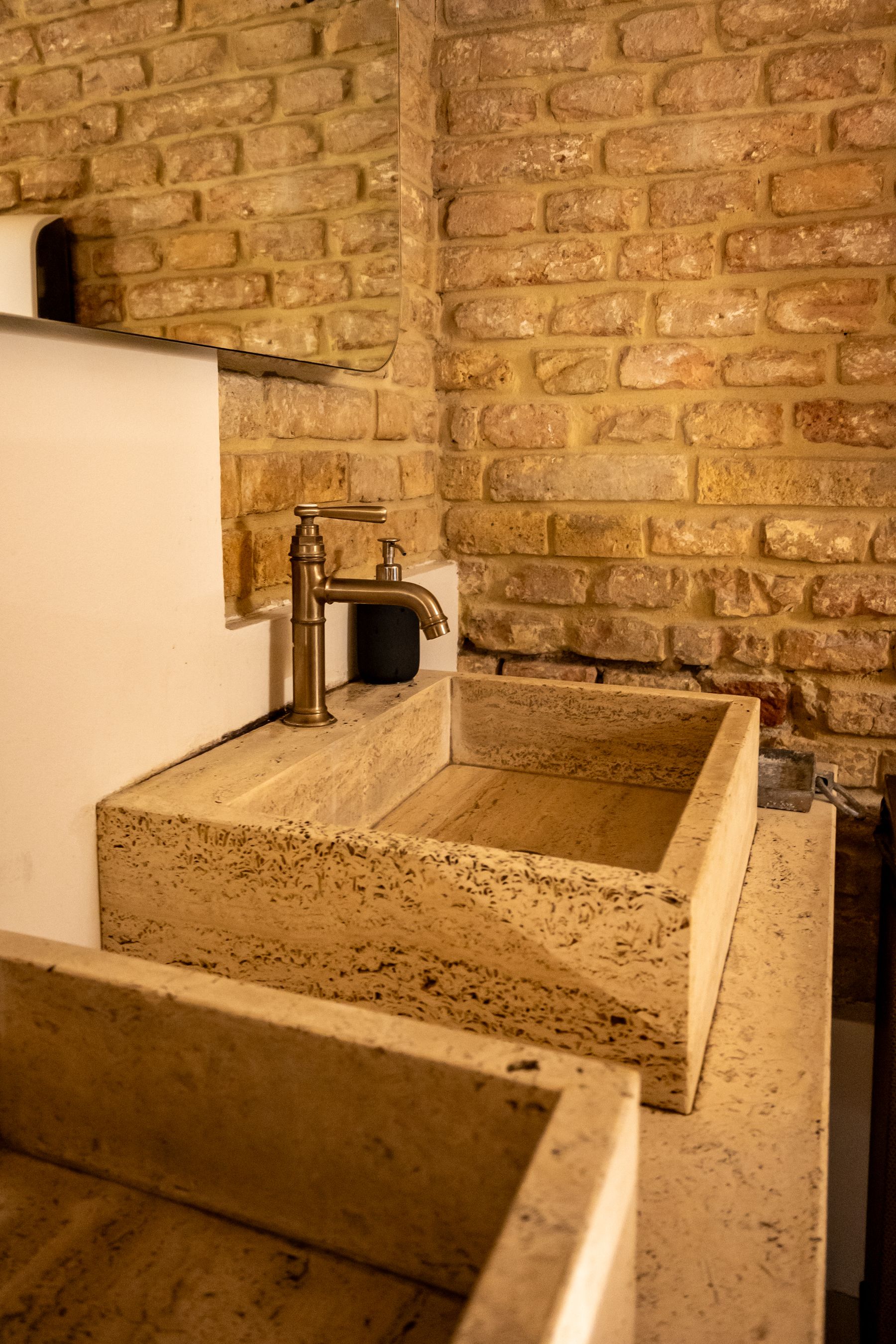
Use a Solid Basin With a Simple Counter
A substantial stone or concrete-like basin works best when the counter and wall behind it remain visually simple. The sink already provides thickness, texture and shadow, so extra decorative trim is usually unnecessary. Make sure the supporting structure and plumbing suit the weight and exact product.
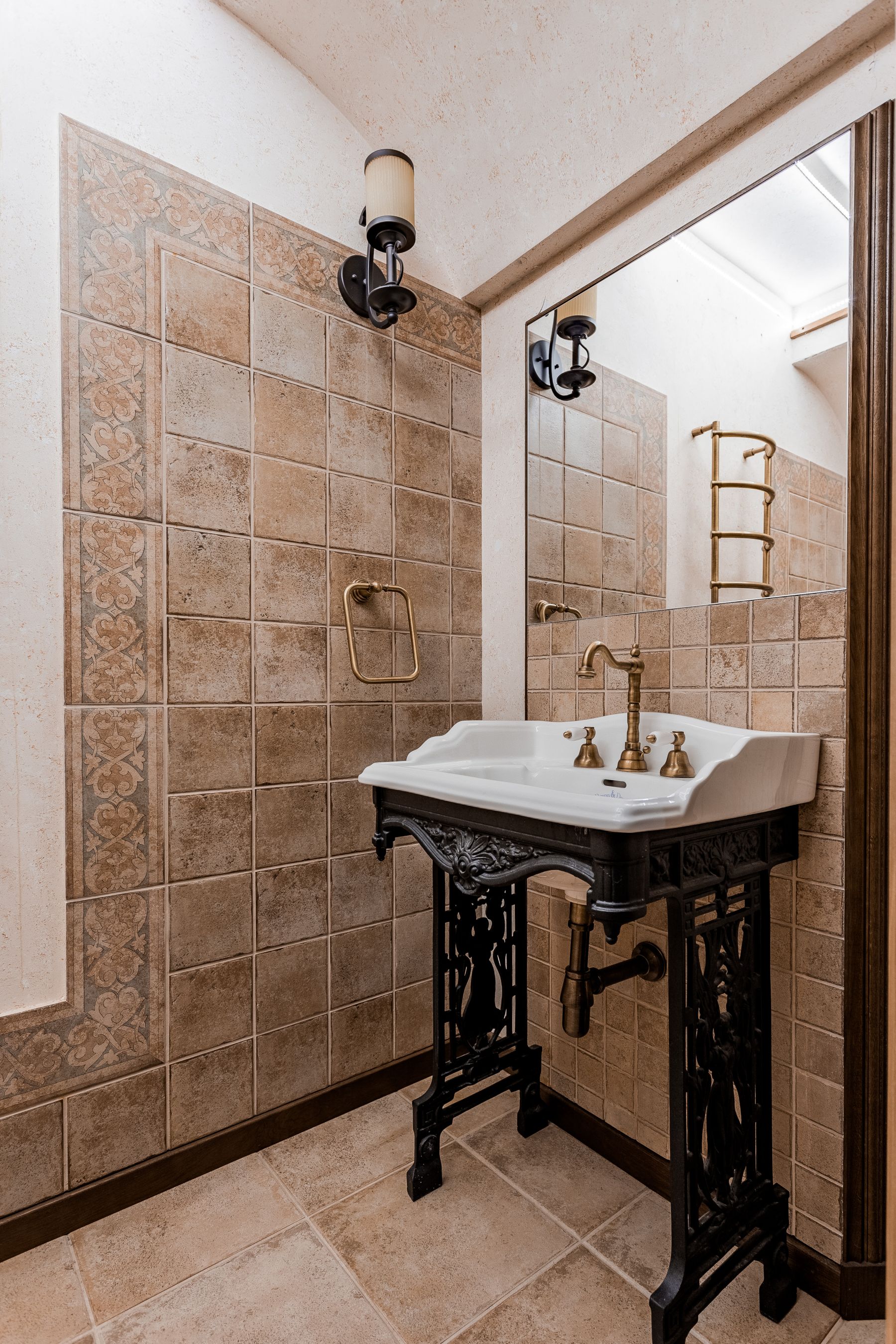
Use an Ornate Sink as One Period Detail
A decorative or vintage-style sink can add period character without requiring every fixture to match. Keep the faucet, mirror or tile simpler so the basin does not compete with several equally ornate elements. If the sink is genuinely old, condition, glazing and plumbing compatibility should be assessed before installation.
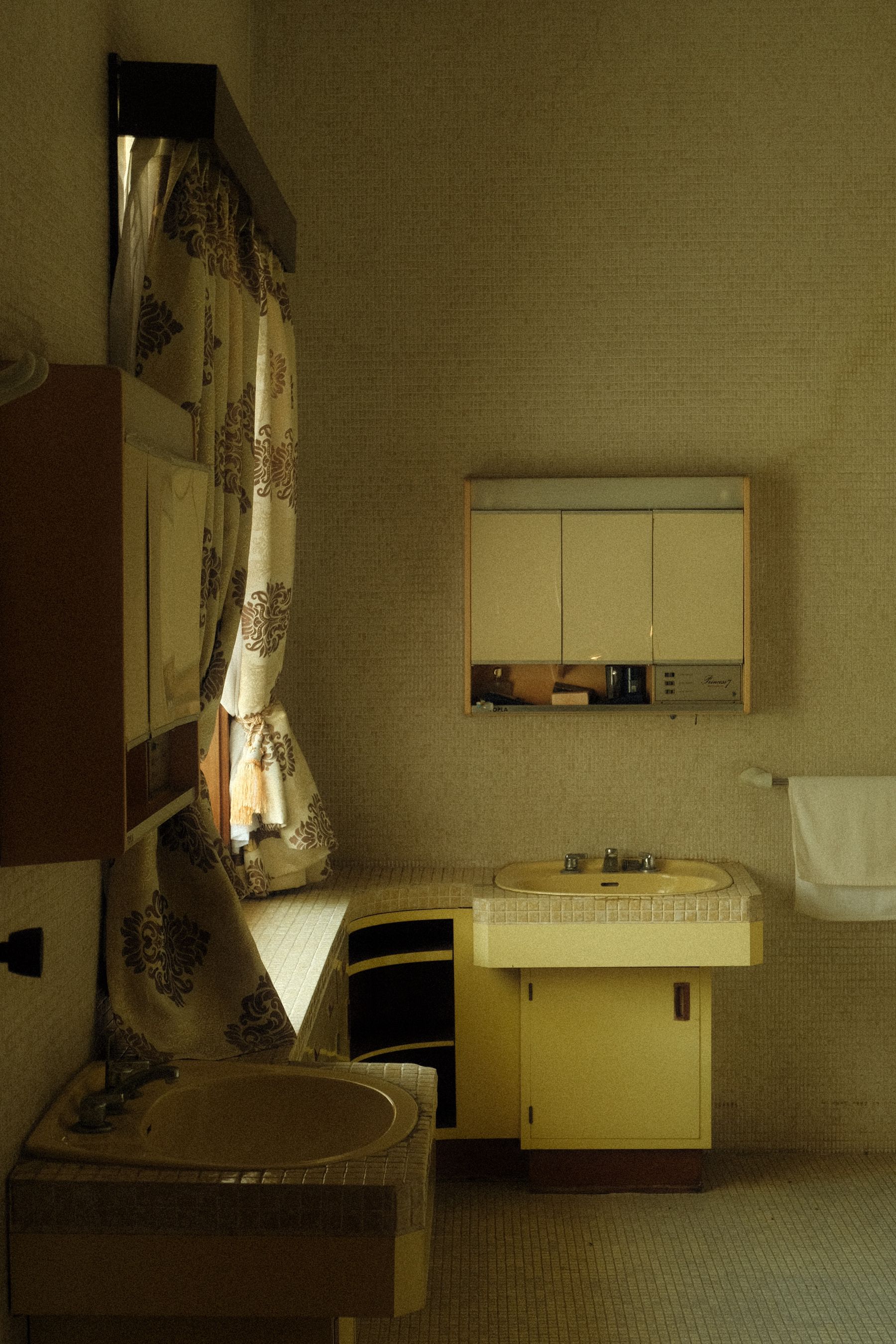
Use Colored Sanitaryware as the Focal Move
A colored sink can make a bathroom feel retro, playful or more personal without covering the walls in strong color. Yellow, green, pink and blue basins work best when the counter and wall provide enough contrast for the shape to remain clear. Keep the rest of the color palette disciplined.
Use a Dark Basin Against a Lighter Background
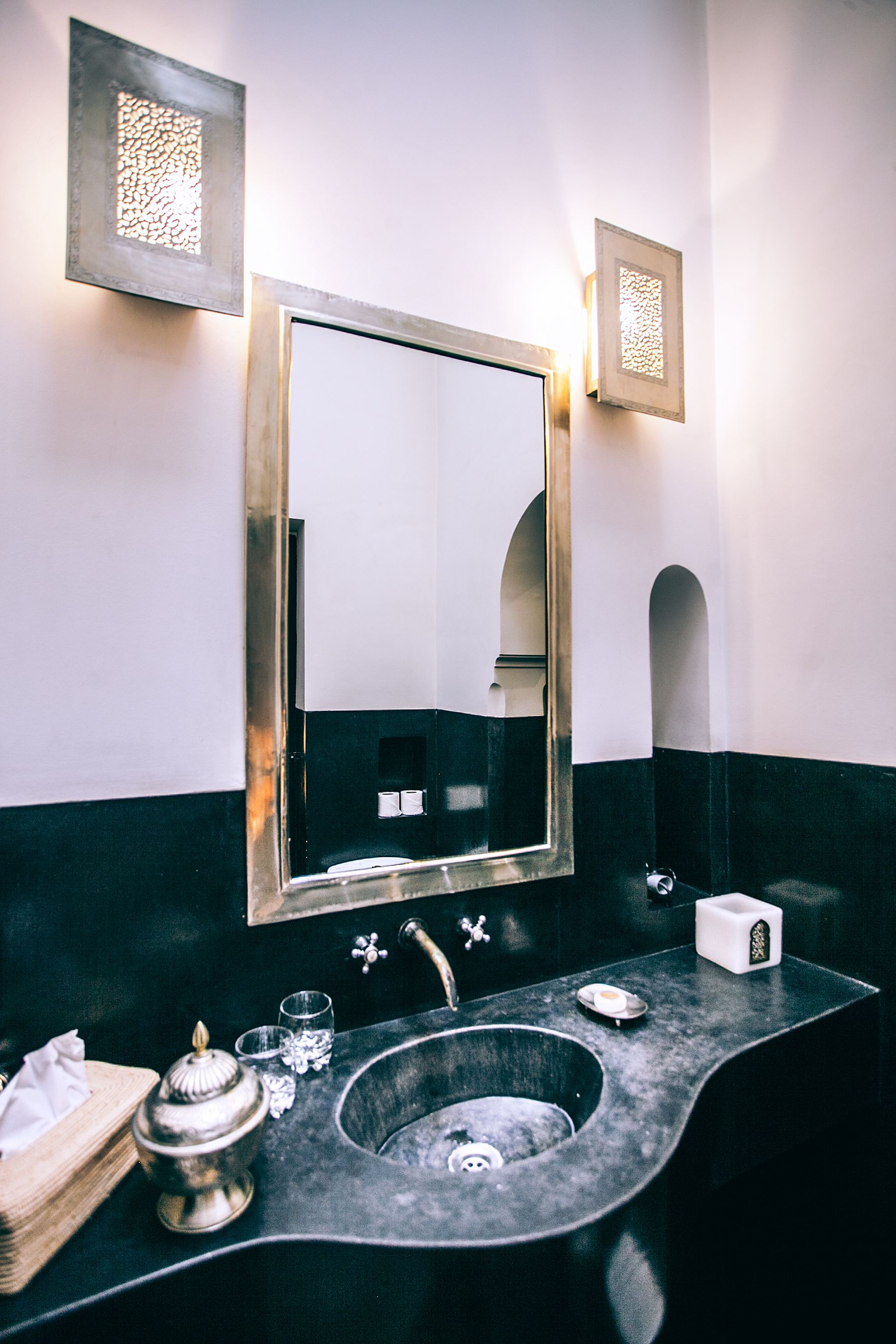
A black or dark stone sink creates strong visual weight and can make a pale vanity wall feel more architectural. The basin edge, faucet and drain still need to remain legible, especially under evening light. Dark finishes may show mineral deposits and soap residue more readily than white ceramic.
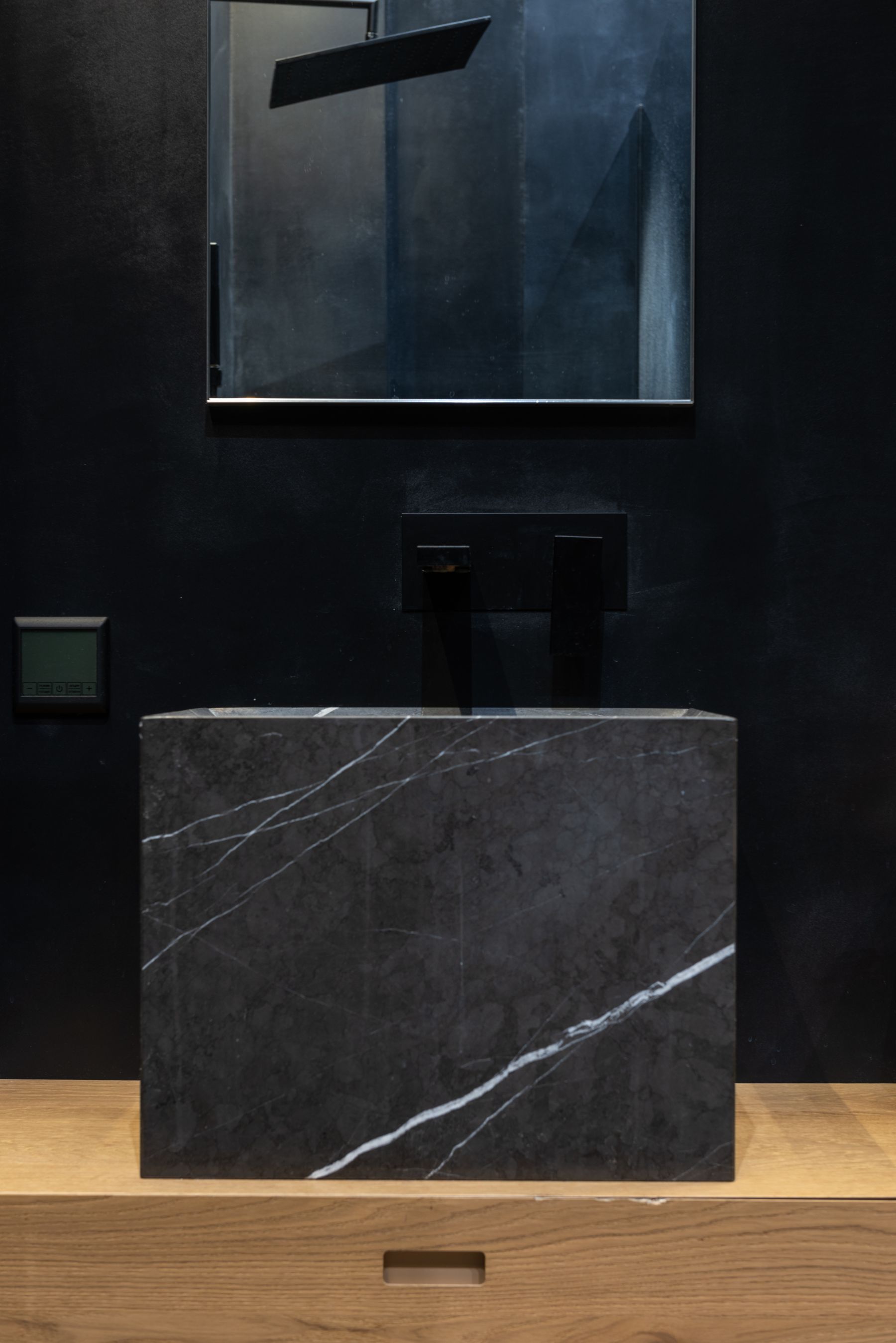
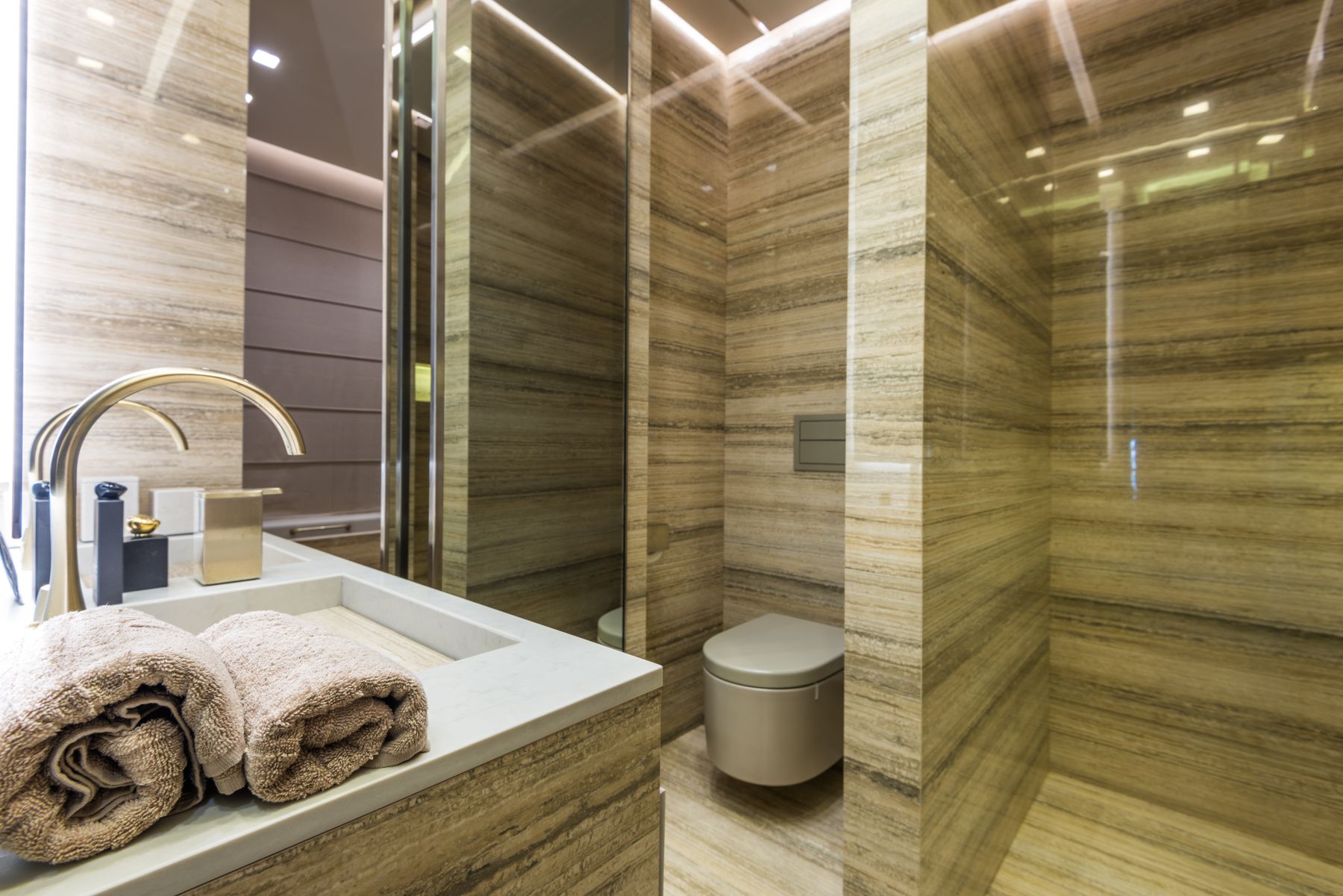
Use a Refined Sink to Support a Luxury Vanity
A luxury sink wall does not need an unusually complicated basin. Precise joints, a well-proportioned counter, polished stone and coordinated metal can create a stronger result than a highly sculptural sink that sacrifices practicality. The basin should support the larger vanity composition.
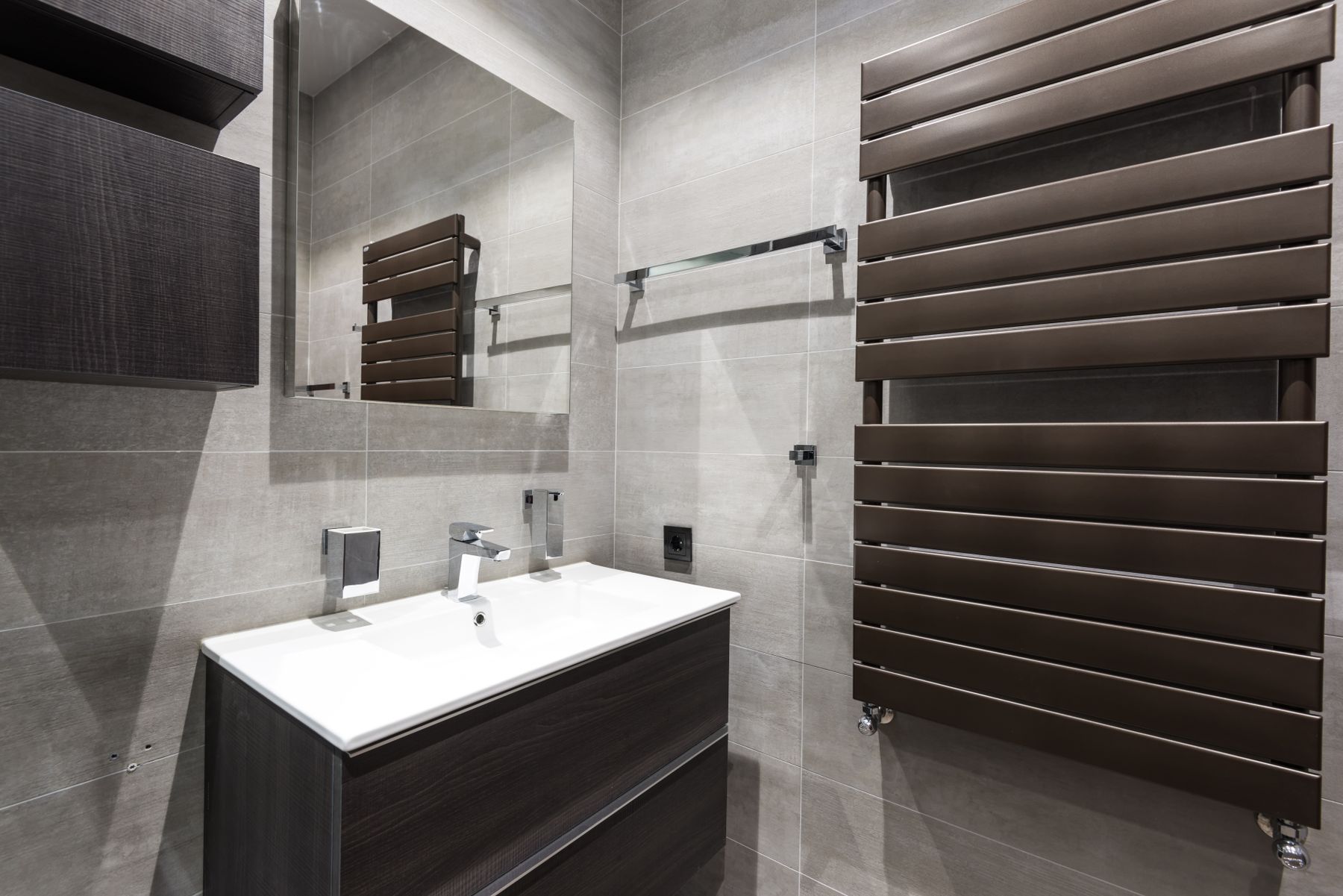
Use a Simple Sink in a Minimal Bathroom
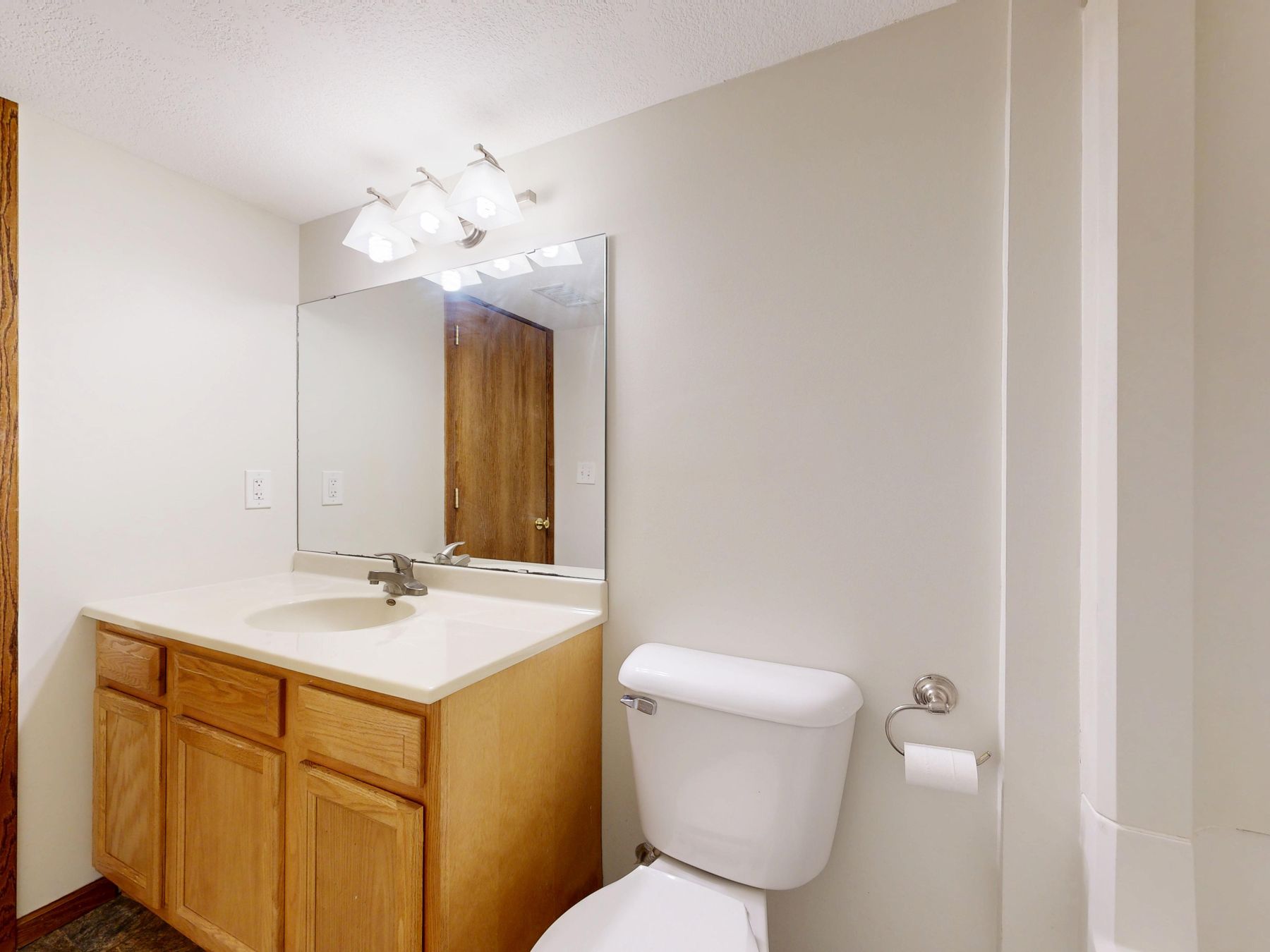
A simple rectangular or integrated sink works well when the vanity wall relies on proportion rather than decoration. Keep joints, drains and faucet lines visually clean, but do not let minimalism reduce useful basin depth or counter area. The sink should still work comfortably for daily routines.
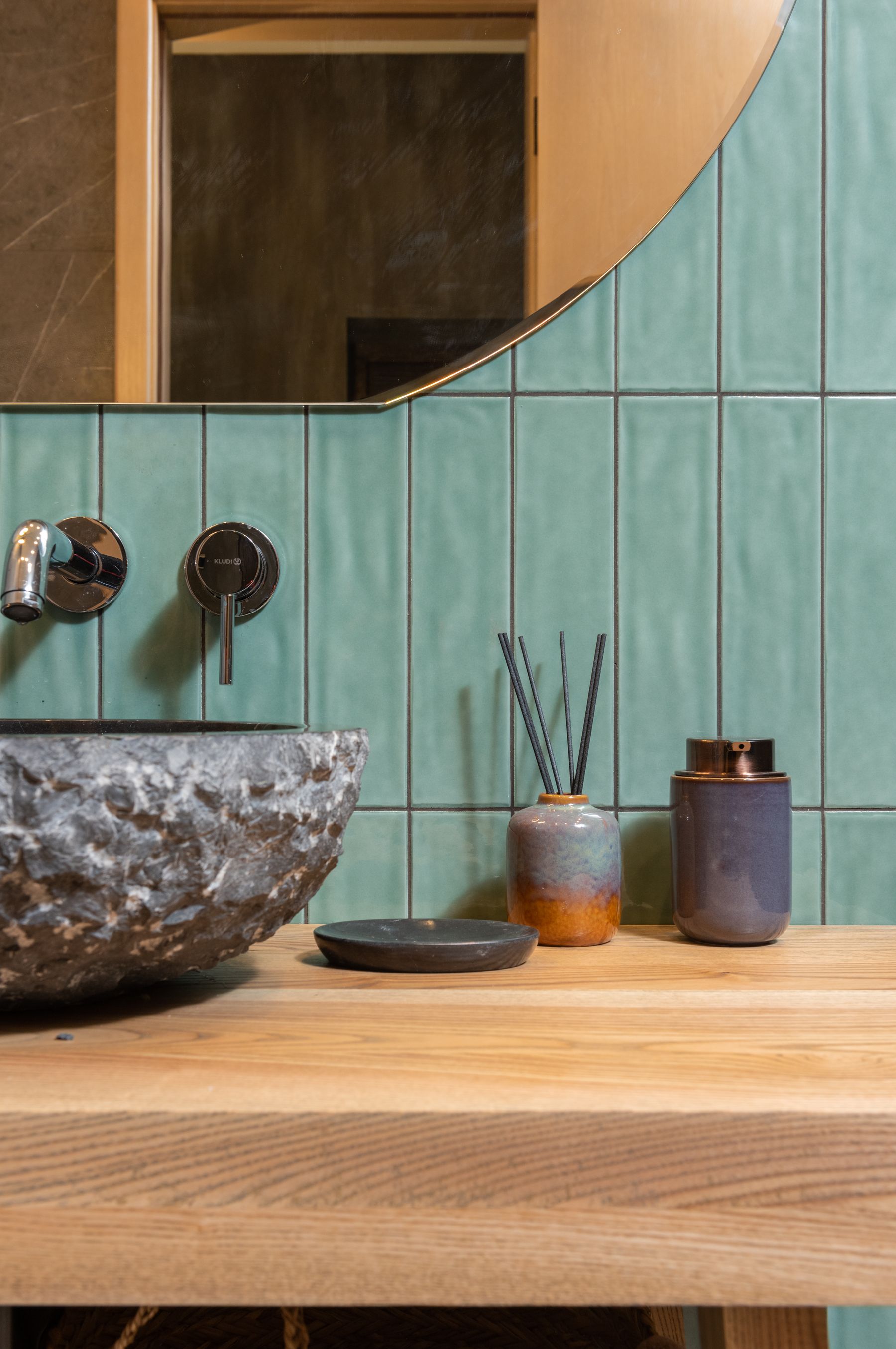
Pair a Stone Sink With Warm Wood
Stone and warm wood create a balanced sink wall because the cool mineral surface and visible grain provide contrast without extra color. This pairing works in modern, Japandi, rustic and contemporary bathrooms. Keep the wood finish bathroom-suitable and the basin care requirements realistic.