Plan the Room for a First-Time User
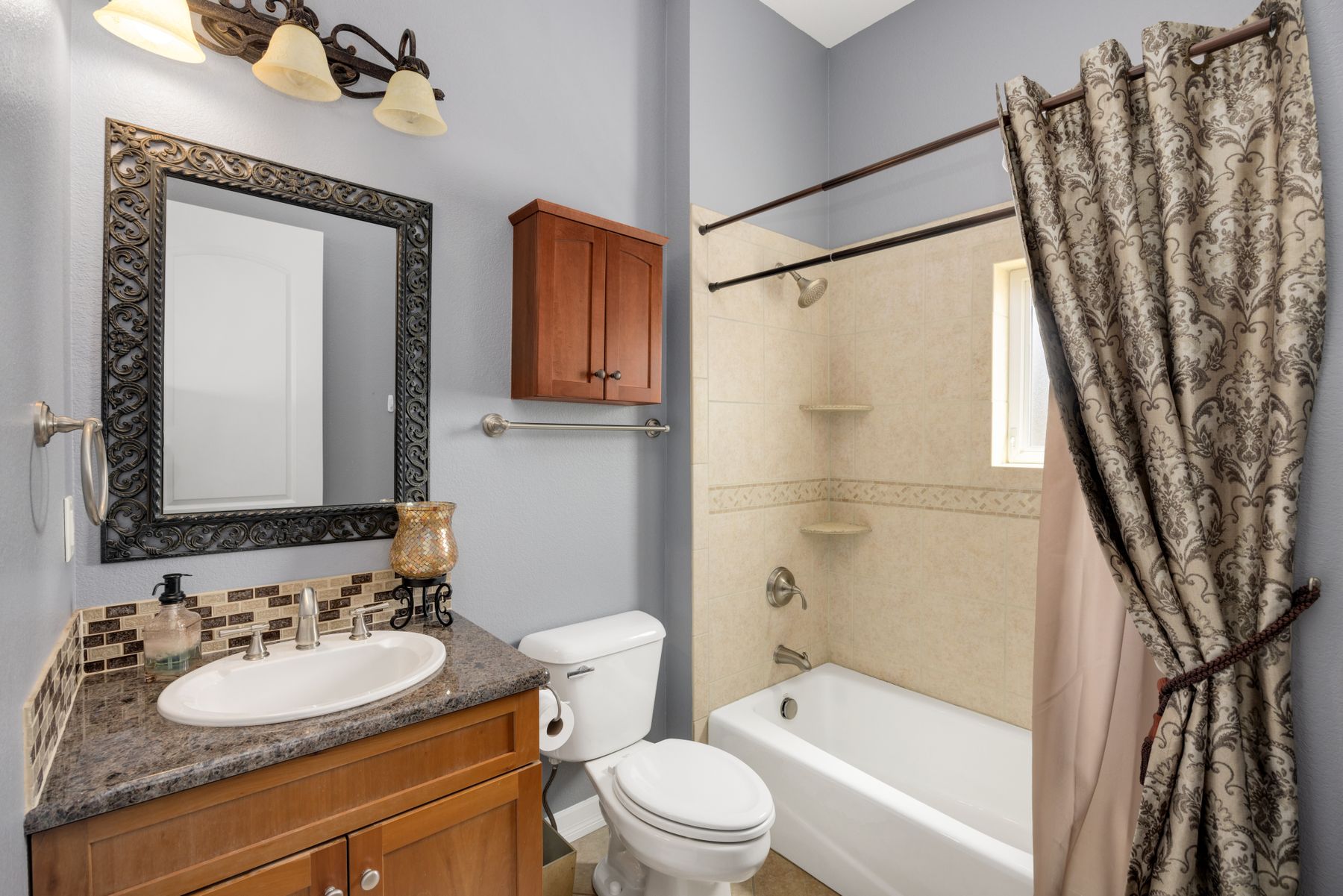
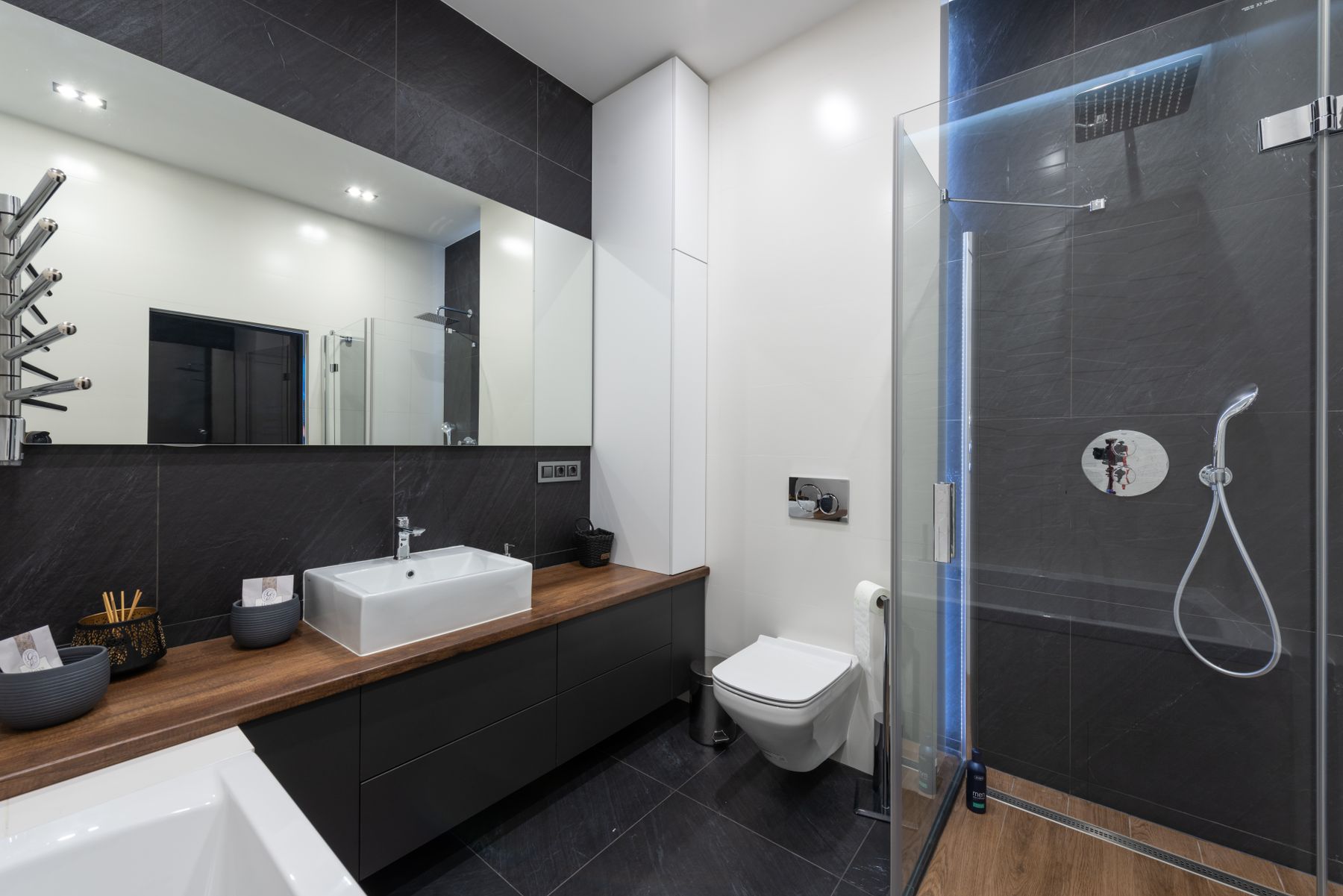
A guest should be able to enter the room and understand the sink, toilet, shower or bath without navigating around open doors, storage units or decorative furniture. Keep the main path clear and make the most important controls and storage locations visually obvious. A simple layout usually feels more welcoming than one that asks a visitor to learn the household's routines.
Make the Bath or Shower Easy to Use
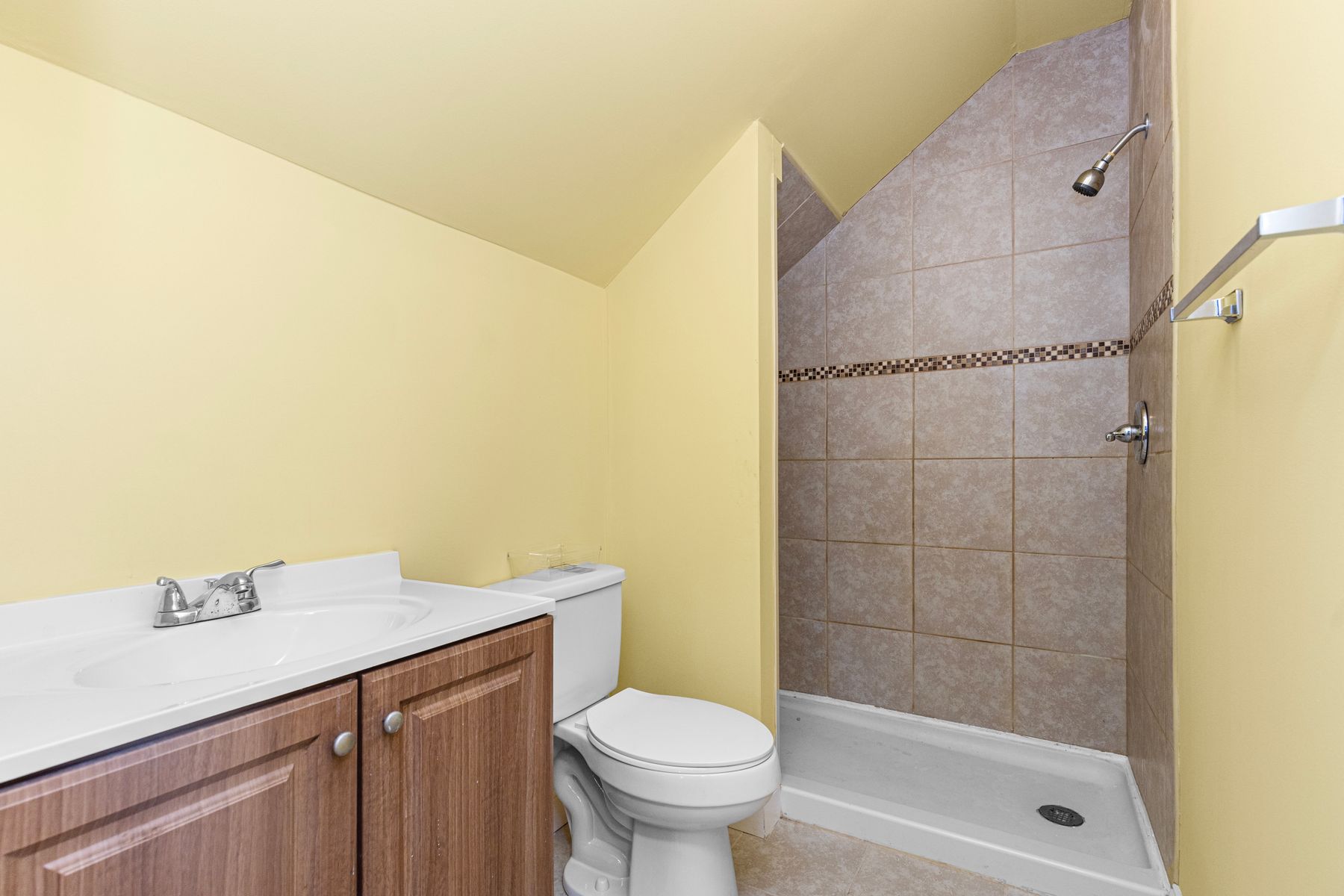
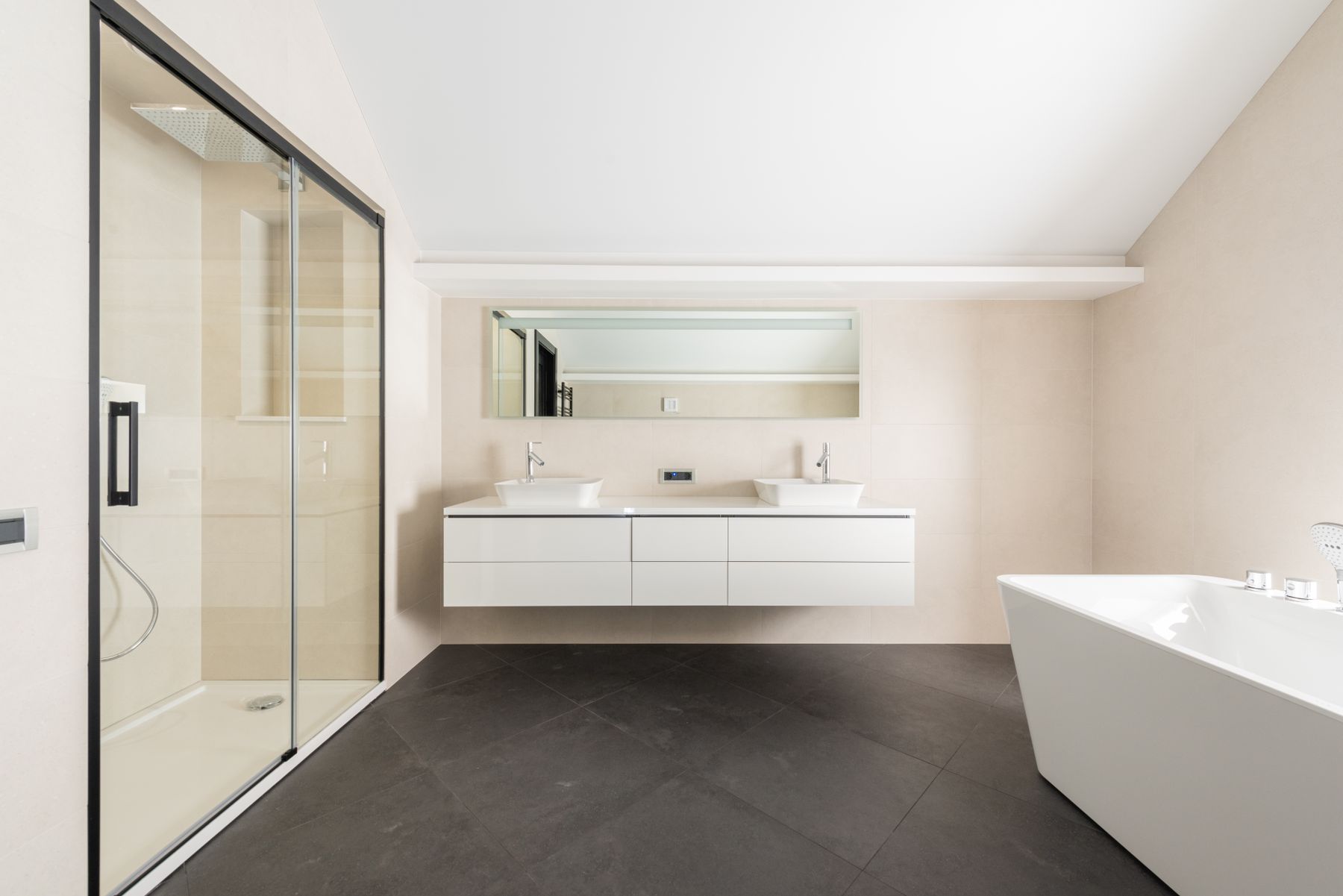
A guest bathroom often needs to serve different bathing preferences, so a straightforward shower, tub-shower combination or well-planned bath can be more flexible than a highly specialized setup. Keep controls easy to identify, provide a shelf or niche for temporary toiletries and make sure the towel location is obvious from the wet zone.
Leave Real Landing Space at the Vanity
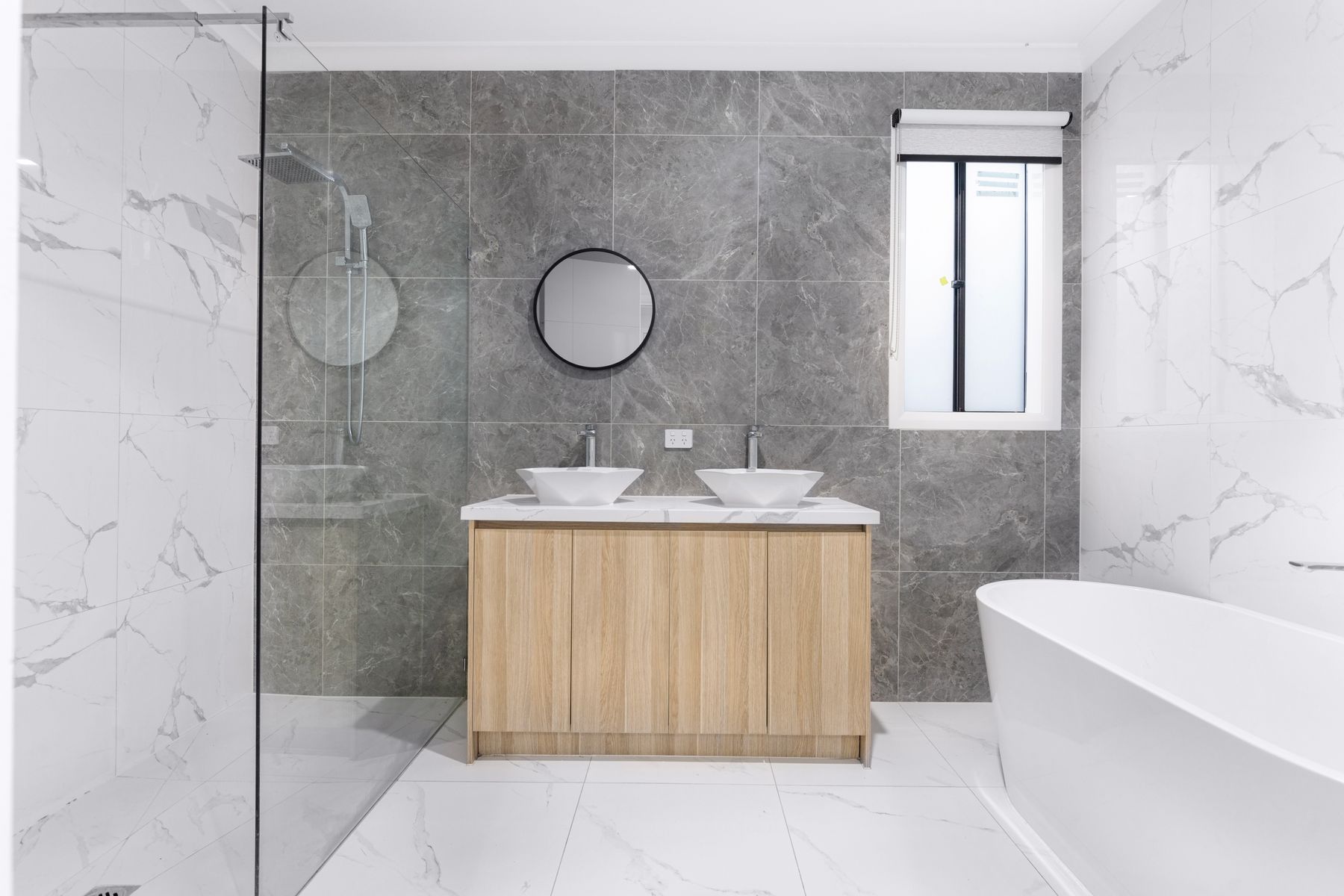
Guests often arrive with a toiletry bag, toothbrush, skincare and grooming items that need temporary space. Protect some clear counter area or provide one empty drawer rather than filling every surface with decor. A smaller vanity can still work well when the usable area is deliberately kept open.
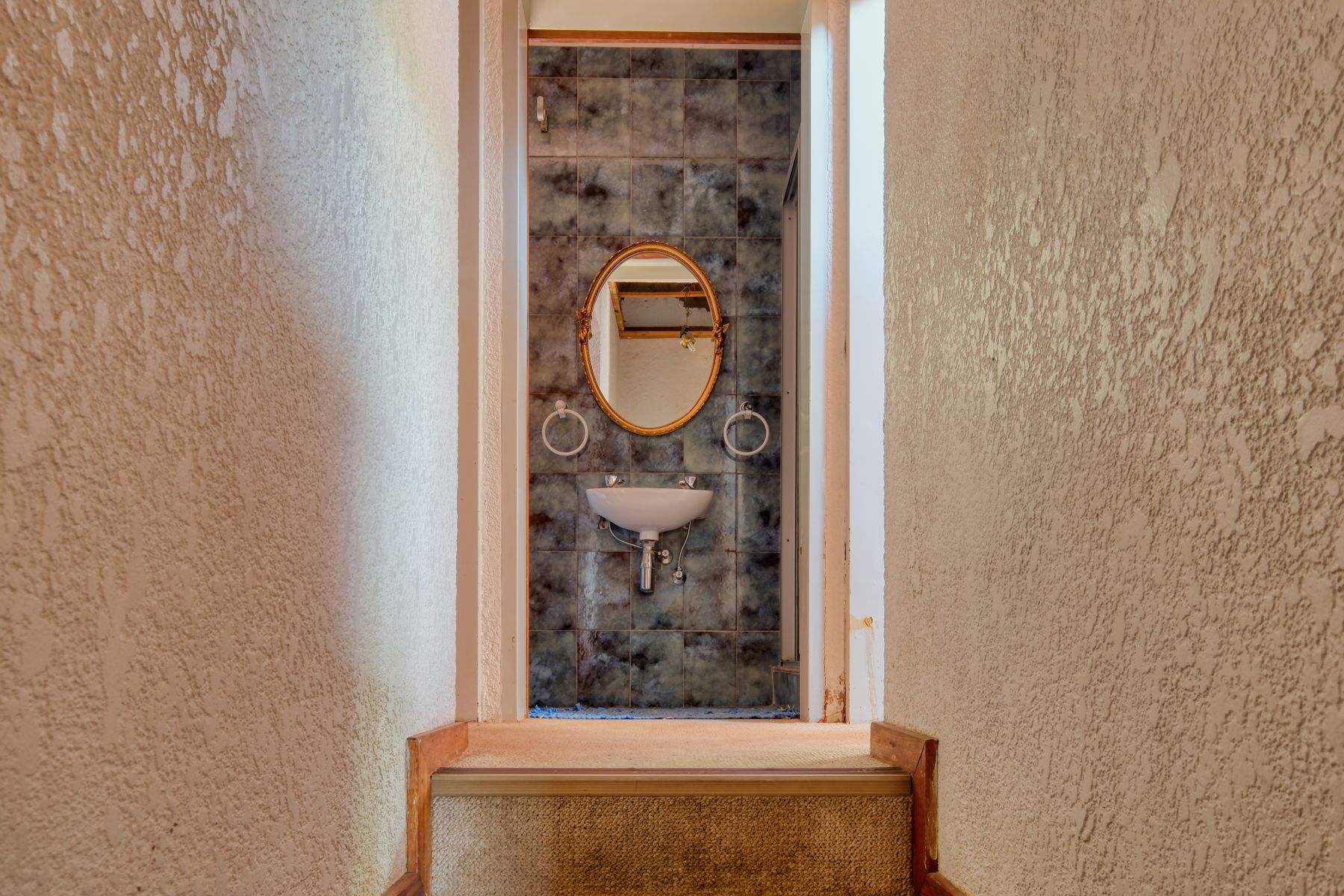
Use a Mirror That Works for More Than Decoration
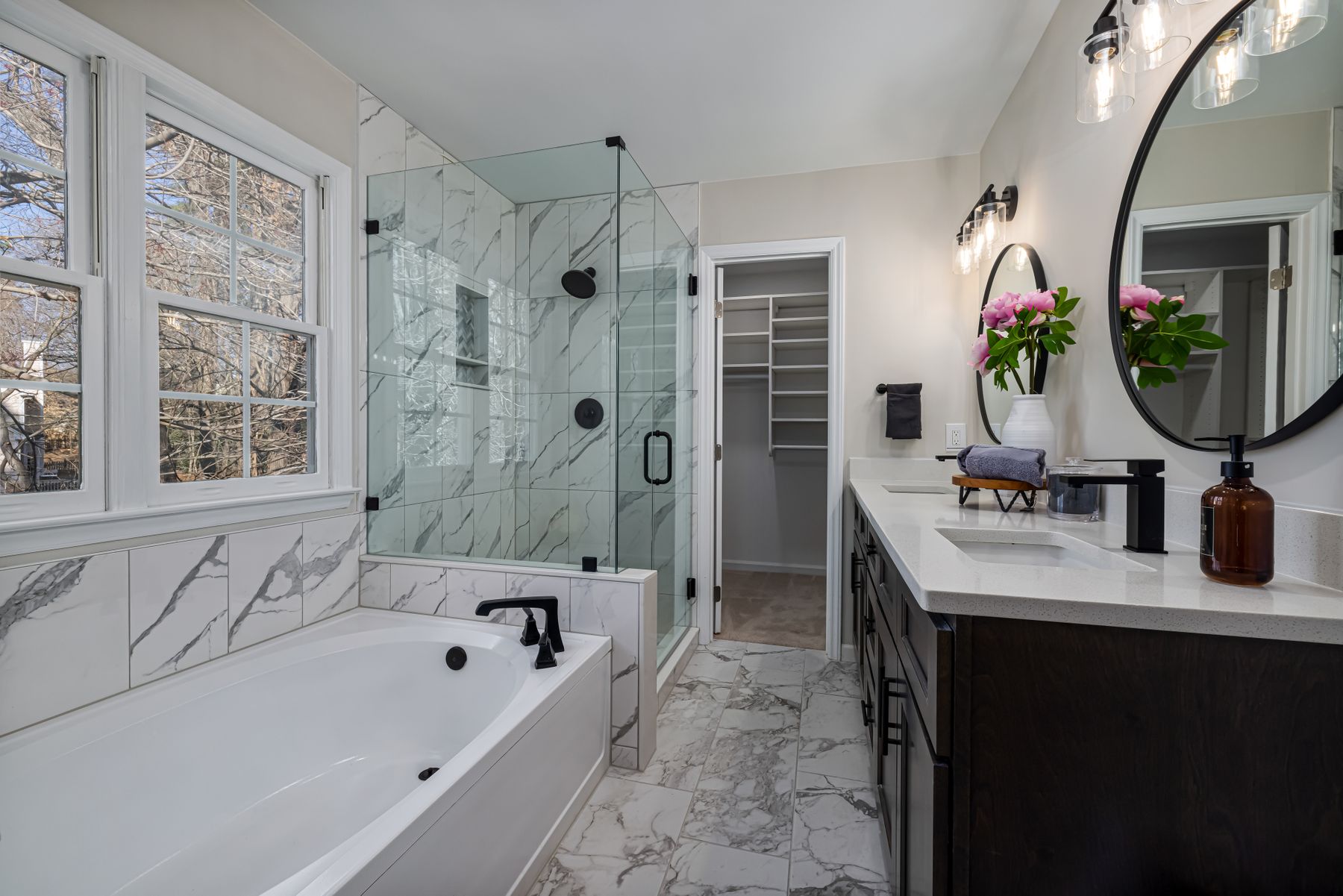
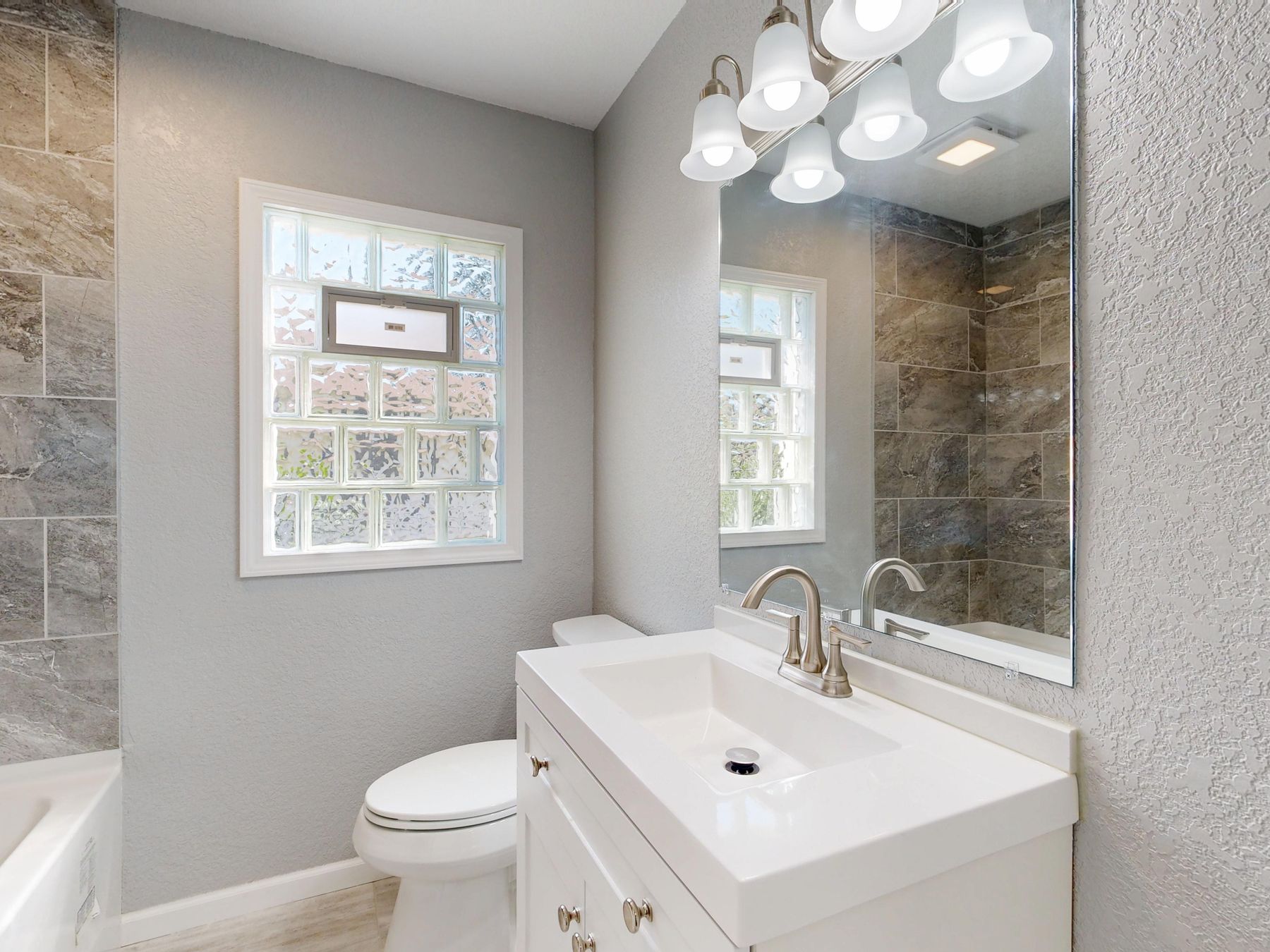
A mirror can add shape and character, but it also needs to provide a clear view at the sink. Choose a size and position that suit a range of users and do not let decorative framing reduce useful reflective area. If the bathroom is compact, a larger mirror can also help distribute light.
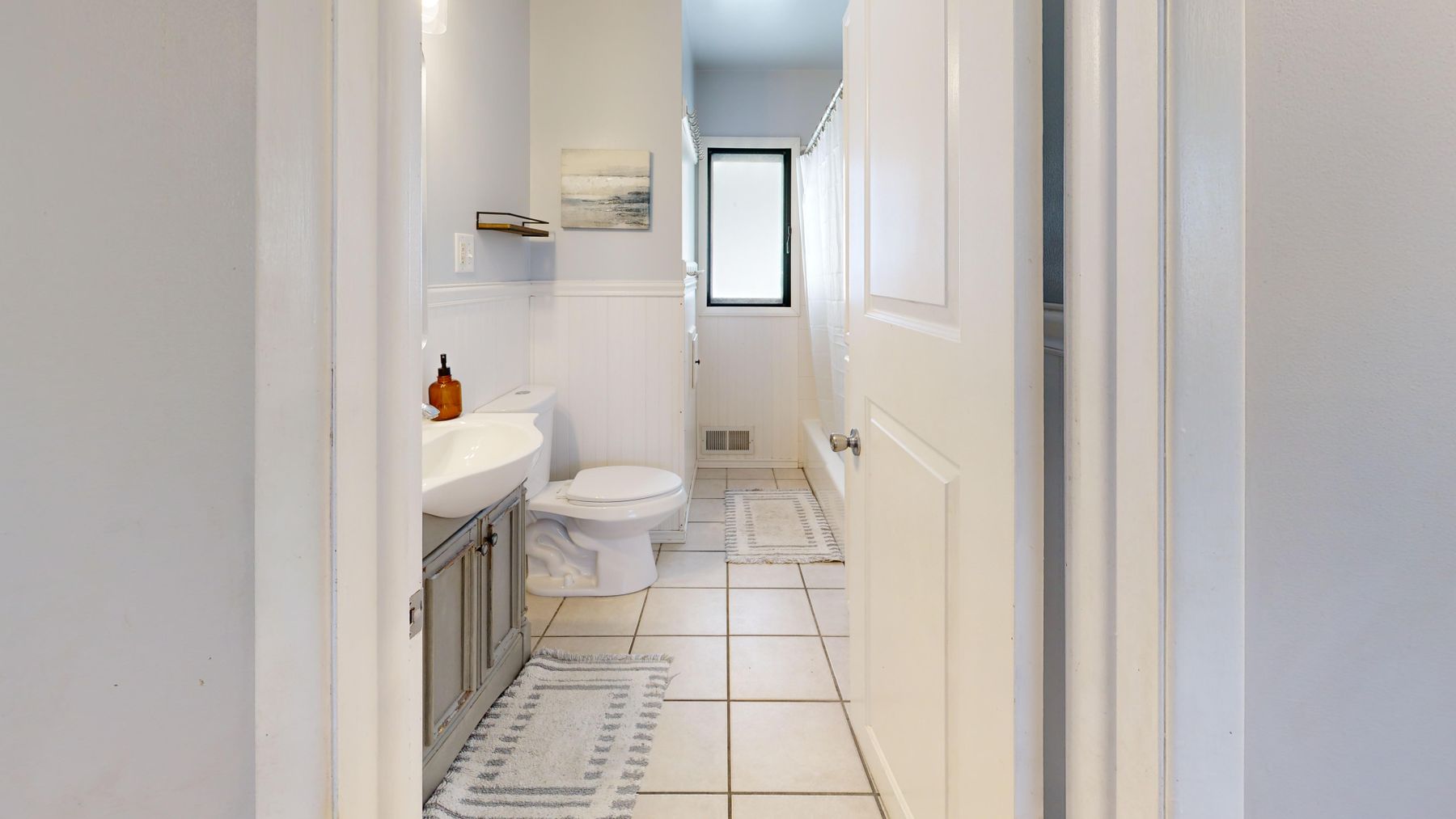
Layer the Lighting So Guests Do Not Depend on One Harsh Source
A useful guest bath needs clear mirror lighting and enough general light for showering, dressing and nighttime use. Softer ambient light can make the room feel calmer after dark, but it should supplement rather than replace practical illumination. Switches should also be easy to understand without a long sequence of controls.
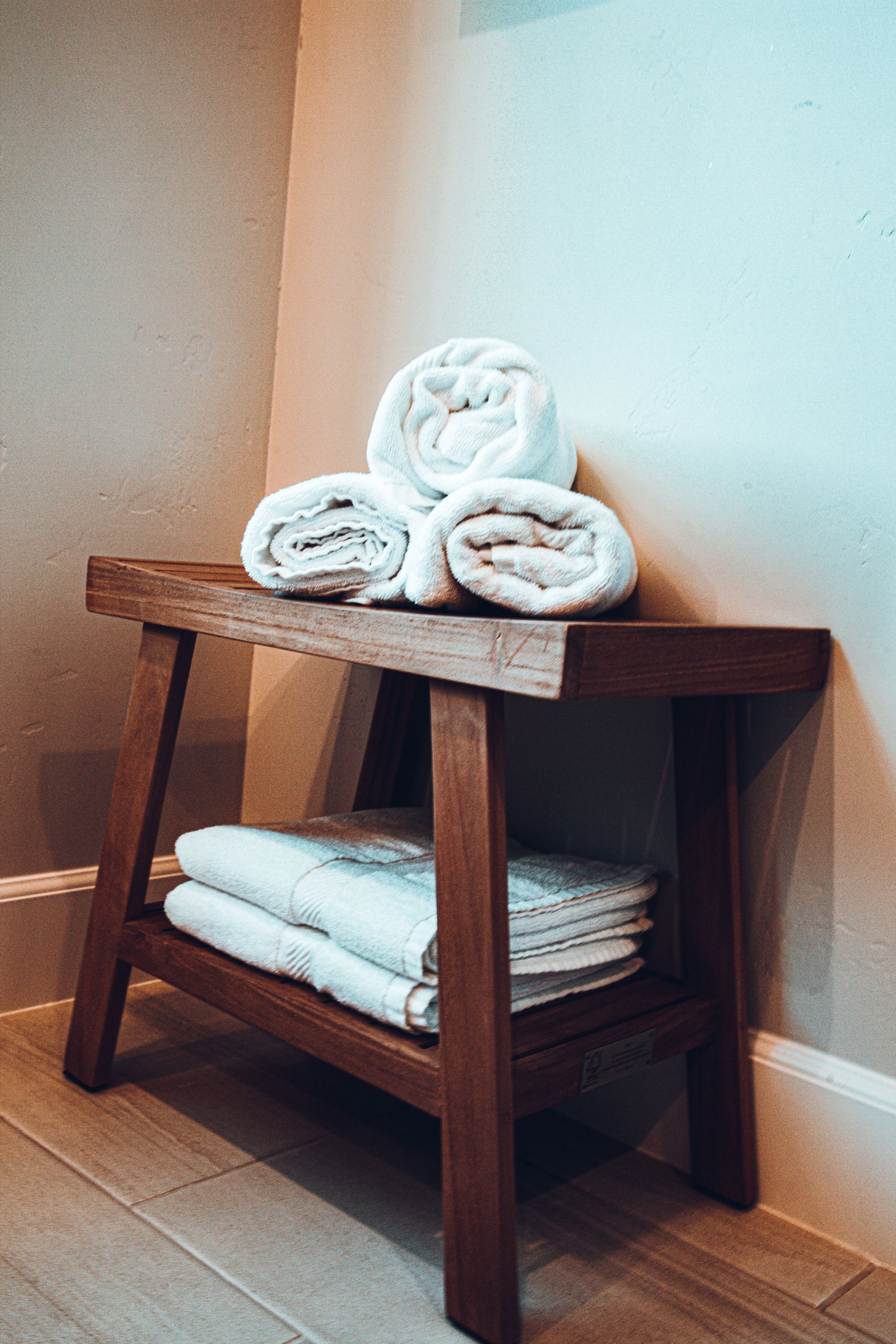
Make Towels Immediately Obvious
Fresh bath towels, hand towels and a spare set should be easy to see or locate without opening every cabinet. One shelf, basket or dedicated cabinet zone is usually enough. Keep the active towel near the shower or bath and avoid mixing guest linens with household cleaning products.
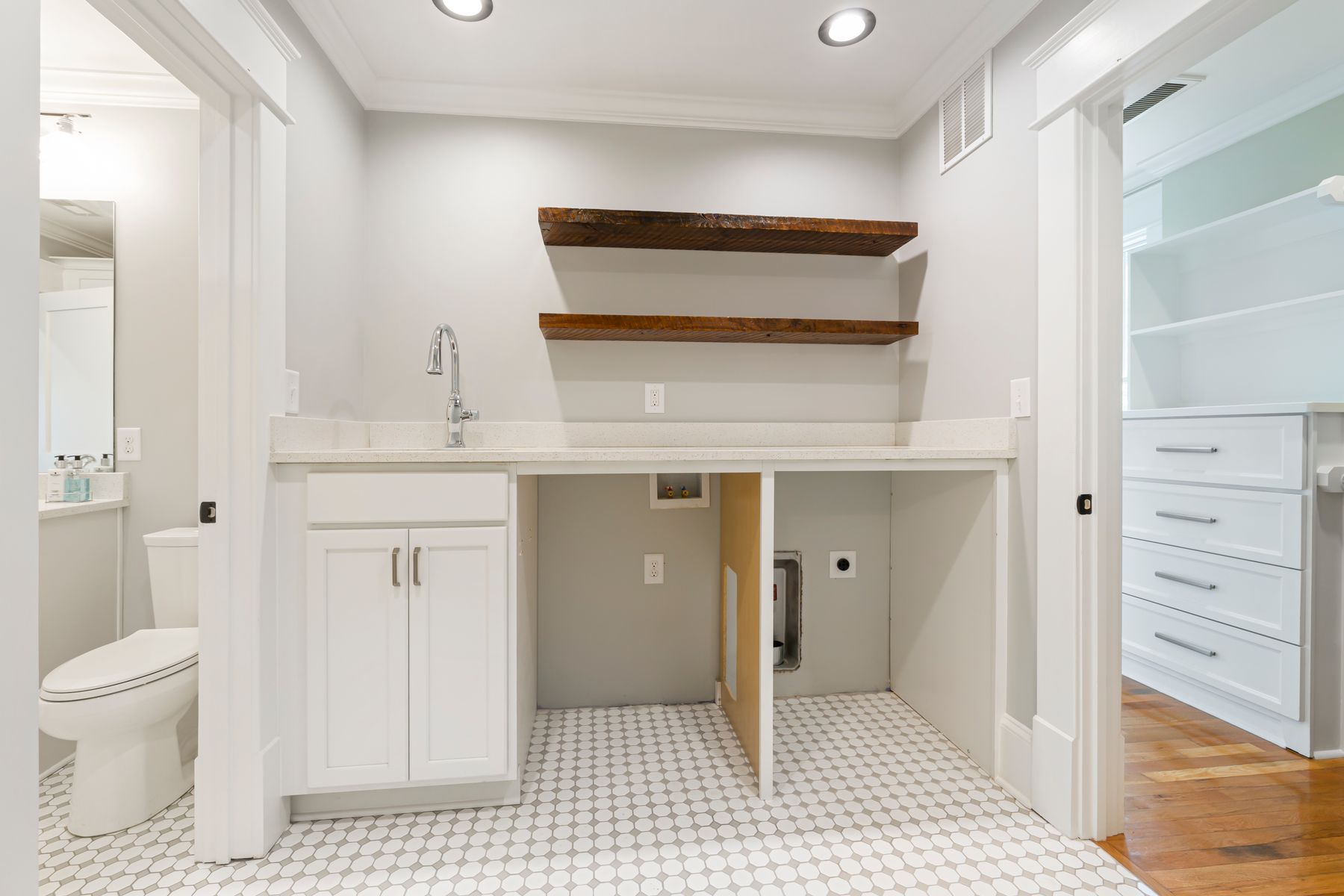
Use Closed Storage for Household Overflow
Guest bathrooms often become overflow storage for backups, medicines, cleaning supplies and extra toiletries. Keep those categories behind doors or in clearly separated containers so they do not compete with guest-use space. The room should still offer an obvious place for visitors to store their own items temporarily.
Use One Color Move Instead of Many Small Accents
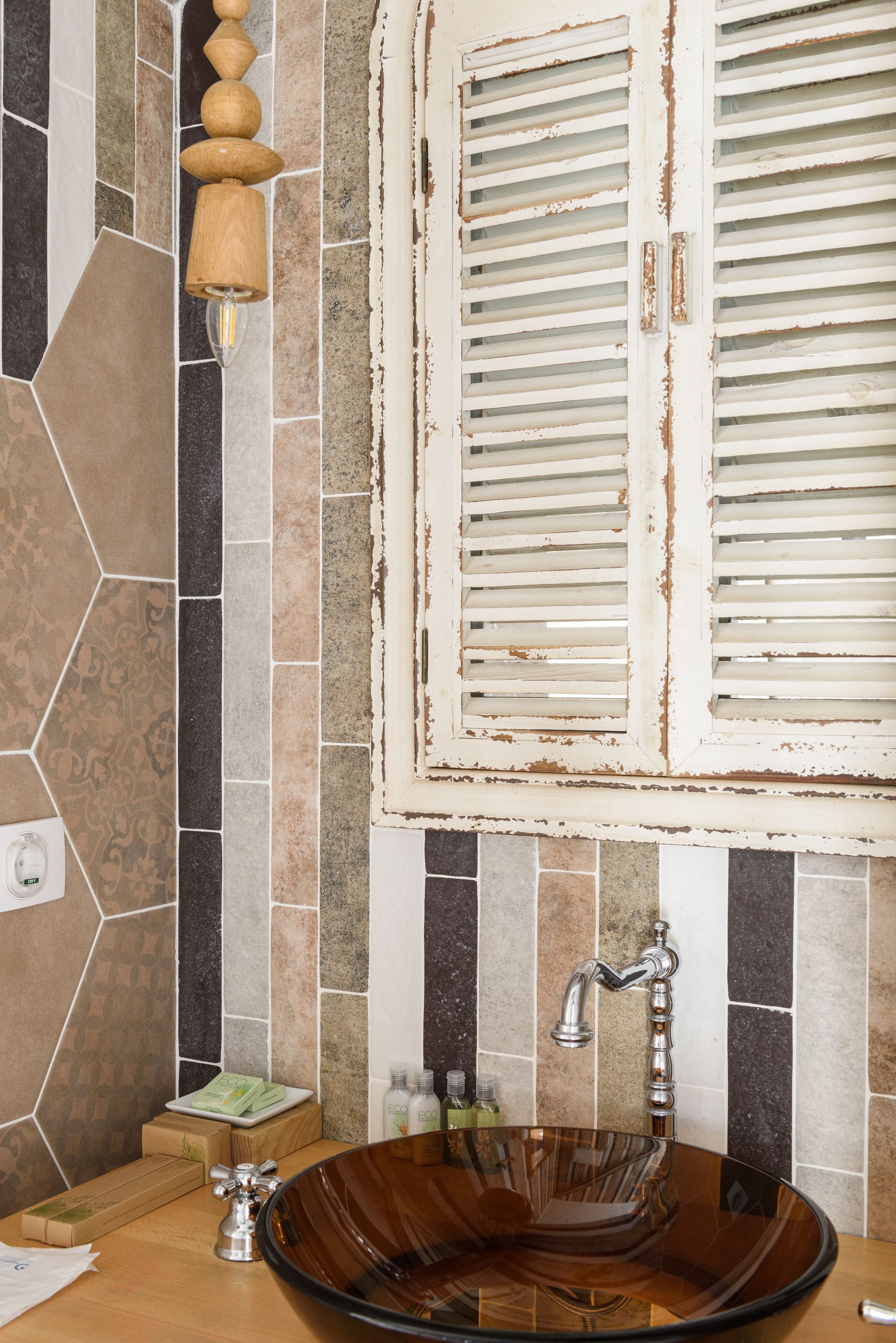
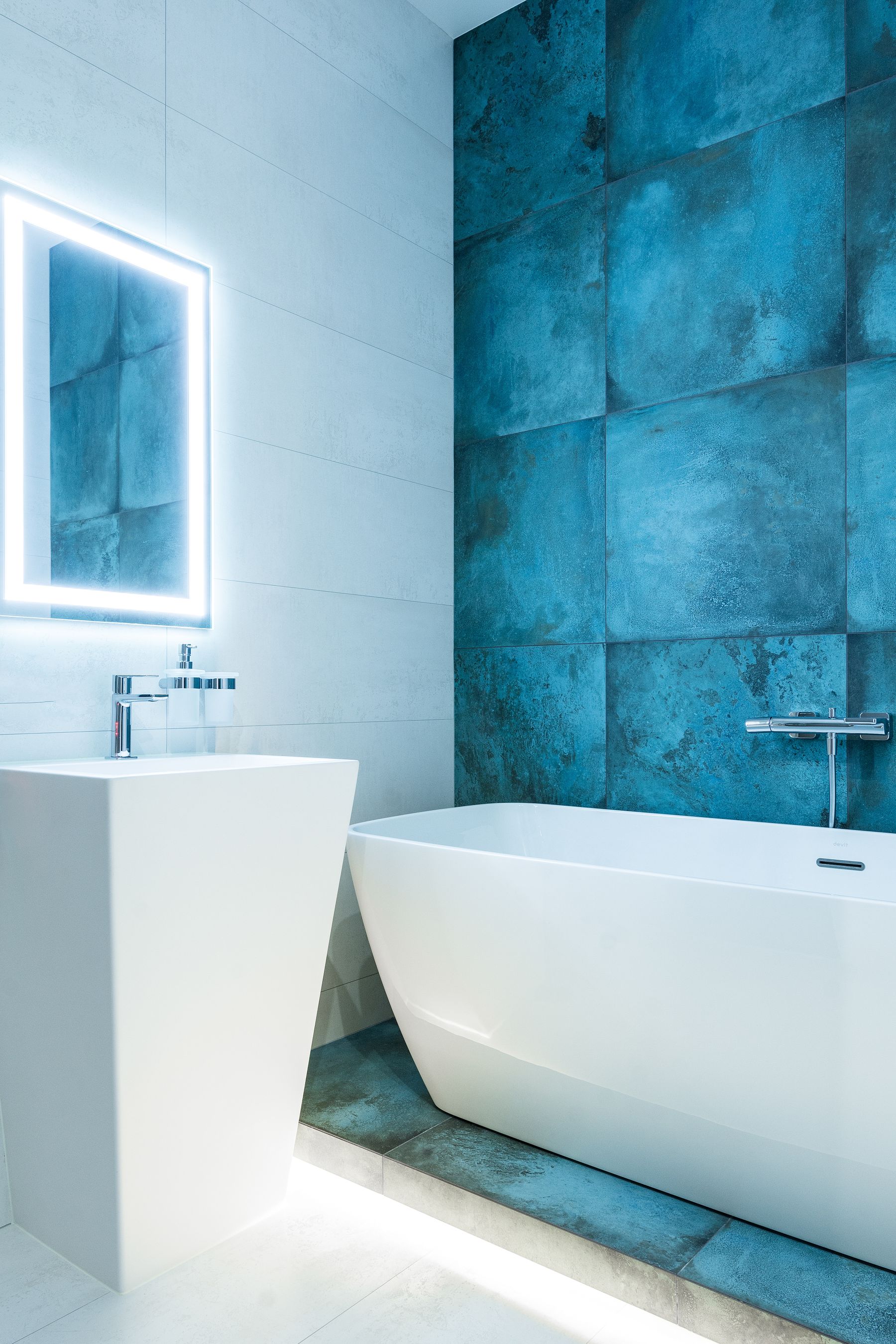
A guest bathroom can carry stronger color because it is used less continuously than the primary bath, but one clear color move is usually enough. Use a painted wall, tile zone, towels or one saturated vanity and keep the other surfaces calmer. This makes the room memorable without reducing the visual rest a guest may prefer.
Choose Floors and Wet Surfaces for Easy Reset
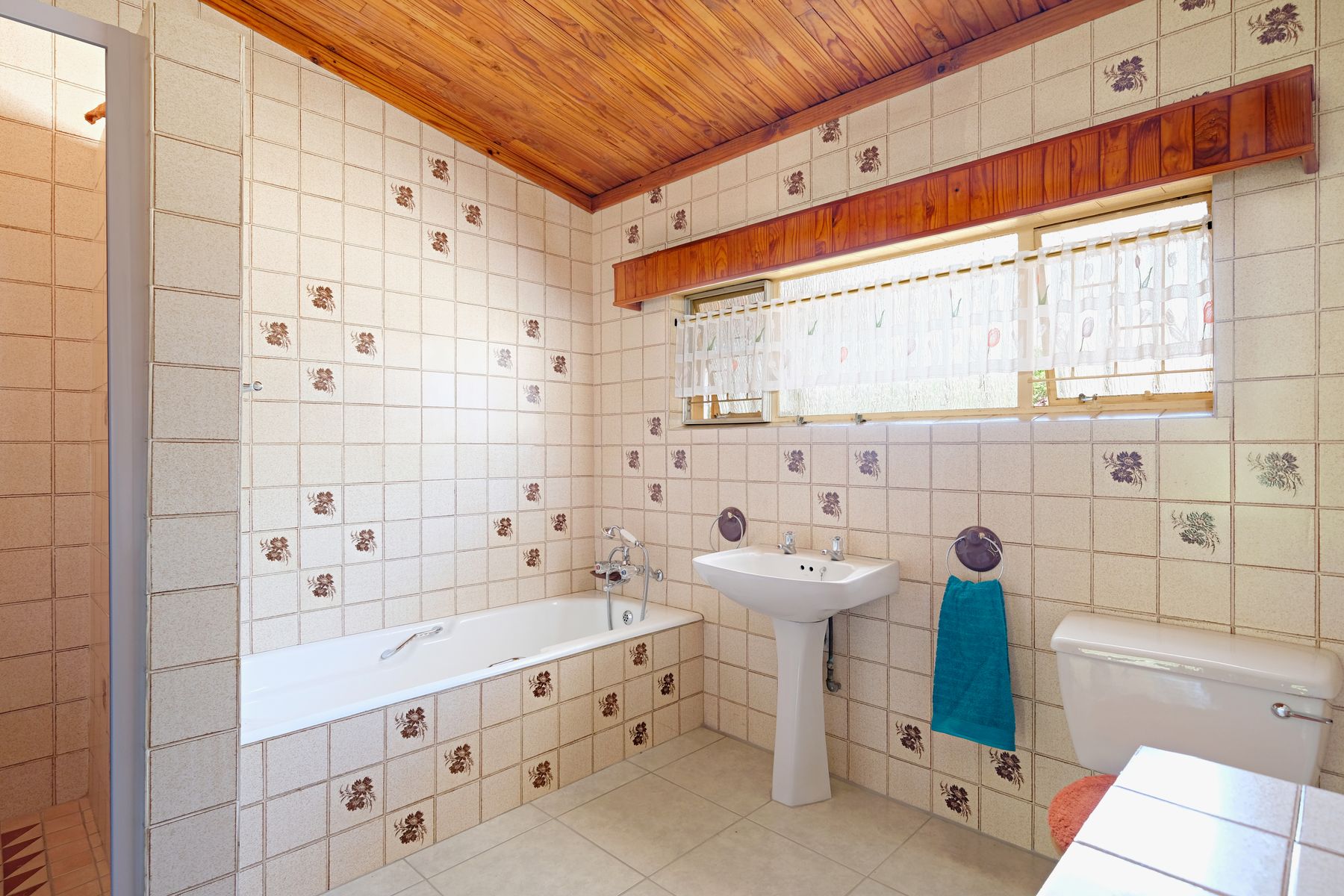
The guest bathroom may sit quiet for days and then see intensive use over a short visit, so surfaces should be straightforward to clean and dry. Tile and other bathroom-appropriate finishes work best when grout, corners and splash zones are planned for maintenance as well as appearance. Wet-area construction and slip performance should be assessed for the exact material and installation.
Keep the Final Layer Calm and Easy to Reset
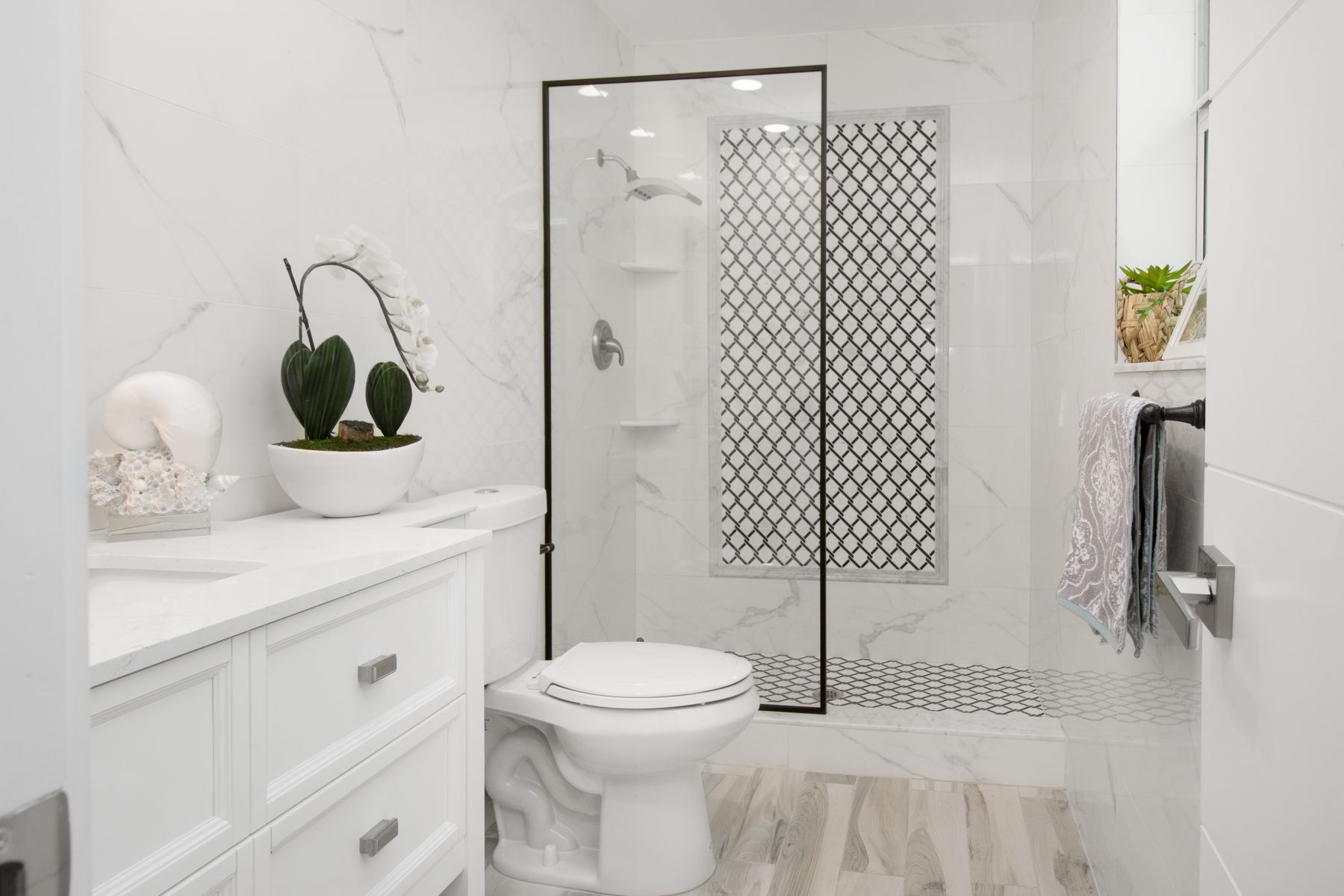
The room should still feel complete after toiletries and fresh towels are added. Limit small decorative objects, leave hooks or surfaces available and keep the final styling easy to remove for cleaning. A guest bath feels more hospitable when it has useful empty space rather than every shelf being pre-filled.