
Build the Room From More Than One Light Layer
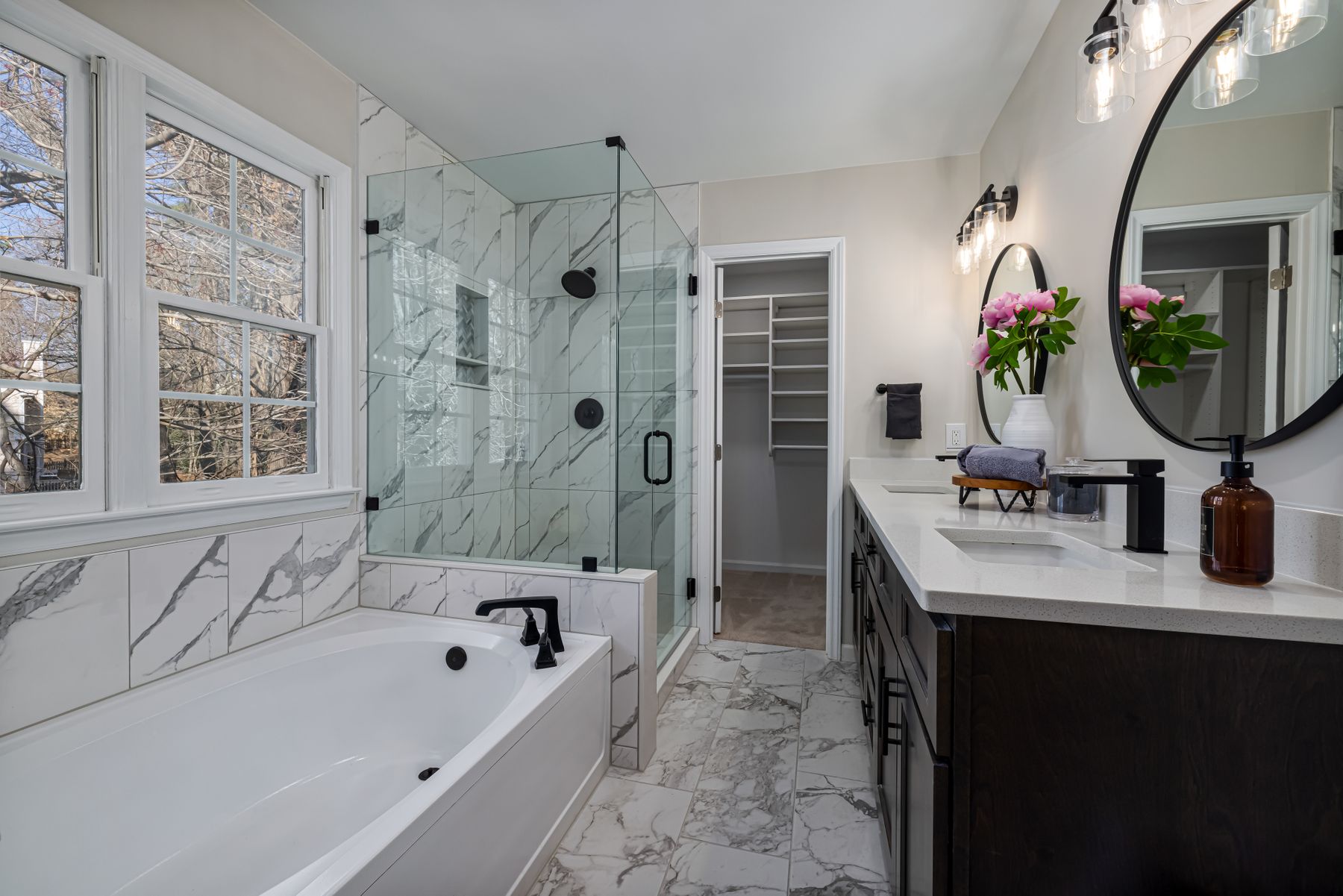
A useful bathroom usually needs general light for circulation, task light around the vanity and a softer layer for bathing or evening use. These sources can be simple, but they should serve different jobs. Separating them also lets the room feel brighter without forcing one fixture to do everything.
Light the Face From More Than One Direction
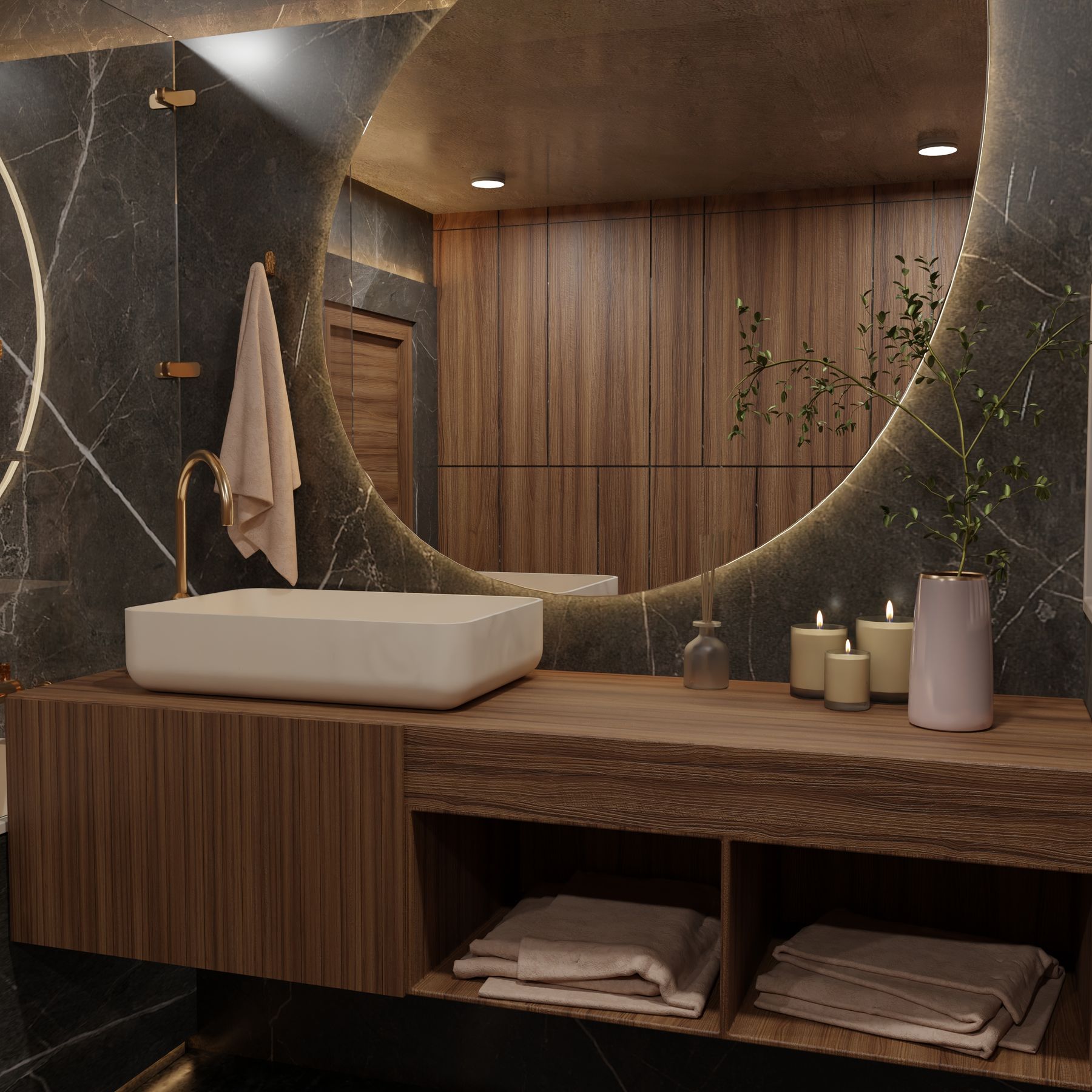
Strong overhead light alone can create shadows under the eyes and chin. Side lighting, integrated mirror lighting or a balanced combination around the vanity can produce a clearer, more even result. The exact fixture and placement should suit the mirror width and the users rather than follow a decorative template.
Use Decorative Ceiling Lights as a Secondary Layer
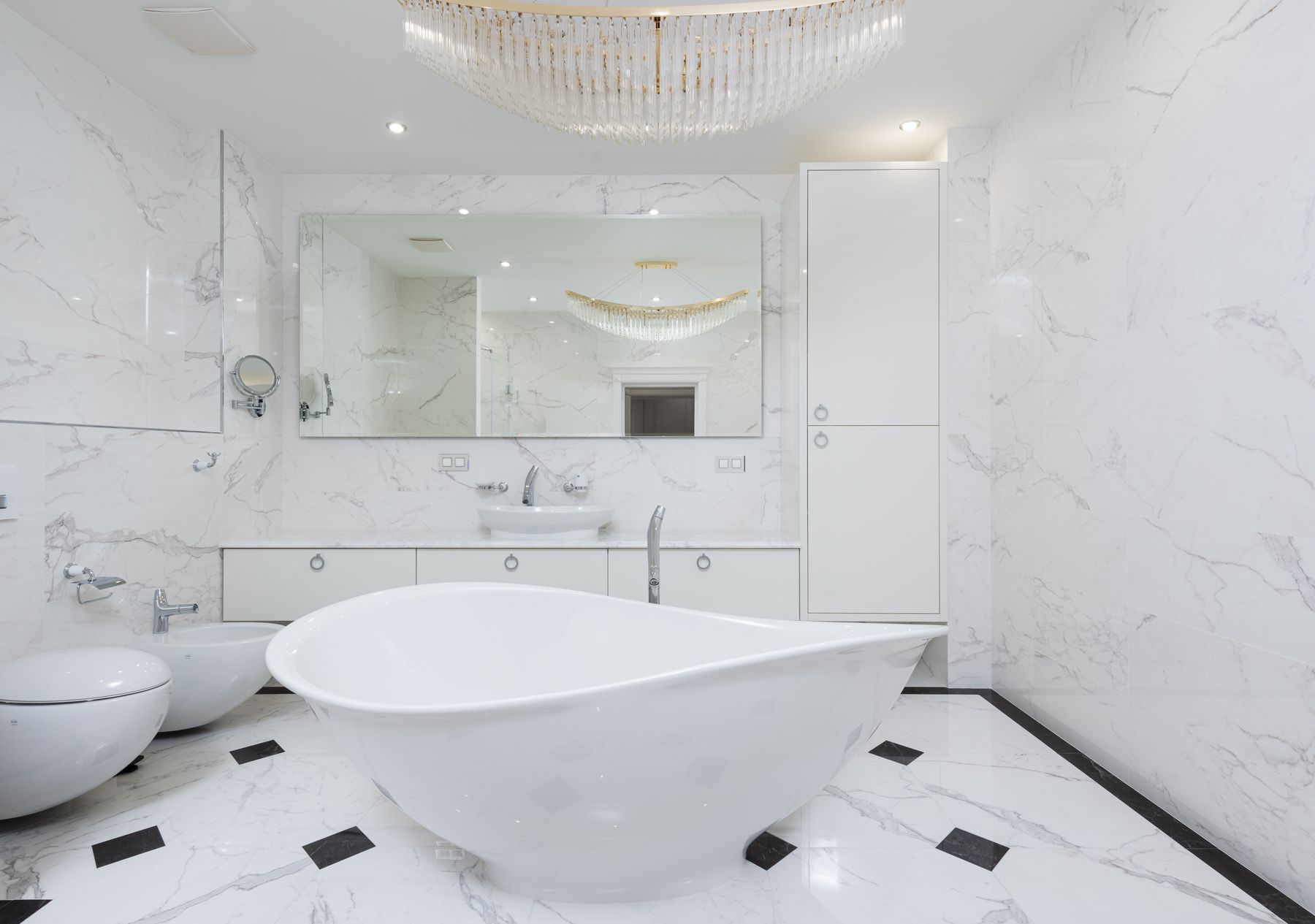
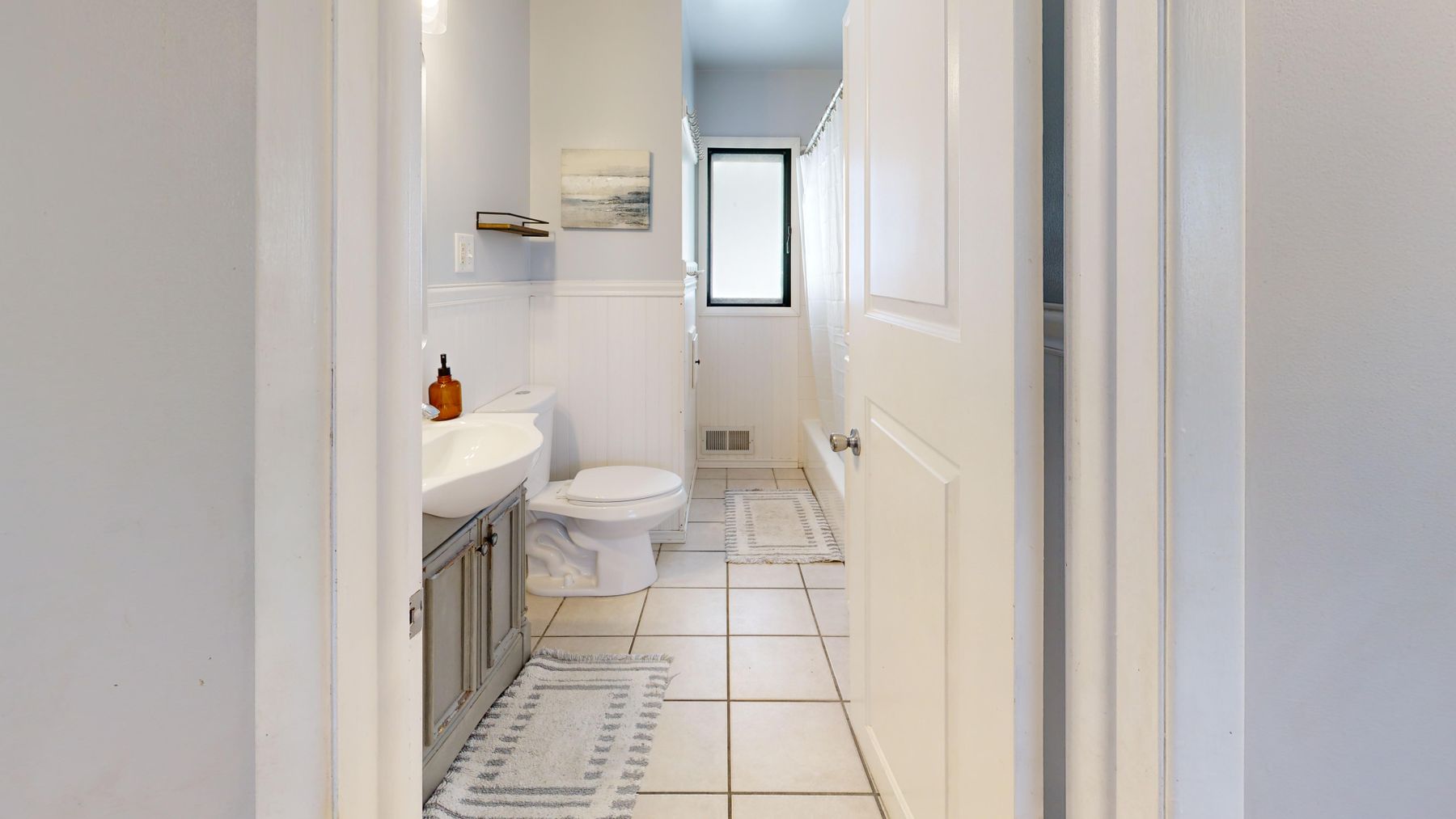
A chandelier or pendant can add character, but it should supplement useful mirror and general lighting rather than replace them. In bathrooms, placement and fixture suitability are especially important near baths and showers. Resolve the practical light first, then decide whether a decorative ceiling fixture improves the room.
Use Daylight as the Baseline, Not the Whole Plan
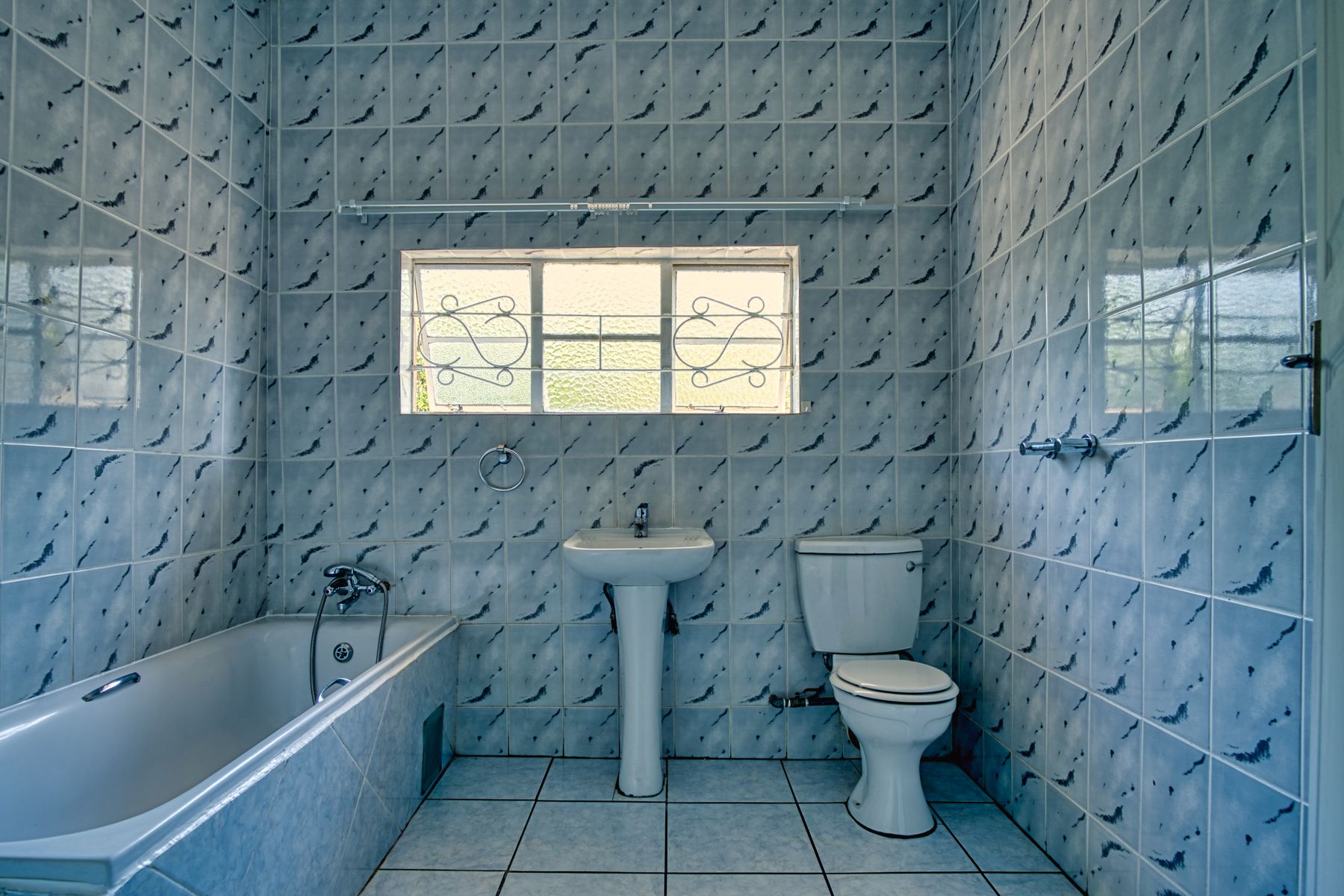
Natural light reveals color and material well, but it changes through the day and disappears at night. Preserve useful windows and reflective surfaces, then plan electric lighting to reproduce enough clarity after sunset. Privacy treatments should still allow the room to receive as much useful daylight as practical.
Use a Skylight to Brighten the Center of the Room
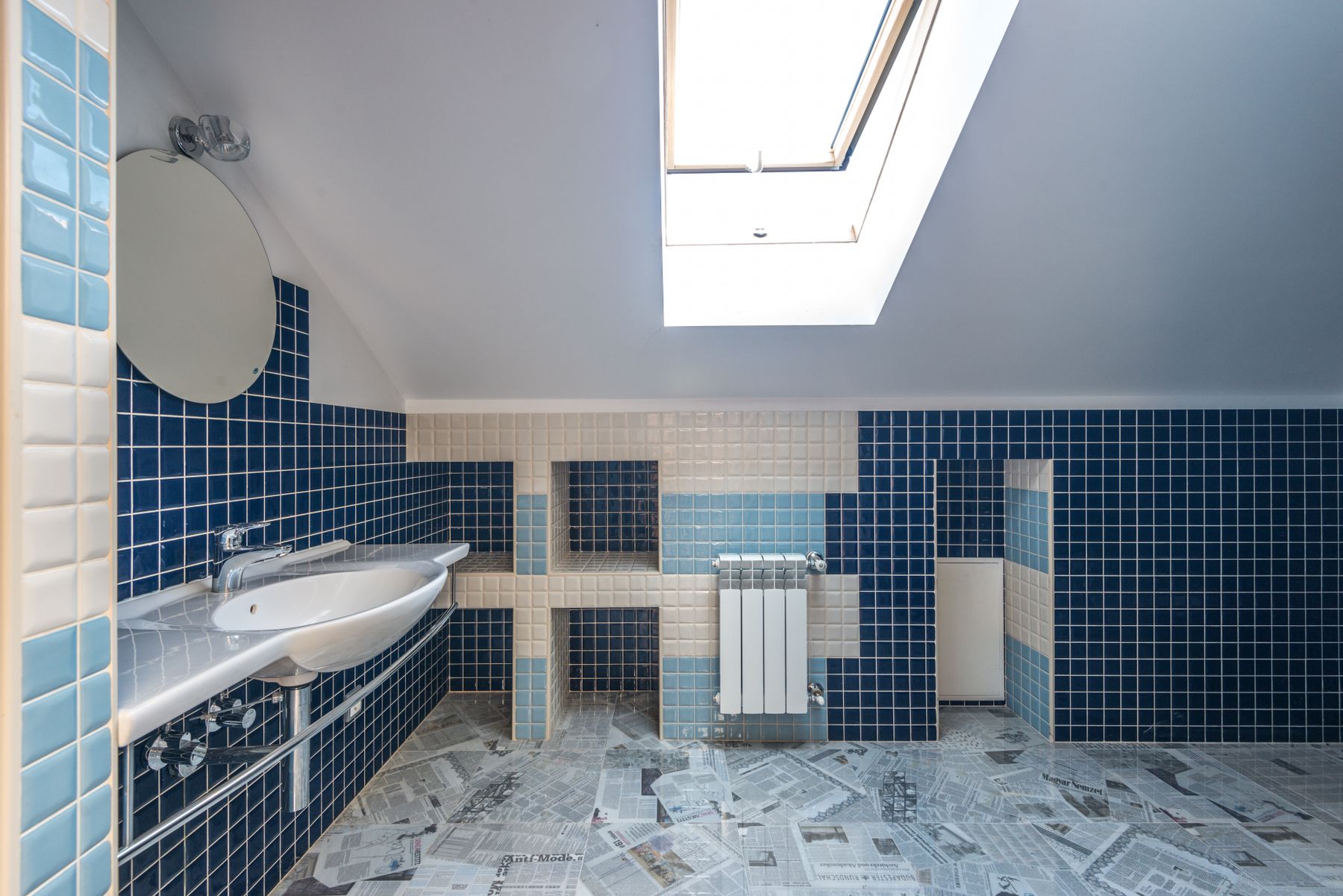
A skylight or high-level window can bring daylight deeper into a bathroom where privacy limits conventional glazing. It can make tile and stone feel more dimensional and reduce the need for strong daytime artificial light. At night, however, overhead daylight openings provide no task light, so mirror and circulation lighting still matter.
Integrate Light With the Mirror Carefully
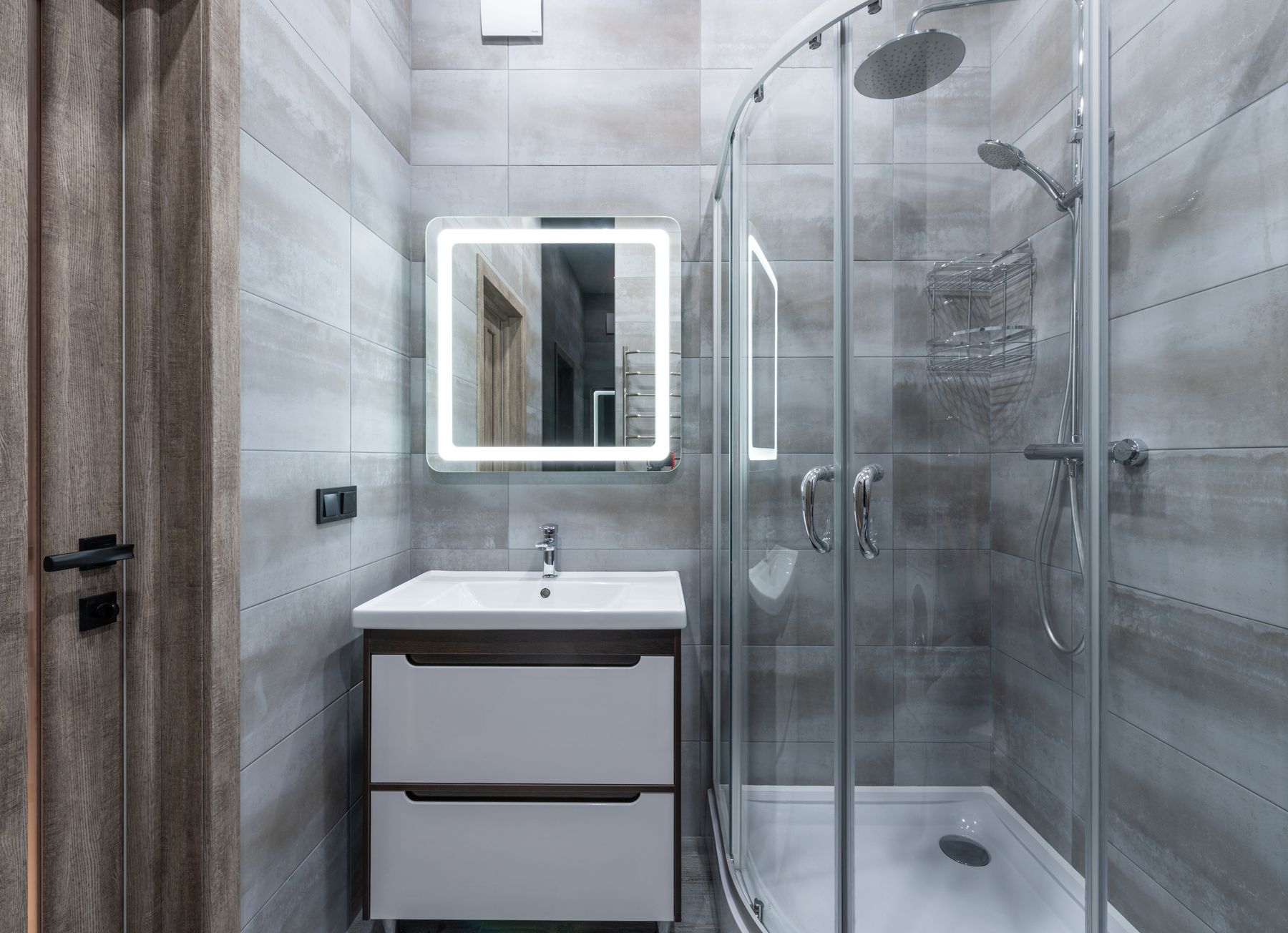
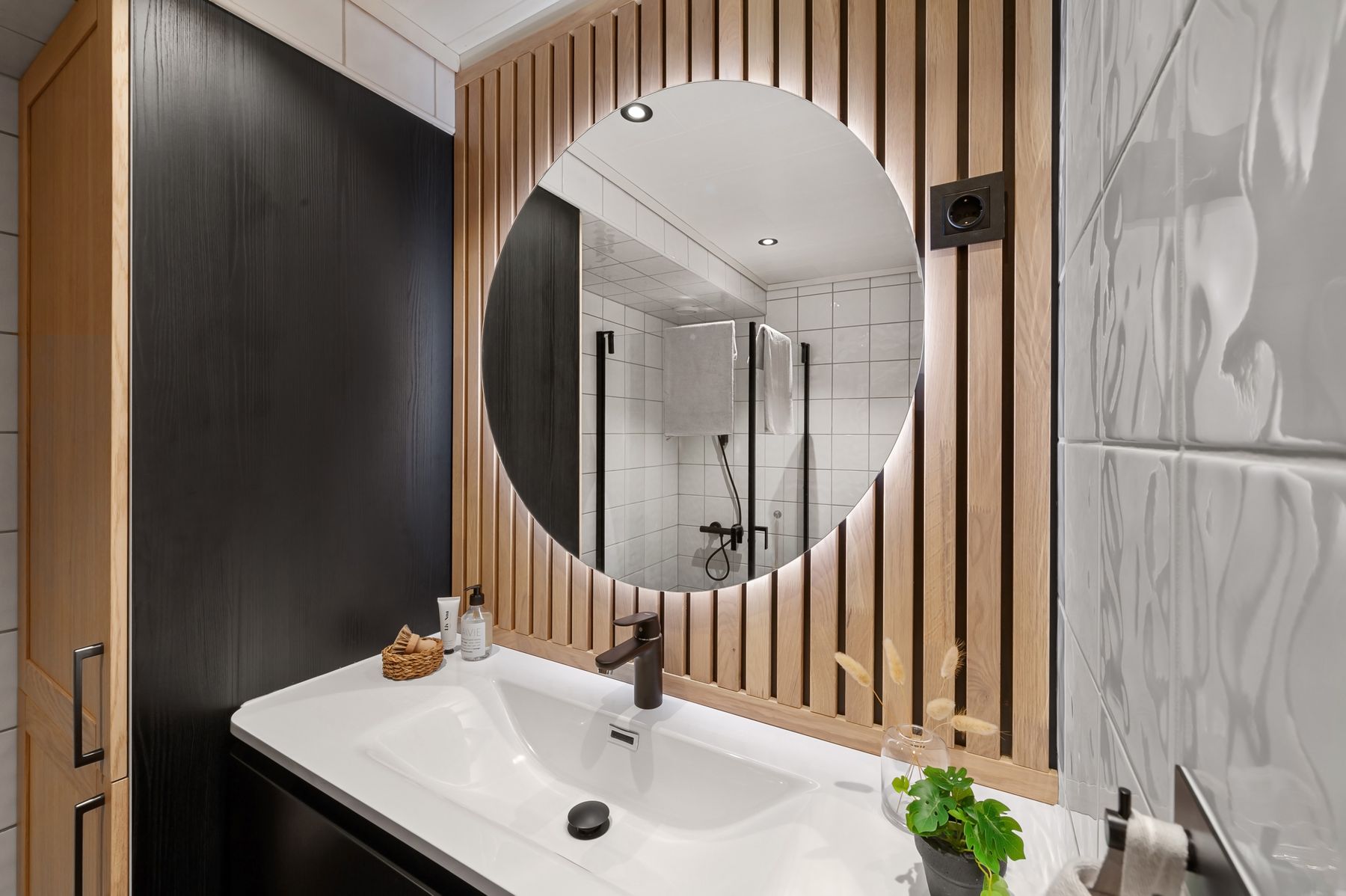
Backlit and illuminated mirrors can make a vanity feel cleaner and reduce the need for separate visible fittings. They work best when the light reaches the face usefully rather than producing only a glow behind the glass. If the mirror lighting is mostly ambient, add another source for detailed grooming.
Use Warm Light to Reveal Texture
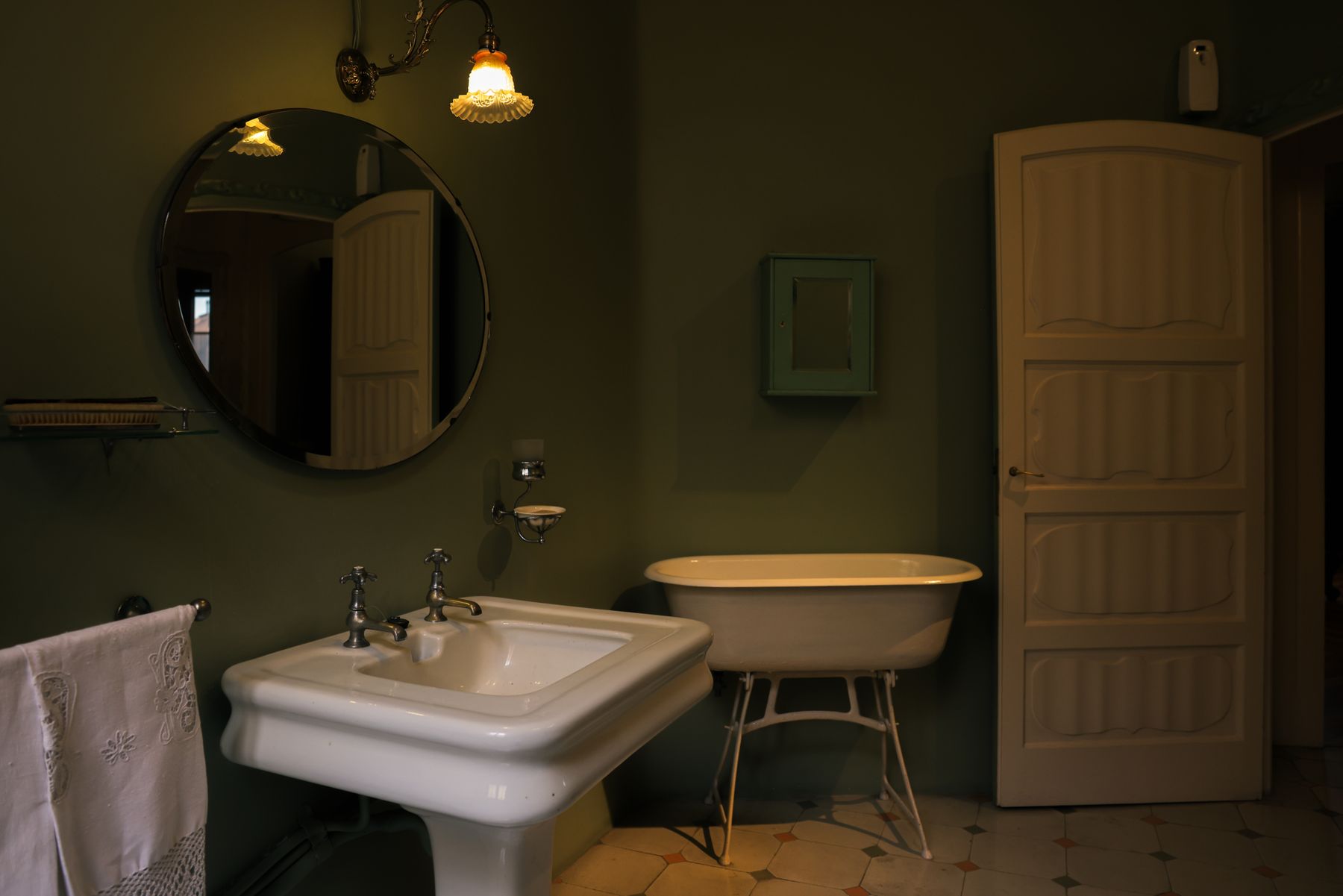
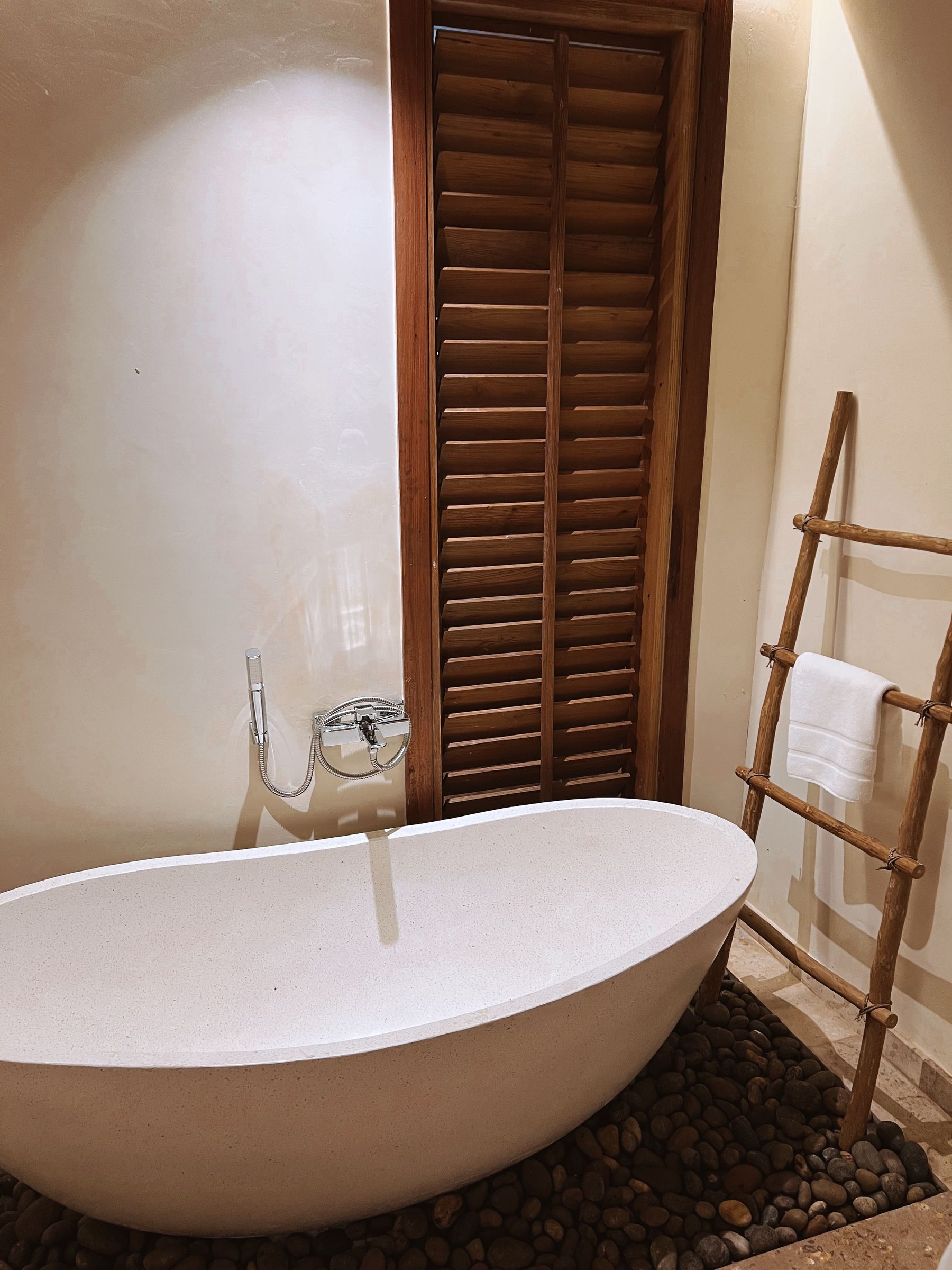
Wood, stone, plaster and textured tile become more tactile when light grazes or softly washes their surfaces. A warmer evening layer can make the room feel less clinical while the main task lights remain clearer and more neutral. The key is separation: mood light should not be the only light available at the vanity.
Use Statement Fixtures Only Where They Can Be Safely Placed
A dramatic chandelier can support Victorian, classic or eclectic bathrooms, but bathroom electrical zones impose real limits on where fixtures can go. Do not copy a mood image without checking the exact product, ceiling height, local requirements and relationship to the bath or shower. The decorative effect is worthwhile only when the installation is technically appropriate.
Make Small Bathroom Mirror Lighting Work Harder
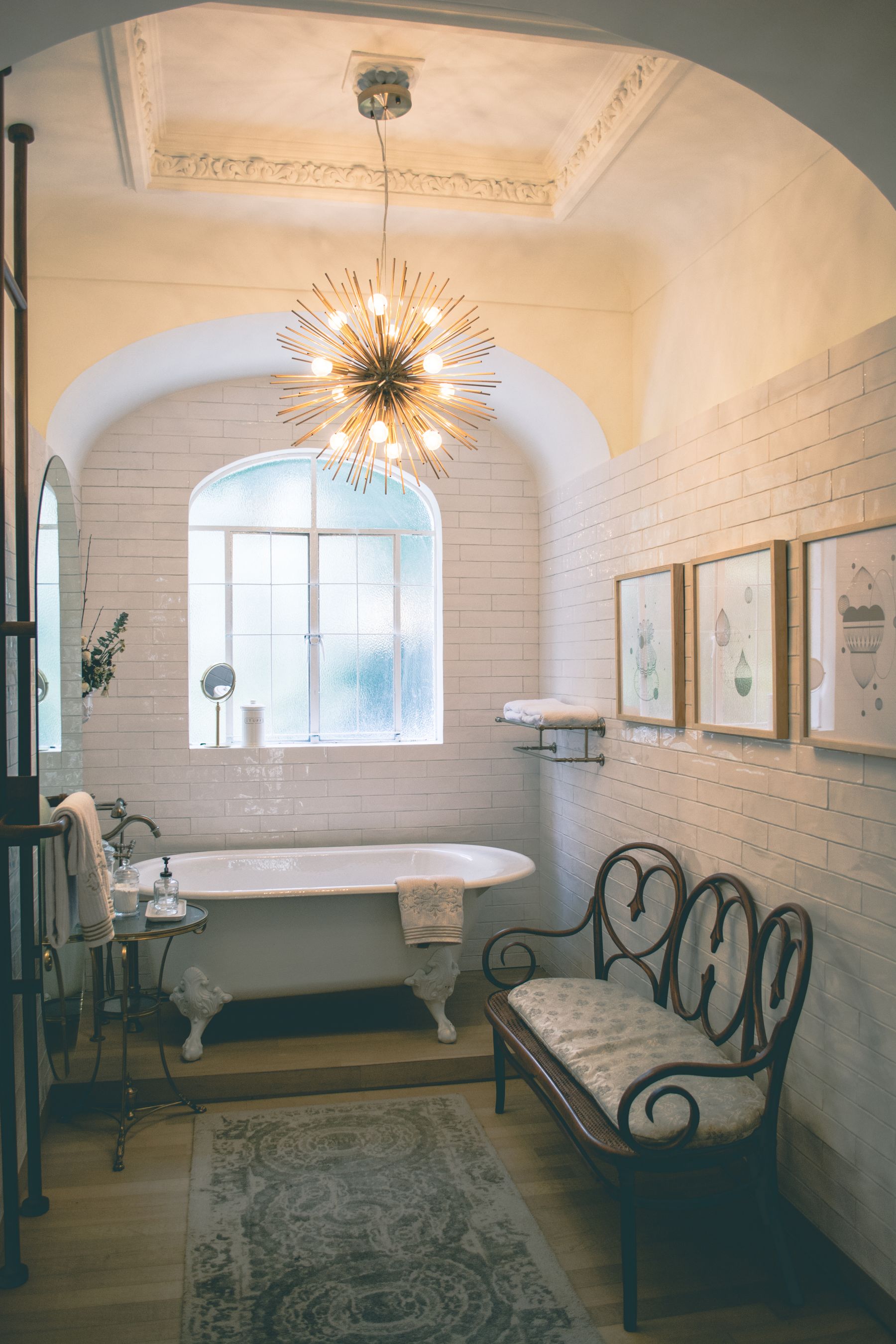
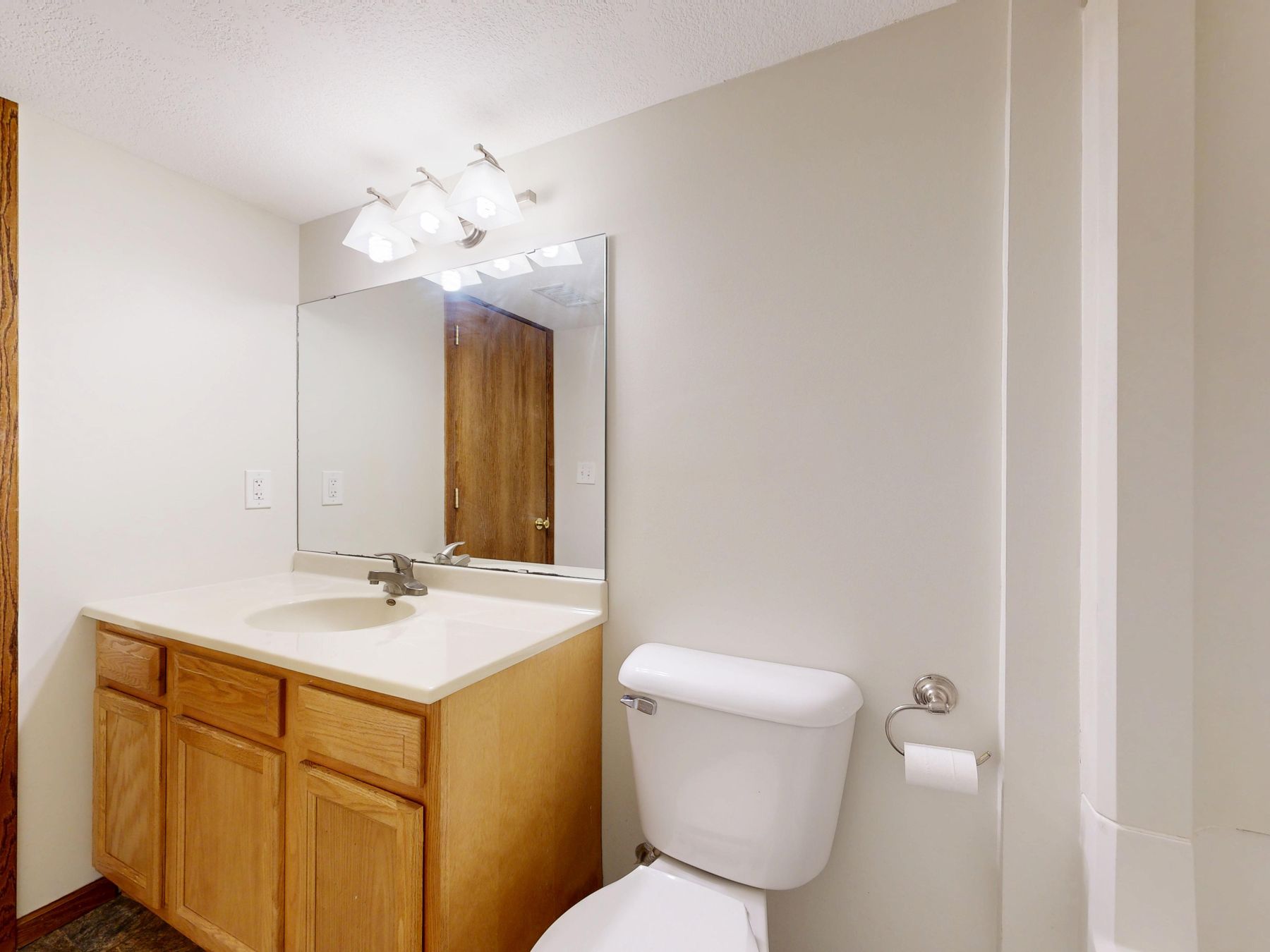
In a compact bathroom, the mirror is one of the most efficient places to concentrate useful light because it supports grooming and reflects light back into the room. Keep the surrounding wall relatively simple and avoid fixtures that visually crowd the mirror. A brighter vanity zone can make the whole room feel clearer without adding many ceiling fittings.
Separate Bathing Atmosphere From Safety Lighting
Low, soft light can make a bath feel relaxing, but the route into the room, floor changes and controls still need to remain visible. Use independent lighting layers so evening atmosphere does not require turning off every practical source. This is especially important in larger bathrooms where the bath sits away from the vanity.