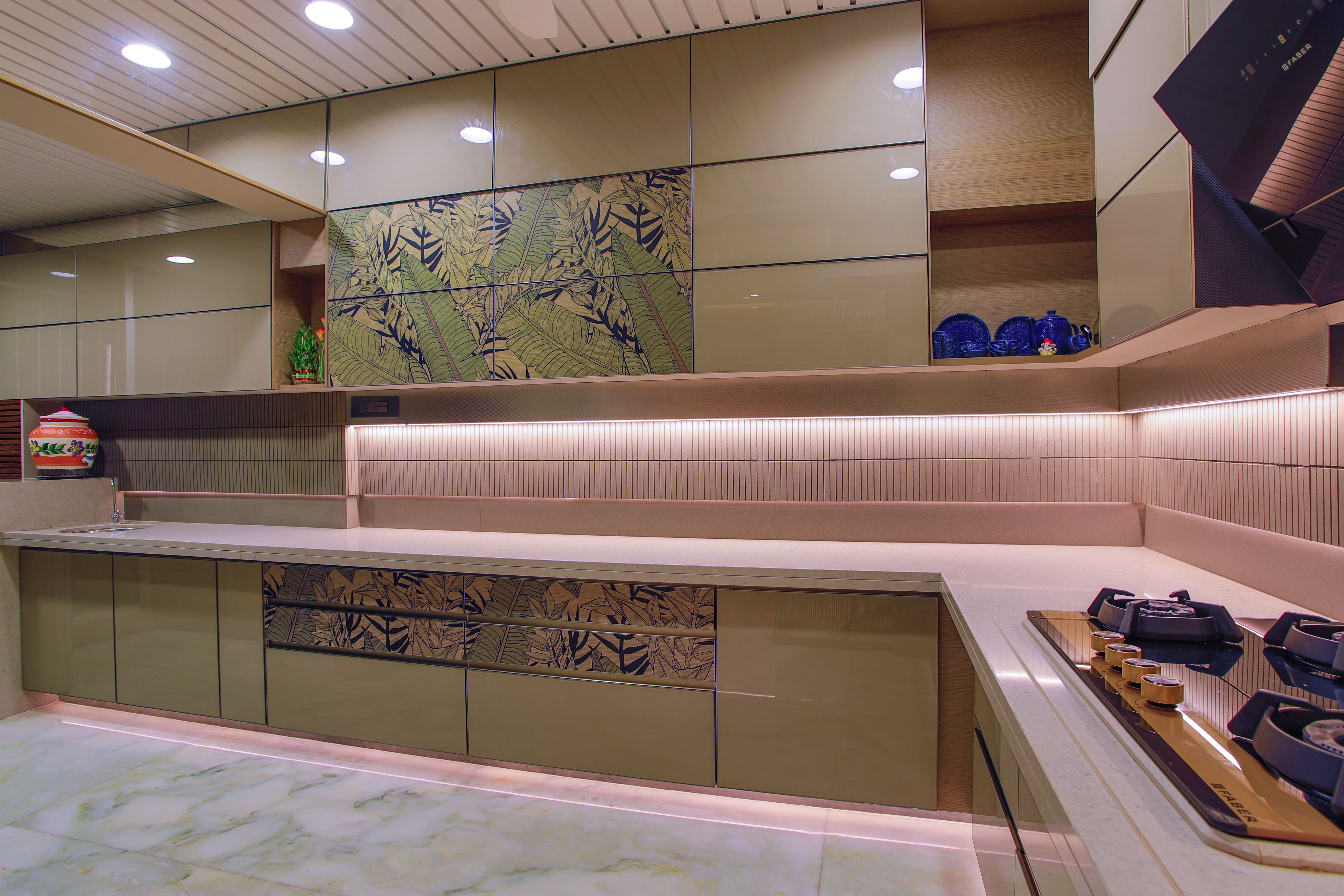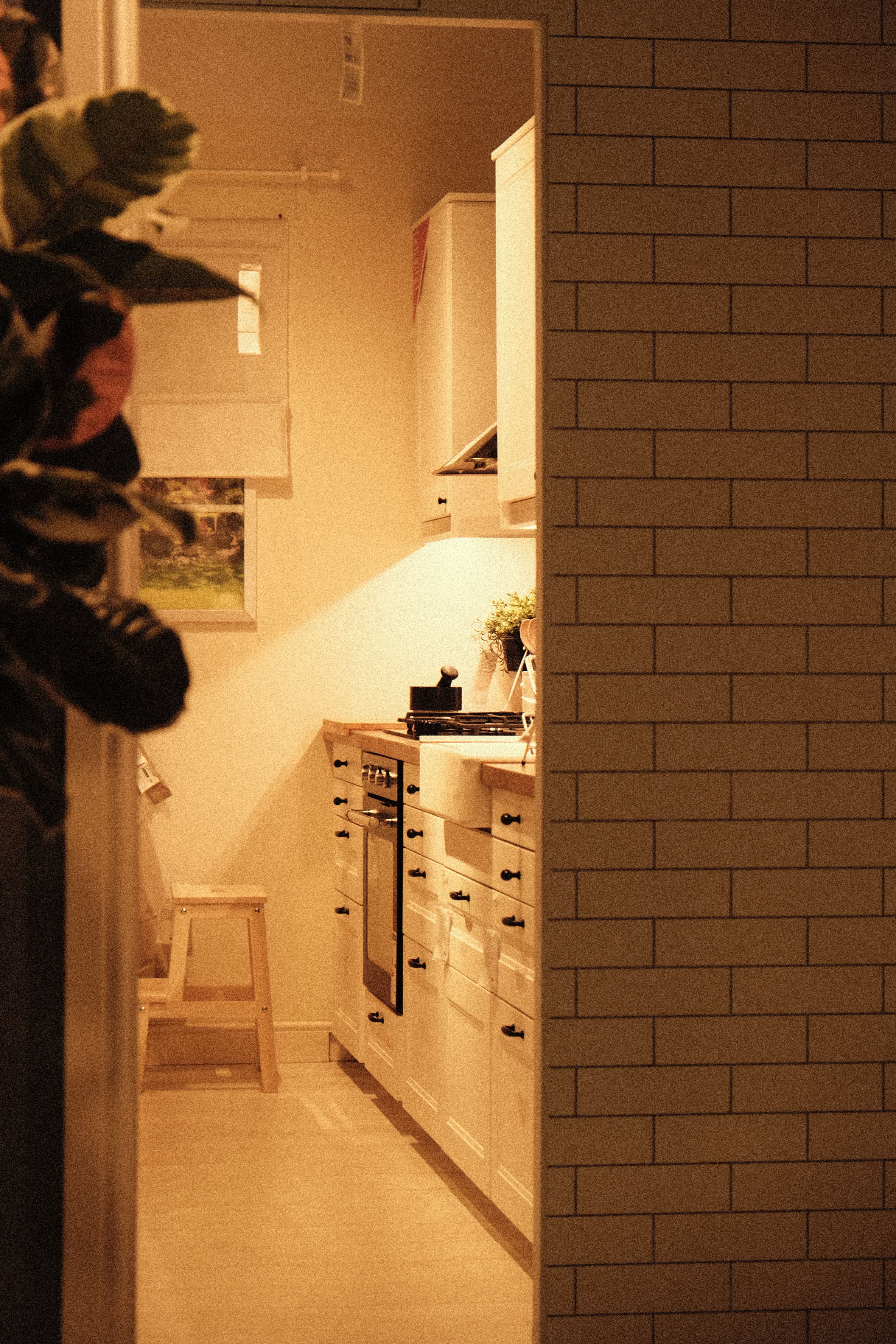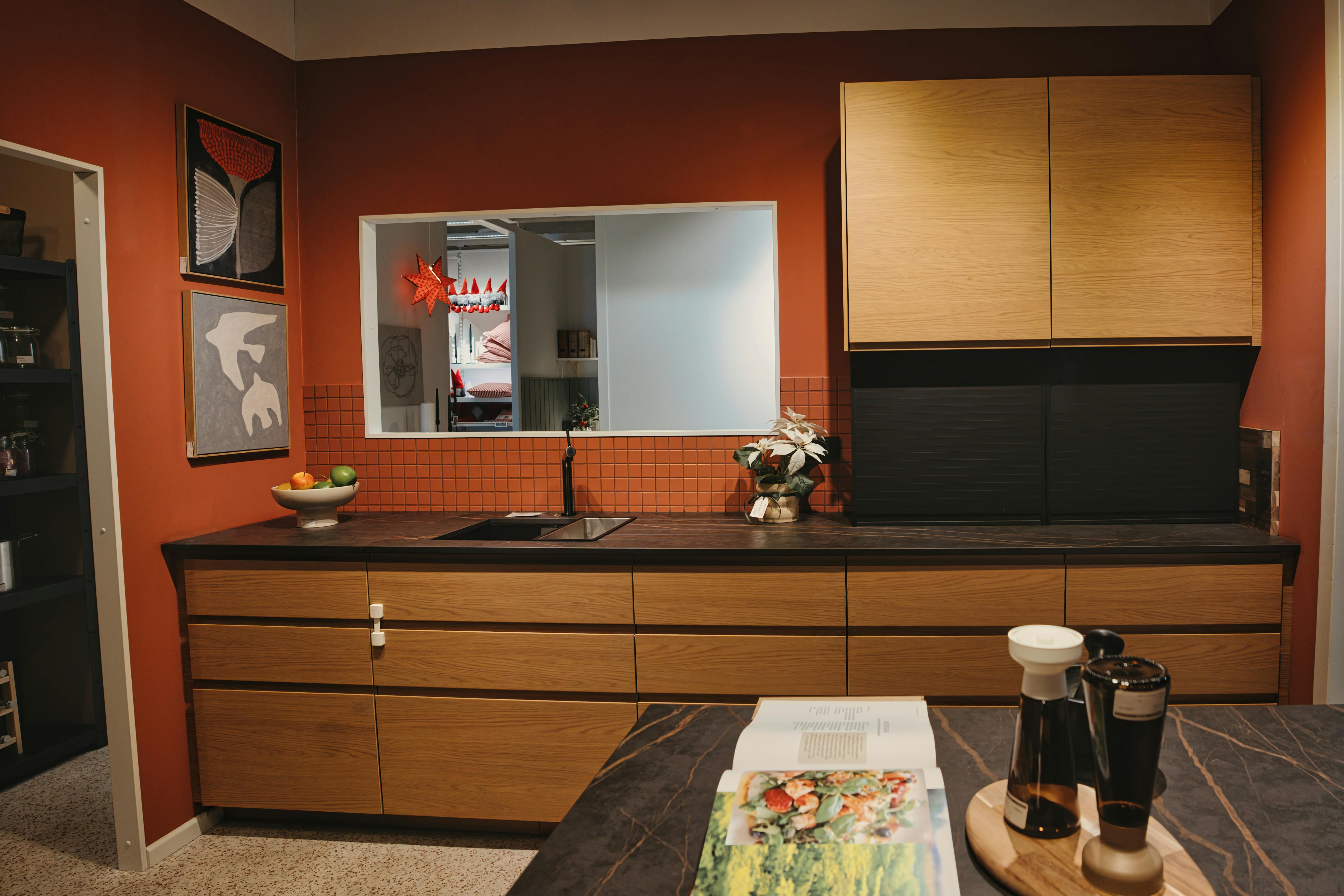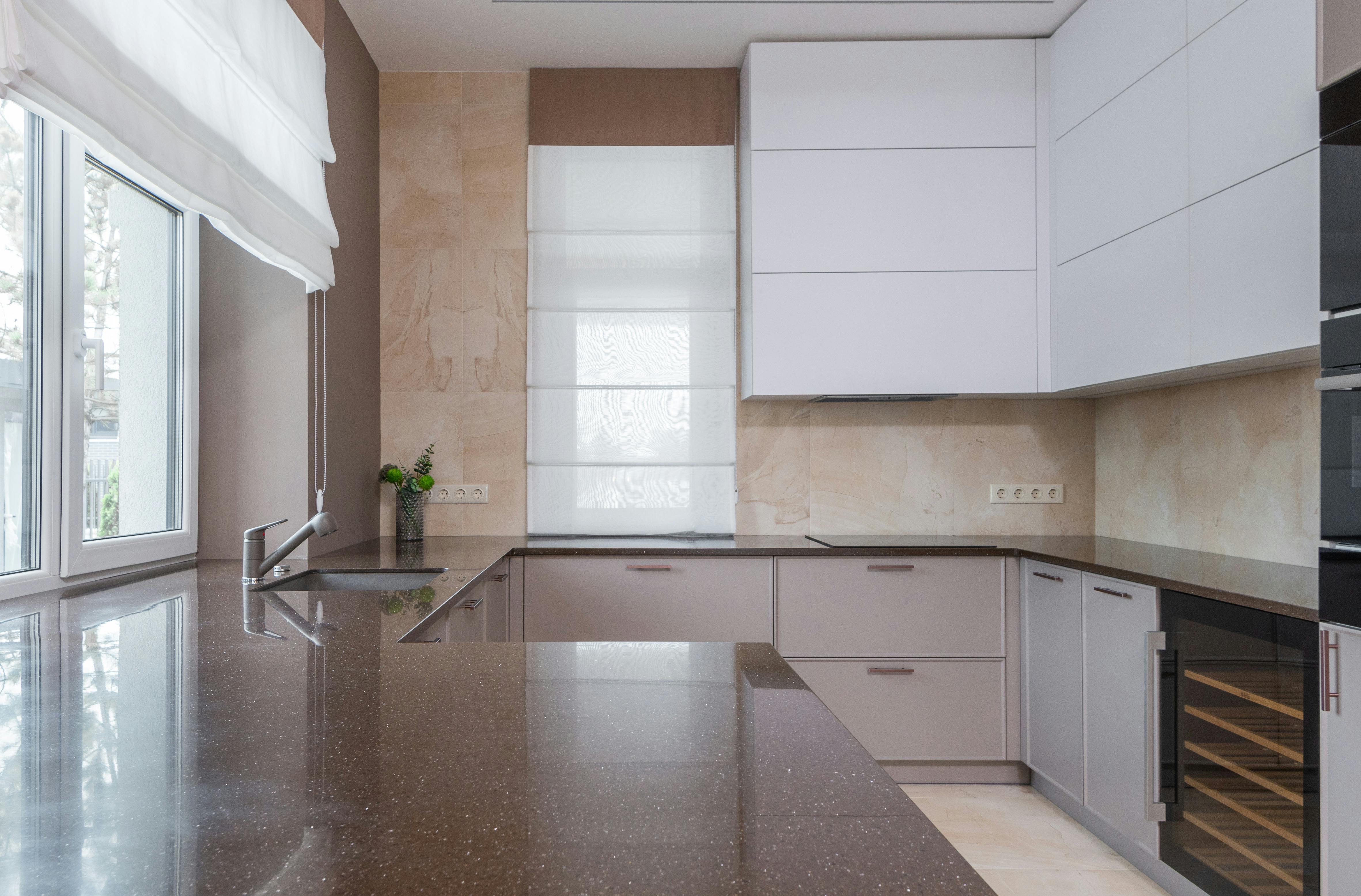
Protect One Real Preparation Zone
Choose the counter span where chopping, mixing and plating normally happen, then keep that area free of permanent organizers and decorative objects. It should sit in a sensible relationship to washing and cooking without being interrupted by a tall appliance or a collection of jars. Measure the largest board or mixing bowl used regularly and protect enough depth to work safely. The clear area becomes the reference point for every other countertop decision.
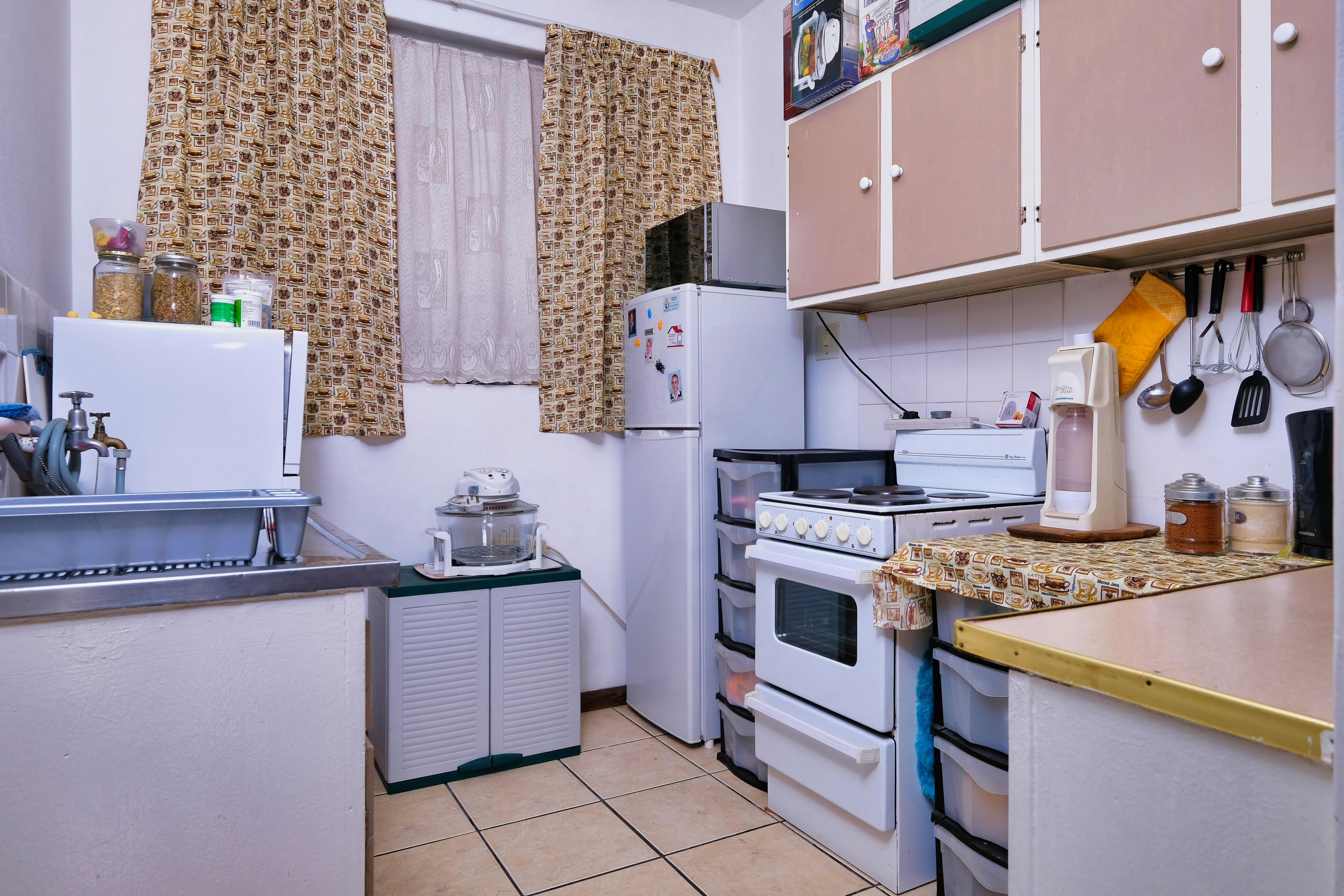
Decide Which Appliances Truly Stay Out
Leave an appliance on the counter when it is used often enough that storing it creates friction and when its operating clearances can be maintained. Occasional mixers, processors and specialty machines may earn cabinet space instead. Include cords, lids and the room needed to fill or clean each appliance. Never operate equipment inside a closed cabinet or enclosure unless the product and installation are specifically designed for that use.
Create a Small Coffee or Tea Station
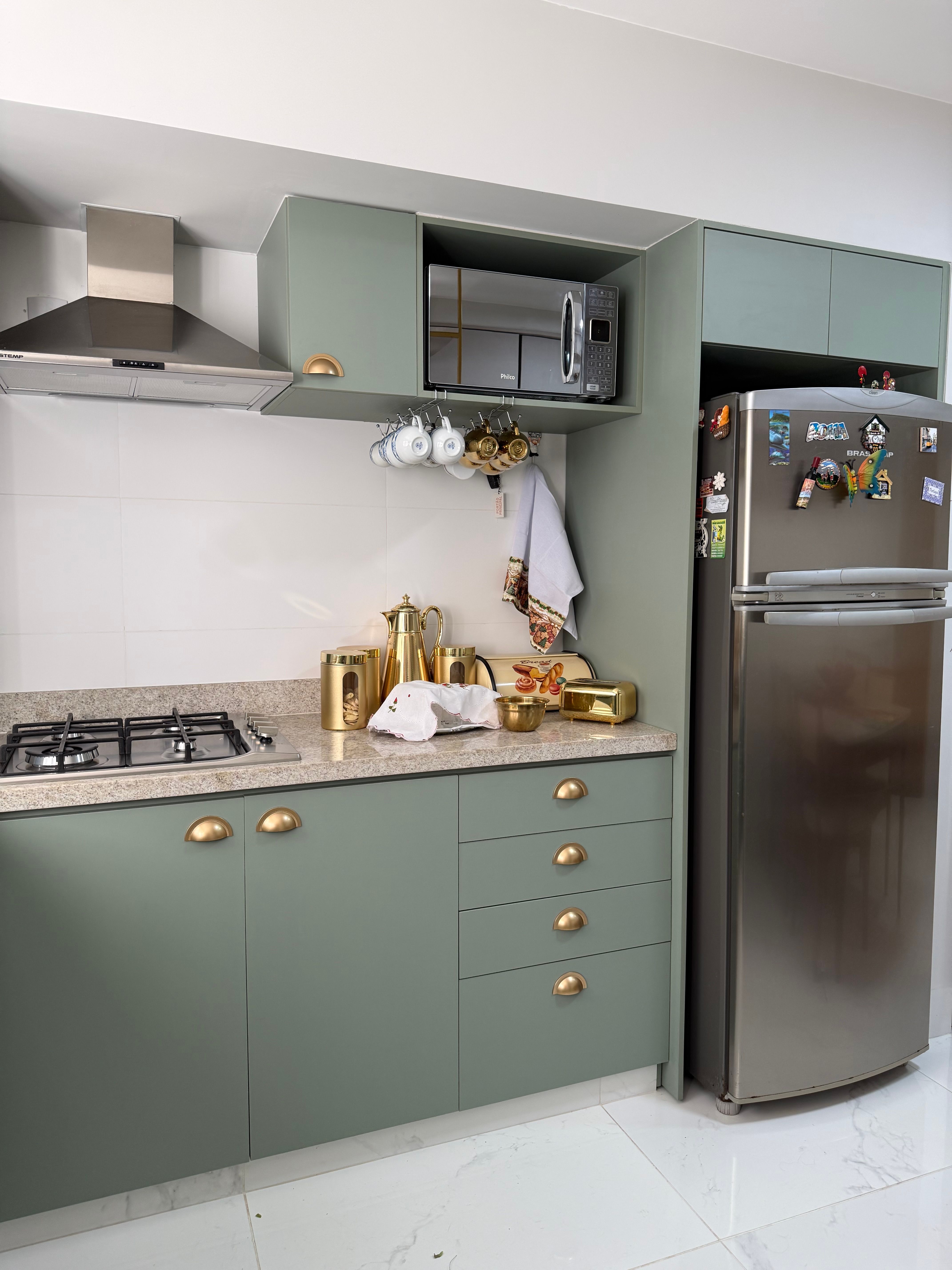
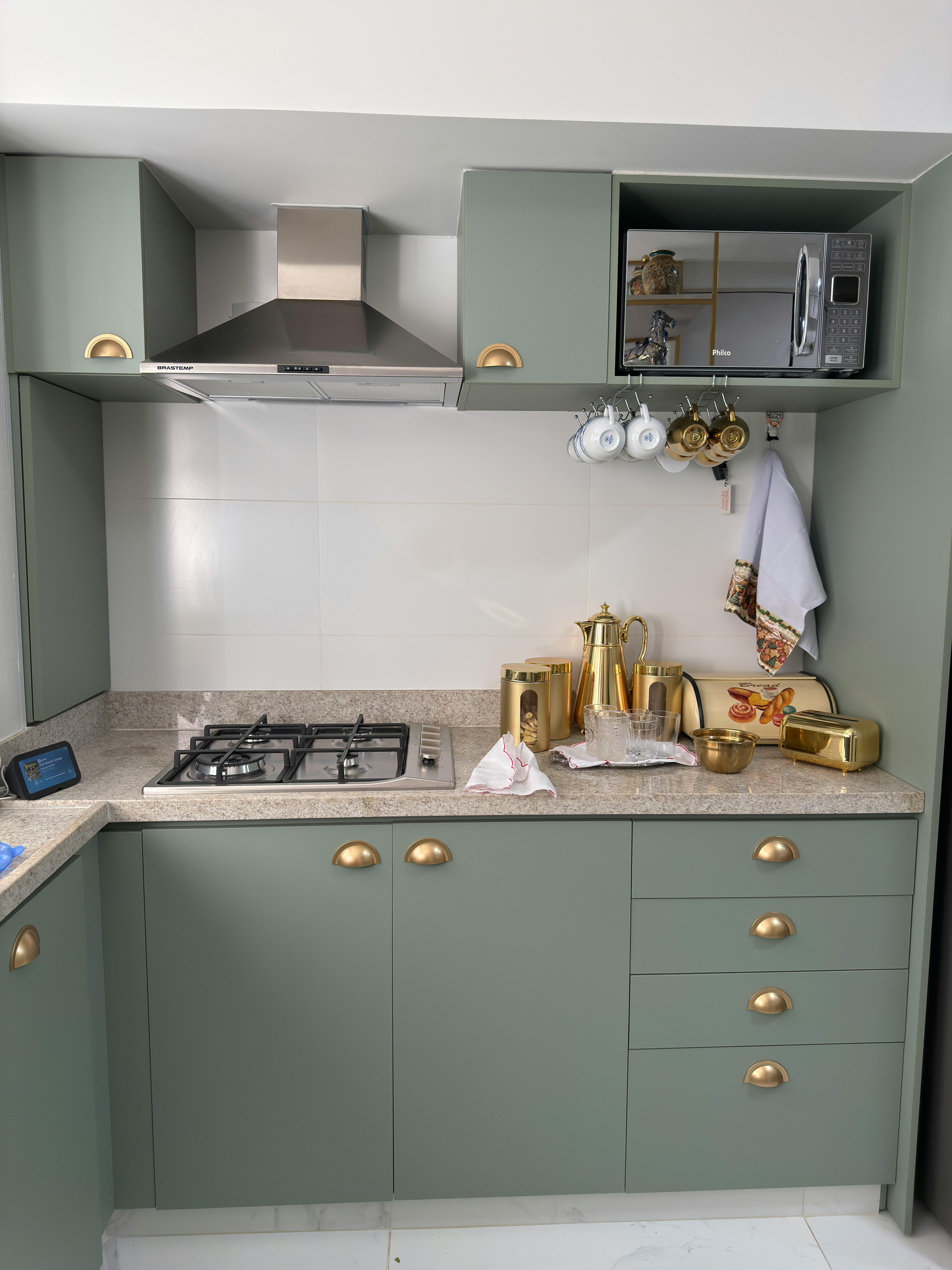
Gather the coffee maker or kettle, the cups used most often and a modest supply of ingredients near water and a suitable outlet. Avoid transferring every packet into decorative jars if labels, dates or instructions are still useful. A tray can define the station and make wiping easier, but it should not extend into the main prep zone. Store backup supplies elsewhere so the working set stays small.
Contain Cooking Oils Near Their Task
Keep only the oils, seasoning or utensils used frequently enough to justify counter space, positioned where they are reachable but not exposed to unsafe heat or heavy splatter. A washable tray can make the group easier to lift during cleaning. Check product storage guidance because light and heat can affect some ingredients. Bulk bottles and less-used seasonings belong in suitable cabinet or pantry storage.
Keep the Sink Edge Easy to Wipe
Dish soap, hand soap, brushes and cloths need drainage, ventilation and an easy path back to storage. Use the smallest holder that controls drips without trapping moisture or crowding the faucet. Keep clean cloths separate from wet tools and follow the care guidance for the sink, worktop and cleaning products. If a caddy makes wiping harder, a drawer or under-sink position may serve better.

Use a Working Shelf, Not a Display Project
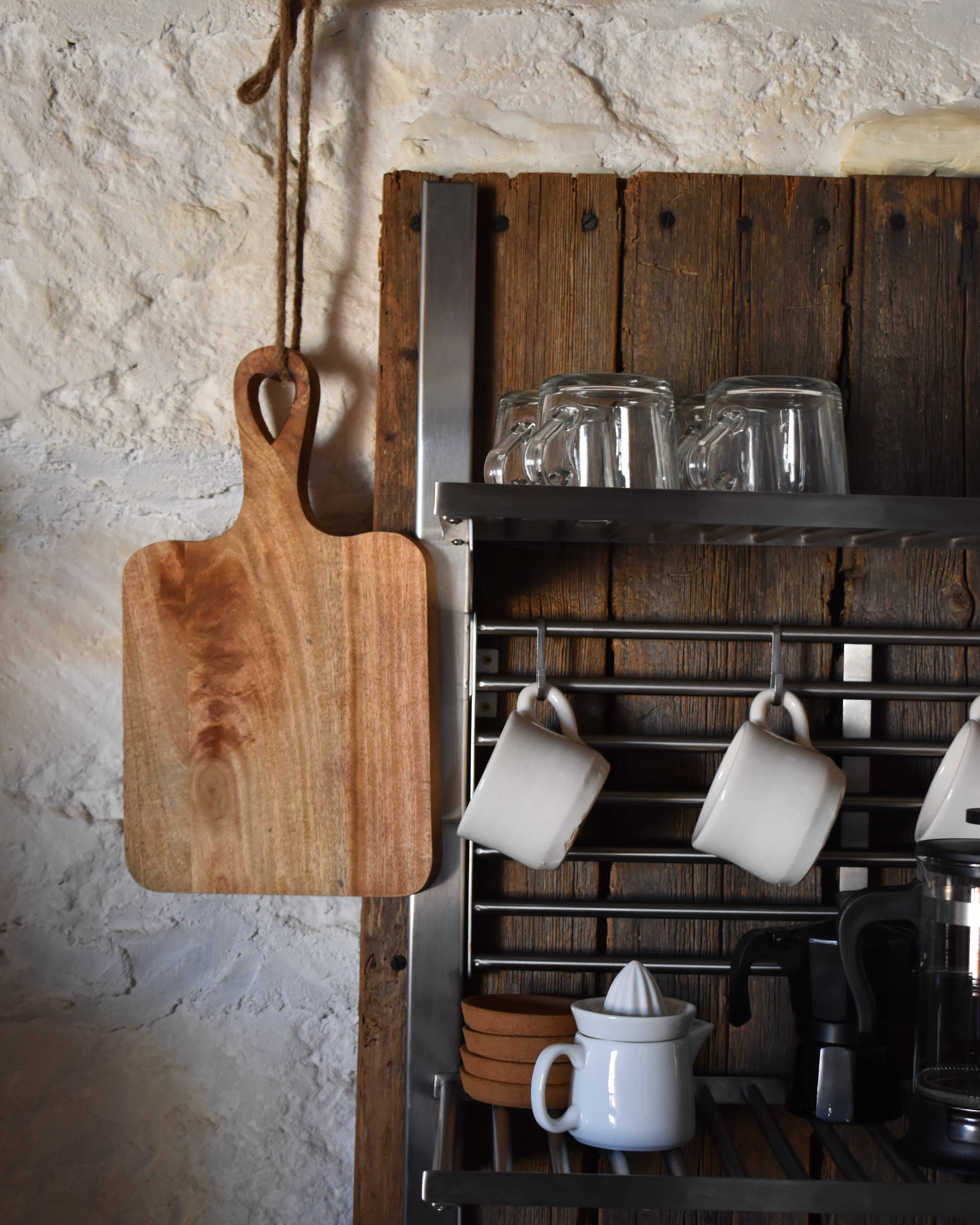
A shelf above or beside the counter is useful for cups, bowls or ingredients reached frequently enough to stay clean. Set its height from comfortable reach and from the objects placed below it. Avoid shelves over heavy grease or steam when their contents are not washed often. The purpose is to release worktop and save motion, not to create a permanent styling obligation.
Give Stray Objects a Short-Term Landing Place
Mail, keys, receipts and chargers often appear in the kitchen because the counter is convenient, not because they belong to cooking. If the kitchen must receive them, use one small tray away from food preparation and empty it on a regular schedule. Do not let the landing place expand into multiple baskets. Where possible, move the household drop zone toward the entrance instead of improving its permanence on the kitchen worktop.
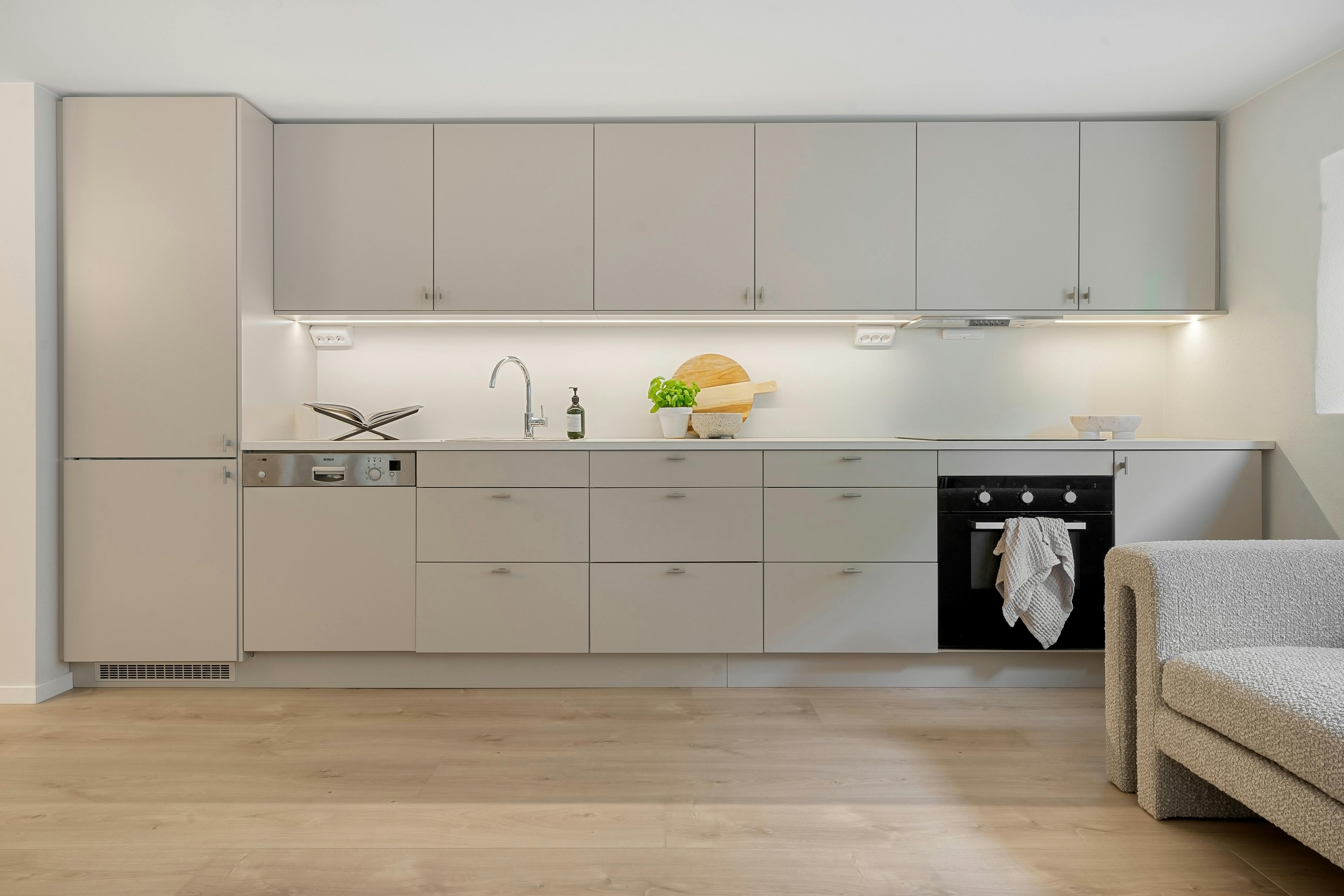
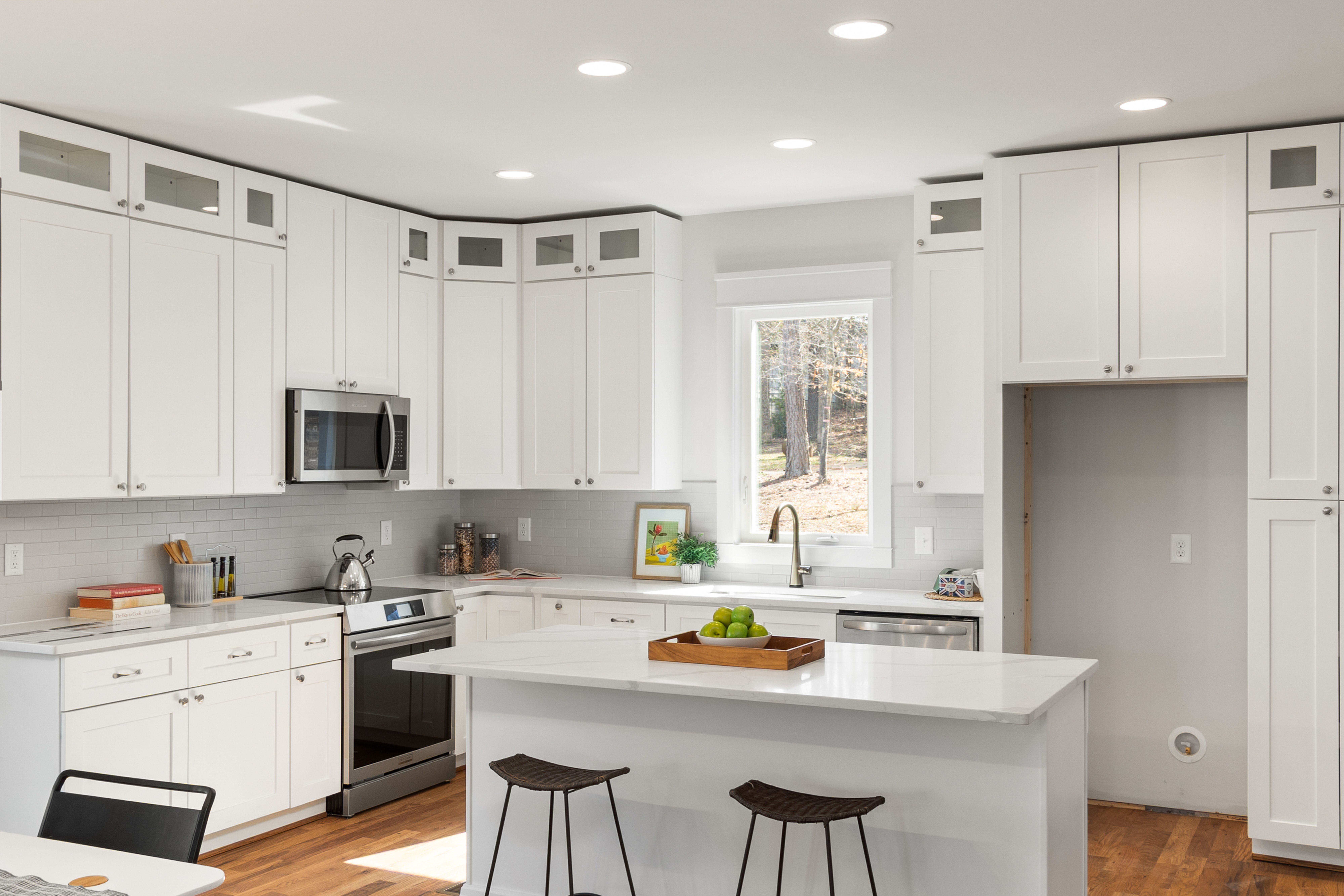
Reset the Counter After a Normal Week
After a week of normal meals, note what returned to the counter and why. An object may need a closer cabinet, a more accessible drawer or removal from the kitchen entirely. Clean the organizers themselves and check whether they saved time or simply hid small clutter. Adjust positions before buying additional containers. A system is successful when the counter can return to working order in a few minutes.