Build an Evening Layer Beyond the Ceiling Light
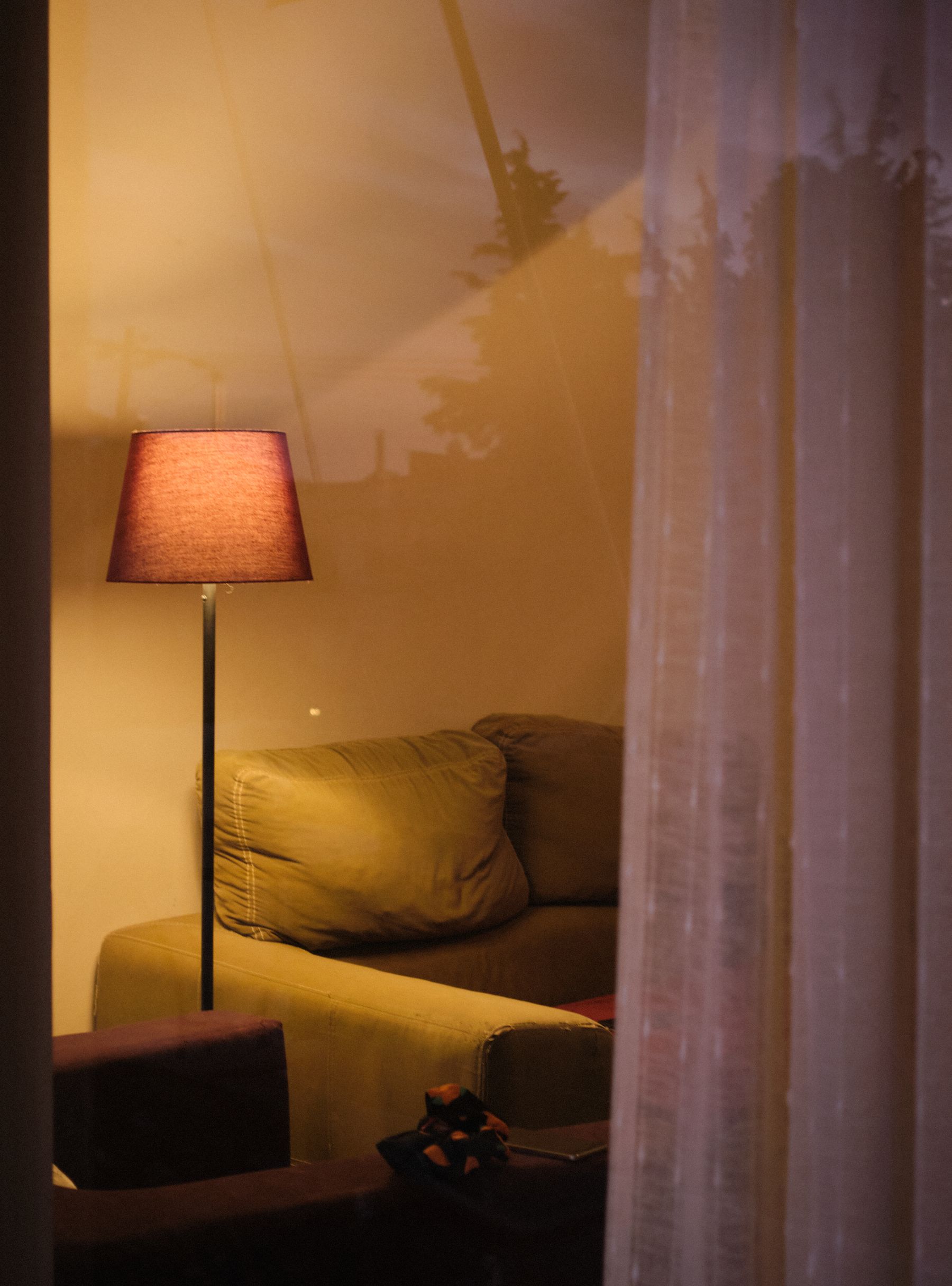
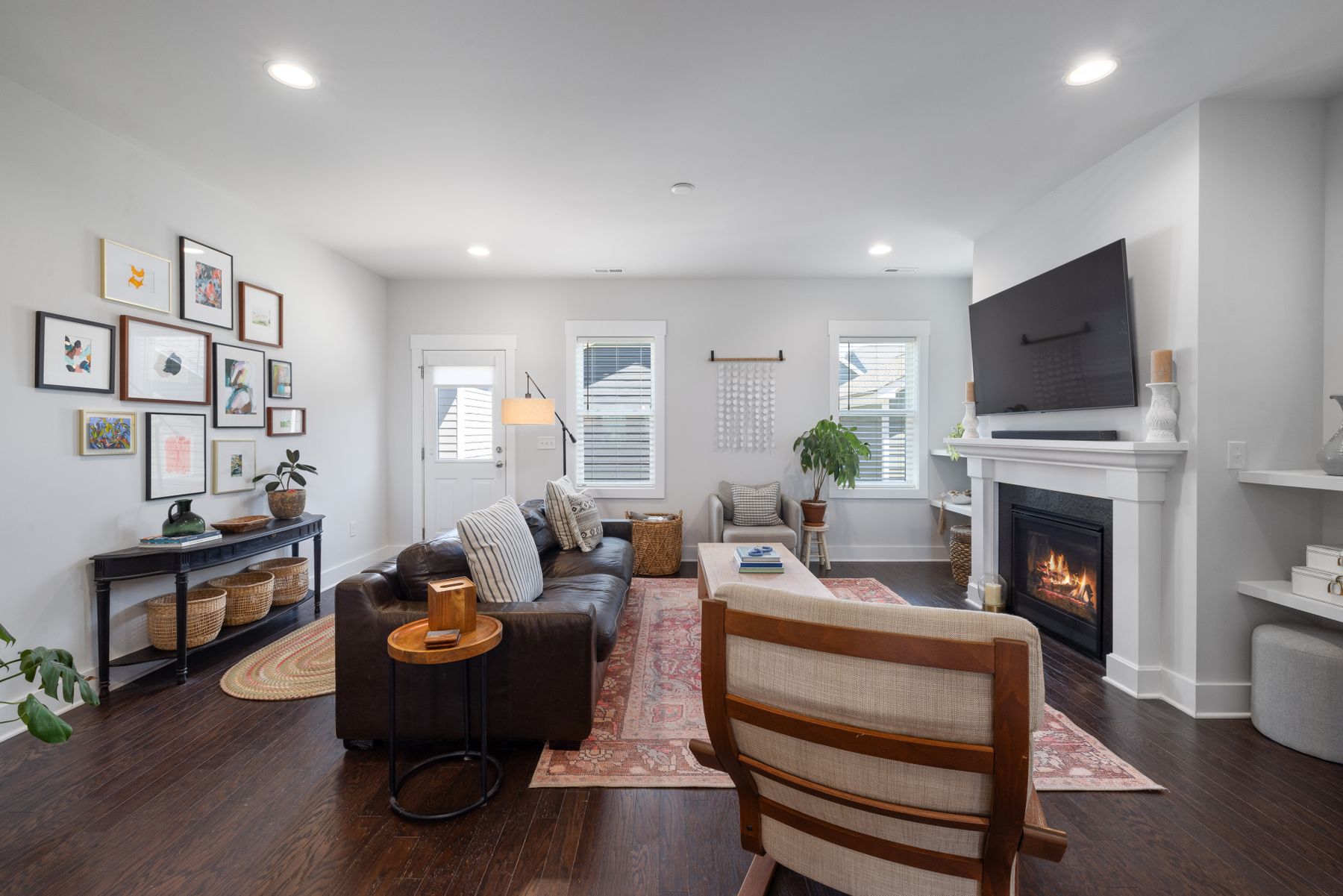
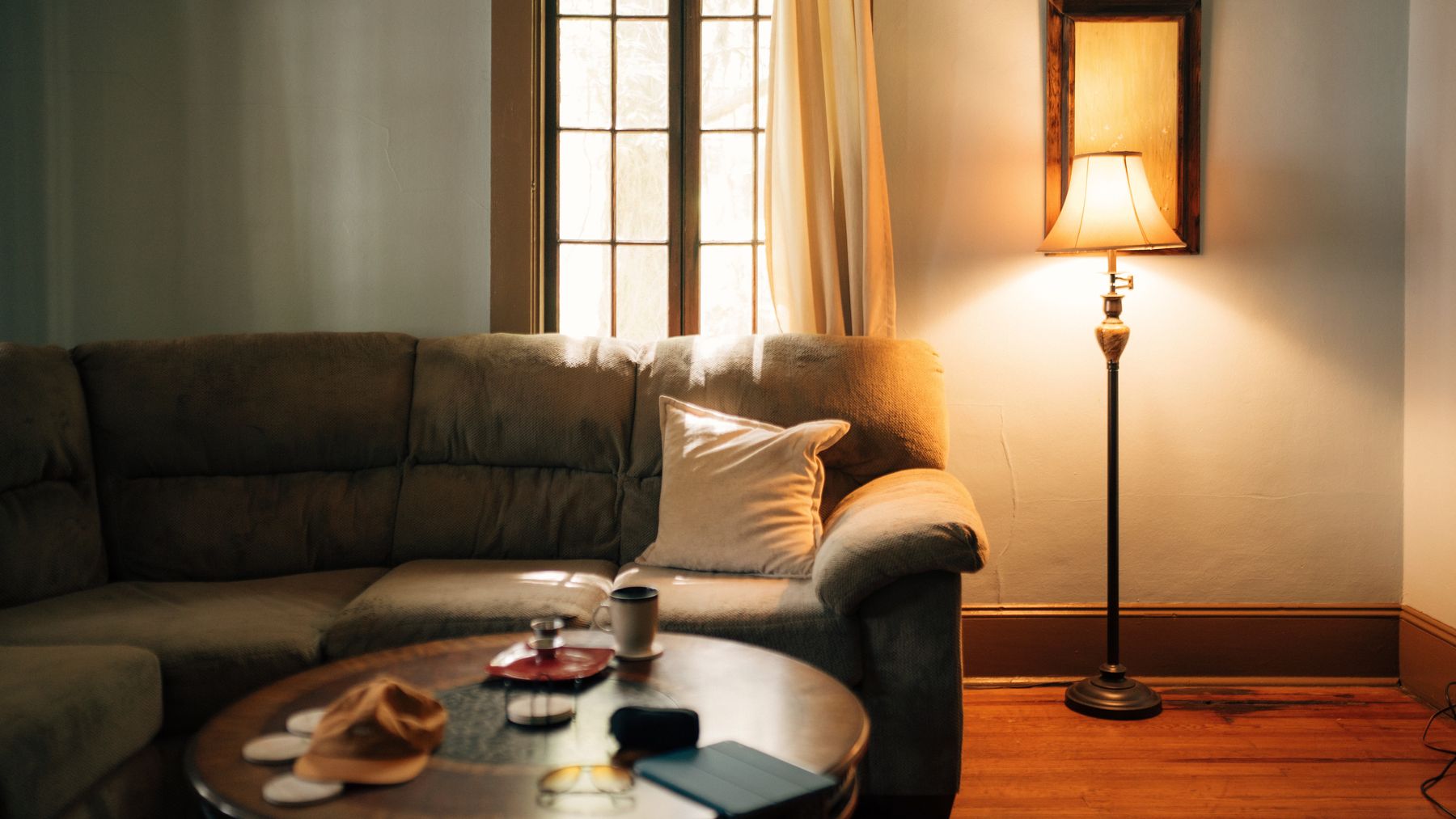
General lighting is useful for cleaning and moving around, but it may feel harsh when everyone settles in. Give the seating group at least one lower source that can be controlled separately from the ceiling light. A shaded floor lamp can brighten the nearby wall and faces without flooding the whole room. Look at the lamp from every seat to check for a bare bulb in the eye line, and plan a safe cable route before settling on its location.
Put Reading Light at the Chair
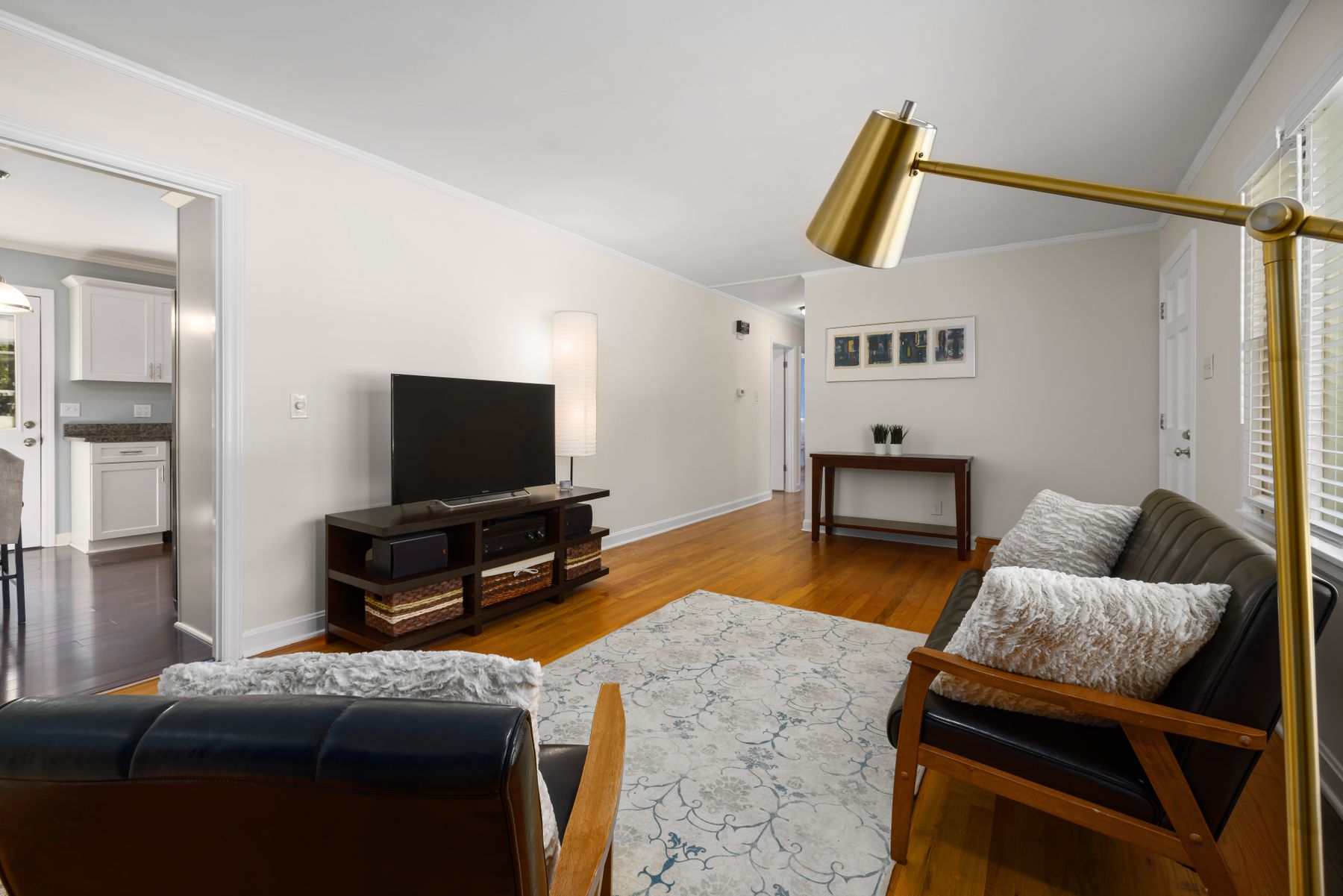
A reading lamp needs to illuminate the page from a comfortable position, not simply stand near the chair. An adjustable floor lamp can follow a change in seating position, while a stable table lamp may work if there is a side surface at the right height. Check shadows cast by the reader's head and hand, and avoid a bright exposed source visible across the room. A dedicated reading light should still fit the rest of the evening scene.
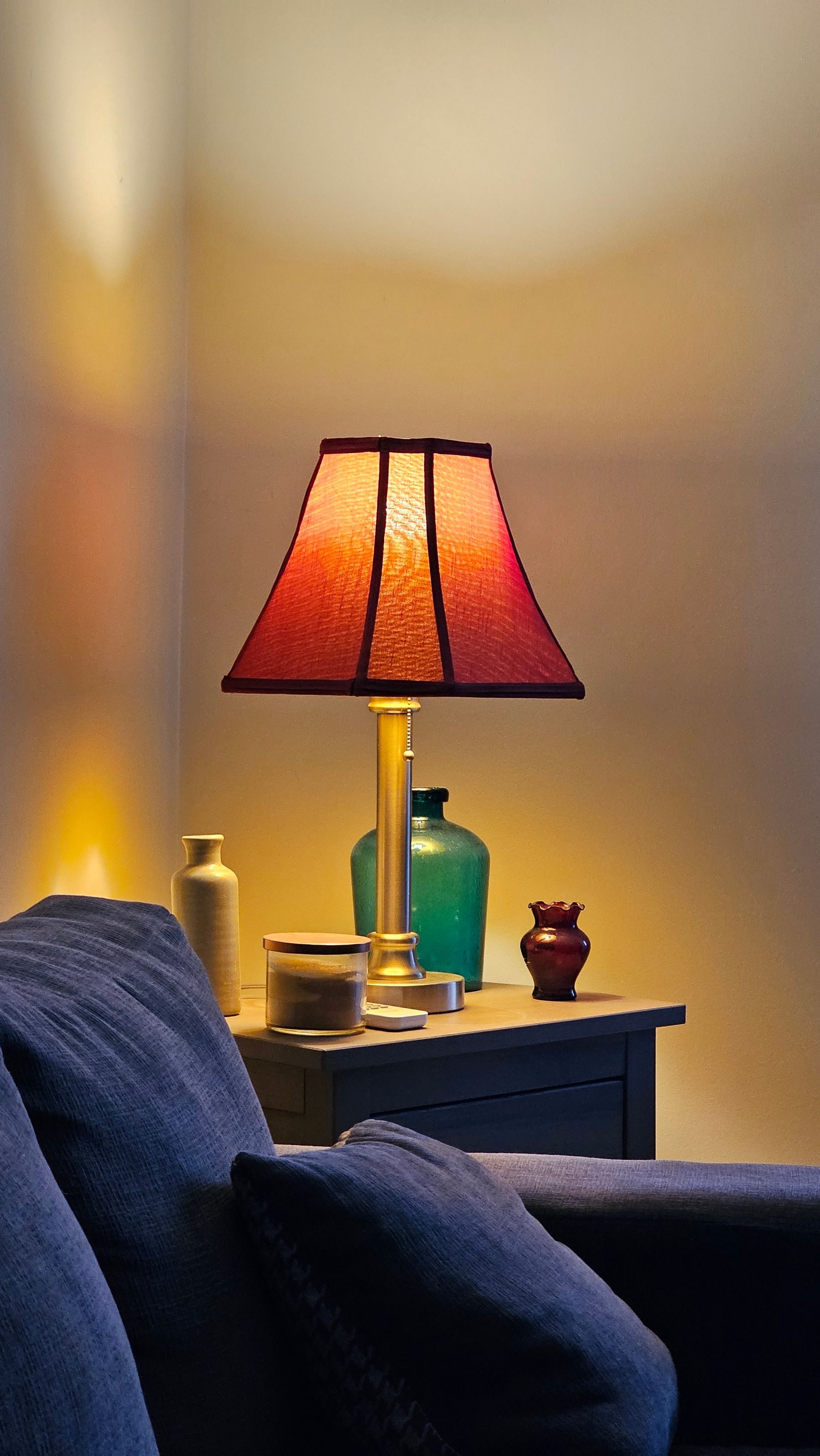
Use Table Lamps to Light Faces and Corners
A table lamp works best when its base has a secure surface and the shade places light where people use it. Pairing lamps at opposite ends of a room can provide balance, but they need not match. The shade material and shape affect how much light reaches the seat versus the wall. Check that the lamp does not crowd drinks, books or walking space, and that the cable can reach an outlet without crossing a route.
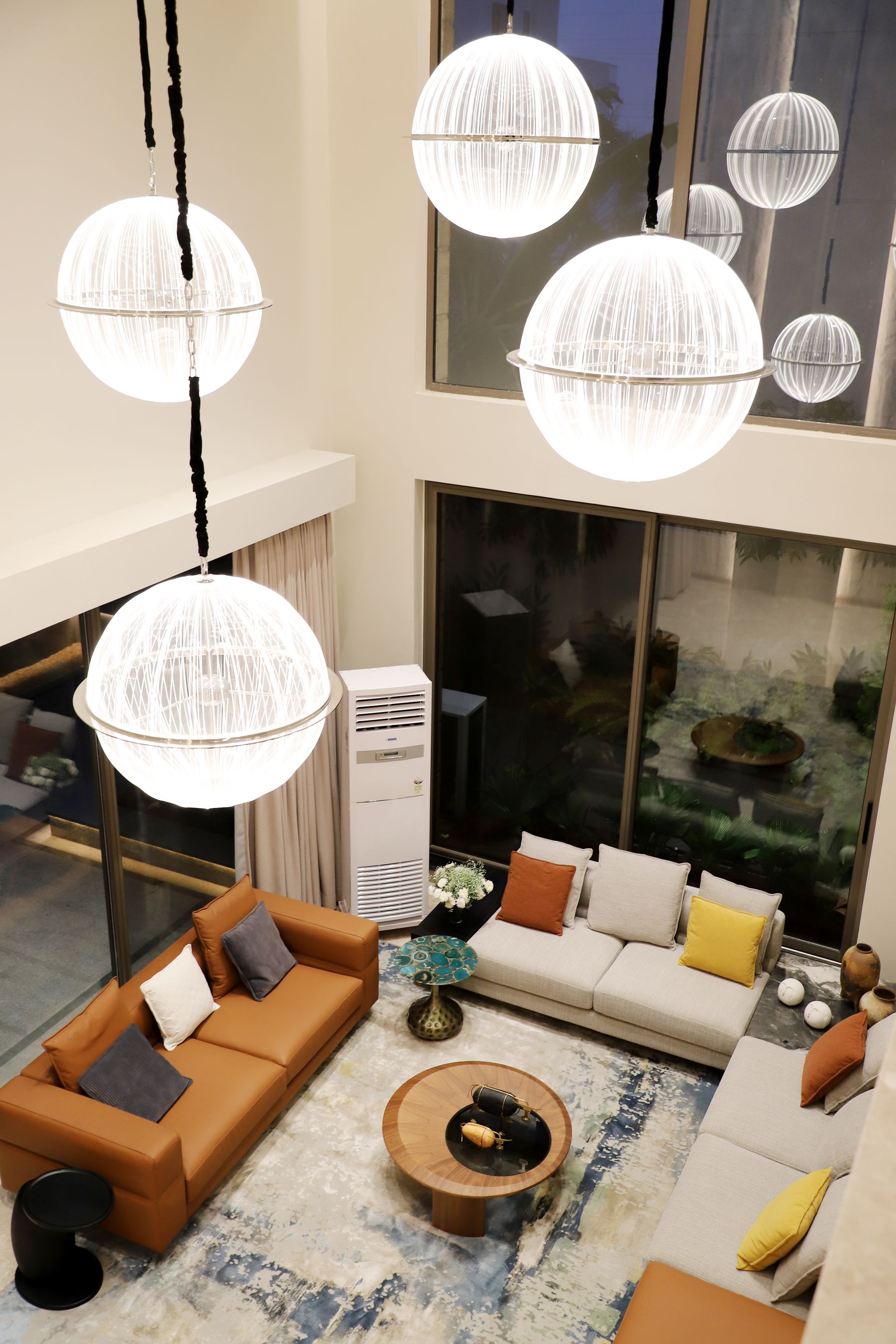
Let Pendants Define a Seating Zone
In a room with generous ceiling height, one pendant or a group can visually connect the ceiling to the seating area. Its size, drop and output must make sense from the sofa and from routes through the room. A dramatic fixture may provide a focal point without supplying enough light for books or faces, so plan companion sources. For an installation or relocation, use a qualified professional and follow the fixture's requirements.
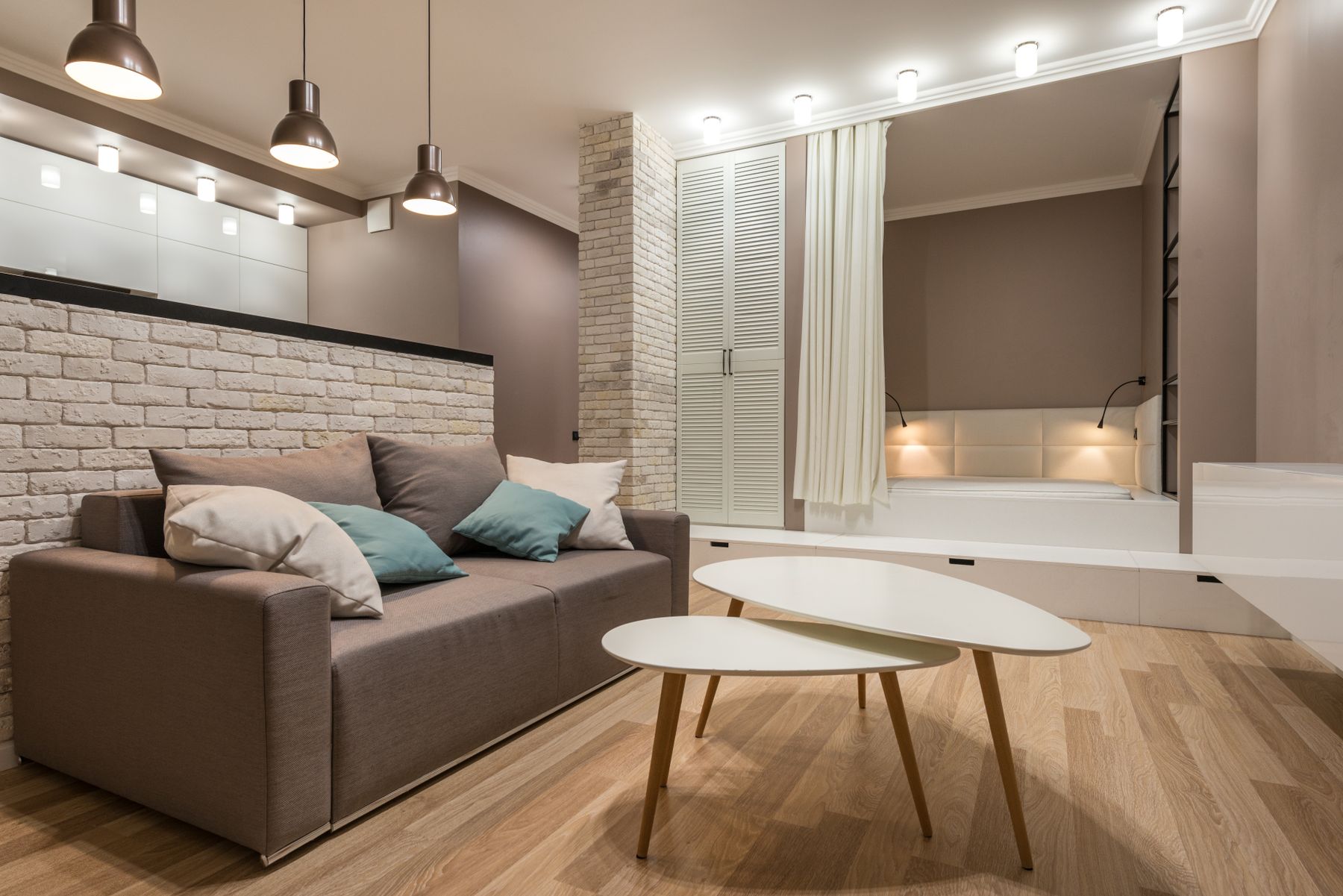
Keep Ceiling Light Useful Without Flattening the Room
Ceiling lighting helps with circulation and tidying, but a row of bright sources can erase the softer pools made by lamps. Think about which circuits or controls allow the room to change from daytime work to evening conversation. In an open plan, a pendant over one zone and quieter general light elsewhere can mark different uses. Avoid assuming more fixtures automatically create better light; review their positions from the seats and the screen.
Use Wall Light Where a Floor Lamp Will Not Fit
Sconces can illuminate a wall, flank an architectural feature or give a compact room a lower evening source. Decide what they should light before choosing symmetry or shape. Their position matters to people seated nearby: a bright globe at eye level can be uncomfortable even when it looks balanced on the wall. Plan wiring and switches with an electrician for permanent fixtures, and consider a plug-in option only where its cable can be managed safely.

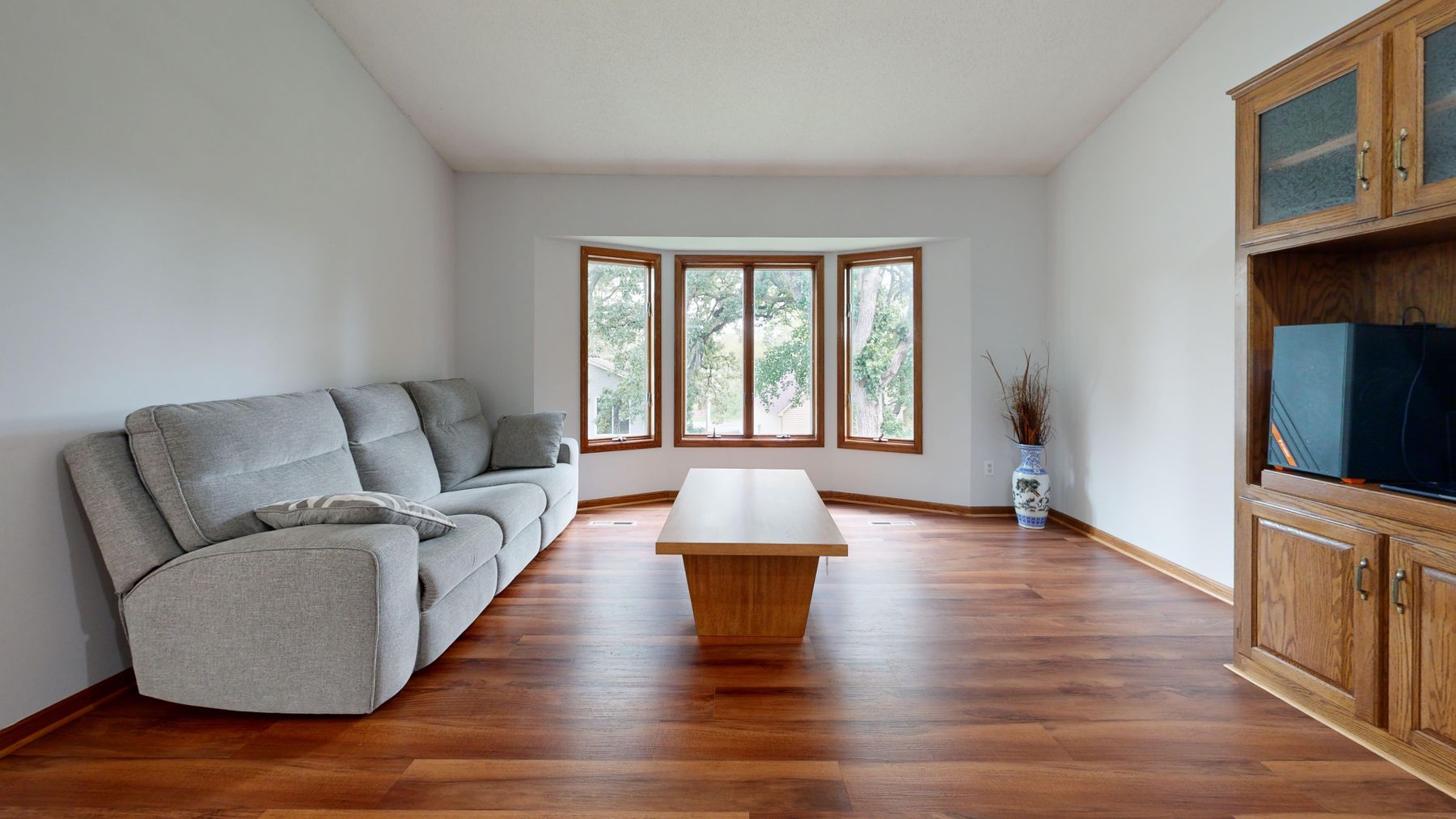
Control Window Light and Screen Reflections
Daylight makes a living room feel open, yet direct sun can cause glare on a screen and discomfort in a favorite chair. Observe morning and afternoon light before fixing the television or reading seat. Curtains or blinds should be adjustable so privacy and glare can be managed without leaving the room dark all day. Artificial light then fills the gaps after sunset rather than compensating for permanently closed window coverings.
Test the Full Room After Dark
A lighting plan that looks good in daylight can reveal unlit corners, exposed bulbs or screen glare at night. Try the combinations people will actually use: conversation, reading, viewing and moving through the room. Separate controls allow each source to earn its place. Keep the brightest task source available when needed, but let other lamps provide a calmer setting. Adjust shade, position and output based on the lived test before adding another decorative fixture.