Anchor the Conversation Group
Start with the sofa, chairs and table as one arrangement, then see where a rug edge can bring them together. If the rug sits only under the coffee table, the seats may look stranded around it. The exact placement depends on room size, but the edge should look intentional from the main view and not catch chair legs in daily use. Tape out candidate sizes before judging a rug from a product photograph.
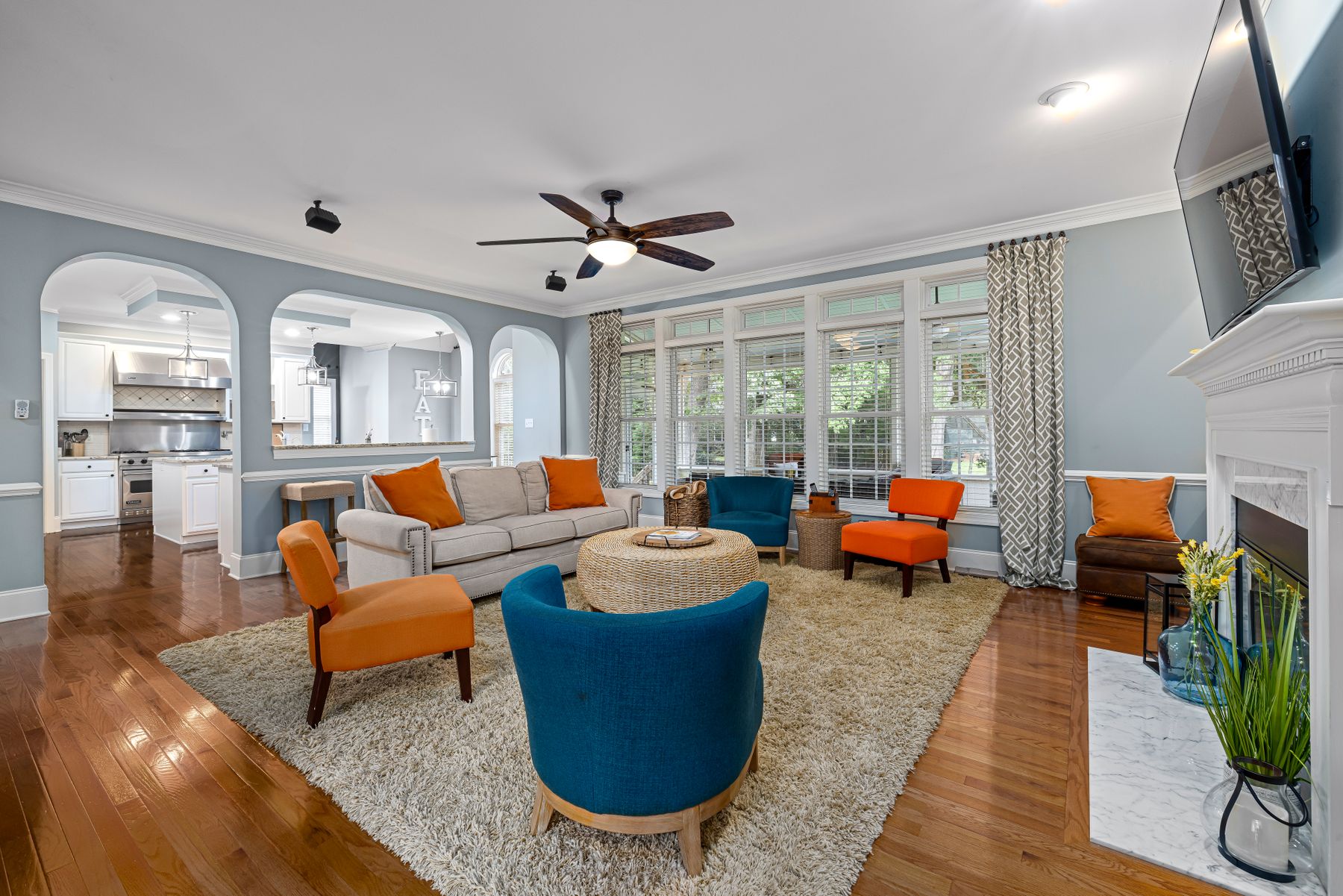
Use a Generous Rug to Mark an Open Plan
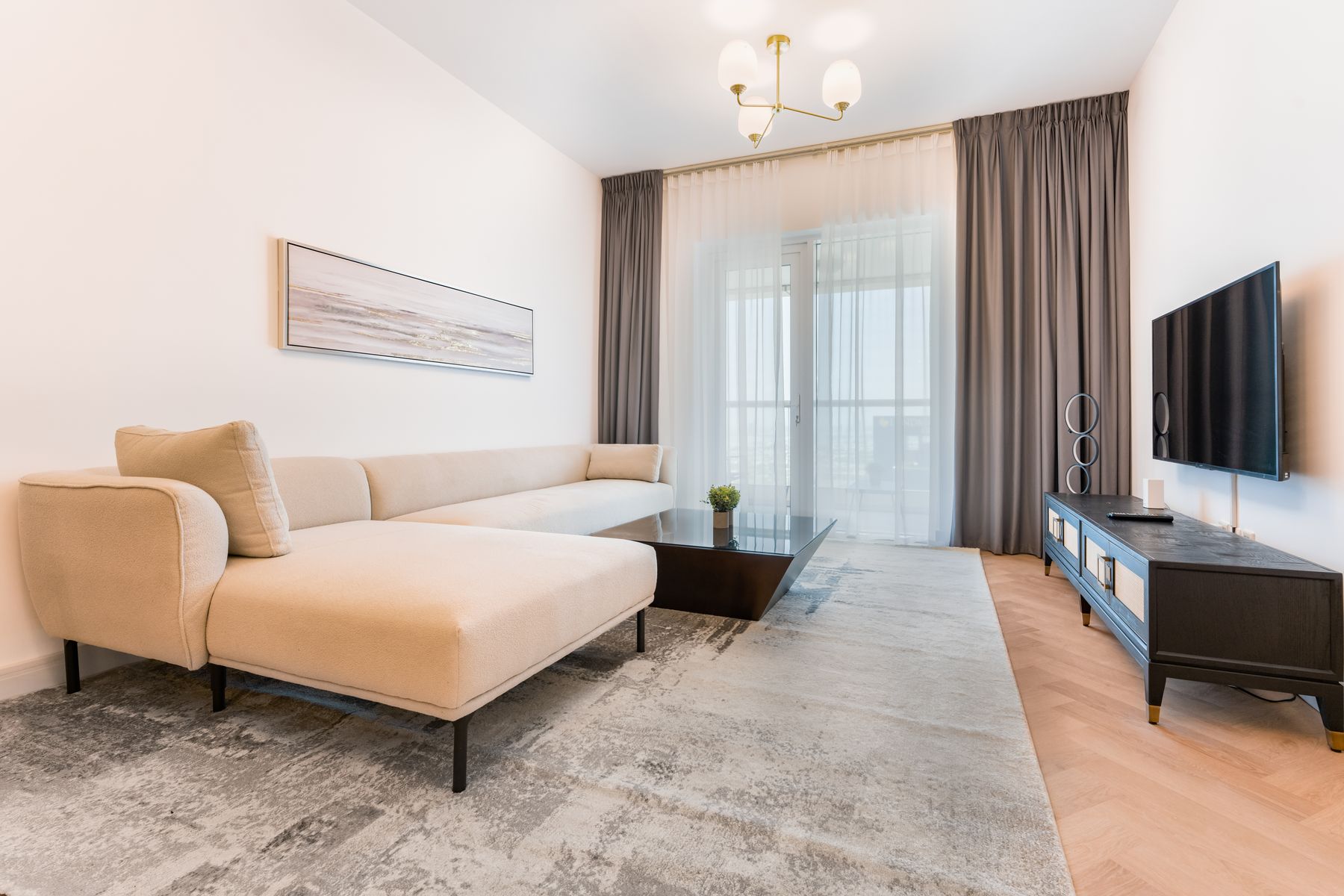
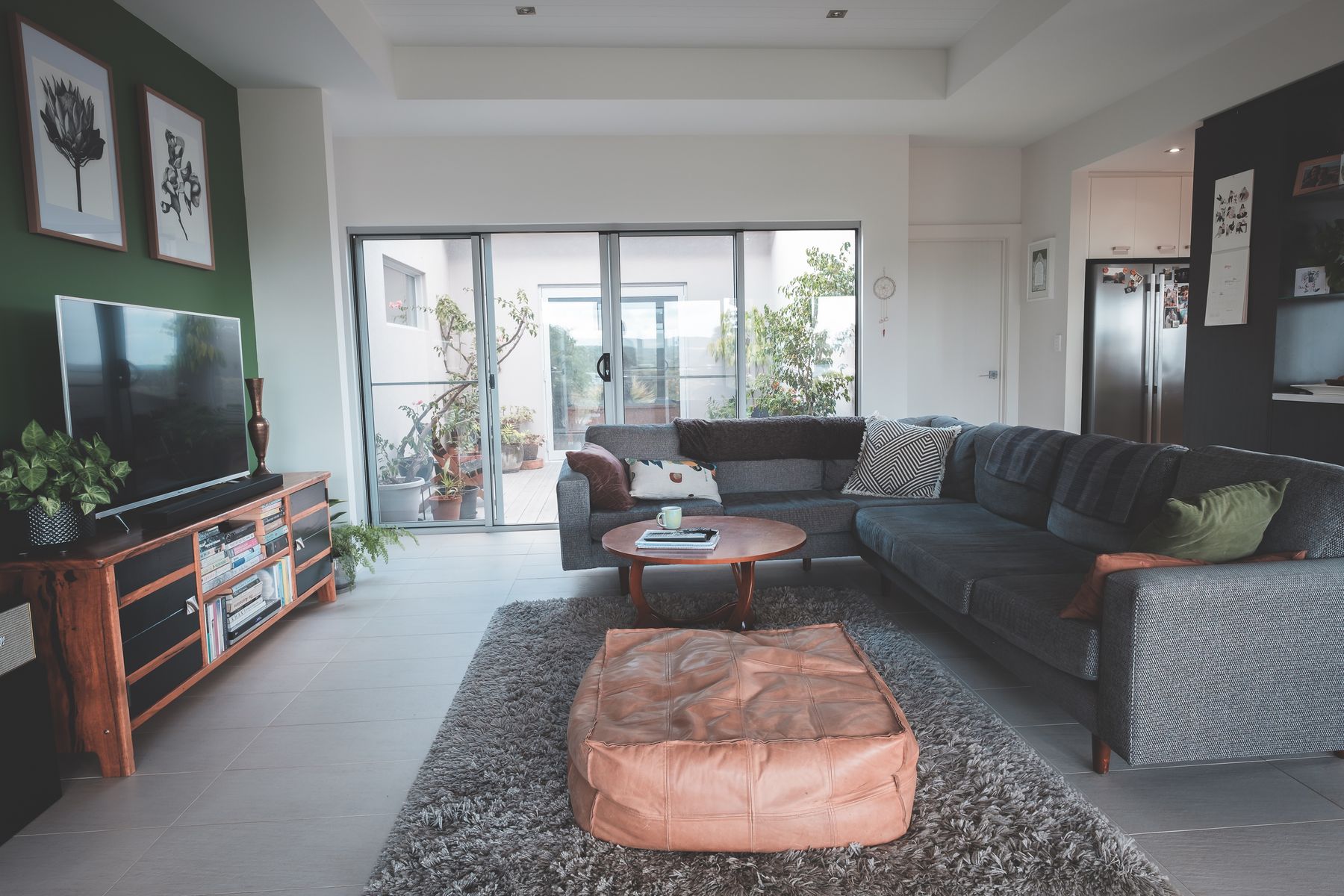
An open living area needs a clear seating zone while routes to the kitchen and windows remain legible. A rug can create that boundary if it relates to the full furniture group and leaves a useful border of floor around the zone. Do not extend it into a dining chair path or door swing simply to buy the biggest available size. Consider how the edge meets the main walking route and whether a rug pad or floor protection is appropriate for the surface below.
Fit a Rug to a Compact Seating Area
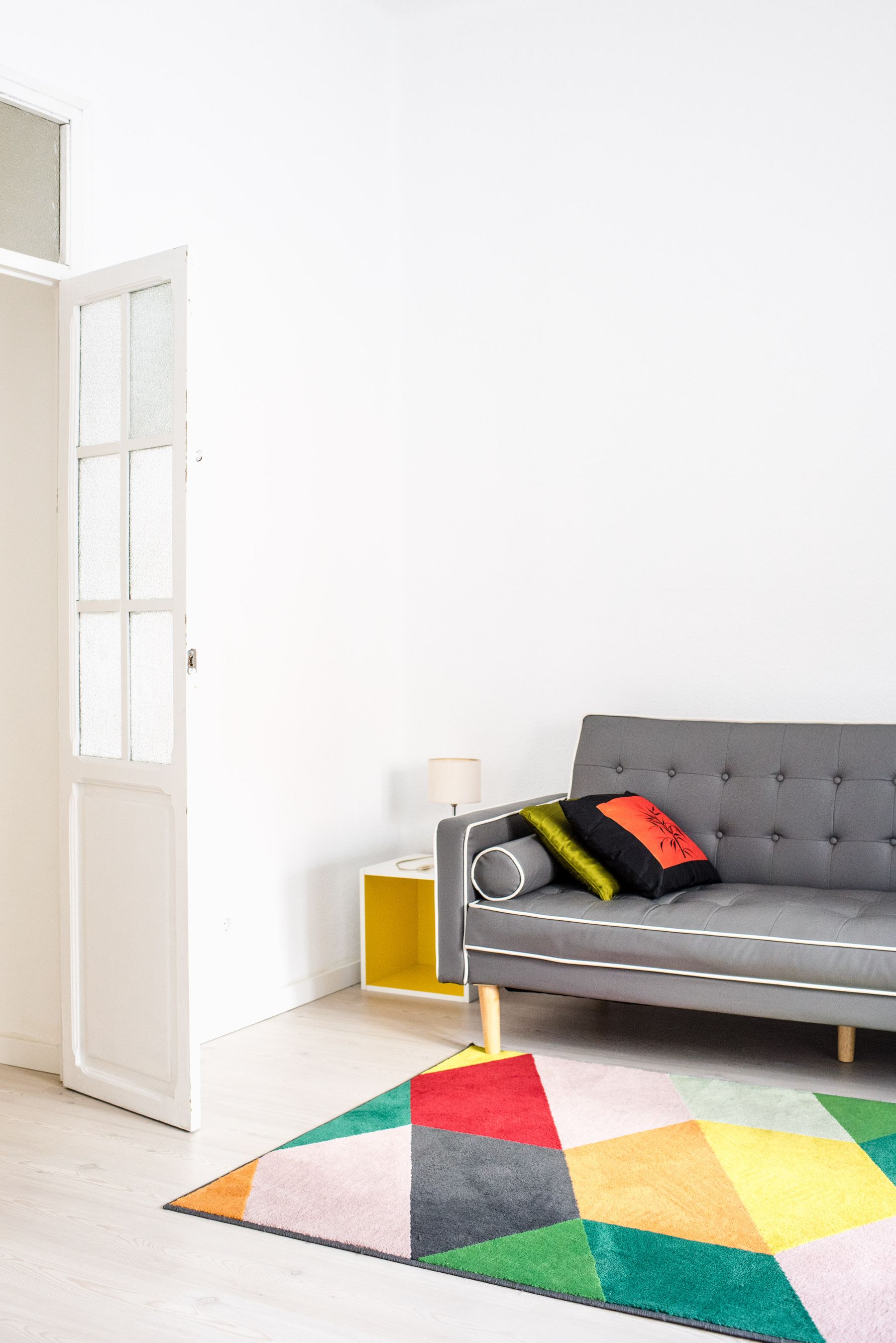
A small room does not automatically need the smallest rug. Compare the sofa width, side table and walkway, then choose a shape that supports the seating rather than leaving a tiny island of textile. If the room cannot accommodate a rug under every seat, keep the placement intentional and avoid a narrow strip exposed between sofa and rug. A low profile edge may be easier on a frequently used route than a thick one.
Let a Round Rug Follow a Social Arrangement
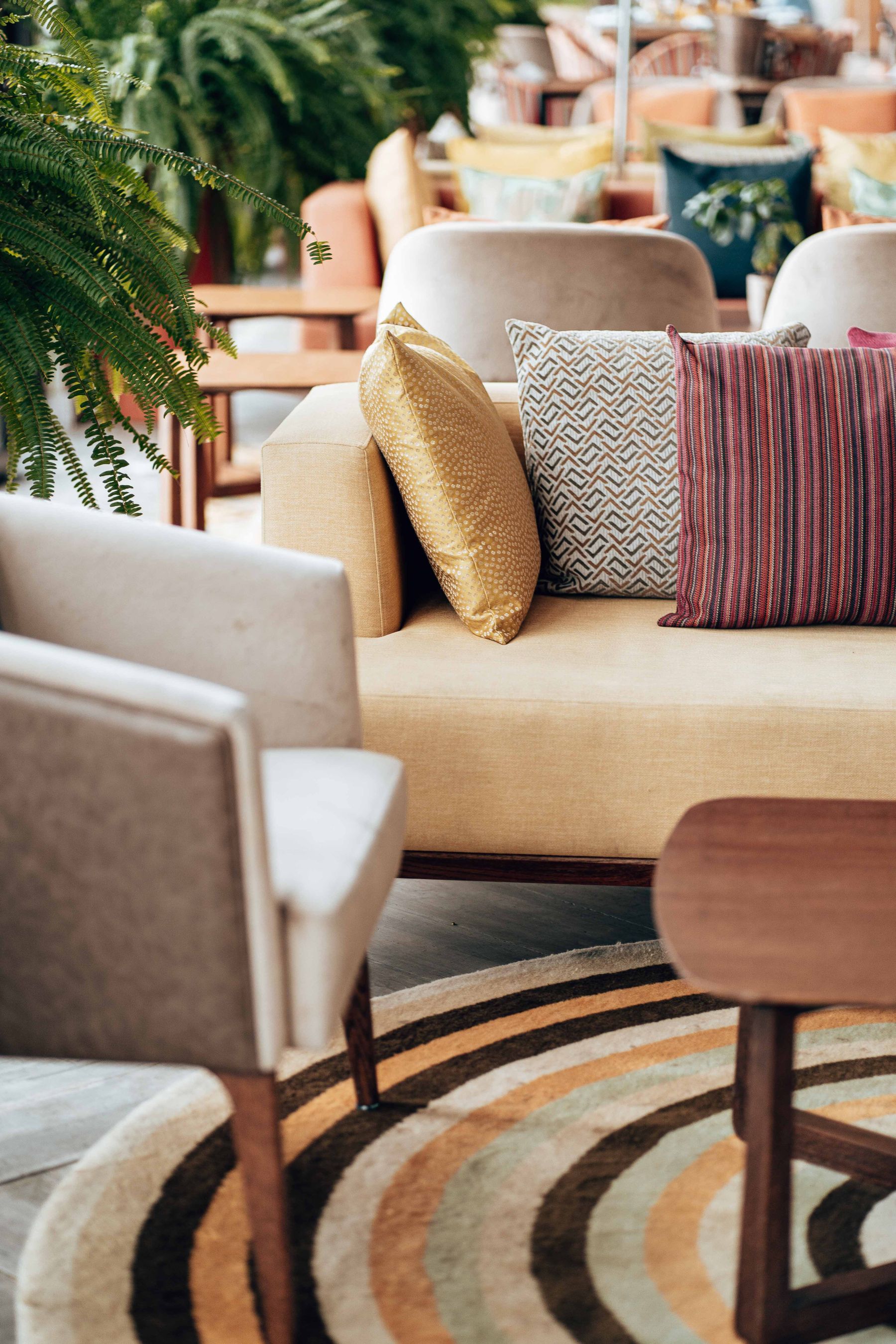
A round rug can suit a curved or compact conversation area, especially when a rectangular one would meet surrounding furniture awkwardly. Its diameter still needs to serve the chairs in use, not just frame the coffee table. Compare the circle with the furniture footprint and with nearby doorways. A curved pattern can also introduce movement under plain upholstery, so keep competing textiles in view when choosing color.
Choose Pattern at the Scale of the Room
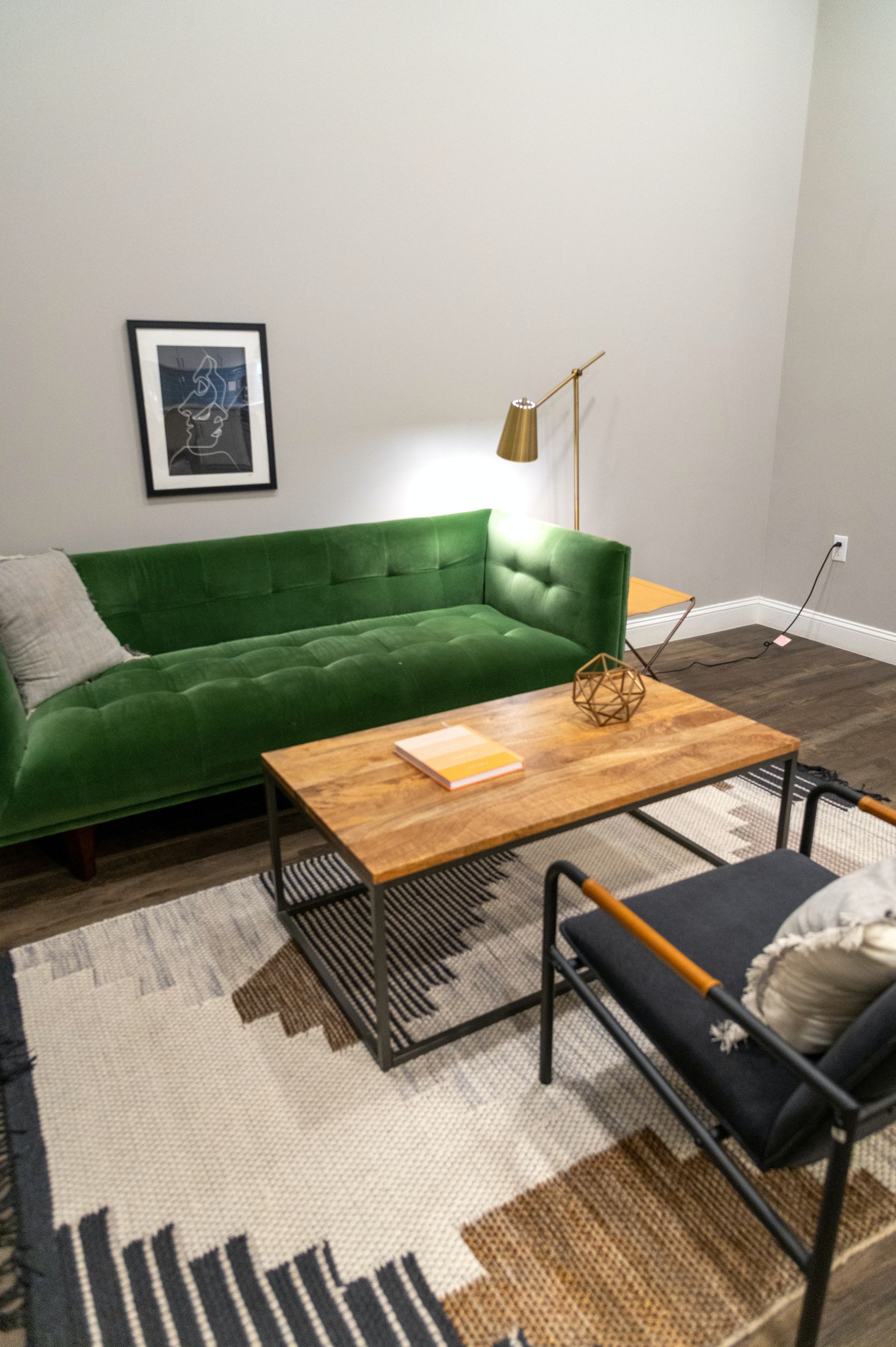
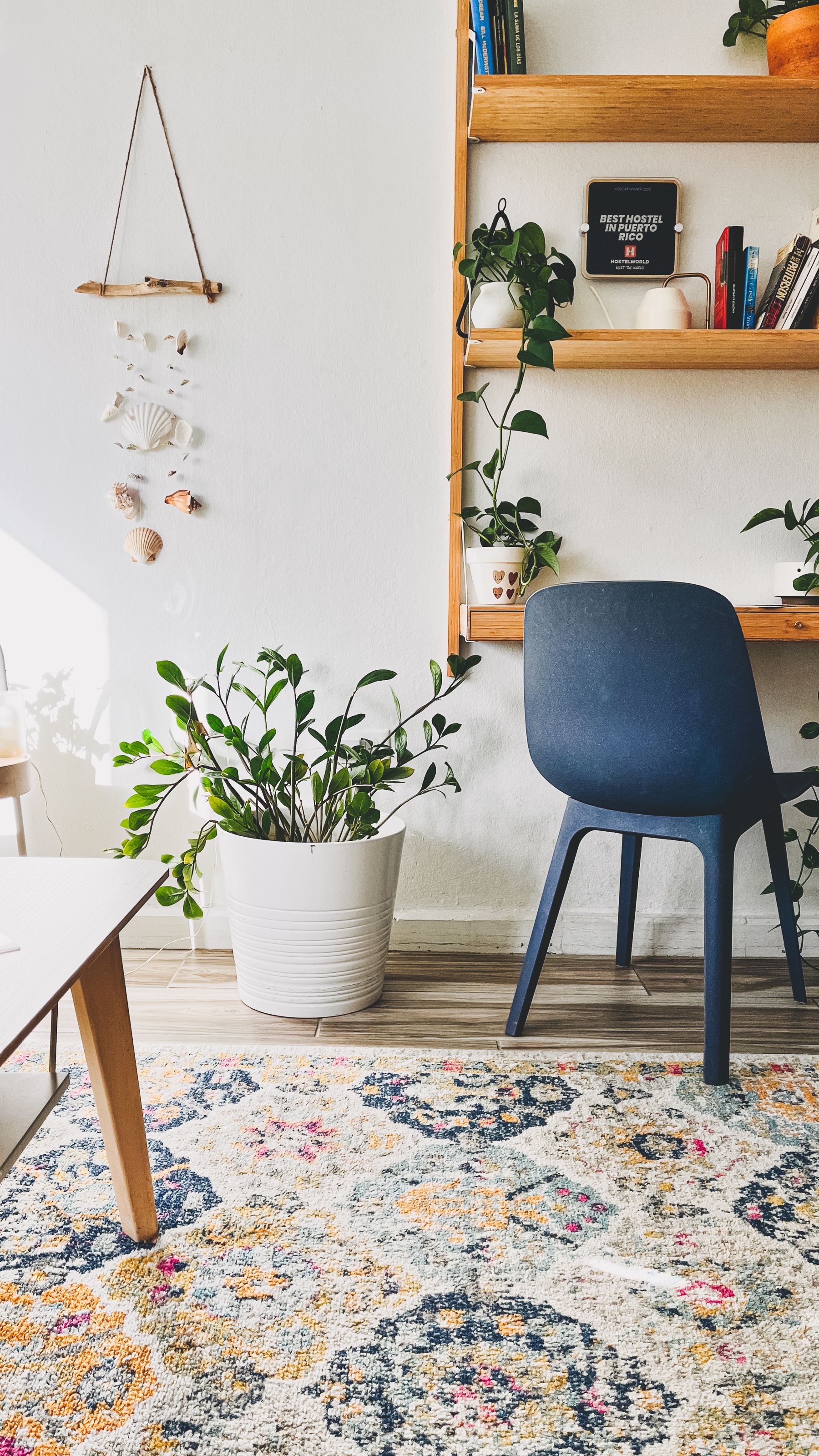
A rug with several colors can connect chairs, art and plants without requiring every fabric to match. Large motifs read differently from small repeat patterns once much of the rug is under furniture. Bring a sample or view the full design at the intended size, then assess it with the sofa and floor. Patterns can be forgiving of visual wear, but their weave and cleaning requirements still matter more than camouflage alone.
Decide How Much Pile the Room Can Support
A deep pile can feel comfortable under bare feet and soften a hard-floored room, but it may make a light table less stable and be harder to clean in high-traffic areas. A flatter weave can be easier under movable chairs. Think about pets, children, crumbs and the way furniture shifts before choosing by touch alone. Ask for a material sample and check how it recovers after pressure and routine vacuuming.
Use a Traditional Motif With Modern Furniture
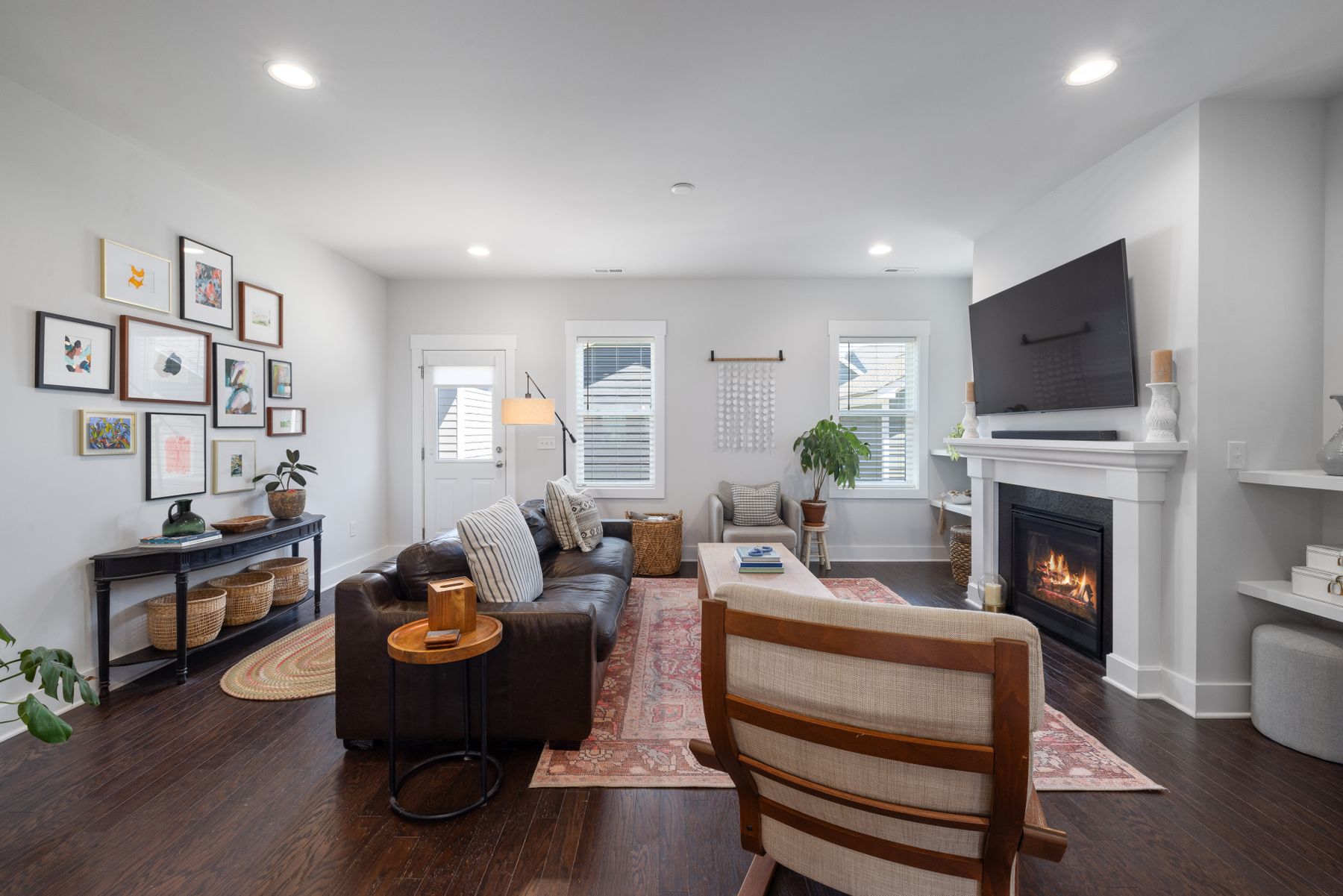
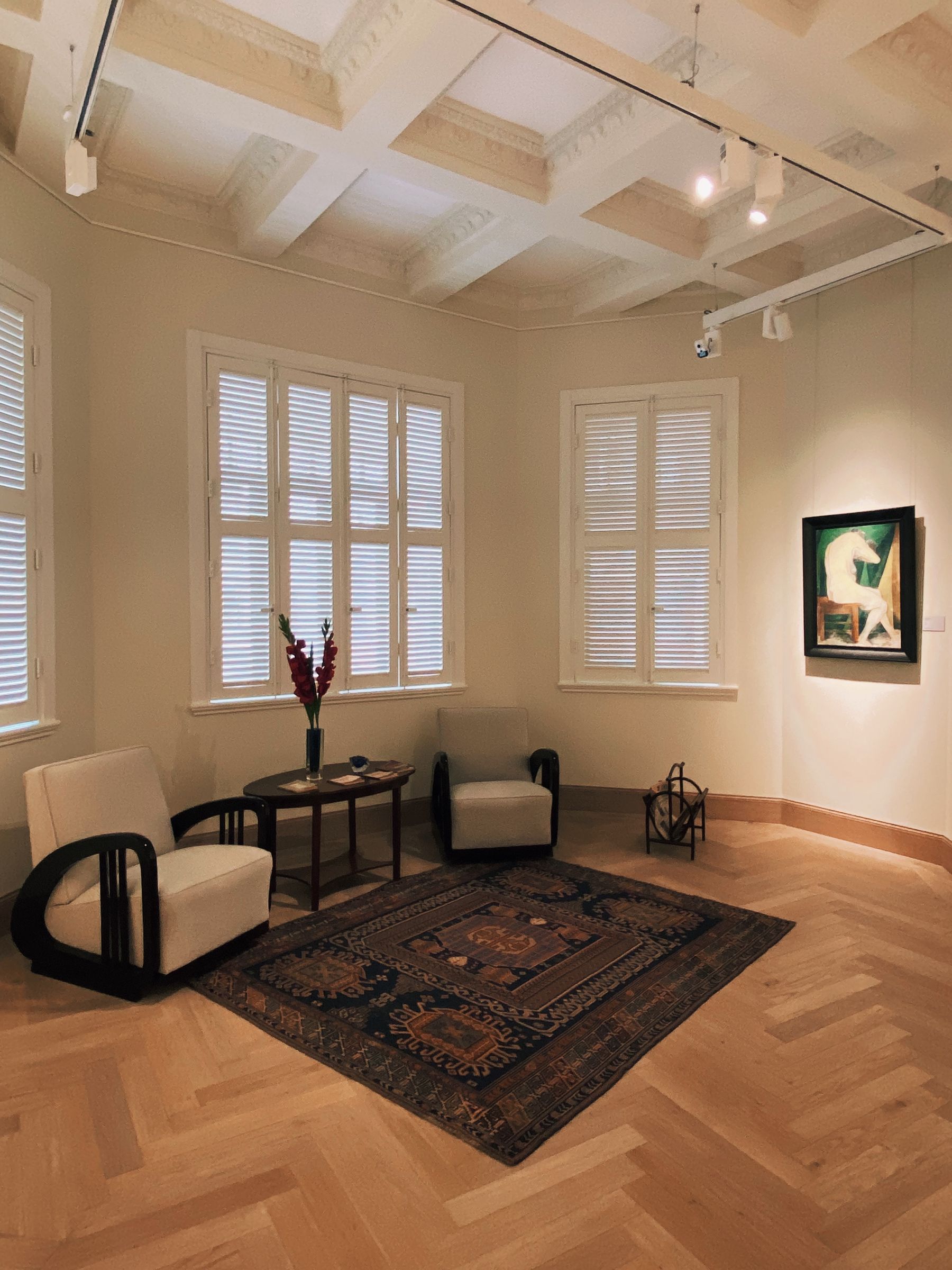
A traditional pattern can add detail to a room with plain upholstery and clean furniture. Choose its dominant colors in relation to the floor and large seats rather than trying to repeat every accent. The rug can be the richest surface if nearby walls remain quieter. For a vintage piece, inspect wear, backing and cleaning needs in person where possible; attractive patina and structural damage are different considerations.
Check the Edge, Backing and Daily Care
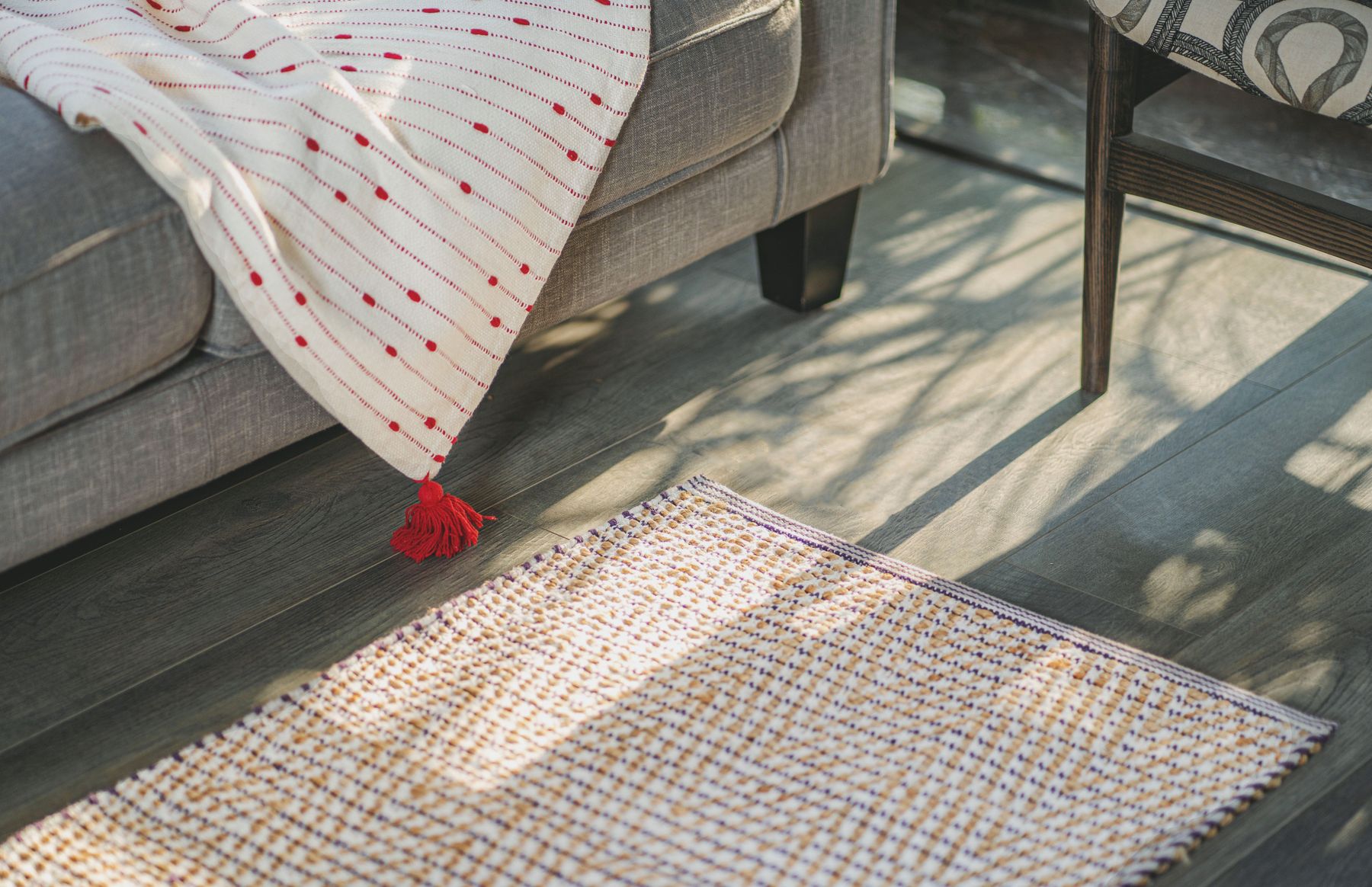
Before committing, inspect the rug's edge, backing and care guidance as carefully as its pattern. A corner that lifts on the main walking route may need a better fit or a suitable pad, while a delicate weave may not suit rolling furniture or frequent spills. Check compatibility with the floor finish and follow the rug and floor makers' care instructions. The best choice is one the household can maintain while keeping the seating area comfortable.