Keep the Main Ceiling Simple and Moisture-Aware
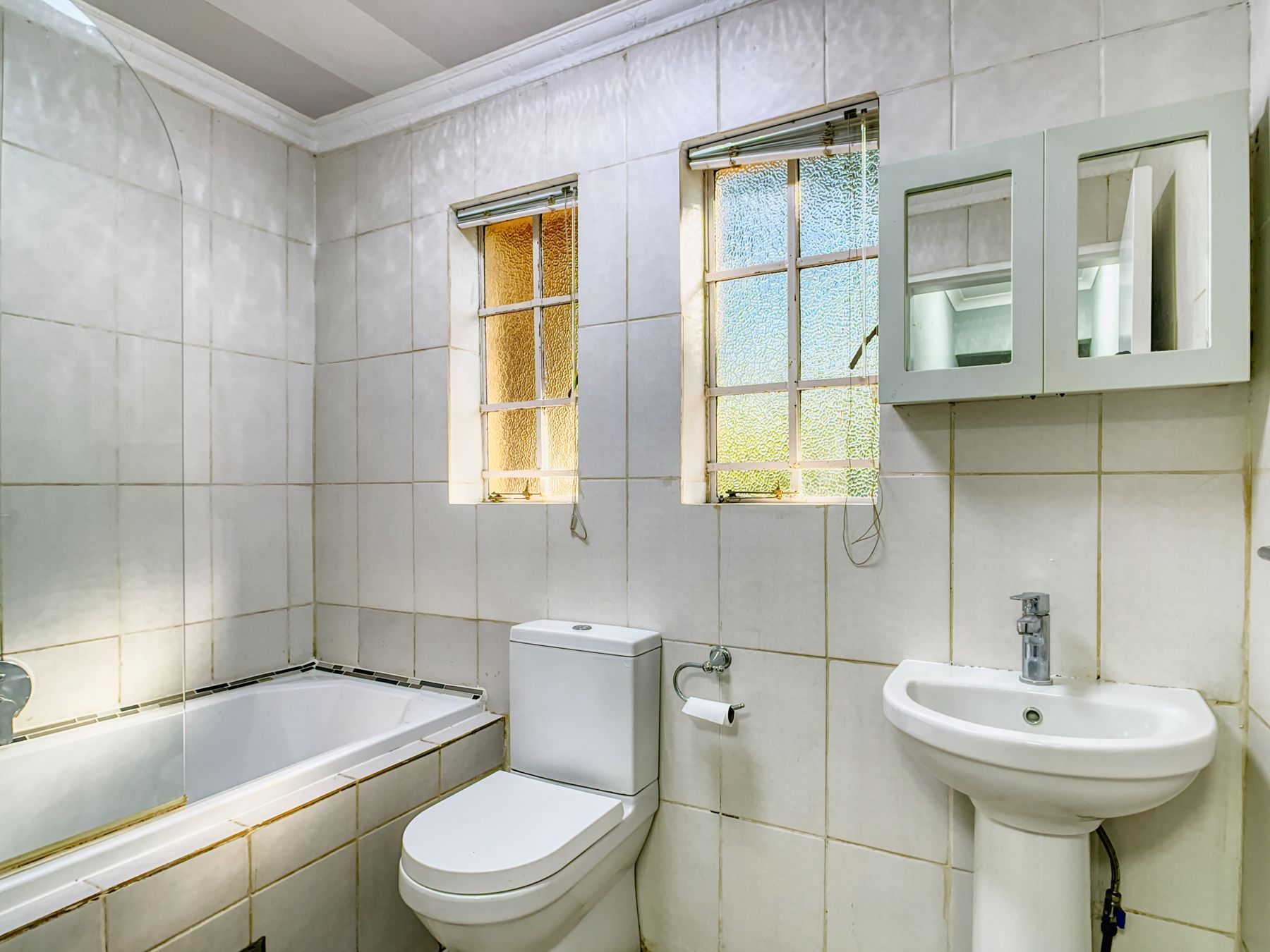
A smooth pale ceiling remains the most flexible option in many bathrooms because it reflects light and lets stronger wall or floor materials do the visual work. Use a finish intended for humid interiors and make sure ventilation is adequate. The surface should be easy to inspect and maintain rather than heavily textured for decoration alone.
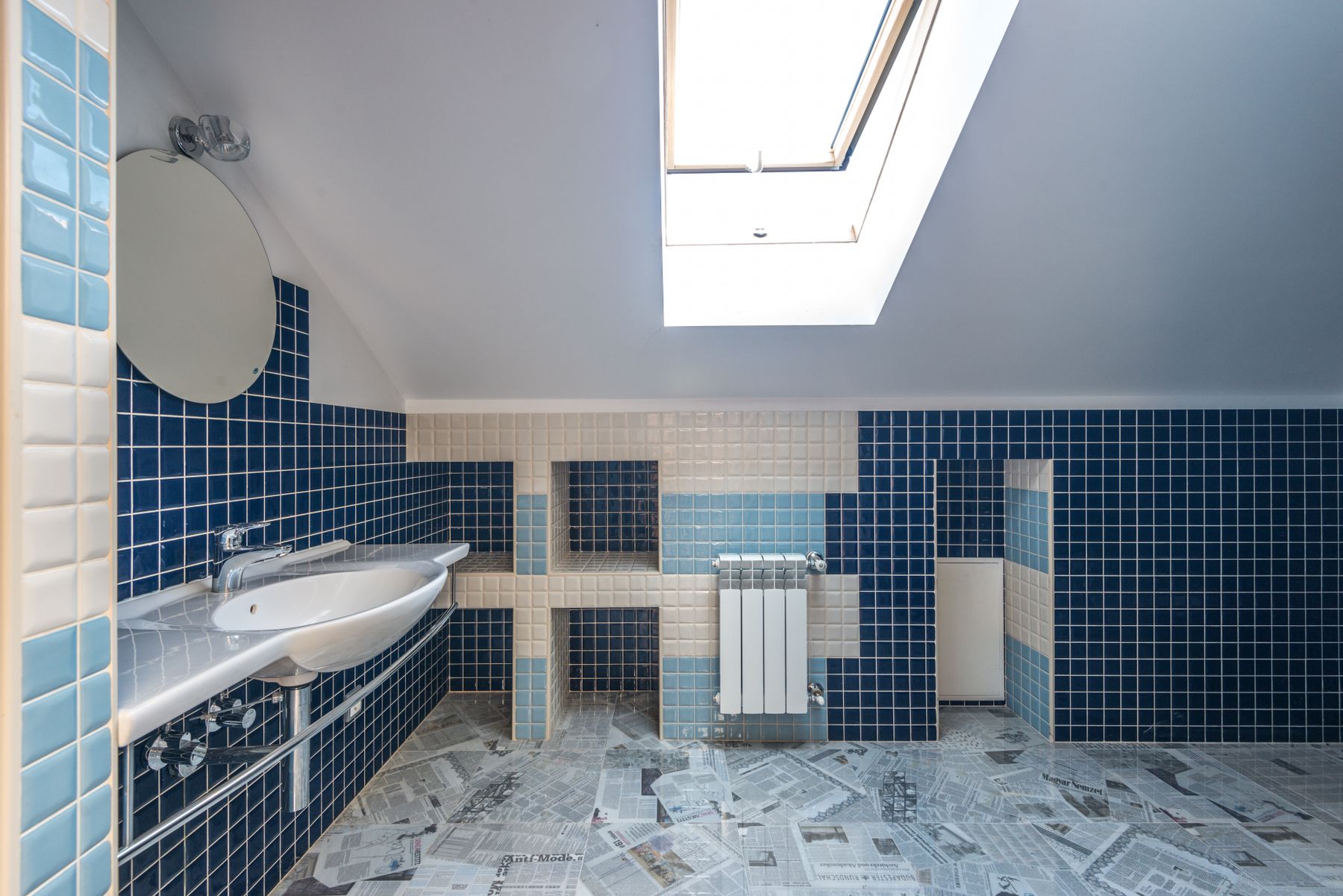
Use a Skylight to Bring Light Into the Center
A skylight can brighten the middle of a bathroom where wall windows are limited by privacy or neighboring buildings. It can also reveal tile and stone more evenly from above. Roof construction, condensation, heat gain and waterproofing need to be resolved as part of the building envelope rather than treated as a decorative insert.
Use Timber as One Warm Ceiling Material
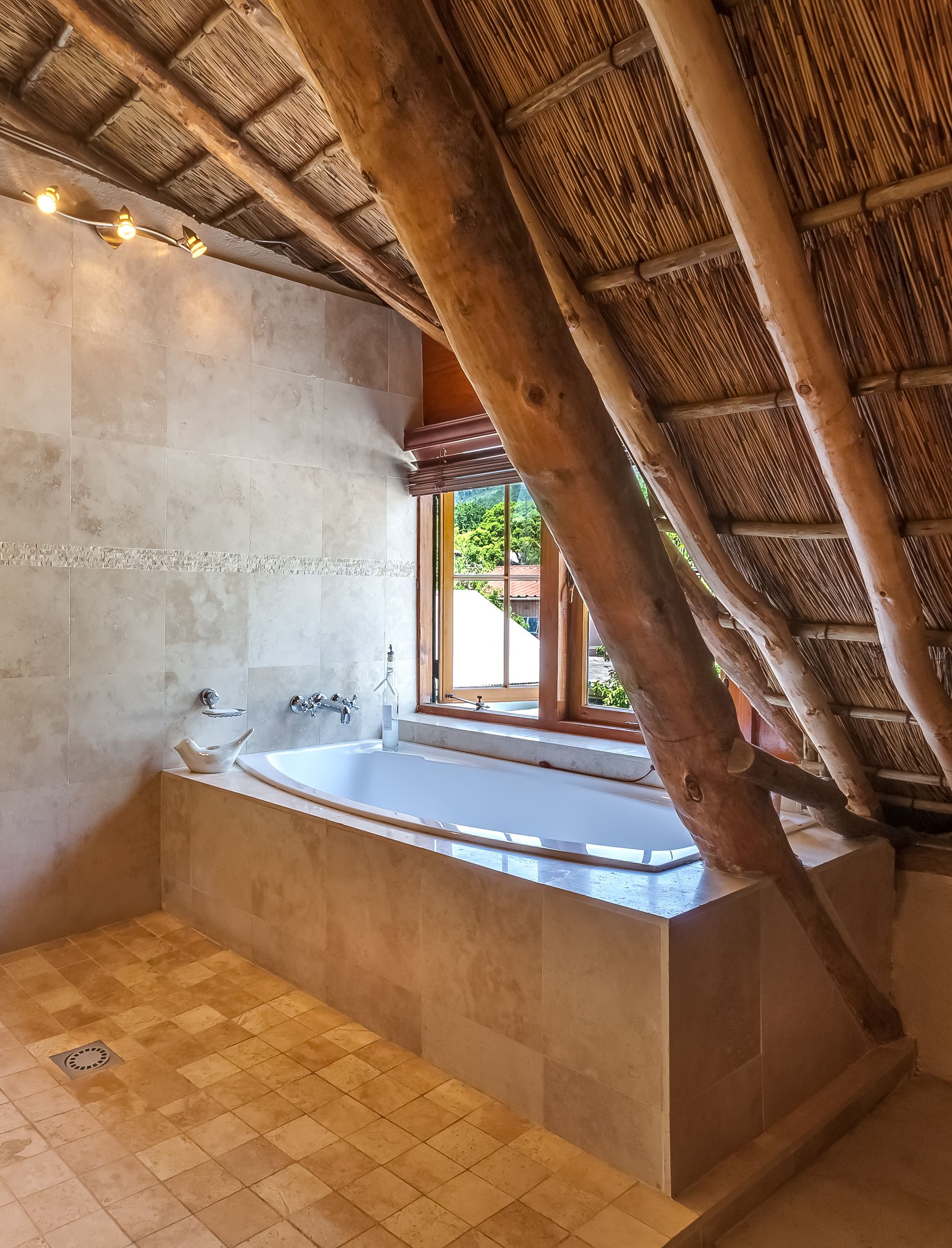
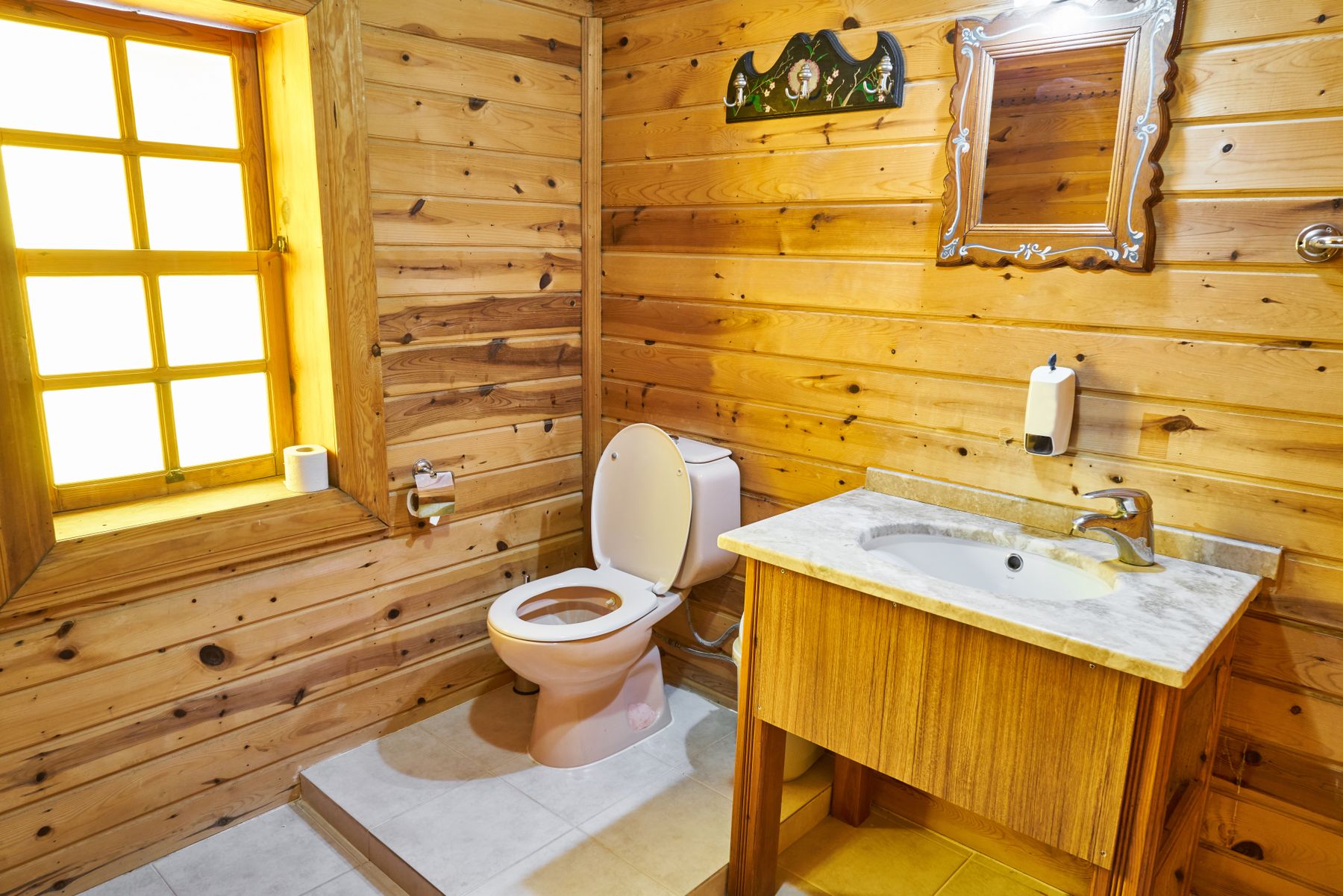
A timber ceiling can make a bathroom feel warmer and more architectural, especially in rustic, cabin or material-led interiors. The exact timber, finish, ventilation and ceiling build-up need to suit the humidity level. Keep walls simpler when the ceiling grain is already visually strong.
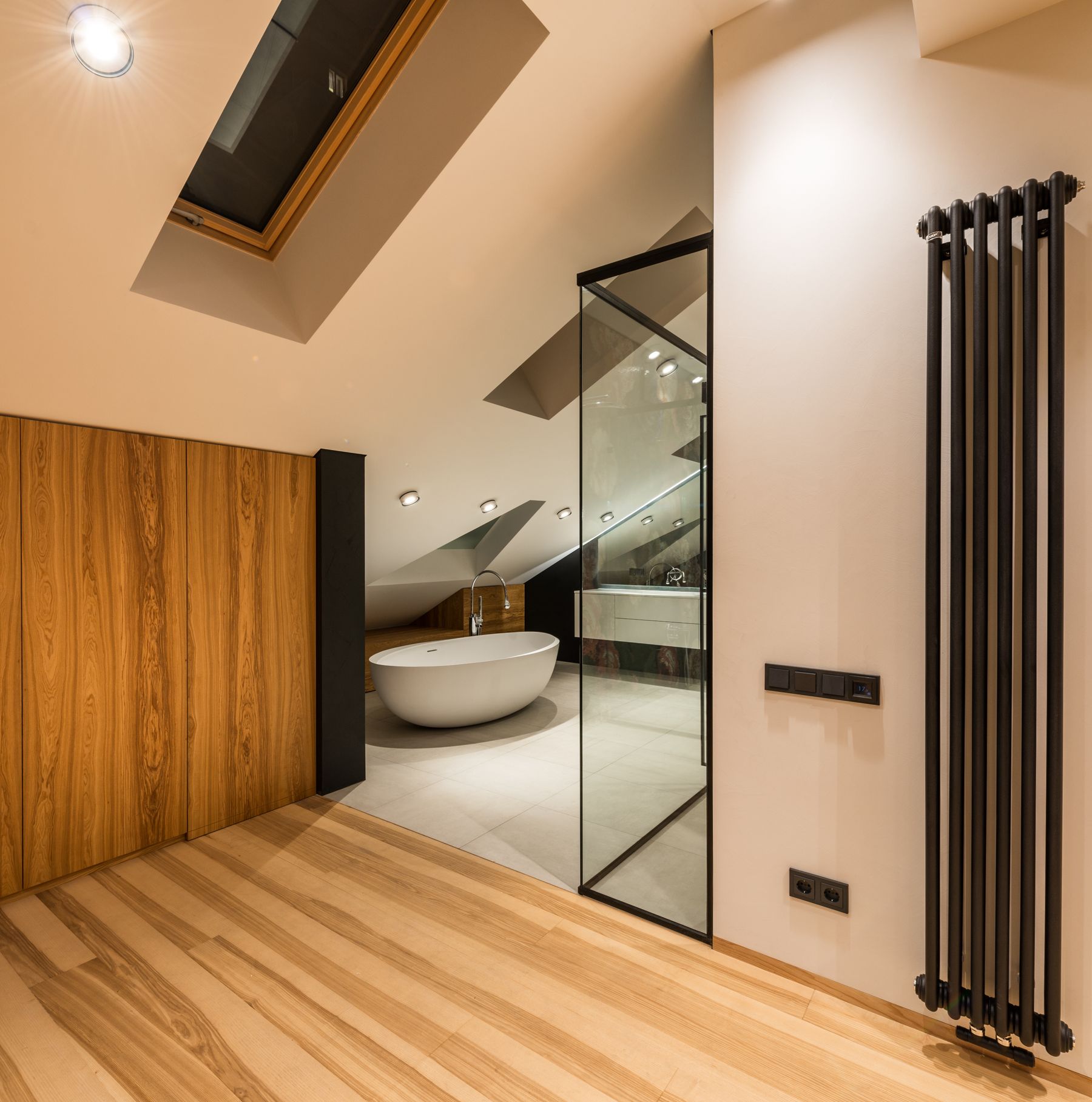
Pair a Wood Ceiling With a Skylight Carefully
A skylight set into or beside a timber ceiling can create strong daylight contrast and reveal the wood grain. The junction between glazing, roof structure and finished ceiling needs careful detailing. Keep the composition simple so the skylight reads as an opening rather than as one of several competing ceiling features.
Use Recessed Lighting as the Practical Base Layer
Recessed or low-profile ceiling lighting can provide general illumination without making the ceiling visually busy. It should support, not replace, vanity task lighting and wet-zone lighting. Fixture type, placement and wet-area suitability need to match the exact bathroom conditions.
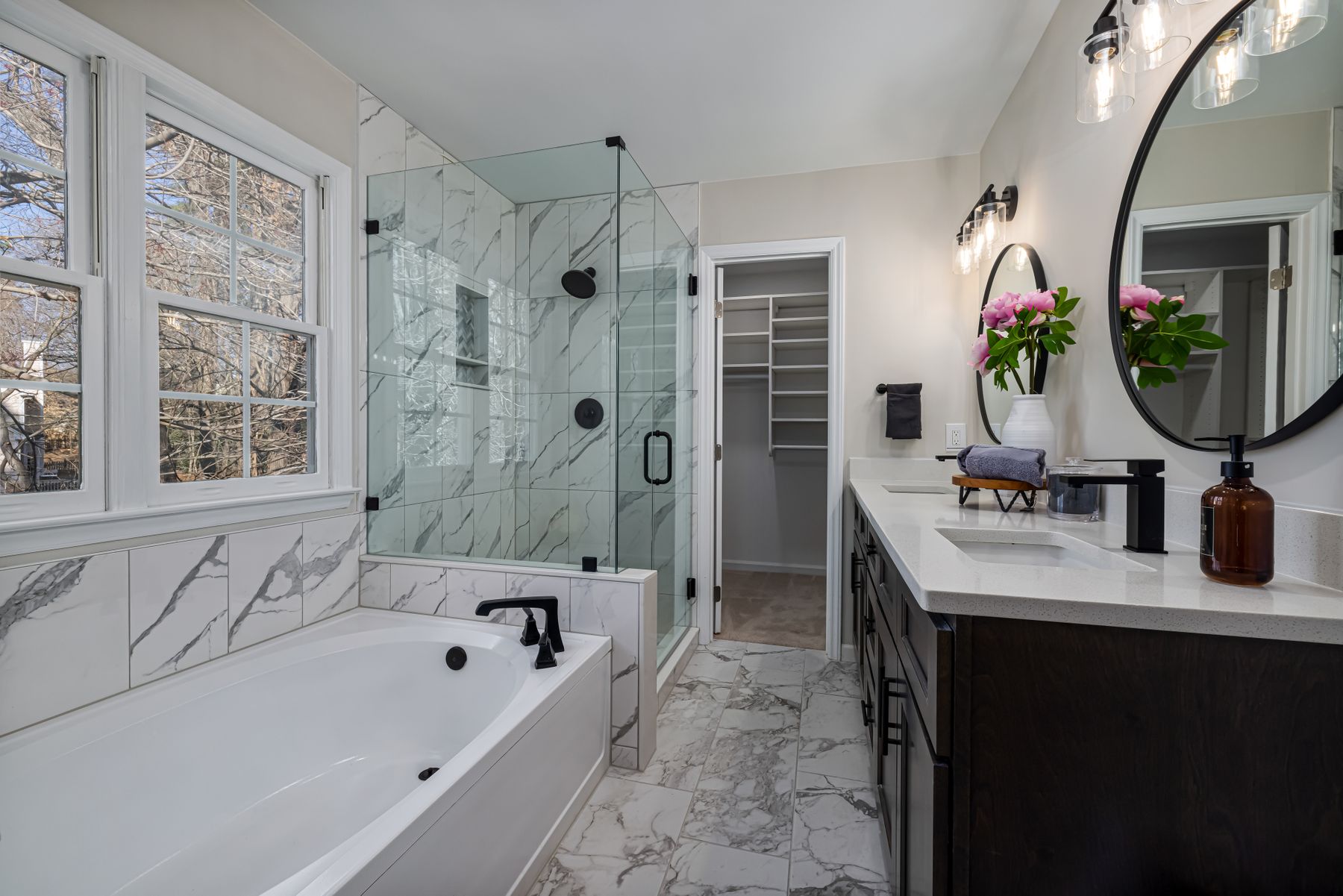
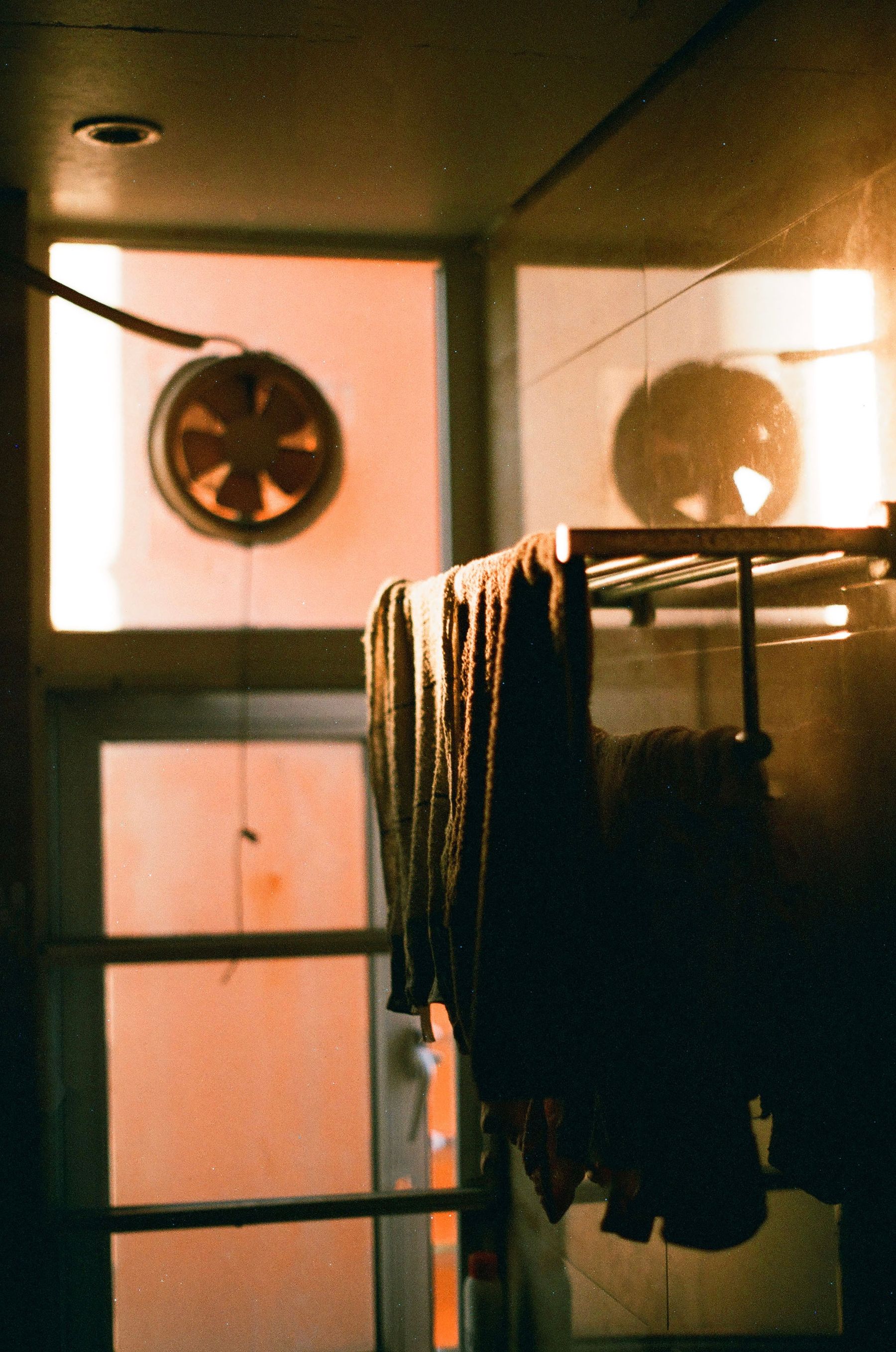
Use Warm Ceiling Light to Soften Hard Surfaces
Bathrooms contain many reflective and mineral surfaces, so a warmer secondary light from the ceiling can reduce a clinical feeling in the evening. Keep the warmer layer independently controllable from brighter grooming light. The goal is atmosphere without sacrificing visibility when tasks need clearer light.
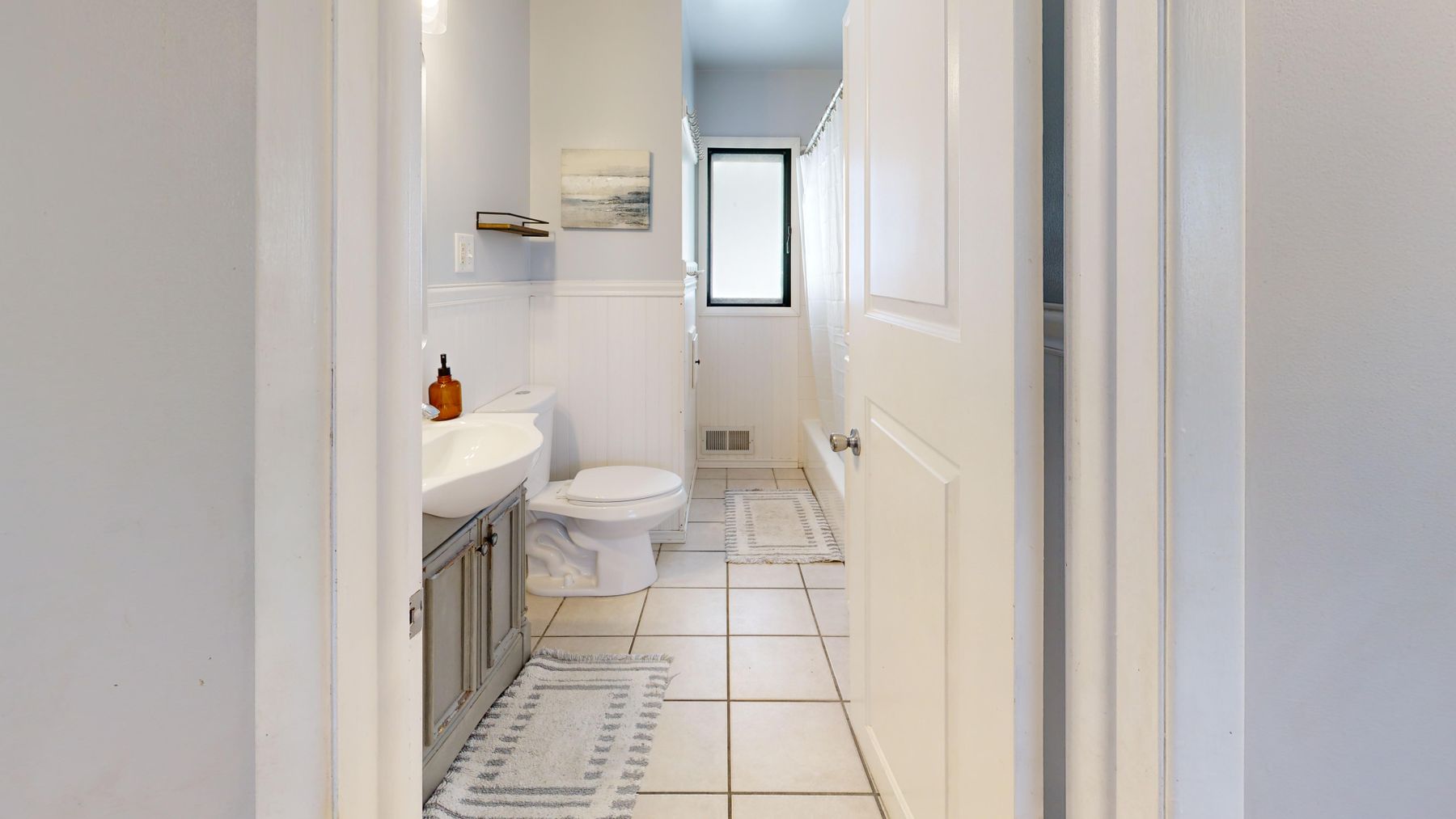
Use the Ceiling to Support a Calm Scandinavian Palette
In a pale bathroom, the ceiling usually works best as part of the light-reflective shell rather than as a separate feature. Soft integrated lighting can keep the upper plane calm while wood, towels and cabinetry provide warmth lower in the room.
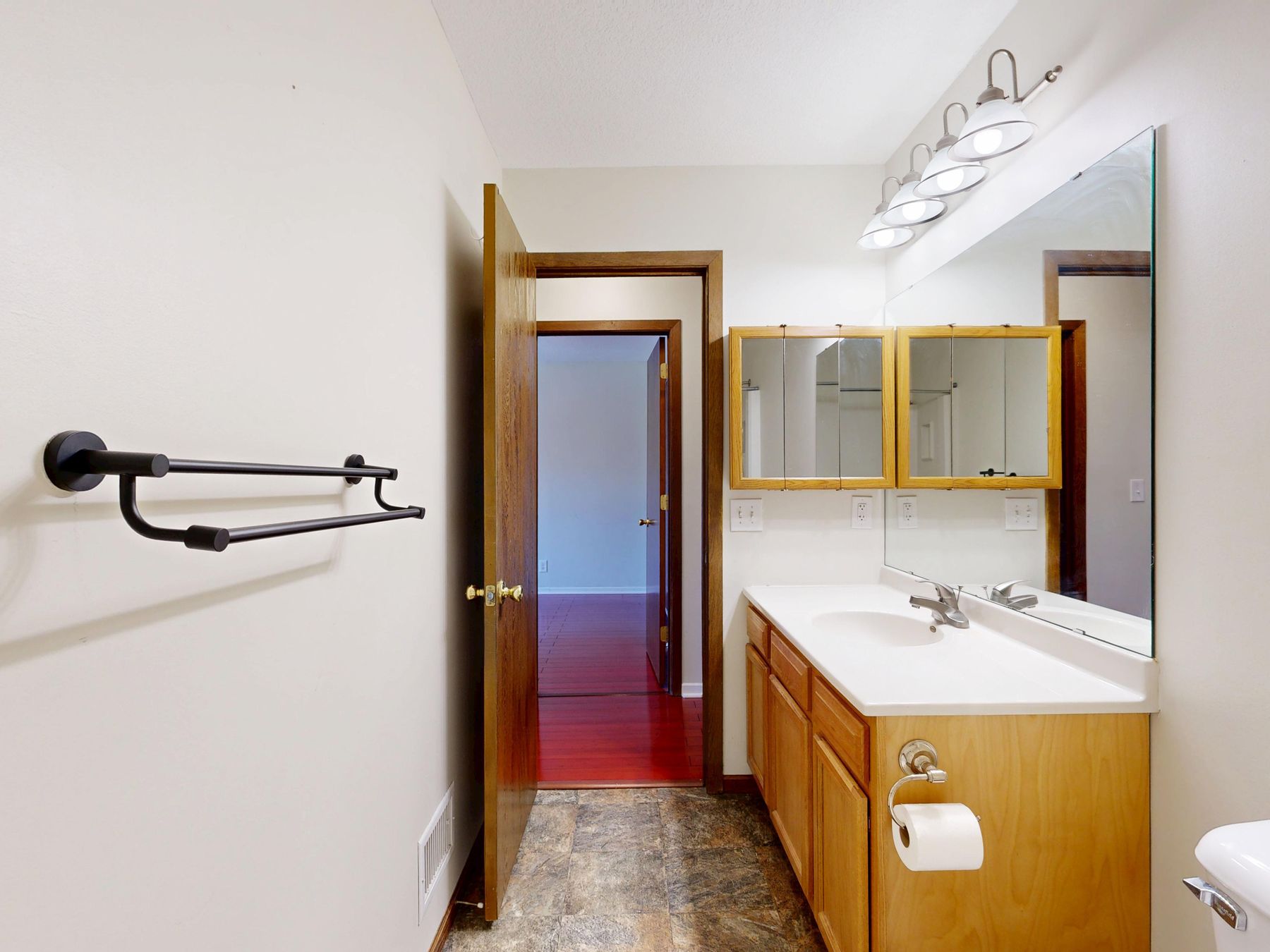
Use Bright Upper Surfaces With Warm Wood Below
A bright ceiling can keep a timber-heavy bathroom from feeling visually dense. This approach works well in Japanese-inspired, Japandi and warm modern rooms where wood already provides substantial color and grain at eye level.
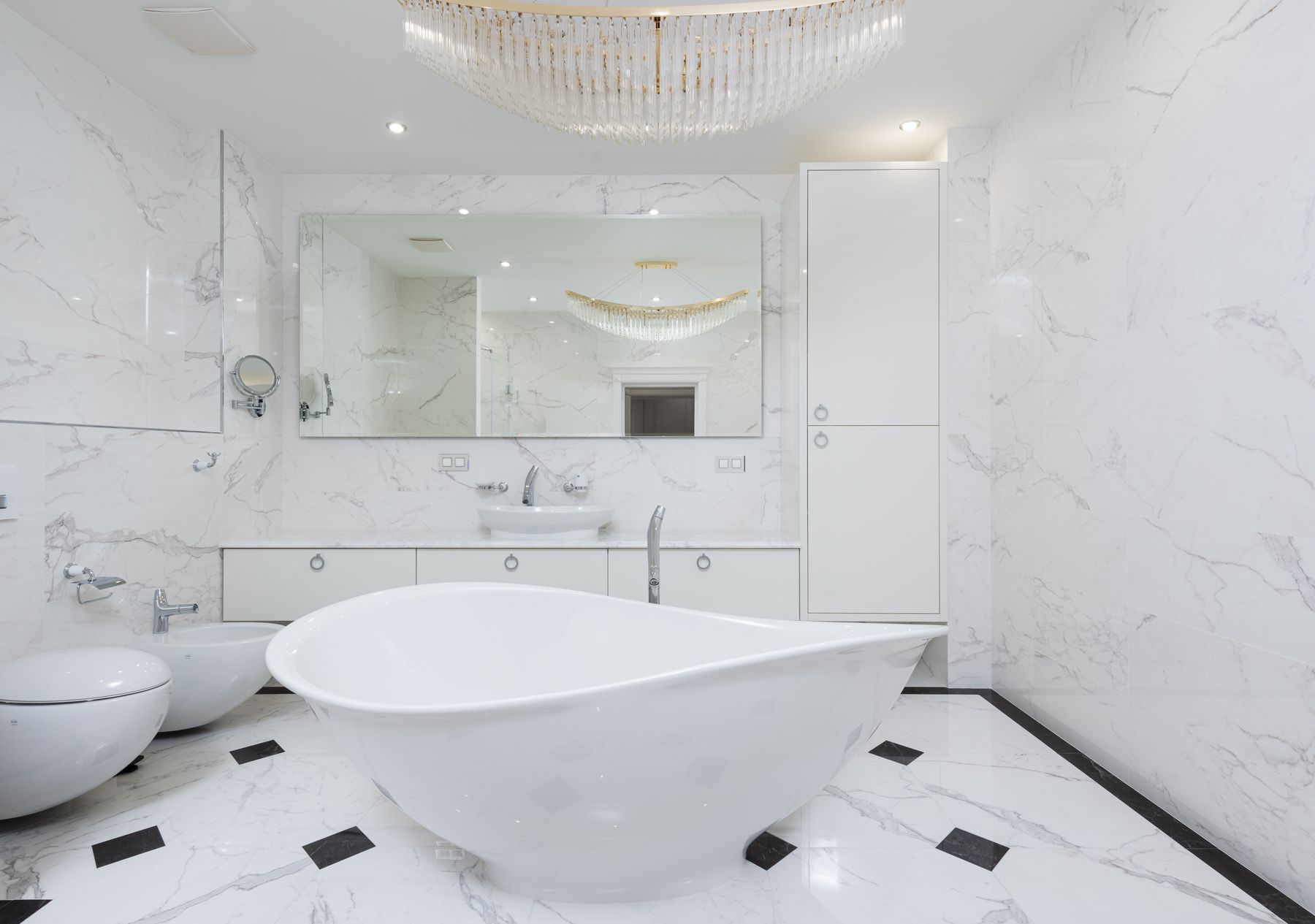
Use Decorative Ceiling Fixtures Selectively
A chandelier or pendant can add character to classic or traditional bathrooms, but it should be treated as a secondary decorative layer after task lighting is solved. In bathrooms, fixture suitability, ceiling height and distance from wet zones need to follow local electrical requirements.
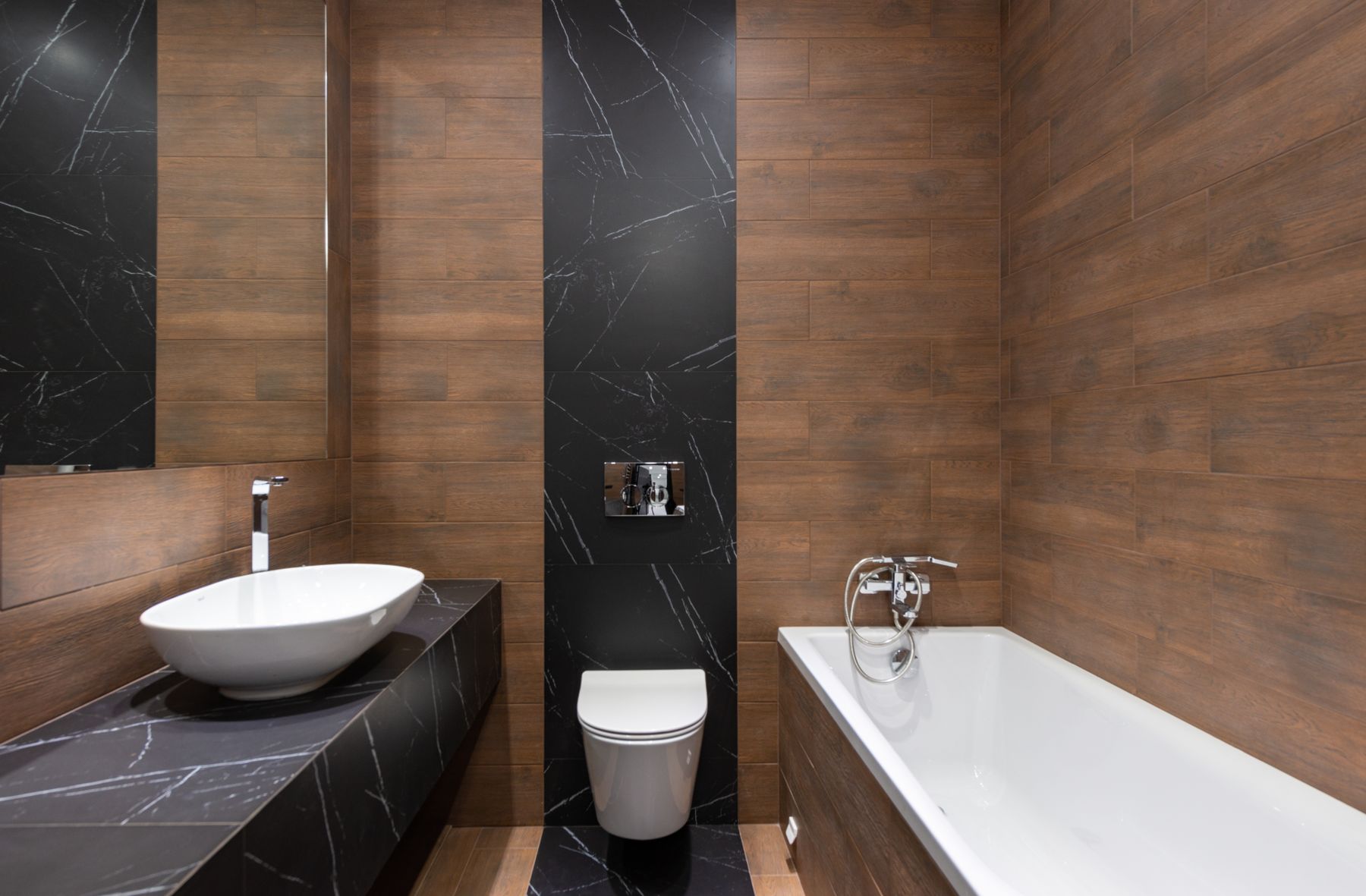
Use the Ceiling to Keep a Warm Wood Room From Feeling Heavy
When wood appears on cabinetry or walls, the ceiling does not need to repeat the same timber everywhere. A pale or lightly detailed ceiling can preserve visual breathing room while still letting the bathroom feel warm and material-led.