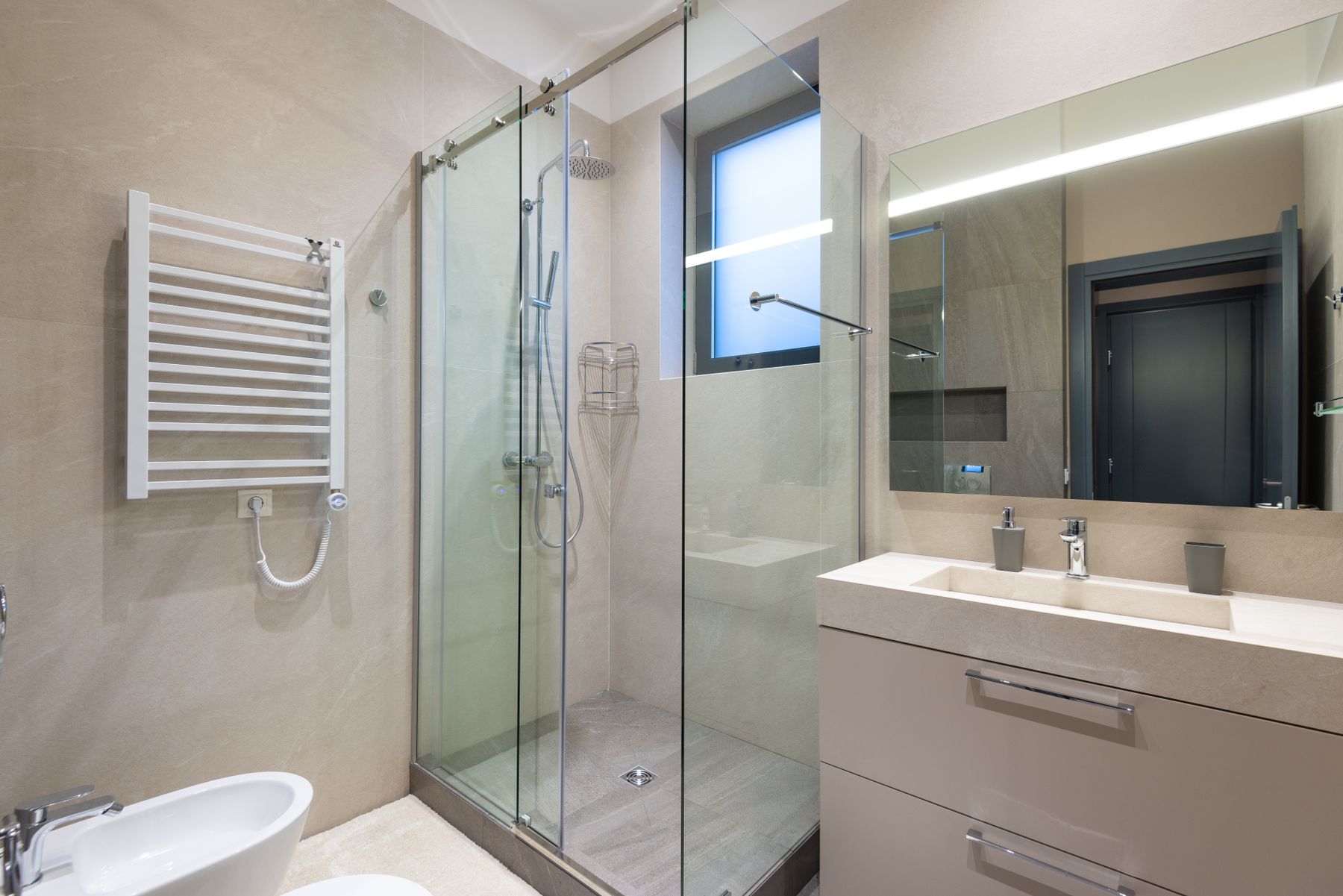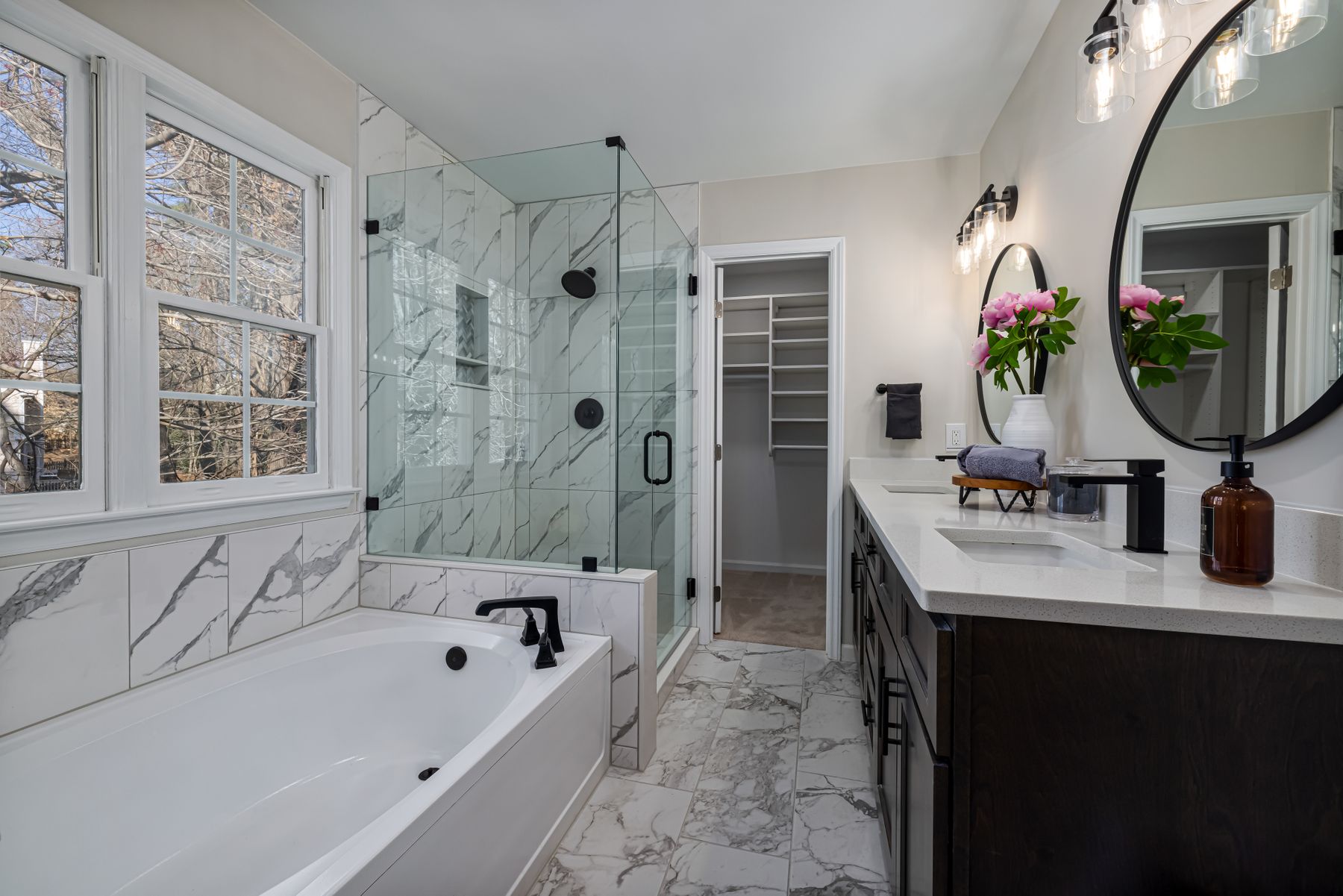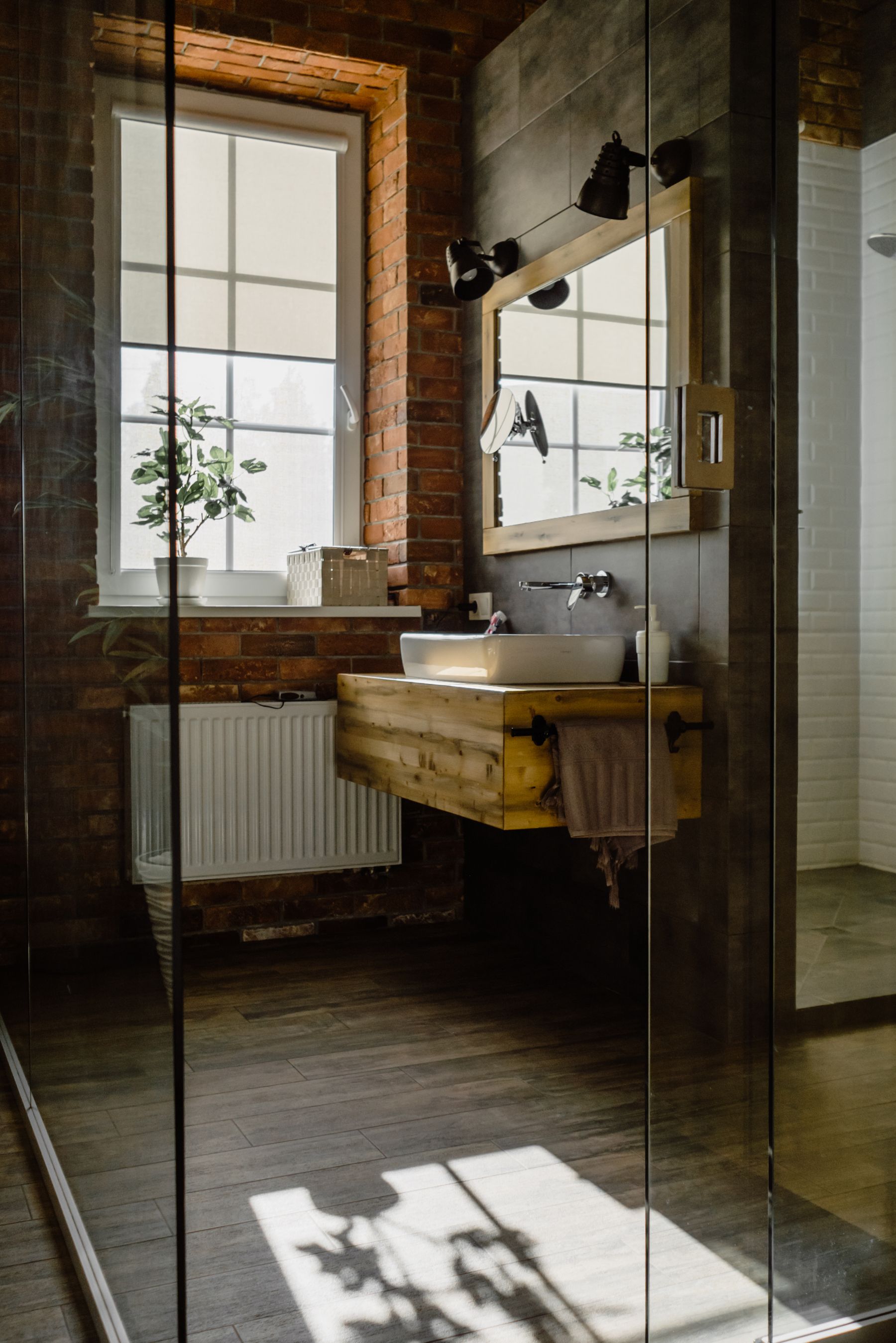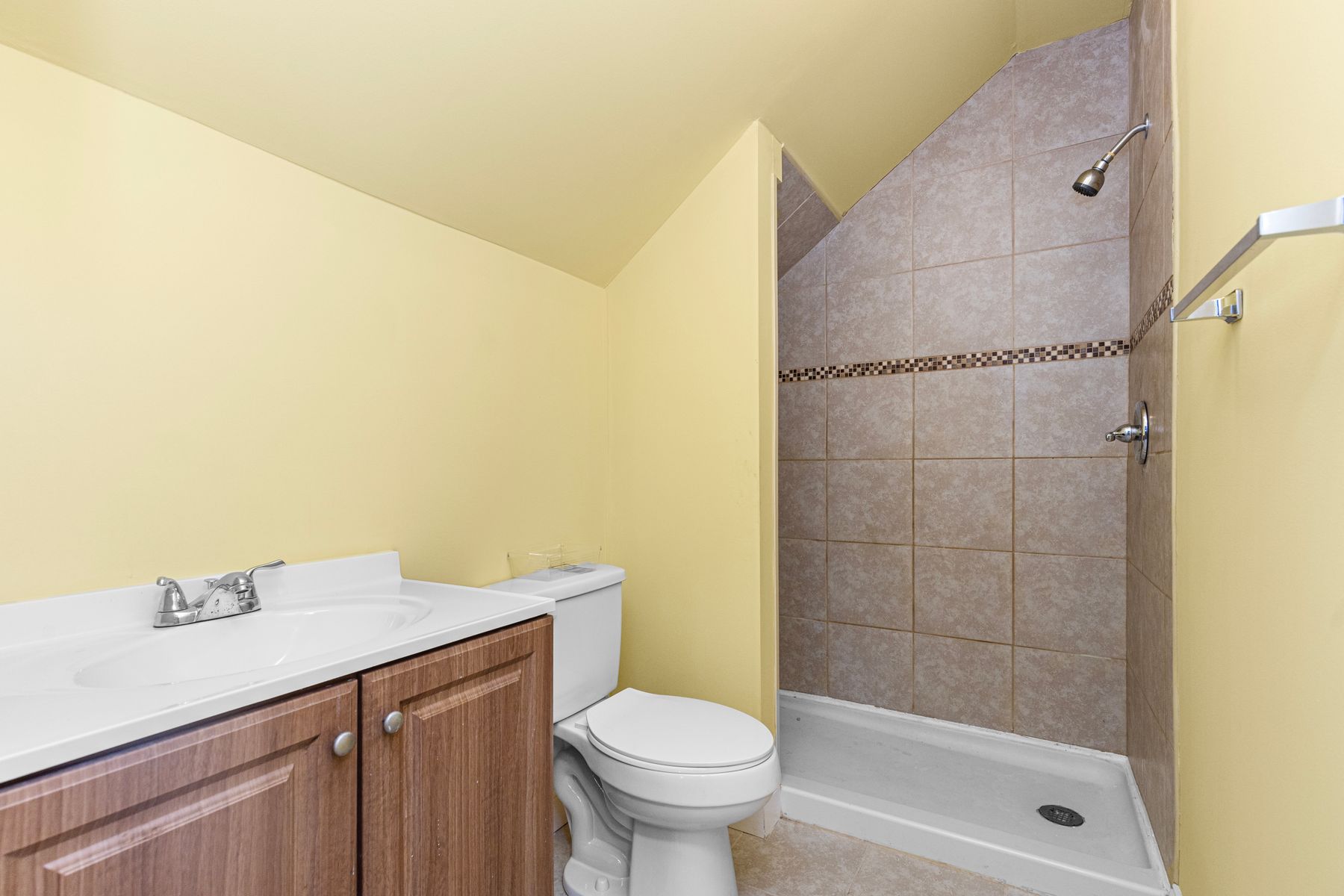
Start With Privacy Before You Choose the Window Treatment
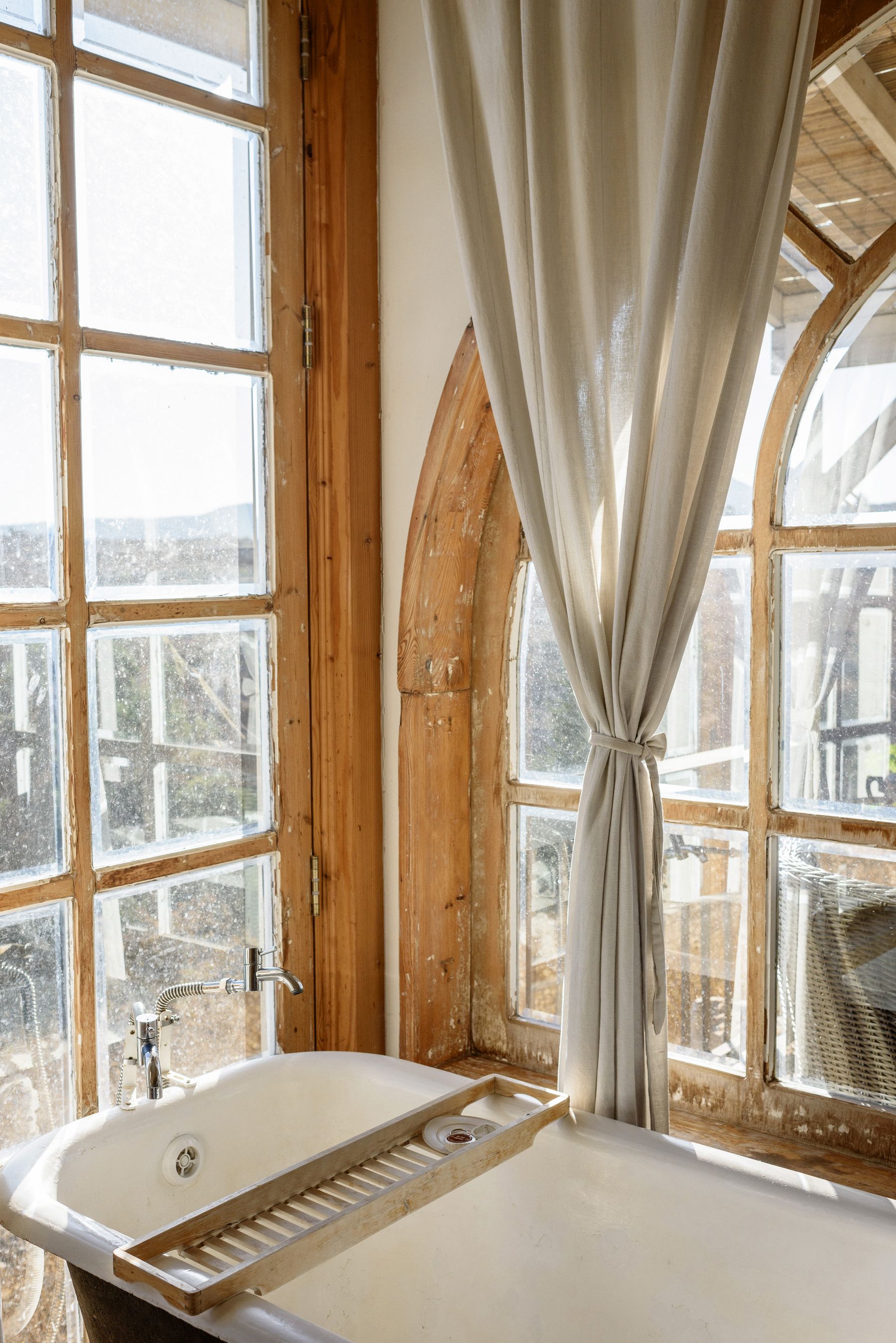
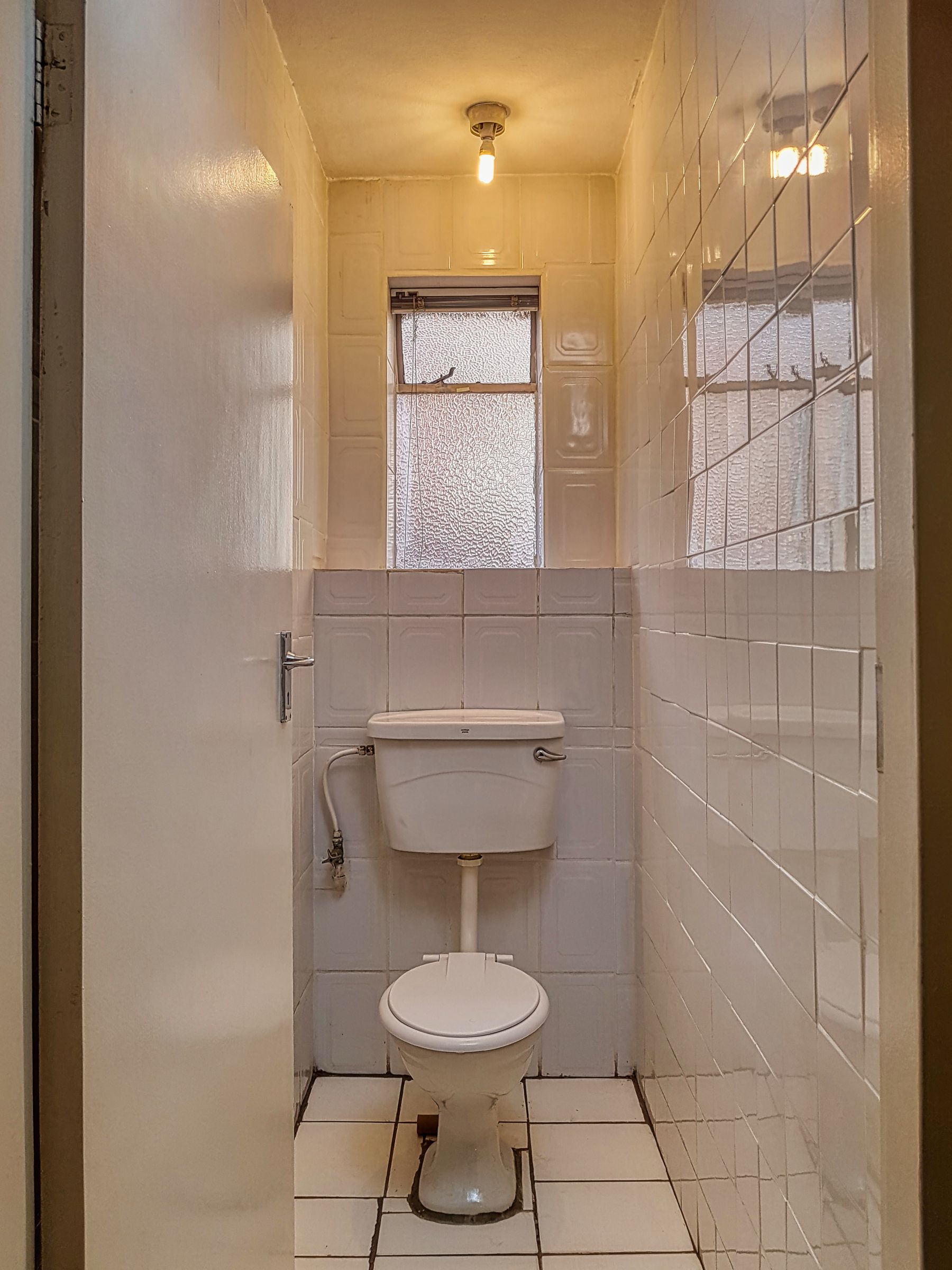
The first question is not curtain or blind style but who can see into the room and from where. A window facing a private garden needs a different solution from one facing a neighboring property or street. High-level glazing, obscured glass, external screening or a carefully placed treatment can all protect privacy while preserving daylight.
Use a Large Window to Make Materials Feel Lighter
A broad window can keep pale stone, white tile and timber from feeling flat by revealing texture and shadow throughout the day. Keep tall storage away from the strongest daylight source and let the window contribute to the overall material composition rather than becoming hidden behind furniture.
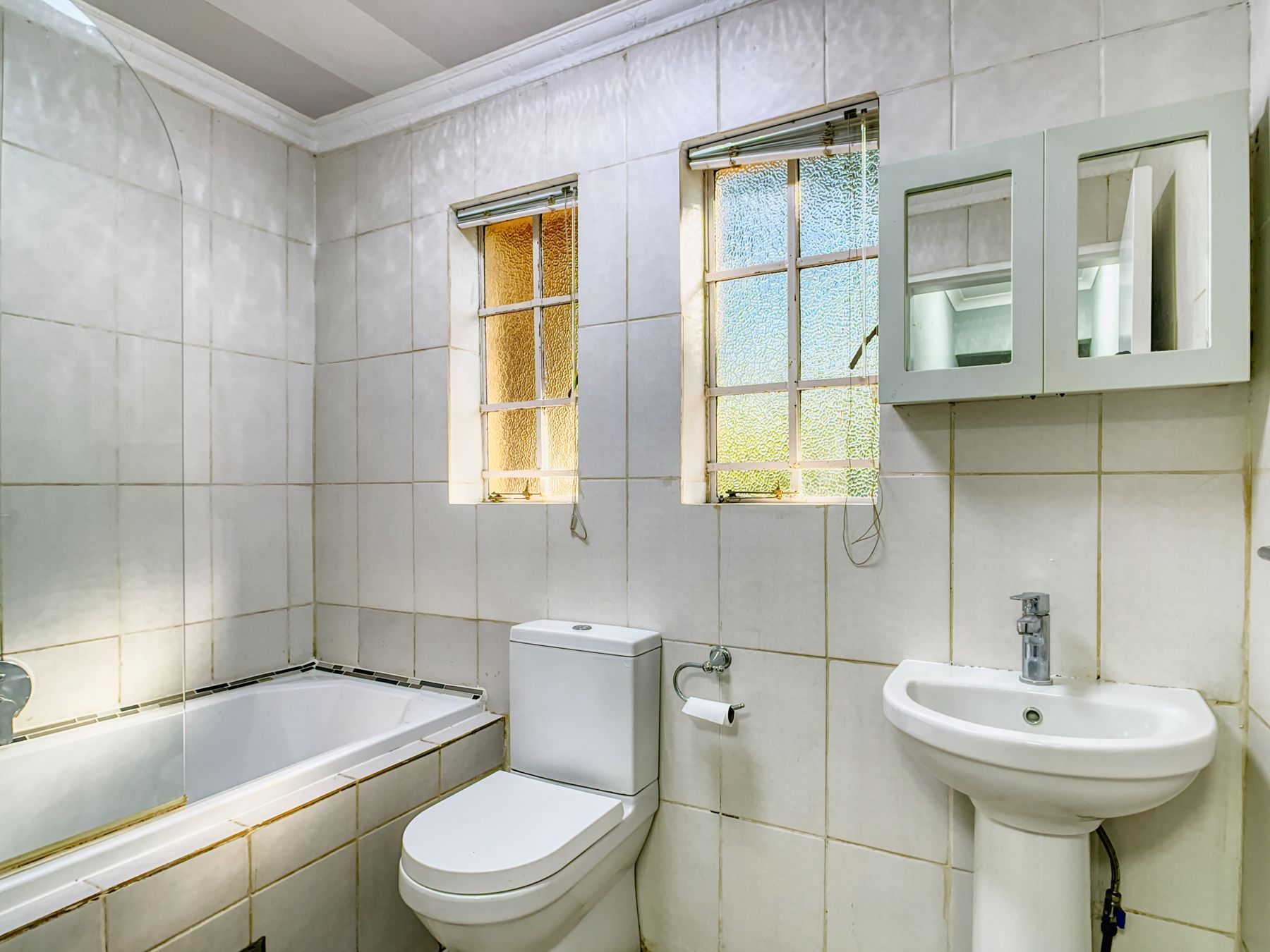
Use a Skylight When Eye-Level Privacy Is Difficult
A skylight can bring daylight into the center of a bathroom without creating a direct eye-level view. It is especially useful where neighboring buildings limit conventional glazing. The daylight benefit still needs to be balanced with heat gain, condensation management and the exact roof construction.
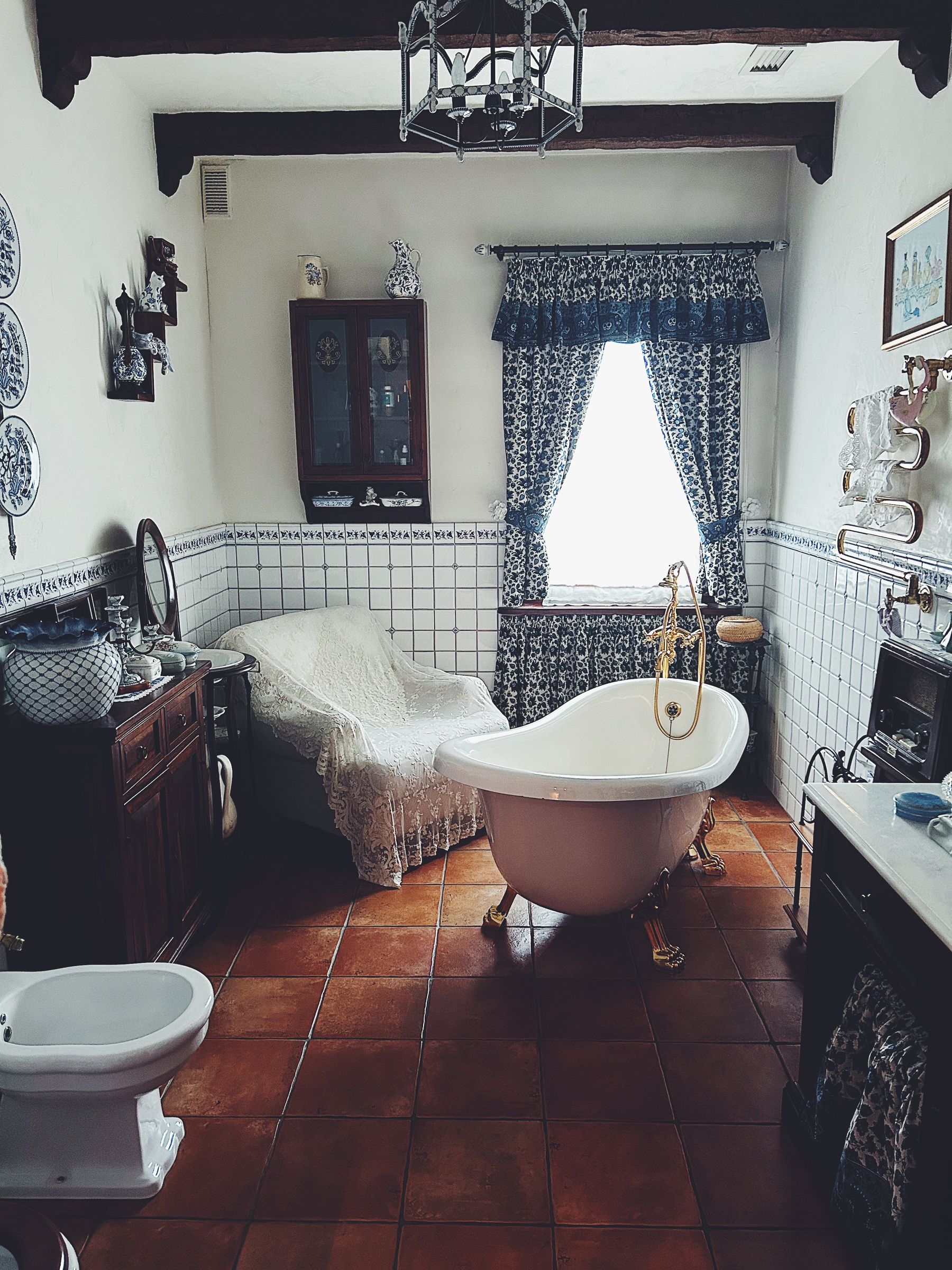
Use a Window Near the Bath as a Calm Focal Point
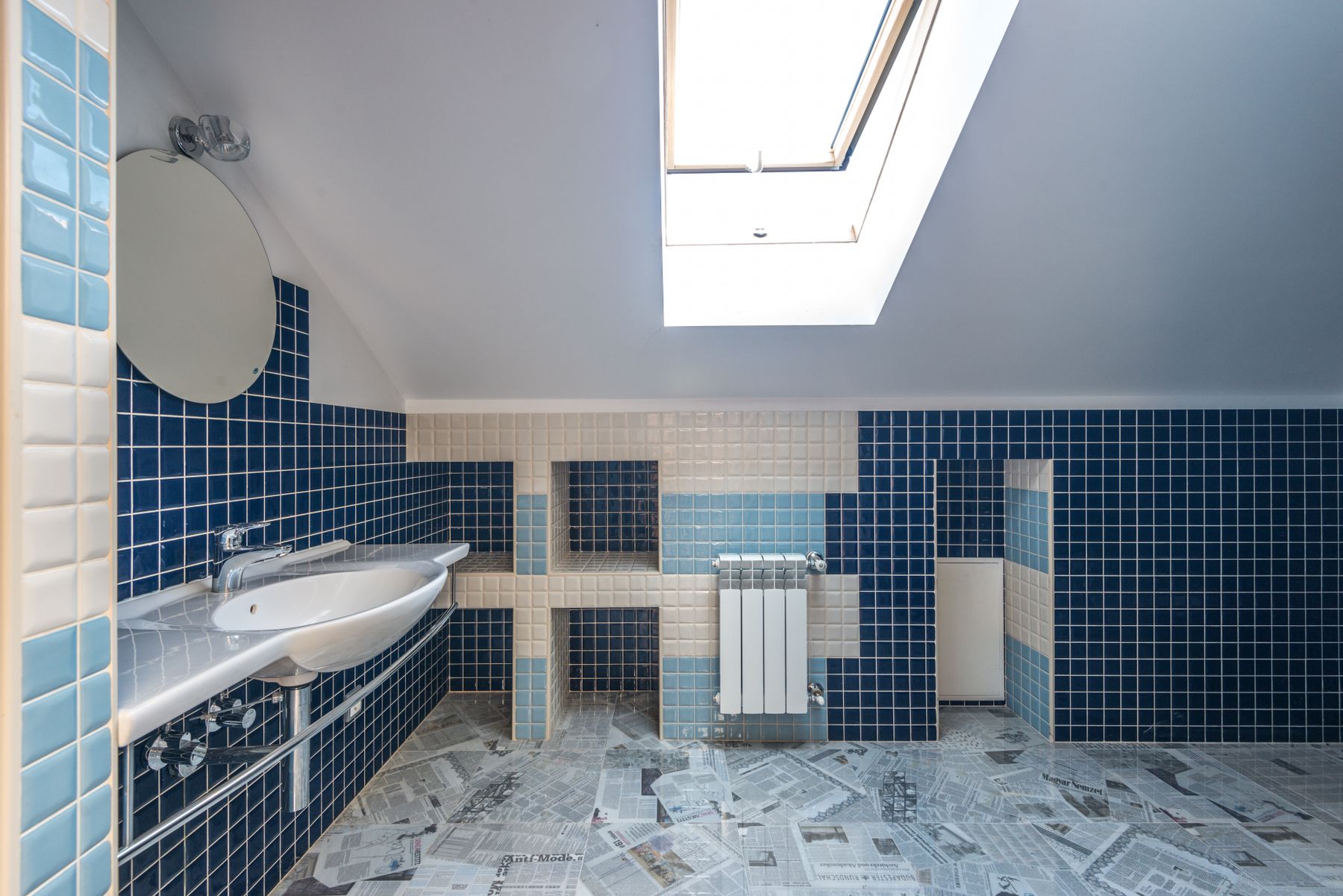
A window beside or behind a bath can make the bathing zone feel more open and connected to daylight. Privacy, sill height and water exposure still need to be resolved carefully. Keep the surrounding wall treatment simple so the view and bath shape remain the main visual elements.
Use High-Level Daylight in a Japanese-Inspired Bathing Zone
A higher window can bring soft daylight into a bathing area while preserving a more enclosed, private atmosphere. This works particularly well when the room uses warm wood, stone or other quiet materials. Avoid treating the window as a decorative Japanese motif; its value is in proportion, privacy and light.
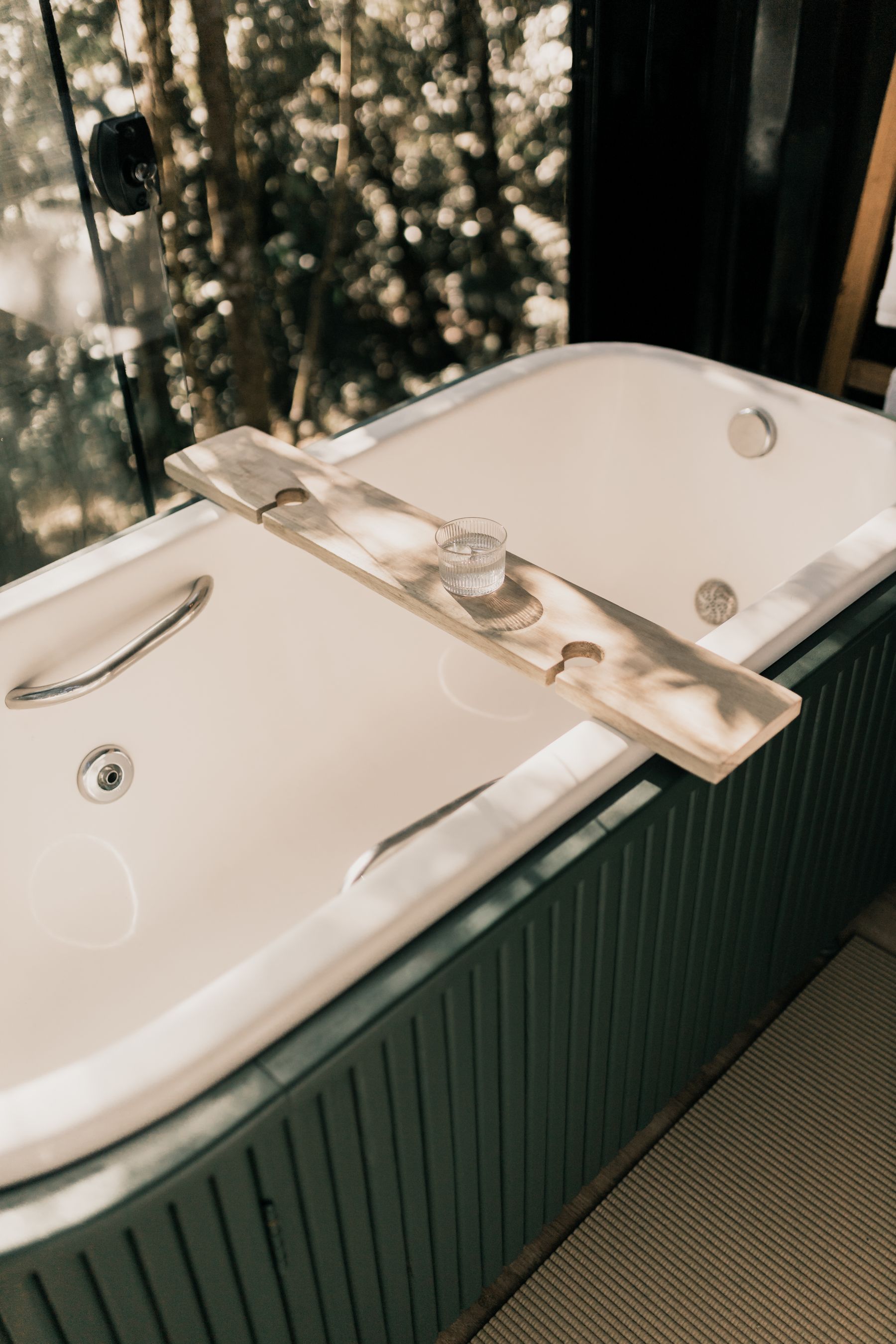
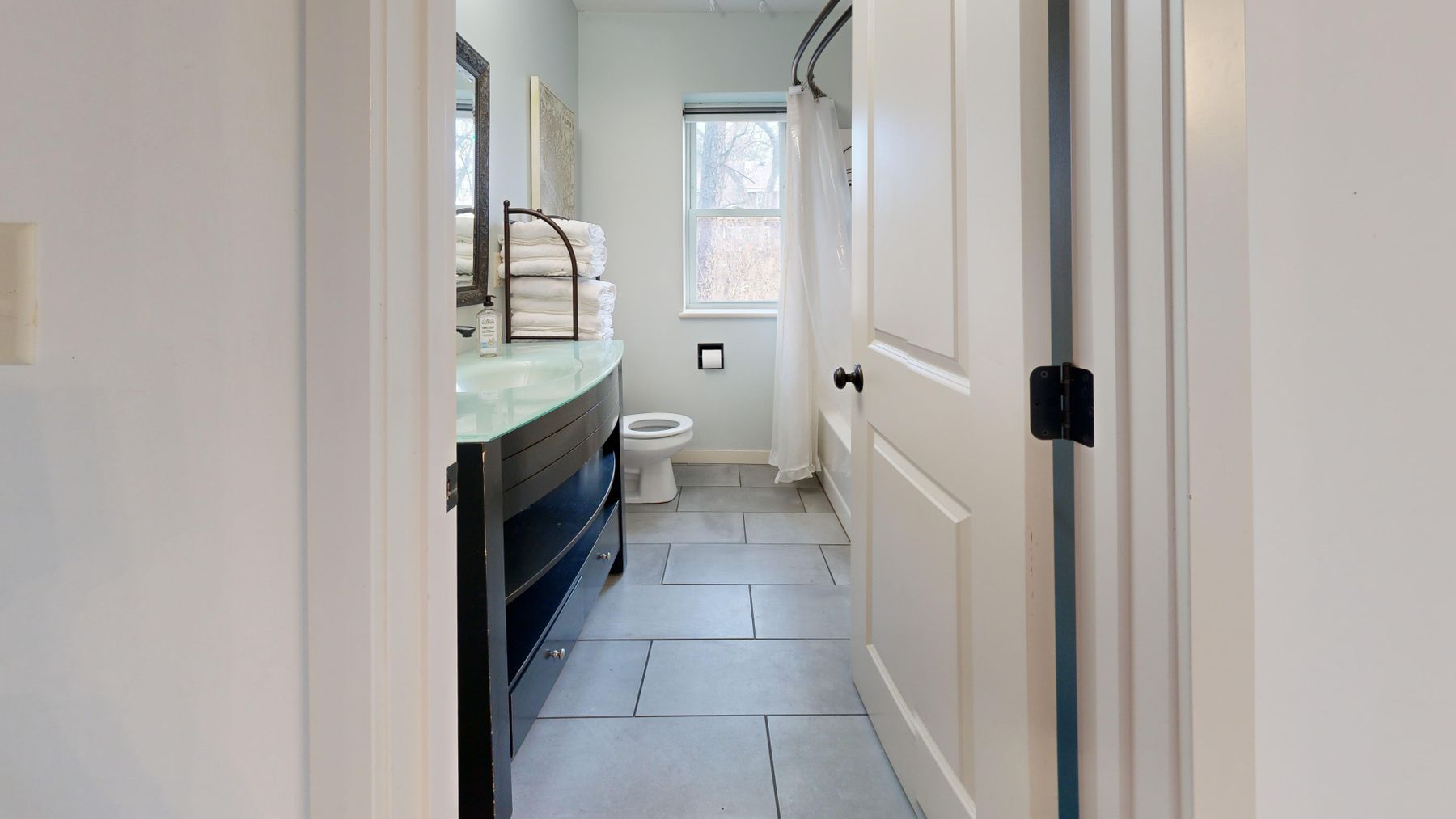
Use Soft Window Treatments Only Where They Can Dry
Fabric blinds and curtains can soften a bathroom window, but they need enough distance from direct splash and enough ventilation to dry. In the wettest locations, simpler moisture-resistant solutions may be more practical. Keep treatments light enough that they do not block more daylight than necessary.
Use Daylight to Support Warm Wood
Timber tones change dramatically between daylight and warm artificial light. A skylight or window can reveal grain and prevent a wood-heavy bathroom from feeling visually dense. Keep the main timber surface where it receives useful light without creating unnecessary direct water exposure.
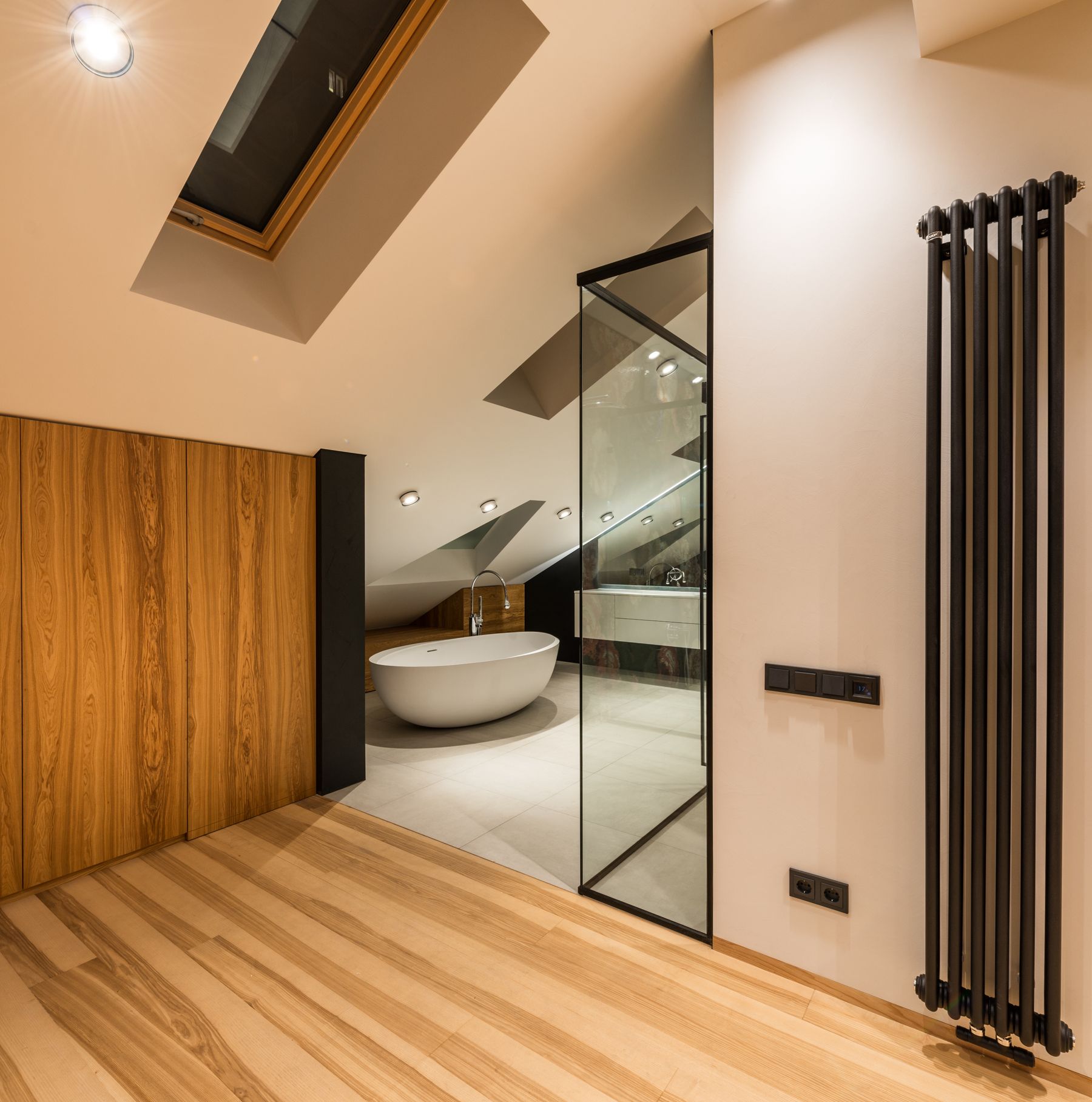
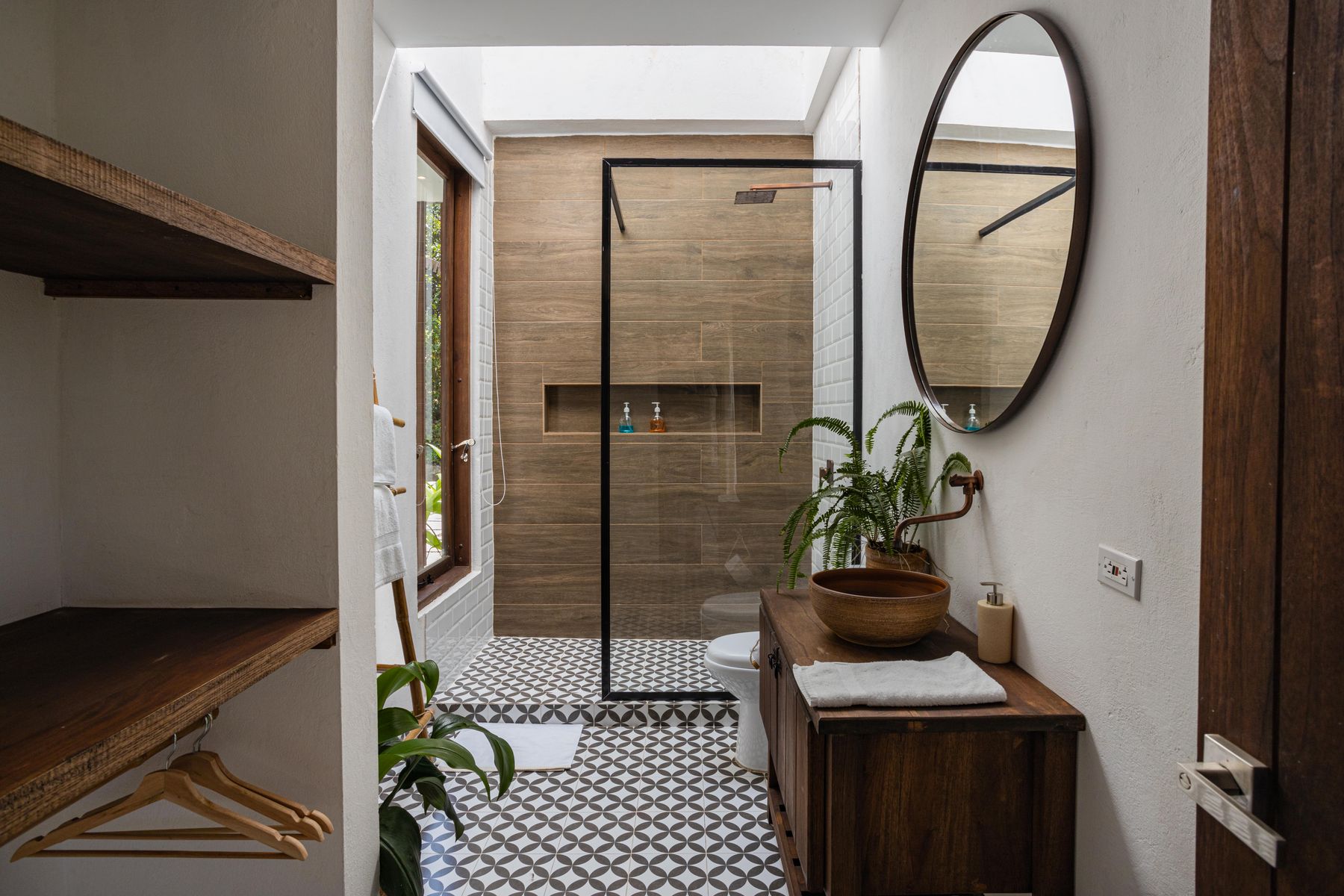
Use Daylight to Keep a Small Bathroom Open
In a compact bathroom, natural light can do more for openness than adding another decorative mirror or bright color. A skylight, high window or unobstructed existing window keeps surfaces readable and reduces the need to push every finish toward pure white.
Keep the Window Wall Simple in a Classic Bathroom
Classic bathrooms often benefit from a quieter window wall where trim, stone and sanitaryware can be seen clearly in daylight. Avoid crowding the opening with too many decorative objects. If the frame or view already has character, let it provide the visual interest.
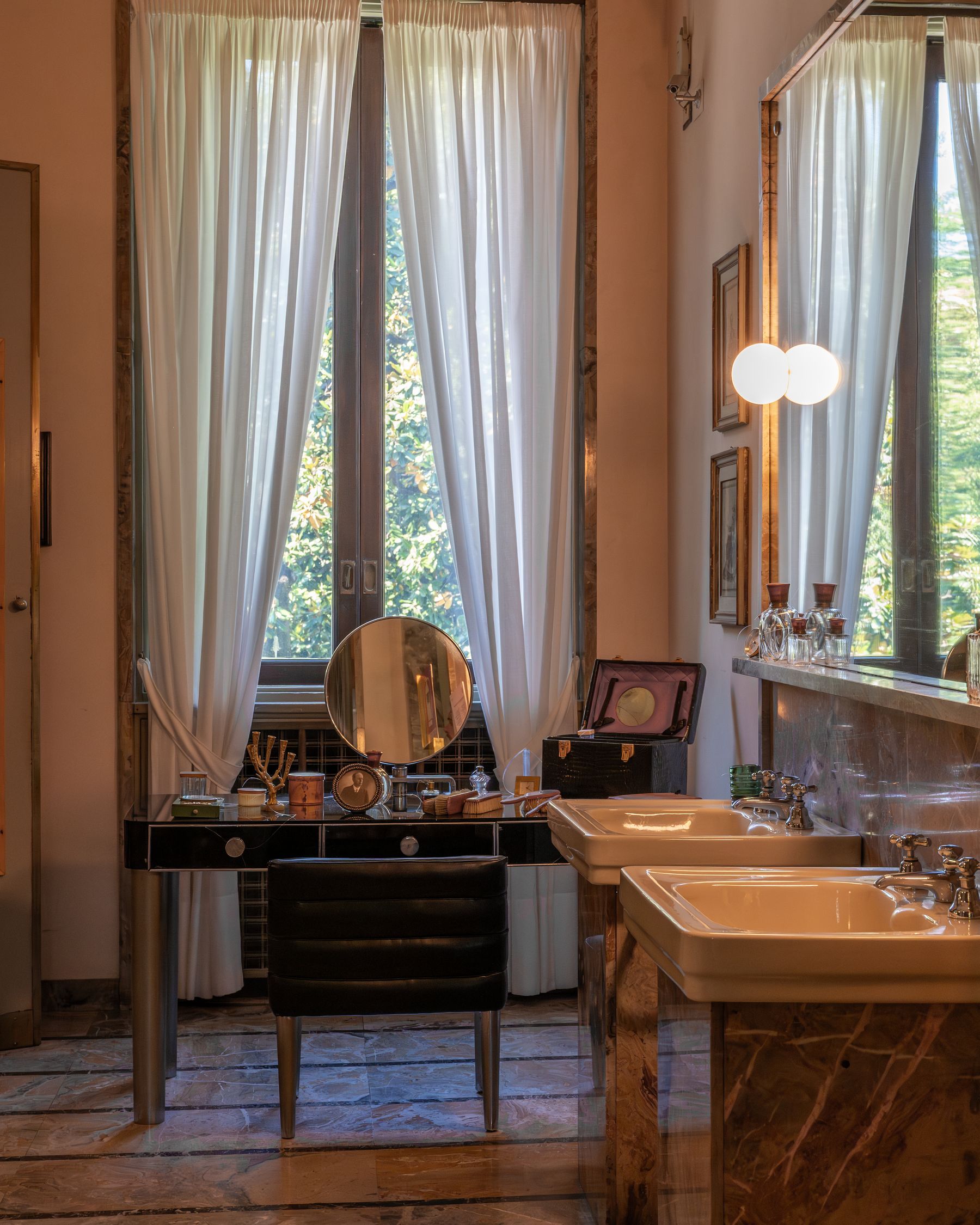
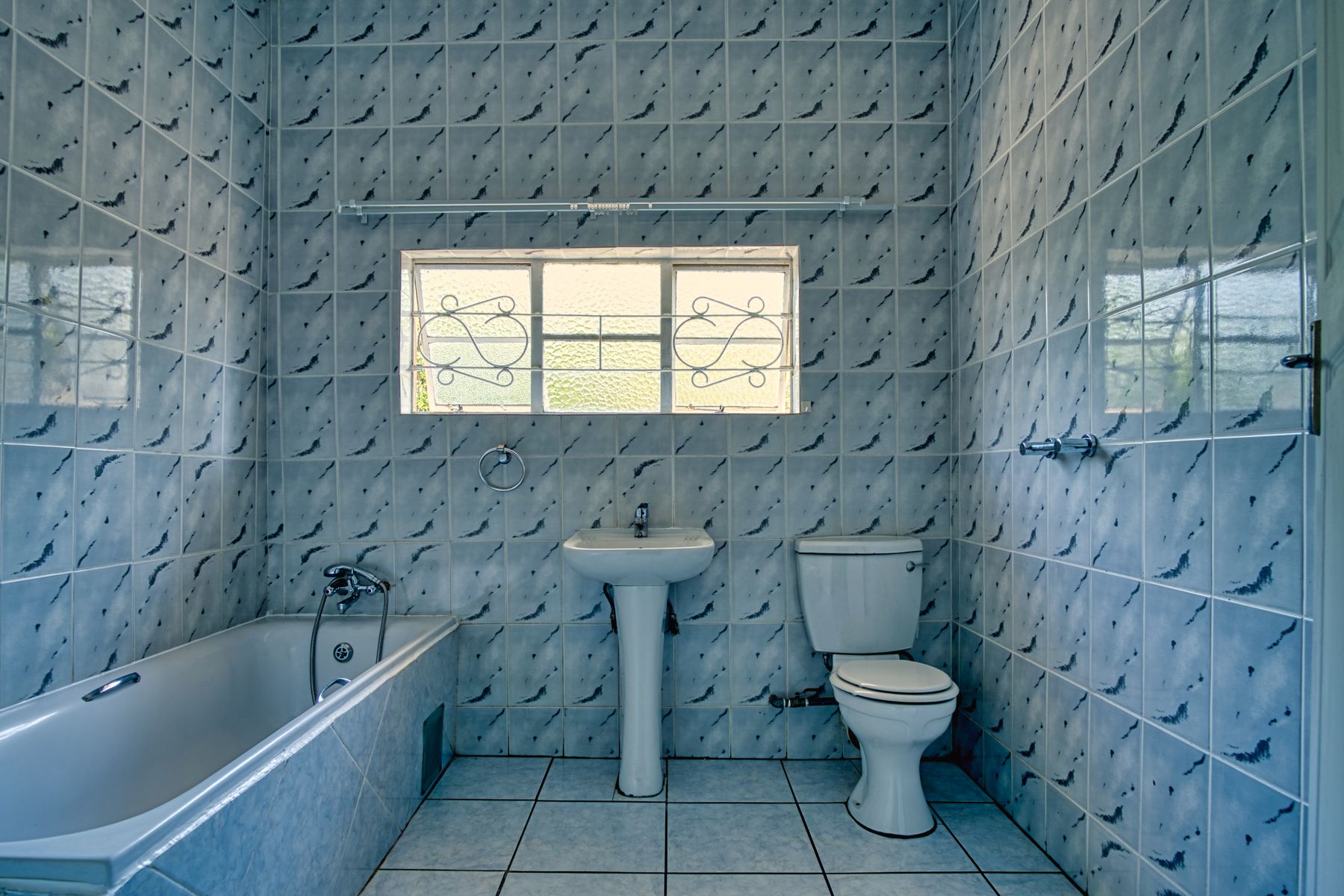
Use the Window as Part of the Lighting Plan
A window affects where mirrors, vanity lights and ceiling fixtures need to work hardest. Daylight can reduce the need for strong artificial light during the day, but it does not replace evening task lighting. Plan the vanity and window together so the face is not backlit or left in shadow.