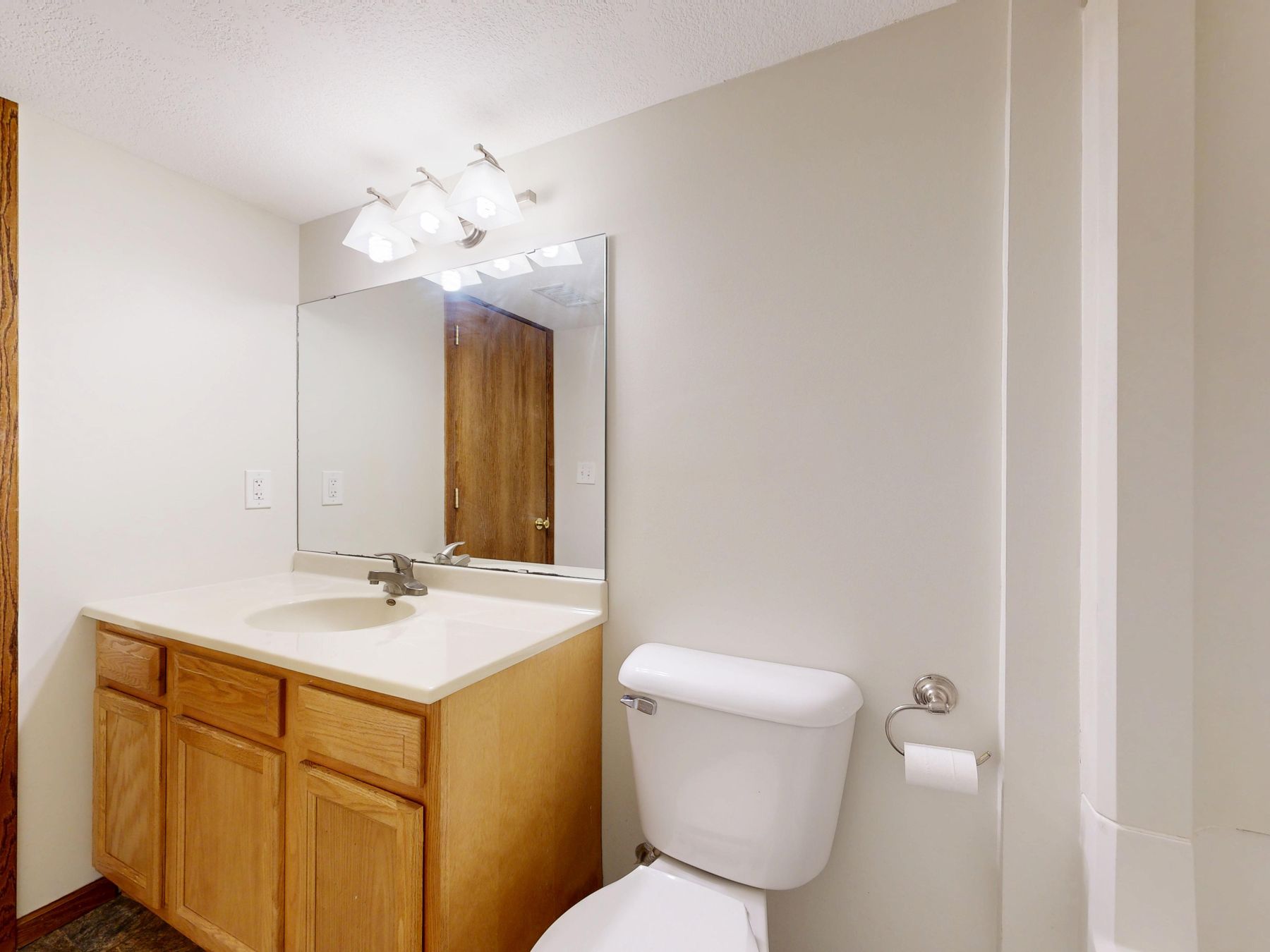
Size the Mirror to the Vanity, Not the Whole Wall
The mirror should relate first to the sink and cabinet below it. A narrower mirror can work over a compact basin, while a wider vanity may need one broad mirror or a deliberate pair. Leaving some wall visible around the mirror can make the composition feel more intentional than simply filling the entire surface.
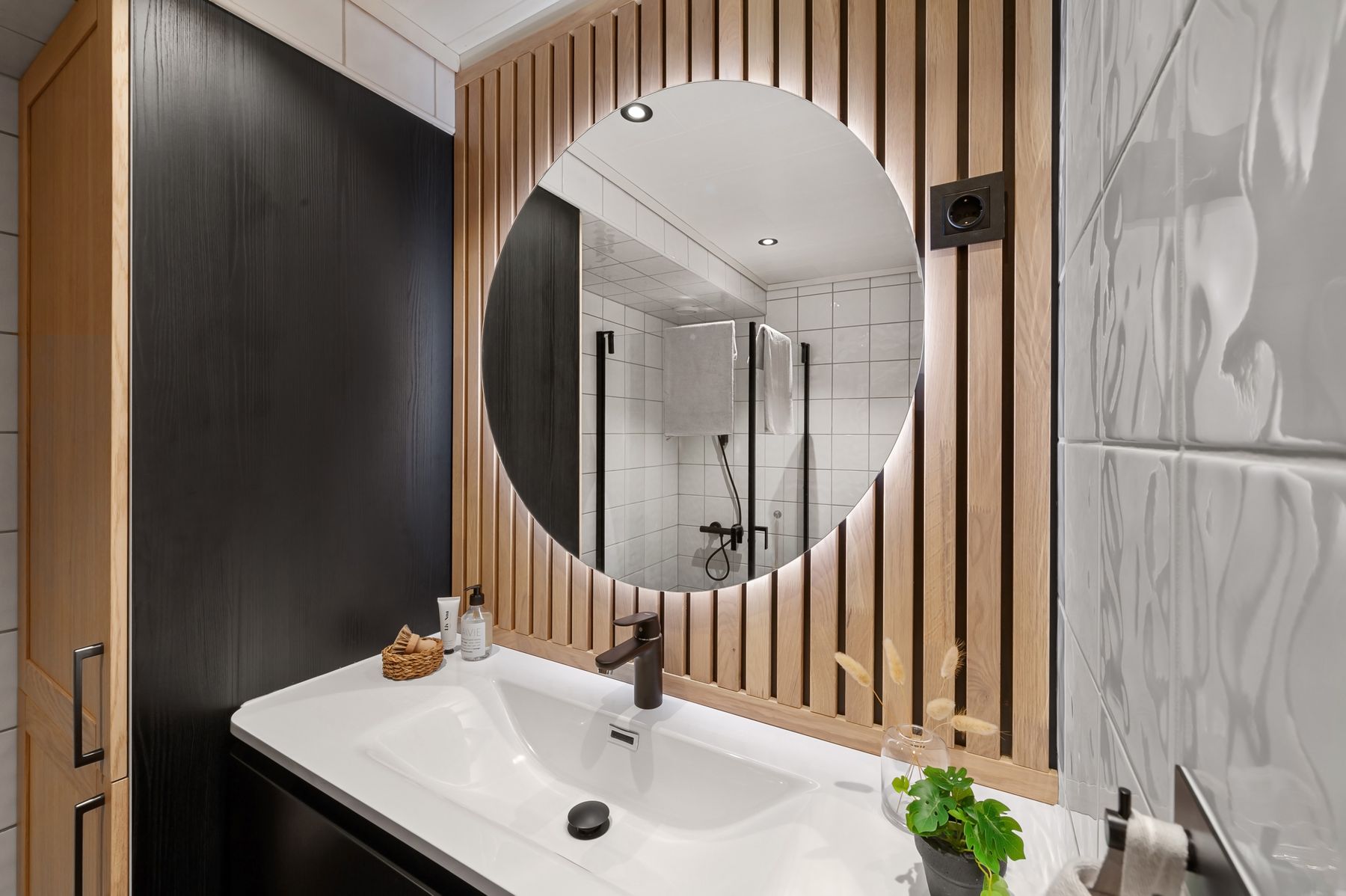
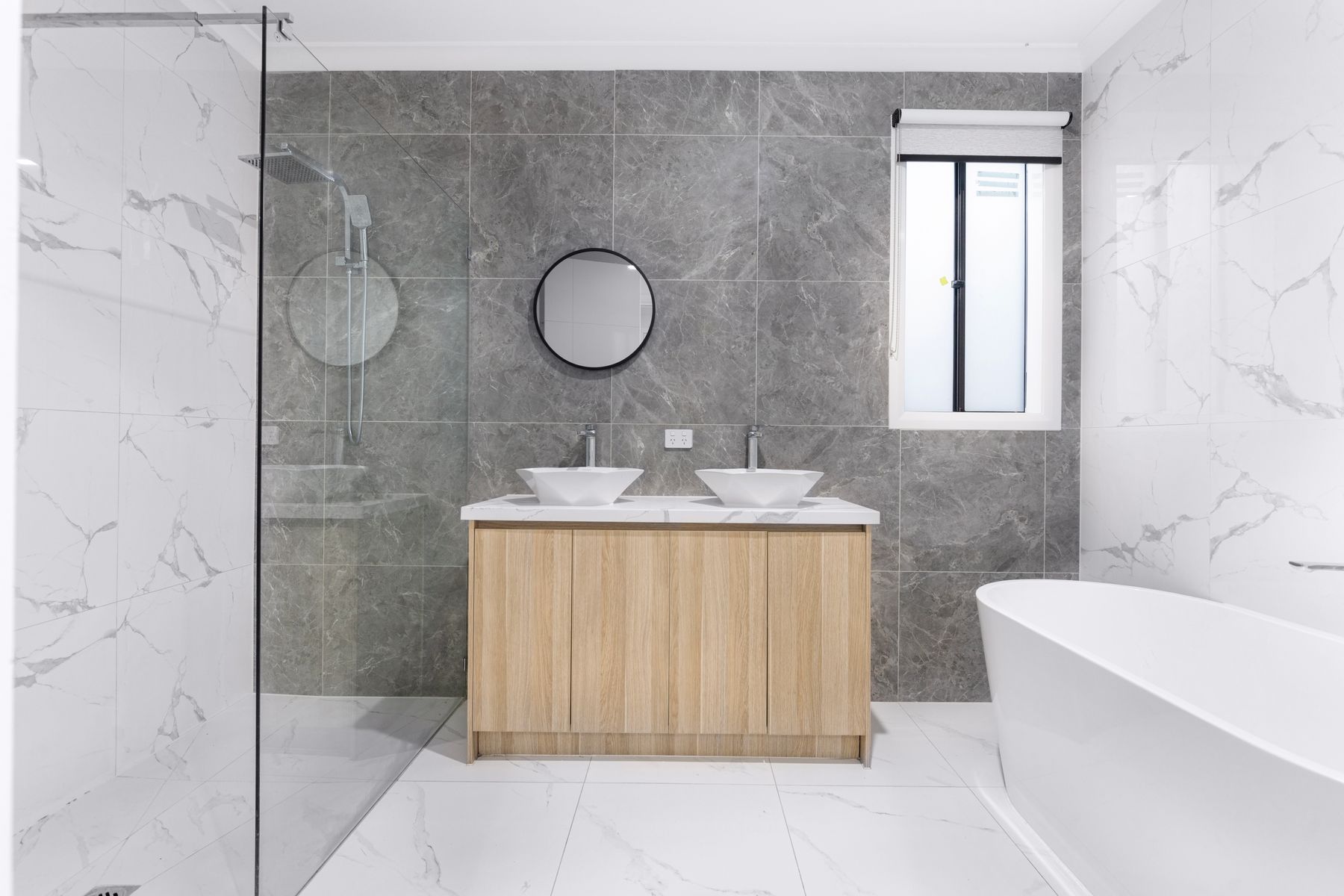
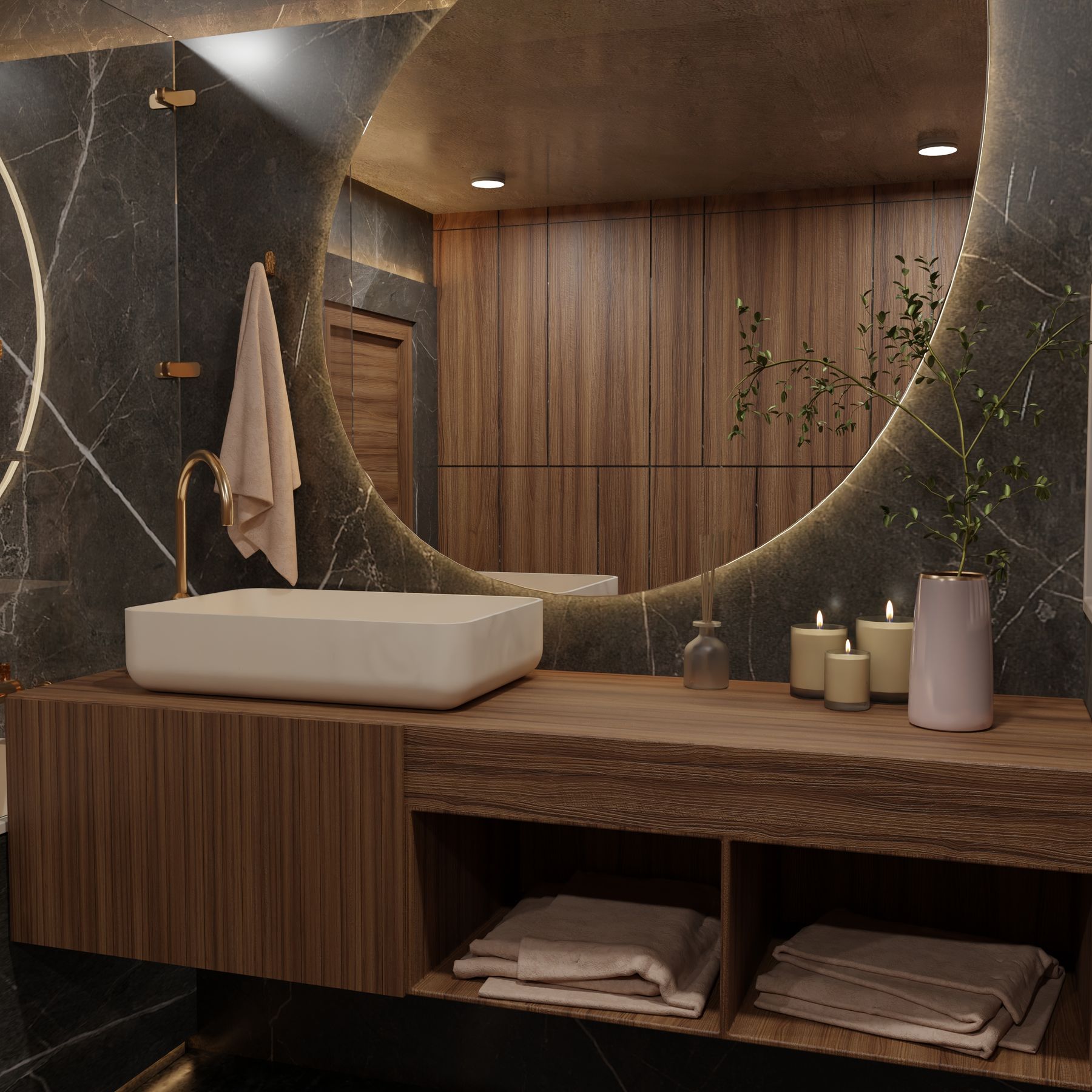
Use a Round Mirror to Soften Straight Lines
Round mirrors work well when tile, cabinetry and shower glass create many straight edges. The circle becomes one clear counter-shape without requiring additional decoration. Keep the diameter large enough for practical use and leave enough space for lighting or shelving around it.
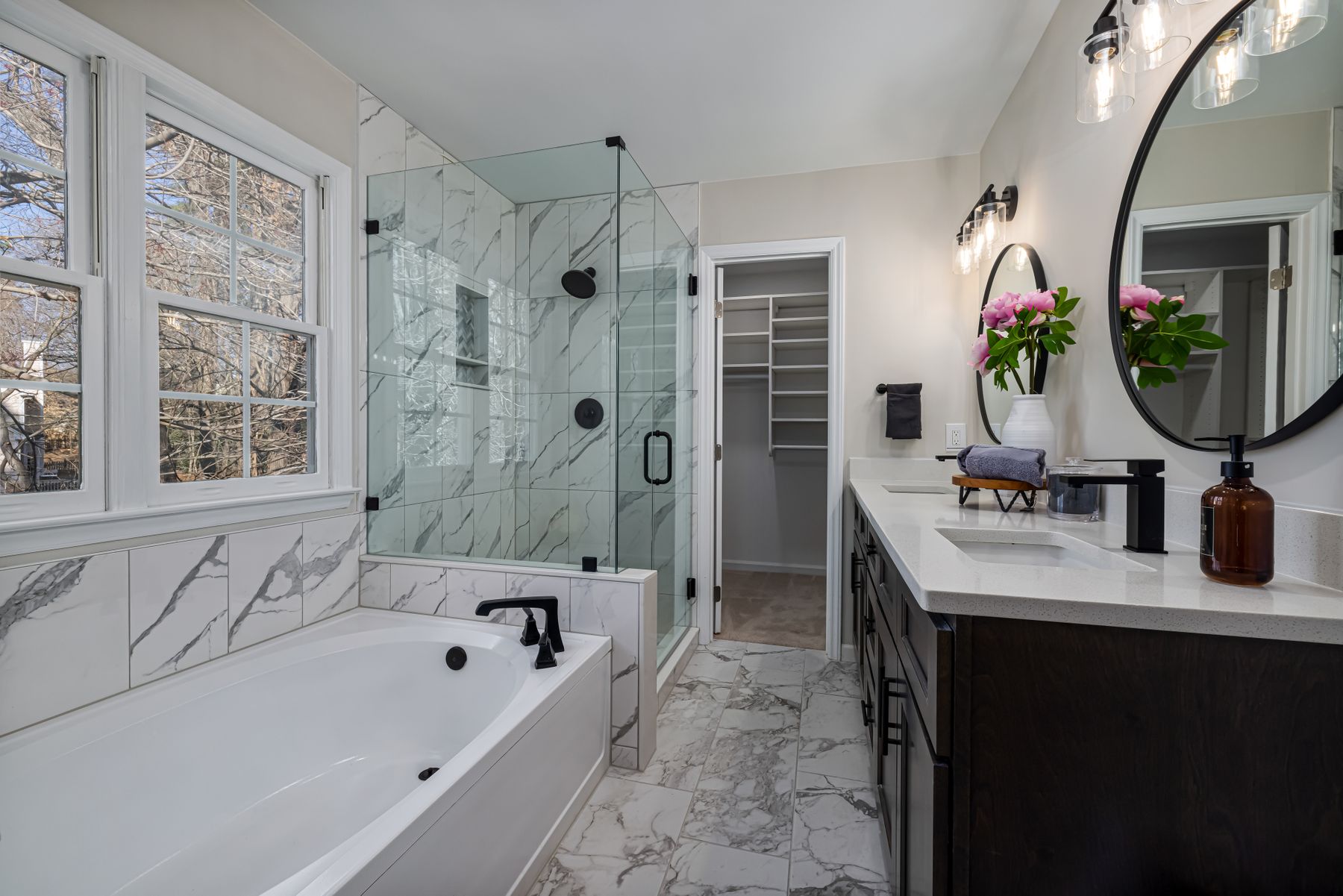
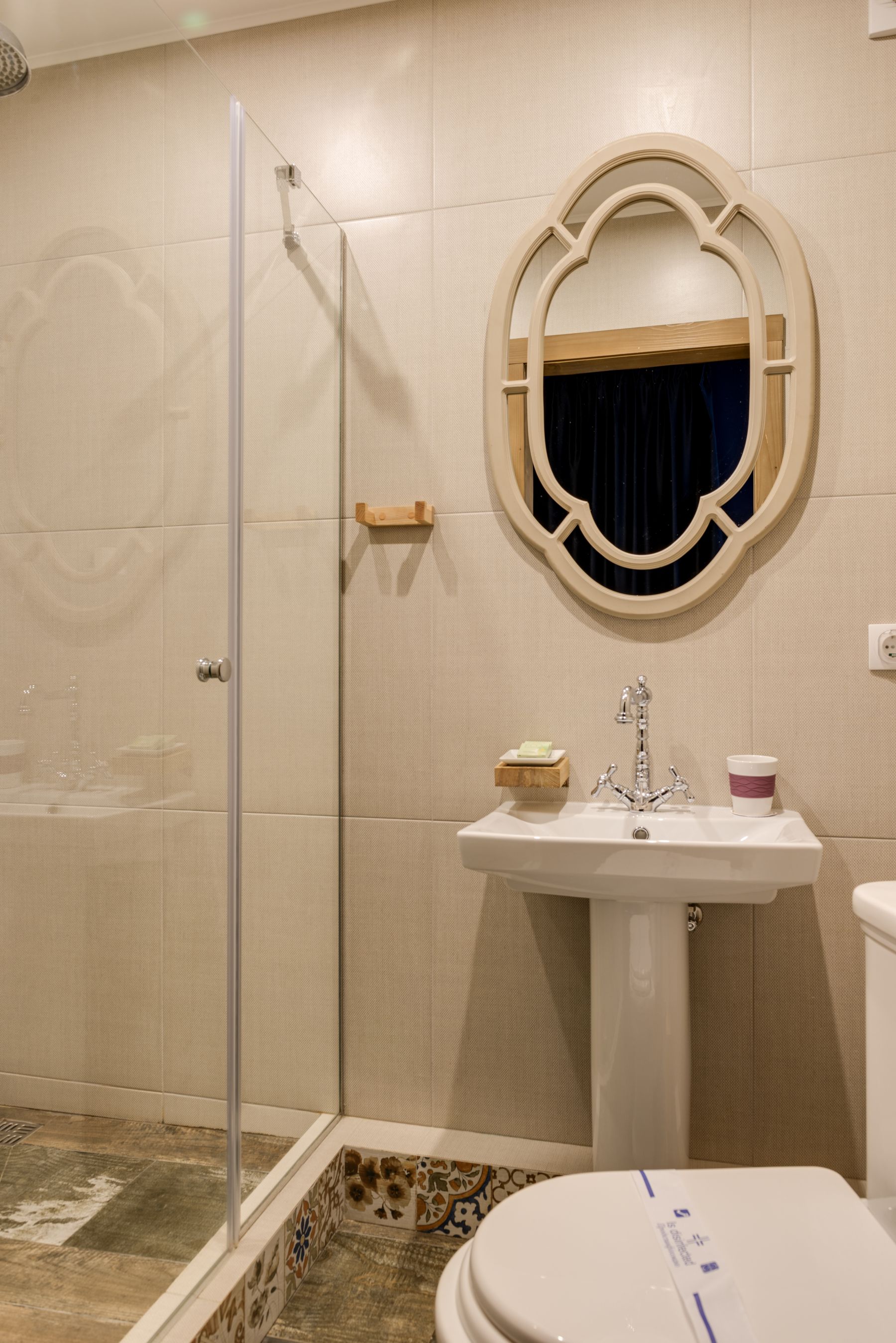
Use an Oval Mirror for a More Classic Proportion
An oval mirror adds vertical emphasis and softer edges while remaining familiar enough for classic, traditional and transitional bathrooms. It can be especially useful where the vanity is narrow but ceiling height allows more vertical space. Keep the frame simple if the wall already has strong texture.
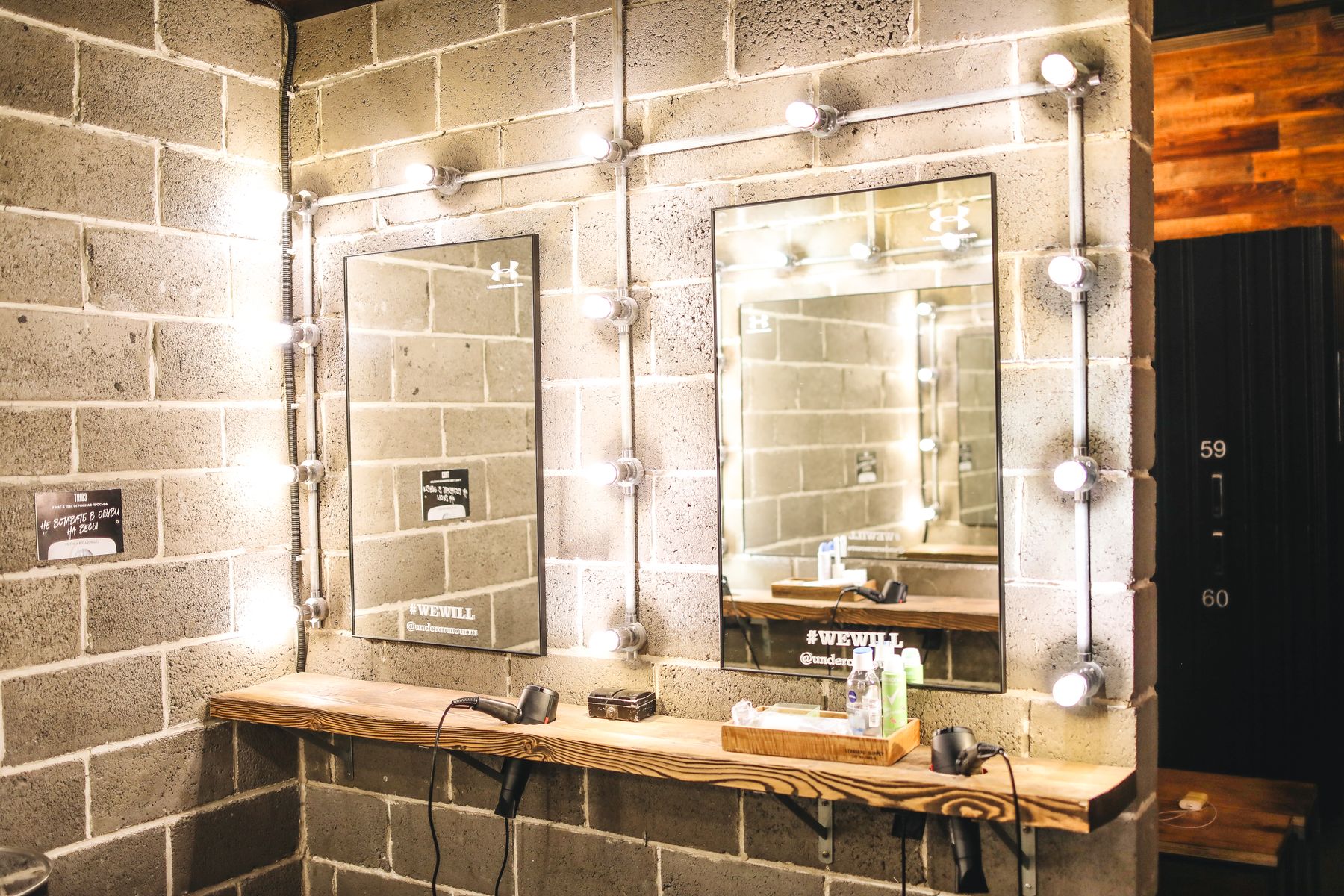
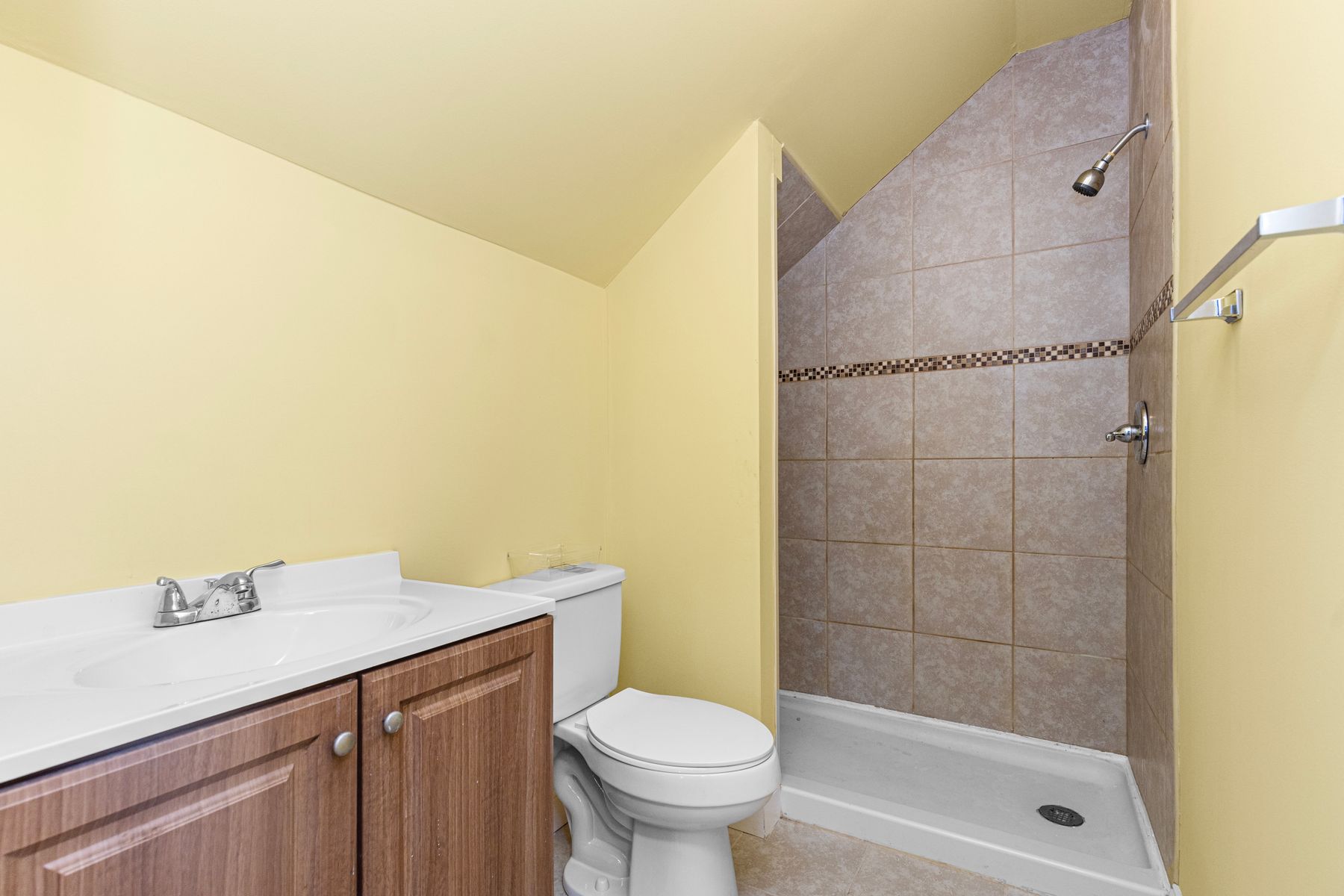
Use a Larger Mirror to Expand a Small Bathroom
A broad mirror can make a small bathroom feel deeper by reflecting more of the room and available light. In a minimal or industrial scheme, a simple frameless or thin-framed mirror often works better than a heavy decorative edge. Keep the reflected view reasonably calm so the mirror does not multiply clutter.
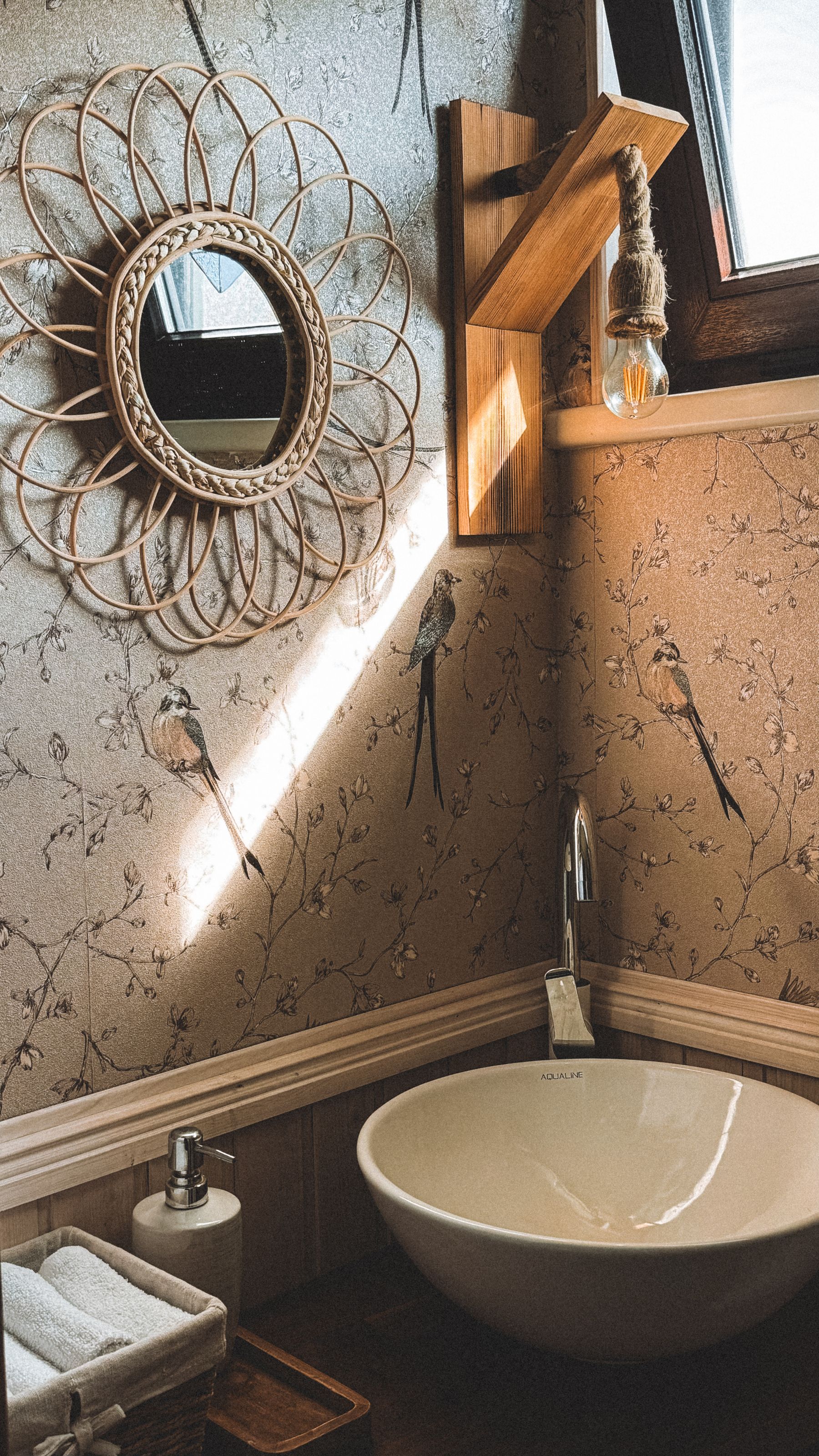
Use a Textured Frame as the Decorative Layer
A woven, timber or tactile frame can add warmth to a neutral vanity wall without changing the tile or cabinetry. This works best when the frame is the main textured object in the immediate area. Bathroom humidity and cleaning still matter, so frame materials need to be appropriate for the location.
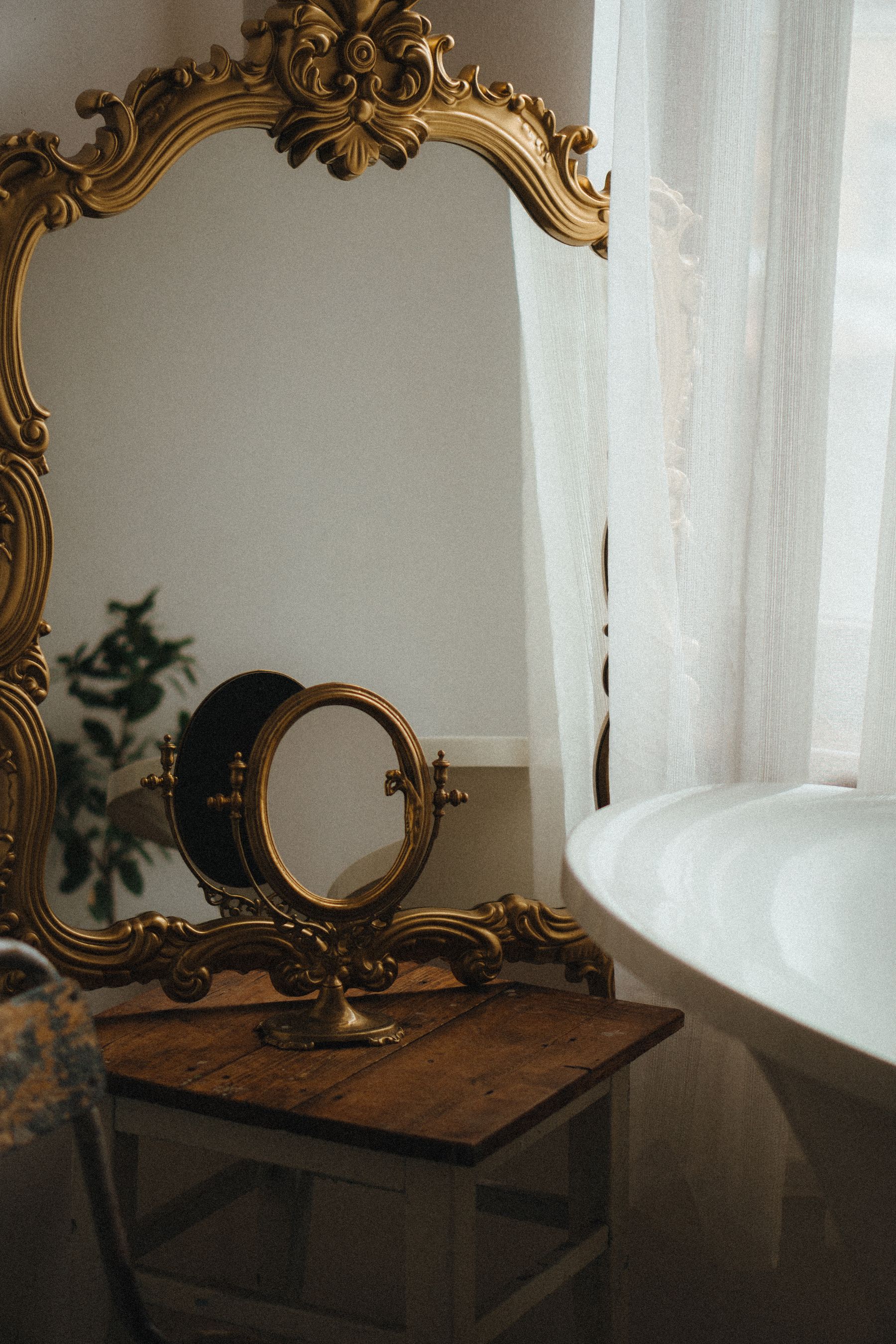
Use One Ornate Mirror as the Statement Piece
An ornate frame can carry Victorian, vintage or eclectic character even when the sink and tile are comparatively simple. The stronger the mirror detail, the less decorative work the surrounding wall needs to do. Make sure the usable reflective area remains large enough for everyday grooming.
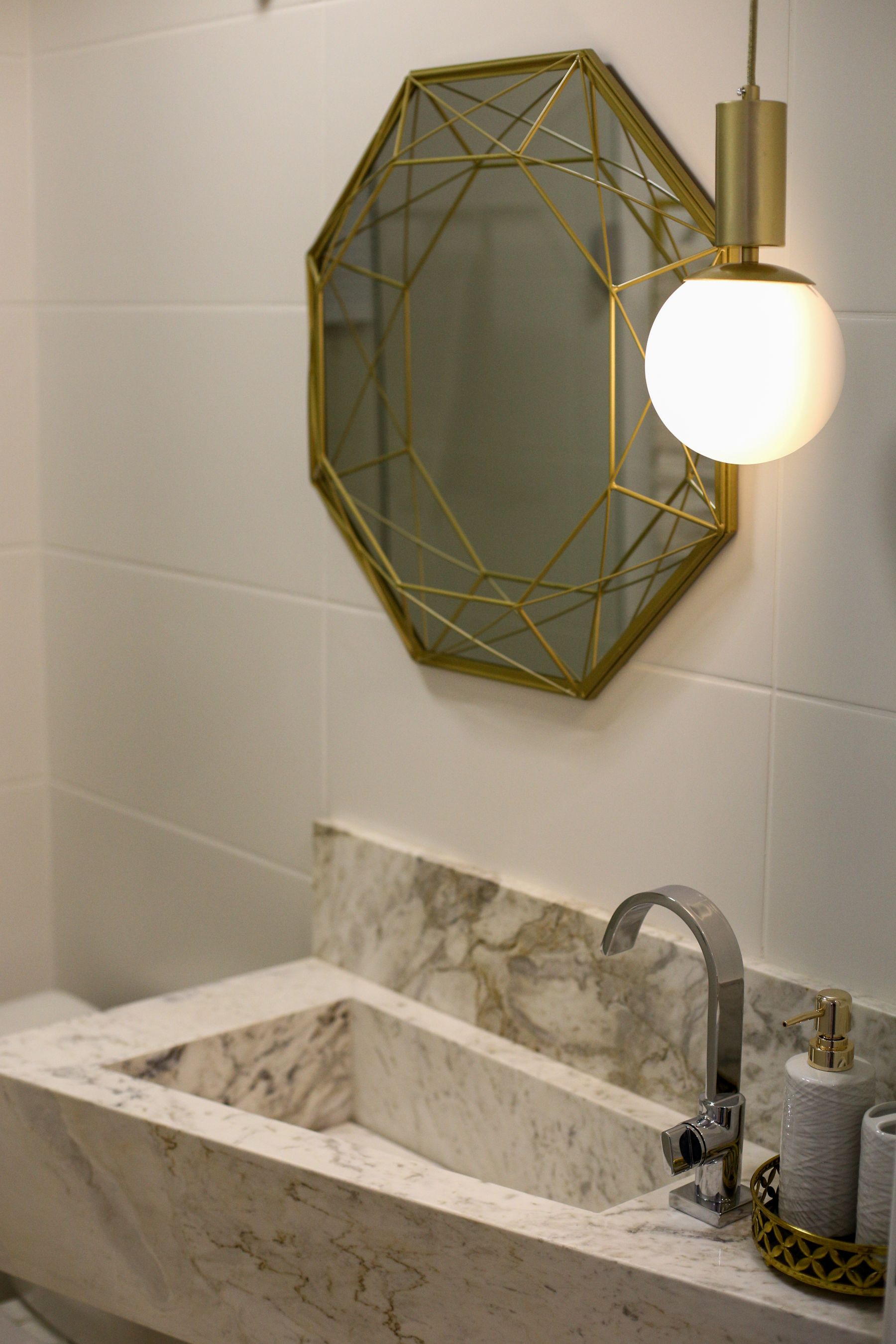
Use Warm Metal to Connect Mirror and Fixtures
A brass or gold-toned mirror frame can connect faucets, cabinet hardware and lighting without requiring every metal detail to match perfectly. Keep the metal finish family coherent and let the mirror provide the largest visible outline. This works especially well against white, stone and muted paint colors.
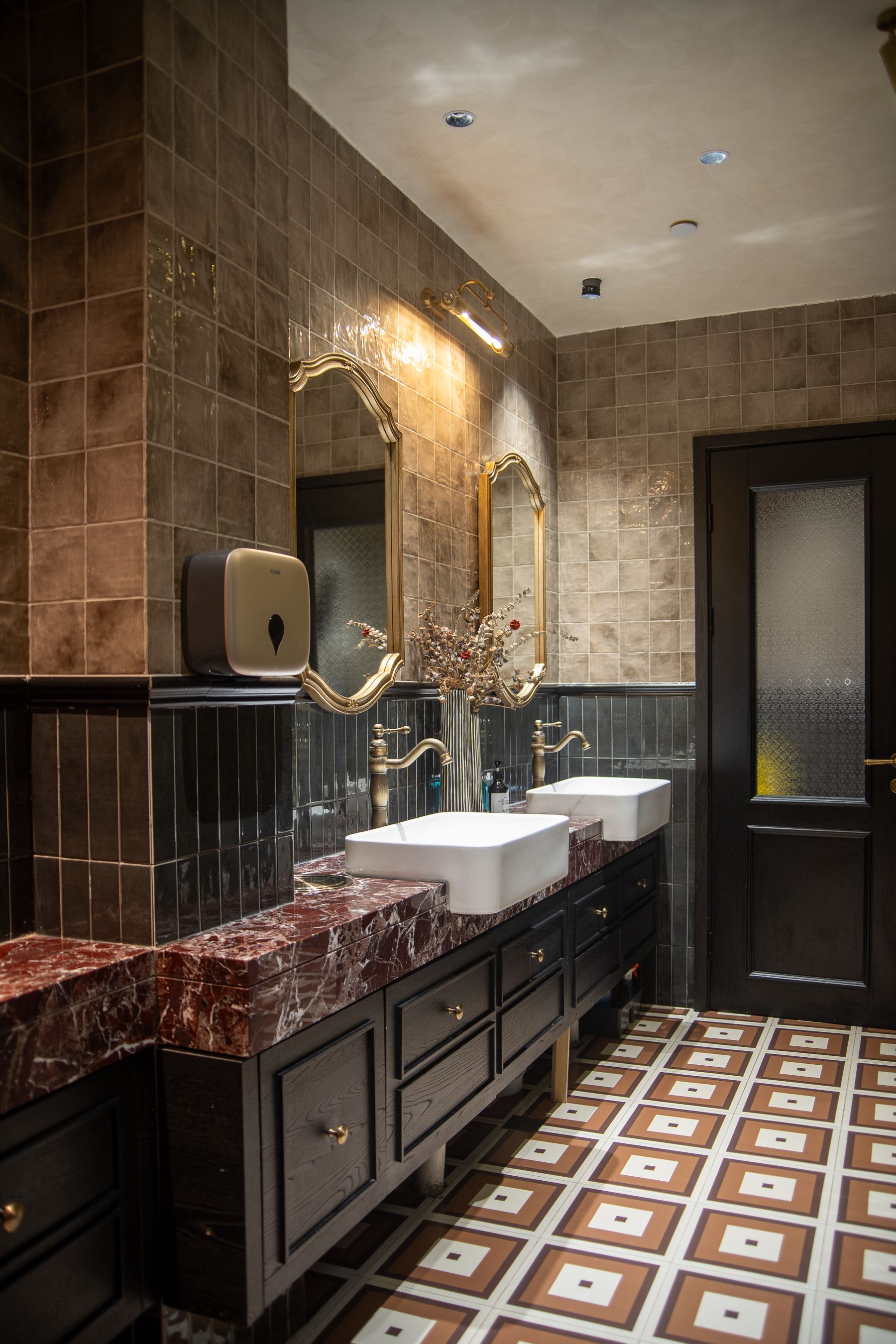
Use Paired Mirrors to Organize a Double Vanity
Two mirrors can reinforce the rhythm of a double vanity when each one aligns clearly with a basin. The spacing between them becomes important because it affects lighting and how the vanity reads as one composition. Paired mirrors are most successful when their size and position follow the sinks rather than decorative symmetry alone.
Coordinate Mirror Lighting Before the Wall Is Finished
Integrated mirror light, side sconces and overhead vanity lights all require different wall space and electrical planning. Decide the lighting approach before tile, outlets and junction points are finalized. A beautiful mirror cannot compensate for poor face lighting if the electrical positions are already fixed.
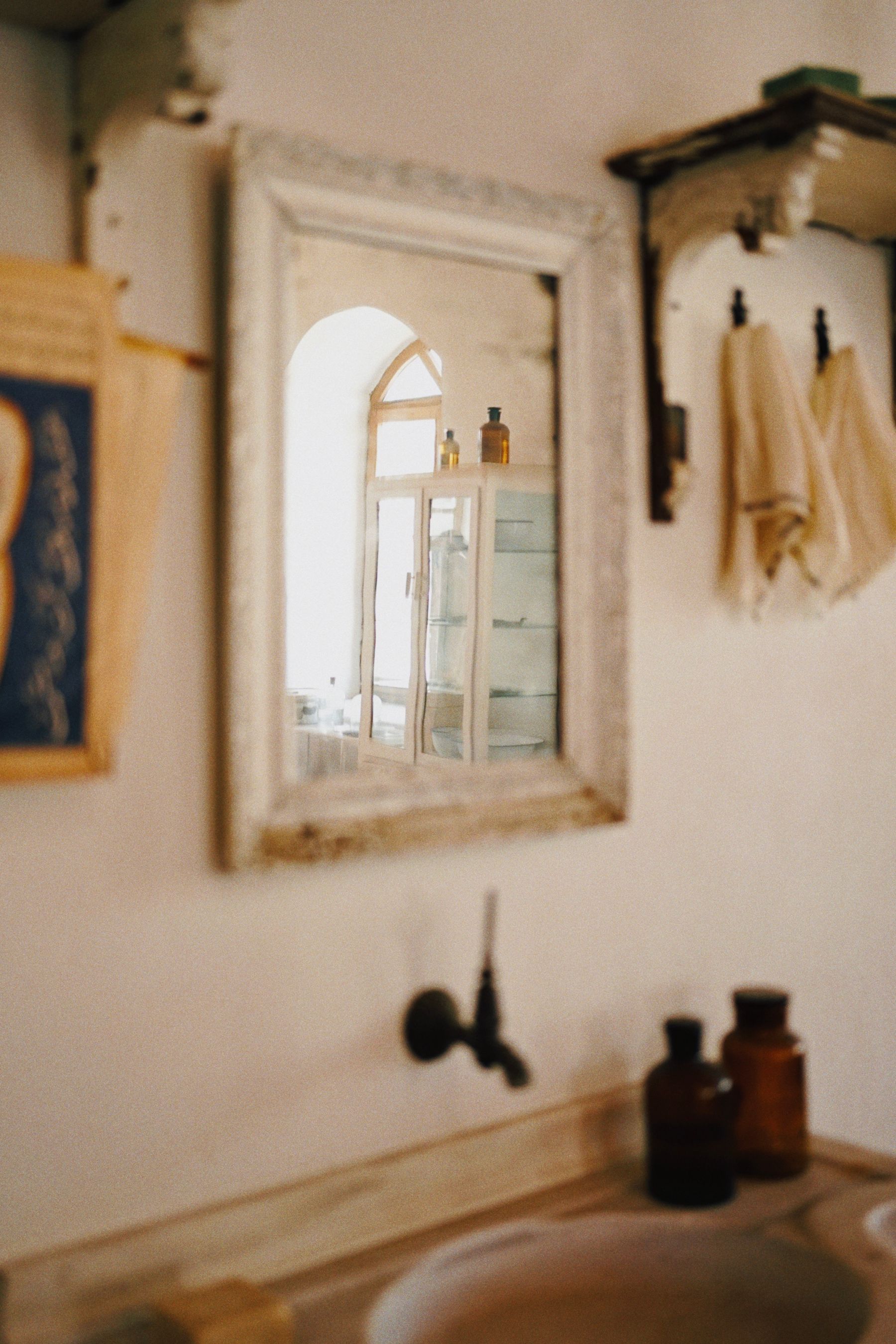
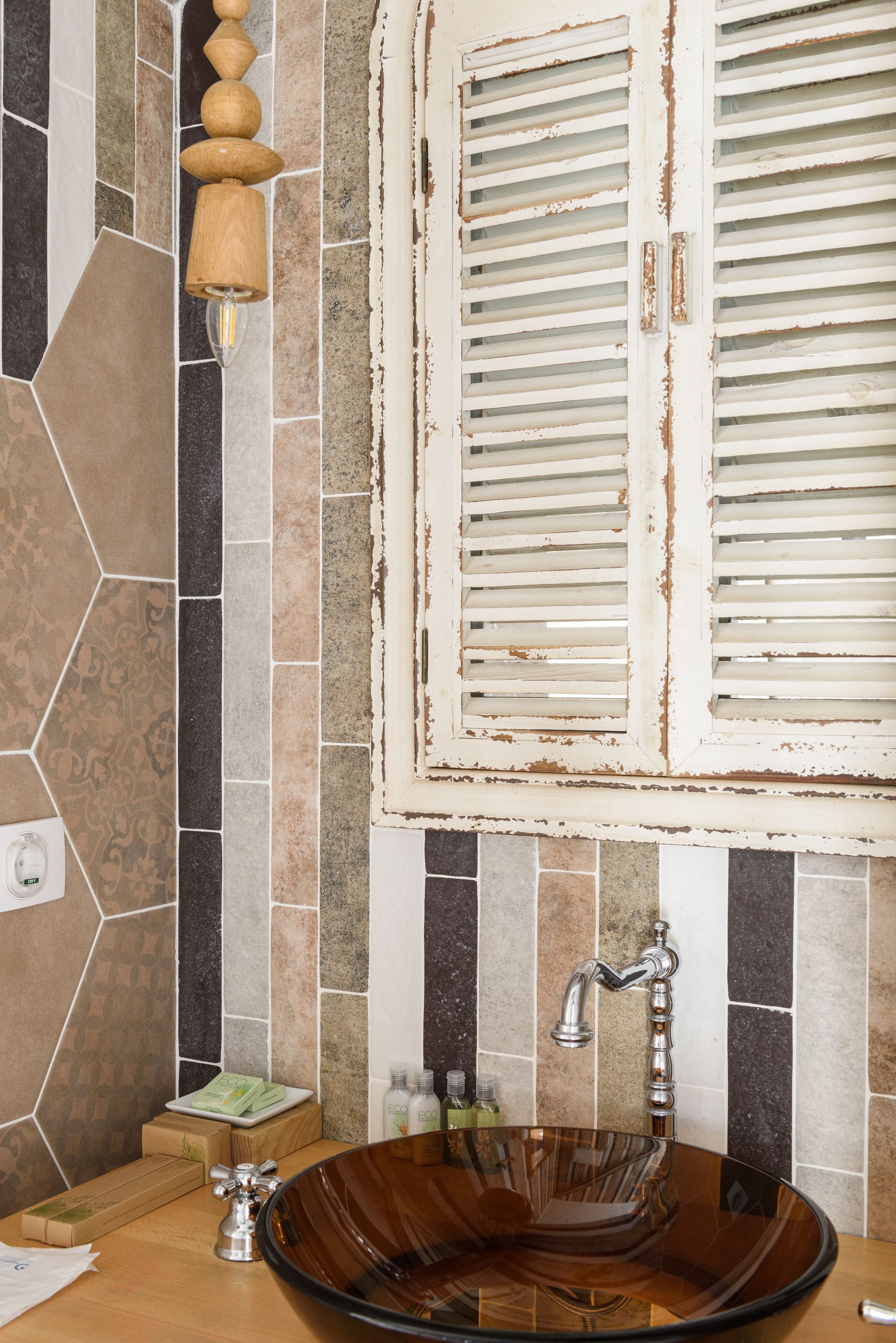
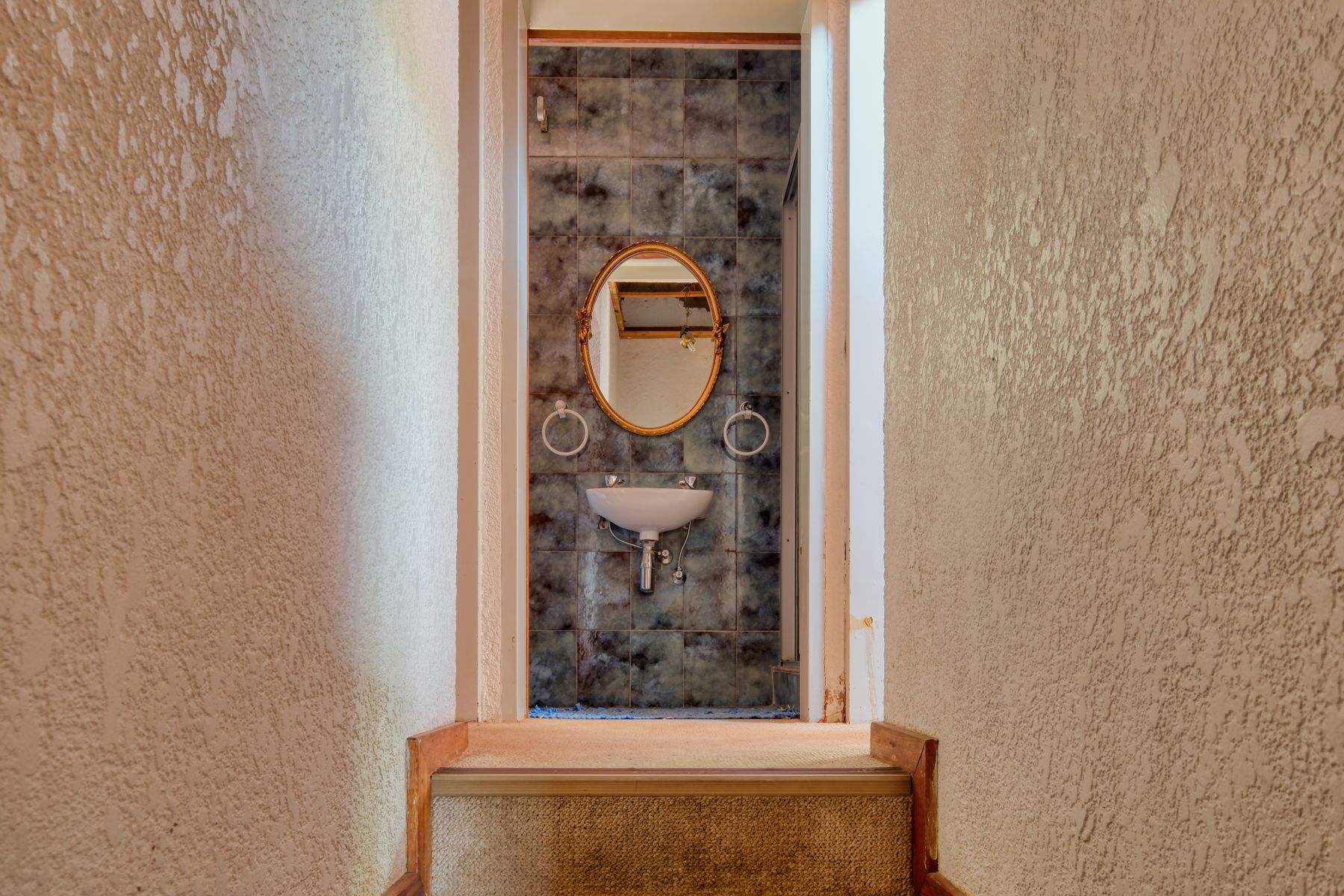
Keep a Vintage Mirror Practical at the Sink
An older-looking mirror can add history and character, but the reflective surface still needs to be large and clear enough for daily use. Avoid frames that project awkwardly into faucets or shelving, and check the condition of old backing, glass and mounting hardware before installation.