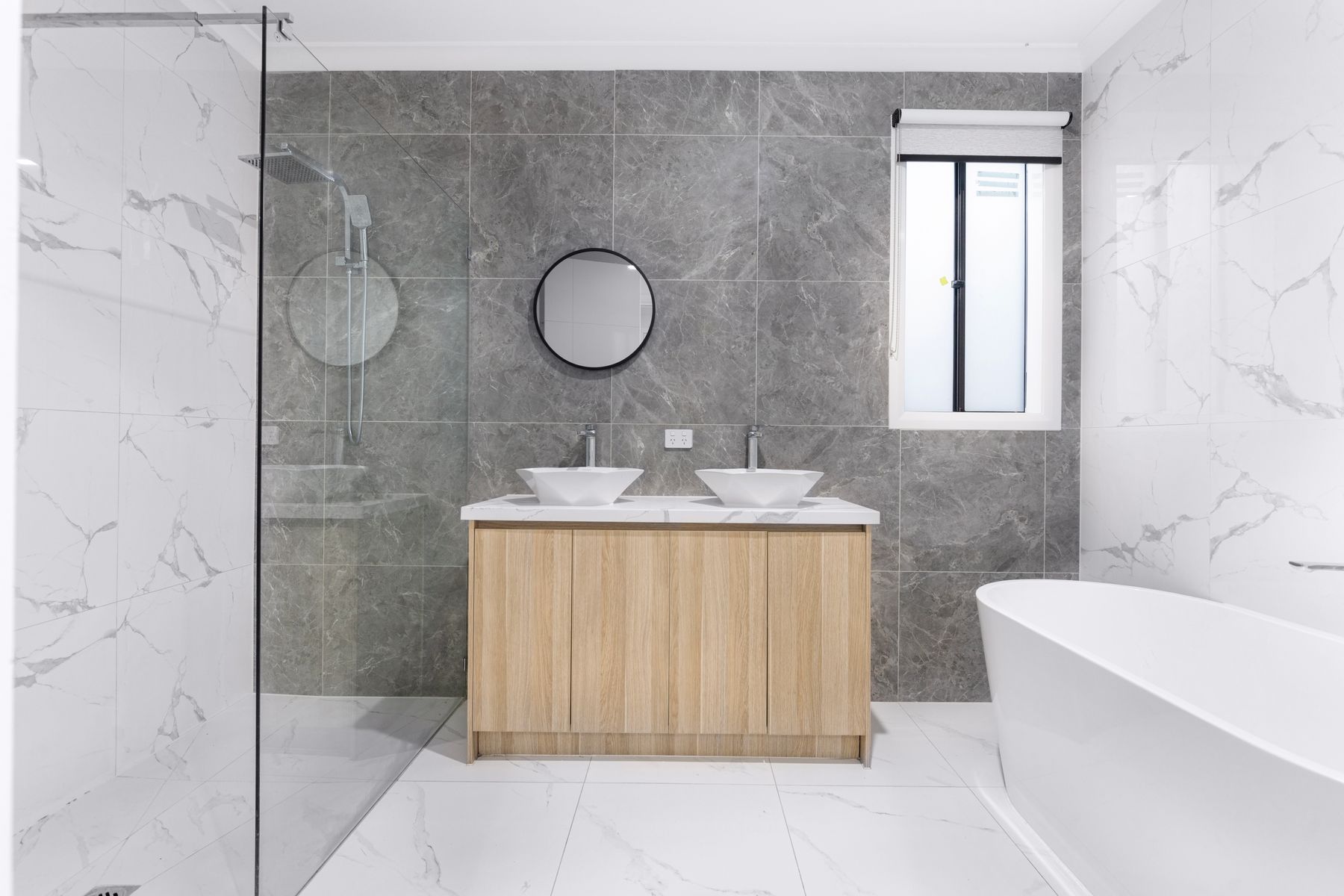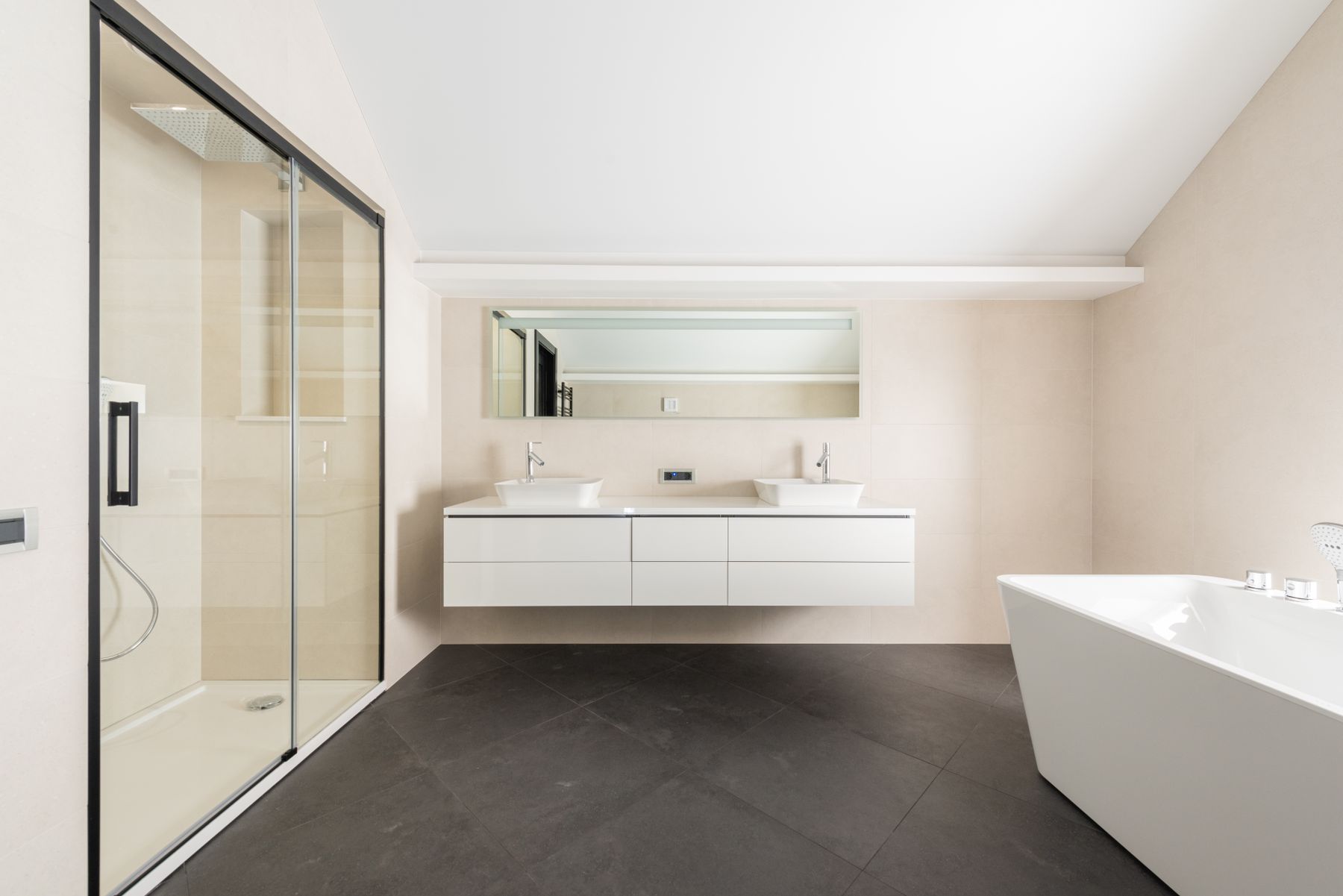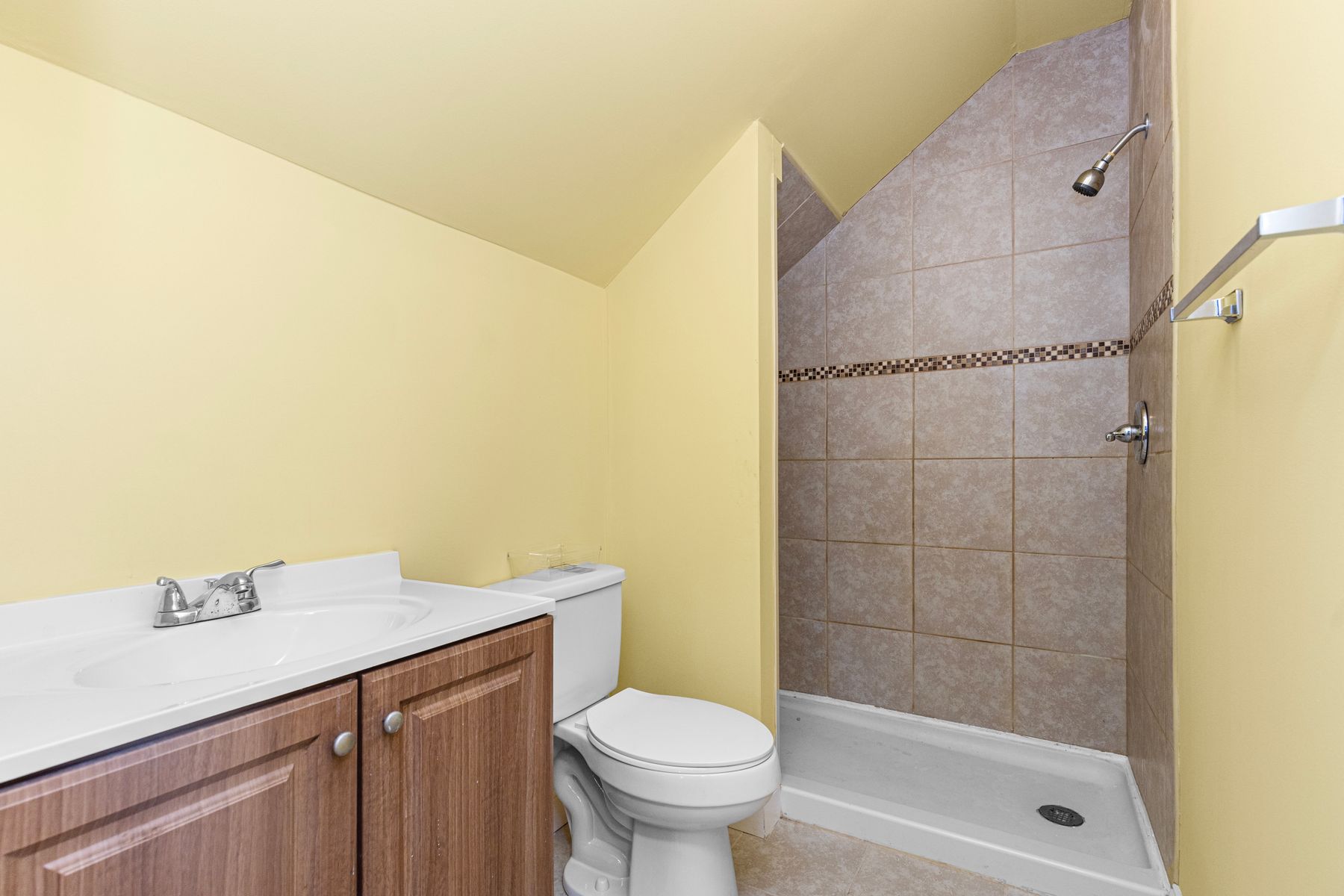
Start by Removing Products That Do Not Belong in the Room
Before reorganizing drawers and shelves, remove expired products, duplicates that can live elsewhere and items that are rarely used in the bathroom. A smaller inventory makes every later decision easier and prevents storage solutions from being designed around unnecessary volume.
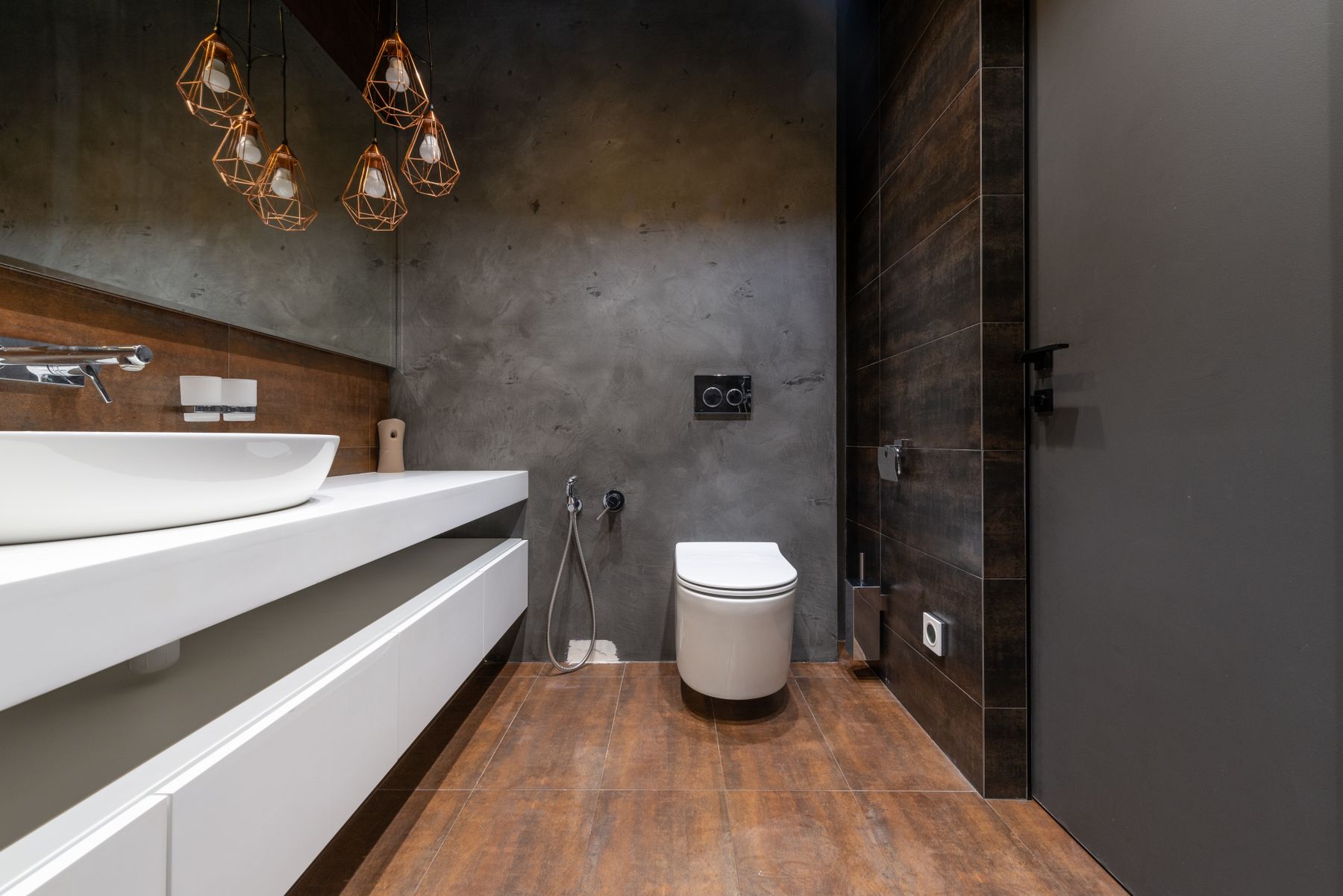
Group Daily Items by Routine
Oral care, skincare, shaving, hair tools and makeup are easier to manage when each routine has a defined drawer or section. Grouping by routine reduces searching and makes it easier to return products after use. Avoid combining unrelated items simply because they fit in the same container.
Keep Backups Separate From Daily Products
Refill bottles, extra soap, spare toothpaste and bulk purchases do not need to compete with daily items for the easiest storage positions. Keep backups in a taller cabinet, lower drawer or separate zone and restock the daily area only when needed.
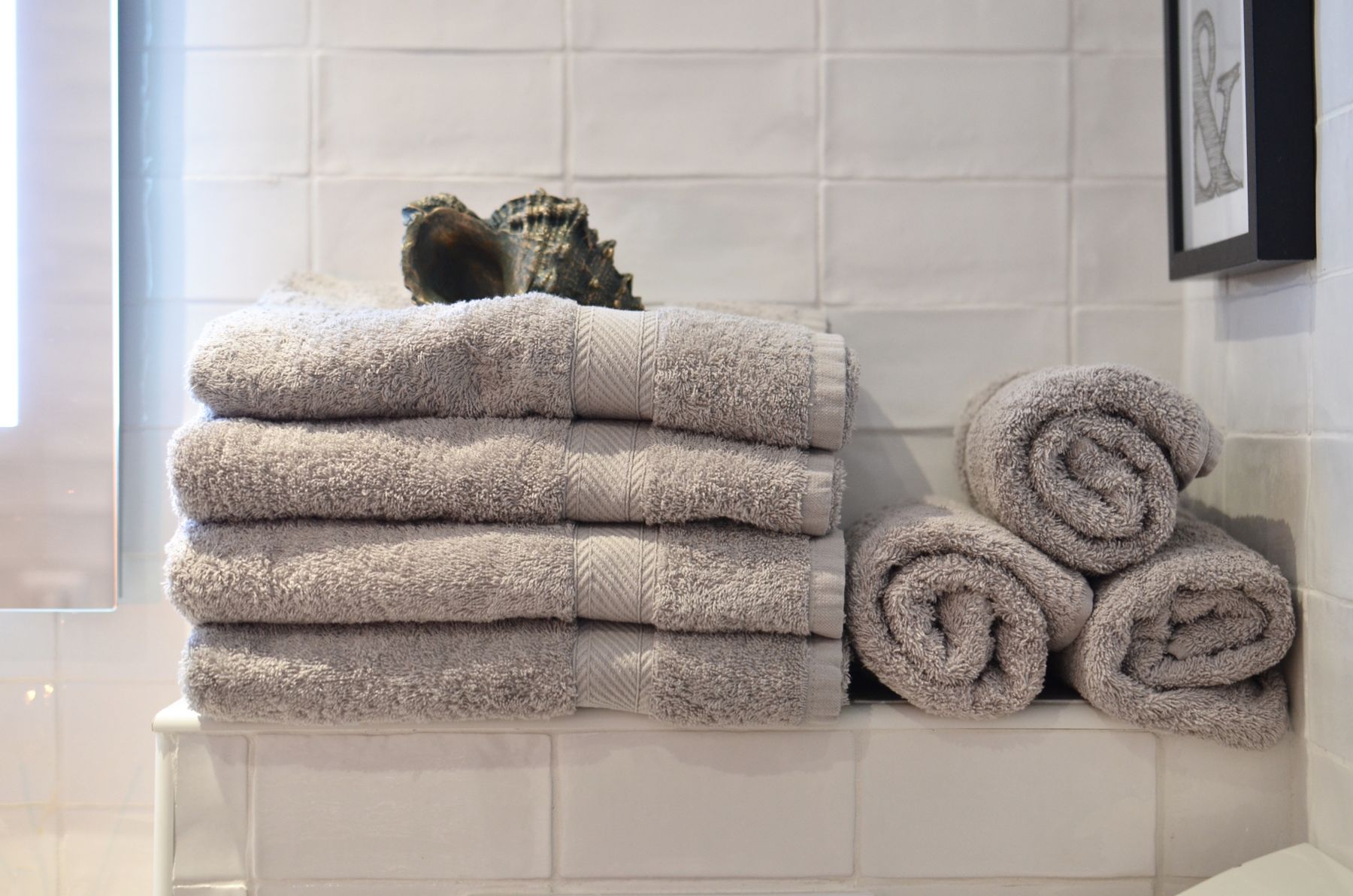
Use Towels as Their Own Category
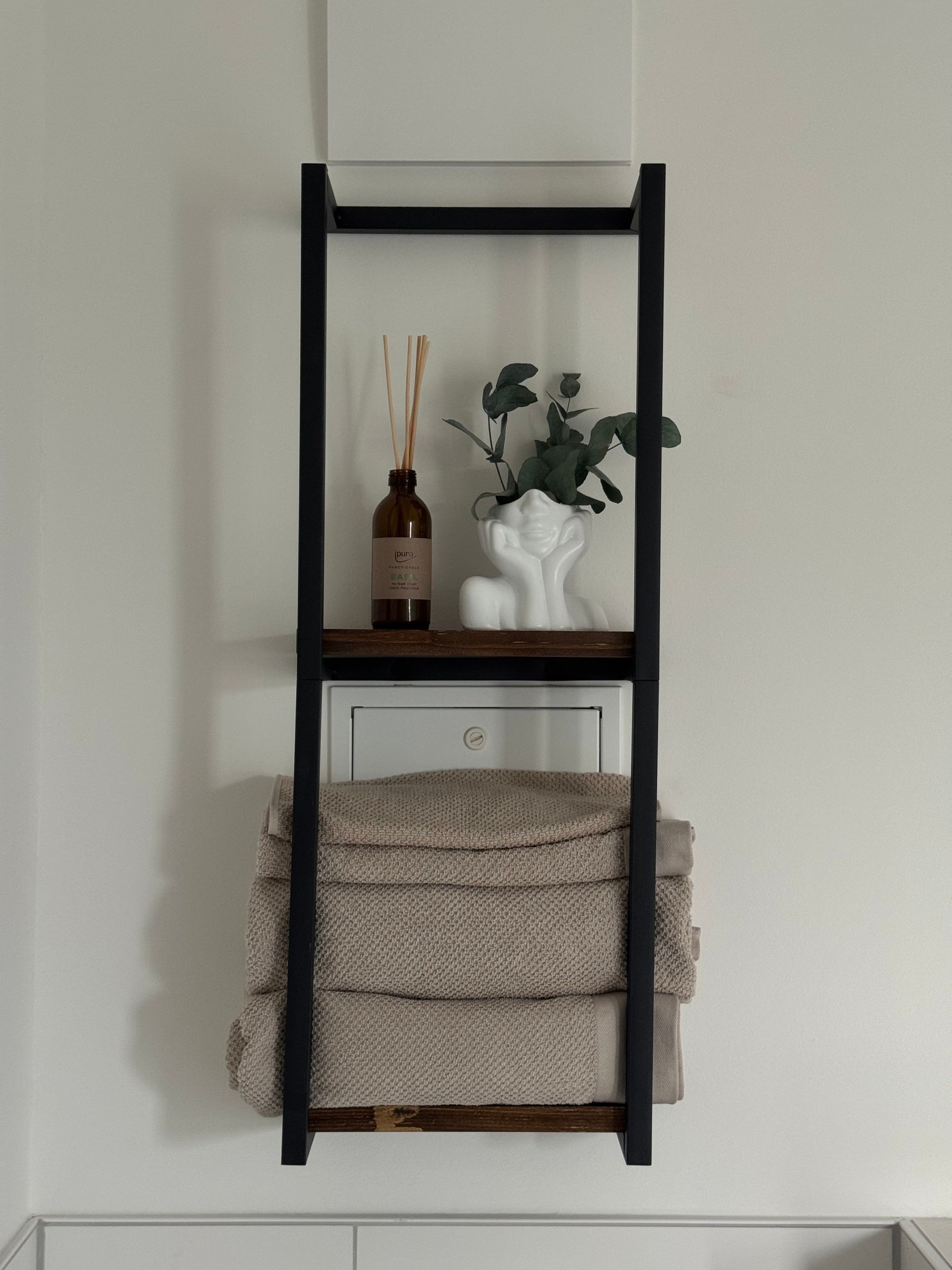
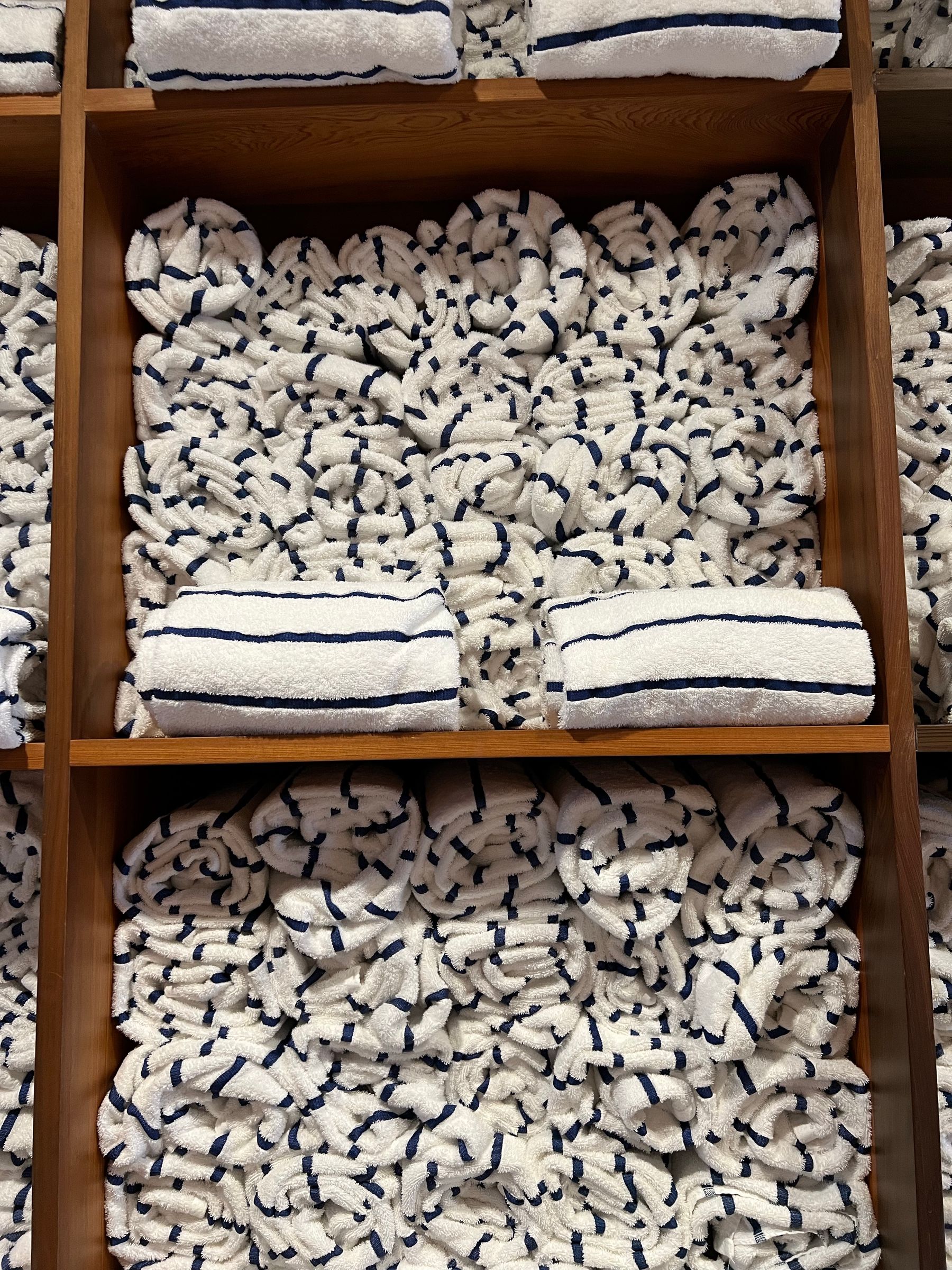
Towels are large, predictable and frequently rotated, so they benefit from one dedicated shelf, drawer or cabinet area. Keep clean towels away from direct shower spray and store only the number that realistically fits the household's laundry cycle.
Give Shared Bathrooms Separate User Zones
In a shared bathroom, separate personal drawers or cabinet sections reduce mixing and make accountability clearer. Shared categories such as hand soap, towels and cleaning supplies can stay in central zones. The split does not need to be perfectly symmetrical as long as each person has predictable space.

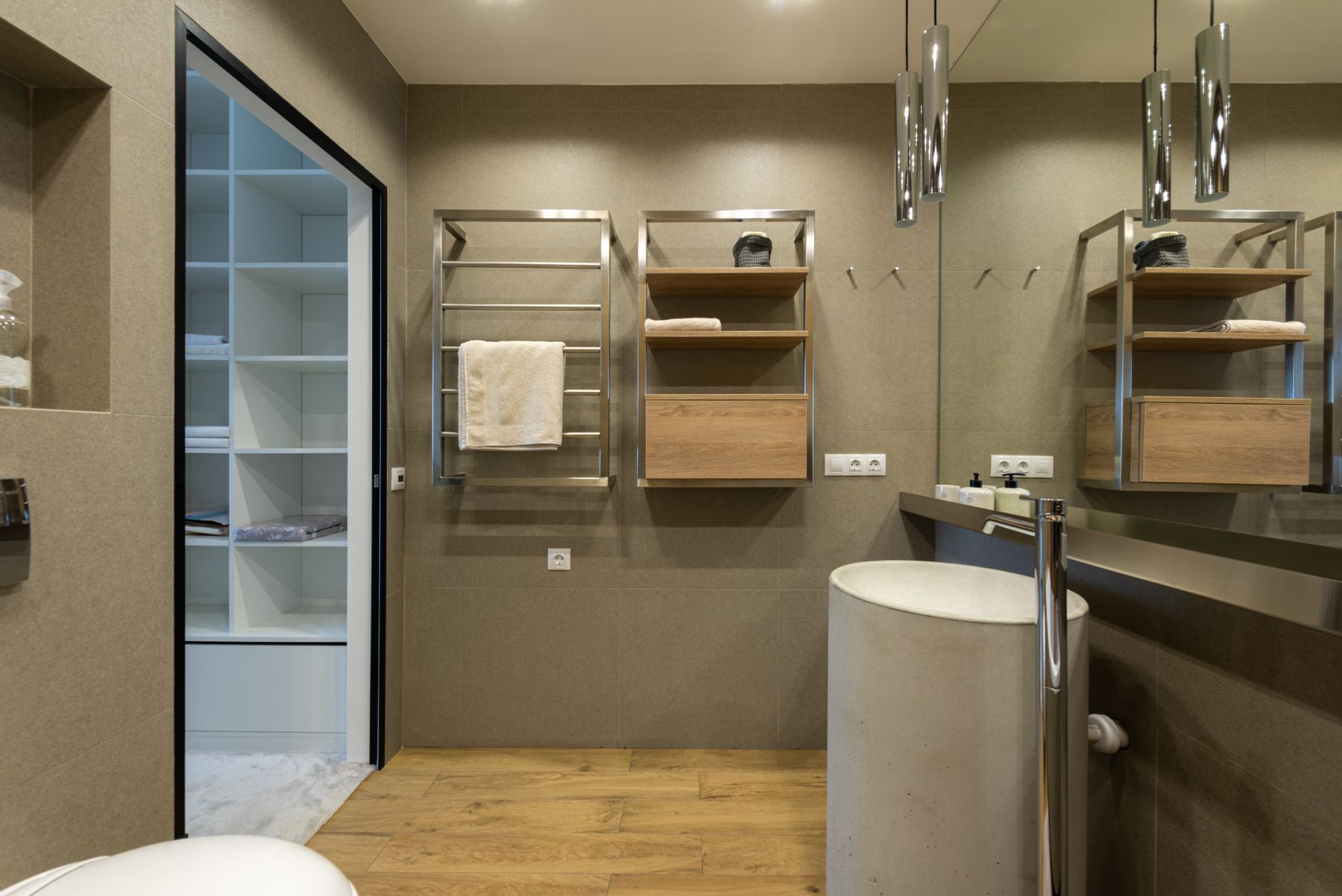
Use Open Shelves Only for Tidy Categories
Open shelves are useful for towels, toilet paper or a small group of daily products, but they are poor places for mixed packaging and bulk backups. Keep the visible categories simple and move anything visually noisy behind doors.
Use a Portable Organizer for Flexible Routines
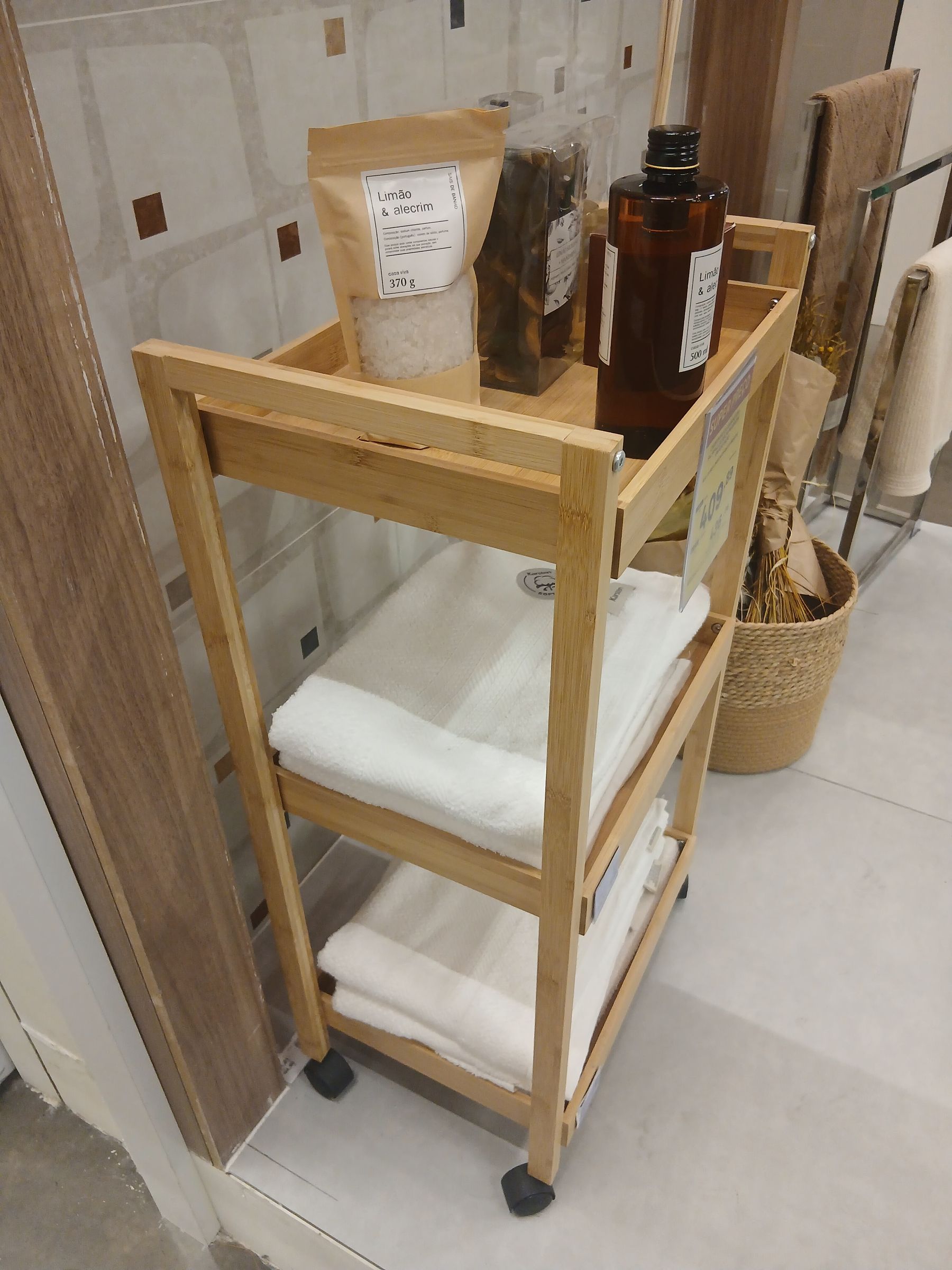
A small cart or portable organizer can work well for bath products, children's routines or temporary shared storage when permanent cabinetry is limited. It should have a clear parking position and remain outside the main circulation path.
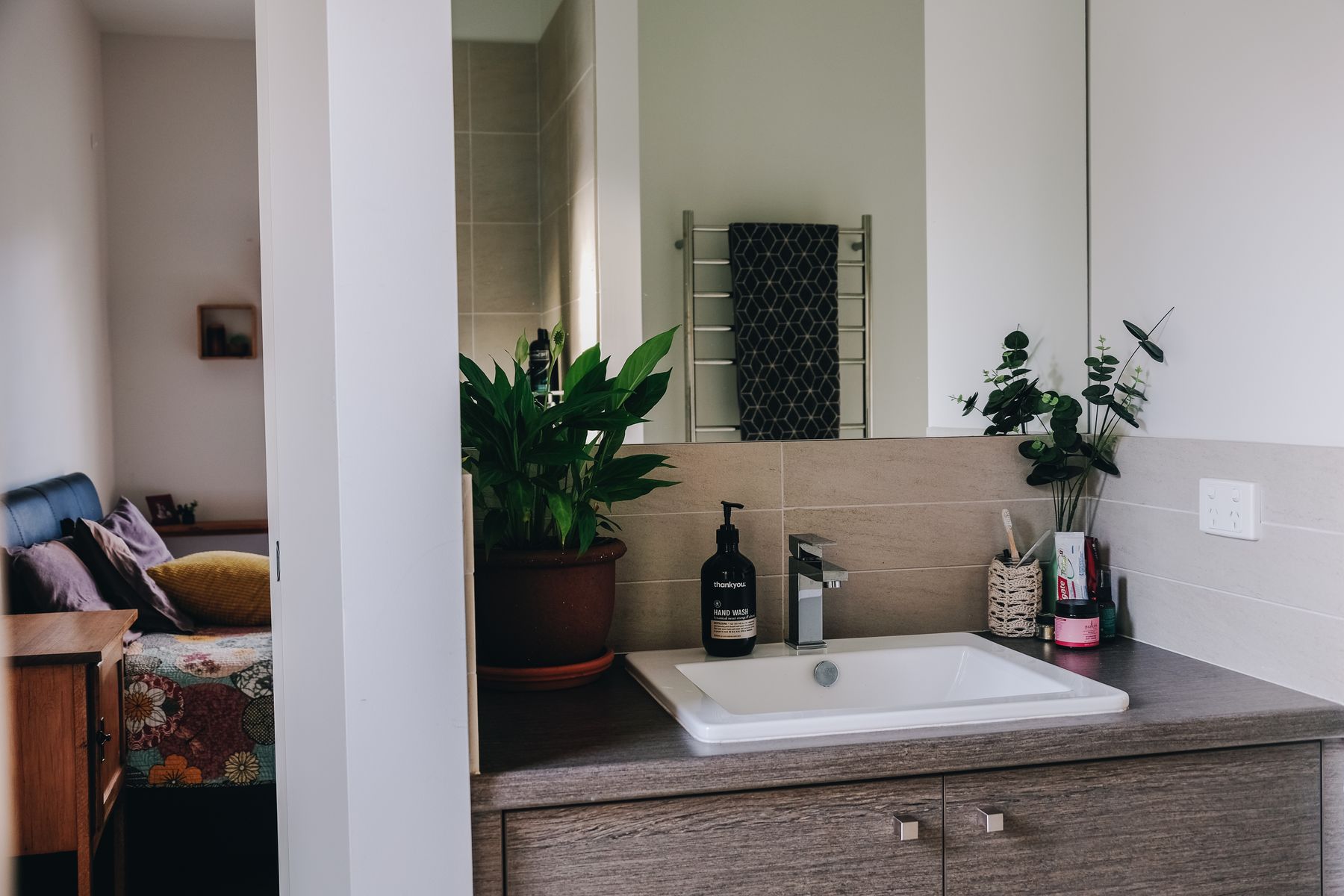
Keep the Counter for Active Use, Not Storage
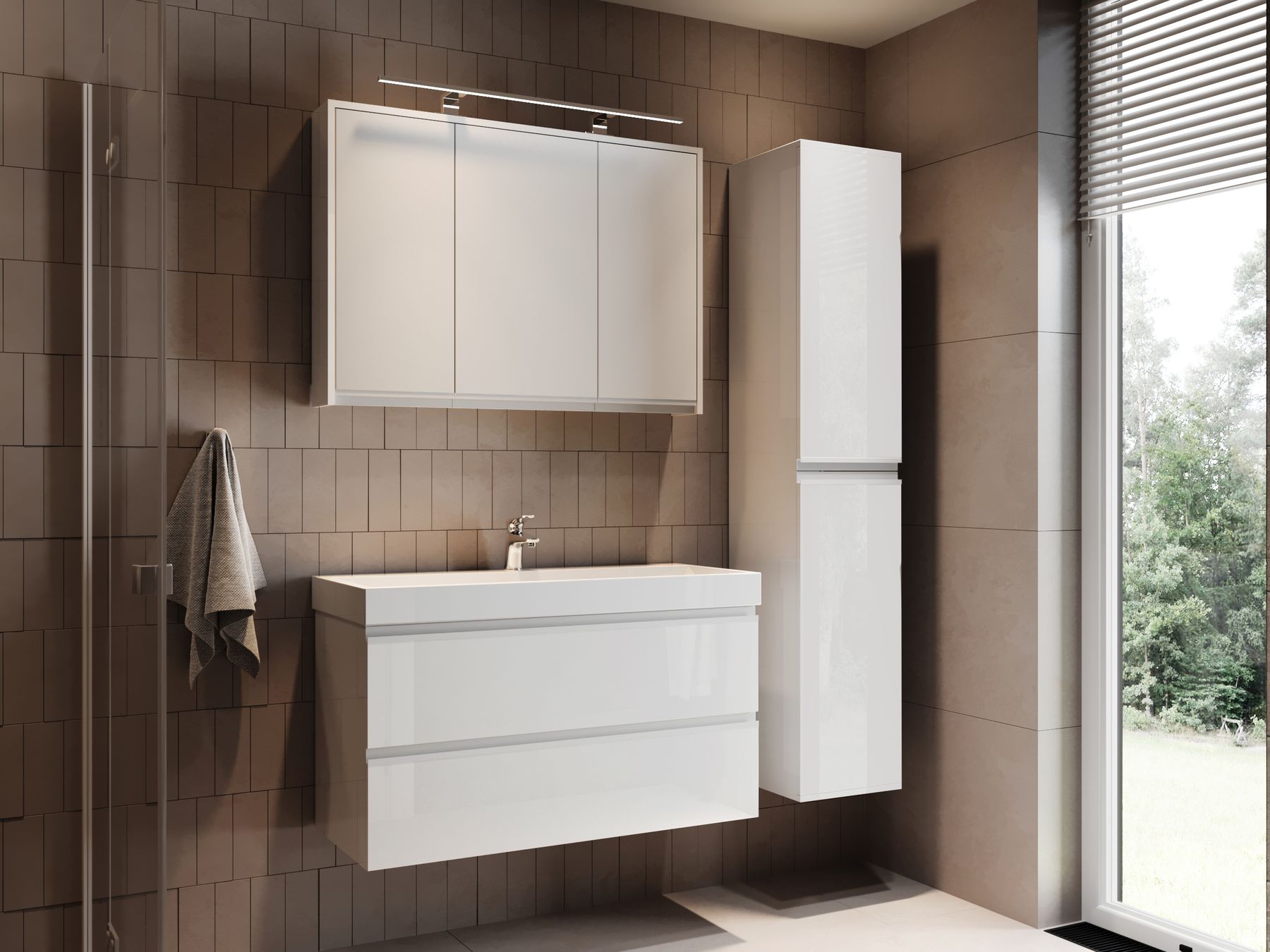
The countertop is most useful as temporary working space during grooming. Permanent product storage quickly reduces that function and makes cleaning harder. Keep only soap or one genuinely constant-use item visible and return the rest to drawers or cabinets after use.
Use Baskets for One Category at a Time
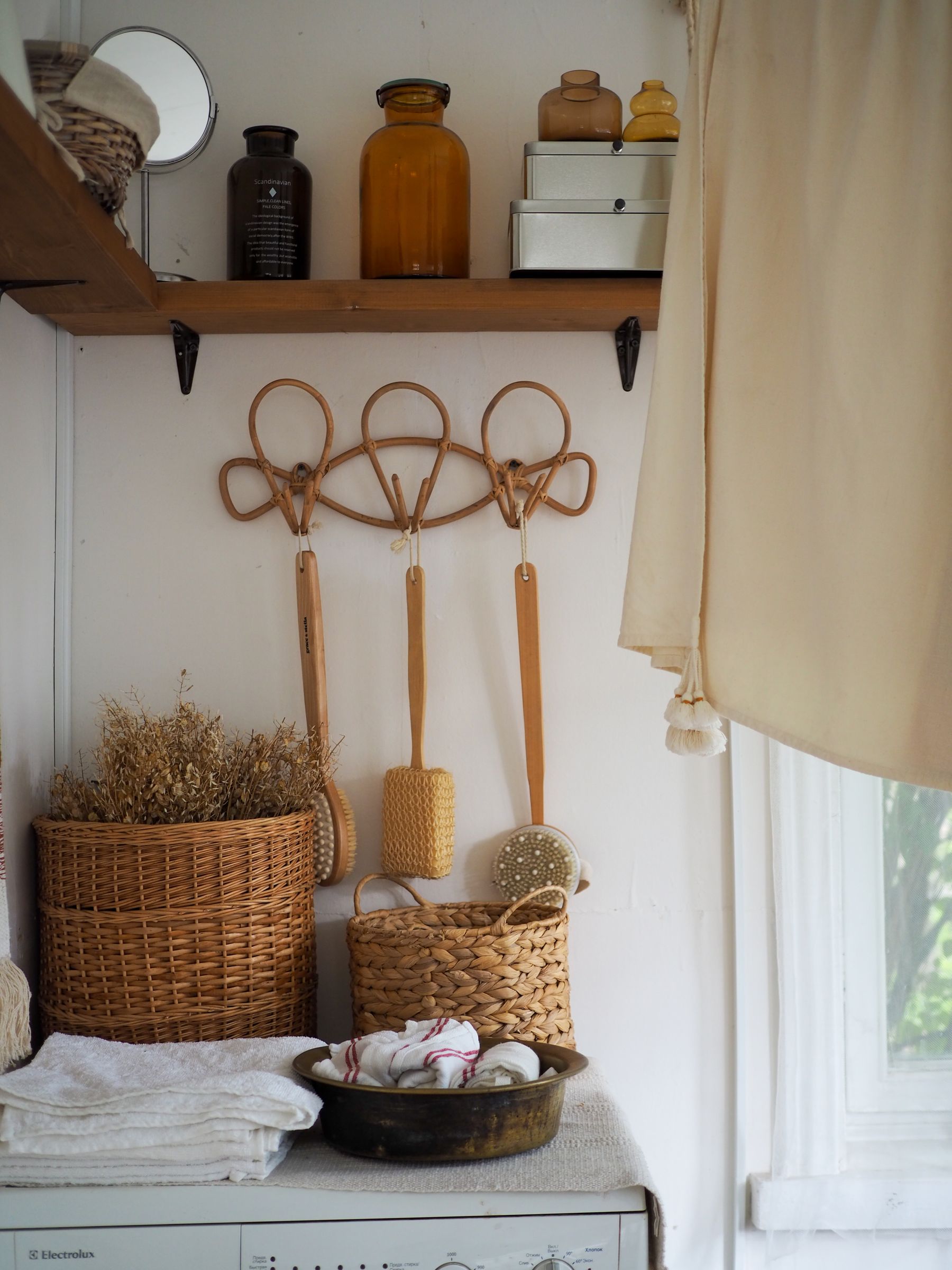
Baskets can help with toilet paper, rolled towels or one larger product category, but they lose value when they become mixed catch-all containers. Use labels only if they simplify restocking rather than creating an elaborate system that requires constant maintenance.
Build a Simple Restock Routine
Organization lasts longer when the bathroom can be restocked in a few minutes. Keep backups together, know where towels belong and avoid storing the same category in several places. A weekly or laundry-day reset is usually more sustainable than waiting for every drawer to become disordered.