Start With the Lease and the Existing Surfaces
Before buying hooks, wallpaper or replacement hardware, identify what can be changed without approval and what must stay untouched. Painted walls, tile, vanity fronts and fixtures all respond differently to adhesives and drilling. A renter-friendly plan starts by protecting the surfaces that will need to be returned in good condition.
Add Storage Without Drilling Every Wall
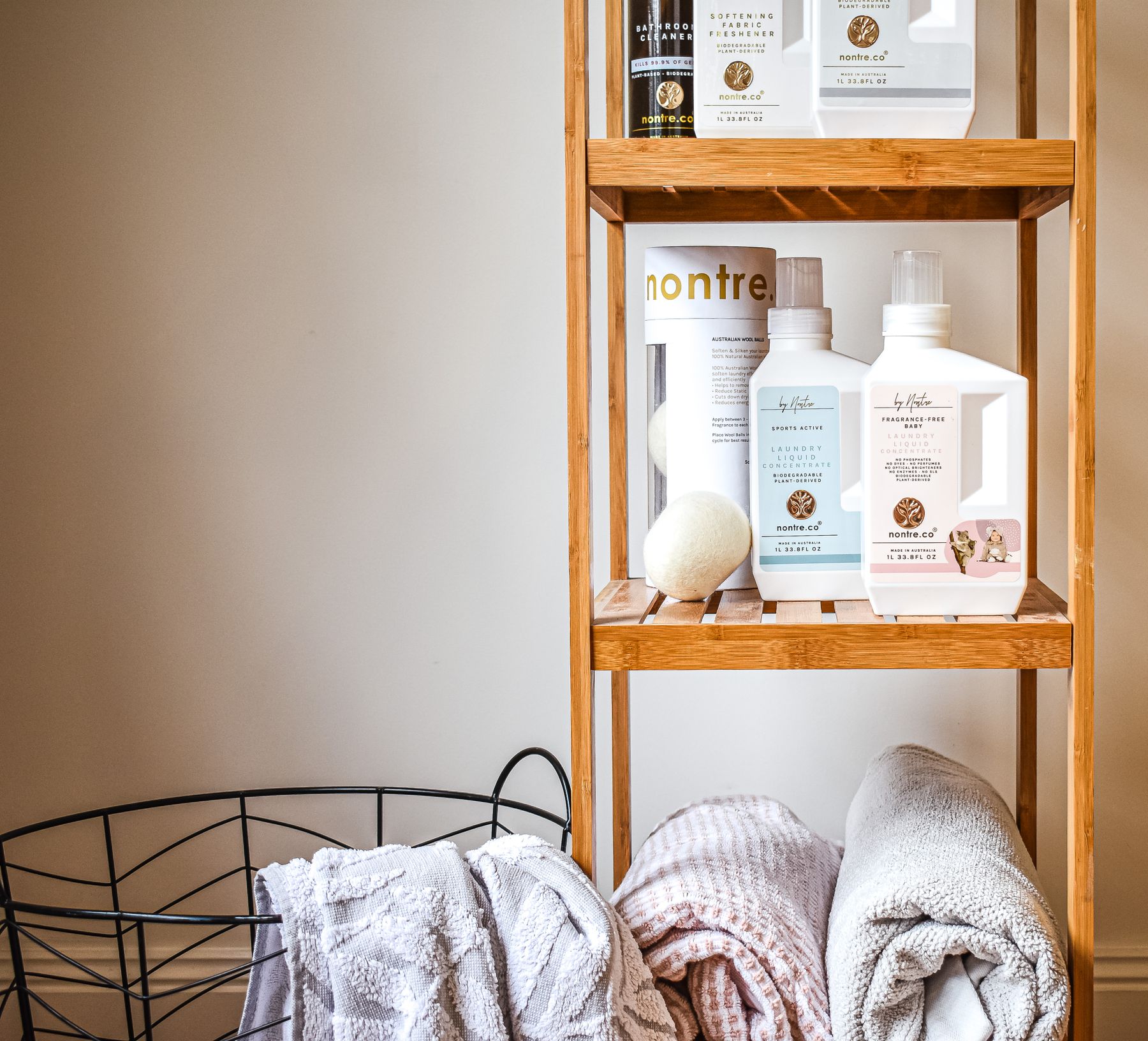
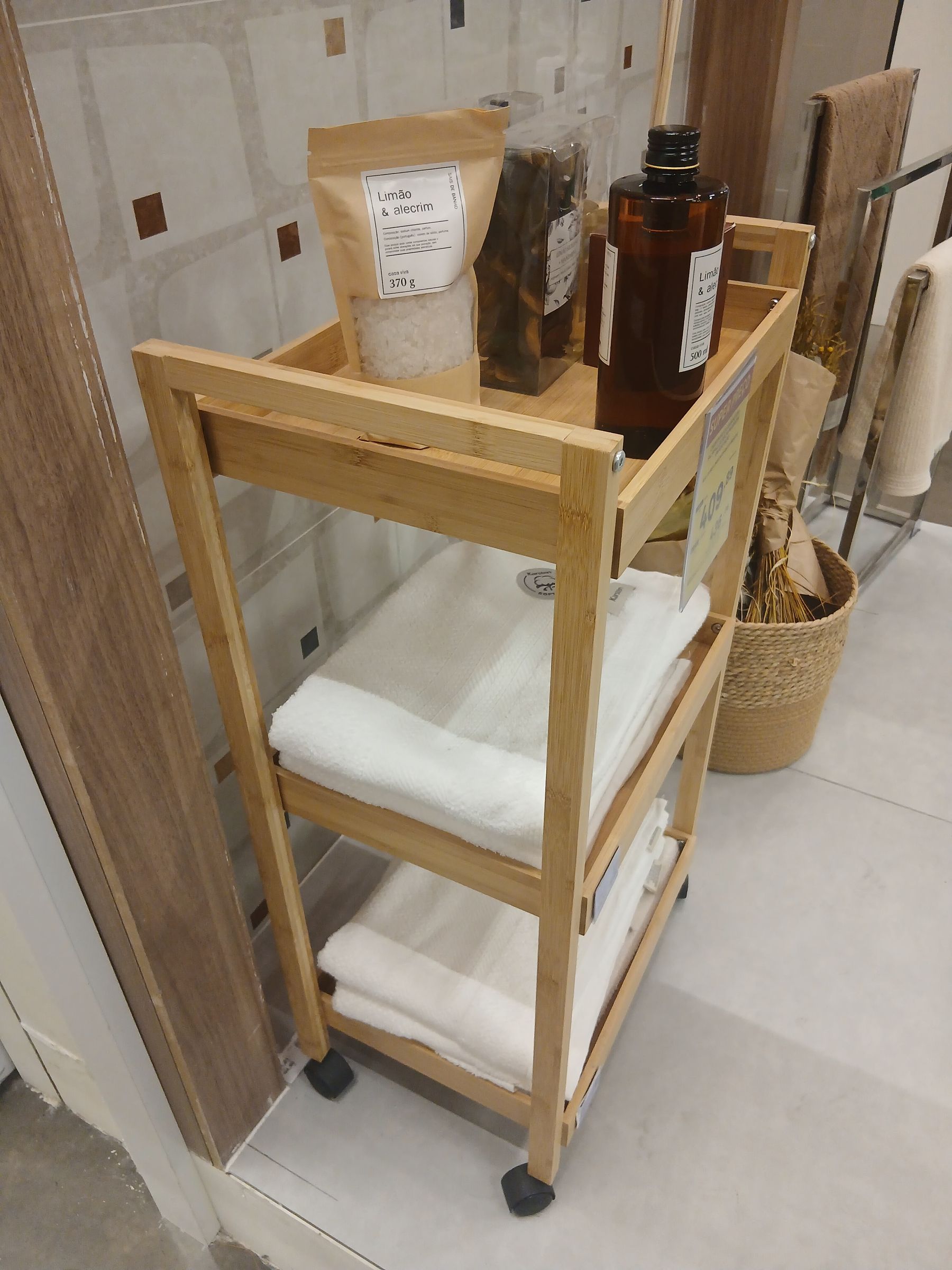
A slim cart, freestanding shelf, basket unit or over-toilet storage piece can add useful capacity without turning the walls into a mounting project. Keep depth modest so the new storage does not narrow circulation, and assign each piece a clear category such as towels, paper goods or daily toiletries.
Use Open Shelving Only for Easy-to-Reset Categories
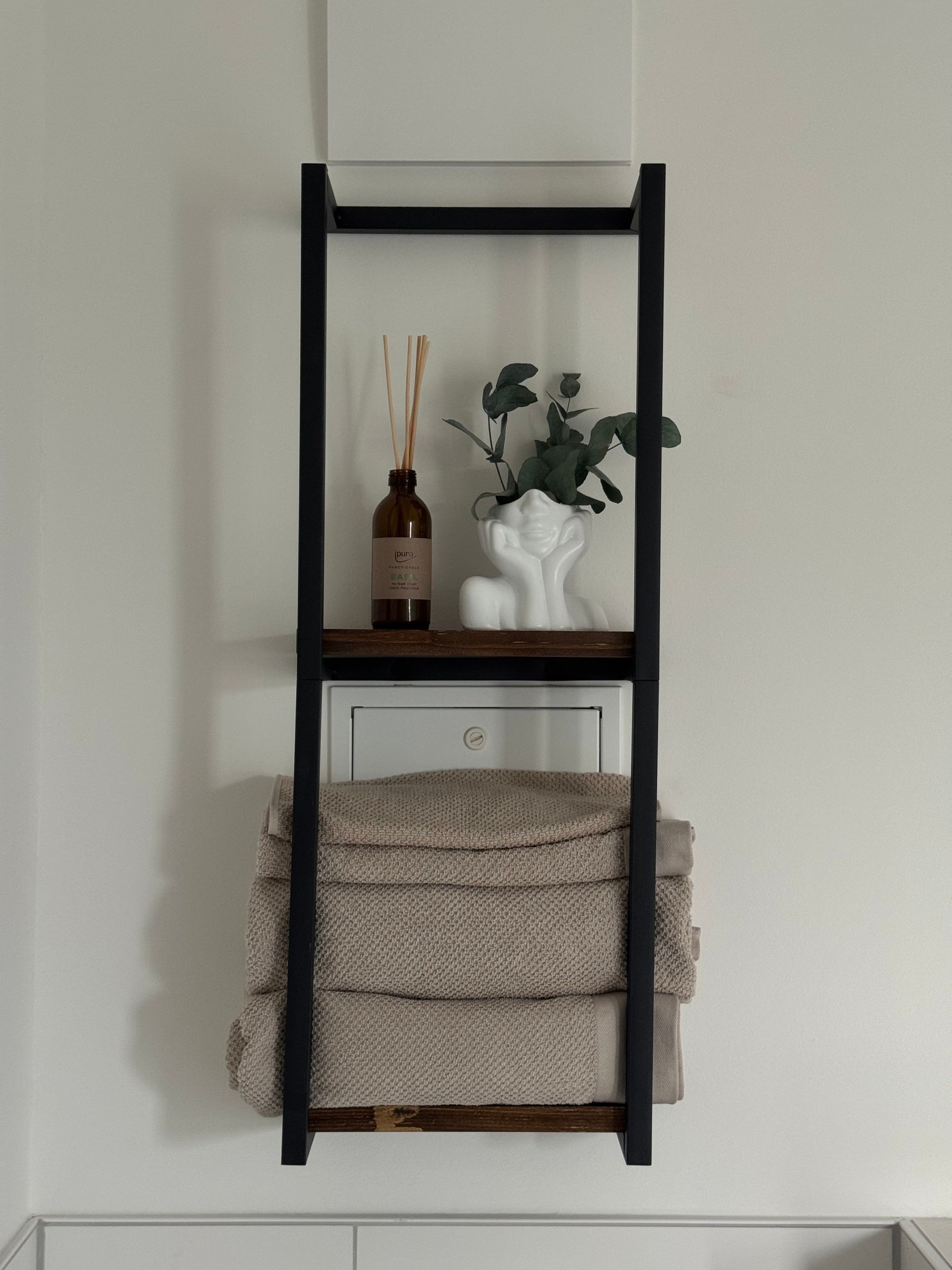
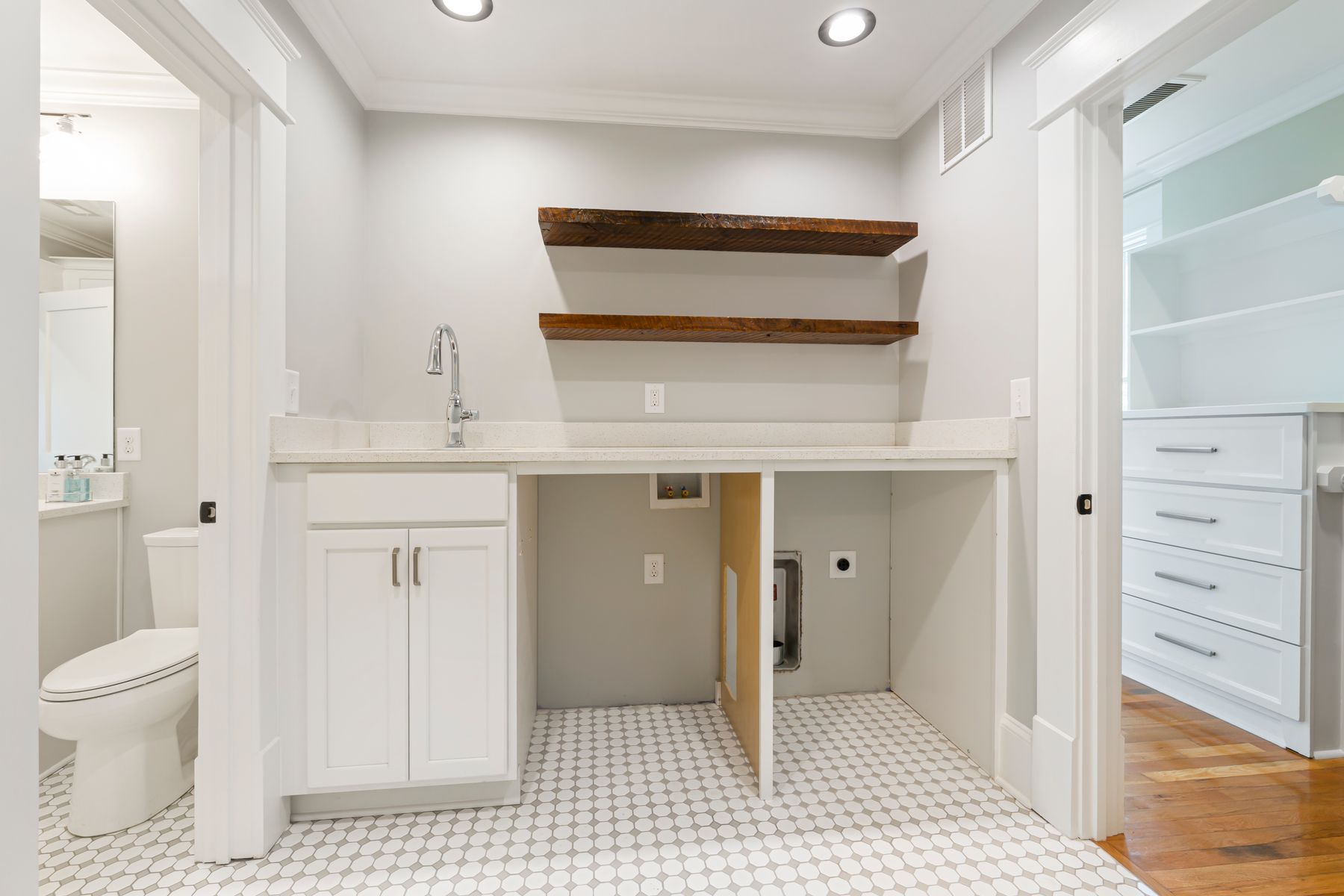
If the room already has open shelves, use them for categories that naturally stay tidy: folded towels, a few daily products or spare toilet paper. Rental bathrooms often have limited closed storage, so visible shelving can quickly become crowded. Move backups and mixed packaging into baskets or another storage zone.
Change Color Through Textiles First
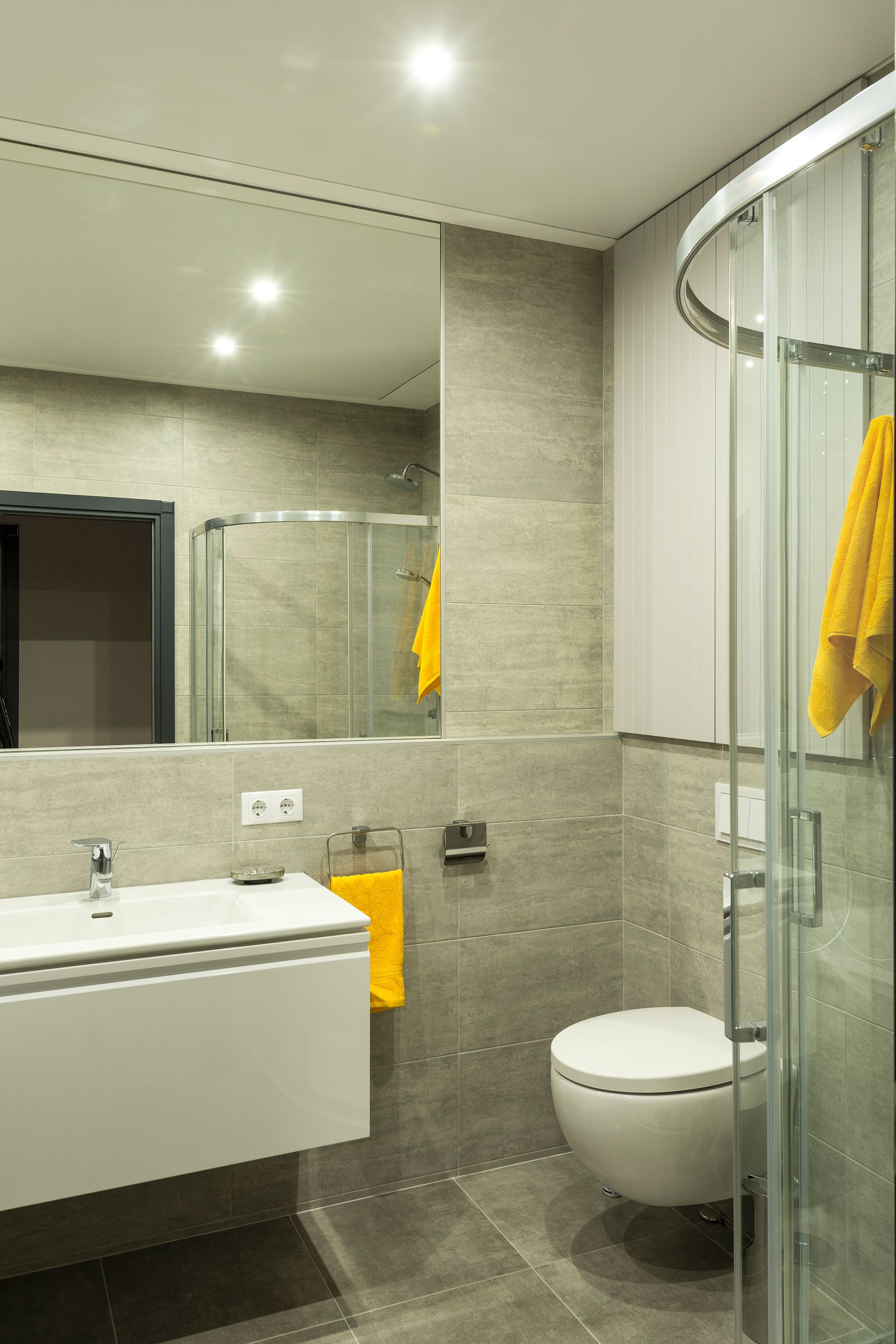
Towels, a shower curtain and a bath mat can change the palette without touching tile, cabinetry or paint. Use one color family rather than several unrelated accents so the room feels edited. Choose a bath mat with a stable nonslip backing and keep loose textiles out of the main wet walking path.
Use Removable Wall Treatments in Dry Zones
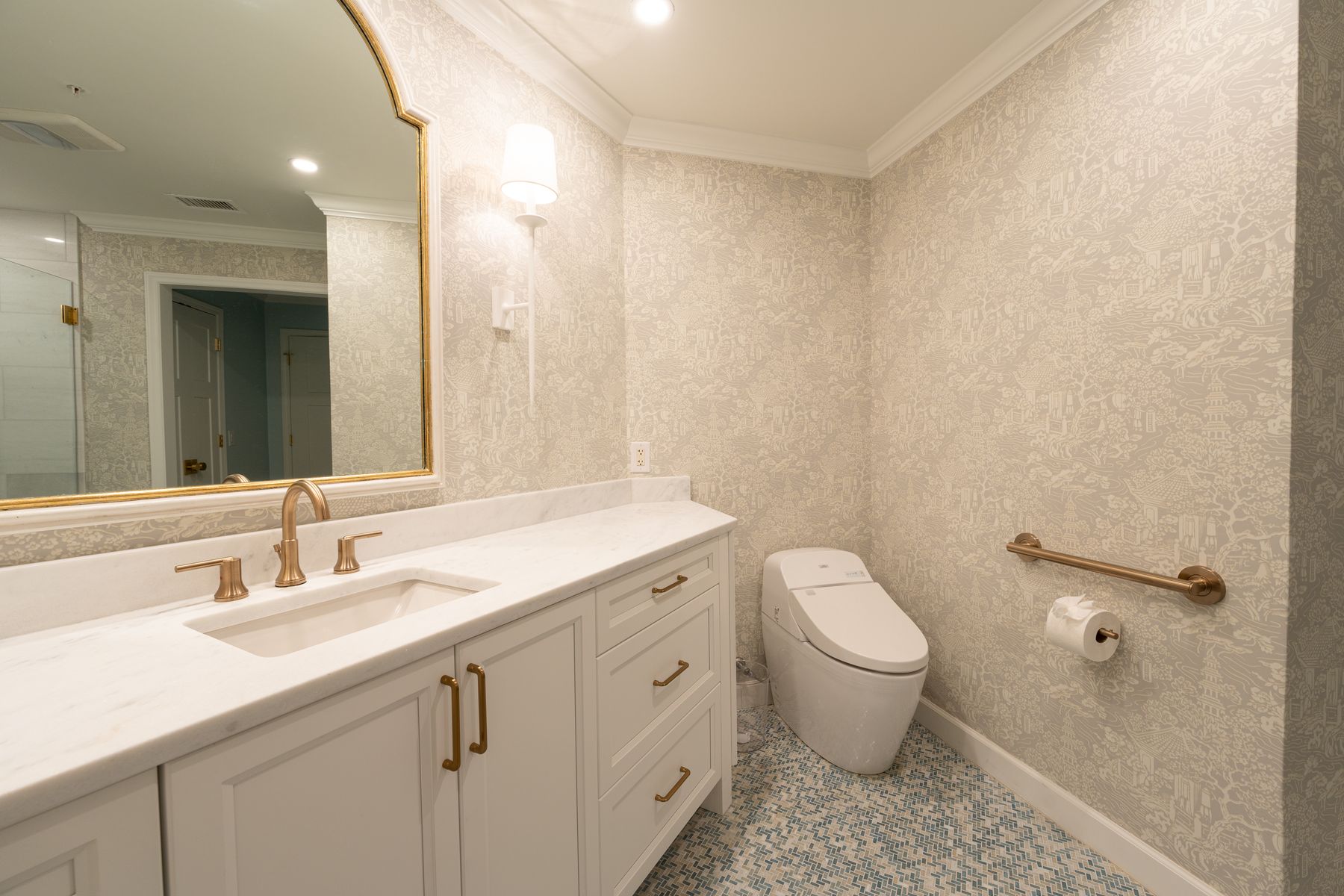
Peel-and-stick wallpaper or removable decals can add pattern on a relatively dry wall, but they are not universal solutions for every bathroom. Humidity, paint condition and adhesive strength affect how cleanly a product can be removed. Keep removable finishes away from direct shower spray and test the exact product before covering a large area.
Make the Shower Curtain Do More Work
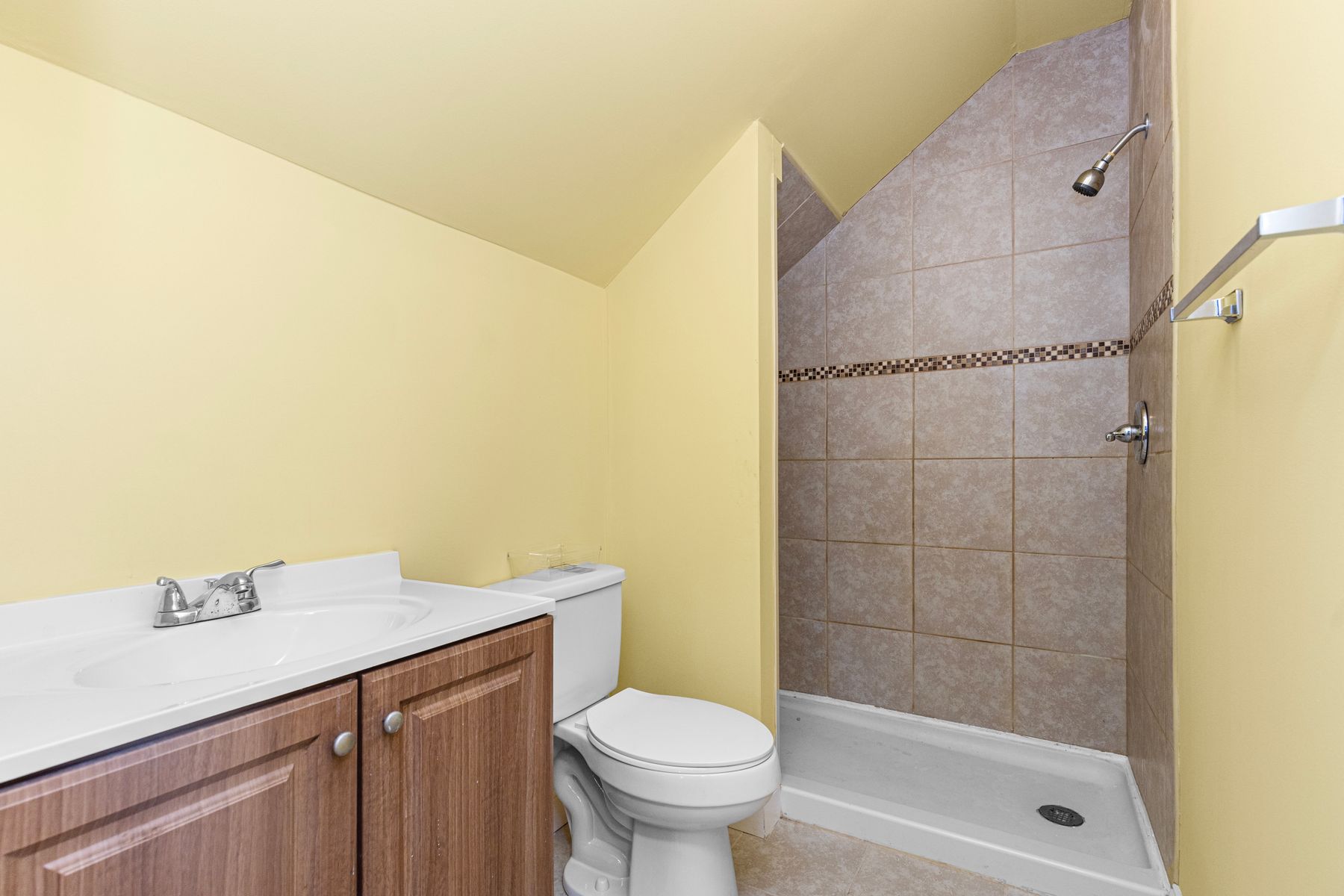
When the room has a tub or open shower with a curtain, the curtain becomes one of the largest changeable surfaces. A simple stripe, solid color or restrained pattern can cover dated tile visually without altering it. Keep the liner practical and make sure the curtain can dry properly between uses.
Organize the Counter Before Decorating It
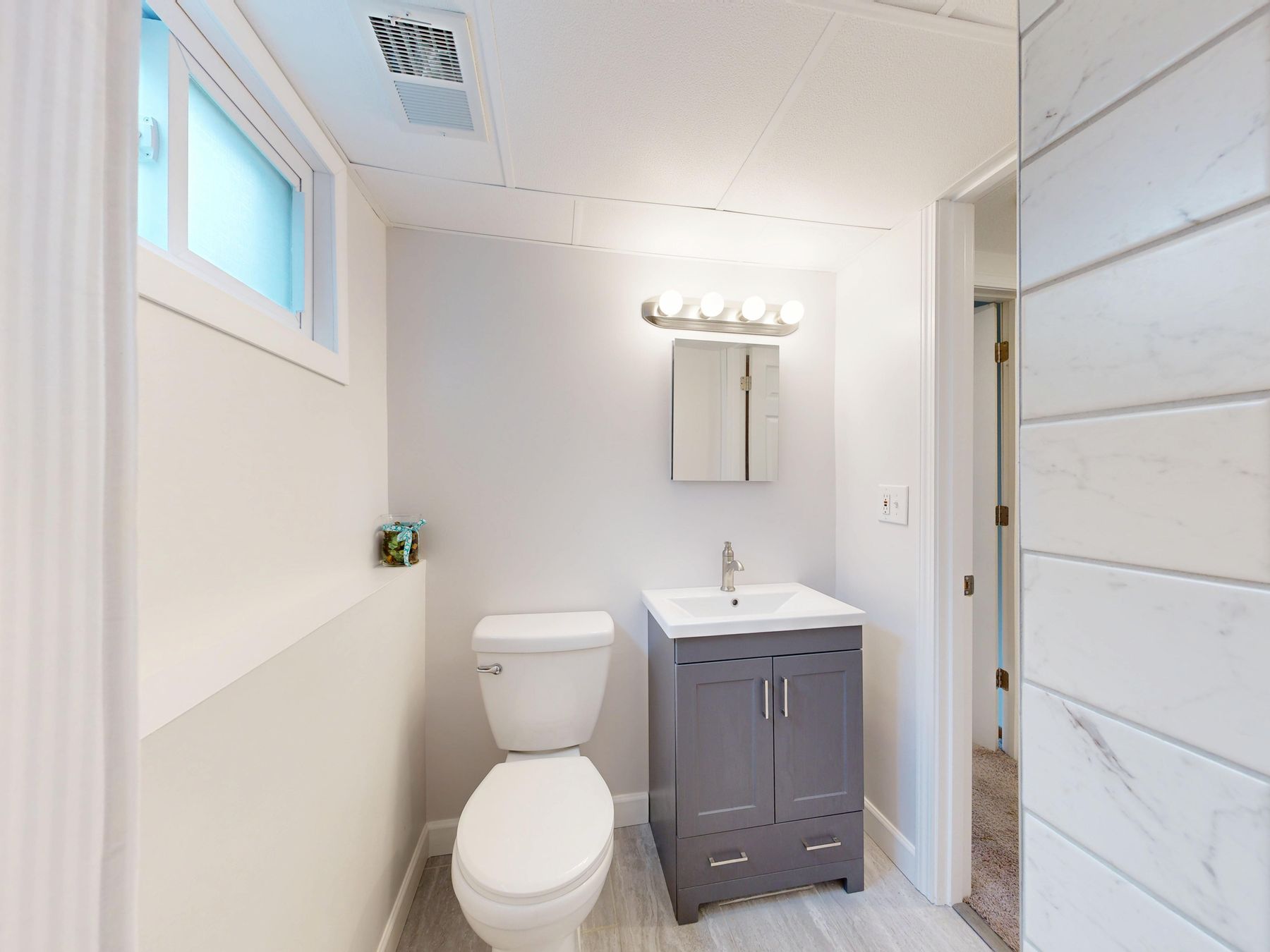
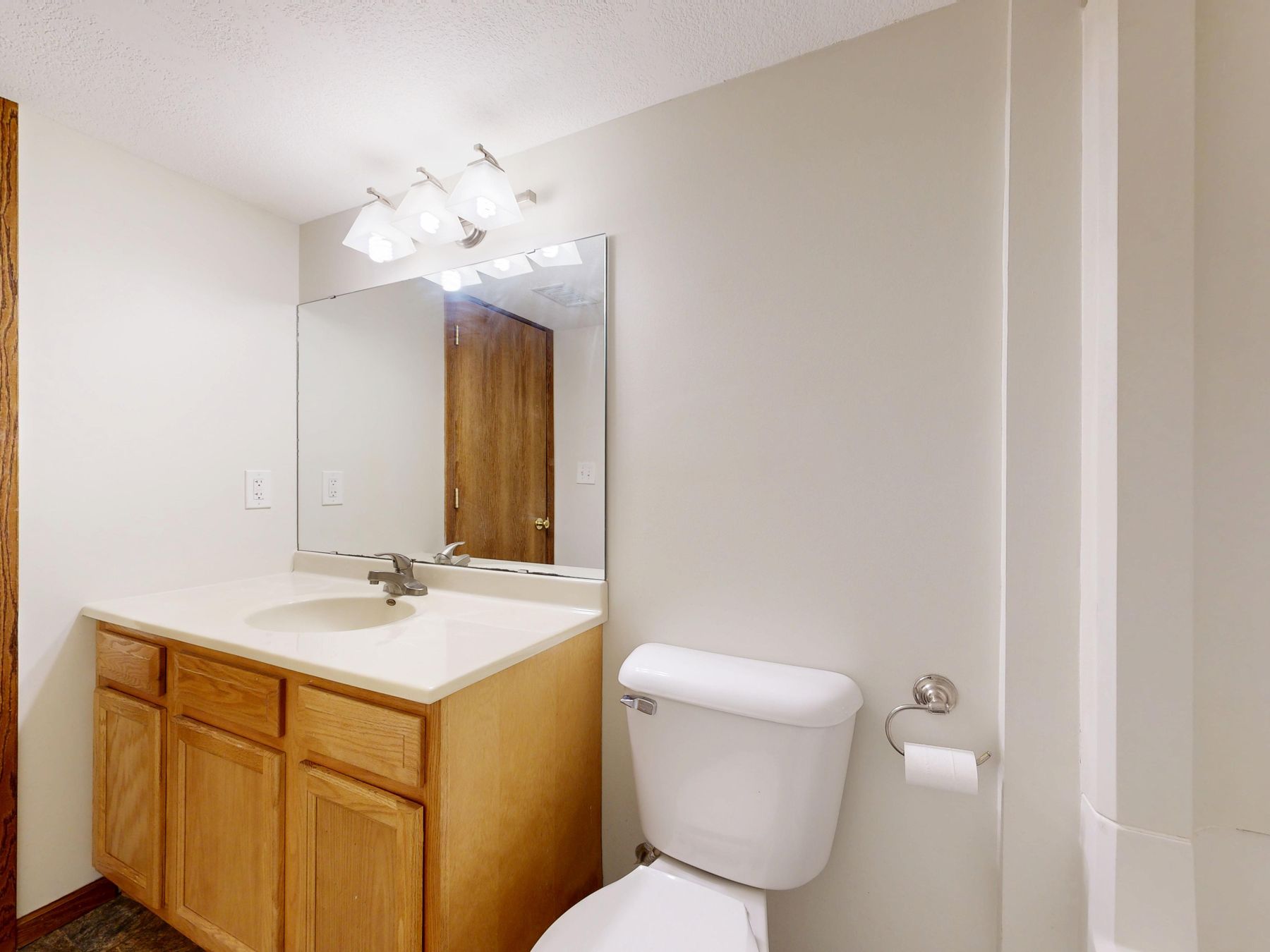
Rental vanities are often small, so the fastest improvement is reducing the number of items left around the sink. Group daily products in one tray or drawer insert and move backups elsewhere. A clearer counter usually makes the bathroom feel more finished than adding several decorative objects.
Use Mirrors to Improve Light Without Changing Wiring
If the existing lighting is acceptable but the room still feels dim, a larger or better-positioned mirror can reflect daylight and existing fixtures more effectively. In a rental, use the existing mounting points where possible and confirm permission before drilling or replacing a fixed mirror.
Add Freestanding Character Instead of Permanent Detail
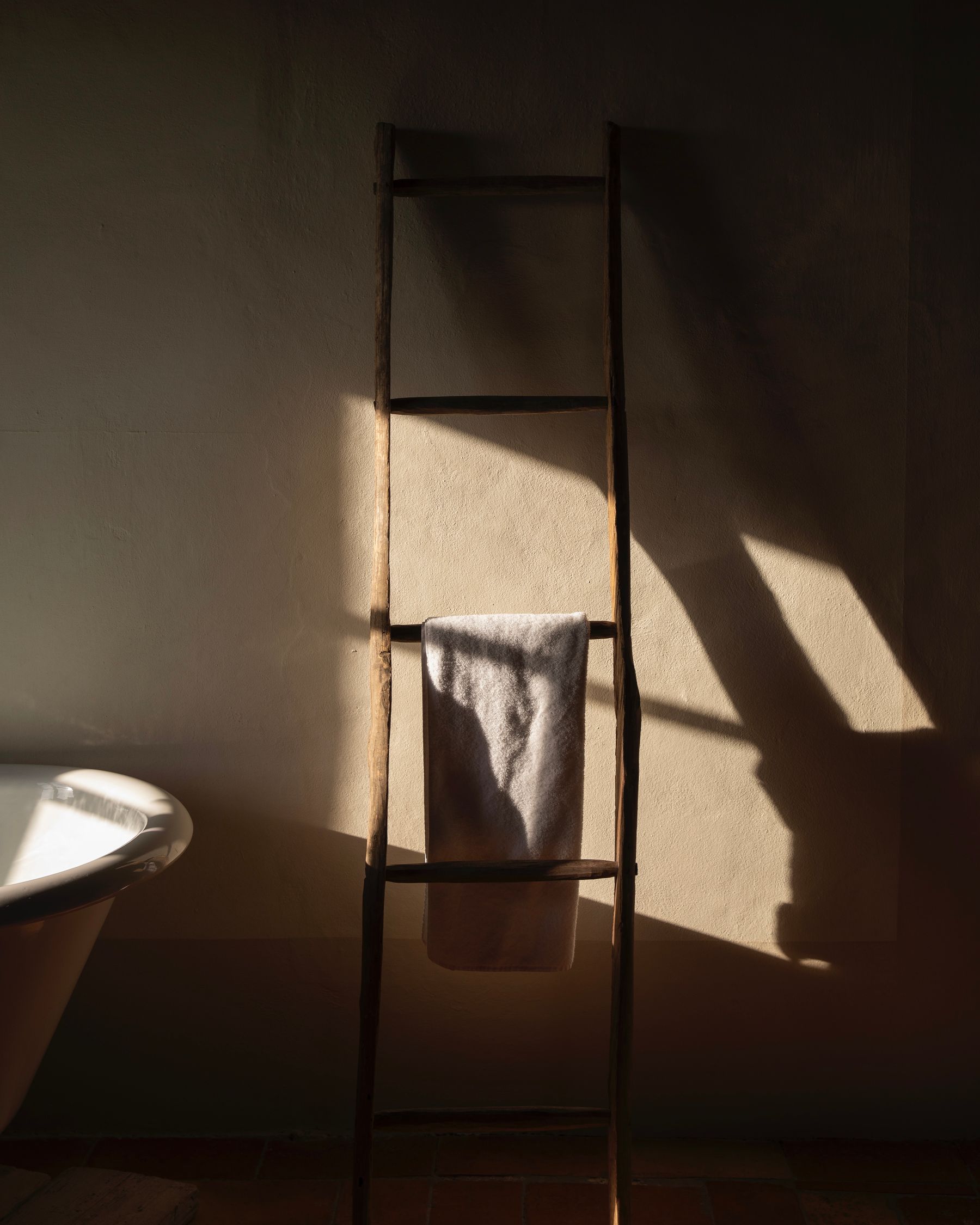
A towel ladder, small stool, narrow side table or basket can add material and personality without changing built-in fixtures. Keep freestanding pieces away from splash zones and make sure they do not create a trip hazard or crowd the path to the toilet, vanity or shower.
Plan the Bathroom So It Can Reset Quickly
The most successful rental bathroom is easy to return to a calm baseline after use. Give towels, toiletries and cleaning supplies obvious homes and avoid adding more containers than the room needs. Reversible design works best when it makes the routine simpler, not when it creates another layer of temporary clutter.