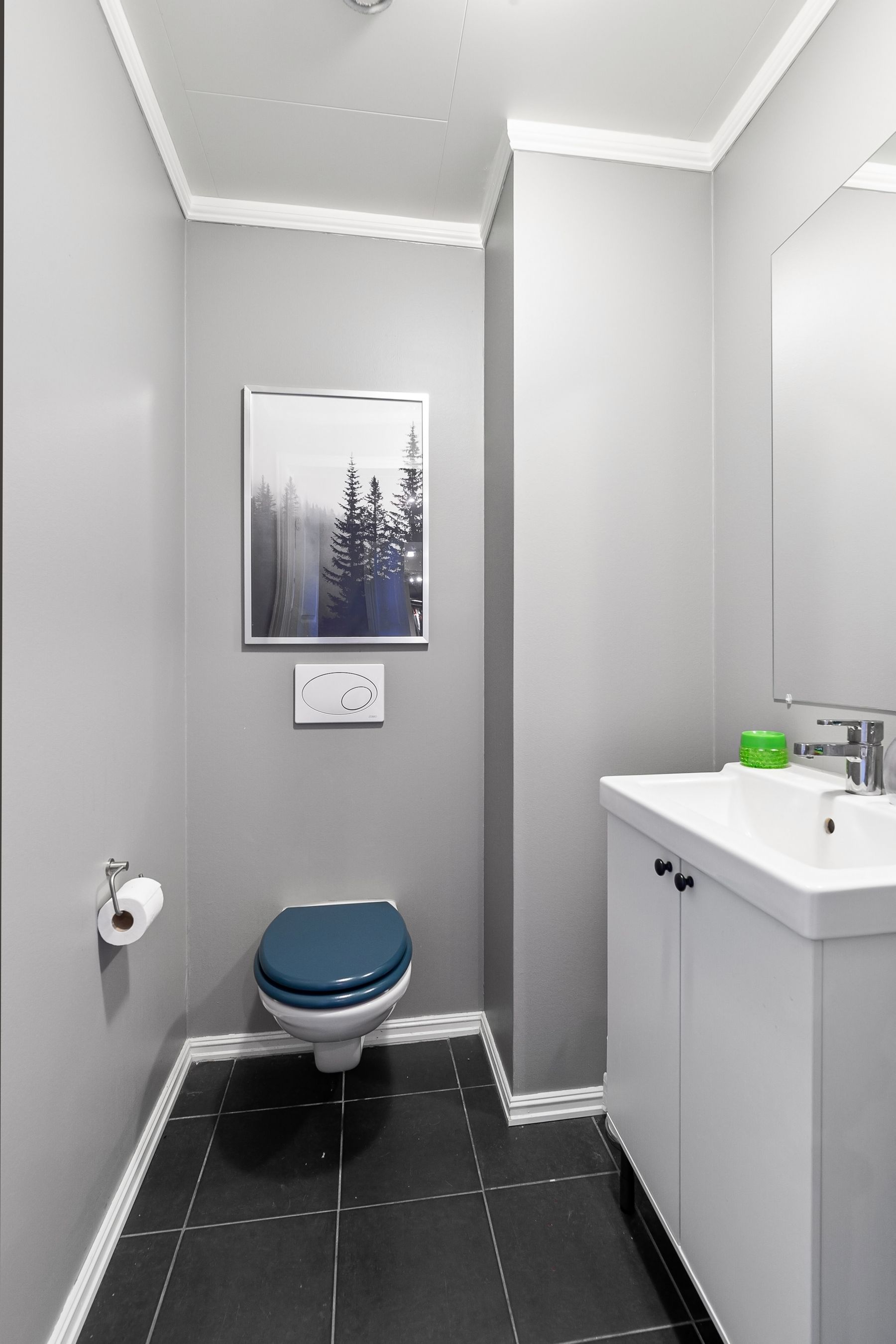
Plan the Busiest Ten Minutes First
A family bathroom often fails because several useful fixtures still compete for the same path at the same time. Map the morning or bedtime routine: who needs the sink, who is bathing, where towels are collected and where someone waits. Protect the main route before adding furniture or extra storage so two activities can happen without constant collisions.
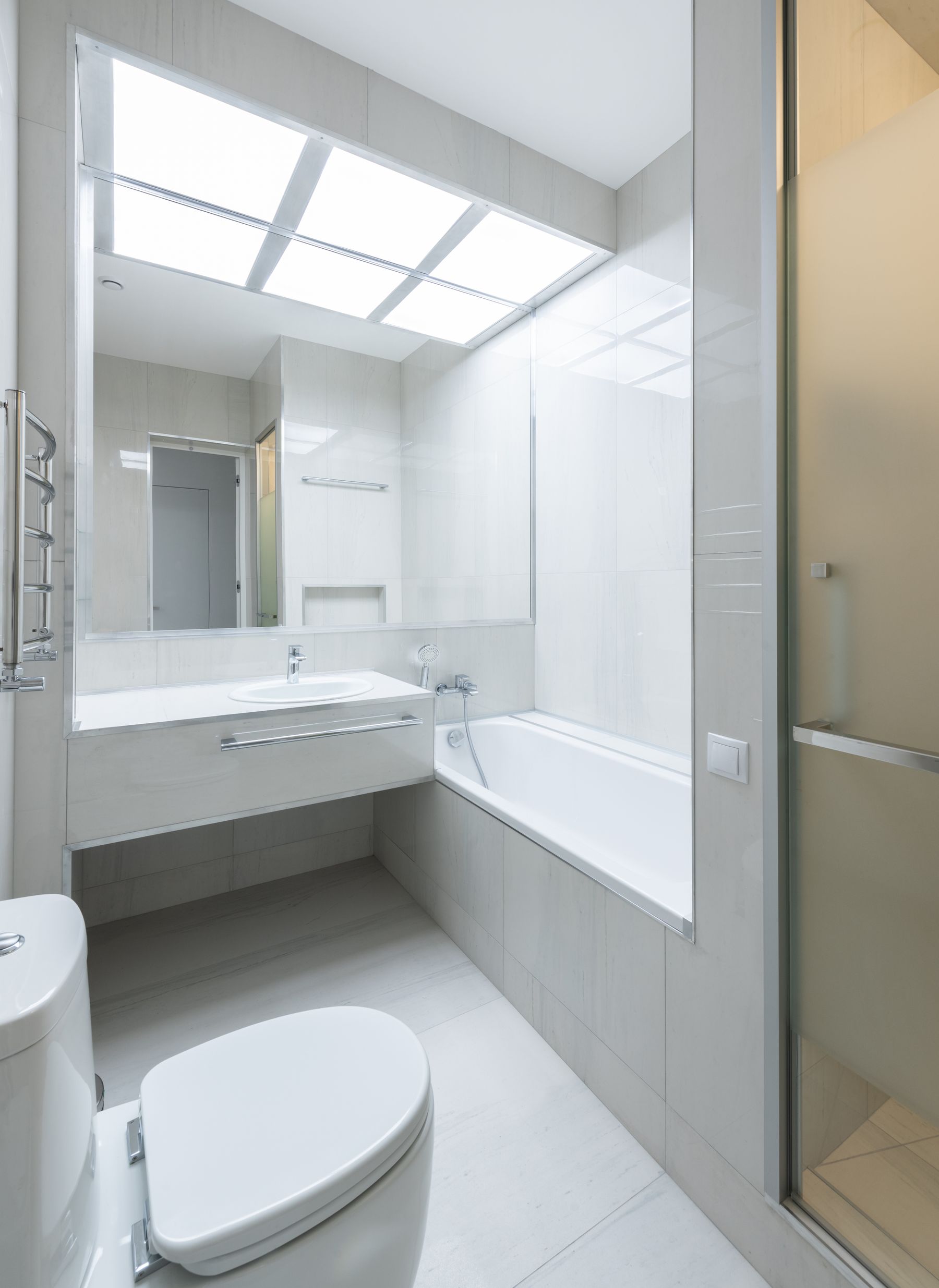
Keep a Bathtub When It Solves a Real Family Routine
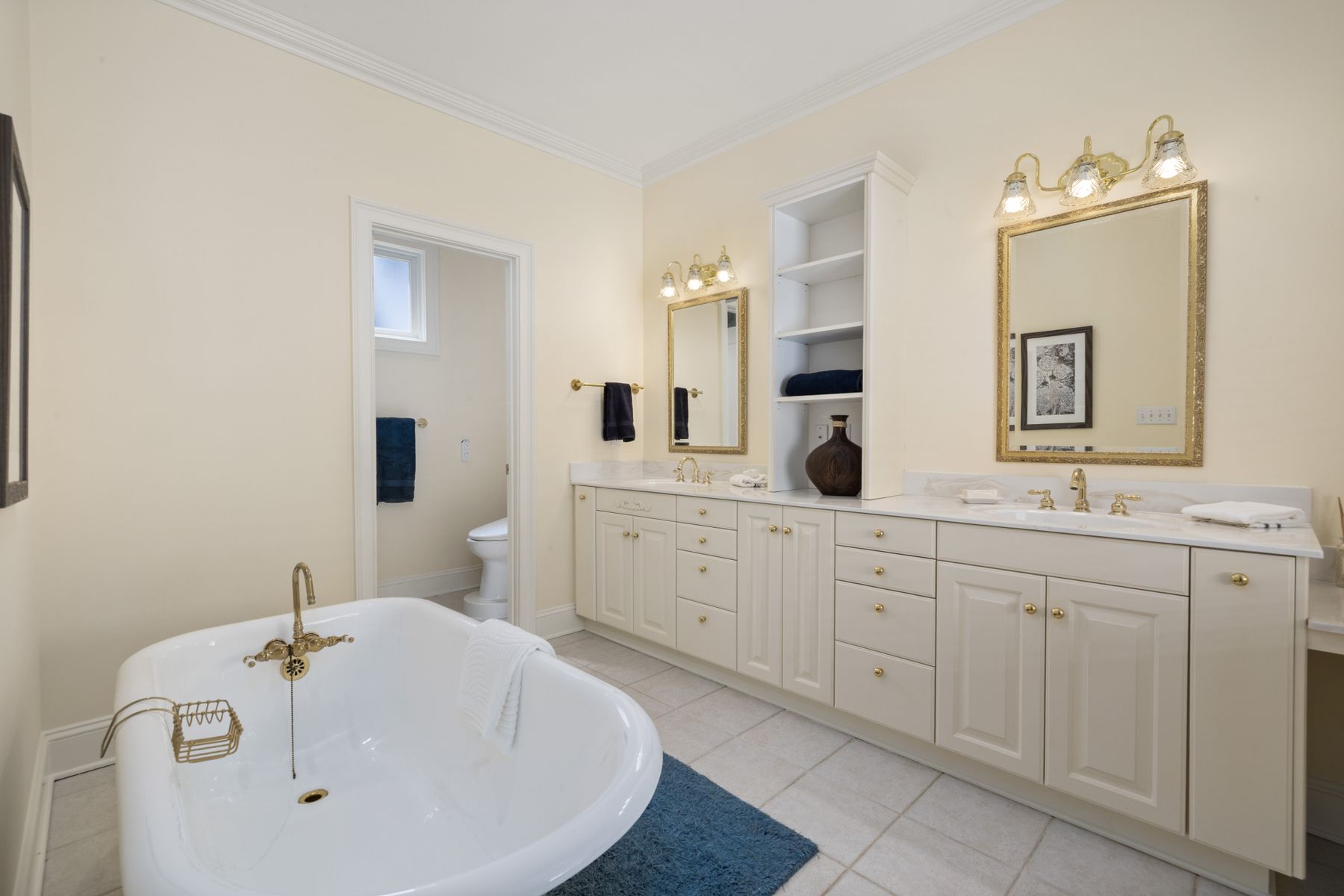
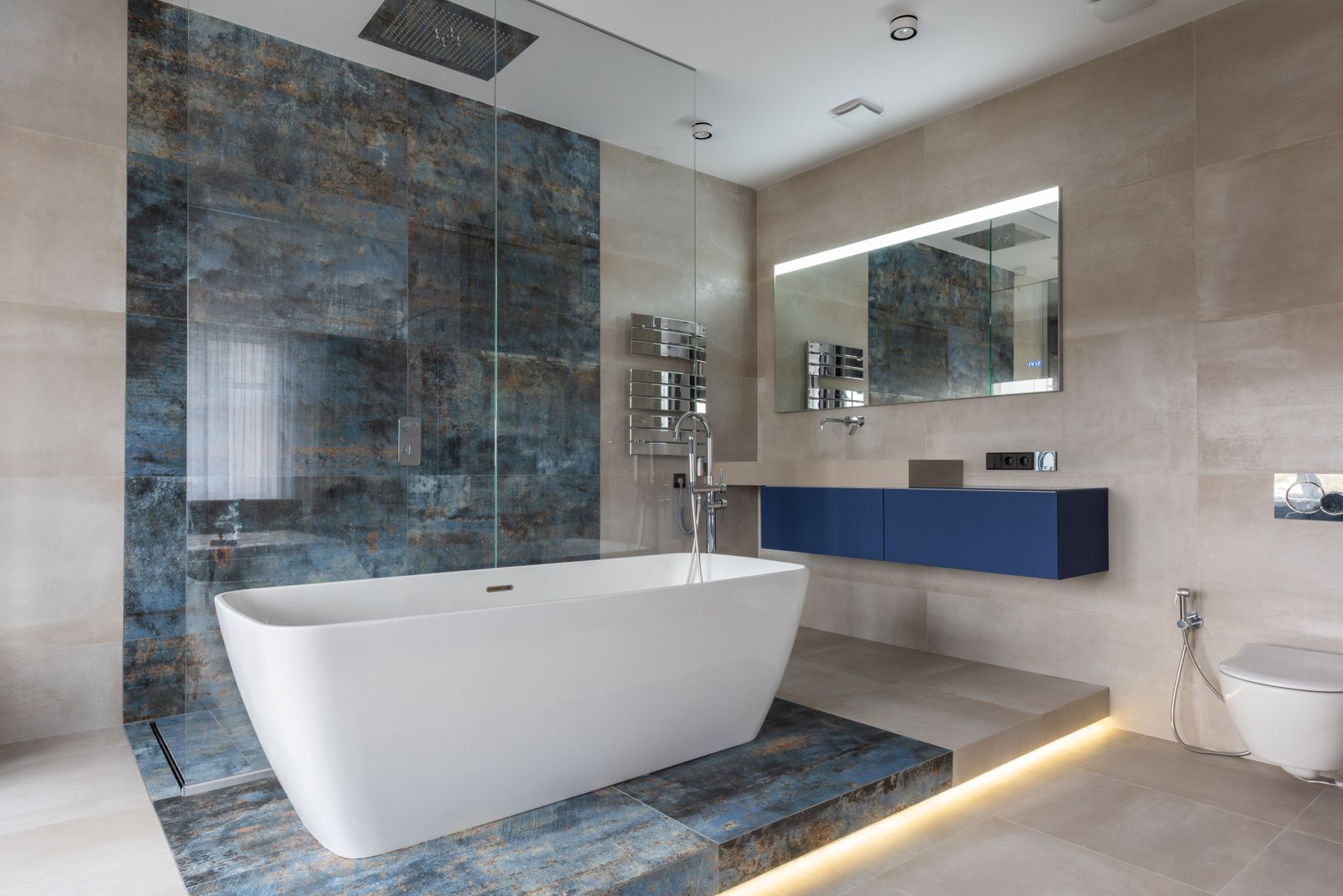
A bathtub can be valuable for bathing younger children, soaking laundry items or serving households that genuinely use it. It should still have easy access, practical controls and a nearby place for towels and bath products. If the tub is rarely used, a larger shower may become more useful as household routines change.
Make the Shower Easy to Share and Easy to Clean
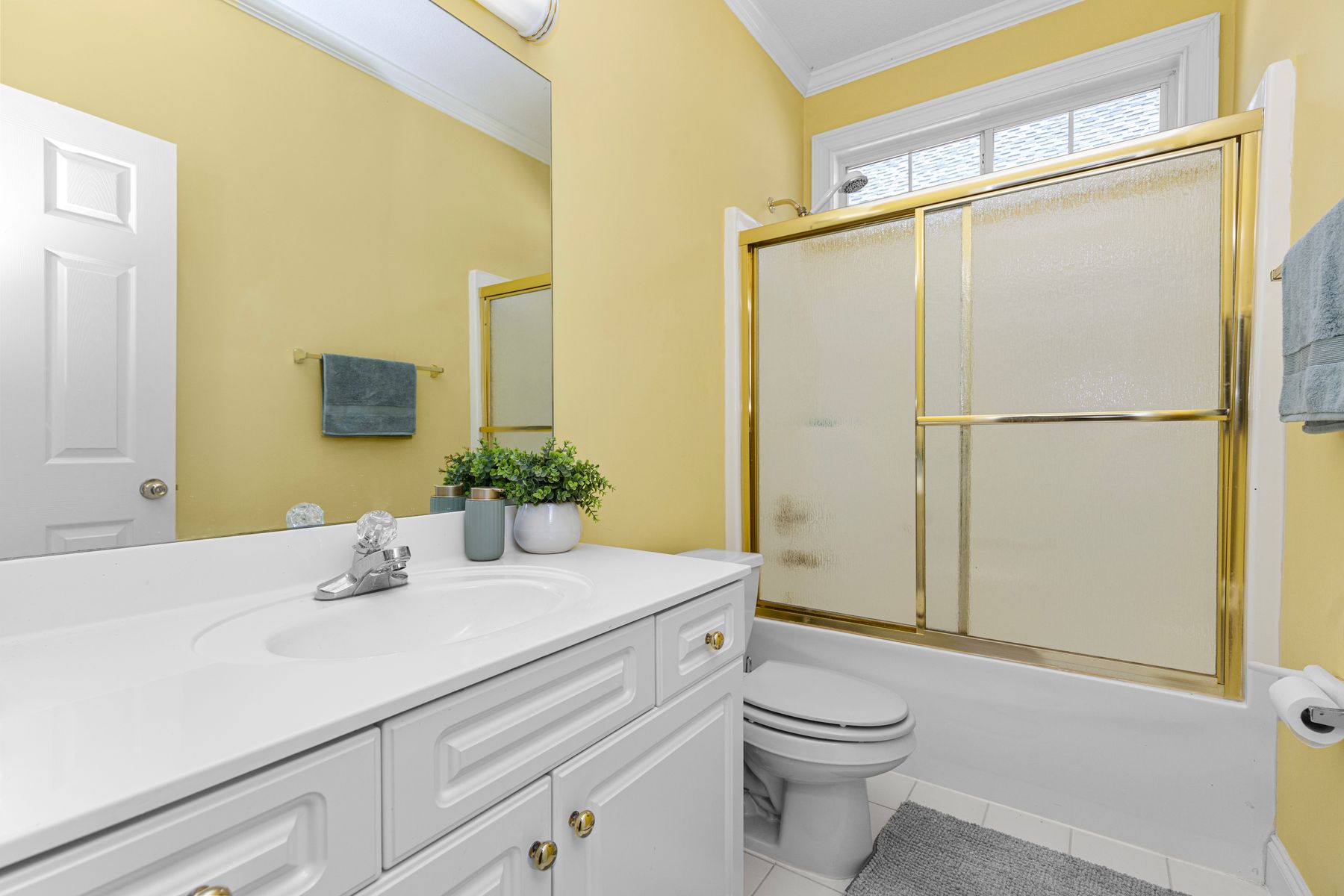
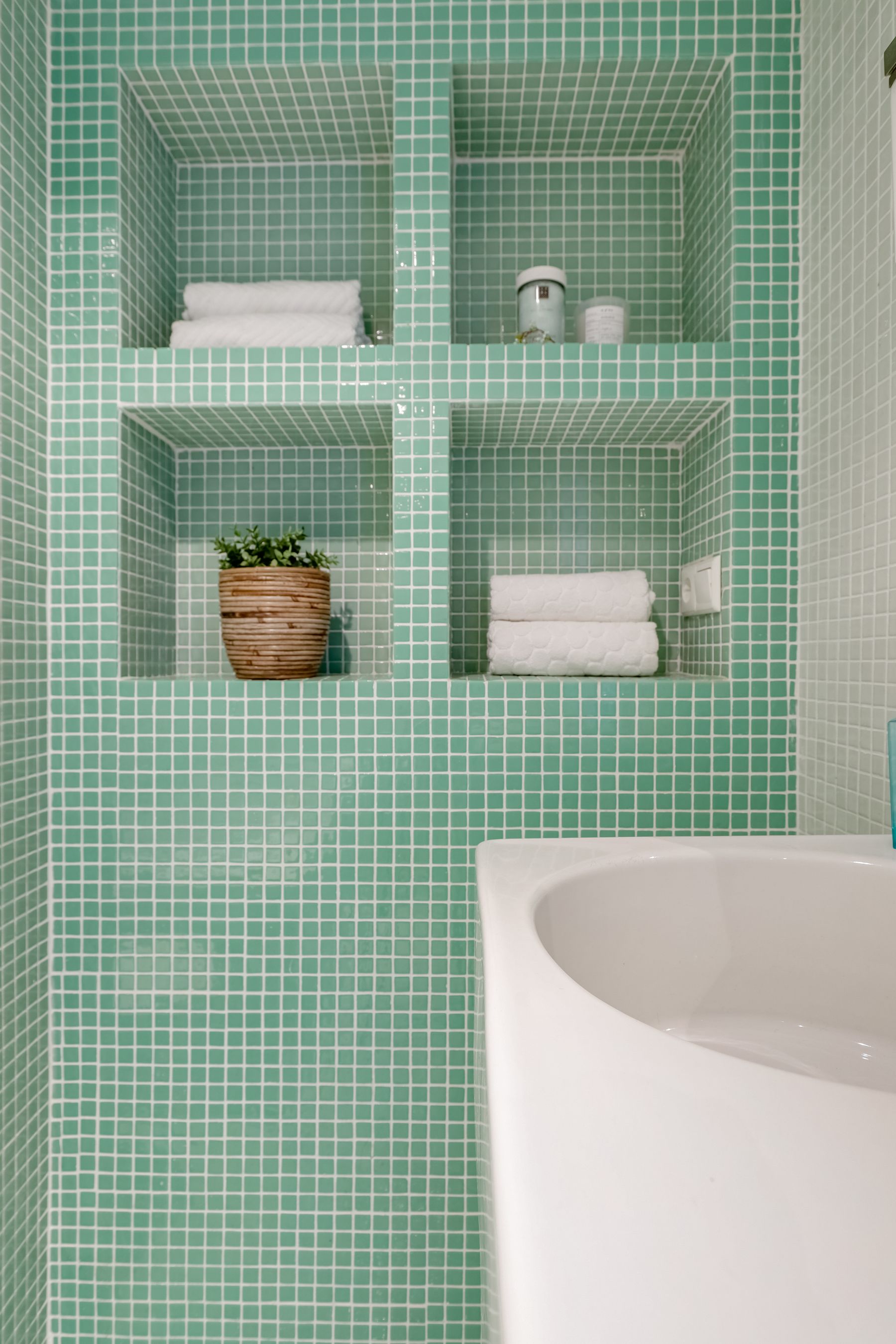
A straightforward shower with clear controls, enough shelf space and restrained glass or curtain hardware is easier for several users to understand and maintain. Keep bottles contained in one practical zone and avoid creating a series of narrow ledges that collect water and products. Waterproofing, drainage and glass should be resolved for the exact installation.
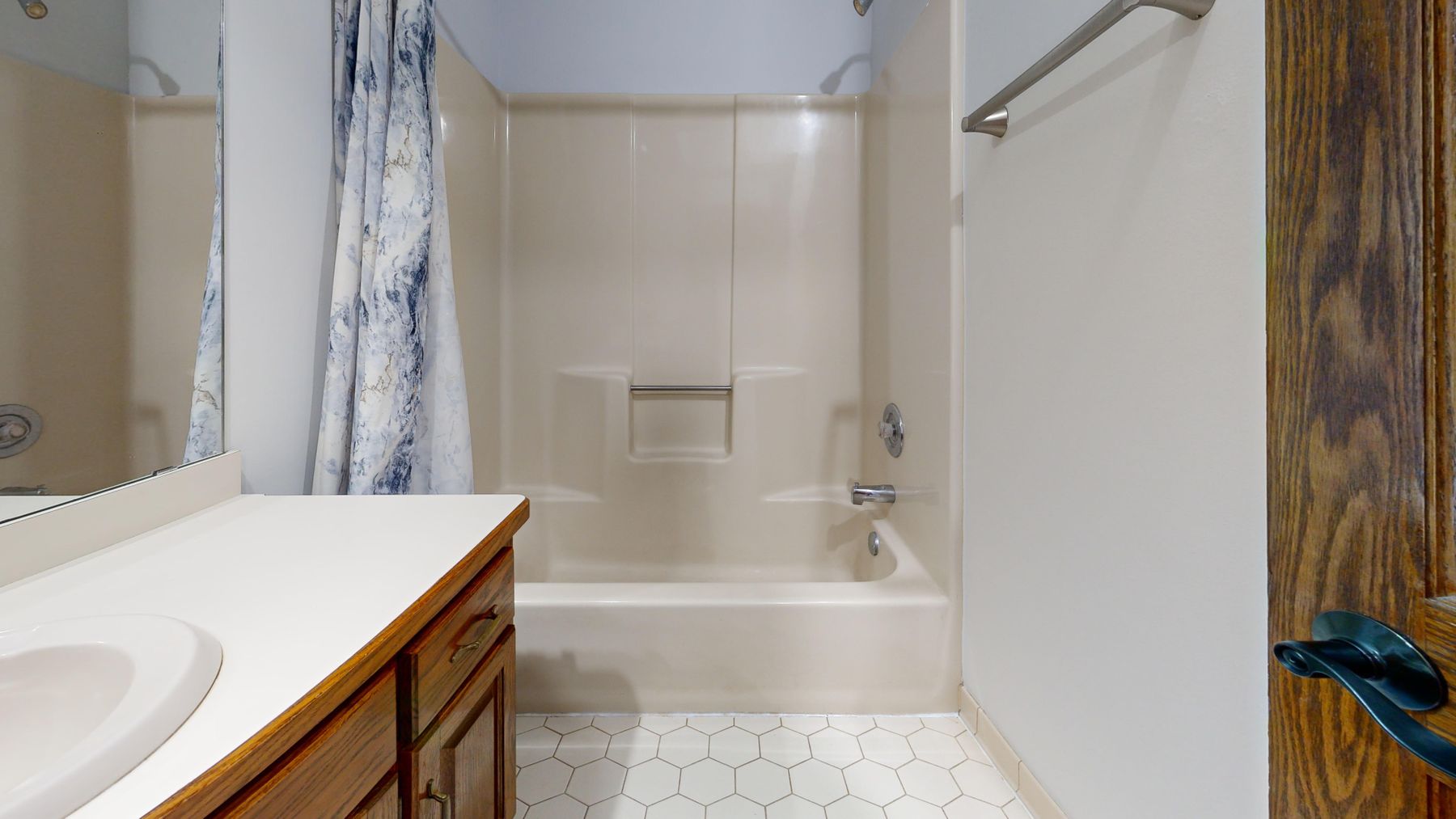
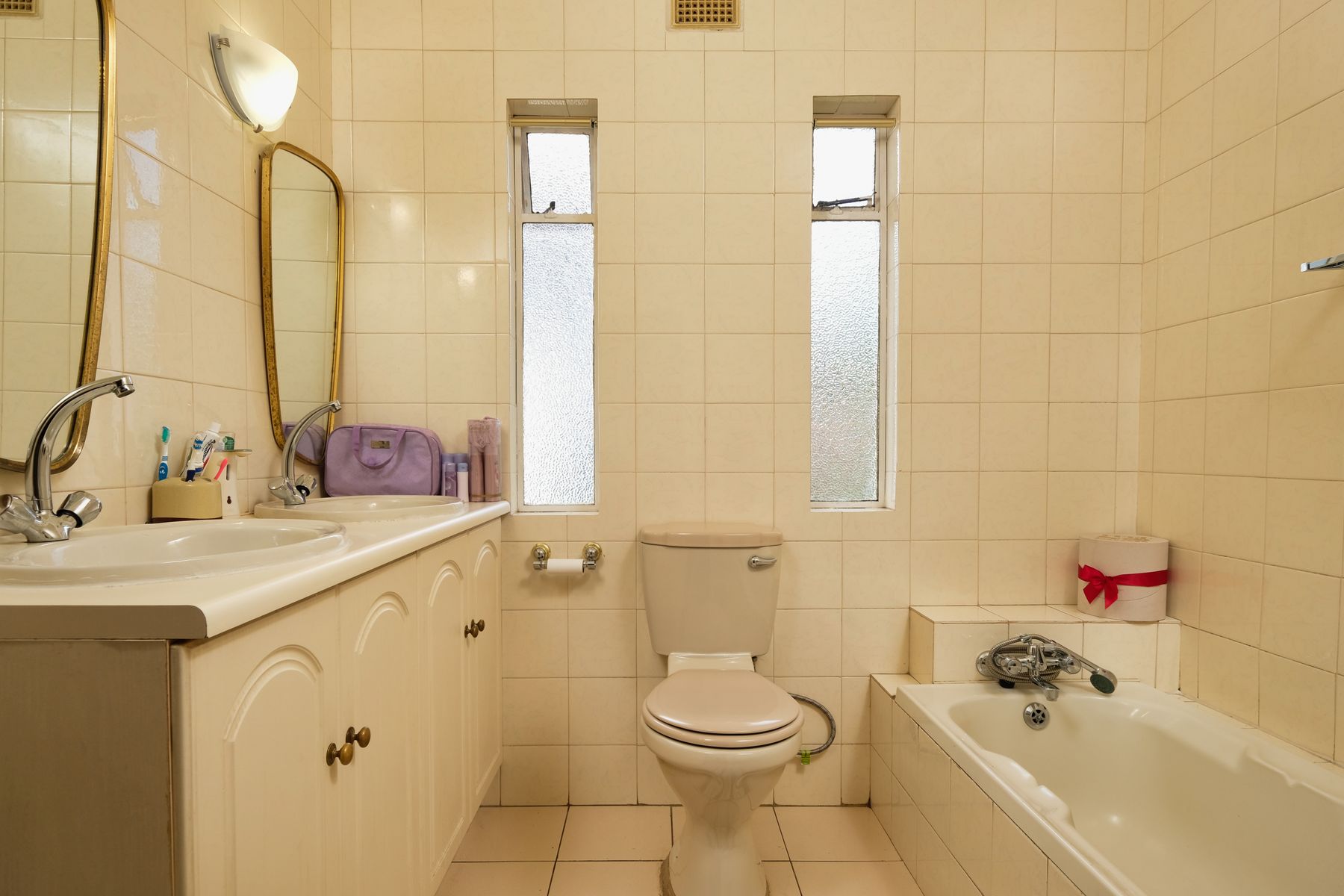
Choose Vanity Width From Shared Use, Not Symmetry
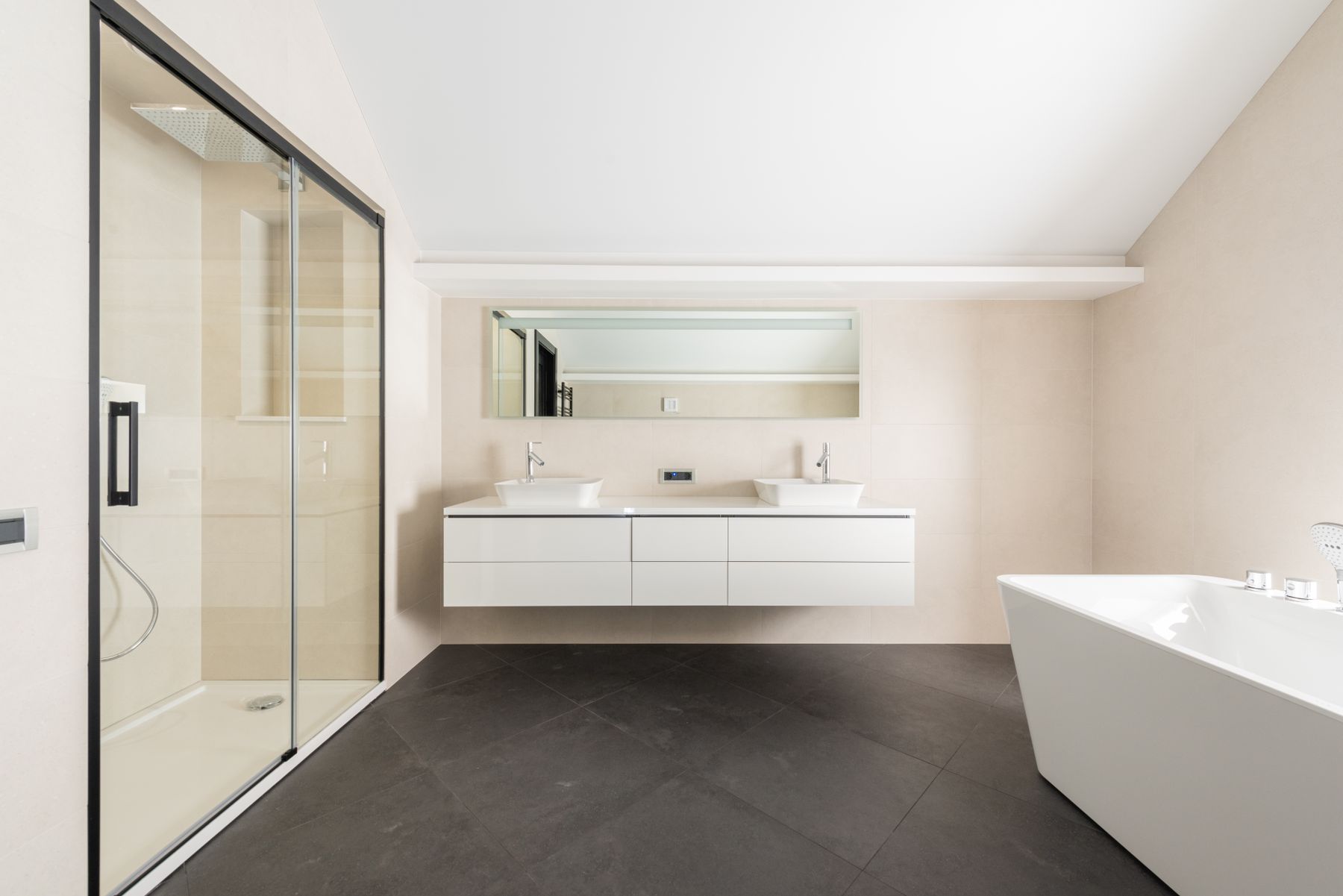
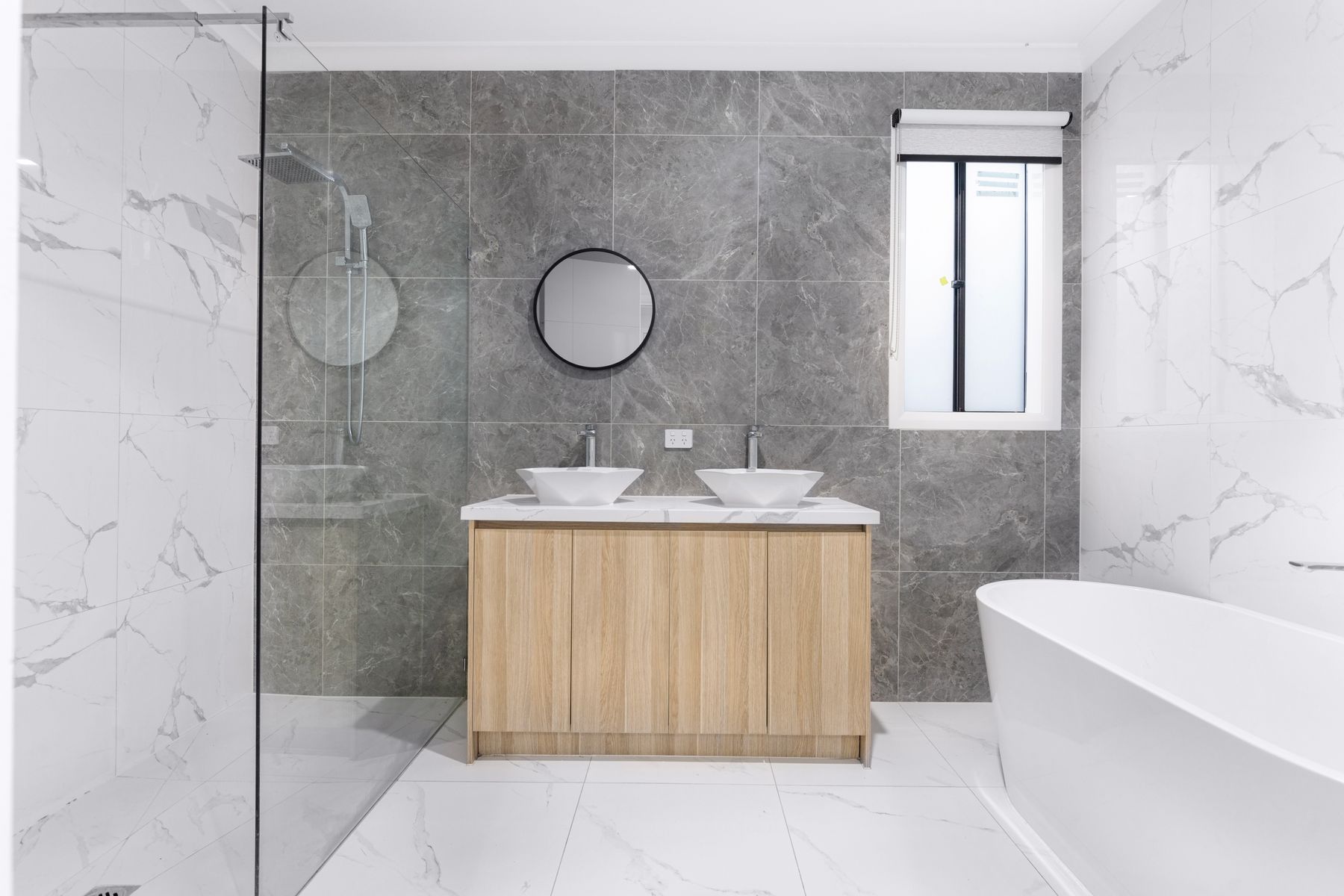
Two sinks can help when two people genuinely need the vanity at once, but they also reduce continuous counter and drawer space. A single wider sink may work better for a family that needs room for toothbrushes, hair tools and step-up access. The strongest vanity layout follows the routine rather than the assumption that a shared bathroom needs matching basins.
Divide Storage by Person and Activity
Family storage becomes easier to maintain when daily toiletries are divided into predictable zones rather than mixed into one large cabinet. Give each person or routine a drawer, bin or shelf, then keep towels and bulk backups in separate shared storage. The system should be simple enough that items can be returned without extra sorting.
Create One Reliable Towel Zone
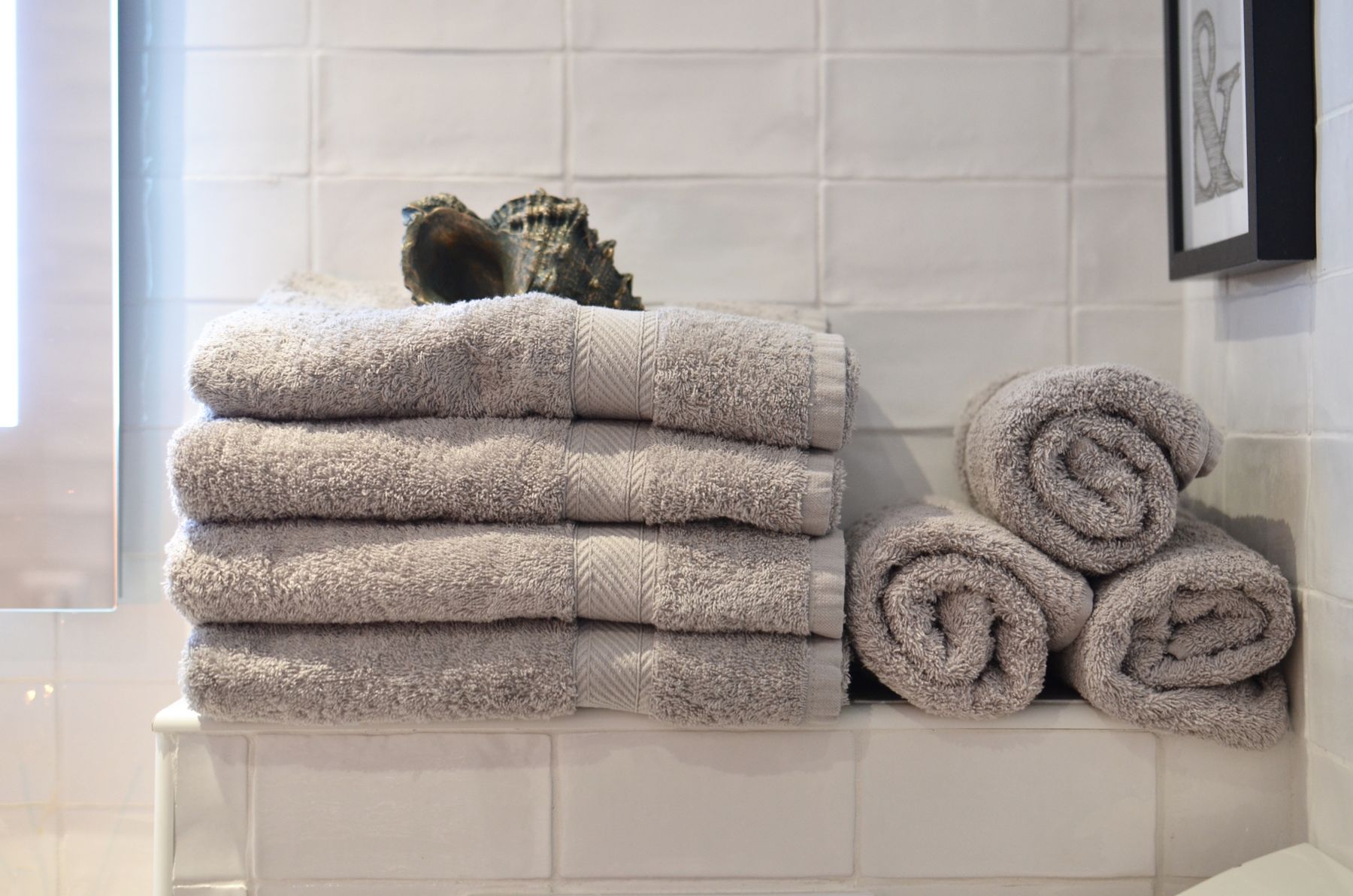
A family bathroom can accumulate damp towels quickly, so give active towels a clear drying location and keep clean backups together. Several scattered hooks may look flexible but can make the room feel untidy if they are not tied to the actual bathing route. Prioritize airflow and easy reach from the bath or shower.
Use Durable Surfaces Where Mess Happens Most
The sink splash area, floor around the tub and shower walls receive repeated water, toothpaste, soap and cleaning. Use bathroom-appropriate surfaces that tolerate regular wiping and keep more delicate finishes in drier zones. A family bathroom benefits from materials that look good after ordinary use, not only when freshly styled.
Use Lighting for Morning Speed and Nighttime Calm
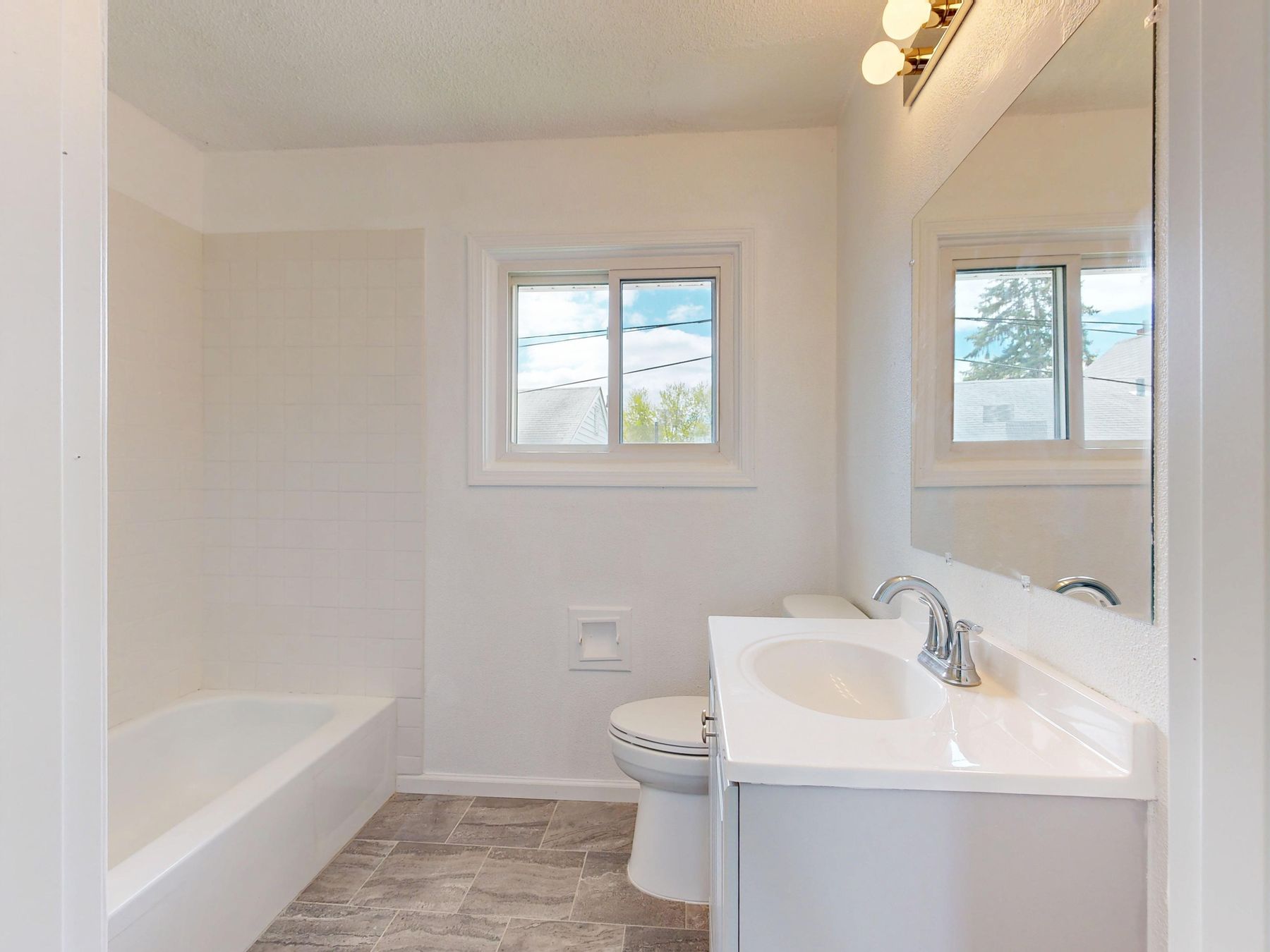
The room needs bright, useful light at the mirror and bathing zone during busy routines, but a softer secondary layer can make nighttime visits or children's bath time less harsh. Keep switches straightforward and avoid making the bathroom dependent on one decorative fitting.
Use Movable Storage for Categories That Change
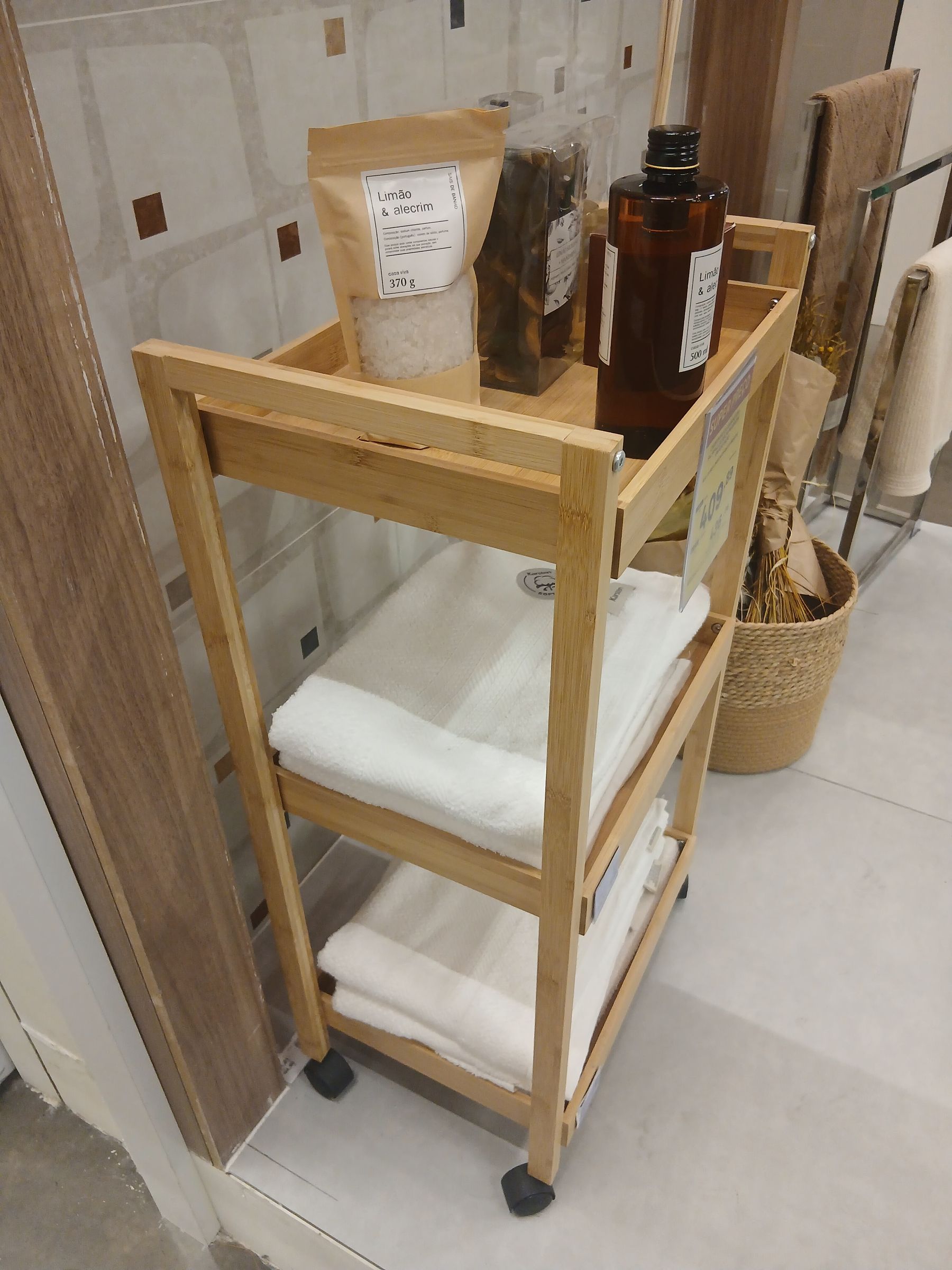
Children's bath toys, changing toiletries and temporary grooming supplies do not always deserve permanent cabinetry. A movable cart or contained basket can handle categories that evolve, provided it stays outside the main path and wettest floor area. This makes the room easier to adapt as household needs change.
Treat Laundry and Cleaning as Part of the Room
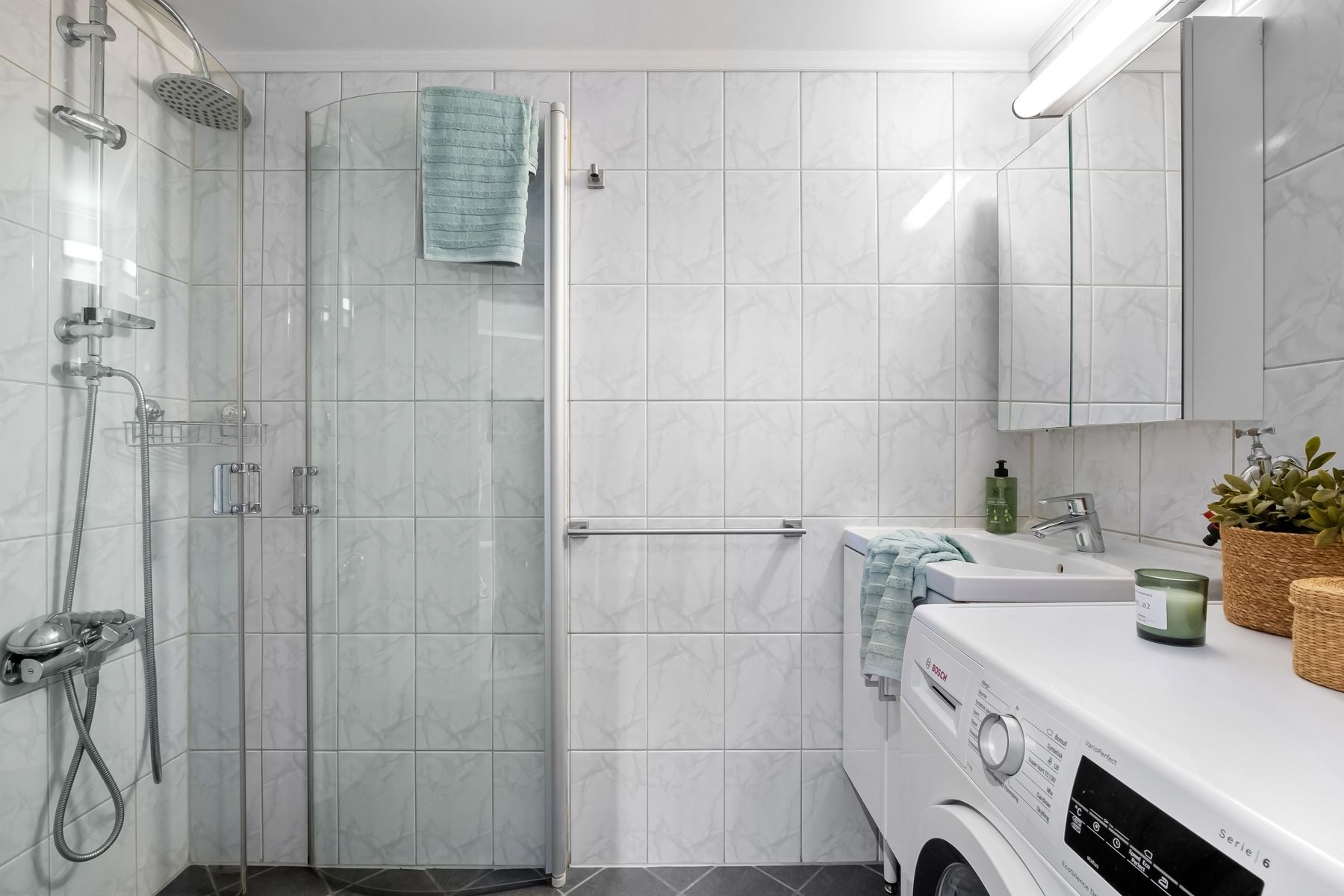
Family bathrooms generate towels, clothes and cleaning tasks every day. If laundry passes through the room, provide one contained place for it instead of letting the floor become the collection point. Cleaning products should also have a secure, practical home appropriate to the household, especially where younger children use the bathroom.