Use Open Shelves for a Few Predictable Categories
Open shelving is easiest to maintain when each shelf has a clear role: towels, daily skincare, spare toilet paper or one decorative object. Mixed categories create visual noise and make cleaning harder. Keep the number of visible product types low and move bulk backups to closed storage.
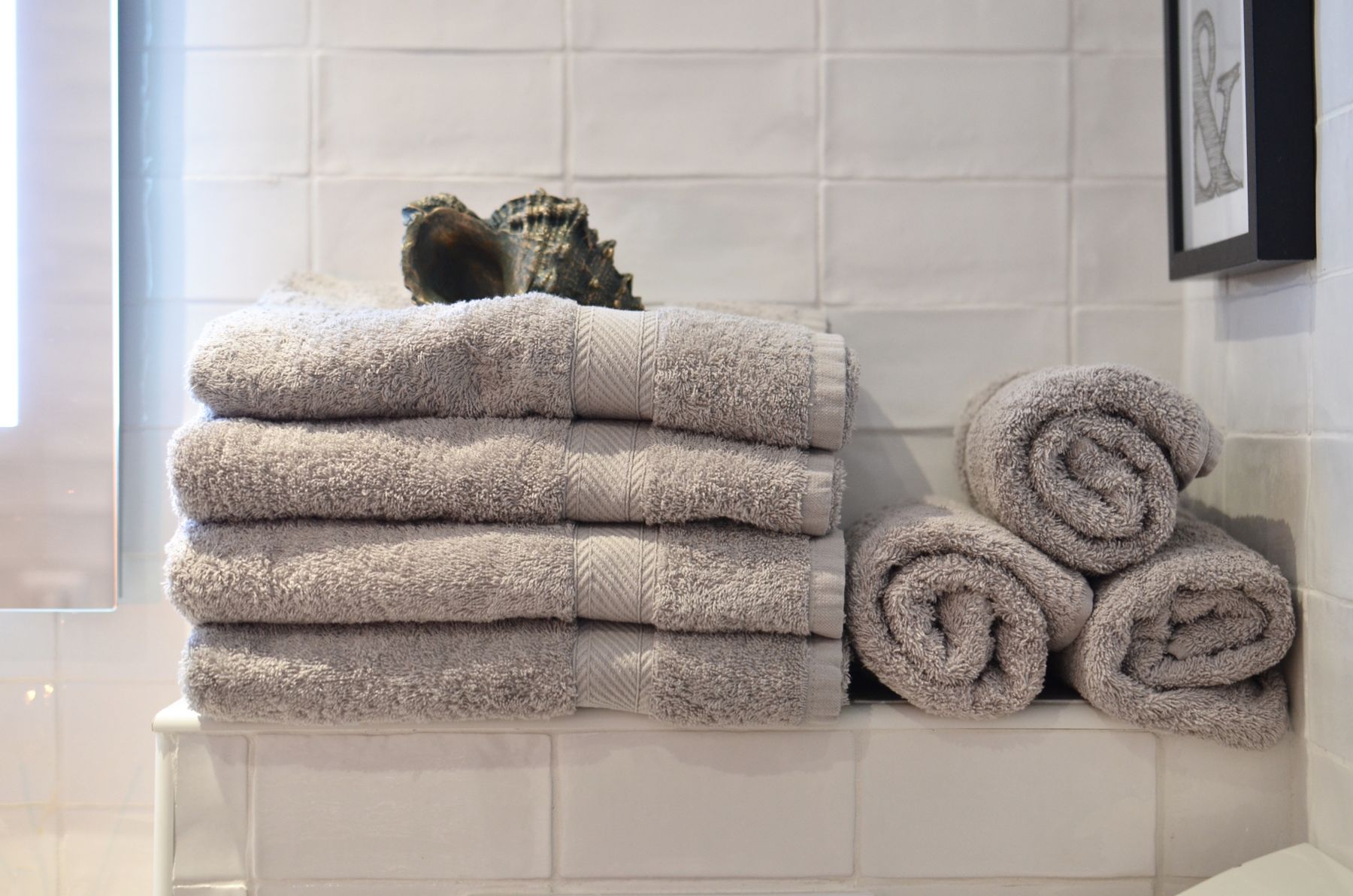
Use Folded Towels as the Easiest Open-Storage Category
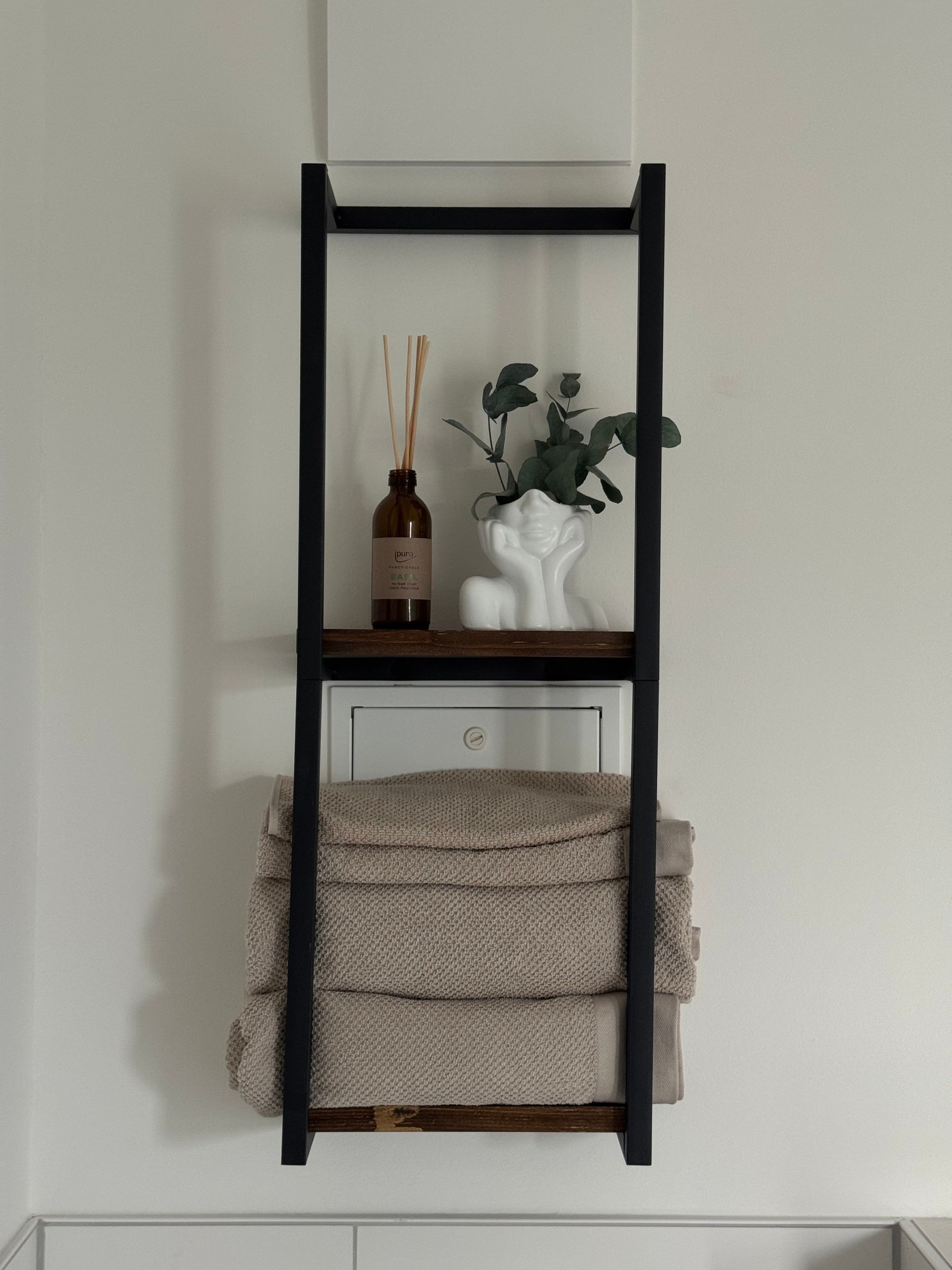
Towels are one of the best candidates for open shelving because they have consistent size, soft texture and predictable turnover. Keep the shelf deep enough for folded towels without forcing them to overhang. Avoid placing clean linens where they receive direct shower spray or frequent splashing.
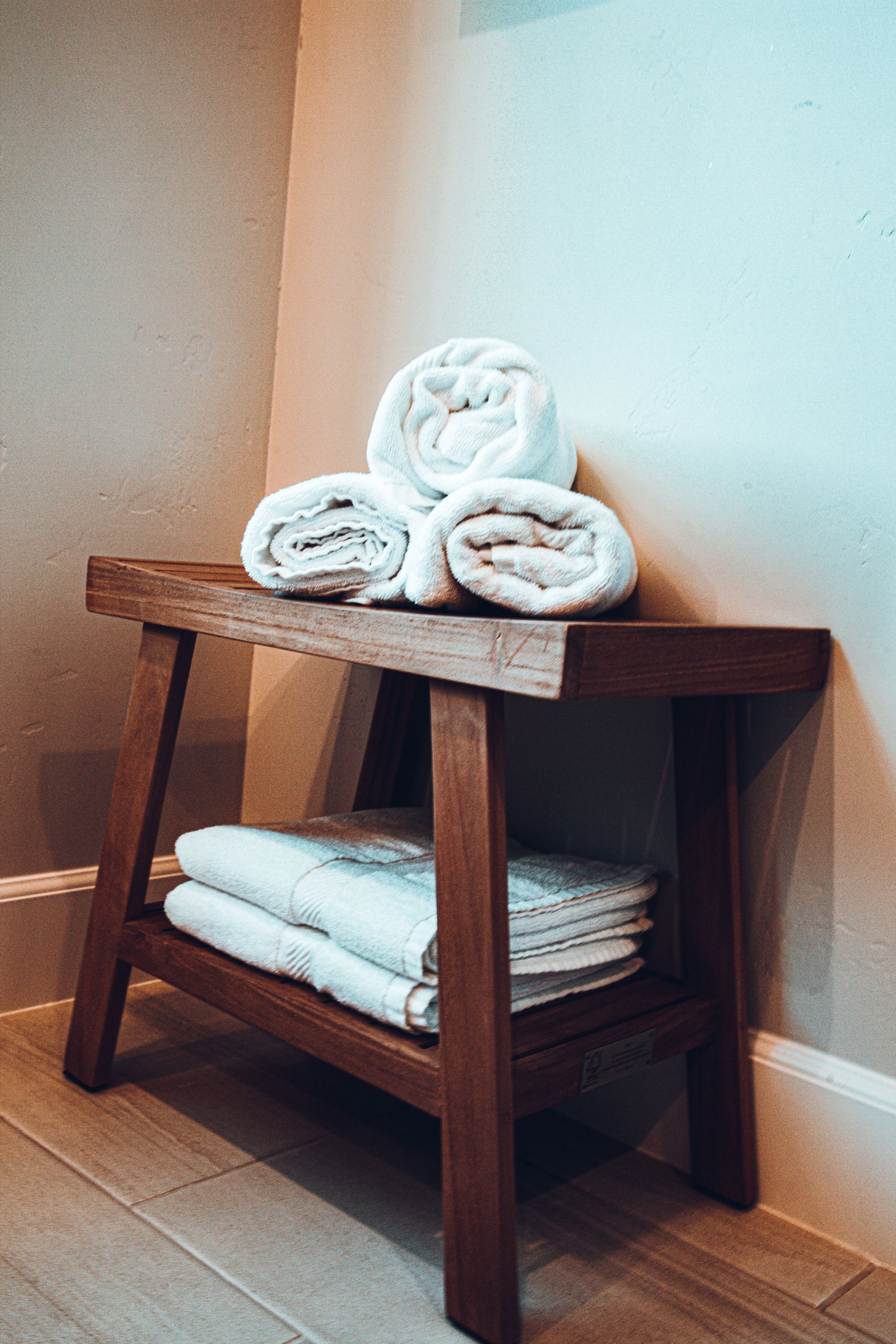
Use Warm Wood to Make Shelving Feel Like Furniture
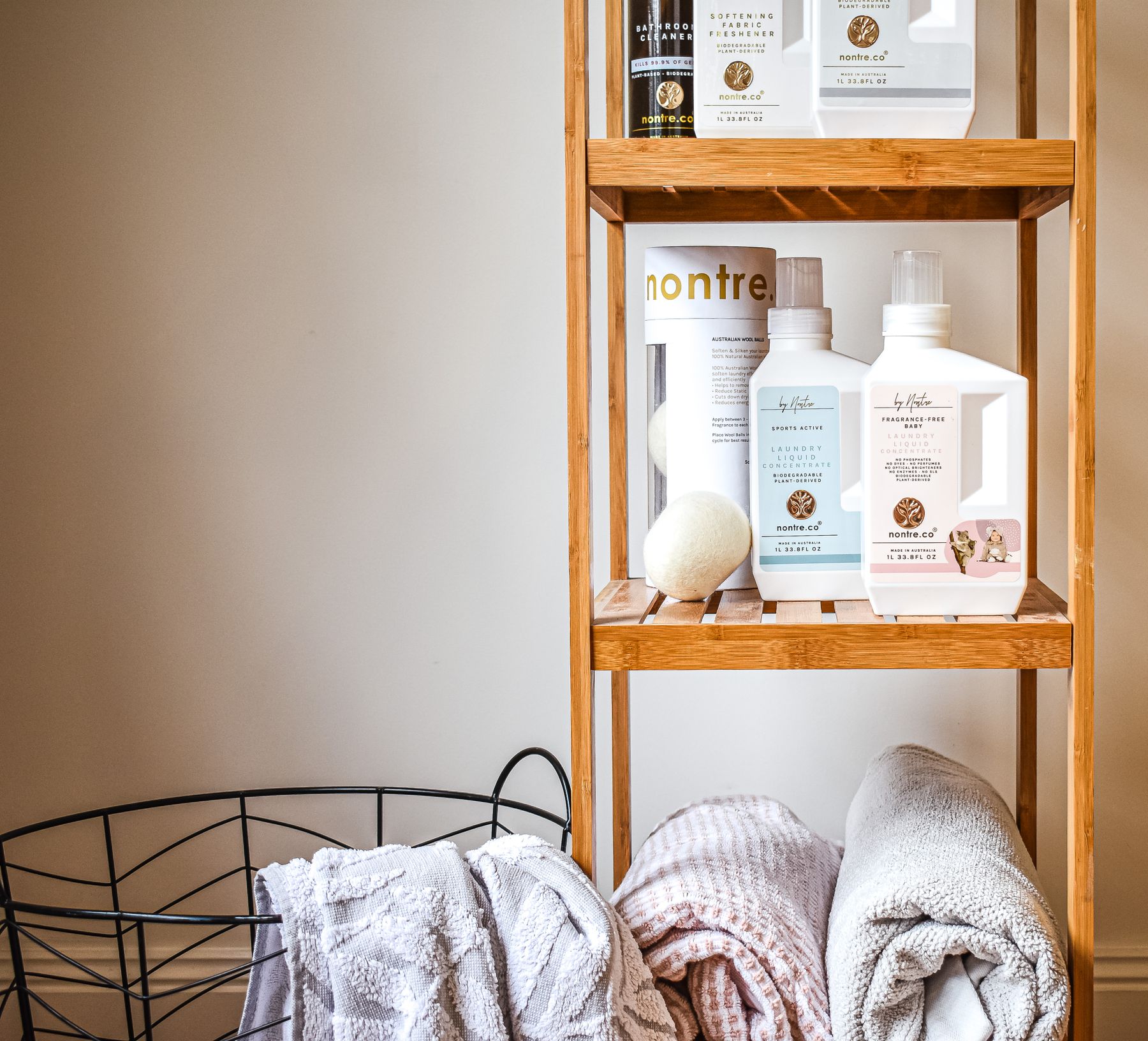
A warm wood shelf can add material softness to a tiled or white bathroom while keeping storage visually light. The finish still needs to suit humidity and routine cleaning. One consistent timber tone is usually enough; mixing several slightly different woods around the vanity can make the storage look accidental.
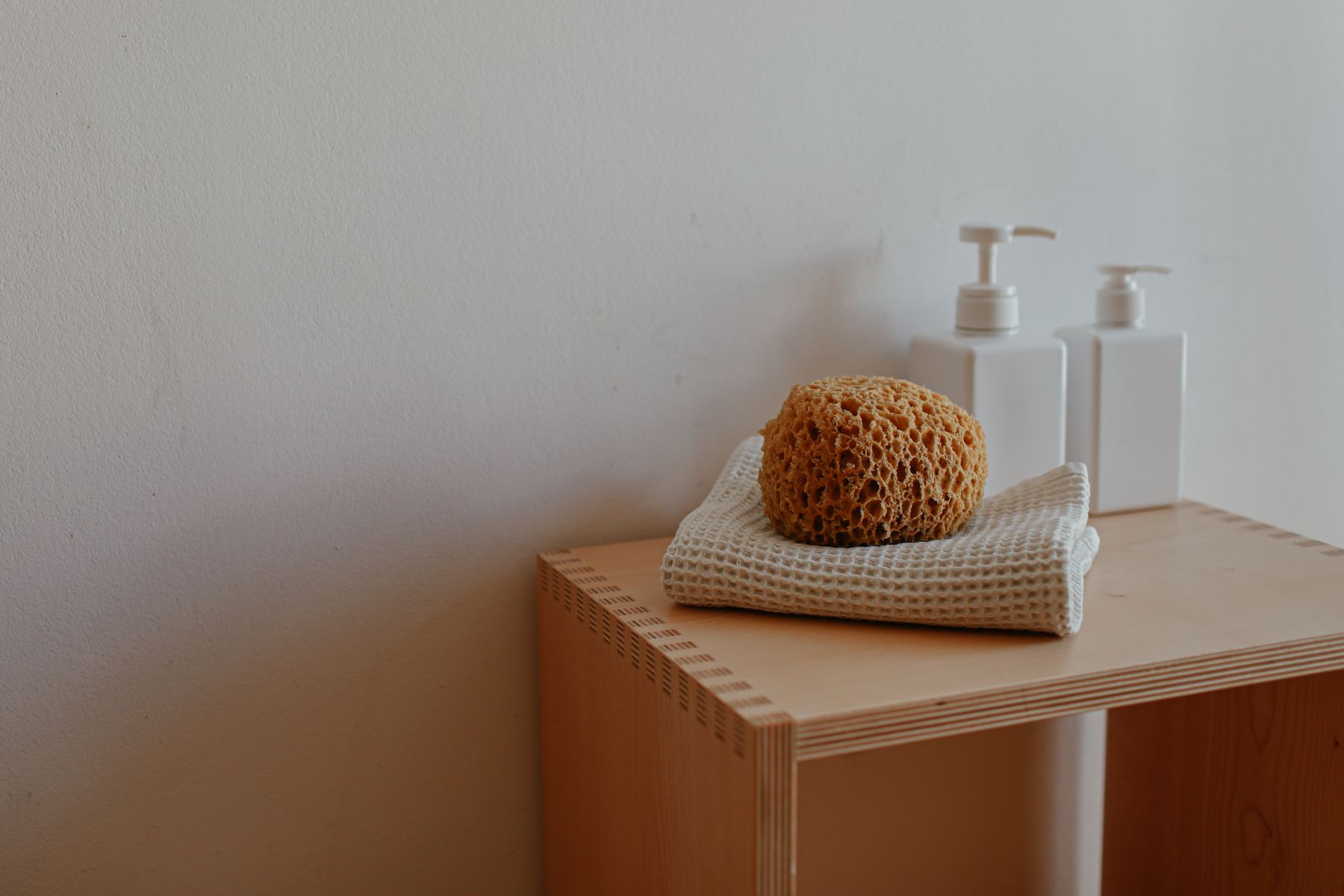
Keep Small Toiletries Grouped and Limited
Soap, skincare and bath tools can work on an open shelf when the group is small and used frequently. Once bottles multiply, the shelf starts to behave like an exposed medicine cabinet. Use trays or a single container only when they simplify one category, not to disguise several unrelated products.
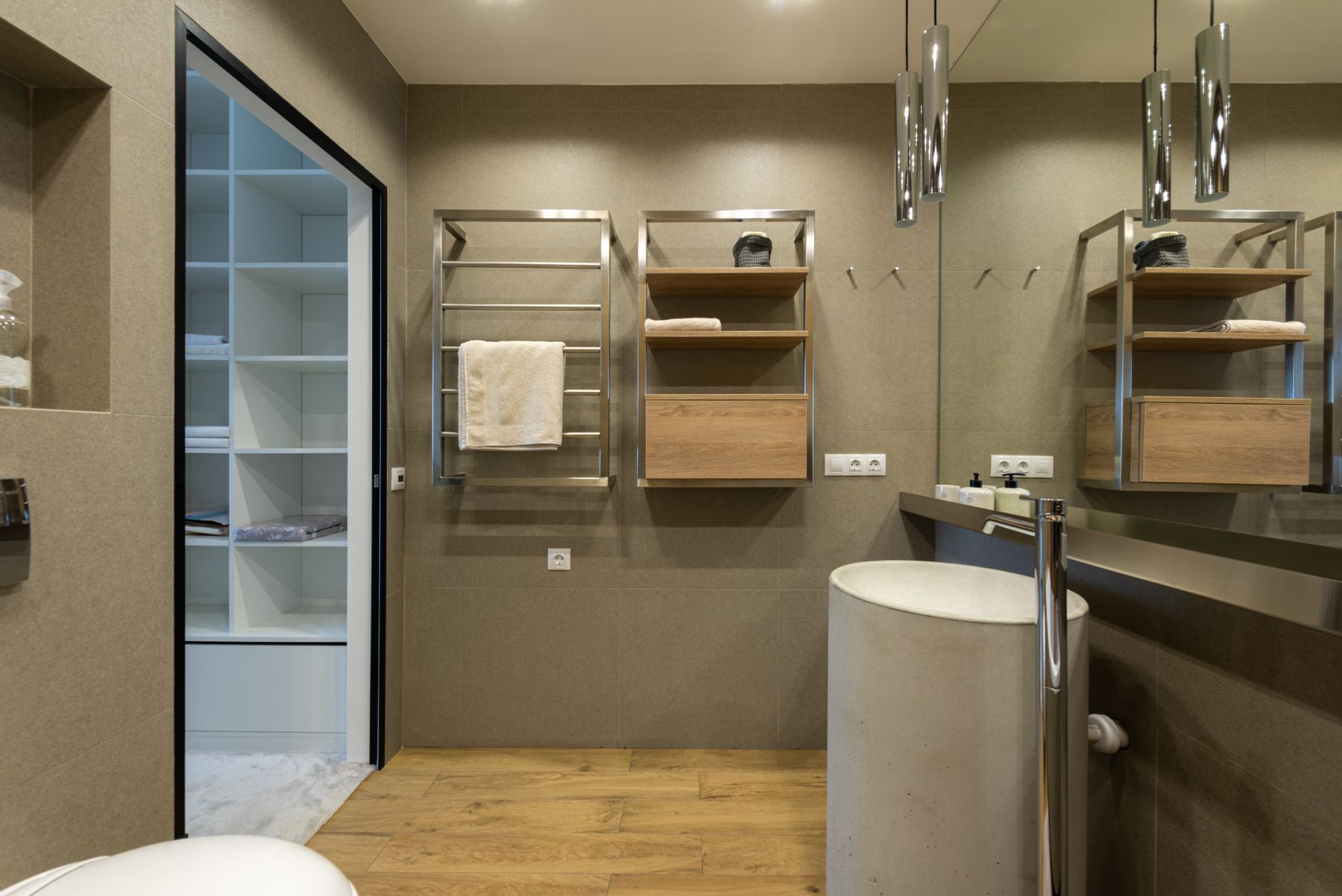
Use a Shelf and Towel Rail as One Wall Composition
A shelf above or near a towel rail can use one wall efficiently without adding a deep cabinet. Keep enough vertical separation for towels to hang freely and for objects to be reached comfortably. The arrangement should support the routine rather than simply fill blank wall space.
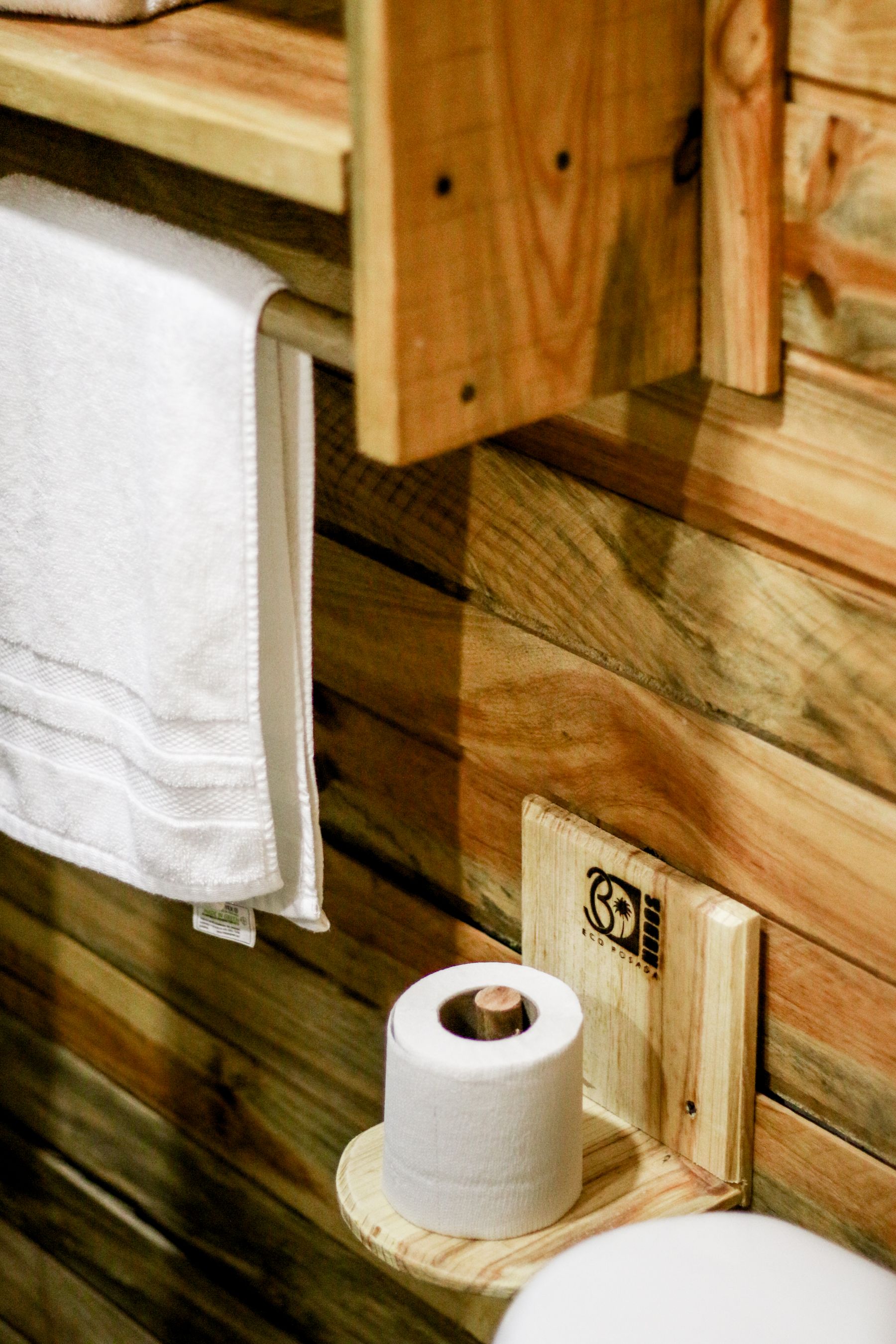
Use Shelves Near the Toilet for Simple Essentials
A shallow shelf near the toilet can hold spare rolls, folded hand towels or one small hygiene category without occupying floor area. Keep the contents simple and avoid placing open storage where it interferes with headroom or cleaning. The shelf should feel useful from a seated or standing position, not decorative only.
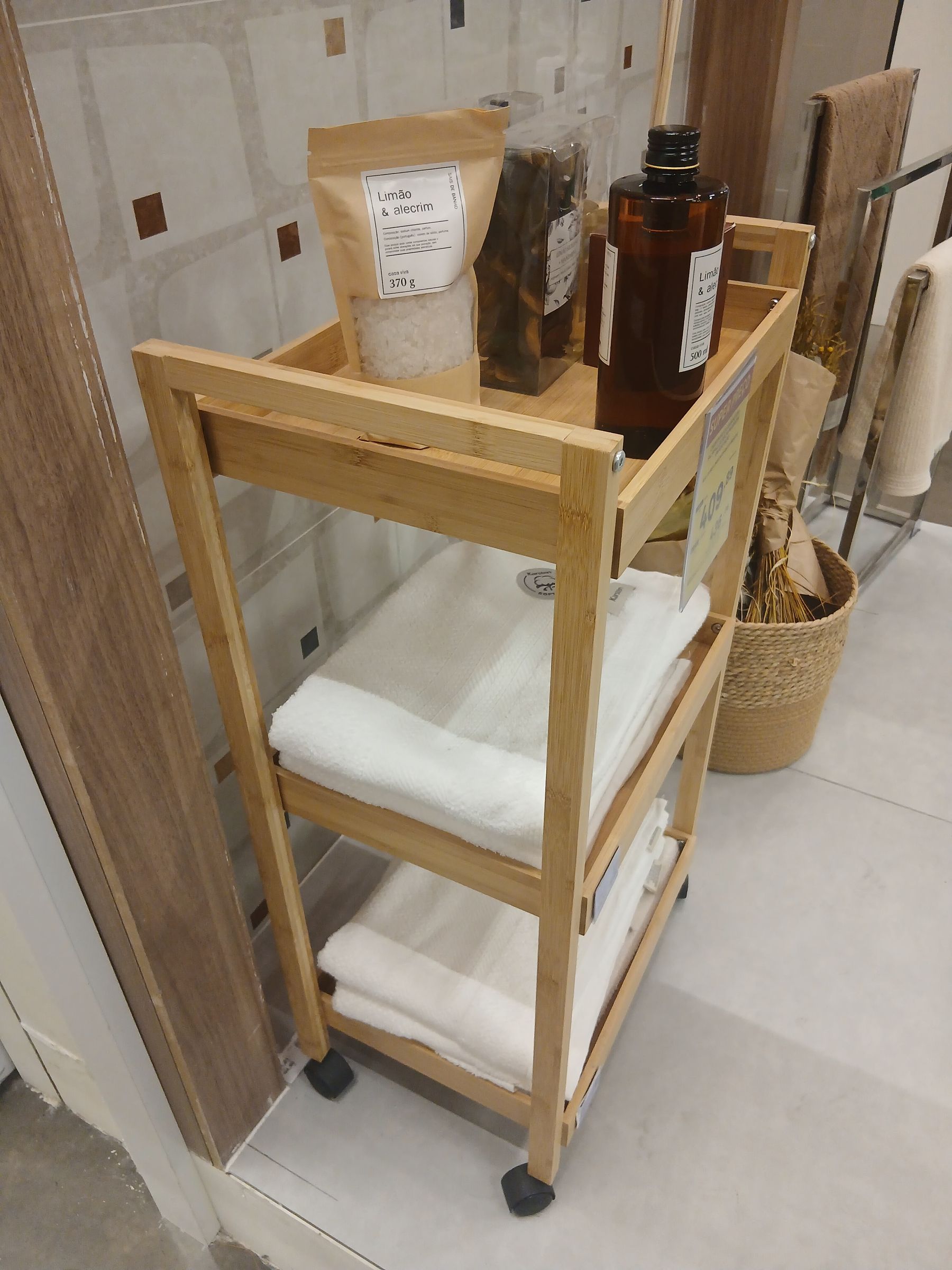
Use a Movable Cart When Wall Mounting Is Not Ideal
A small shelving cart can add storage without drilling tile or committing to a permanent wall layout. It works well for towels, bath products or temporary overflow when there is enough floor space to move it easily. Keep the cart clear of shower entries and main circulation.
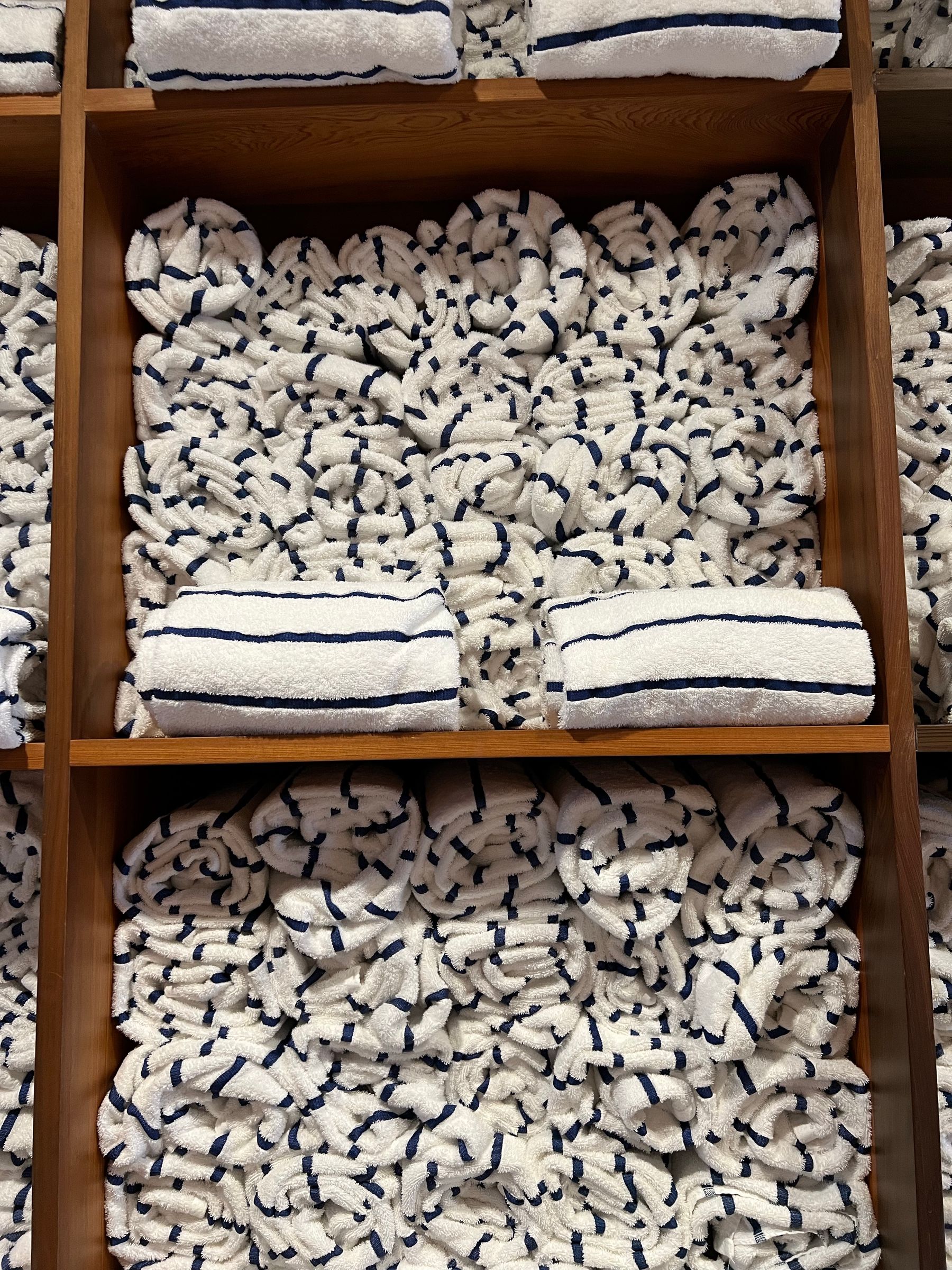
Plan Larger Towel Shelves for Real Capacity
Larger open shelving can hold substantial towel capacity, but the arrangement needs repetition and enough depth to stay orderly. This approach suits linen-heavy bathrooms, guest spaces or households that rotate towels frequently. If the shelf becomes deep enough to hide items behind one another, closed cabinetry may work better.
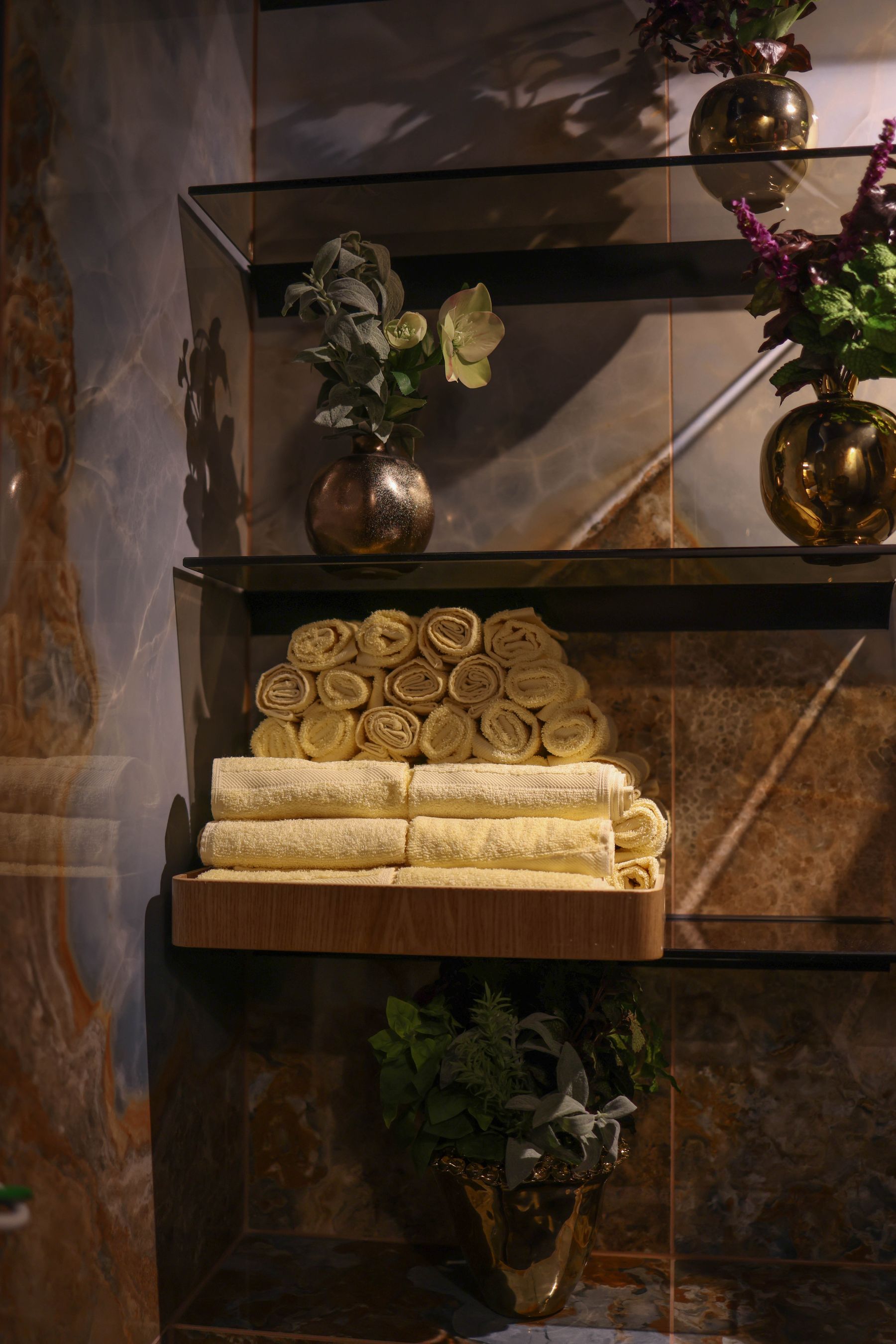
Use Styling Sparingly on a Bathroom Shelf
Flowers, vases and decorative objects can make open shelving feel finished, but they should not displace useful storage or turn every shelf into a display. Use one small decorative group and let towels or essentials occupy the remaining space. The shelf still needs to be easy to dust and wipe.
Combine Open Shelves With Closed Cabinets
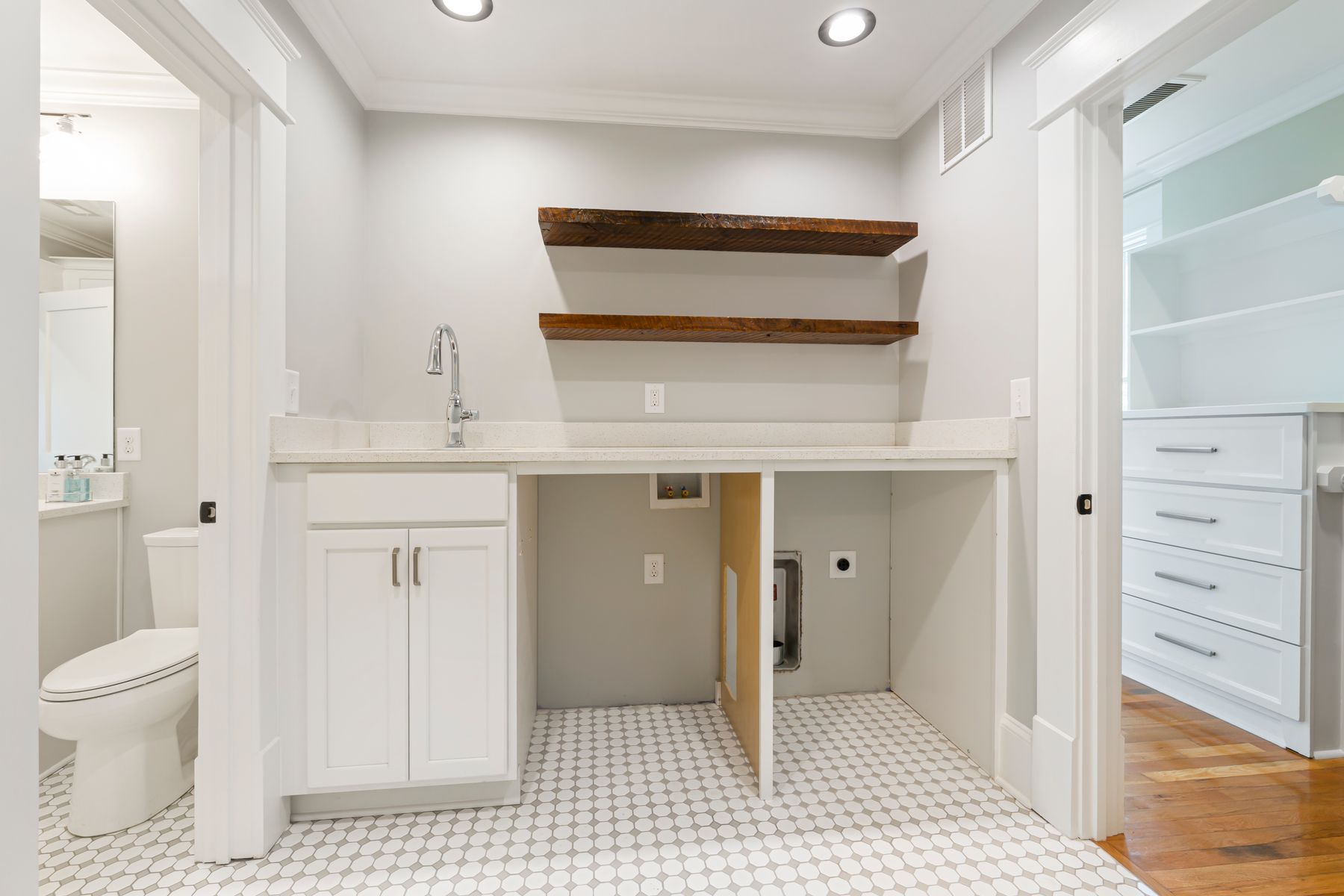
The most practical bathroom shelving often works beside closed cabinetry rather than instead of it. Keep towels and a few daily essentials visible, then place cleaning supplies, bulk refills and mixed packaging behind doors. This gives the room open access without exposing every stored object.