Start With a Calm Base for the Layers
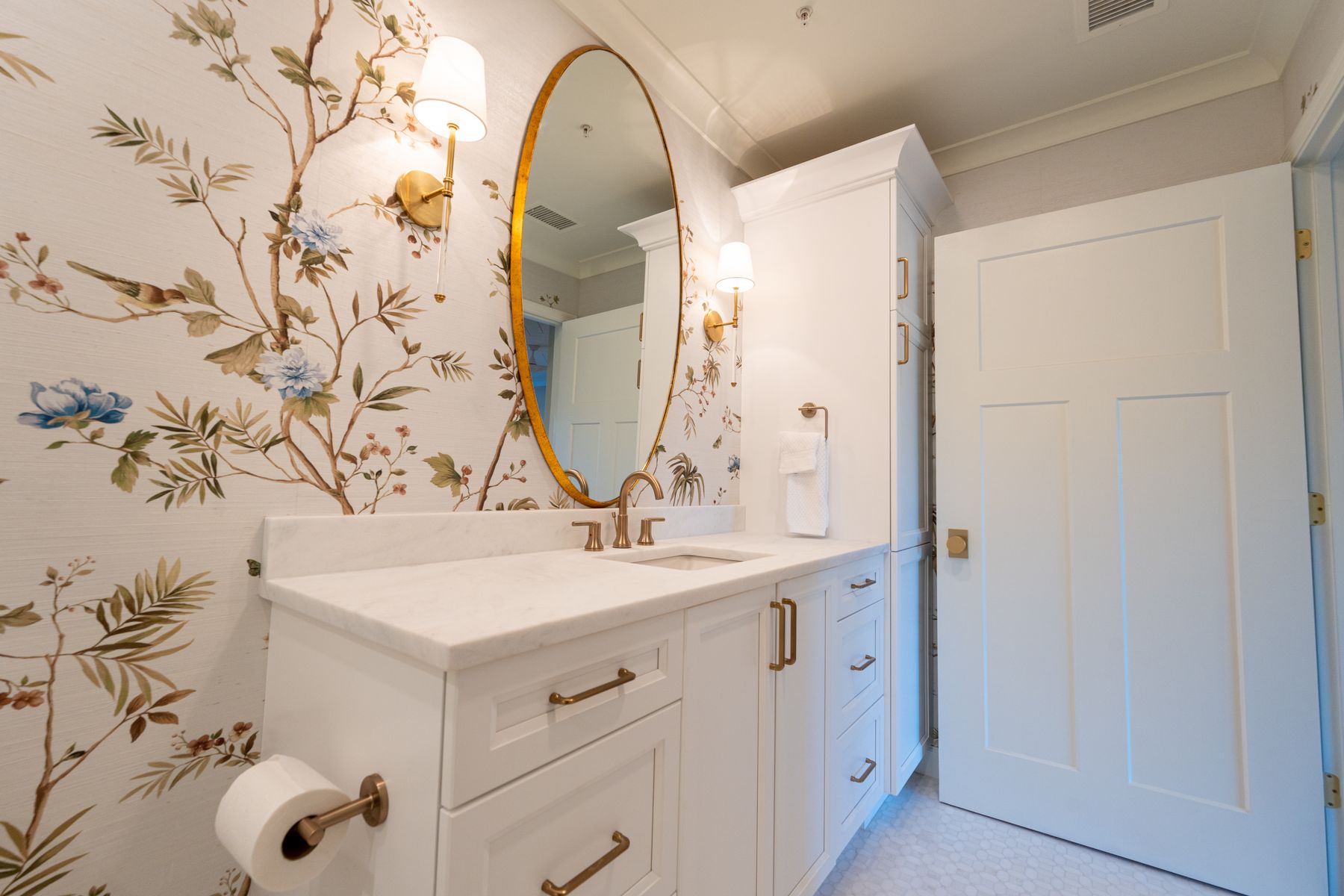
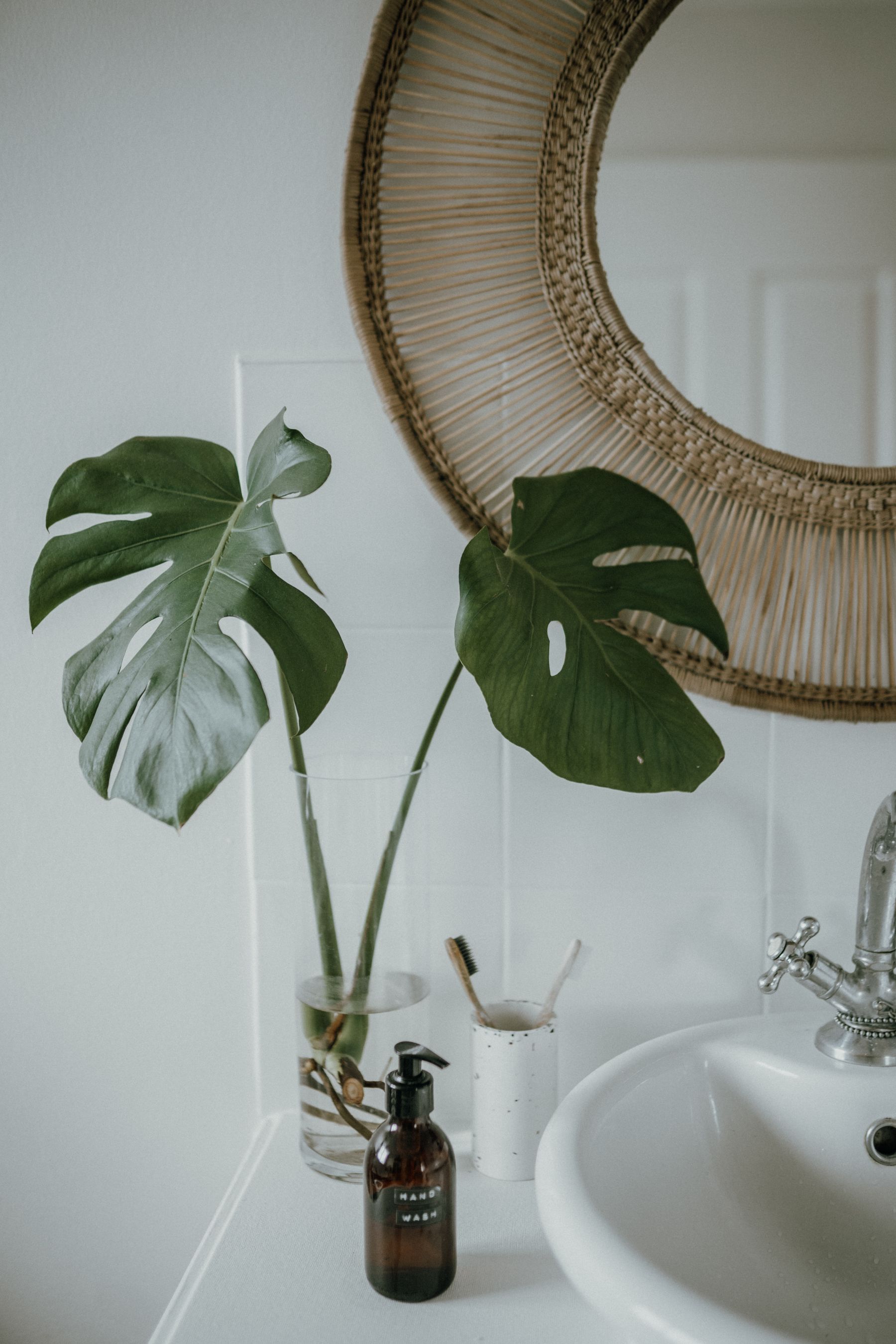
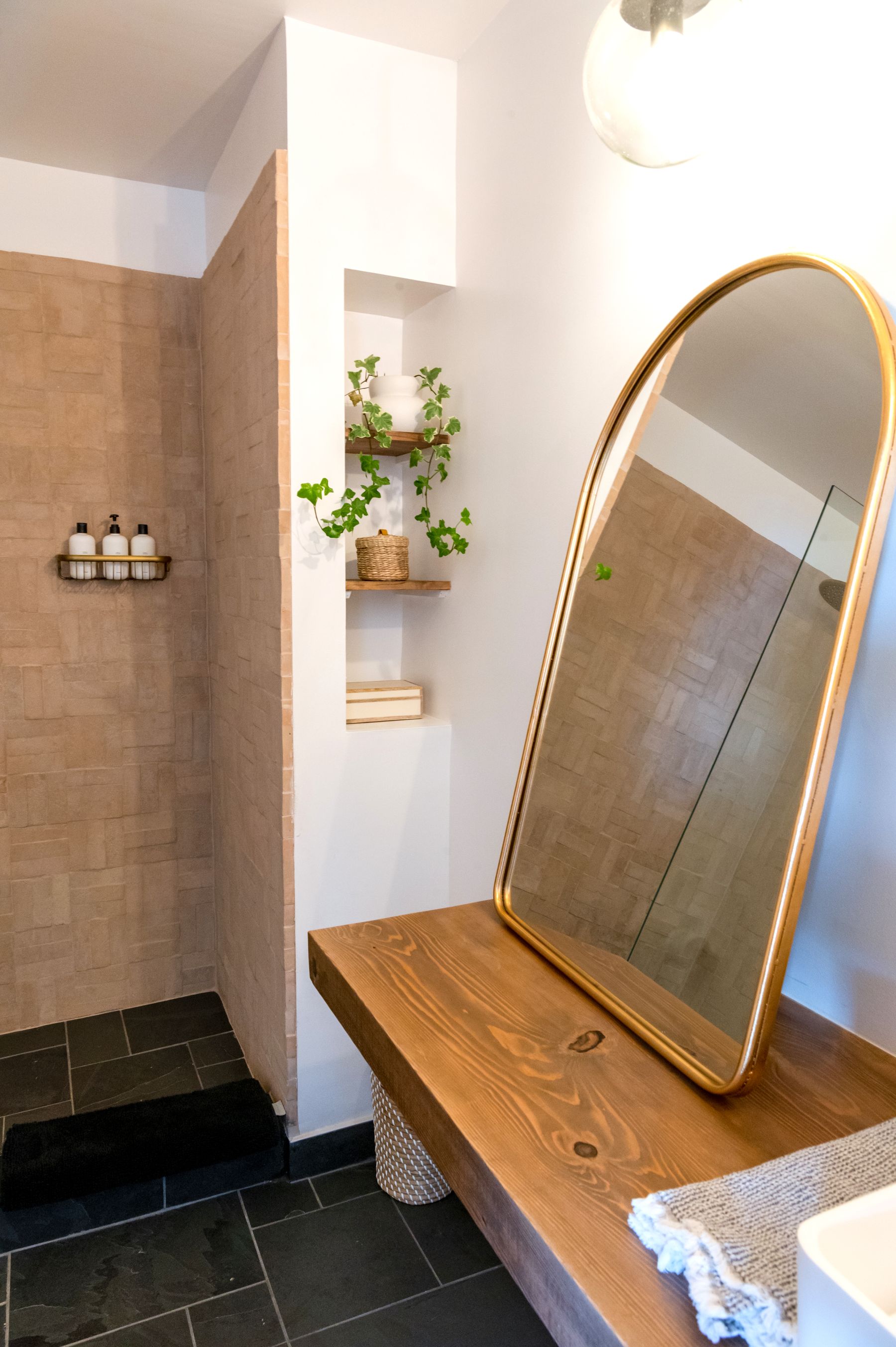
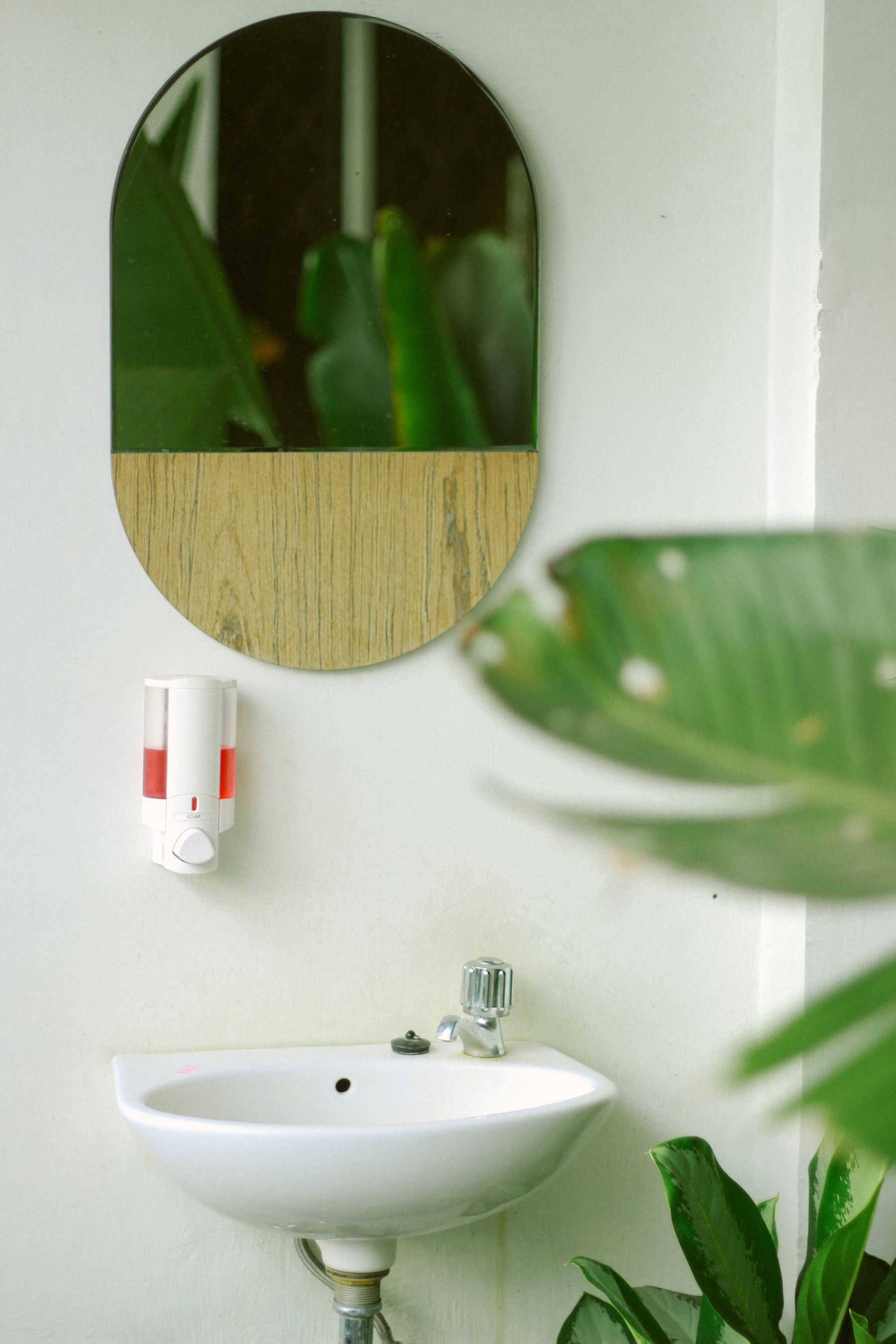
Boho rooms can carry more texture than minimalist schemes, but they still benefit from a quiet foundation. Use a simple tile or wall color, straightforward sanitaryware and one useful wood element, then add the woven, botanical and textile layers gradually. A calm base prevents each new object from competing for attention.
Use a Woven Mirror as One Strong Texture
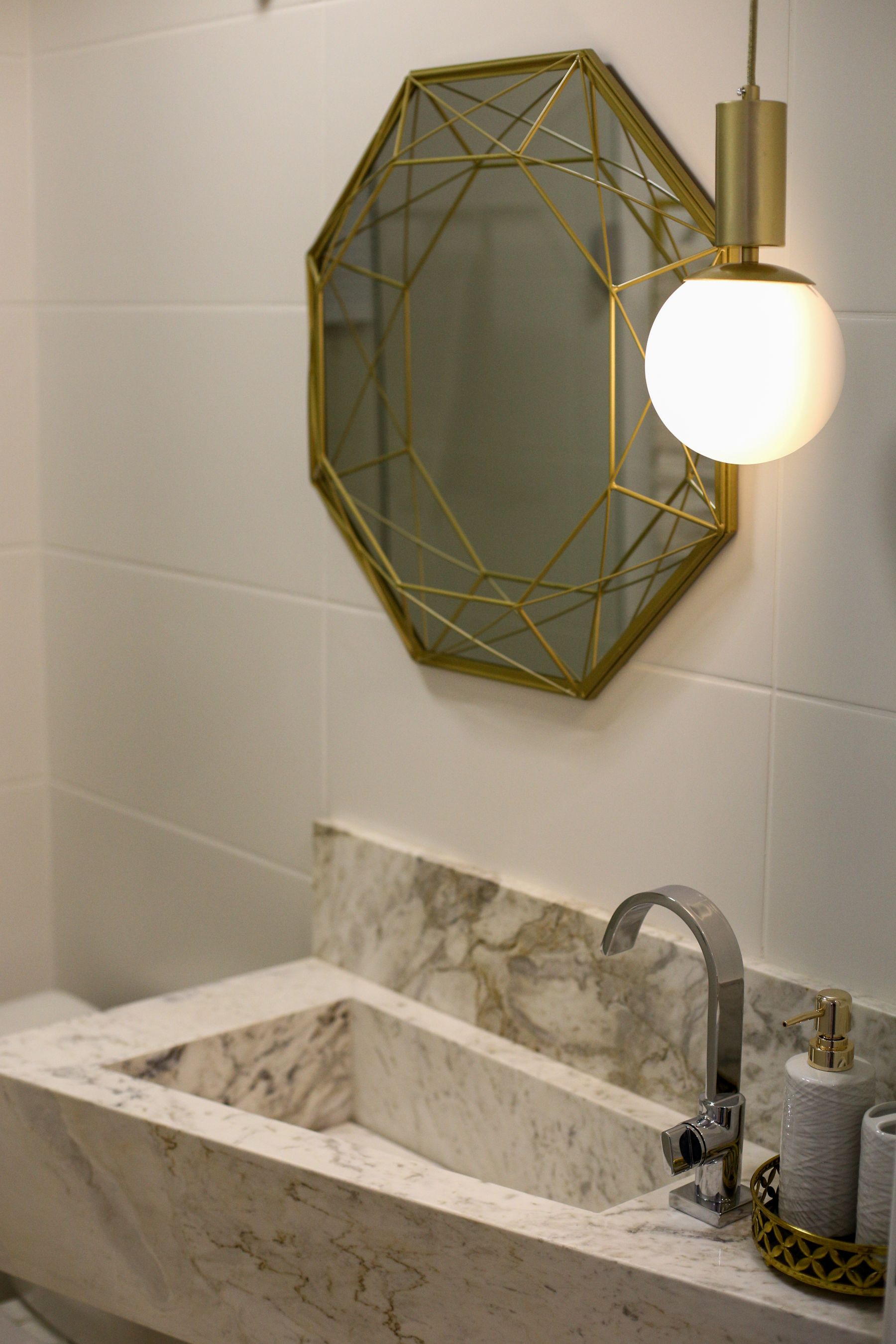
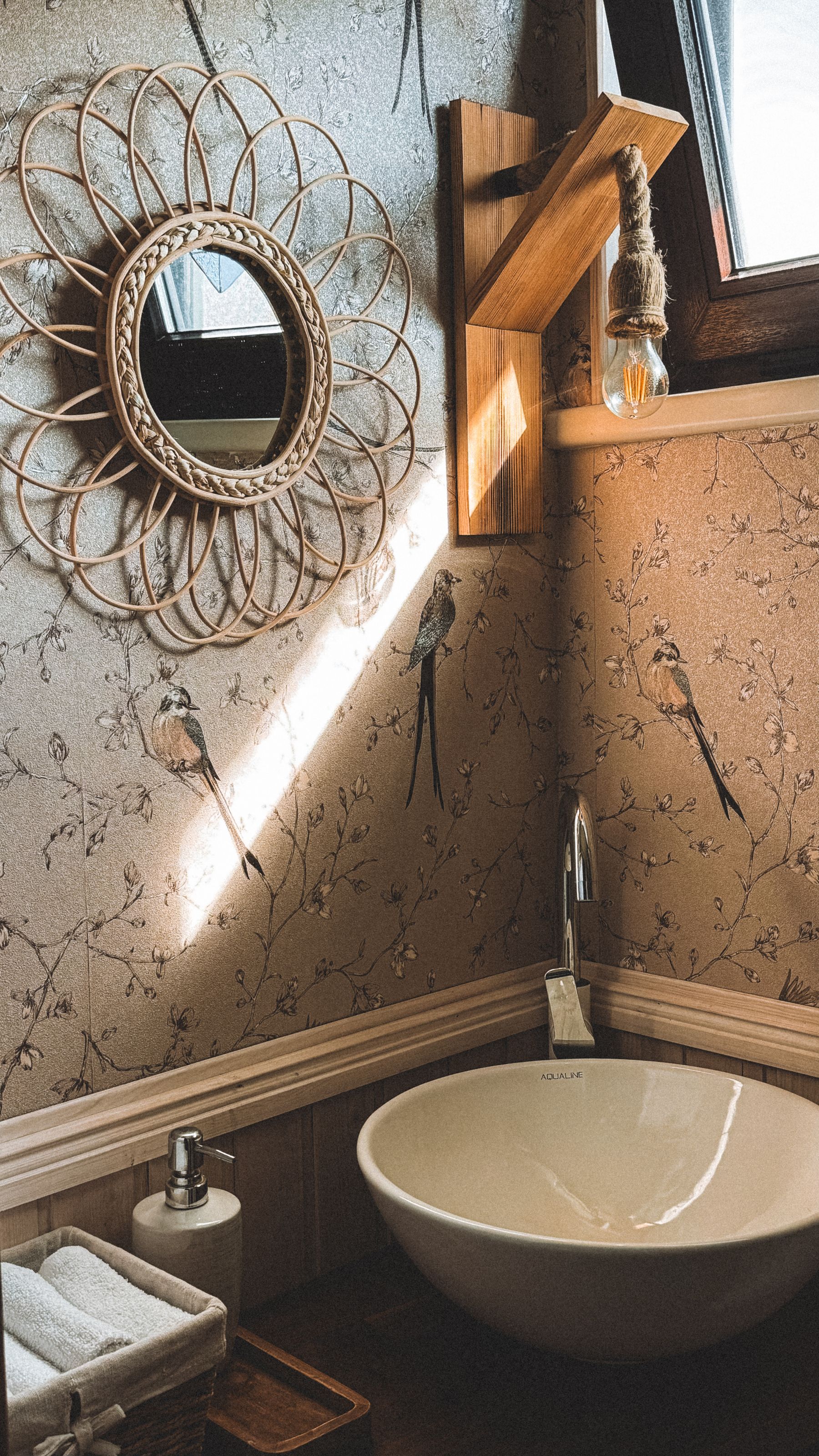
A wicker or woven mirror adds texture at eye level without occupying counter space. If the mirror frame is visually strong, keep nearby wall decor and lighting simpler so the vanity does not become a collage. Natural fibers should also be kept away from repeated direct splashing and allowed to dry properly.
Make Woven Storage Earn Its Space
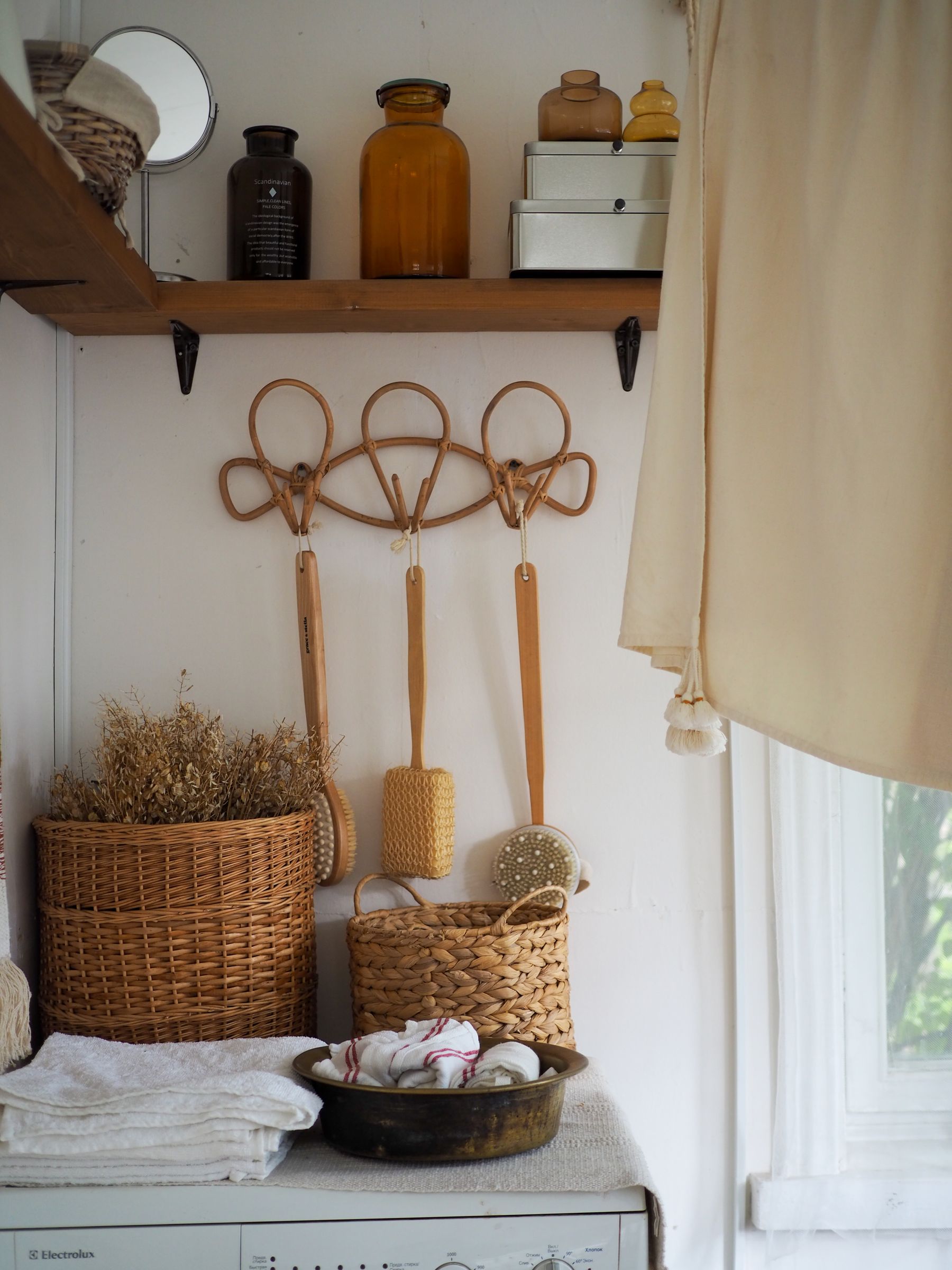
Baskets are useful in a boho bathroom when they actually contain towels, laundry or grouped toiletries. Use them where airflow and moisture conditions are appropriate, and avoid stacking decorative baskets on shelves simply to fill empty space. A combination of closed cabinetry and one or two woven containers is usually easier to maintain.
Use Terracotta and Plants as an Earthy Pair
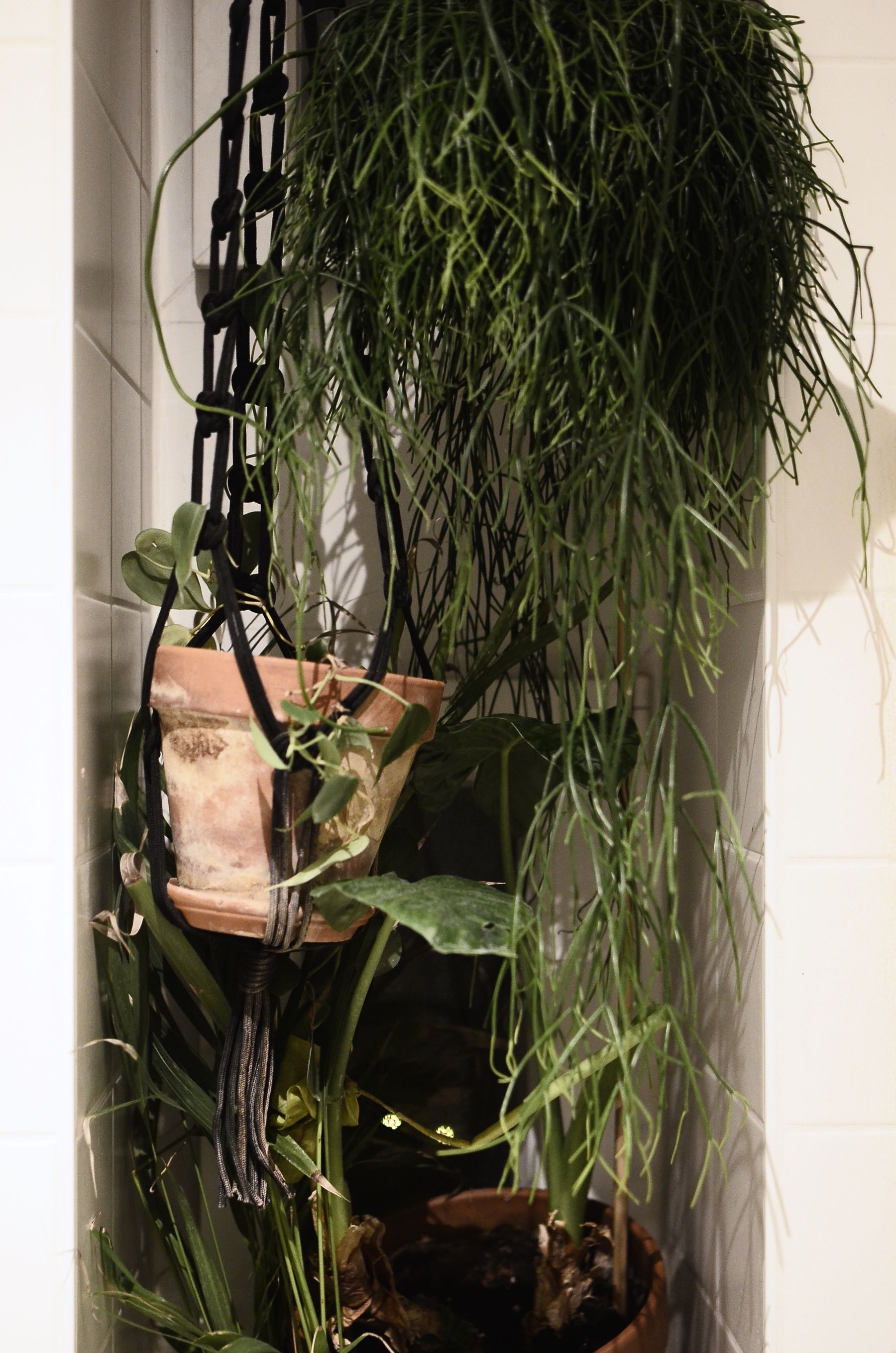
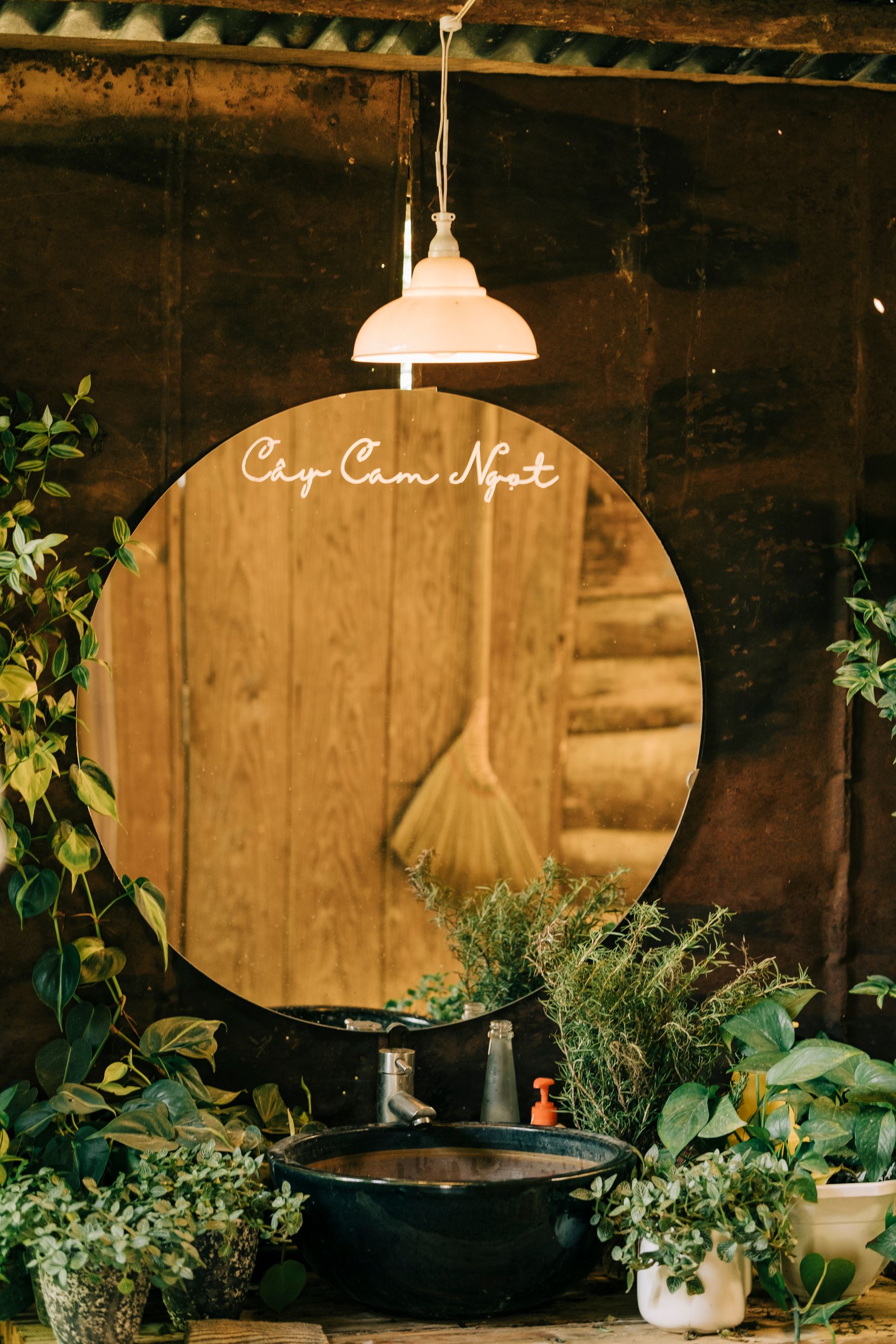
Terracotta, clay and warm ceramic pots bring earthy color without requiring a painted accent wall. Group a few plants together instead of scattering single pots across the vanity, bath edge and toilet cistern. Choose species for the bathroom's actual light and humidity and protect surfaces from standing water beneath pots.
Keep Wood Storage Practical and Grounded
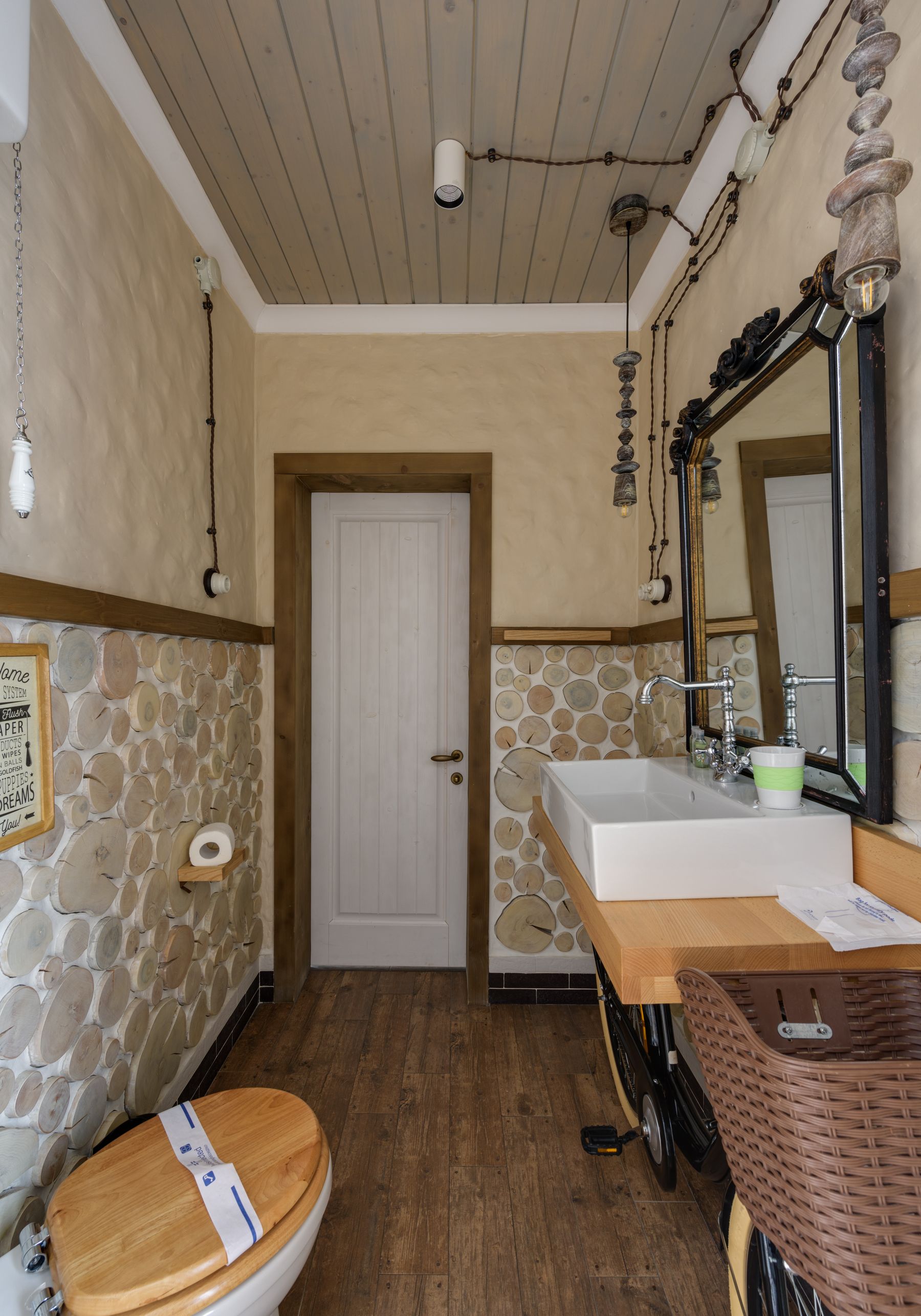
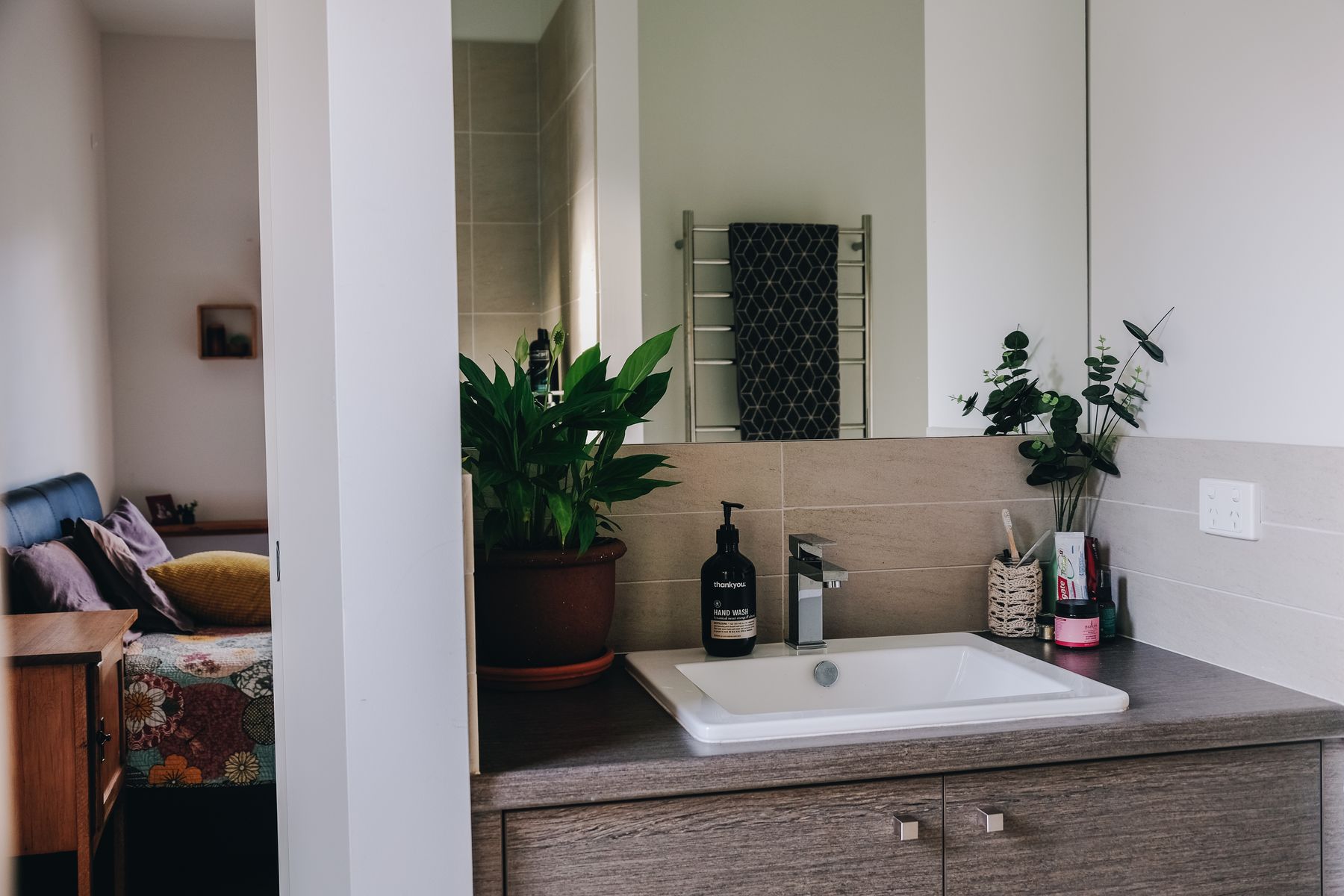
Warm wood gives boho bathrooms visual grounding, especially when plants and textiles add softer edges. Use cabinetry with enough closed storage to hide packaging, cleaning supplies and backup toiletries, then reserve open surfaces for a small number of daily items or plants. Bathroom cabinetry should be suitable for humidity rather than relying on untreated decorative furniture.
Use Plants as a Group, Not as Wallpaper
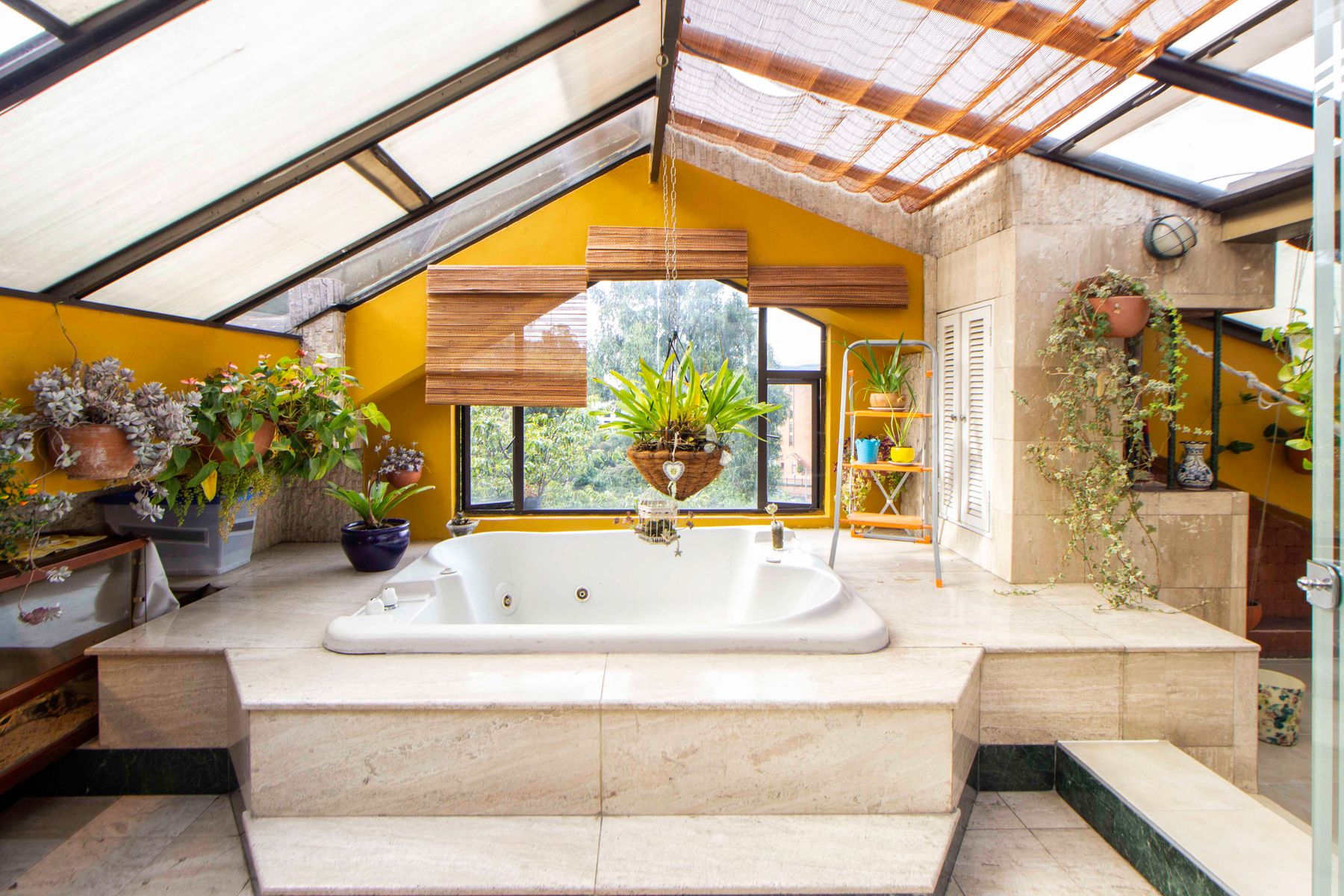
A bath zone can support a generous group of plants when daylight is good and there is enough floor space to clean and move around them. Keep leaves away from taps, drains and walking routes, and avoid filling every ledge. A concentrated botanical corner feels more intentional than greenery distributed randomly throughout the room.
Let One Saturated Color Carry the Energy
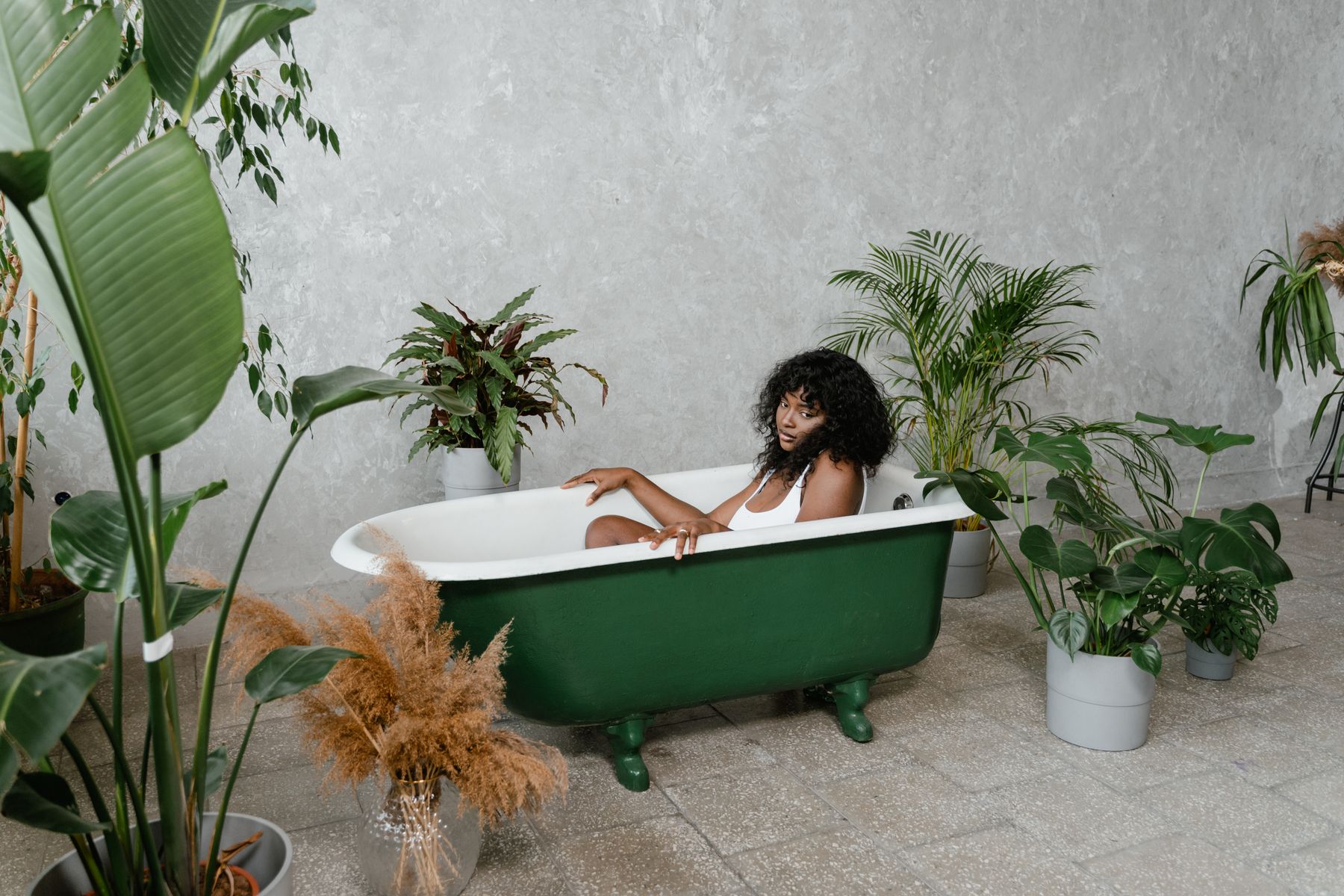
Boho does not have to mean an all-beige room. A green bath, terracotta wall, ochre vanity or deep blue textile can create a stronger focal point, especially when the rest of the palette stays natural. One saturated color is often enough; repeating several bold hues can make a small bathroom feel visually restless.
Use Warm Light to Reveal Texture
Woven fiber, timber, textured tile and plants all change character under light. Use warm ambient lighting to create softness, but preserve clear task lighting at the mirror and enough visibility in the shower. Decorative pendants or sconces should support the room rather than become another layer of visual clutter, and bathroom electrical work must meet local wet-area requirements.
Add Textile Softness Where It Can Dry
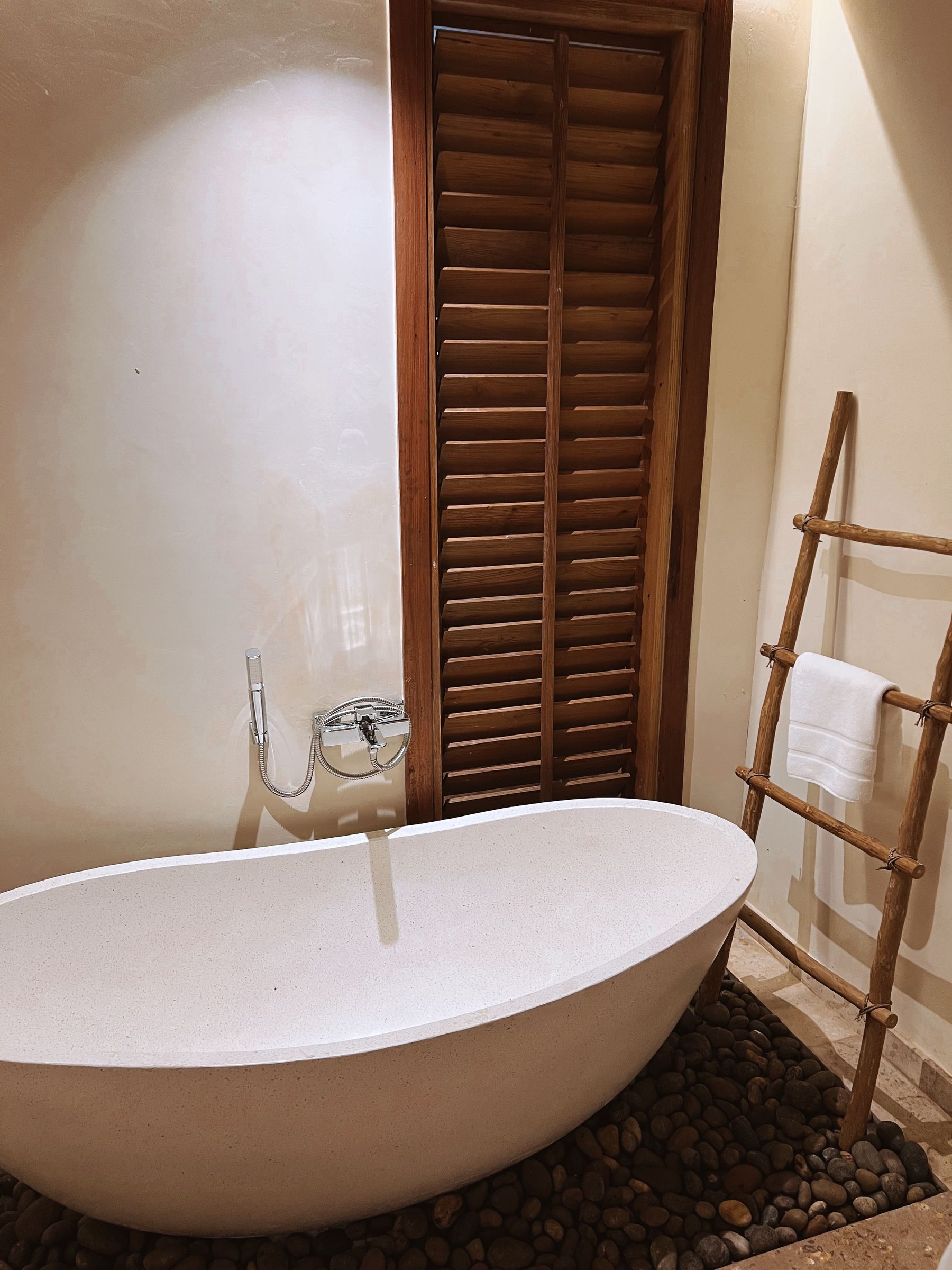
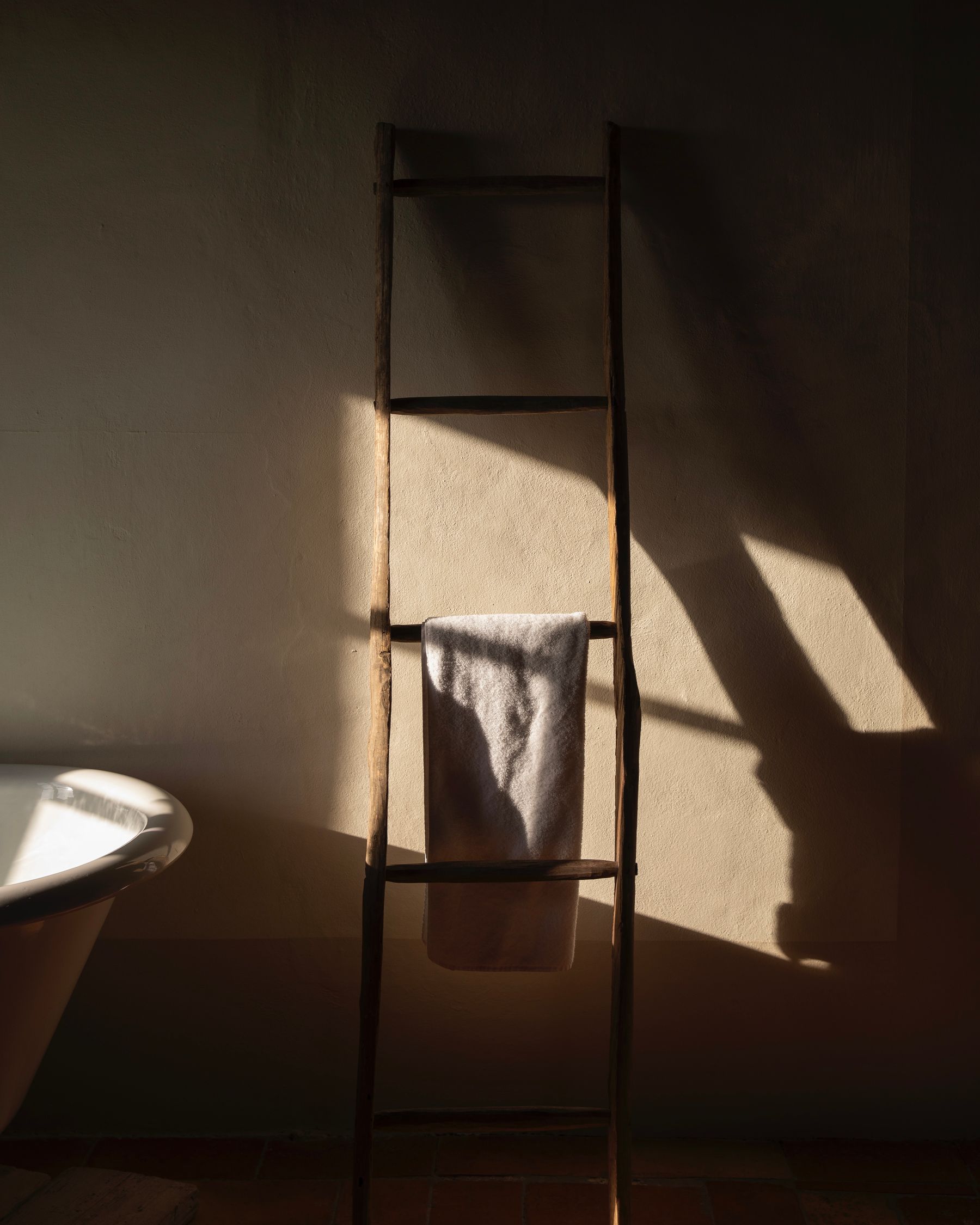
Towels, a washable rug and one hanging textile can soften tile and ceramic without turning the bathroom into a fabric-heavy room. Give wet towels enough airflow and avoid placing absorbent decorative textiles where they remain damp. A ladder or hook rail can work when it does not intrude into the main circulation route.
Edit the Final Decorative Layer
The final layer is where a boho bathroom can shift from personal to crowded. Keep only objects that are useful, meaningful or materially distinct, and leave some counter and wall area empty. Plants, pottery, baskets and candles do not all need to appear in every zone. The room should still be easy to wipe down and reset after normal use.