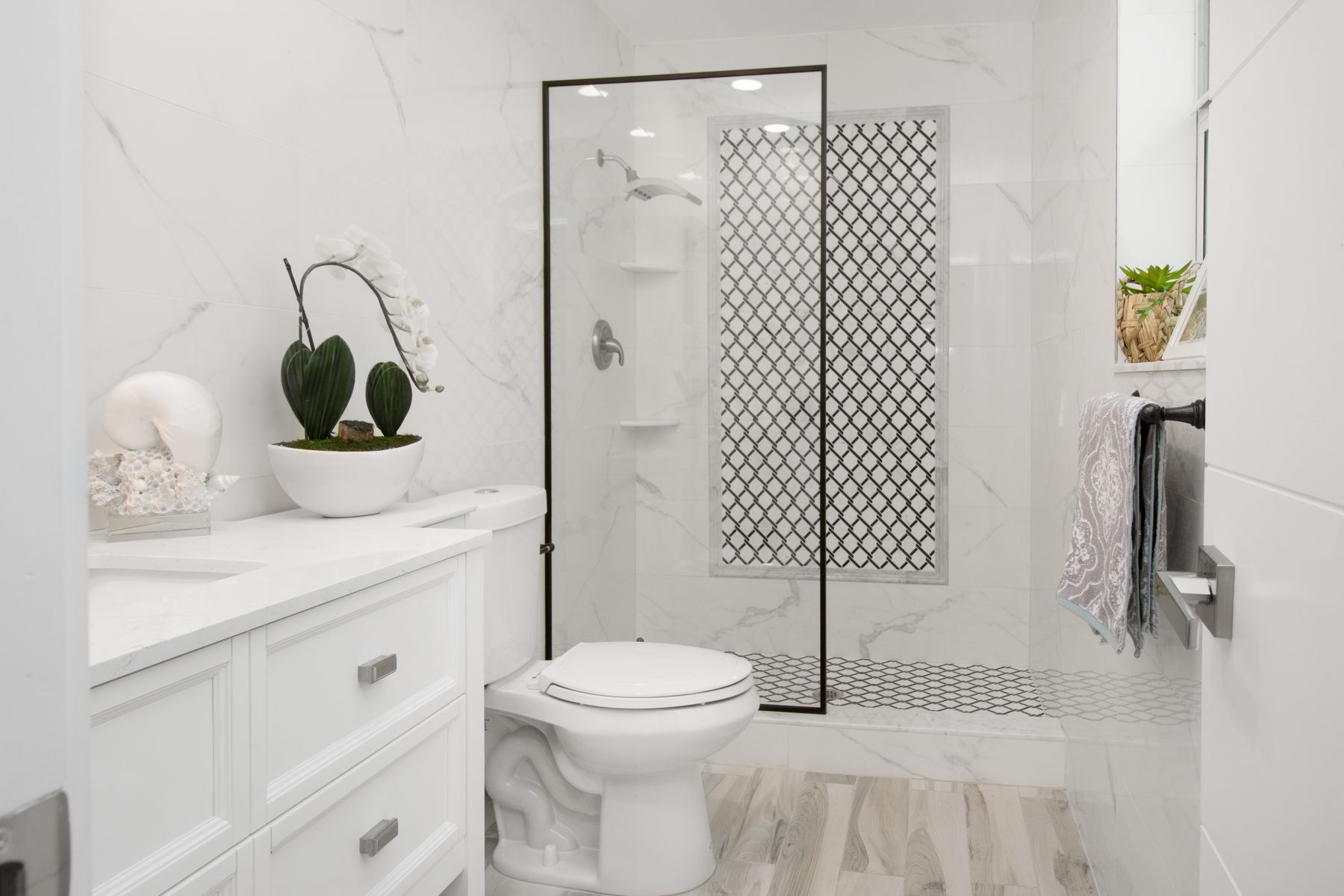
Design the Permanent Shell to Grow With Them
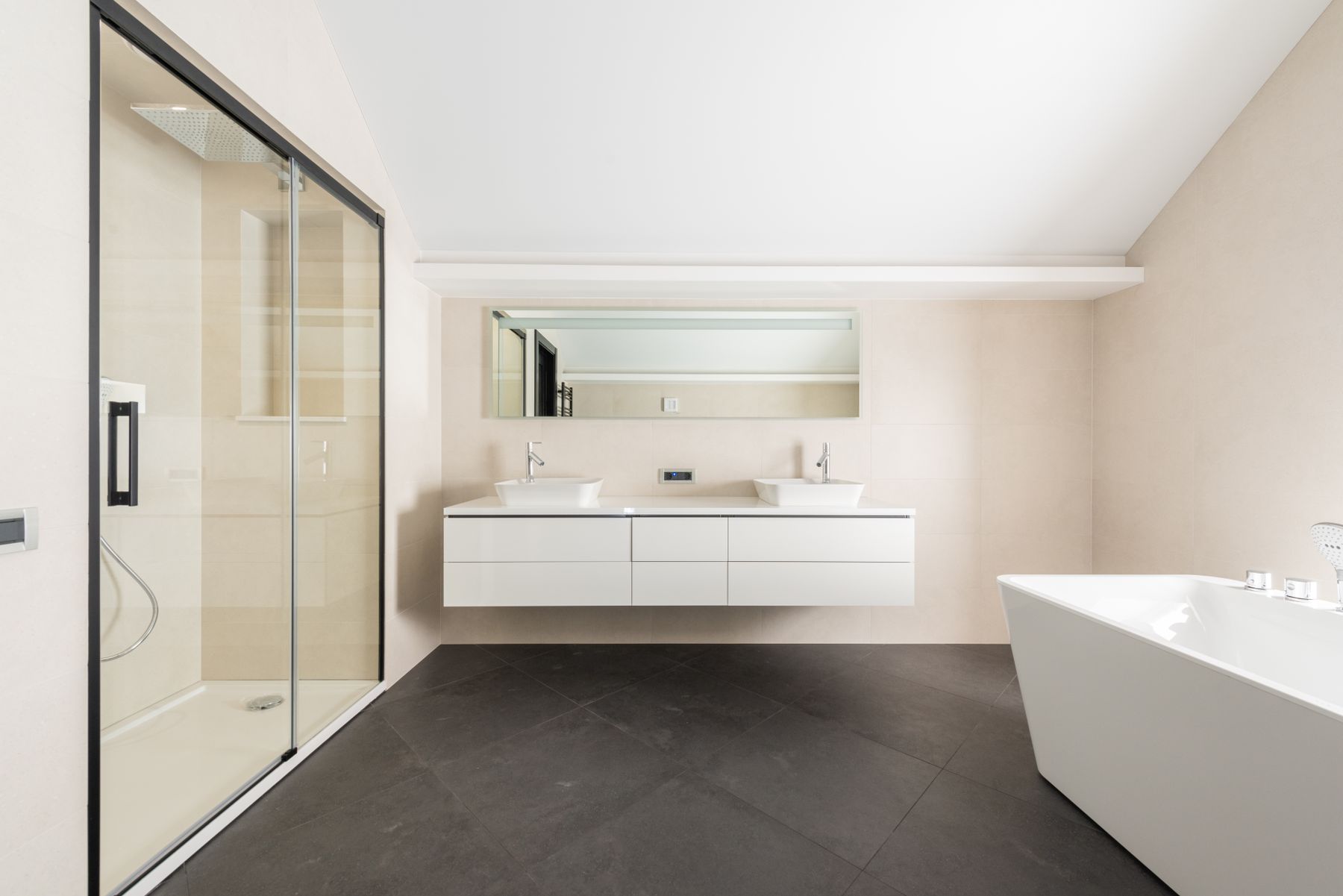
Tile, cabinetry and plumbing are expensive to replace, so keep the permanent layer broad enough to work beyond early childhood. White, warm neutral, soft grey or simple wood can create a stable base, while towels, art, paint and storage accessories carry more playful color. This lets the room change gradually without requiring another renovation.
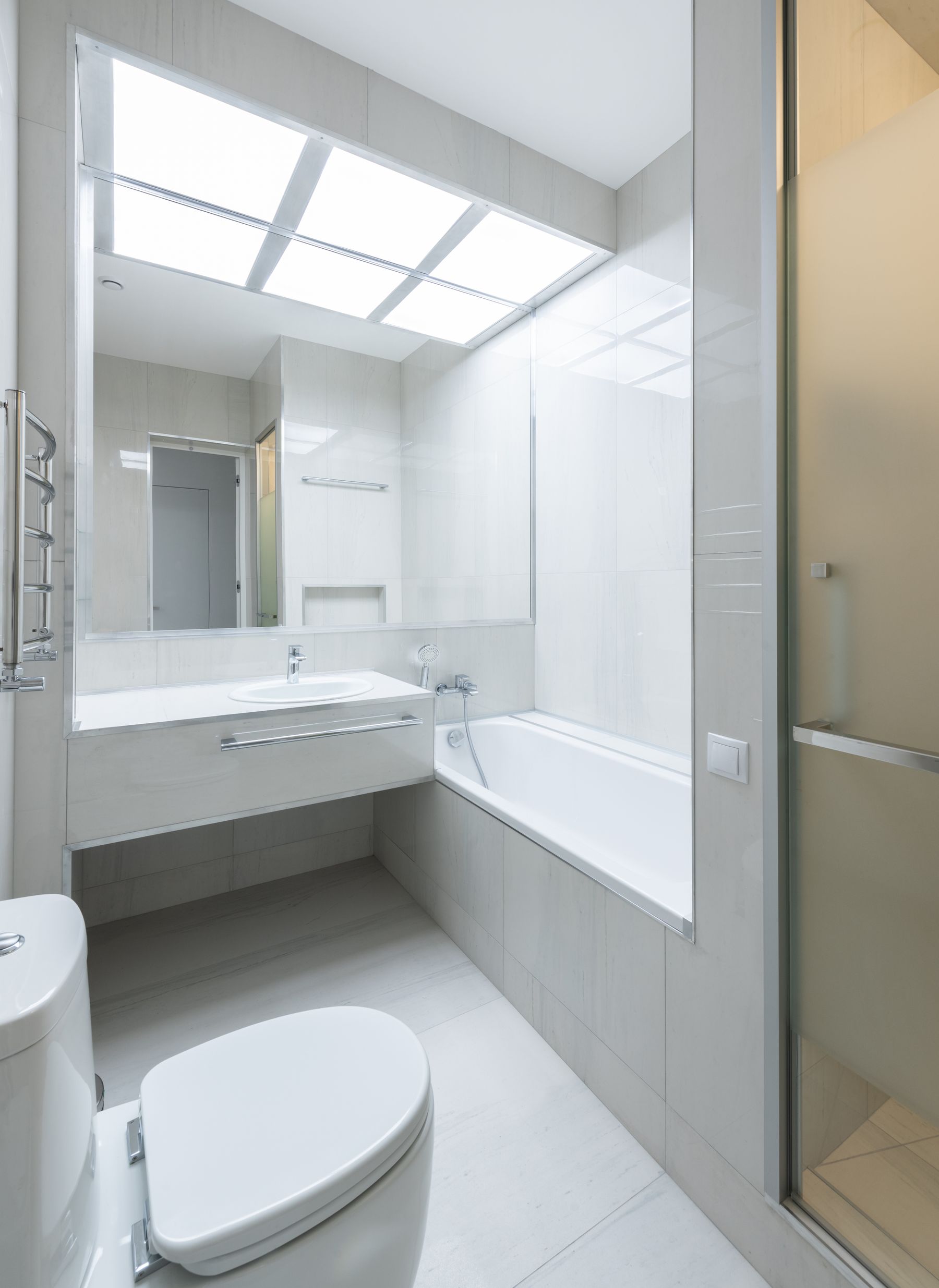
Keep a Bath When It Supports the Routine
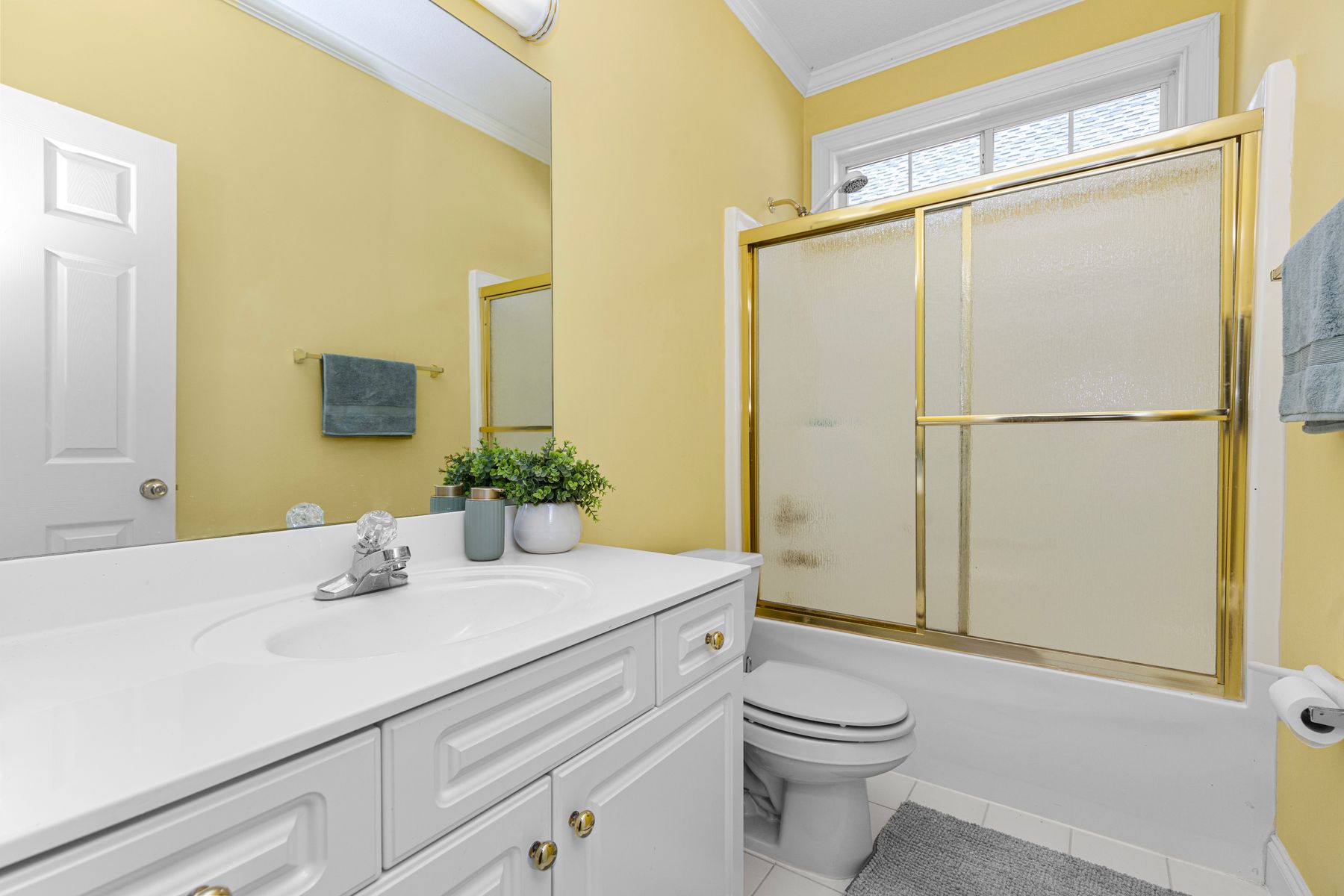
A bathtub can be useful for younger children and shared bedtime routines, but it should still be easy for adults to supervise, reach and clean. Keep bath products contained nearby without crowding the rim, and plan a clear route to towels and dry clothes. As children grow, the same zone can continue to function if the shower arrangement is straightforward.
Use a Vanity That Supports Independent Routines
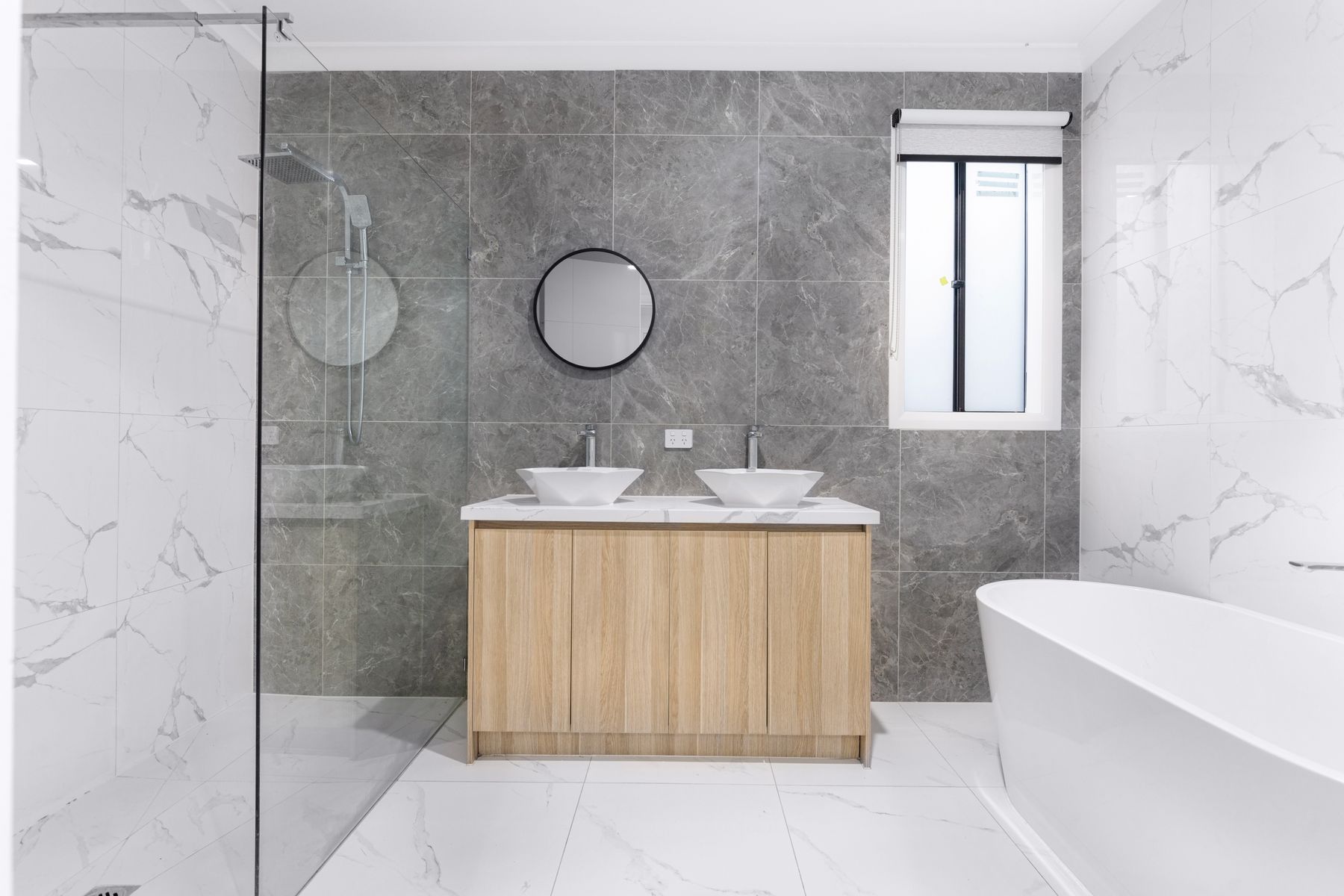
The sink area should make toothbrushing and handwashing easy to repeat without leaving every product on the counter. Drawers or low storage can hold daily items, while a stable step solution may be useful where appropriate for the household. The vanity itself should still have adult-scale durability and proportions so it does not need to be replaced as children grow.
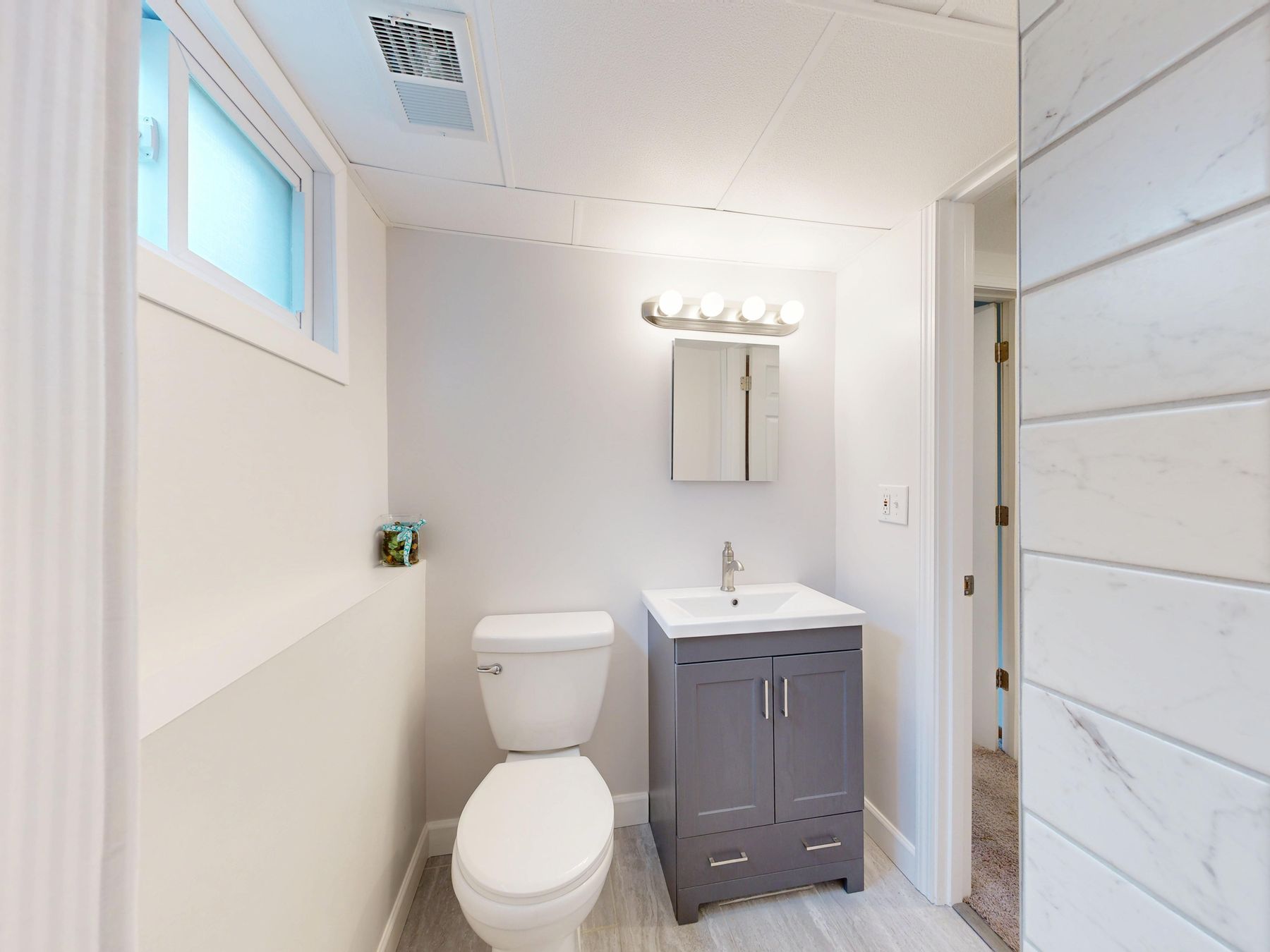
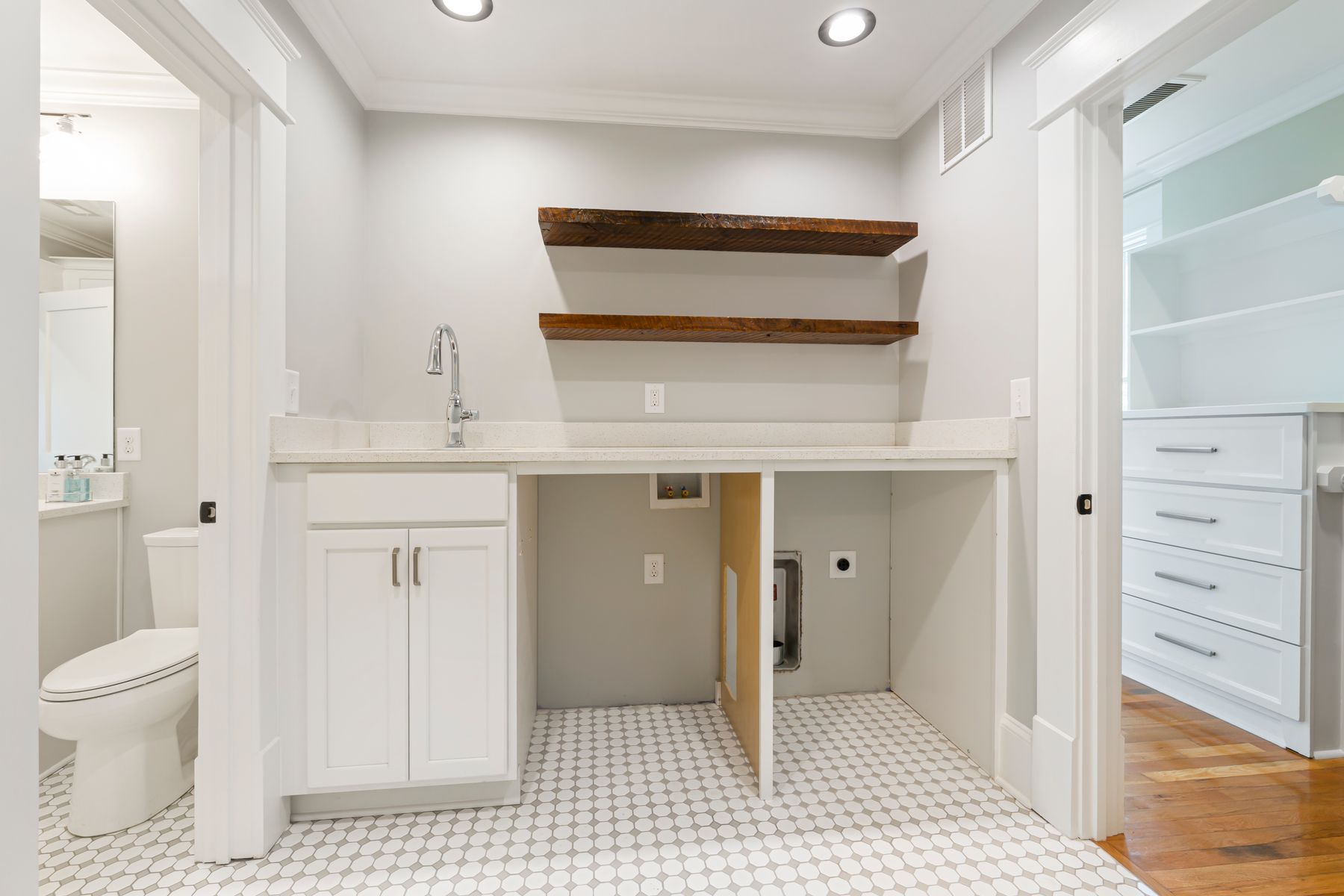
Keep Daily Storage Reachable and Backups Separate
Toothbrushes, hair items and everyday toiletries work best when they have an obvious home close to the sink, while backups and household supplies can live higher or in closed storage. This separation reduces counter clutter and makes it easier for children to put things back without searching through a large shared cabinet.
Create One Clear Towel and Laundry Zone
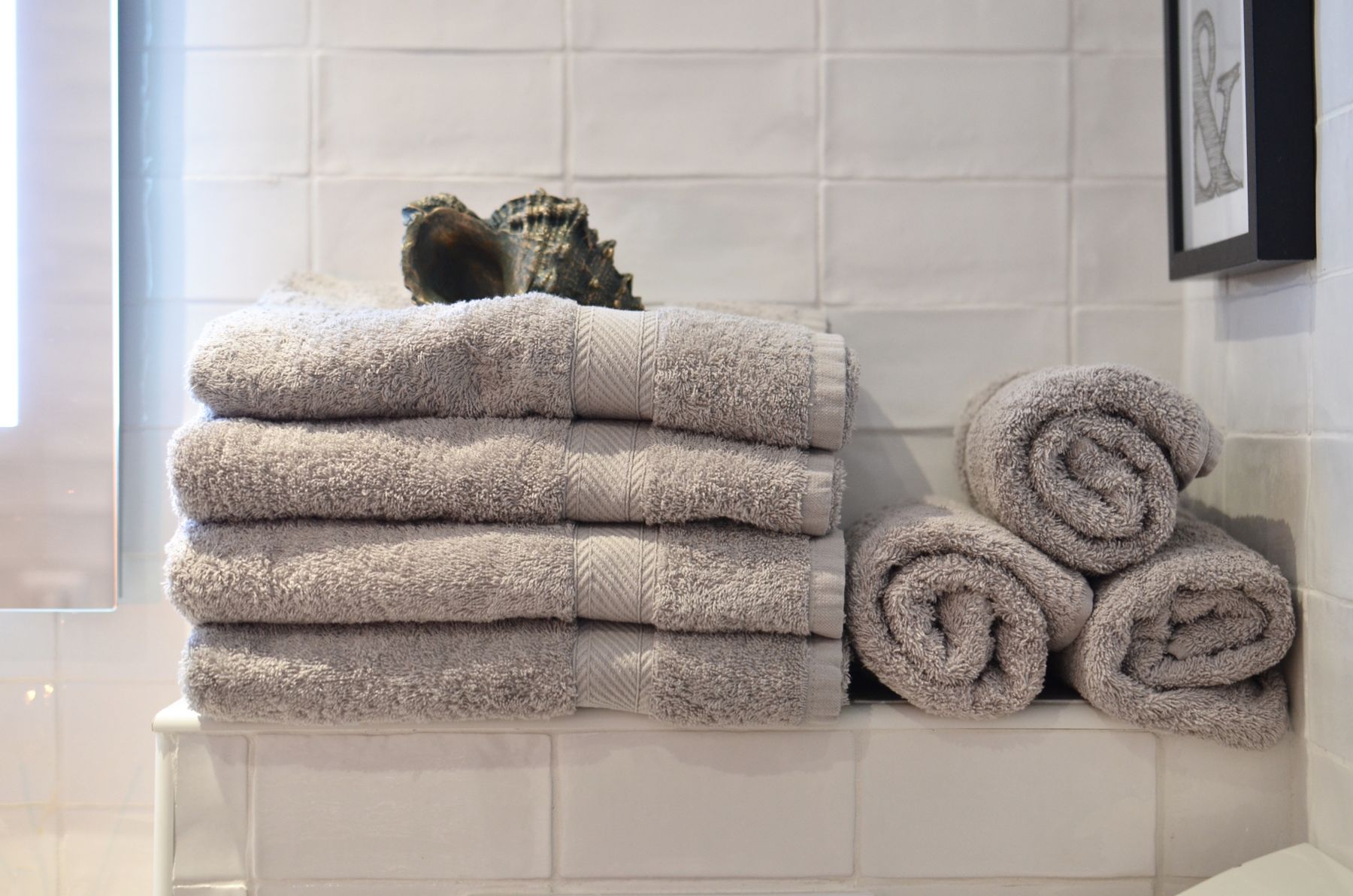
Kids bathrooms generate damp towels and clothes quickly, so the drying and laundry routine should be obvious. Use hooks or rails where active towels can dry and a contained place for dirty clothes. Avoid scattering small hooks across every wall if the result makes the room look permanently disorganized.
Use Color on Surfaces That Are Easy to Change
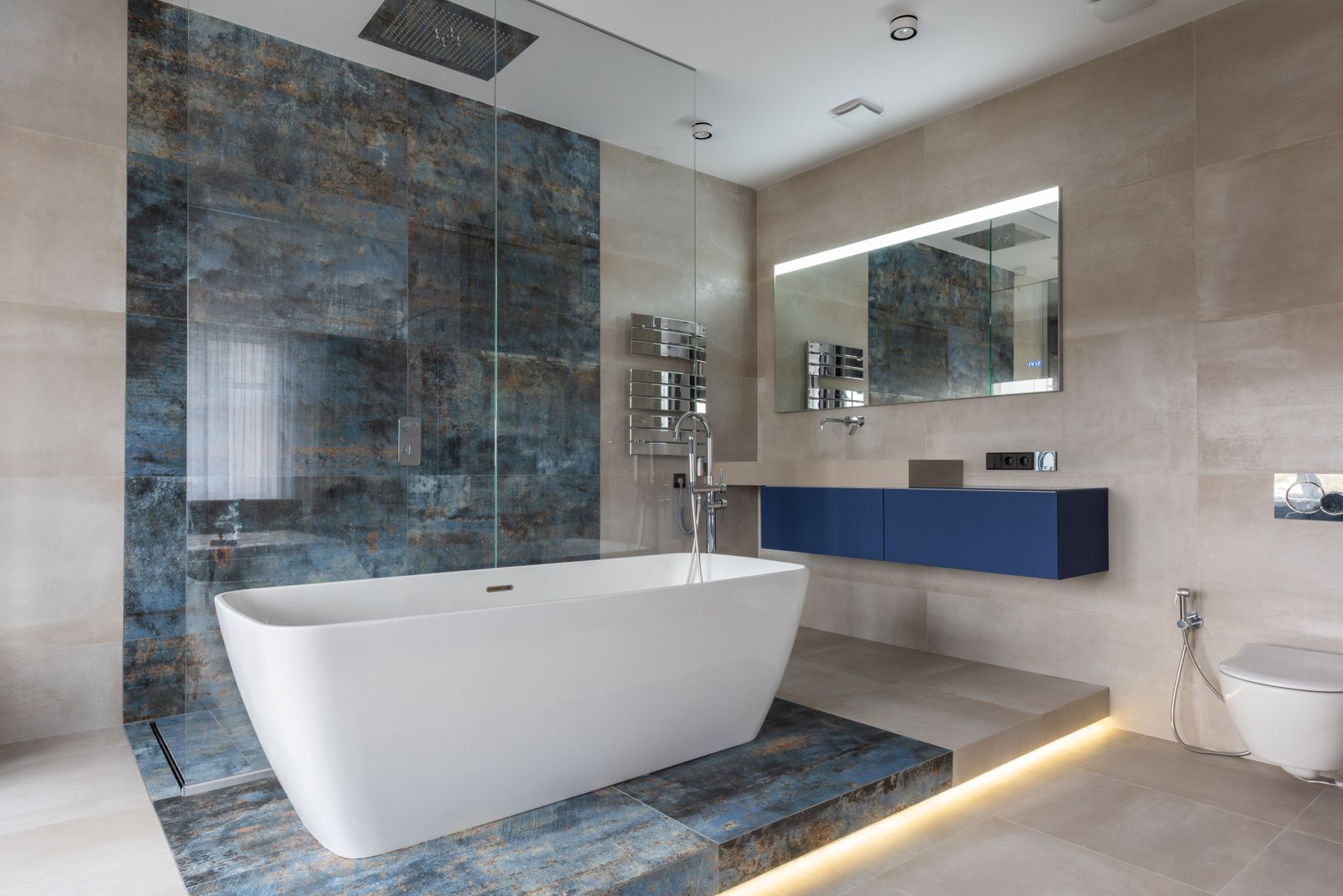
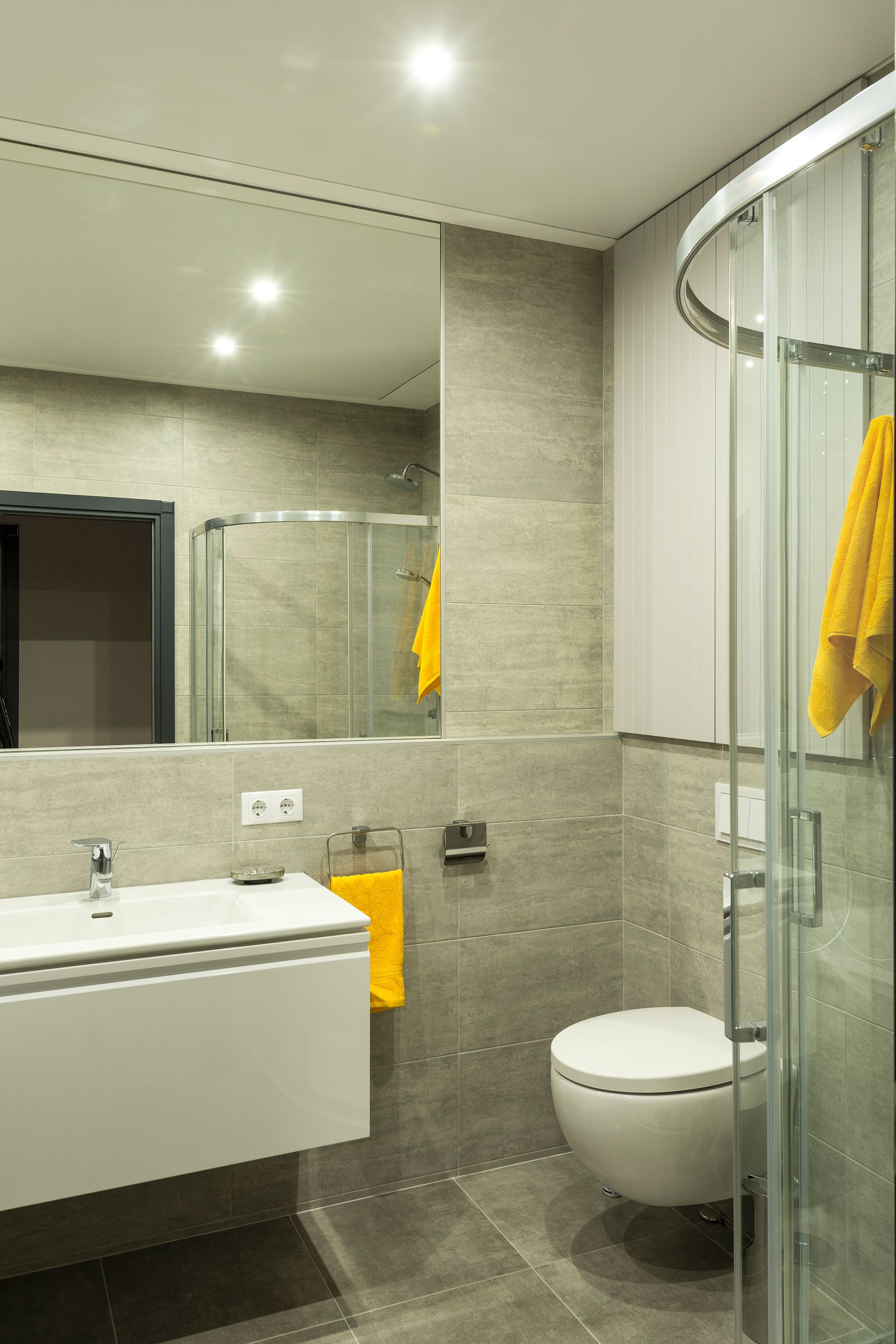
Strong color can make a children's bathroom energetic without covering every permanent surface. Towels, paint, a shower curtain or one cabinet accent can introduce yellow, blue, green or another favorite tone while tile and major fixtures stay more adaptable. The result feels playful without becoming a themed set.
Choose Durable Tile Where Splashes Are Frequent
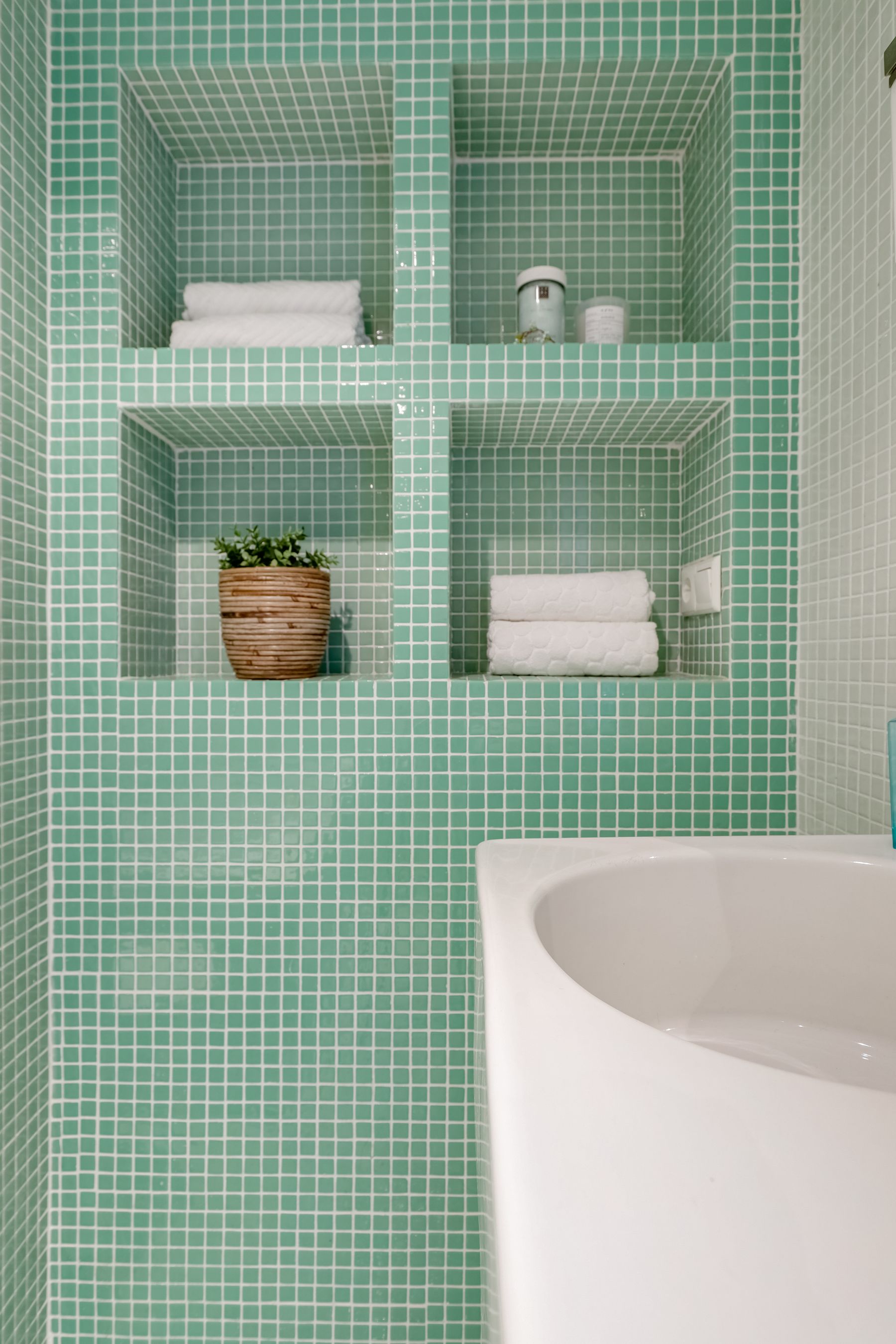
The sink wall, tub surround and floor around the bathing zone receive repeated water and cleaning. Use bathroom-appropriate tile or another durable wet-area surface where those demands are highest, then save paint or more delicate finishes for drier walls. A simple installation is easier to maintain than many small decorative transitions.
Use a Mirror and Lighting That Work as Children Grow
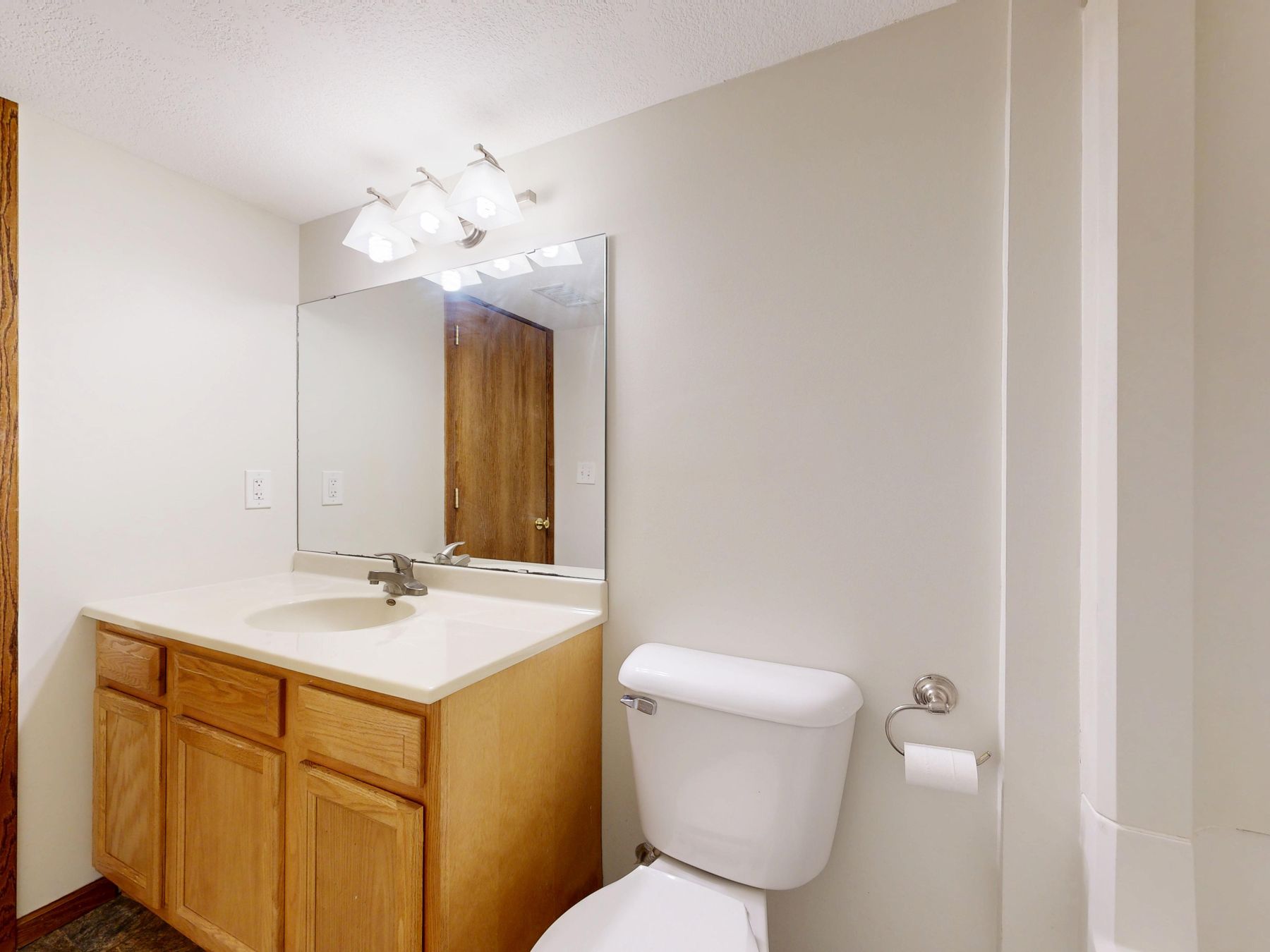
A generous mirror is more adaptable than a very small decorative mirror because it remains useful at different heights and for different users. Pair it with clear task lighting around the sink and enough general light for bathing and nighttime visits. The controls should be straightforward rather than dependent on a complicated lighting sequence.
Use Flexible Storage for Bath Toys and Changing Categories
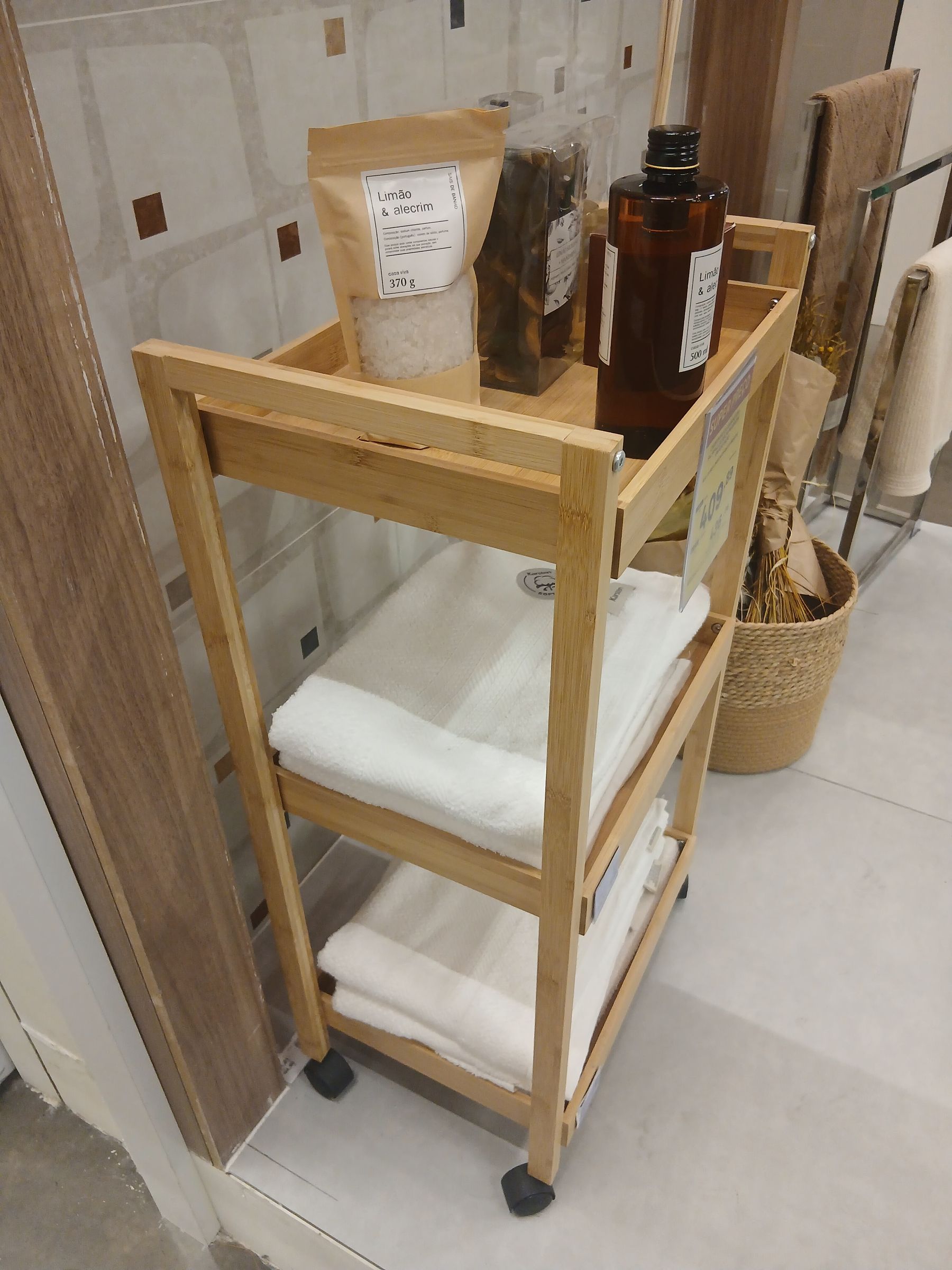
Bath toys, hair accessories and other childhood-specific categories change quickly, so they do not always deserve permanent cabinetry. A washable basket, removable bin or movable cart can handle temporary categories while keeping the floor clear. As routines change, the same storage can be reassigned or removed.
Keep the Final Layout Easy to Supervise and Reset
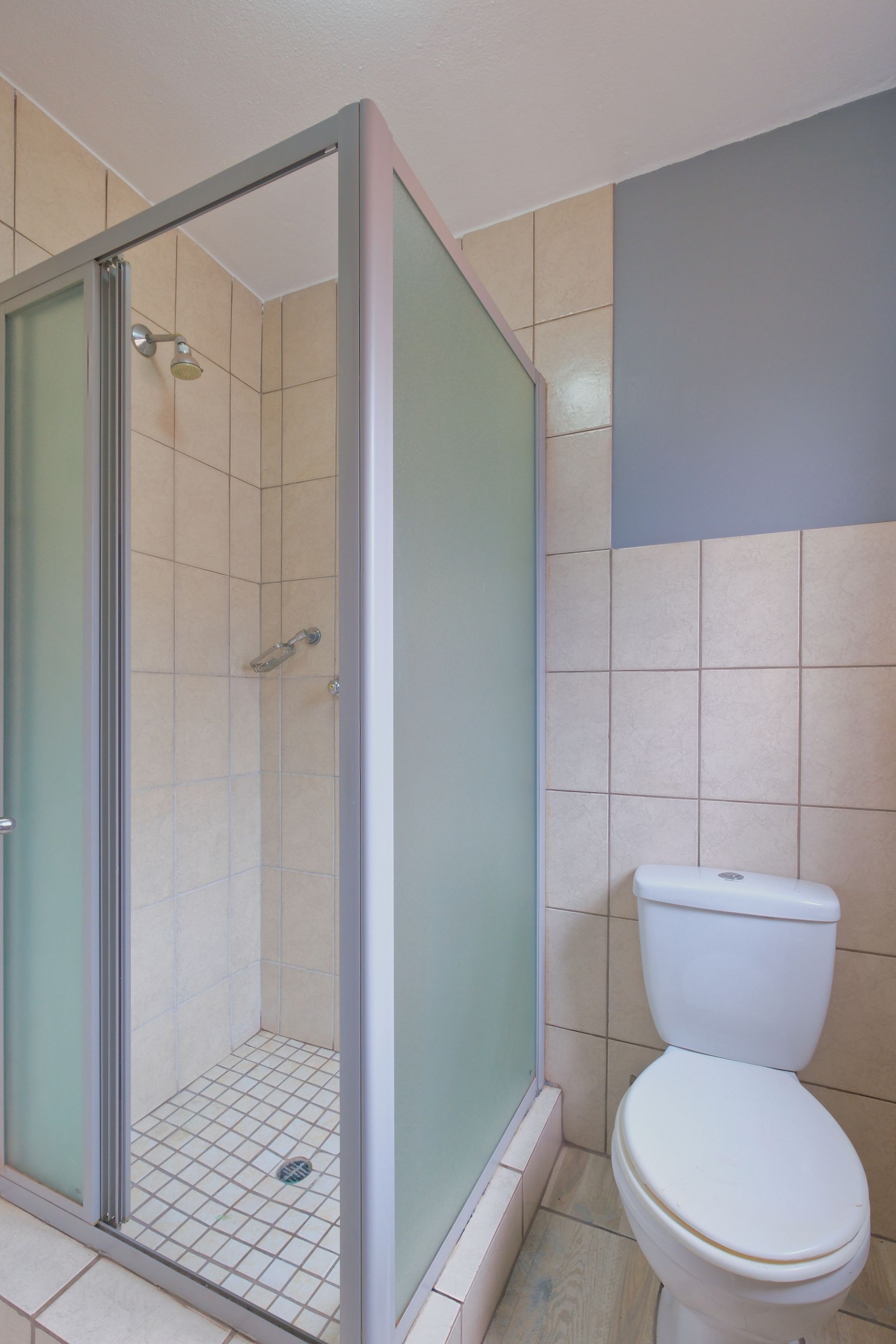
The room should be easy for an adult to help with bath time, cleanup or grooming without squeezing around furniture and loose storage. Keep the main path visible, reduce objects on the floor and make the reset routine simple enough that towels, products and laundry all have obvious destinations.