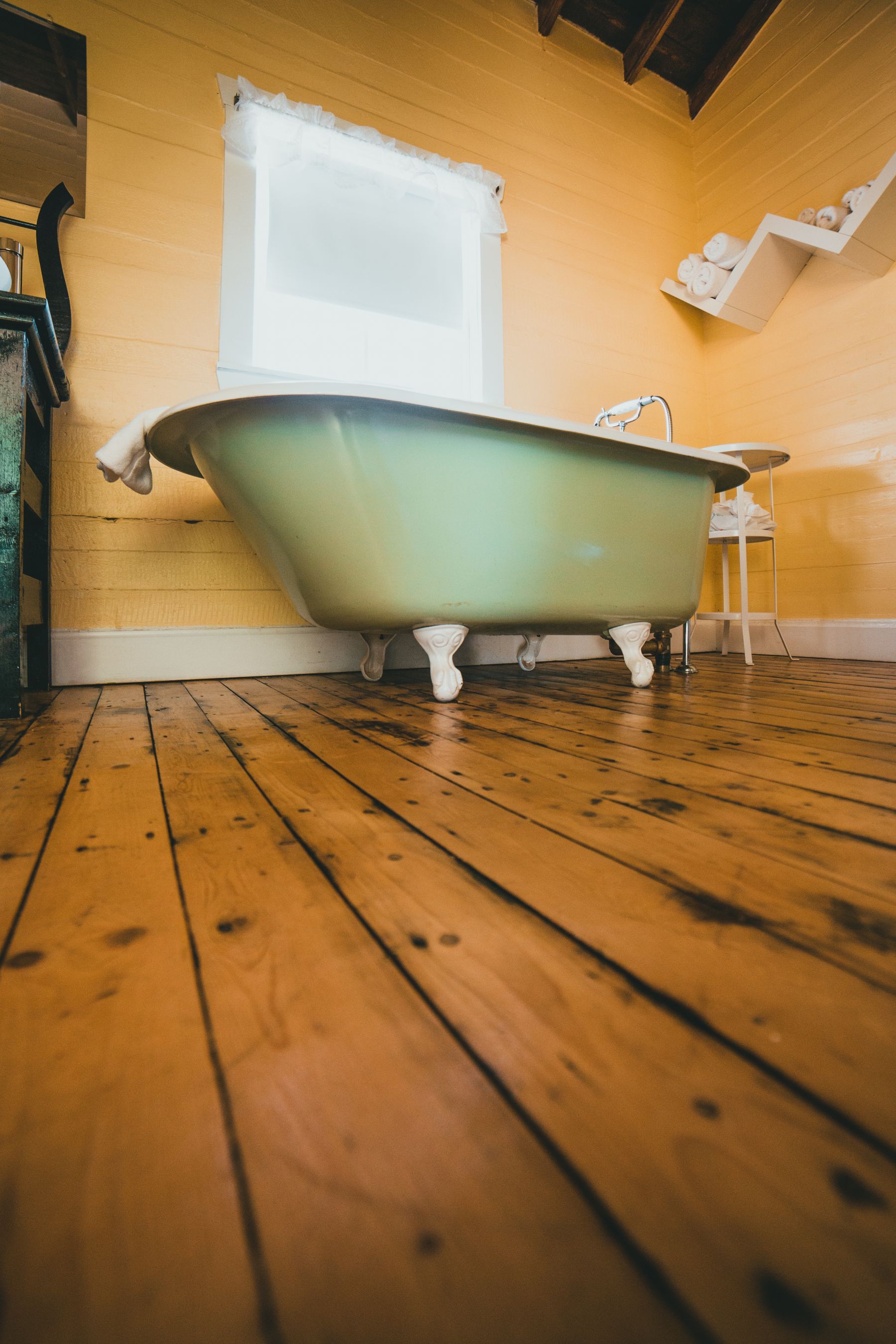
Use a Clawfoot Tub as the Classic Anchor
A clawfoot bath can add strong classic character without requiring the rest of the bathroom to become historically styled. Keep surrounding walls and flooring relatively simple so the silhouette remains clear. Check floor condition, filler position and cleaning access around the feet before prioritizing the look.
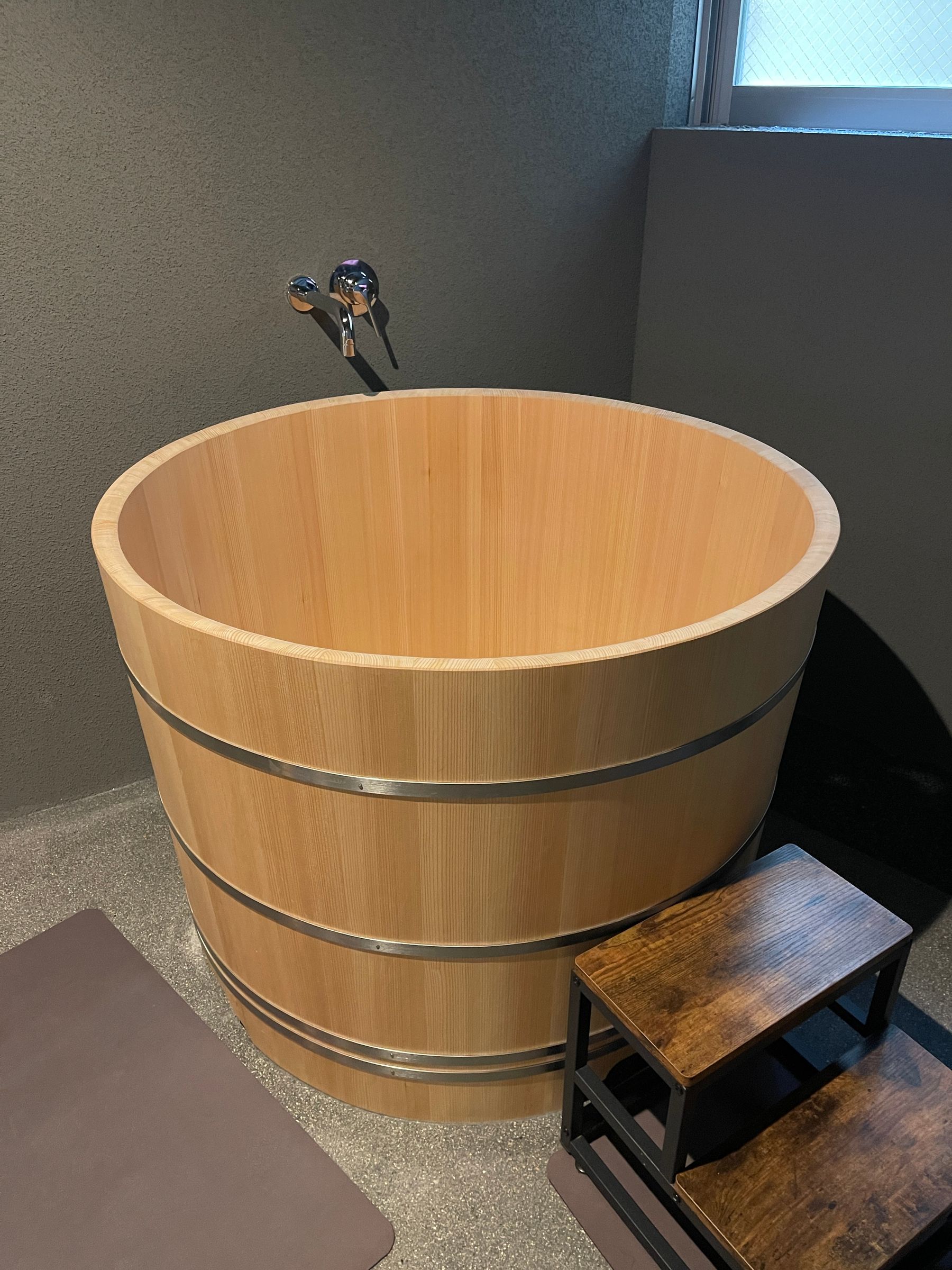
Choose a Deep Soaking Tub for Immersion
A deep soaking tub uses more vertical depth and often a smaller footprint than a long reclining bath. It can be especially useful when the goal is immersion rather than stretching out. Step-over height, user mobility, water volume and floor support should be reviewed before choosing a very deep model.
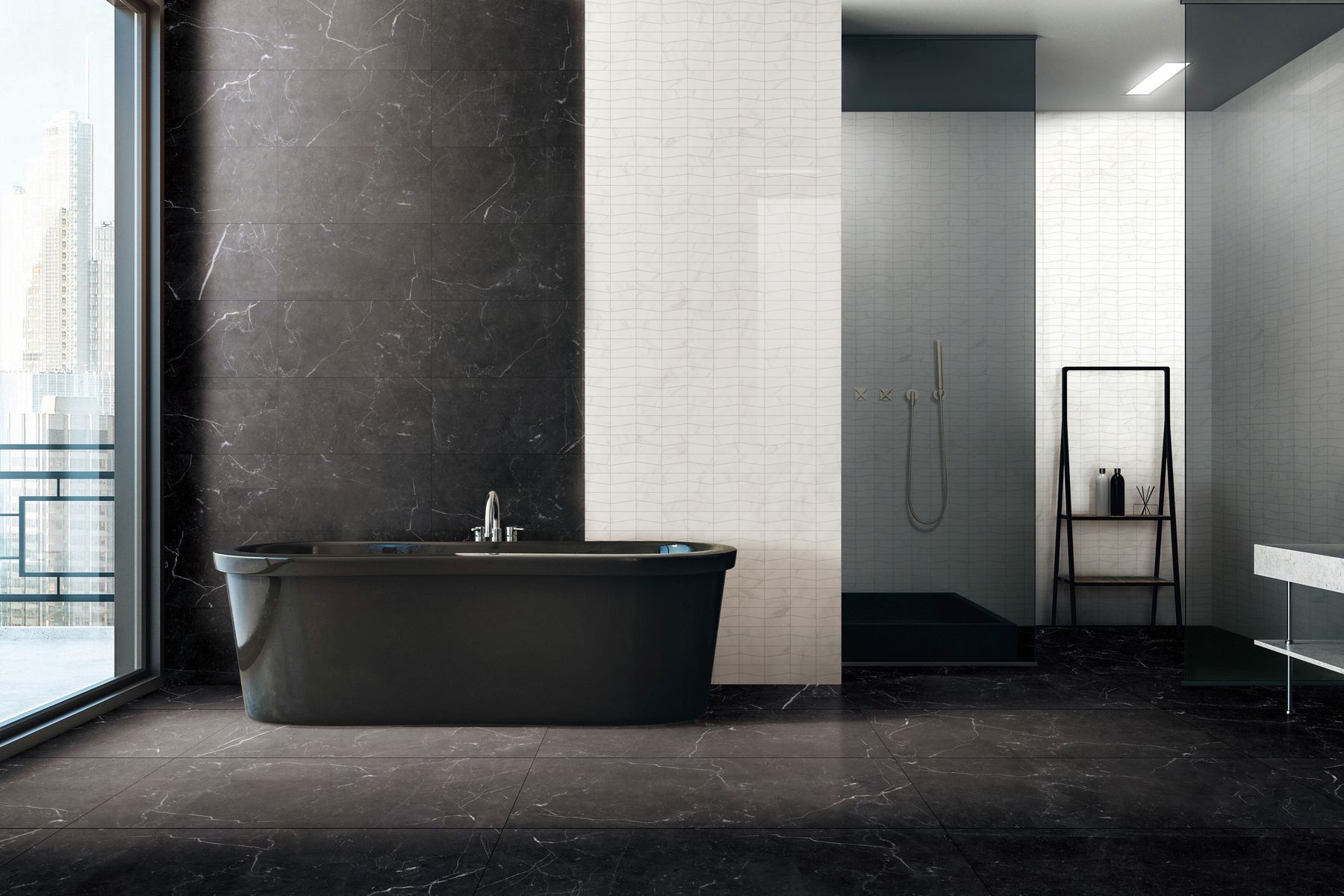
Use a Black Tub as the Main Graphic Object
A black bathtub can create a strong focal point without requiring every wall to become dark. It works especially well against pale stone or tile where the outline remains visible. Matte black can show water spots or dust differently from white or gloss finishes, so maintenance should be considered with the visual impact.

Use a Green Tub for a Softer Color Statement
A green bathtub can add color without turning the entire bathroom into a saturated scheme. Olive, sage and deeper greens pair naturally with white, stone, wood and warm metal. Keep nearby accessories restrained so the tub remains the intentional color anchor.
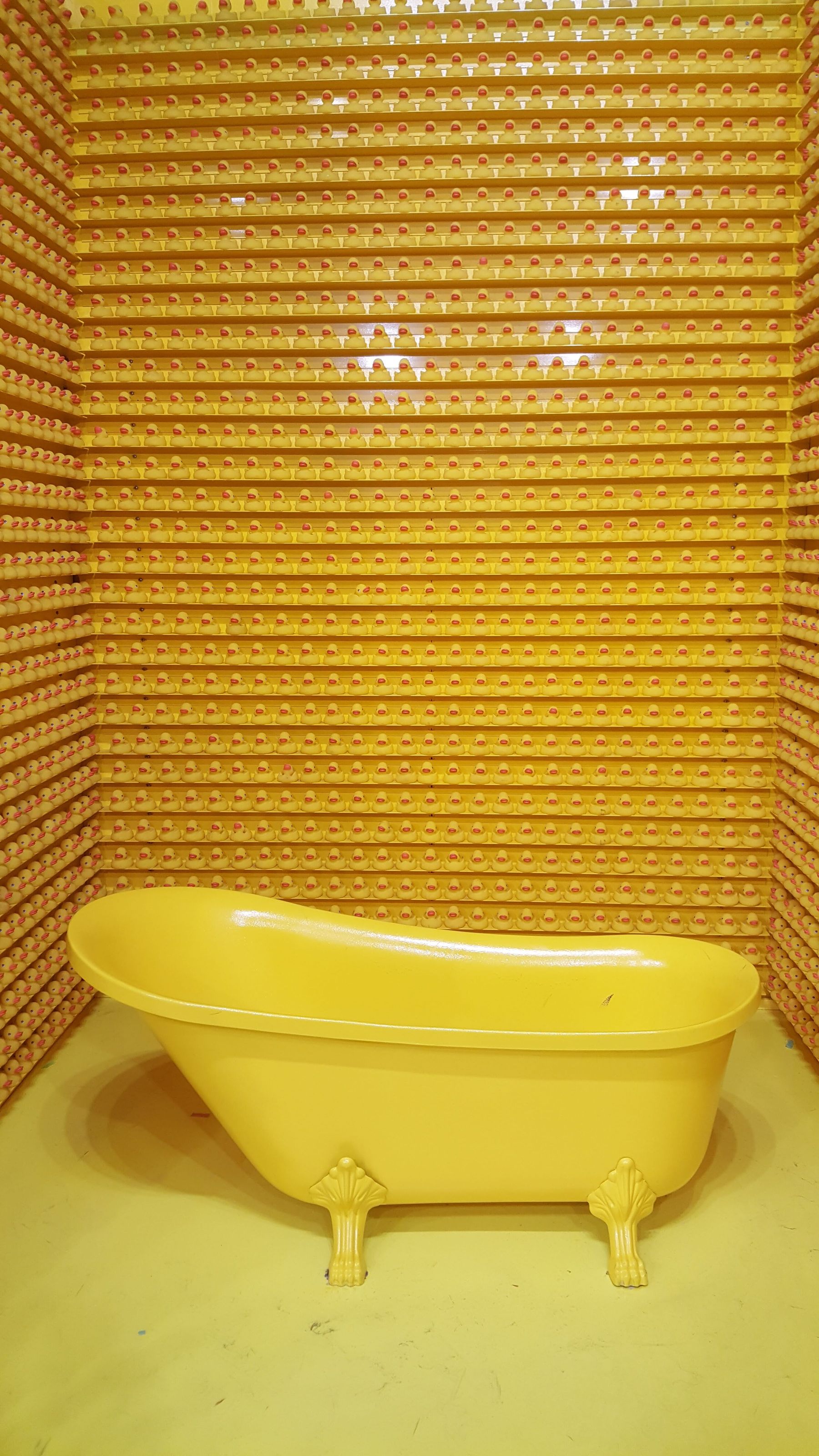
Use Yellow for a More Playful Tub
A yellow tub creates a more energetic focal point and can support retro or contemporary interiors. Strong color works best when the surrounding surfaces provide enough visual relief. White, warm grey, wood and simple metal fittings can keep the bath from feeling novelty-led.
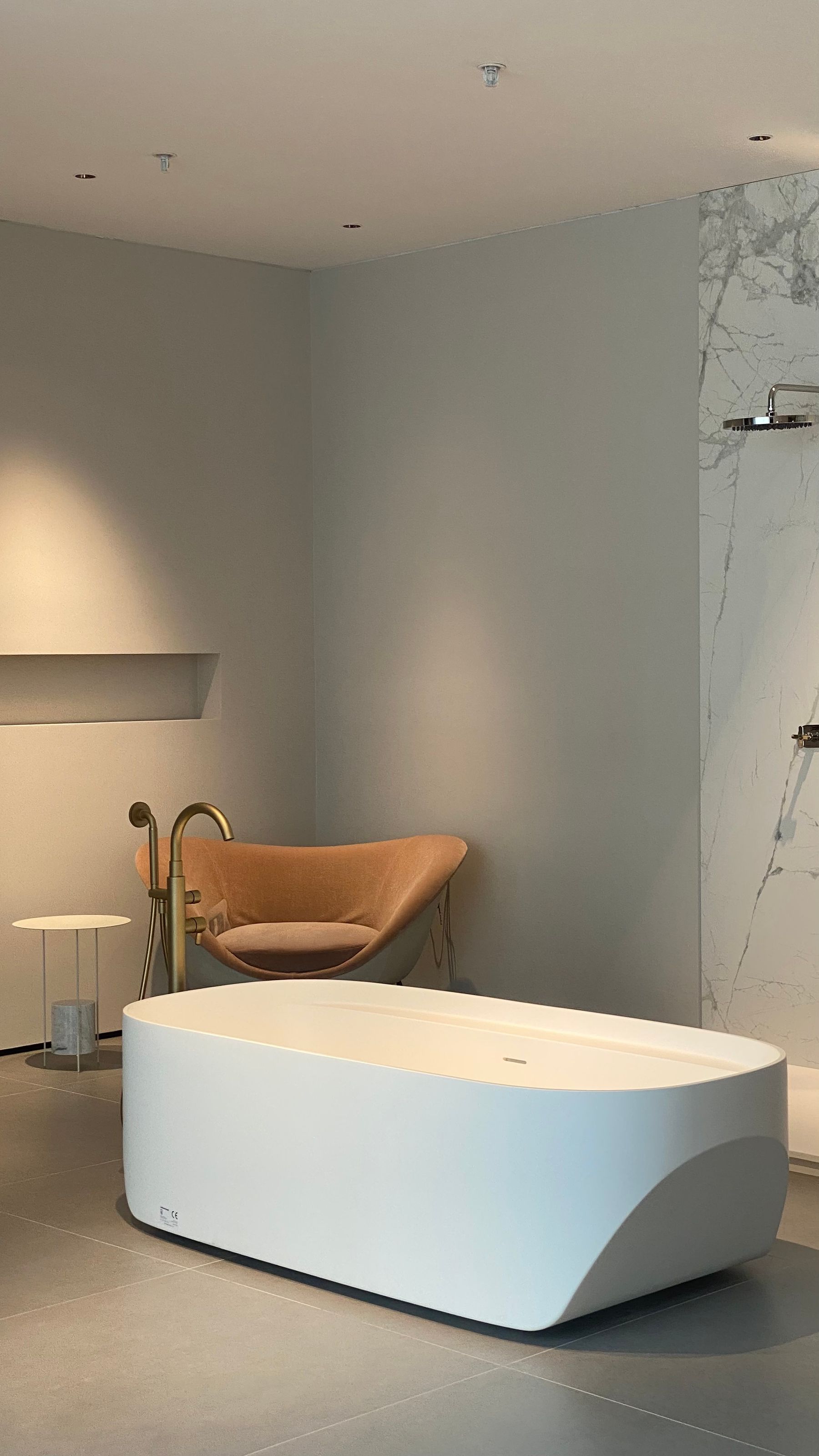
Keep a Minimal Tub Simple and Easy to Reach
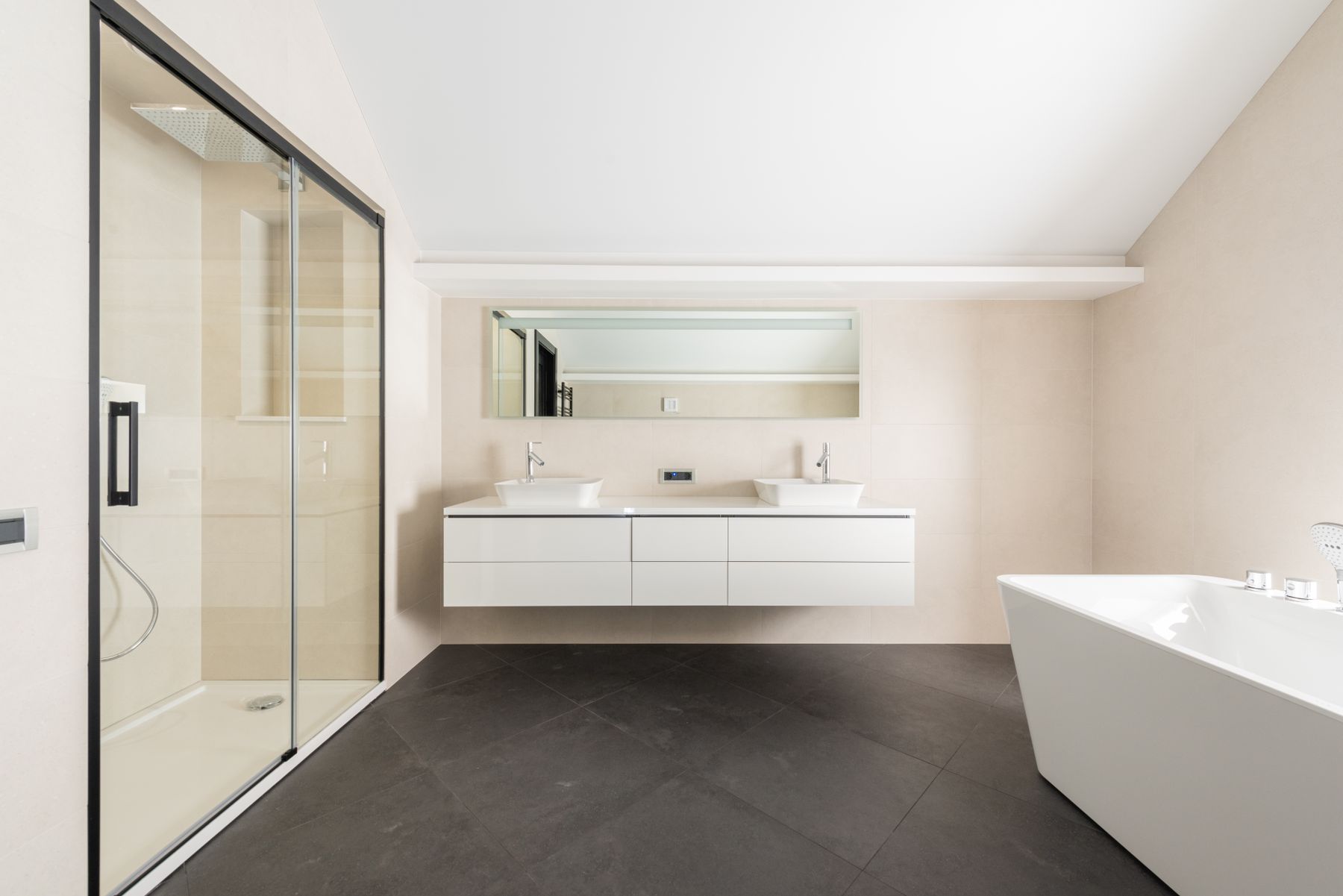
A minimalist bathtub should not sacrifice comfort or access in pursuit of a cleaner outline. Simple geometry, a quiet surround and limited accessories can make the bathing zone feel calm, but filler position, bath edge and towel access still need to work in daily use.
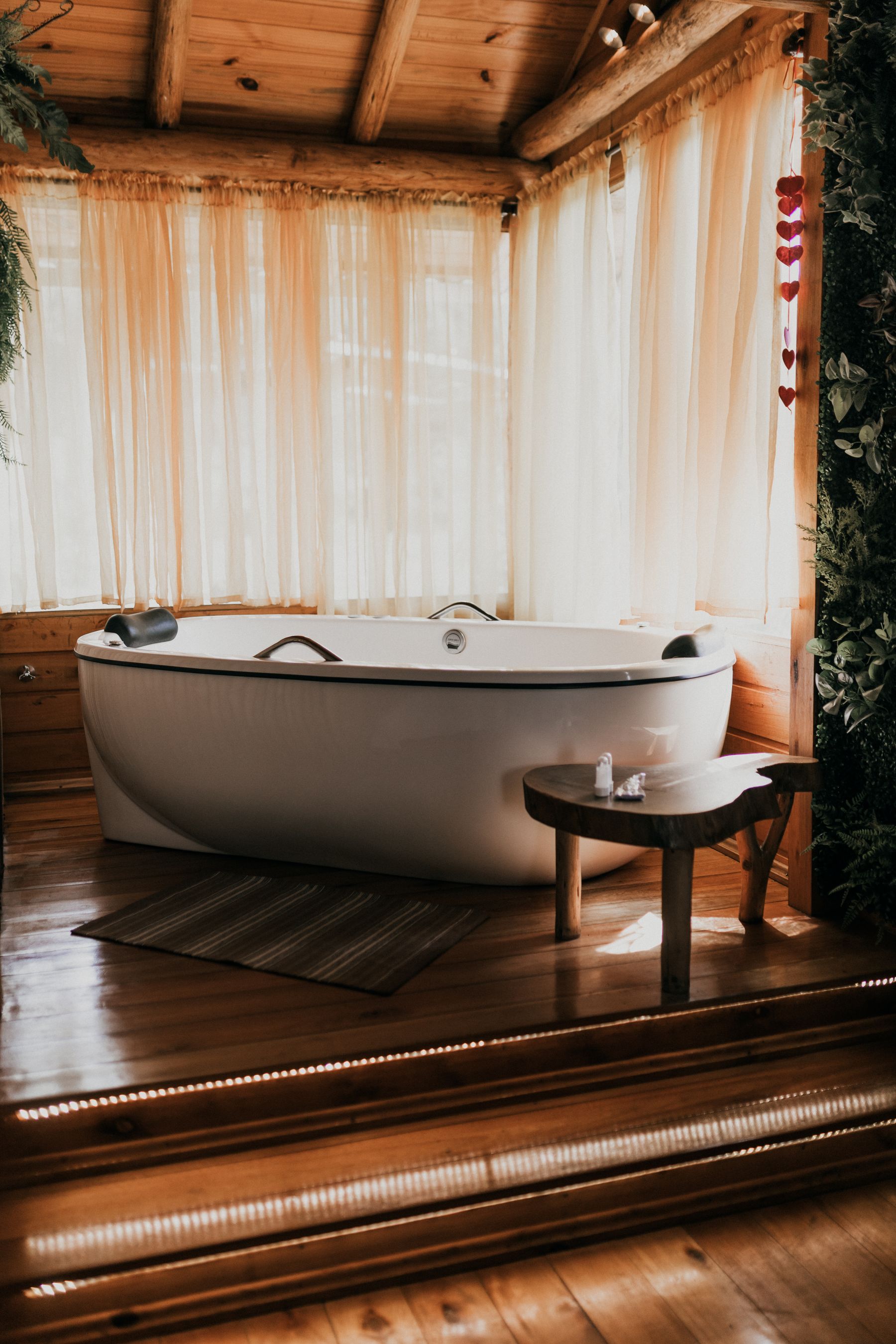
Use a Tub to Reinforce a Cabin or Rustic Material Story
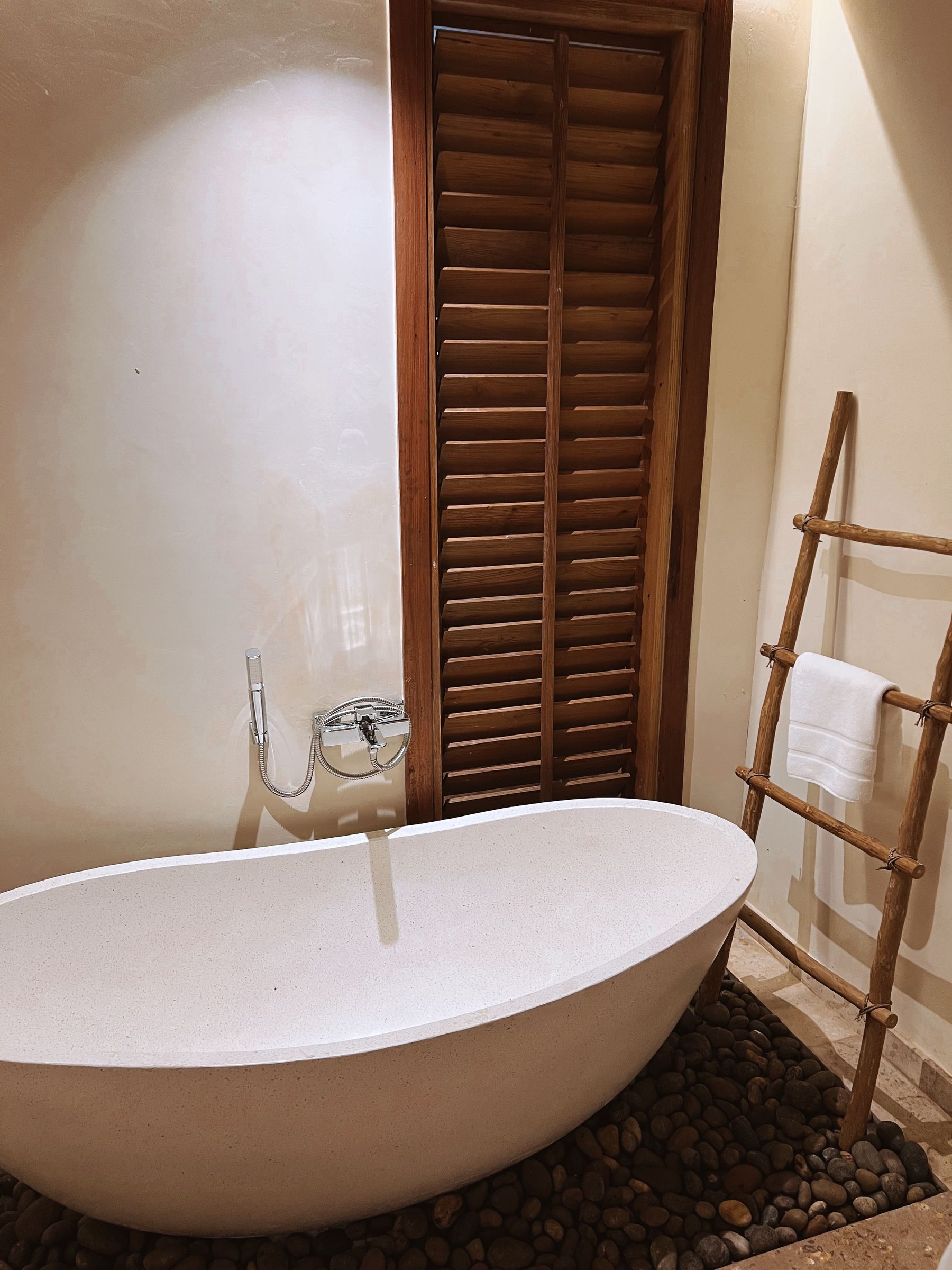
In a rustic or cabin-like bathroom, the tub can sit comfortably beside timber, stone and warmer surfaces without needing ornate styling. Keep the bath itself relatively simple if the surrounding shell already carries heavy texture. This prevents the room from feeling like several competing focal points.
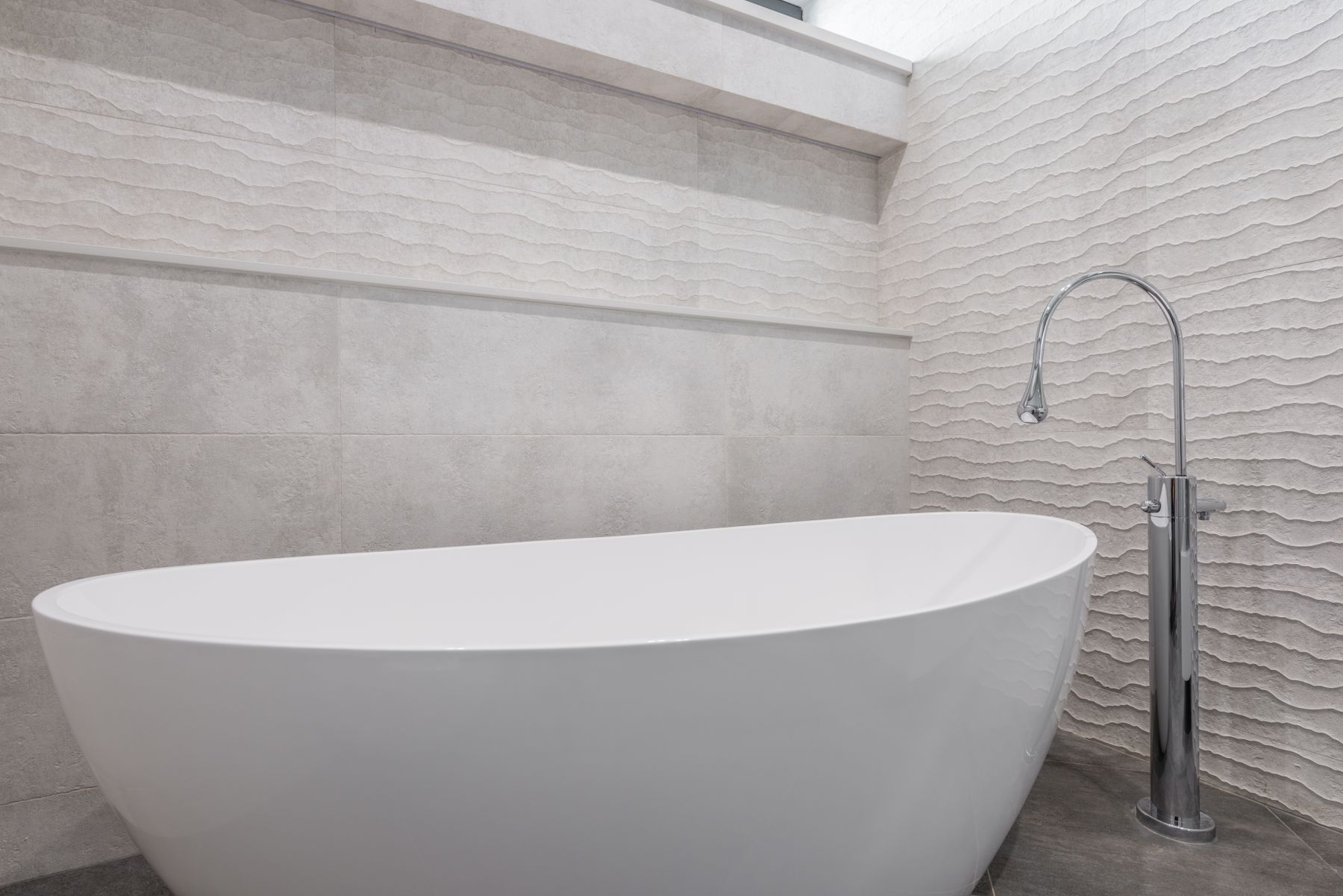
Use Texture Around the Tub Instead of on the Tub
A sculptural bath zone does not require an unusually shaped tub. Textured walls, fluted surfaces or stone-like finishes around a simple bath can provide the visual interest while keeping the fixture itself easier to clean and replace. Let one layer carry the texture and keep the other calmer.
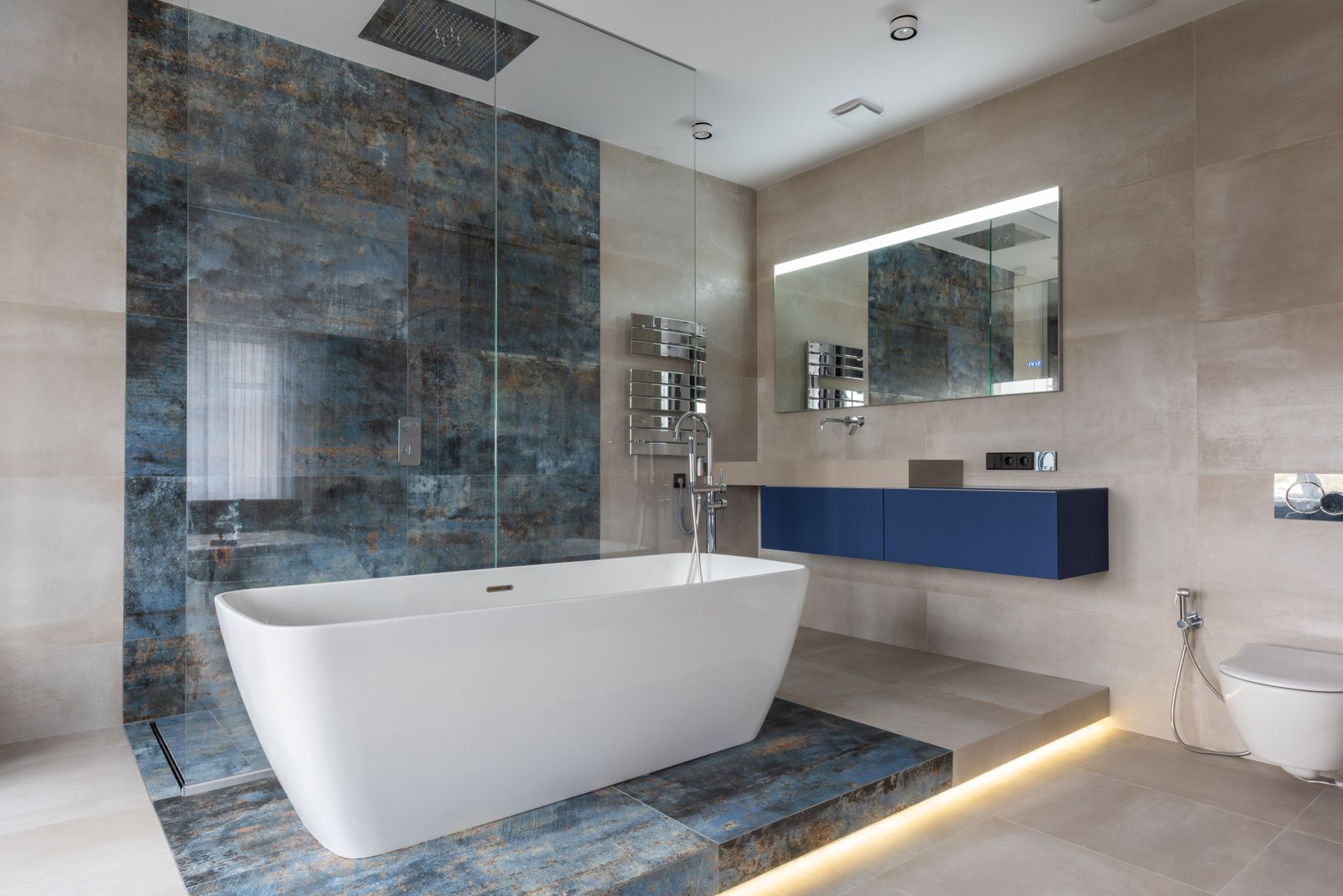
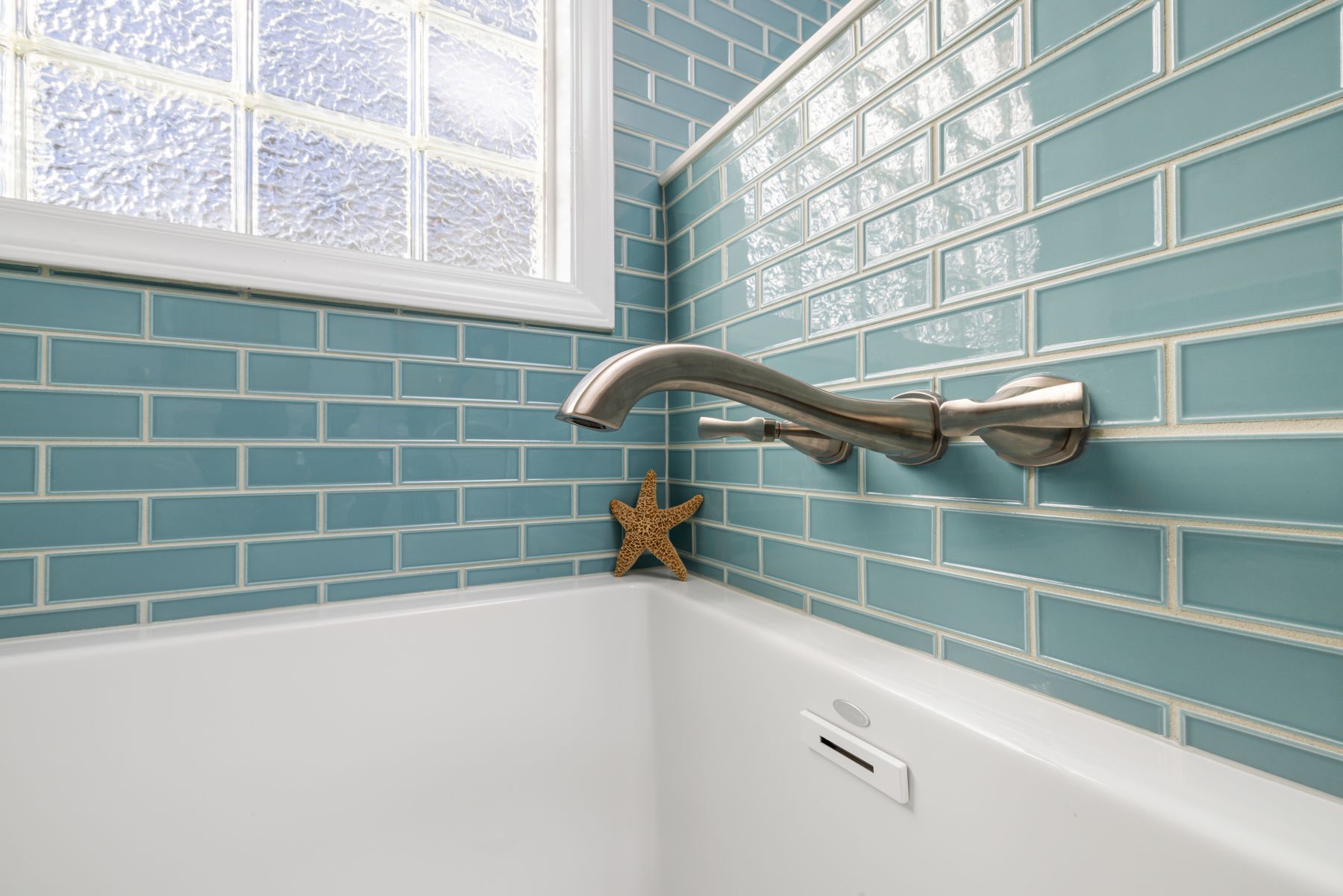
Use Blue Tile to Frame a White Tub
A white bathtub can become the clean focal point when a stronger tile color sits behind it. Blue works especially well because the contrast is clear without making the bath itself more difficult to coordinate. This approach also lets the color live on a replaceable or re-tileable surface rather than the sanitaryware.
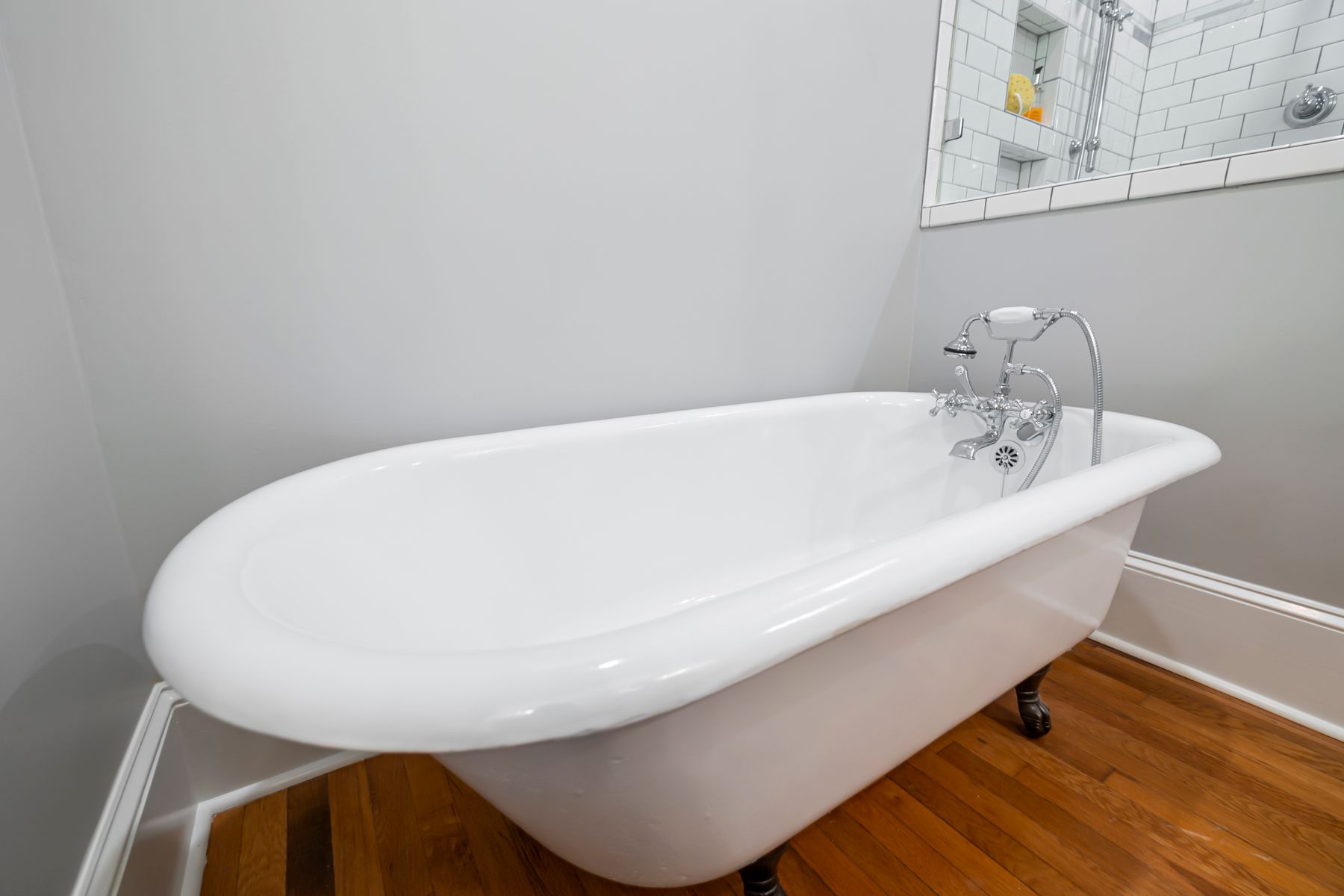
Use a Victorian Tub Without Recreating the Whole Period
A period-inspired clawfoot or rolled-rim bath can provide enough Victorian character for a contemporary bathroom. Keep plumbing, lighting and storage current and let the tub carry most of the historic reference. This creates a more usable interpretation than trying to reproduce every nineteenth-century detail.