Anchor the Room With a Wooden Table
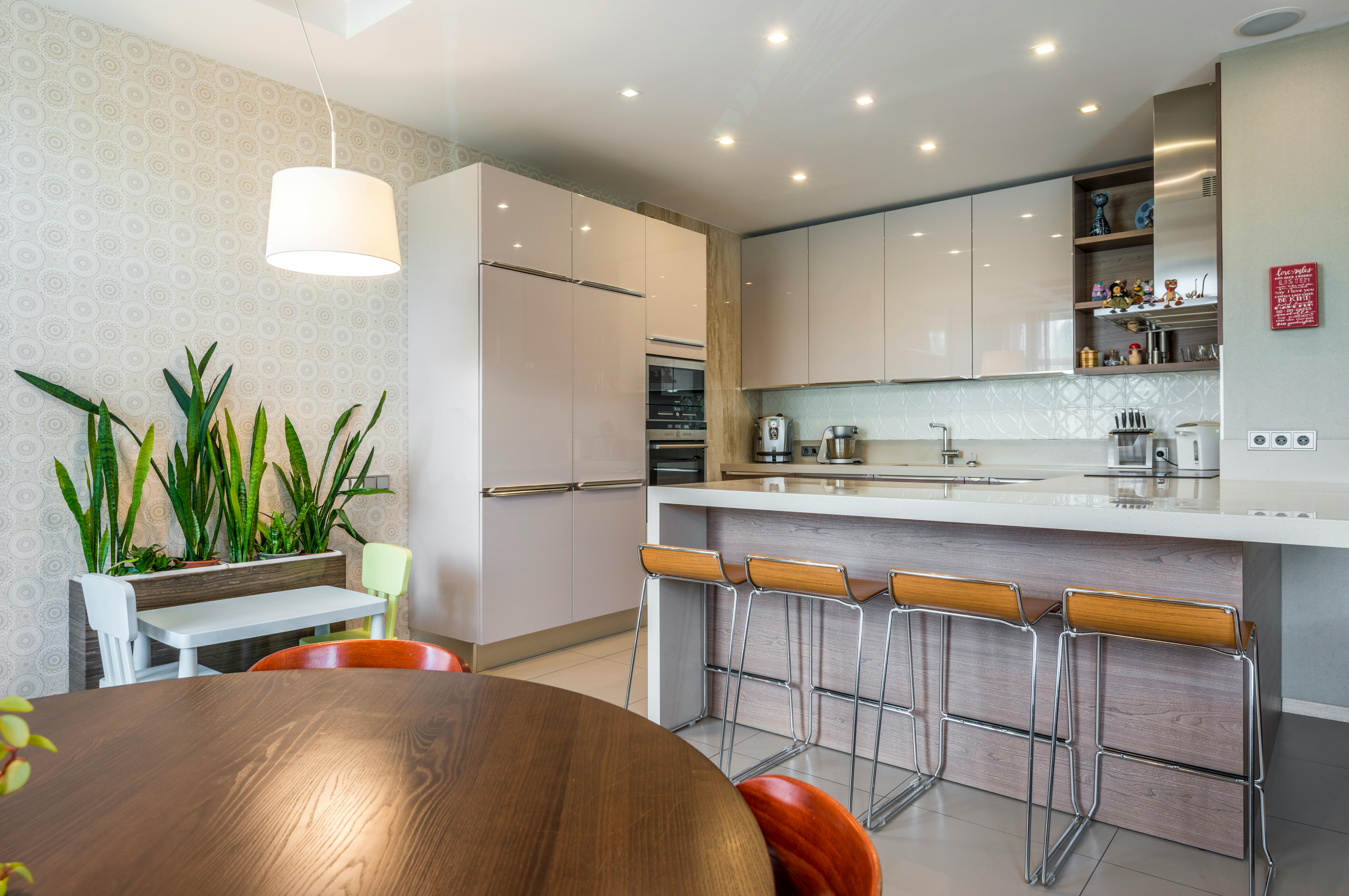
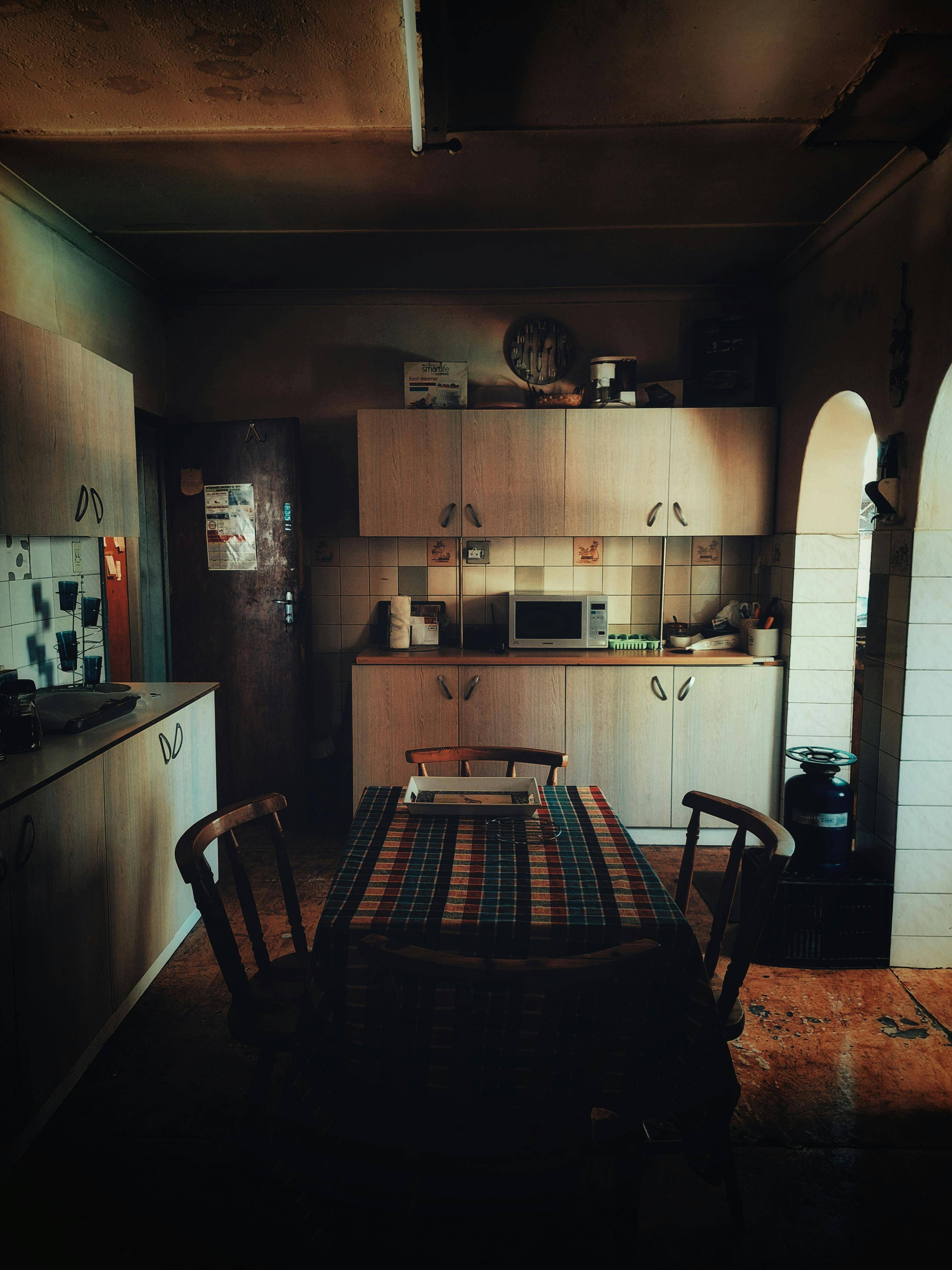
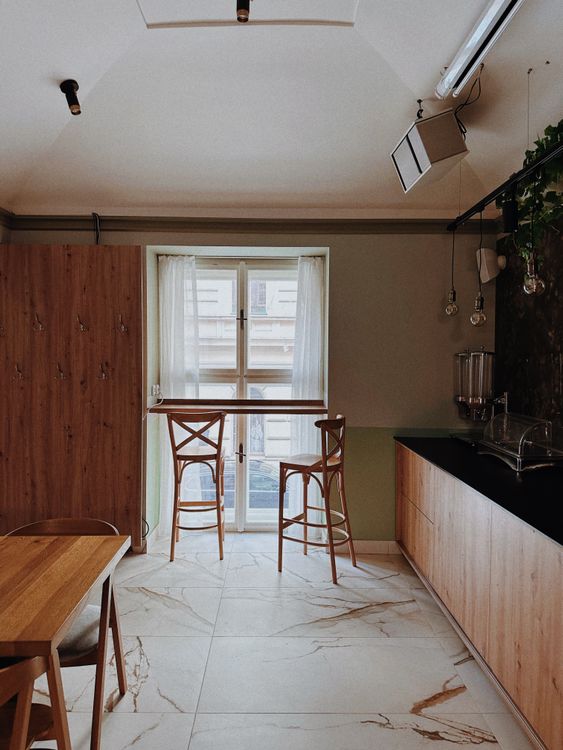
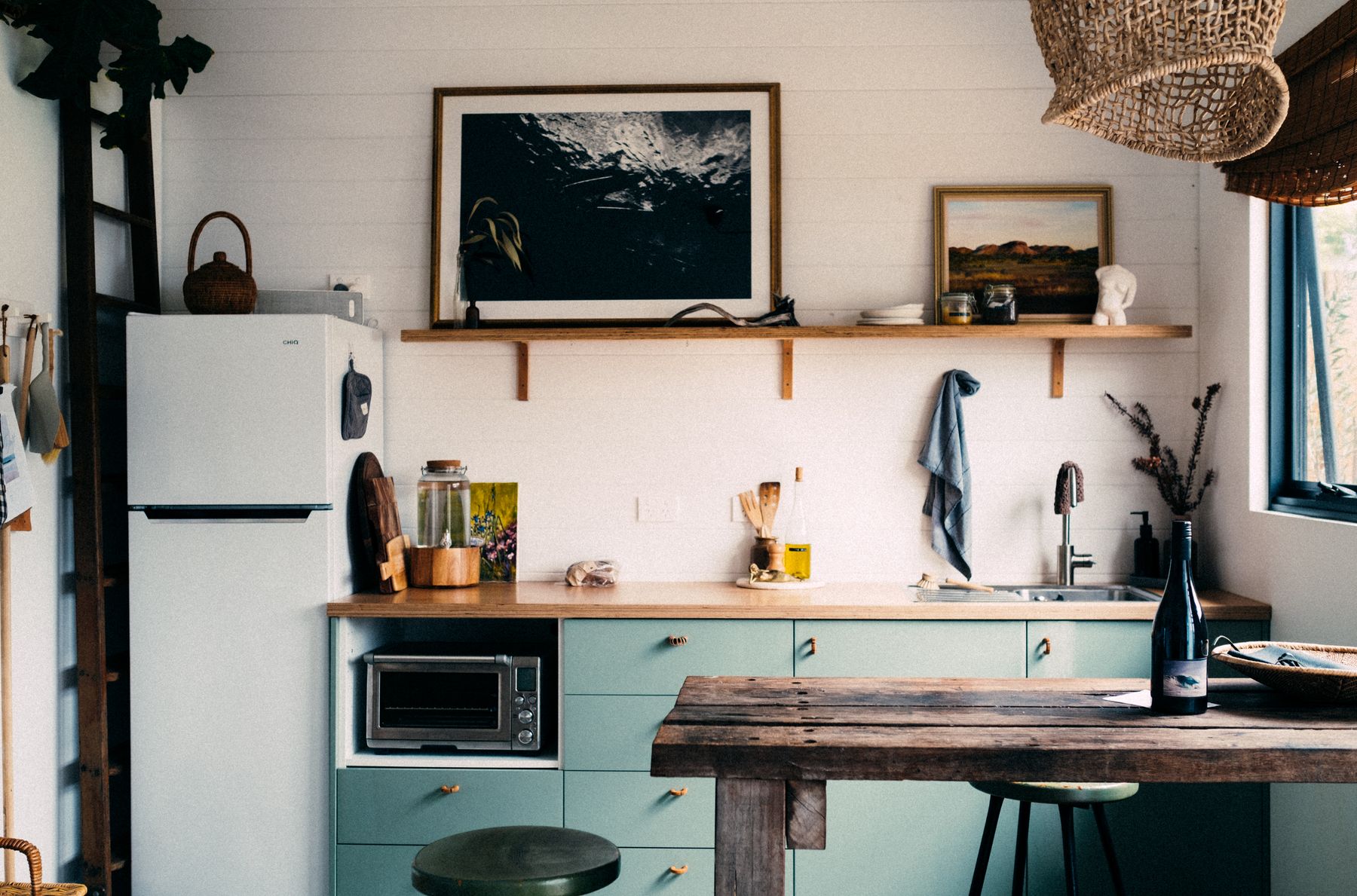
A wooden table gives a boho kitchen something more substantial than a collection of small accessories. Its grain can bring warmth to plain fitted cabinets while also serving a real job: eating, serving or occasional preparation. In a narrow room, a slim table against a wall may be enough; in a larger kitchen, a freestanding worktable can become the visual center. Let the grain remain visible instead of covering the surface permanently with decor.
Introduce Woven Texture Through One Shade
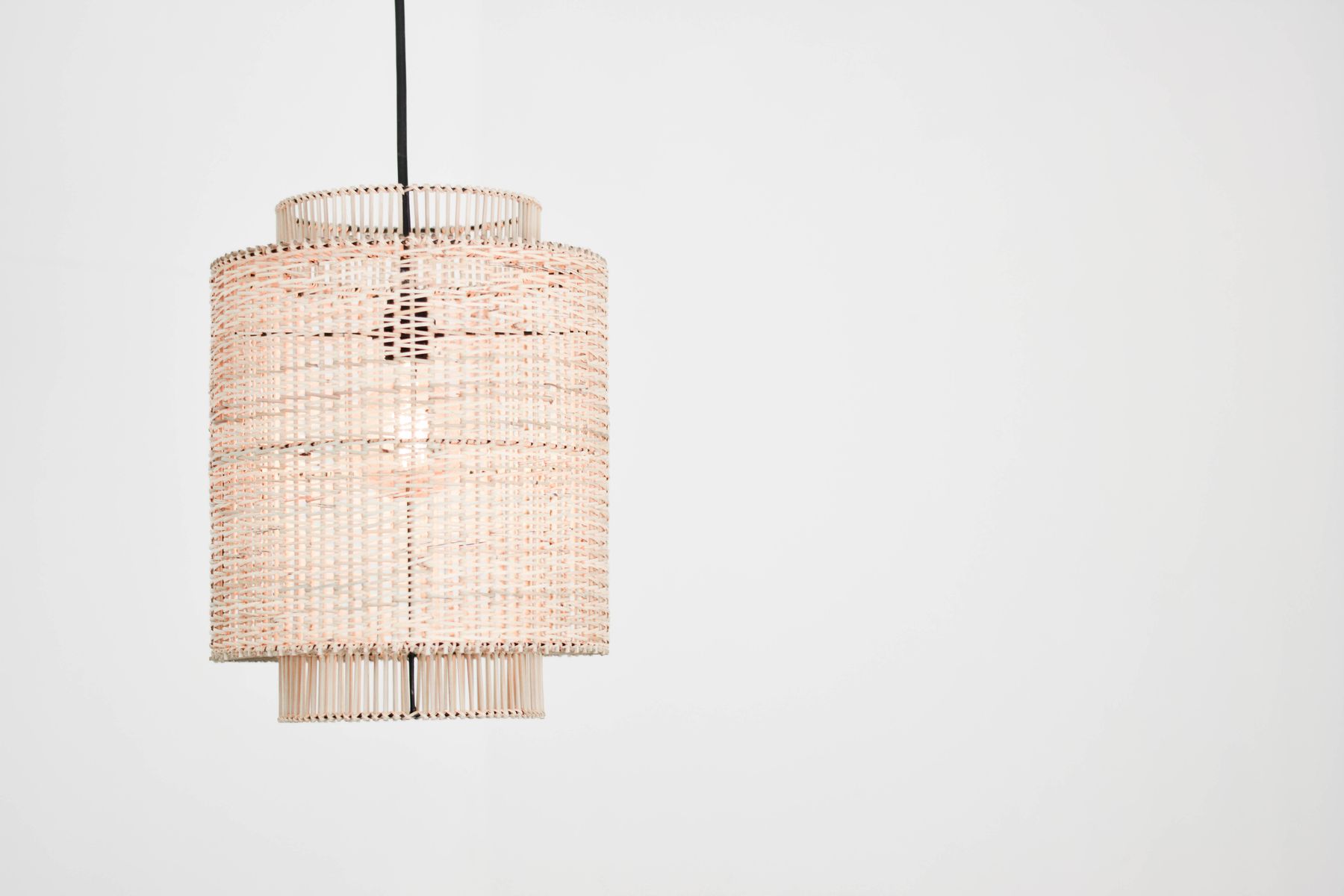
A woven pendant can add texture above a dining table without introducing another strong color. The weave itself supplies detail, so one shade is often enough. Shape matters as much as material: a compact cylinder feels lighter than a broad basket form. Open weaves may expose the bulb, so check glare from a seated position and make sure task lighting elsewhere still supports the actual cooking areas.
Group Plants Around the Light They Need
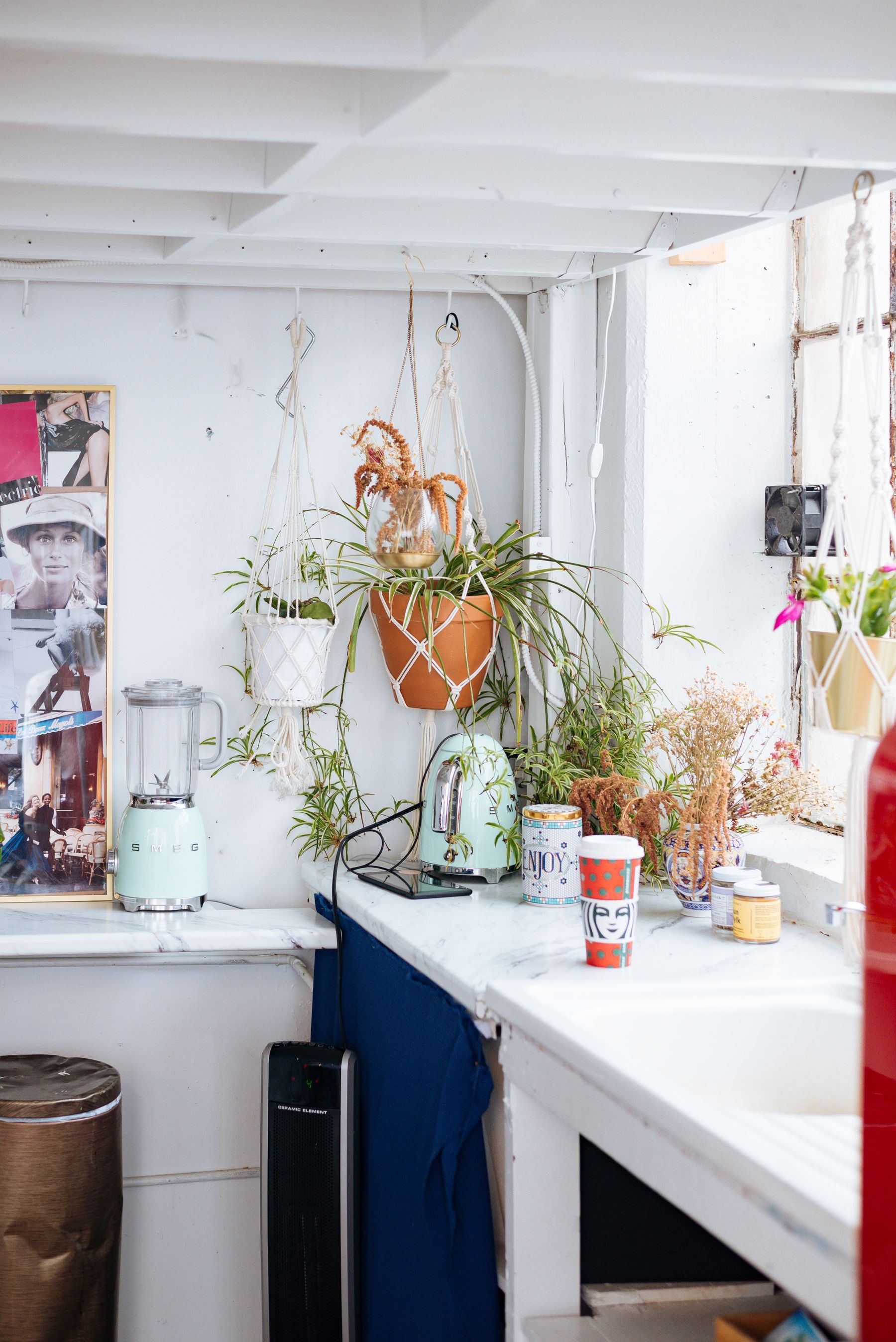
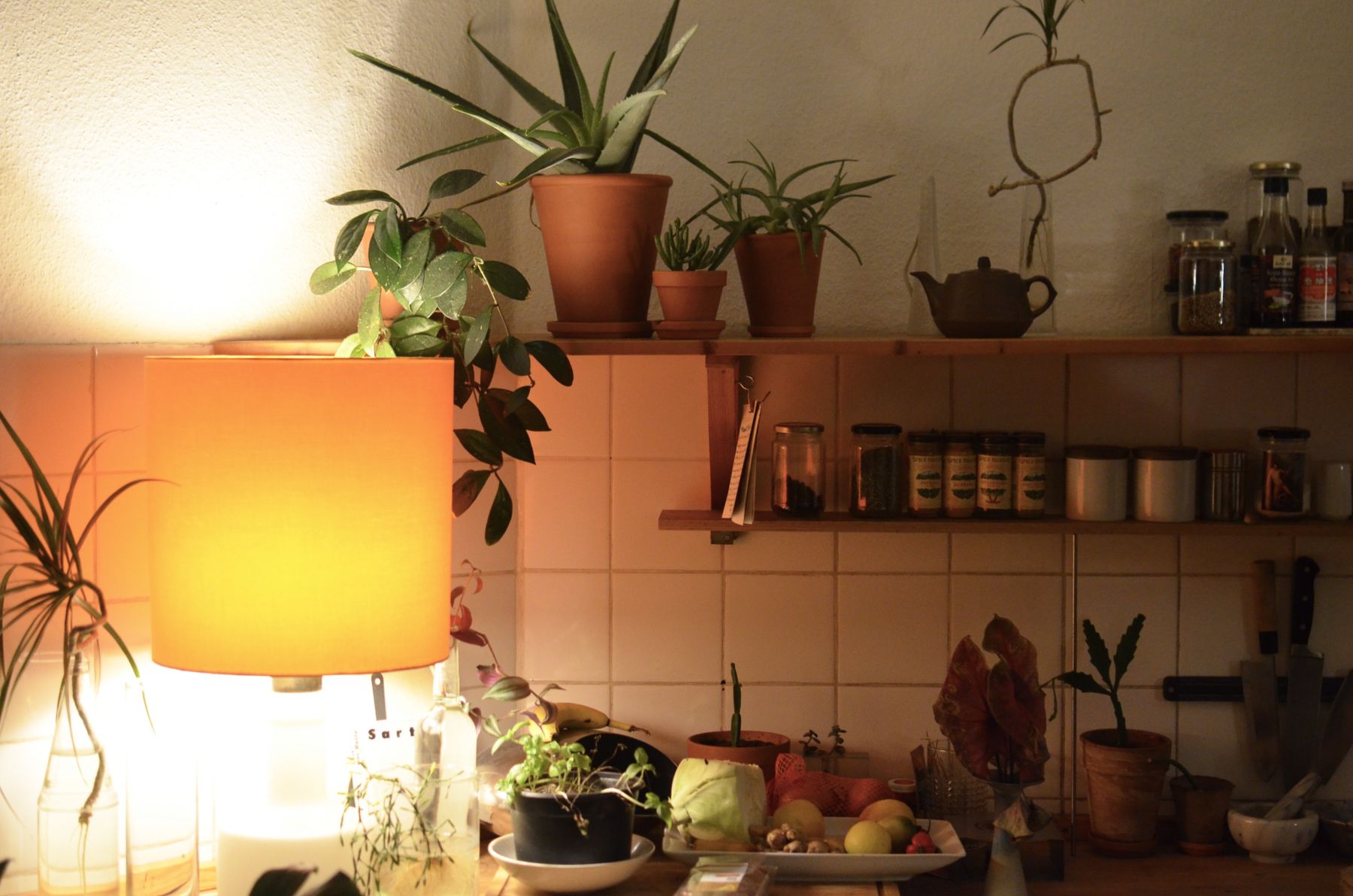
Plants can soften hard cabinet lines and add movement, but their position should work for the plant as well as the composition. Begin with the actual light at the window or shelf, then choose suitable species rather than copying a photographed plant by appearance. A small group of upright and trailing forms usually has more impact than placing one plant on every surface. Keep leaves away from cooking heat and preserve easy access for watering.
Give Pattern a Defined Area
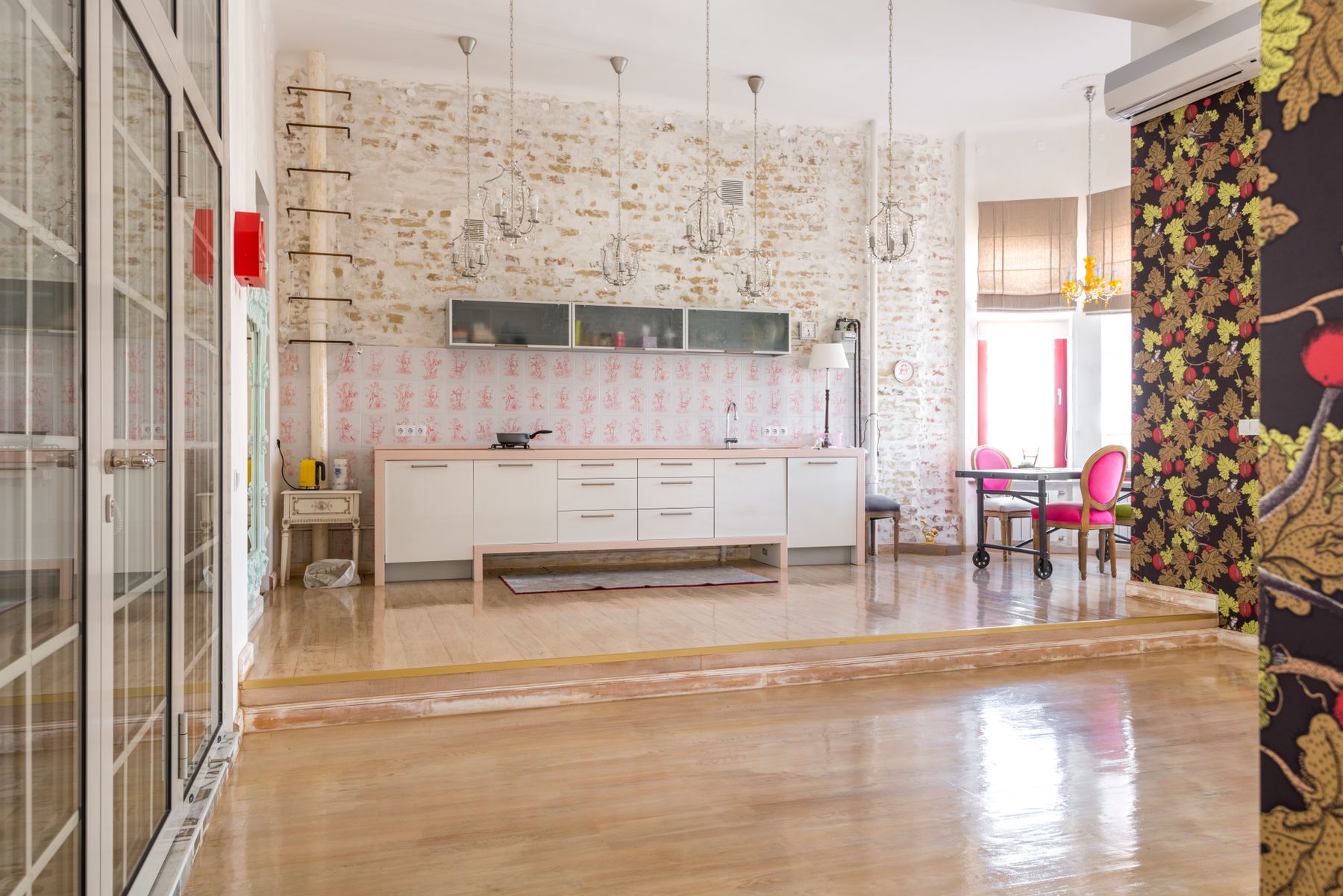
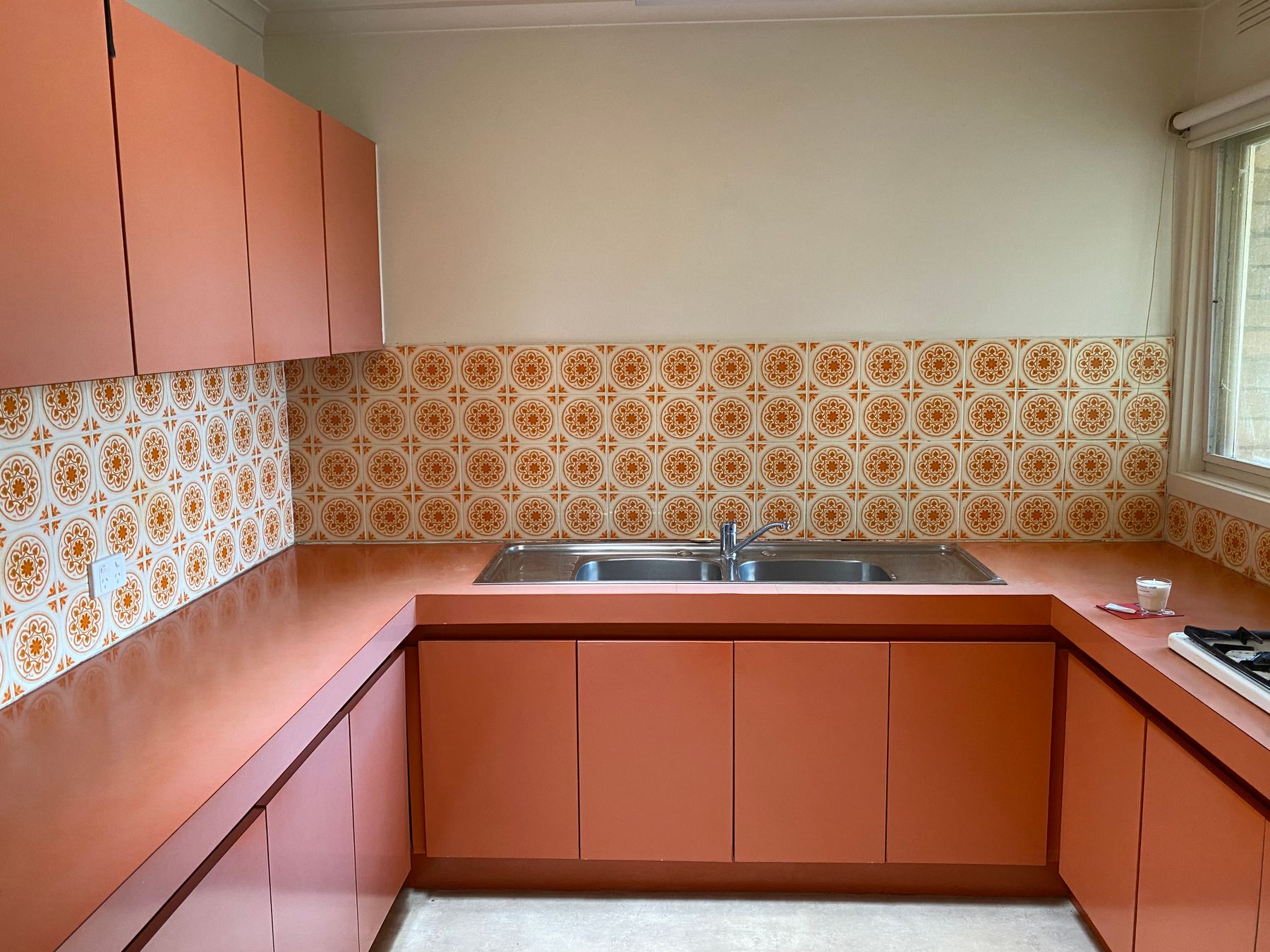
Pattern feels more confident when it has a boundary. A backsplash, curtain, rug or dining textile can carry a strong motif while the surrounding cabinetry remains calmer. Use one color from the pattern somewhere nearby to connect it to the rest of the kitchen, but avoid introducing several unrelated prints at once. When one surface already has strong pattern, let differences in wood, pottery and woven texture provide the next layer.
Choose Ceramics for Shape and Daily Use
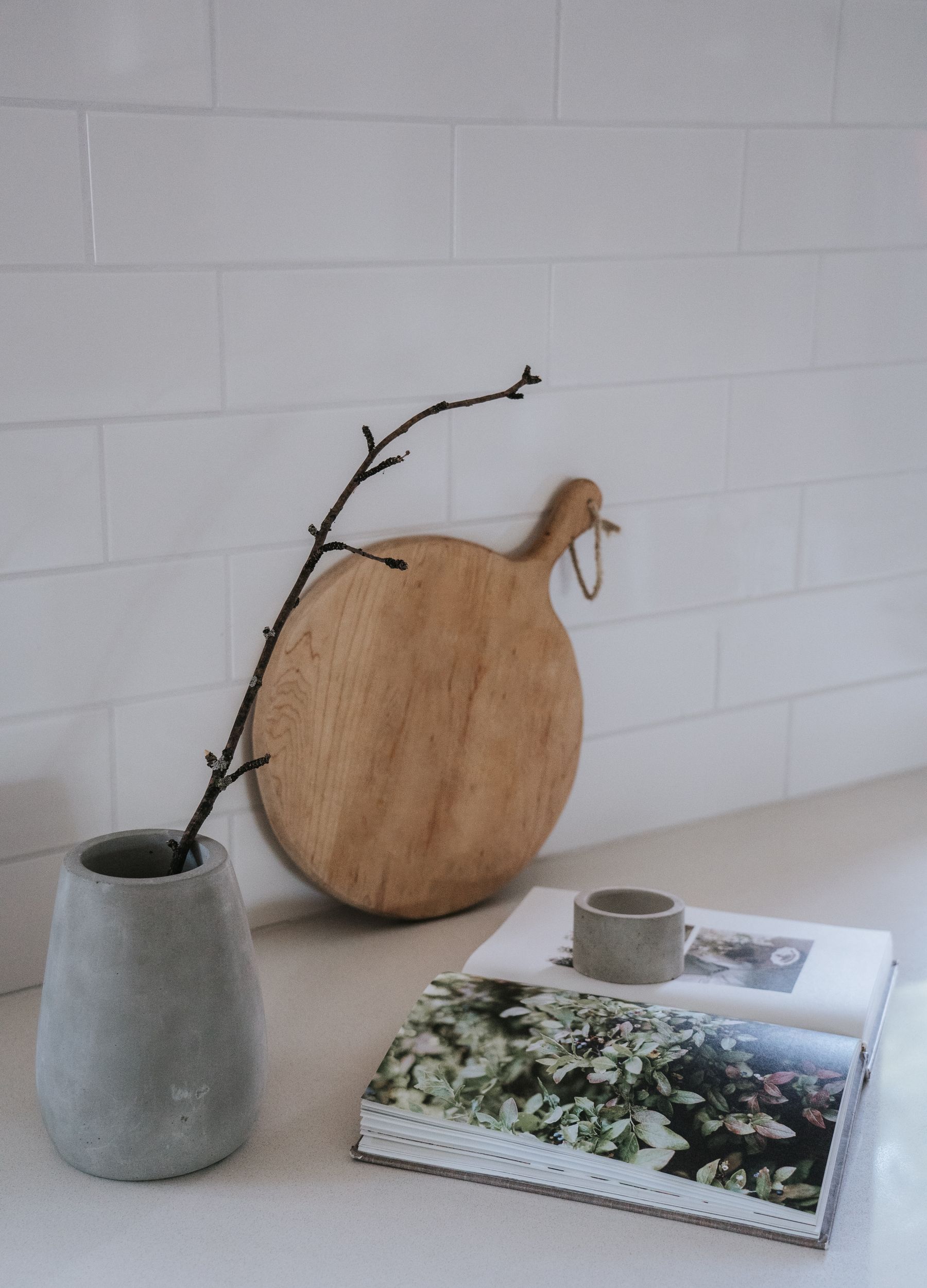
Pottery adds character through glaze, shape and small variations in surface. Start with mugs, bowls or serving pieces you actually enjoy using rather than building a display collection for its own sake. Different forms can sit together when their colors and scale share some relationship. Keep food-use pieces suitable for their intended purpose and reserve purely decorative vessels for dry areas away from the main preparation zone.
Add a Washable Fabric Layer
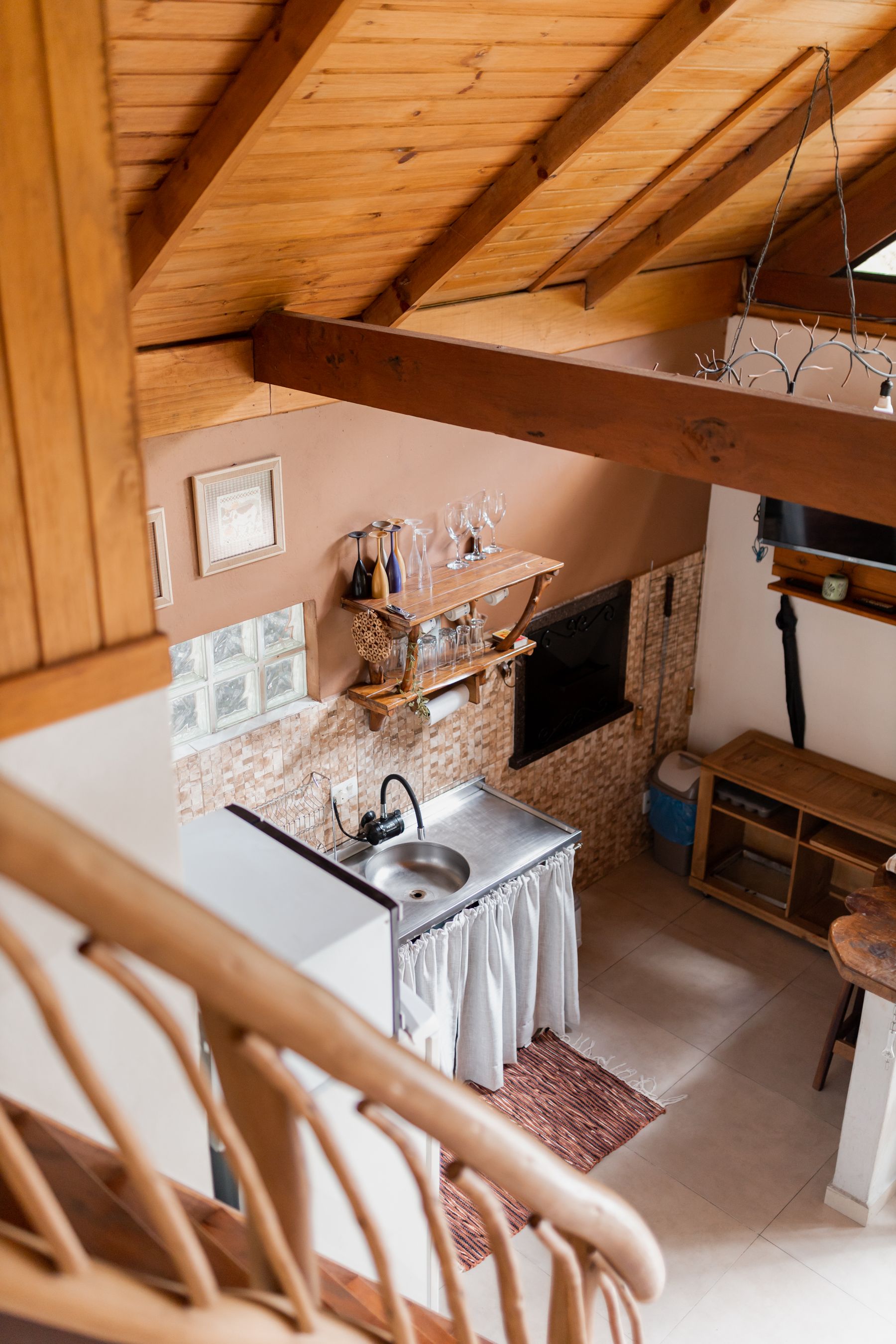
Fabric can soften hard kitchen surfaces without requiring a permanent change. A simple curtain below a counter, washable tablecloth, seat cushion or Roman shade can provide color and texture at relatively low commitment. Choose fabrics that can be removed and cleaned easily, and keep them clear of appliance openings, flames and frequent splashes. If the room already contains strong tile or wood grain, a plain textile may be more effective than another pattern.

Concentrate Collected Character in One Focal Zone
Bohemian rooms can hold art, souvenirs, magnets, vintage furniture and unusual color, but the kitchen still benefits from hierarchy. Concentrating the densest collection around one wall, refrigerator or dining corner lets the rest of the working space stay calmer. The goal is not to imitate a highly layered room object for object; it is to notice how personal pieces can create identity when they occupy a clear zone instead of spreading equally across every surface.
Let Open Shelves Hold Real Kitchen Life
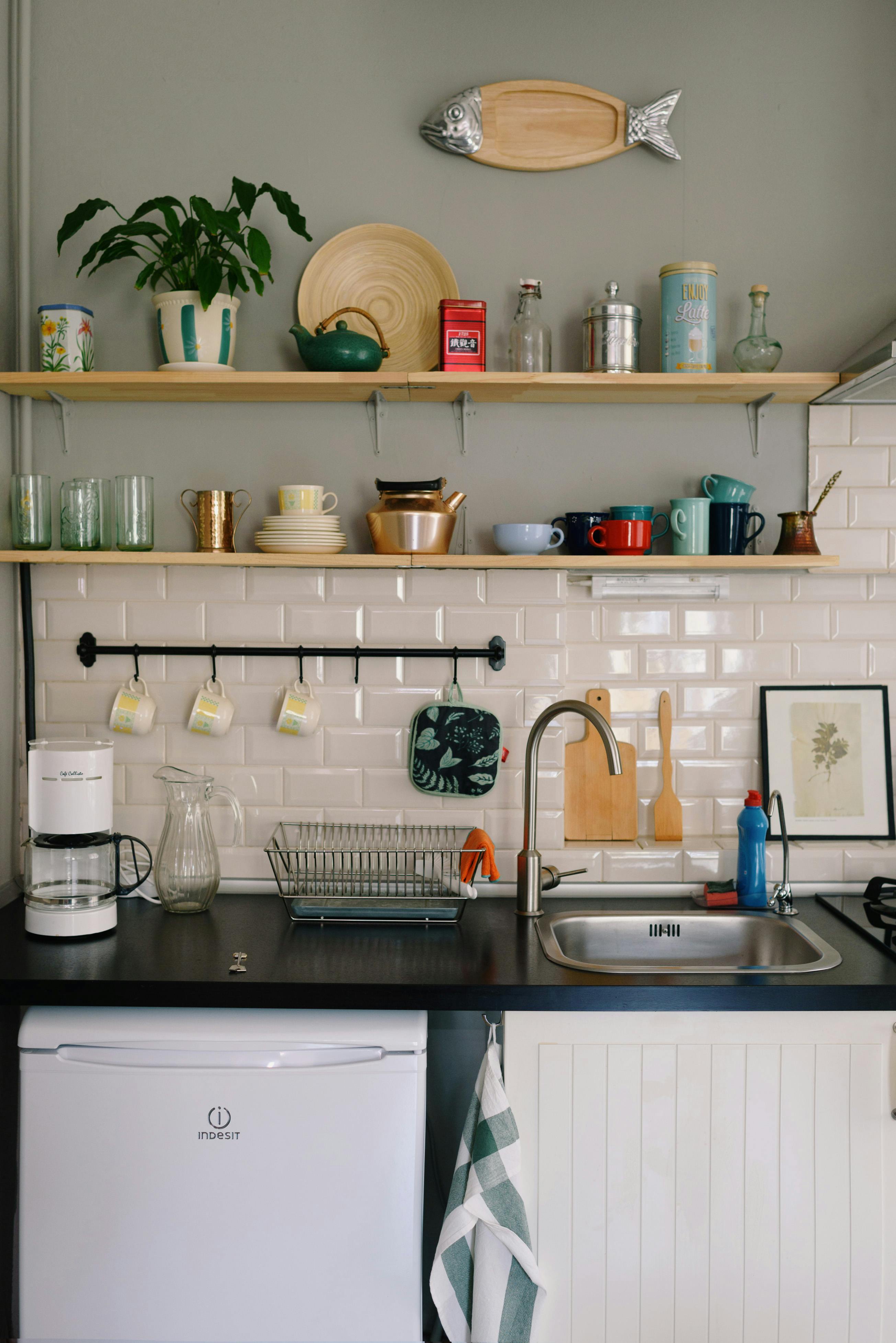
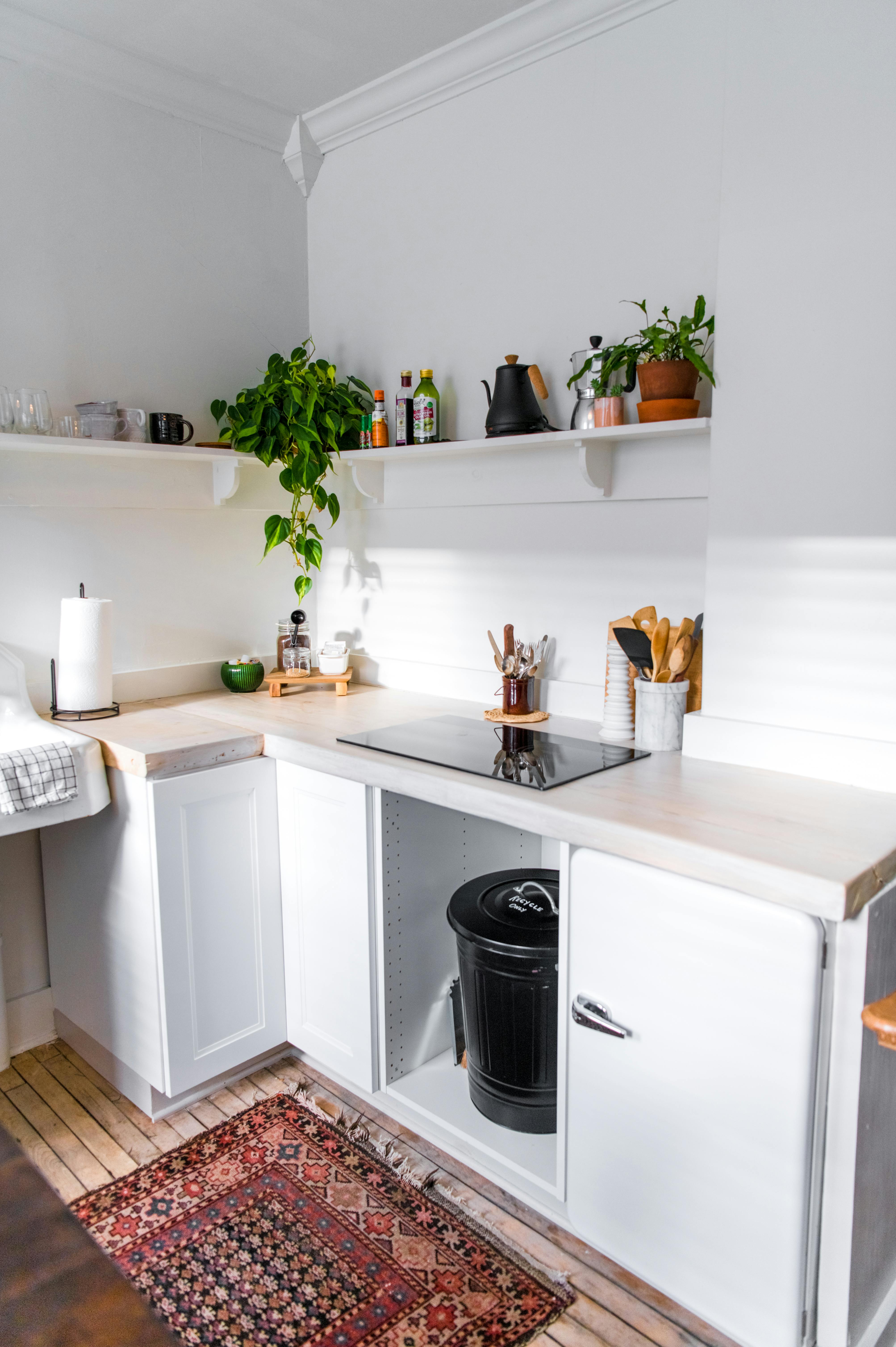
Open shelves suit a boho kitchen because cups, glassware, tins, plants and small objects can create a naturally mixed composition. The shelves work best when most of those items are genuinely used. Group by routine or scale rather than trying to make every piece match. Leave enough empty space that objects can be removed and returned easily, and use closed storage for packaging or occasional equipment that would make the shelves harder to maintain.
Add Pattern Underfoot Where It Can Be Maintained
A runner can introduce pattern, softness and color without altering the cabinetry or backsplash. In a boho kitchen, that makes it a useful flexible layer, especially when the rest of the room is pale or simple. Choose a low-profile, washable option that lies flat and does not interfere with cabinet doors or walking routes. Avoid placing absorbent textiles where regular grease or standing water will make maintenance unrealistic.
Carry the Texture Into the Dining Area
In an open-plan room, the dining area can continue the kitchen's relaxed material story without repeating every detail. A wood table, plants, mixed chairs or a patterned wall can echo textures already present in the kitchen while giving the dining area its own identity. This is often more effective than trying to make the cabinetry itself carry every bohemian layer. Repetition should feel loose: share a material or color family rather than building a matching set.