Repeat a Color Across Different Objects
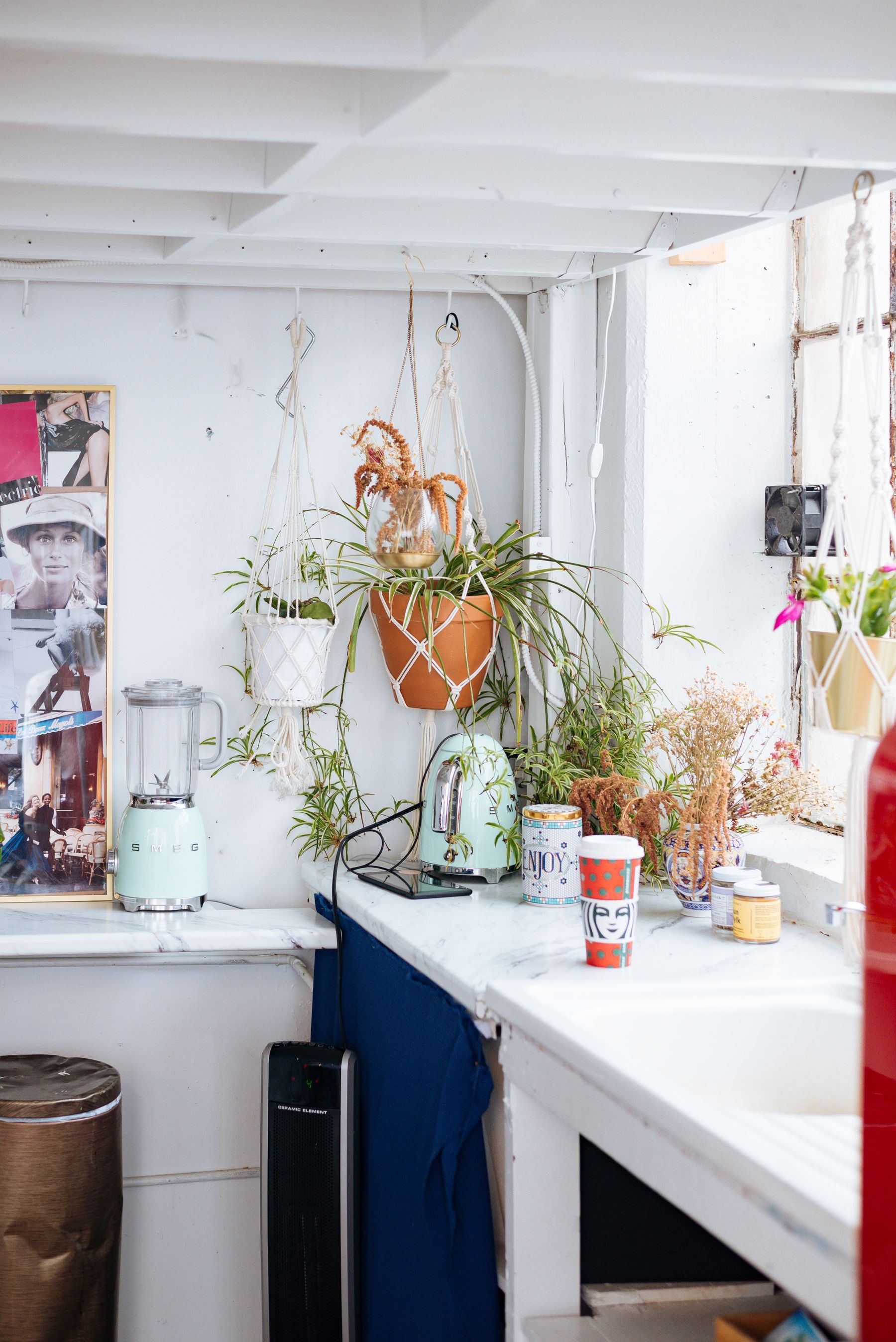
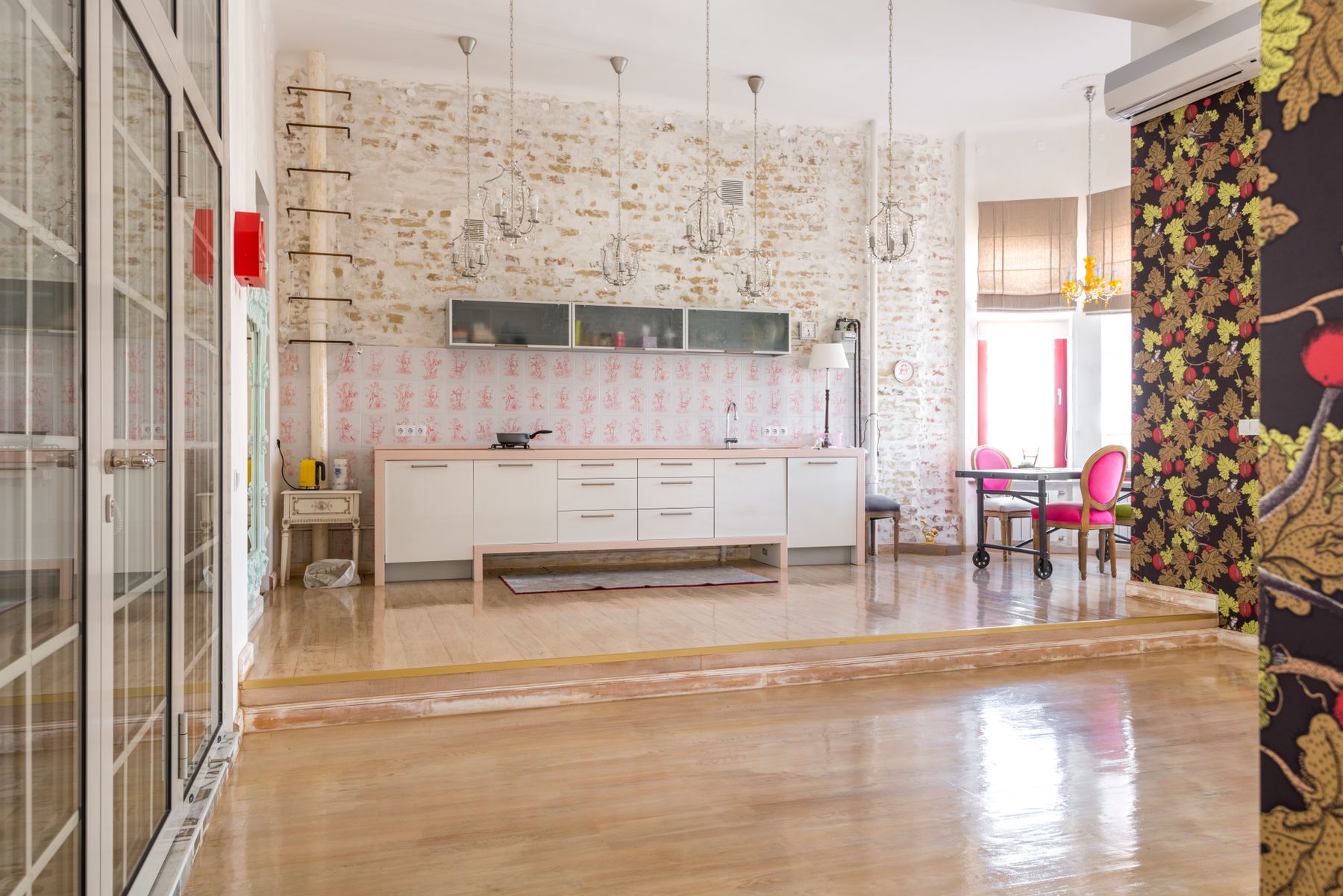
A repeated color can connect objects that have little else in common. Carry one shade through a chair, pendant, bowl or textile instead of buying a matching set for every surface. Start with a color already present in something worth keeping, then leave enough neutral space around the repeated accents that the connection remains visible.
Keep the Older Table and Update Around It
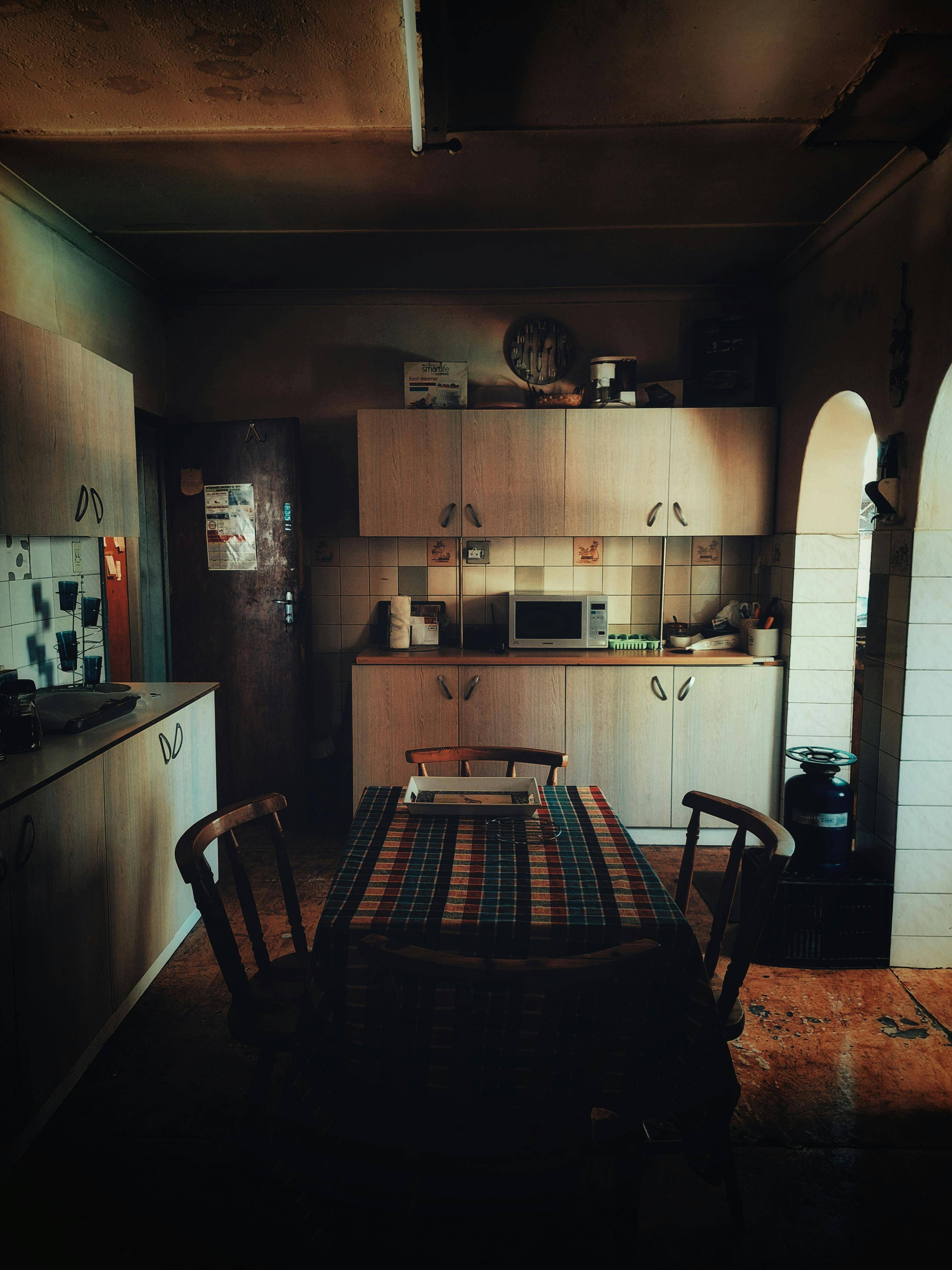
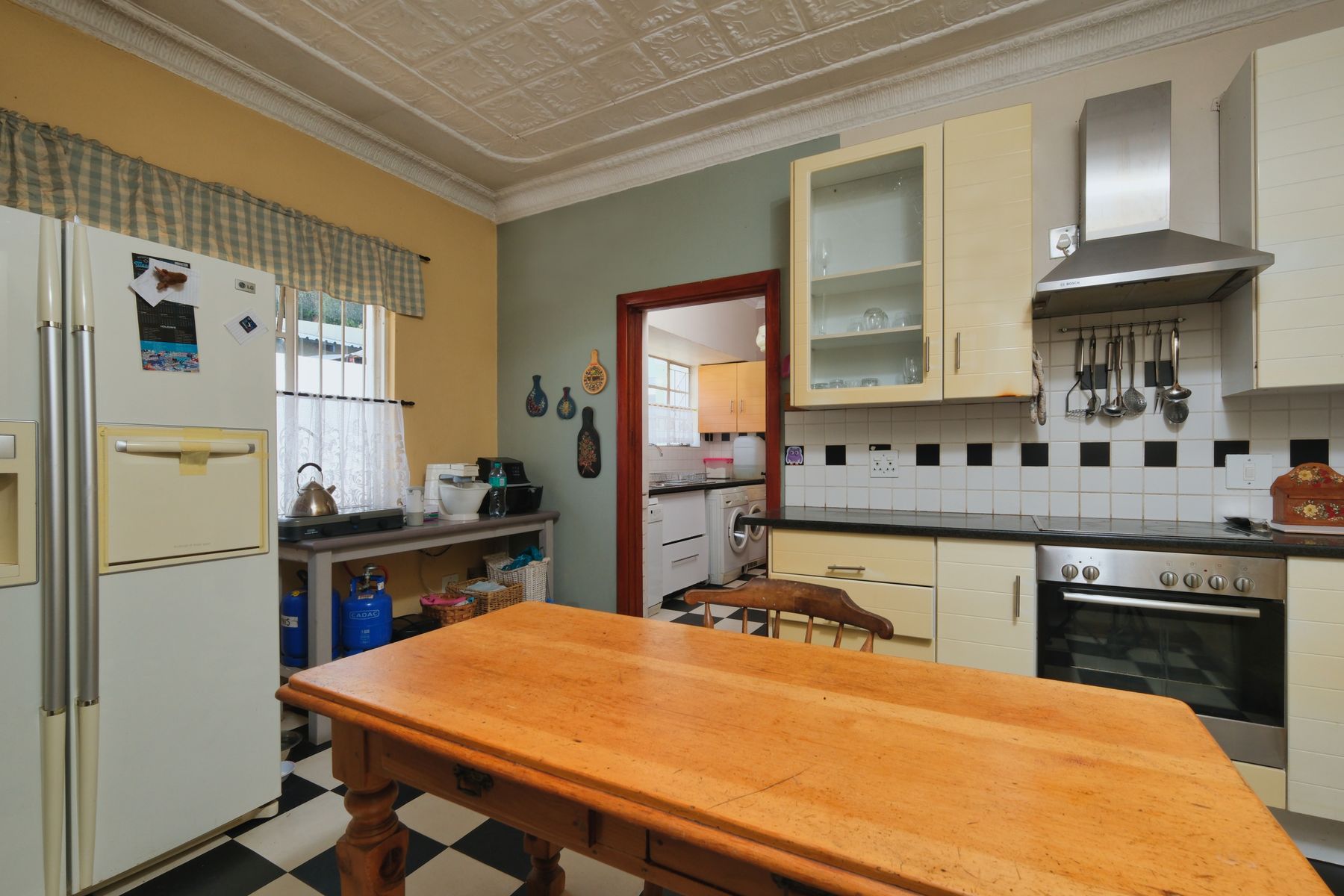
An older table can be the piece that gives an ordinary fitted kitchen its identity. Keep the furniture you genuinely enjoy, then connect newer choices through wood tone, color or scale. Modern appliances do not need to imitate the age of the table; practical contrast often feels more convincing than forced matching.
Let One Pattern Have a Clear Boundary
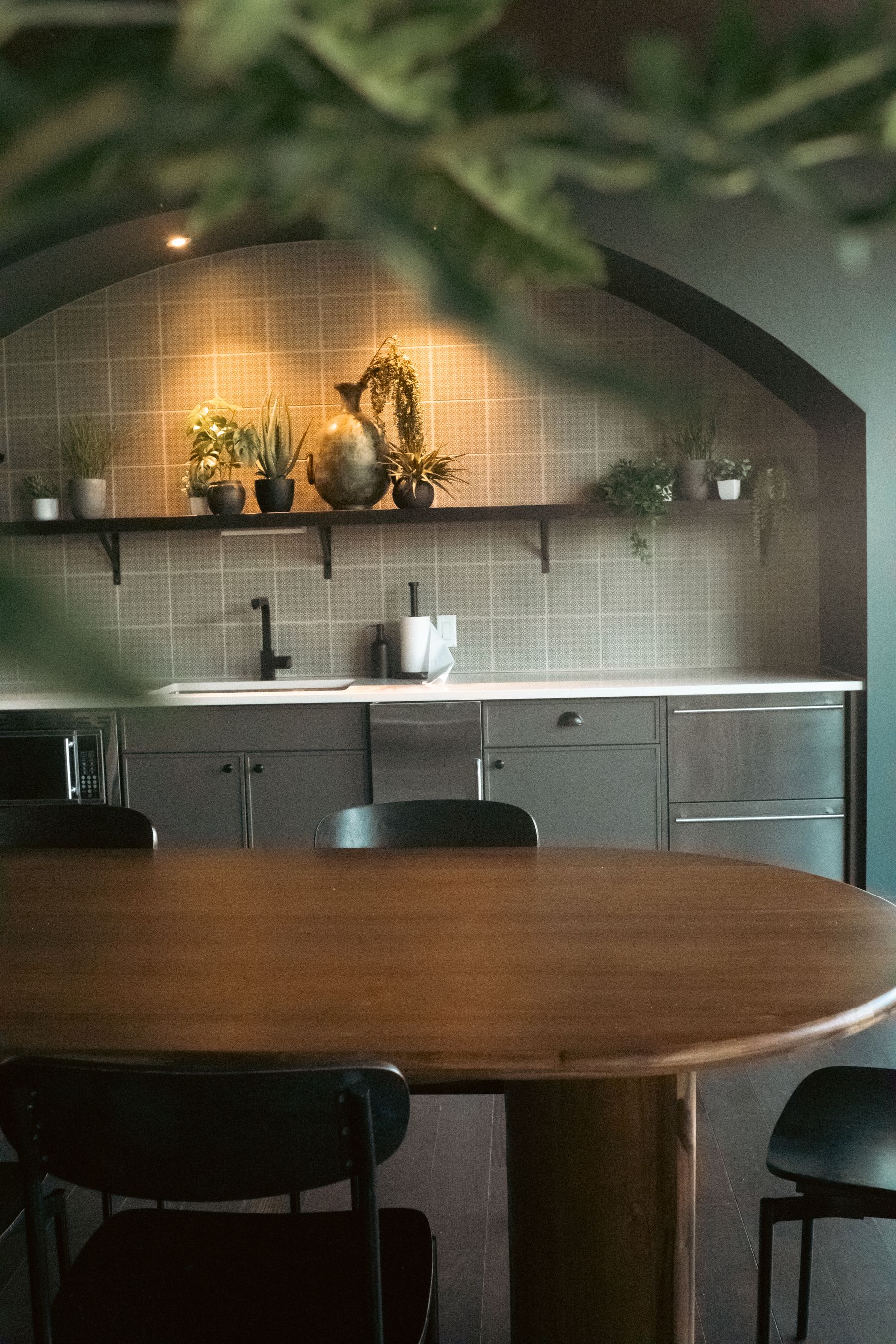
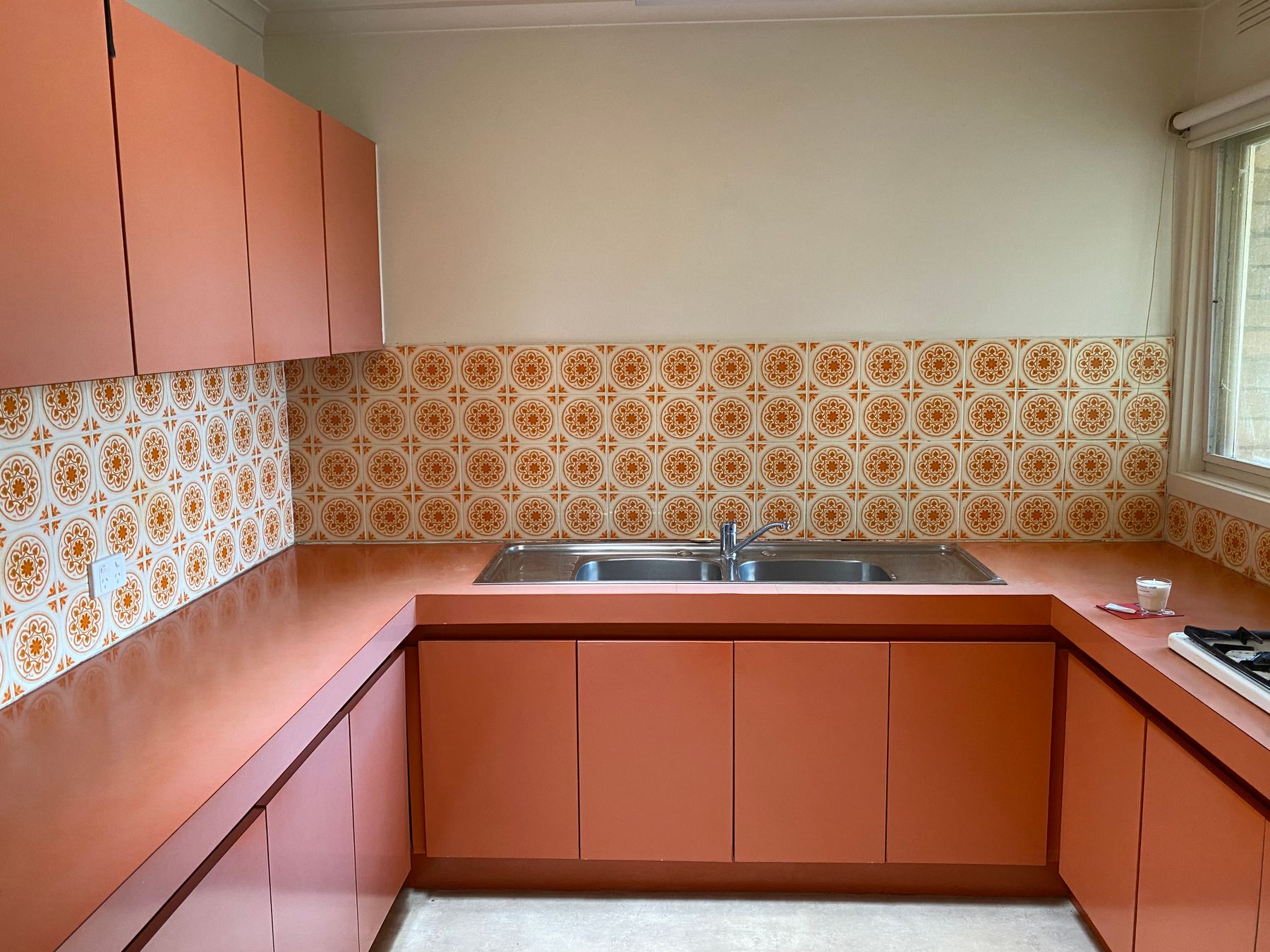
Pattern becomes easier to combine when it has an obvious beginning and end. A backsplash, floor zone or textile can carry a strong motif while neighboring cabinet fronts remain calm. If a second pattern appears, connect it through one shared color or use a clearly different scale so the two are not competing in the same way.
Mix Furniture Shapes Through a Shared Material
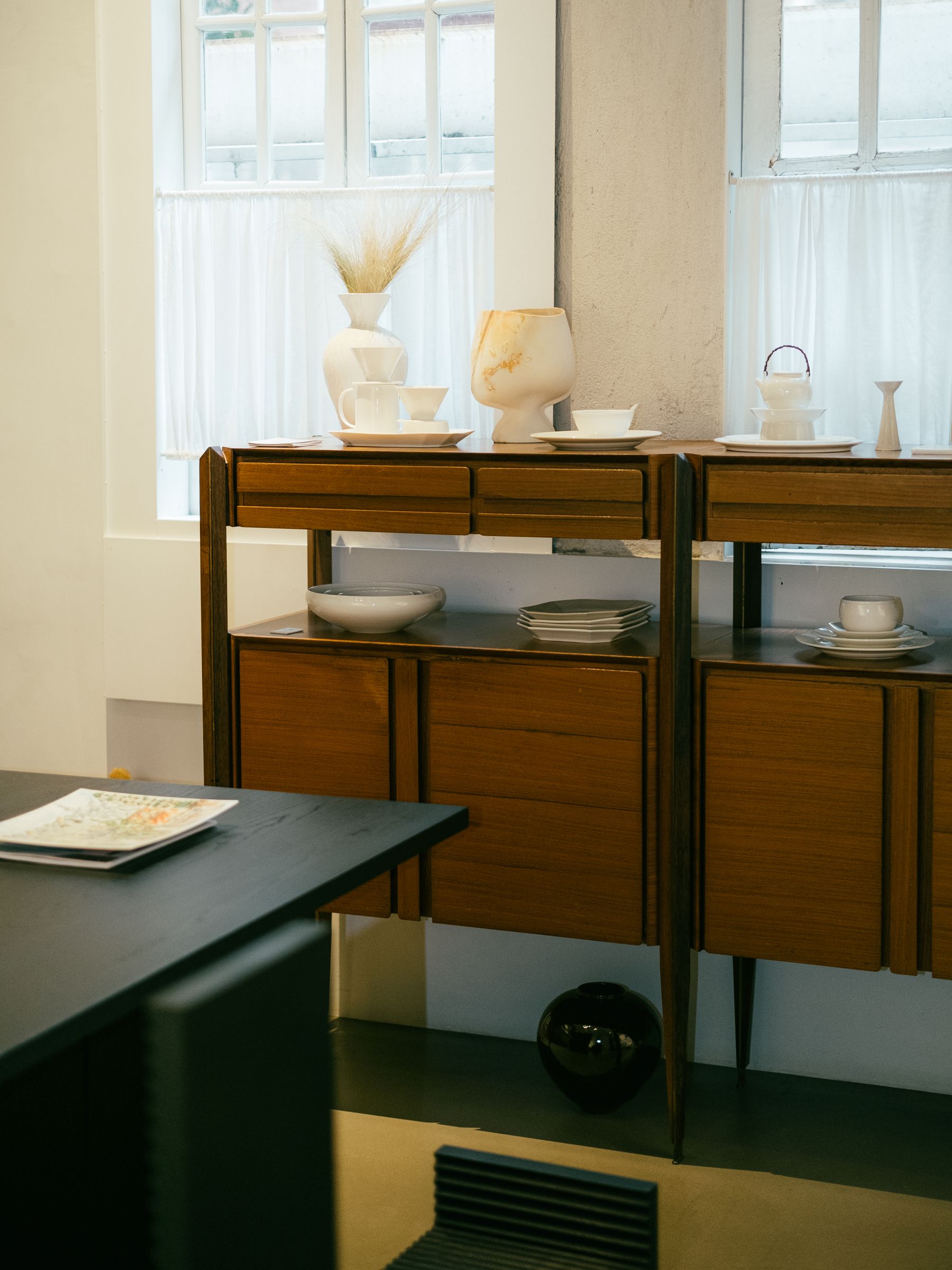
Different silhouettes can sit together more comfortably when one material connects them. A slim-legged wood cabinet can relate to a heavier table without copying its proportions. Choose each piece for function first, then use wood tone, metal or color to create enough continuity that the variation feels deliberate.
Give an Expressive Light a Quiet Background
A distinctive light can introduce a different design language without changing the largest surfaces. If the fitting is the strongest shape in the room, keep the background calmer so its silhouette remains legible. Useful counter lighting should stay a separate part of the plan rather than relying on one statement fixture.
Balance Rough Texture With a Clear Work Surface
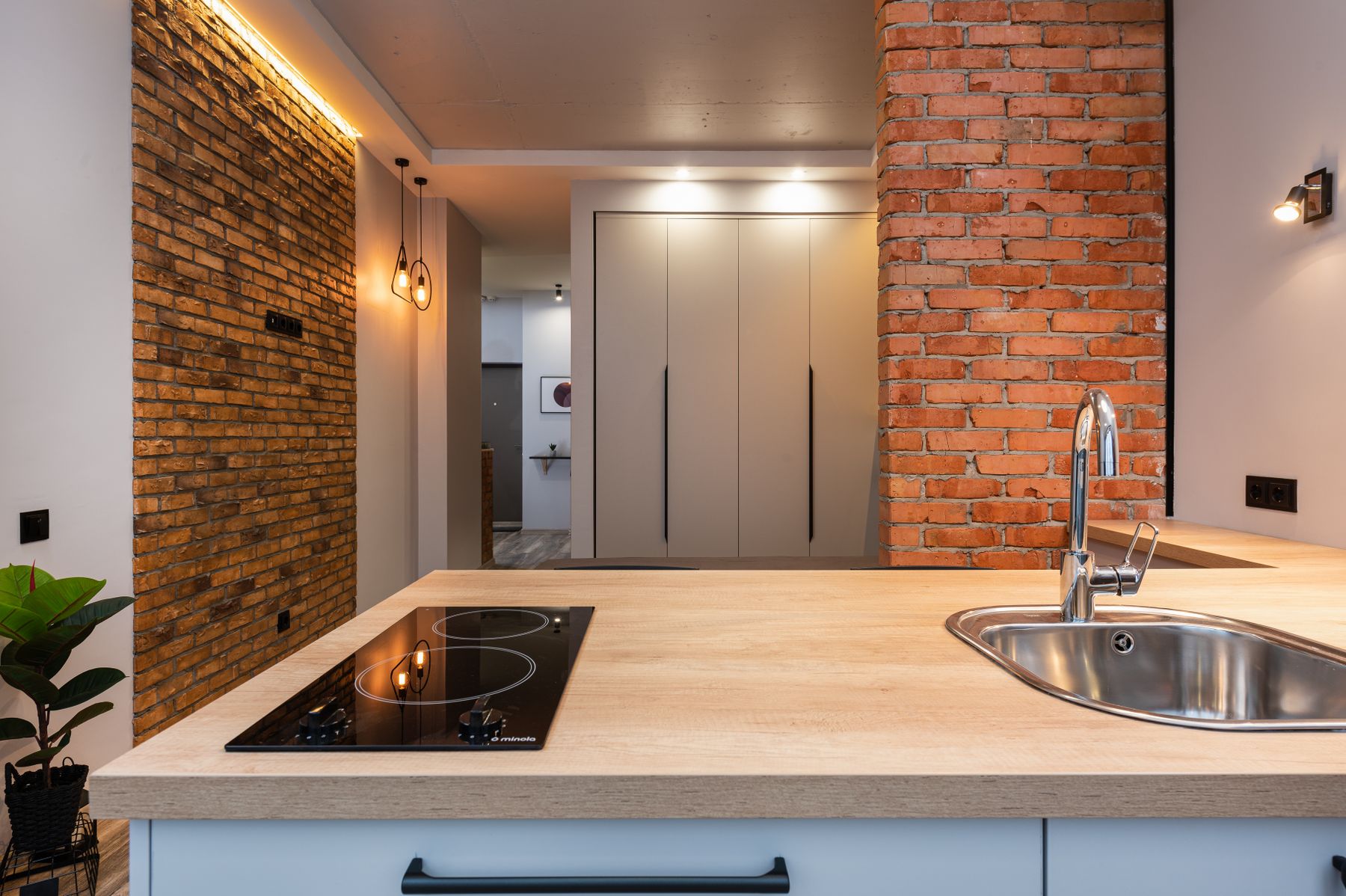
Eclectic rooms often combine materials with very different surface qualities. Rough brick, old timber or textured tile becomes easier to live with when the main counter remains smoother and simpler to maintain. This contrast also prevents every surface from competing for attention.

Use One Strongly Collected Zone
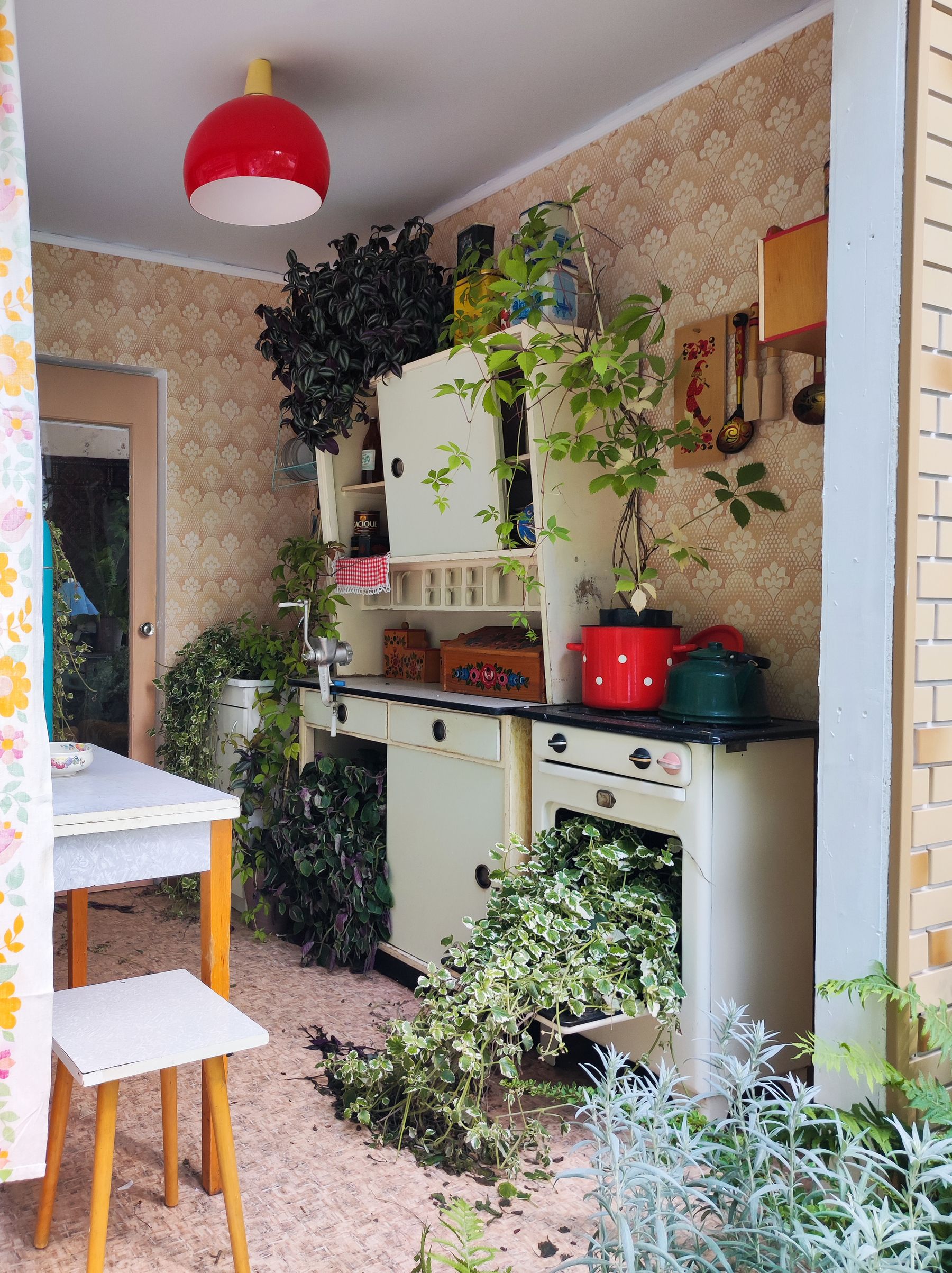
Art, magnets, plants, vintage objects and unusual furniture can all belong in an eclectic kitchen, but the densest collection usually benefits from a clear boundary. Concentrating personal objects on one wall, fridge or dining corner allows the preparation and sink zones to remain calmer. The goal is not to reduce personality; it is to give the collection enough structure to be read.
Connect Old and New With One Metal Finish
A repeated metal finish can connect cabinetry, older furniture and contemporary appliances without forcing the pieces to match. Brass, bronze, blackened metal or nickel can appear on a faucet, handles and one light while other fittings remain more neutral. The shared finish acts as a small bridge between different eras.
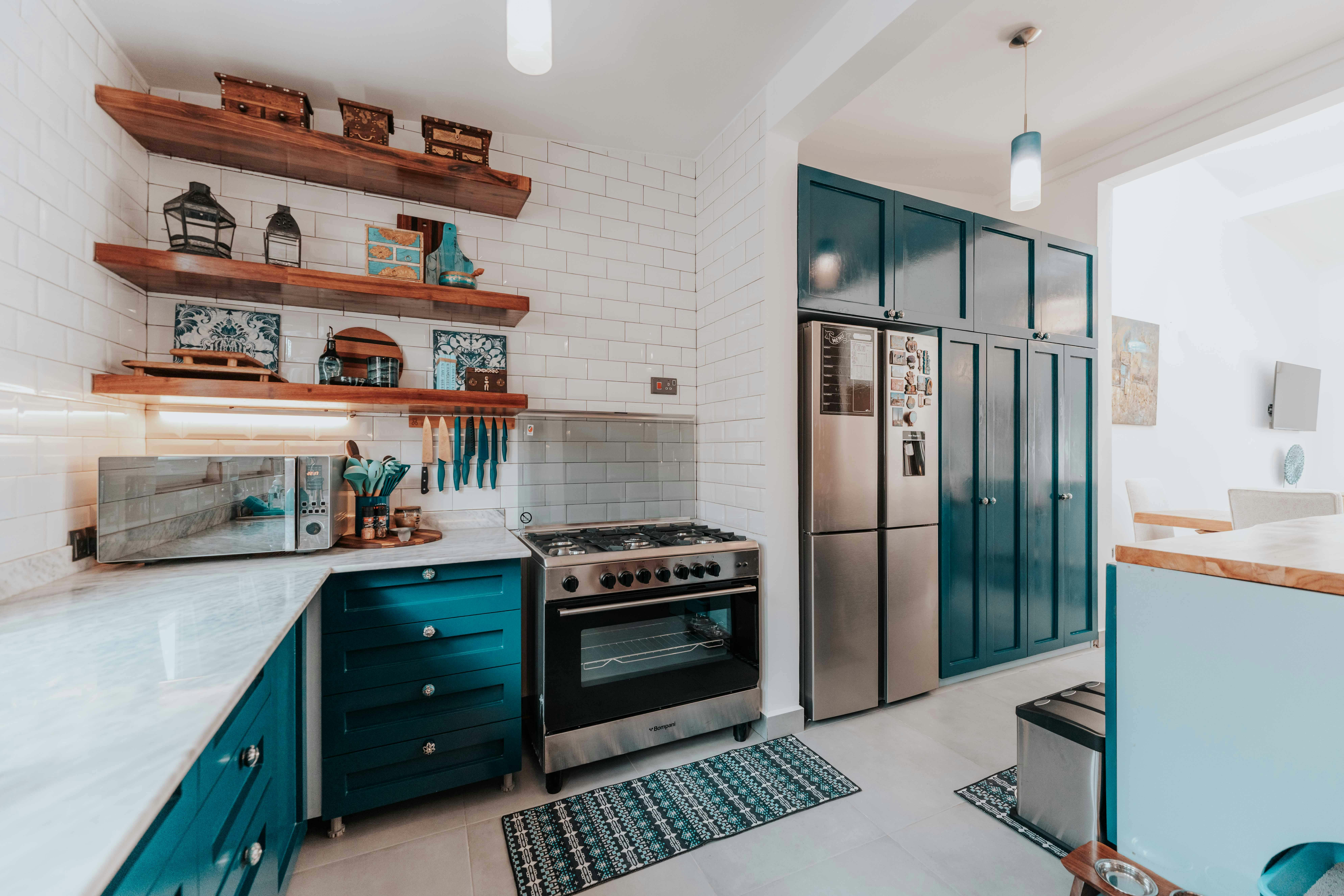
Use a Quiet Cabinet Run to Support Stronger Furniture
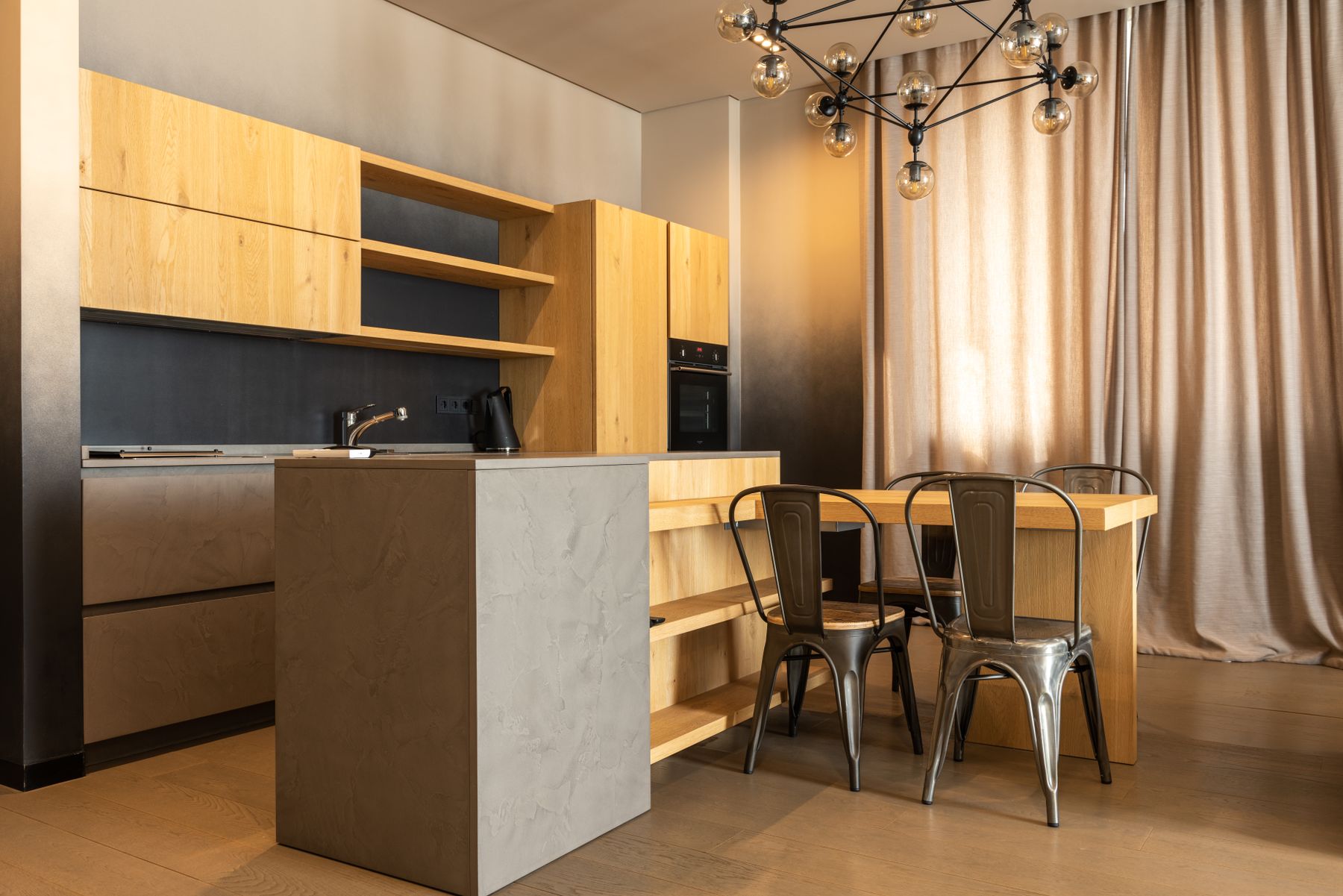
Eclectic design does not require every part of the kitchen to be expressive. A simple cabinet run can act as the background for a vintage table, colorful chairs or an unusual light. This hierarchy is especially useful in smaller rooms, where multiple statement surfaces quickly compete.
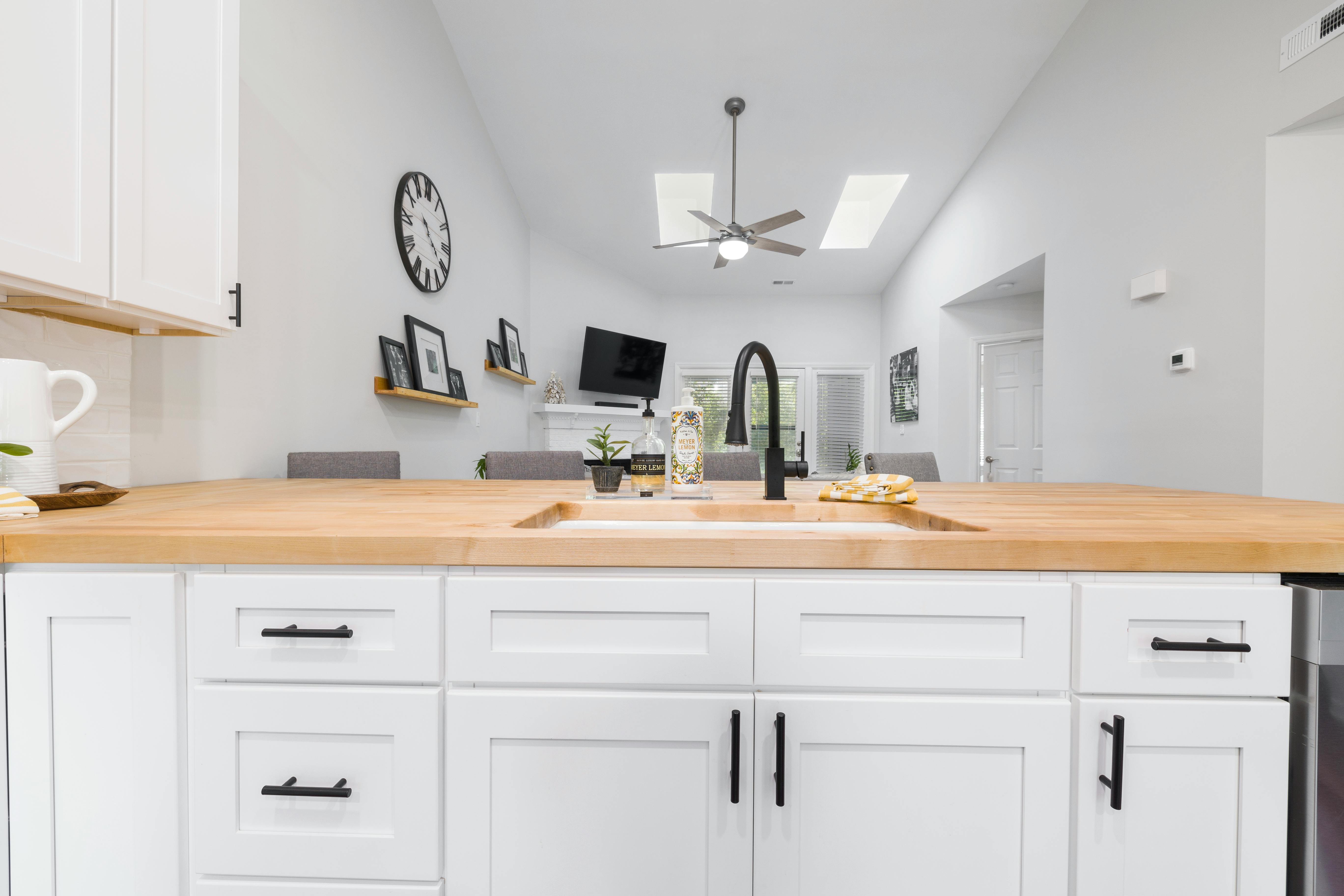
Carry the Mix Into the Dining Area
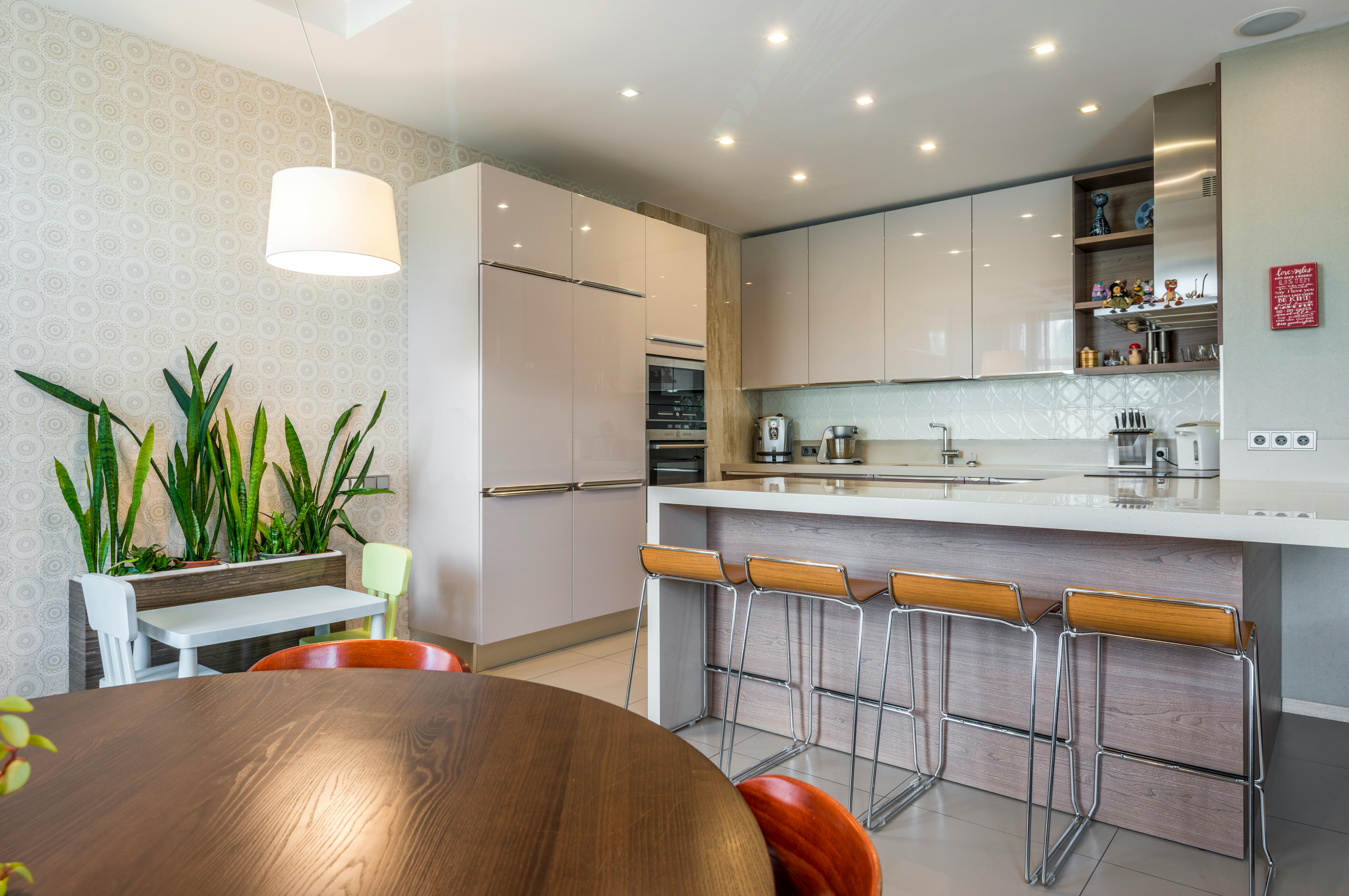
In an open-plan room, the dining area is a natural place to continue the eclectic mix through chairs, art, plants or a different furniture period. Connect the zones with one repeated material or color, then allow the silhouettes to vary. This creates continuity without turning the kitchen and dining area into a coordinated set.