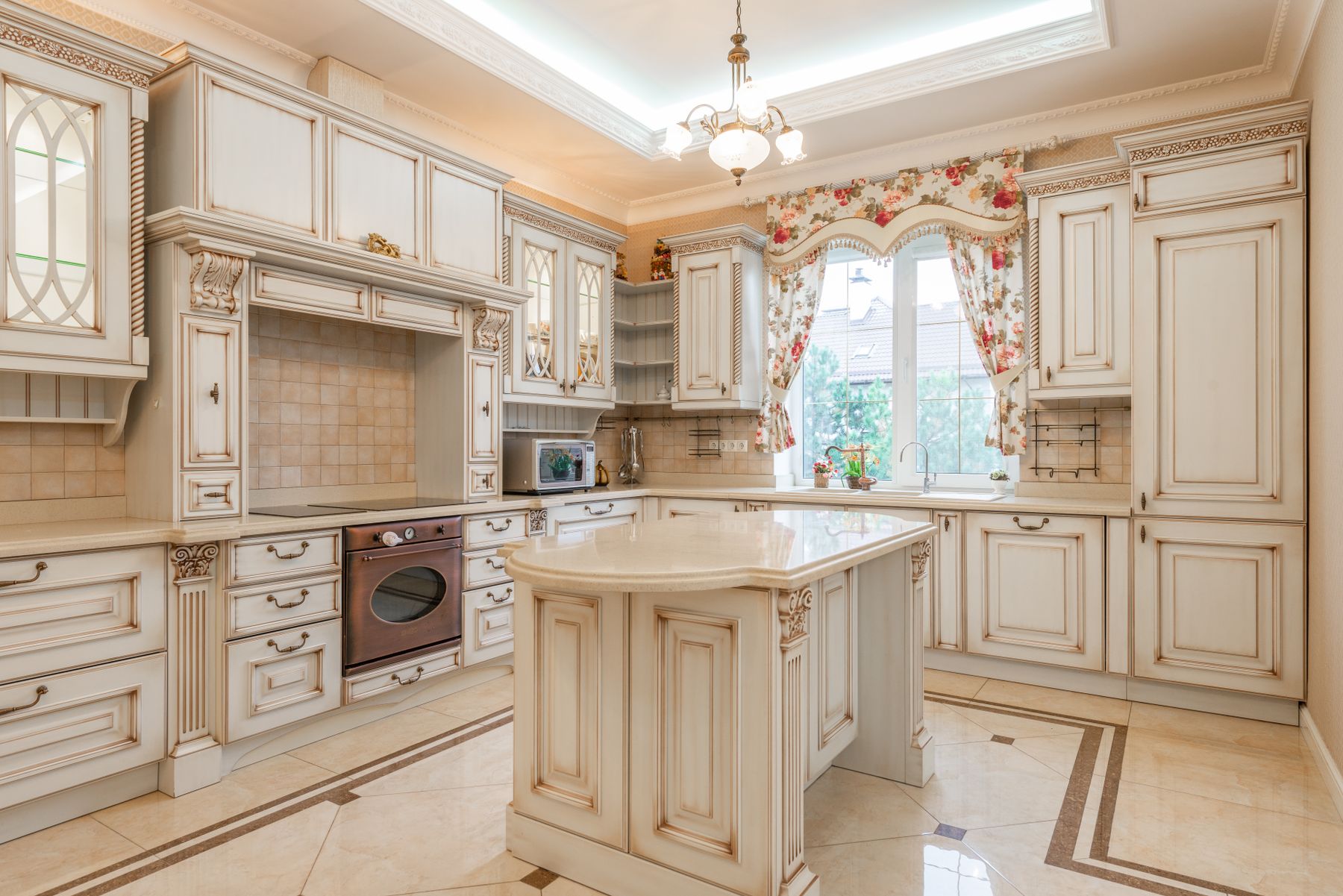

Give Pantry Storage Its Own Place
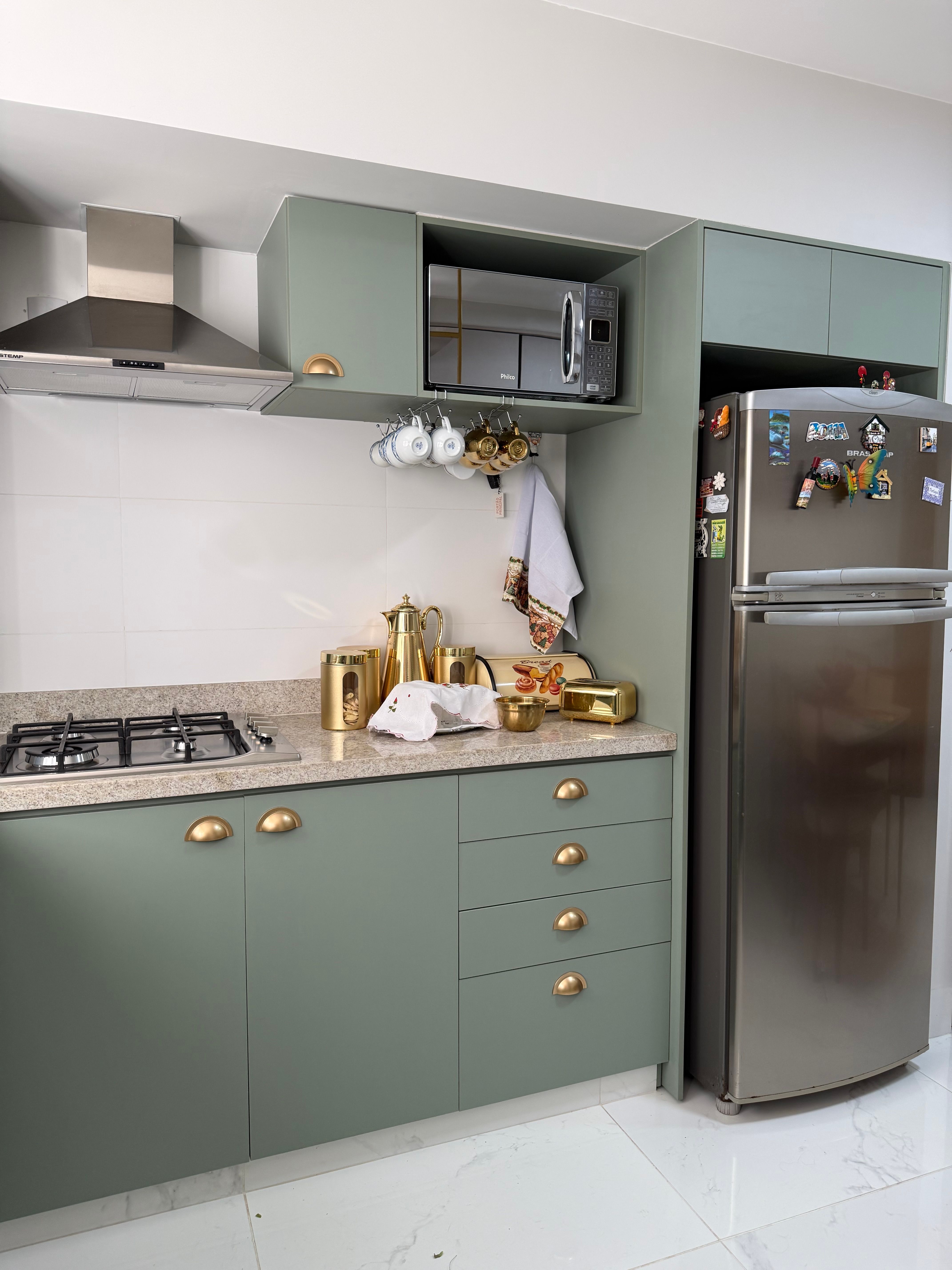
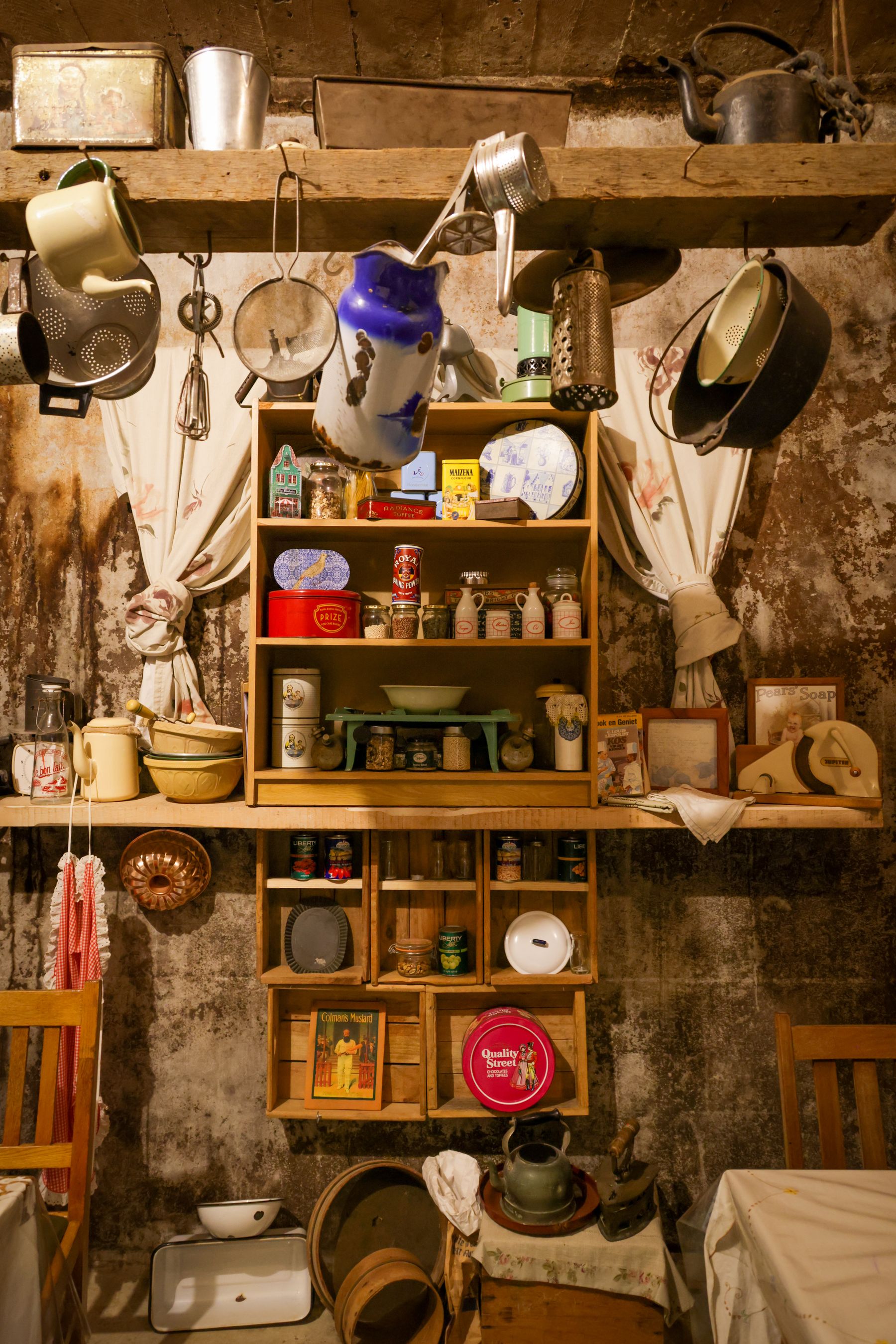
A pantry can be a distinct cupboard or a compact group of shelves rather than a separate room. The photographed pantry combines open storage, enclosed compartments and containers of different sizes. Borrow the organization rather than the exact appearance: frequently used ingredients should be accessible, heavier items should sit where they are easy to lift and decorative older vessels should remain separate from food storage when their condition is uncertain.
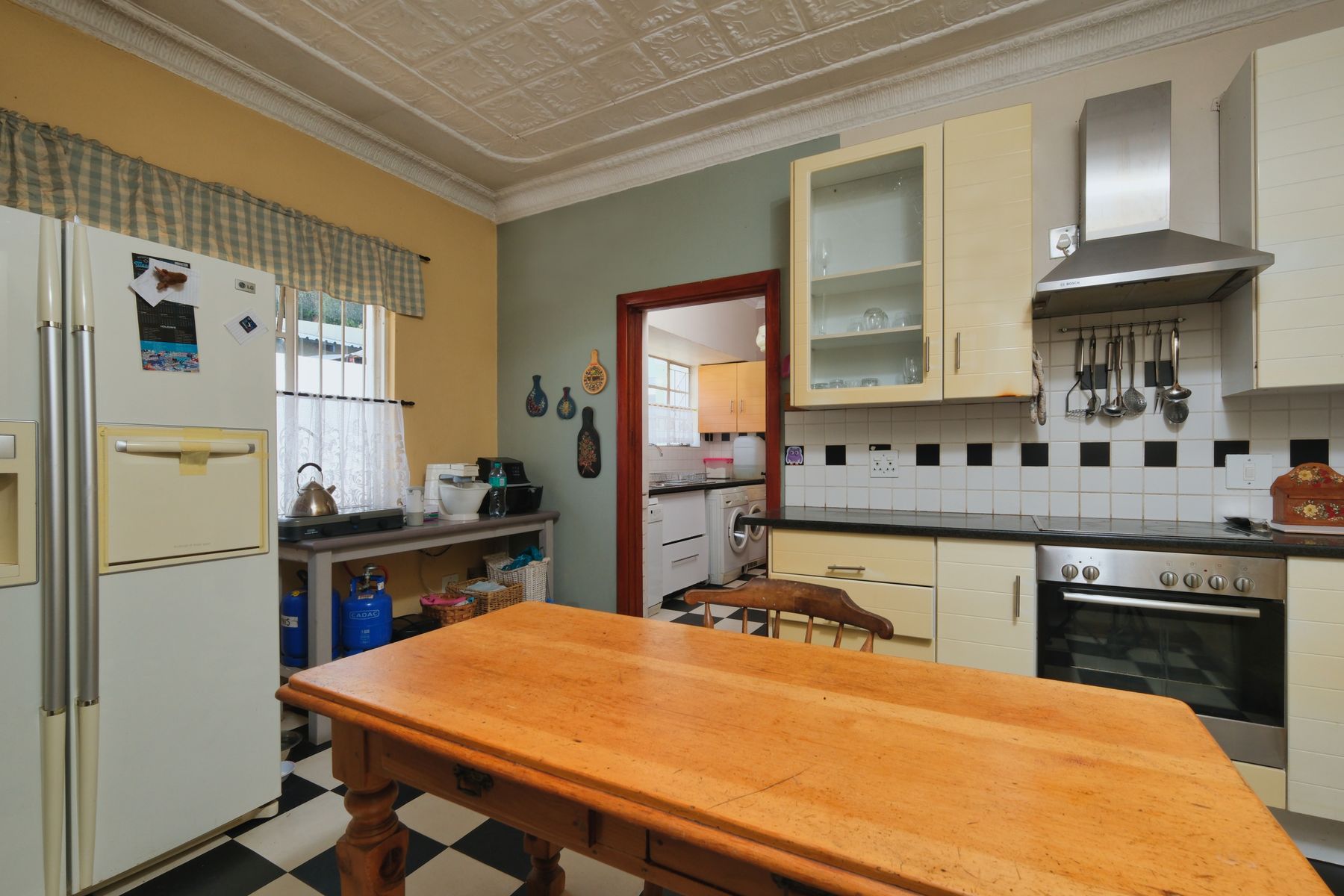
Make a Wooden Table the Working Center
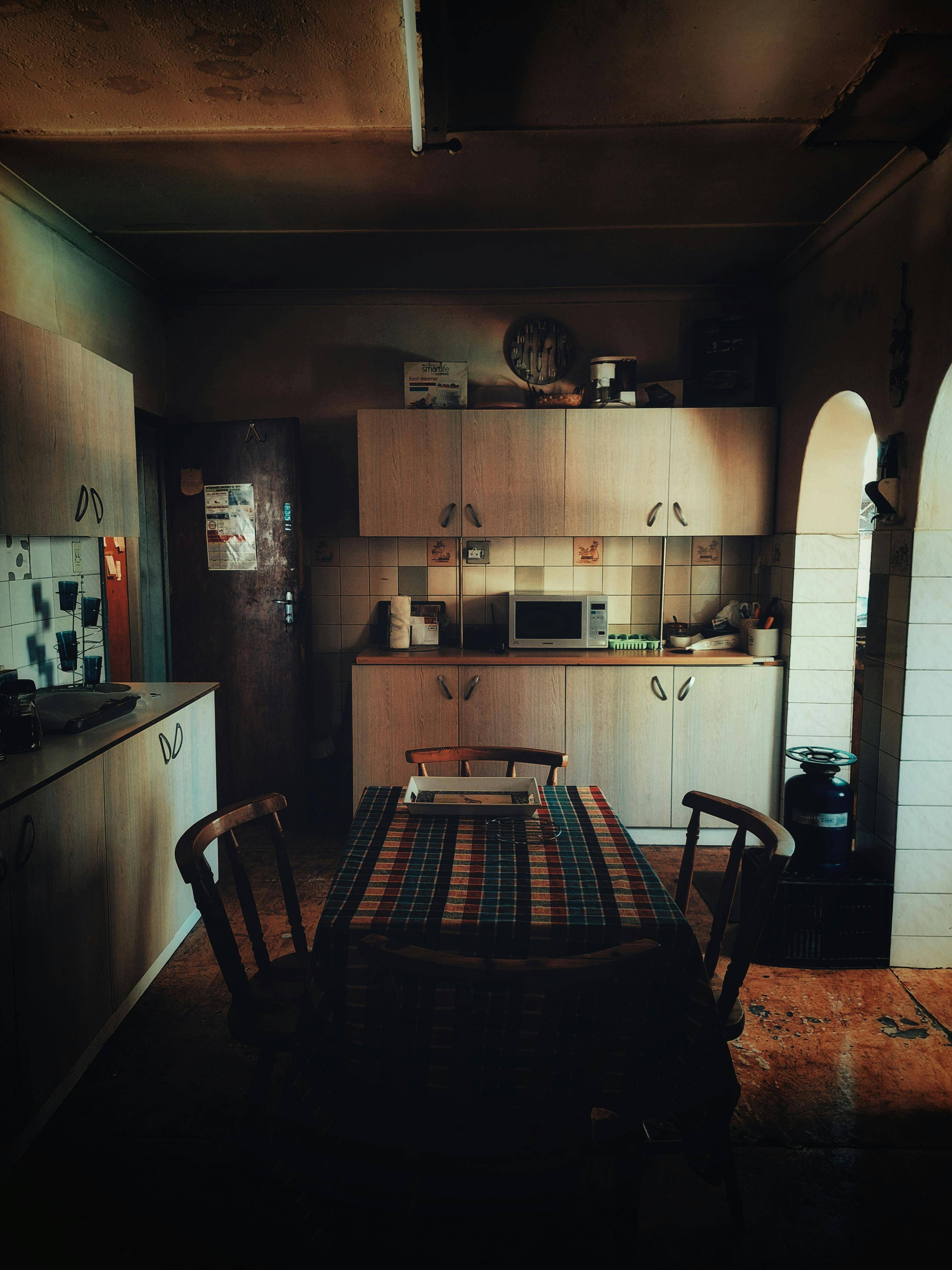
A worktable can give the kitchen a furniture-based center and provide space for serving, sorting groceries or informal meals. Choose the height and finish for the task rather than for period appearance alone. A dining-height table may be comfortable to sit at but too low for sustained preparation, while a narrower piece can work better in a compact kitchen.
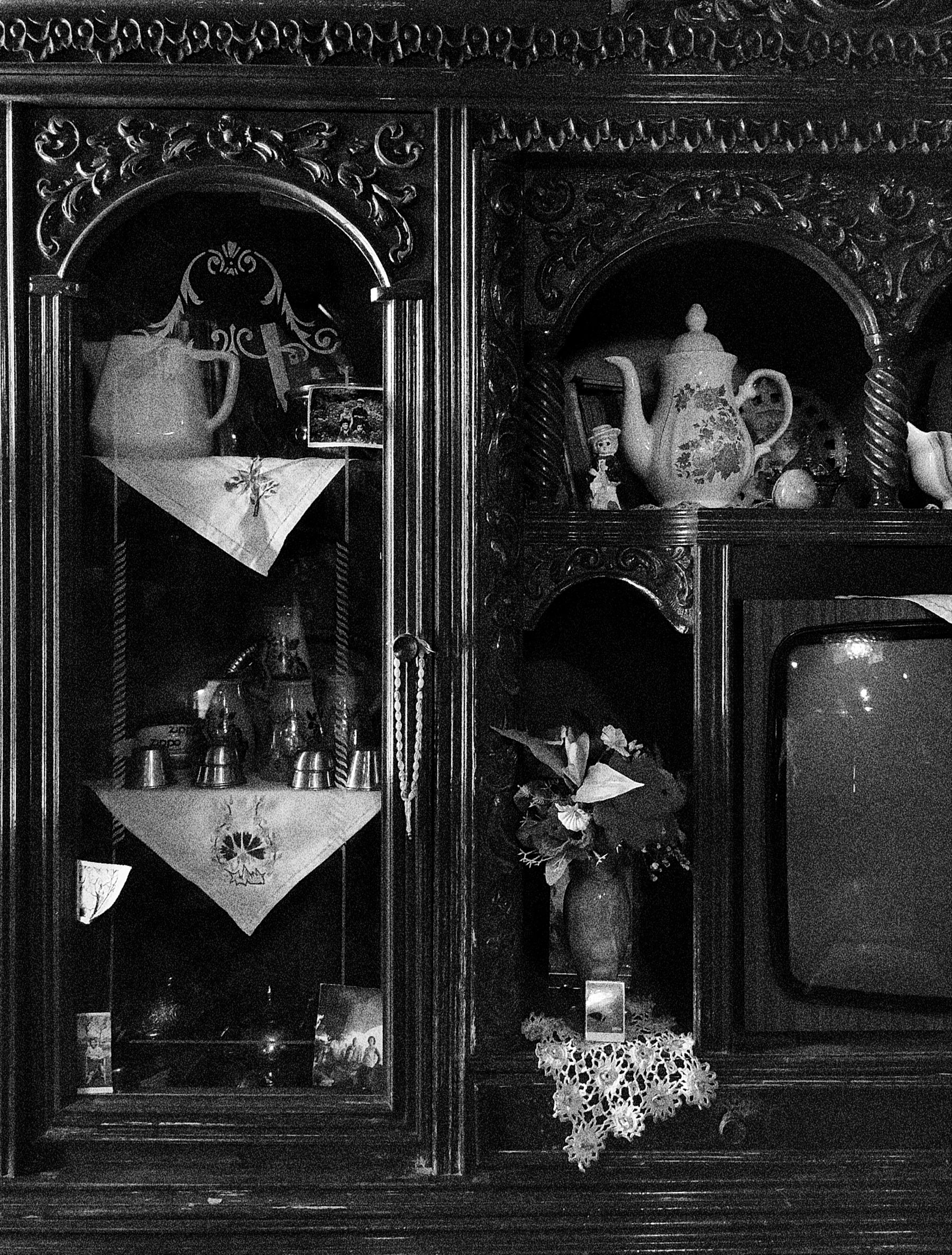
Let a Dresser Carry the Decorative Detail
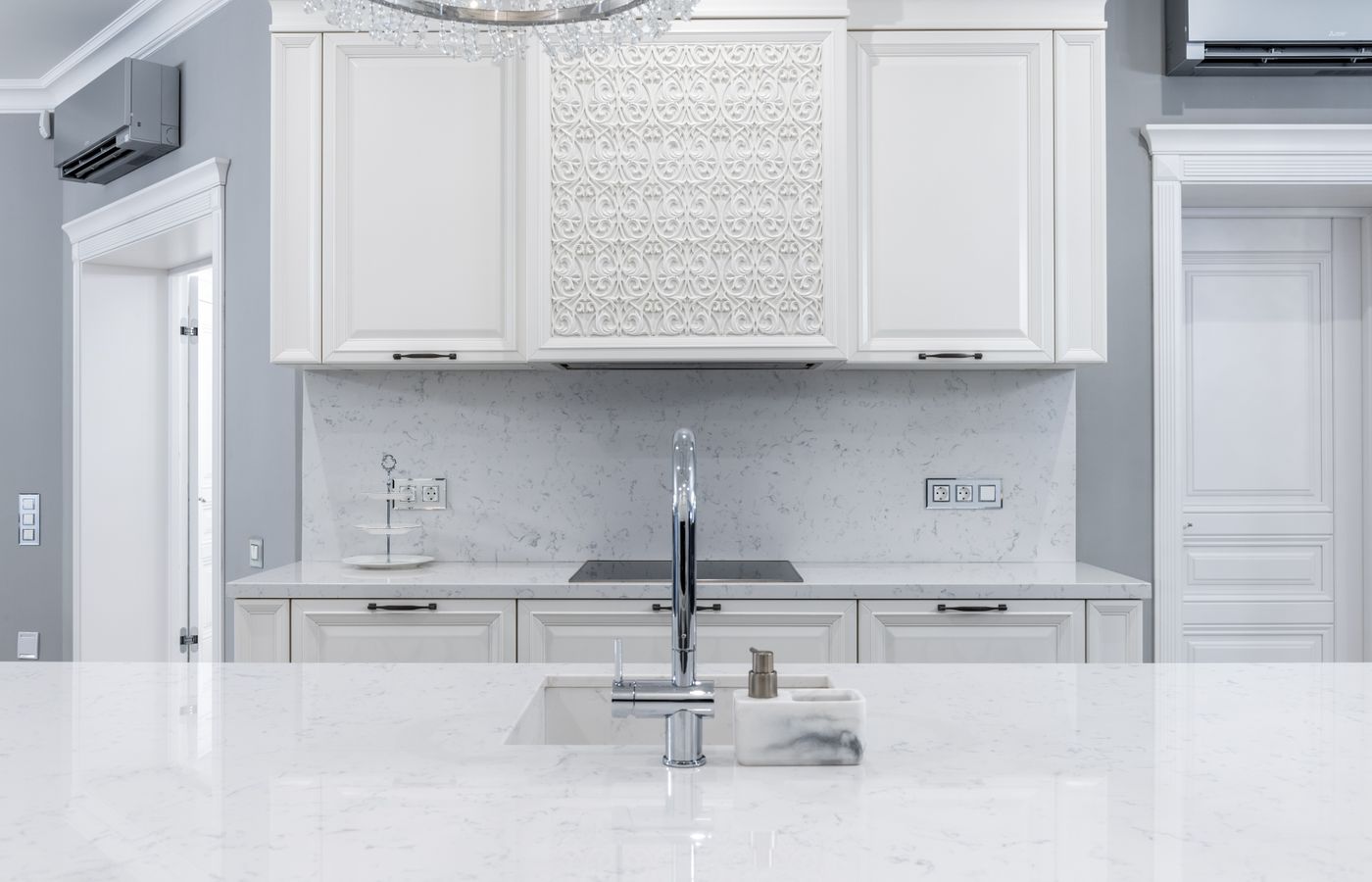
A dresser or display cupboard can carry more elaborate carving and shaped openings while the working cabinetry stays simpler. The reference image does not verify a Victorian date or original finish, so use it for the relationship between detailed furniture and a restrained surrounding room. Keep the storage useful and the display edited enough that the cabinet itself remains visible.
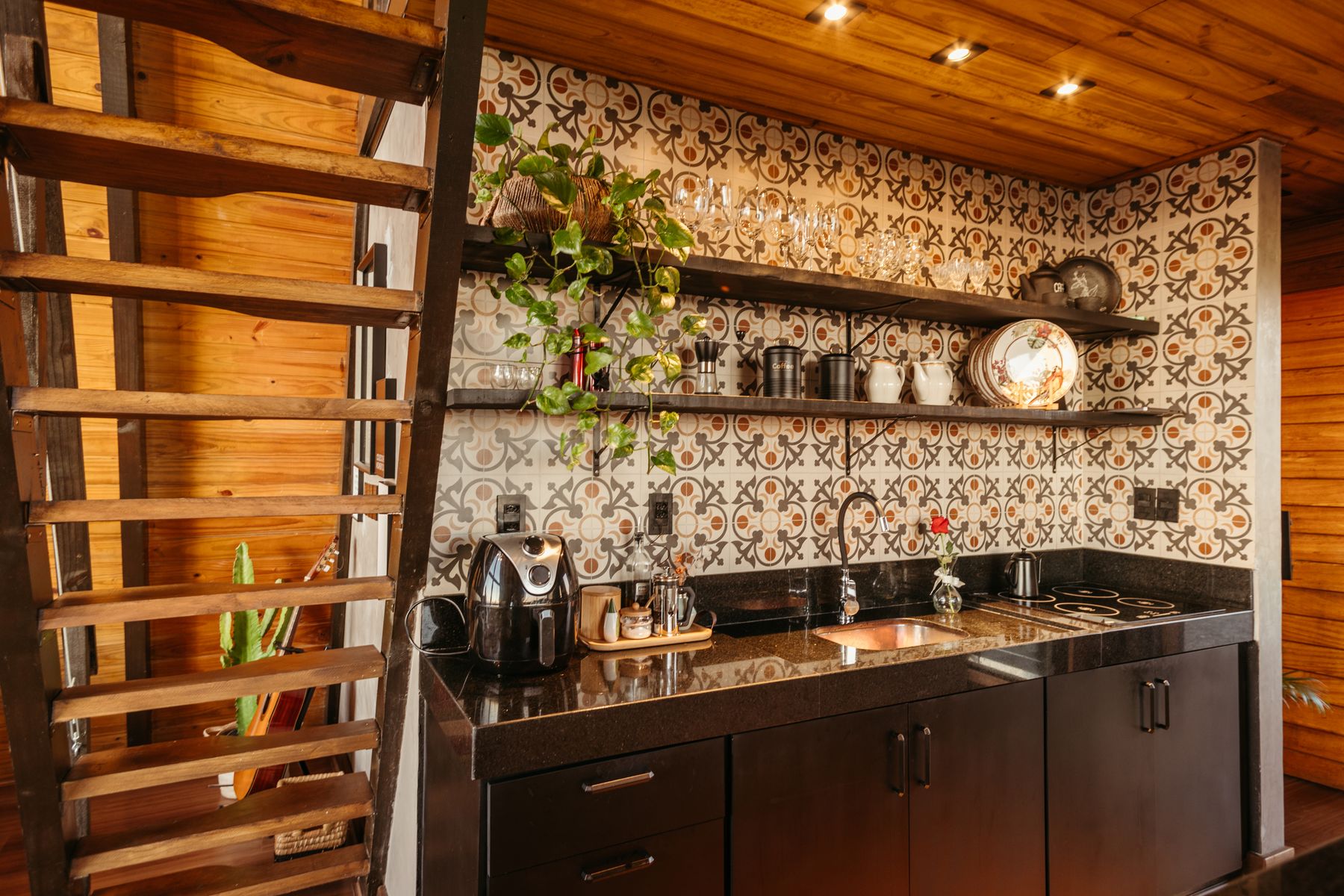
Use Pattern as a Contemporary Interpretation
Patterned tile can add decorative richness, but a contemporary pattern should not be presented as historically exact without evidence. Use one clearly bounded backsplash, floor or textile and let it sit beside simpler cabinetry. If the room already contains a detailed dresser or ornate trim, keep the patterned area smaller so the two do not compete.
Display Kitchenware With a Useful Rhythm
Hanging pans, enamelware and utensils can give a period-inspired kitchen a working quality when they are genuinely used and stored safely. Group objects by shape, function or material and leave enough space to remove one without disturbing the rest. Older objects of uncertain condition can remain decorative rather than being assumed safe for food preparation.
Keep the Modern Room Comfortable and Light
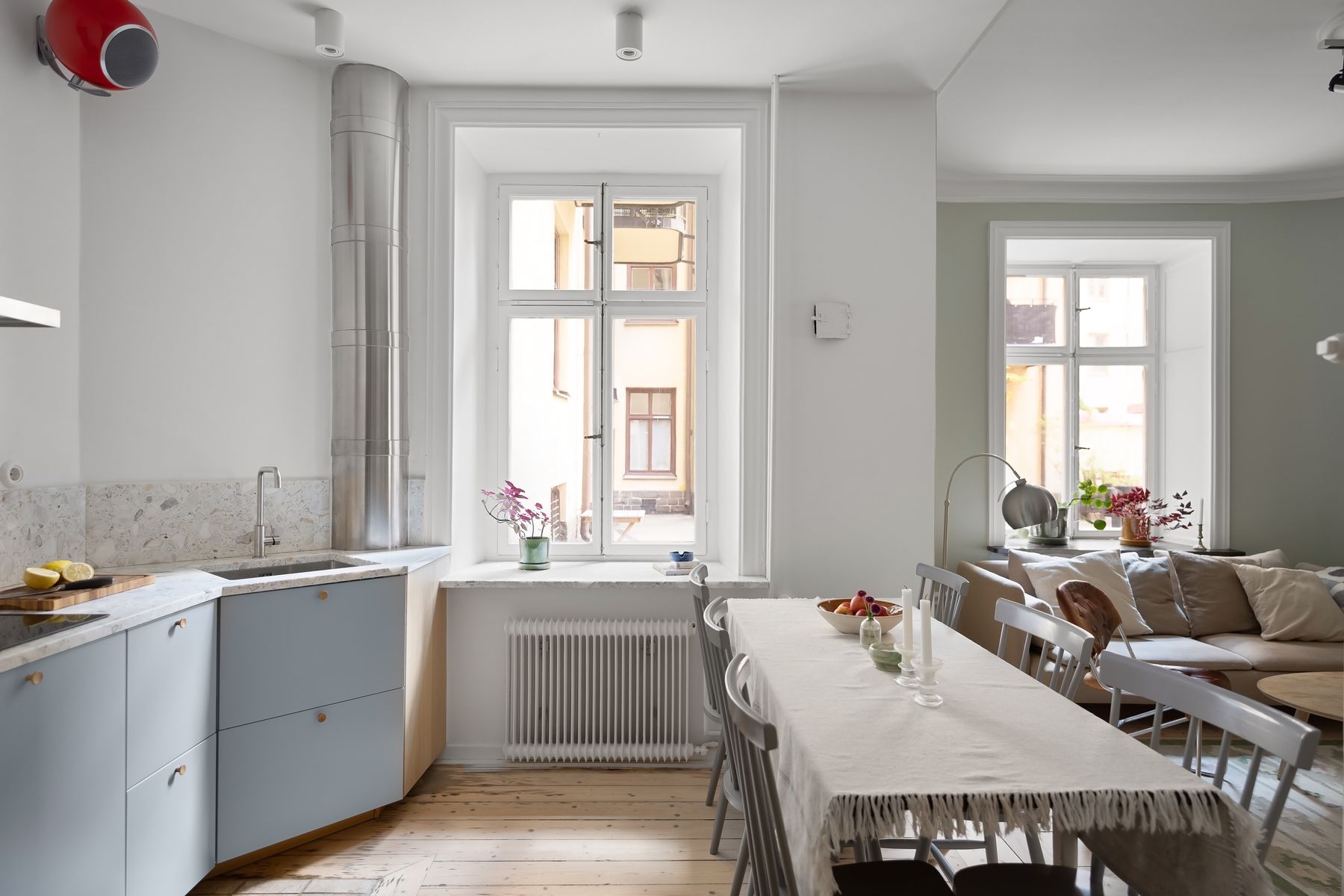
A period-inspired kitchen still needs to work for the people using it now. Keep windows useful, create comfortable routes around tables and choose fabrics that can be maintained in their actual location. Historical-looking layouts should not be copied when they make present-day cooking, storage or cleanup unnecessarily difficult.
Use Dark Timber for Weight, Not Gloom
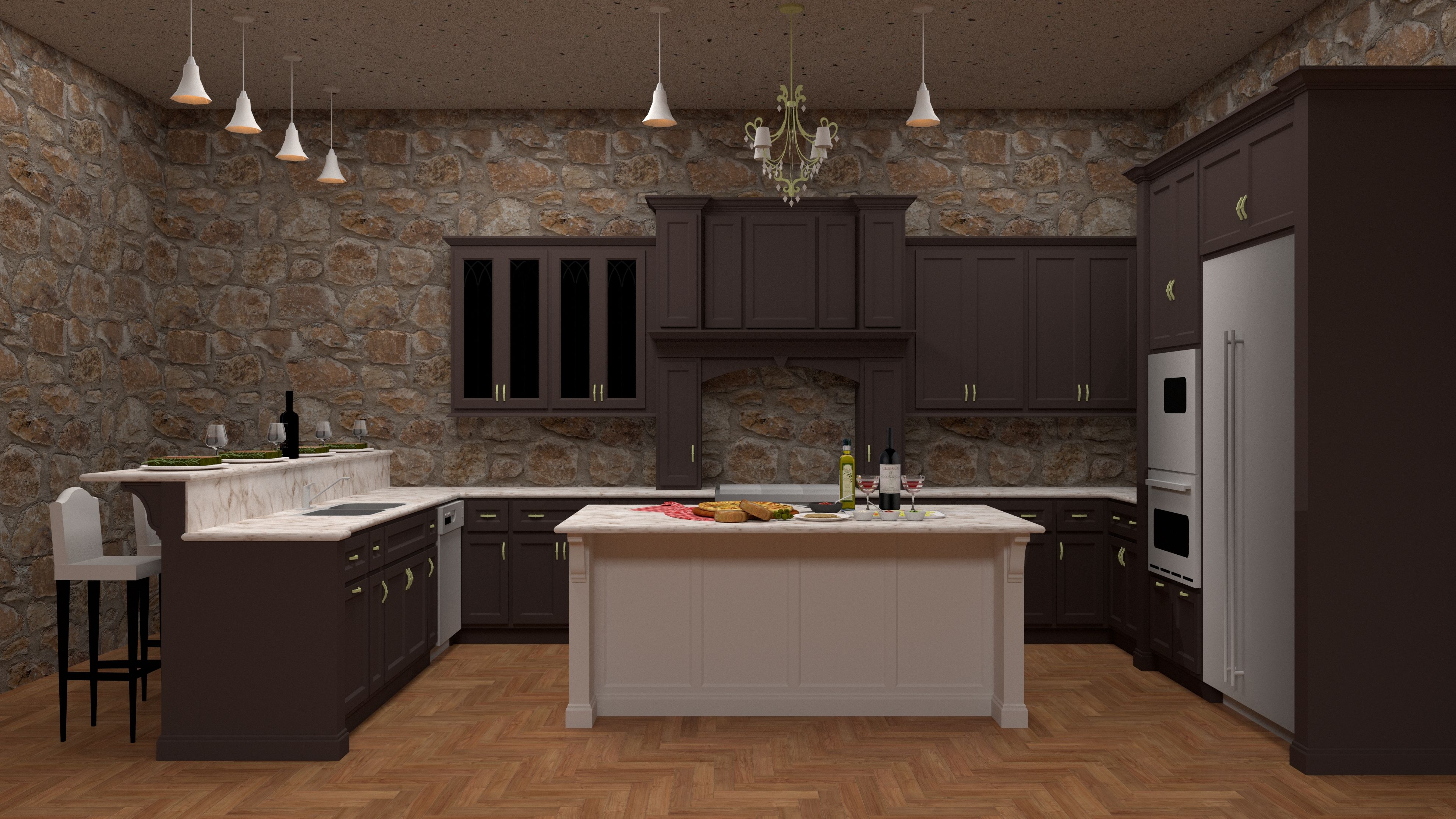
Darker timber can give a Victorian-inspired kitchen more visual weight without requiring black paint or heavy ornament everywhere. A pantry wall, dresser or table in deeper wood can anchor the room, while pale stone and lighter walls preserve contrast. Grain should remain visible enough that the material reads as timber rather than as one dark mass.
Keep the Main Work Surface Smooth
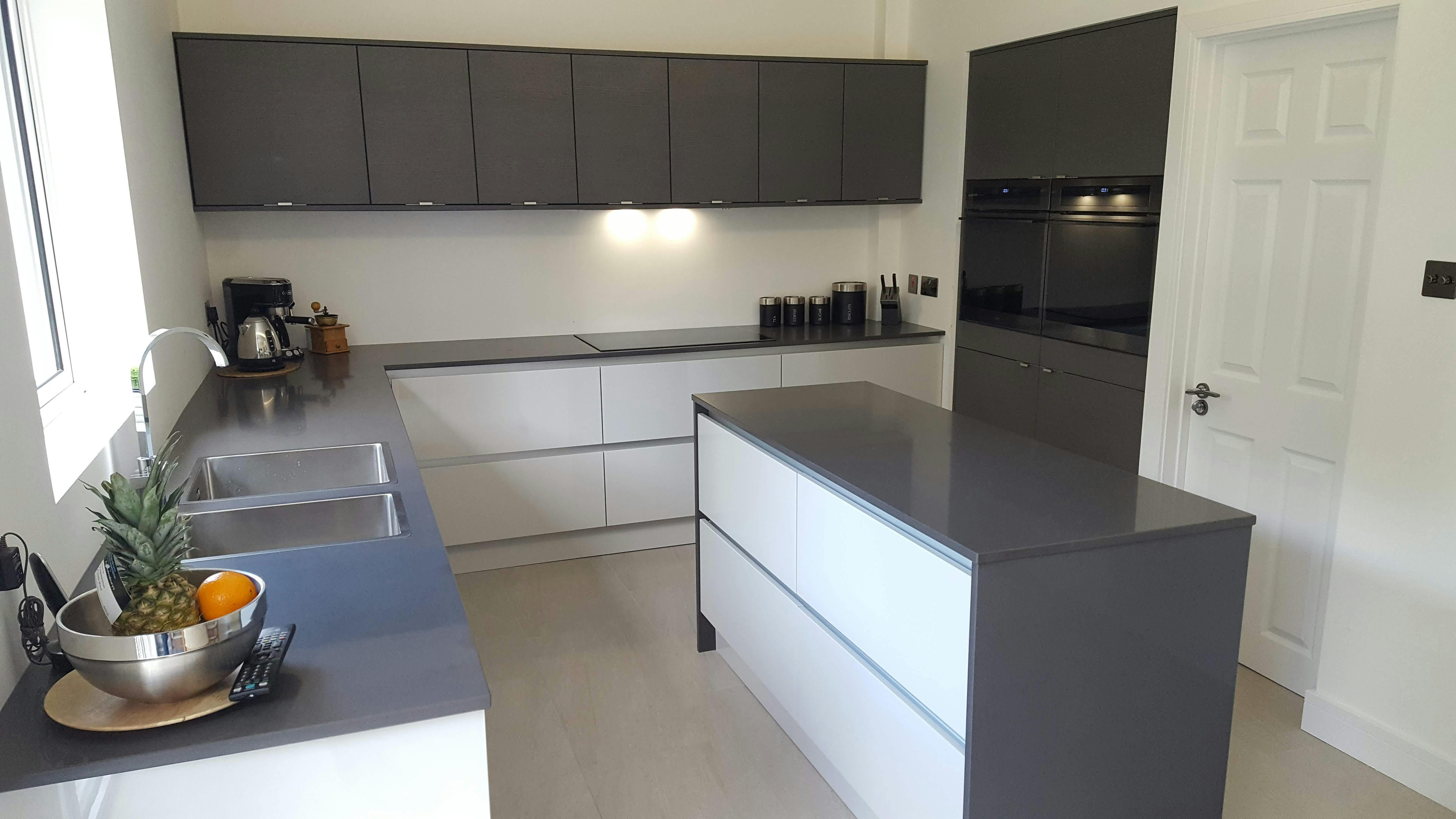
A richly textured room benefits from one clearly practical working plane. Stone walls, timber furniture and patterned surfaces can provide character around a smoother worktop that is easier to clean and use. This contrast also helps the older-looking materials remain legible instead of merging into a uniformly rough environment.
Let One Metal Finish Connect the Room
Brass, bronze, blackened metal or nickel can connect handles, taps and lighting without making every fitting identical. A warmer metal can sit comfortably beside dark timber and painted cabinetry, while blackened metal creates a stronger outline. Choose one dominant family and repeat it selectively so the hardware supports the room rather than turning into another layer of ornament.
Use Modern Appliances Without Period Disguise
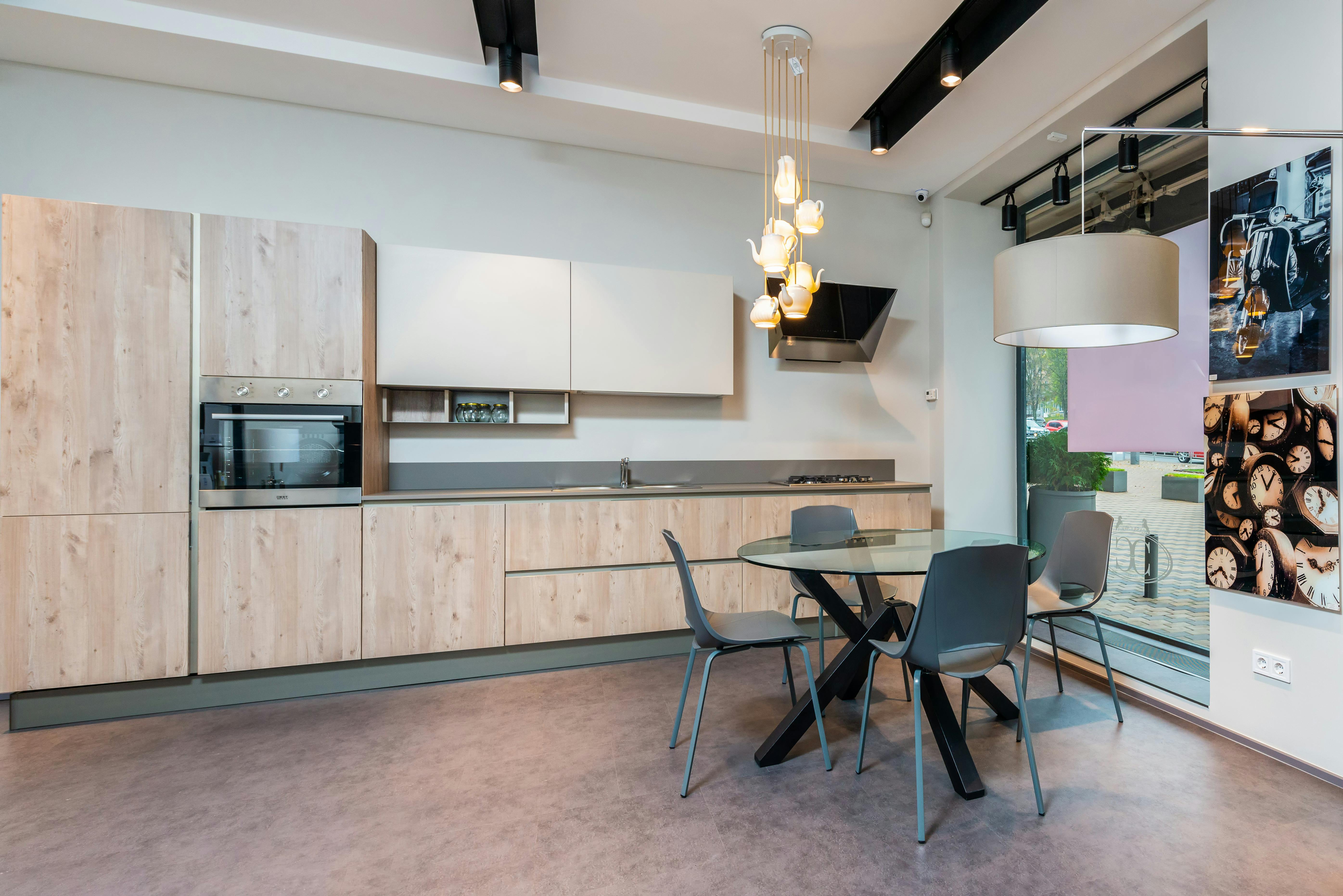
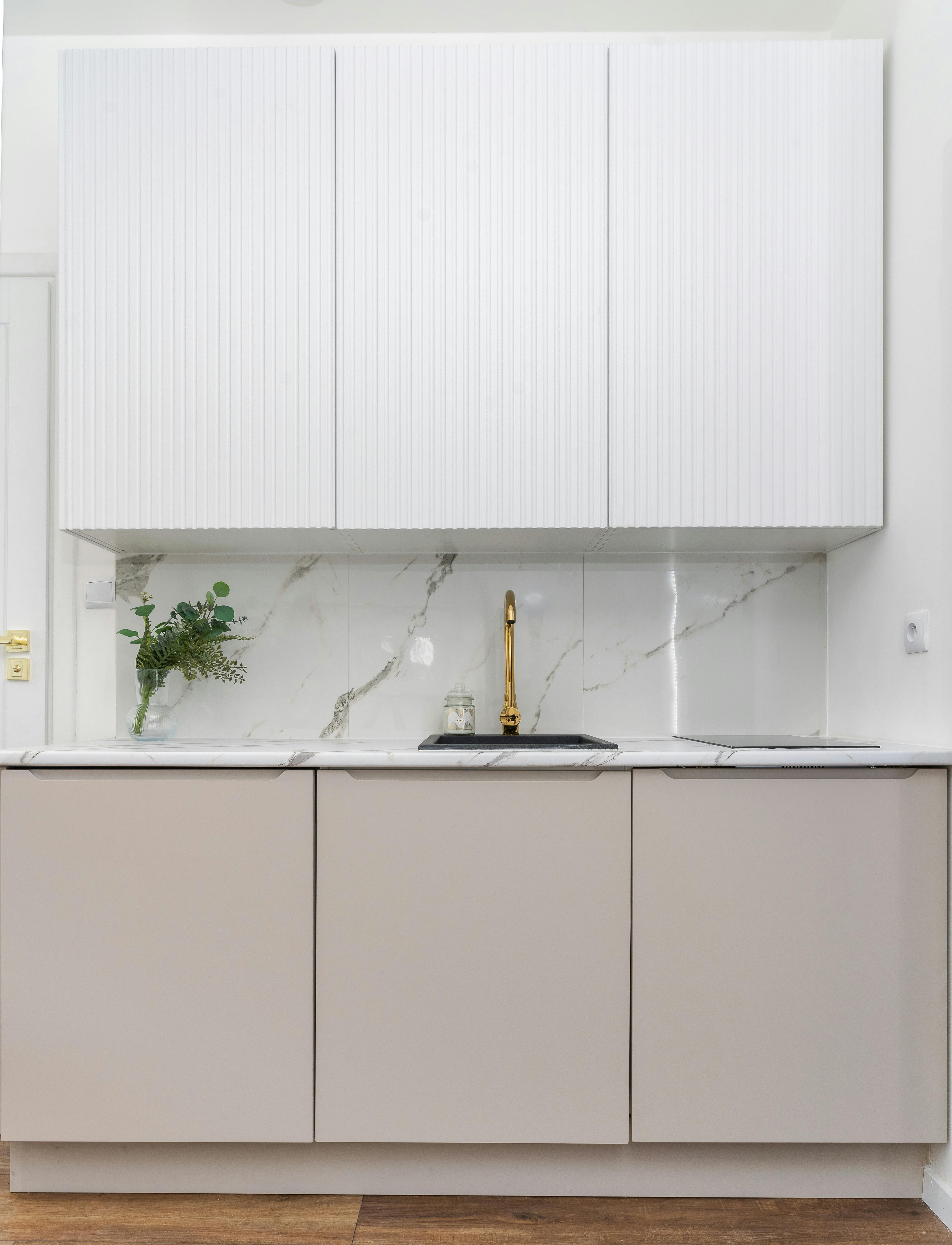
Contemporary appliances can remain visible in a Victorian-inspired kitchen. Their performance, dimensions and maintenance are more important than forcing them into reproduction shells. Group them thoughtfully and let surrounding cabinetry, furniture and materials carry the period reference. The contrast between old and new can feel deliberate when the elevation is resolved.