Build the Plan From a Real Inventory
Empty the surfaces that repeatedly collect objects and group the contents by use: media, reading, games, work, toys and soft furnishings. Measure the largest items instead of estimating from a tidy shelf photograph. This reveals whether the room needs deep closed cabinets, shallow shelves or simply a better home for a few daily objects. Storage planned from an inventory is less likely to fill with awkward gaps or force bulky items back onto the floor.
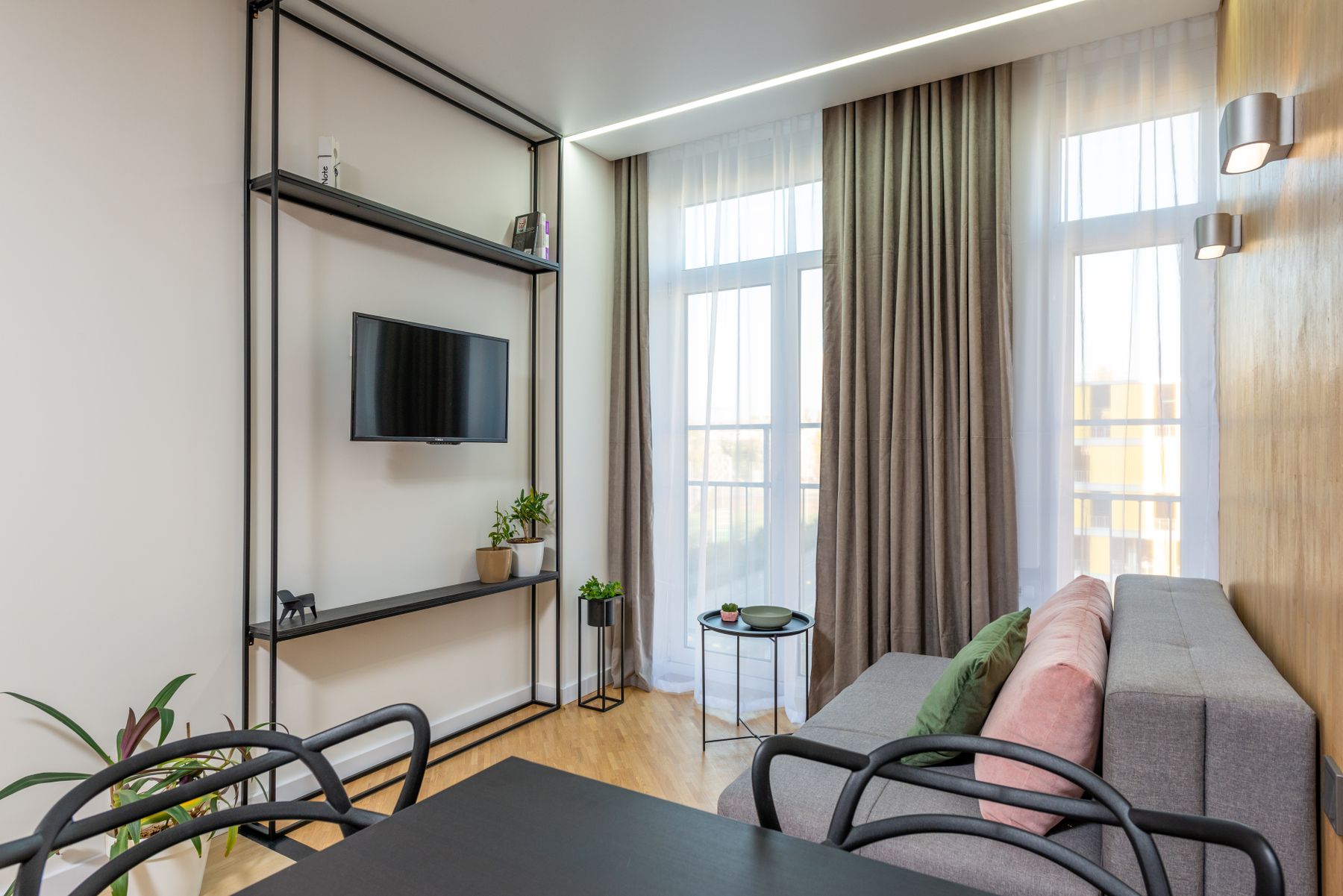
Concentrate Storage on One Working Wall
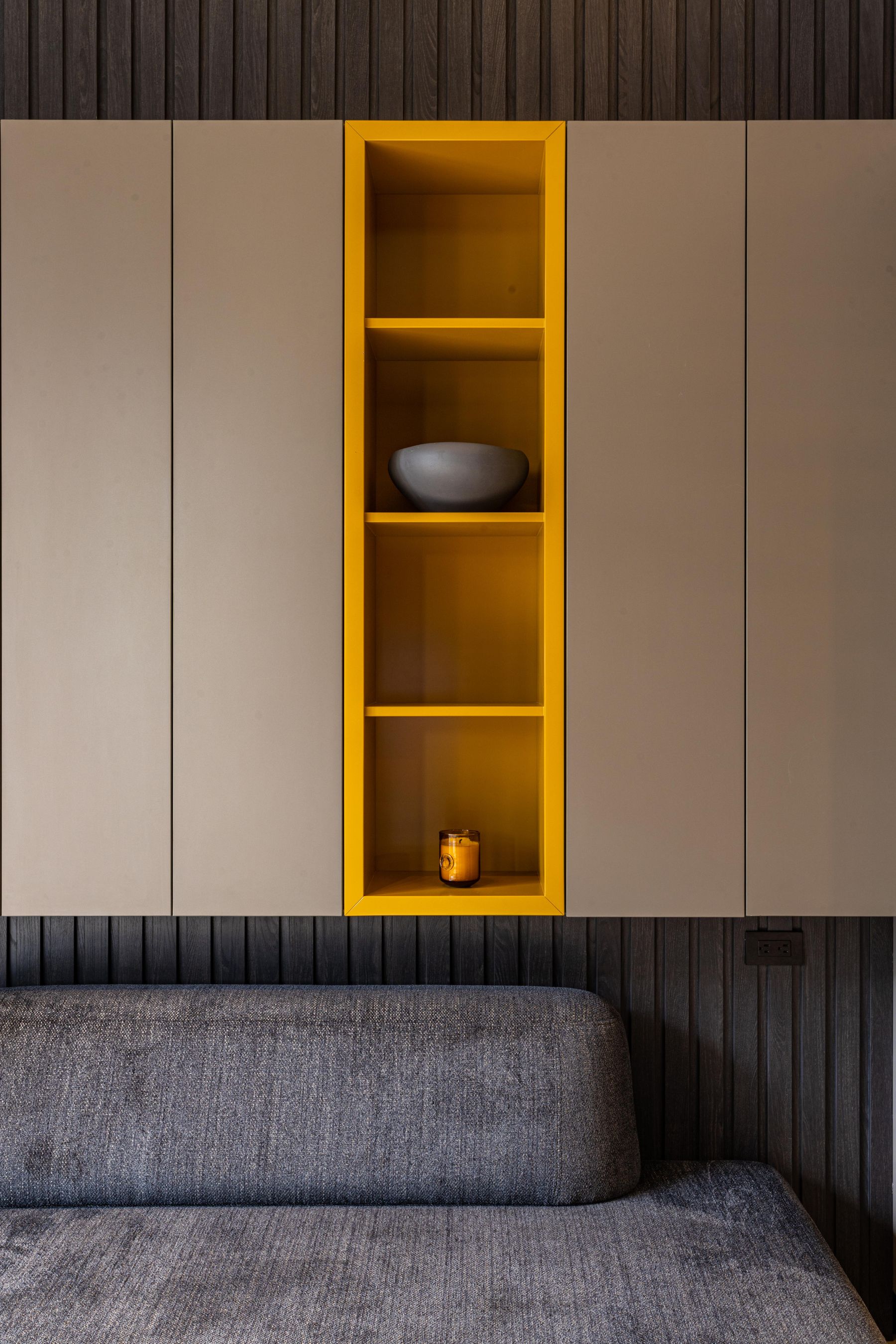
A single storage wall often gives a living room more breathing room than a low unit on every side. Combine heights only when they respond to the architecture: a tall section can hold books, while a lower section may preserve sightlines beside seating. Leave another wall quieter for art, a window or circulation. Tall furniture should be secured according to its construction and the wall, and its deepest point must not narrow the main route.
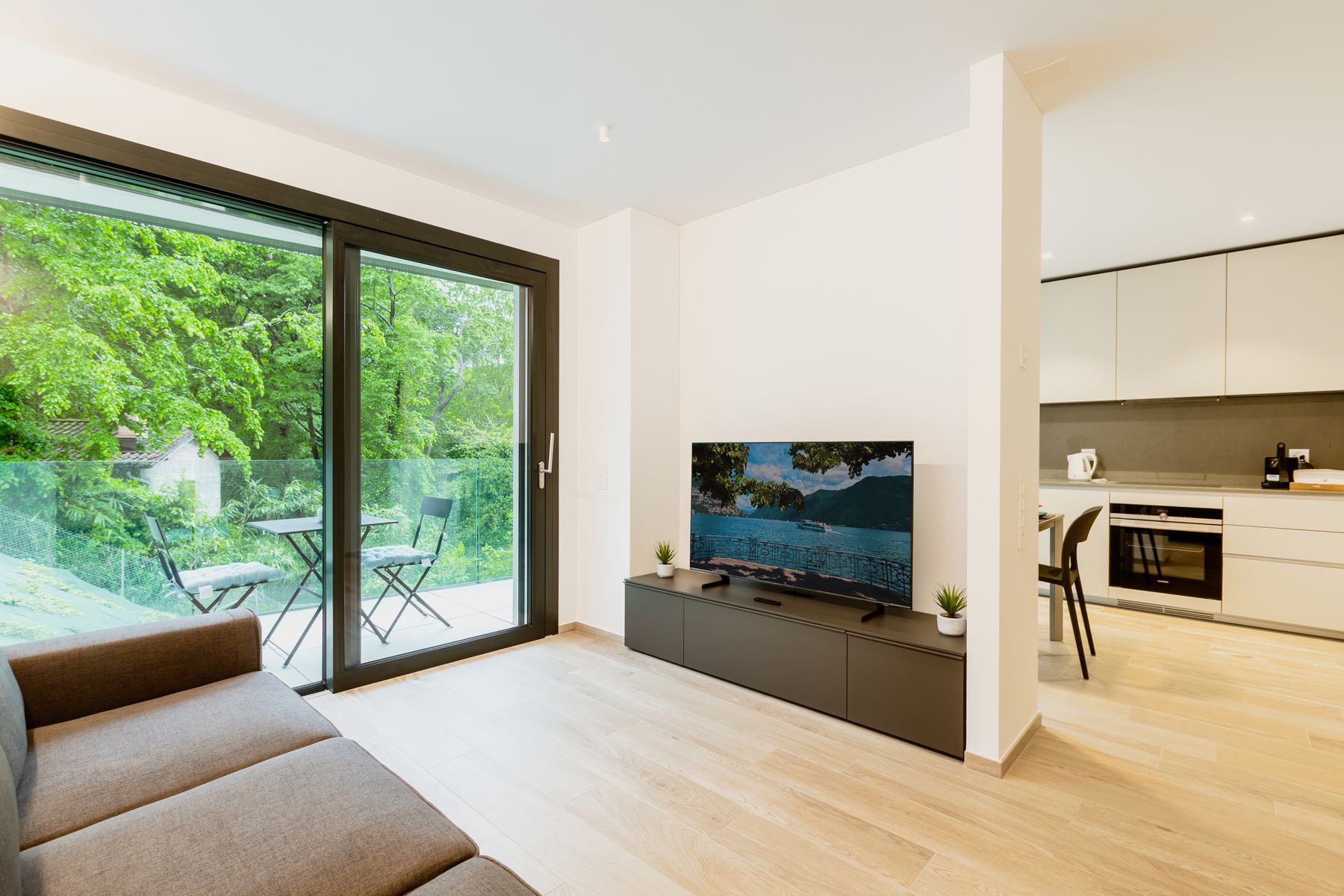
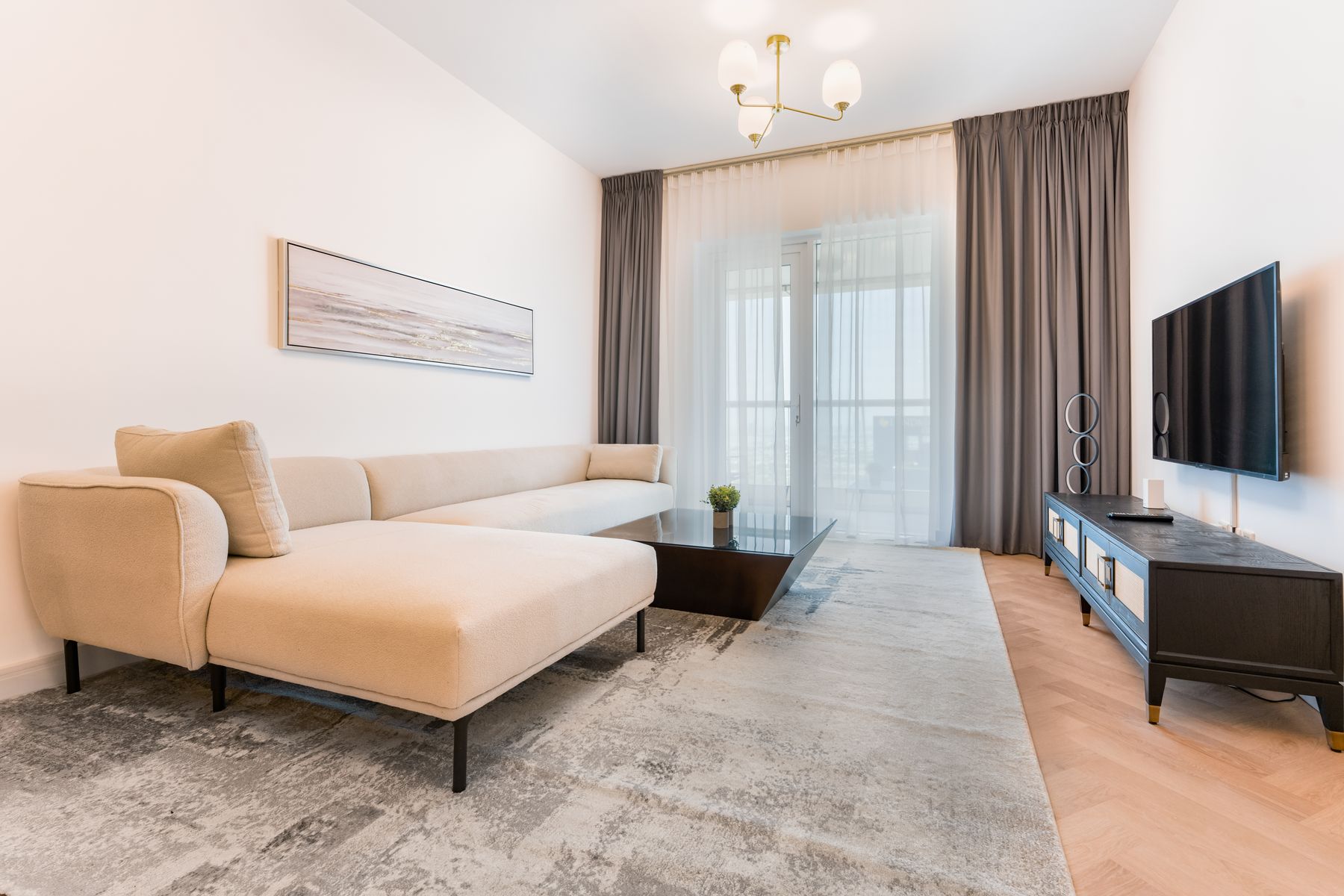
Give the Television a Low, Serviceable Base
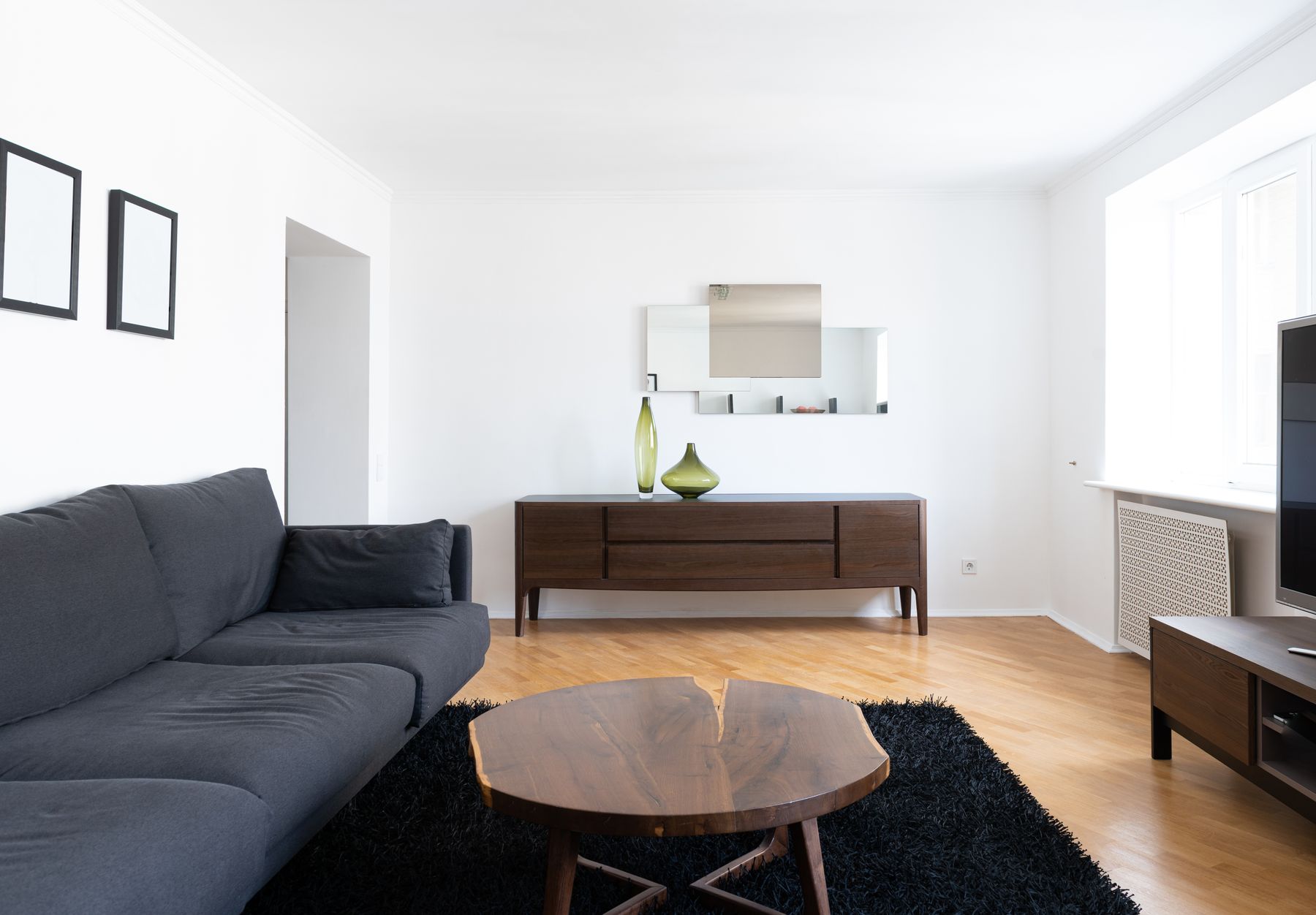
Media storage must accommodate devices, cables, ventilation and access for maintenance, not only hide remote controls. A low cabinet can keep the screen wall visually settled and leave space above it, but its width and depth should relate to the television and walking route. Closed fronts reduce visual noise; open compartments may improve access but expose equipment. Check the manufacturer's ventilation guidance and plan a safe cable route before fixing the furniture position.
Use Closed Storage for Visually Busy Categories
Board games, chargers, craft materials and children's supplies rarely form a calm display when every item remains visible. Assign these categories drawers, doors or lidded baskets sized for their real contents. Keep the most-used storage within easy reach and reserve higher or deeper positions for occasional items. Labels inside a cabinet can help a shared room function without adding public-facing text to every container.
Keep Open Shelves Edited and Reachable
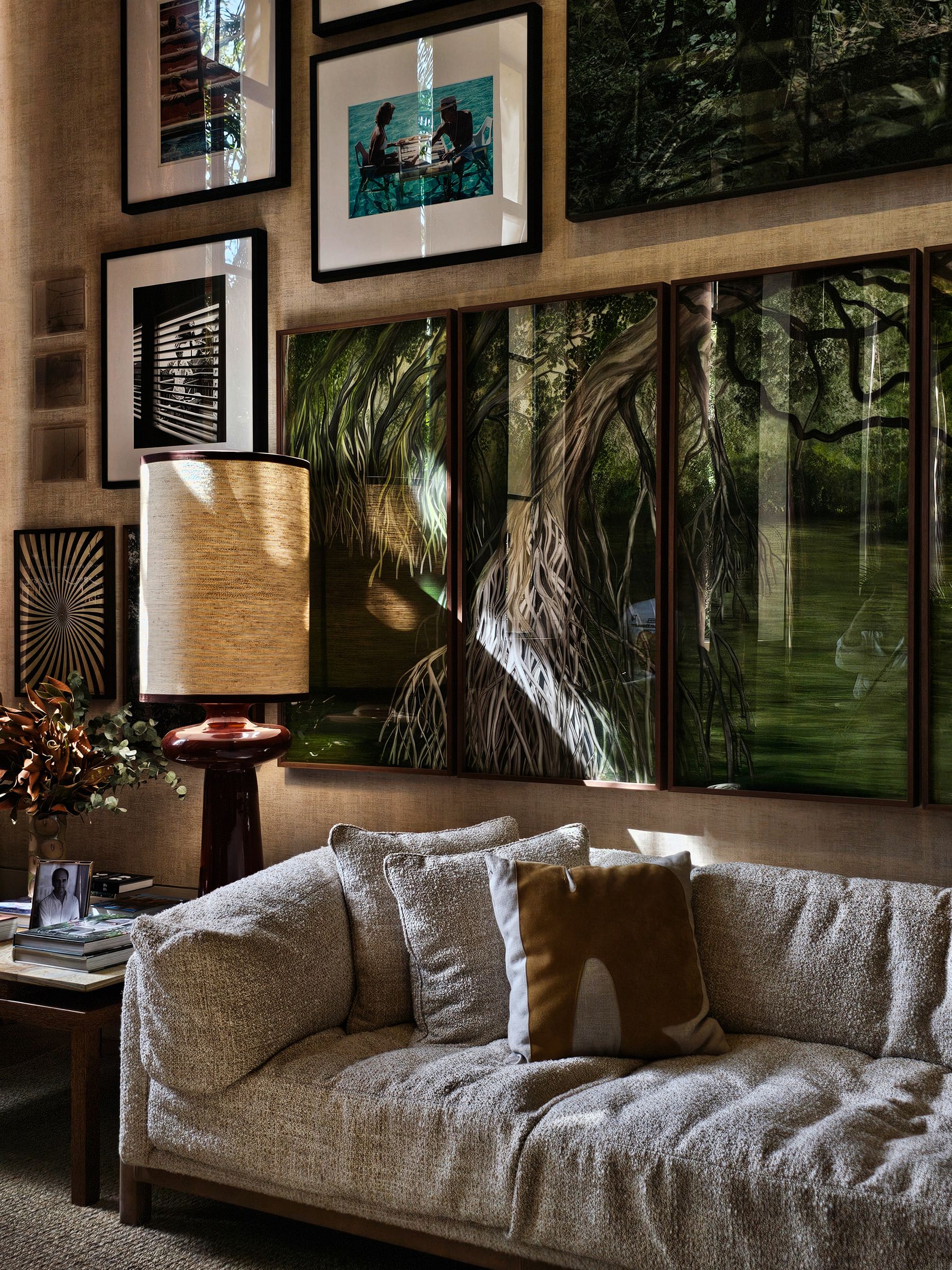
Open shelving suits books, a few meaningful objects and items used often enough to justify exposure. Varying every shelf purely for display can reduce practical capacity, while tightly packed decorative objects make cleaning harder. Set shelf spacing from book and box heights, and keep heavy objects where they can be handled safely. A mix of books and negative space can look calmer than filling each level with a separate arrangement.
Put Small Storage Beside the Activity
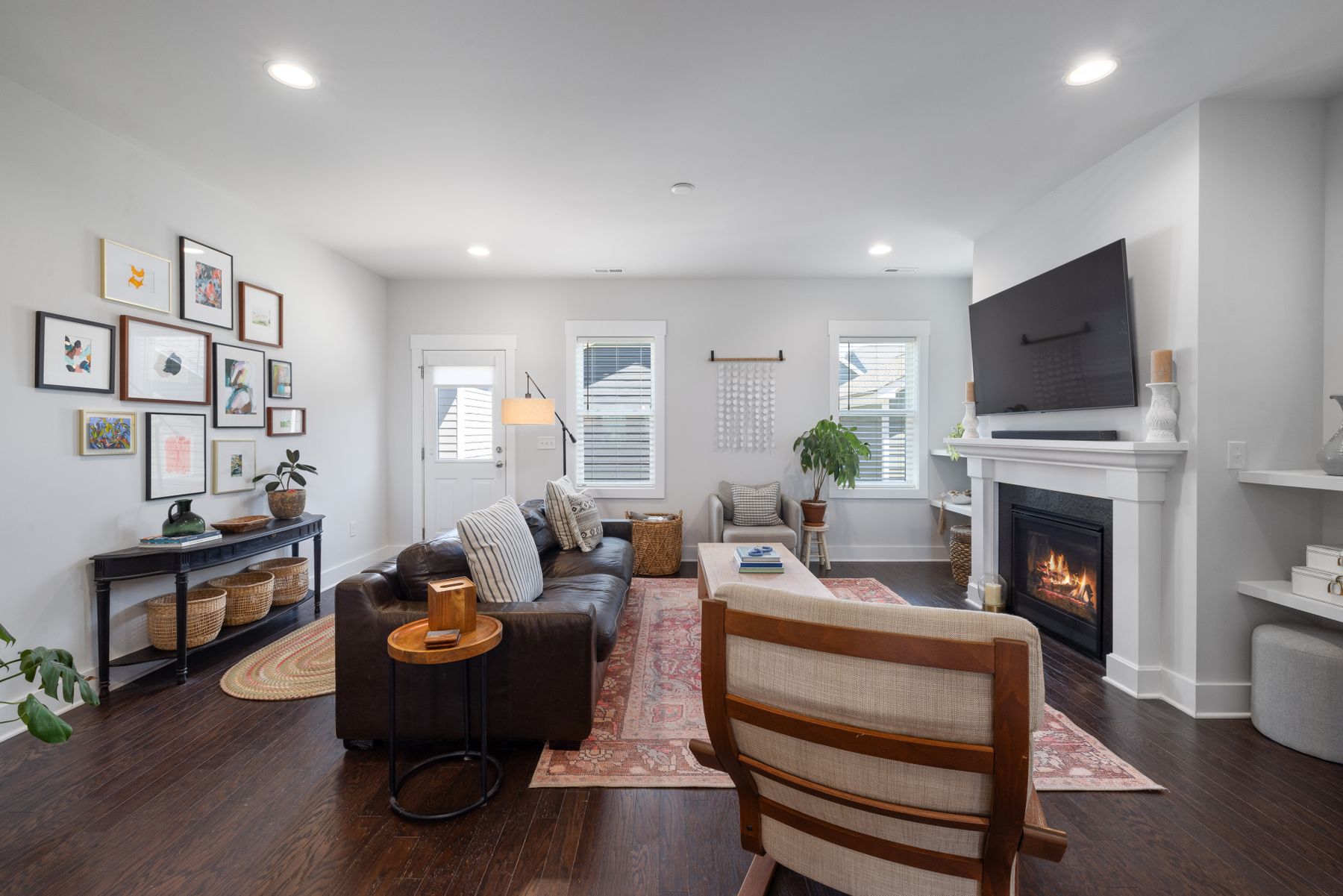
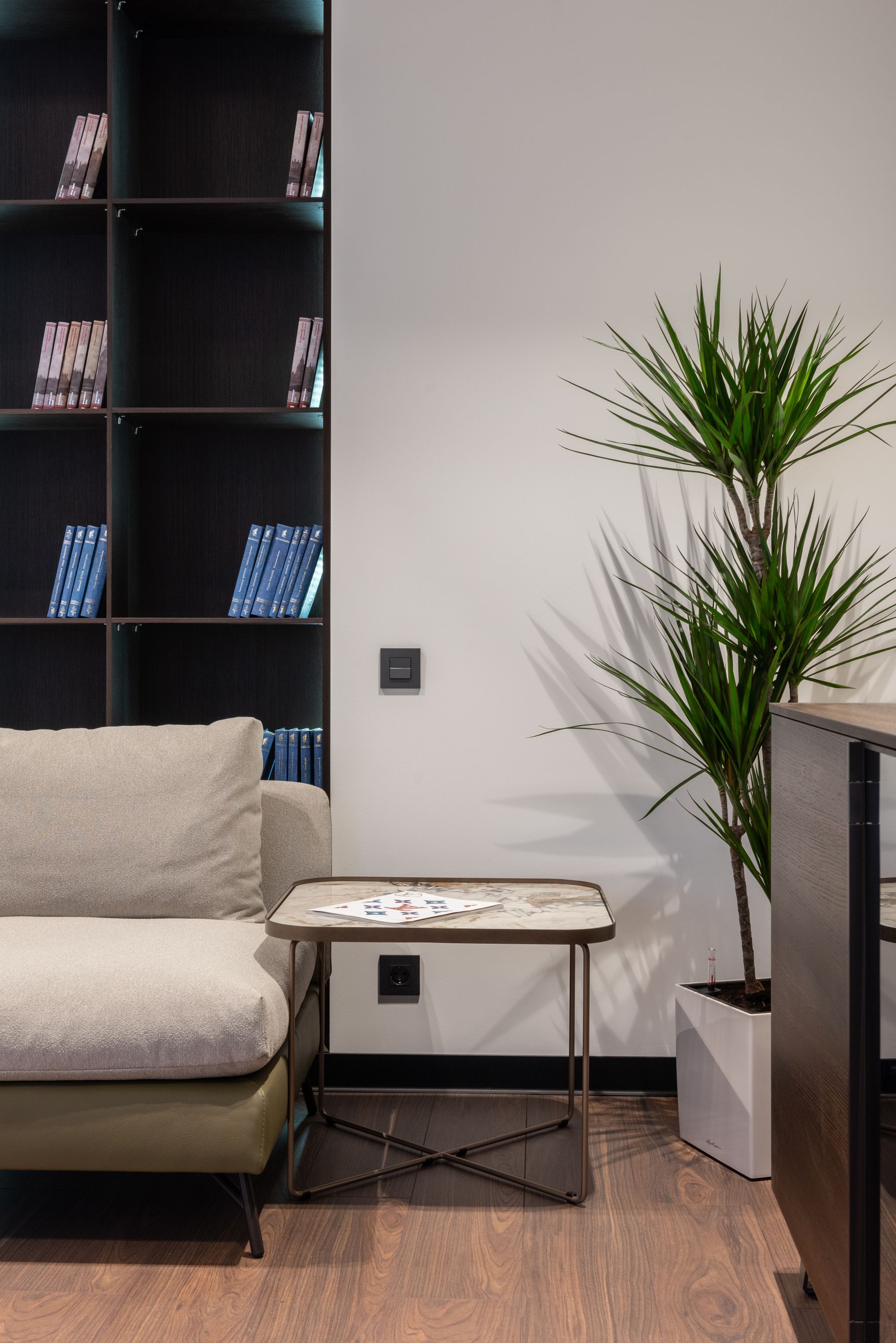
Not every storage need belongs in a large cabinet. A side table with a shelf, a compact drawer unit or a basket beside the reading chair can hold the objects used in that exact position. Choose the piece by reach from the seat and by the route around it. Small storage becomes clutter when several pieces duplicate the same function, so assign each one a short, specific list of contents.
Use the Window Wall Without Stealing Light
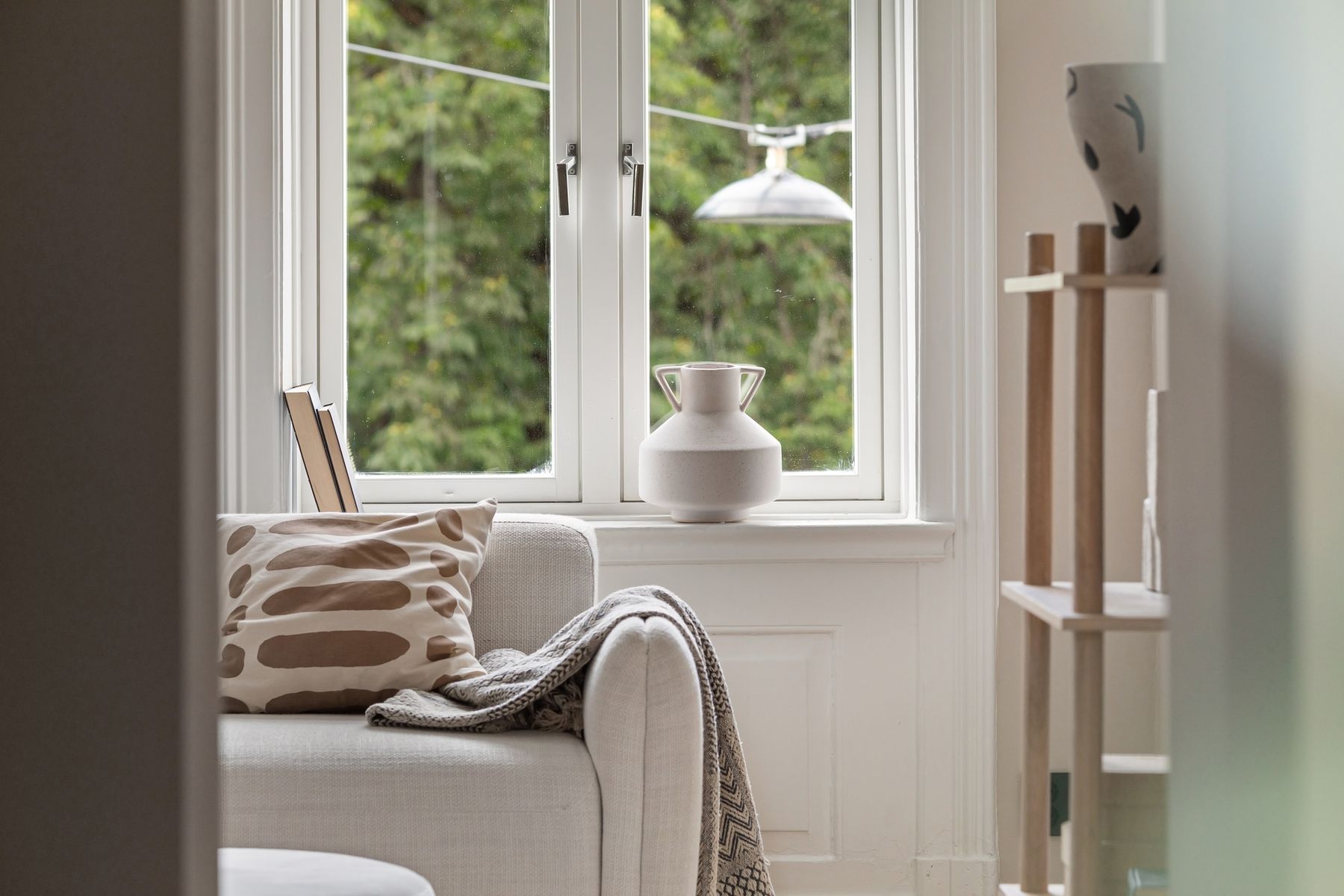
The area beside or below a window may accept a low cabinet or narrow bookcase, but storage should not compromise opening hardware, curtains, radiators or useful daylight. Avoid assuming that every gap deserves a fitted unit. A low piece can provide a surface and contained storage while keeping the glazing visually open; in another room, leaving the area empty may protect the route and make the seating more comfortable.
Review Access With the Room in Use
A cabinet may fit the wall and still fail when a door hits the coffee table or a drawer opens into the main route. Test storage with people seated, baskets removed and media equipment connected. Frequently used items should not require moving a chair, while occasional storage can accept a less convenient position. Revisit the system after several weeks and change shelf assignments before buying another unit.