Map the Apartment's Daylight Before Decorating
Observe the apartment in the morning, at midday and late afternoon, noting when each window receives direct sun and what exterior surfaces reflect through it. Trees, balconies and neighboring buildings may matter more than compass direction. Mark the brightest route, the rooms that receive only borrowed light and the places where glare or overheating appears. This evidence should guide layout, curtains and finishes; styling every room as though it has the same exposure wastes the apartment's real strengths.
Keep the Best Window's Light Path Open
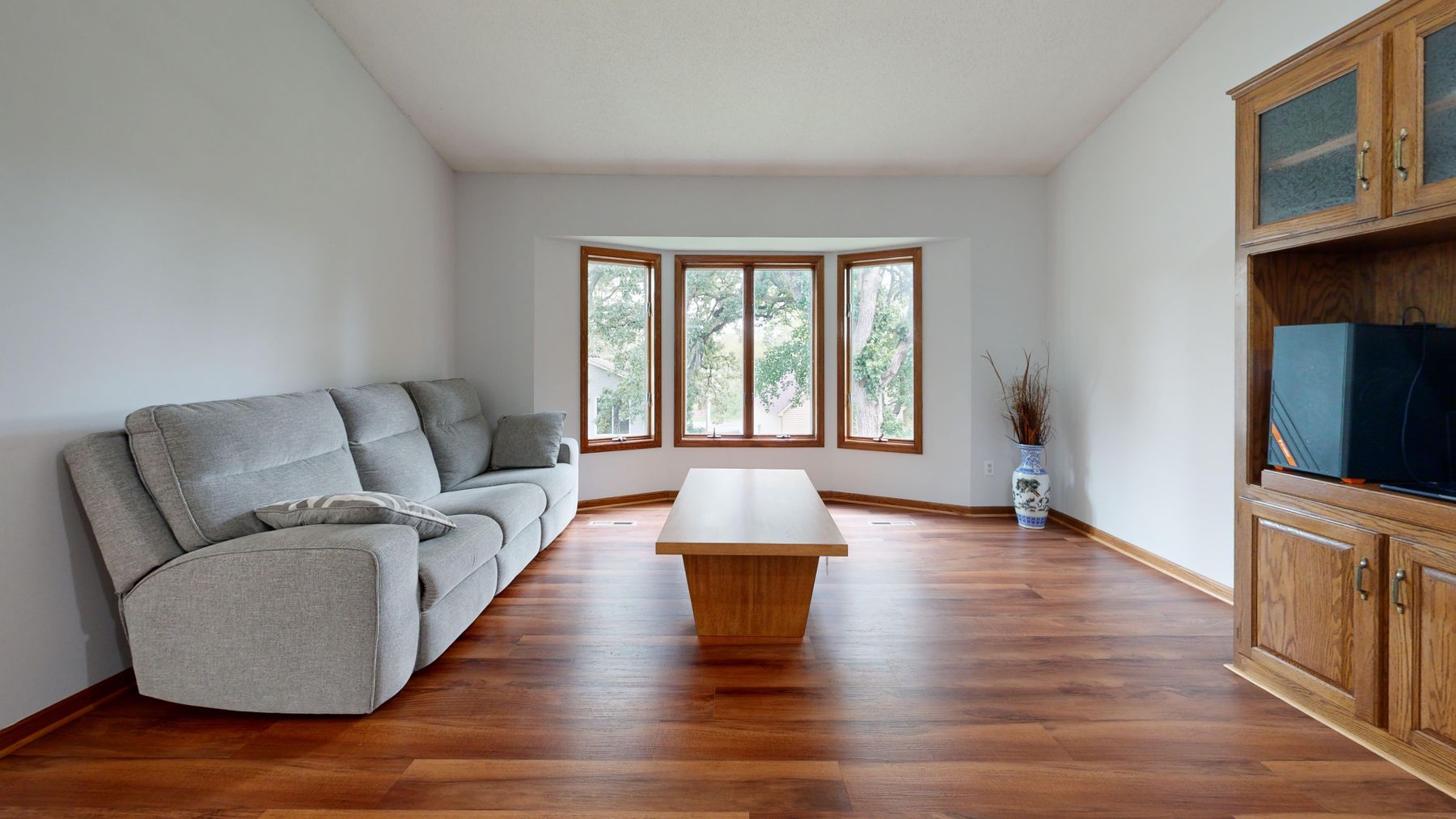
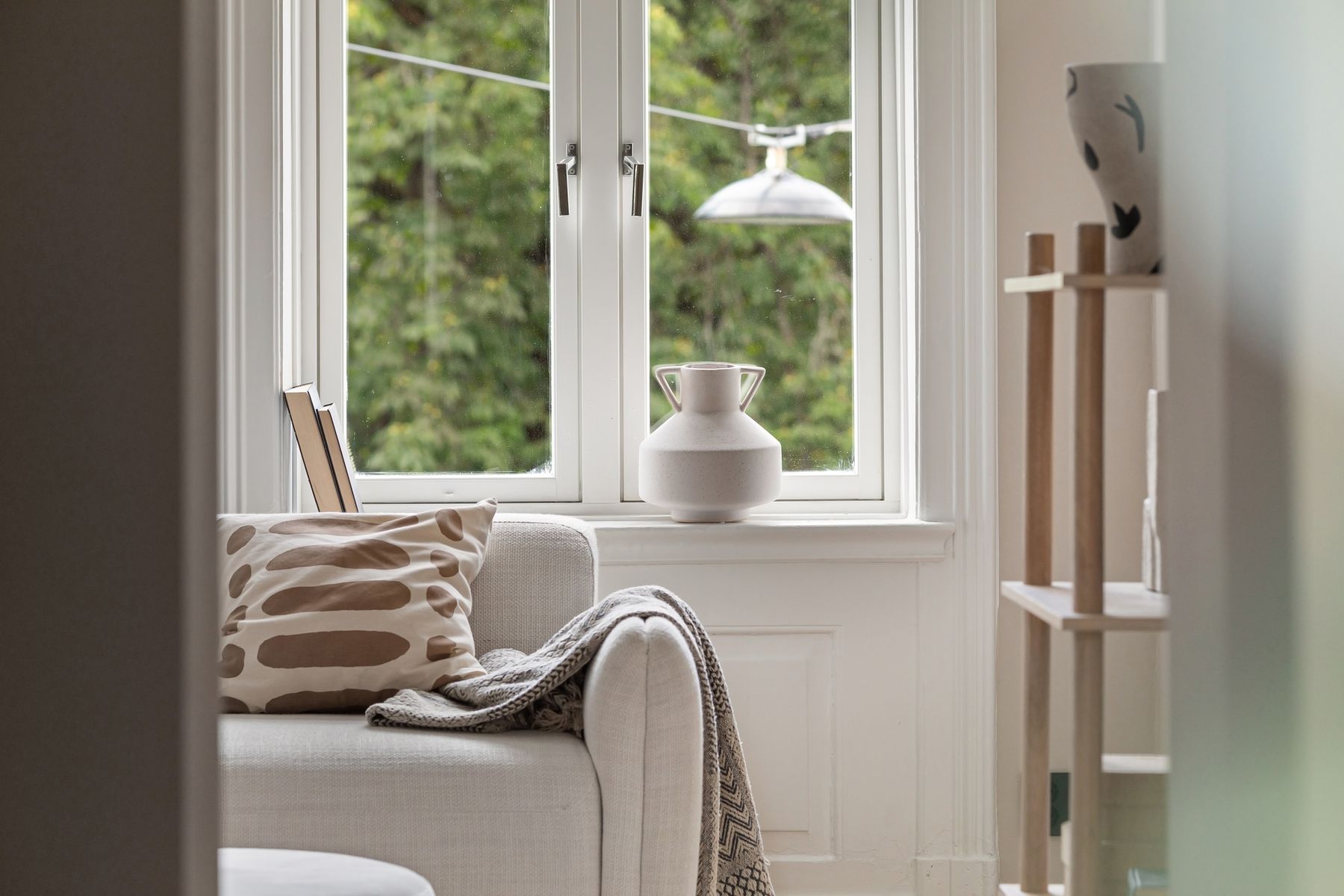
Identify the window that contributes most and protect its route into the plan. Keep tall bookcases, bulky chairs and dense plant groupings away from the opening unless shade is genuinely needed. Low-backed seating, open-leg tables and storage below the sill allow light and views to continue. Do not empty the room for brightness; instead, place necessary visual mass on walls that do not interrupt the main light path and preserve comfortable circulation around the window.
Choose Window Treatments That Can Change State
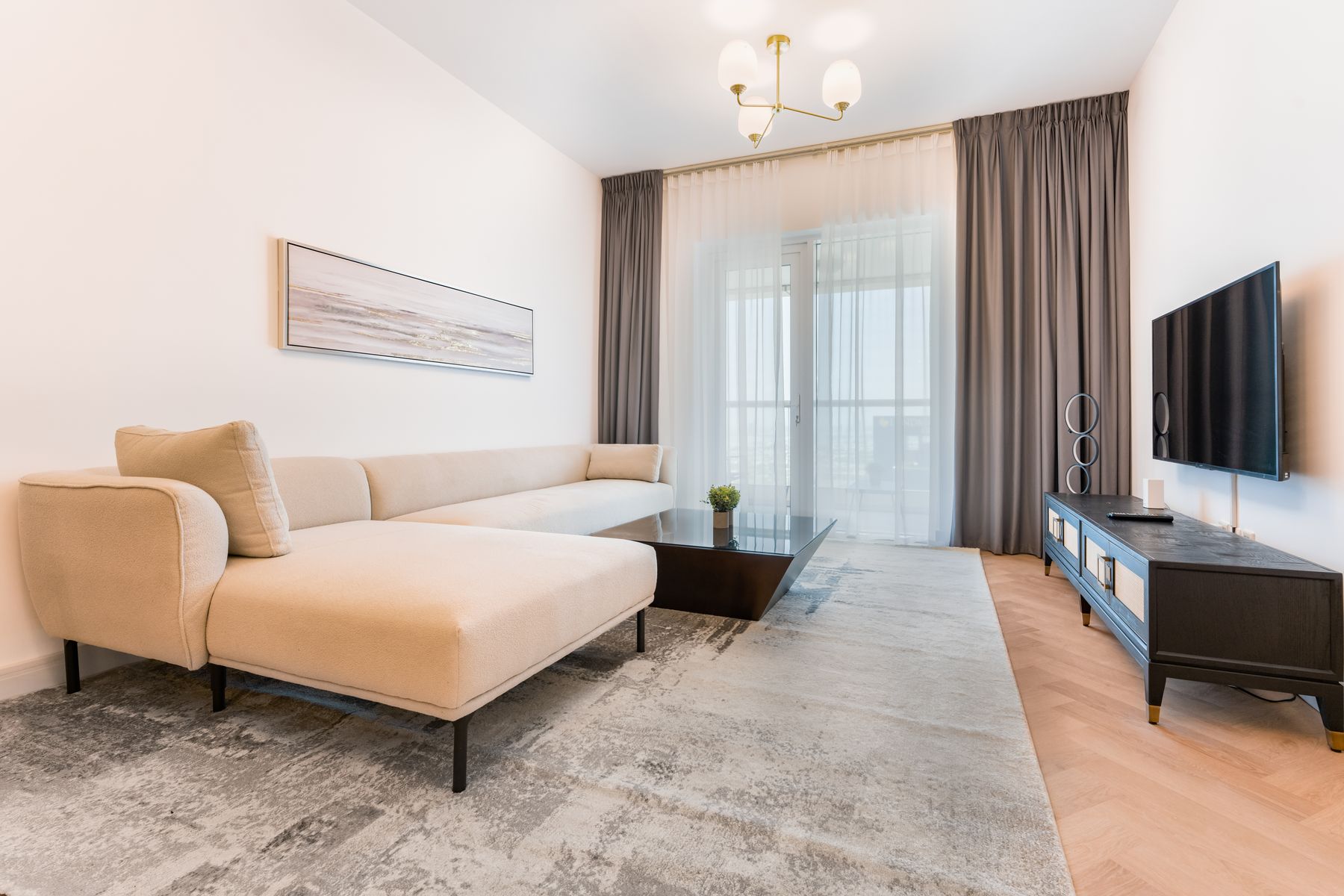
A single heavy curtain often forces a choice between full exposure and darkness. Combine a translucent layer for daytime privacy with a denser curtain, blind or shutter for sleep, glare and heat control where needed. Mount curtains so the stack clears most of the glass when open, and size hardware for the actual weight. In rentals, tension systems or properly installed removable tracks may provide flexibility, but fire safety, radiators and ventilation still govern placement.
Use Pale Surfaces Where They Return Useful Light
Prioritize ceilings, upper walls, large rugs and substantial cabinetry when a room needs more reflected light. These surfaces influence brightness more than scattered pale objects. Choose the undertone beside flooring and fixed finishes so the room remains warm or cool by intention. Brightest white is not automatically best: a softer off-white can reduce harsh contrast around a window while still returning ample light. Match sheen to cleaning needs and expected glare rather than assuming gloss will solve darkness.
Borrow Light Through Glazed Boundaries
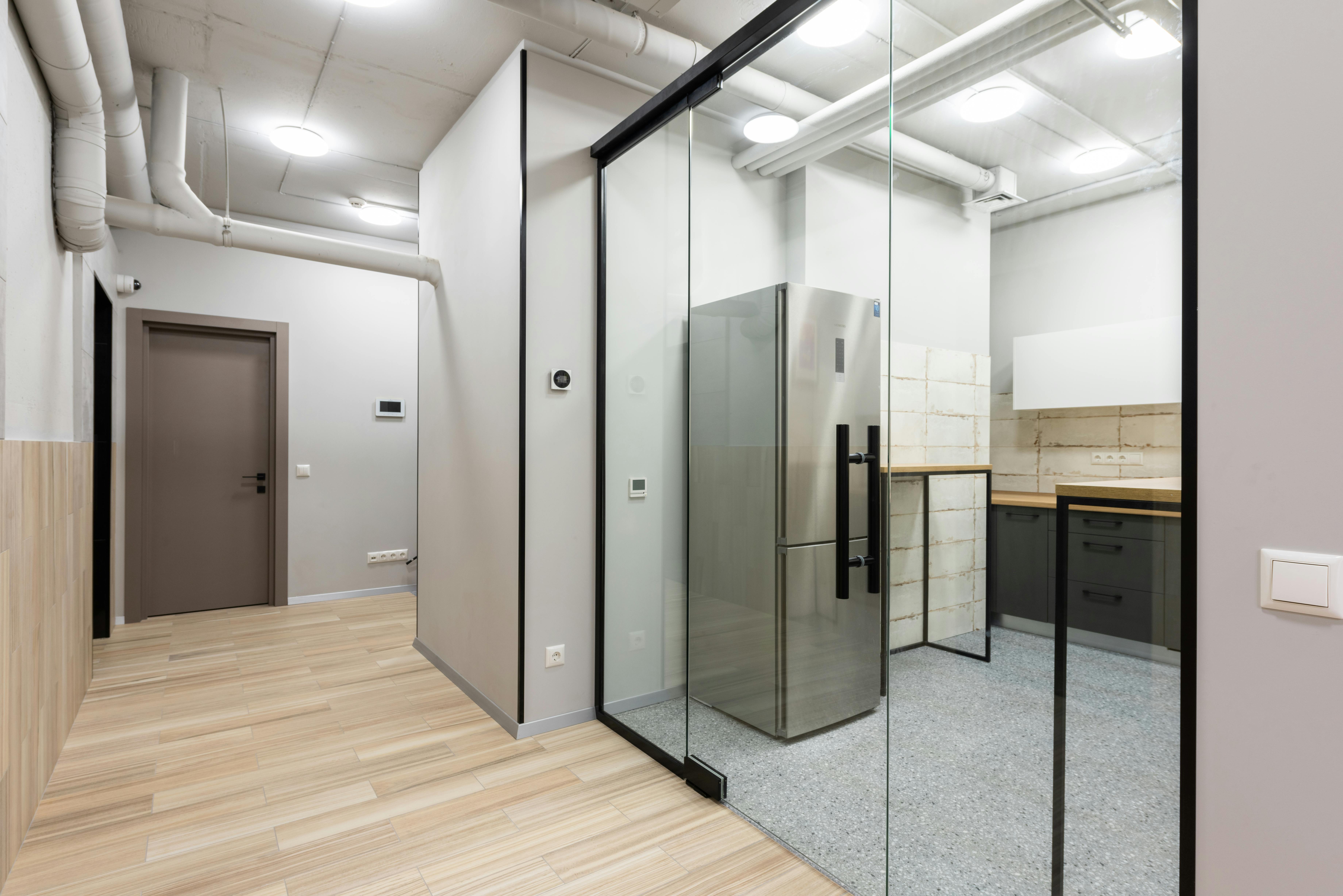
Where alteration is permitted, glazed doors, clerestories and partial partitions can bring daylight into halls, kitchens or work zones without erasing every boundary. Select glass according to privacy, acoustic and safety requirements: clear glass preserves views, fluting obscures detail and translucent panels spread light more softly. Frames should align with the apartment's architecture rather than creating a decorative grid by default. Check building rules, tempered-glass requirements and the need for ventilation before modifying a wall or door.
Place Mirrors to Redirect, Not Merely Multiply
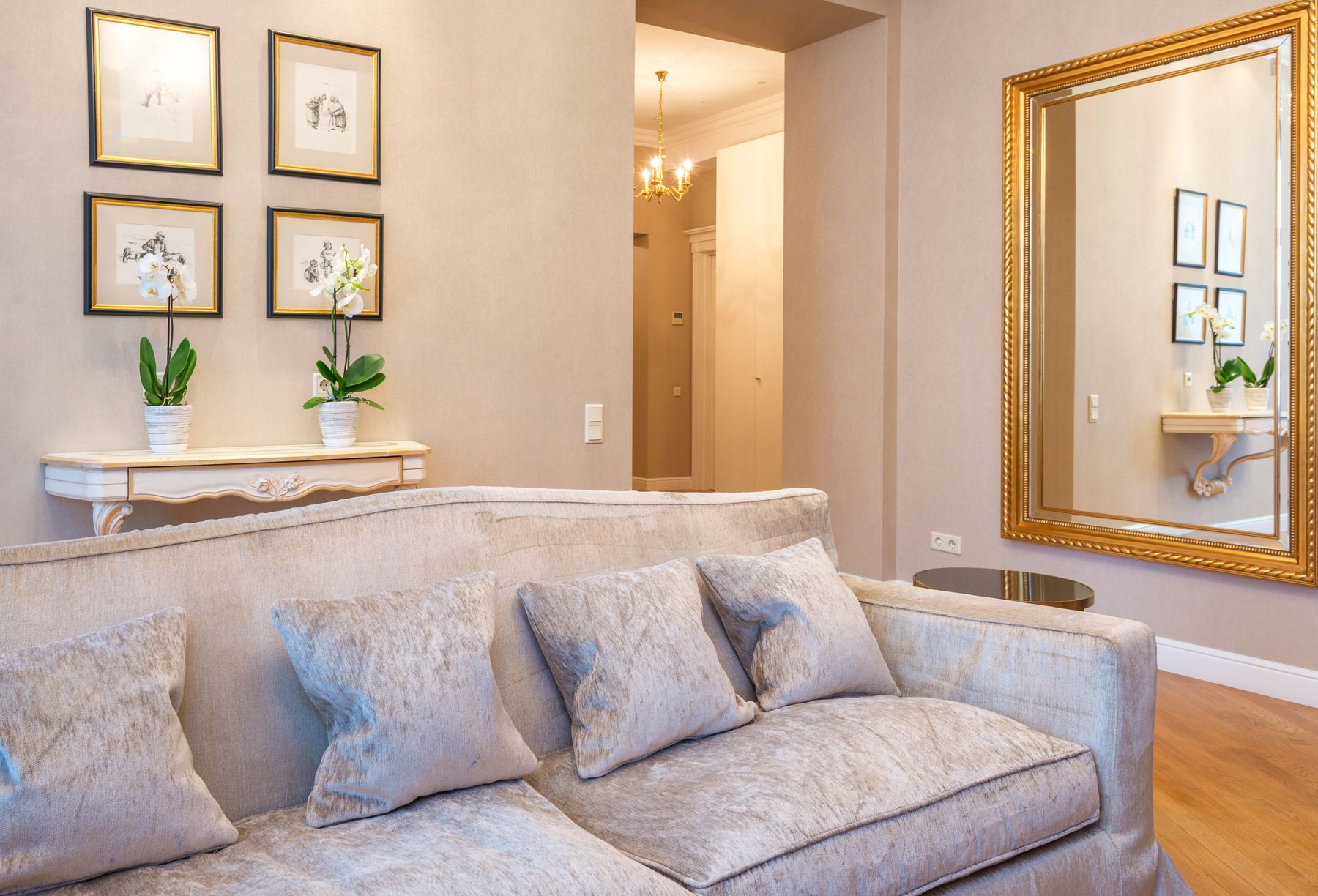
Position a mirror where it can catch a useful window or illuminated surface and send brightness toward a dimmer zone. Directly opposite the window may work, but an adjacent wall can redirect light deeper while producing less glare. Check what the mirror frames from seated and standing positions; reflecting clutter, a television or a blank ceiling weakens the result. Oversized mirrors need secure fixings and safe edges, especially near routes, children or doors.
Use Task Mirrors Where Function Needs Them
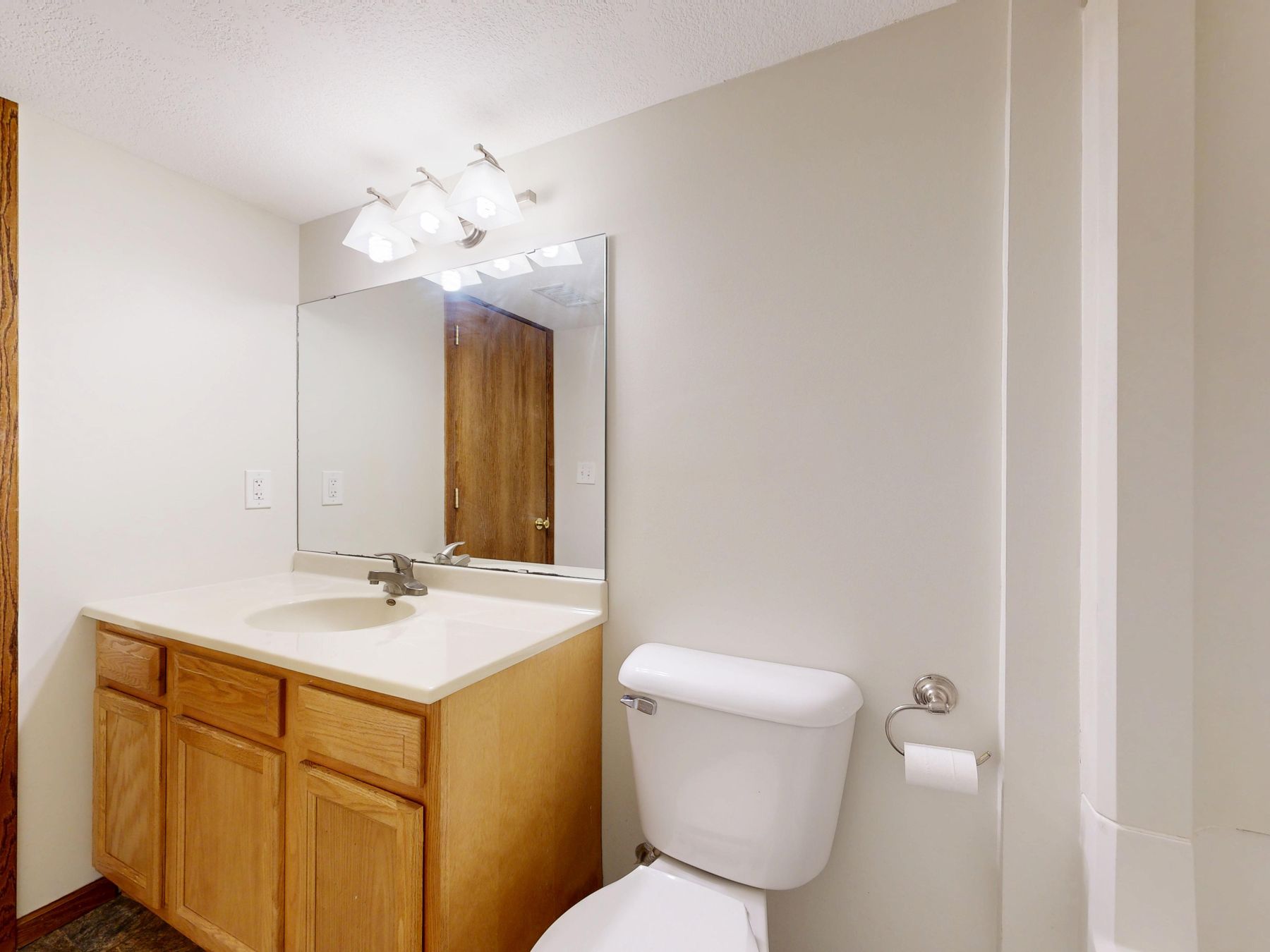
Bathroom, entry and dressing mirrors should first serve the task at a useful height and width. A broad bathroom mirror can distribute window or side light, while a full-height entry mirror can brighten circulation and support the leaving routine. Mirrored cabinets add shallow storage but need clear door swing and lighting that does not create facial shadows. Avoid arranging mirrors solely to make the apartment appear larger when the reflected view is confusing or intrusive.
Open Sightlines Without Erasing Every Room
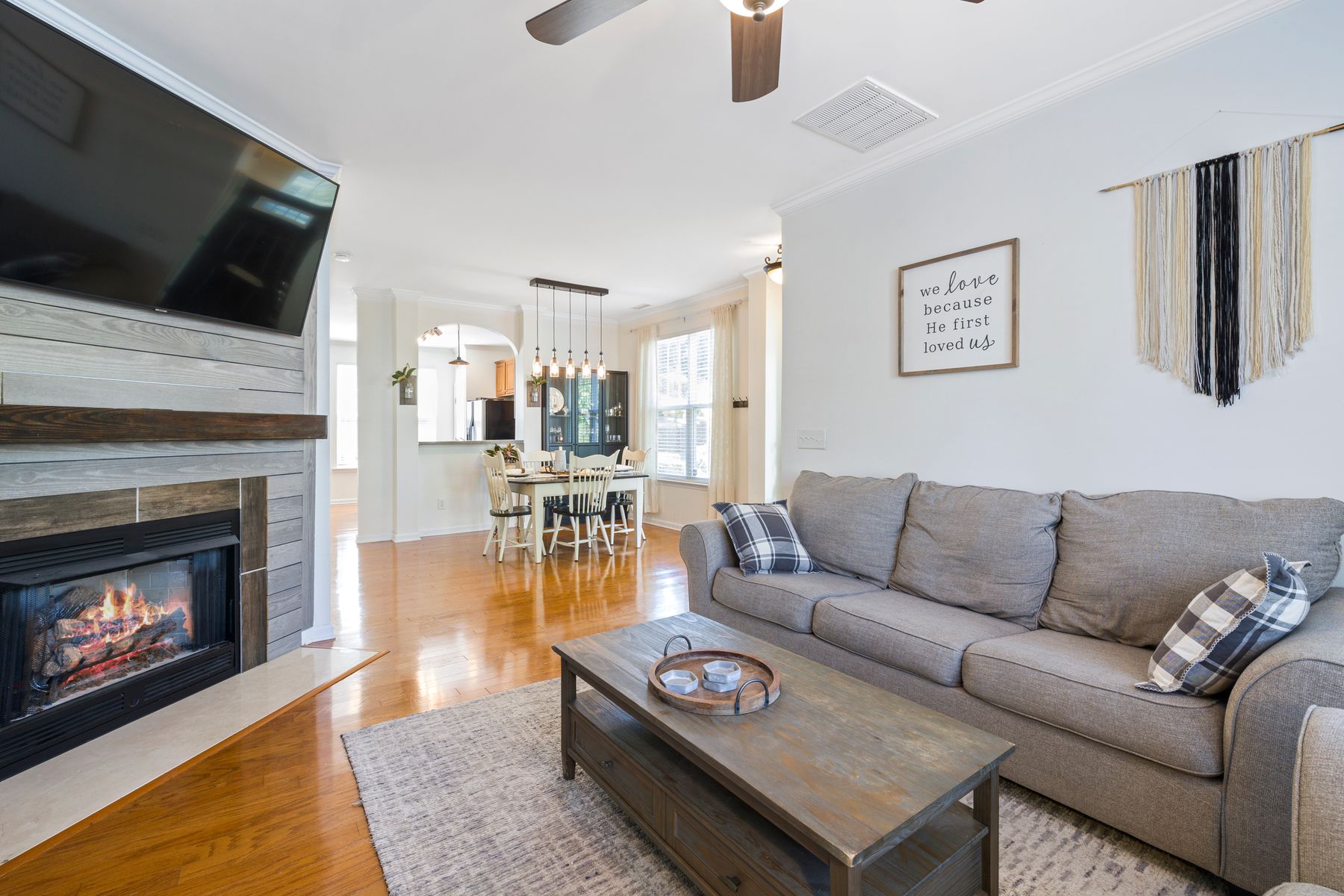
Brightness often improves when doors align, tall obstructions are reduced and adjacent zones share a view, but full open plan is not the only answer. Preserve walls that support storage, sleep, acoustics and cooking control. Widening one opening, using a glazed door or keeping a purposeful view clear can be more effective than removing every partition. Coordinate floor transitions and furniture orientation so the sightline ends at something useful rather than at appliances, laundry or a blank service wall.

Connect an Open Kitchen Without Visual Weight
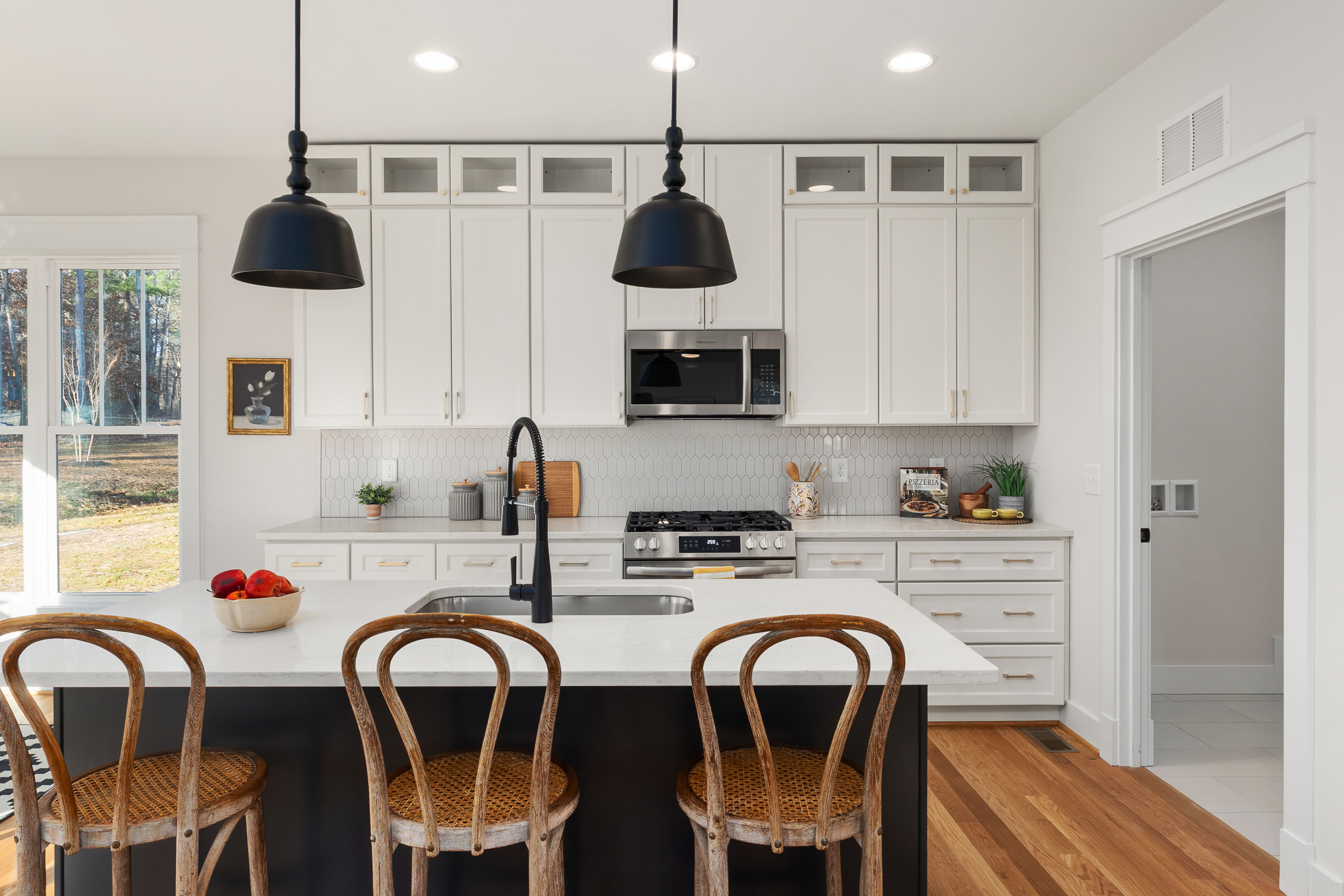
Keep the kitchen legible as a working zone even when it borrows light from living space. Concentrate tall storage away from the strongest window when the plan allows, use pale or mid-value upper surfaces selectively and maintain a clear counter for preparation. The kitchen does not need to disappear into white; one darker island or cabinet run can ground it while the surrounding sightline remains open. Plan extraction, odors and evening cleanup as part of the shared room.
Control Contrast Around the Window
A very dark wall beside bright glazing increases visual contrast and can make the room beyond the window harder to see, yet eliminating all dark values leaves the interior flat. Use deeper color on lower cabinetry, furniture, art or one wall set back from the brightest opening. Repeat it sparingly to establish rhythm. Dark window frames can sharpen a view when surrounding surfaces provide a softer transition and seating is not exposed to uncomfortable backlight.
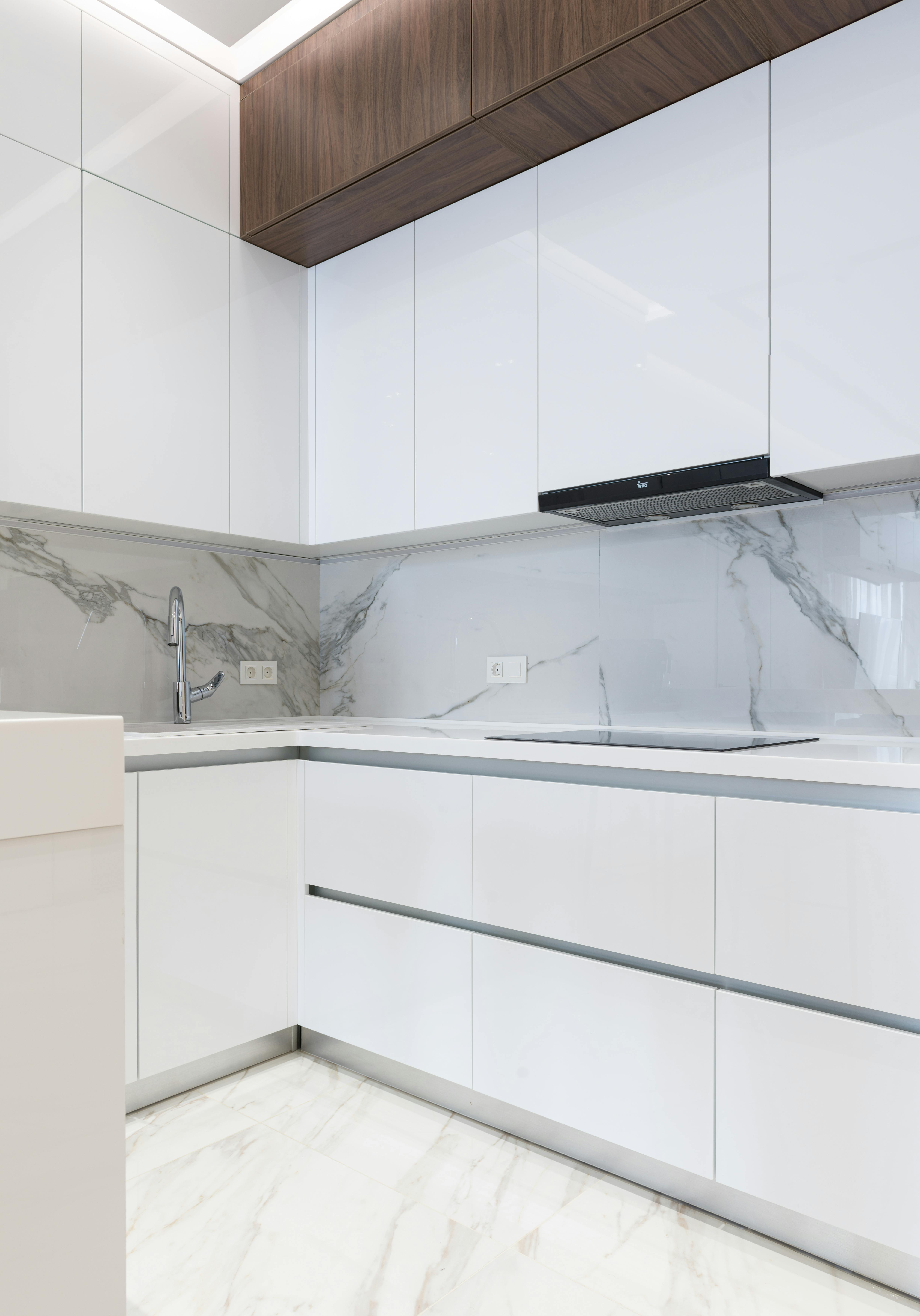
Layer Light-Reflective Materials, Not Gloss Everywhere
Glass, pale stone, satin paint, glazed tile and metal can carry light through an apartment, but each reflects differently. Use polished surfaces where their highlights animate rather than blind, and quieter matte planes where the eye needs rest. Highly glossy floors and cabinet fronts reveal fingerprints, dust and uneven substrates while creating hard reflections. A layered finish schedule—with a broad matte background, moderate sheen on durable surfaces and a few precise highlights—produces brightness with depth.

Choose Color That Still Feels Luminous
Pale sky blue, soft yellow, mineral green, warm peach and clear mid-value colors can all support a bright apartment. Test how each hue changes beside the floor and at the darkest hour; some pale colors turn grey in weak light, while a slightly stronger warm tone remains energetic. Reserve highly saturated color for a substantial, intentional area rather than many tiny accents. Brightness should mean legibility and life, not the absence of pigment.
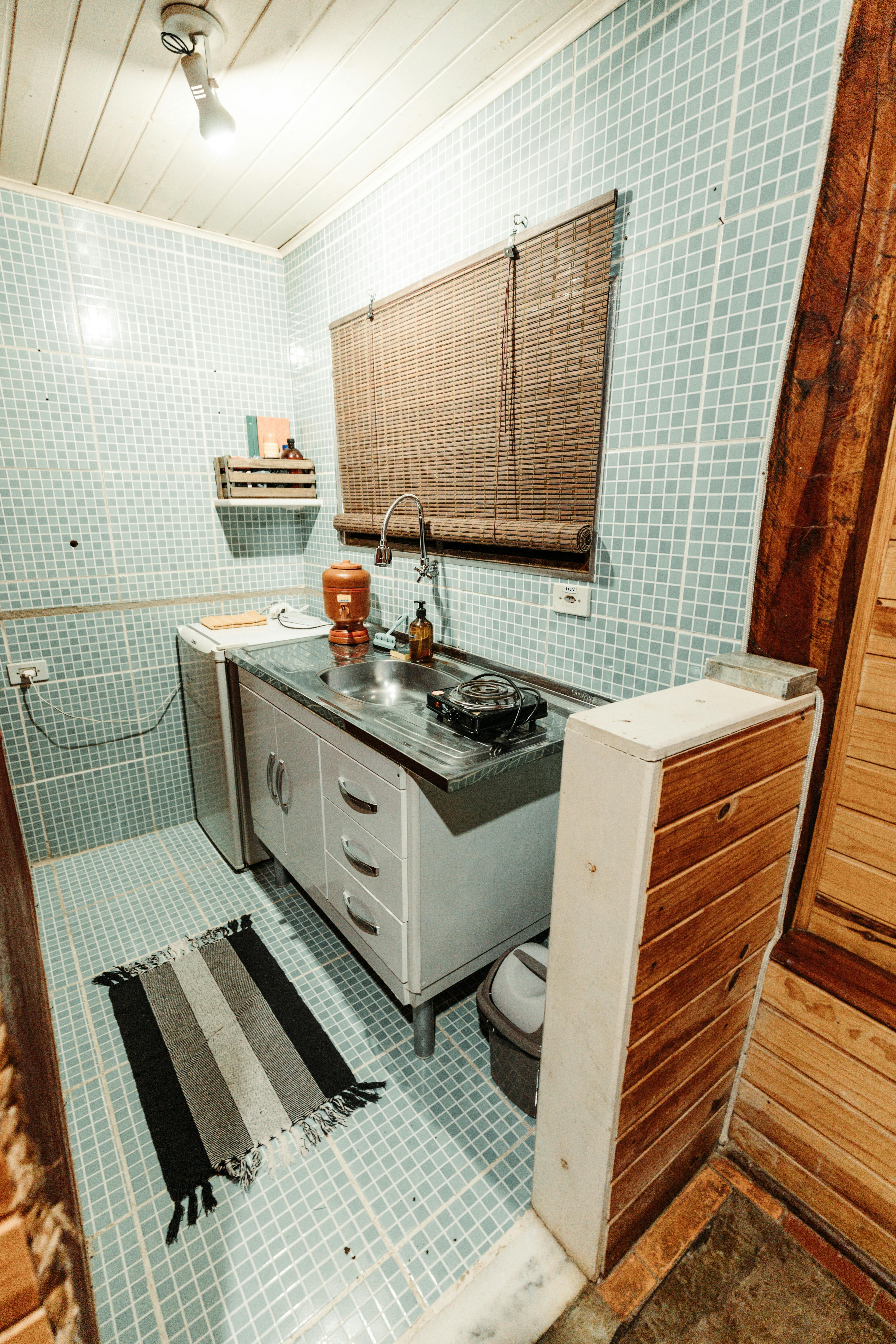
Use One Clear Color Move in a Small Plan
In a studio or compact apartment, choose one architectural color move: a kitchen run, storage wall, alcove or large sofa. Keep nearby circulation and ceilings lighter so the feature has room to work. Repeating the hue in a single distant textile or artwork can connect zones without turning the scheme into matching sets. This approach distinguishes Bright Apartment from White Apartment by allowing color to contribute energy while daylight and layout carry perceived openness.

Use Yellow for Warmth, Not Artificial Sunshine
Yellow can enliven an overcast or cool-facing apartment, but large acidic areas may become intense under direct sun or warm lamps. Choose muted ochre, butter, straw or a clearer yellow according to the existing timber and artificial light. Use it on dining chairs, a painted niche, cabinetry or one textile group rather than sprinkling identical yellow accents throughout. Balance it with quiet mineral, timber or off-white surfaces so the warmth remains credible.
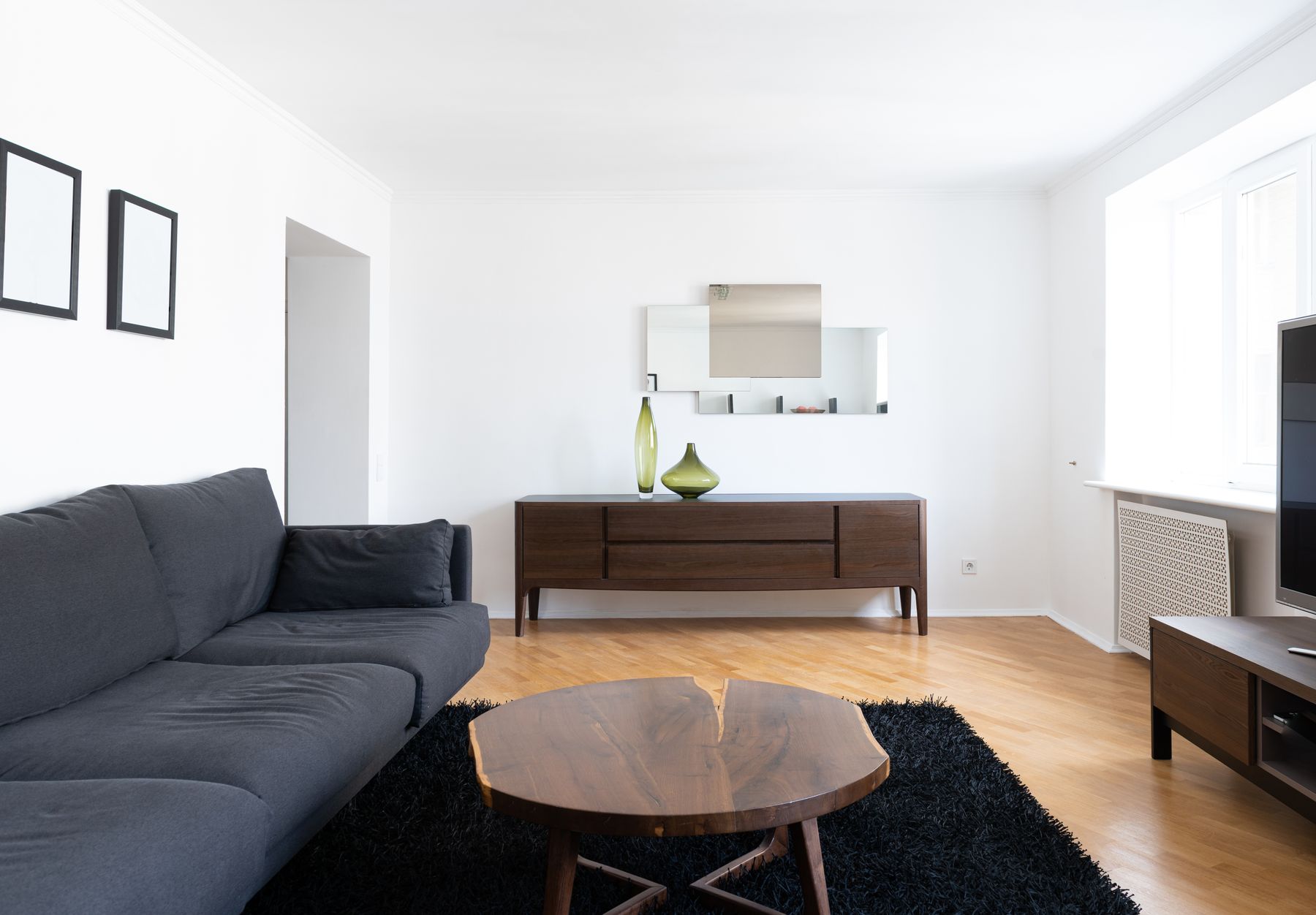
Lift Furniture to Reveal More Floor
Sofas, consoles and cabinets on visible legs allow more floor to remain continuous, particularly near windows and across narrow routes. Not every piece must appear weightless; one grounded sofa or storage wall can stabilize a room while secondary pieces reveal space beneath. Choose leg height according to cleaning access, cable management and comfort, not only appearance. A clear floor edge often contributes more to brightness than shrinking every item or choosing impractical transparent furniture.
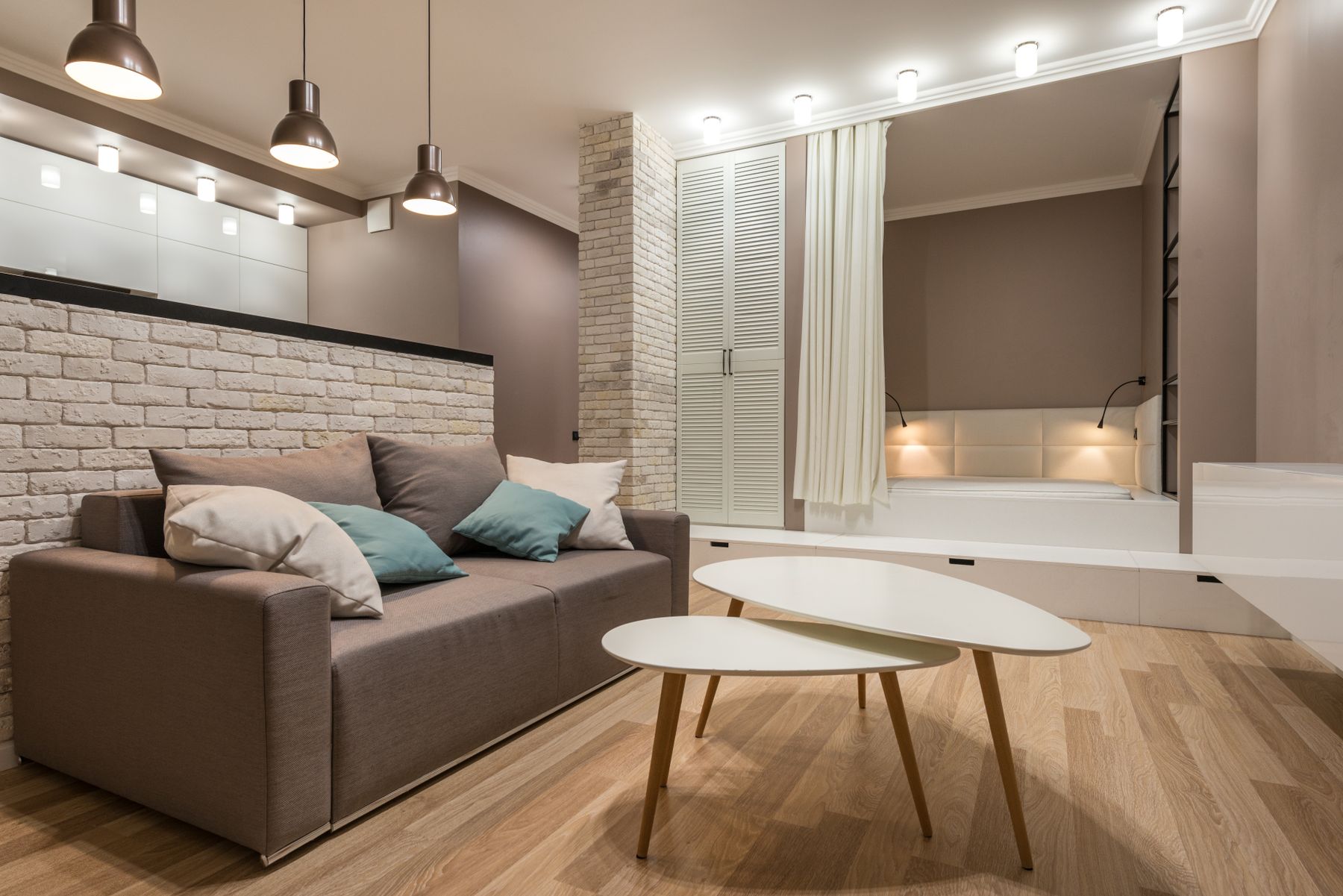
Make the Ceiling Part of the Brightness Plan
Use the ceiling to return daylight and distribute evening light, but do not treat it as an isolated brightest-white rectangle. Coordinate its undertone with walls and choose a finish that hides substrate imperfections without absorbing unnecessary light. Pendants and tracks should support the furniture plan rather than divide the ceiling randomly. In low rooms, shallow fixtures or uplight can preserve headroom; in taller rooms, a pendant can provide scale without blocking the window's visual field.
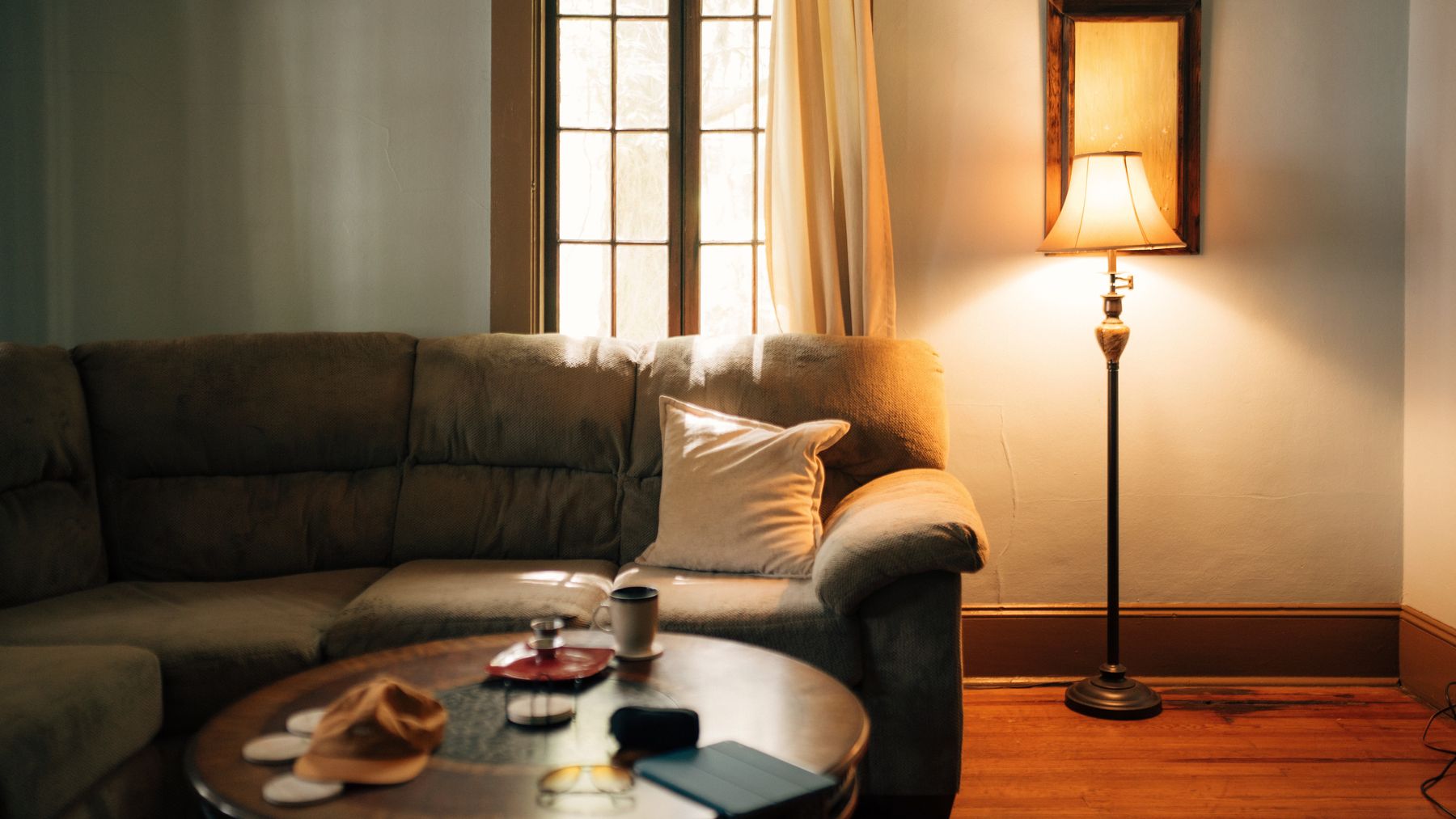
Build an Evening Layer Instead of One Bright Source
Combine general illumination for movement with focused sources for reading, dining, cooking and work. Add a lower lamp or wall light where the room needs atmosphere and vertical brightness. One powerful ceiling fixture creates glare and leaves faces, corners or tasks uneven. Use separate controls where possible and keep lamp color rendering consistent across connected rooms. Brightness after sunset should support activity and orientation, not mimic noon at every surface.
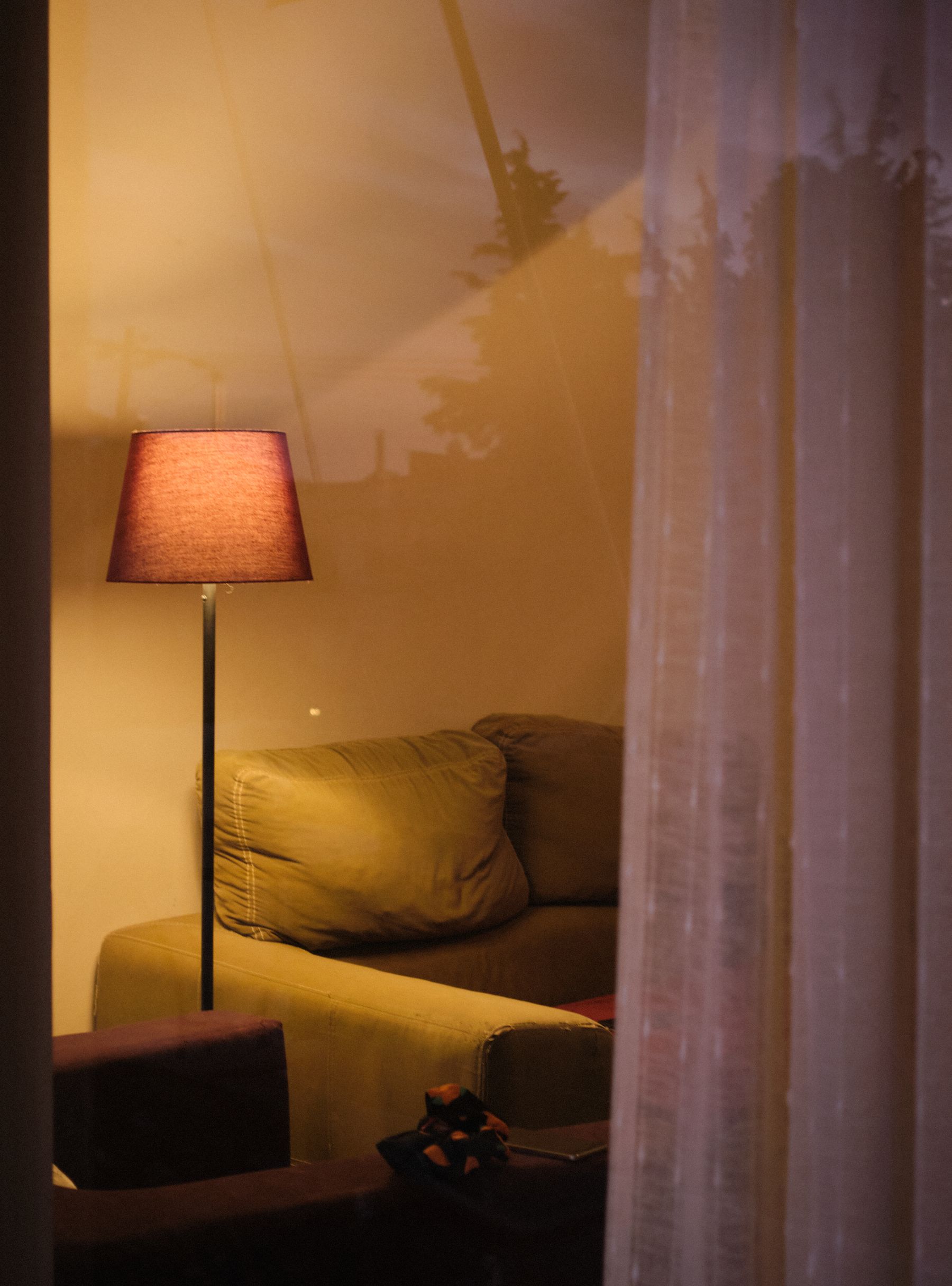
Light the Darkest Zone With a Purpose
Do not flood every internal hall, corner or alcove merely to match the window wall. Give a dim zone a useful role—reading, storage, display, entry or work—and light that task locally. A shaded table lamp, wall washer or cabinet light can create depth while maintaining comfortable contrast with brighter areas. If the zone remains unused, solve circulation or storage first; illumination cannot rescue a place with no function.
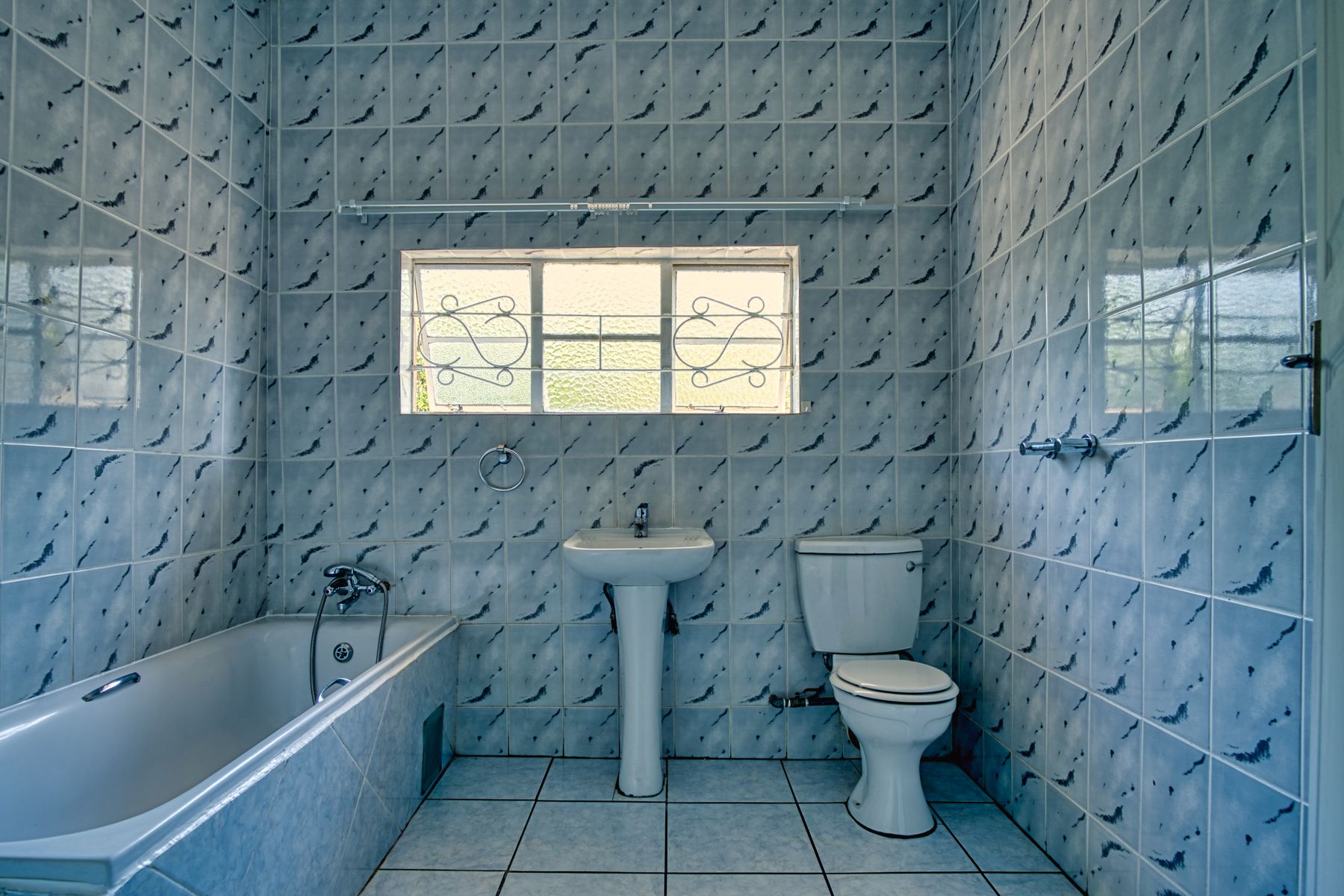
Design the Bathroom for Reflection and Privacy
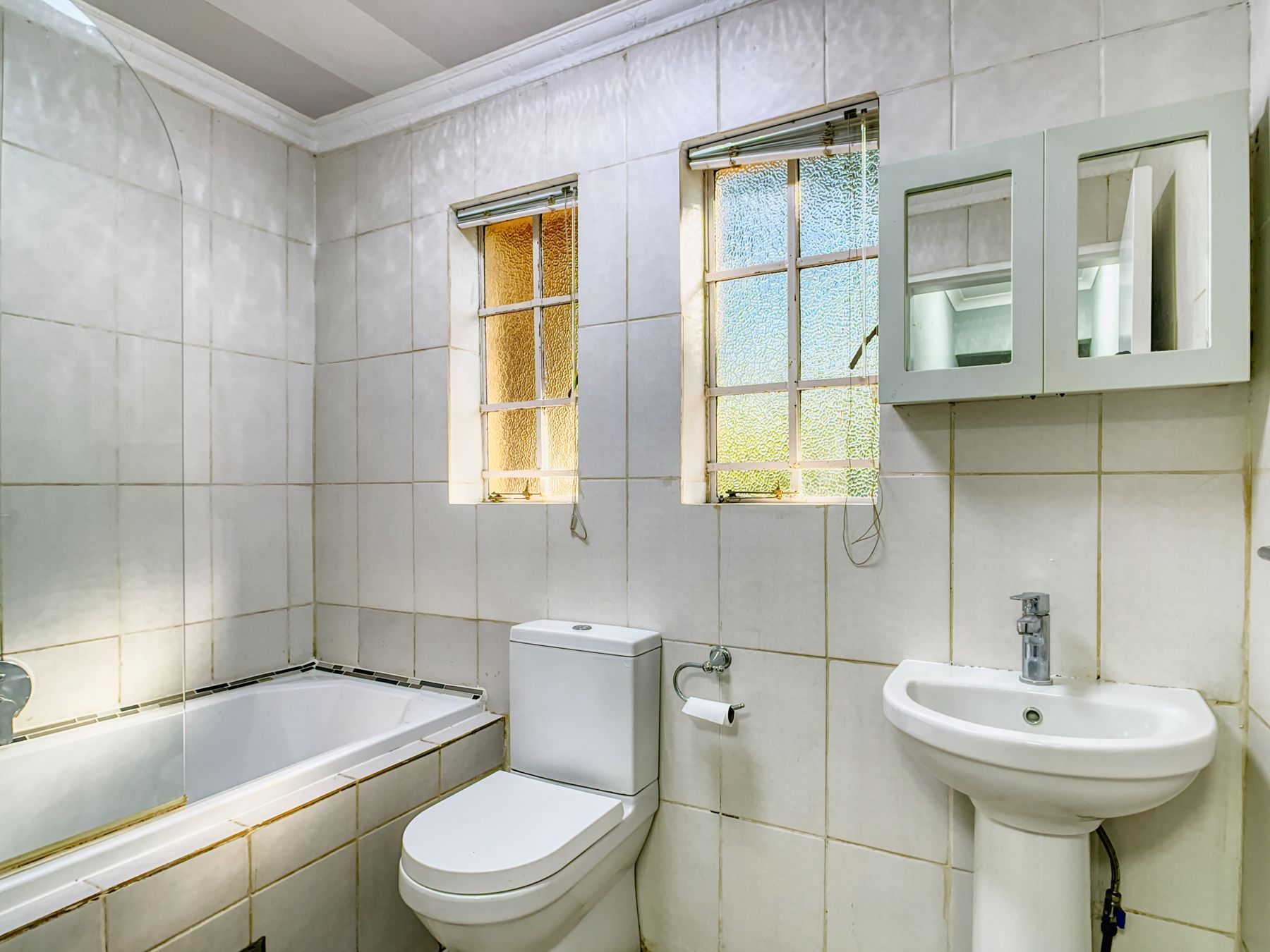
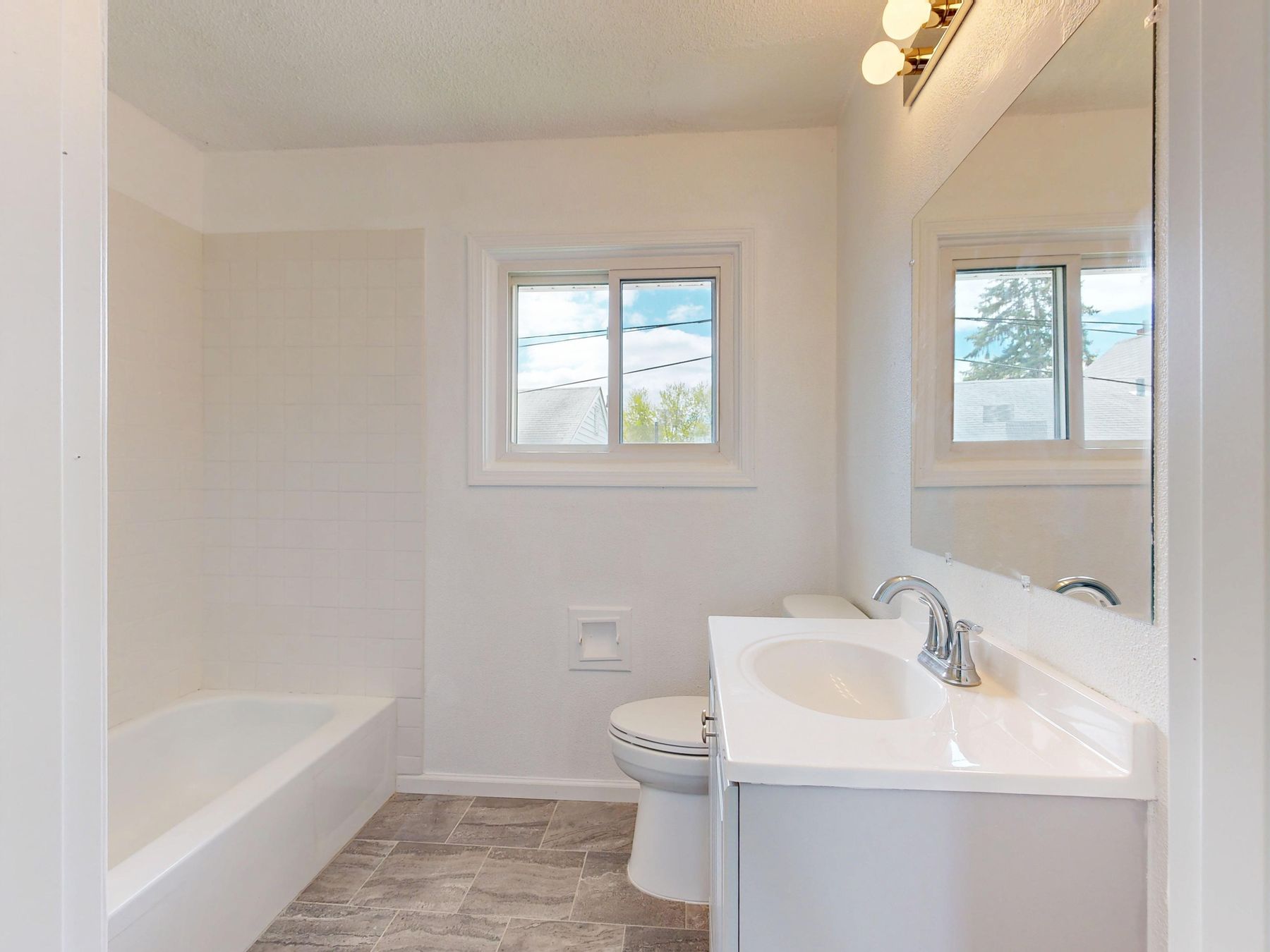
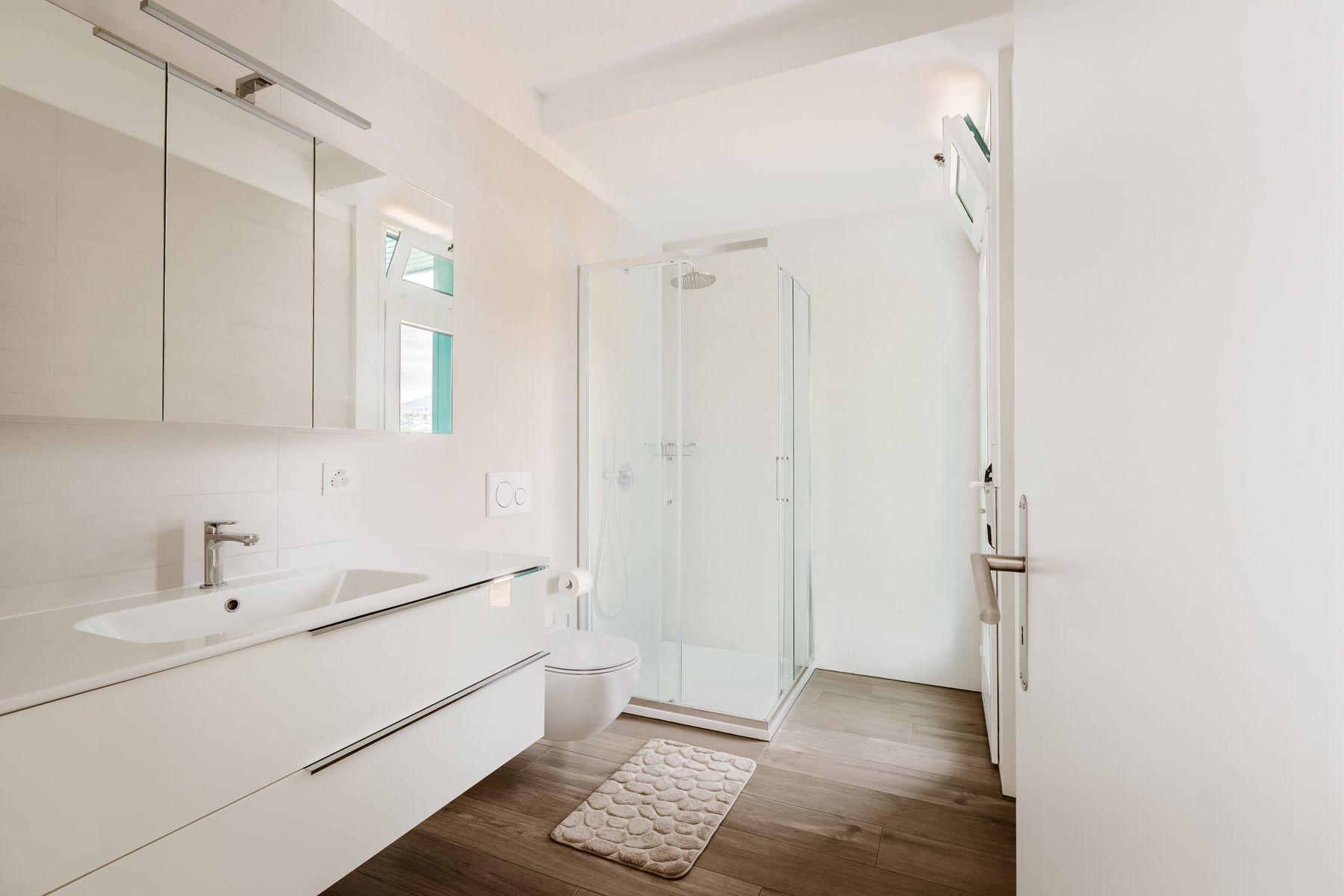
Use frosted glazing, adjustable blinds or a translucent film only after checking ventilation, cleaning and the view from outside. Pale tile and a useful mirror can distribute limited daylight, while a controlled blue, green or timber surface prevents the room from feeling clinical. Provide vertical or side light at the face and sufficient illumination in the shower without relying on reflection alone. Wet-zone finishes must meet slip, moisture and maintenance requirements regardless of brightness.
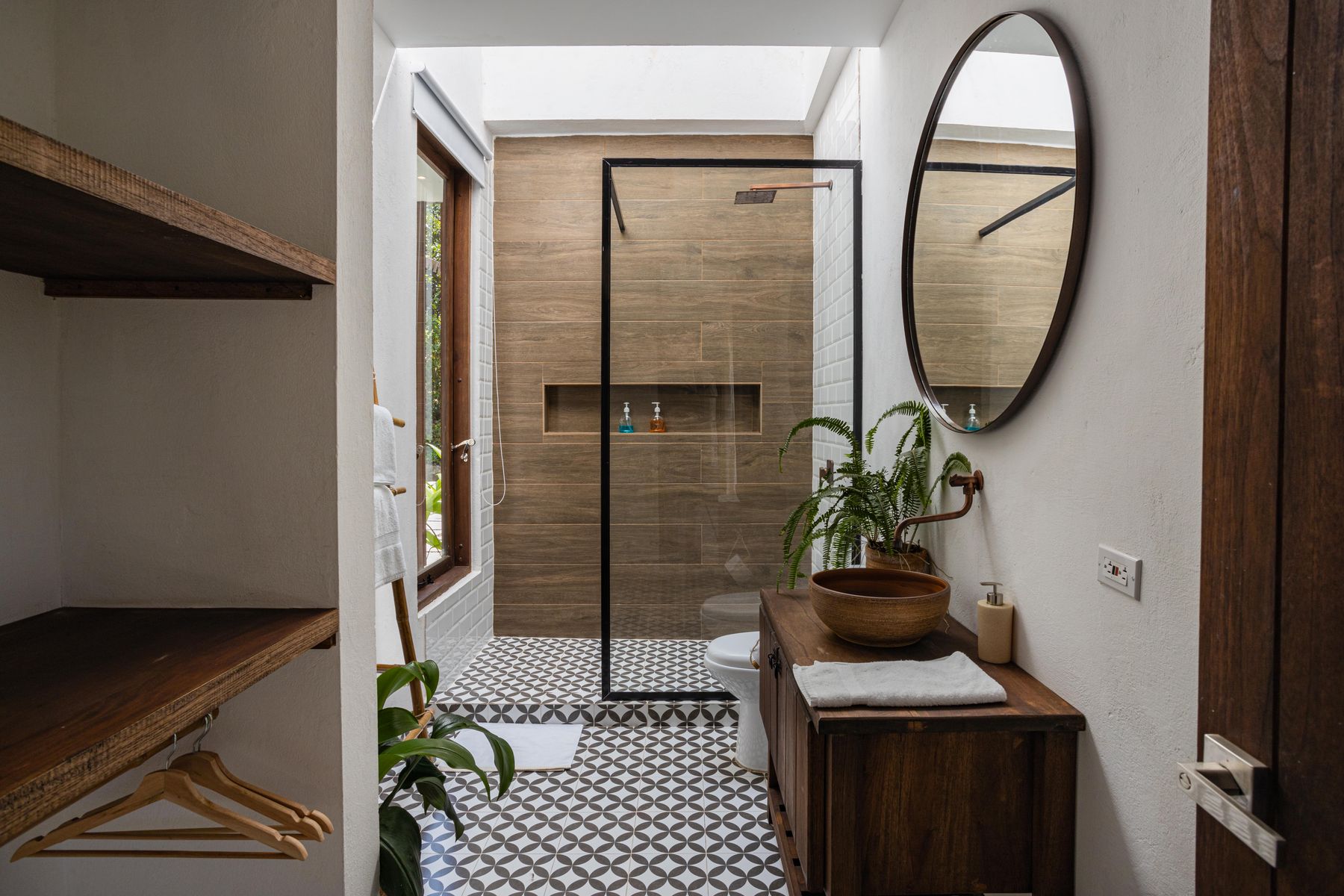
Use Skylight and High Light Responsibly
Top-floor apartments may gain exceptional light from roof windows or high clerestories, but the opening must be planned with structure, permissions, waterproofing, insulation and summer heat. Diffusing blinds or external shading can make overhead sun usable. Where construction is impossible, bright upper walls and uplight can create a similar sense of vertical illumination without pretending to be daylight. Keep tall storage from cutting across high-level light paths.
Protect a Restful Bedroom From Excess Brightness
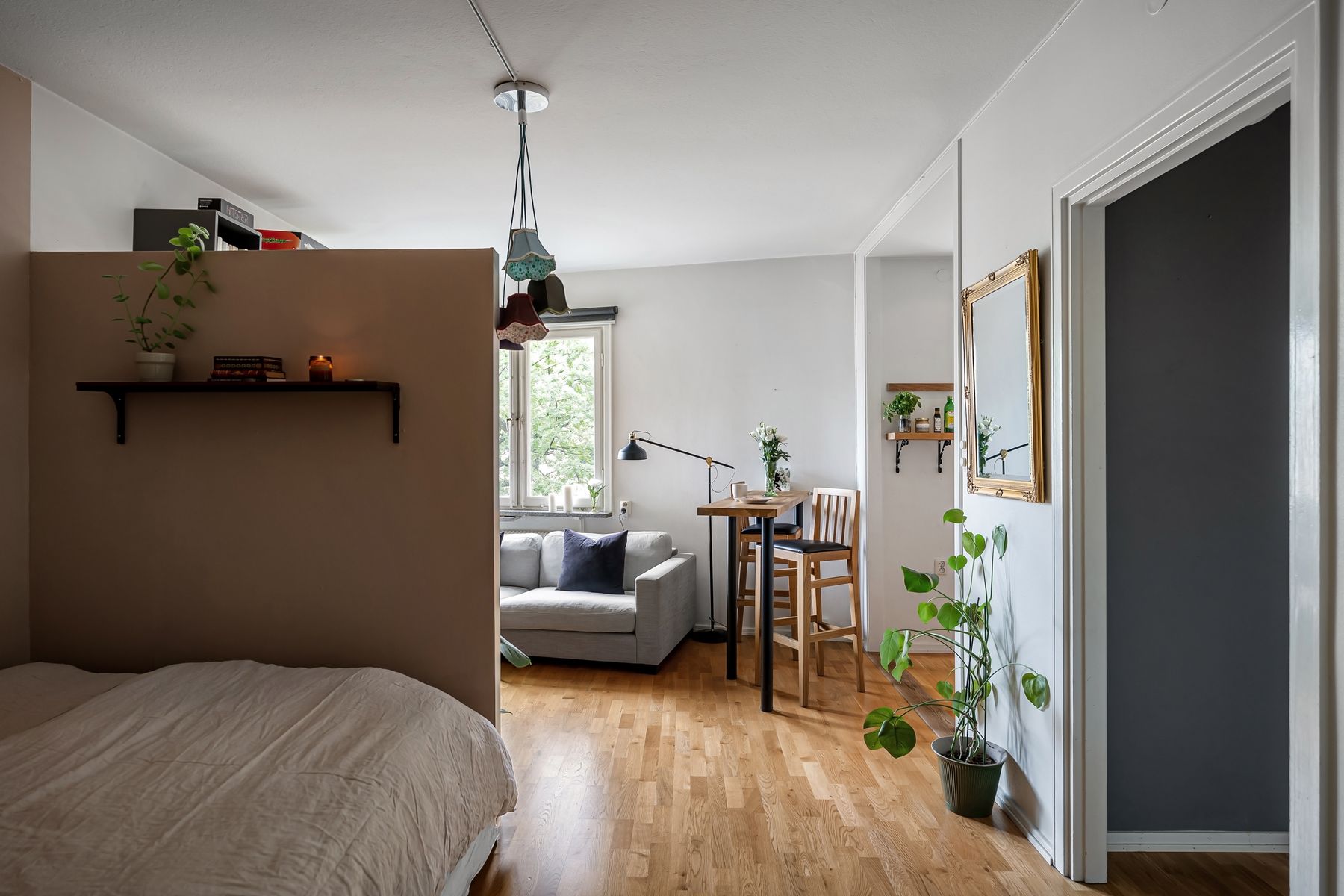
Bedrooms benefit from daylight for dressing and morning rhythm, but sleep requires adjustable darkness. Layer a translucent daytime treatment with blackout lining or a close-fitting blind, and control light leakage around edges where it matters. Use warm, tactile surfaces so the room does not feel exposed when curtains are open. Position the bed to avoid direct glare on waking and provide dim, separately controlled bedside light for the evening routine.
Keep Plants From Blocking the Window
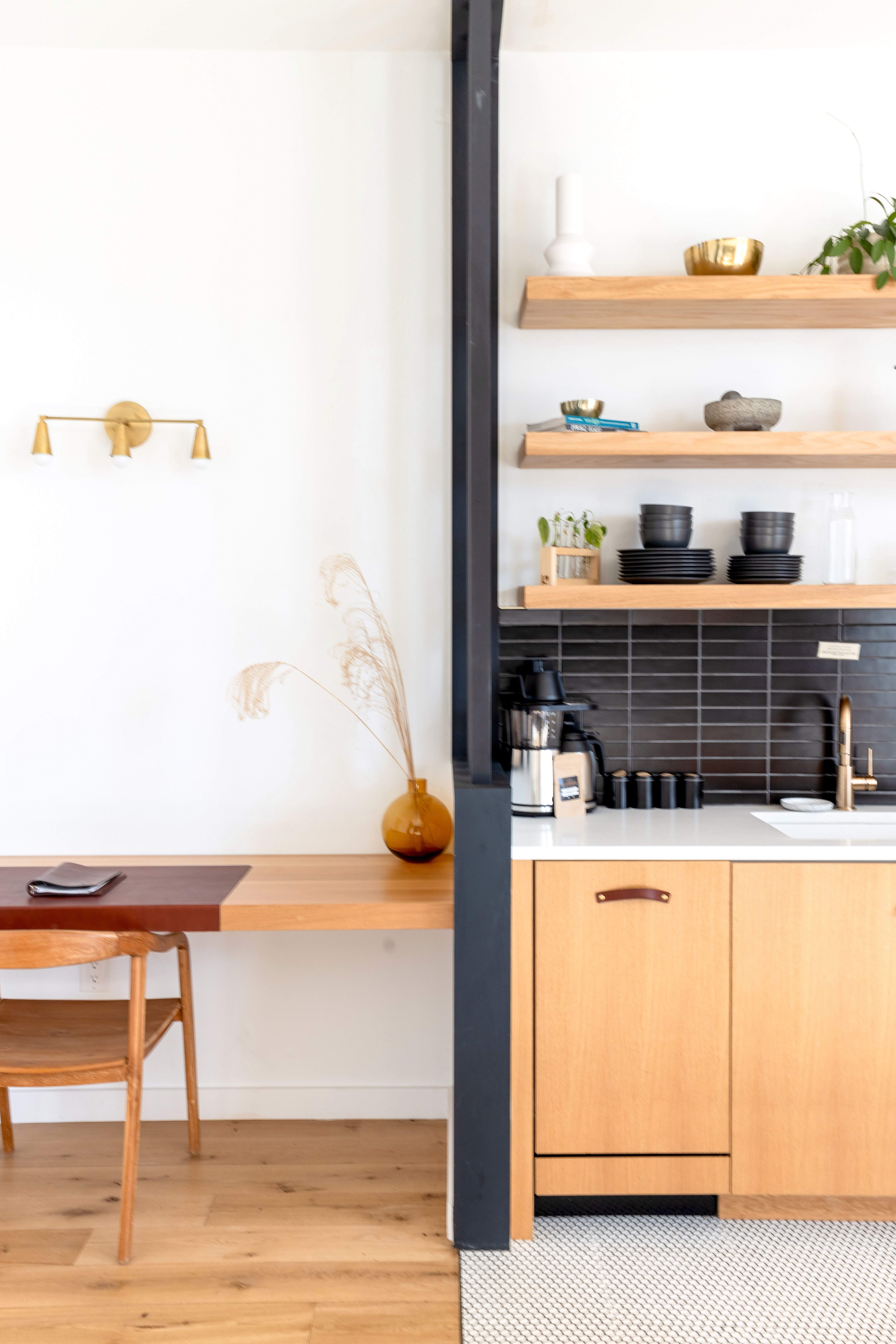
Choose plants for the actual exposure and group them beside, below or selectively in front of windows according to mature size. A dense collection can shade the interior, complicate curtains and trap moisture against frames. Use stands, shelves or hanging positions only where watering remains safe and the plants can stay healthy. In a colorful bright apartment, greenery should support the material palette rather than serve as the only source of life.
Maintain Glass, Pale Finishes and Reflective Surfaces
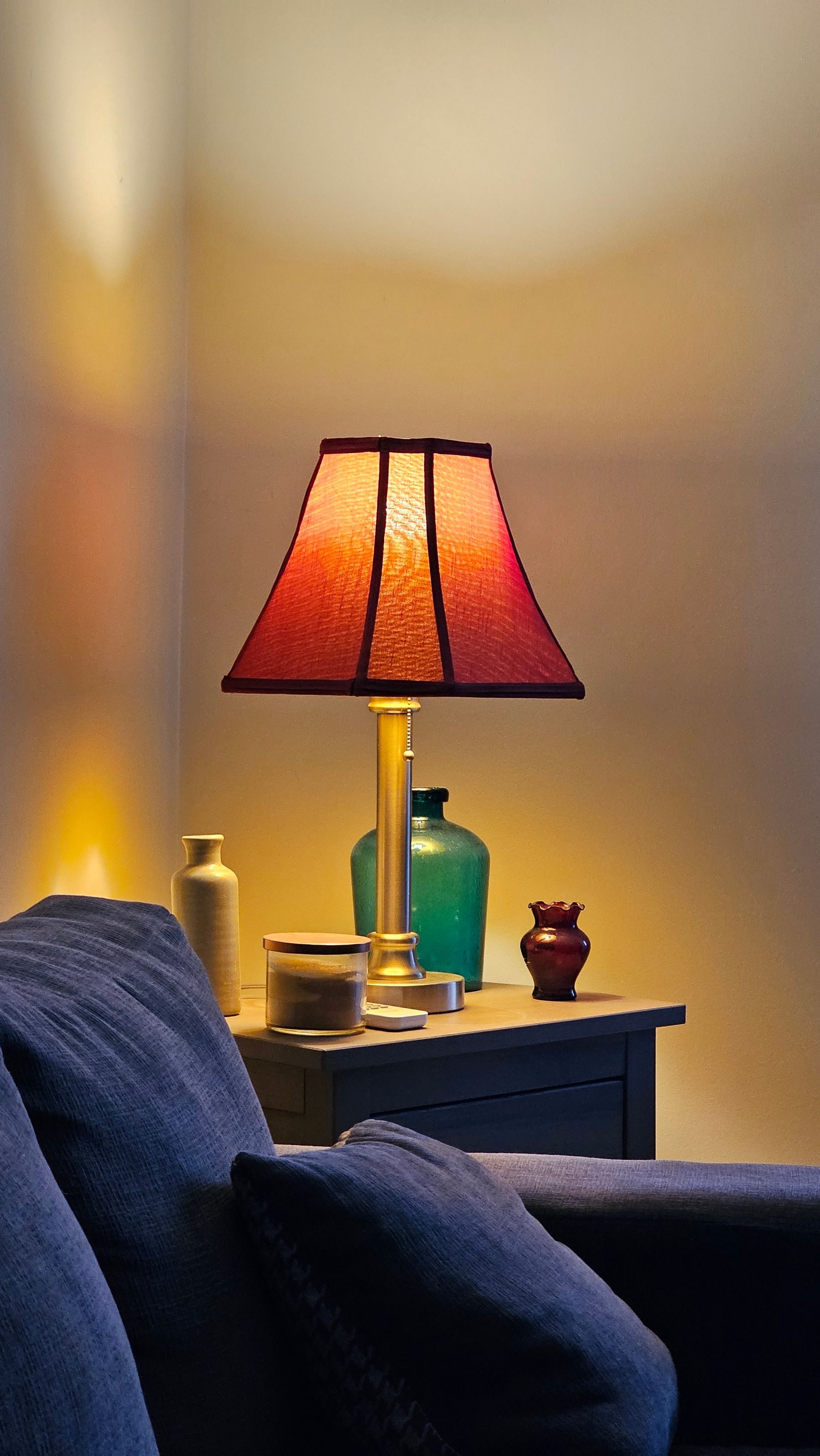
Plan access to both sides of glazing, mirror edges, lamp shades and reflective cabinet fronts. Fingerprints, dust, mineral deposits and haze reduce the effect of light-enhancing surfaces quickly. Choose washable paint and durable pale upholstery where entry, cooking or children create regular contact, and retain records for paint, bulbs and replacement hardware. A small number of well-maintained reflective elements performs better than many delicate surfaces that remain clouded or damaged.