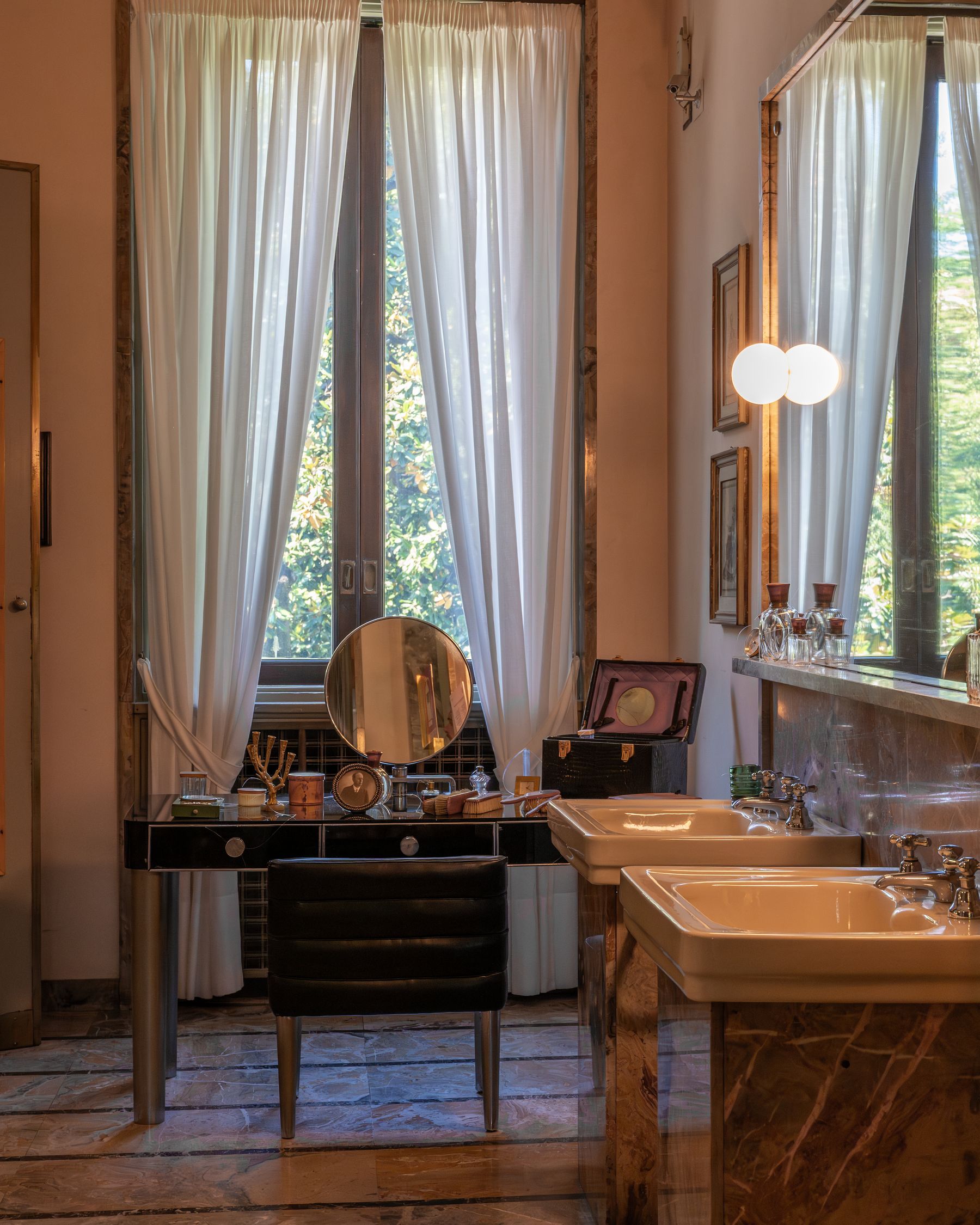
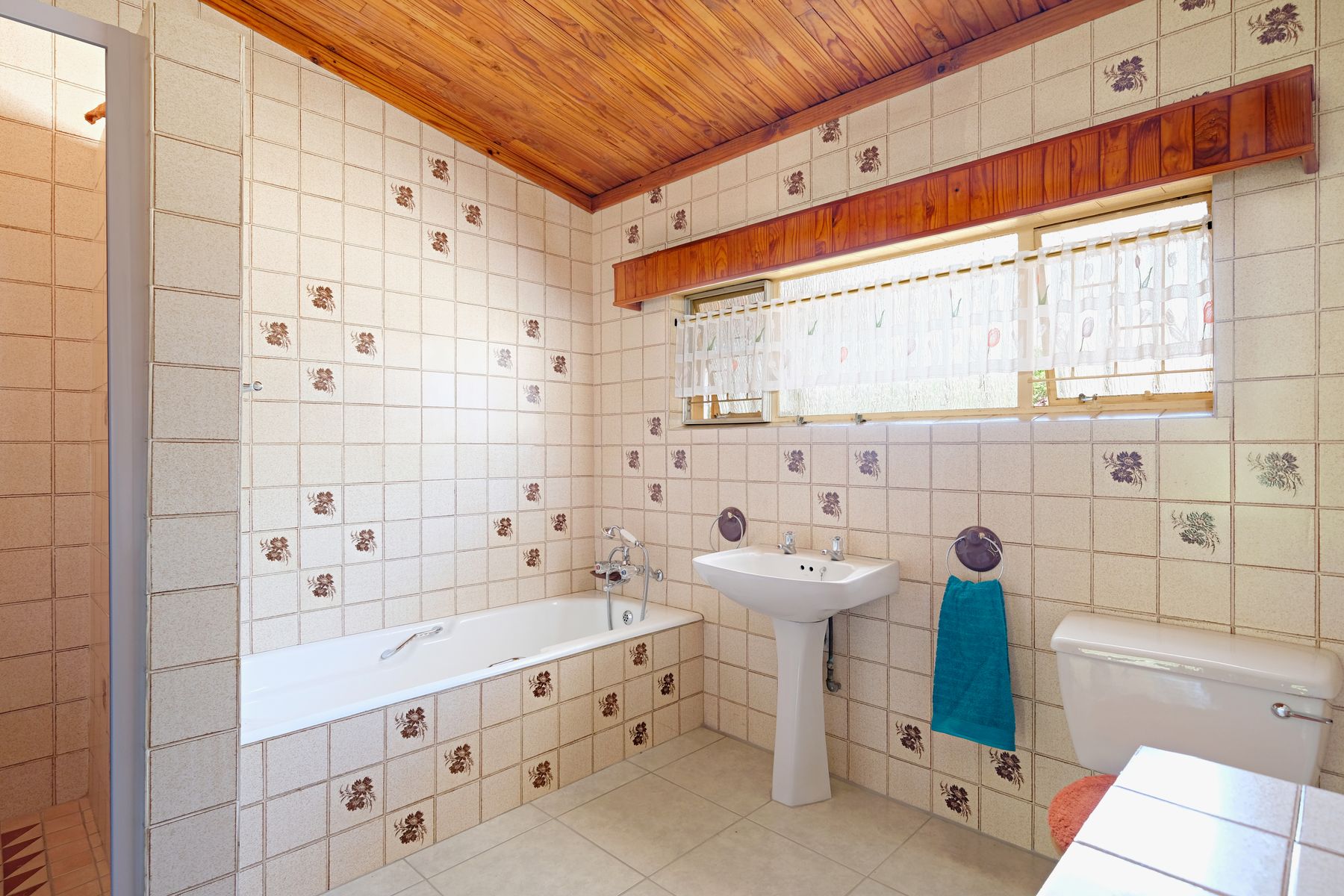
Start With Familiar, Balanced Proportions
A classic bathroom usually feels settled before any decorative layer is added. Align the basin, mirror, bath and major wall finishes so the room has a clear visual order, then let tile, wood and metal reinforce it. The effect should come from proportion and spacing rather than from copying a specific period.
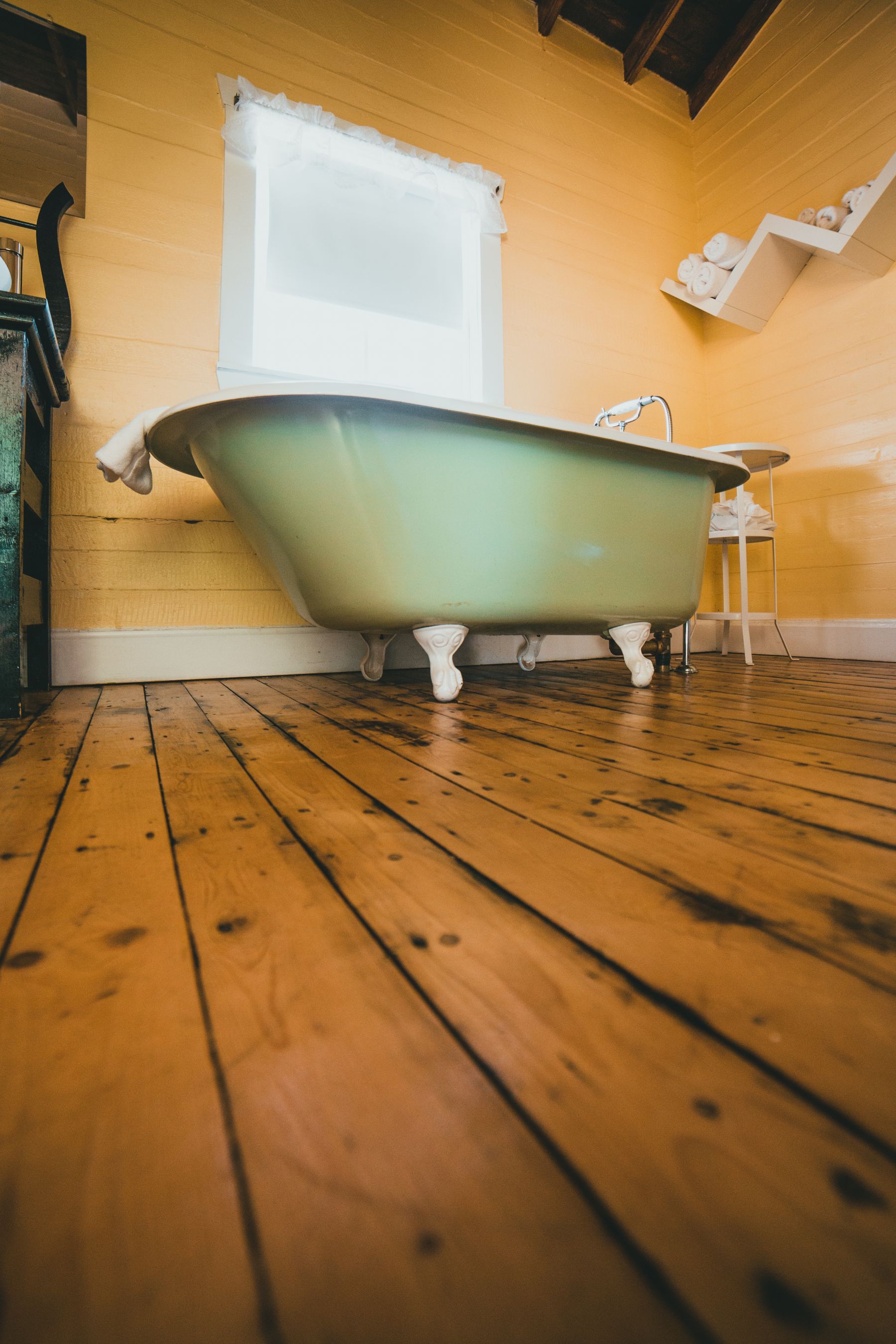
Use One Classic Bath Shape as an Anchor
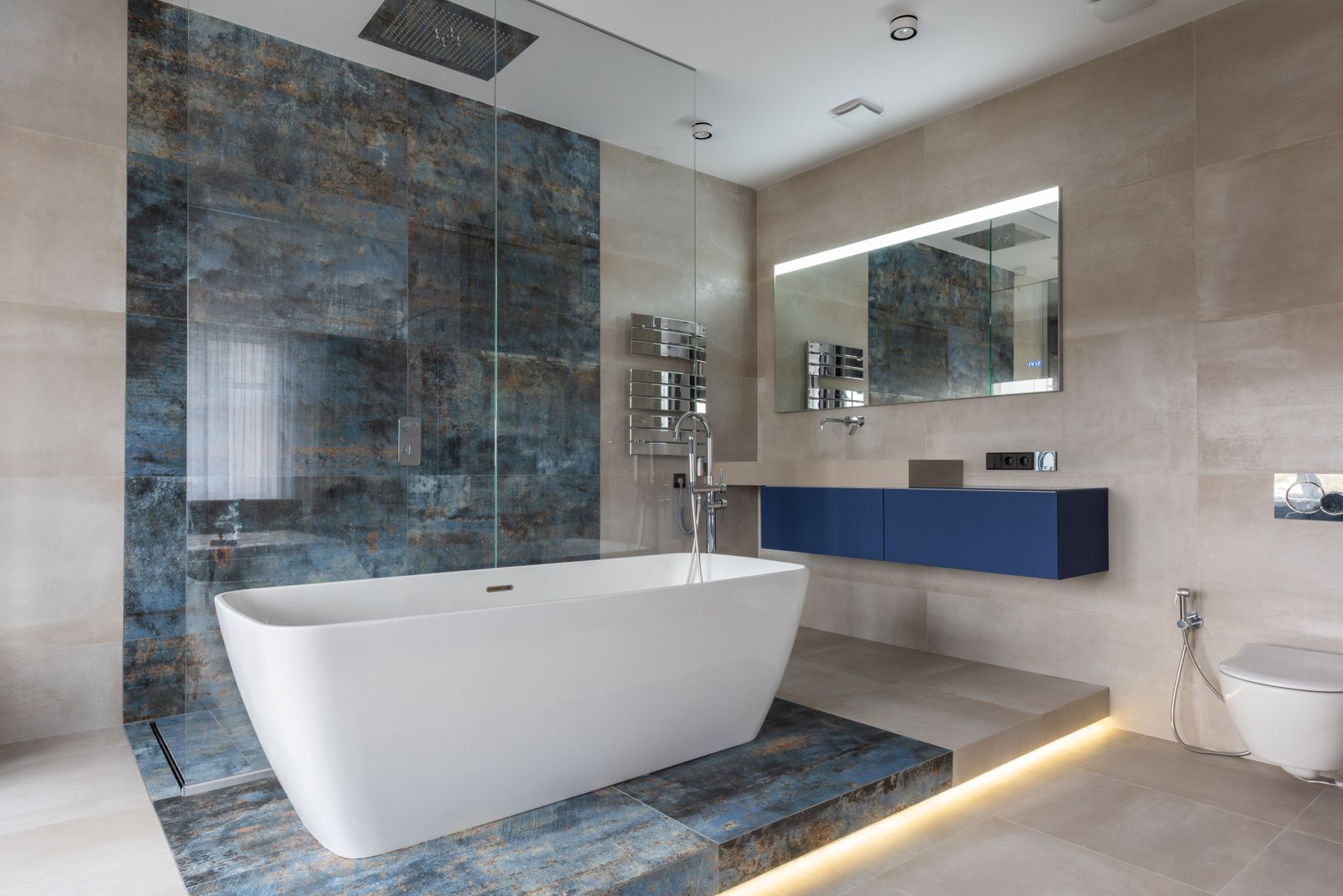
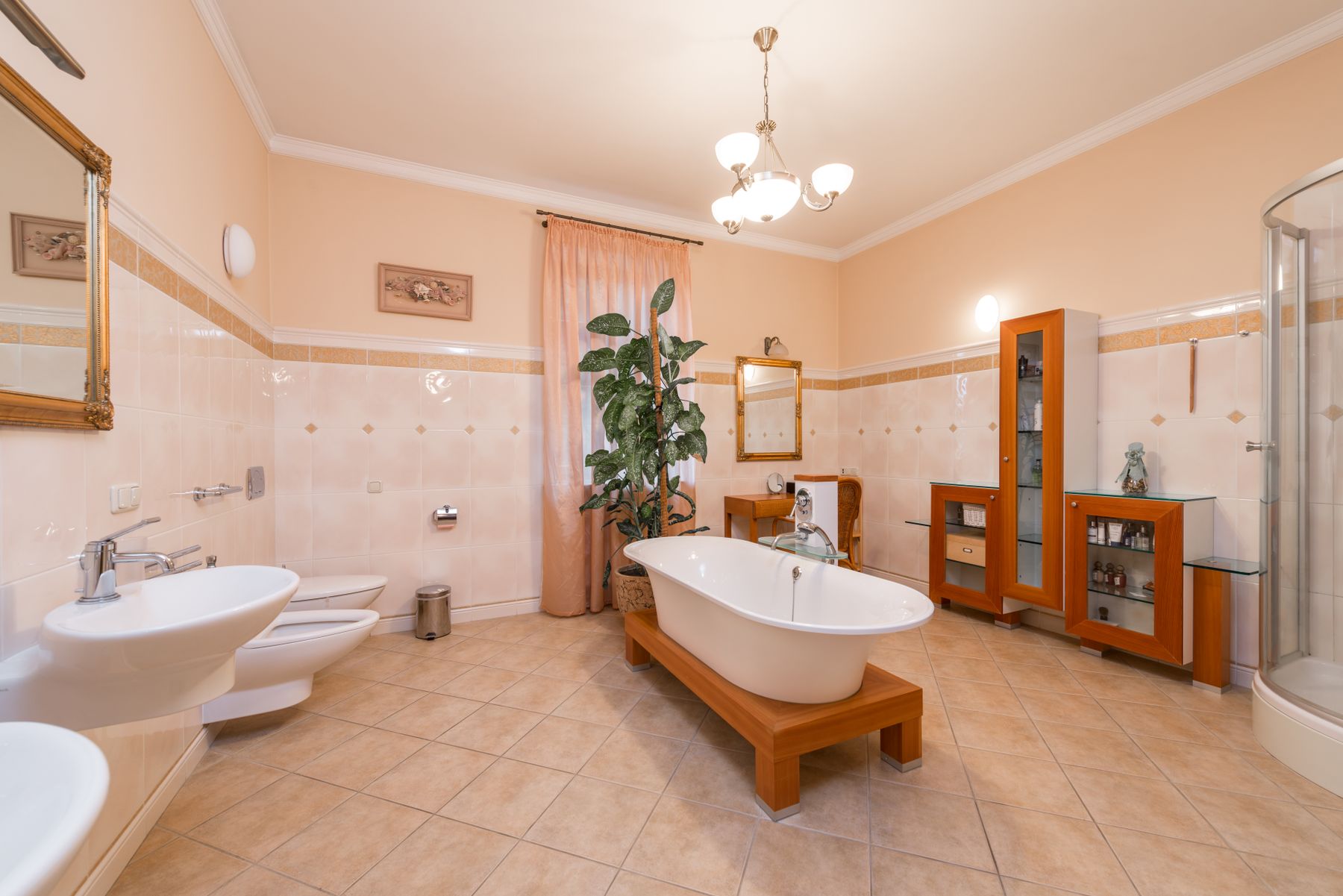
A clawfoot or softly shaped freestanding bath can add enough classic character to carry the entire room. Surround it with simpler tile, modern plumbing and clear circulation so the fixture reads as intentional rather than nostalgic set dressing. Check floor support, filler position and cleaning access before prioritizing the silhouette.
Keep the Vanity Furniture-Like but Practical
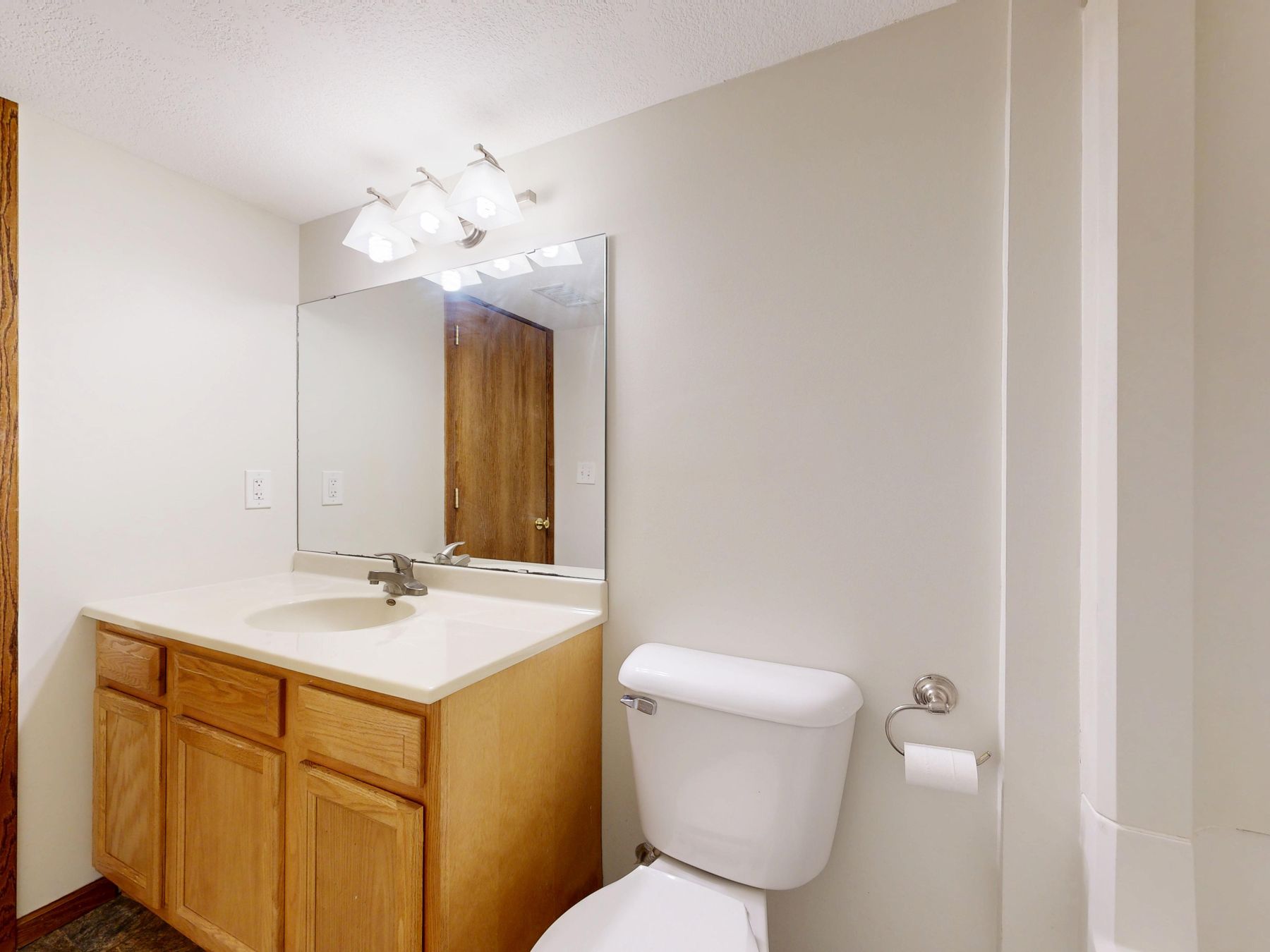
A substantial vanity can give a classic bathroom visual weight, especially when it has framed doors, warm wood or a simple furniture-like profile. The storage still needs to work for daily routines, so drawer layout, plumbing space and countertop height matter more than decorative molding. Keep the strongest cabinet detail easy to clean.
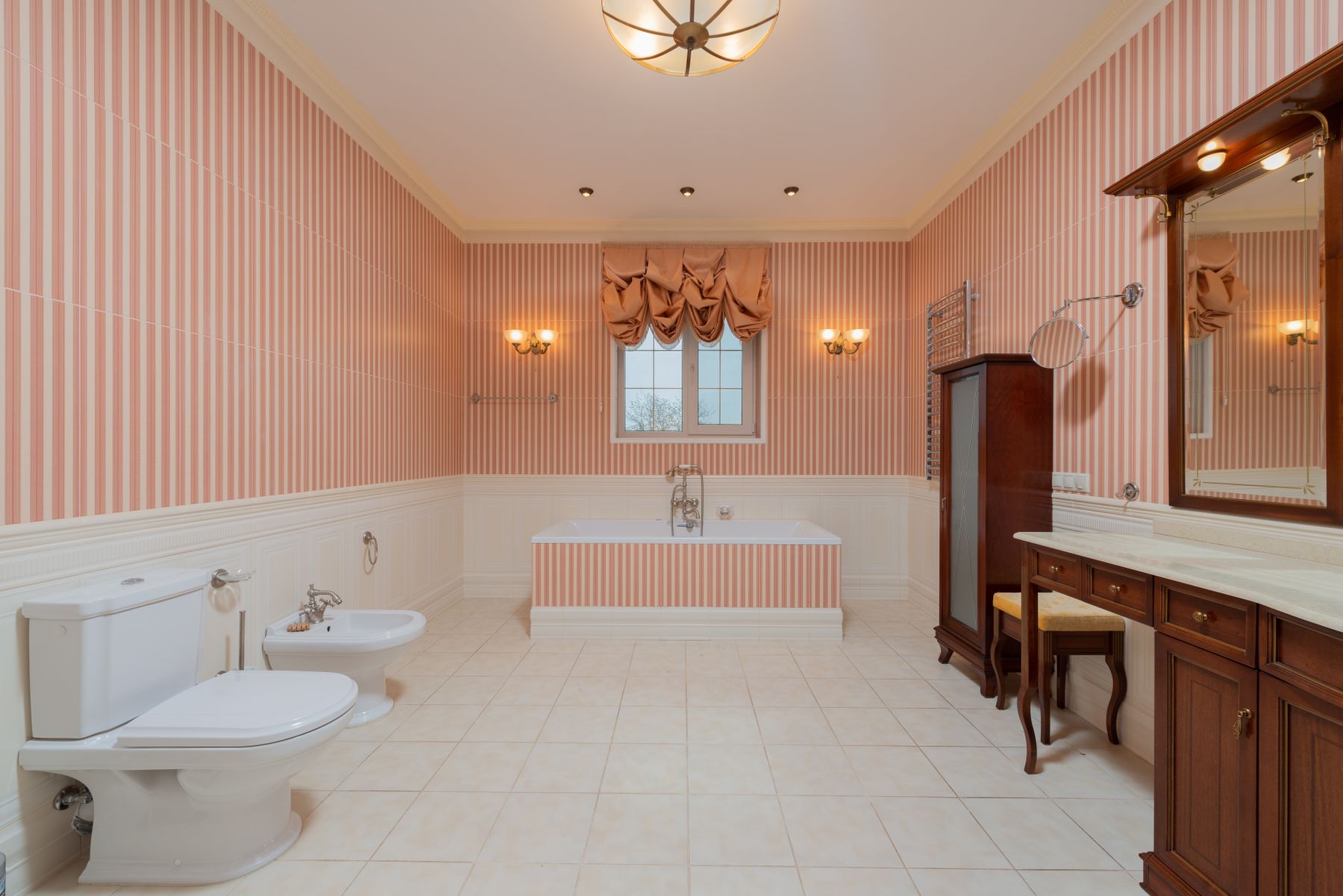
Use White Tile as the Quiet Background
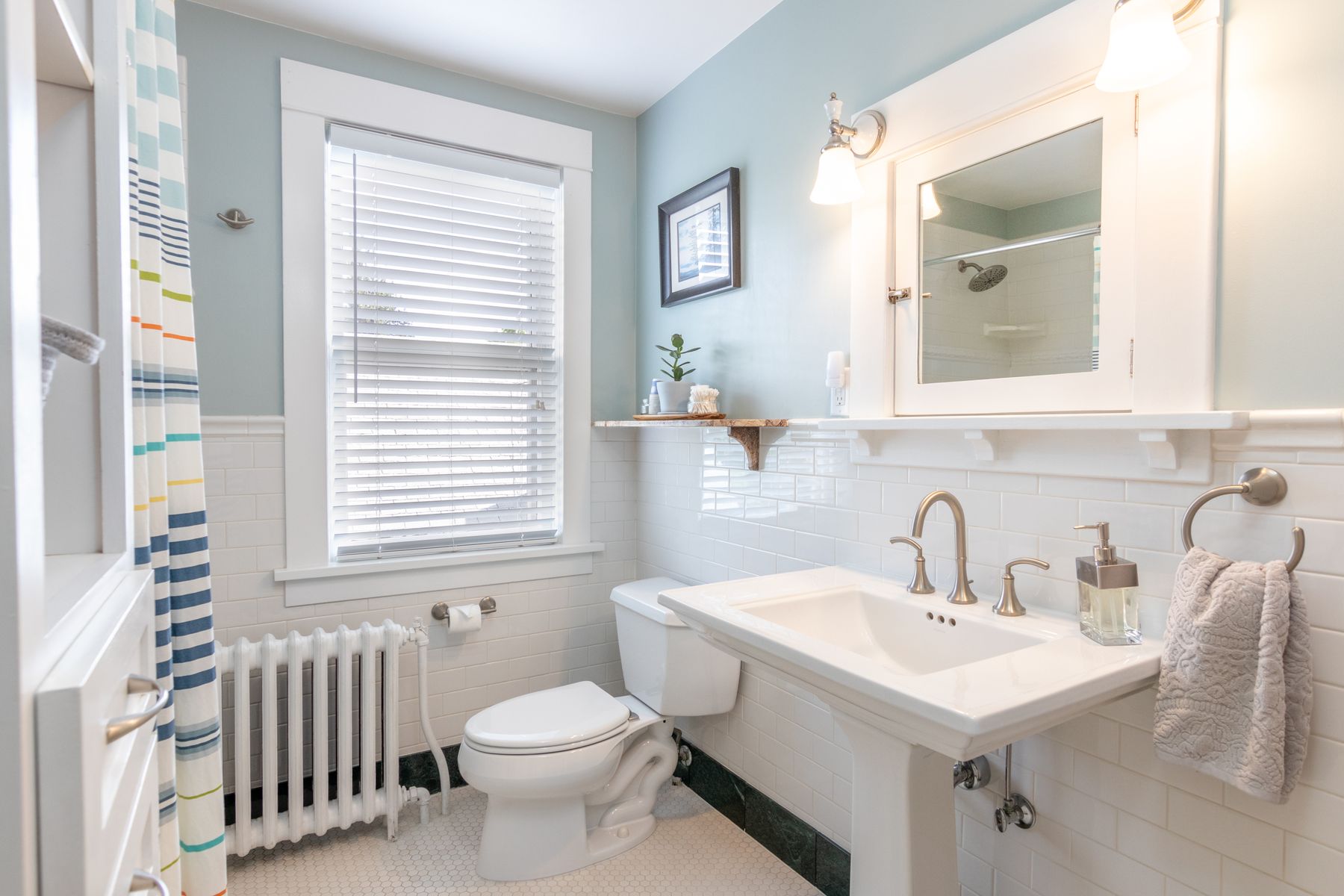
White or soft off-white tile gives classic fixtures and mirrors a stable background without dictating one era. Rectangular, square and simple small-format tiles all work, especially when grout contrast is controlled. Keep the tile pattern straightforward enough that the vanity, bath or mirror can supply the character.
Use Stone for Longevity, Not Status
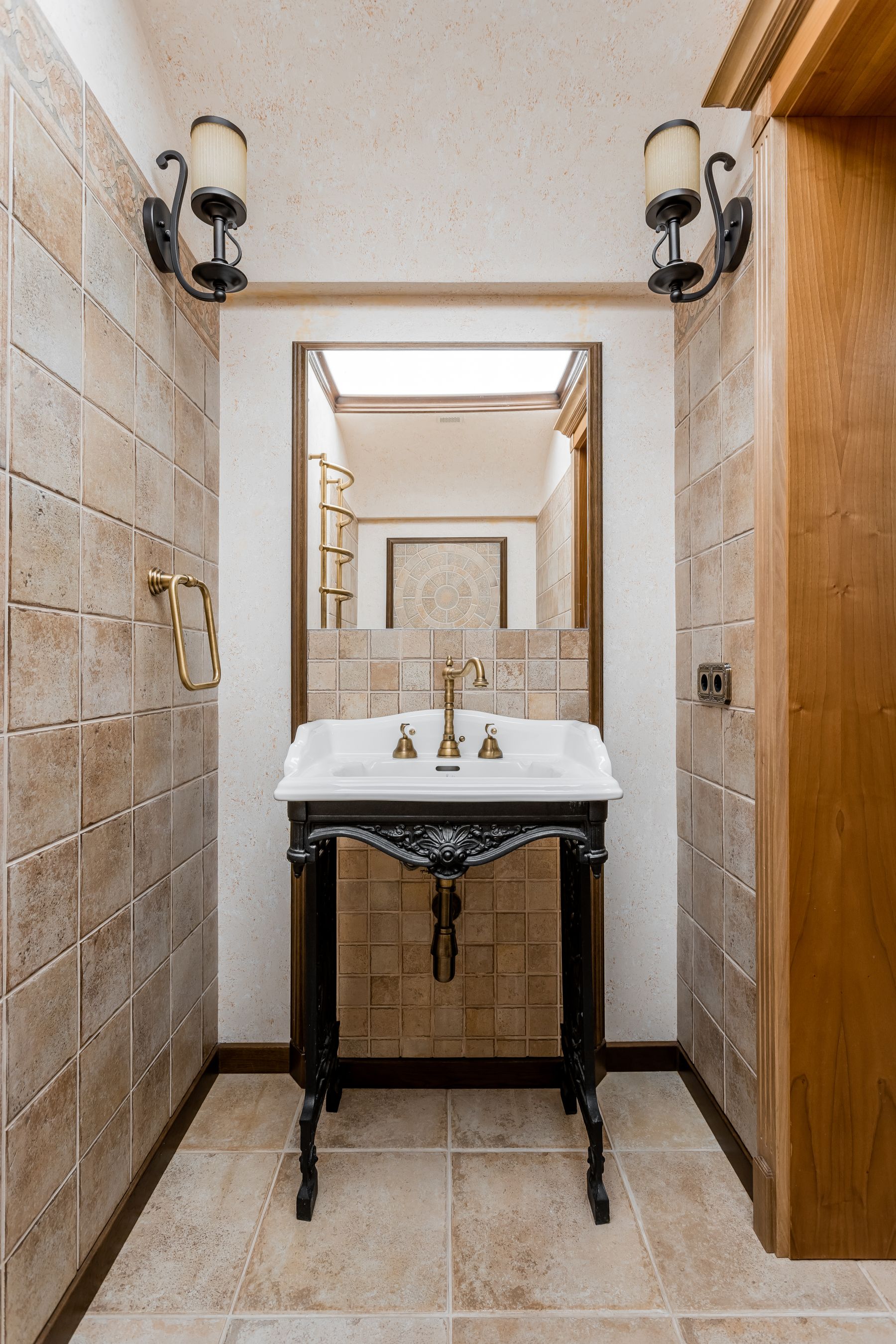
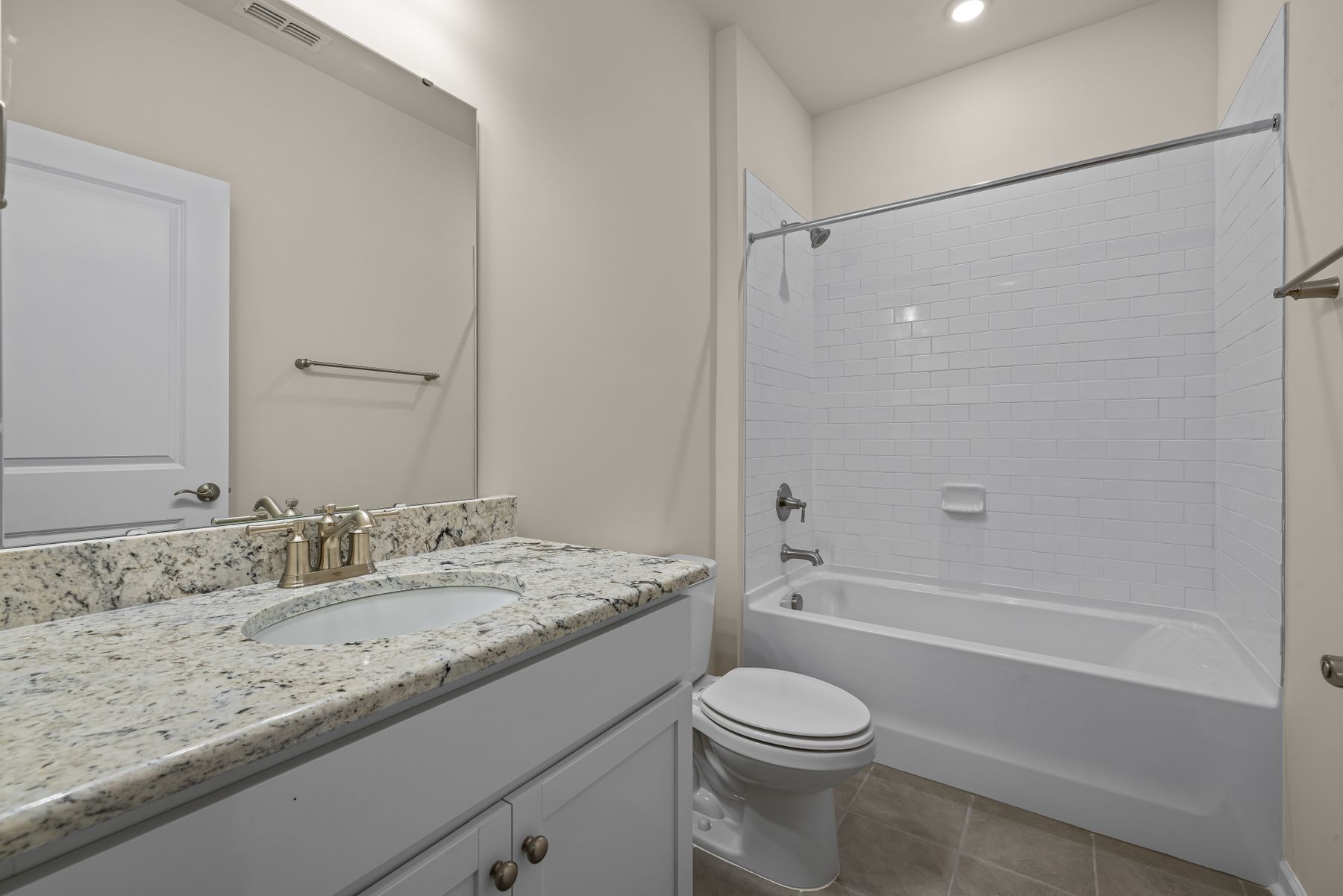
Stone or stone-look surfaces fit classic bathrooms because they bring weight and visual permanence without requiring a strong decorative motif. Use them on the counter, floor or one wall where the material can read clearly. Natural stone may require sealing and maintenance, so porcelain or engineered alternatives can be equally appropriate when durability is the priority.
Add Wallpaper Where It Can Be Changed Later
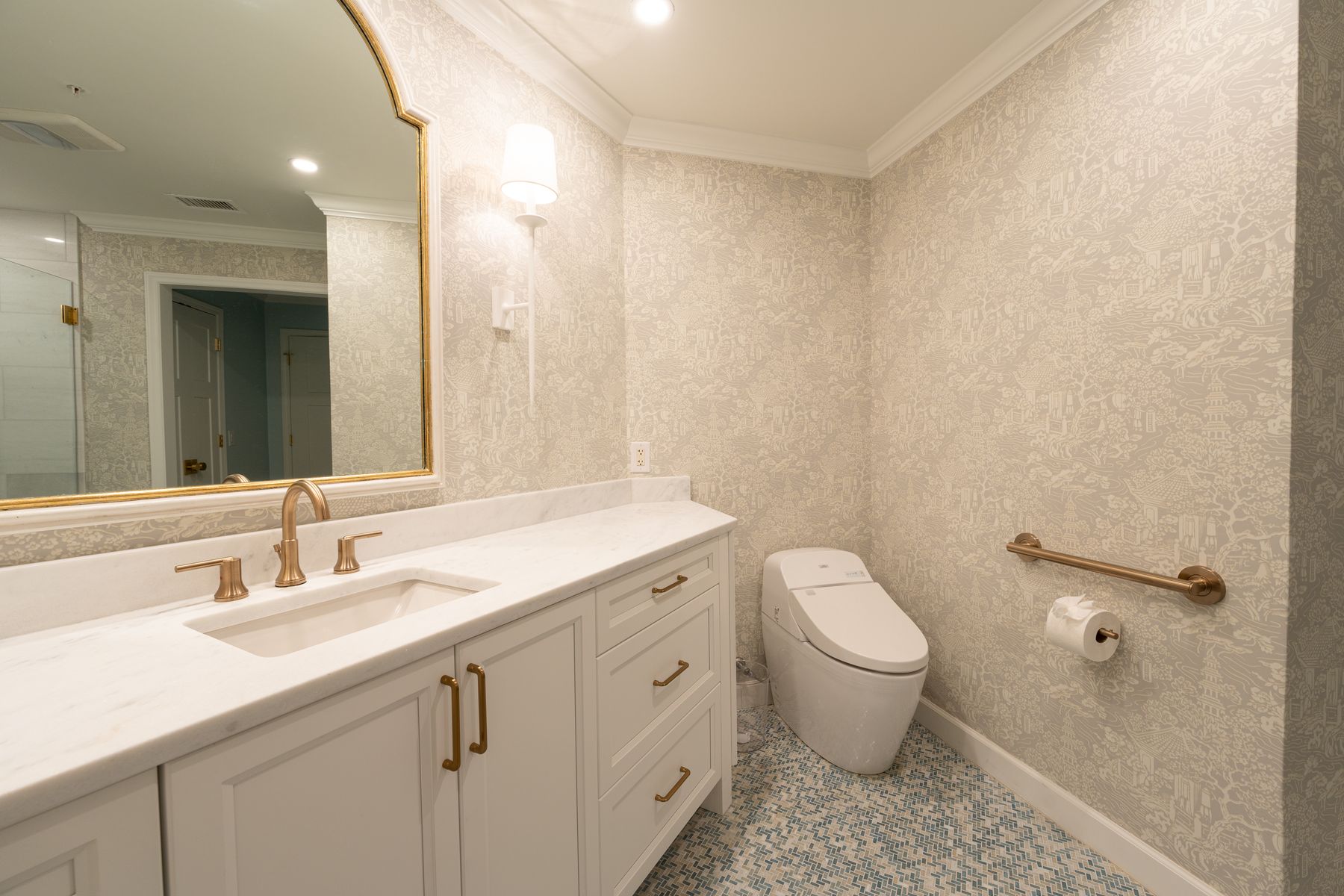
Wallpaper can add pattern and warmth without locking the bathroom into a permanent trend. Use it in drier zones or above tile where ventilation and splash exposure are manageable, and follow the manufacturer's suitability guidance. Keeping permanent tile quieter makes it easier to update the decorative layer later.
Use a Shaped Mirror as the Soft Detail
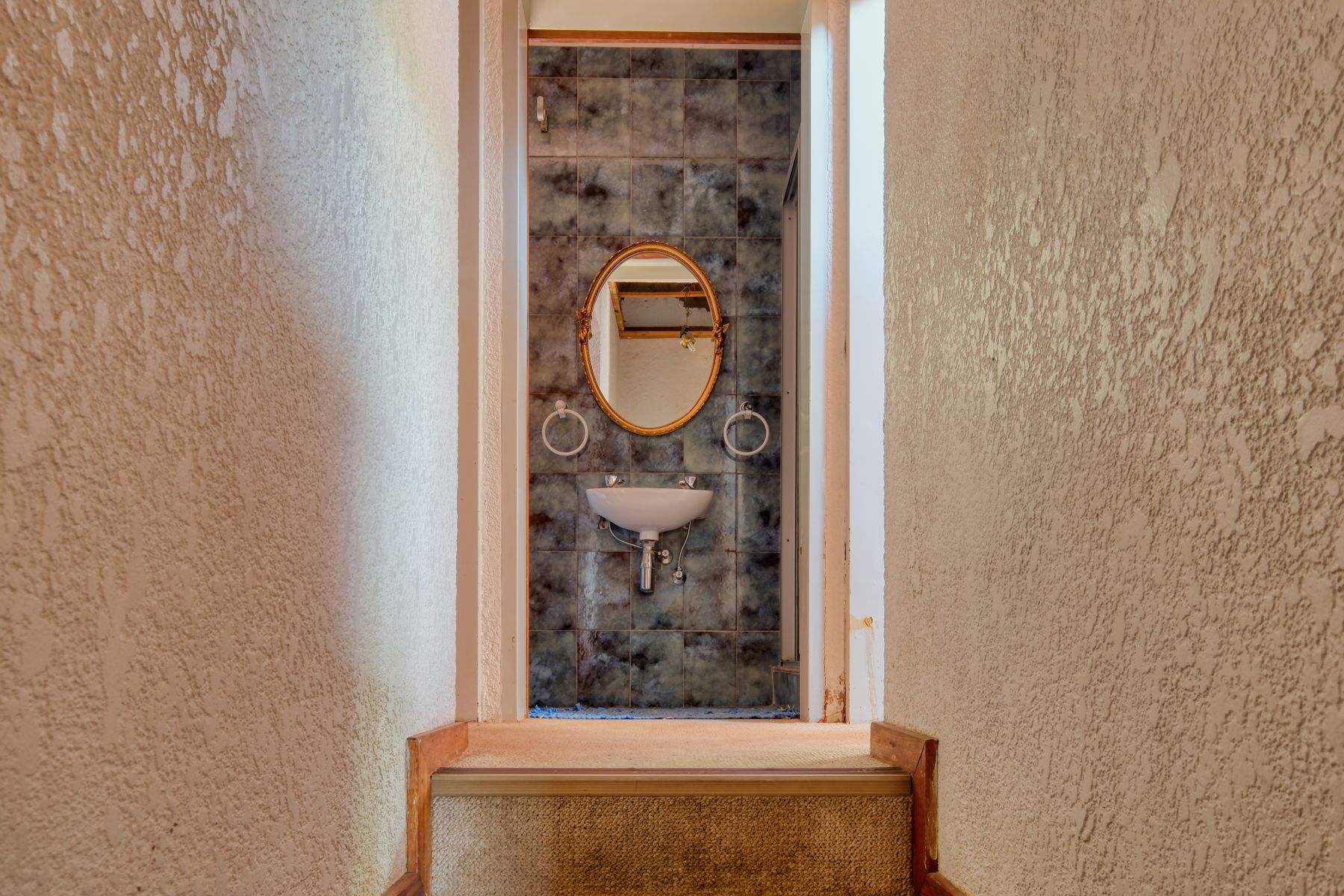
An oval, arched or softly framed mirror can introduce classic character without making the vanity wall ornate. It works particularly well when the basin and countertop are simple. Keep the surrounding sconces or wall finish quieter so the shape remains legible.
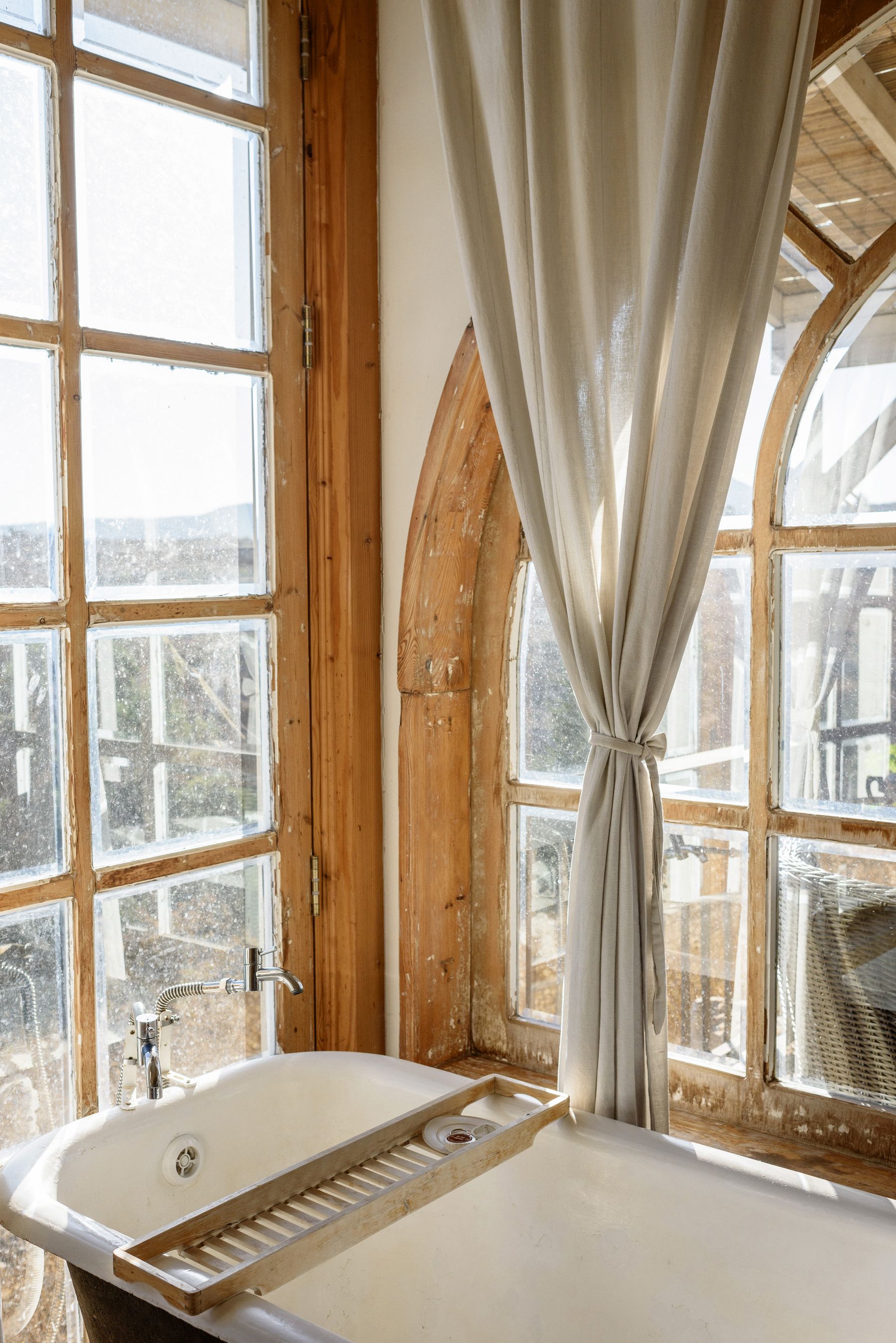
Let Natural Light Keep the Room Fresh
Classic materials can feel heavy if the room is dim. Preserve daylight around windows and use pale surfaces to reflect it back into the room. When privacy requires a window treatment, choose one that still allows useful daylight and can handle bathroom humidity.
Use Muted Color Instead of Default Beige
Classic bathrooms can carry muted green, blue, soft taupe or warm grey without losing their timeless quality. Choose a color that works with the cabinetry and tile rather than adding several historical shades at once. One muted hue can make white fixtures feel more deliberate and less generic.
Blend Classic Character With Current Function
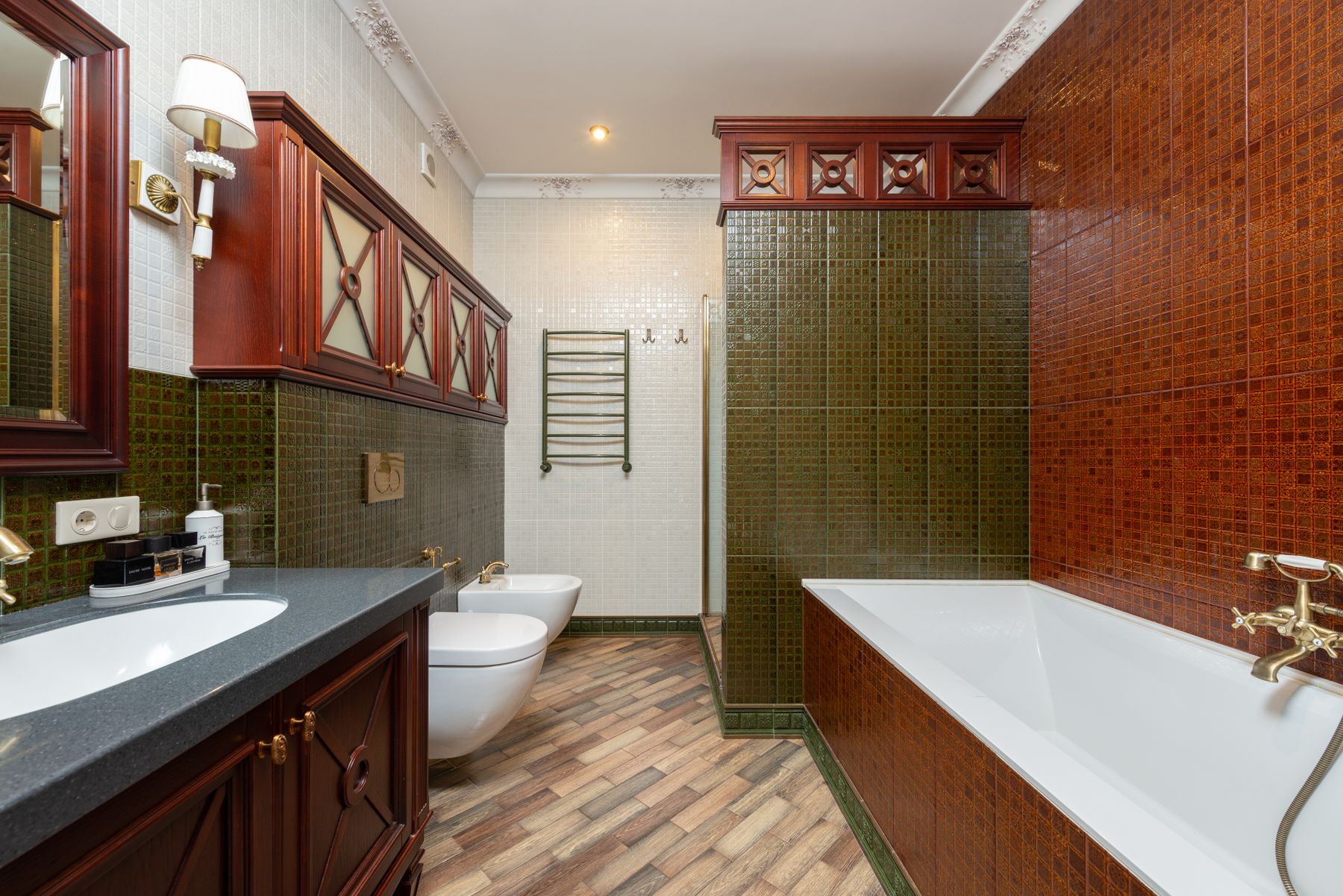
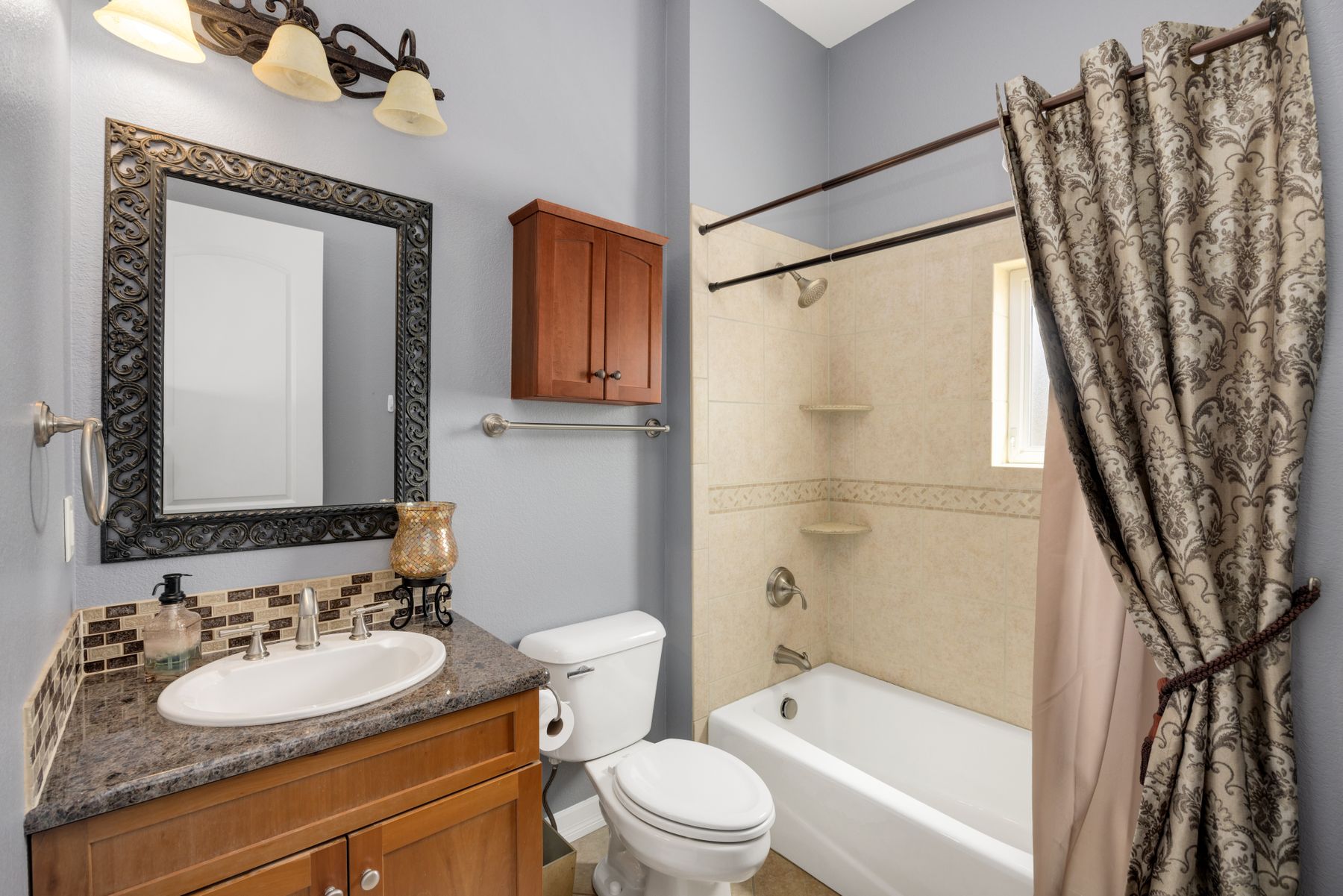
The most durable classic bathrooms combine familiar visual cues with contemporary storage, ventilation, lighting and plumbing. A framed mirror, tiled wall or traditional-looking vanity can sit comfortably beside modern shower glass and practical fittings when the proportions relate. This mix is what keeps the room timeless rather than historically specific.