Make the Soaking Tub the Functional Anchor
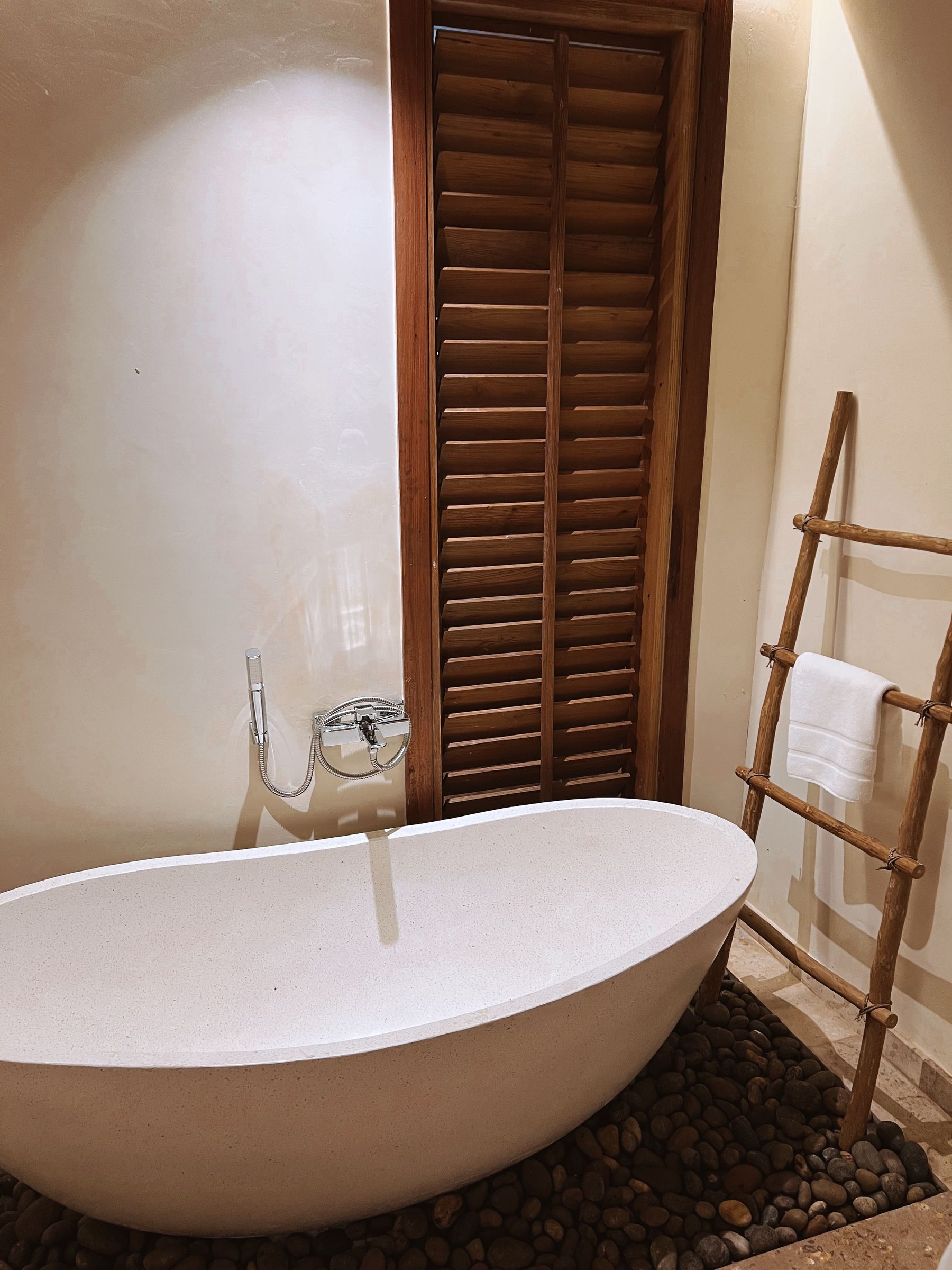
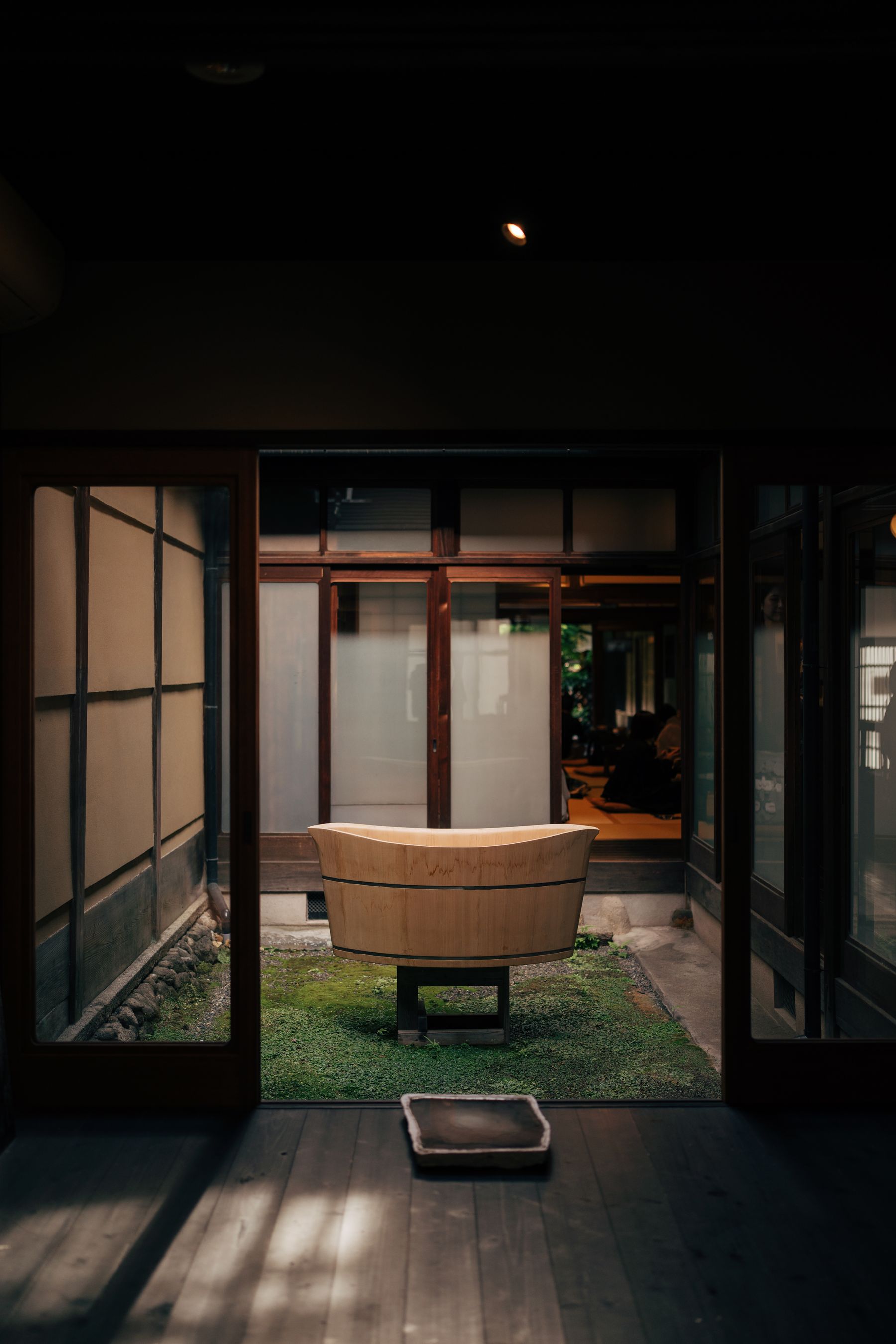
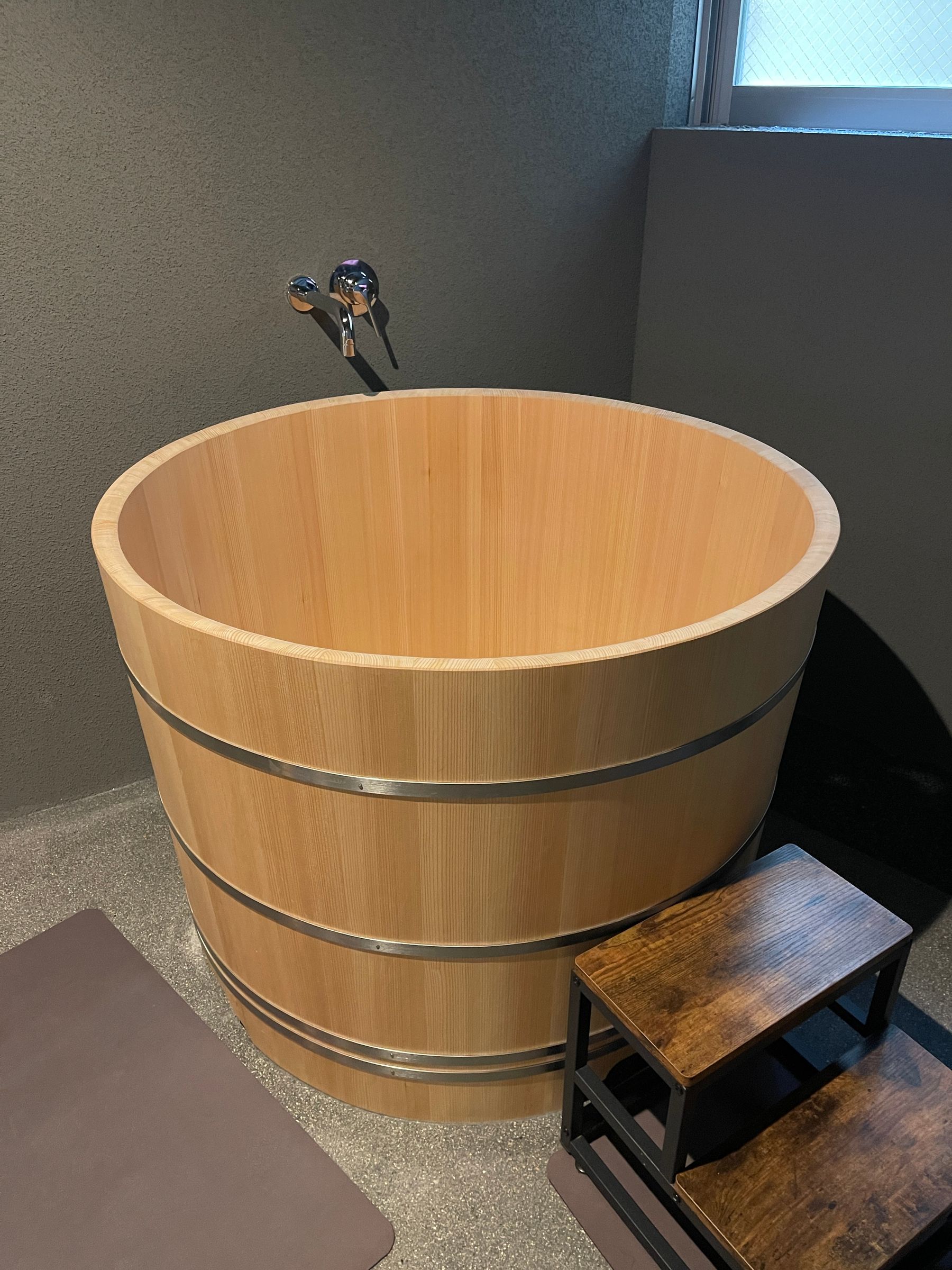
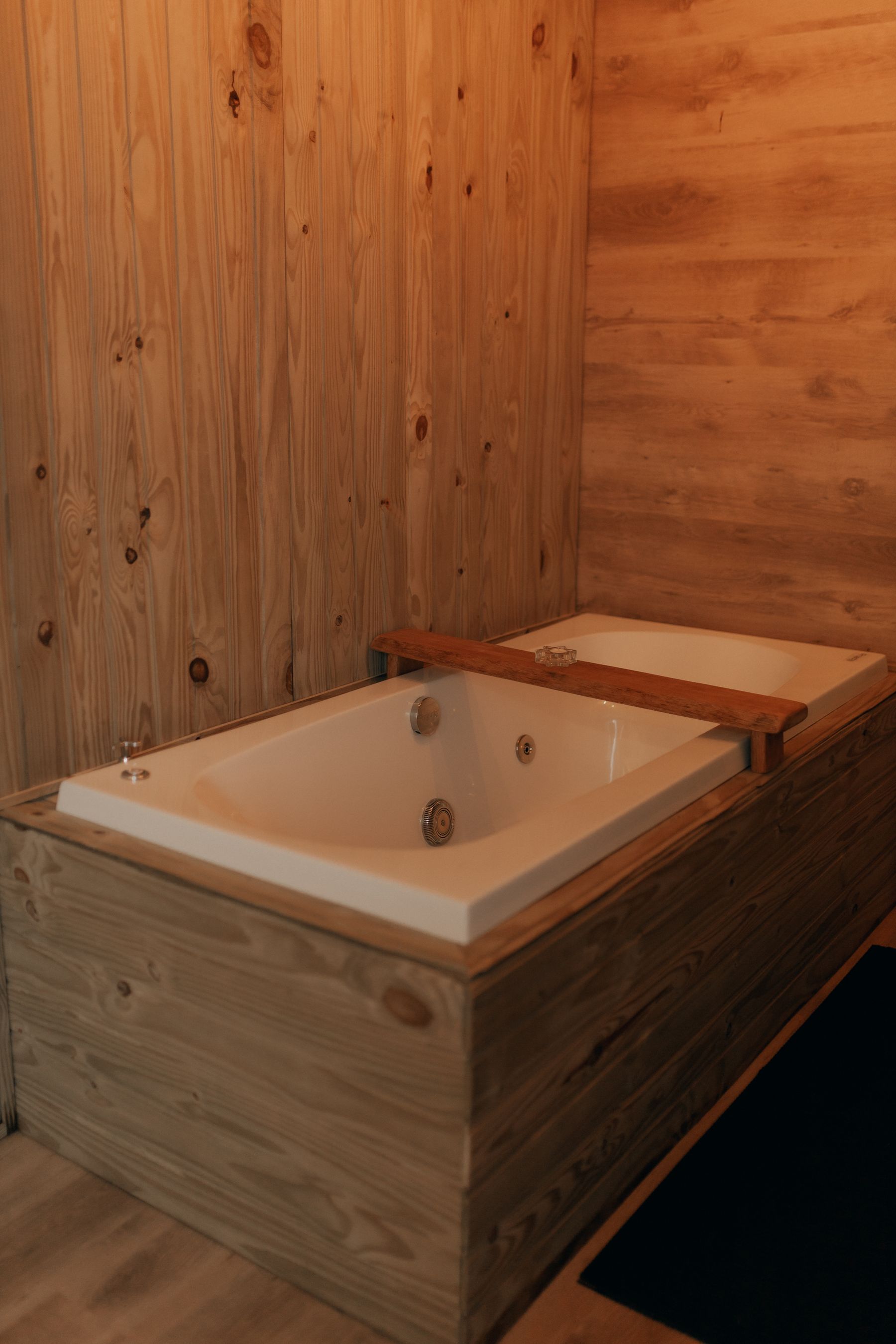
A deep soaking tub is one of the most meaningful Japanese bathroom references because it reflects how the bath is used, not just how the room looks. Traditional wooden tubs such as hinoki are designed around immersion and compact depth rather than a long reclined form. In a contemporary home, choose a tub that is comfortable to enter, structurally supported and practical to maintain; the cultural reference should come from the bathing function rather than an imitation wood shell.

Separate Washing From Soaking Where Space Allows
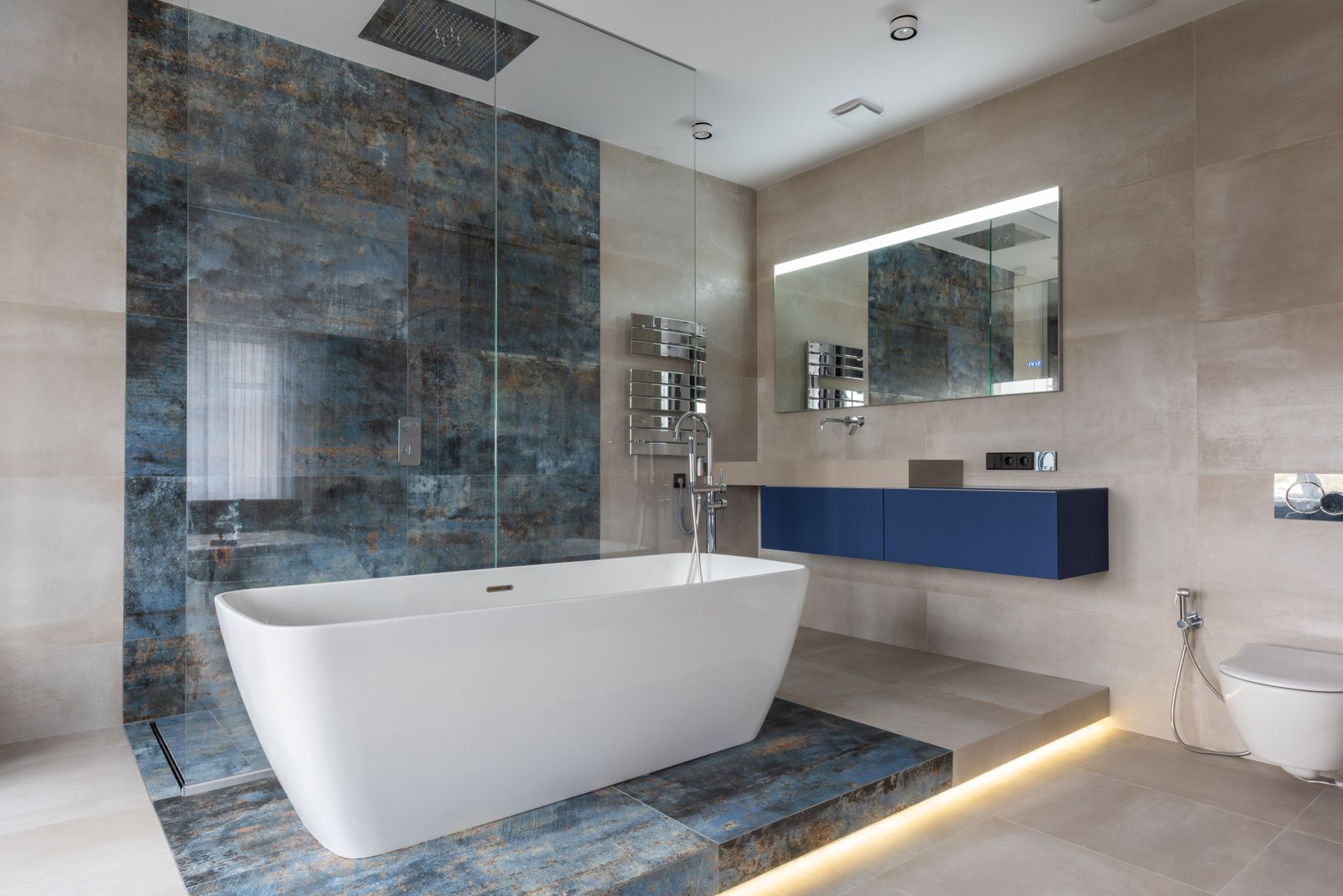
Japanese bathing practice traditionally involves washing thoroughly before entering the bath. In a private home outside Japan, that can translate into a clearly usable shower or washing area beside the tub rather than requiring all cleansing to happen inside it. The exact layout depends on waterproofing, drainage and local construction methods, but the principle is useful: the tub can stay visually and functionally focused on soaking.
Use Timber as a Meaningful Surface
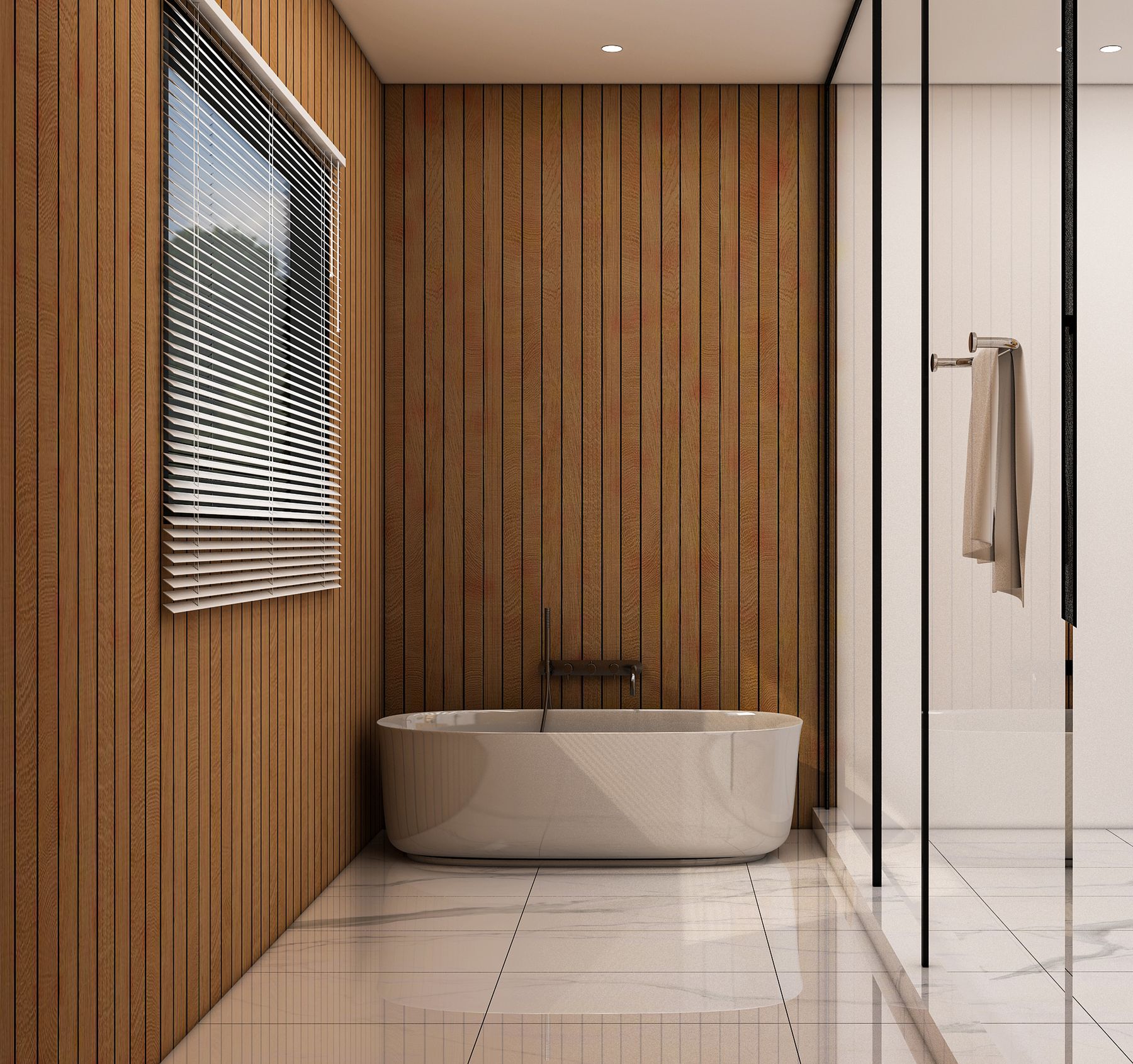
Natural wood is strongly associated with many Japanese interiors and traditional bath objects, but more wood does not automatically make a bathroom more Japanese. Use timber on one architectural plane, vanity or bath element where its grain can read clearly. In direct wet zones, specify products and finishes designed for the exposure rather than copying a dry-room material treatment.
Pair Wood With Mineral Texture
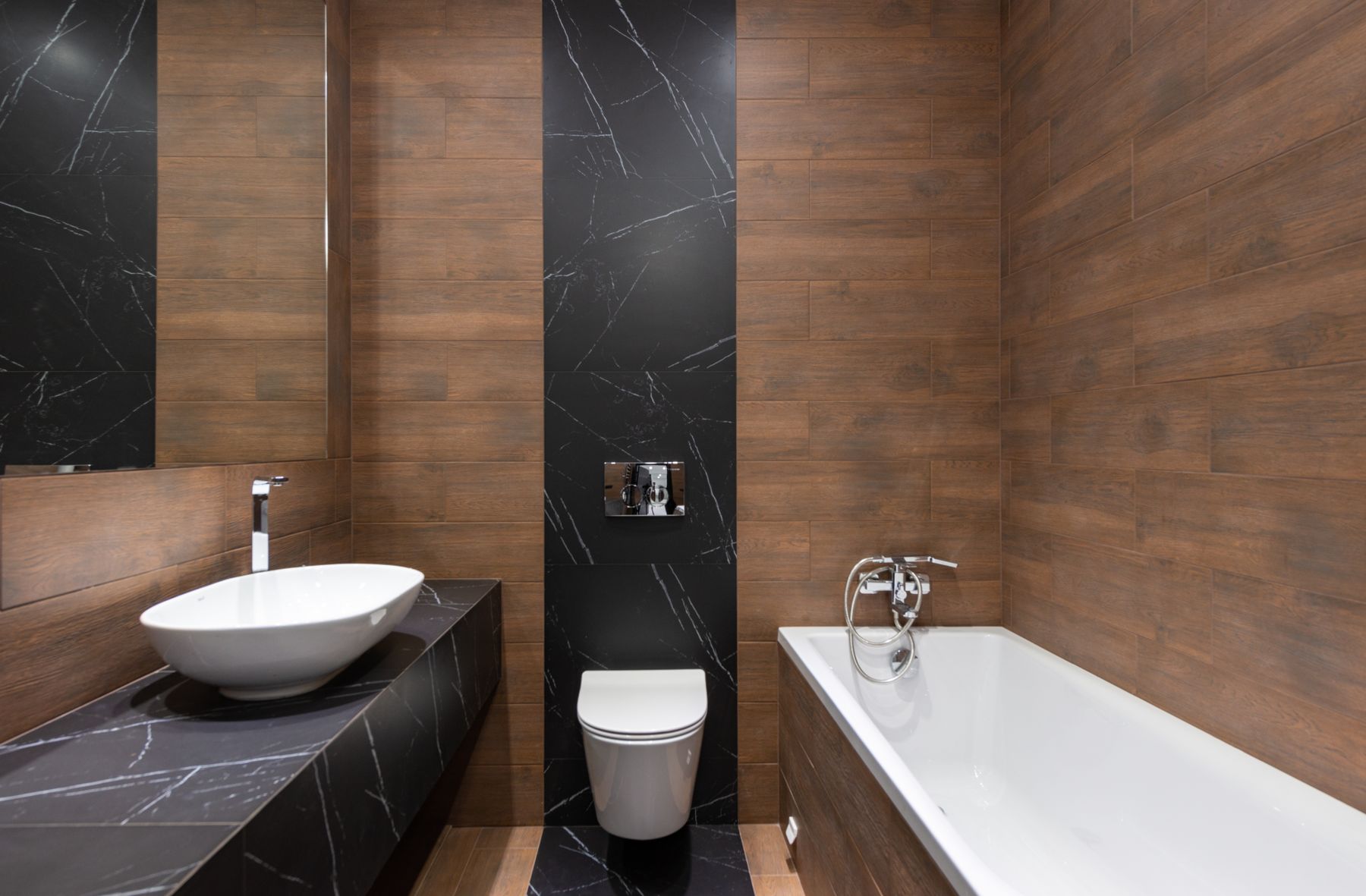
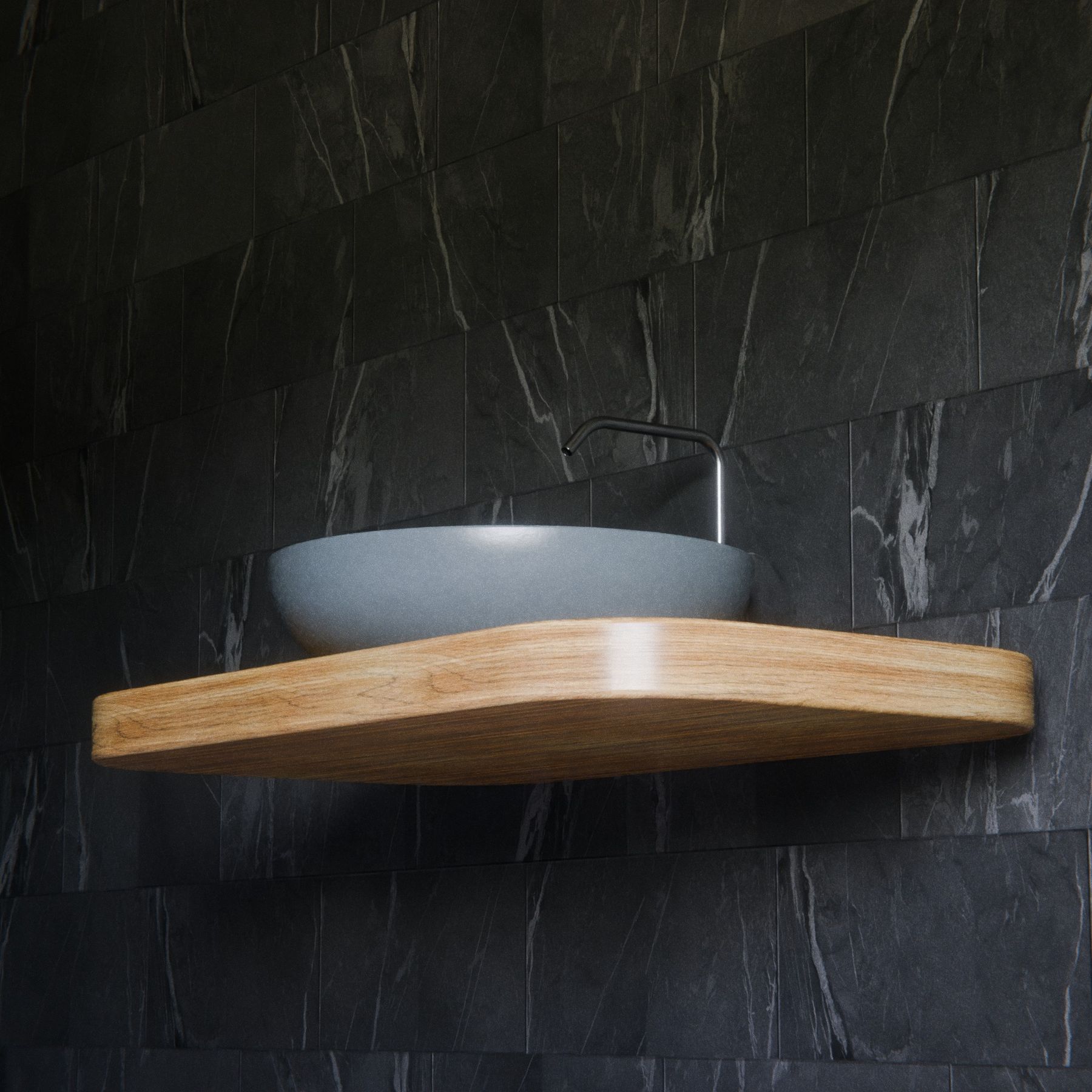
Stone, stone-look tile and matte mineral surfaces give timber a cooler counterpoint and help the room feel grounded. A stone basin or dark tiled wall can create enough weight without requiring rough texture everywhere. Keep the palette narrow so grain and surface variation remain visible instead of competing with decorative pattern.
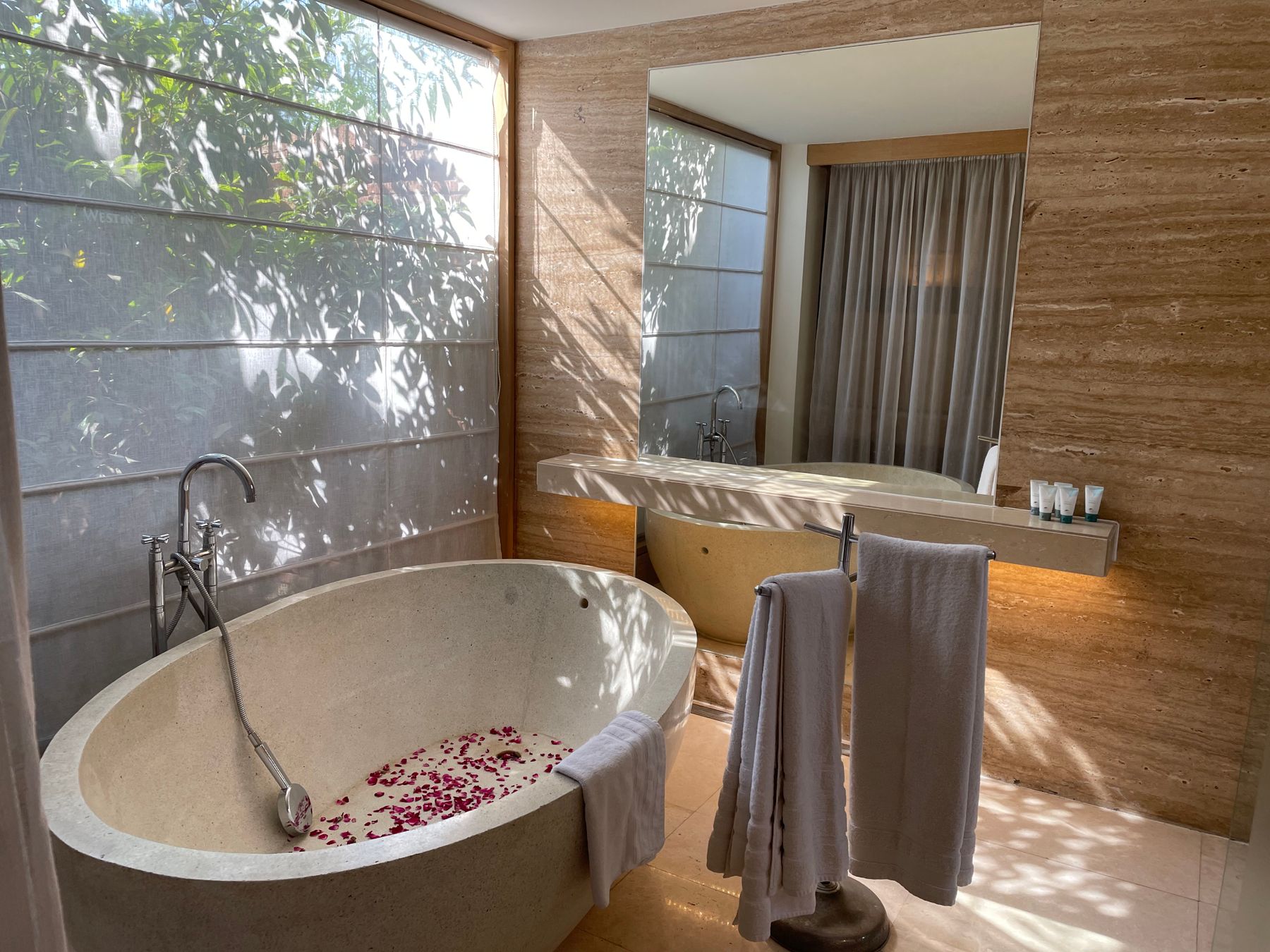
Let the Bath Zone Feel Enclosed but Not Crowded
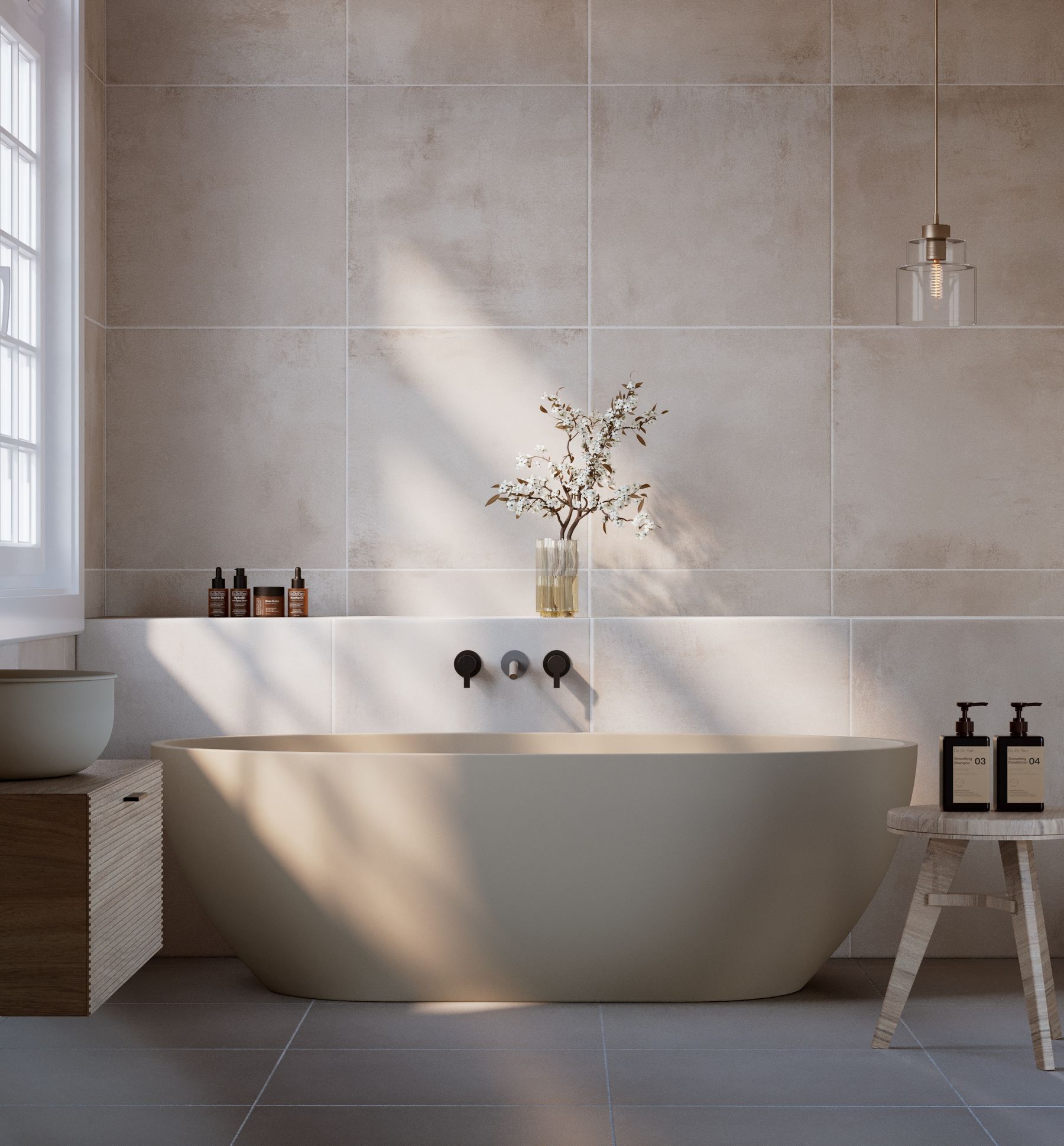
A soaking area can feel calm when the bath has a clear material boundary and nearby surfaces remain simple. Stone-like walls, a ledge for bathing essentials and soft daylight can create a sense of enclosure without filling the space with decor. Keep access, ventilation and cleaning around the tub practical, especially when the bath is deep or partially recessed.
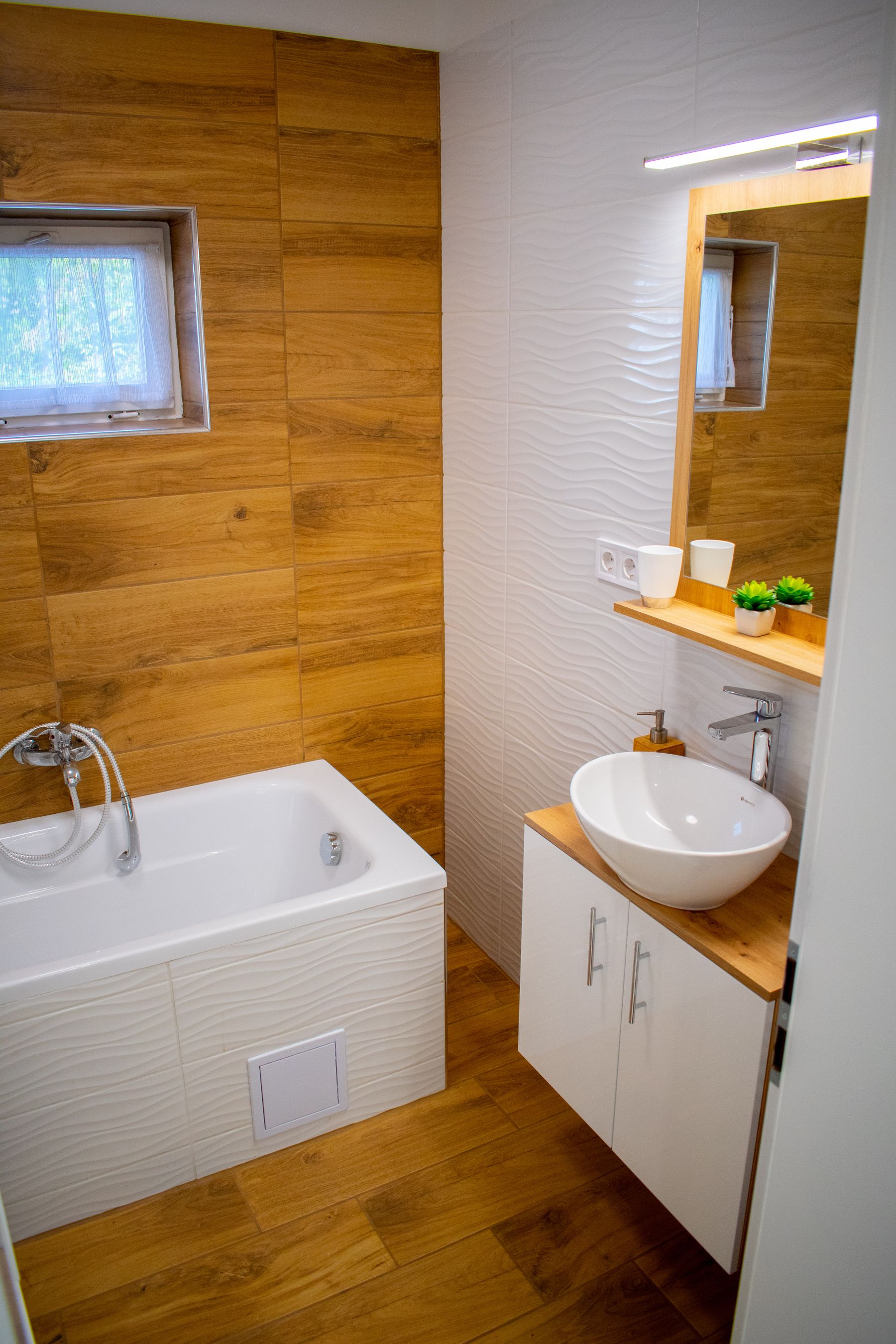
Use a Compact Layout Deliberately
A Japanese-inspired bathroom does not need to be large. Compact planning can make the relationship between sink, washing area and bath more deliberate, provided circulation remains clear. Use vertical storage and controlled material repetition rather than filling a small room with freestanding furniture or decorative stools.
Keep Storage Visually Quiet
Bathing essentials, towels and cleaning supplies still need storage even in a visually restrained room. Simple cabinetry, mirrored storage or a limited number of recessed shelves can keep daily items close without turning the walls into display space. The goal is not emptiness; it is reducing visual interruptions around the bathing sequence.
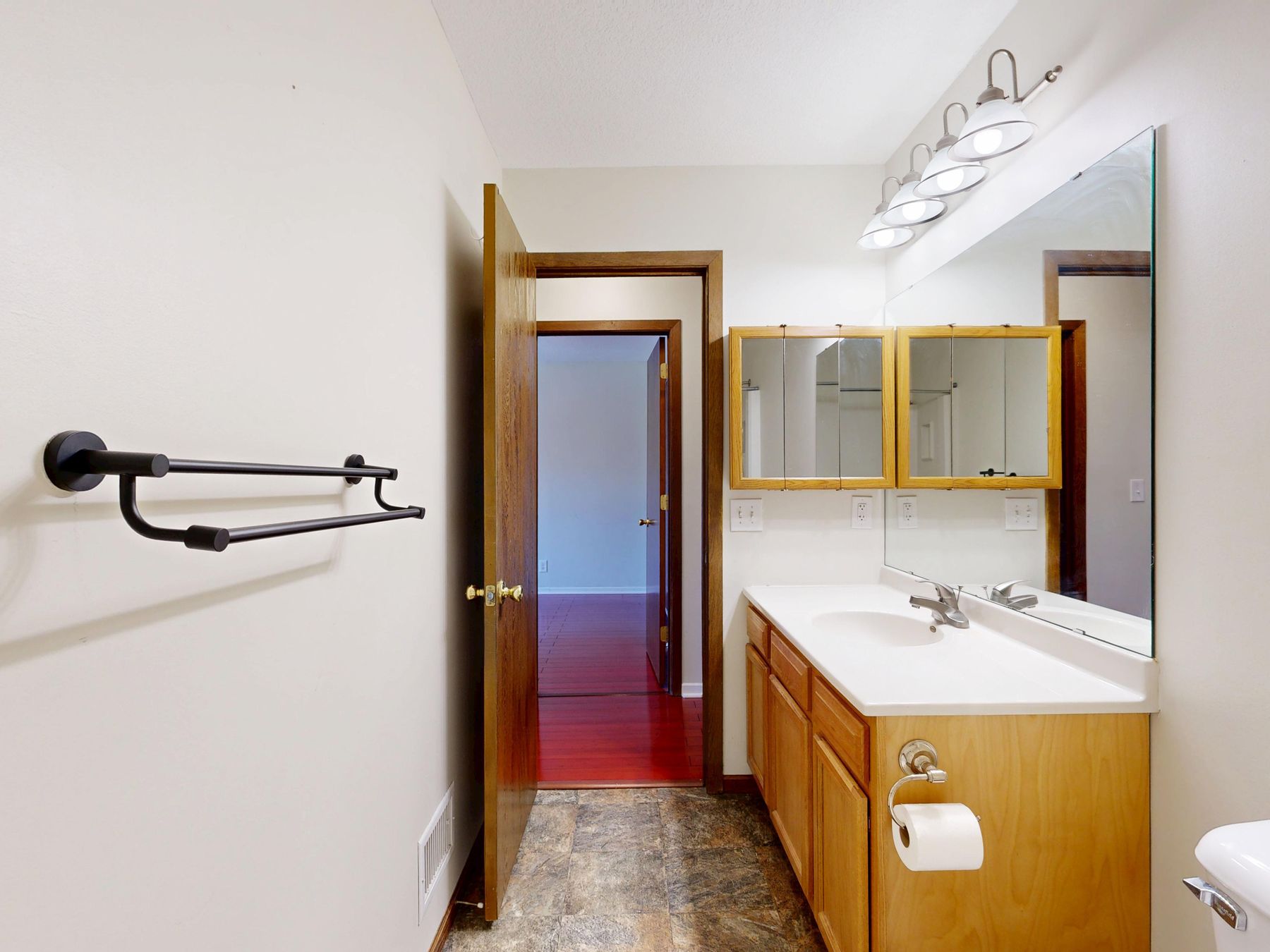
Use Wood Accents Without Calling Generic Minimalism Japanese
Many contemporary minimalist bathrooms use pale walls and wood, but those ingredients alone do not make a room Japanese. Use such imagery as a material reference while grounding the design in more specific choices: a real soaking function, restrained bath accessories and a logical wet-area sequence. This distinction keeps the style from becoming a vague label for any beige minimalist interior.
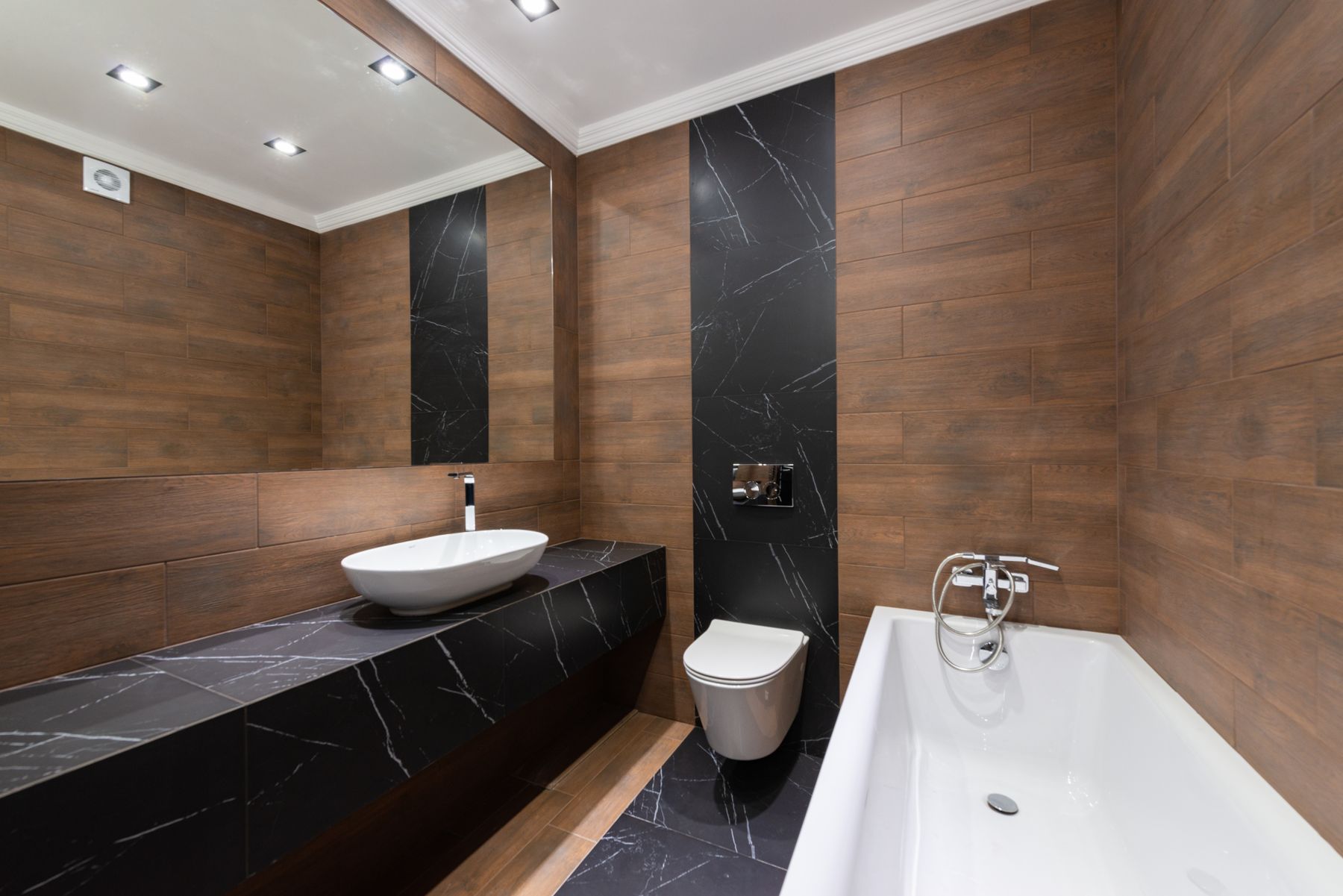
Use Timber Around the Bath With Moisture in Mind
A timber tub or wood-lined bathing area can feel exceptionally warm and tactile, but it also demands realistic maintenance. Ventilation, drying, finish compatibility and manufacturer guidance matter more than reproducing a mood image. Where real timber is impractical, a carefully selected wood-look or moisture-stable alternative can preserve the material relationship without pretending to be traditional craft.
Finish With Natural Light and Fewer Objects
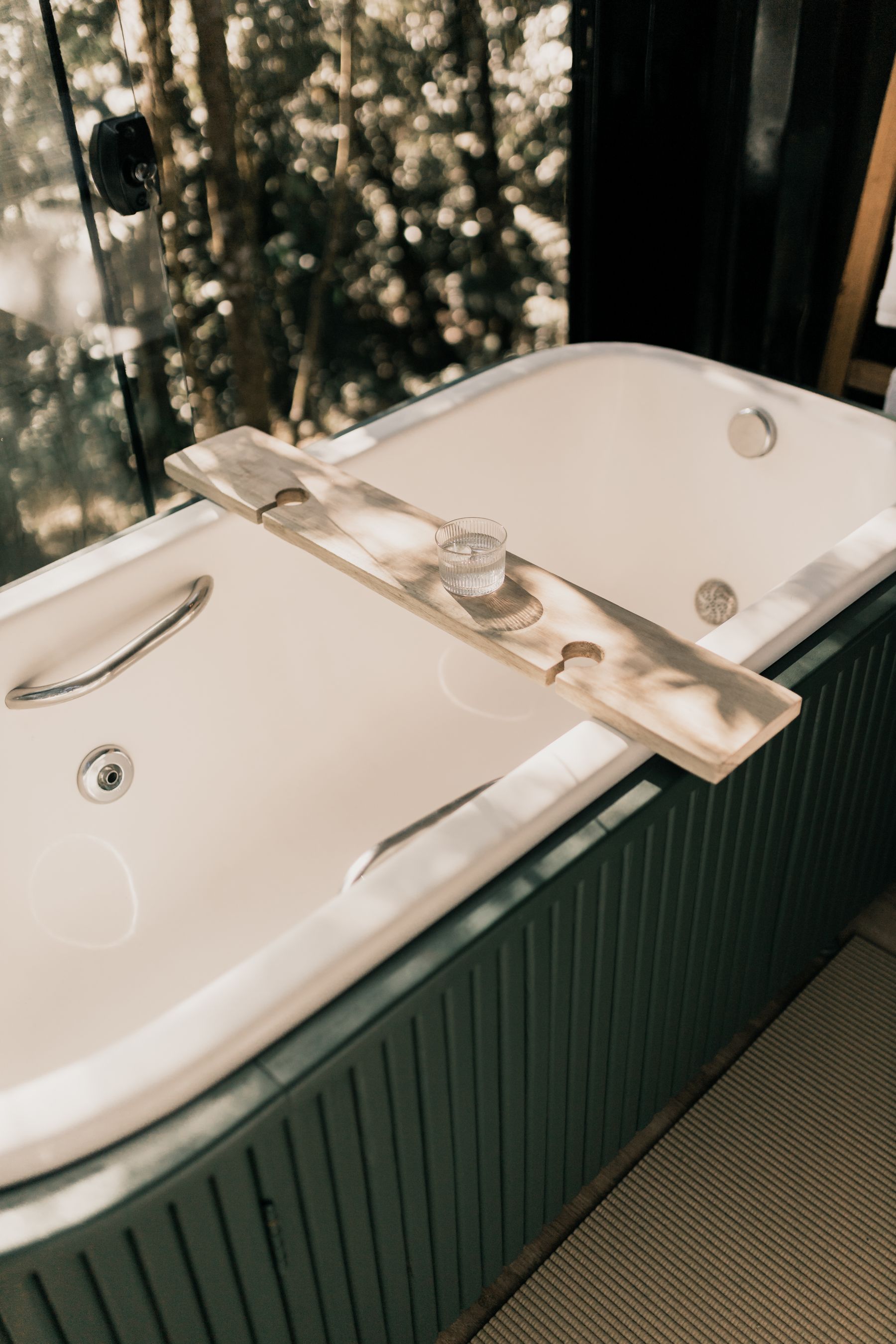
Filtered daylight, a quiet view and a small number of useful bathing objects often contribute more to calm than additional decor. Keep the window area as open as privacy allows and avoid filling the tub edge with trays, candles and decorative bottles. A Japanese-inspired bathroom can feel rich through water, timber, stone and light alone.