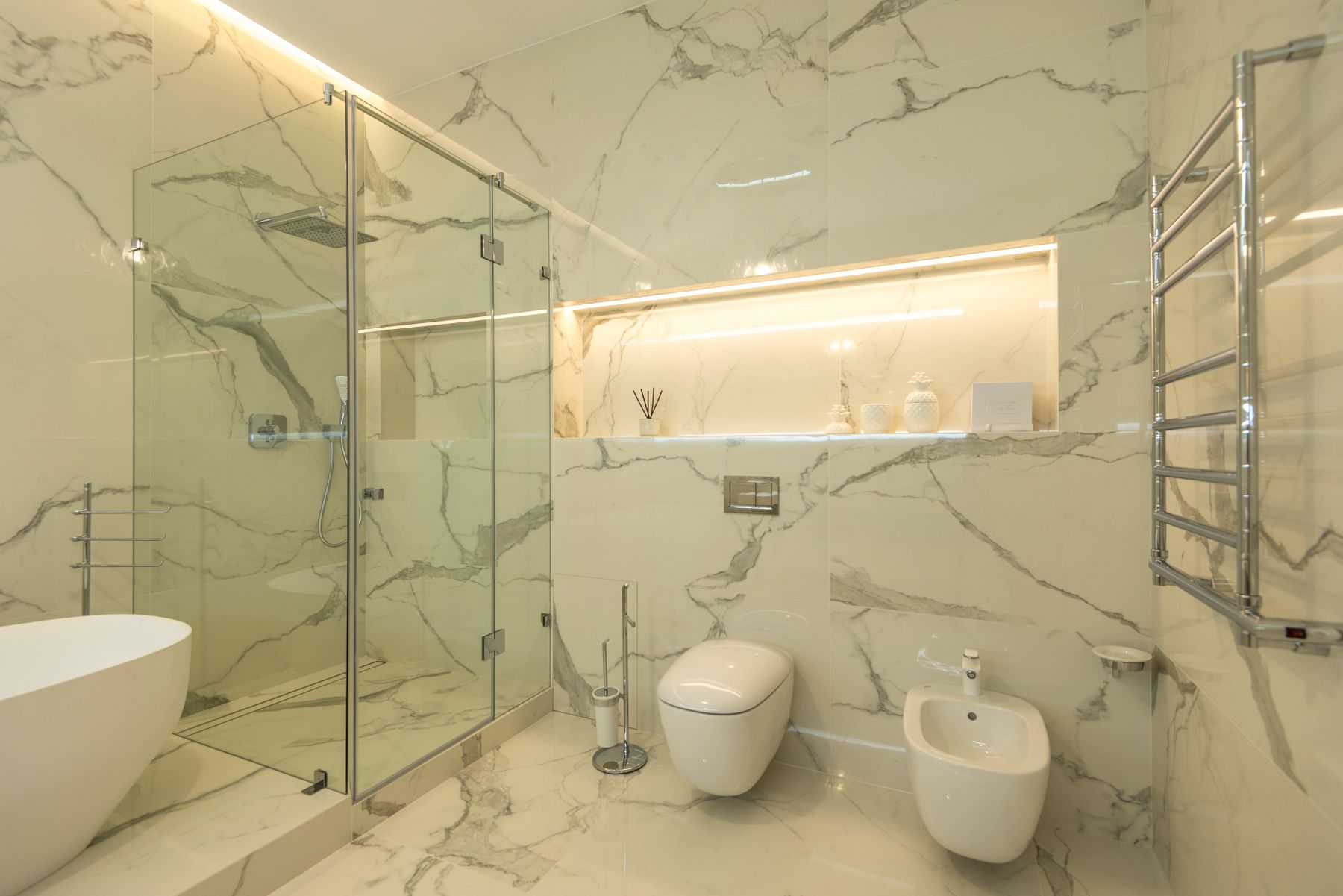
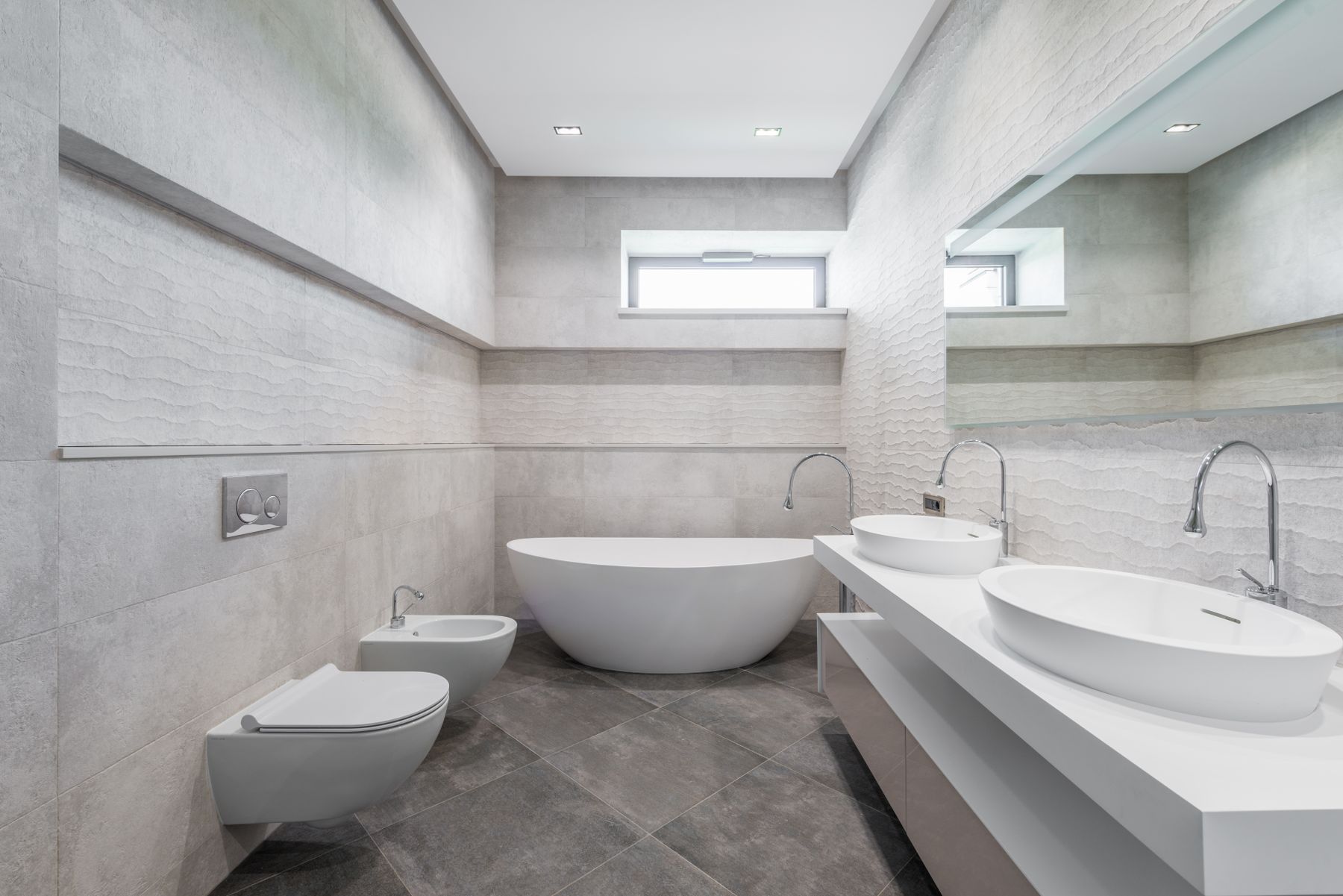
Start With Proportion and Clearances
A high-spec bathroom should feel comfortable before any marble or bespoke joinery is introduced. Check the space beside the bath, the route into the shower, the depth in front of the vanity and the way doors or drawers open. Generous proportion does not mean simply making every fixture larger; it means giving each element enough room to be used without creating dead space. Plumbing, structure, waterproofing and ventilation should be resolved with qualified professionals before finishes are finalized.
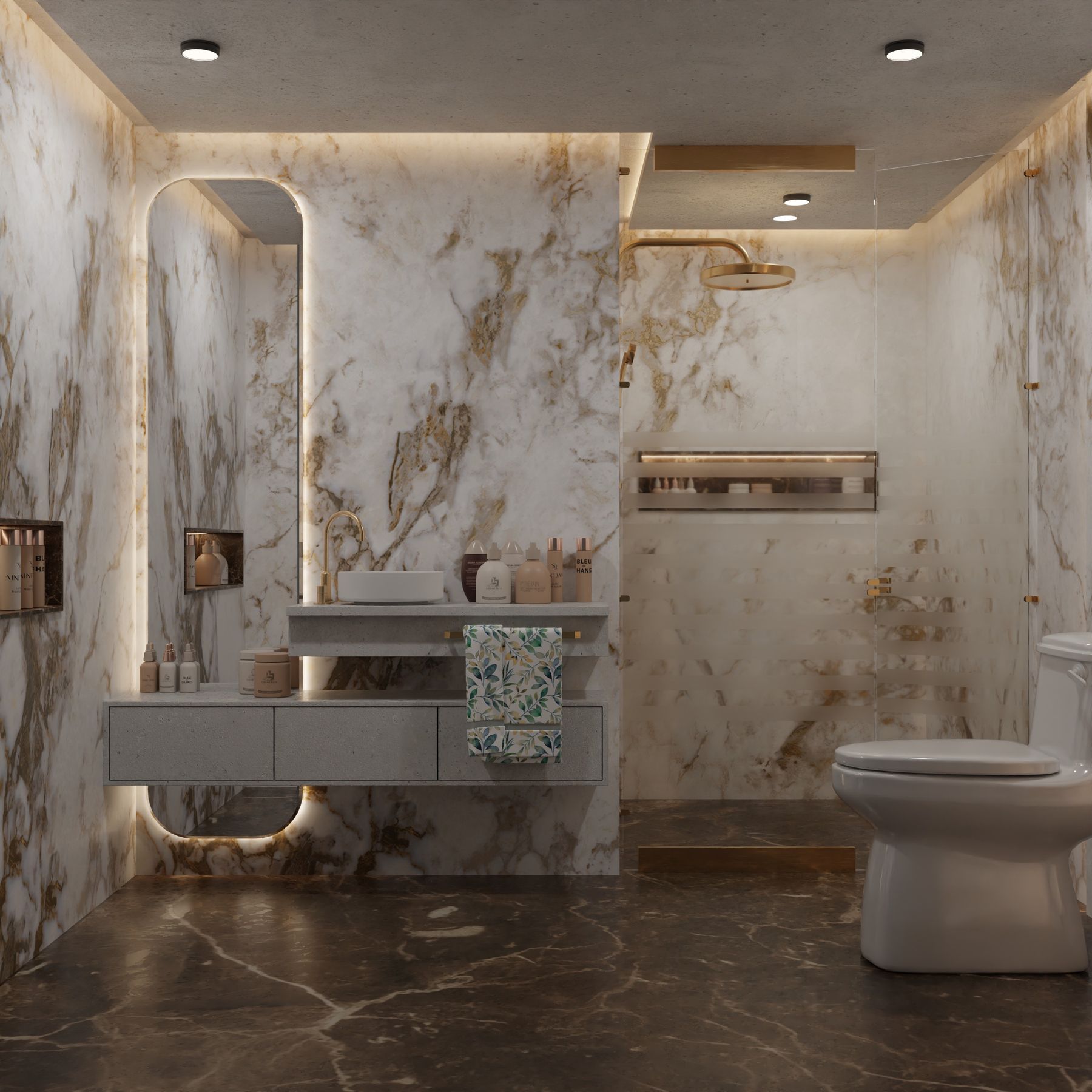
Let One Stone Surface Lead
Large-scale stone can define a luxury bathroom, but its impact is strongest when the eye knows where to look. Use a dramatic slab or expressive marble-look surface on the wall, vanity or shower zone, then give it quieter materials nearby. With natural stone, slab selection, sealing and maintenance matter as much as color. With porcelain or engineered surfaces, joint placement and pattern repeat deserve the same level of attention.
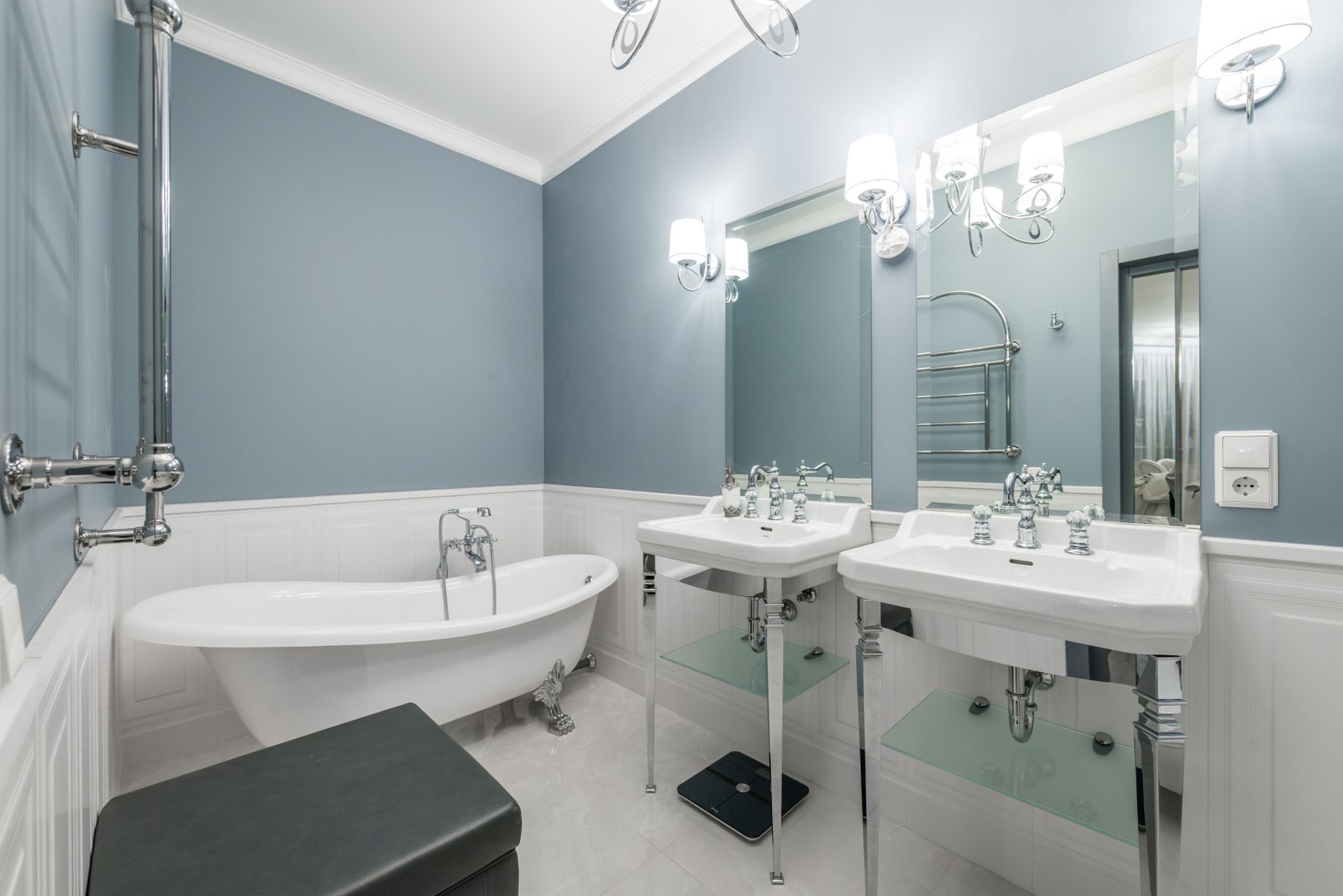
Make the Vanity a Shared Furniture Piece
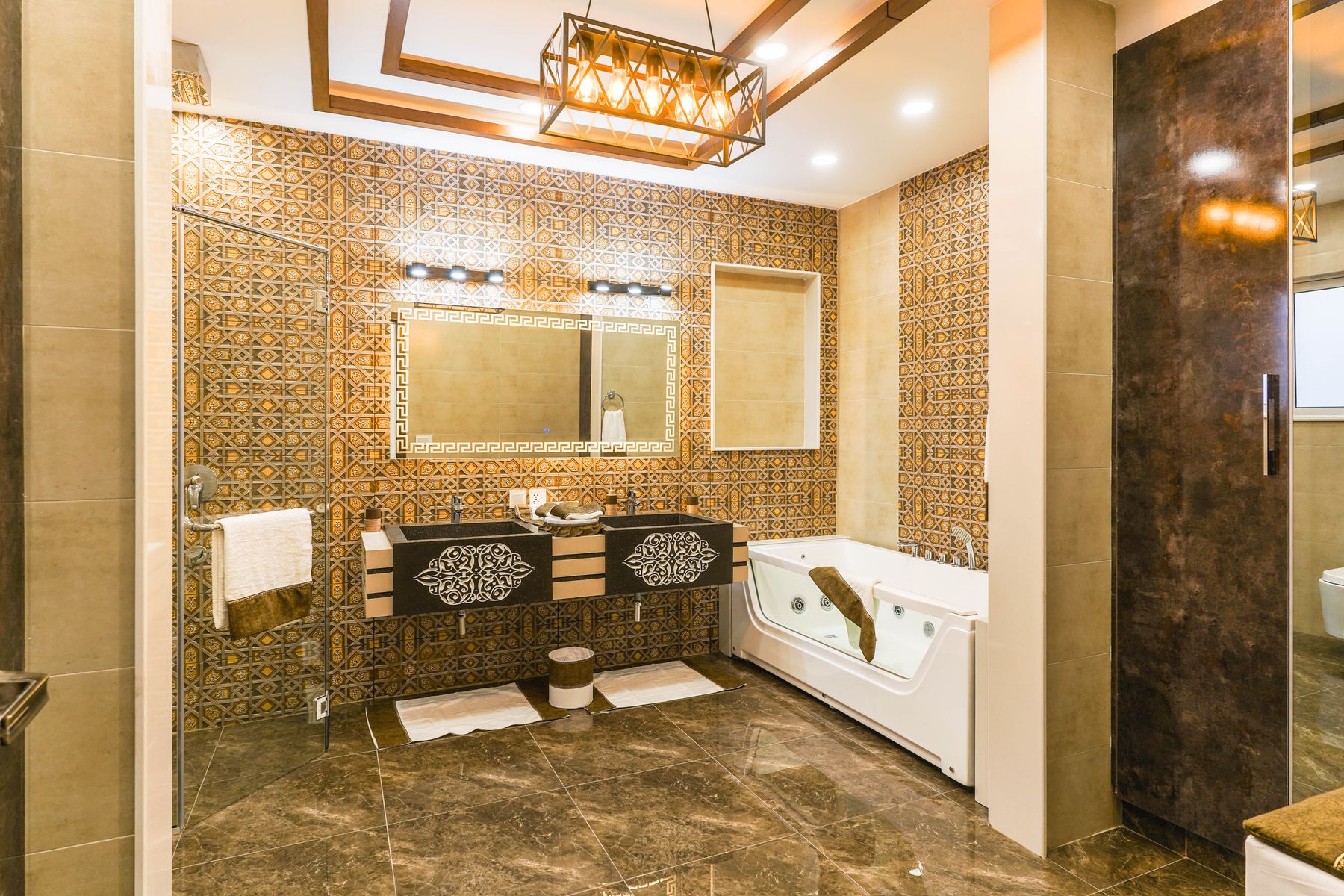
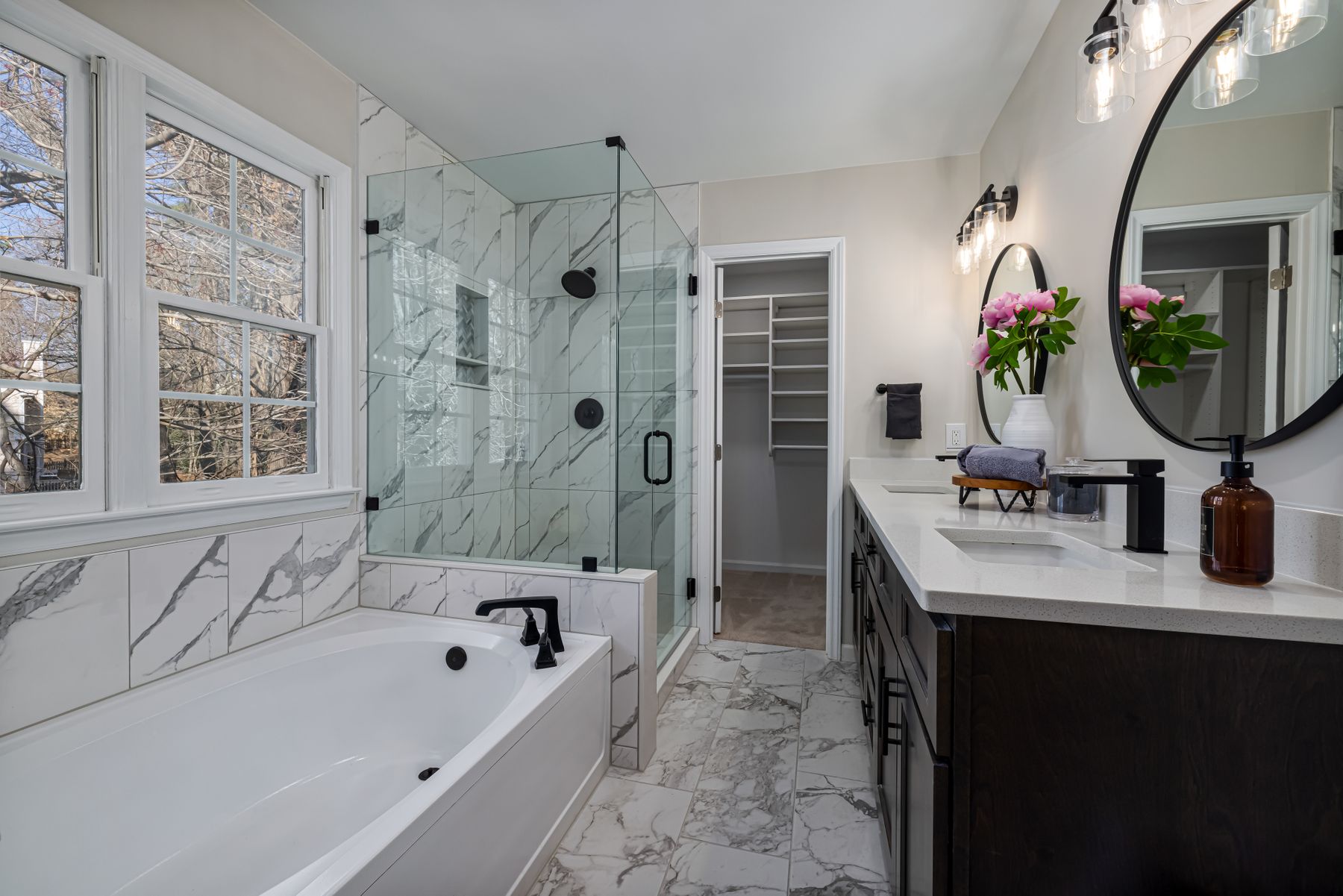
A double vanity should solve shared routines rather than simply duplicate two basins. Storage, mirror width, socket locations, lighting and countertop space all need to work together. Two basins can be useful when people use the bathroom at the same time, but one larger basin with more counter space may be better in another household. The luxury comes from fit and proportion, not from the number of fixtures.
Make the Shower Feel Built In
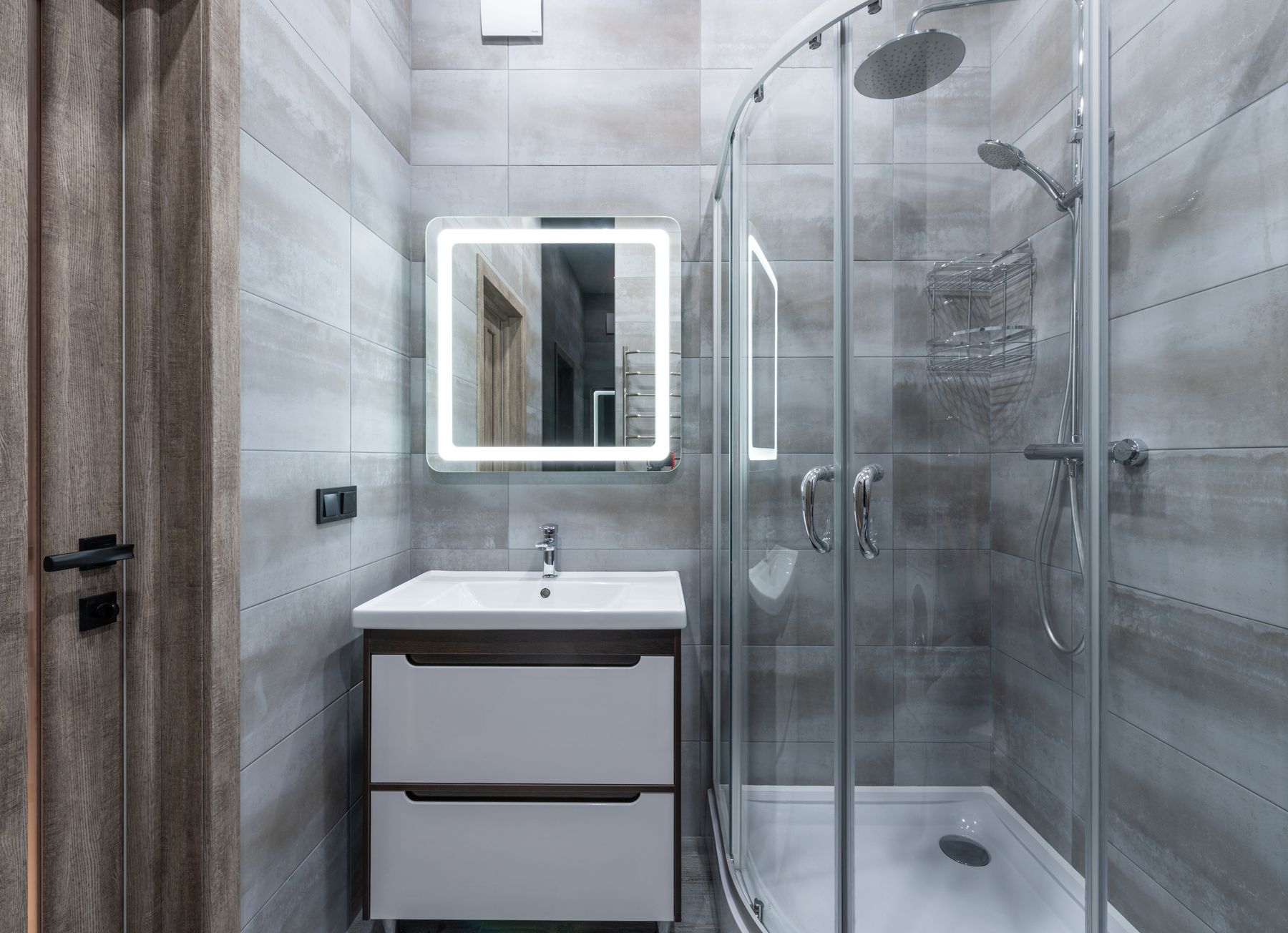
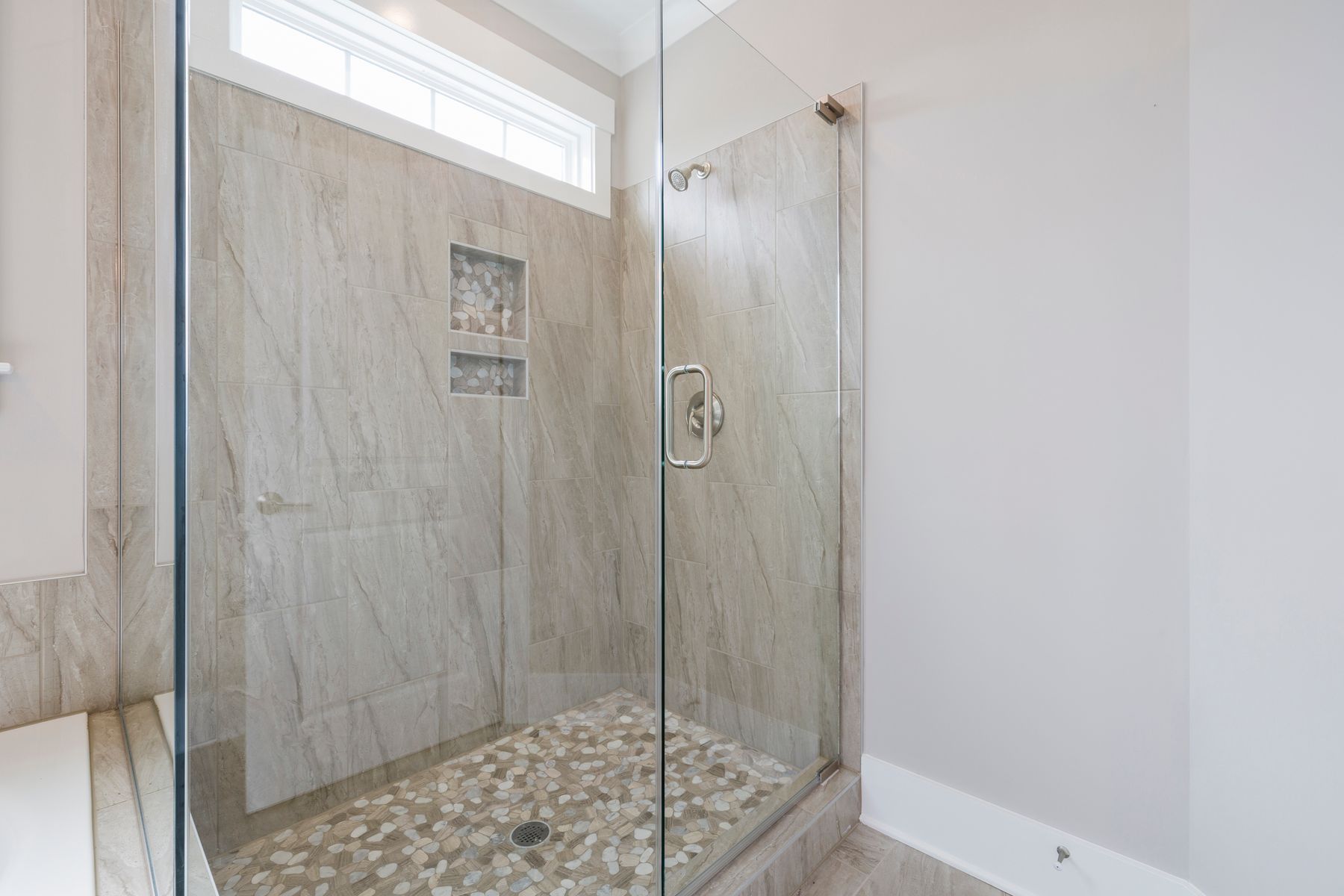
A luxury shower usually feels more convincing when the enclosure, tile, niches and fittings read as part of the architecture rather than accessories added afterward. Align joints with niches and controls where practical, keep the glass hardware restrained and provide enough room for comfortable movement. Waterproofing, falls, drainage and glass specification are technical issues and should be handled by qualified trades.
Give the Bathing Zone Real Room
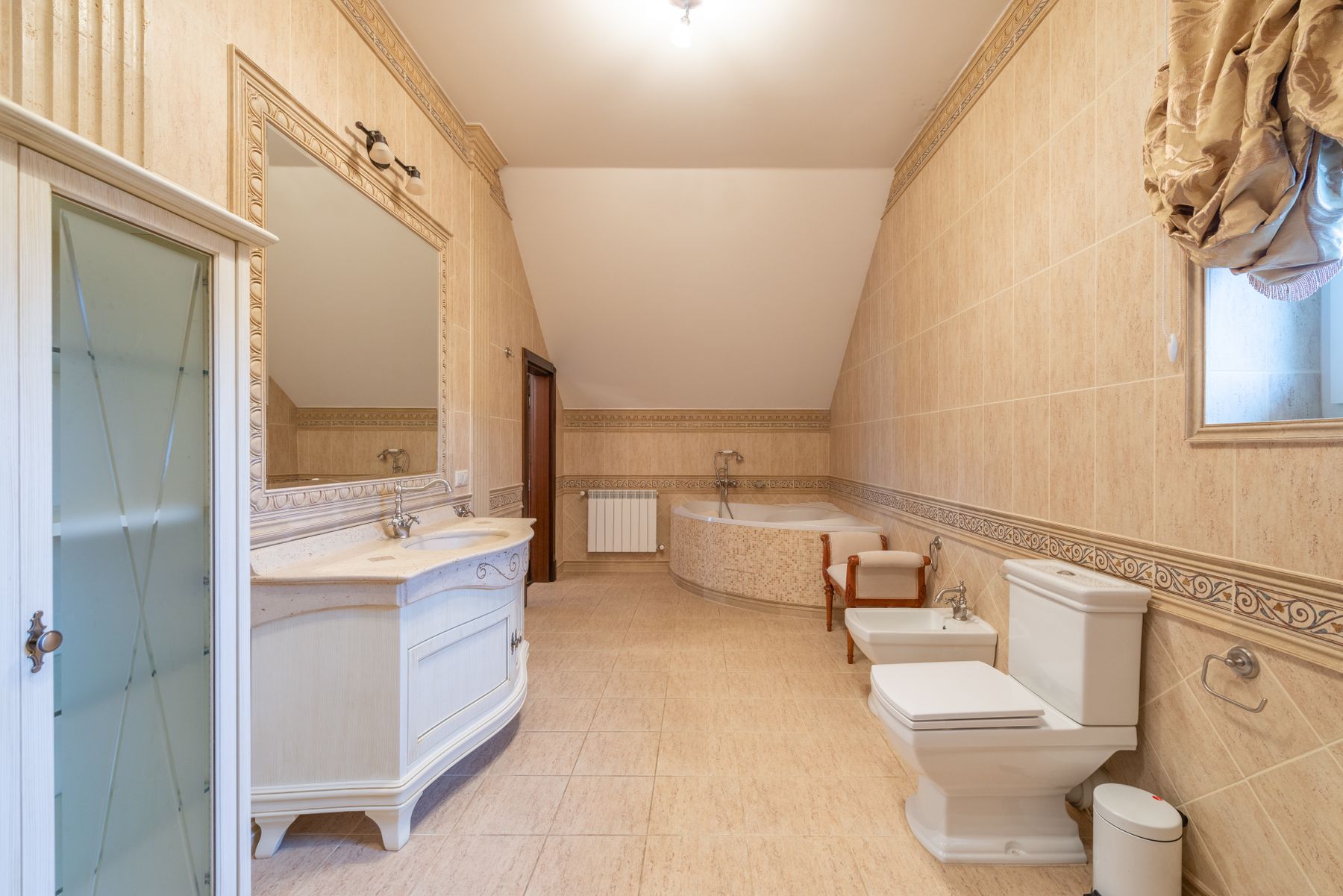
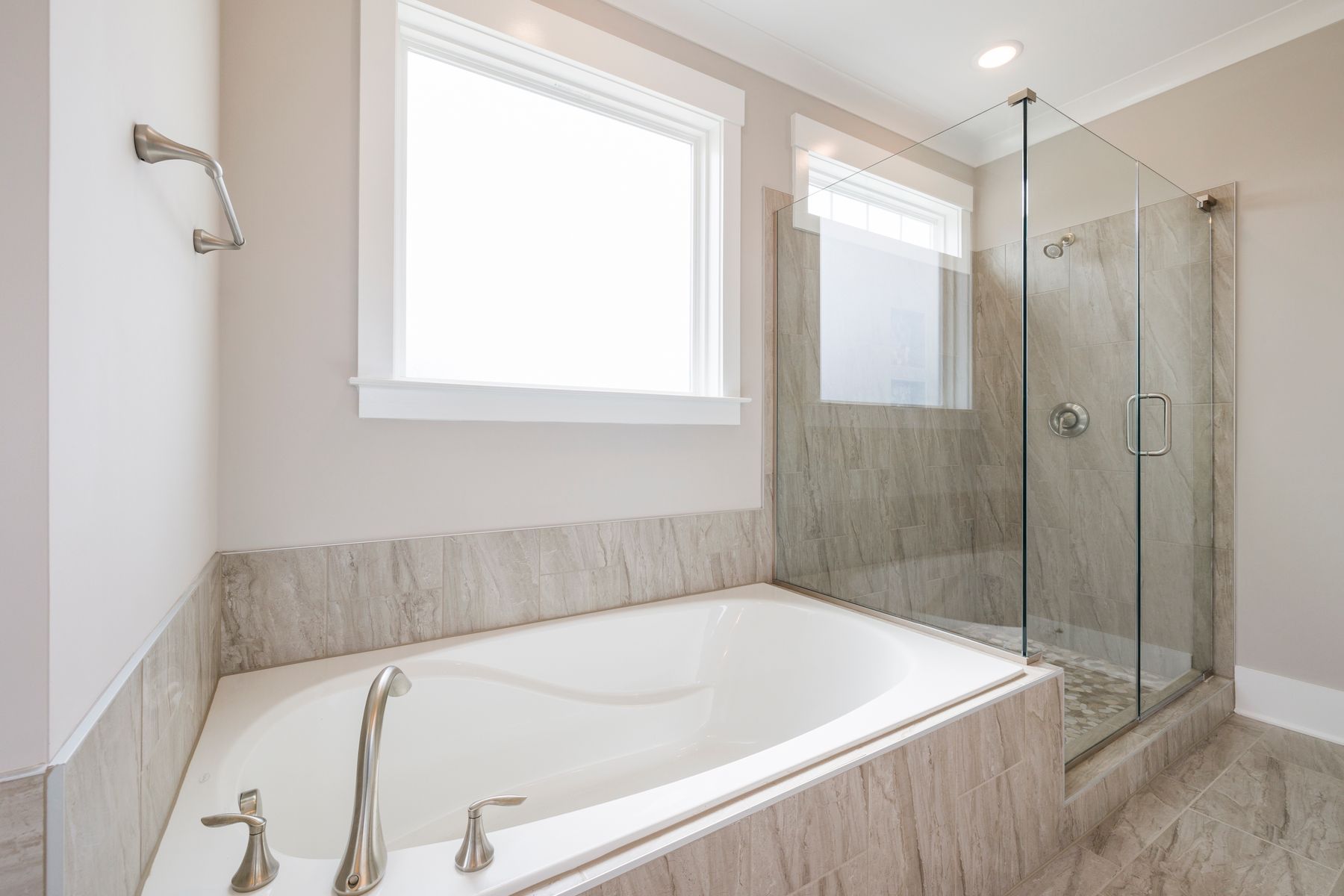
A freestanding bath can be a strong focal point, but only when access and cleaning space around it are realistic. The same principle applies to a generous shower. Avoid forcing both features into a room simply because they are associated with high-end bathrooms. One beautifully proportioned bathing zone usually feels more luxurious than two compromised ones.
Keep the Basin Zone Precise
Small alignments become visible in a highly finished room. Basin position, wall-mounted tap height, mirror edges, backsplash joints and towel placement should look intentional from the front elevation. Precision does not require symmetry everywhere, but the relationships should feel designed rather than accidental.
Build a Layered Lighting Plan
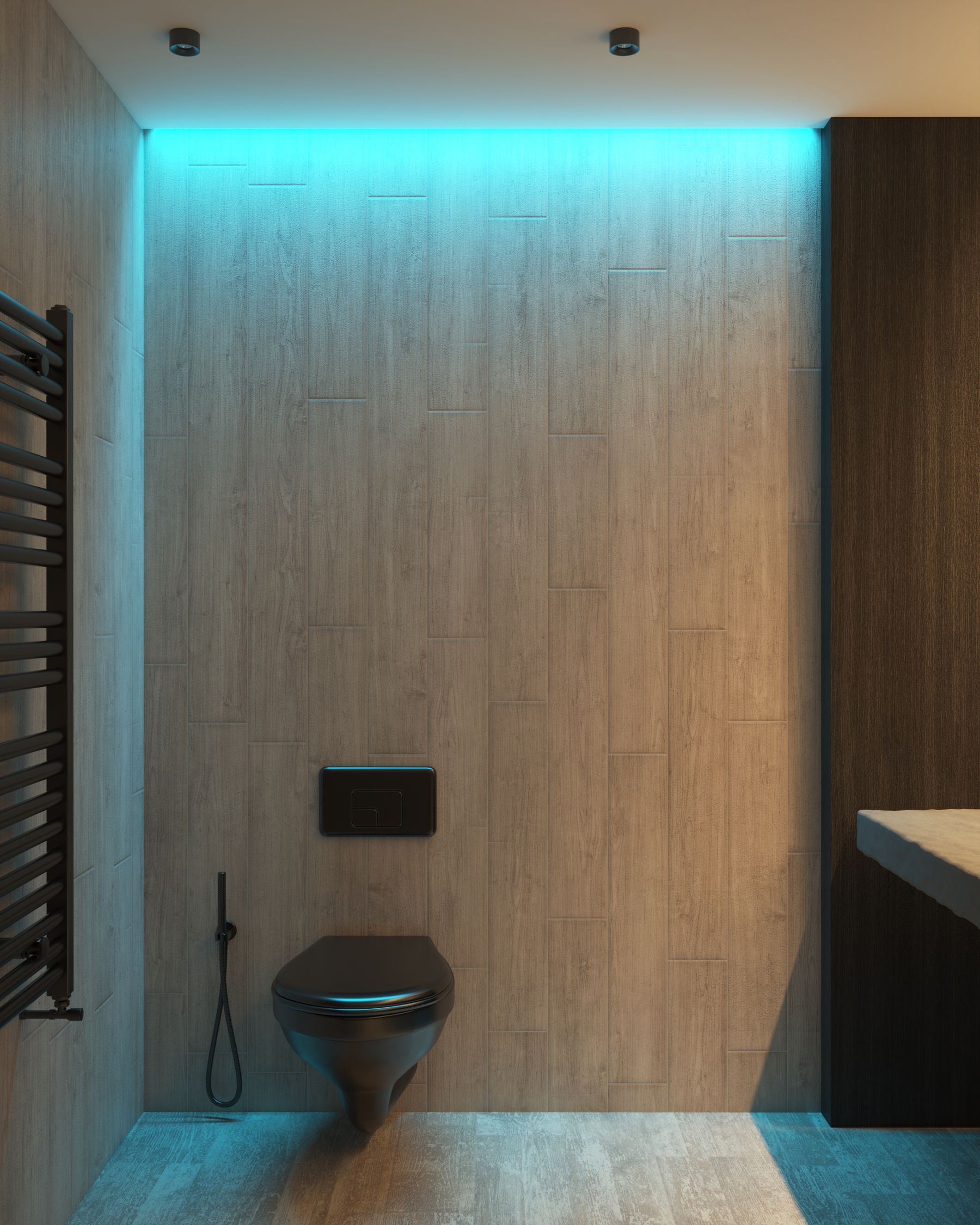
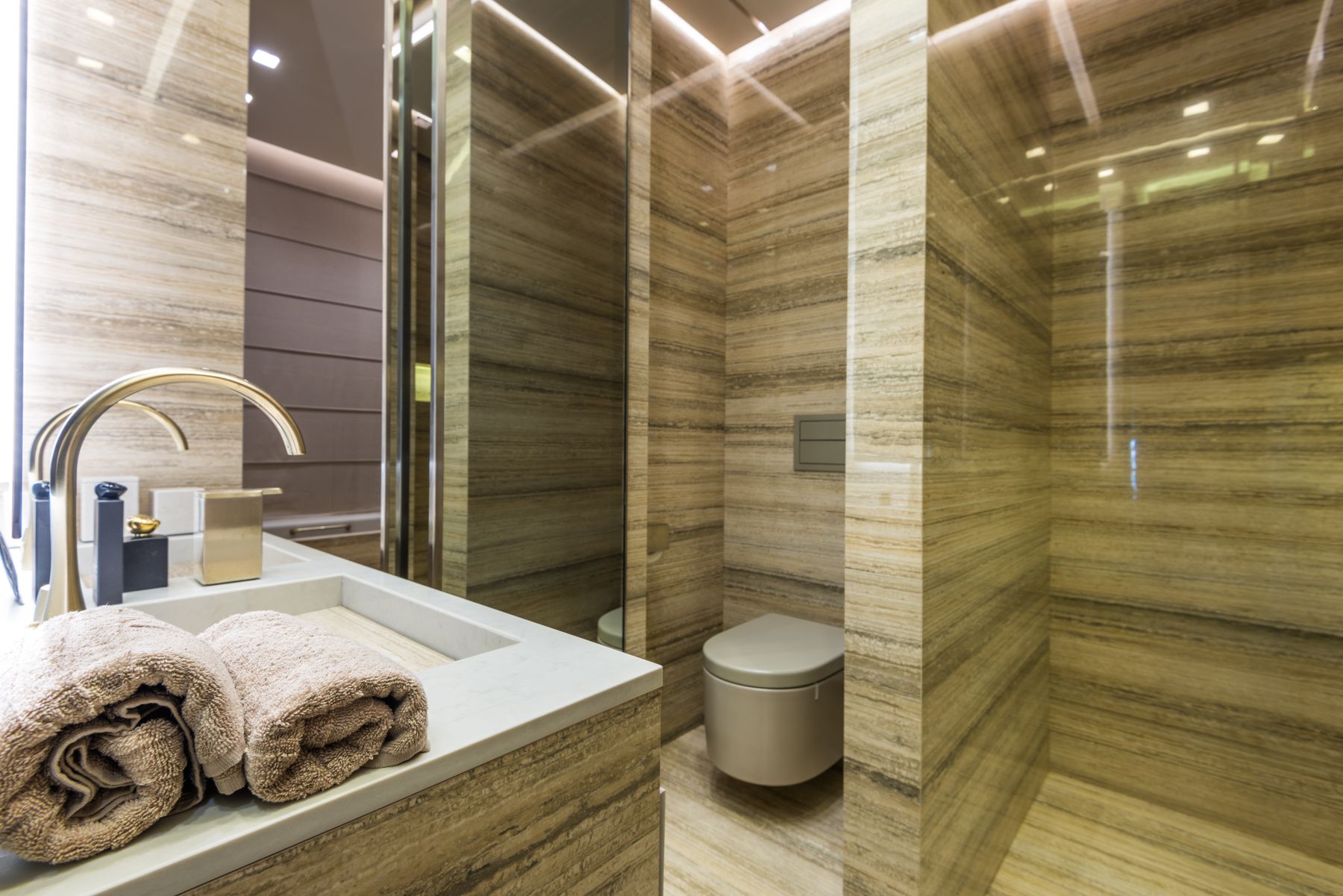
Luxury lighting is not one decorative fixture. General light, mirror-area task light and softer ambient light should each have a role. Concealed or decorative lighting can reveal stone and joinery after dark, but it should not create glare at the mirror or leave the shower poorly lit. Bathroom electrical work must follow local wet-area requirements and appropriate fixture ratings.
Use Warm Metal as a Fine Detail
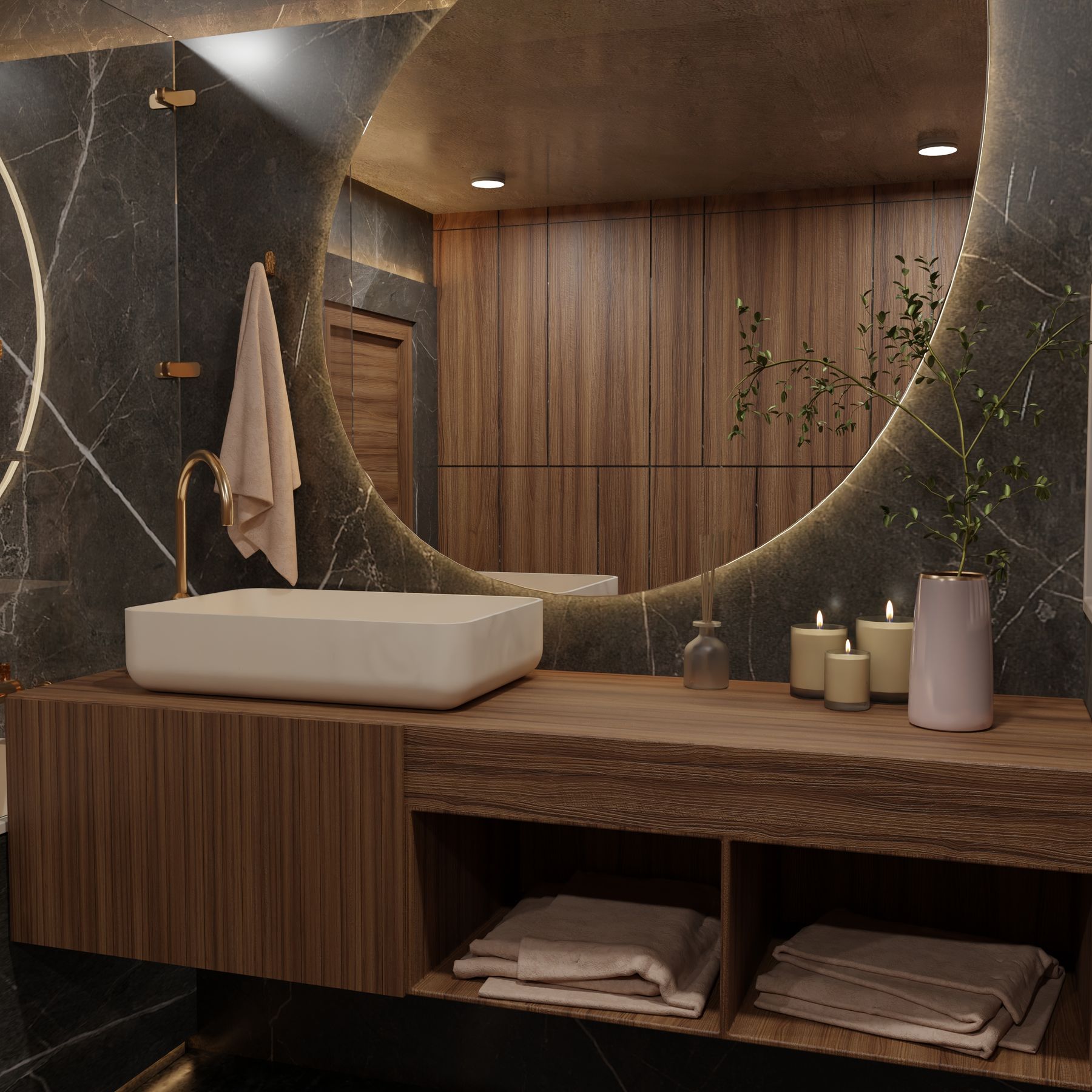
Brass and bronze can add warmth to stone and pale cabinetry, but they are most effective when treated as a fine connecting detail. Use a dominant finish on taps, mirror trim or lighting, then let necessary functional hardware remain practical where exact matching would be forced. The room should not look as though every metal surface was selected to make a statement.
Use Dark Stone Selectively
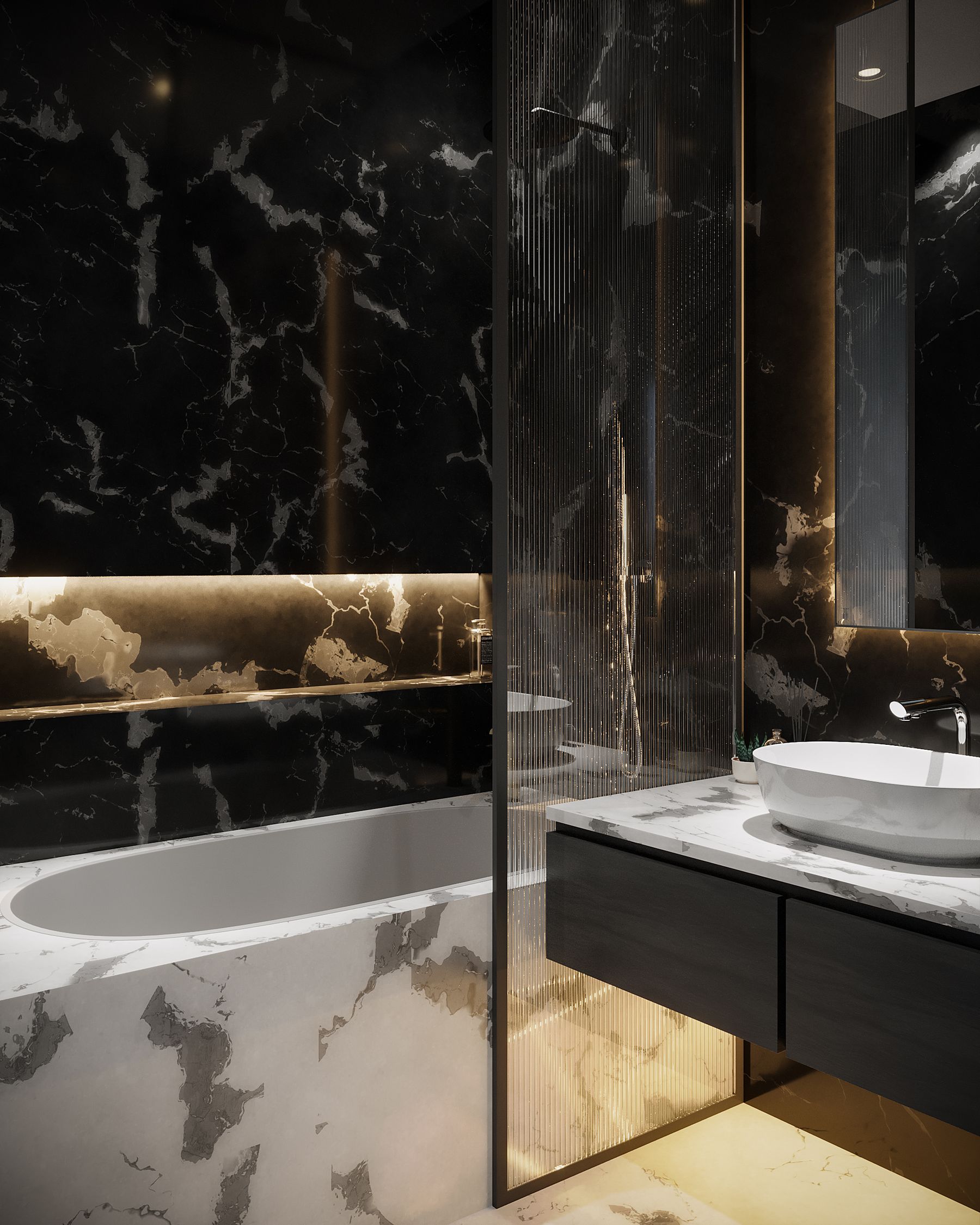
Dark marble and deep stone can create remarkable depth, but they absorb light and carry strong visual weight. Concentrate them on one wall, vanity or bathing zone when the rest of the room needs more brightness. Good lighting and sufficient contrast around controls and edges also make dark surfaces easier to use safely.
Give Decorative Tile One Clear Role
Patterned tile can belong in a luxury bathroom, but it needs a boundary. Use it on the floor, behind the bath or within one defined wall zone and let neighboring surfaces stay calmer. The effect feels more considered when the motif supports the architecture instead of continuing across every available plane.