Start With Privacy From Every Real Sightline
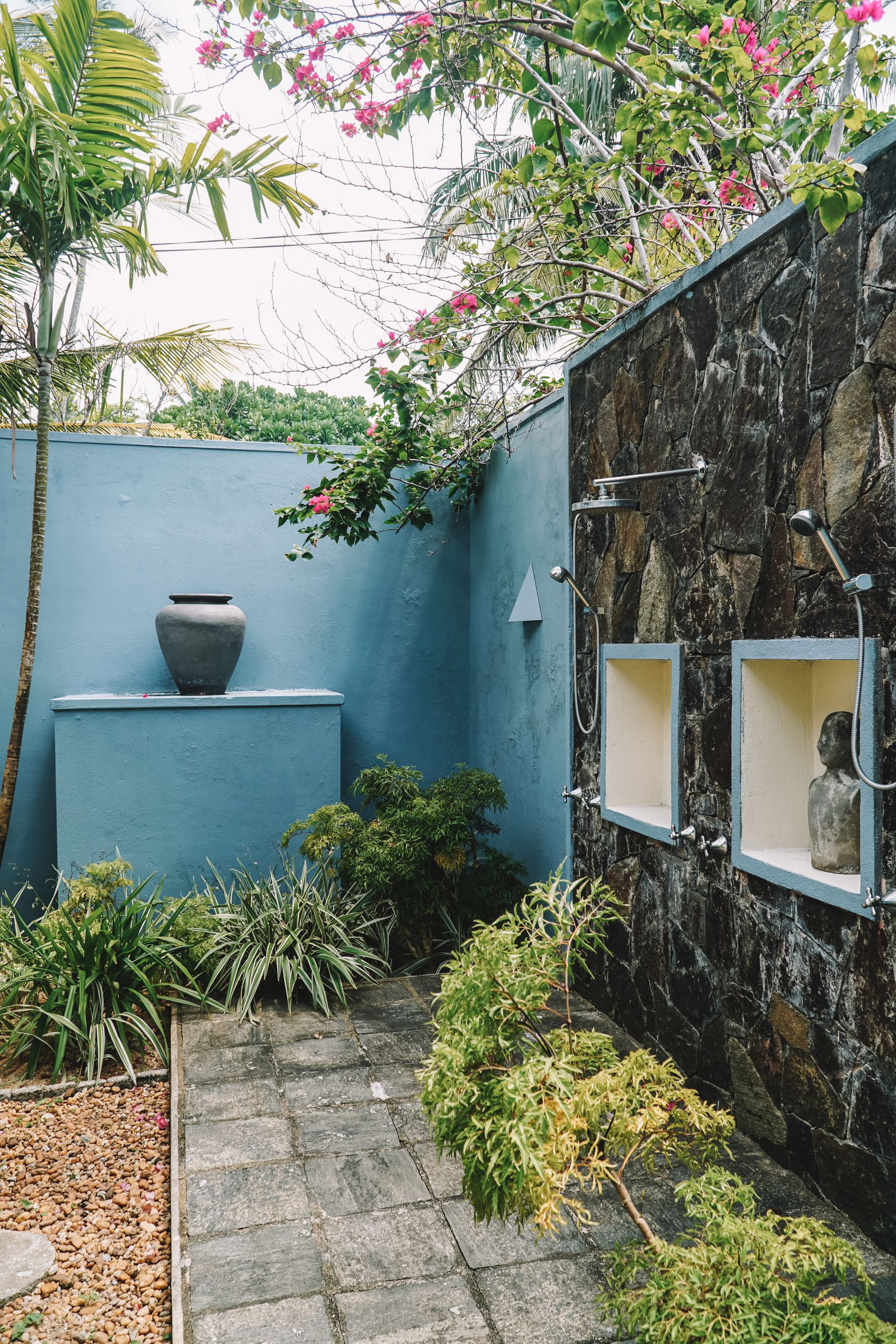
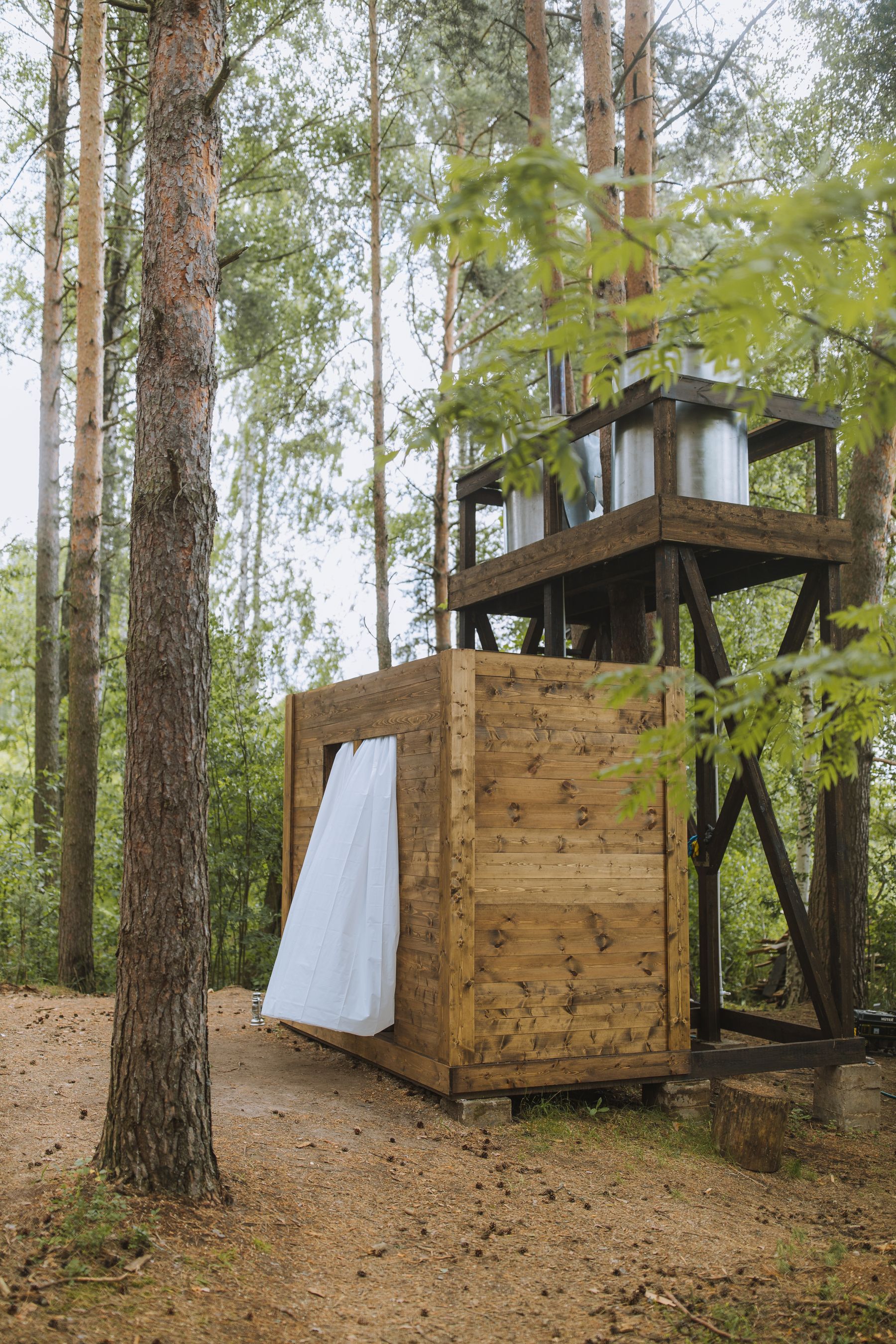
Outdoor privacy is not only about the nearest fence. Check views from neighboring windows, upper floors, paths and the approach from the house before fixing the shower or bath position. A timber enclosure, stone wall, planting or a combination of those elements can create enough screening without turning the area into a fully enclosed room.
Place the Bathroom Where Plumbing and Drainage Make Sense
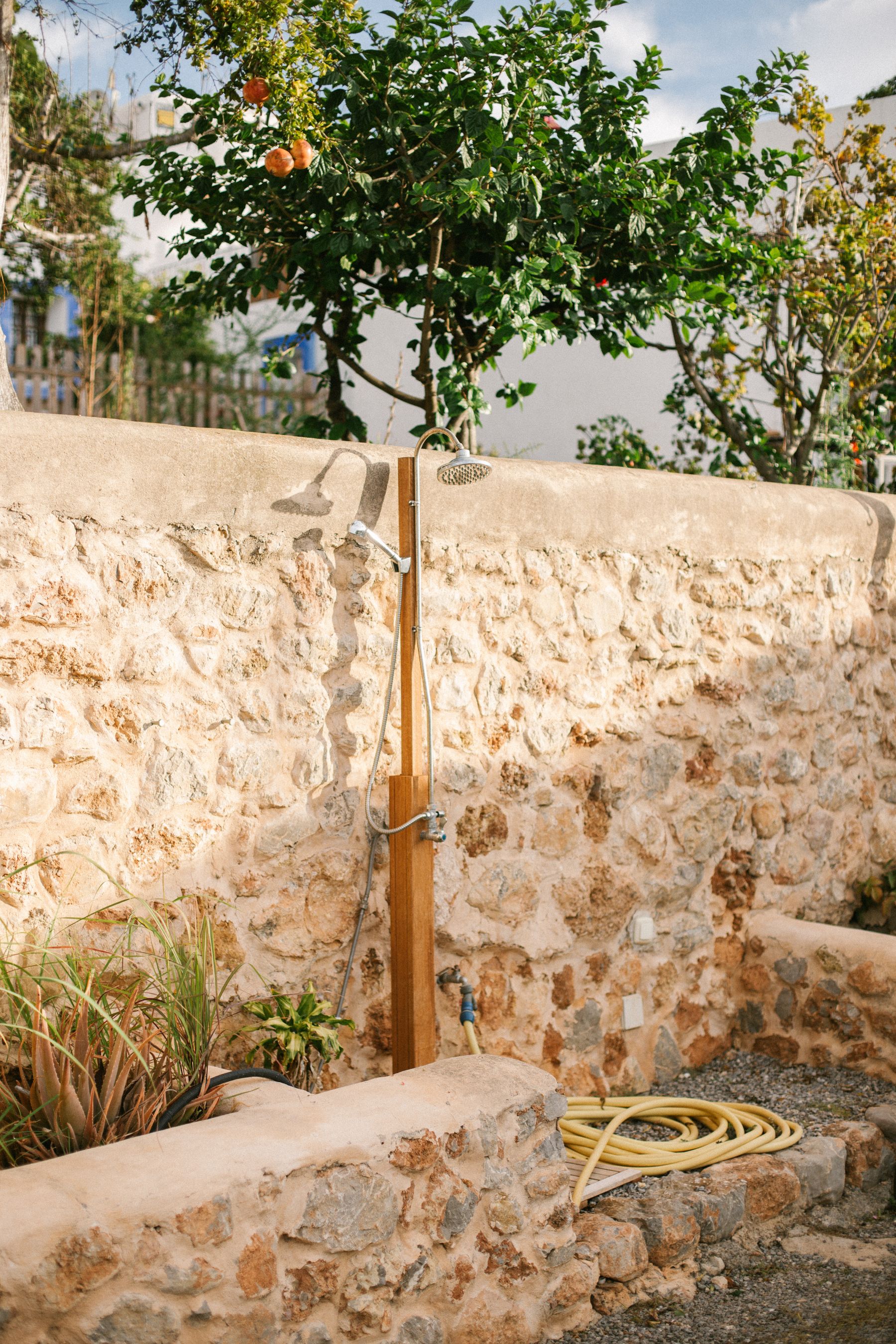
Locating an outdoor shower or bath near practical water and drain routes can make the project much simpler than placing it at the far end of the yard for visual effect alone. The exact drainage solution depends on local conditions, water use and regulations, so runoff should not simply be assumed to disappear into the landscape. A qualified plumber or contractor should resolve the system for the site.
Use a Shower as the Simplest Outdoor Starting Point
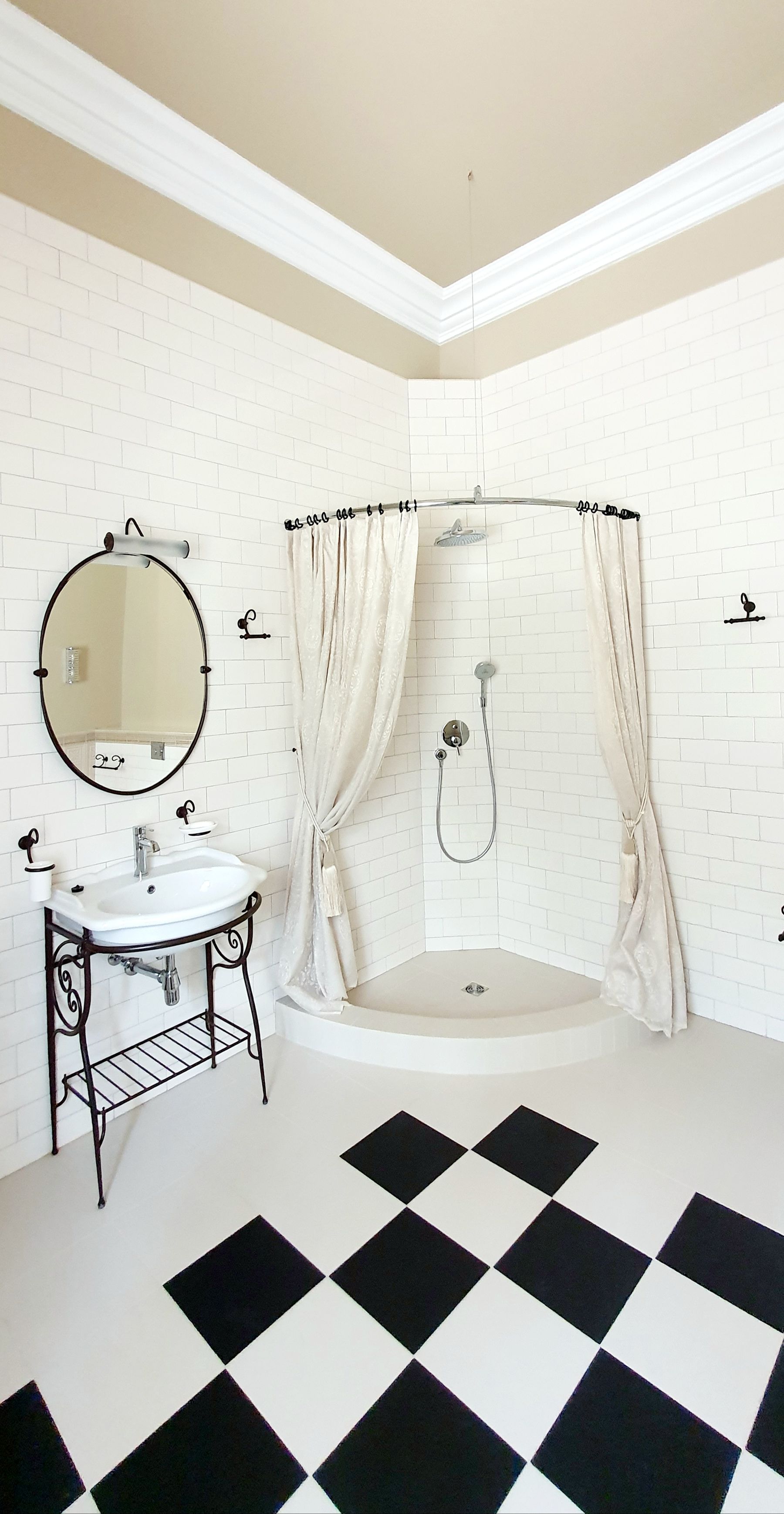
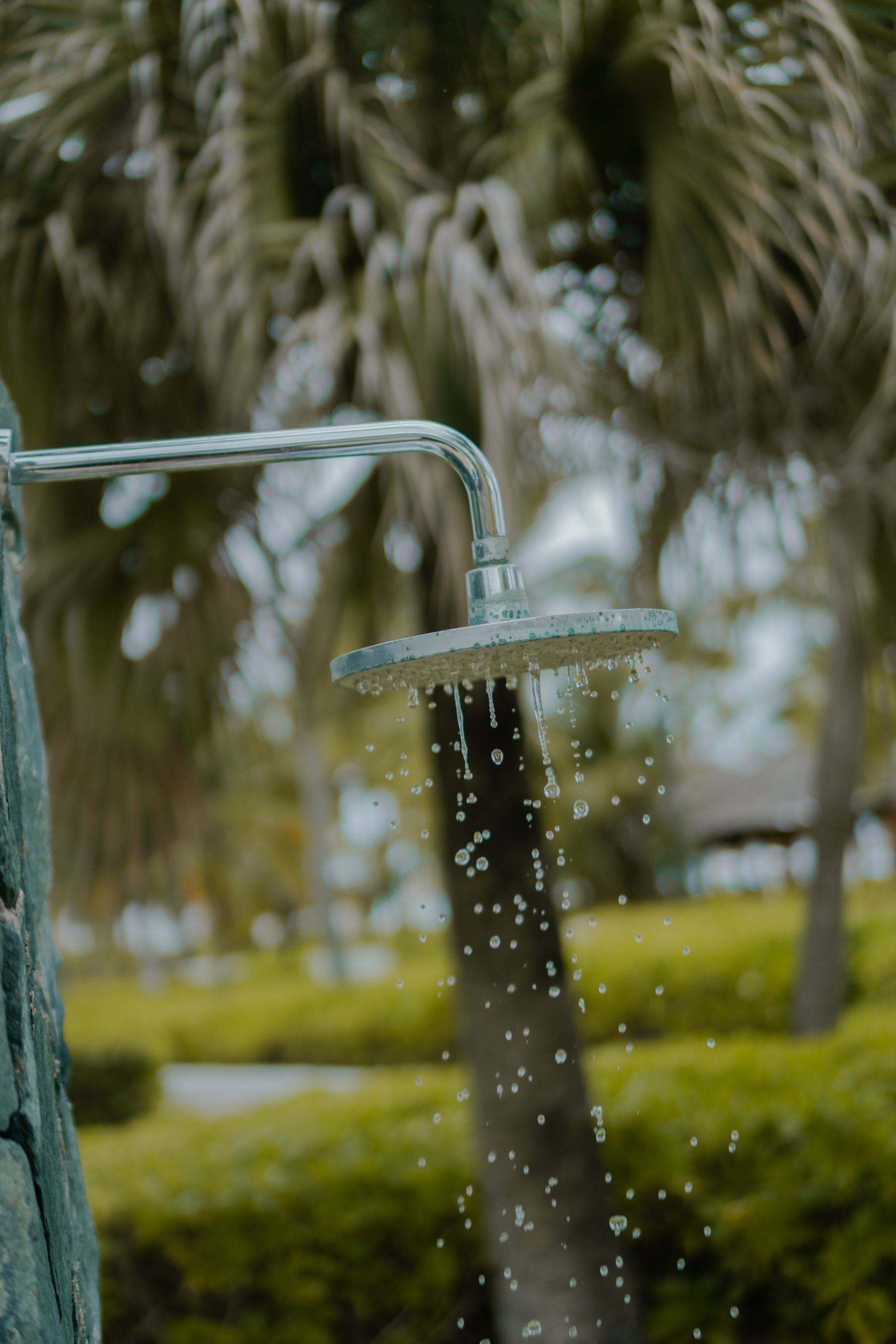
A shower often provides the most useful outdoor bathroom function for rinsing after swimming, gardening or beach trips. Keep the controls easy to reach, give the user a dry place for a towel and make sure spray is directed away from doors, furniture and vulnerable planting. Hot and cold water, if included, should be planned as part of the plumbing system rather than improvised later.
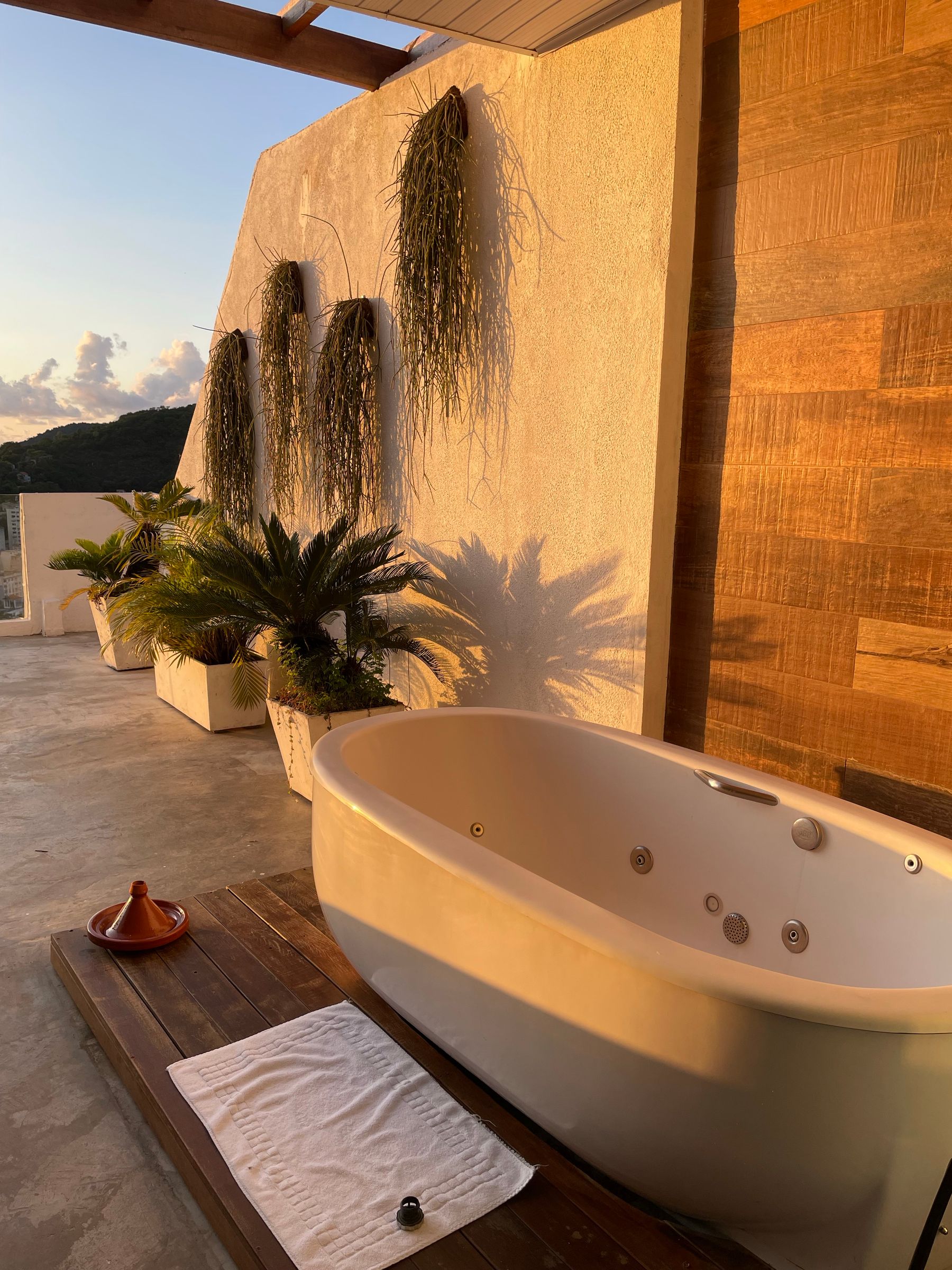
Use a Freestanding Tub Only Where It Has a Complete Support Zone
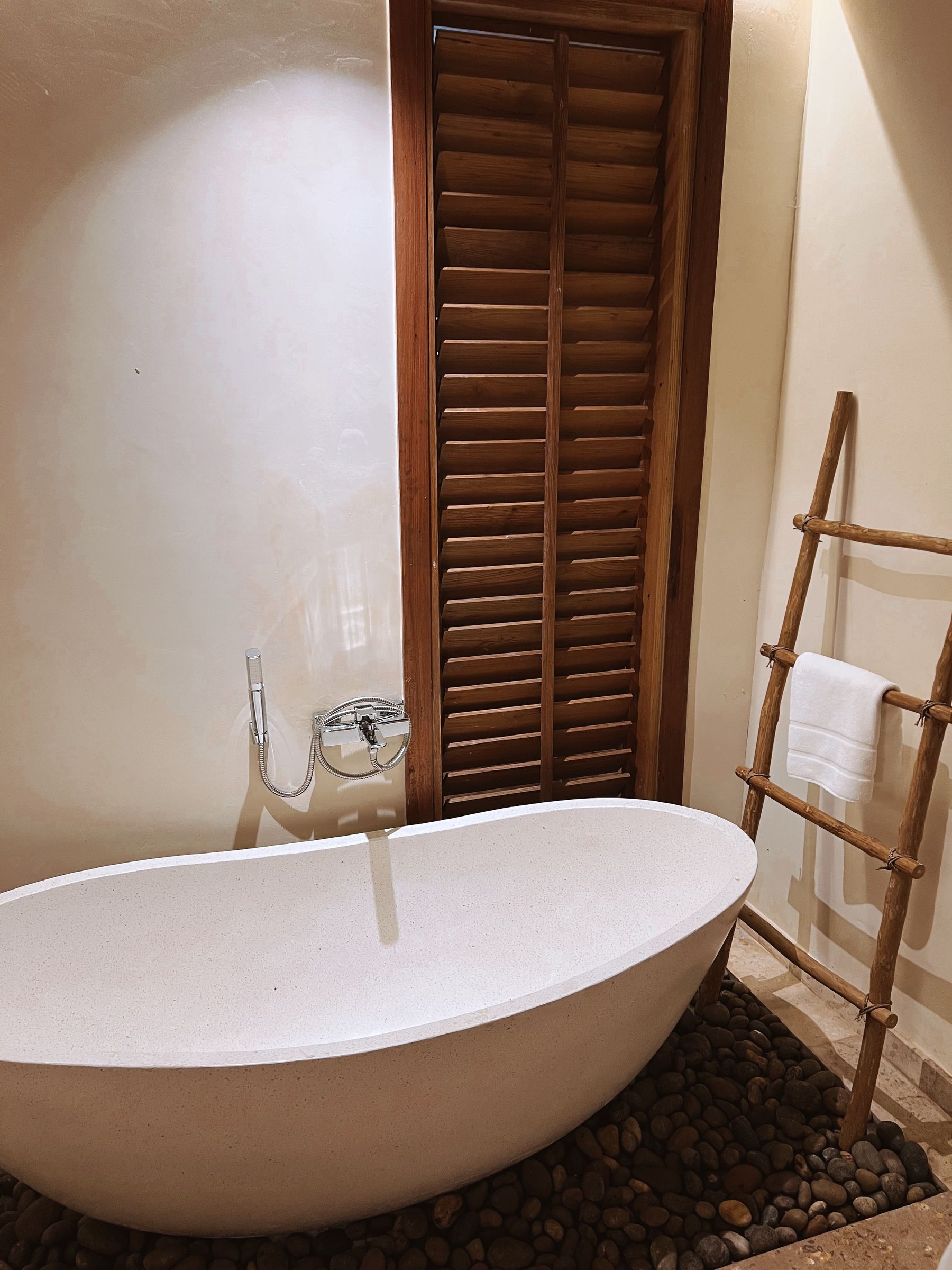
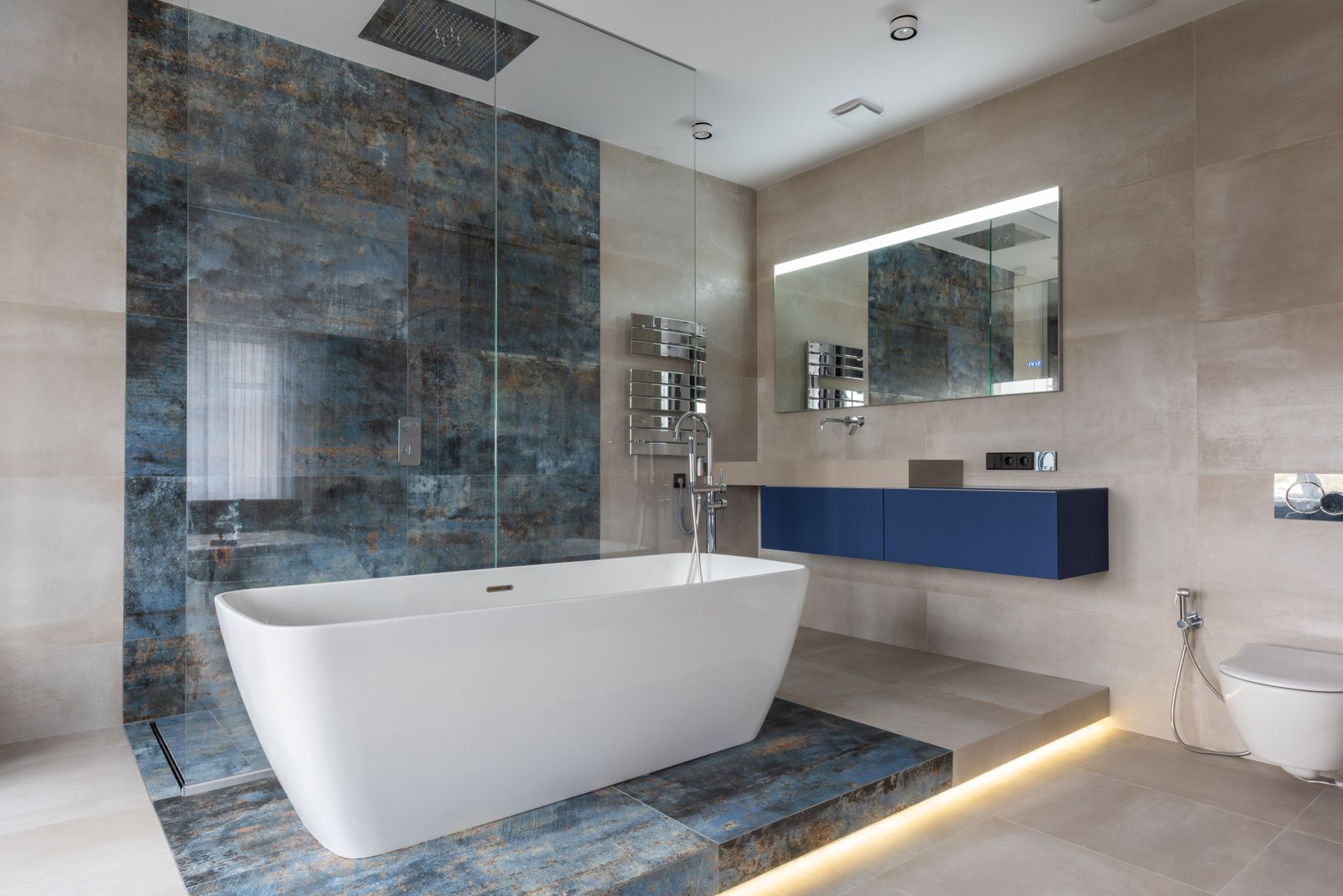
An outdoor bathtub can become a strong focal point, but it also needs filling, draining, cleaning and weather protection. Place it on a stable surface with a practical route to towels and storage, and make sure the surrounding floor can handle repeated water. In colder climates, the plumbing and fixture strategy also needs to account for freezing conditions.
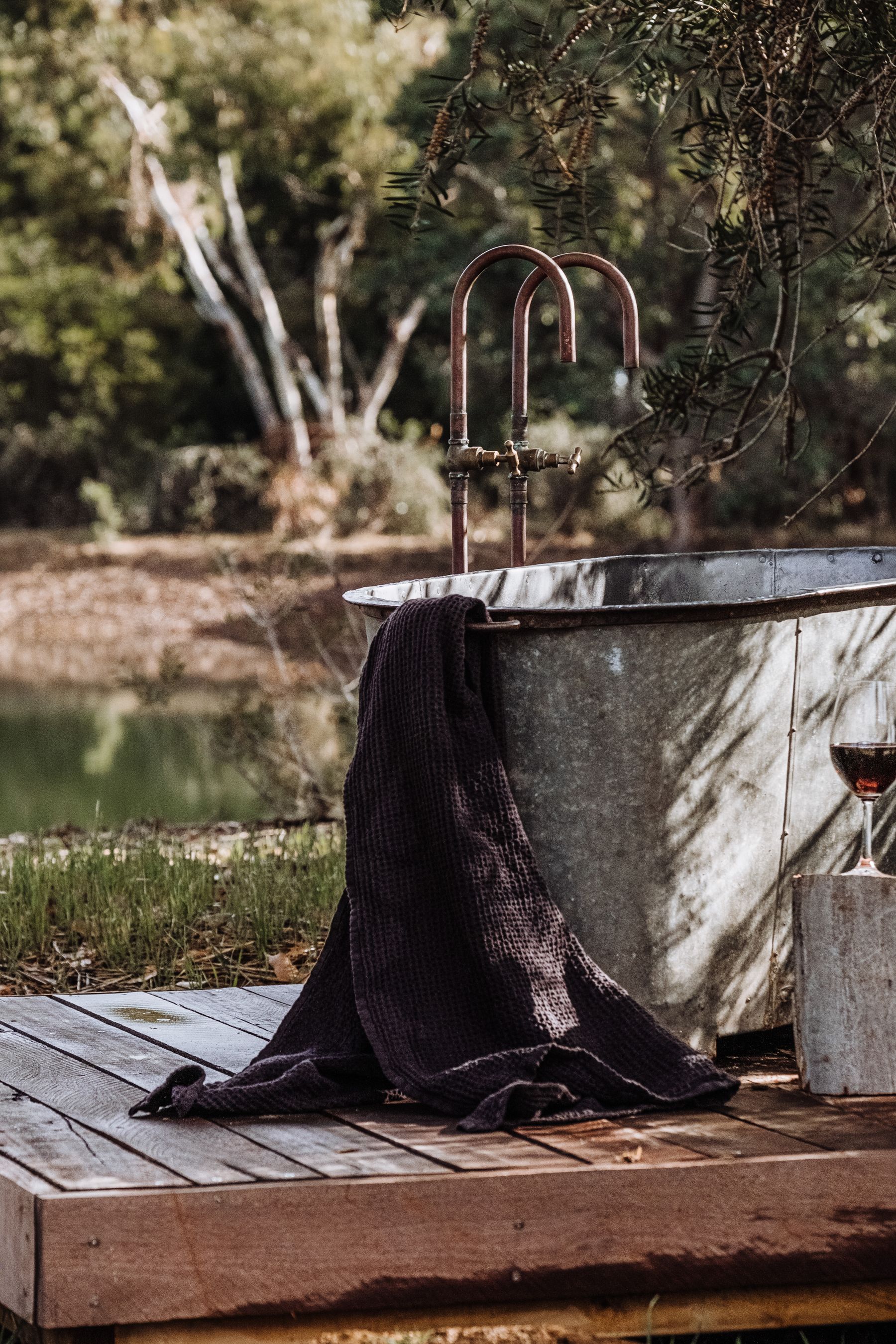
Choose Floors for Water, Weather and Bare Feet
Outdoor bathroom flooring has to manage wet feet as well as sun, rain and seasonal debris. Stone, exterior-rated tile, textured concrete or suitable timber can all work when the exact material, finish and installation suit the climate. Prioritize drainage and slip performance before choosing a surface only for its appearance.
Use Stone and Timber as Structure, Not Just Decoration
Natural materials help an outdoor bathroom feel connected to the garden, but they still need suitable detailing and maintenance. Stone can create durable walls and floors, while timber can provide screens, decking or towel storage when the species, finish and construction suit exterior exposure. Keep material transitions simple so water does not collect in unnecessary joints.
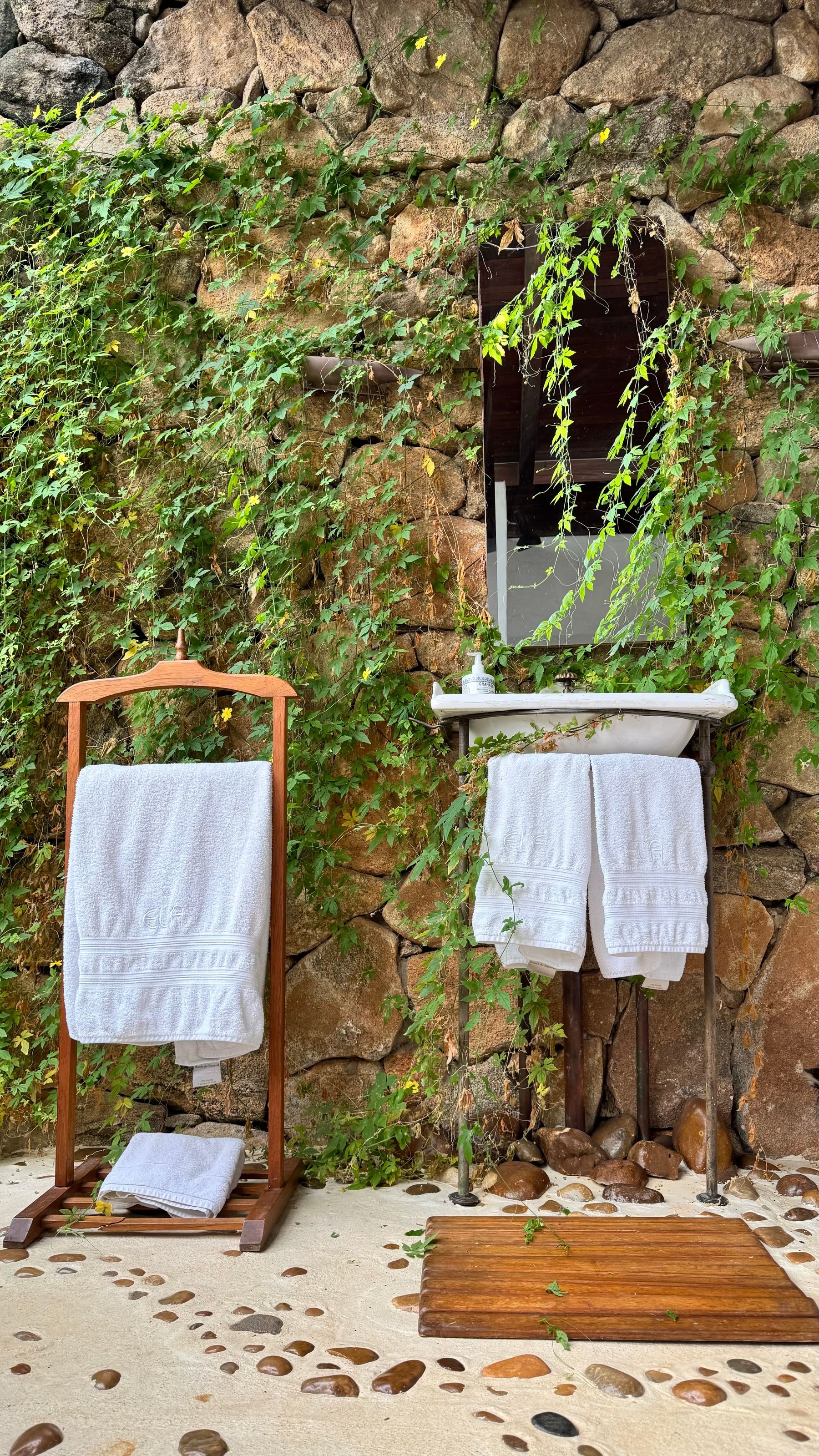
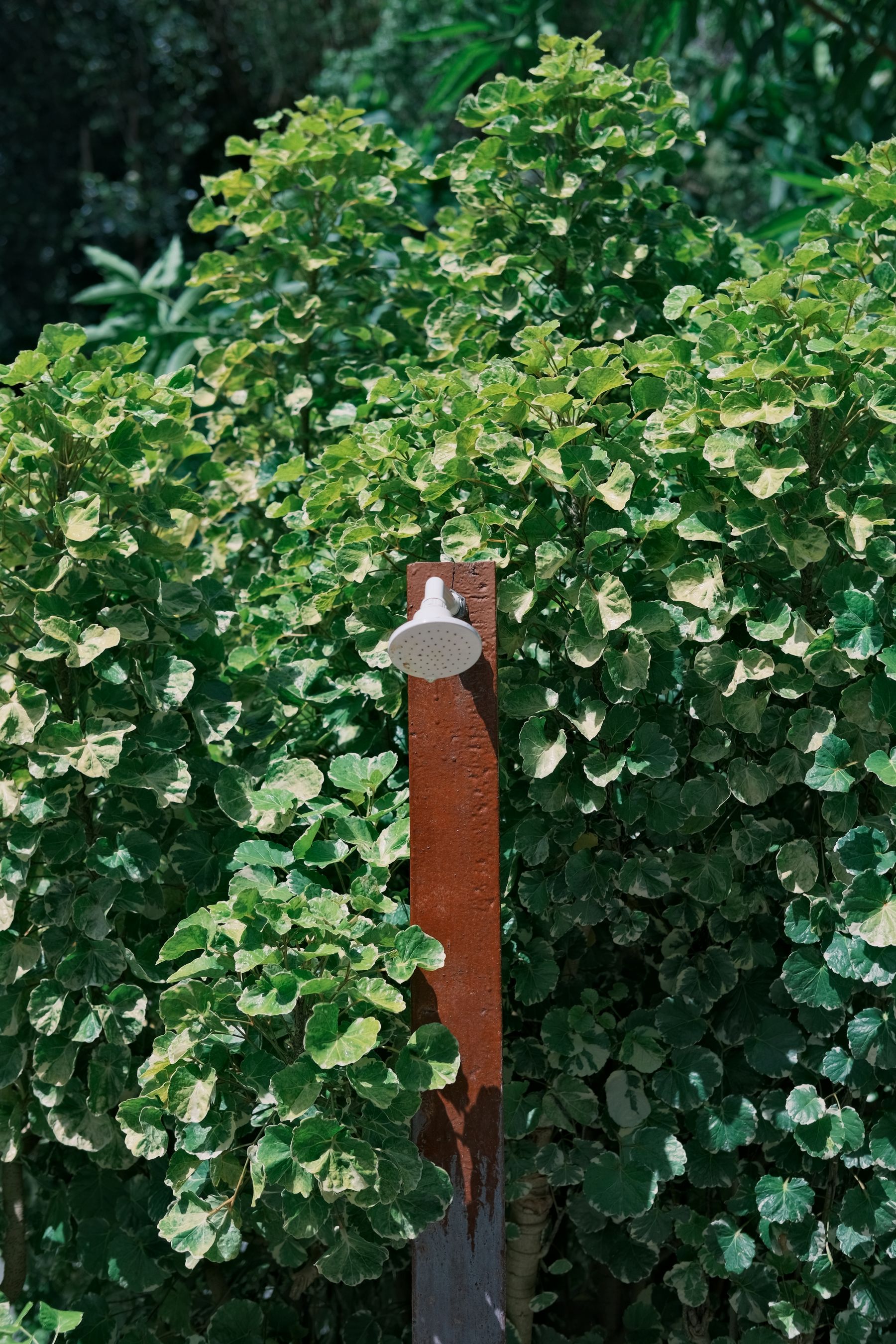
Let Planting Add Privacy Without Blocking Airflow
Dense planting can soften walls and screen views, but leaves should not block drainage, trap moisture against vulnerable surfaces or make maintenance difficult. Use planting to supplement a reliable privacy structure rather than depending on foliage that may thin out seasonally. Choose species suitable for the local climate and the light available.
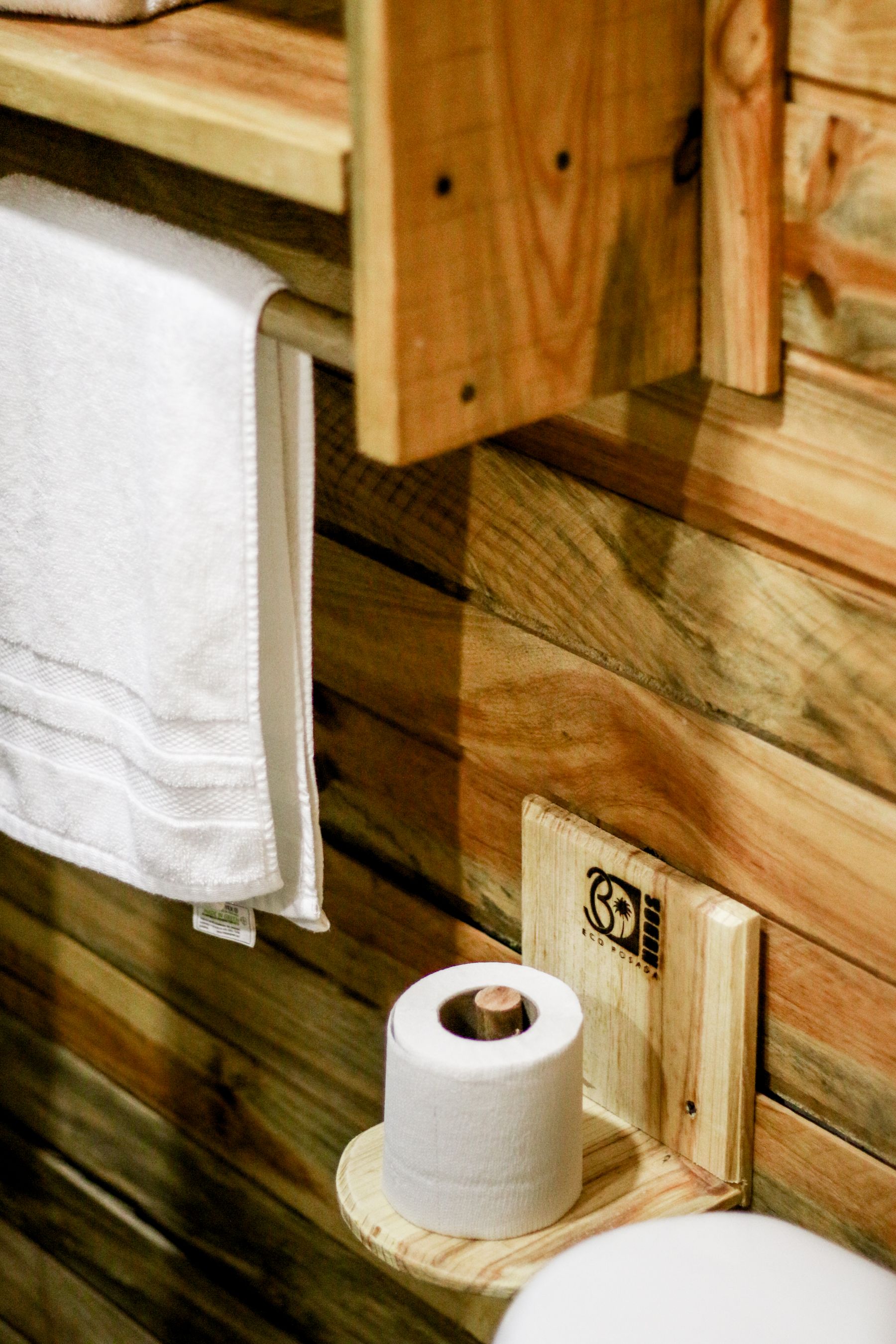
Keep Towels and Everyday Items in a Dry Zone
Even a simple outdoor shower needs a place for towels, robes, soap and a phone or key that stays outside the direct spray path. A covered shelf, weather-suitable cabinet or hook zone can be enough. Keep storage concentrated so the bathing area does not turn into a collection of small outdoor containers.
Use Lighting for the Route as Well as the Bathroom
Outdoor lighting should illuminate the shower or bath, the controls and the route back to the house without creating glare or destroying the atmosphere. Fixtures and electrical work need to be appropriate for exterior and wet-area exposure. A softer layer can work well around planting, but the floor and steps still need enough visibility for safe movement.
Plan for Weather, Winter and Maintenance From Day One
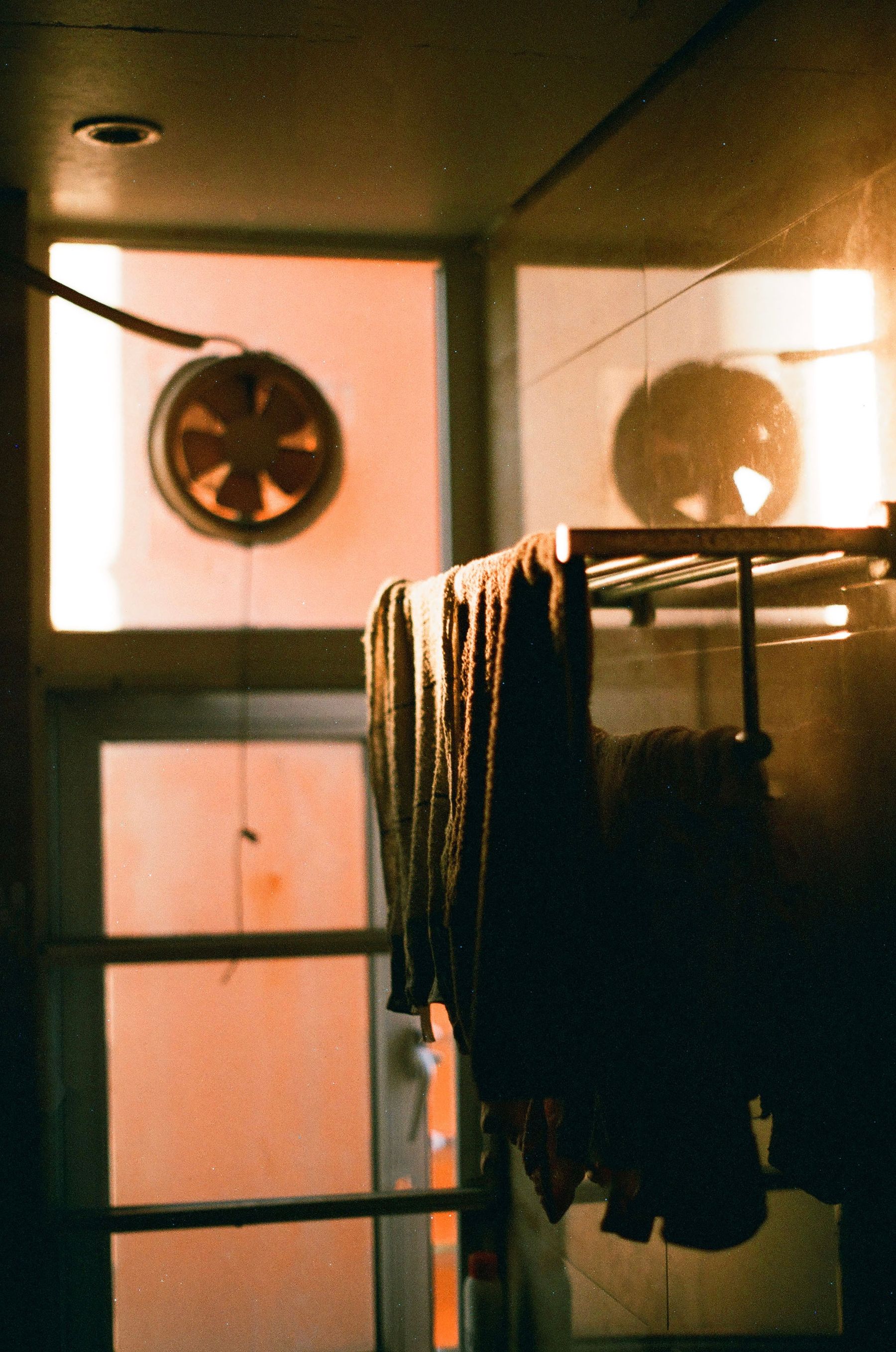
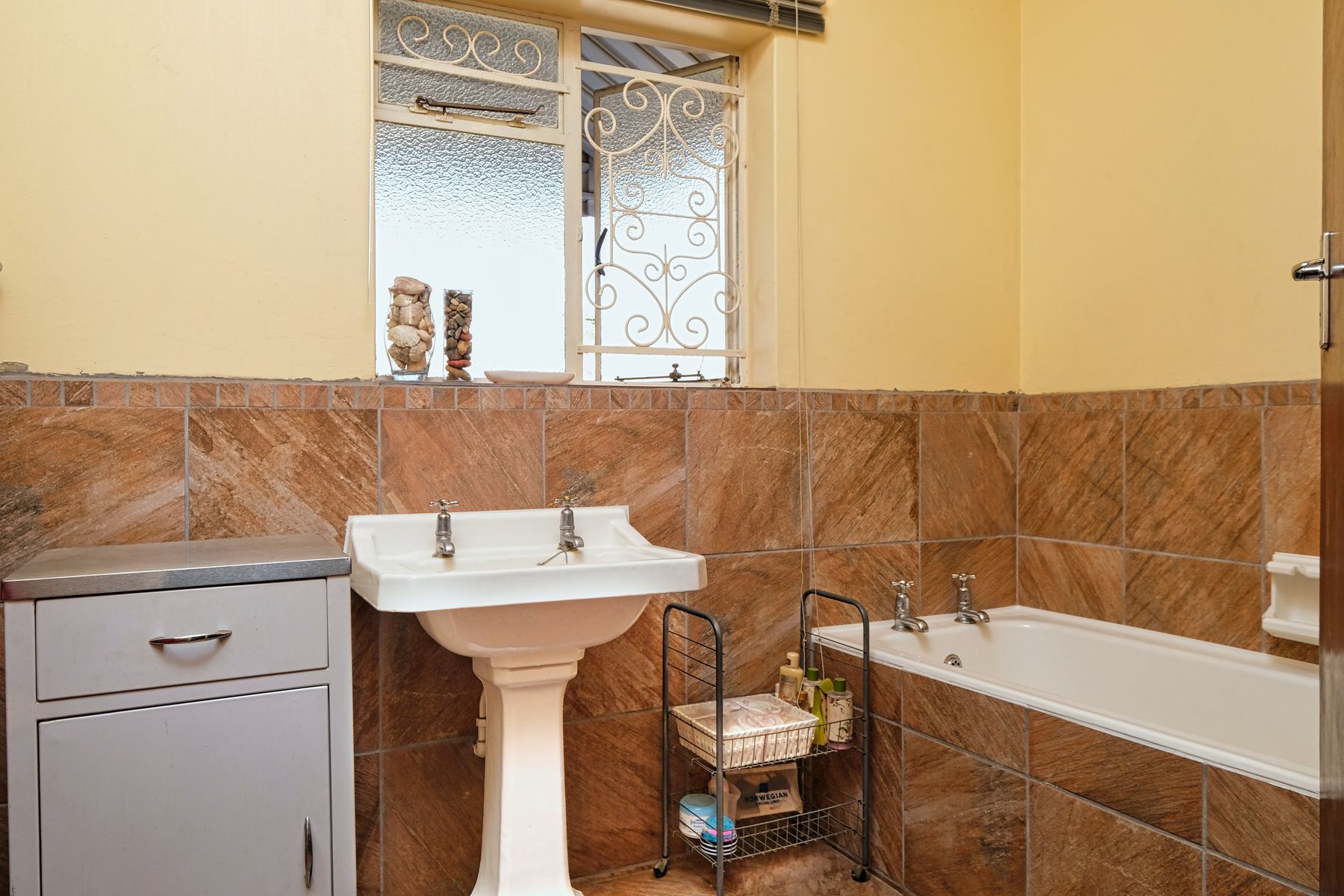
An outdoor bathroom is exposed to more than shower water. Sun, leaves, temperature swings, insects and freezing conditions can affect fittings, pipes, timber and sealants. In cold climates, the plumbing may need a seasonal shutoff or drain-down strategy designed by a qualified professional. Build maintenance access into the space so the shower, drain and surfaces can be inspected and cleaned without dismantling the whole enclosure.