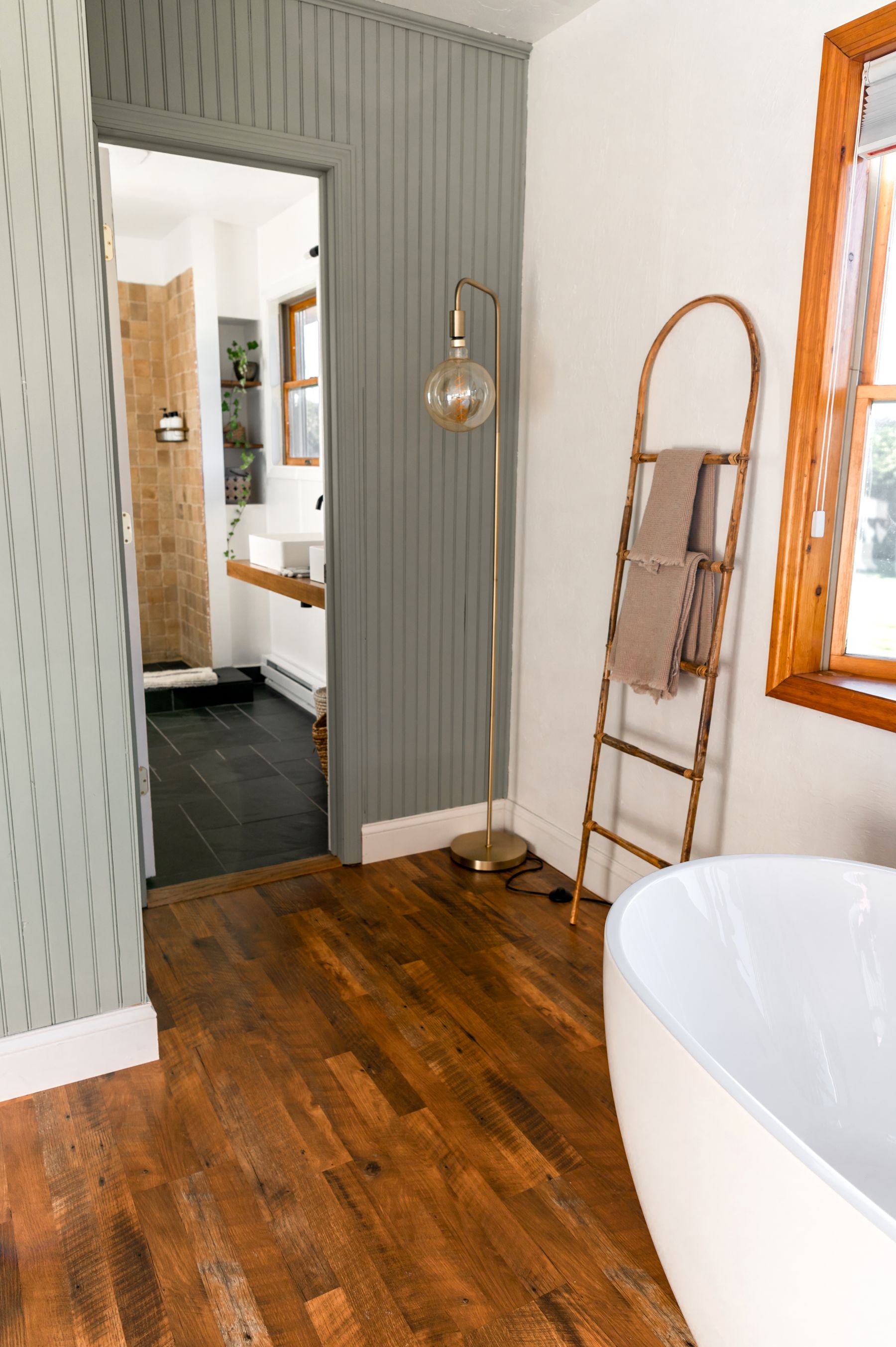
Start by Removing Visual Friction
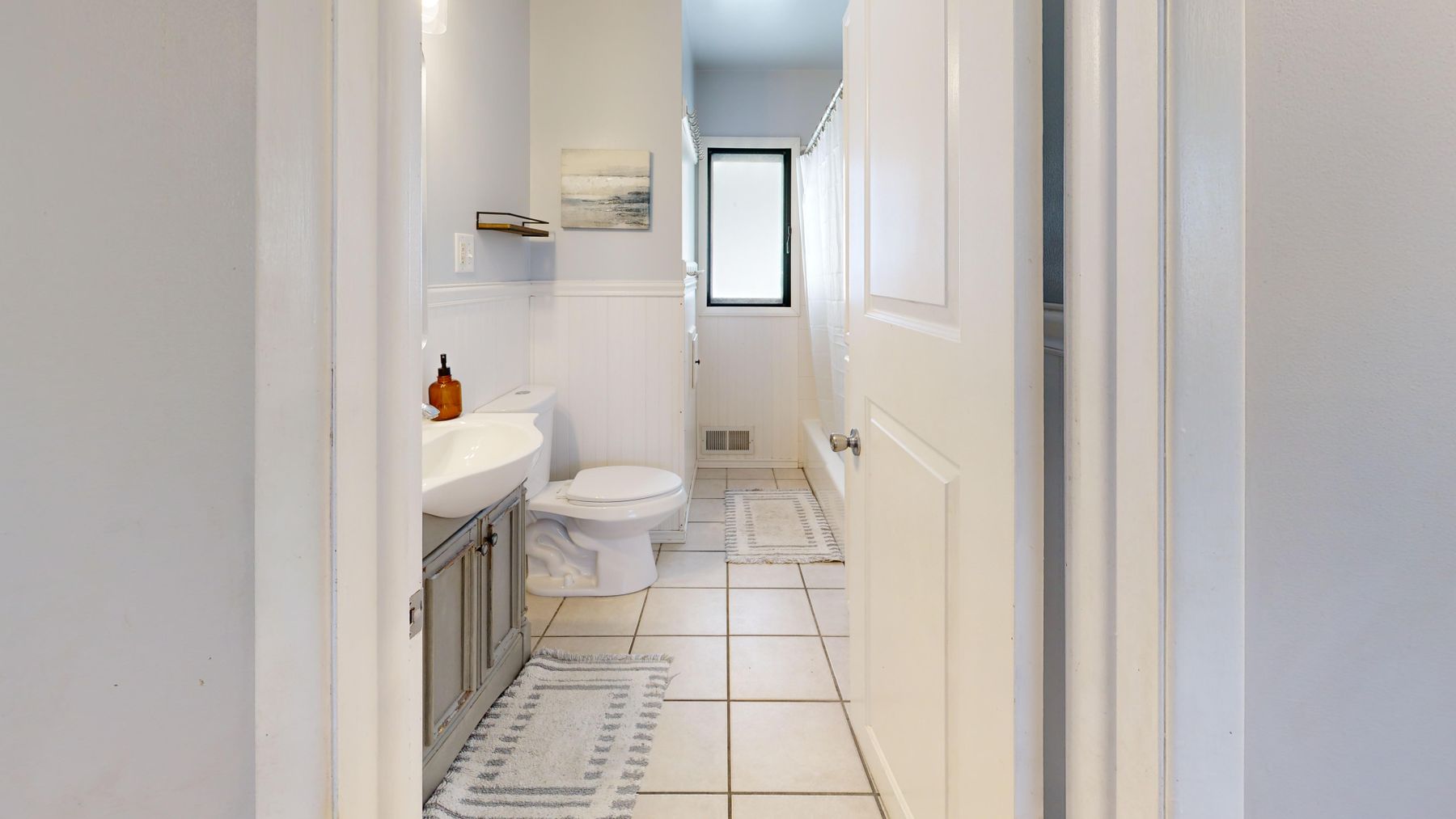
A bathroom feels calmer when daily products, cleaning supplies and backups have predictable homes. Clear the tub edge, reduce duplicate containers and keep only the few items needed for the current routine visible. This is not about making the bathroom look unused; it is about removing the small visual interruptions that make the room feel busy.
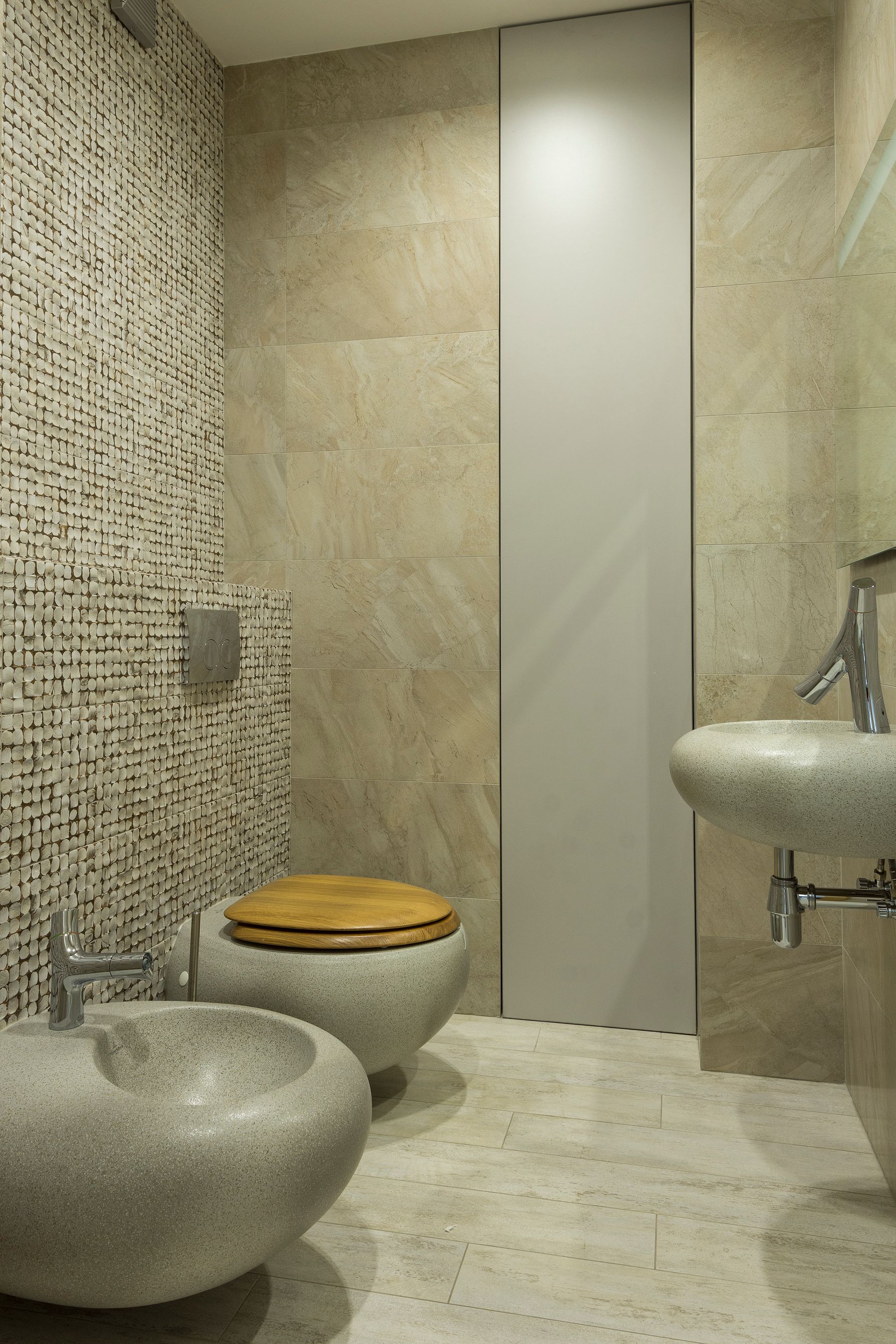
Build a Quiet Mineral Palette
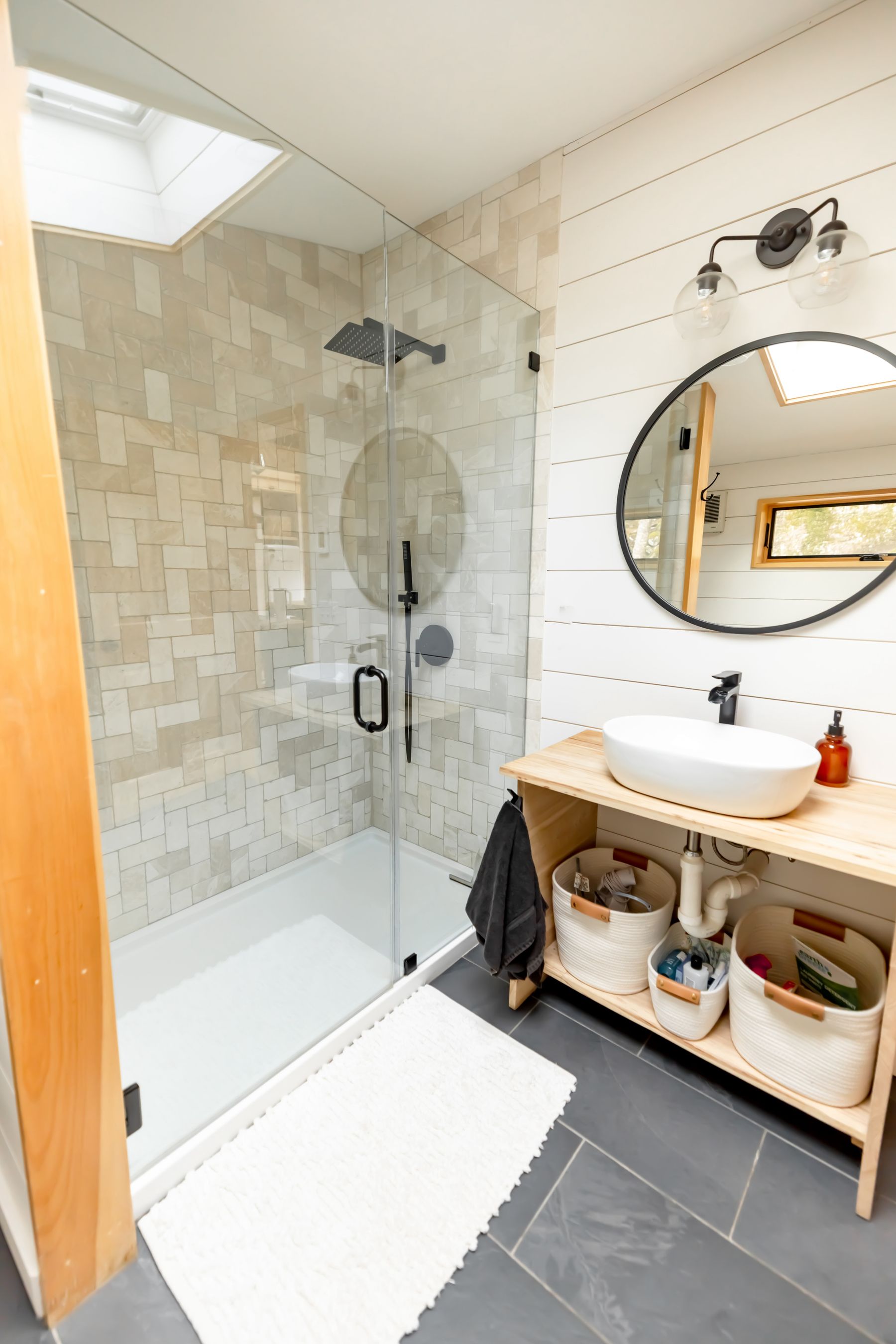
Soft stone, warm white, sand, taupe and muted grey can create a low-contrast base that lets light and texture do more of the work. Avoid making every surface the same beige. Slight differences in grain, sheen and tone keep the room dimensional while preserving the quieter spa direction.
Add Warmth With One Useful Timber Element
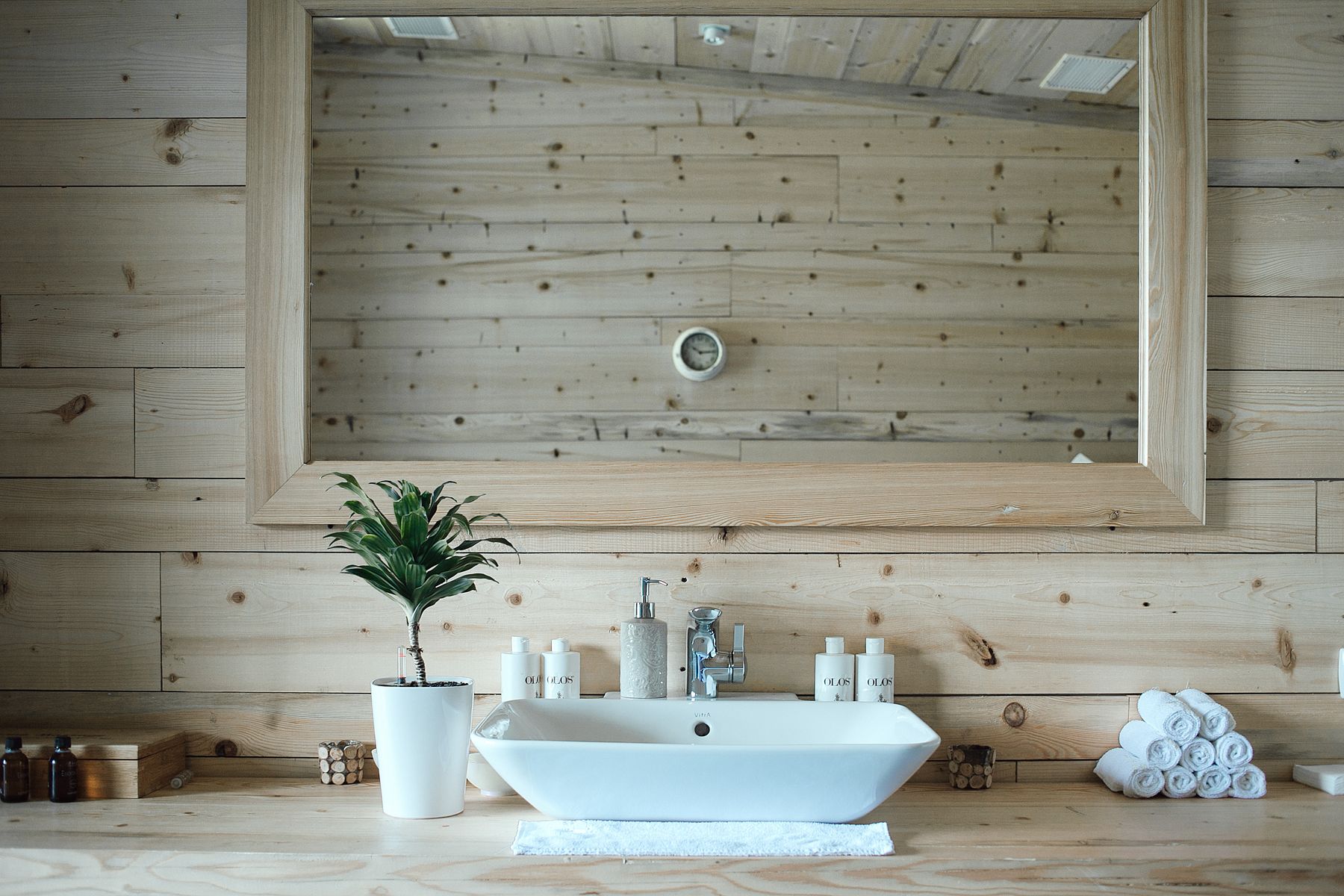
A timber vanity, cabinet or well-detailed bench can soften ceramic, stone and glass more effectively than several small wood accessories. Choose material and construction suitable for bathroom humidity and cleaning. The spa effect comes from material warmth at a useful scale, not from collecting bamboo props.
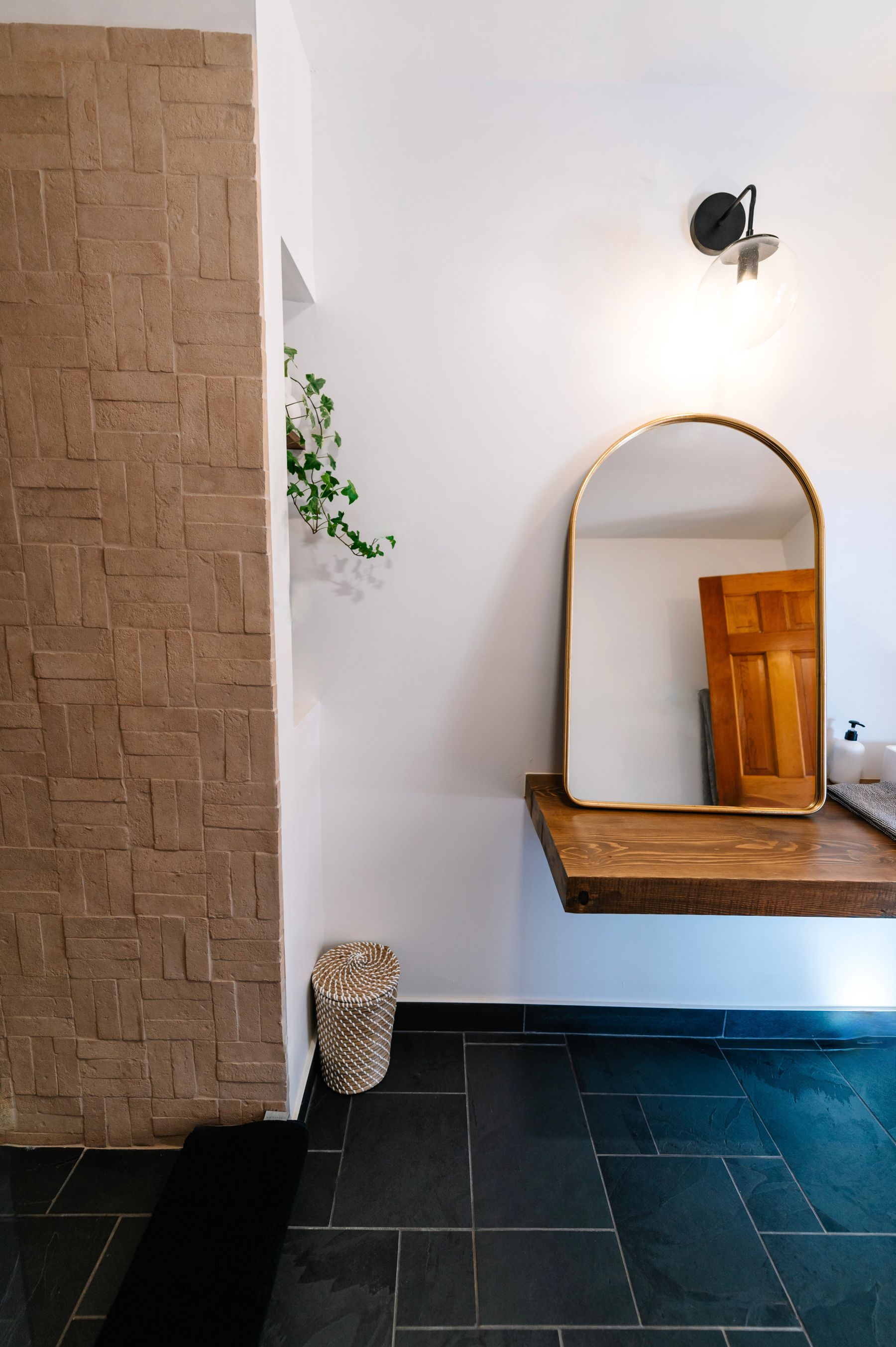
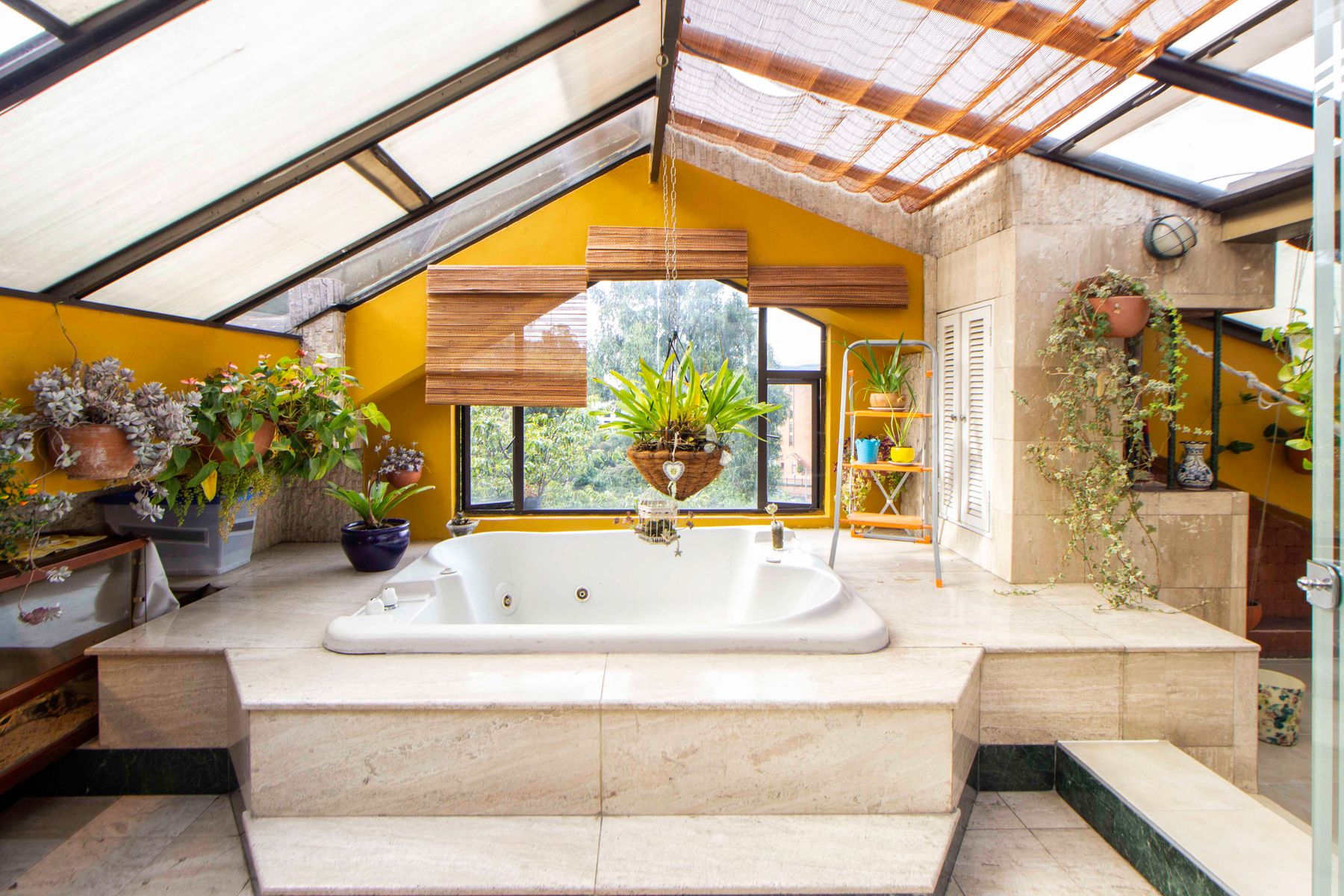
Make the Bathing Zone Comfortable to Enter and Leave
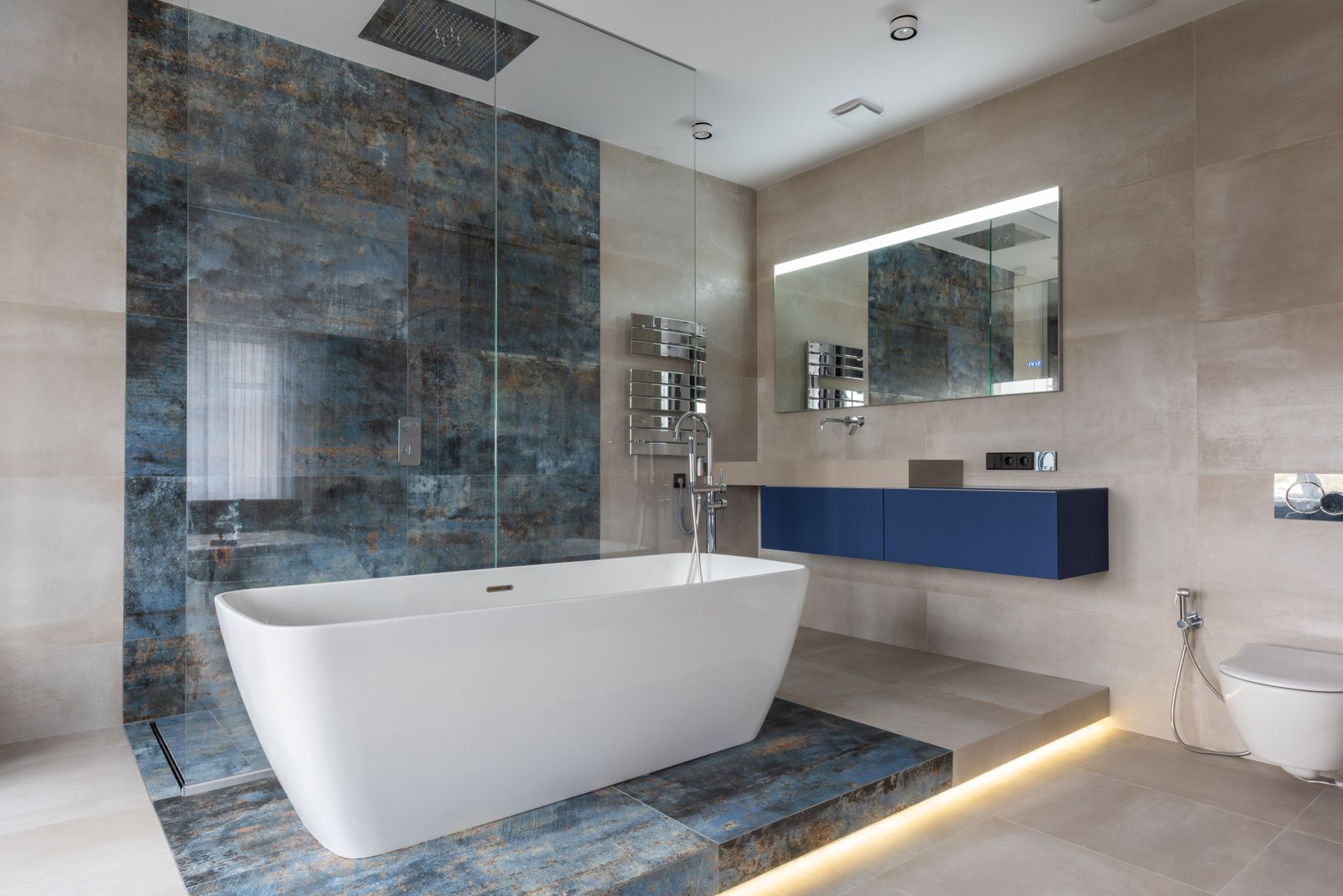
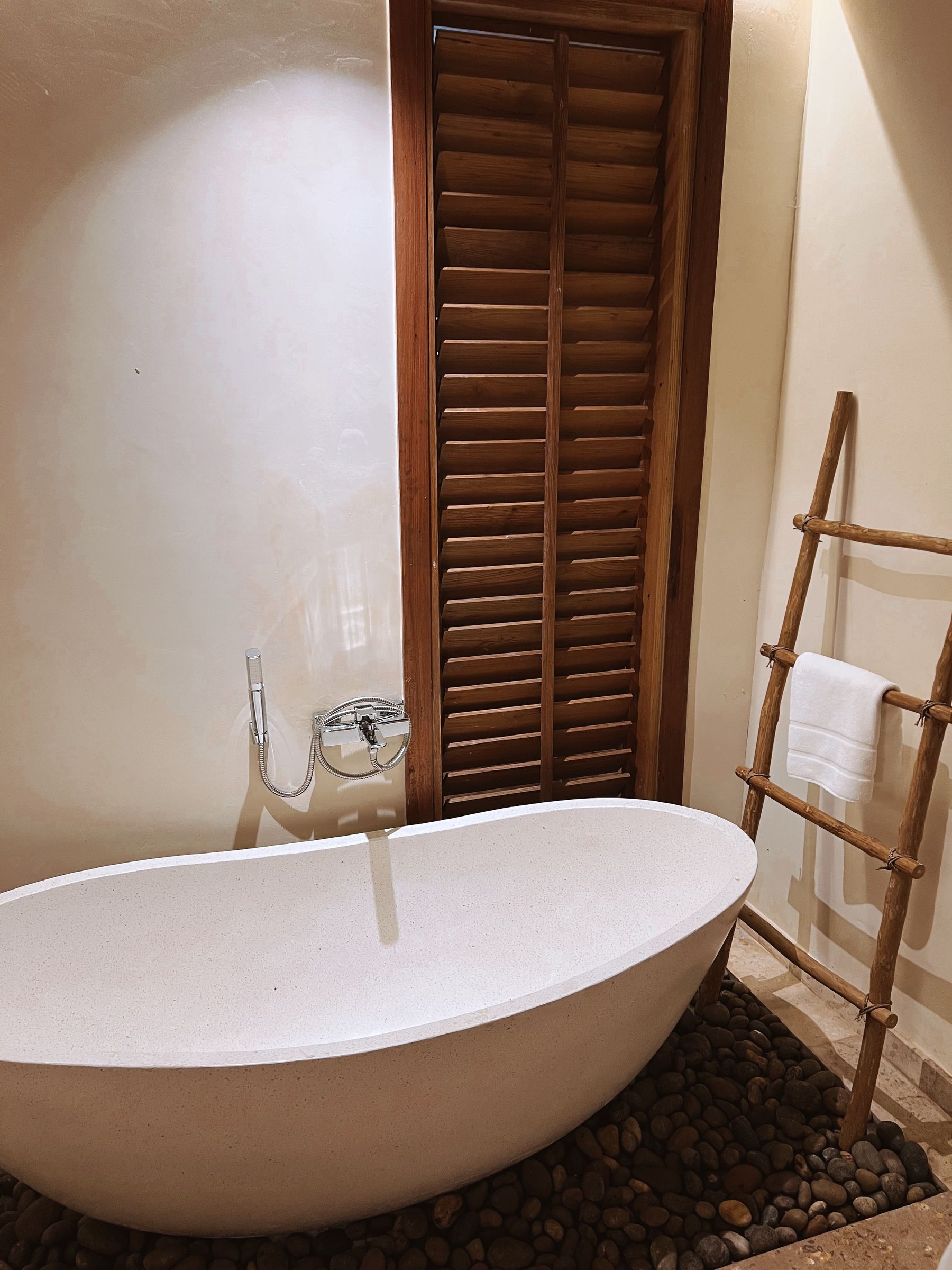
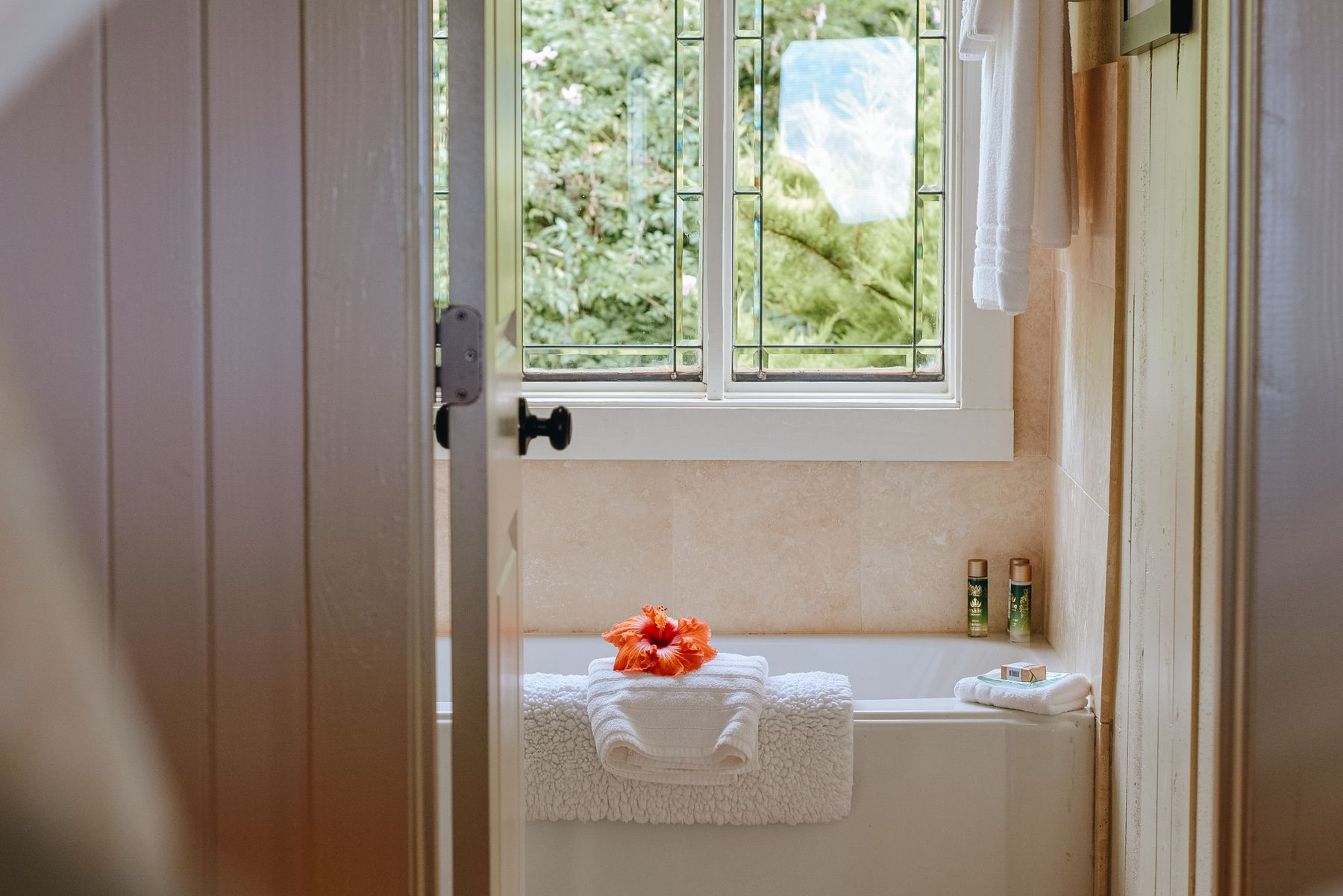
A freestanding or built-in bath can support a slower routine when the approach is clear, the filler is easy to reach and a towel is available nearby. Plants or decorative objects should never reduce safe access. If the room is not suited to a tub, a comfortable shower can deliver the same sense of ease through good temperature control, storage and enough space to move.
Keep the Shower Visually Simple
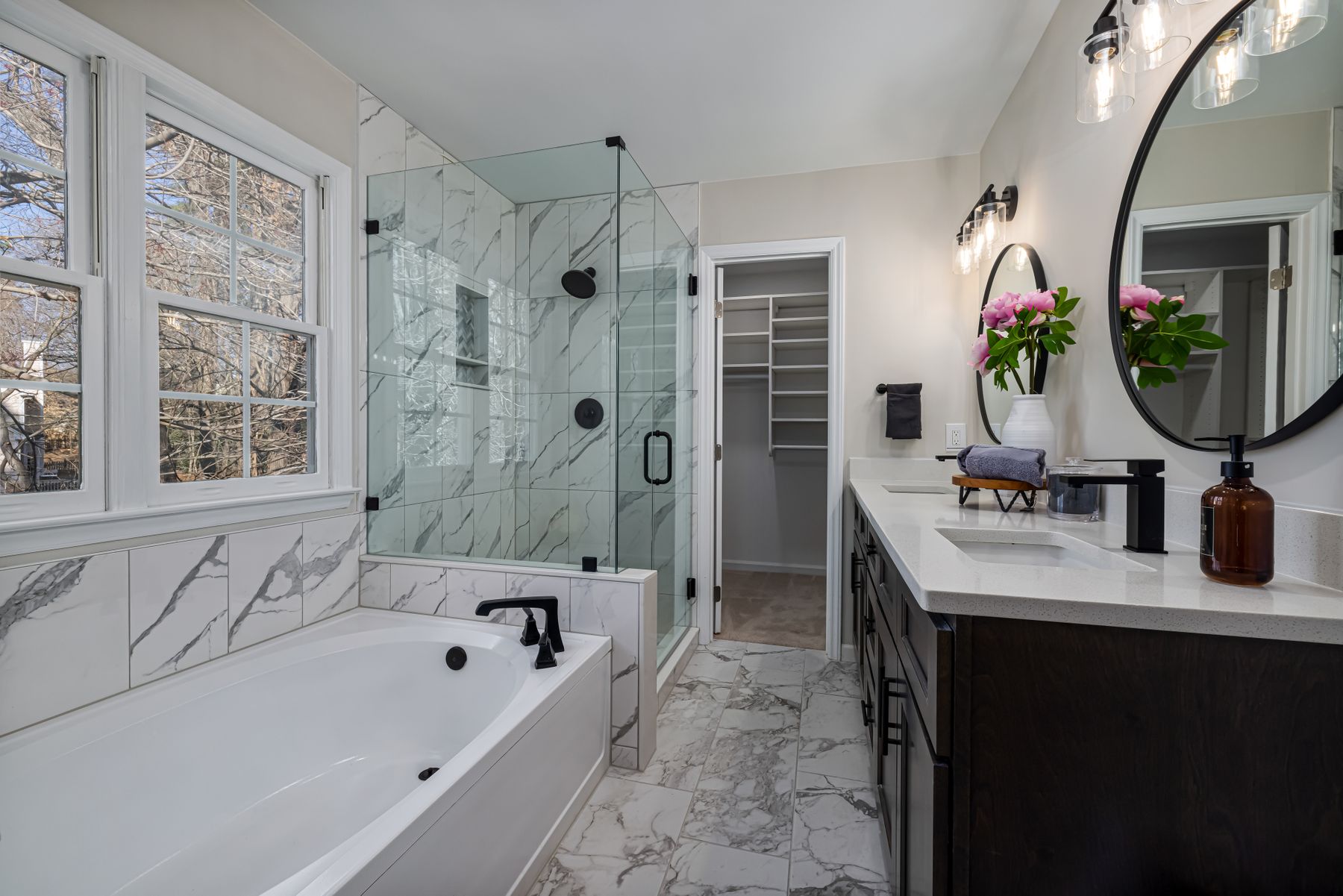
Clear glass, one calm tile field and restrained hardware can make the shower feel integrated with the rest of the room. Built-in niches are most useful when sized for real products rather than styled for photography. Waterproofing, drainage, ventilation and glass specification remain technical priorities and should follow local requirements.
Use Soft Light as a Second Layer
A spa-like atmosphere should not come at the expense of good visibility. Keep practical light at the mirror and shower, then add a softer ambient layer for bathing or nighttime use. Dimming can help where appropriate, but bathroom electrical work and fixture placement must meet local wet-area requirements.
Treat Towels as Part of the Routine
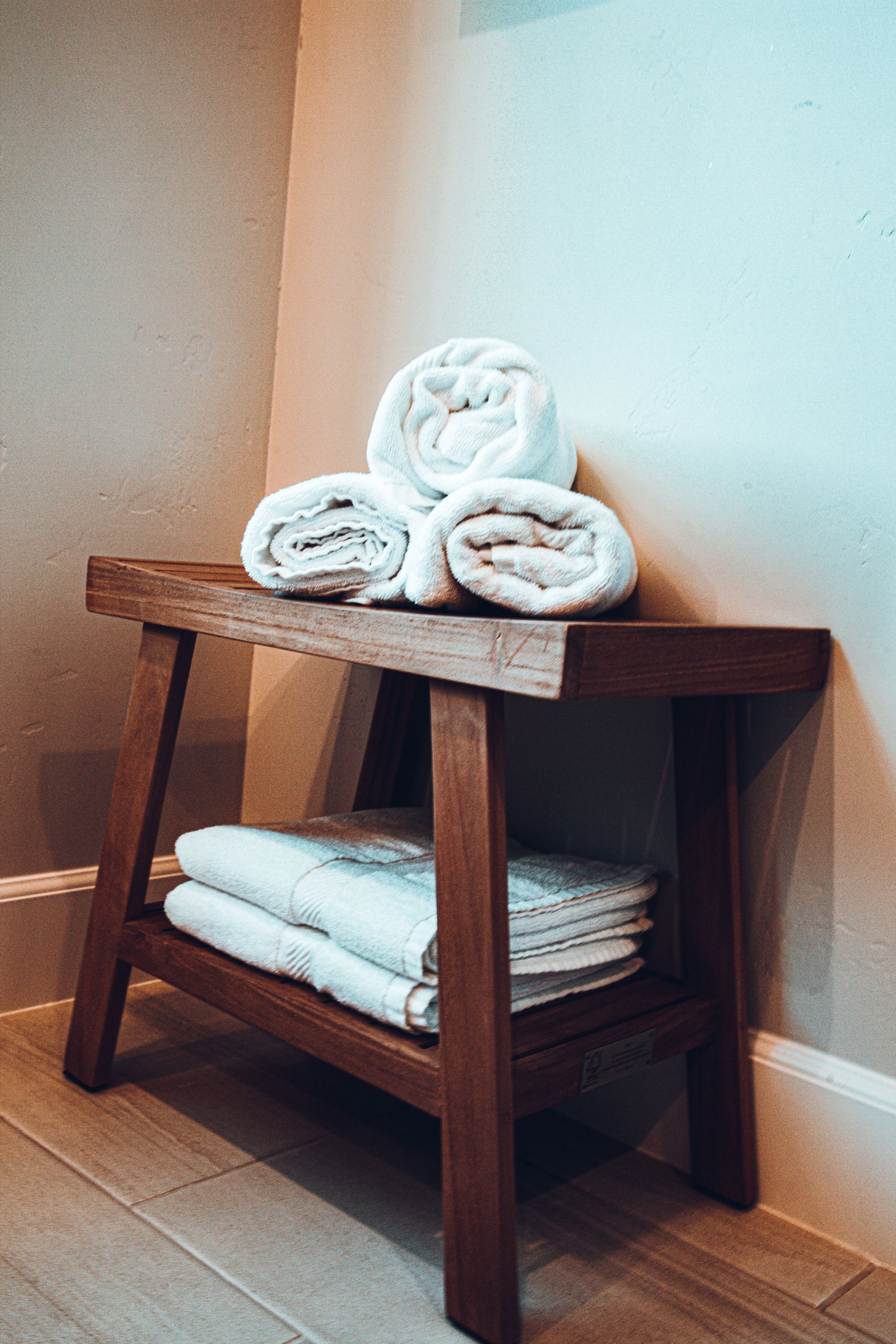
Thick towels feel more luxurious when they are dry, easy to reach and stored without overfilling open shelves. Keep the active towel close to the shower or tub and store the rest in a closed cabinet or one controlled shelf. The strongest spa cue here is convenience rather than quantity.
Use Greenery Only Where the Room Supports It
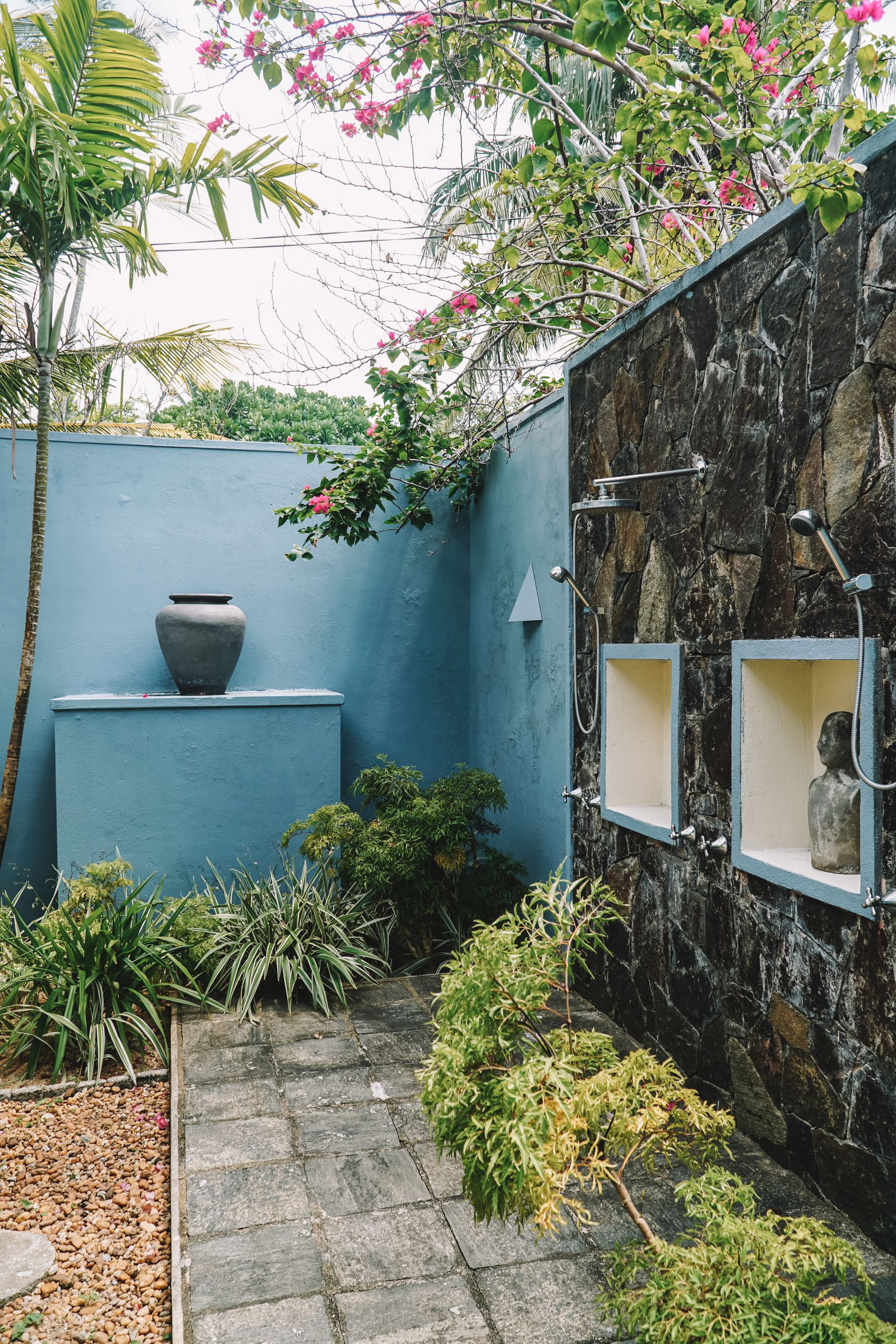
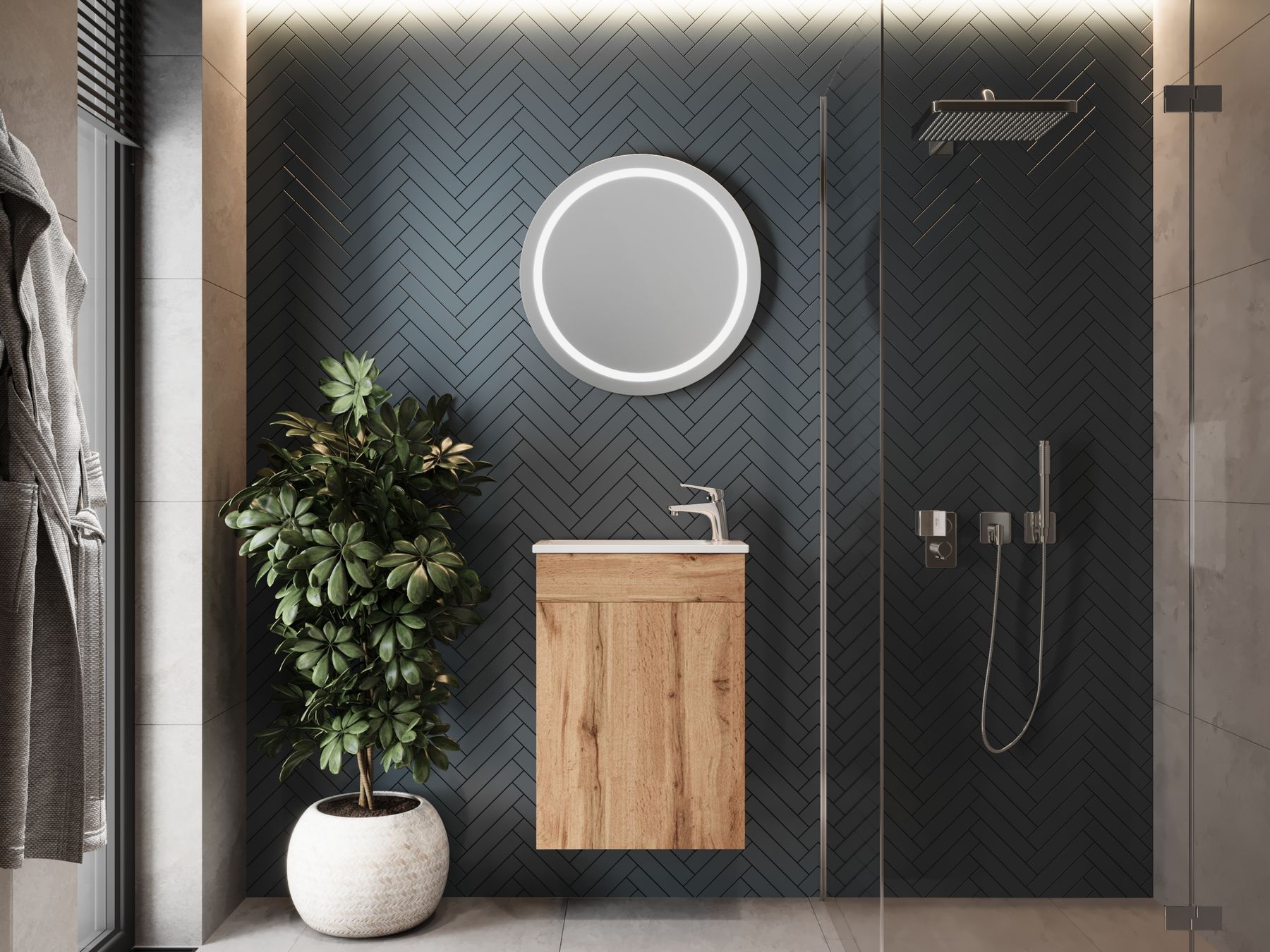
One healthy plant can soften hard surfaces and add natural color, but greenery should suit the room's actual daylight and humidity. A dark bathroom does not become more spa-like by filling it with struggling plants. In low-light rooms, timber, textiles and mineral texture can provide the same organic softness.
Keep the Vanity Counter Deliberately Sparse
A calmer sink area usually comes from enough drawer storage, a broad mirror and a small number of visible essentials. Refillable dispensers can reduce packaging noise, but they are optional; the more important move is giving daily products a clear place. Leave some uninterrupted counter area so grooming does not begin by moving decorative objects.
Finish With a Repeatable Evening Routine
The final spa layer is behavioral rather than decorative. A dimmer light setting, a cleared bath edge, a towel within reach and a place for toiletries can make the room consistently pleasant to use. Scent or music can be personal extras, but the bathroom should already feel calm without them.