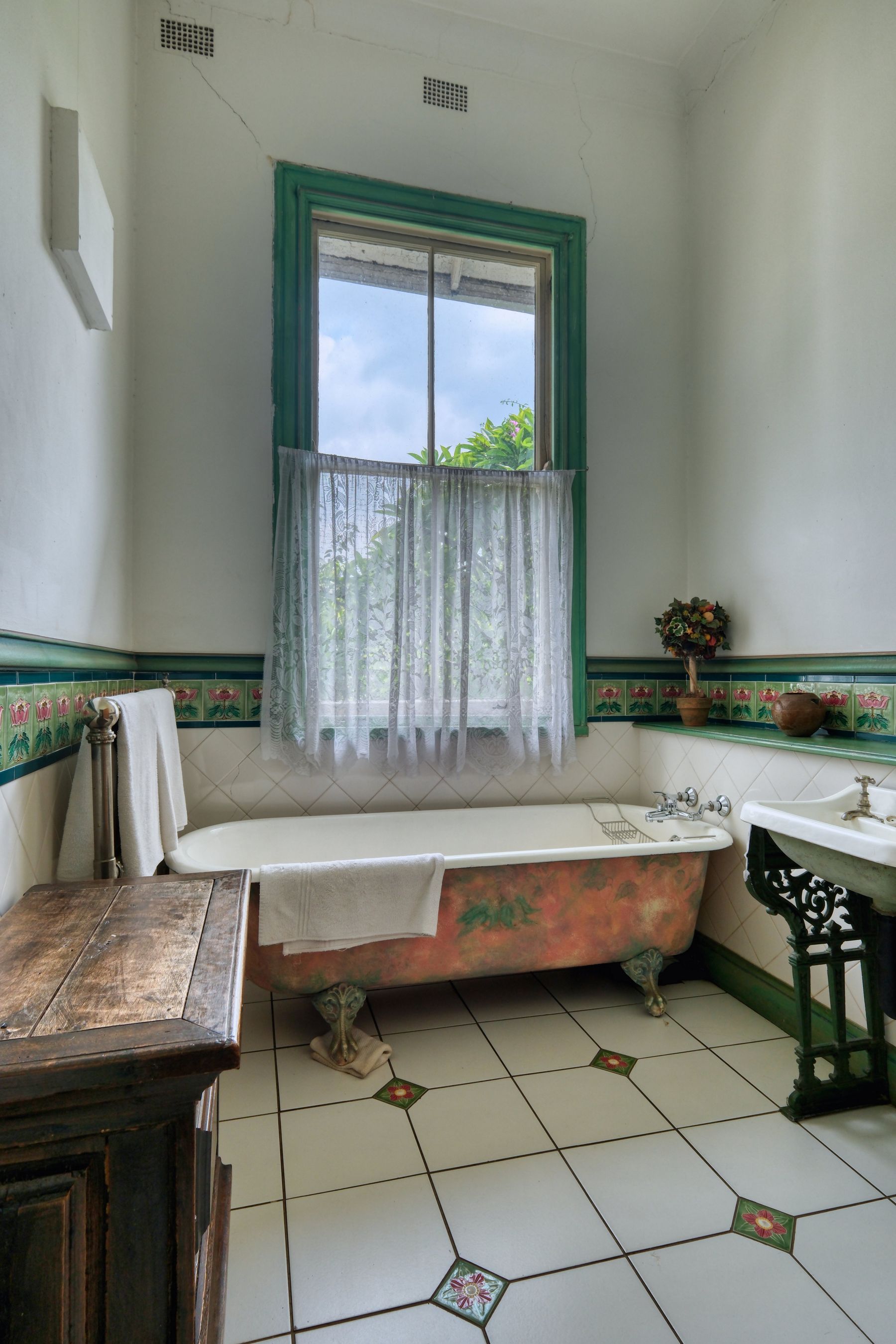
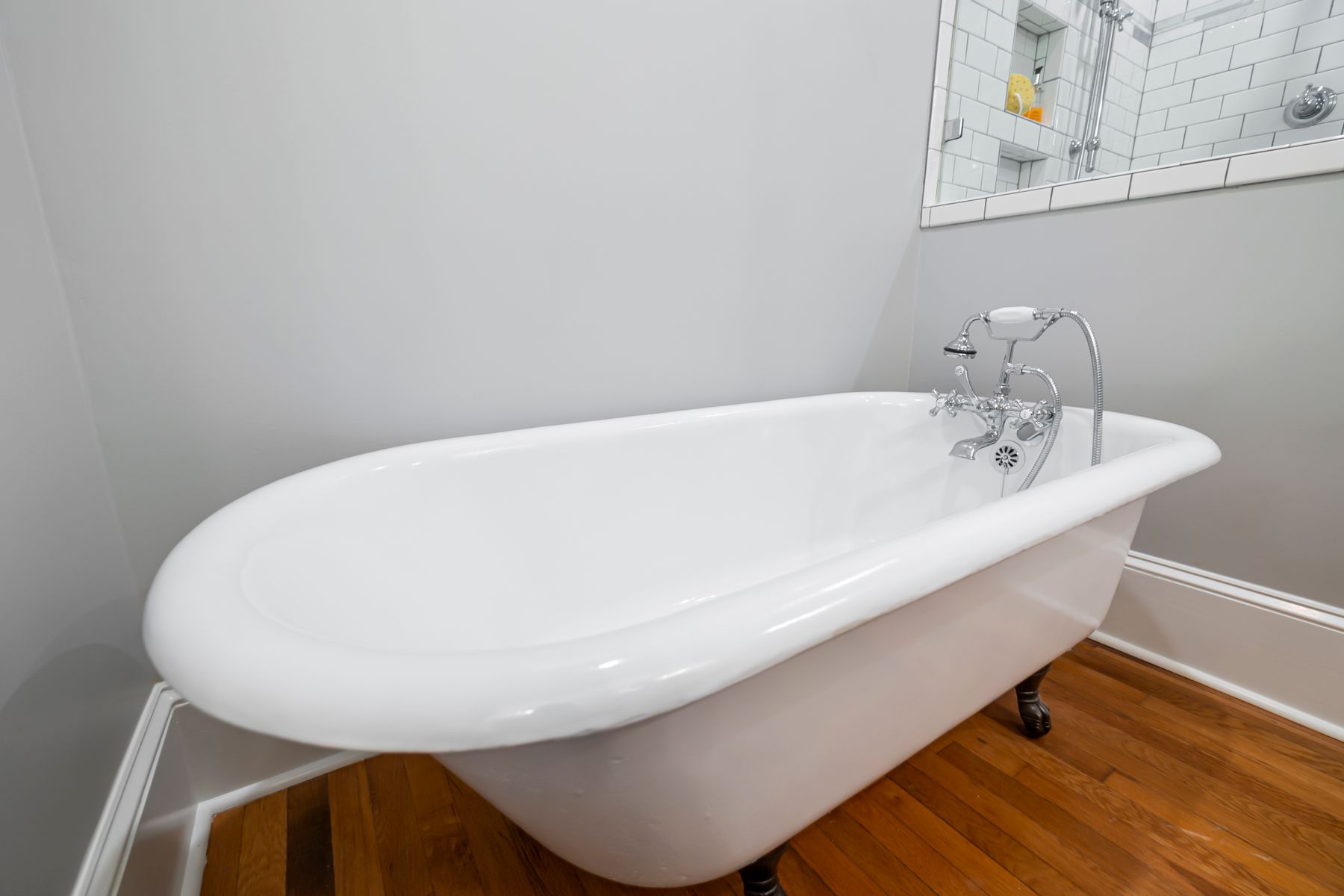
Let the Clawfoot Bath Establish the Period
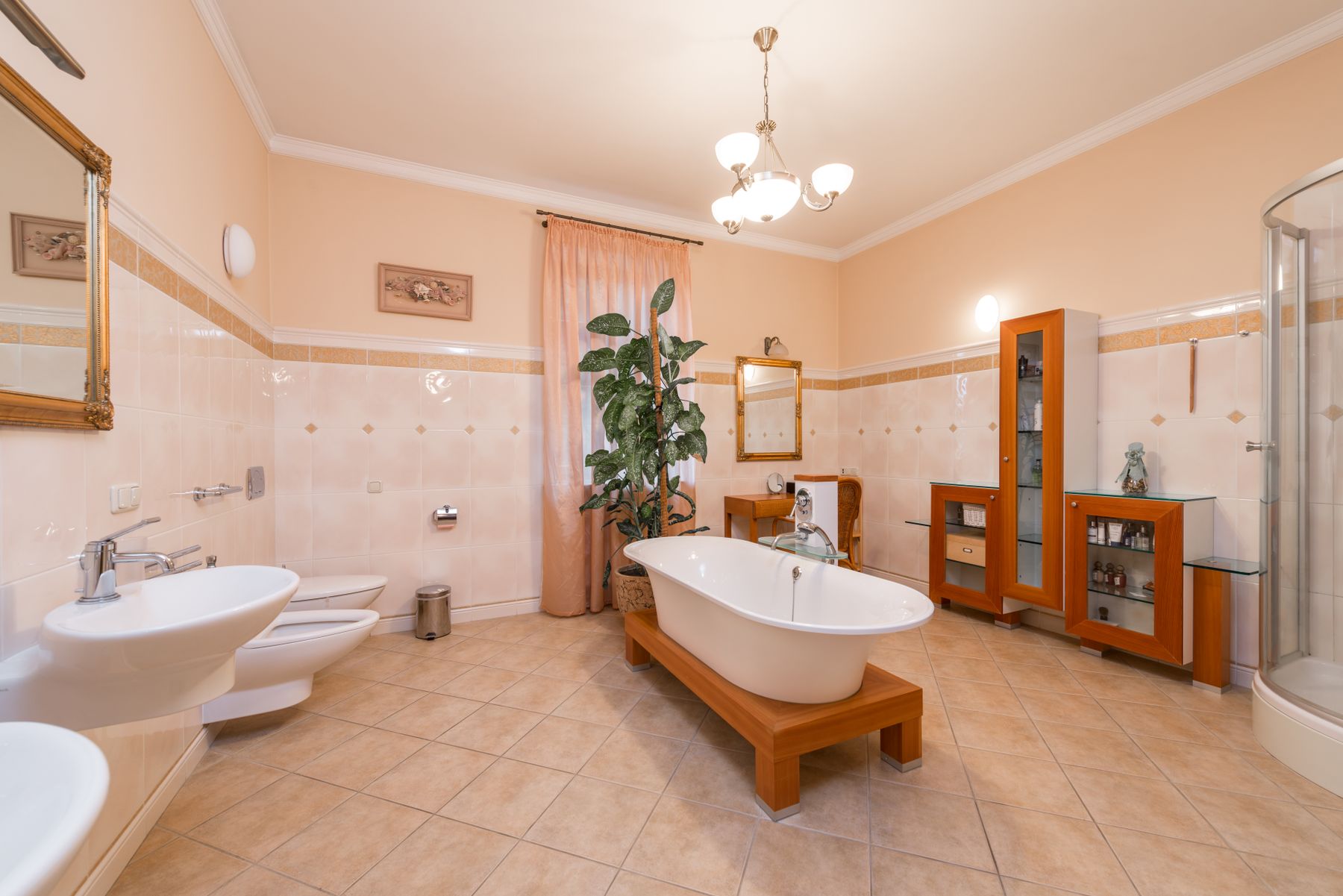
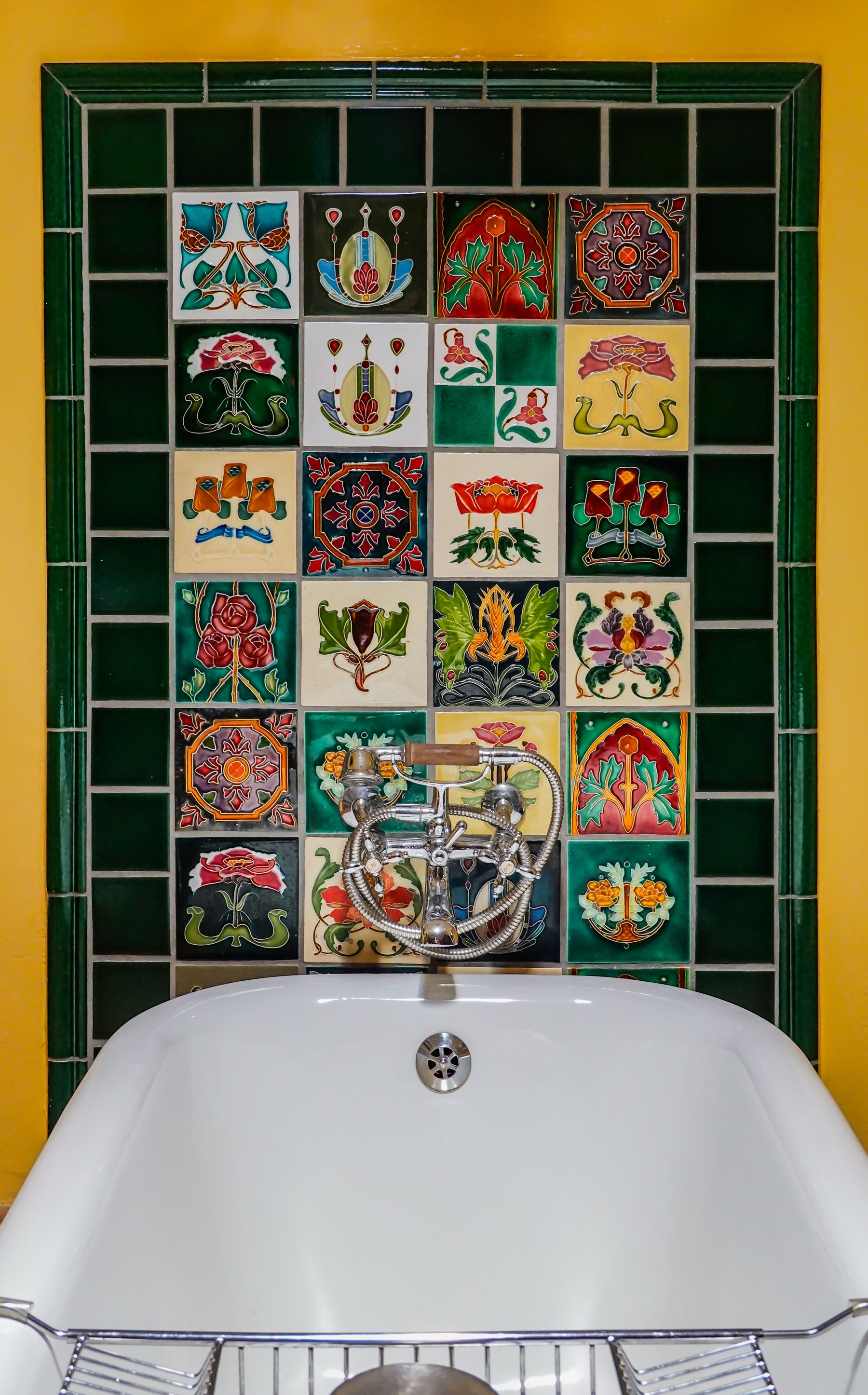
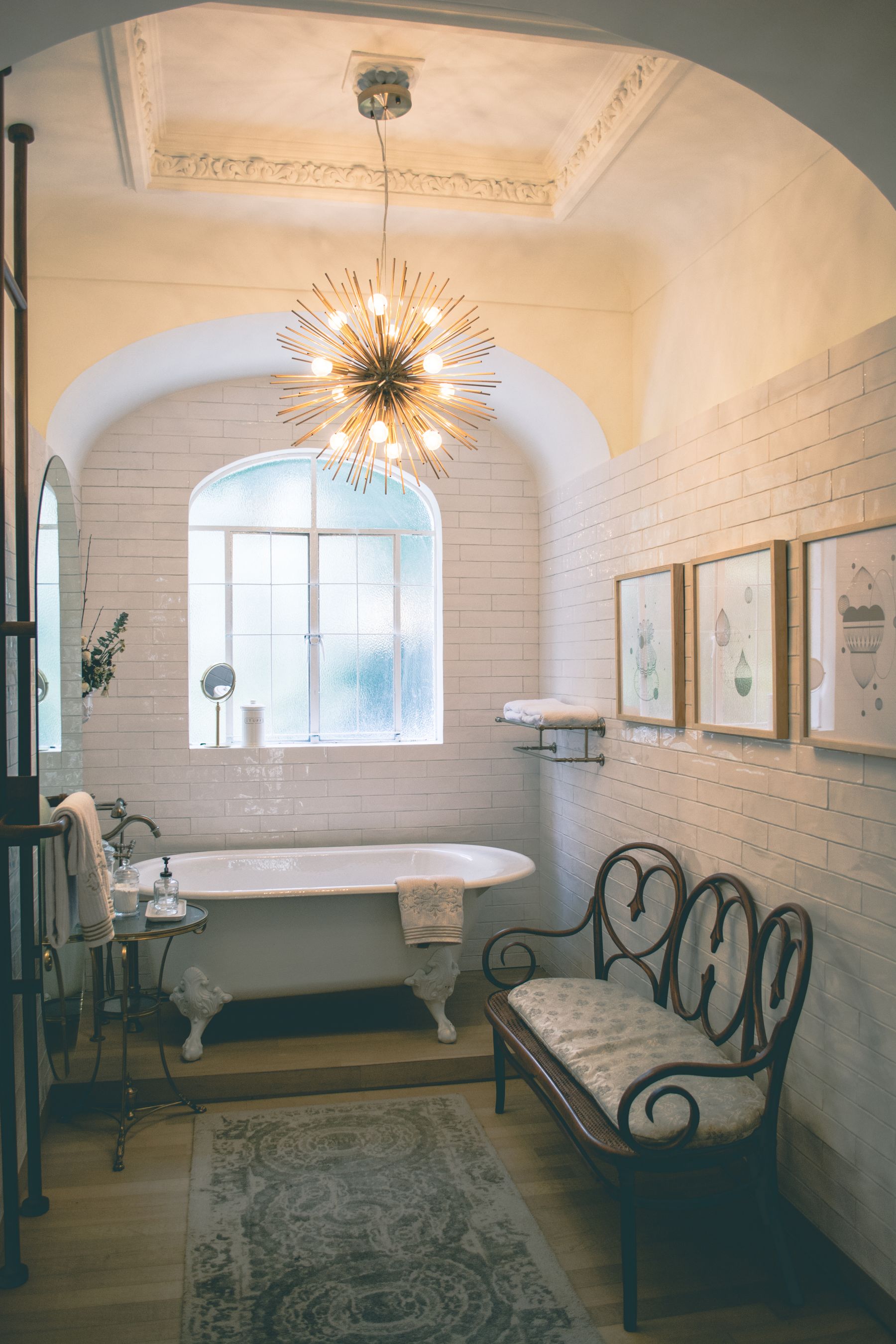
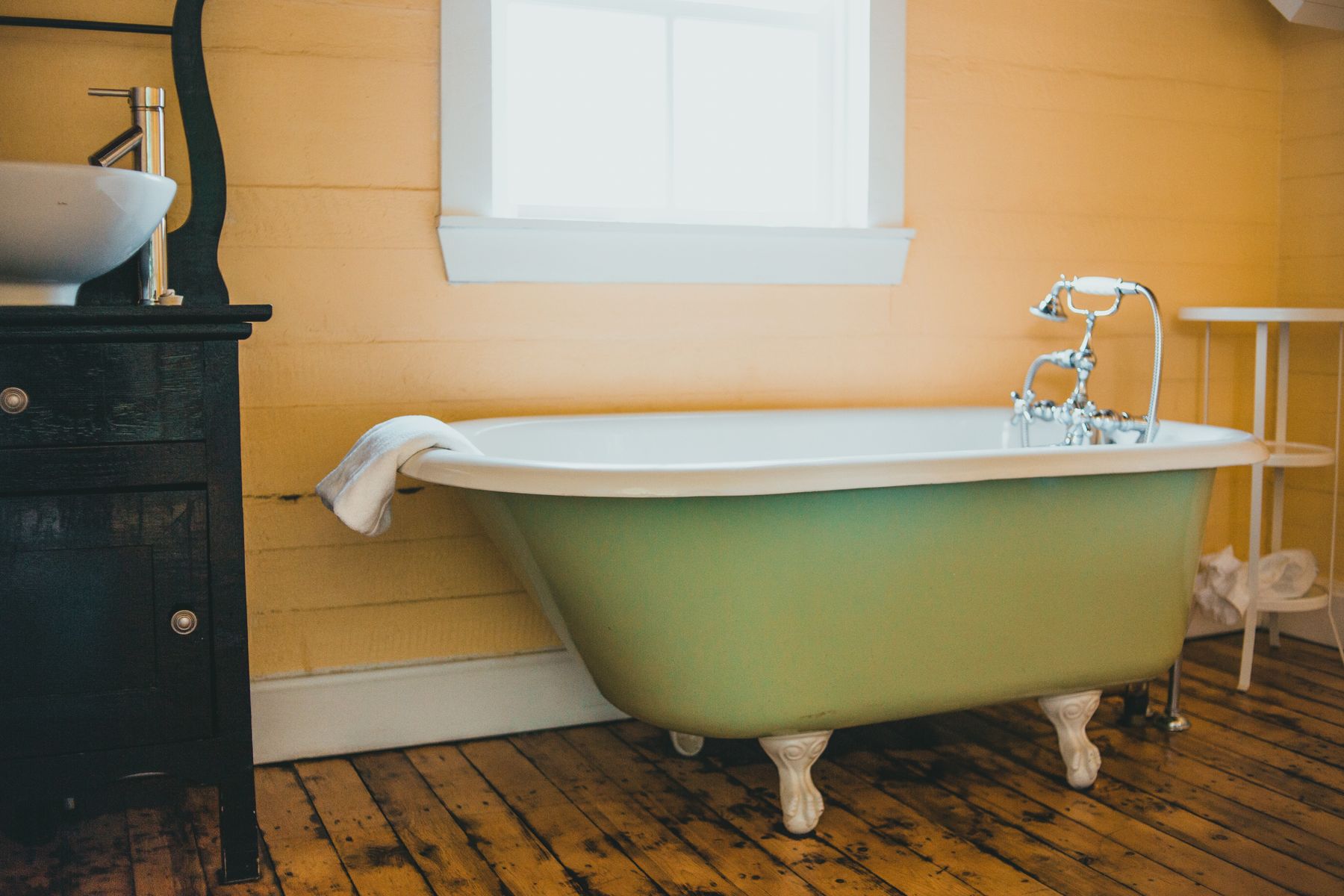
A clawfoot or roll-top-style bath is one of the clearest Victorian-inspired bathroom signals, so it rarely needs to be surrounded by several other ornate fixtures. Give it enough space to read as a focal point and keep adjacent tile, storage and shower details calmer. Check weight, floor support, filler position and cleaning access before treating the freestanding placement as purely decorative.
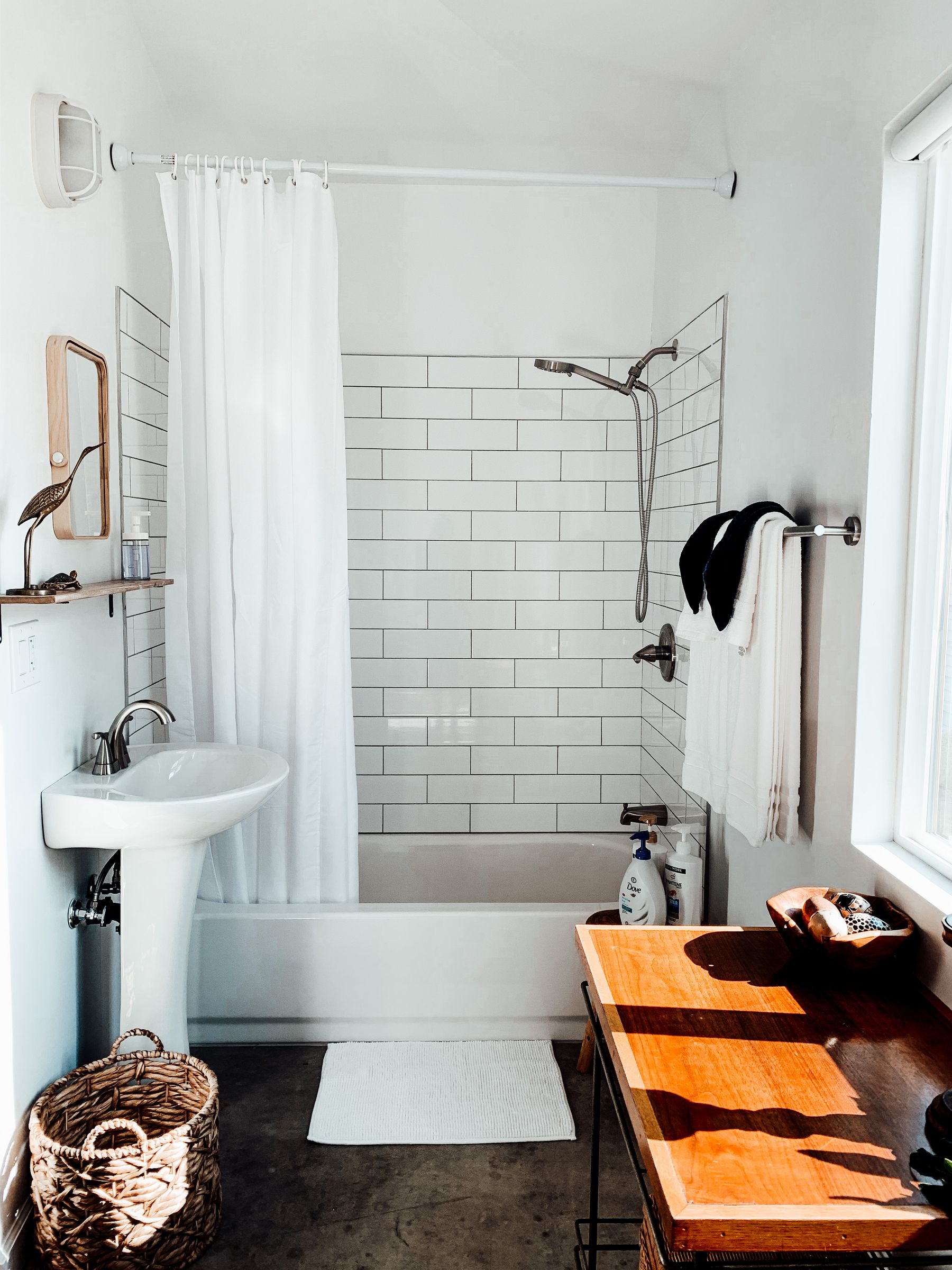
Pair a Pedestal Sink With Simple Tile
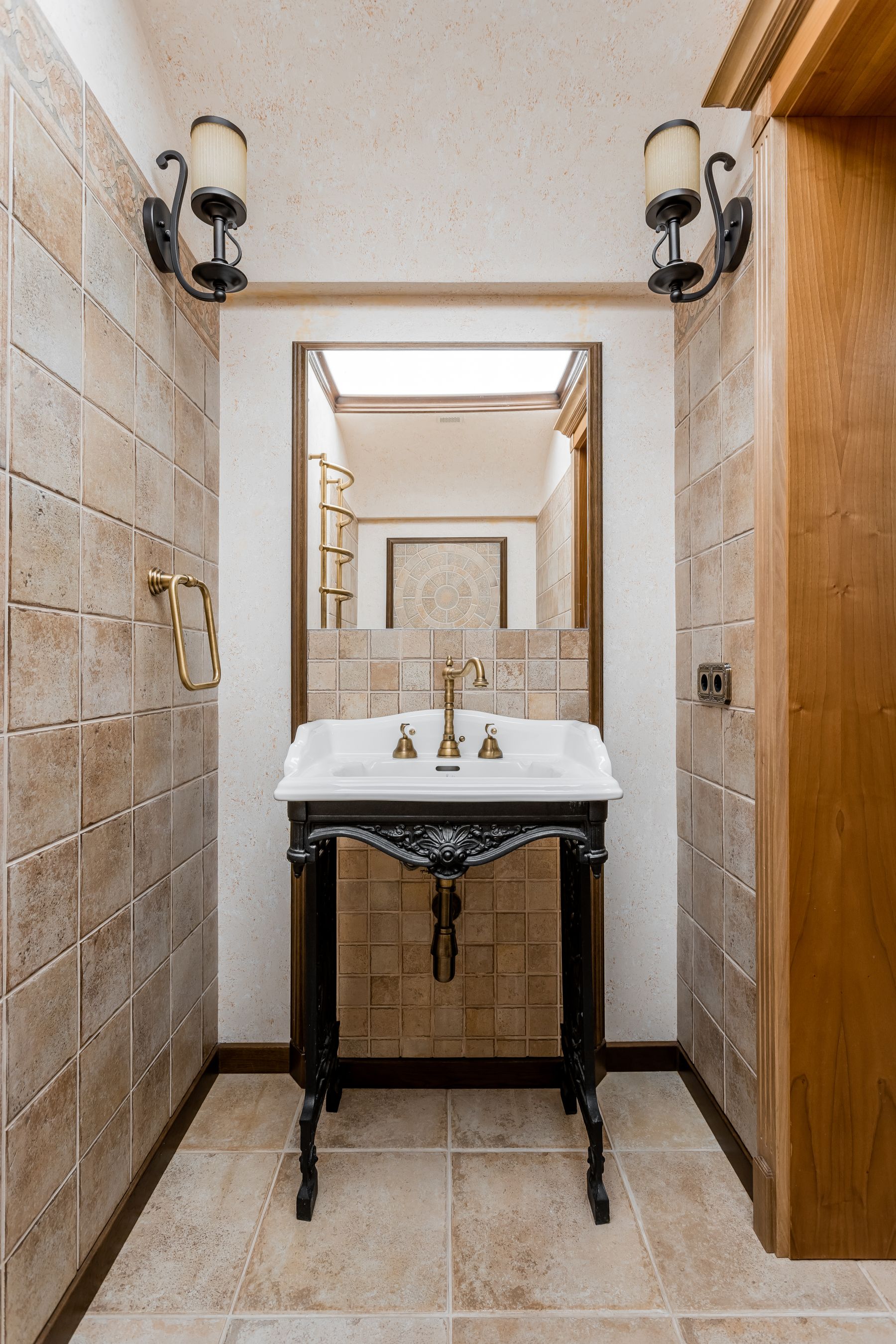
A pedestal or wall-hung basin can bring period character without adding a visually heavy cabinet. Simple white rectangular tile gives the sink a familiar historical backdrop while remaining practical to clean. Because open basins sacrifice storage, plan a medicine cabinet, nearby cupboard or other concealed storage before committing to the lighter silhouette.
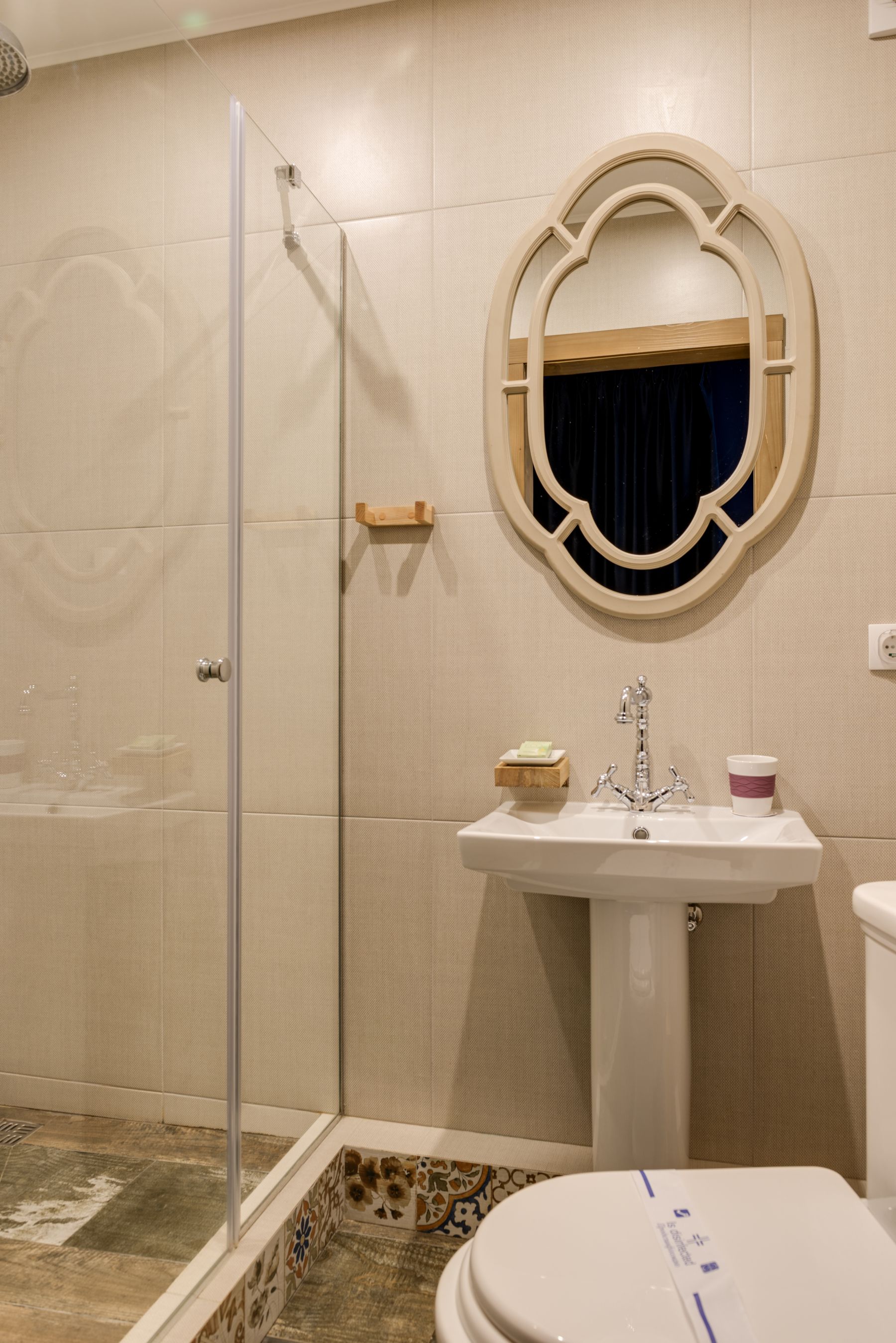
Use One Ornate Mirror as the Decorative Focus
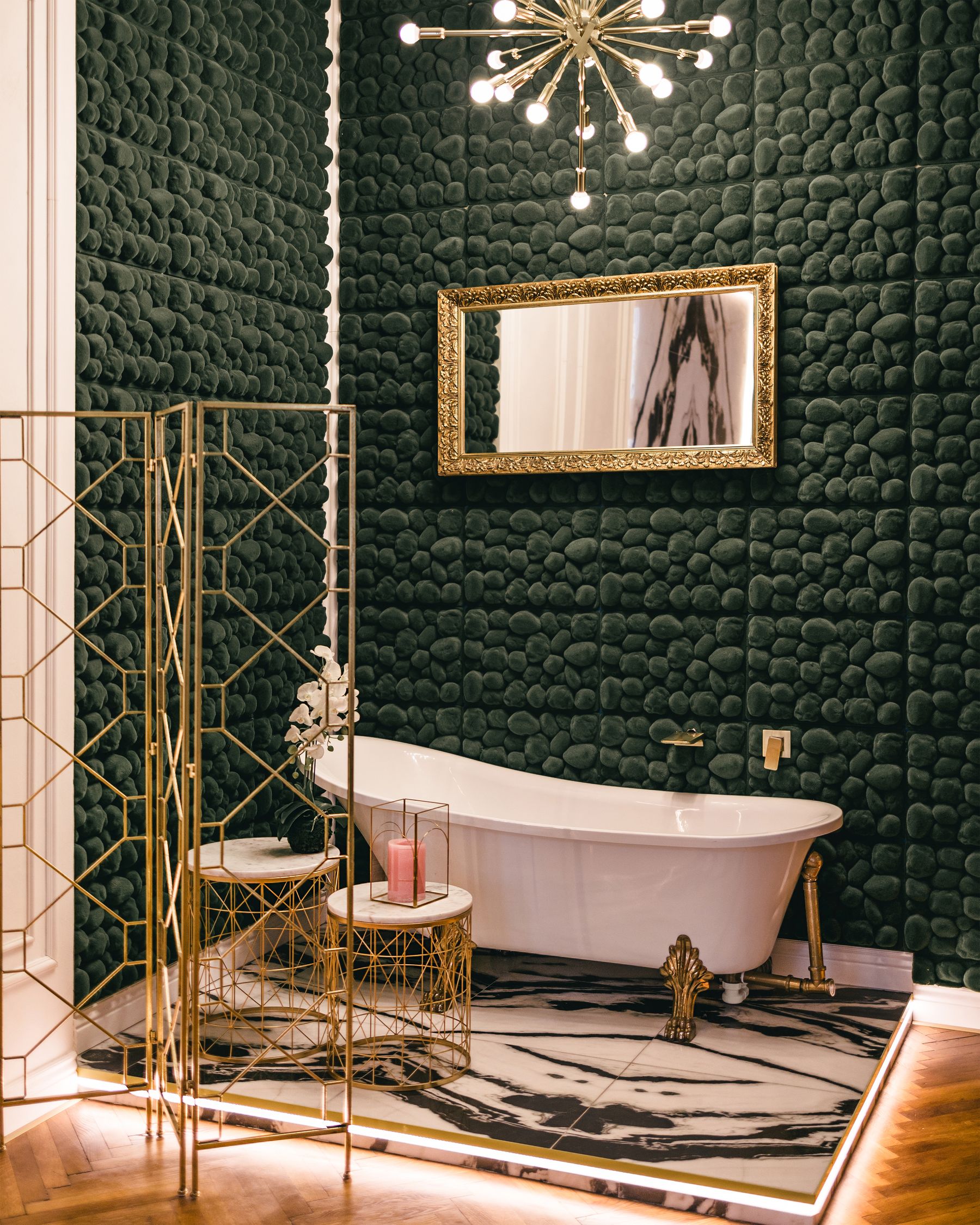
A carved, gilded or shaped mirror is an efficient way to introduce Victorian-inspired ornament at the natural focal point above the basin. If the frame is elaborate, keep wall lights, tile and accessories comparatively quiet. This creates a clear hierarchy instead of spreading decorative motifs across every surface.
Use a Chandelier as Atmosphere, Not Task Light
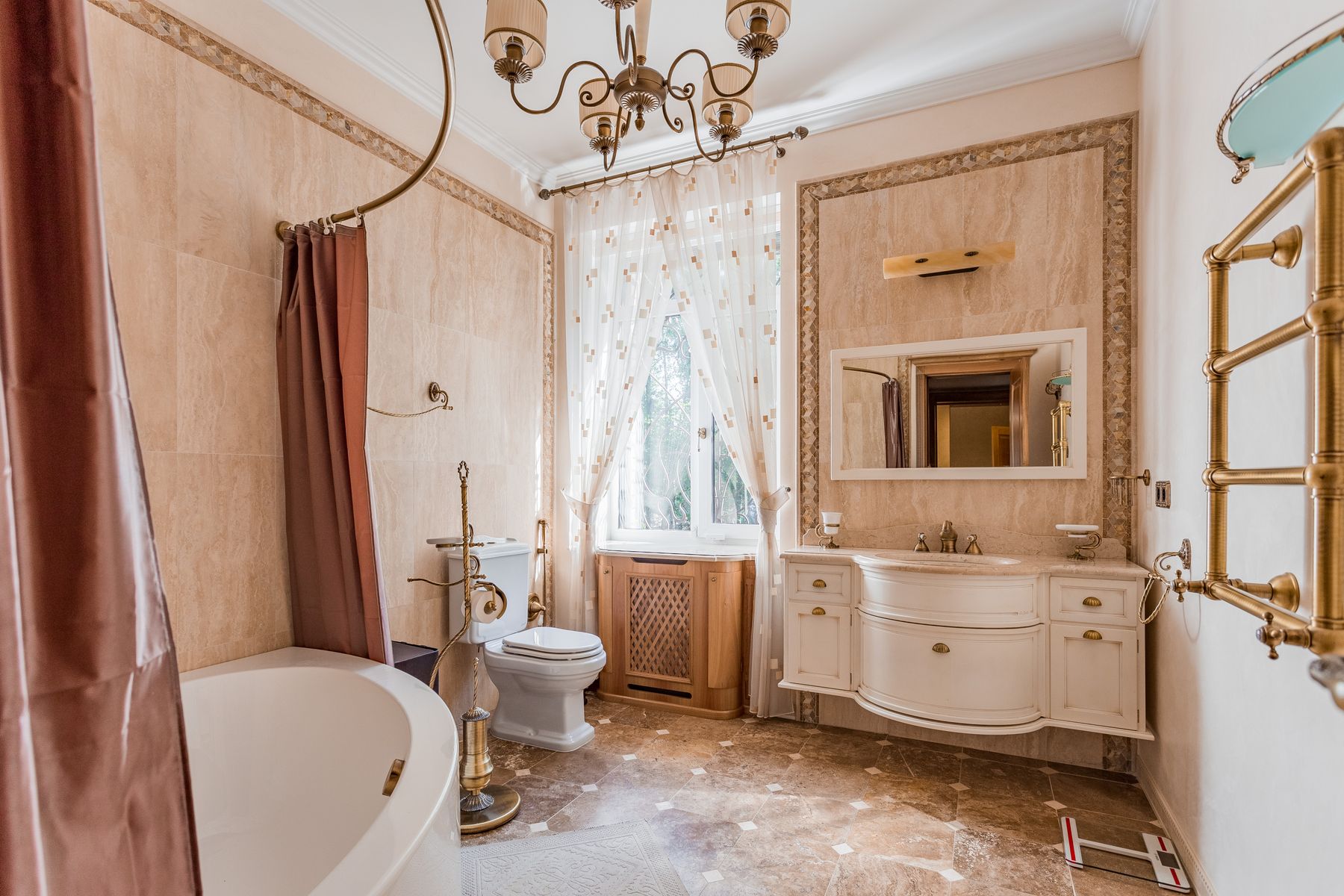
A chandelier or decorative pendant can reinforce period character in a larger bathroom, particularly near a freestanding bath. It should supplement rather than replace useful mirror and general lighting. Fixture location, height and wet-area rating must follow local electrical requirements, especially when the light sits near a bath or shower.
Keep Window Treatments Soft but Practical
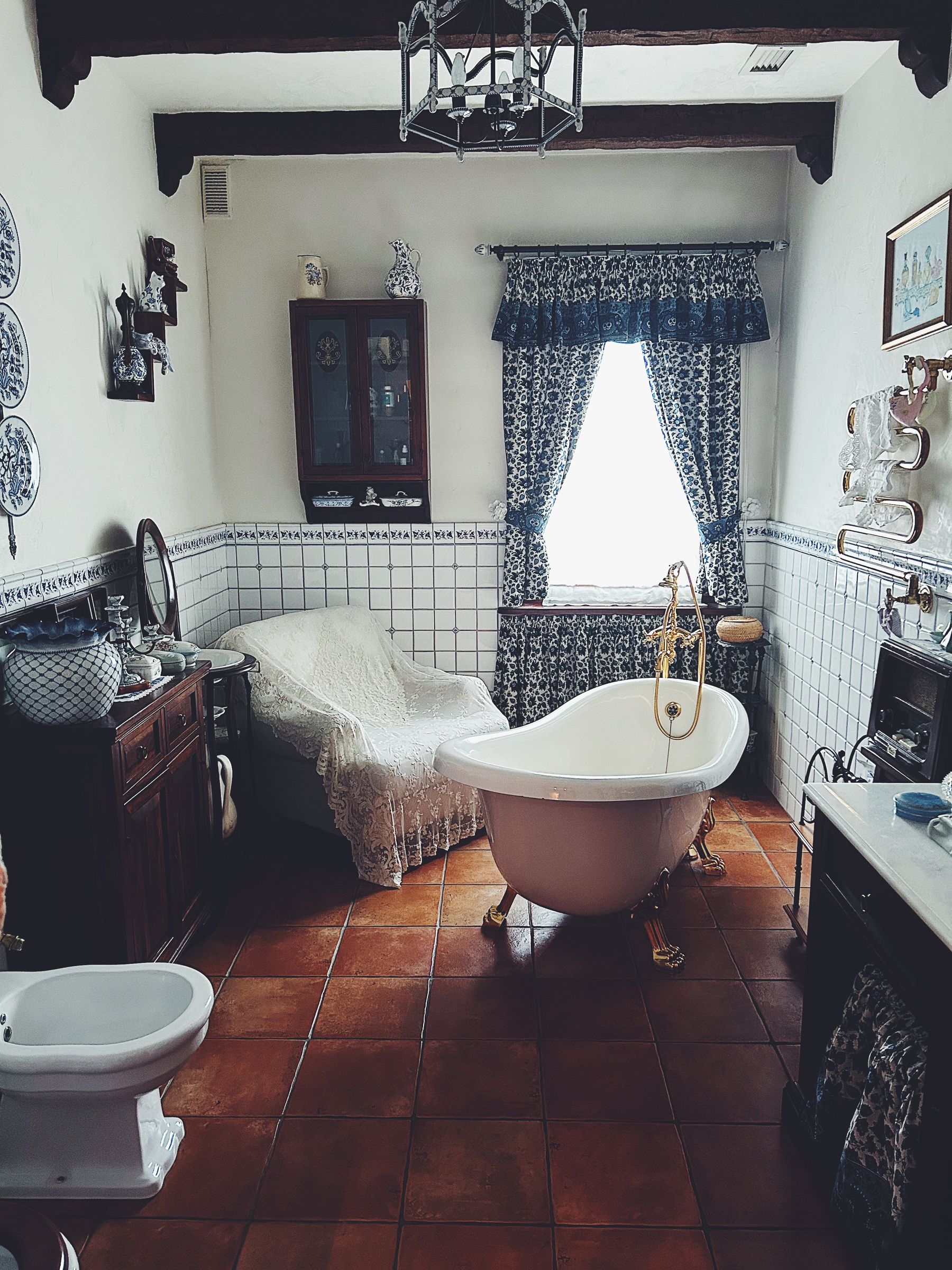
Curtains and softer window treatments can make a Victorian-inspired bathroom feel less hard-edged, but bathroom humidity changes what is practical. Choose washable or moisture-tolerant fabrics, keep them away from direct splash and preserve ventilation. The window treatment should add softness without becoming a damp decorative layer.
Use Warm Metal as a Fine Detail
Brass, aged brass or another warm metal can connect a clawfoot bath, mirror and classic lighting without requiring a fully gilded room. Use it on functional pieces such as taps, shower hardware or a mirror frame, then stop before the metal becomes the dominant surface. Exact finish matching is less important than maintaining a coherent warm-metal family.
Bring Pattern in Through a Removable Layer
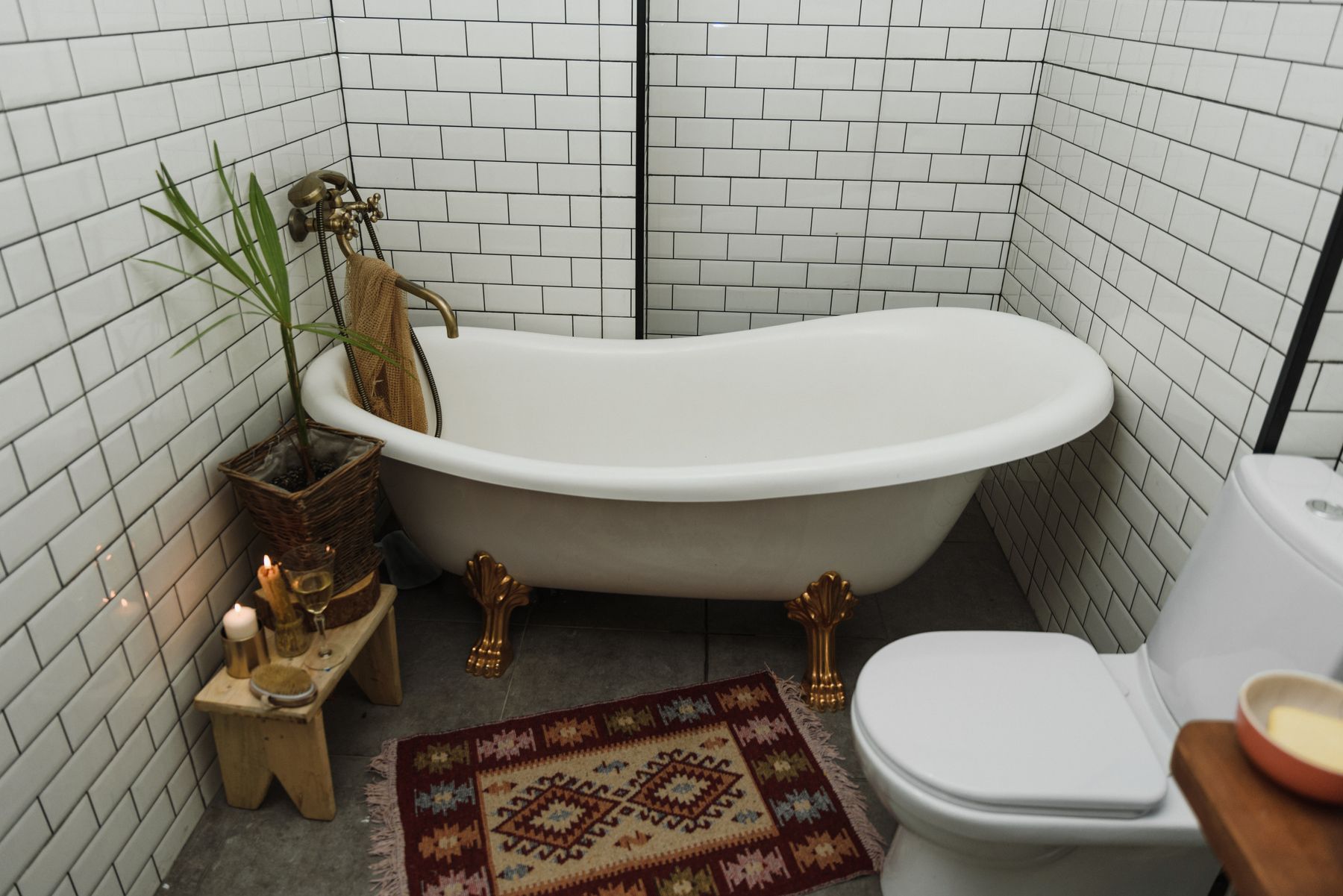
A washable patterned rug, shower textile or curtain can introduce floral or geometric character without locking the whole room into a decorative finish. This is particularly useful when the tile is simple and permanent. Keep absorbent textiles outside direct splash and make sure they can dry fully between uses.
Warm the Room With Timber Carefully
Wood flooring or furniture can make a period-inspired bathroom feel warmer and more residential, but bathrooms place real demands on timber. Use bathroom-appropriate materials, finishes and detailing, or choose a durable lookalike where direct moisture is a concern. One warm wood plane is usually enough to offset white ceramic and tile.
Layer Several Classic Details With a Clear Hierarchy
A Victorian-inspired room can include a chandelier, curtains, decorative mirror and freestanding bath, but they should not all compete equally. Decide which element leads, which one supports it and which details stay quiet. Repeating a limited metal and color palette helps multiple classic elements feel composed rather than theatrical.
Preserve Character While Modernizing Performance
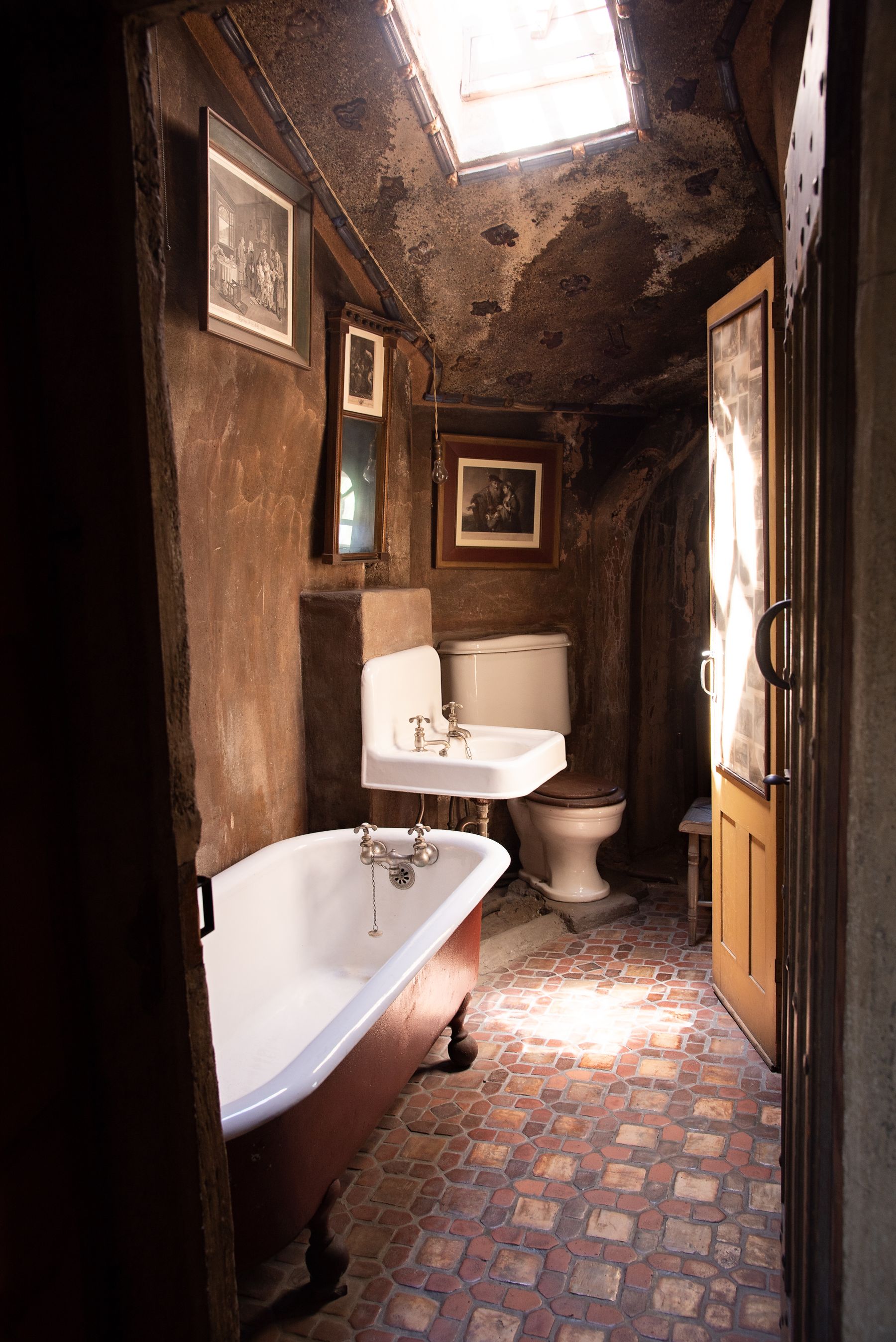
Older architectural features, vintage tubs and historic-looking tile can be worth preserving visually, but hidden systems still need to meet current requirements. Plumbing, waterproofing, ventilation, electrical work and structural support should be assessed independently of the period appearance. A convincing Victorian-inspired bathroom can look old in selected places while performing like a new room.