Define What Cozy Means for Your Routine
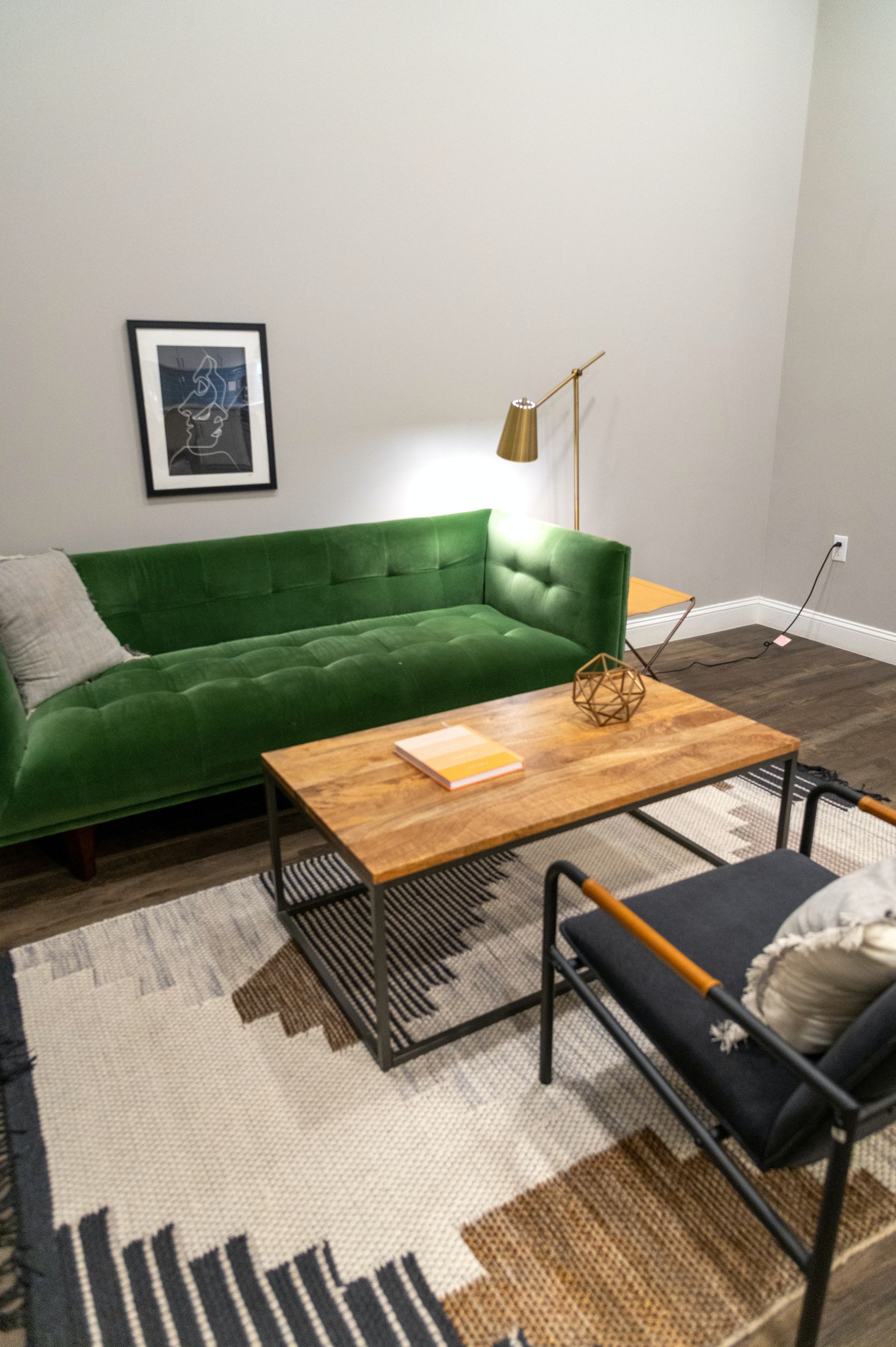
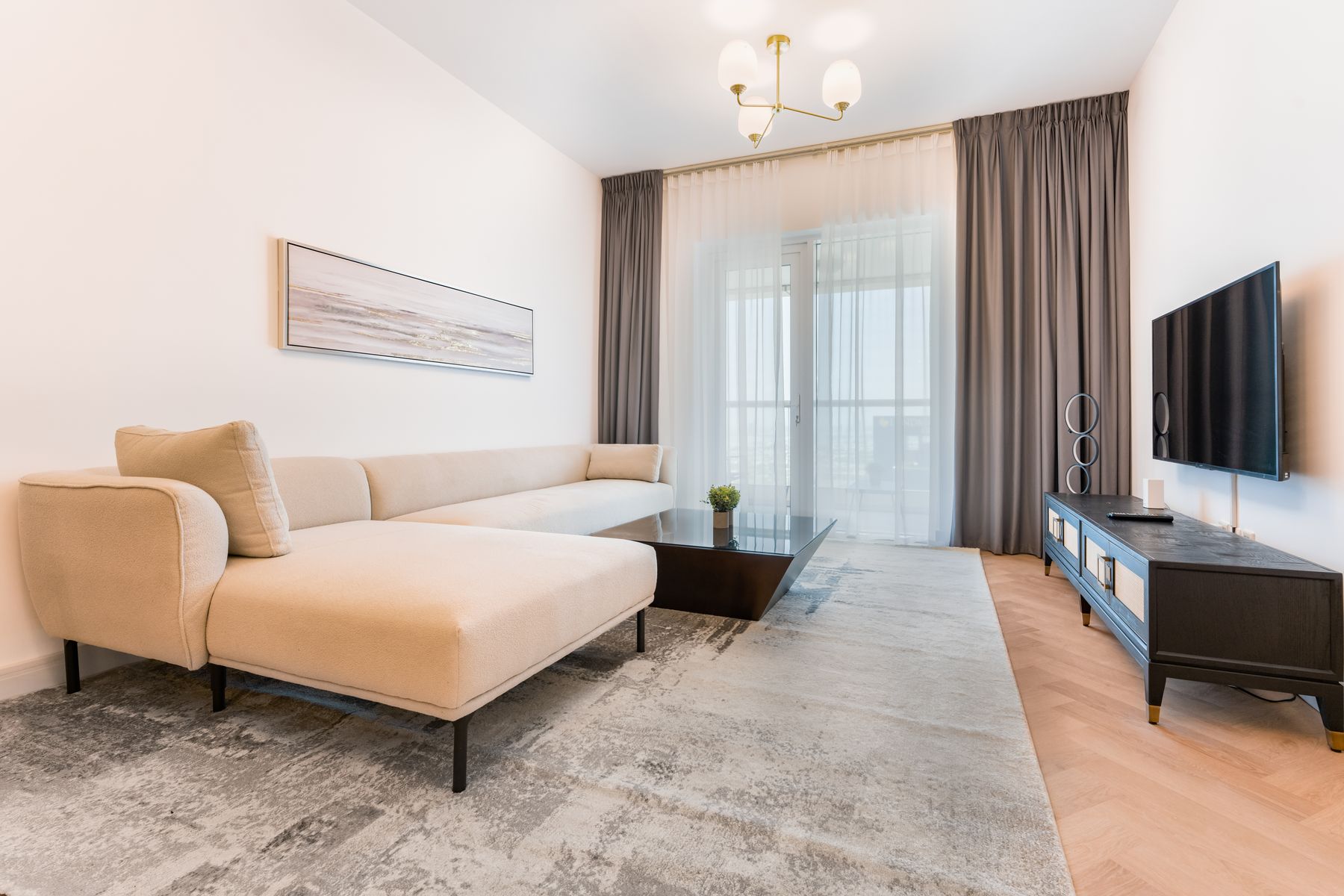
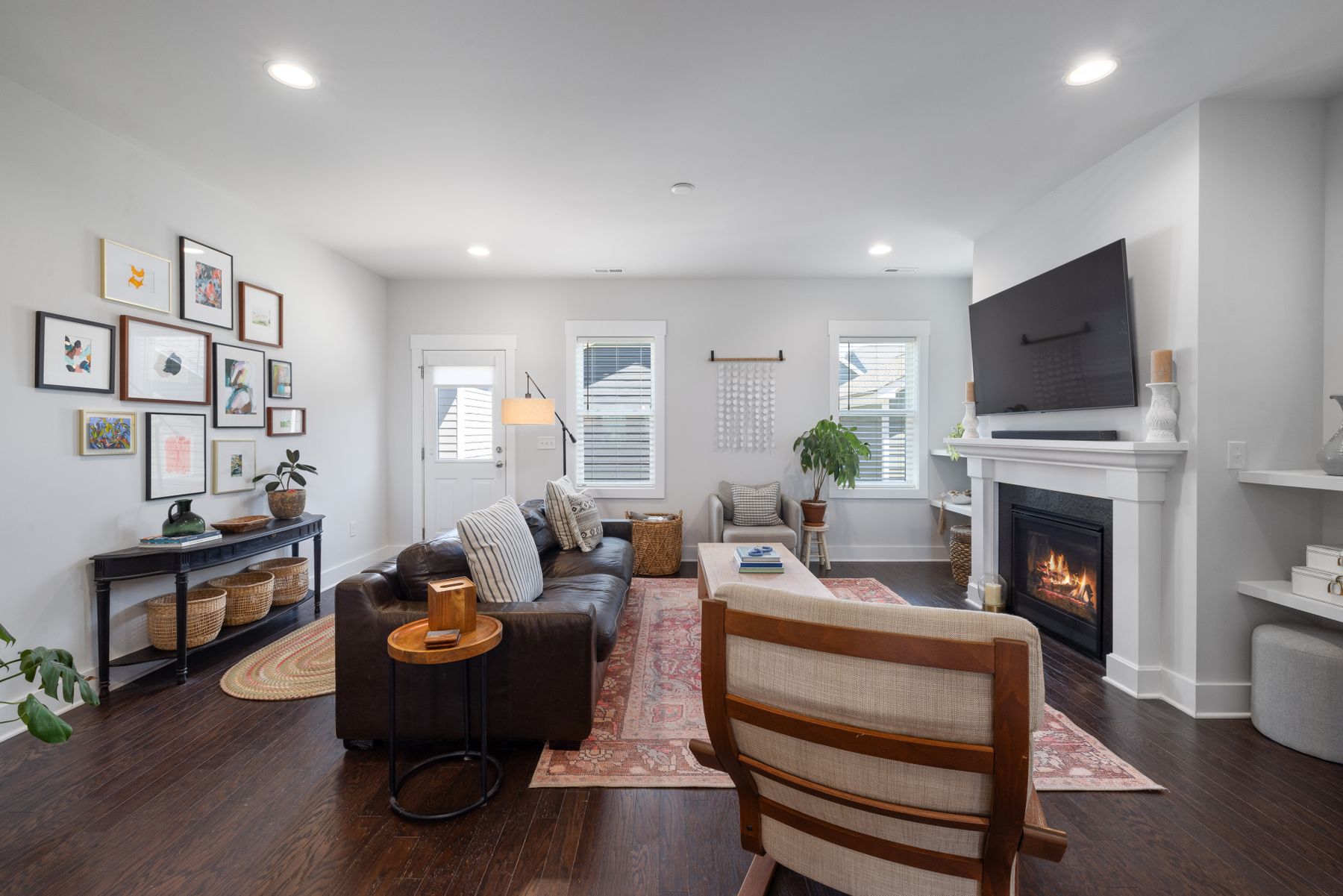
List the moments that should feel especially comfortable: morning coffee, reading, shared meals, film nights, work breaks, bathing or quiet sleep. Note who uses each zone, for how long and what physical support they need. A deep sofa may suit lounging but frustrate upright conversation; a dim room may relax one person while making reading difficult for another. Build the apartment around recurring comfort, then choose colors and materials that reinforce those routines.
Bring Seating Into a Comfortable Relationship
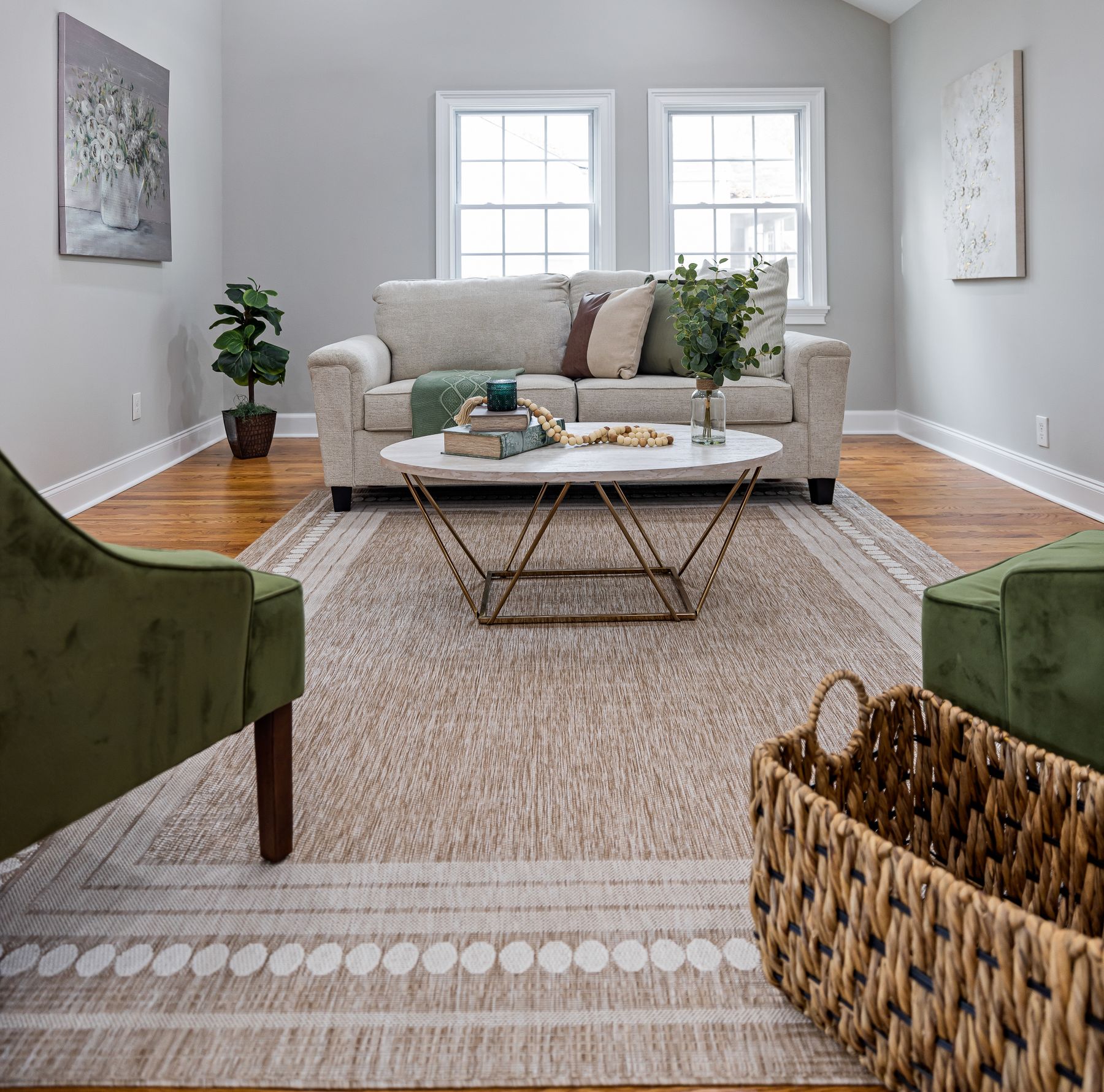
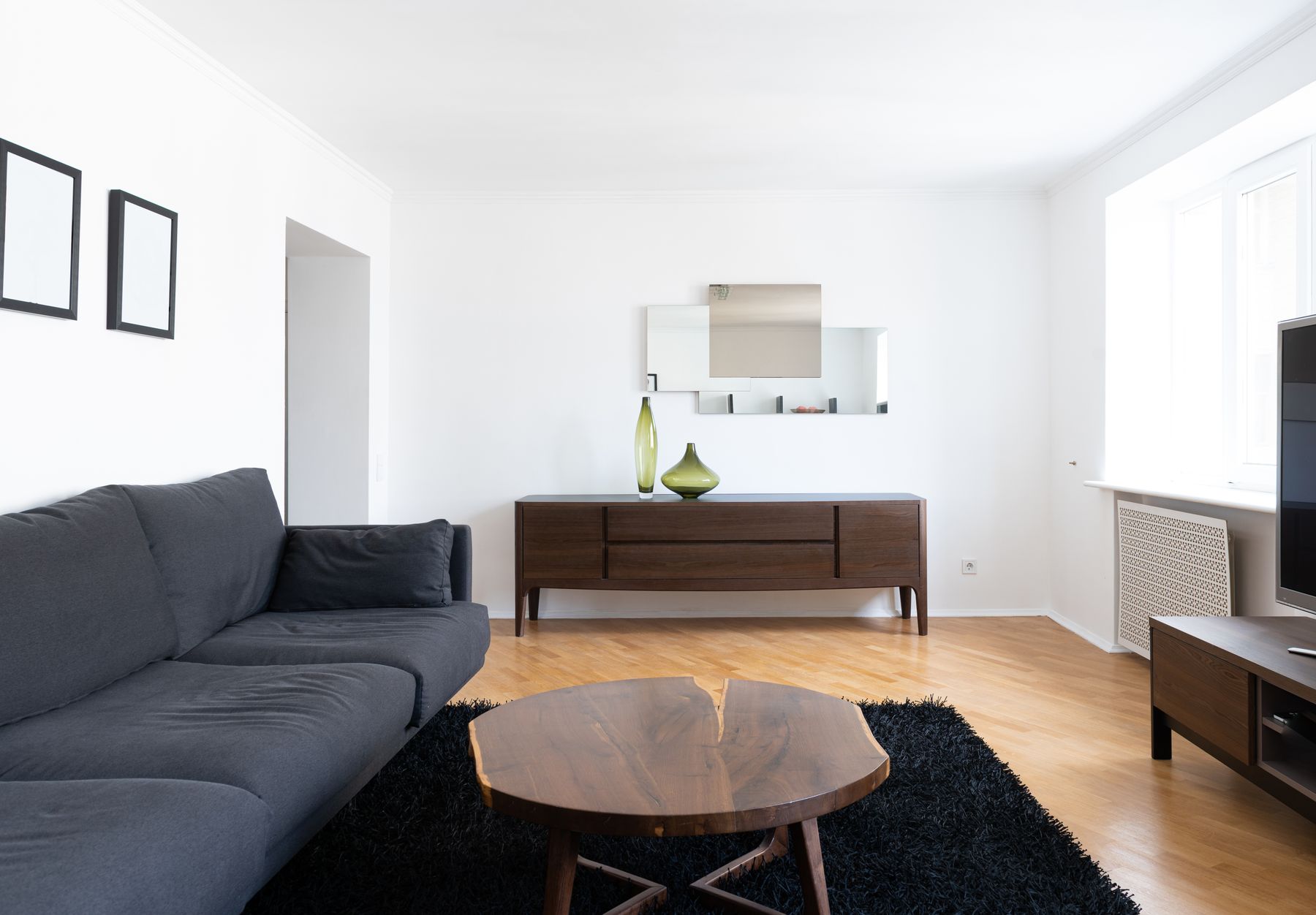
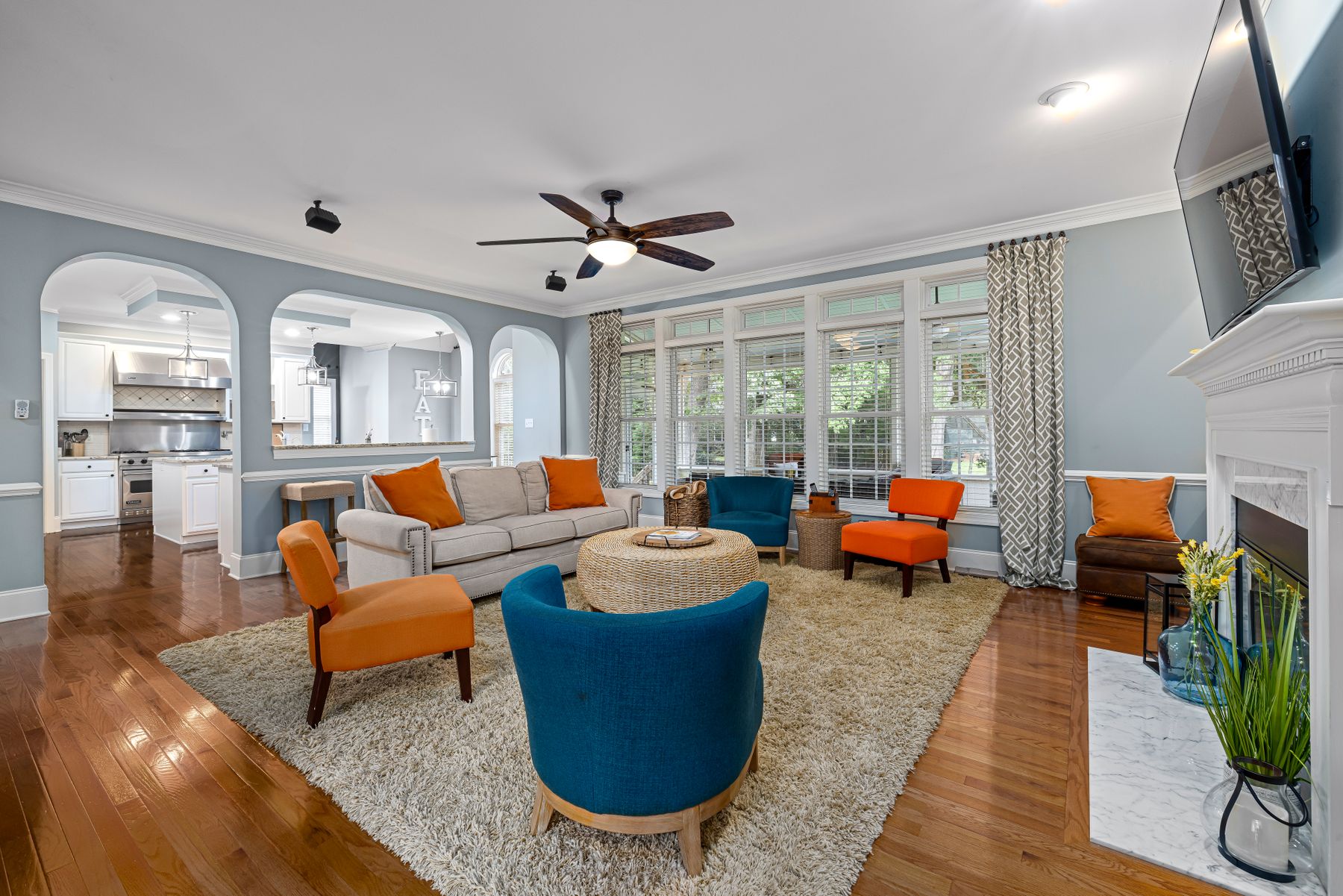
Move sofas and chairs away from automatic wall positions when the room allows. A closer group around a rug and reachable table supports conversation and makes a large or open room feel anchored. Keep enough space for legs, chair movement and the main route, and orient at least one seat toward the best daylight or view. Avoid filling every edge with occasional chairs; fewer genuinely comfortable positions are cozier than many seats no one chooses.
Keep Snug From Becoming Cramped
Draw the path from entry to seating, kitchen, bathroom, windows and storage with doors and drawers open. Preserve its useful width before adding ottomans, baskets, floor lamps or plant stands. Coziness depends on ease: squeezing past corners and moving objects daily creates tension. Concentrate furniture into one or two purposeful groups and leave a quieter edge or empty corner. In a studio, visual openness around the route can balance a more enveloping seating or sleeping zone.

Build Warmth From Undertone, Not Beige Alone
Compare paint, upholstery and rugs with flooring, timber, stone and the light entering each room. A pink beige may clash with yellow oak, while a balanced taupe can calm several wood tones. Warmth can also come from muted blue, olive, rust, plum or ochre; the apartment does not need to become brown. Use a dominant background, a supporting middle value and a few deeper notes so the scheme retains depth after sunset.
Use Timber at a Scale That Can Ground the Room
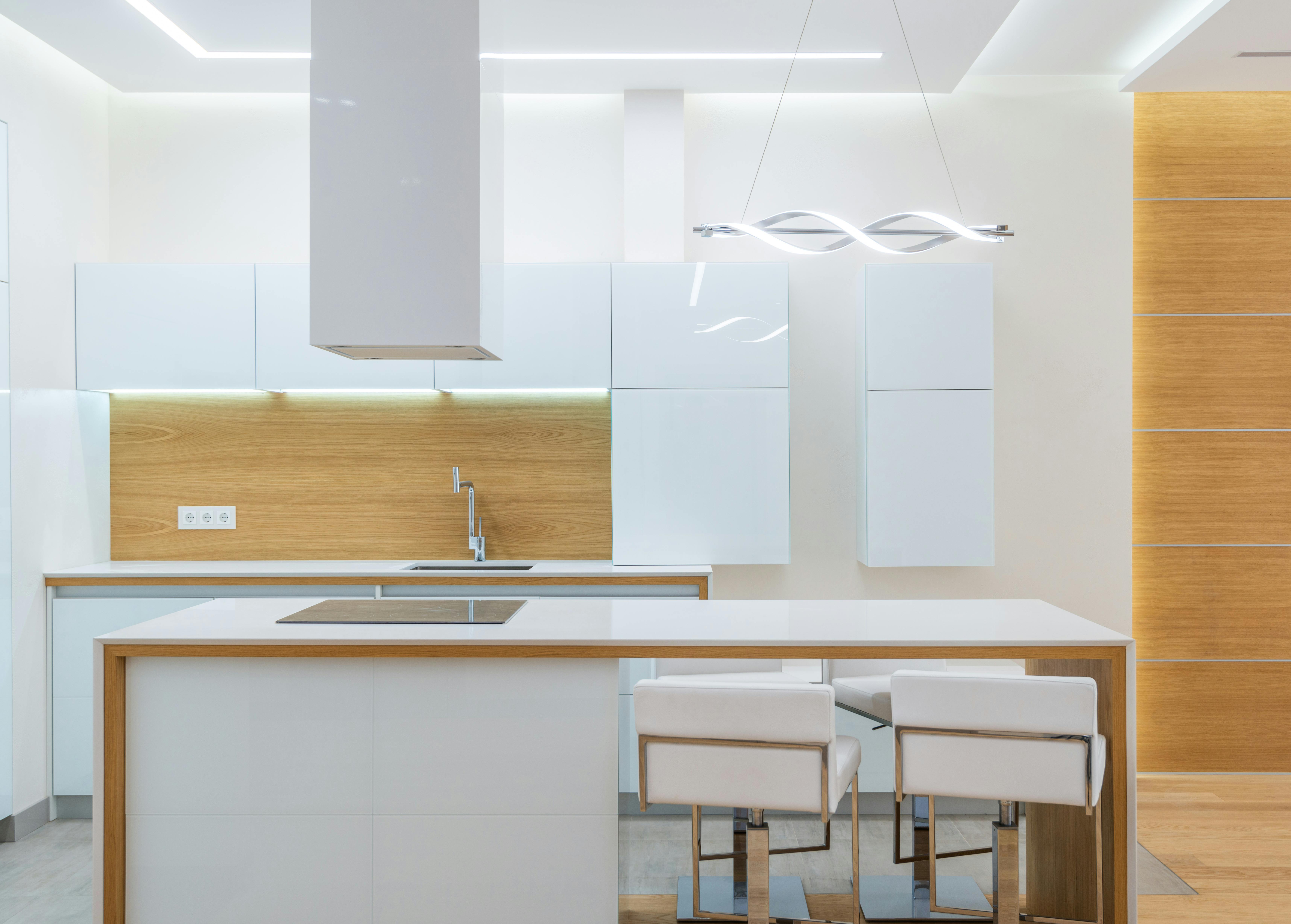
Repeat a leading wood family in flooring, a dining table, shelving, a cabinet or a vanity. Woods do not need to match, but their undertones and finish levels should form an intentional range. Matte or oiled-looking surfaces often feel tactile, yet they still need appropriate protection near cooking and water. Avoid relying on trays, beads and small decor to introduce natural warmth. A substantial useful piece gives the apartment weight while allowing textiles and color to remain lighter.
Anchor the Living Zone With the Right Rug
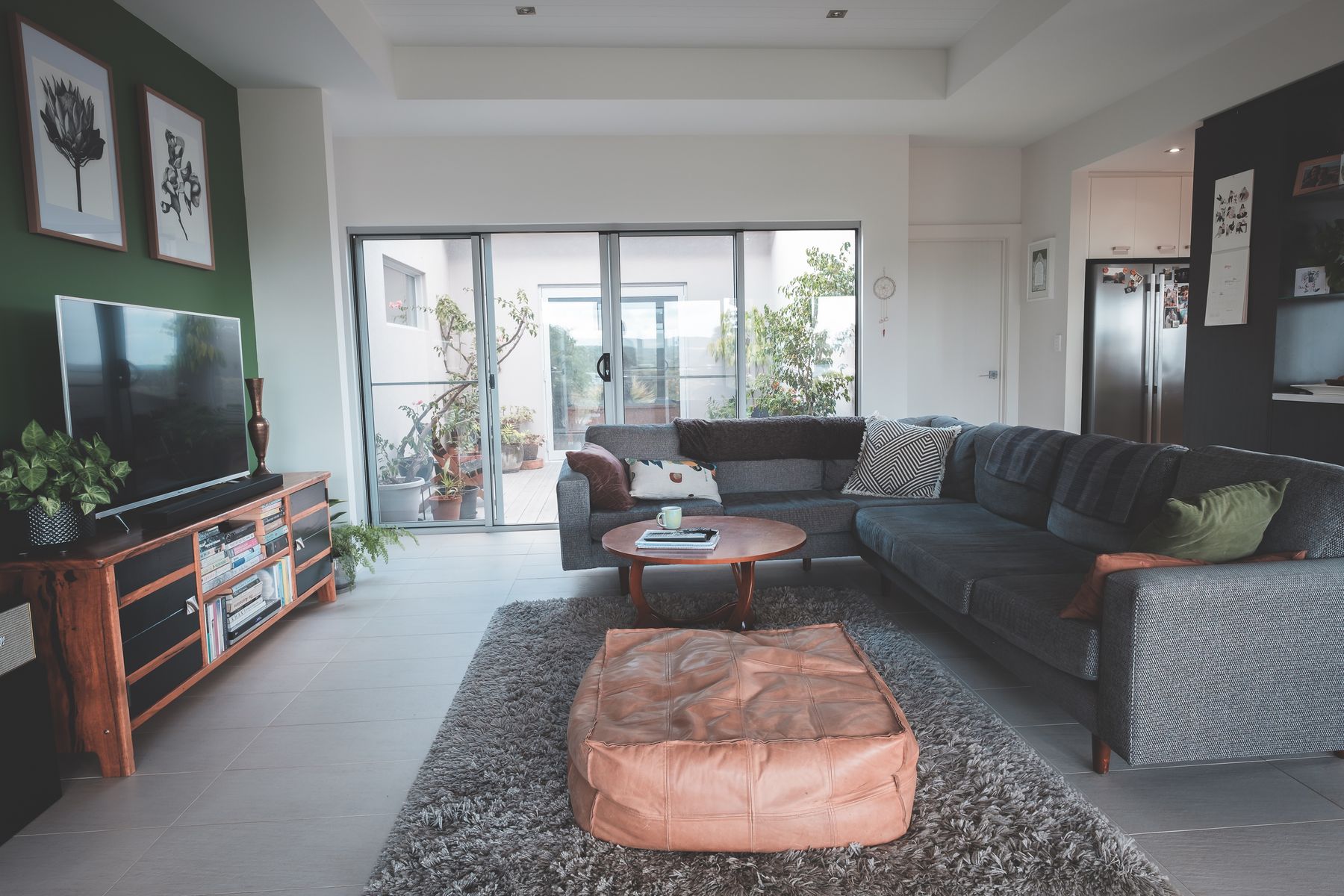
Choose a rug large enough to connect the primary seats, usually reaching beneath their front legs or defining the whole group. Consider pile height, shedding, doors, wheels, pets, cleaning and tripping before texture. Wool, flatweave, low pile and layered natural-fiber options produce different comfort and maintenance profiles. Pattern can hide wear and introduce personality, but the floor border should remain deliberate. Add a pad where it improves grip, cushioning and sound absorption.
Layer Textiles by Function and Texture
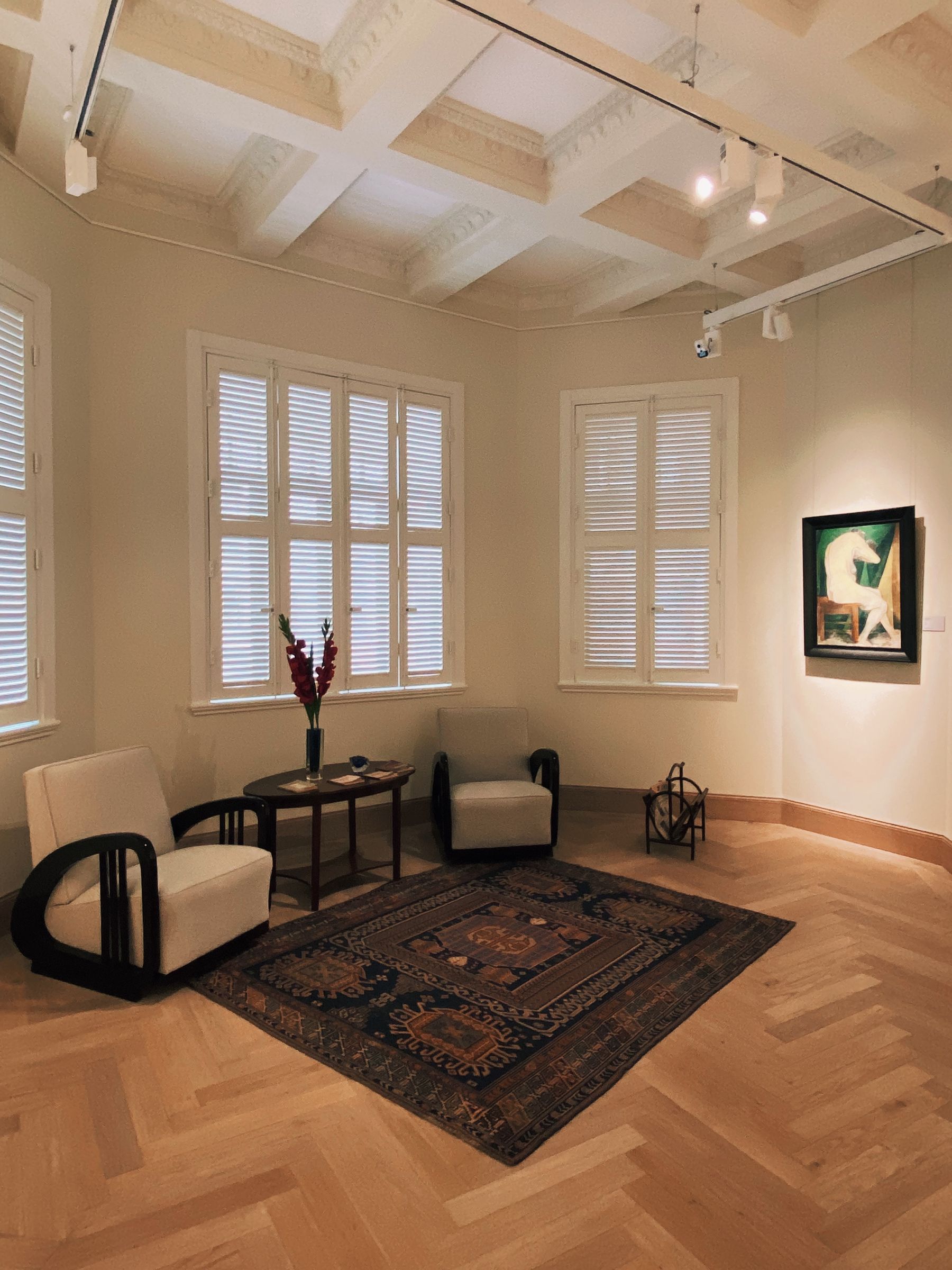
Combine smooth linen or cotton, structured wool, a softer upholstery and one plush or knitted accent rather than repeating shag, boucle or faux fur everywhere. Curtains manage light, rugs soften floor and sound, upholstery supports the body, and throws should serve temperature changes. Limit cushions to the number that can remain on the sofa while people sit. Natural and synthetic fibers both have uses; choose according to abrasion, washing, allergies, pets and fire safety.
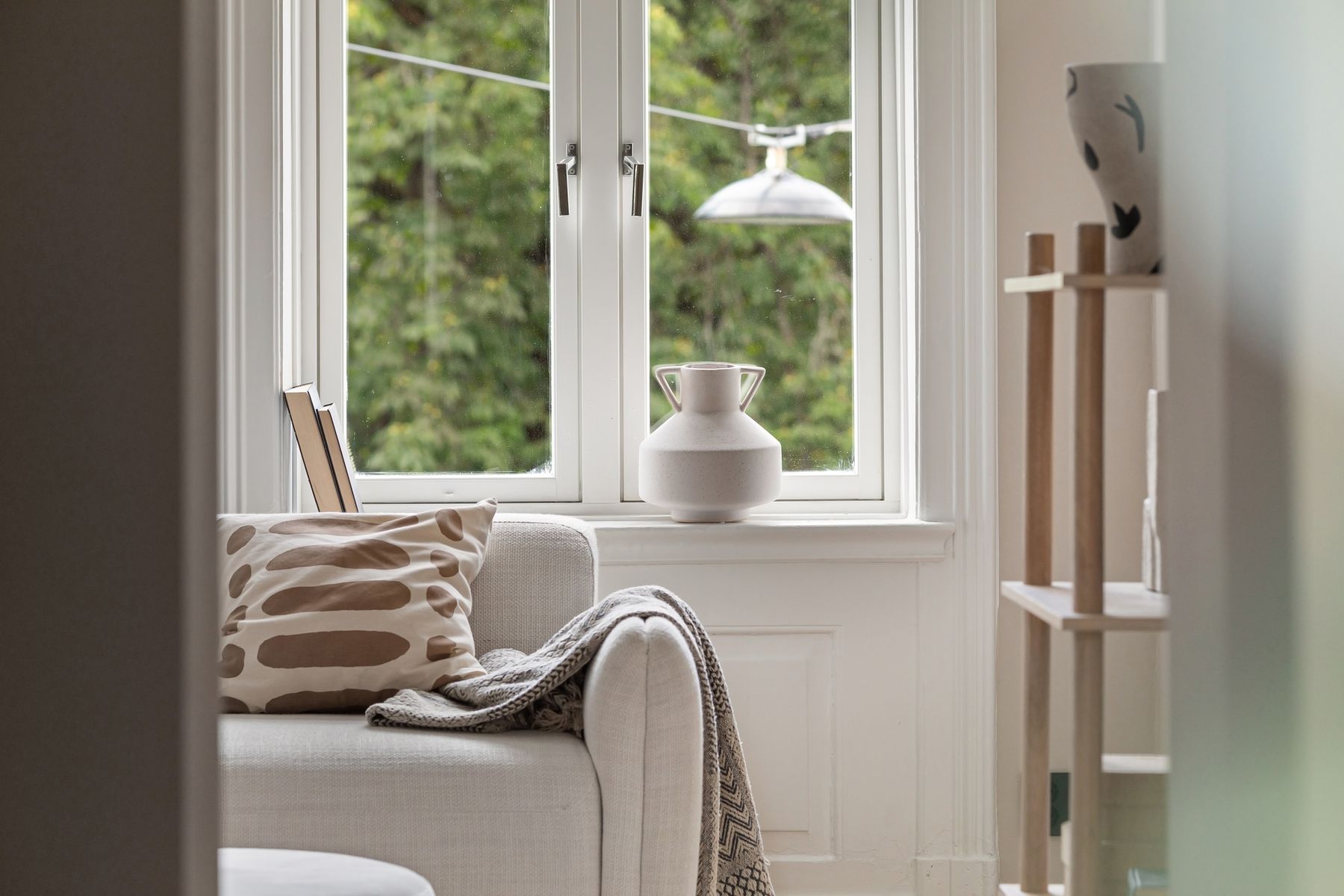
Soften Windows While Preserving Daylight
Use a translucent layer for privacy and diffuse daylight, adding lined curtains or a blind where sleep, heat or drafts require more control. Let full-height fabric frame the opening and clear most of the glass when open. Heavy curtains can improve acoustic absorption but may block radiators, vents or balcony access if poorly planned. Select washable or vacuumable materials for dusty streets, and check the exterior nighttime view before assuming a sheer provides privacy.
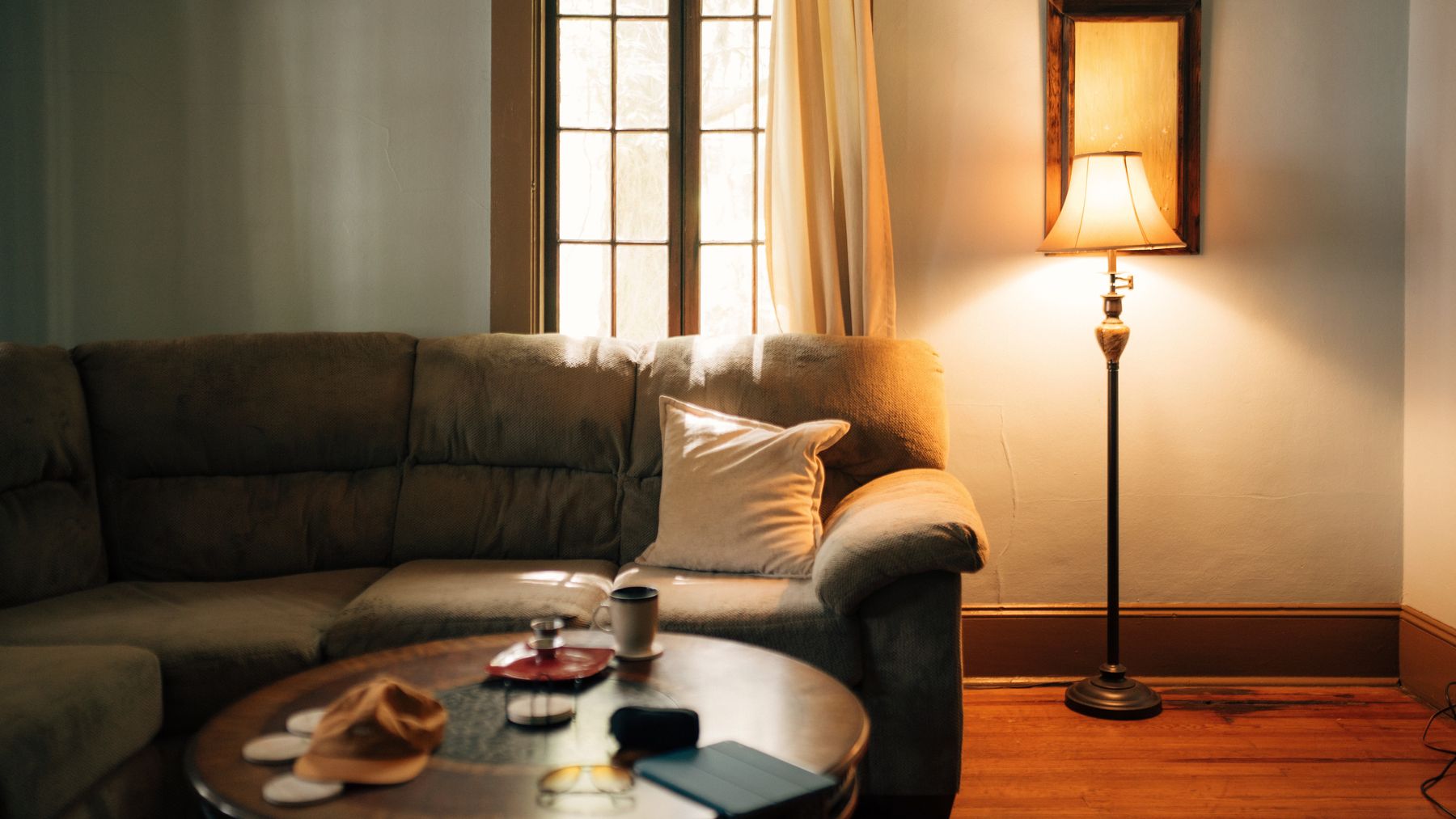
Replace Flat Overhead Light With Layers
Use general light for safe movement, focused light for reading, cooking and work, and lower accent light for atmosphere or vertical surfaces. Spread sources around the room instead of clustering every lamp beside the sofa. Separate controls or smart plugs make the arrangement practical, especially in a rental. A cozy scheme should never sacrifice task accuracy or stair and counter safety; warm atmosphere and sufficient illumination can coexist when each fixture has a defined job.
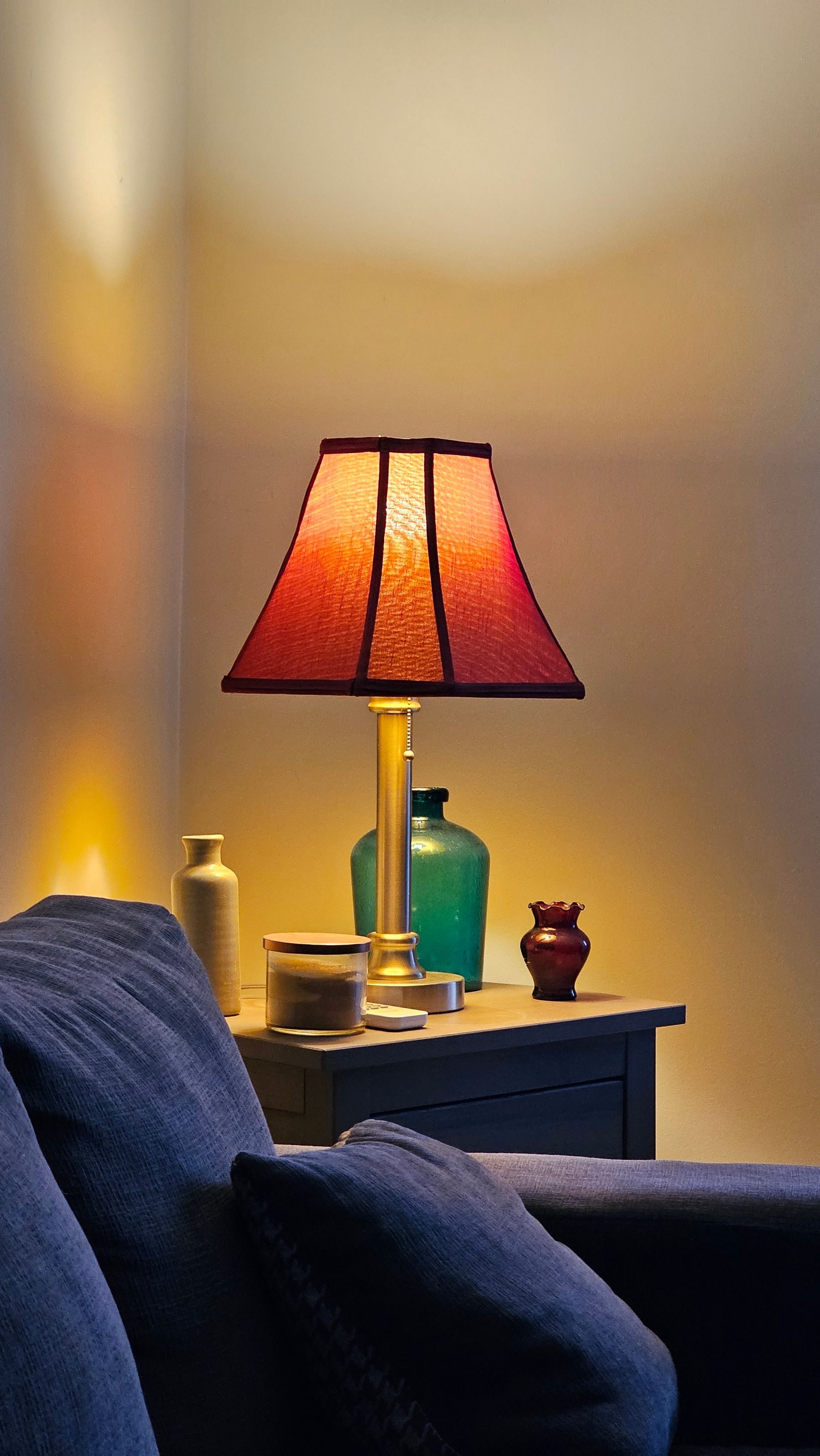
Create Pools of Light at Human Height
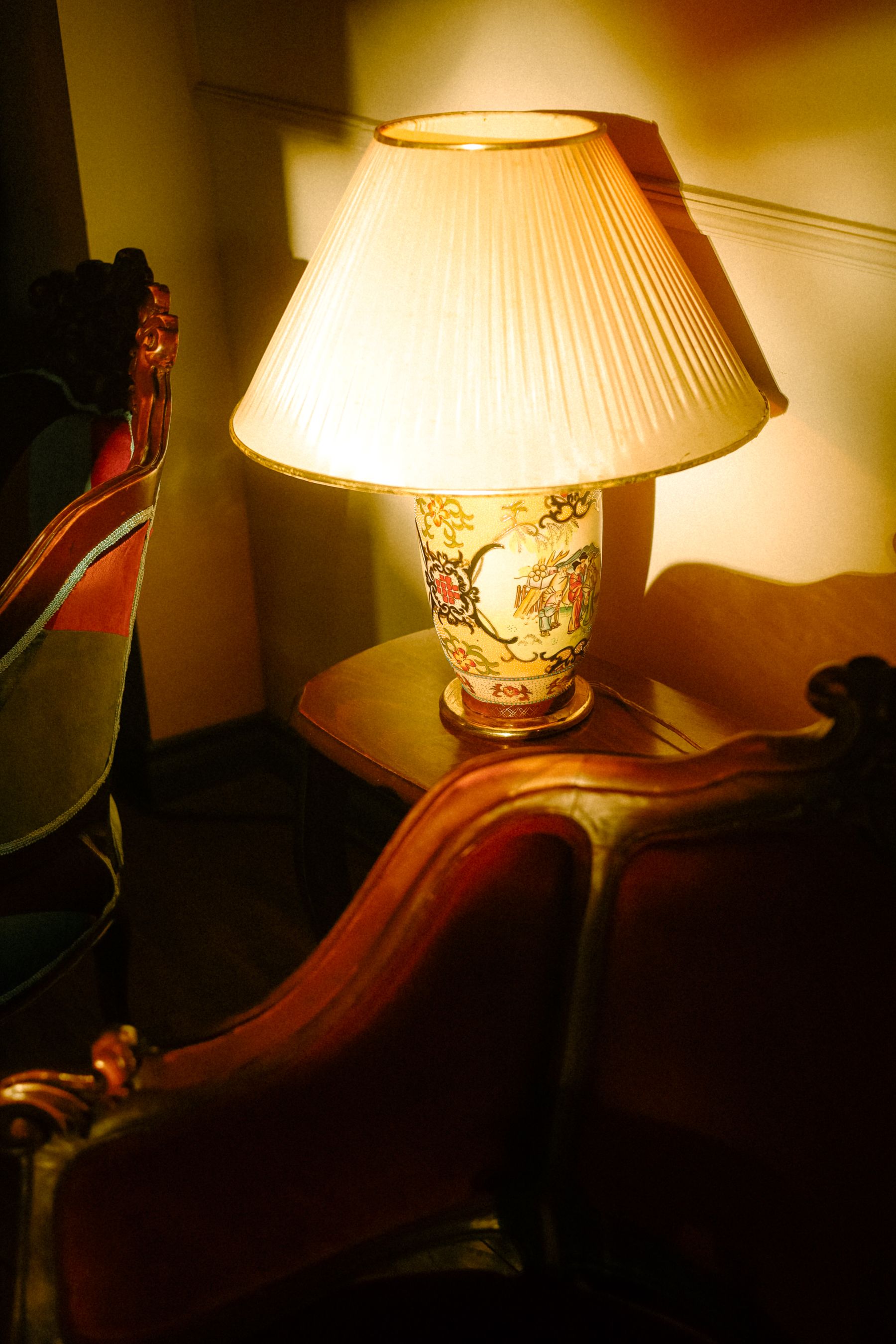
Place table, floor and wall lights close to the activities they serve, keeping shades below or around normal eye level to prevent glare. A shaded lamp on a console can brighten a dark wall, while a floor lamp supports reading without consuming a side table. Match light output and color rendering across connected rooms so one source does not look orange beside another. Cables need safe routes along walls or beneath suitable covers, never across open walking paths.
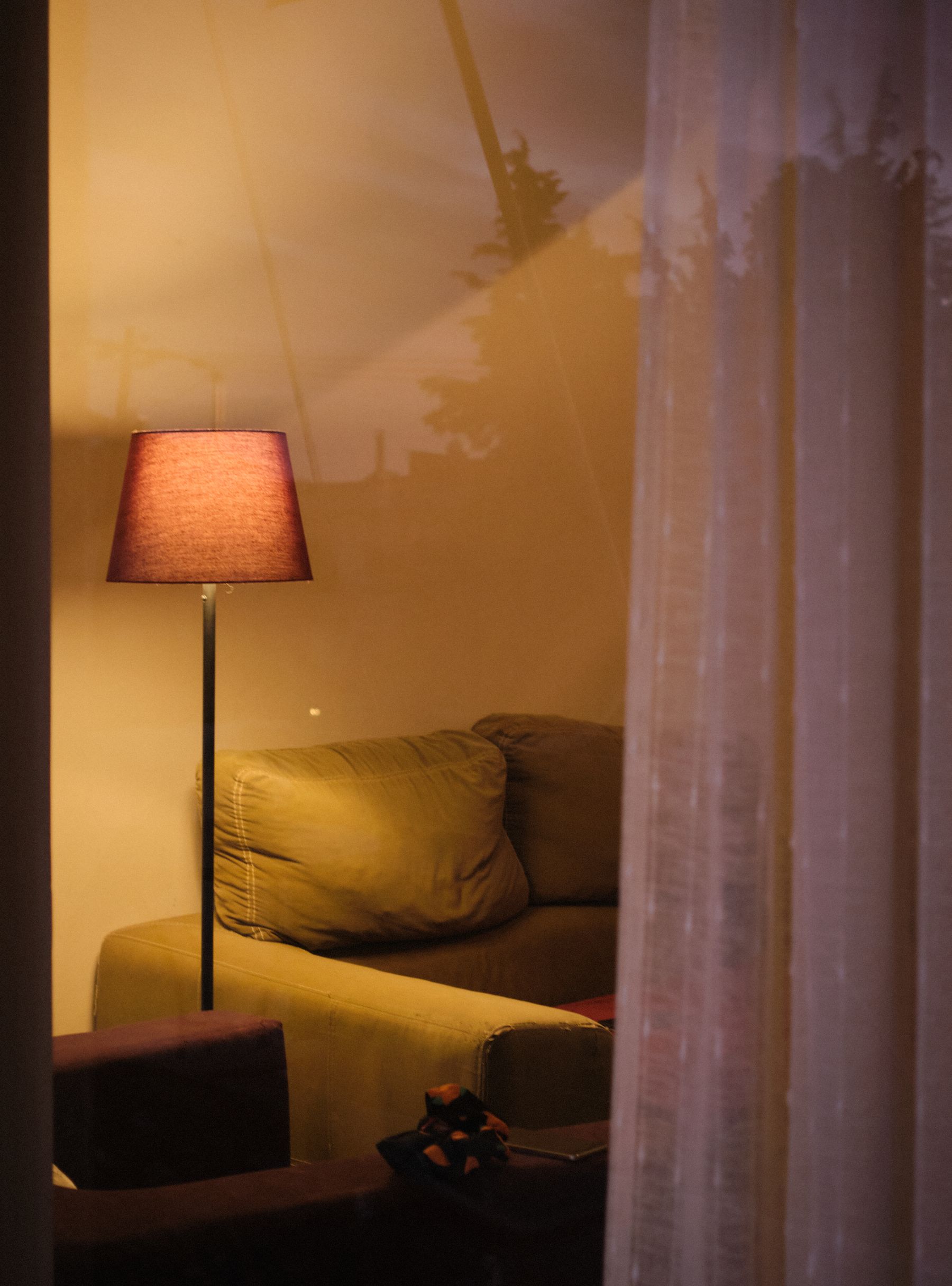
Use Evening Light to Reveal Texture
Aim selected light across timber, plaster, curtains, books or a woven surface rather than flooding every plane from the ceiling. Grazing light makes texture visible and gives a small room more depth, but it also exposes poor wall preparation and dust. Keep high-contrast accent light away from screens and sleeping areas. Dimming is useful when compatible; otherwise use lower-output lamps and separate circuits so atmosphere does not depend on one complicated scene.
Design for Acoustic Comfort
Hard floors, bare glazing and open plans can make ordinary conversation feel tiring. Distribute absorbent surfaces rather than placing all softness on one sofa: a rug on the floor, curtains at the window, upholstery at seating and books or textile art on selected walls. Door seals and furniture placement may reduce transferred noise, but persistent neighbor or mechanical sound can require professional assessment. Coziness includes the ability to speak, rest and work without constant echo.
Make the Entry a Calming Threshold
Provide a clear place for shoes, keys, bags, wet outerwear and incoming post before adding decorative objects. A bench or stool, shallow closed storage and one warm lamp can create a stronger welcome than a crowded console. Use a runner or mat that handles actual dirt and door clearance. A mirror should support the leaving routine without reflecting clutter. If the entry opens directly into the living room, turn one cabinet or rug edge into a subtle boundary.
Create a Reading Corner That Supports the Body
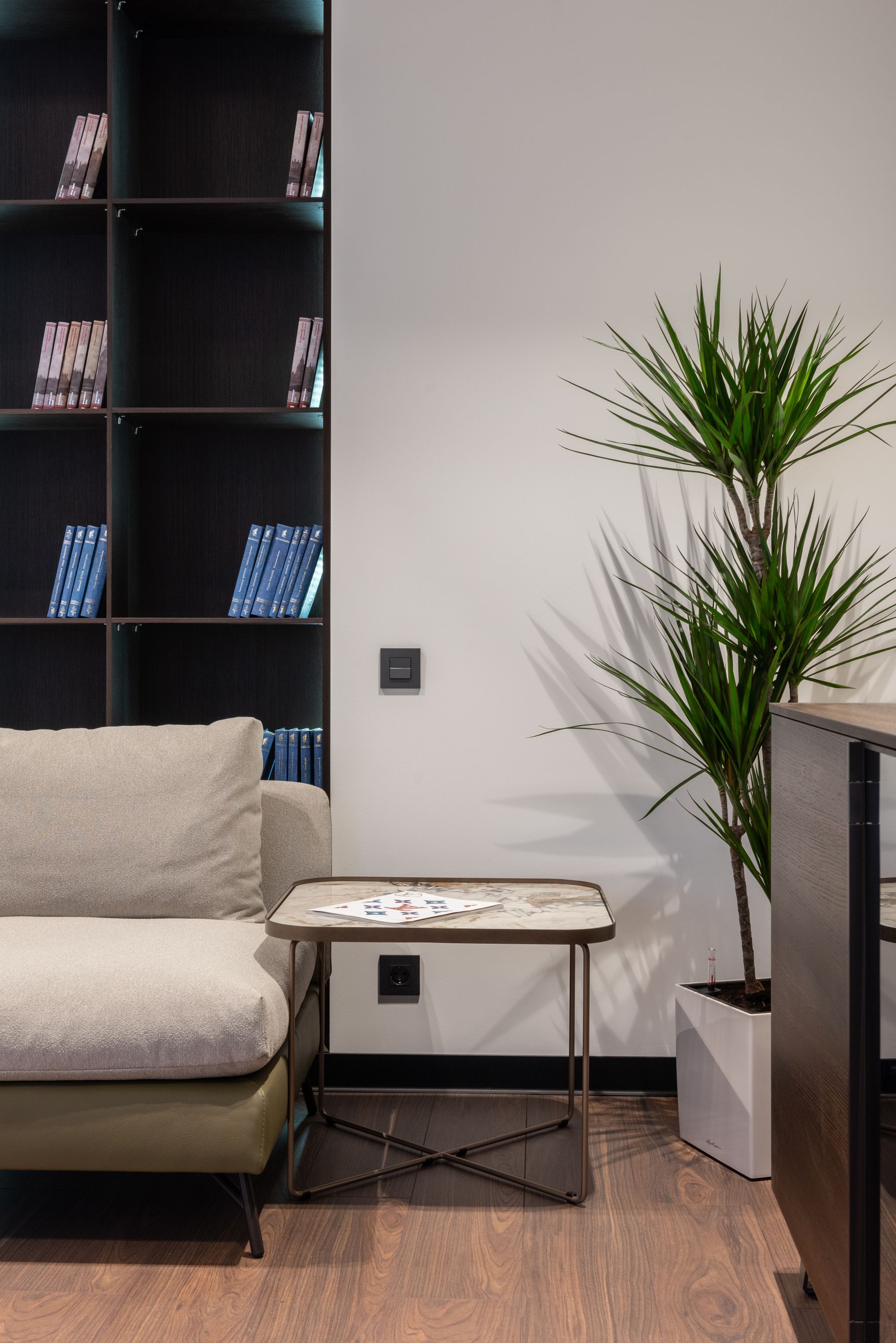
Choose a chair for the user's preferred posture, with enough back, arm and seat support for the intended reading time. Add a light that reaches the page without shining into the eyes and a stable surface for a drink, book and glasses. A footstool can improve comfort if it does not block circulation. Keep chargers and cables accessible but contained. The corner should remain easy to use, not become a display of stacked unread books and pillows.

Build a Dining Nook for Everyday Gathering
Use a round or softly cornered table where circulation is tight, or a banquette where wall space can work harder. Seat height, table clearance and back support matter more than adding many cushions. A pendant or nearby wall light should define the table without obstructing views. Keep a small amount of storage for linens or work materials if the nook has multiple roles. Pattern and color can concentrate here while surrounding open-plan surfaces remain calmer.
Keep the Kitchen Warm but Workable
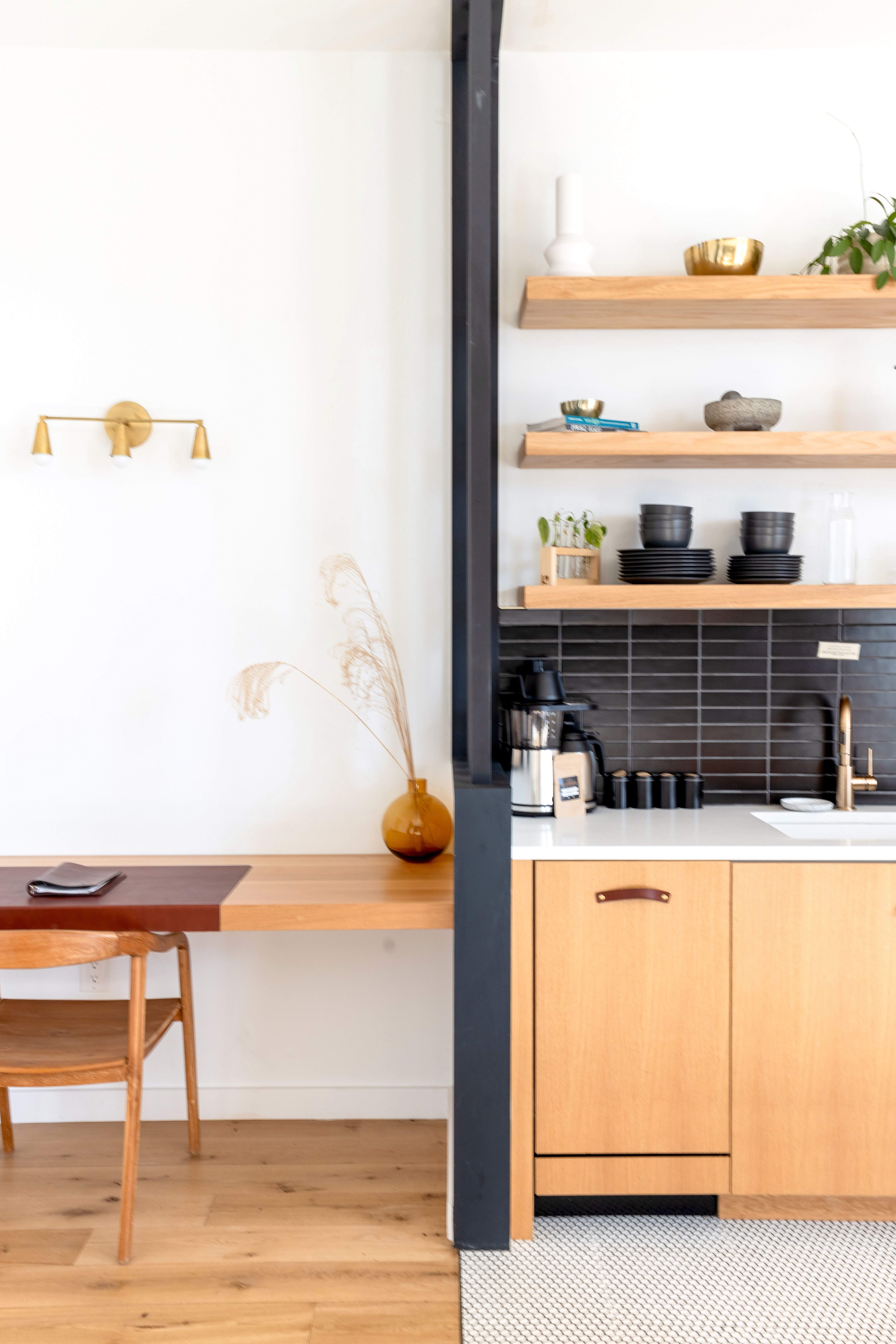
Use timber, warm cabinet color, a washable runner or a small art area where they do not interfere with heat, water and cleaning. Protect one continuous preparation surface instead of filling the worktop with lamps, boards and decorative vessels. Under-cabinet light and a dining pendant create lower evening illumination, but cooking still needs accurate task light. In an open plan, repeat one living-room material while preserving extraction, storage and the route among refrigerator, sink and heat.
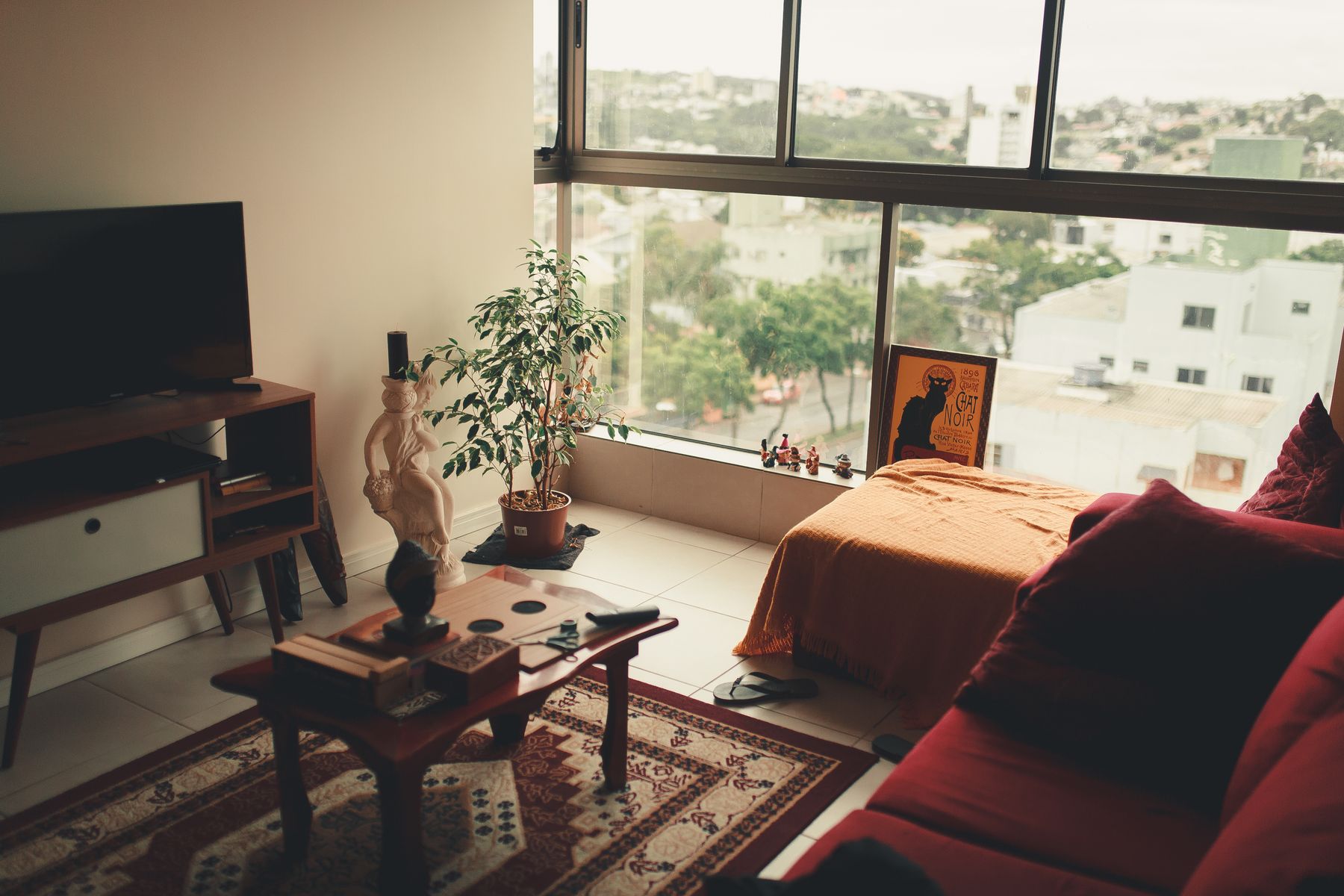
Make the Bedroom Enveloping, Not Overfilled
Place the bed according to darkness, noise, ventilation and a clear nighttime route. Use curtains, a rug, upholstered headboard or textile wall layer to soften sound and edges where cleaning is manageable. Bedding should support the sleeper's temperature rather than follow a fixed pile of throws and cushions. Provide reachable dim light, charging and water on both regularly used sides. In a studio, a curtain or open screen can create psychological enclosure without trapping air or daylight.
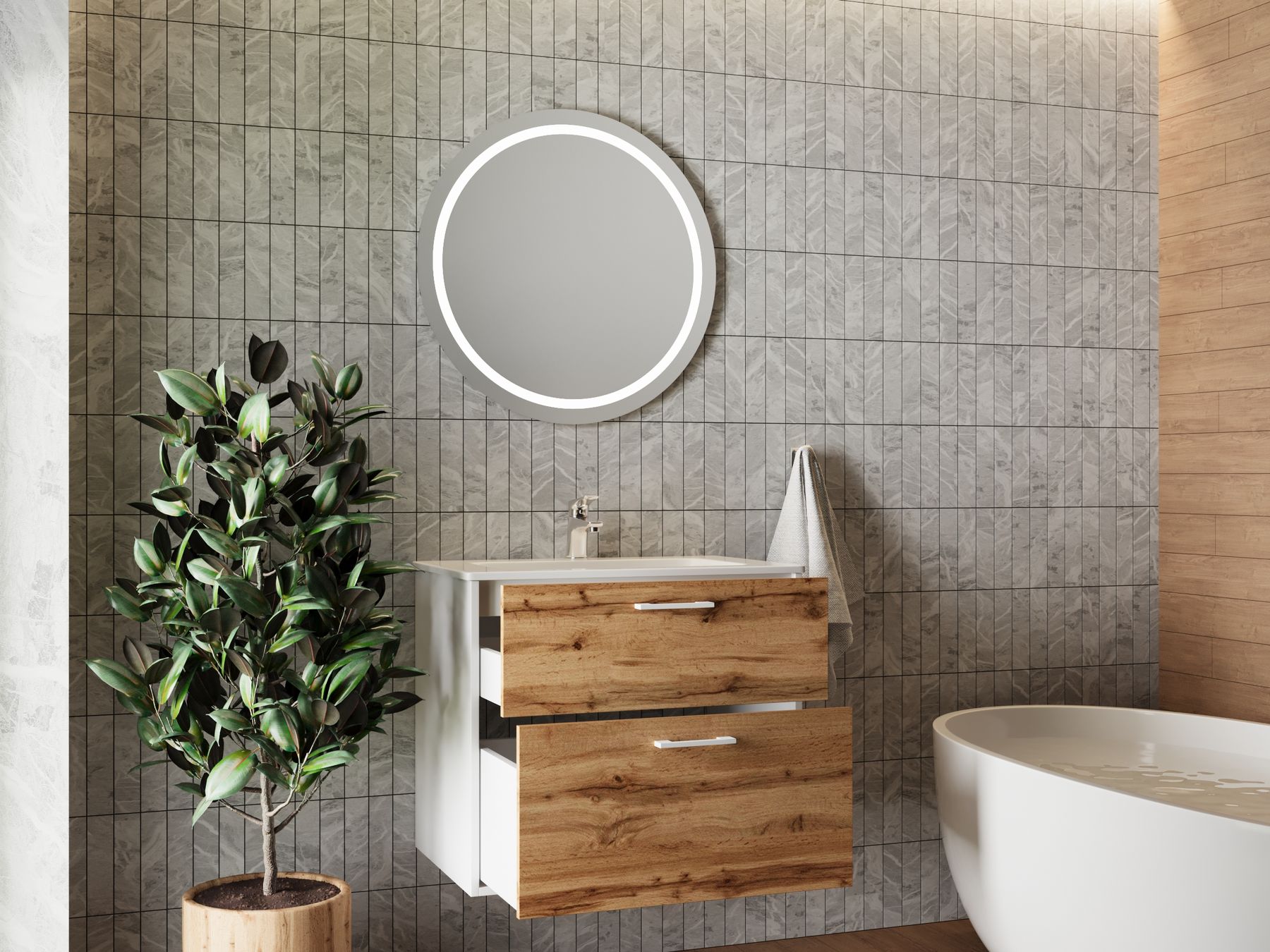
Give the Bathroom Warmth Through Material Contrast
Introduce warmth through a sealed timber vanity, framed mirror, textured towels or one muted color while keeping waterproofing, ventilation and slip resistance primary. Use flattering task light at the face and sufficient illumination in the shower. Open baskets are useful only for items that remain dry and visually controlled; closed storage handles mixed packaging better. Choose towels and mats that dry fully in the room's real airflow, since damp textiles undermine comfort quickly.
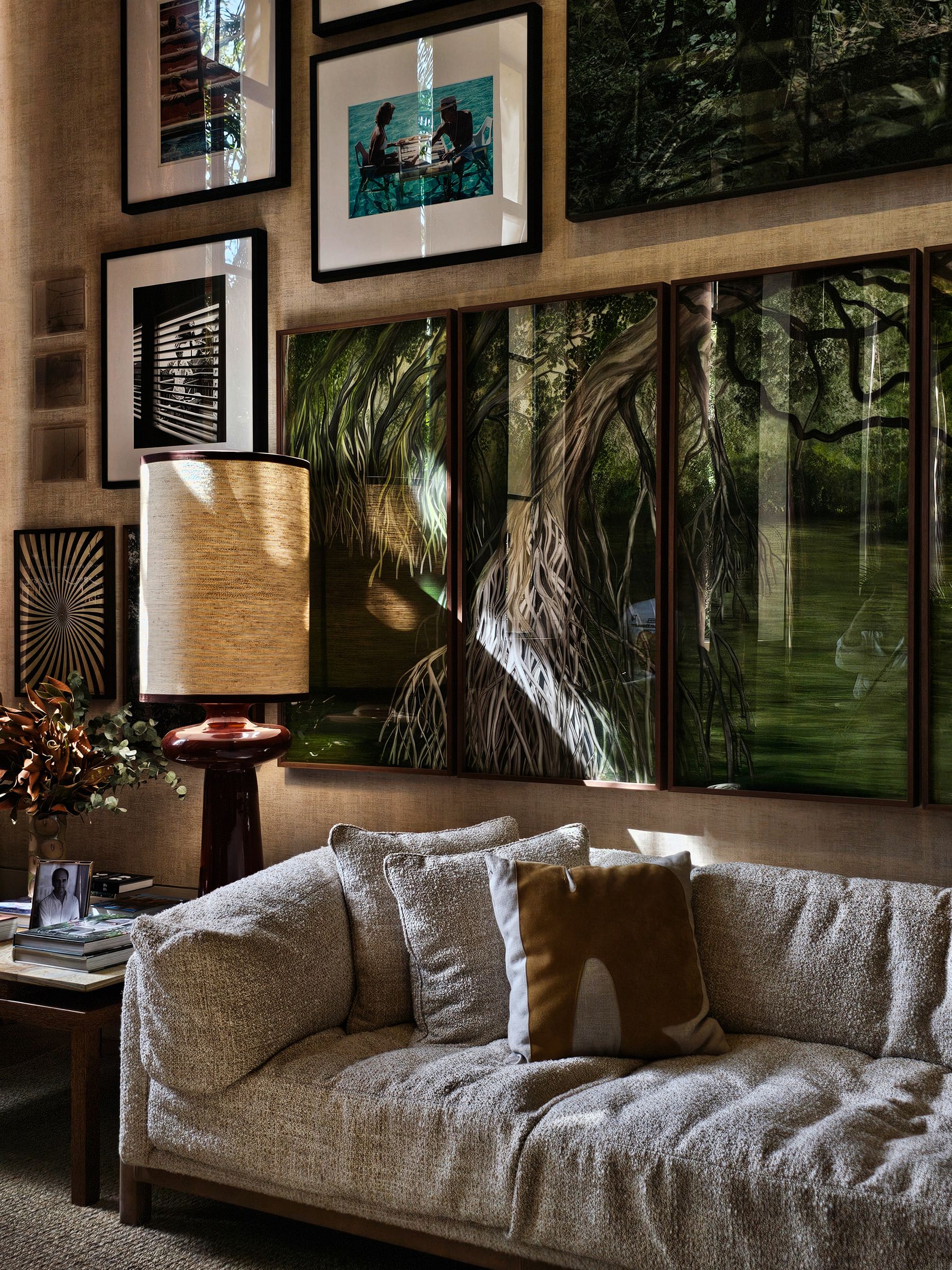
Use Personal Objects to Make the Home Specific
Display objects tied to people, places, craft or recurring interests rather than buying anonymous decor to fill every surface. Group small items by story or material, give larger pieces an independent boundary and rotate fragile collections instead of exposing everything. Books should be accessible to readers and not serve only as color blocks. Personal layers make many different styles feel cozy, but editing is essential: each object gains presence when adjacent storage contains the practical remainder.
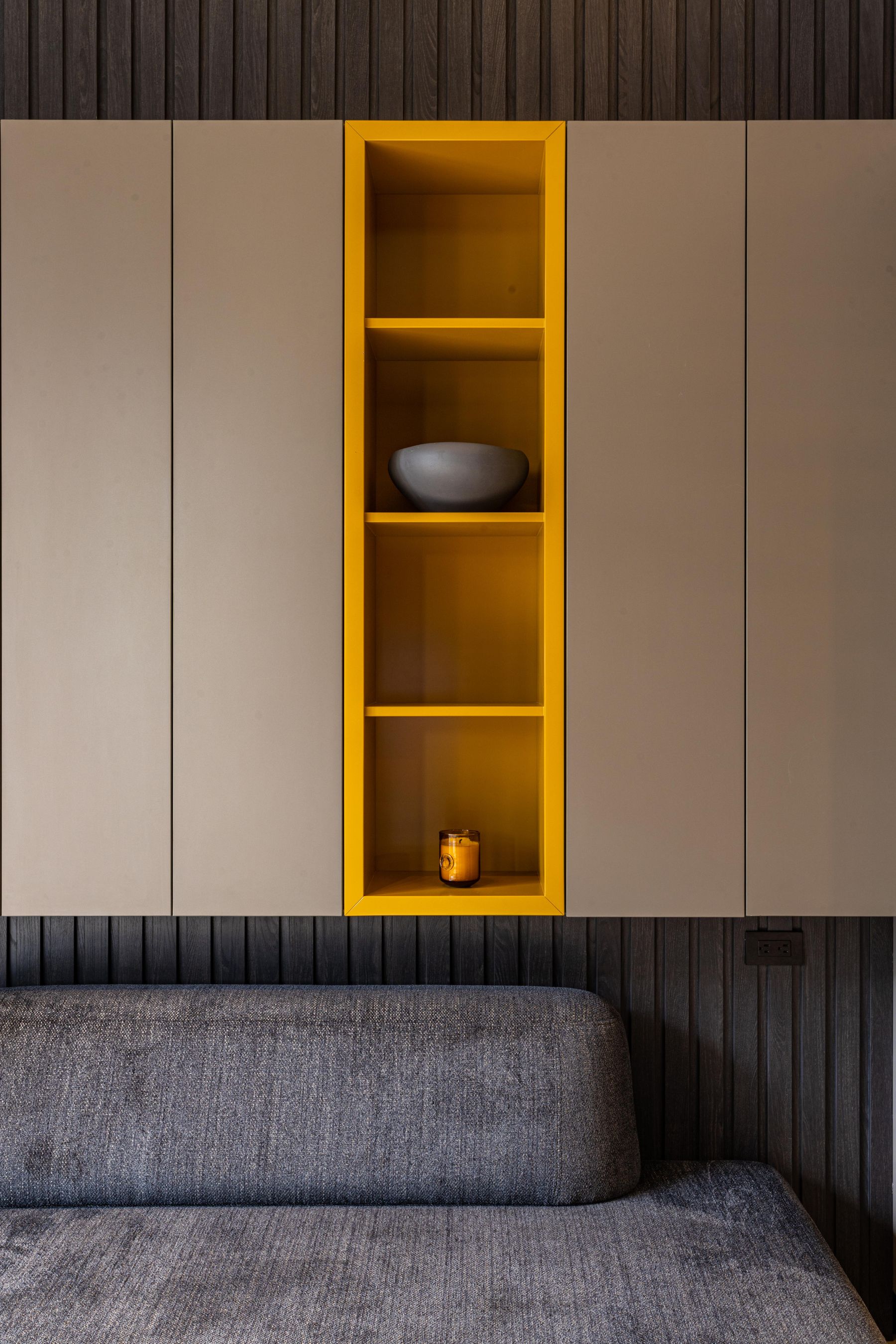
Balance Books and Display With Closed Storage
Reserve open shelves for books in use, a focused collection and objects that tolerate dust and light. Put cables, paperwork, packaging, games and mixed household supplies behind doors near the place they are used. A concentrated wall of storage often feels calmer than several small cabinets scattered around the apartment. Maintain negative space within shelves and confirm that the unit does not block daylight, ventilation or outlets. Coziness depends on evidence of life, not uncontrolled visibility of everything owned.
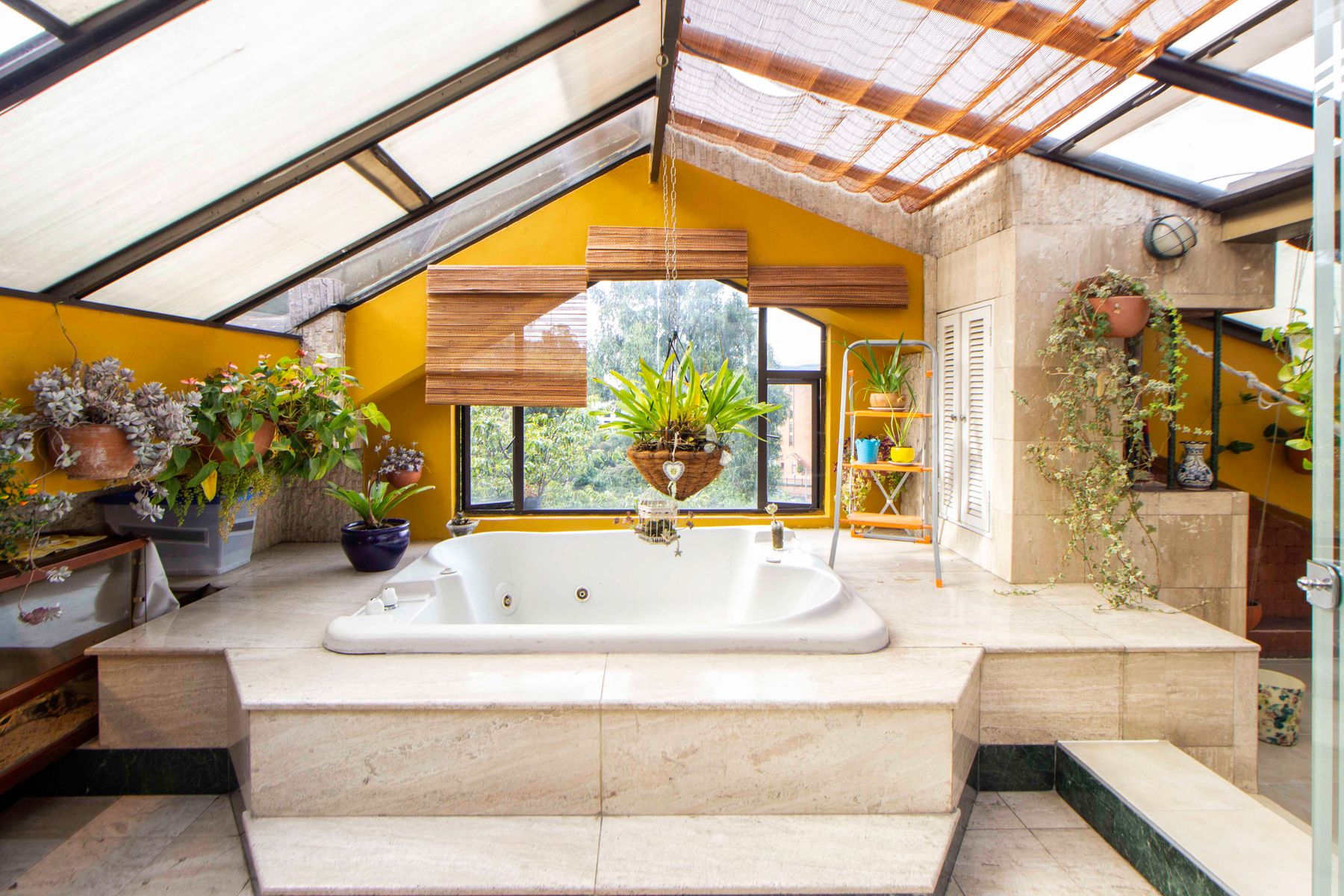
Add Plants Where They Can Remain Healthy
Choose species according to window direction, distance from glass, humidity, temperature and the resident's care capacity. Group plants near reliable light rather than placing one in every empty corner. Protect floors and furniture from drainage, and keep leaves clear of curtains, heaters and walking routes. Plan for mature size before buying tall stands or hanging systems. Artificial greenery should also be edited and cleaned; it cannot compensate for an unresolved material or color scheme.
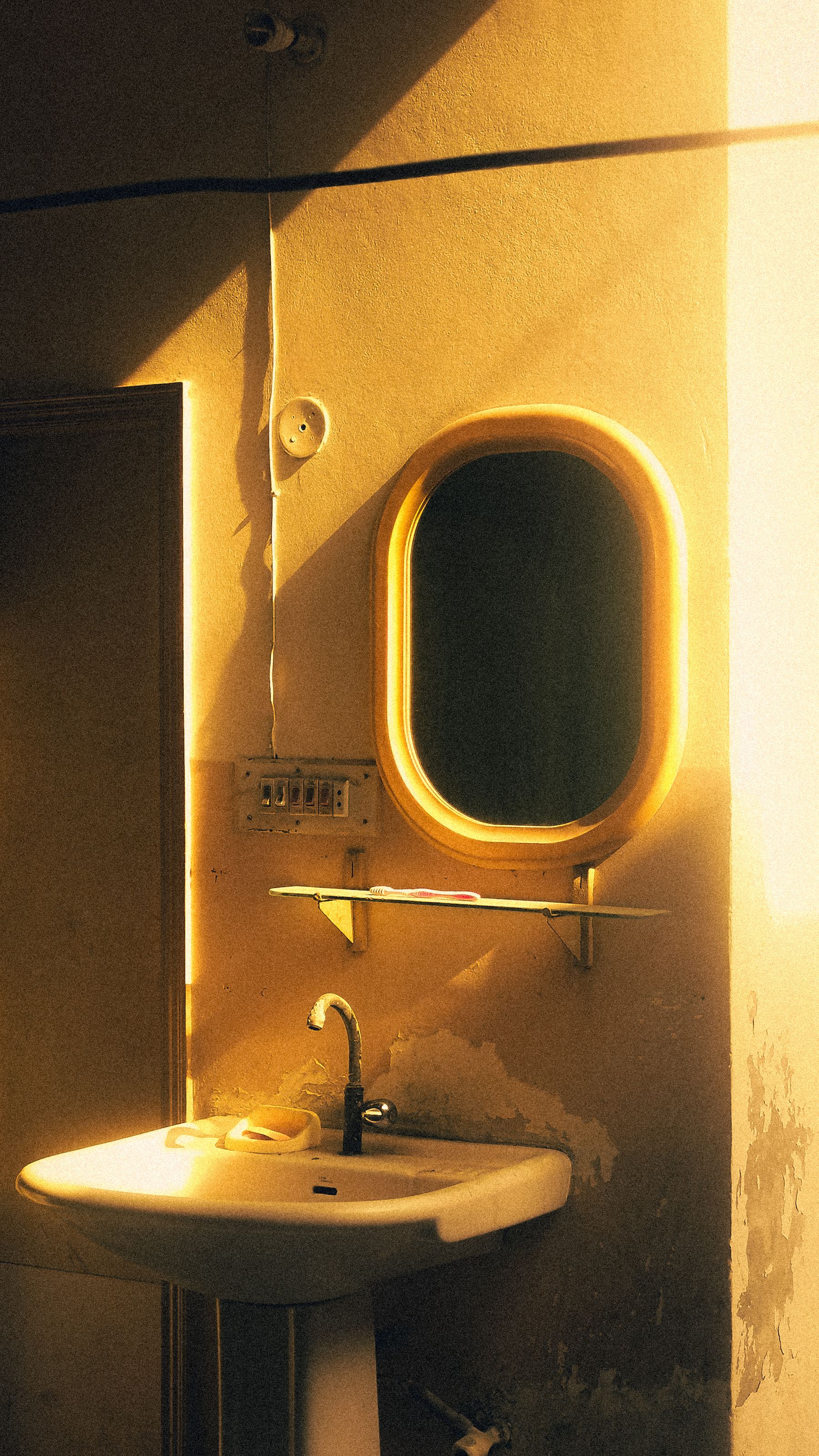
Use Scent and Flame With Restraint
Treat scent as optional and personal, considering allergies, pets, ventilation and neighbors before using candles, incense or diffusers. Never use fragrance to mask damp, drains, smoke or poor cleaning. Keep flames on stable noncombustible surfaces away from curtains, books, plants, children and pets, and extinguish them before leaving the room. Battery or plug-in lamps can supply a similar low glow more safely. One subtle scent zone is usually calmer than competing fragrances across the apartment.
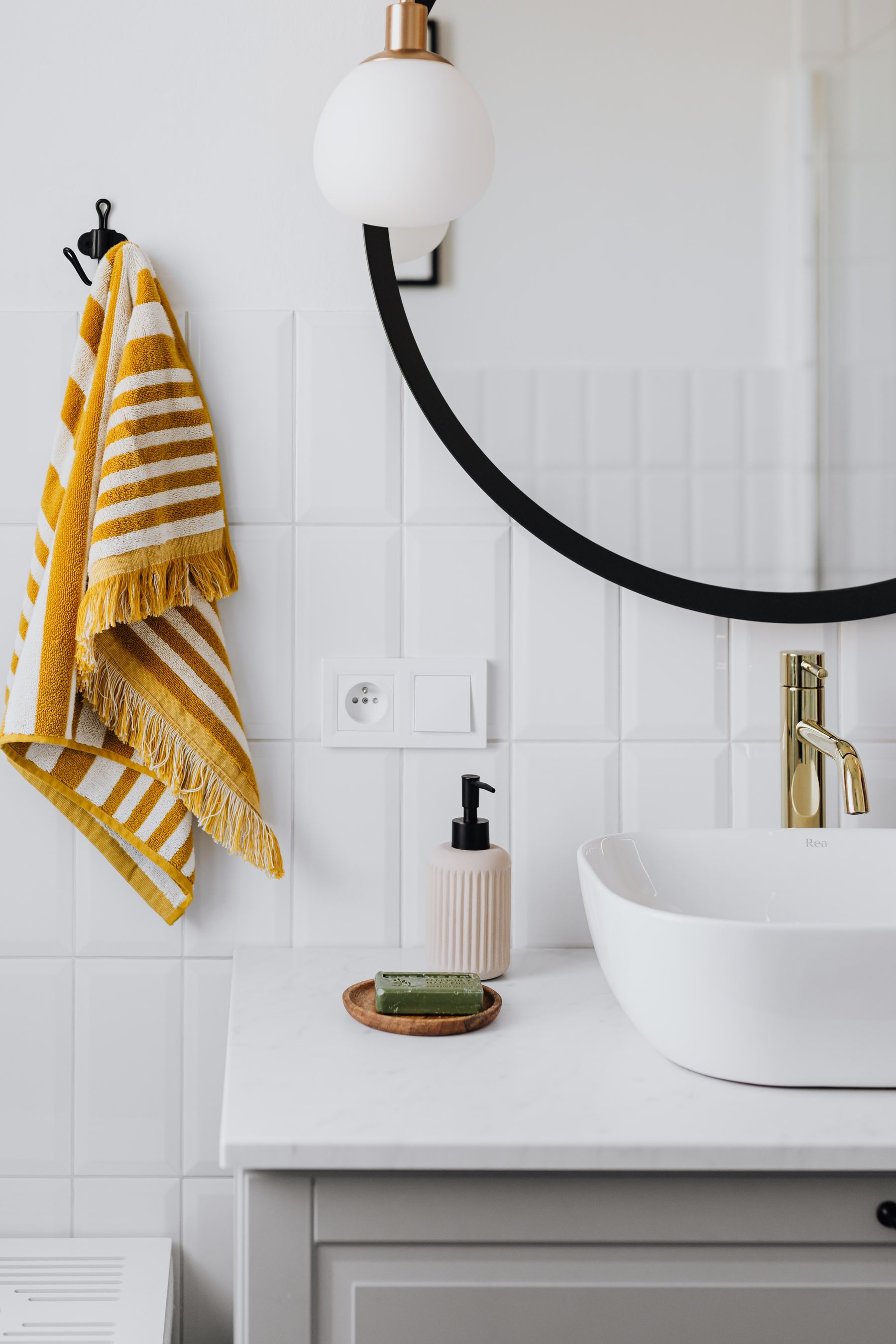
Create Seasonal Layers That Store Easily
Rotate one throw, cushion-cover group, bedding layer or lightweight curtain according to temperature and daylight rather than accumulating seasonal decor. Choose folded volume according to available storage and label containers so off-season pieces remain accessible. Summer coziness may come from linen, shade and airy seating; winter can add wool, denser curtains and warmer light. The apartment should retain its identity when seasonal items are removed, preventing comfort from depending on constant consumption.
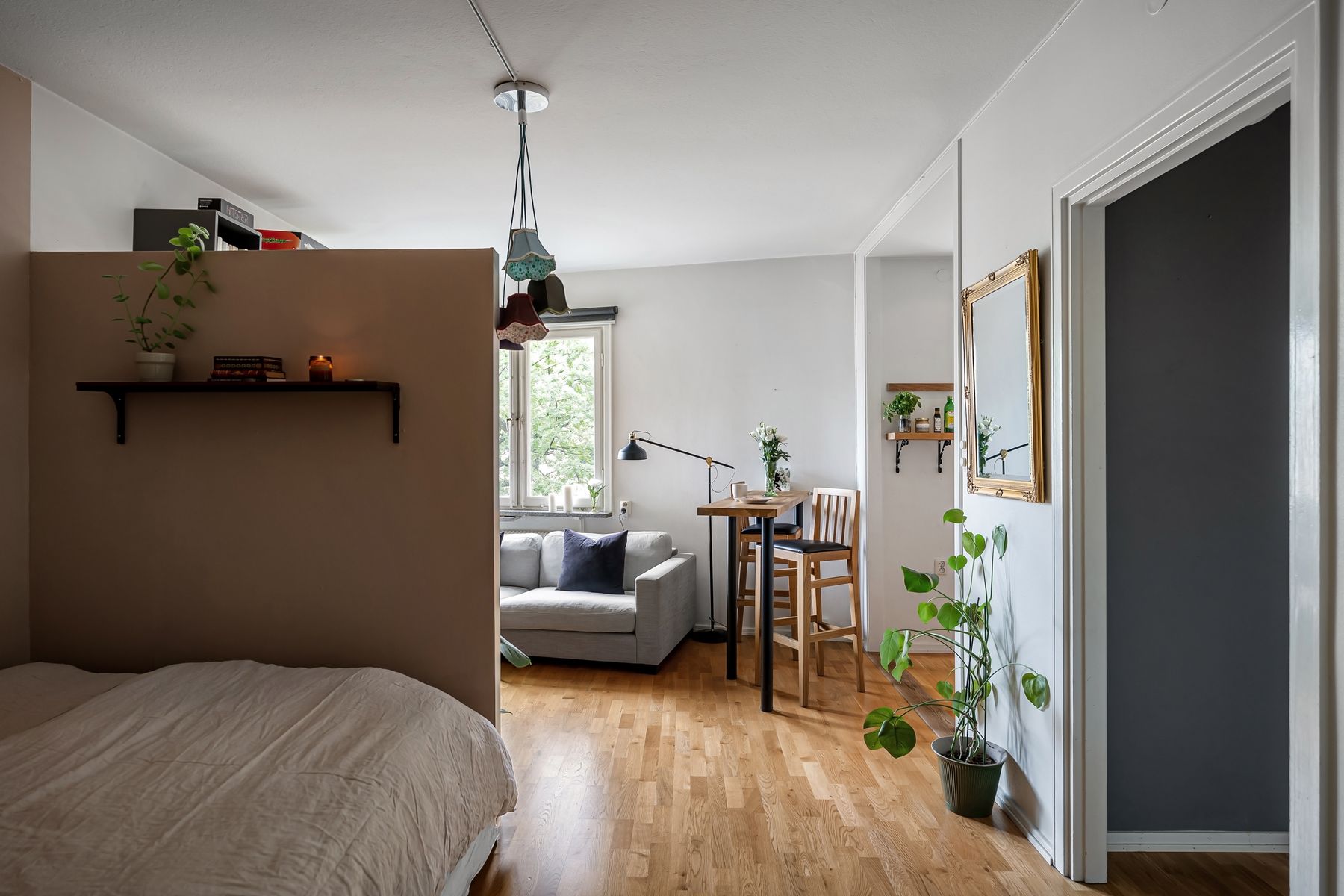
Make a Rental Cozy With Reversible Changes
Prioritize a correctly sized rug, full-length curtains, comfortable seating, plug-in lamps, freestanding storage and personal art hung with approved methods. Change bulbs where permitted and retain the originals for move-out. Removable wallpaper or film should be tested on an inconspicuous area because adhesives and paint vary. Spend more on pieces that solve routine and can move to another home, while documenting the starting condition before drilling, painting or replacing hardware.
Edit Before Coziness Becomes Clutter
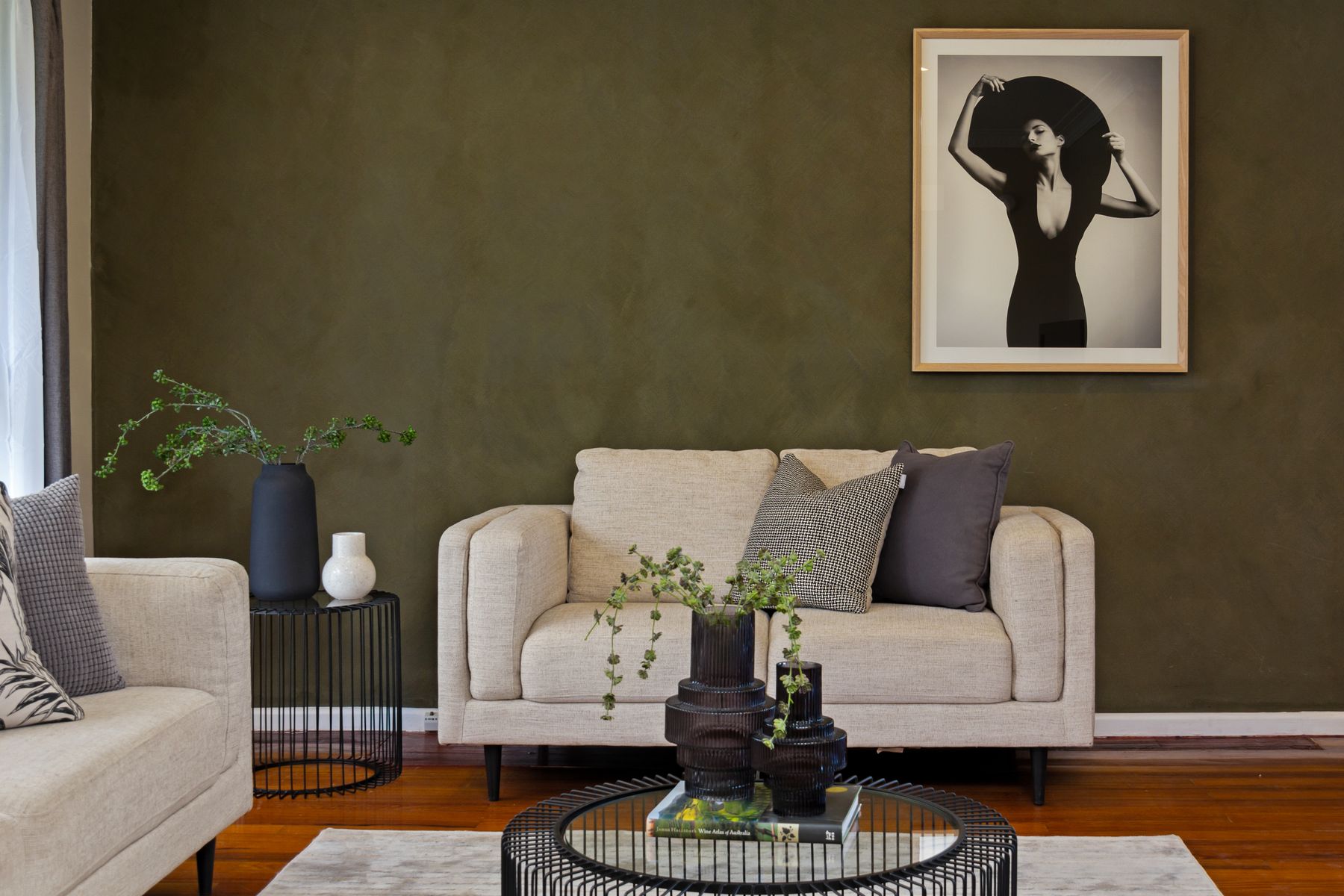
Review the apartment after all daily objects are present, not immediately after styling. Remove layers that duplicate a function, obstruct cleaning, cover comfortable seating or make every surface equally busy. Keep one clear landing area in each major zone and enough empty wall or floor to reset the eye. Photographing the room can reveal density that feels invisible in person. A cozy apartment should welcome use and recovery; it should not require constant rearrangement to live in.
Maintain the Materials That Create Comfort
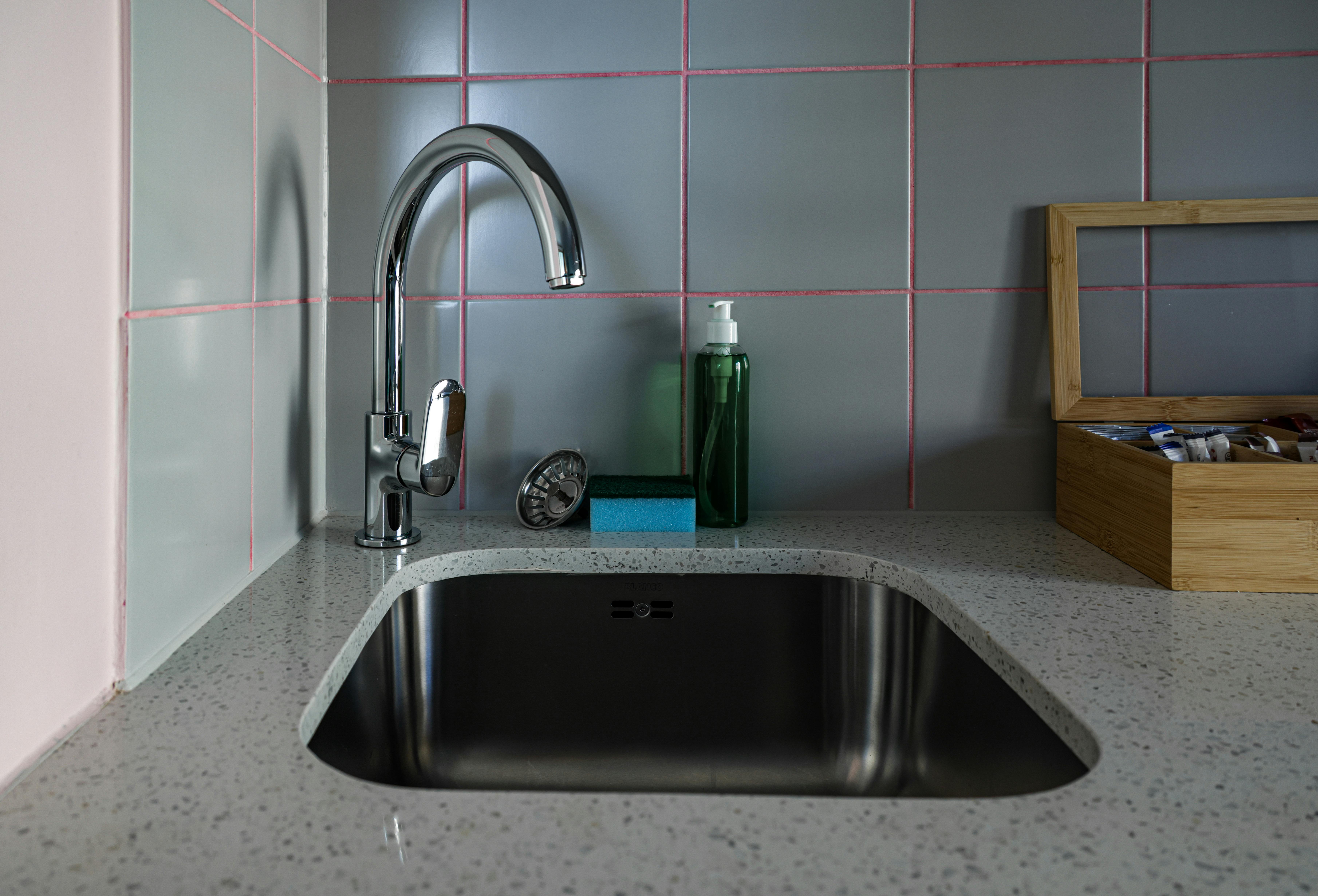
Record care instructions for rugs, upholstery, curtains, timber and lamps, and choose cleaning tools that can reach beneath the furniture layout. Wash or vacuum textiles often enough for allergies, pets and street dust, and inspect cords, shades and fixings as lamps are moved. Keep spare washable covers or labeled touch-up finishes where daily wear is predictable. Materials that look inviting but remain damp, dusty, stained or difficult to access eventually make the apartment less comfortable.