Choose the Story Before You Choose the Objects
Decide what the apartment already offers and which eras or memories genuinely interest you. A 1930s building with parquet and tall windows may suggest a different starting point from a plain contemporary rental furnished with 1960s pieces. You do not need a strict period, but a short design sentence helps: preserved architecture, warm mid-century furniture and collected art is more useful than simply vintage. Use that sentence to reject objects that are attractive alone but confusing in the whole.
Preserve Original Features Before Imitating Age
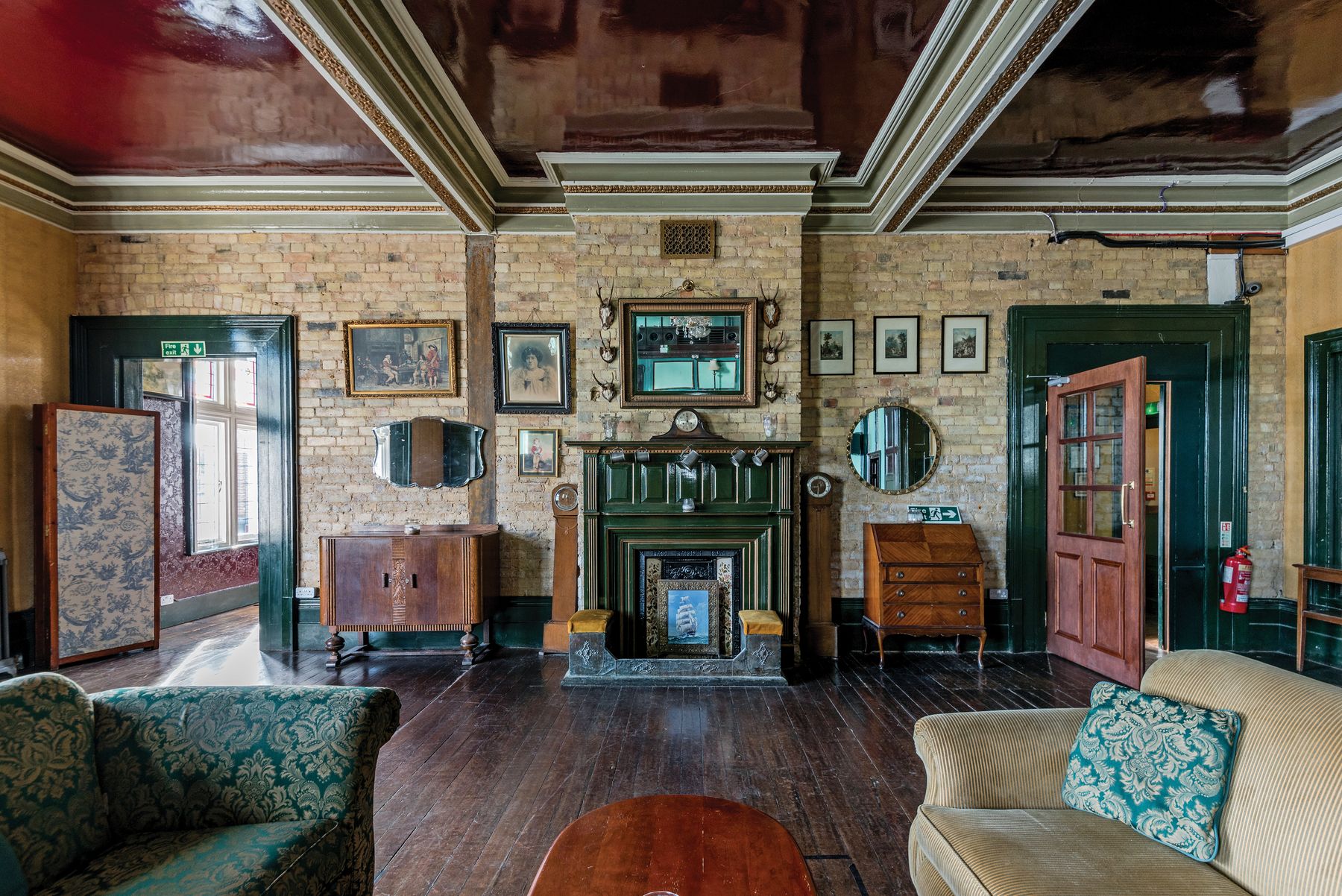
Existing wood floors, doors, hardware, fireplaces, ceiling roses and molding should be assessed before they are covered or replaced. Cleaning, repair or sensitive refinishing may reveal more value than adding imitation distress elsewhere. Confirm whether a feature is functional and whether specialist review is needed, particularly for fireplaces, old paint, glazing or electrical fittings. In a rental, document the condition and obtain permission before altering anything fixed.
Build the Room Around One Substantial Vintage Piece
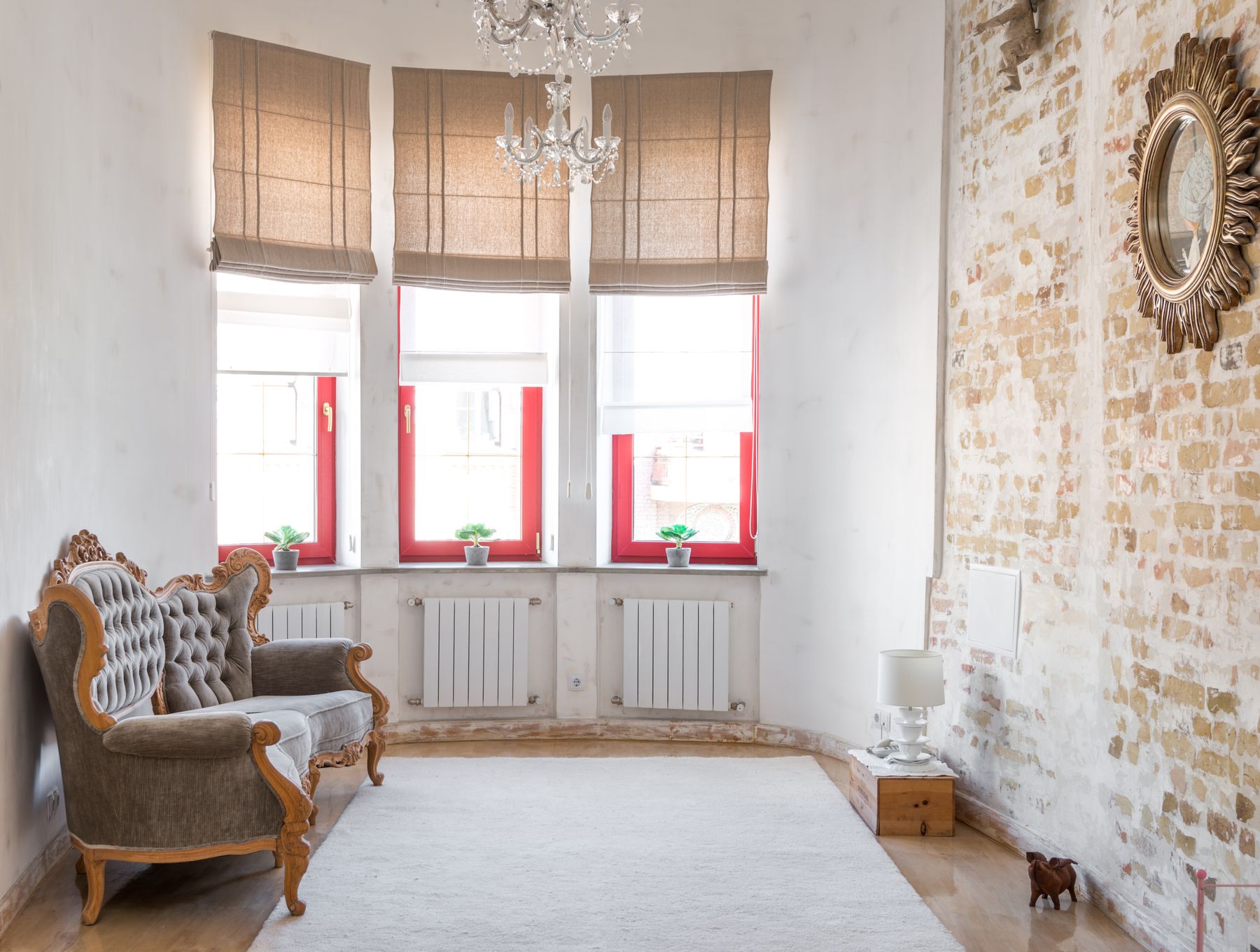
A well-proportioned armchair, cabinet, dining table or dresser can set the direction more convincingly than many small ornaments. Give it enough visual space and choose surrounding furniture for scale and use rather than historical accuracy. The lead piece should earn its footprint through comfort, storage or another real function. If it is fragile or awkward, treat it as an accent rather than forcing daily life around it.
Mix Eras Through Shape and Material
A vintage apartment can include pieces from several decades without becoming random. Connect them through one or two relationships: similar wood warmth, repeated curves, a shared upholstery tone or comparable visual weight. Avoid arranging the room as a catalogue of famous eras, and do not use an exact matching suite unless it genuinely serves the plan. A newer sofa may be the most practical anchor while older tables, lighting and storage provide history.
Make the Dining Area Feel Collected and Usable
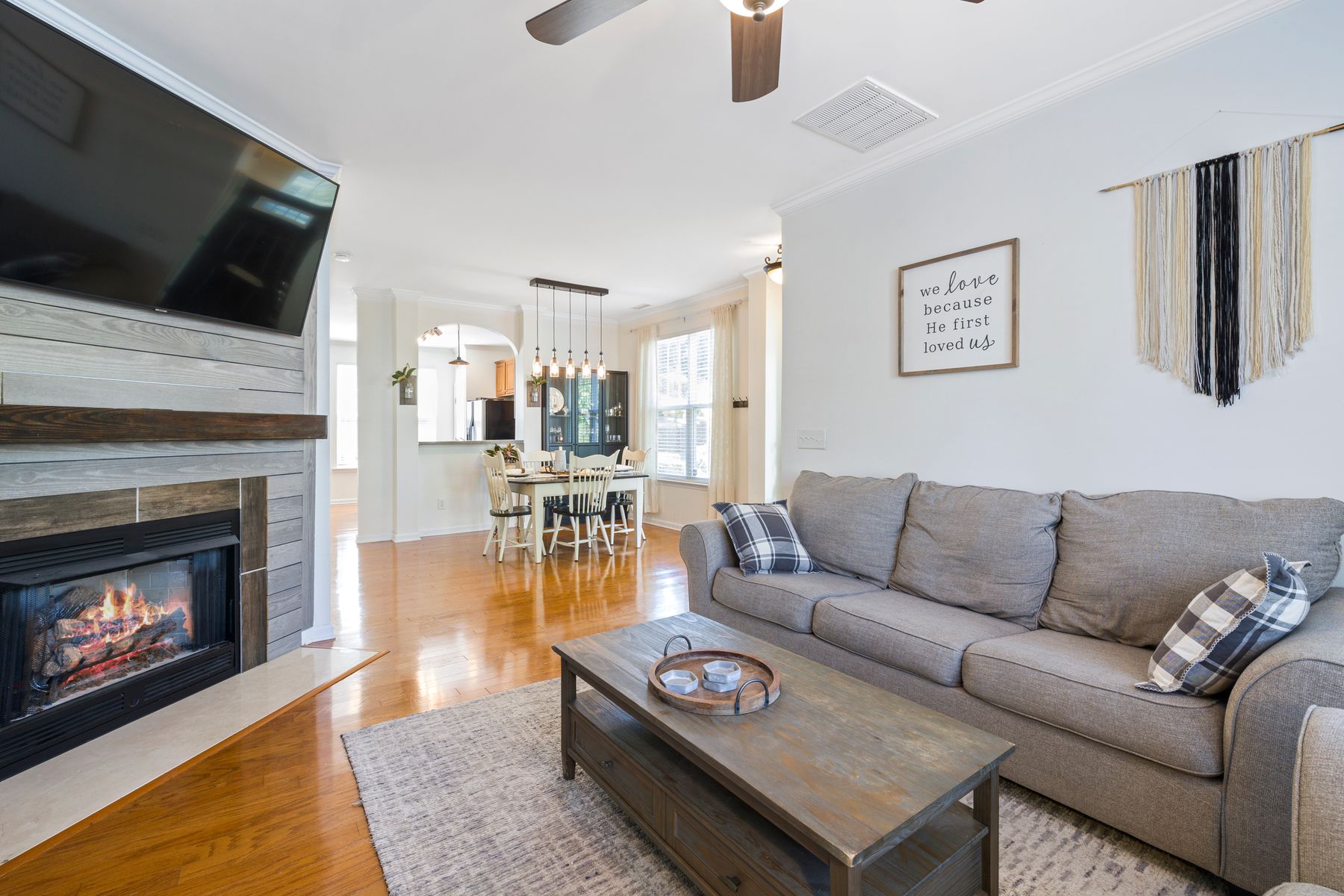
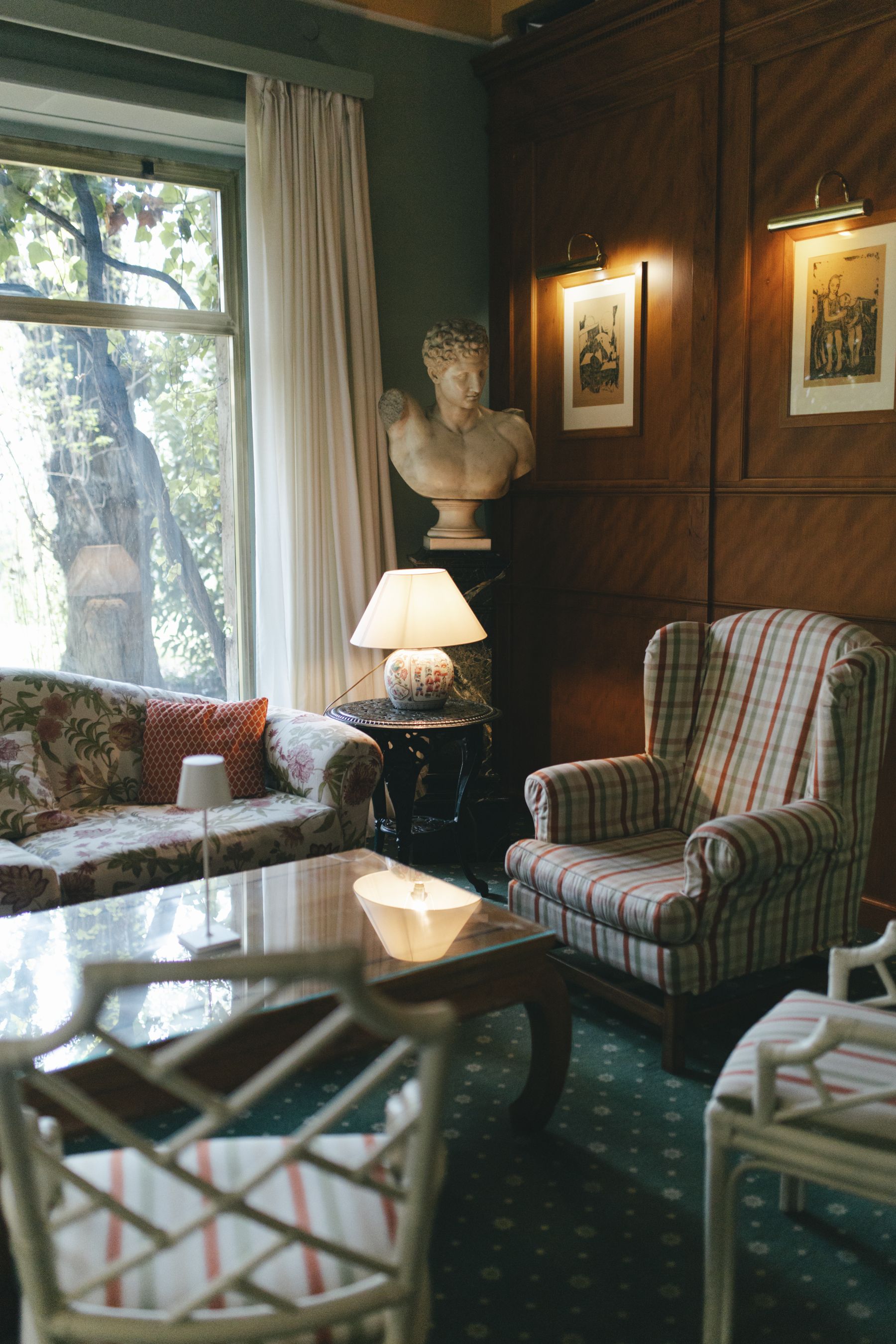
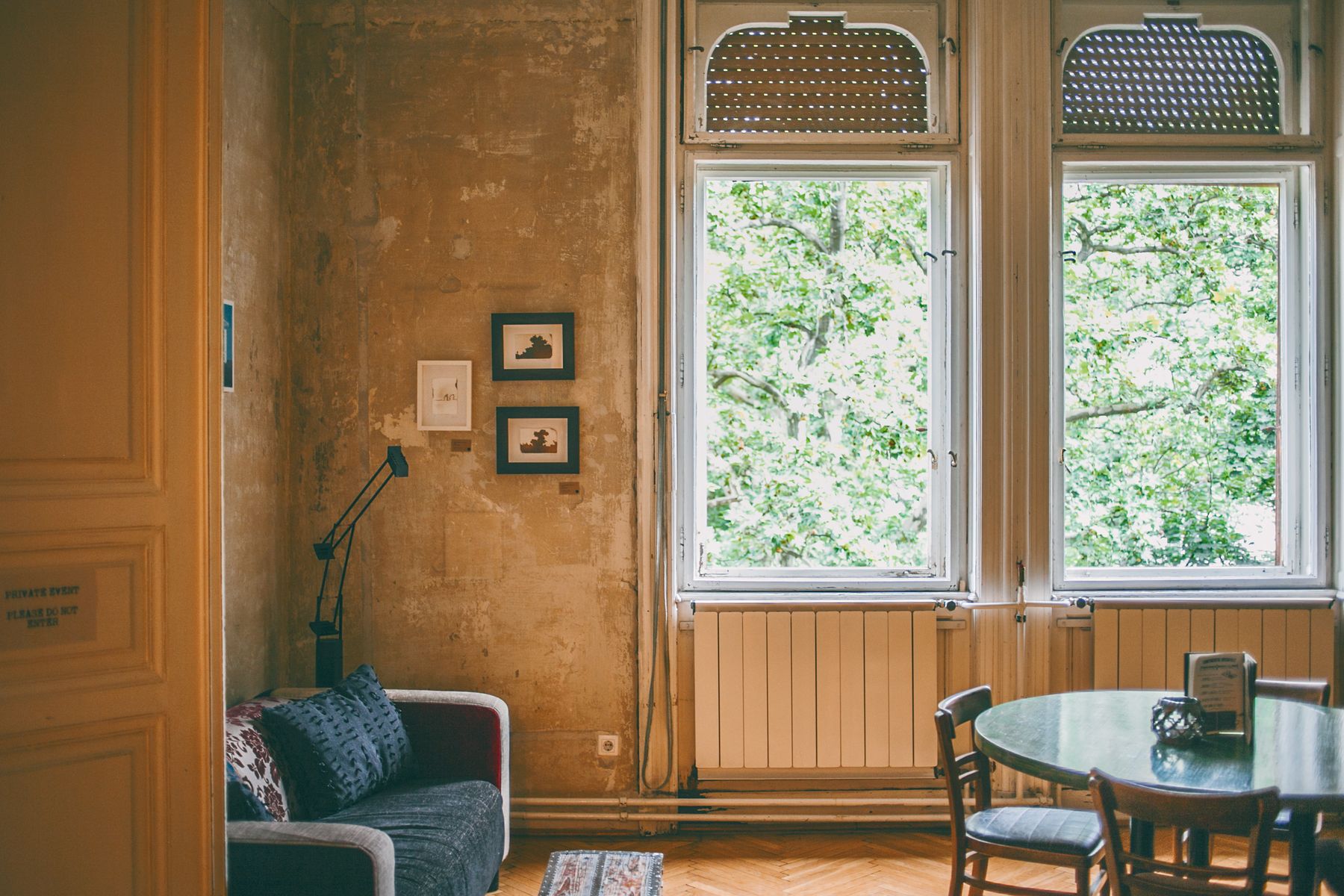
An old dining table often carries wear gracefully, but its height, stability and leg position still determine comfort. Chairs may be mixed if seat heights and visual weight remain compatible; repeat a material or color so the group reads intentionally. In an open apartment, a pendant or rug can define dining without isolating it. Protect the main circulation route when every regular chair is pulled out.
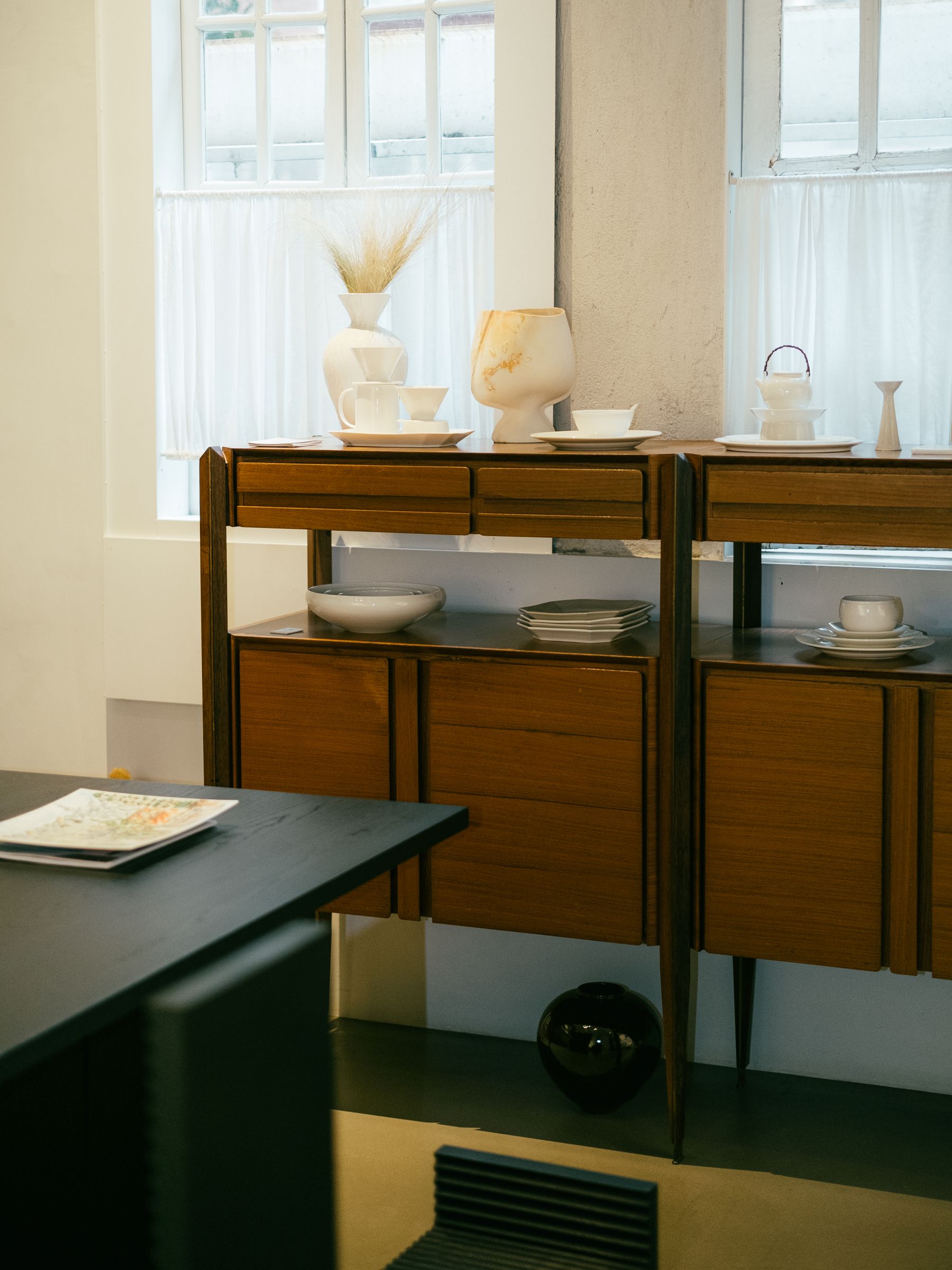
Use Vintage Storage as Working Furniture
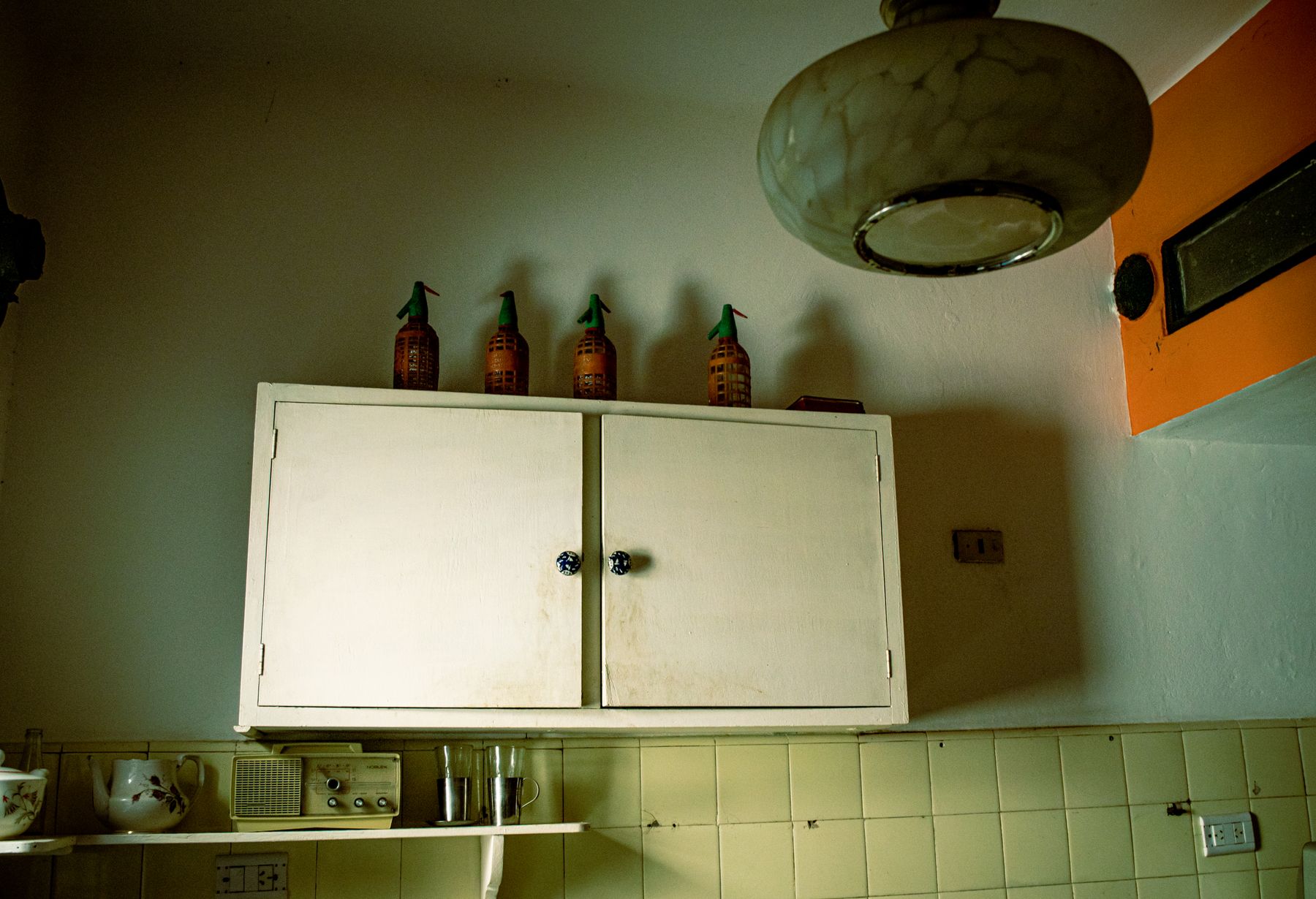
Dressers, wardrobes, sideboards and wall cupboards can solve real storage needs while adding age and craftsmanship. Check shelf depth, drawer movement, odor, pests and structural stability rather than assuming an attractive exterior is enough. Concentrate mixed everyday items behind doors and reserve open areas for a limited display. Tall or top-heavy pieces should be secured appropriately for their construction and wall.
Let Art and Personal Objects Form the Collection
Books, inherited objects, ceramics, photographs and artwork make a vintage home personal, but they need hierarchy. Group objects by a real relationship such as maker, material, place or memory and vary height without covering every surface. Leave negative space around the strongest item and rotate stored pieces instead of displaying everything. Verify rights and provenance for artwork used in public-facing photography even when it is privately owned.
Create a Gallery Wall With a Clear Boundary
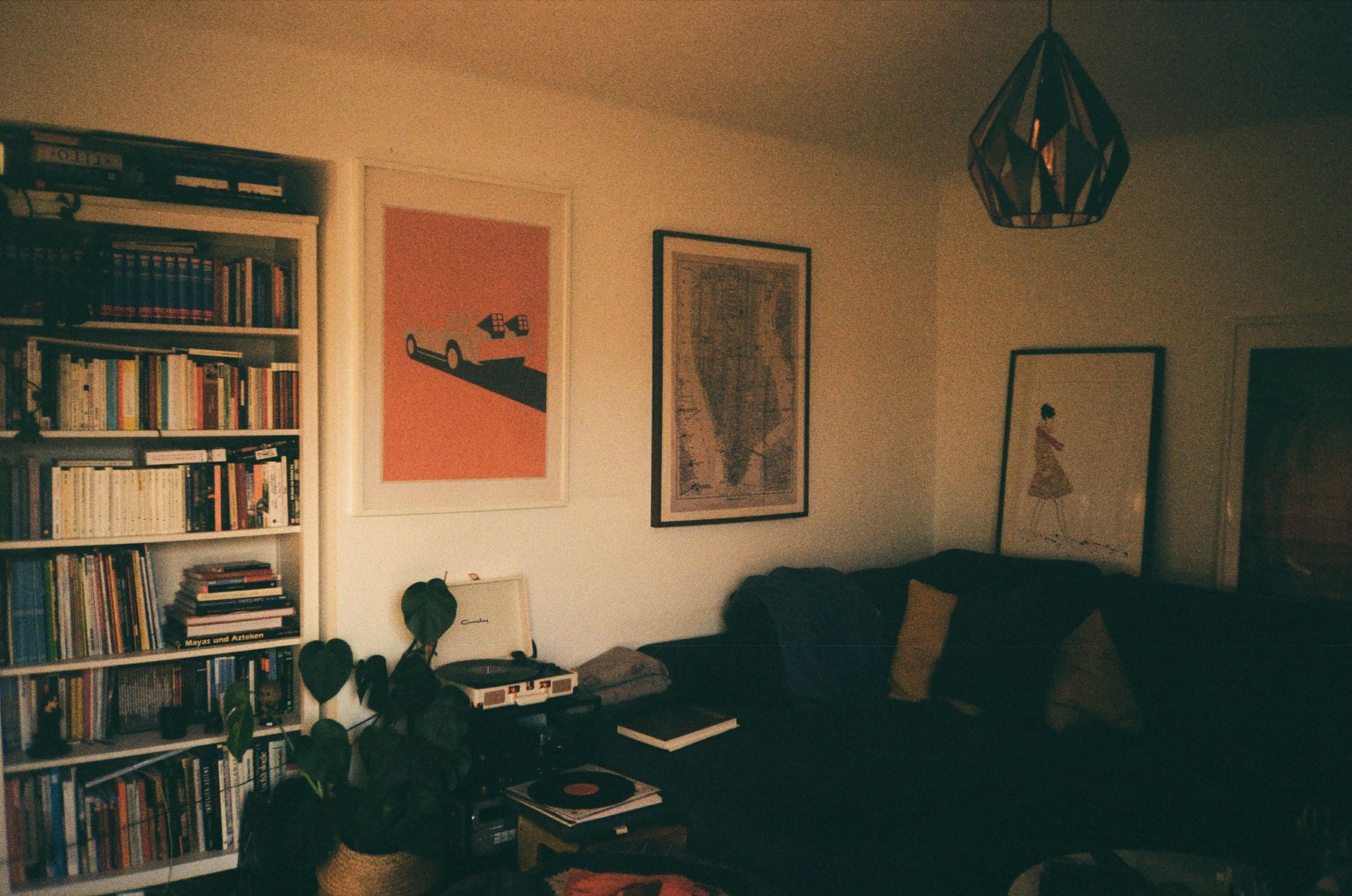
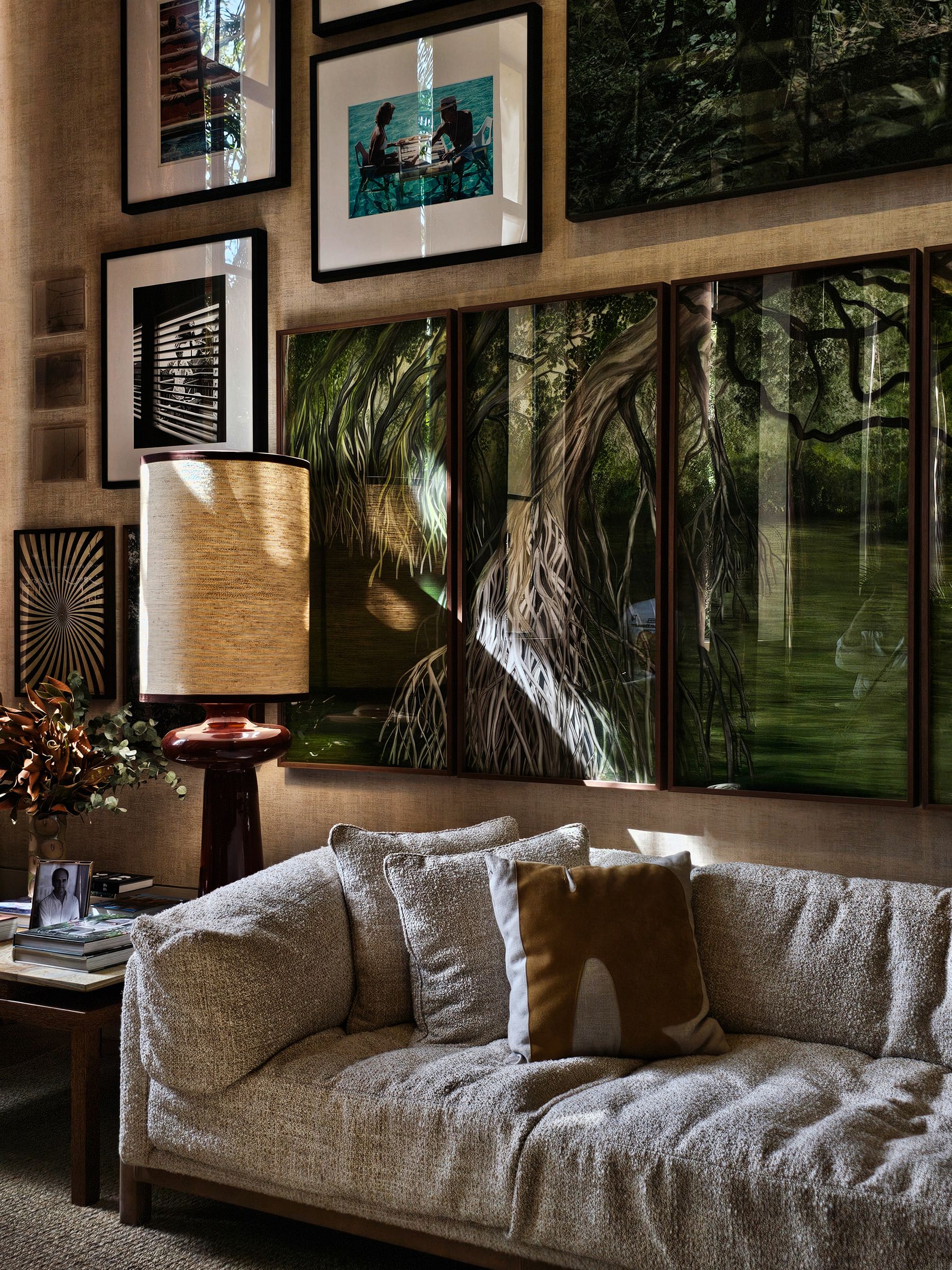
A gallery wall can accommodate frames from different periods, but the group needs an outer shape and relationship to nearby furniture. Lay the arrangement on the floor, balance dark and light frames and keep important images near natural eye level. Do not spread small works across every wall simply because the collection is large. Older frames may need new backing, safe hanging hardware or glazing before use.
Layer Rugs and Textiles Without Hiding the Floor
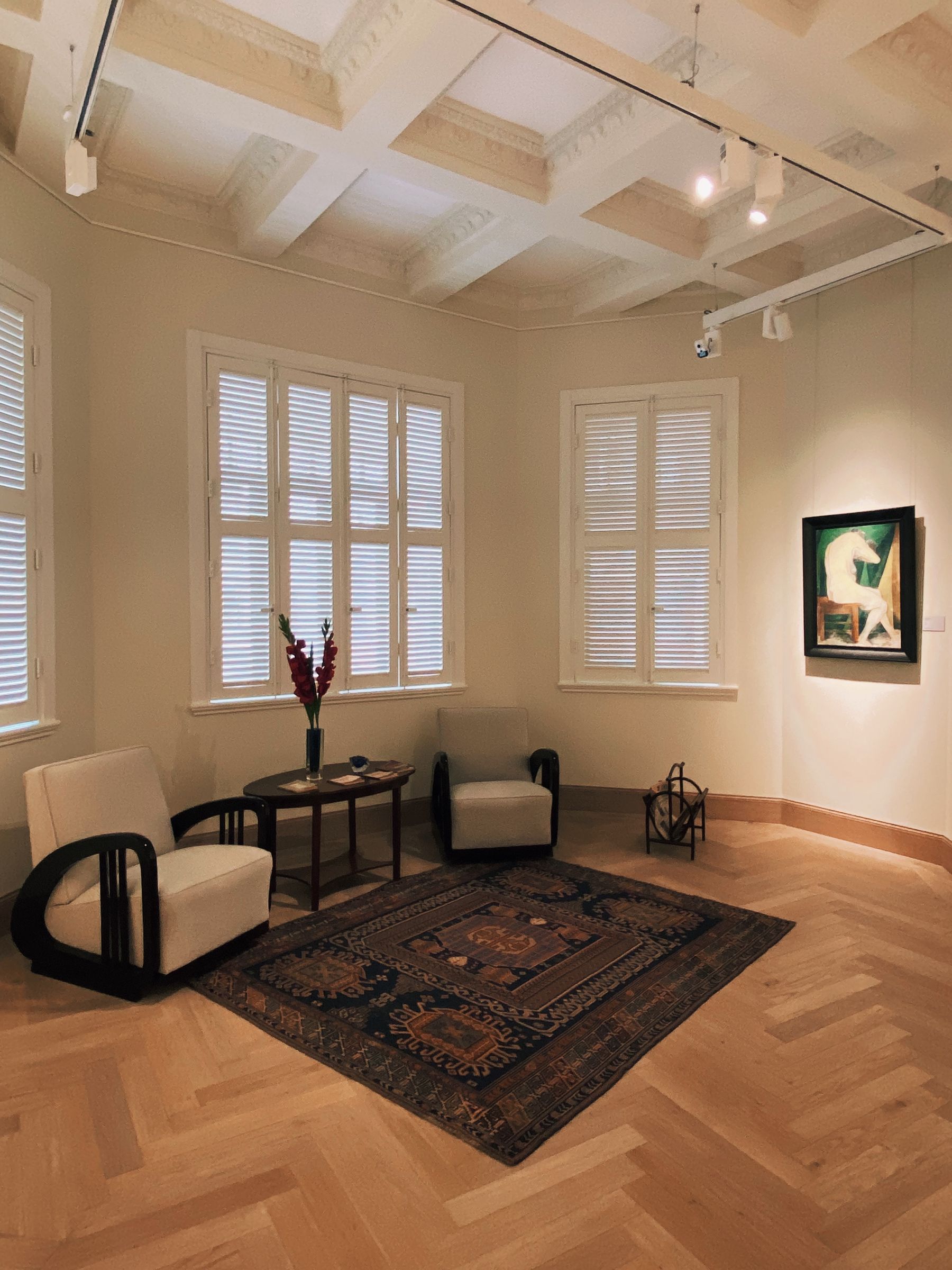
A rug can unify mismatched furniture, soften sound and add pattern, particularly in a rental with an unchangeable floor. Size it to the seating or dining group rather than using several small mats that fragment the room. Inspect older textiles for odor, stains, weak areas and cleaning requirements, and use a suitable pad where needed. Curtains and upholstery can repeat one rug tone without copying its whole pattern.
Use Warm, Local Light Instead of One Harsh Source
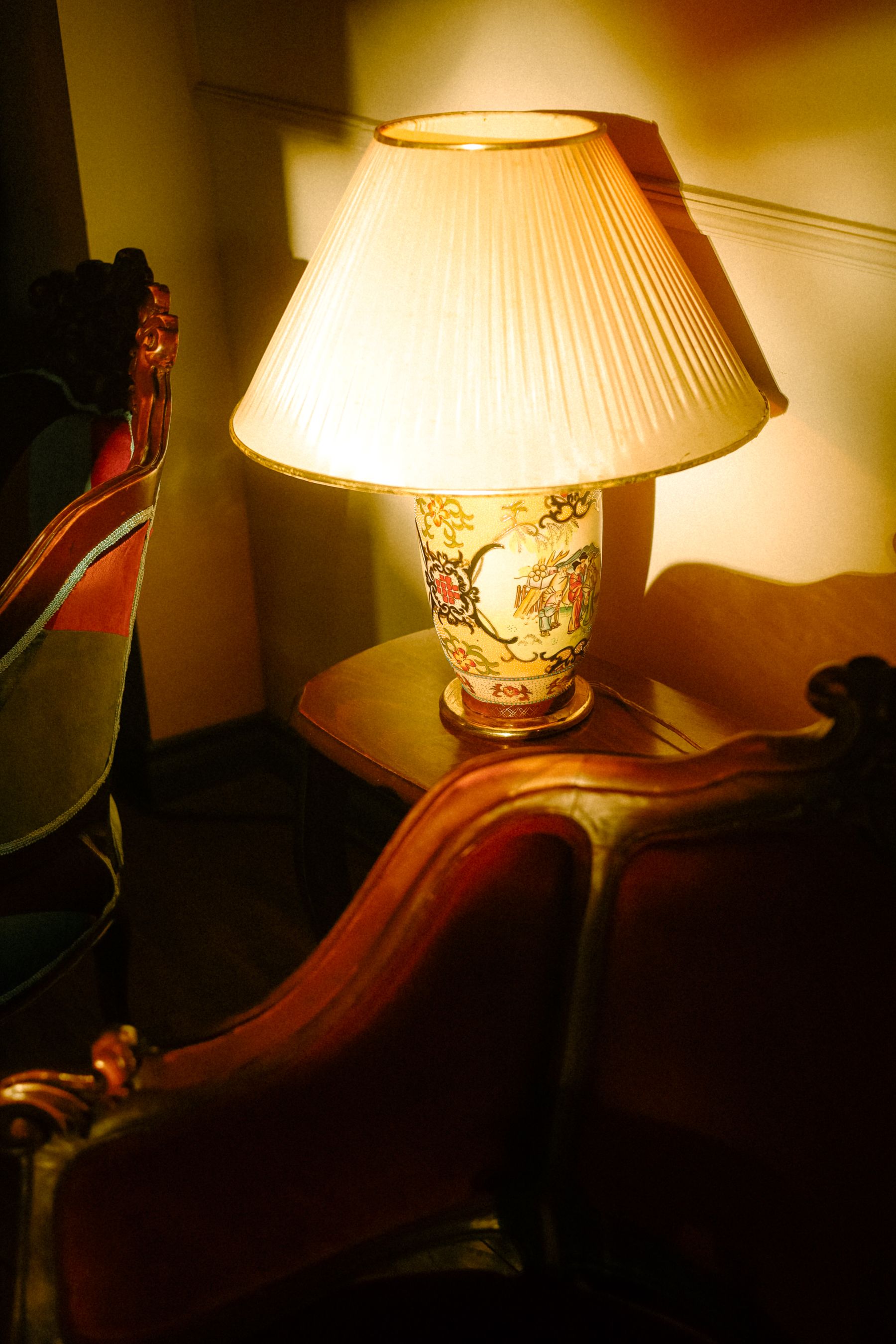
Vintage interiors gain atmosphere from table, floor and wall lamps placed where people read, work or gather. The shade controls glare and spread, while the lamp height should relate to the seated eye line. Older electrical fixtures need appropriate inspection and rewiring where required; a beautiful cord or socket is not proof of safety. Keep connected areas within a reasonably consistent color temperature so separate pools of light still belong together.
Give Pattern One or Two Deliberate Homes
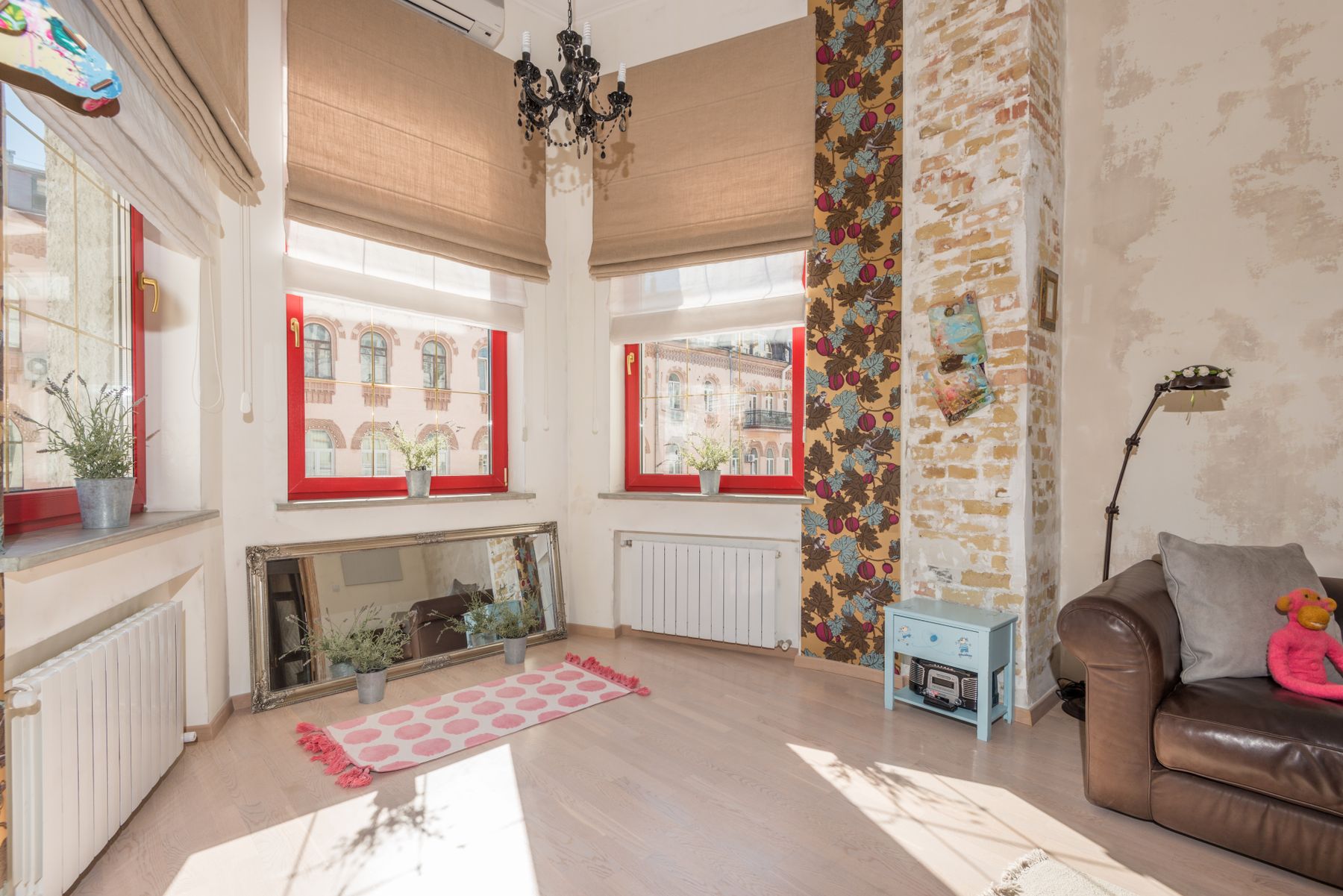
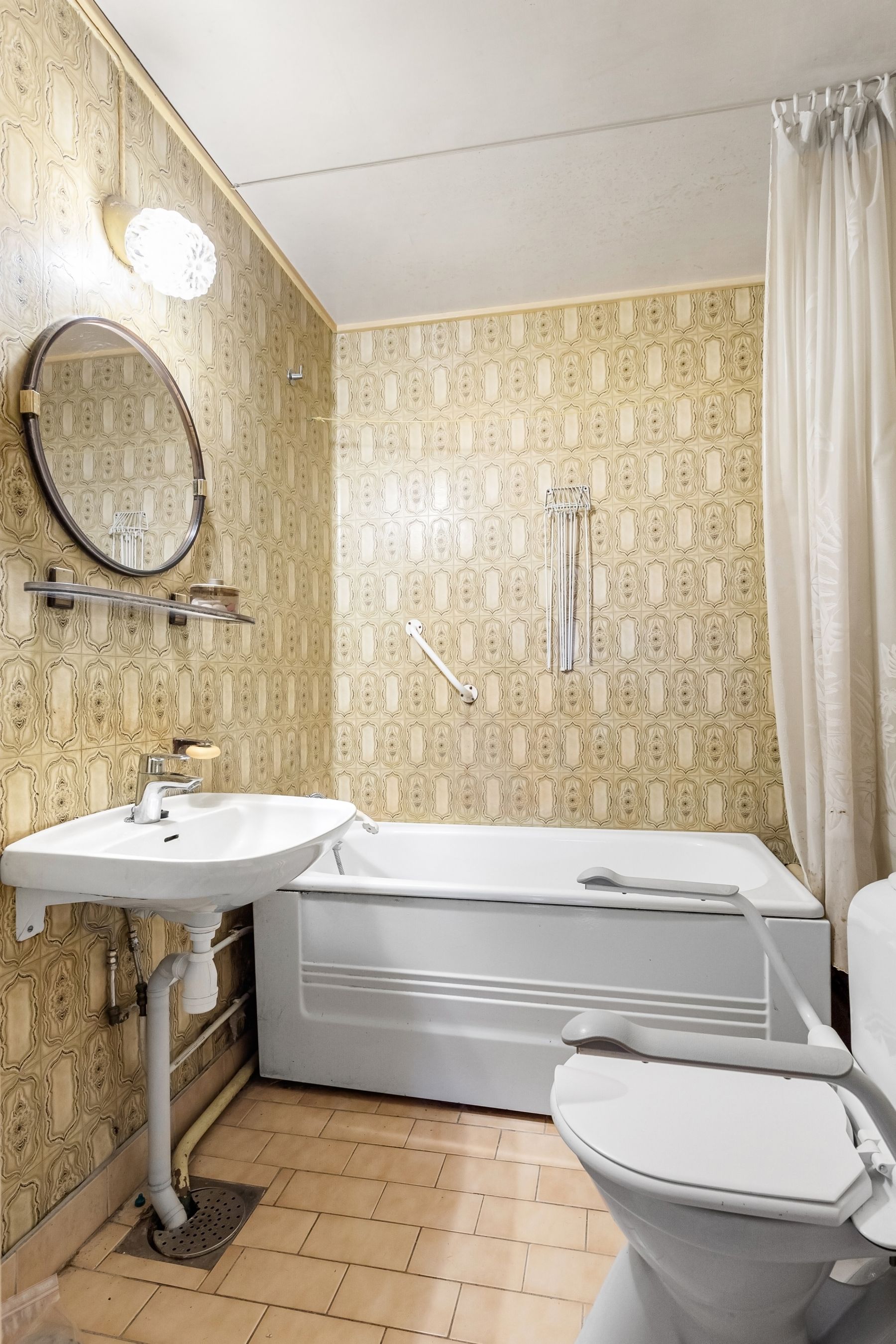
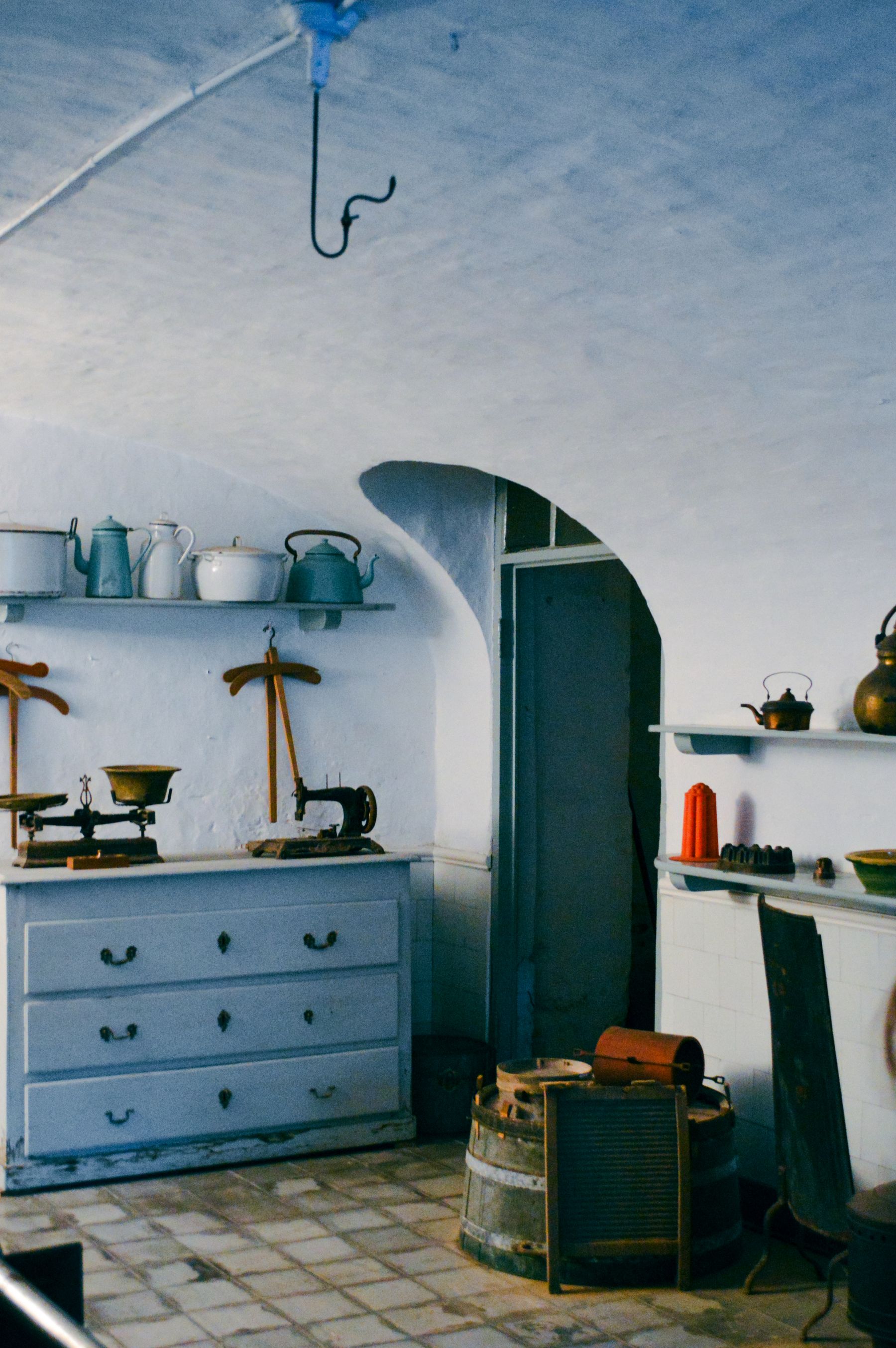
Floral wallpaper, checkerboard, stripes and small geometric motifs can all signal vintage character, but using all of them equally weakens the apartment. Choose a lead pattern for a wall, floor or substantial textile and let secondary motifs differ in scale. In damp rooms or high-wear areas, select a material and installation appropriate to the conditions rather than copying a styled image. Sample a large repeat in the actual light.
Develop Color From Existing Materials
Read the undertones in parquet, tile, stone, timber and existing paint before selecting a new palette. Muted green, dusty blue, oxblood, ochre and warm off-white can support vintage furniture, but the apartment does not need every nostalgic color at once. Repeat one tone across rooms in different strengths and use darker colors where they clarify architecture or anchor a large piece. Test painted samples beside the oldest finish you intend to keep.
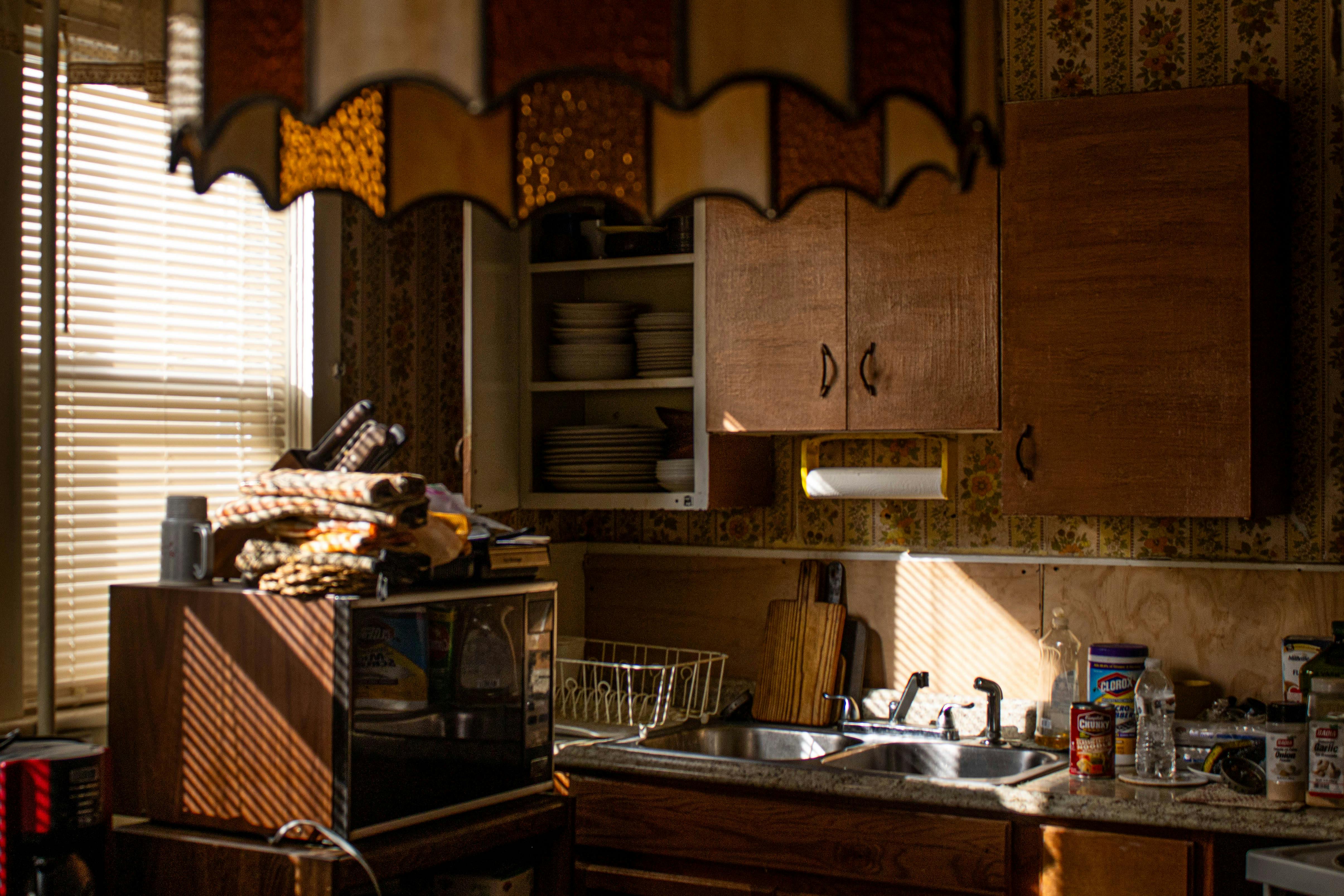
Keep the Vintage Kitchen Practical
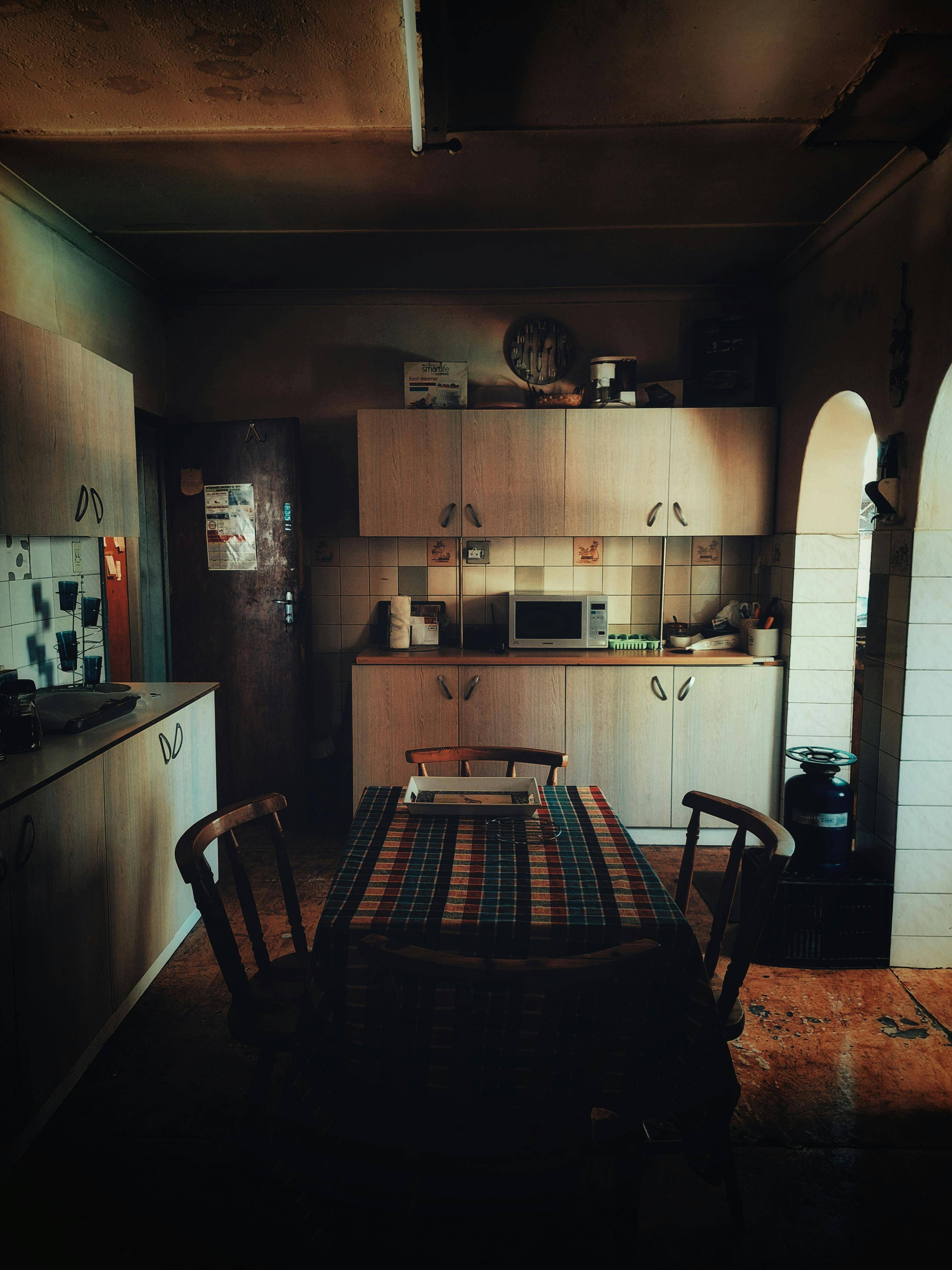
Use an older cupboard, table, hardware or collected kitchenware to establish character while keeping preparation, food storage and cleaning straightforward. Vintage objects with uncertain coatings or condition should remain decorative rather than contacting food. Modern appliances do not require elaborate disguises; orderly placement and a repeated color or metal are often enough. Preserve the working route and clear counter space before adding display.
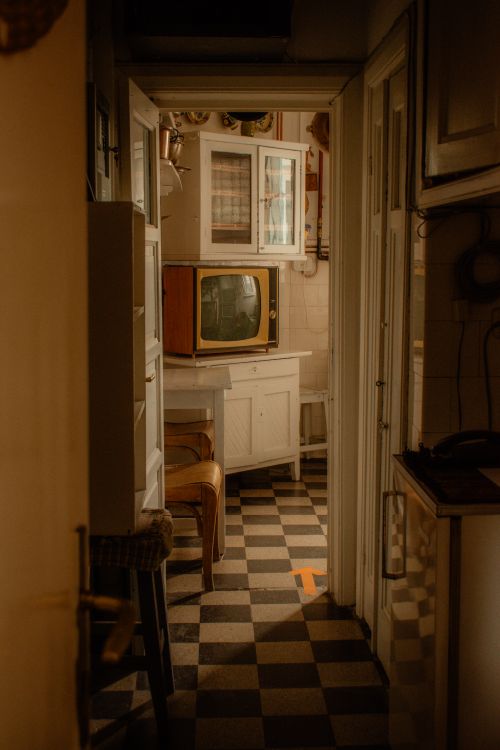
Use Checkerboard and Tile With Restraint
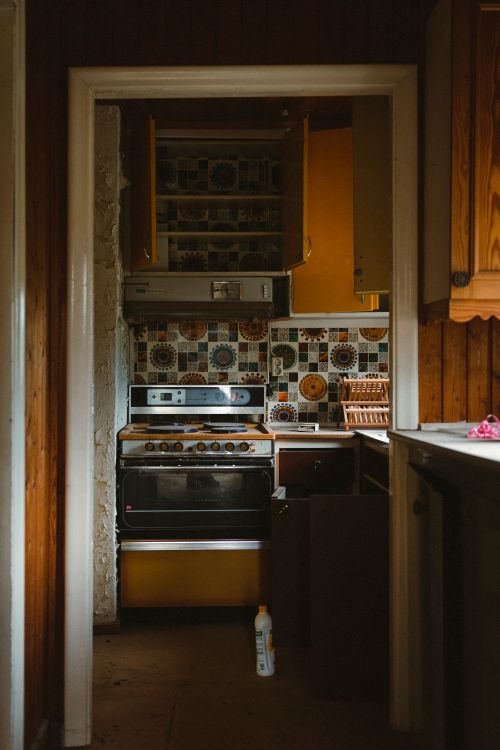
Checkerboard and small-format tile can immediately suggest an earlier era, but the scale and contrast determine whether they feel lively or overwhelming. Keep adjacent fixed surfaces simpler and inspect samples across several repeats rather than judging one tile. Flooring must suit traffic, cleaning and slip requirements for its location. If original tile exists, assess repair options before covering it with an imitation.
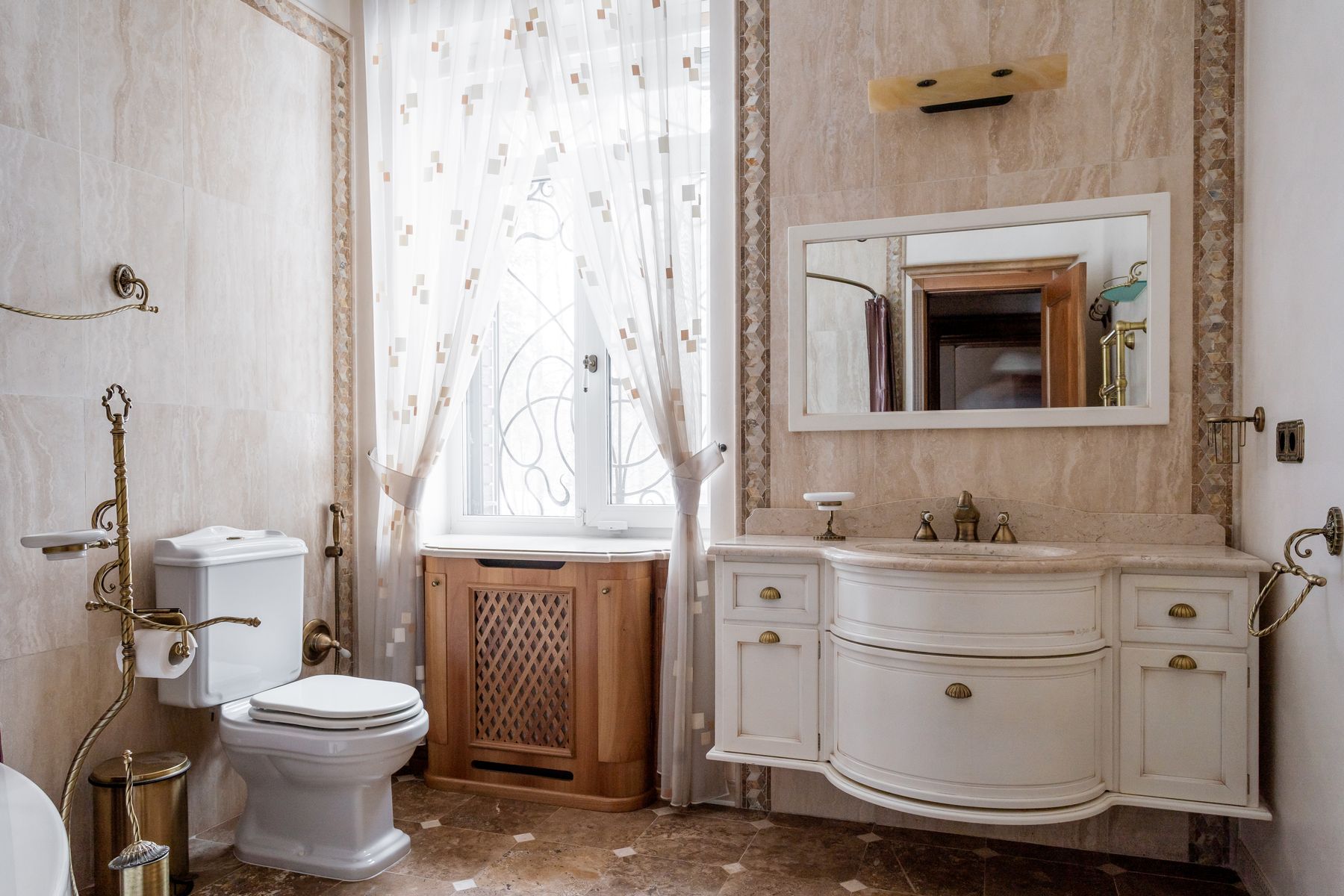
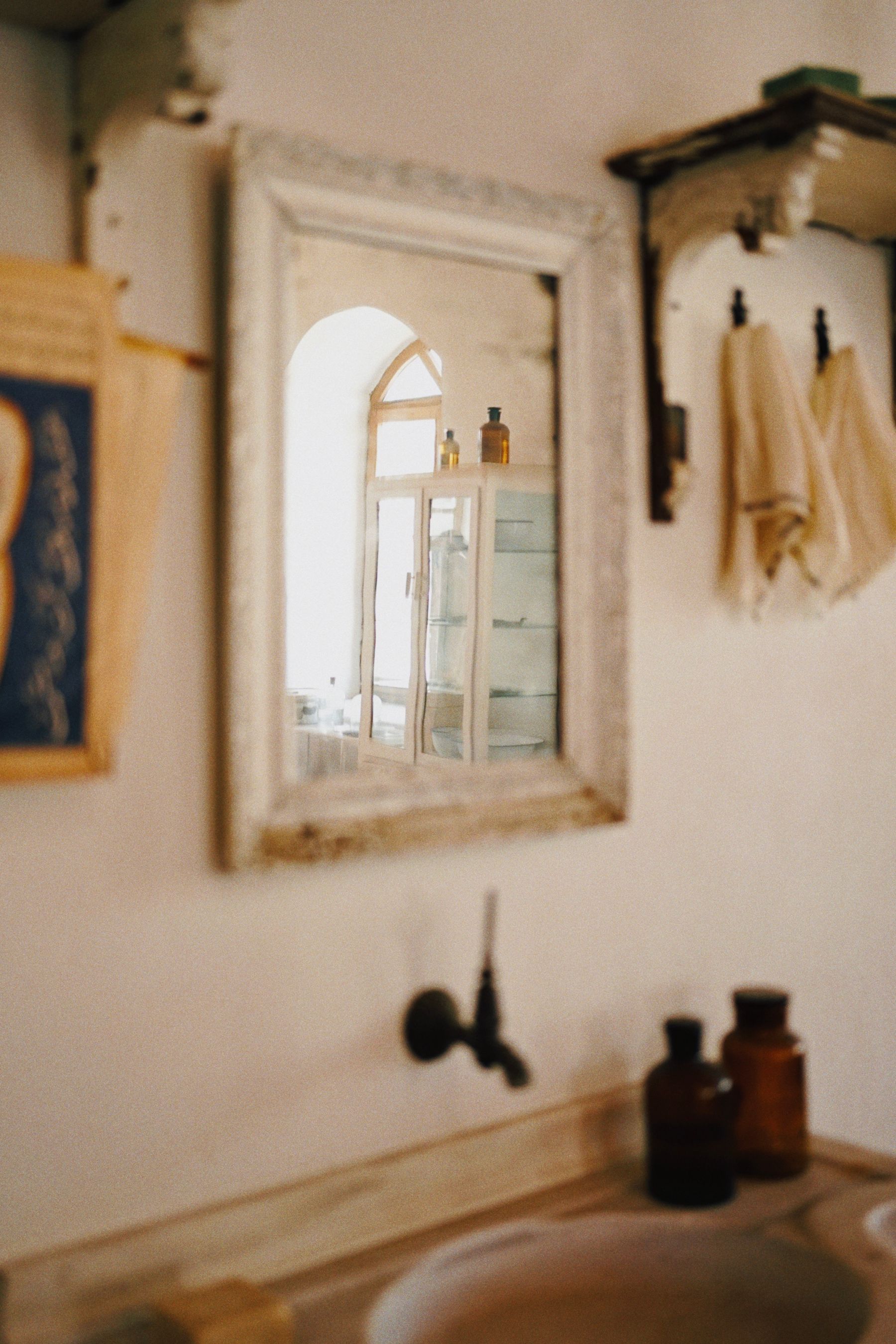
Let the Bathroom Carry One Period-Led Feature
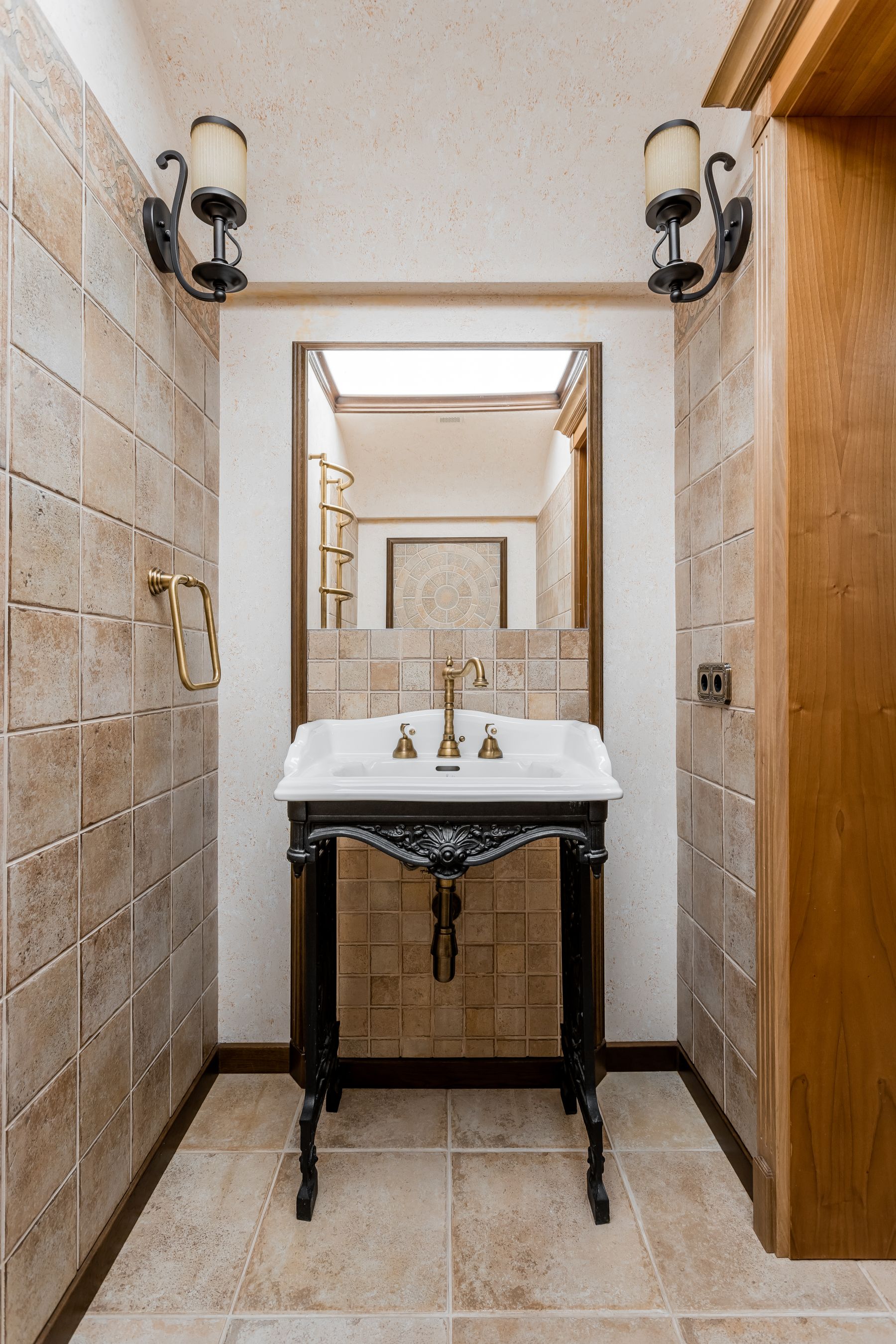
A classic basin, framed mirror, freestanding bath or patterned floor can carry the vintage direction without making every fitting look old. Waterproofing, ventilation, plumbing and suitable electrical work remain non-negotiable. Choose modern storage where it solves daily clutter and let the lead fixture keep visual priority. Repeating one apartment-wide metal or color can connect the bathroom without using unsuitable living-room materials.
Make a Plain Rental Feel Older Without Fake Distress
In a featureless rental, concentrate on movable furniture, lamps, rugs, curtains, art and useful storage rather than artificially aging new finishes. Work with the existing wall and floor colors, then add depth through wood, fabric and framed pieces. Confirm the lease before painting, drilling or changing hardware, label stored original parts and plan how each change will be reversed. Authentic secondhand objects usually create more character than peel-and-stick imitation materials spread everywhere.
Inspect Old Pieces Before Bringing Them Home
Check furniture for movement, missing parts, odors, moisture damage, insects and unsafe glass or hardware. Upholstery may require professional cleaning or replacement, and older painted surfaces can need careful handling rather than aggressive sanding. Lamps and powered objects should be assessed for current electrical safety before use. Ask what restoration will cost and whether it will erase the patina that made the piece appealing.
Edit Slowly and Leave Space for Future Finds
A convincing vintage apartment develops through use, repair and selective discovery. Leave some shelves and walls quiet so a future piece can enter without displacing something equally important. Review the home from doorways and remove objects that repeat the same role or obstruct maintenance. The final test is not whether every corner looks vintage, but whether the apartment feels personal, comfortable and easier to live in.