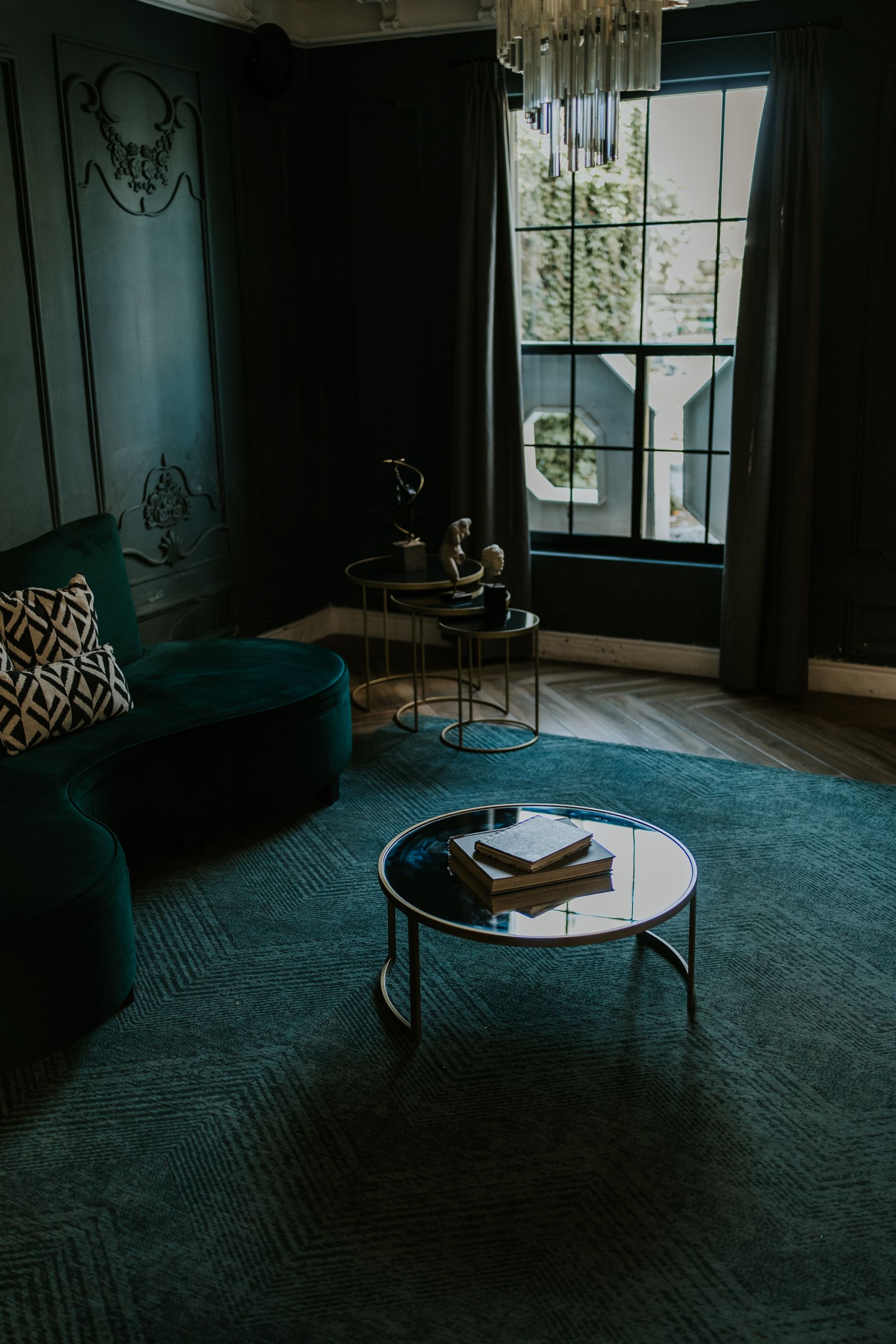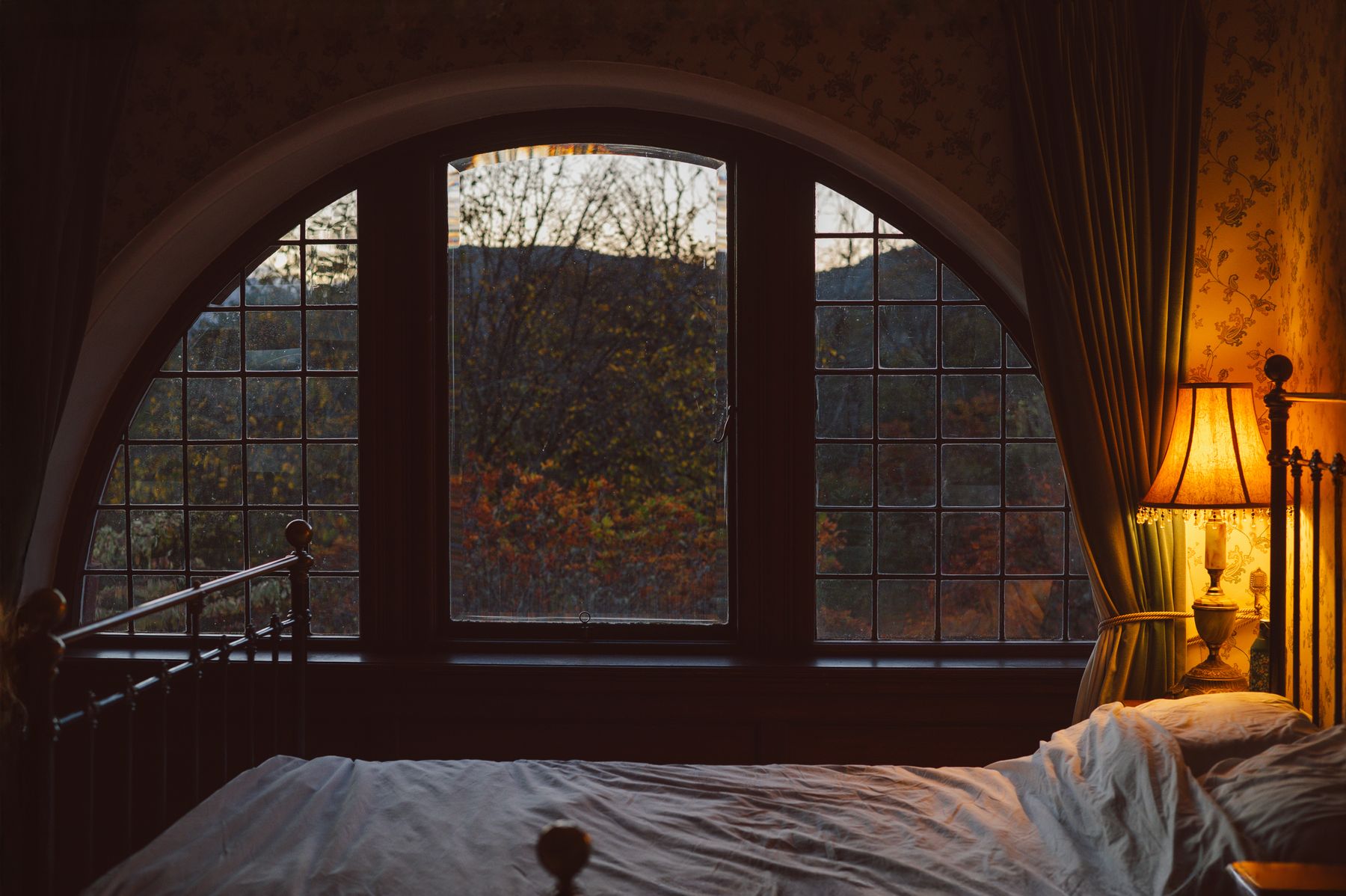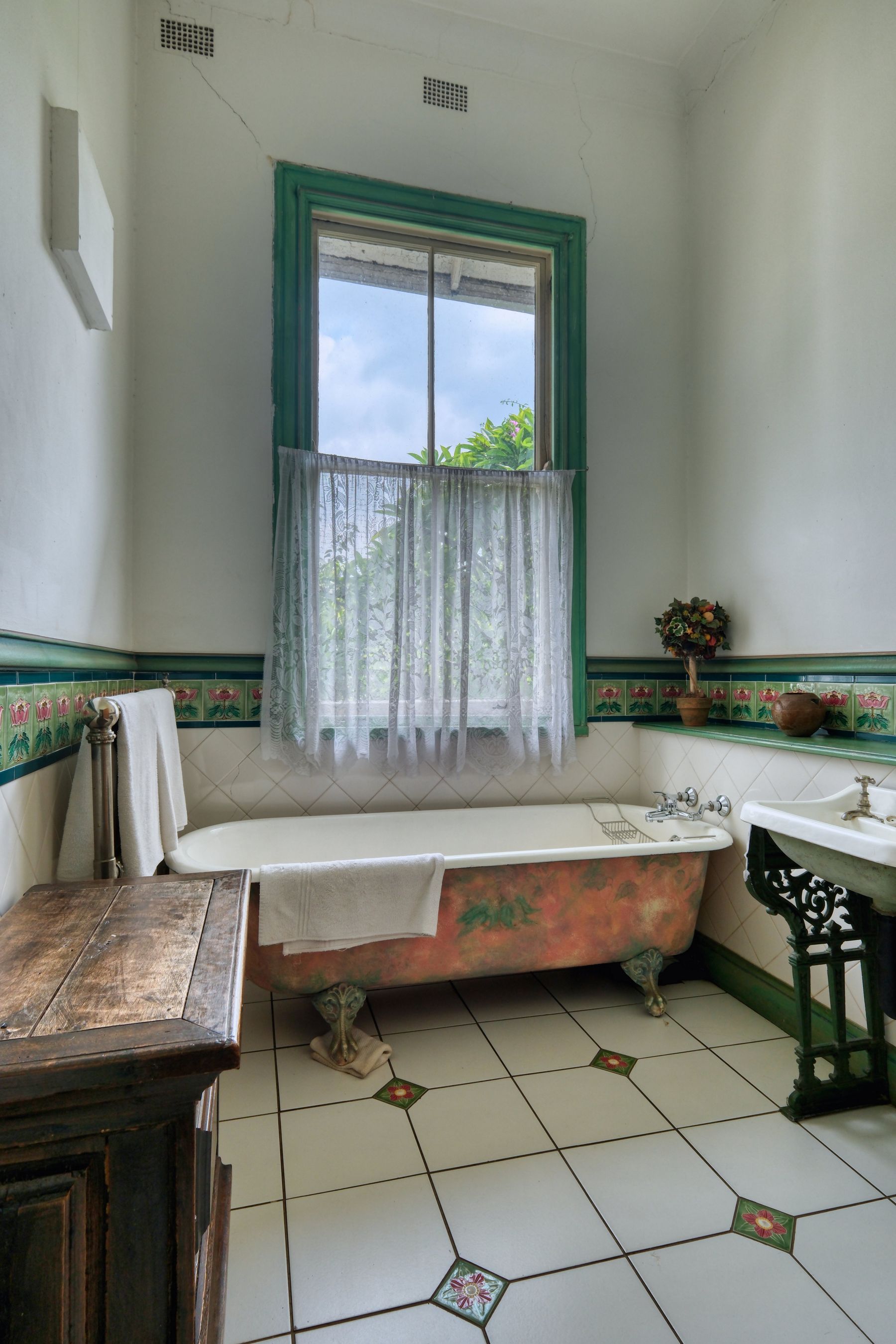


Define Victorian Beyond General Traditional Style
Victorian design spans Queen Victoria's reign and contains several movements, from Gothic Revival and Renaissance influence to Aesthetic and Arts and Crafts ideas. It is more specific than Traditional Living Room Ideas, which can draw on many periods, and less mixed than Vintage Living Room Ideas, where authentic pieces from several decades may coexist. Maximalist Living Room Ideas is the better destination when high visual volume matters more than a nineteenth-century register. Define the room through nineteenth-century proportion, furniture weight, pattern and craft. A scroll-arm sofa in a plain modern shell can begin the story, but a collection of unrelated ornate objects will not finish it.

Read the Existing Architecture First
Record ceiling height, bay or sash windows, doors, skirting, cornice, floorboards, radiators and fireplace before adding a new motif. Original fabric can already carry the Victorian identity, allowing furniture to be quieter. In a stripped or modern room, one correctly scaled ceiling treatment, cabinet or curtain arrangement is stronger than thin applied molding on every wall. Investigate cracks, damp, loose plaster, blocked vents and altered chimney breasts before treating age as decoration. Listed or protected buildings require appropriate local advice and reversible work rather than enthusiastic demolition.
Choose a Victorian Route, Not Every Revival at Once
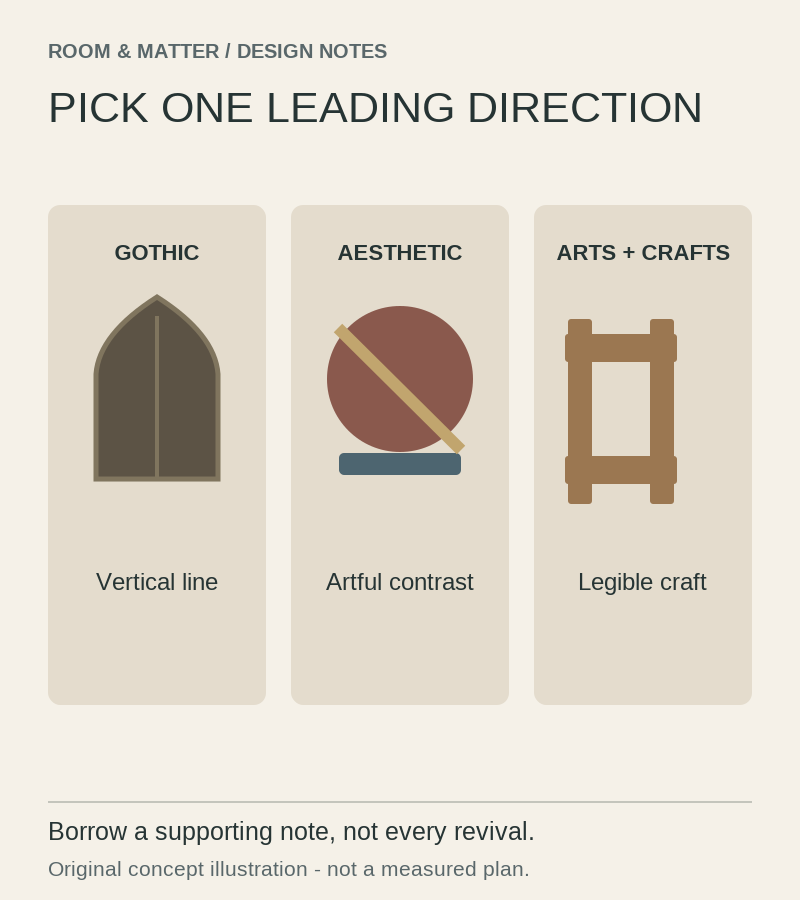
A formal Victorian route may use symmetry, mahogany, damask and polished metal; Gothic Revival emphasizes vertical line, pointed forms and dark carving; an Aesthetic route can be more artistic, colorful and asymmetrical; Arts and Crafts influence brings honest joinery and botanical pattern. Contemporary Victorian reduces the number of cues while retaining scale and richness. Select one dominant route and let another contribute only a supporting note. This prevents Gothic arches, Rococo gilt, William Morris pattern and late-century upholstery from competing equally in one standard room.
Plan Conversation Around the Strongest Axis
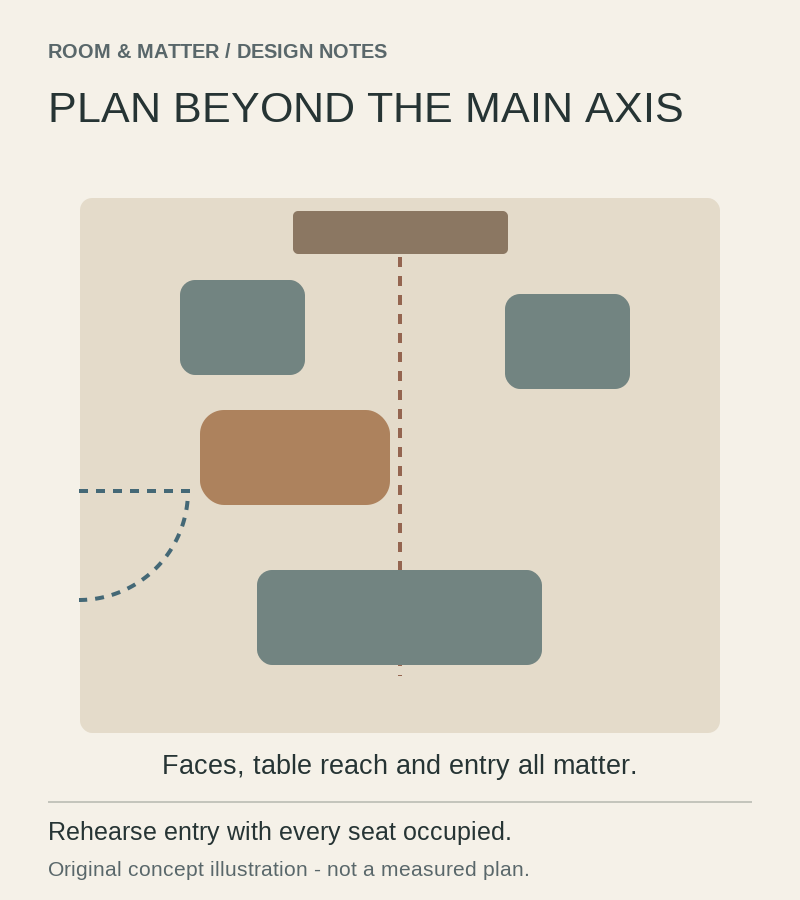
Victorian sitting rooms were social spaces, so begin with faces, speech distance and reachable surfaces. A fireplace, bay window or pair of doors can establish the main axis, but the furniture must still allow people to enter and leave without crossing the center awkwardly. Float at least one chair or sofa away from the perimeter when the room permits. Use the measured tests in Living Room Layout Ideas to compare door swings, radiator clearance and alternative focal points before moving heavy antiques.

Treat the Fireplace as Architecture and Equipment
A cast-iron insert, tiled surround, carved mantel or substantial chimney breast can organize color, seating and display. Have an appropriate professional assess flue condition, ventilation, fuel and local requirements before use. Keep curtains, upholstery, dried flowers and cables beyond required clearances, and do not fill a working opening with decorative objects. A sealed or nonworking fireplace can remain an architectural focus, but it should not imply safe operation. If a television shares the wall, compare a side position before mounting it too high above heat.
Restore Cornice, Roses and Paneling With Correct Scale
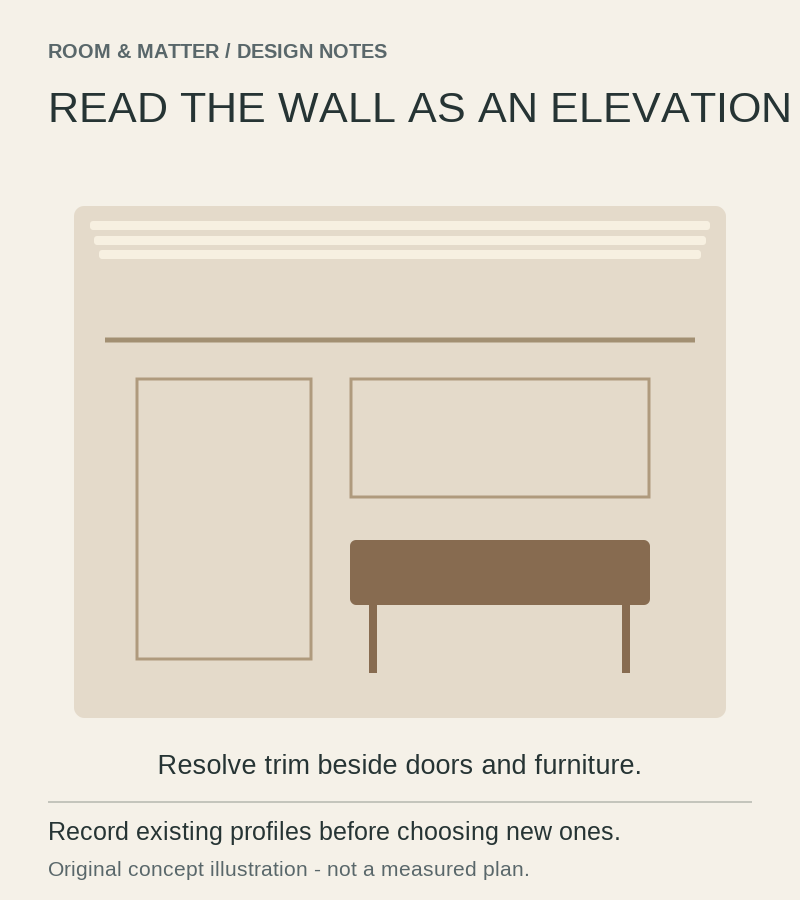
Ceiling roses, cornices, picture rails and wall panels should relate to ceiling height, door heads and the width of the room. Preserve sound original work and document profiles before repair. In a plain modern shell, one shallow rail or carefully proportioned panel treatment may be enough; undersized catalog molding repeated everywhere often looks pasted on. Resolve outlets, radiators, curtains and cabinet junctions in elevation before installation. Living Room Wall Ideas offers broader guidance on panel rhythm, artwork and service coordination.

Use the Bay Window as a Living Zone
A bay window can hold a pair of compact chairs, a reading seat, plants or a fitted bench, but first check radiator performance, condensation, curtain stack and the route to opening hardware. Do not push a deep sofa into the bay merely to fill it; that can block light and make the central room feel detached from the view. Use furniture low enough to preserve the sill line and provide one task lamp for evening use. In a modern room, a shallow window zone can create the same sense of enclosure without imitating Victorian architecture.

Let Dark Wood Provide Weight Without Matching Everything
Mahogany, walnut, oak and rosewood appear across Victorian furniture, but a convincing room does not require a complete matched suite. Choose one dominant undertone, then allow variation in age, grain and darkness. A large cabinet and center table may carry the weight while a newer sofa remains visually lighter. Inspect veneers, joints, drawers, odors, pests and previous repairs before buying. Unknown antique finishes may need specialist advice, especially around children, food surfaces or aggressive cleaning. Preserve patina where sound; repair instability where use depends on it.
Build a Rich Palette With Mid-Values
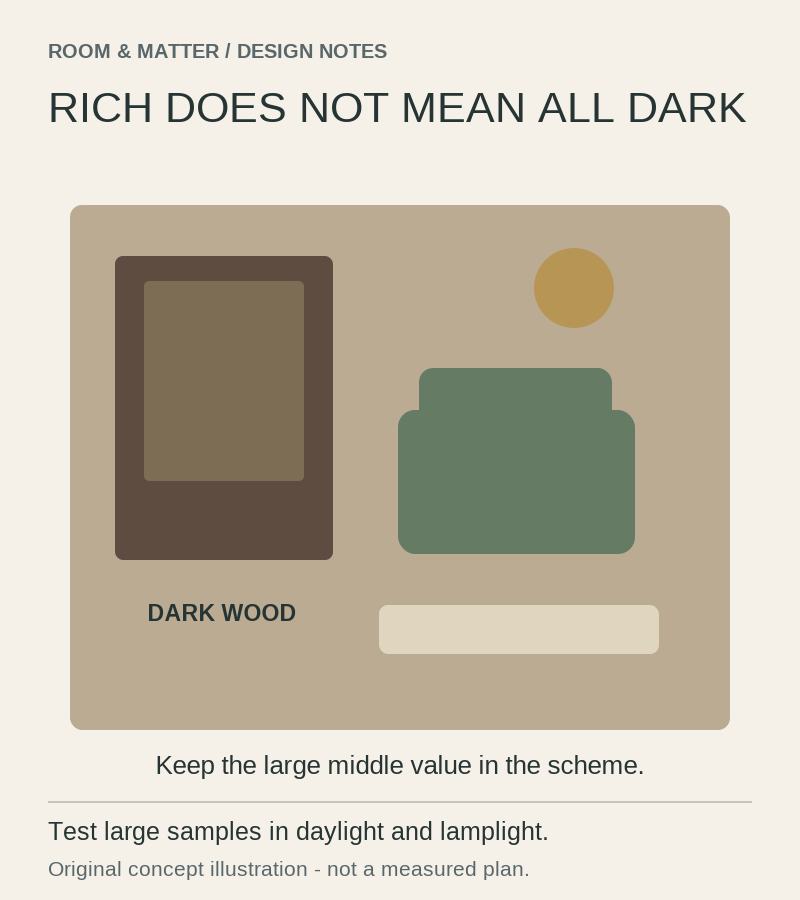
Deep green, oxblood, plum, navy, ochre and brown can create Victorian richness, but covering every plane in the darkest value makes furniture and routes disappear. Build the room from a pale or mid wall field, dark wood, one saturated textile color and a smaller reflective metal. Alternatively, color-drench walls and trim while keeping the floor, upholstery or window treatment lighter. Test large samples in morning and evening light; judge how the actual light changes the relationship between timber, green, burgundy and the wall field rather than trusting one screen image.

Choose Wallpaper From Room Scale and Repeat
Botanical, damask, stripe and scenic patterns can establish Victorian character quickly, but choose repeat size from the full wall and viewing distance. A dense small repeat may become noise behind shelves; a large motif can be interrupted by doors and chimney breasts. Order a full-length sample, place it behind the actual furniture and assess seams in daylight. Traditional paste-the-wall or paper methods and removable products have different wall-preparation and removal risks, so match the specification to tenure, substrate and expected lifespan rather than assuming peel-and-stick is harmless.
Mix Pattern Through Scale, Ground and Color
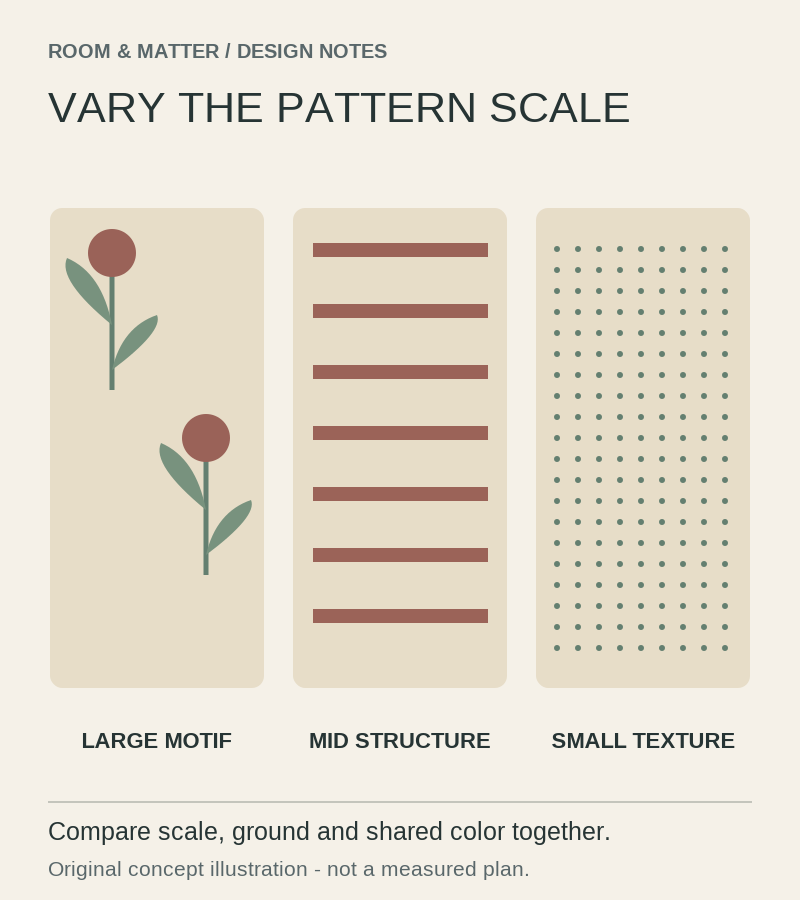
Combine one large motif, one medium structure and one smaller texture rather than repeating florals at the same scale on paper, curtains and cushions. Share two colors across the group and preserve a quiet sofa, wood surface or painted trim where the eye can rest. Pattern placement should also follow wear: a delicate print may suit curtains better than the household's busiest seat. Leave a quiet interval between the strongest patterns so the carved furniture and architectural lines can still be read.

Choose a Sofa for Support Before Ornament
Button tufting, rolled arms, carved frames and camel backs communicate period character, but they do not guarantee usable seat depth, back support or a sound frame. Compare outside width with actual seating capacity; Victorian-style arms and show wood can consume considerable space. A well-proportioned new sofa may be safer and more comfortable than an unknown antique upholstered piece. If restoring an old frame, obtain professional advice on structure, fillings, fabric requirements and local fire rules before valuing appearance or provenance.
Use Mixed Chairs Instead of a Complete Suite
Pair a supportive wingback, carved open-arm chair or compact slipper chair with the main sofa according to body and room size. Link different pieces through seat height, wood undertone or one repeated textile color rather than buying a matching reproduction set. Confirm that chairs can join the conversation and reach a table without blocking doors. Delicate antique seating can serve occasional use or display, while a robust contemporary chair carries daily demand. This mixture feels more credible and adaptable than equally ornate furniture around every wall.


One Case Piece With Storage and Presence
A sideboard, bookcase, center table or carved cabinet can establish the room's historical weight. Choose the piece for a measured function and give it enough clear wall or floor around it to be read. Inspect stability, locks, veneer, odors, insects and alteration before purchase, then include transport and repair in the real cost. Provenance can be meaningful but should not excuse poor condition or impossible scale. The sourcing framework in Vintage Living Room Ideas helps compare age, authenticity and practical restoration.

Use Contemporary Furniture as Visual Relief
A clean sofa, restrained table or simple floor lamp can stop a Victorian room becoming a reproduction set. Match the contemporary piece to the historic room through material quality, generous scale or color rather than applying decorative carving to it. The contrast should feel intentional: one pale curved sofa against deep wallpaper can be stronger than many generic modern pieces scattered among antiques. Contemporary Living Room Ideas offers broader current silhouettes; here their role is to create relief while the Victorian structure remains legible. The contemporary room photograph illustrates the quieter sofa form, not a finished Victorian interior; compare that new layer against the actual period features at home.
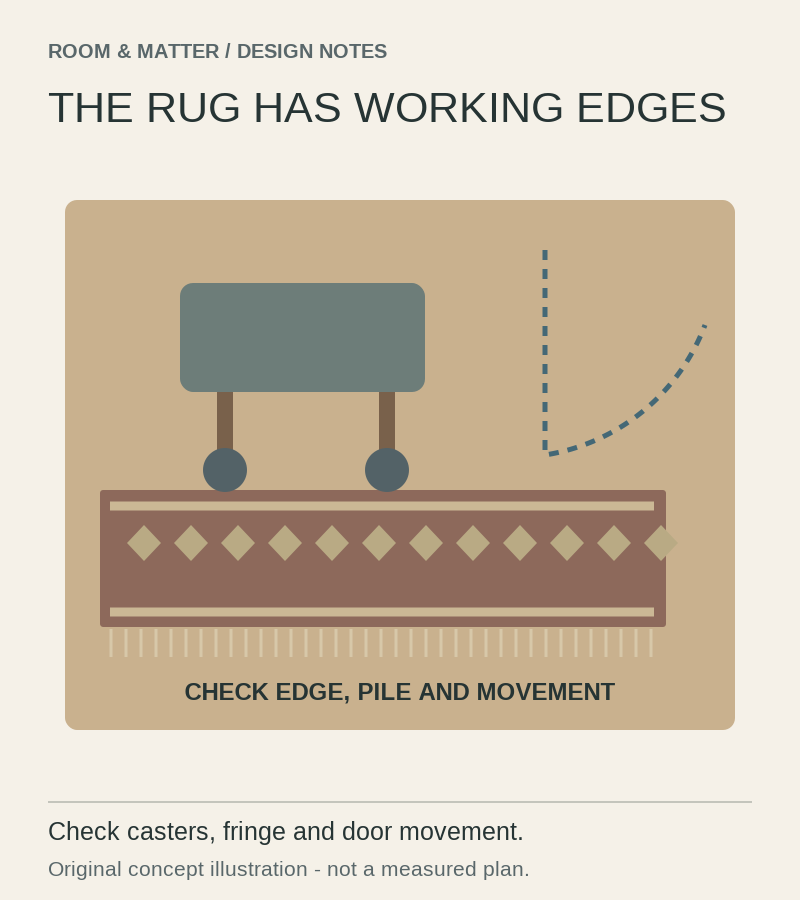
Size the Rug to Unite Substantial Furniture
Victorian-patterned rugs often carry several colors and can unite wood, upholstery and wallpaper, but size comes before motif. At minimum, connect the principal seats with a stable relationship to the rug; a small floating rectangle makes heavy furniture feel even heavier. Check pile against doors, casters and elderly users, and use appropriate underlay on polished floors. Hand-knotted antiques, machine-made wool and washable modern rugs have different repair and cleaning realities. Living Room Rug Ideas covers placement and material tradeoffs in depth.

Layer Curtains Without Sacrificing Daylight
Use a light-filtering inner layer for daytime privacy and a lined outer curtain for evening enclosure, glare or heat loss. Fullness, heading and stack-back need enough wall space to clear the glass when open. Heavy fabric can overwhelm a small window and collect dust; a simpler wool, linen blend or well-lined cotton may perform better than a theatrical velvet. Confirm pole support, radiator clearance and safe distance from flame or heaters. The goal is adjustable comfort and proportion, not fabric volume for its own sake.
Use Lace and Sheers With Restraint
Lace panels and embroidered sheers can provide period texture and daytime screening, but they work best where the pattern remains visible against light. Choose one delicate window layer and let outer curtains or upholstery be quieter. Inspect old lace for UV damage, brittleness and stains before hanging, and avoid laundering methods that weaken fragile fibers. In a modern room, a fine woven sheer can produce the same filtered effect without literal period reproduction. Keep the sill and floor beneath accessible for cleaning and condensation checks.

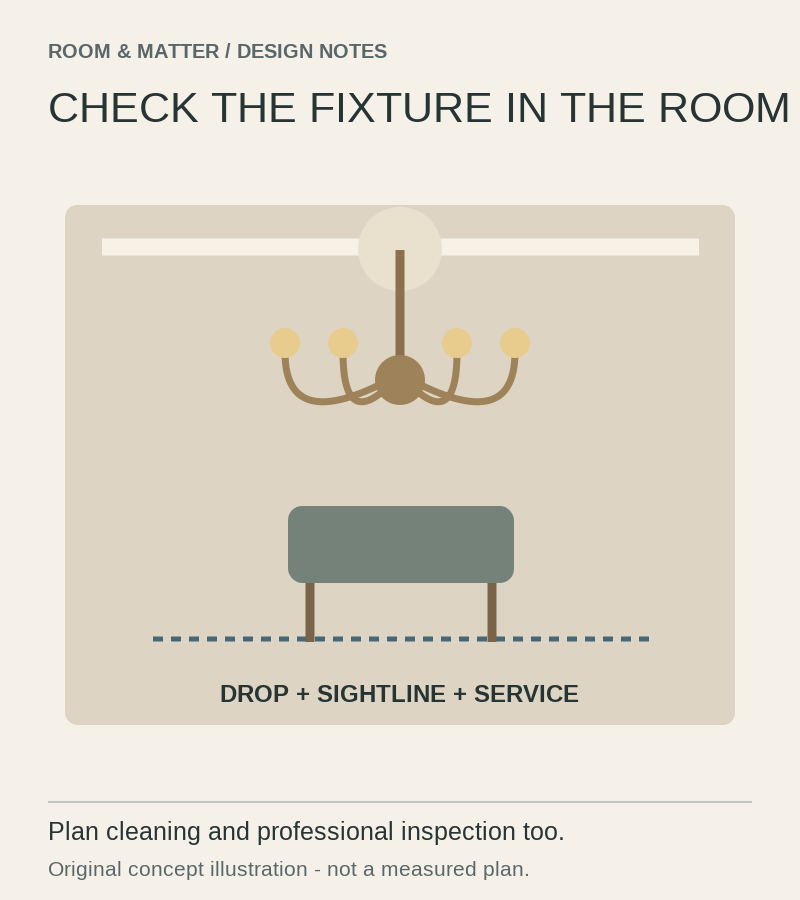
Make the Chandelier Proportionate and Serviceable
A chandelier or branched pendant can restore vertical balance in a tall room, but measure ceiling rose, drop, sightlines and the tallest person's route before choosing diameter. Decorative bulbs alone rarely provide comfortable general light. Use dimming where compatible and supplement with lower task sources. Antique fixtures need professional inspection and may require rewiring, earthing or replacement lampholders. Plan how shades and crystals will be cleaned without unsafe ladders. Living Room Lighting Ideas helps coordinate the fixture with a complete layered scheme.
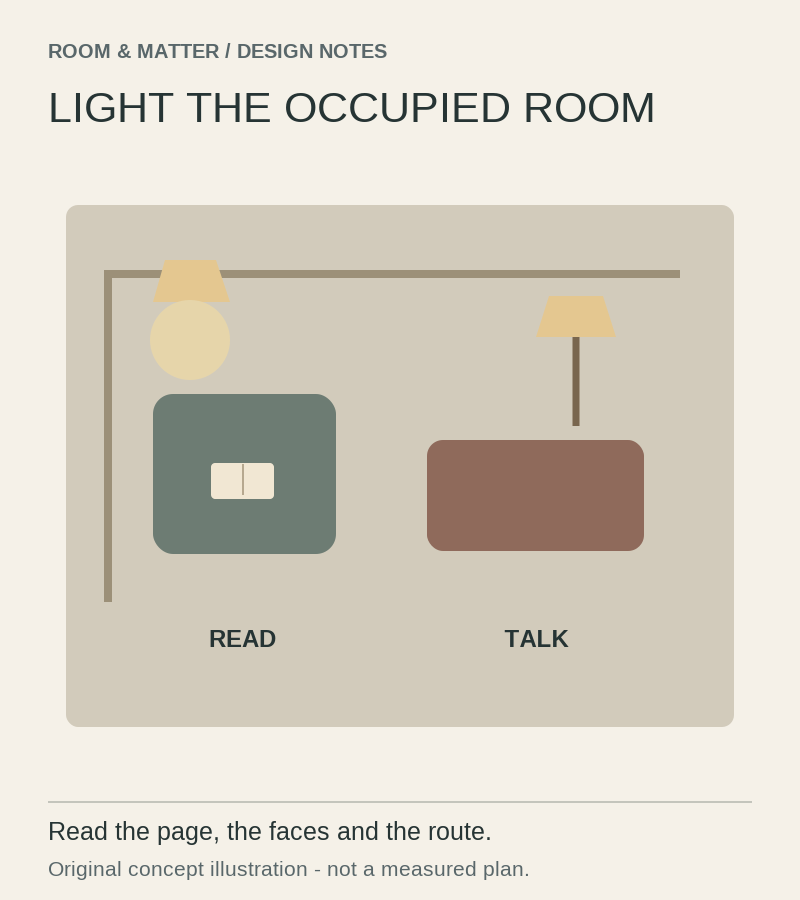
Create Several Warm Pools of Light
Place a task lamp beside each regular reading seat, add a shaded table lamp for conversation and use wall light only where it reveals architecture or art. Warm color temperature suits timber and jewel colors, but accurate color rendering still matters. Avoid exposed decorative bulbs at eye level and battery candles as the only route light. Victorian atmosphere depends on contrast, not darkness; faces, pages, floor changes and switches must remain legible. Conceal modern controls carefully, but do not make them difficult to reach or service.
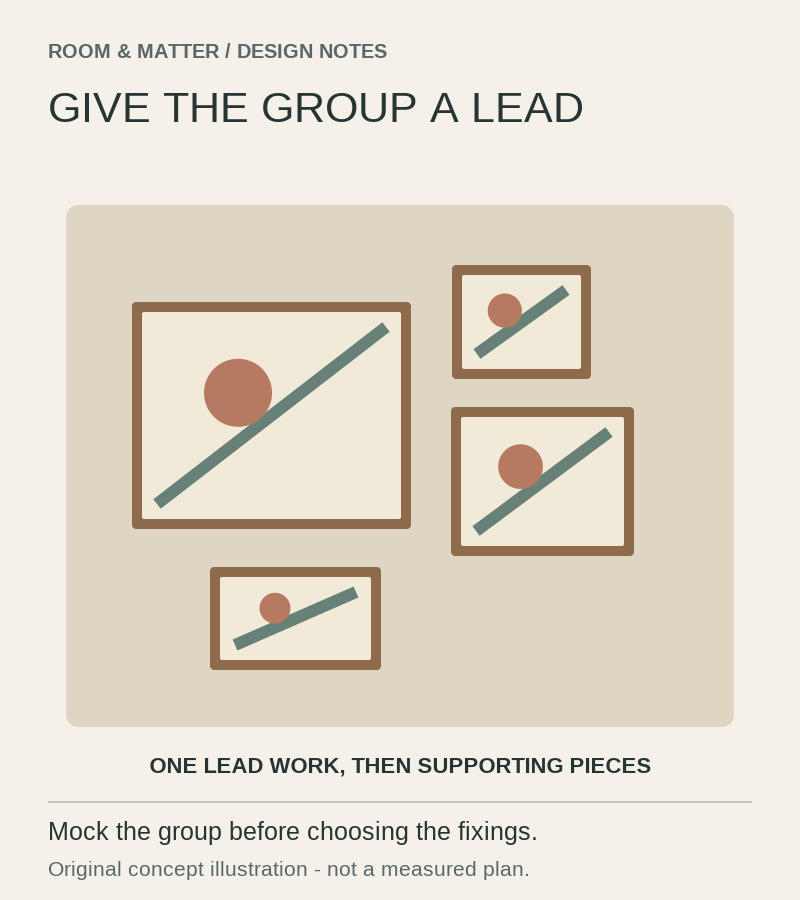
Build a Gallery Wall From Meaning, Not Density
Combine family photographs, prints, landscapes and small works around one lead piece rather than filling every gap with anonymous reproductions. Mix frame shapes carefully, repeat two finishes and maintain a consistent relationship between edges. Heavy plaster walls, picture rails and modern board construction need different fixings; verify weight and hidden services before drilling. Avoid displaying protected artwork copied without permission, and research inherited images whose subjects or context are unclear. One meaningful wall is usually stronger than a border of small pictures around the entire room.
Use Mirrors to Extend Light, Not Multiply Clutter
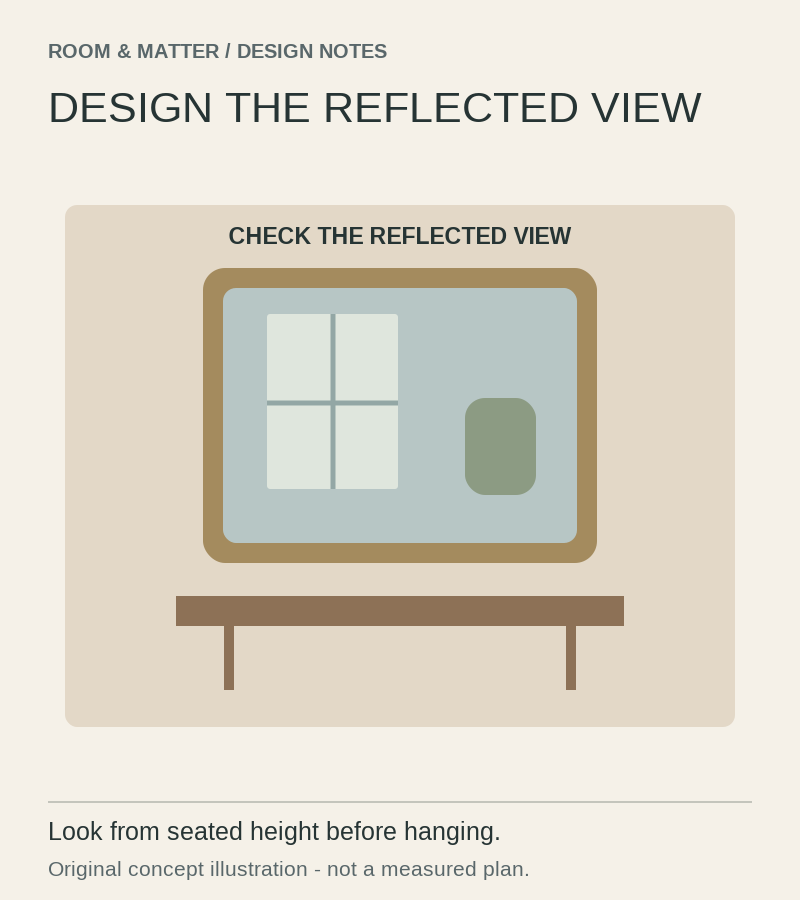
A large overmantel or pier mirror can increase light and reinforce an axis, but it also repeats everything opposite it. Check the reflected view from seated height before hanging. Gilded, ebonized and carved frames each carry enough visual weight to stand alone; several small ornate mirrors often fragment a patterned room. Confirm the wall, fixing system and frame condition, and use safety backing where appropriate. A modern simple mirror may work better when wallpaper, mantel and furniture already provide extensive detail.

A Cabinet That Holds the Collection
Use one bookcase, cabinet or fitted run to hold books, games, documents and display rather than scattering small shelves. Inventory the contents and assign closed storage to visually noisy categories. Tall furniture must be anchored where appropriate and kept clear of vents, damp walls and curtain stacks. Leave enough shelf variation for real books instead of styling every bay with decorative objects. Living Room Storage Ideas provides category, access and ventilation checks for making a handsome cabinet work after the photographs are taken.
A Present-Day Screen Beside Period Detail
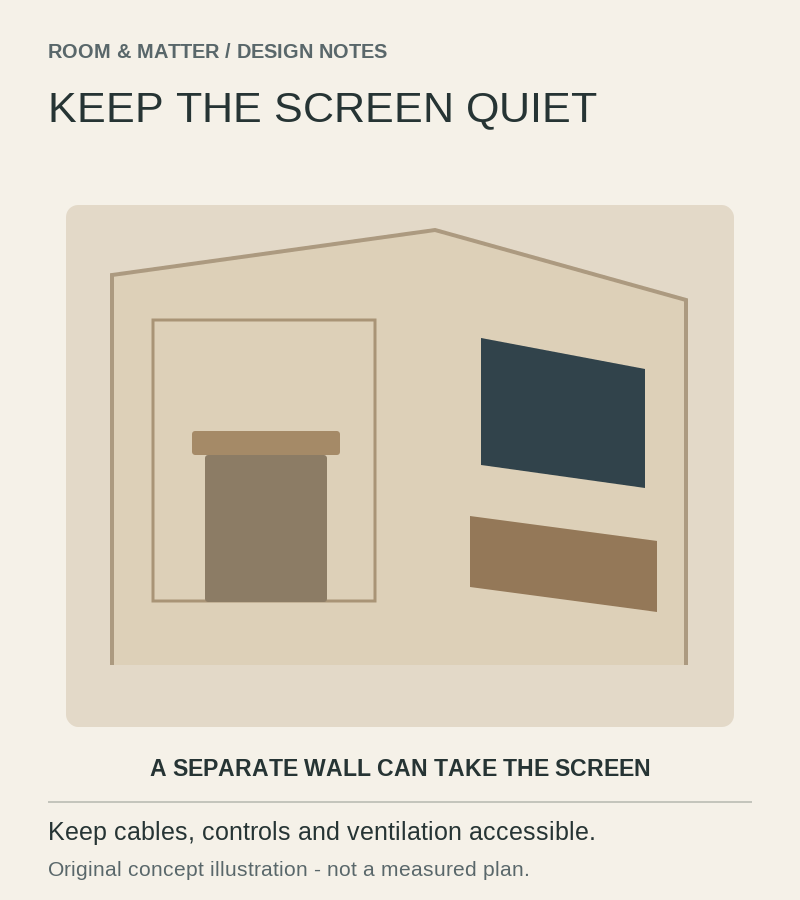
A chimney breast, picture rail and patterned wall can already establish the room’s hierarchy. Compare the screen on a secondary wall before asking that same architectural center to carry another large rectangle. From the principal seats, check the reflected bay or tall window, the viewing direction and where speakers and controls will go. A plain low cabinet can contain equipment without repeating the carved profile of every antique around it. Keep the manufacturer’s ventilation and service access, and resolve cable routes before placing a heavy case piece in front of them. If the screen must share the fireplace wall, assess heat, height and installation requirements for the actual equipment rather than treating an overmantel photograph as a template. The original two-wall concept illustrates a separate role for the screen; it is not an installation drawing.
One Strong Period Gesture in a Compact Room
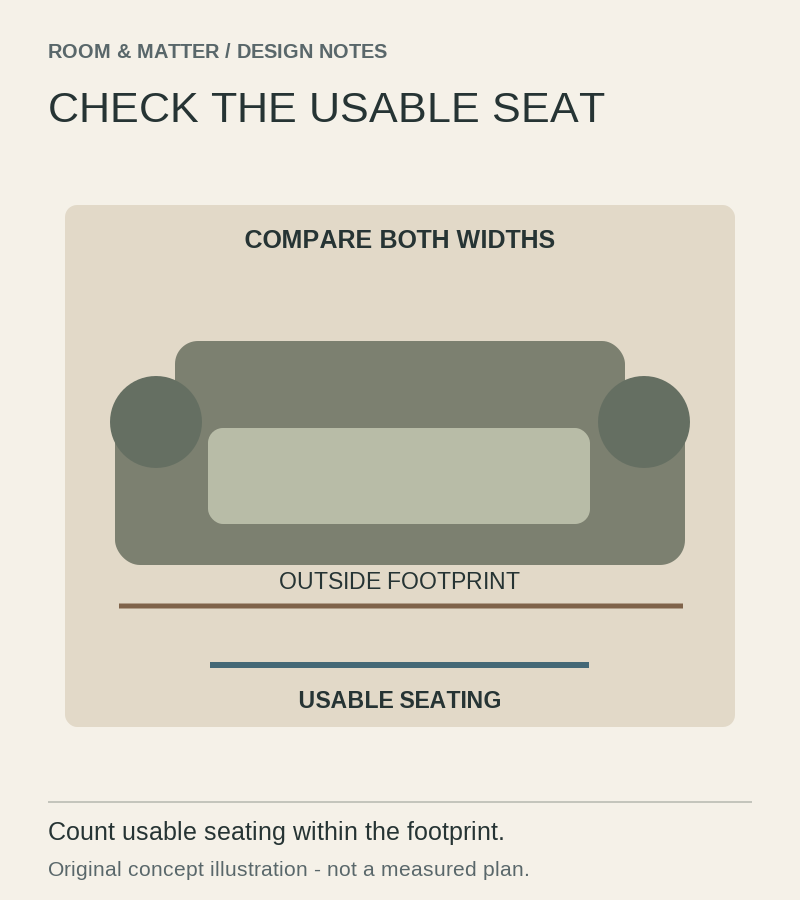
A compact sitting room cannot give a deep rolled arm, a projecting cabinet and a full curtain stack the same floor space. Begin with the sofa’s usable seating opening as well as its outside width; the original illustration separates those two measurements without supplying a product size. Then test a single movable chair, a reachable table and the route past them with the door in use. Let one deliberate feature carry the period reference: a full-scale wallpaper repeat, a meaningful cabinet or a well-proportioned window treatment. Miniature versions of every ornate object usually leave less room for people while weakening the leading idea. A tall ceiling can still take a vertical note, provided the lower room remains comfortable. Small Living Room Ideas develops the wider footprint and multi-use decisions.
Connect Victorian Detail Across an Open Plan
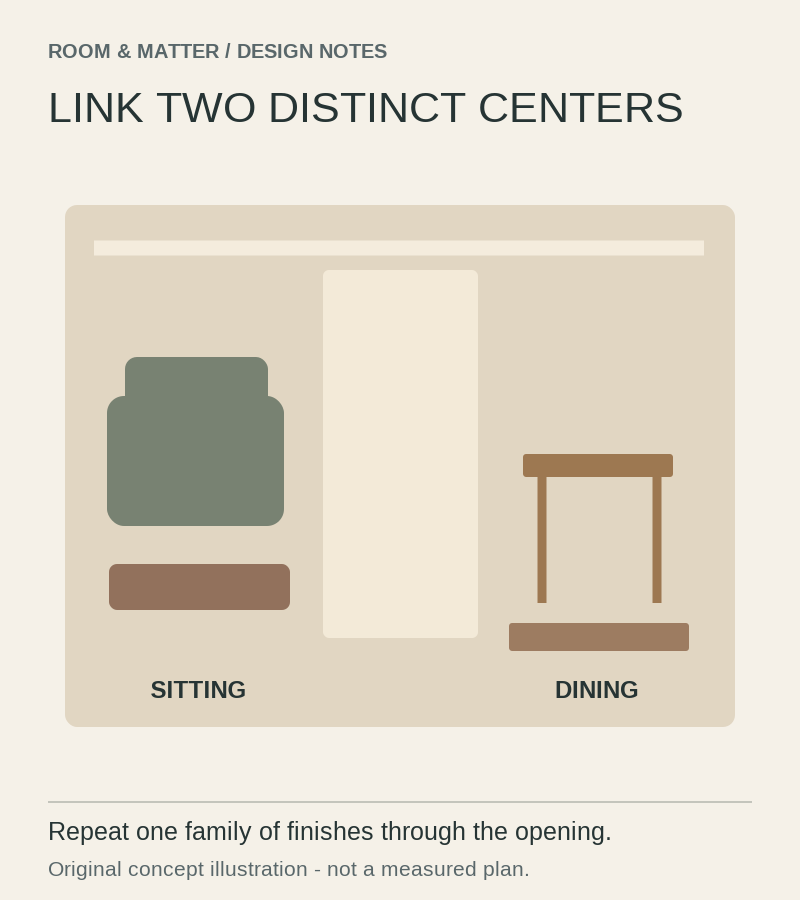
Victorian homes traditionally used separate rooms, so an open plan needs deliberate thresholds. Repeat one wood family, wall color or metal finish across living and dining zones, then let each activity have its own rug, lighting and storage. A partial opening, curtain or furniture-backed boundary can restore enclosure when needed. Do not copy wallpaper and ornate lighting everywhere; concentrated detail gives each zone authority. Address acoustics with curtains, rugs and upholstery, because high ceilings and removed walls can make conversation harsher than the visual scheme suggests.

A Victorian Scheme You Can Take With You
Build the portable layer as a group: one substantial cabinet for books, curtains that can be rehung, a patterned rug and shaded lamps that place useful light beside real seats. These are more adaptable than a collection of temporary ceiling roses or imitation fireplace fronts. The photograph shows the quieter furniture-and-curtain relationship; it does not document a Victorian property or a rental. Check the actual lease, approved fixings and reinstatement requirements before changing wallpaper, ceiling fittings or wall finishes. A freestanding cabinet may still need anchoring, so portability does not mean leaving it unsecured. Keep original hardware and a record of what must go back. Give the entrance view one clear period note, then let the next home’s light and dimensions decide how the pieces are arranged again.
Stable Seating Among Carved and Patterned Layers
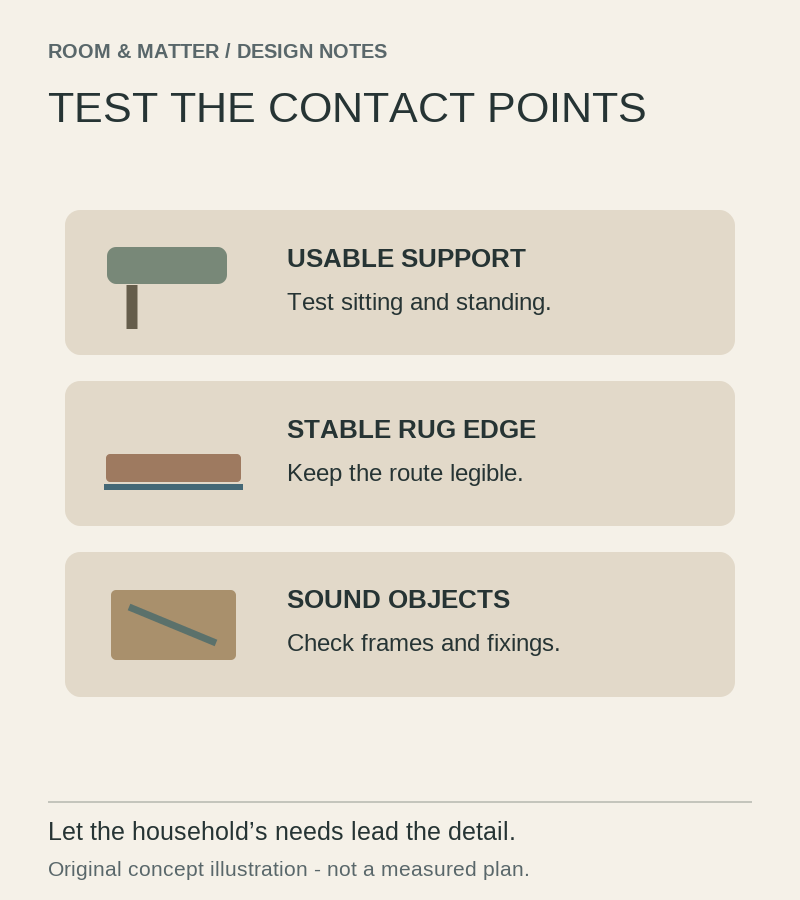
Assign the everyday seat before deciding which antique will be the visual lead. A carved show frame, deep rolled arm or low slipper chair may suit one person and fail another; test sitting, standing and table reach with the actual users. An older chair can retain a supporting role while a sound newer piece carries daily demand. Inspect joints, springs, unknown finishes and projecting carving rather than treating patina as proof of reliability. Patterned floor textiles still need stable edges and a clearly readable route, especially beside dark timber or a change in floor level. Choose upholstery care for the household’s children, pets and ordinary wear, and position fragile pieces away from active play. Secure tall storage and heavy mirrors for the installation. The concept’s support, rug and object checks do not certify an accessible or child-safe layout.

Restore Original Fabric Before Replacing It
Original floorboards, plaster, tile, doors, hardware and fireplaces carry material depth that reproduction finishes often miss. Document condition, distinguish dirt from patina and obtain appropriate advice before stripping or sanding. Old paint, flooring adhesive and finishes may contain hazardous substances; testing and controlled work can matter more than visual preference. Repair local damage where possible and keep samples or profile records. New services should remain safe and accessible without unnecessarily cutting through decorative fabric. Restoration is not refusing change—it is directing change toward the least replaceable elements.

Inspect Antique Wiring, Upholstery and Finishes
Have old lamps and chandeliers inspected and rewired where necessary; a new plug does not prove the internal cable, earthing or lampholder is safe. Upholstered furniture can conceal failing fillings, pests, odor and unsuitable fire performance. Painted or polished pieces may have unknown coatings that should not be sanded or cleaned aggressively without advice. Budget professional work before purchase and retain invoices or material records. Decorative age has value only when the object can be used, maintained and positioned without creating hidden risk.
Care for Carving, Paper and Delicate Cloth
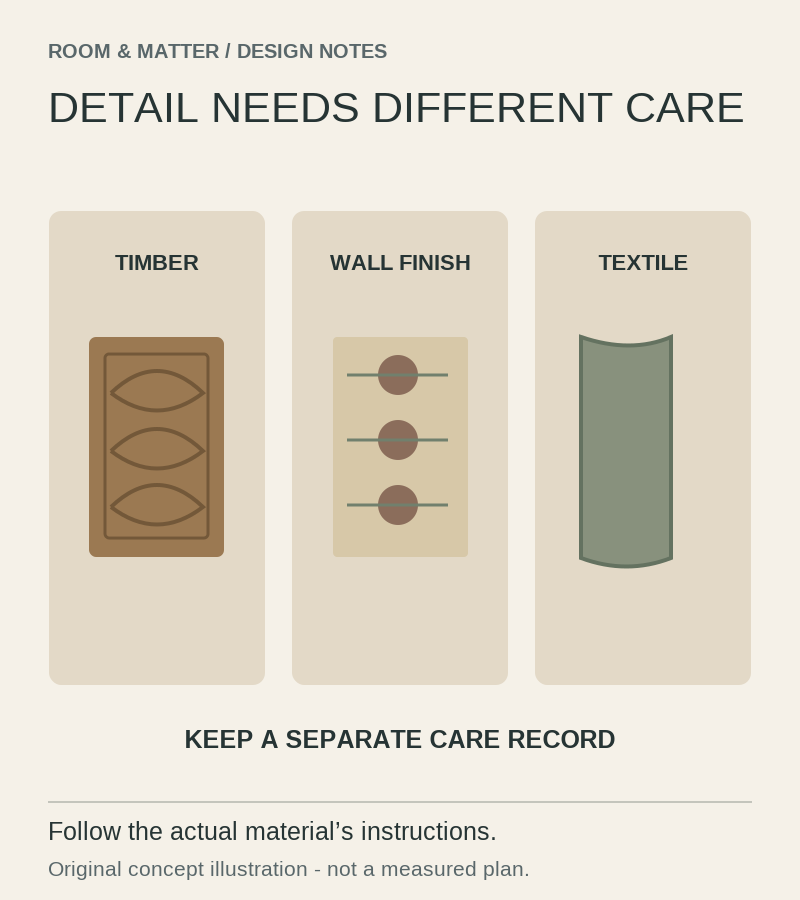
Keep care instructions for wallpaper, timber, metal, upholstery, rug and delicate window layers rather than using one cleaner throughout. Dust carved details with appropriate soft tools, rotate cushions and rugs where recommended, and inspect condensation behind curtains and furniture. Too many small objects increase handling and breakage while hiding maintenance problems. If the household cannot sustain multiple fragile textiles and polished surfaces, reduce layers and invest in one robust pattern or cabinet. A believable Victorian room can show age; it should not normalize mold, loose joints or unsafe wiring.
Build the Room in Functional Budget Phases
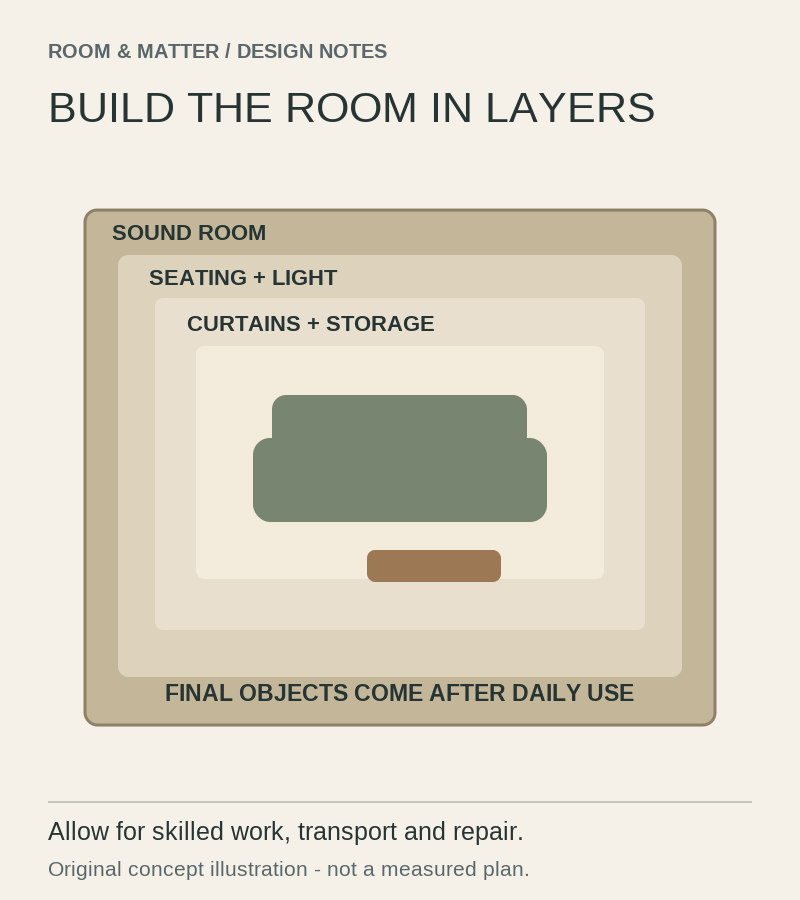
Begin with a sound room and any necessary professional checks before buying the decorative layers. Then fund seating that people will use, a rug that fits the substantial furniture and useful light at the seats. Curtains, book storage and the main wall treatment can form the next phase; final art and smaller objects can follow after the room has been lived in. Price transport, specialist upholstery, restoration, electrical work and plaster repair before committing to an older object, because its purchase price is only part of the cost. A secondhand cabinet that holds the real inventory can contribute more than a collection of novelty Victorian accessories. Build the scheme through these relationships rather than ordering a matched room at once.

Test the Room Beyond the Formal View
After ordinary use, sit in the chair that looks least inviting and find out why. The arm may be too high, the table out of reach, the rug edge unstable or the evening lamp aimed at the wallpaper instead of the page. Open the curtains fully and check how much of the window the stack still covers. Put away the actual books, controls and cups rather than restyling an empty room for a photograph. Reassess pattern from a seat after dark, when a dense wall can feel very different from its daylight doorway view. Keep the carved or patterned gesture that gives the room its identity, then remove only the competing object that interrupts use. The aim is a sociable room whose historical references remain legible through contemporary routines, rather than a formal arrangement that nobody chooses to occupy.