Build a Quiet Foundation for Change
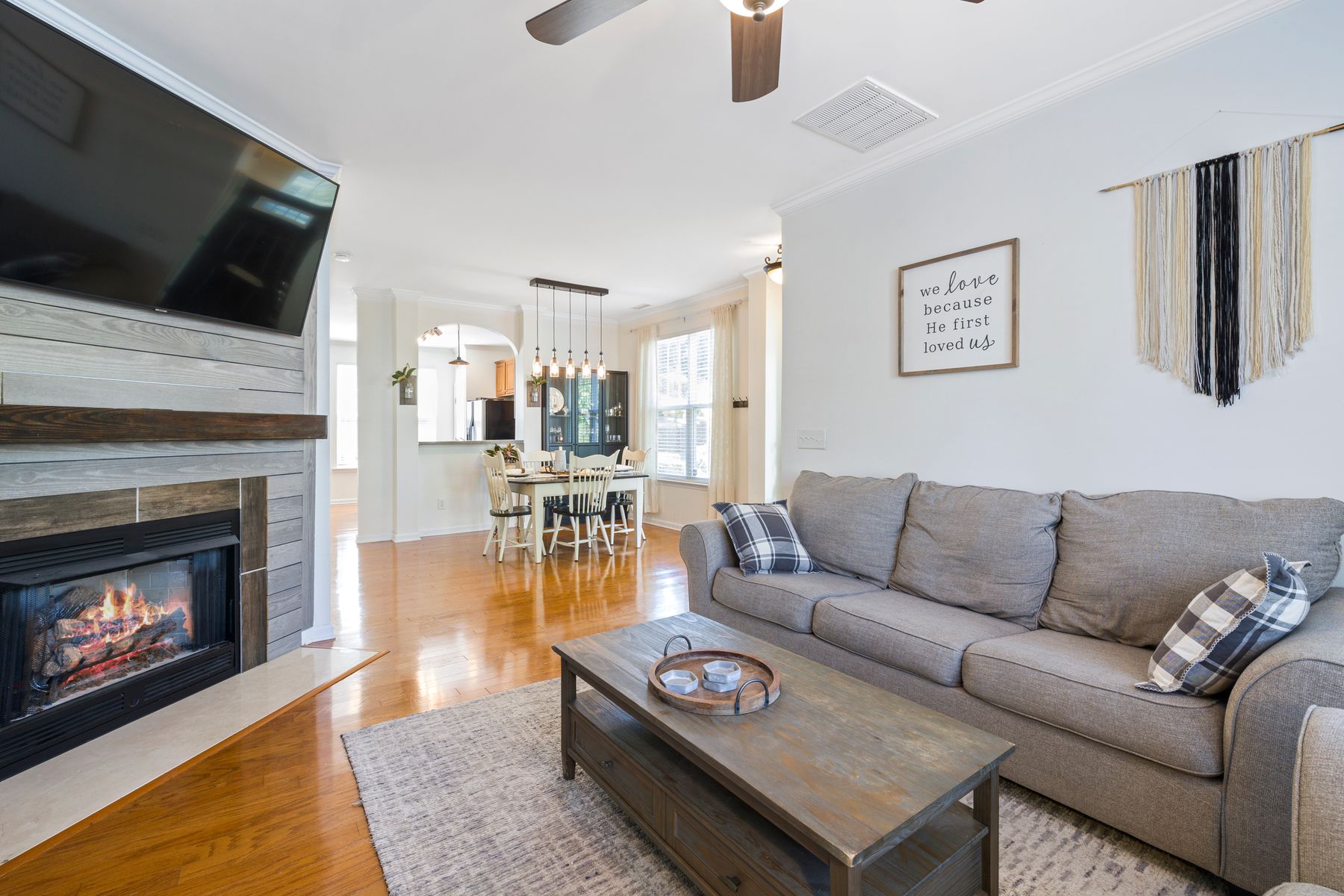
Treat flooring, large wall areas, major cabinetry and fixed joinery as the apartment's long-life layer. These surfaces do not need to be bland, but they should work together across the views that connect one room to another. A quiet plaster tone, durable timber, restrained stone and consistently detailed doors can support many future changes in color and furniture. This is what keeps a contemporary home adaptable: the current layer can move forward without requiring the entire apartment to be rebuilt.
Make One Current Color Feel Substantial
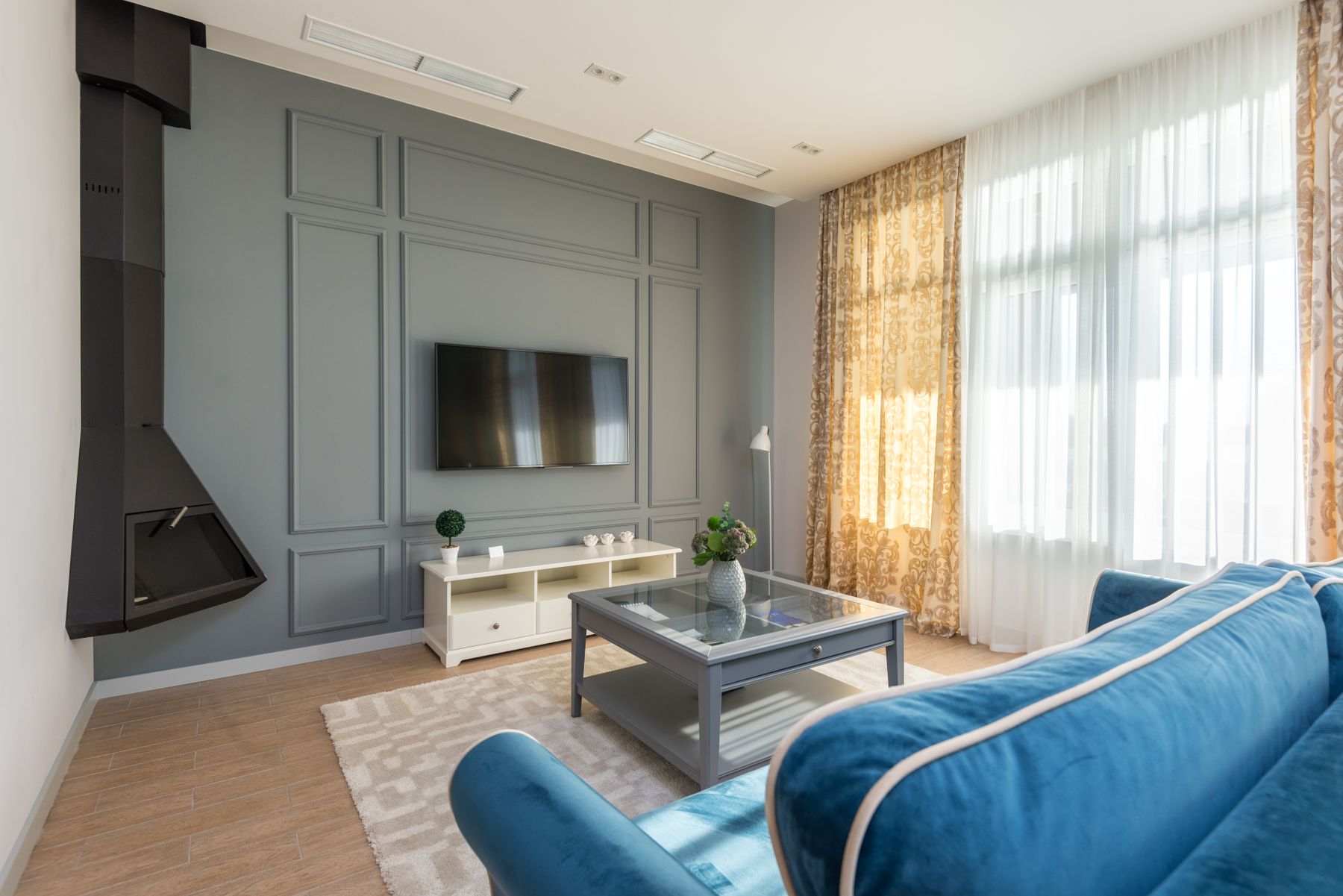
Contemporary color works best when it occupies enough visual area to feel intentional. A blue sofa, plum wall, jade cabinet or rust-colored rug can anchor the scheme while neighboring finishes remain quieter. Repeating the color in tiny accessories throughout the apartment can weaken its impact; instead, echo its temperature or value through related neutrals. If the color reflects a fast-moving trend, place it on upholstery, paint or textiles that can change without replacing fixed construction.
Layer Texture Before Adding Decoration
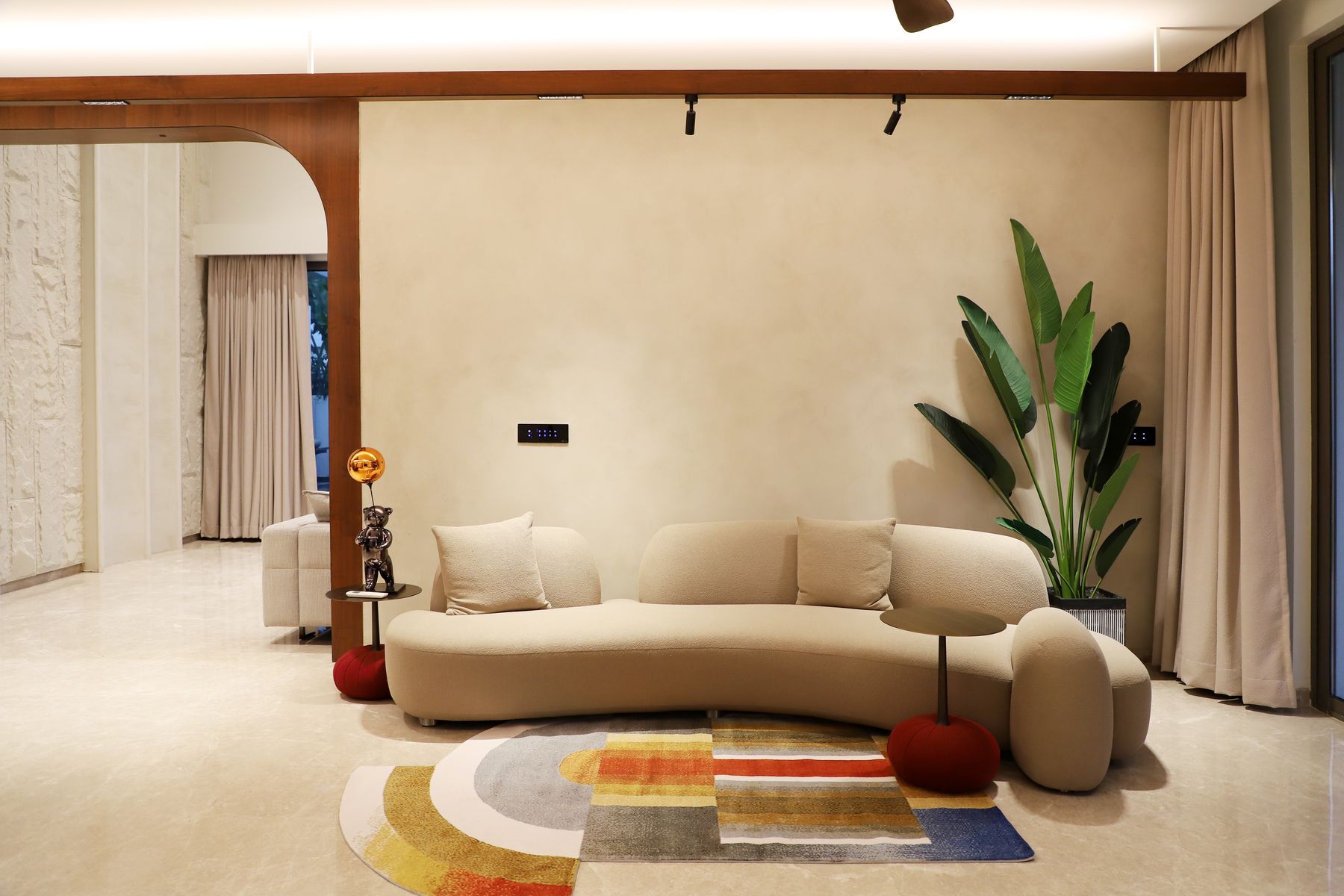
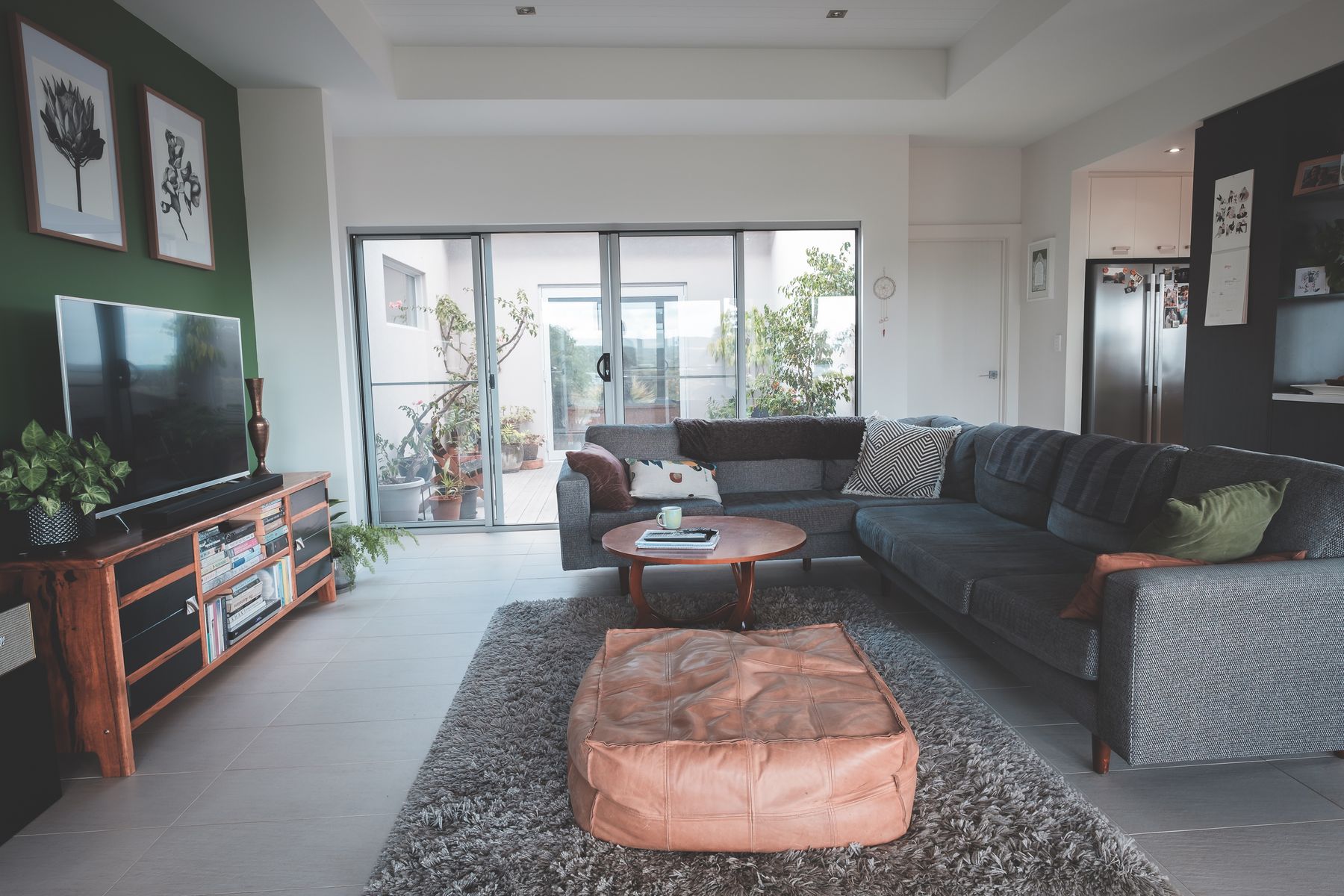
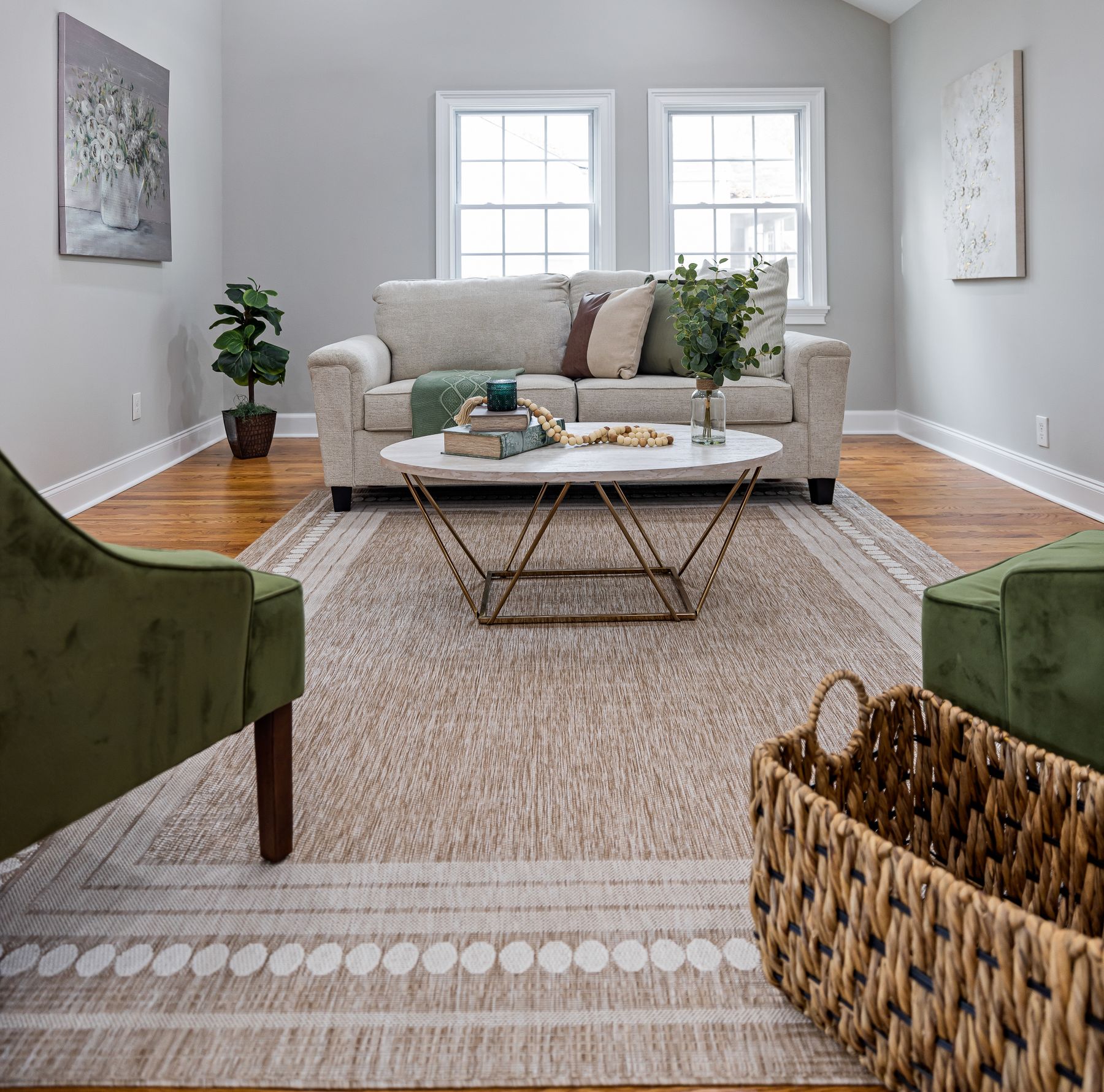
A contemporary neutral scheme needs surfaces that respond differently to light and touch. Combine a dense rug, matte wall, smooth table, softly woven curtain and one harder reflective finish rather than matching every beige or grey exactly. Texture is most useful where it also improves comfort or acoustics, especially in apartments with open plans and many hard surfaces. Keep the number of textures controlled enough that the room still has a clear hierarchy.
Let Expressive Stone Lead the Kitchen
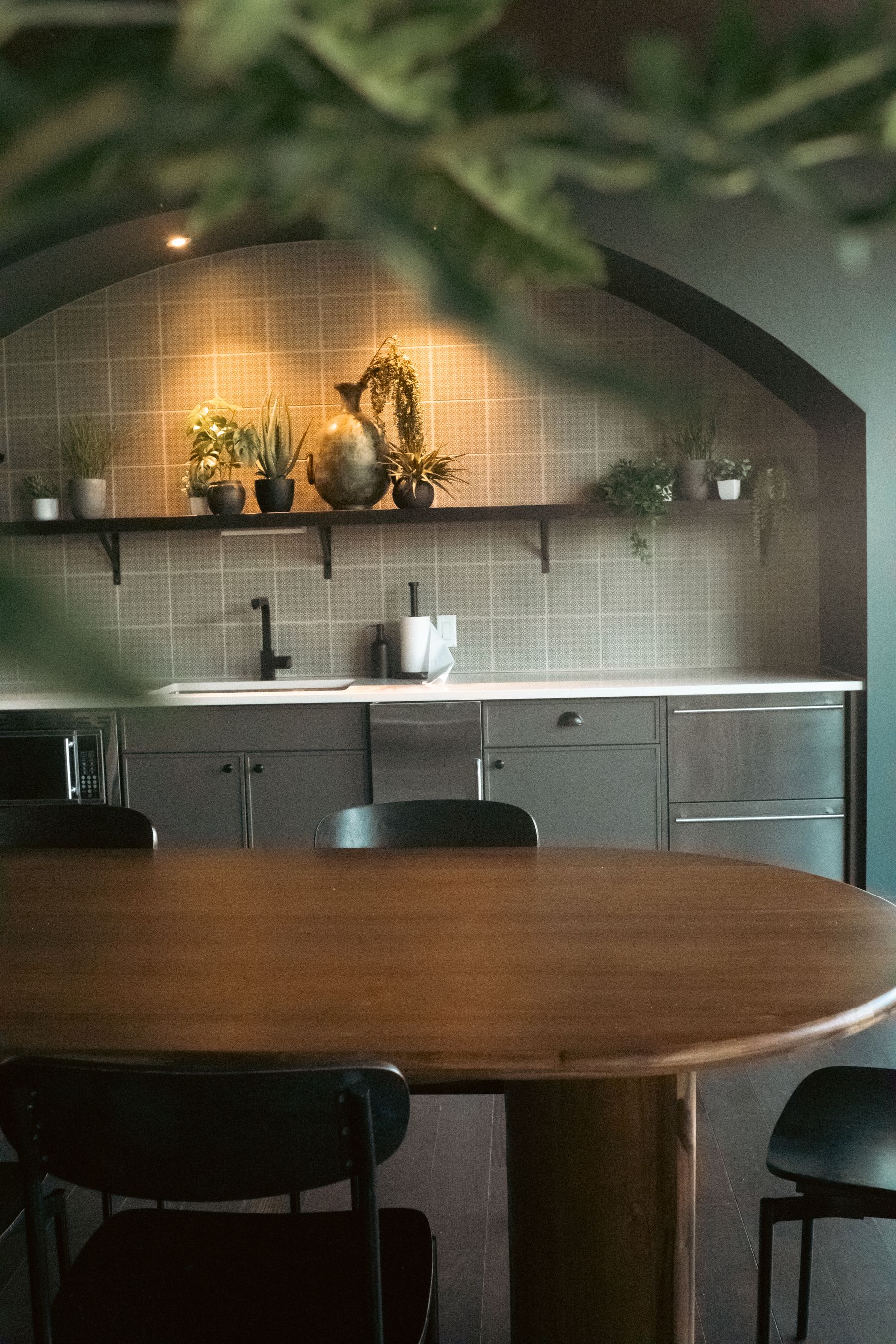
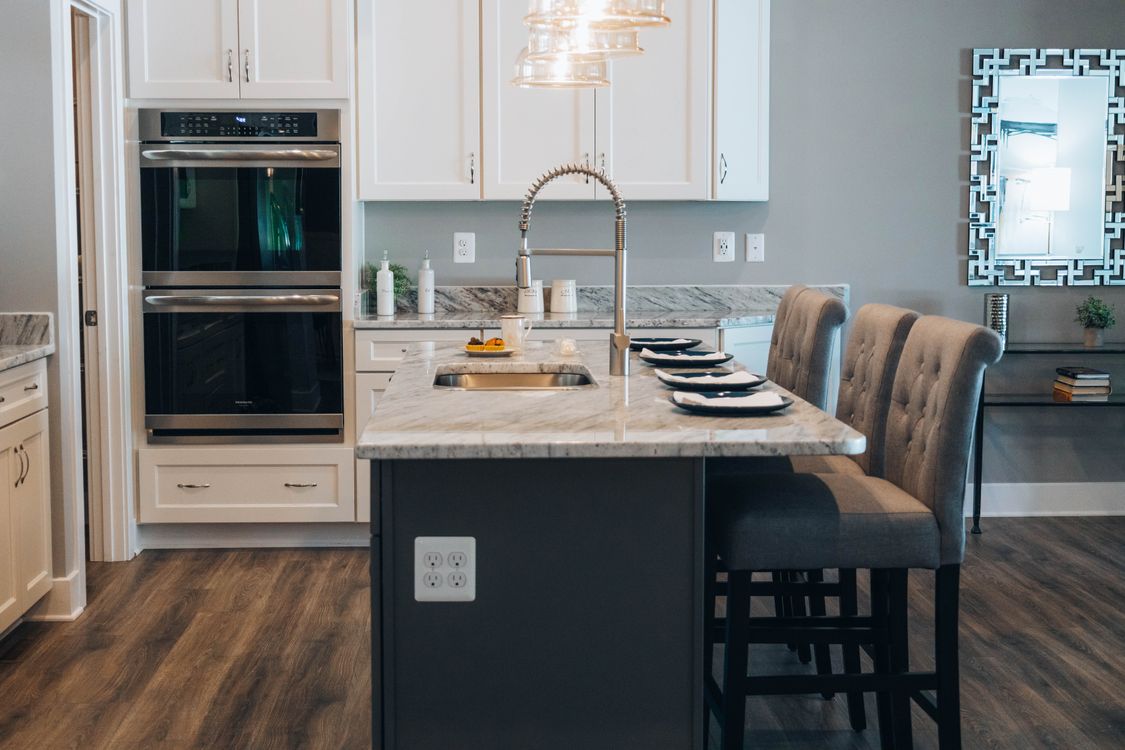
Veined stone, richly patterned quartz or another expressive counter can make the kitchen visible as a designed room within an open apartment. Give that surface sufficient scale, then keep splashbacks, cabinet fronts and pendants from competing at the same intensity. Check staining, heat and maintenance requirements before allowing appearance to decide the specification. In a compact kitchen, a smaller stone return or table surface may deliver the idea more effectively than covering every worktop.
Zone Open Space With Furniture Relationships
In an open apartment, use furniture direction, rugs and lighting to establish functions before adding screens or partitions. A sofa back can mark the living boundary, a pendant can locate dining, and a change in rug texture can distinguish a reading area while long sightlines remain open. Contemporary styling often includes distinctive individual pieces, so the layout must make their relationships legible. Leave the main route clear even when every seat and cabinet door is in use.
Use Sculptural Lighting as Architecture
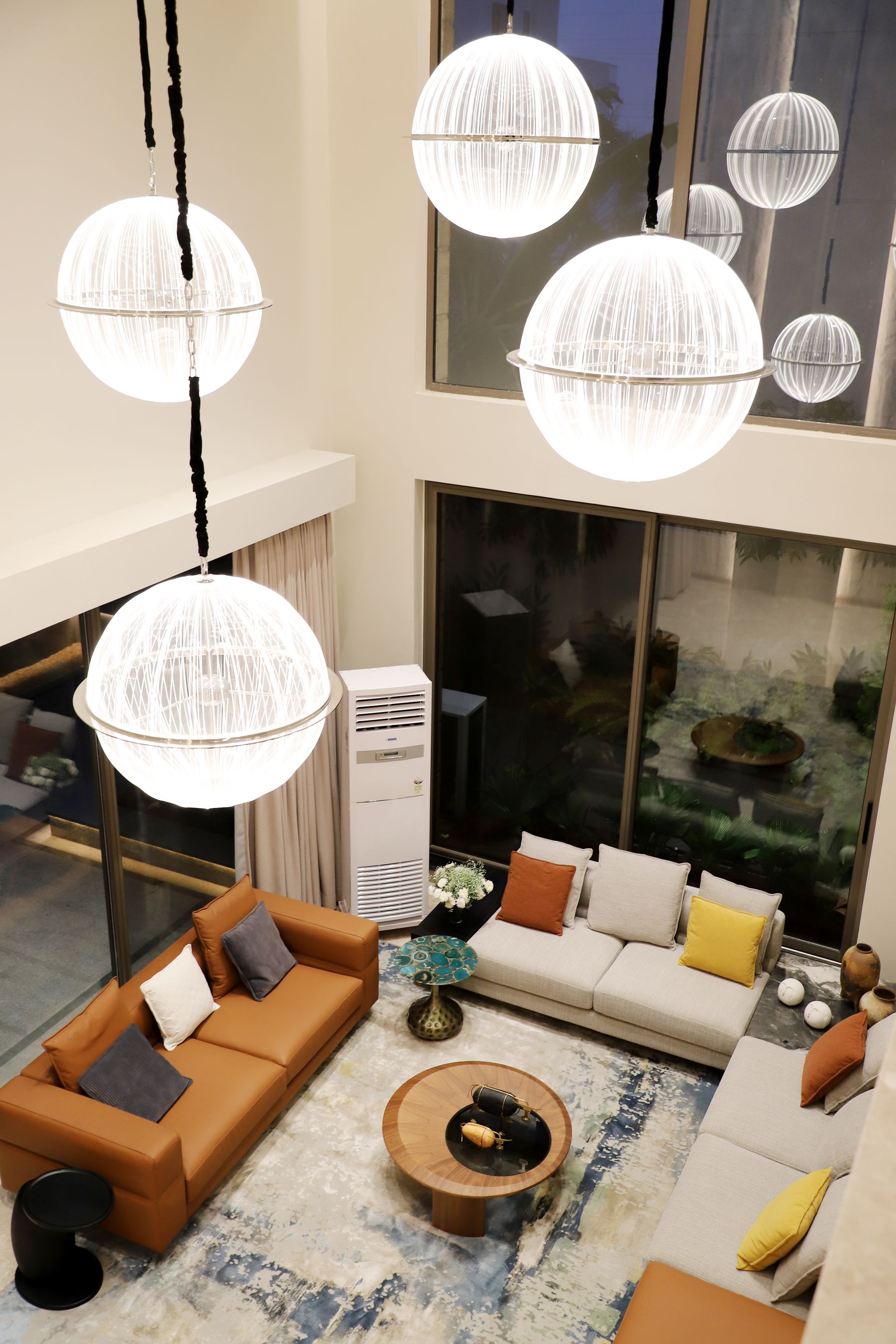
Choose a sculptural pendant, floor lamp or sconce where it clarifies the room as well as decorating it. A pendant can lower the perceived scale over dining, a long wall light can emphasize an axis, and a floor lamp can give a reading chair its own evening zone. Statement lighting still needs appropriate output, glare control and switching; decorative form does not replace task light. In a rental, plug-in fixtures can create much of the effect without electrical work.
Integrate Storage Without Making It Disappear
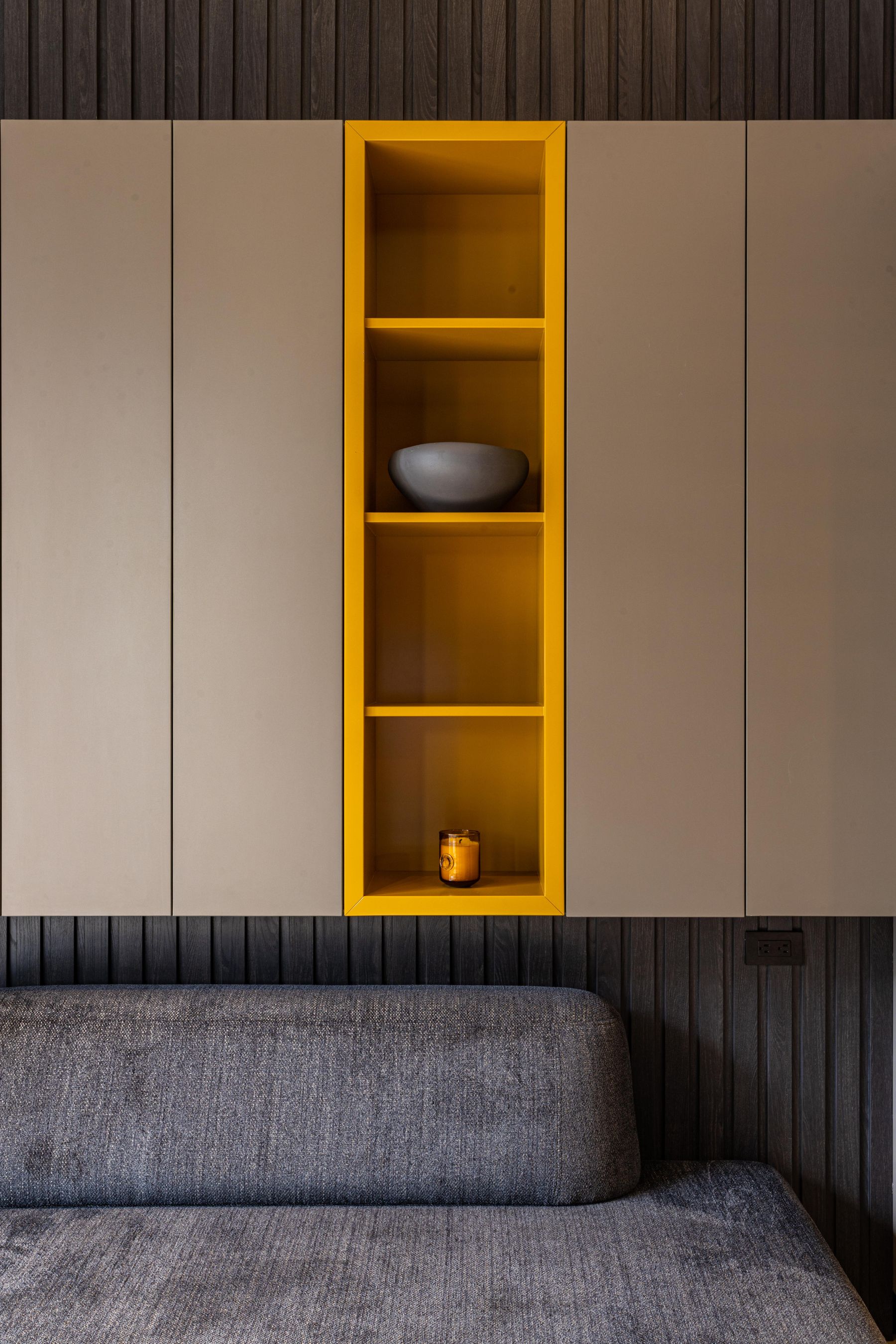
Contemporary storage can be architectural and expressive at the same time. Use flush closed fronts for mixed practical possessions, then introduce an open niche, contrasting interior or asymmetrical shelf where display has a purpose. The composition should respond to the wall rather than being assembled from many unrelated small units. Plan ventilation, cable access and the real dimensions of books, equipment and household items before finalizing a sleek elevation.
Use Dining to Connect, Not Match, Adjacent Rooms
The dining zone often sits between kitchen and living areas, making it the best place to mediate their differences. Repeat the kitchen timber in a softer tone, borrow a curve from the living furniture or use a light fitting that relates to both spaces. Avoid buying a complete matched set; contemporary rooms gain character from coordinated differences in silhouette and finish. Scale the table for regular use first, then plan how occasional guests will be accommodated.
Keep Cabinetry Precise Around Expressive Details
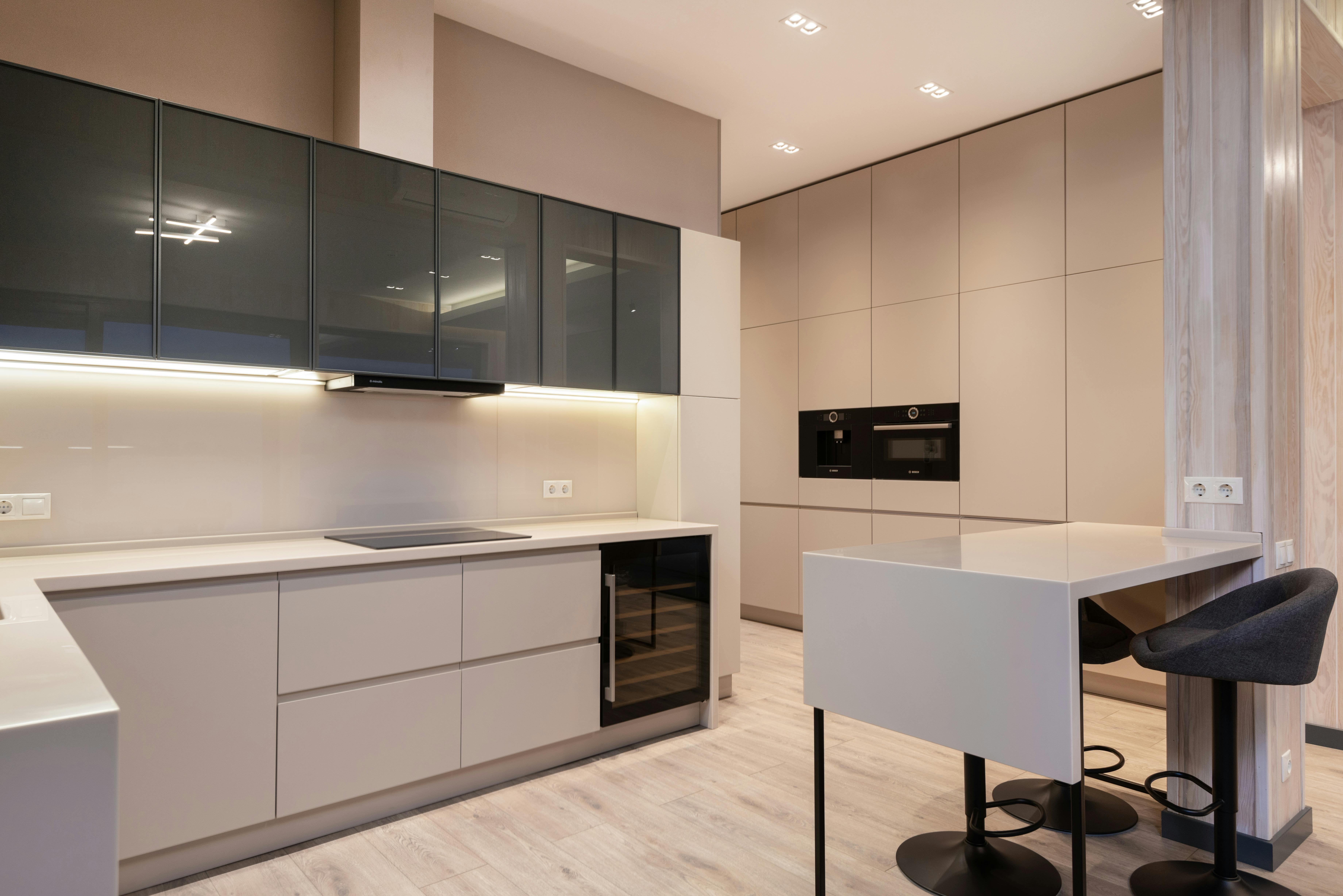
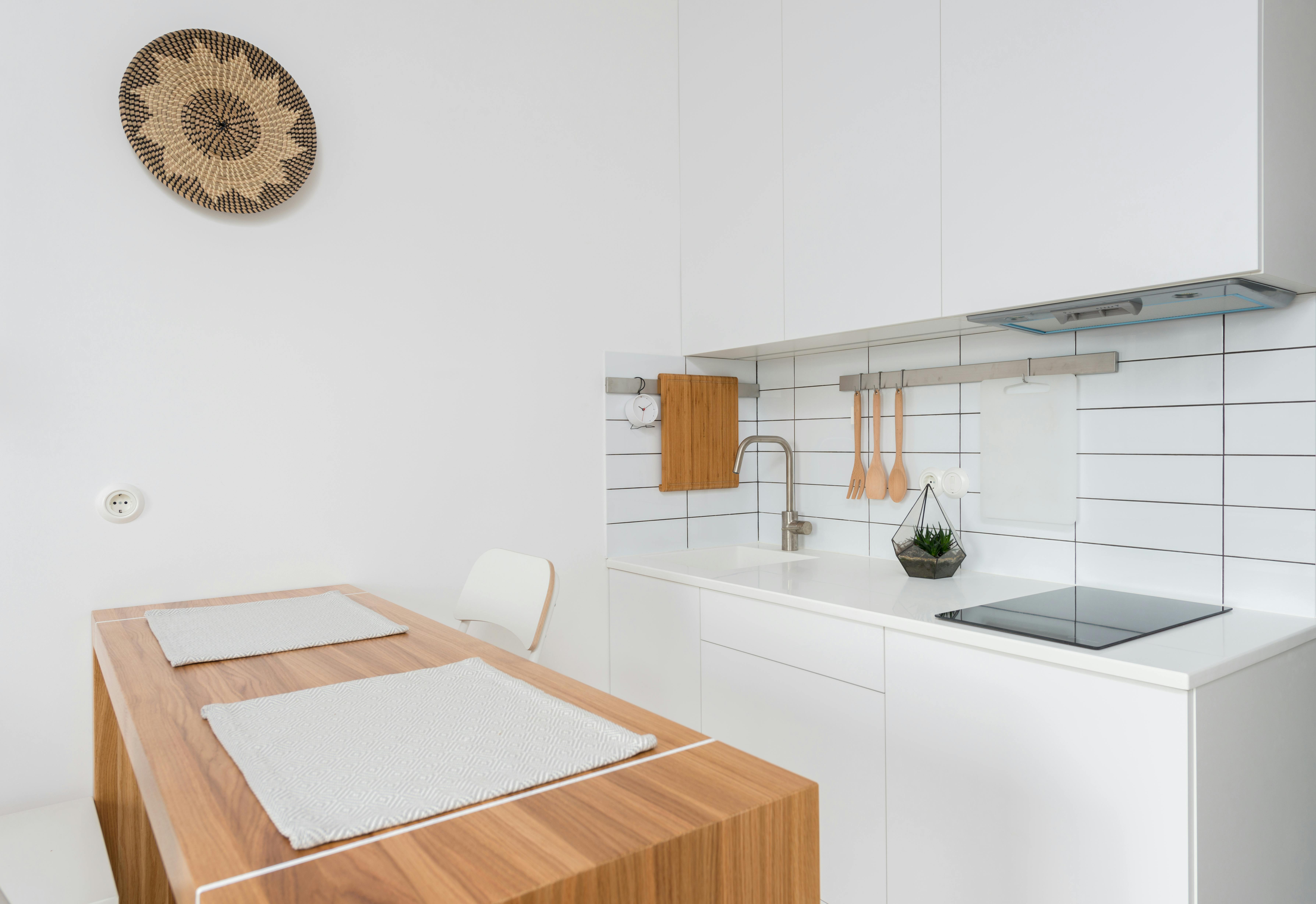
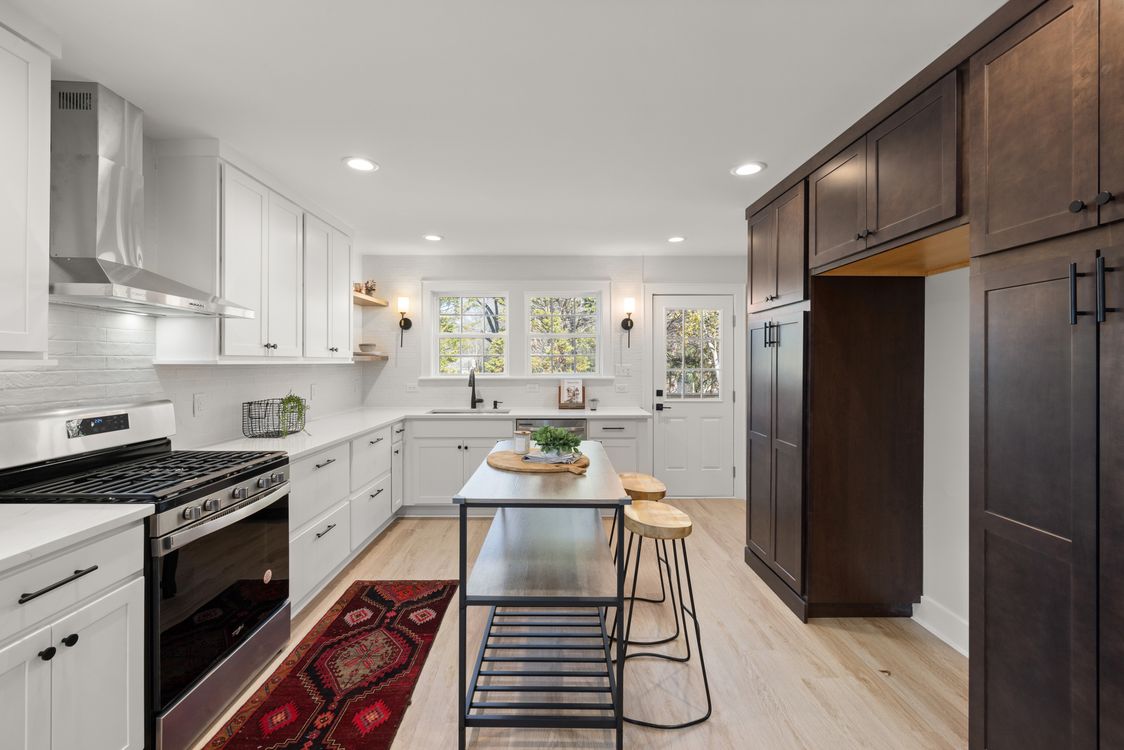
A current kitchen can combine several materials, but drawer lines, tall-unit transitions and work zones still need order. Begin with storage and workflow, align visible breaks where possible and decide which elevation should read most quietly from the living room. Handleless doors are optional; a well-chosen pull can add useful scale and tactility. The contemporary character should come from proportion and a few deliberate contrasts, not from sacrificing reachable storage.
Concentrate Drama in One Bathroom Surface
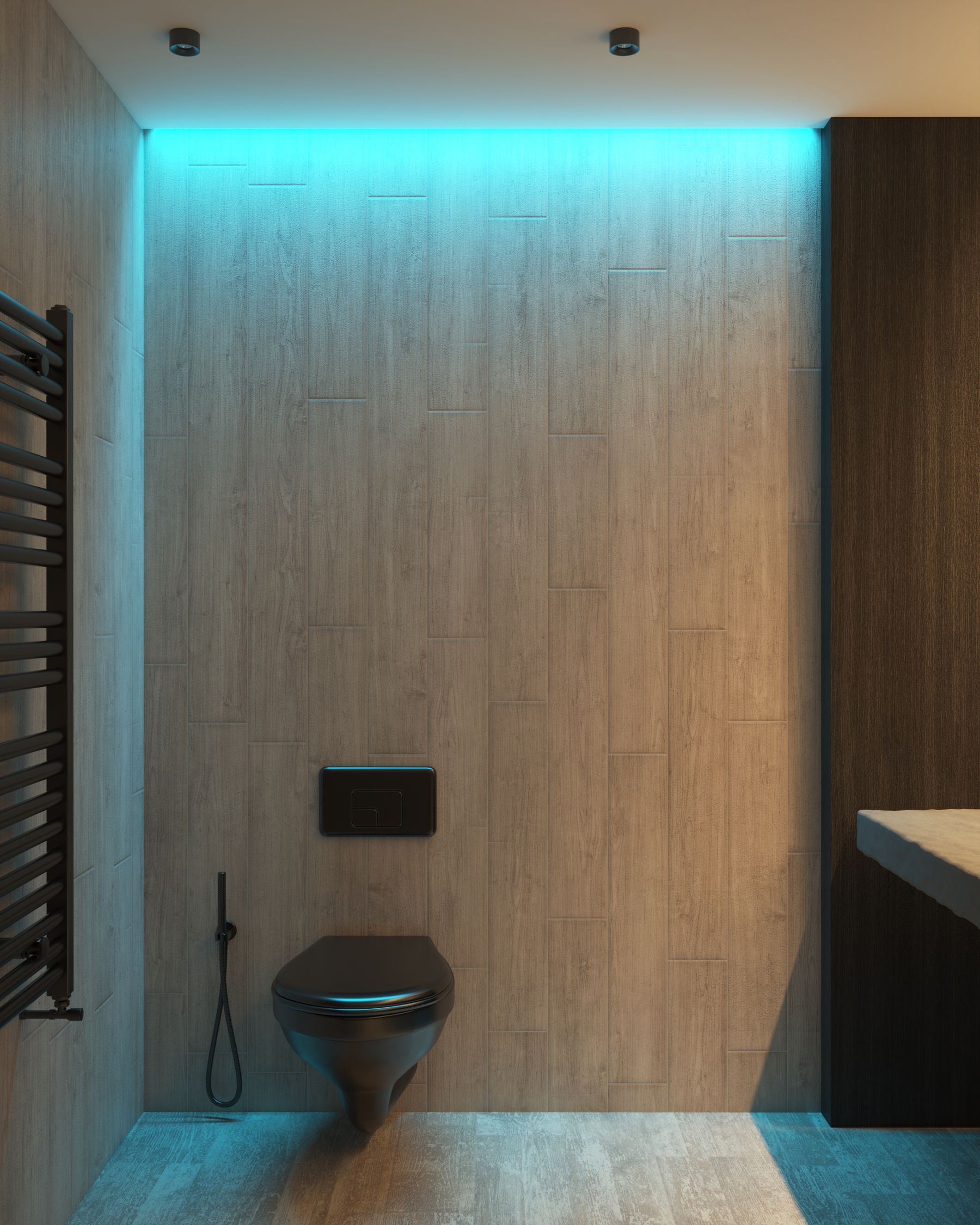
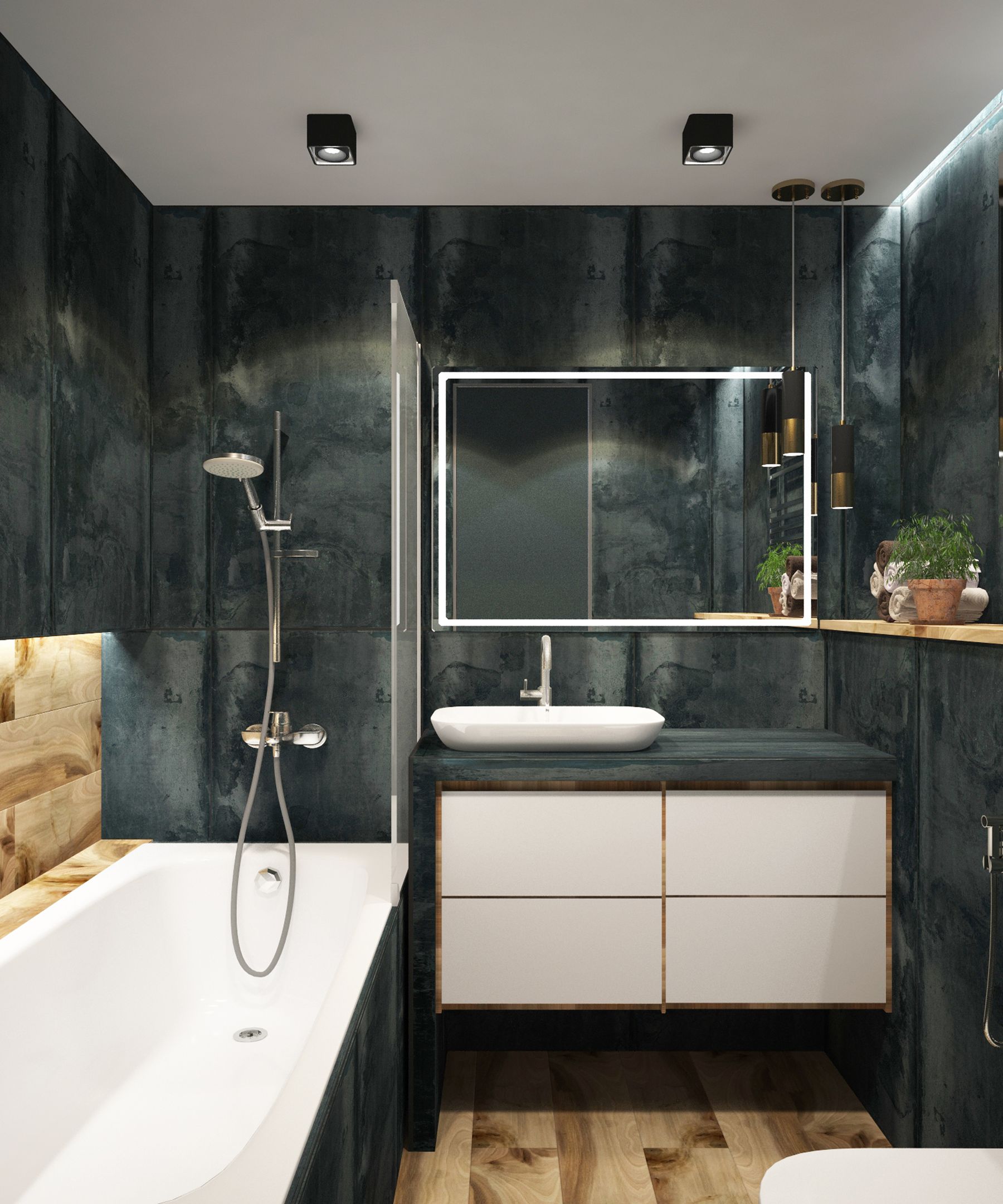
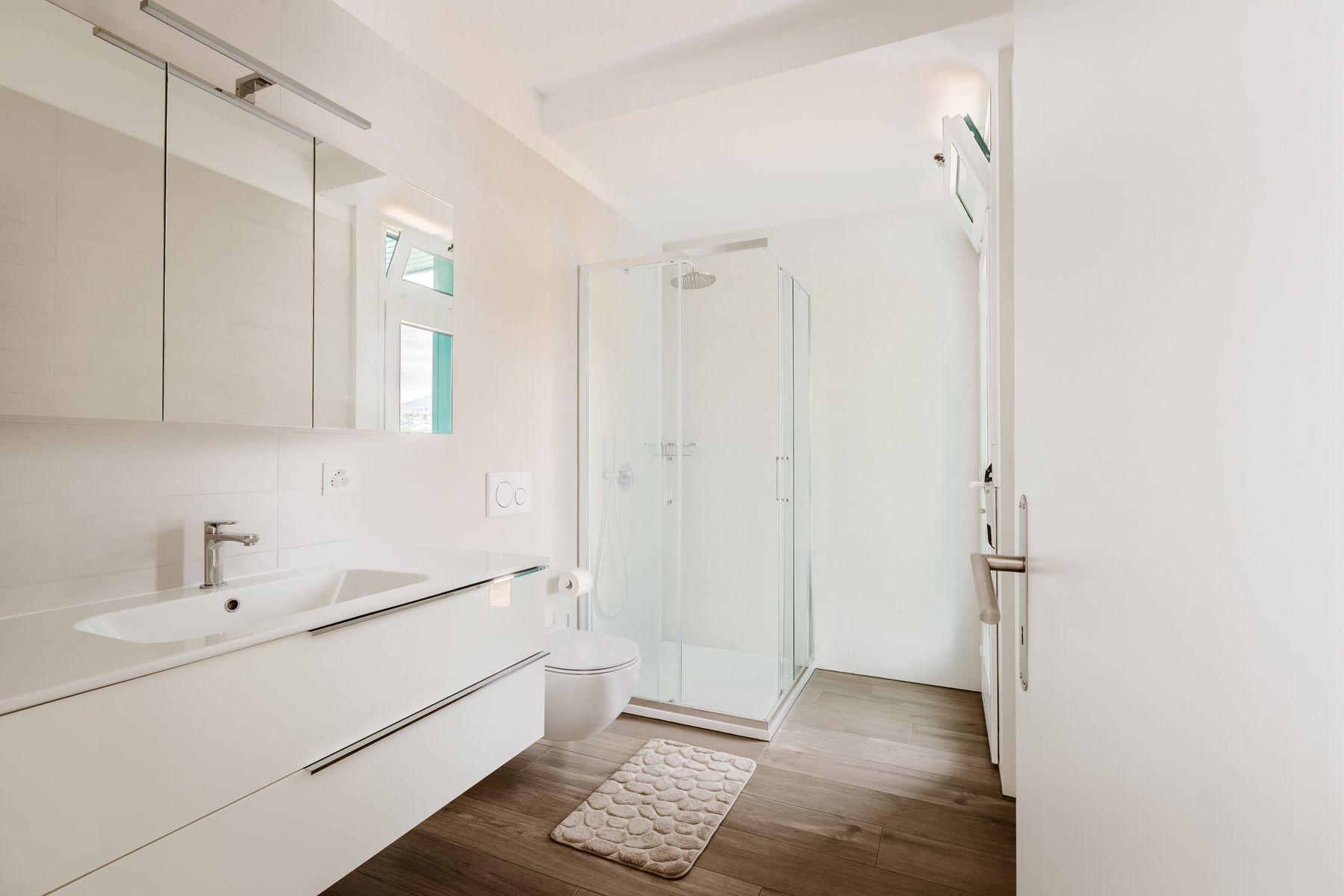
A dark veined wall, richly colored vanity or strong tile field can give a small bathroom real presence. Limit the highest-contrast material to a clear zone so mirrors, fittings and storage remain easy to read. Wet-area materials must be selected for slip, cleaning and waterproofing performance, not only for their photographic effect. Carry one quieter apartment finish into the room to connect it with the wider home.
Use Relief and Soft Texture in Private Spaces
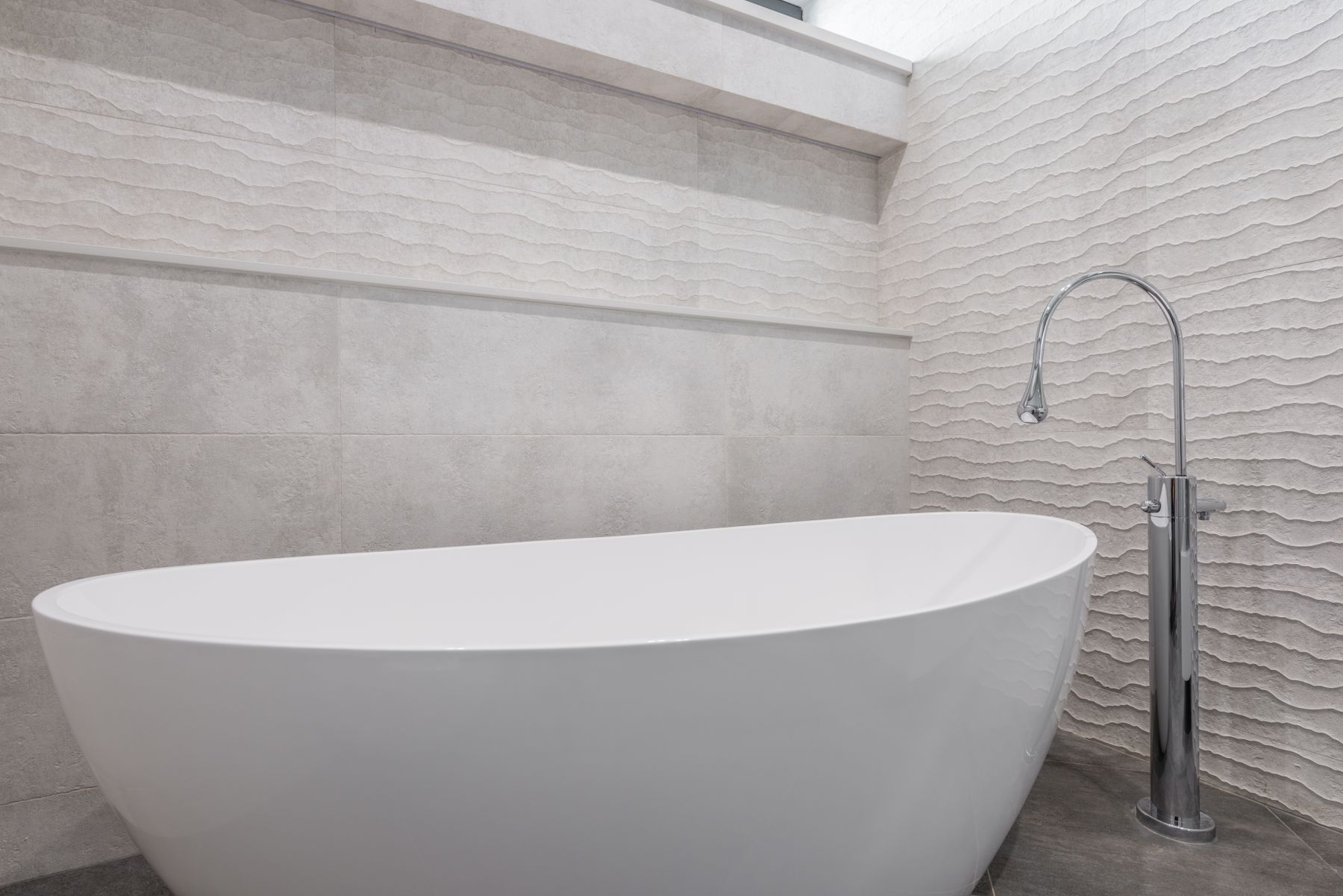
Bedrooms and bathrooms usually benefit from a calmer interpretation of the apartment's contemporary language. Use plaster-like walls, ribbed timber, woven textiles or subtle relief to create depth while reducing contrast. These materials should support rest and touch, not simply act as another trend statement. In wet or high-contact areas, specify finishes that can tolerate cleaning and moisture rather than imitating fragile handcrafted surfaces.
Compose the Vanity Wall as a Functional Focal Point
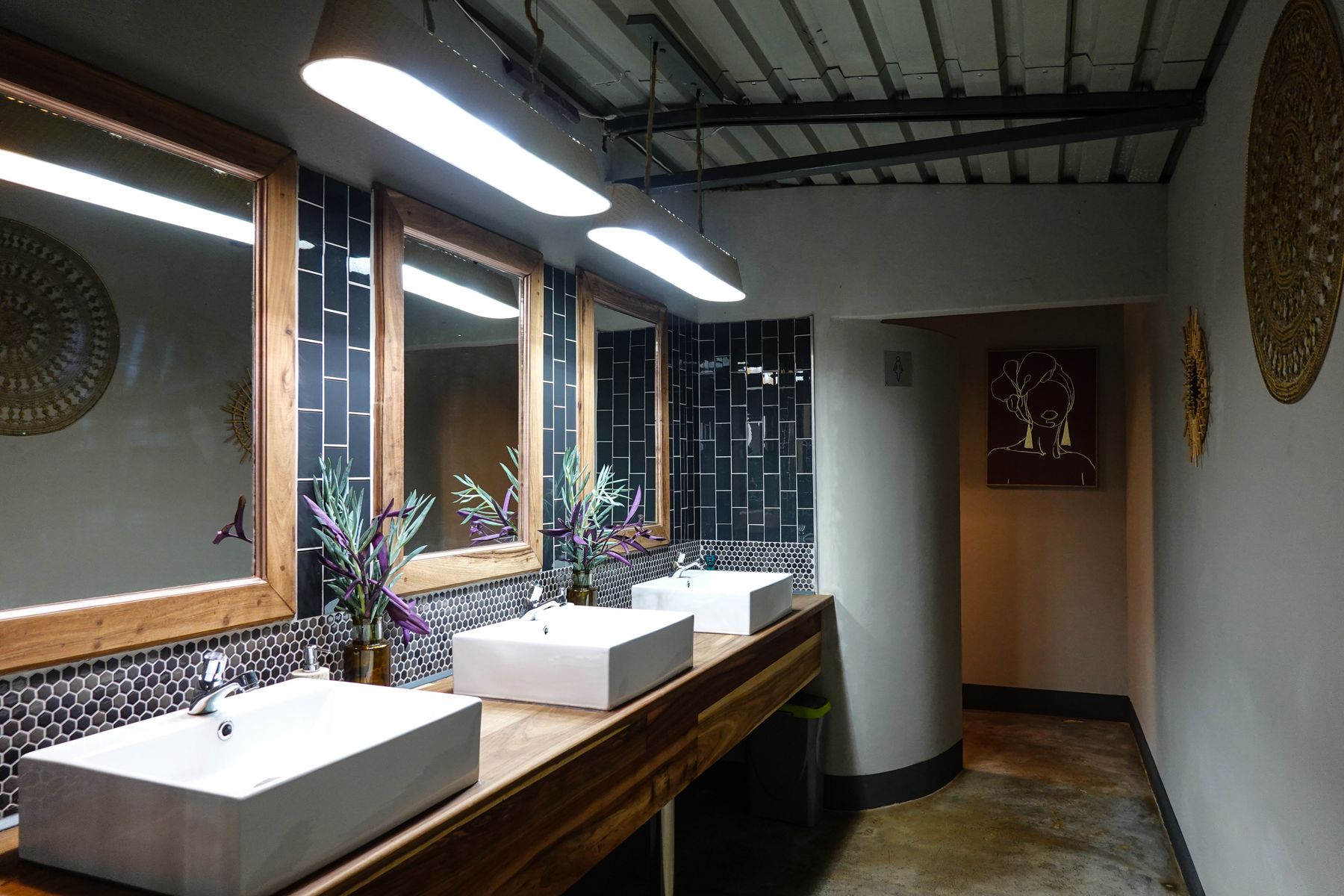
The vanity wall can carry stronger mirror shapes, decorative sconces or an unusual cabinet color because its daily function already gives it a clear center. Align basins, useful mirror areas, outlets and storage before introducing asymmetry. Good face lighting should come from more than a downlight behind the user, and frequently used items need reachable homes. This balance of visual expression and practical resolution is central to contemporary design.
Make a Studio Feel Edited, Not Generic
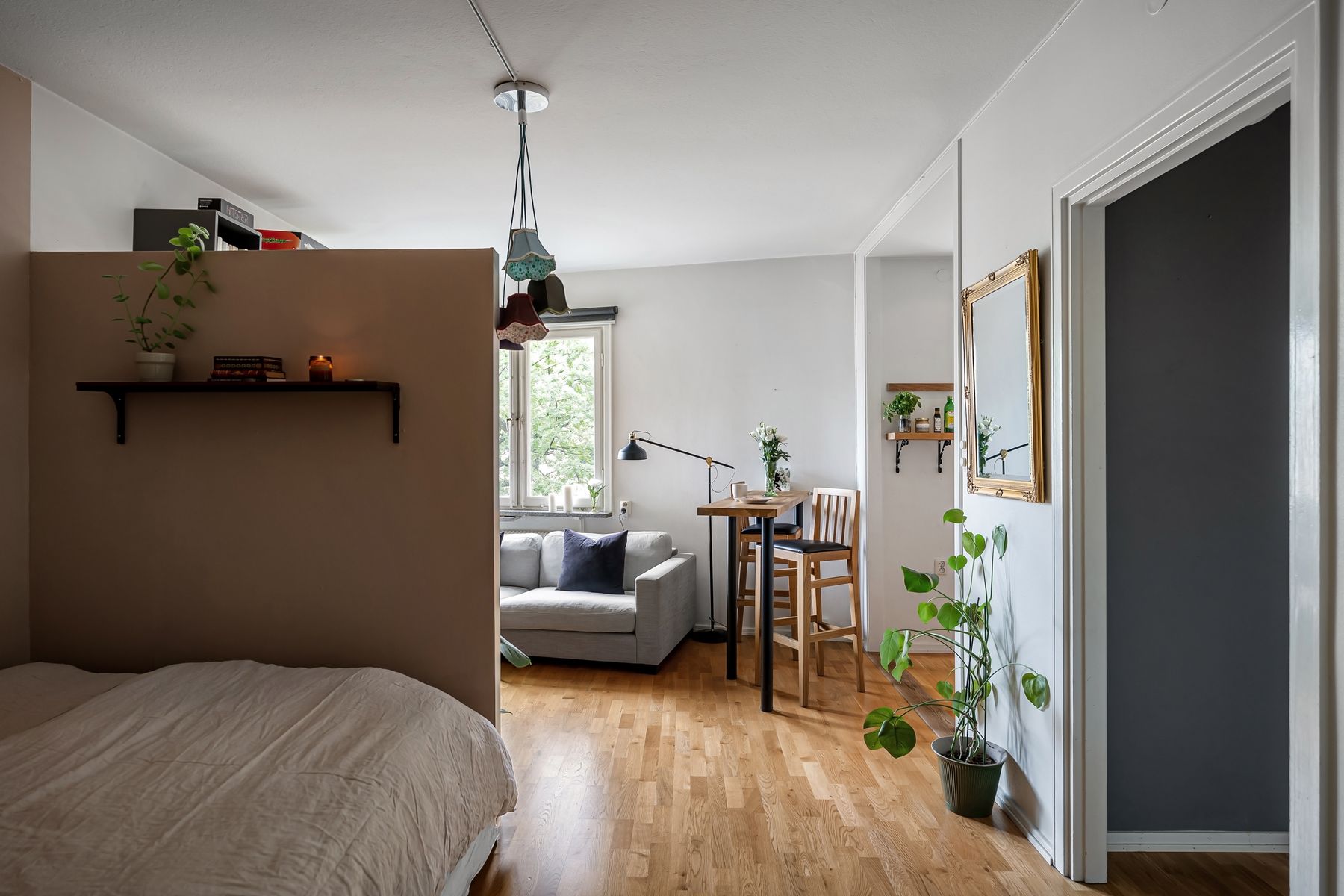
A contemporary studio needs fewer, stronger decisions because nearly every object is visible at once. Establish the bed, seating, dining or work priorities first, then choose furniture that performs those roles without filling every edge. Repeat a small material family across zones and give one current element—color, curve, art or lighting—the lead. Avoid miniature furniture everywhere; one properly scaled comfortable piece can make the home feel more intentional.
Treat Daylight as Part of the Palette
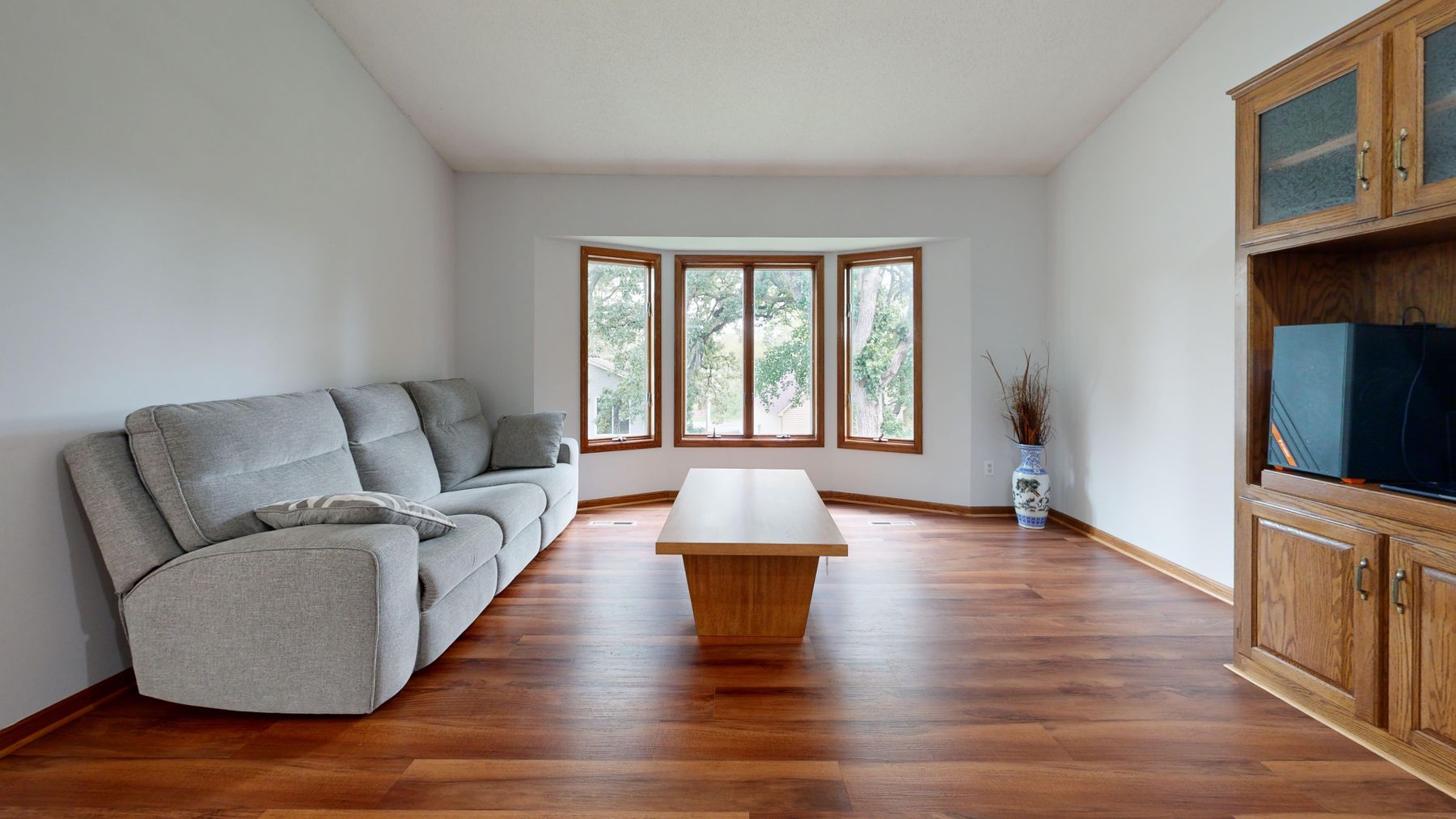
Contemporary palettes often rely on subtle changes in value, sheen and texture, all of which shift with daylight. Observe where direct sun, reflected light and shadow fall before committing to a dark wall or glossy surface. Keep tall furniture from unnecessarily blocking the best light path, and select window treatments for privacy, glare and thermal comfort as well as appearance. A room that looks balanced at midday may need a different lighting layer after dusk.
Give Art Enough Scale and Breathing Room
Contemporary apartments often benefit from art that is treated as part of the spatial composition rather than the final accessory. A single large work, a disciplined grid or one sculptural object can establish scale and color without cluttering the wall. Consider the furniture width, viewing distance and available negative space before hanging. Use original work, licensed prints or pieces you have the right to display; recognizable protected art should not be reproduced merely as decor imagery.
Design a Different Apartment After Dark
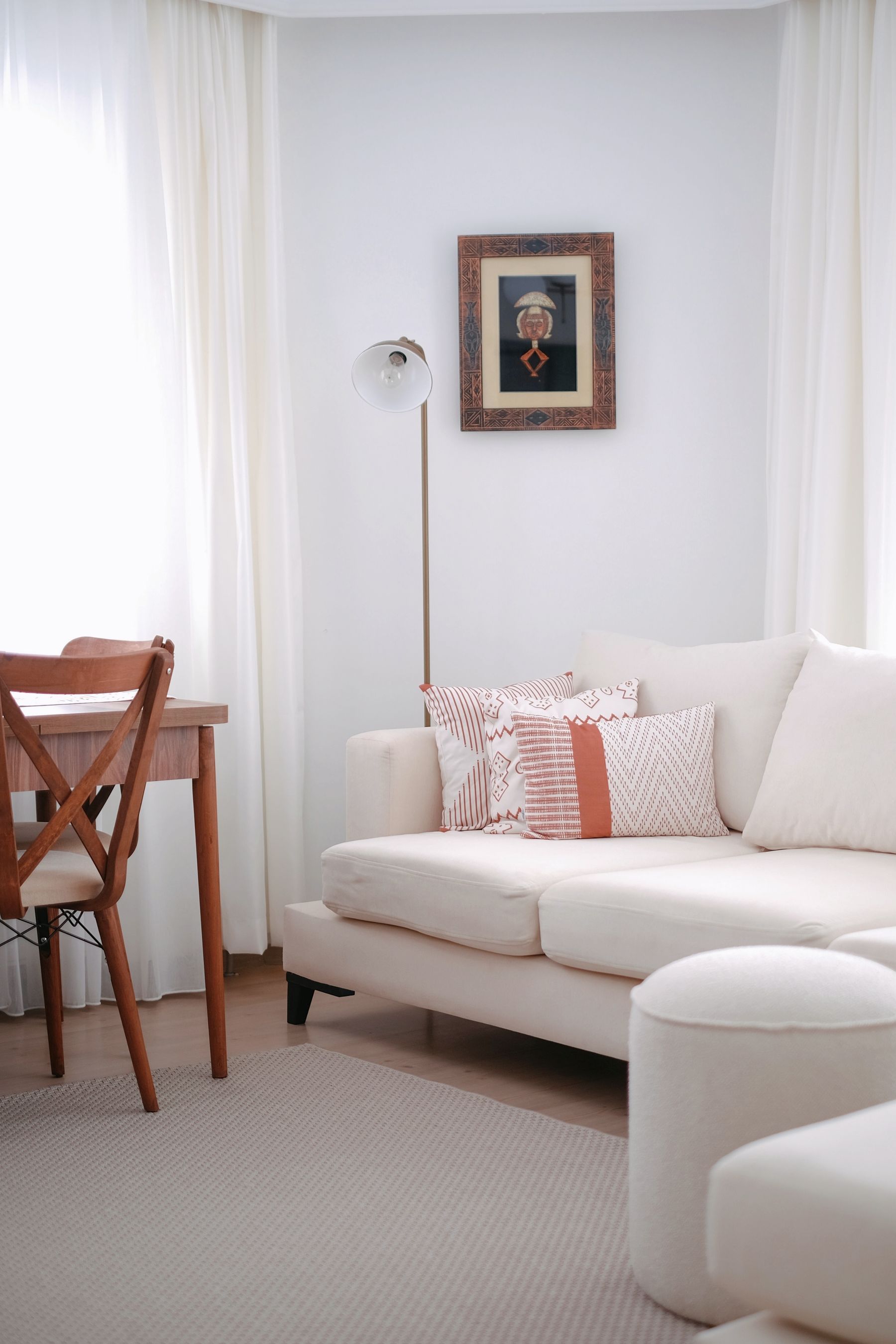
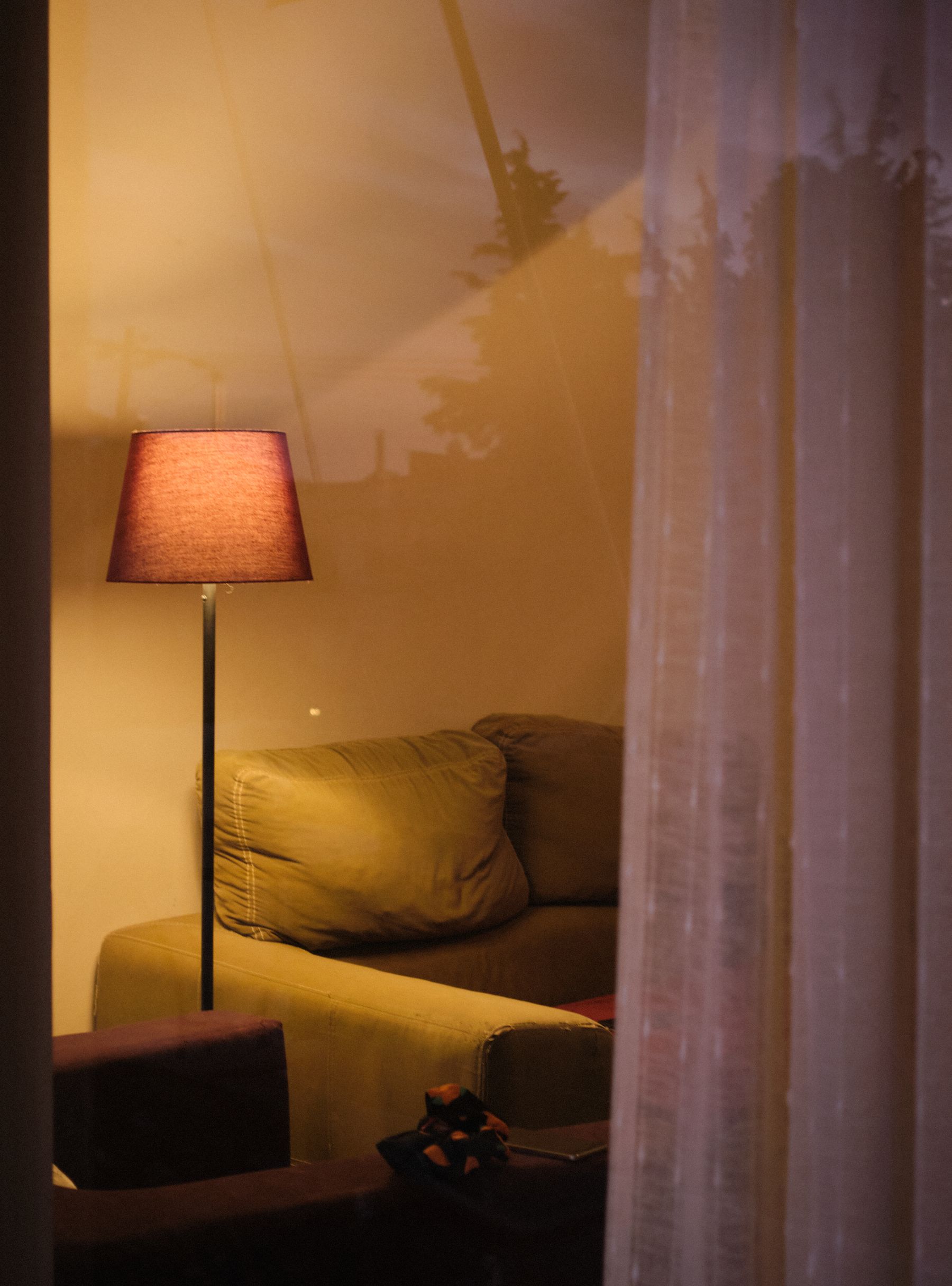
The apartment should not rely on one bright ceiling scene once daylight disappears. Combine low ambient light, focused task sources and a limited number of accents so cooking, reading, conversation and circulation can happen independently. Contemporary fixtures may be sculptural, but their beam, glare and control still matter. Keep connected rooms within a coherent color-temperature range while allowing private spaces to become softer.
Use Small Furniture for Shape, Not Clutter
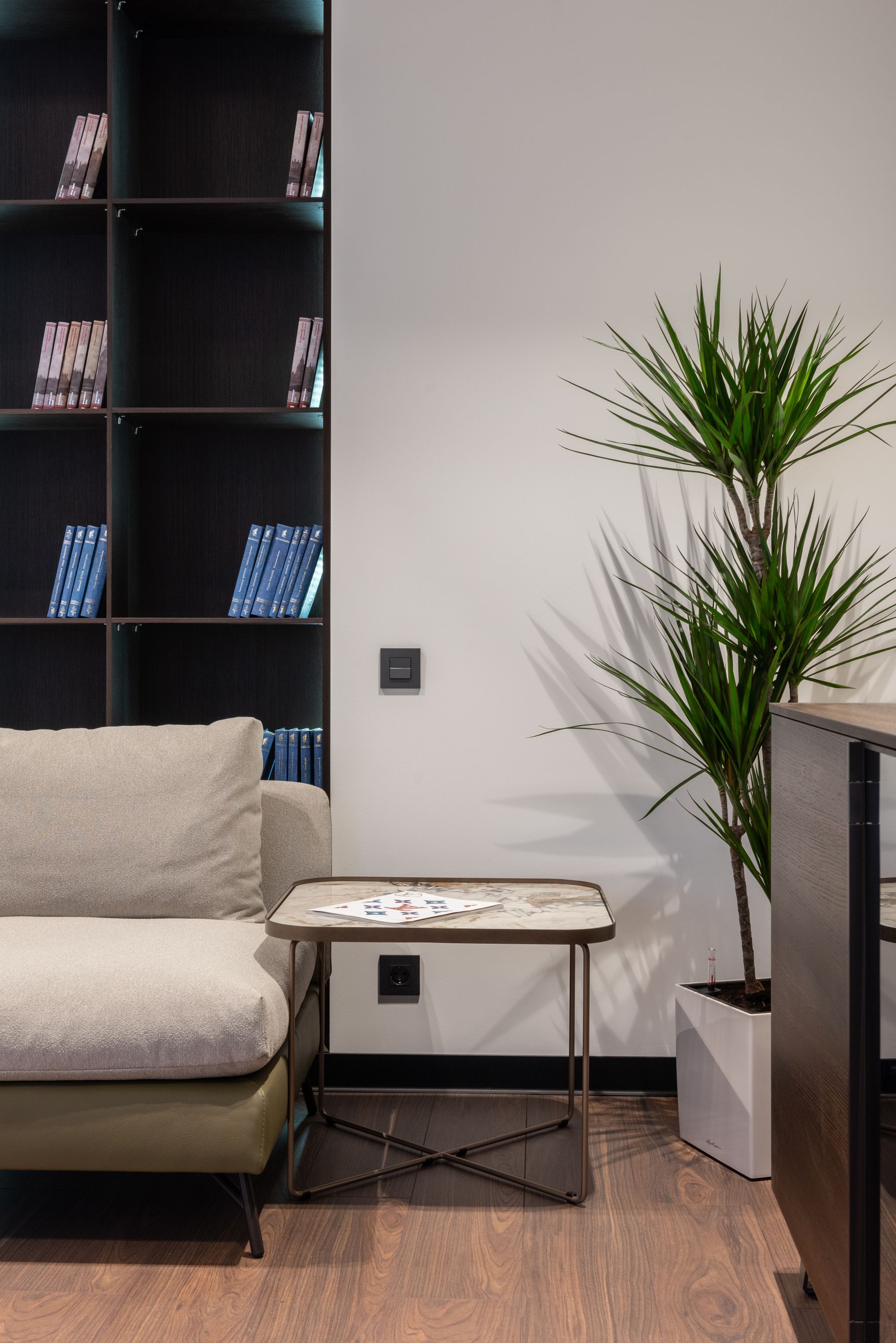
Side tables, stools and occasional chairs are effective places to introduce a new curve, gloss or material because they can move as routines change. Each piece should still earn its floor area through reach, comfort or flexibility. Several tiny accent tables can make a compact apartment feel more crowded than one generous surface shared between seats. Measure the usable top and the route around it rather than choosing by silhouette alone.
Make Technology Visually Secondary
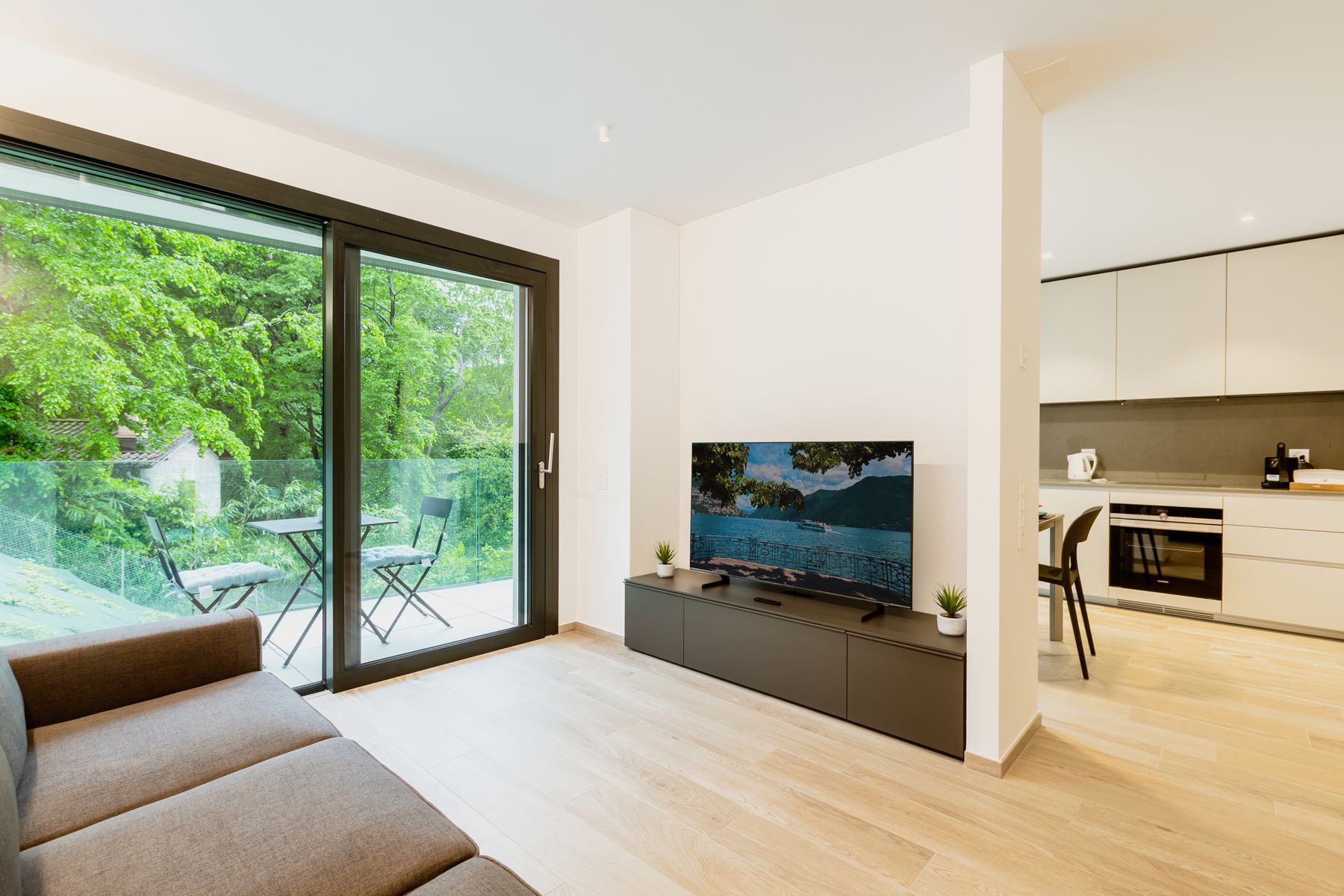
Screens, speakers, routers and chargers are part of contemporary life, but they do not need to control the room. Plan viewing angles, ventilation, cable routes and accessible power first, then use a restrained wall color or low cabinet to reduce visual fragmentation. Avoid decorative panels that complicate maintenance or trap equipment heat. If the screen is not the social focus, arrange seating so conversation and a view remain equally natural.
Make the Work Zone Part of the Home
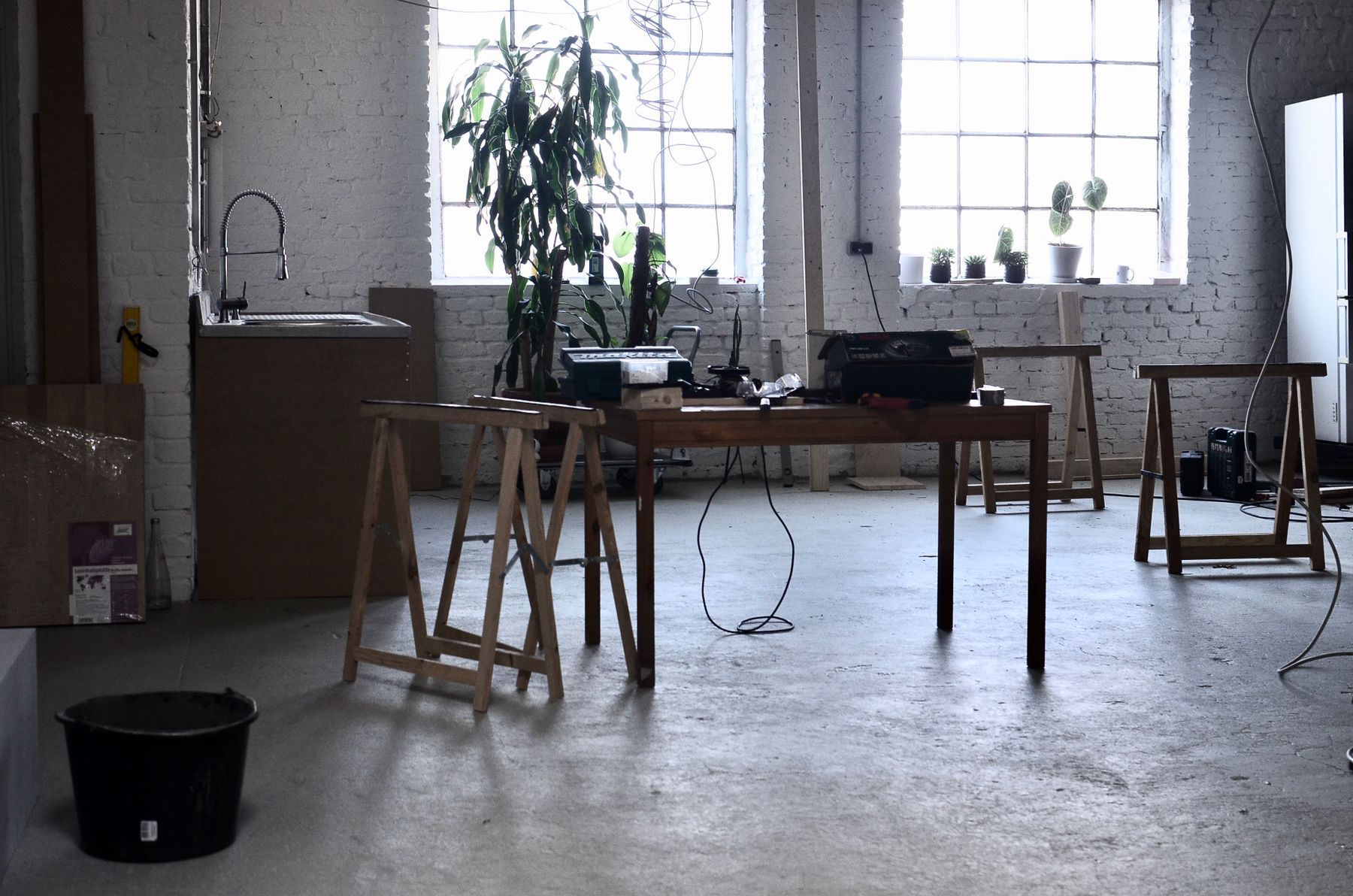
A contemporary apartment often needs to support hybrid work without turning the living room into a permanent office. Place the desk where daylight and circulation are workable, provide task light and contain equipment close to the surface. Relate the desk to the apartment through one material or color, but choose the chair for real working comfort. A cabinet, curtain or closing routine can reduce the visual presence of work at the end of the day.
Refresh the Style Through Reversible Layers
Because contemporary style evolves, decide in advance which layers are allowed to change. Paint, cushions, rugs, art, mirrors, lampshades and occasional furniture can carry a stronger moment without locking it into the building. Keep expensive flooring, plumbing locations and major cabinetry dependent on performance and proportion rather than novelty alone. This approach is especially useful for renters, who can create a current identity with removable or freestanding elements while respecting the lease.