Begin With Proportion, Not Ornament
Read the apartment's ceiling height, window rhythm, door positions and main wall widths before choosing trim or furniture. A sofa that relates to the wall behind it and a cabinet aligned with an opening will feel more settled than ornate pieces placed without spatial logic. Use panel divisions, rugs and furniture edges to reinforce the room's proportions. The classic effect begins with relationships among parts, not with a catalog of decorative details.
Preserve Useful Architectural Character
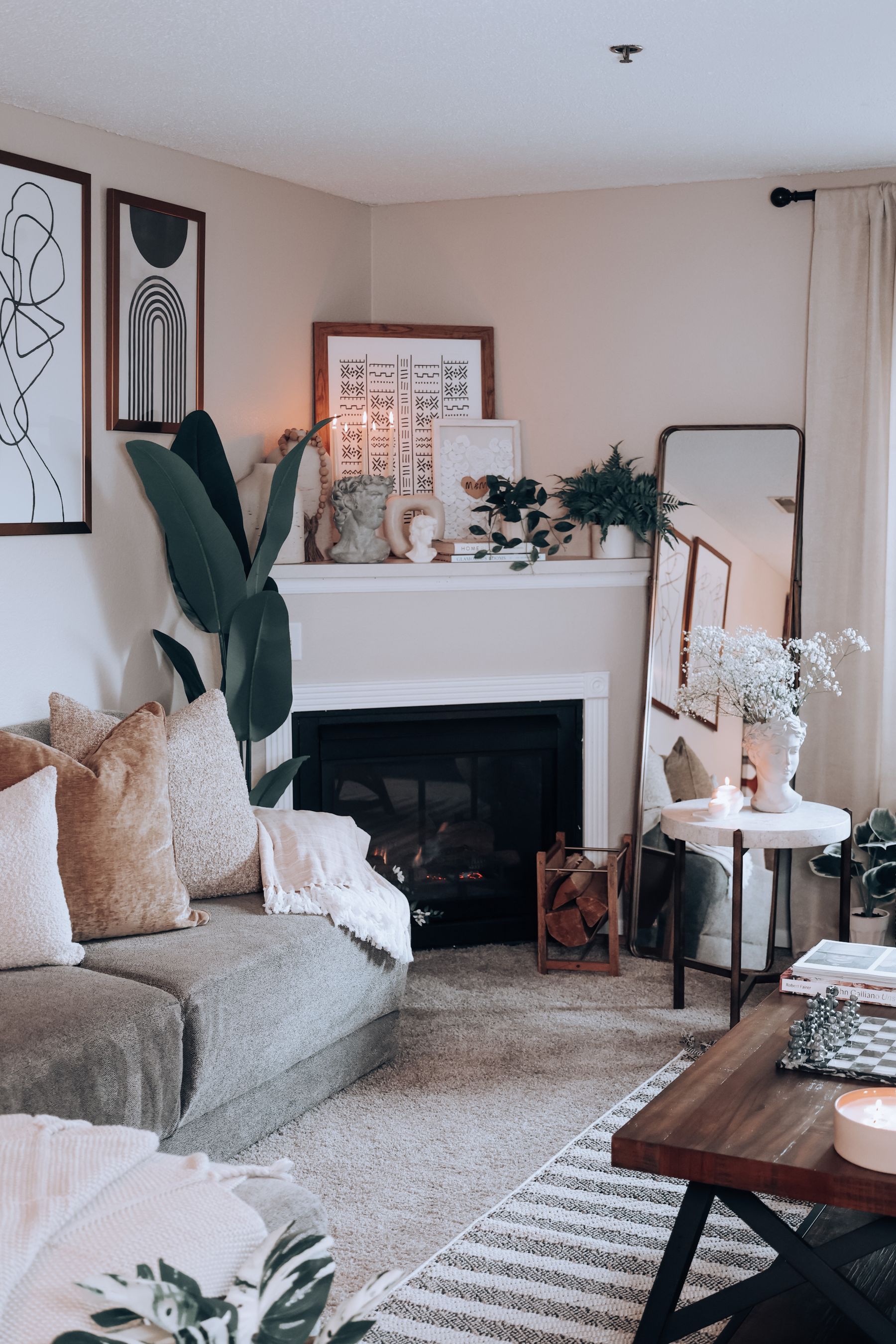
Existing fireplaces, cornices, doors, parquet, ceiling roses and window trim can give a classic apartment credibility that applied decoration cannot reproduce. Assess condition and function before covering, removing or refinishing them. Cleaning and repair may be enough, while fireplaces, older paint and electrical fittings can require qualified review. If the apartment has no period features, add only details whose scale and construction make sense for the room.
Give the Living Room One Architectural Center
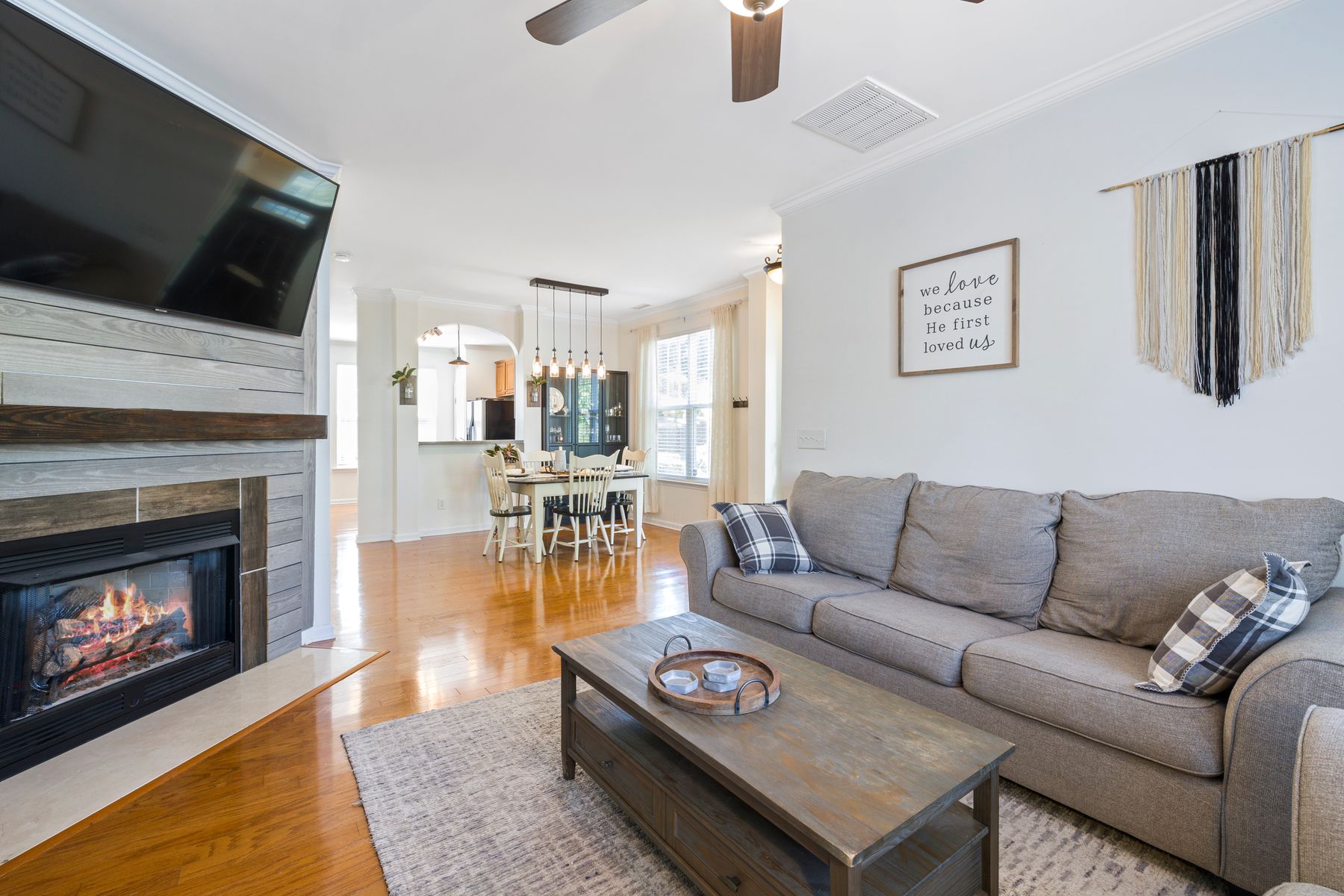
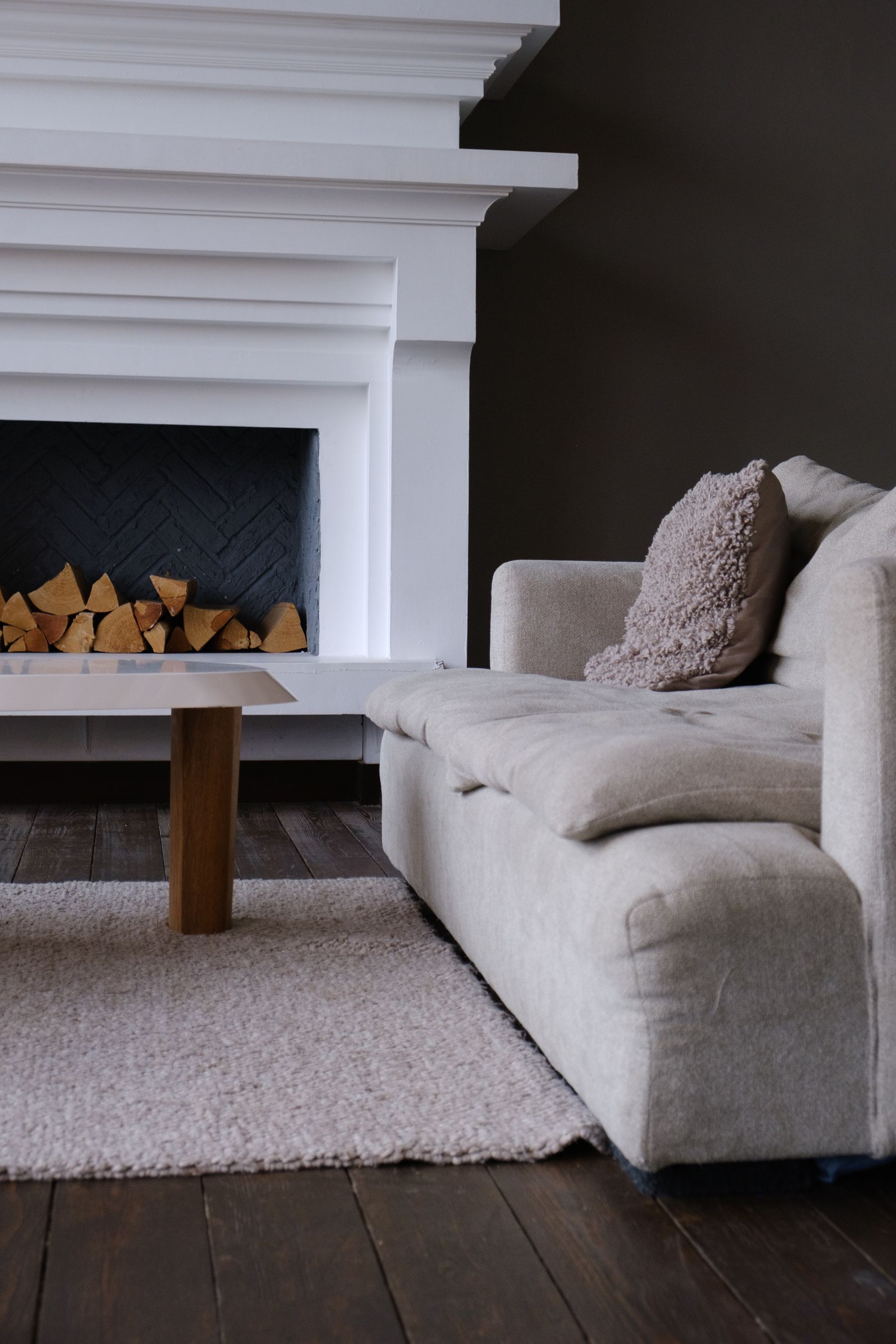
Choose whether the fireplace, window, view, art or conversation is the main organizing feature, then arrange the largest seats around that priority. A television can remain present without becoming the automatic center of every wall. Secondary tables and chairs should support the main relationship rather than forming independent vignettes. Classic rooms feel coherent when the eye knows where to settle.
Use Symmetry as a Framework, Not a Rule
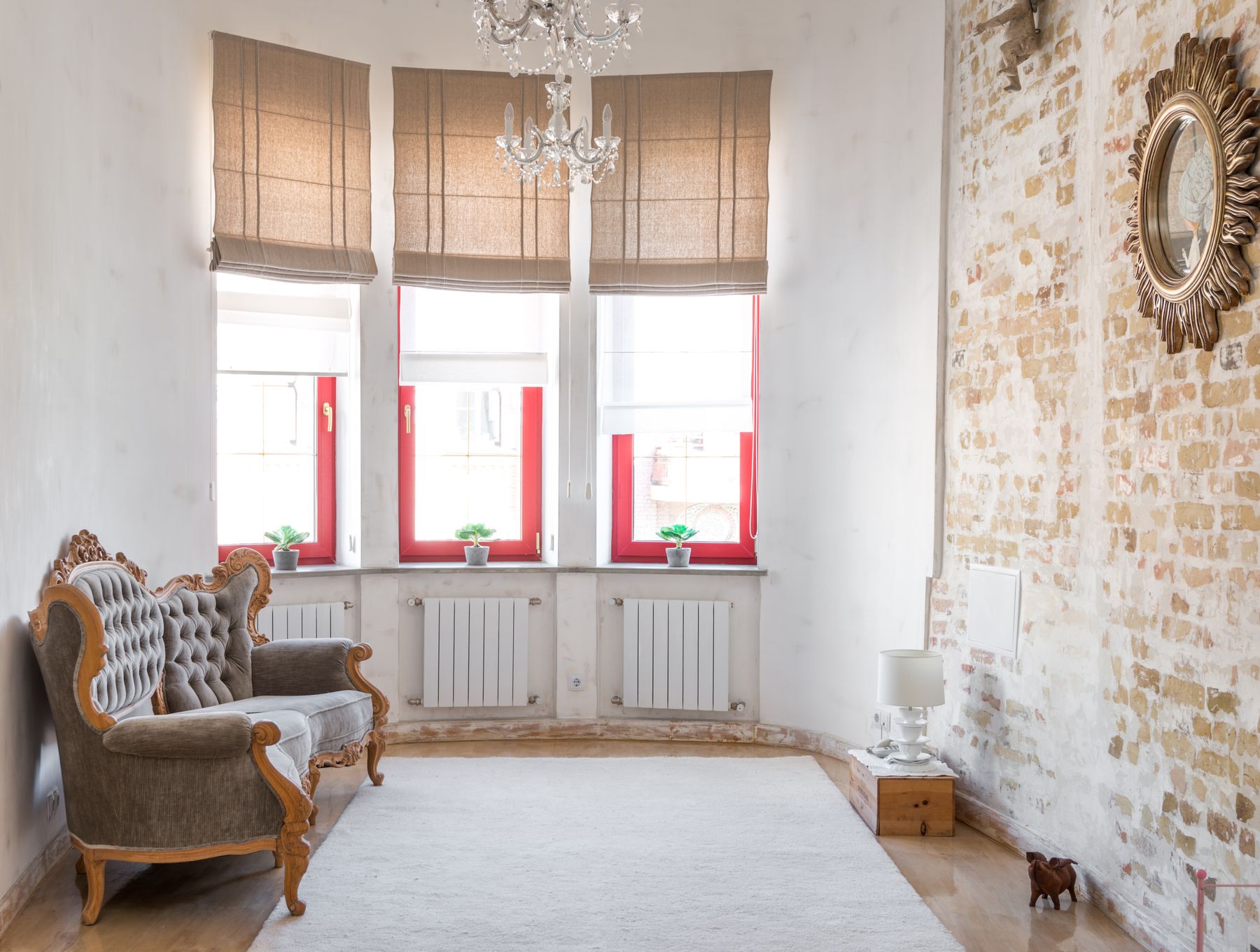
Paired lamps, balanced chairs or a centered console can introduce order, especially around beds, fireplaces and dining tables. Exact duplication everywhere, however, can make an apartment feel staged and reduce flexibility. Establish one clear axis, then allow books, art, an occasional chair or a side table to vary. This balance preserves the calm associated with classic composition while leaving room for real life.
Anchor Seating With a Patterned Rug
A bordered, floral or quietly geometric rug can connect furniture from different periods and soften apartment acoustics. Size it to the seating group rather than floating it in the middle with no relationship to chair or sofa legs. Let the rug carry a meaningful portion of the room's pattern, then keep nearby upholstery simpler. In a home with original parquet, leave enough floor visible for both materials to register.
Make Dining Feel Established but Flexible
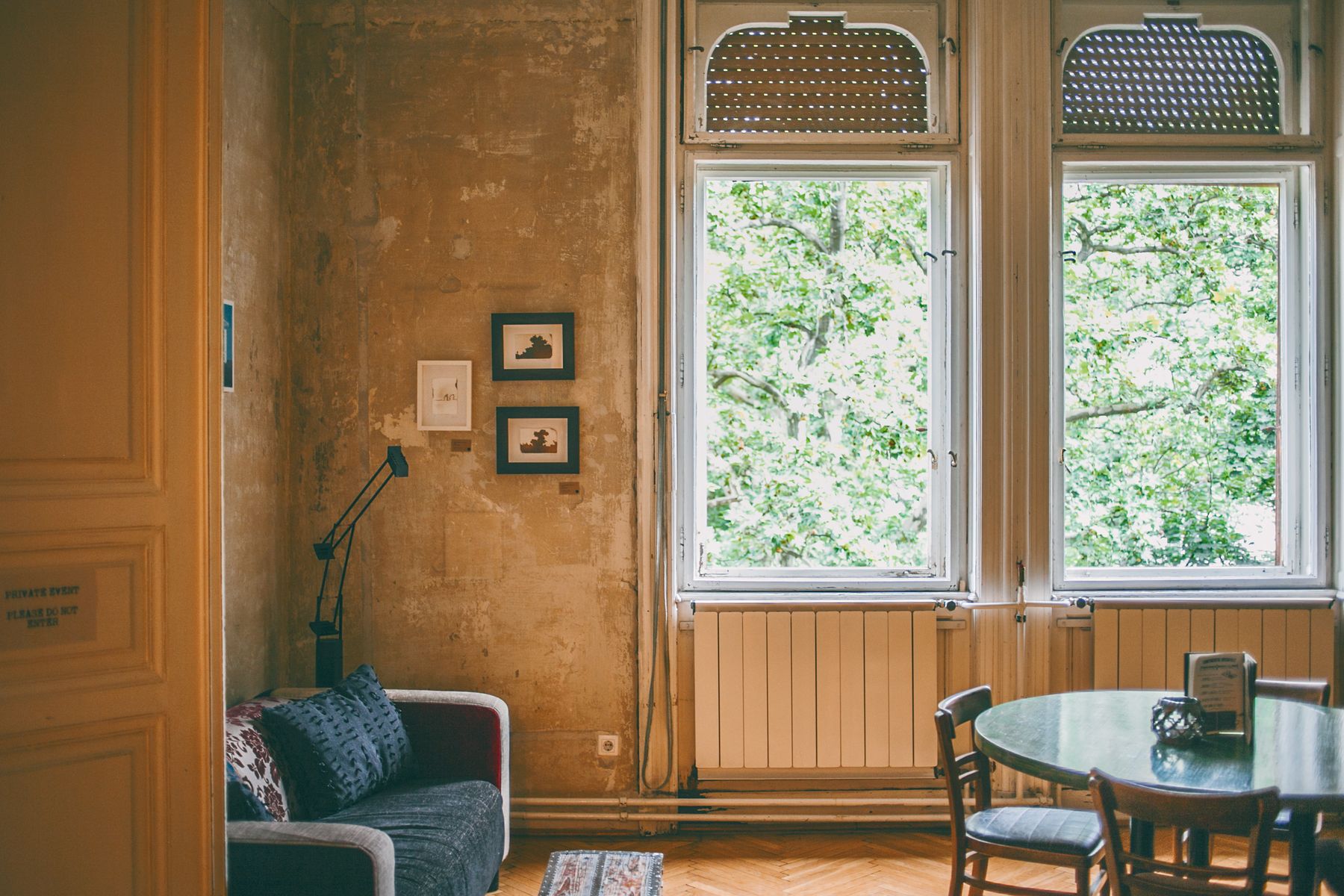
Choose a table with enough visual weight to anchor dining but enough clearance to keep the apartment moving. Chairs may match, coordinate or mix when seat height, comfort and scale remain consistent. A pendant, rug or centered artwork can strengthen the zone without isolating it from the living room. If the table also supports work, plan task light, outlets and a quick way to store equipment.
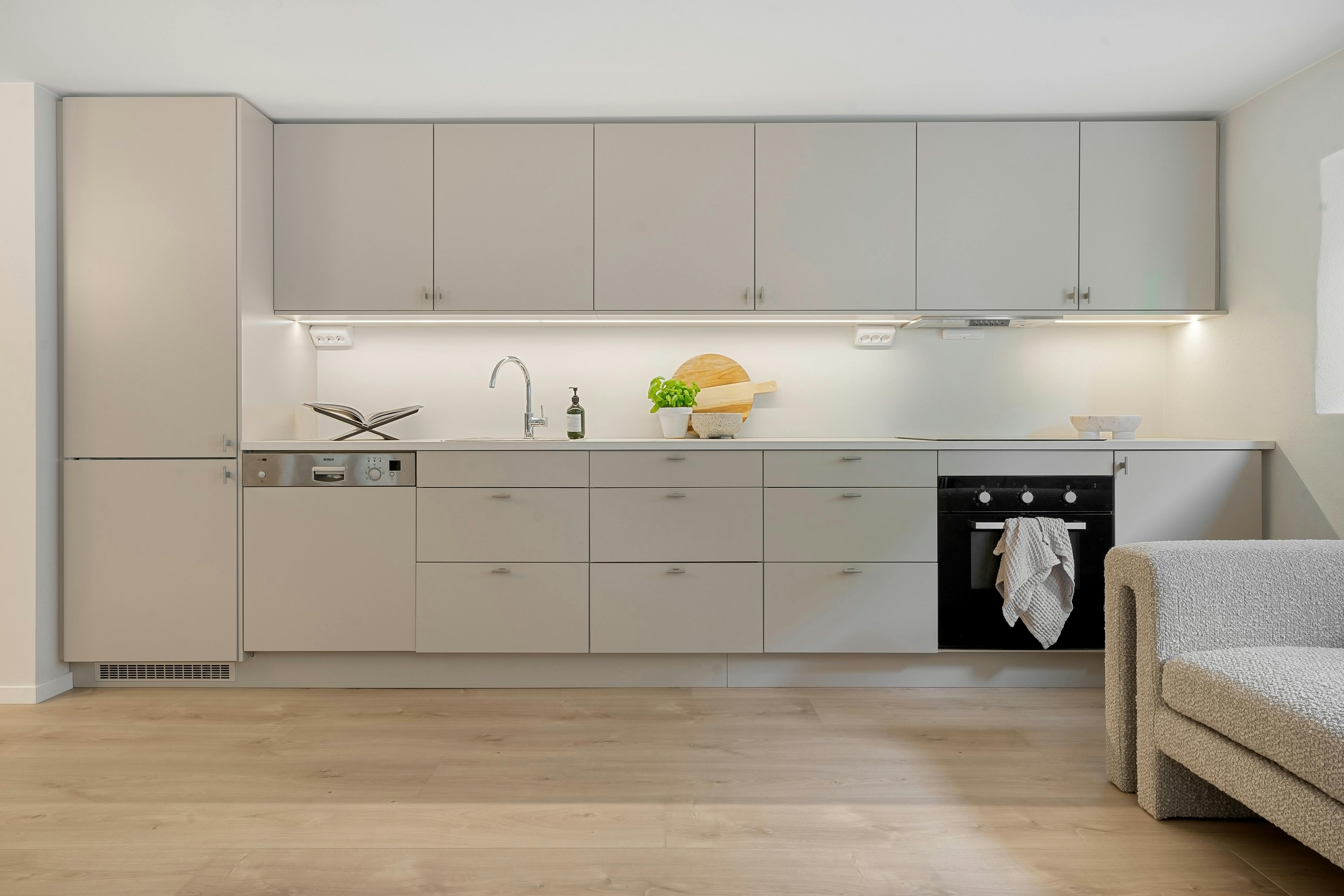
Use Framed Cabinetry to Give the Kitchen Structure
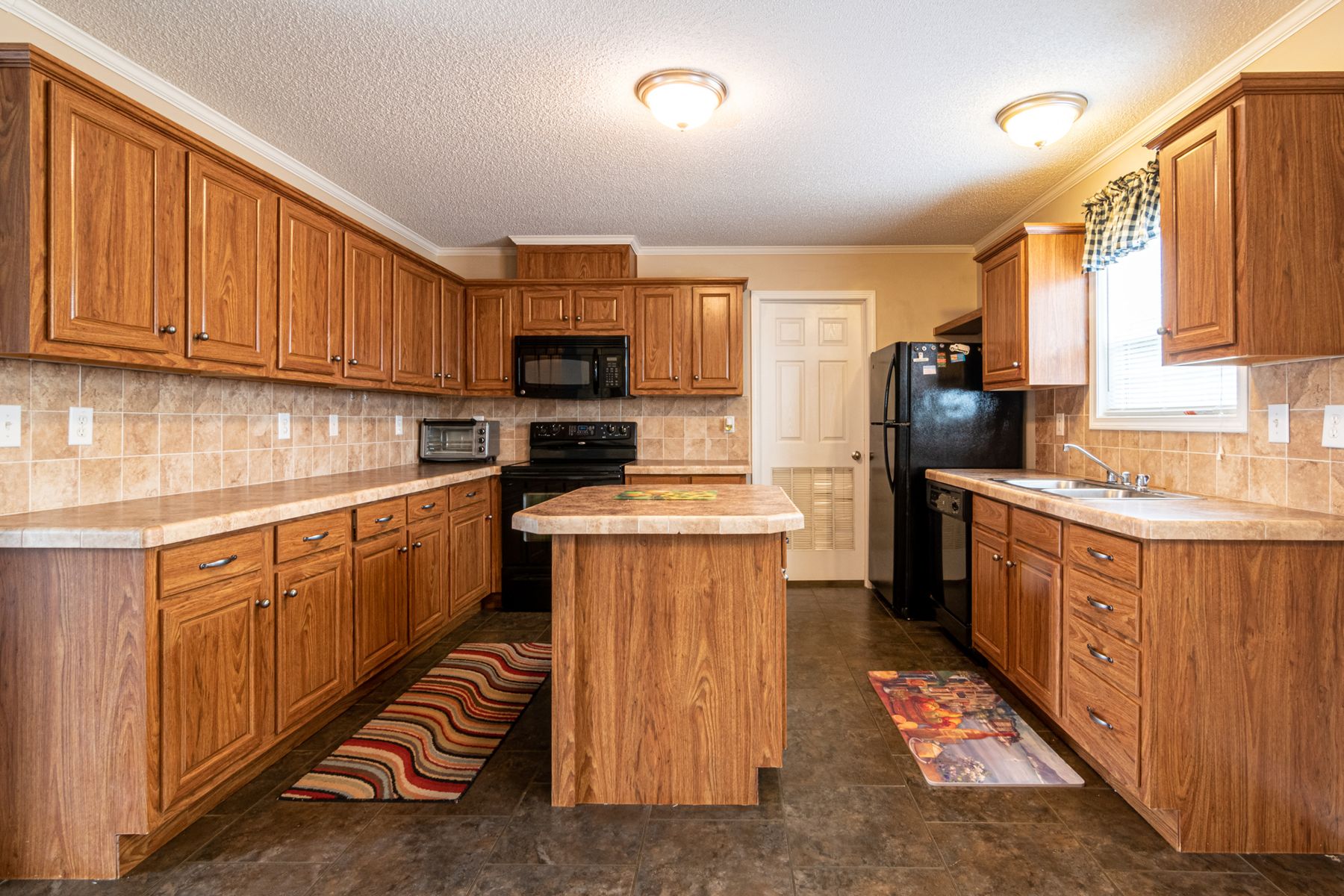
Shaker-like or simply framed doors can introduce classic structure without requiring elaborate carved detail. Keep rail widths, drawer lines and tall-unit transitions consistent, especially where the kitchen is visible from the living area. Select hardware for grip as well as appearance and avoid adding decorative breaks that reduce useful storage. The cabinet rhythm should support workflow rather than disguise it.
Keep Decorative Kitchen Details Hierarchical
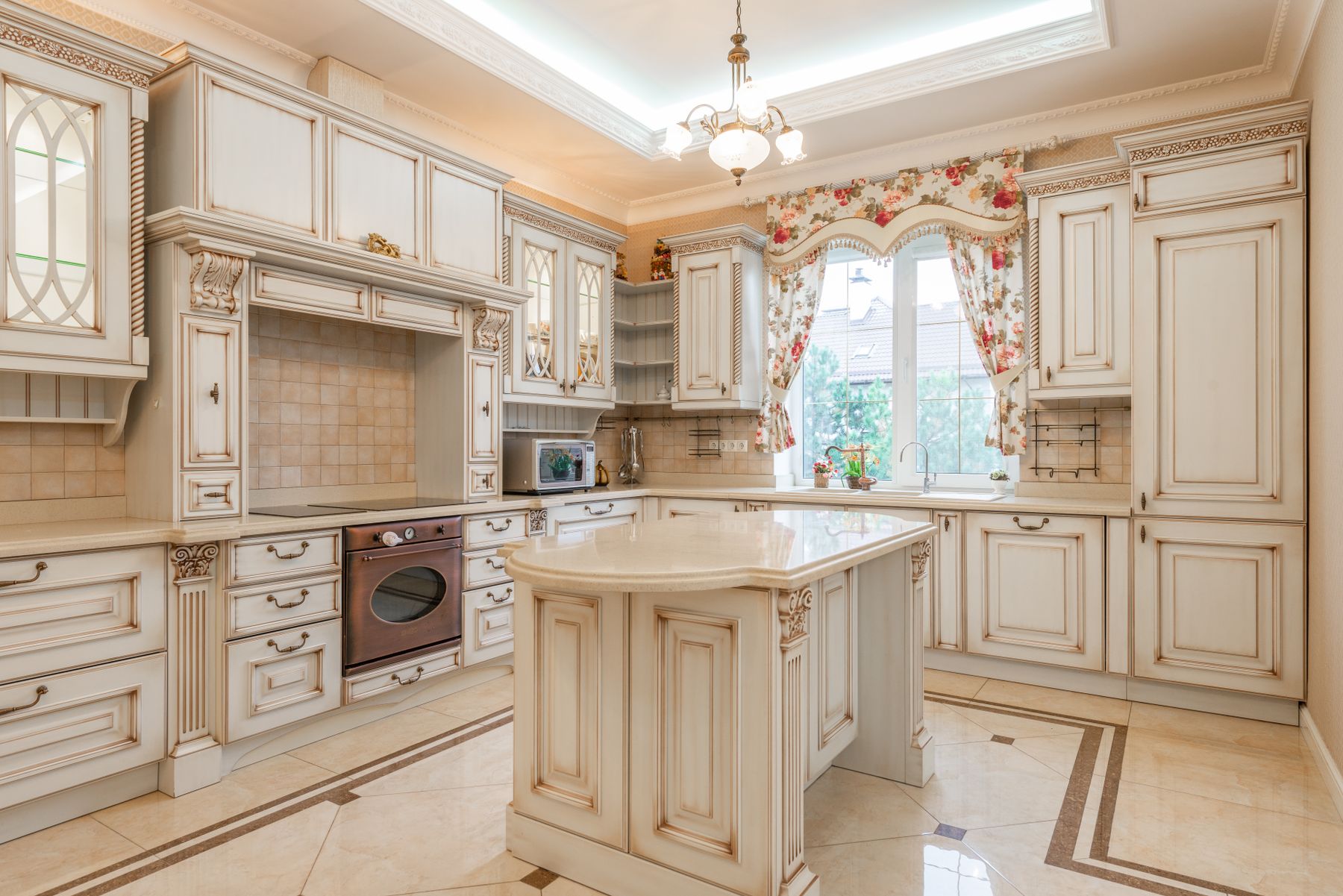
A paneled island, framed range surround, glass cabinet or patterned shade can add character, but they should not all demand equal attention. Choose the primary detail from the main viewpoint and make the others support it. Keep preparation surfaces clear and locate frequently used equipment according to routine. Classic style is most durable when decoration follows the architecture and work pattern.
Pair Warm Wood With Restrained Stone
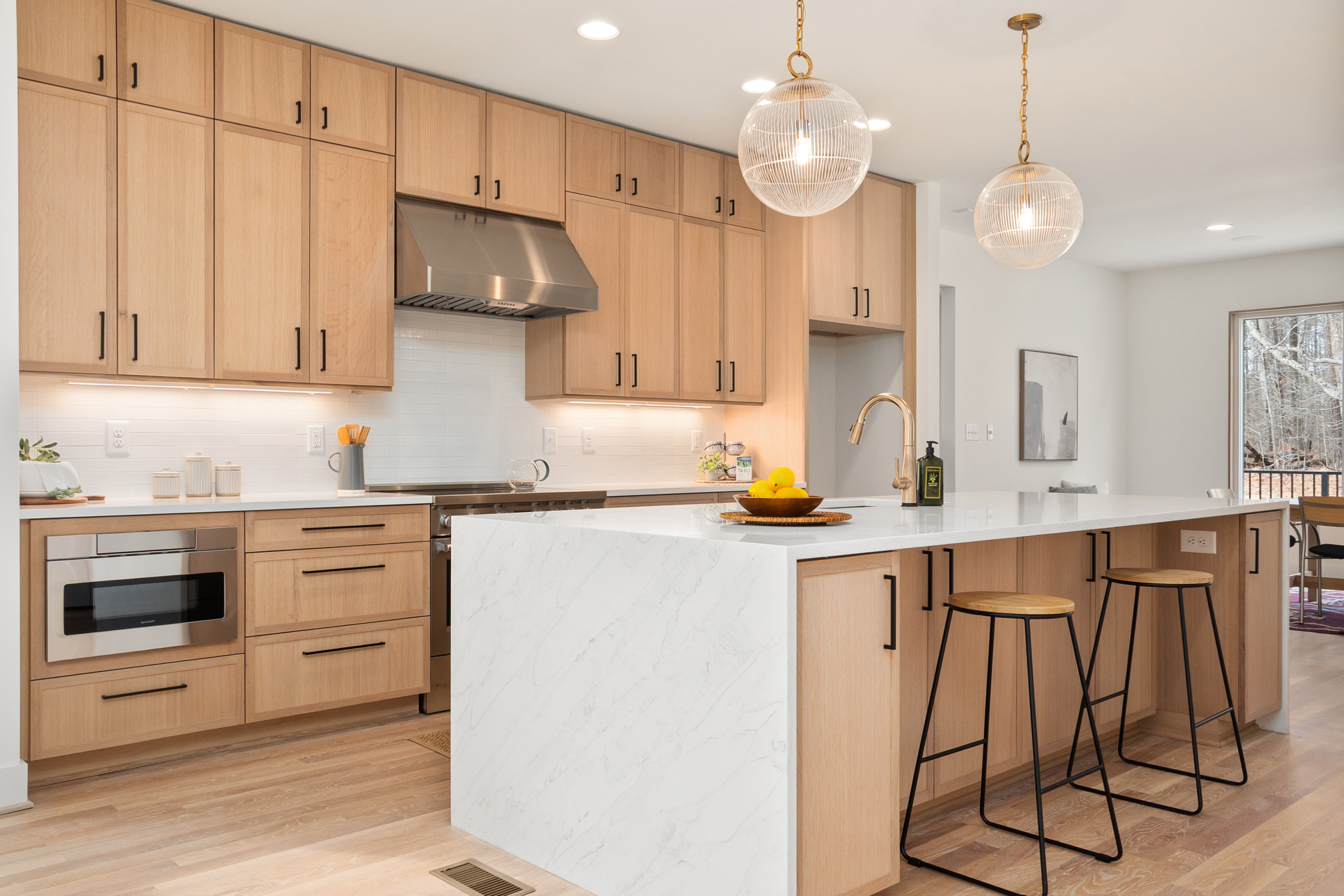
Timber cabinetry or furniture brings warmth and depth, while stone or a durable stone-look surface provides a quieter working plane. Compare grain, undertone and veining at full scale so the materials complement rather than imitate each other. Natural stone may need sealing and careful maintenance; engineered and porcelain alternatives can be equally appropriate when performance leads. Limit additional hard finishes once these two materials are established.
Keep Appliances and Daily Function Current
A timeless kitchen should not recreate outdated ergonomics. Protect a useful preparation zone, plan ventilation, store appliances according to frequency and maintain safe clearances. Integrated fronts can reduce visual interruption, but only where servicing and heat requirements allow. The strongest classic kitchen combines familiar visible forms with contemporary performance rather than disguising poor function as heritage.
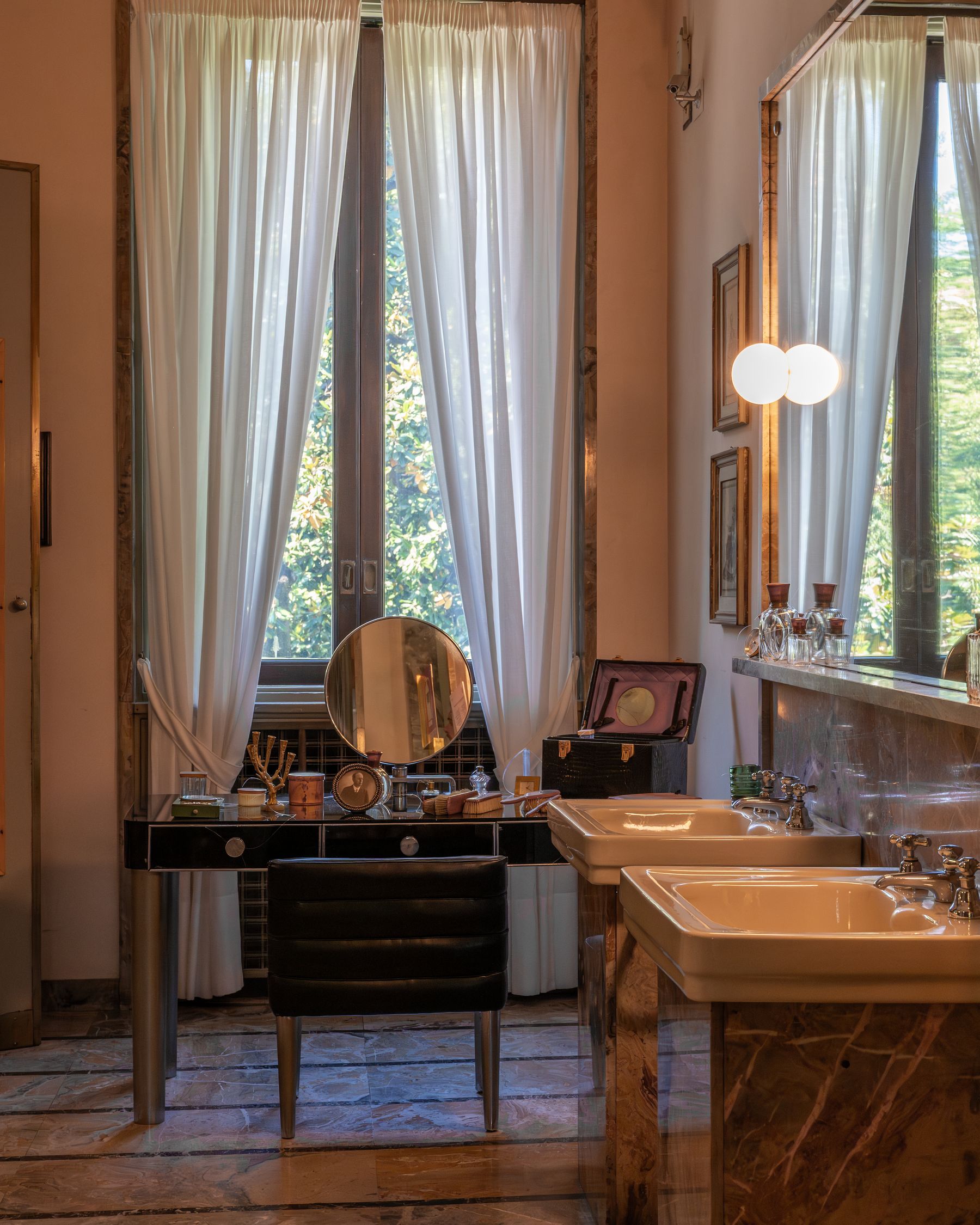
Give the Bathroom a Balanced Material Base
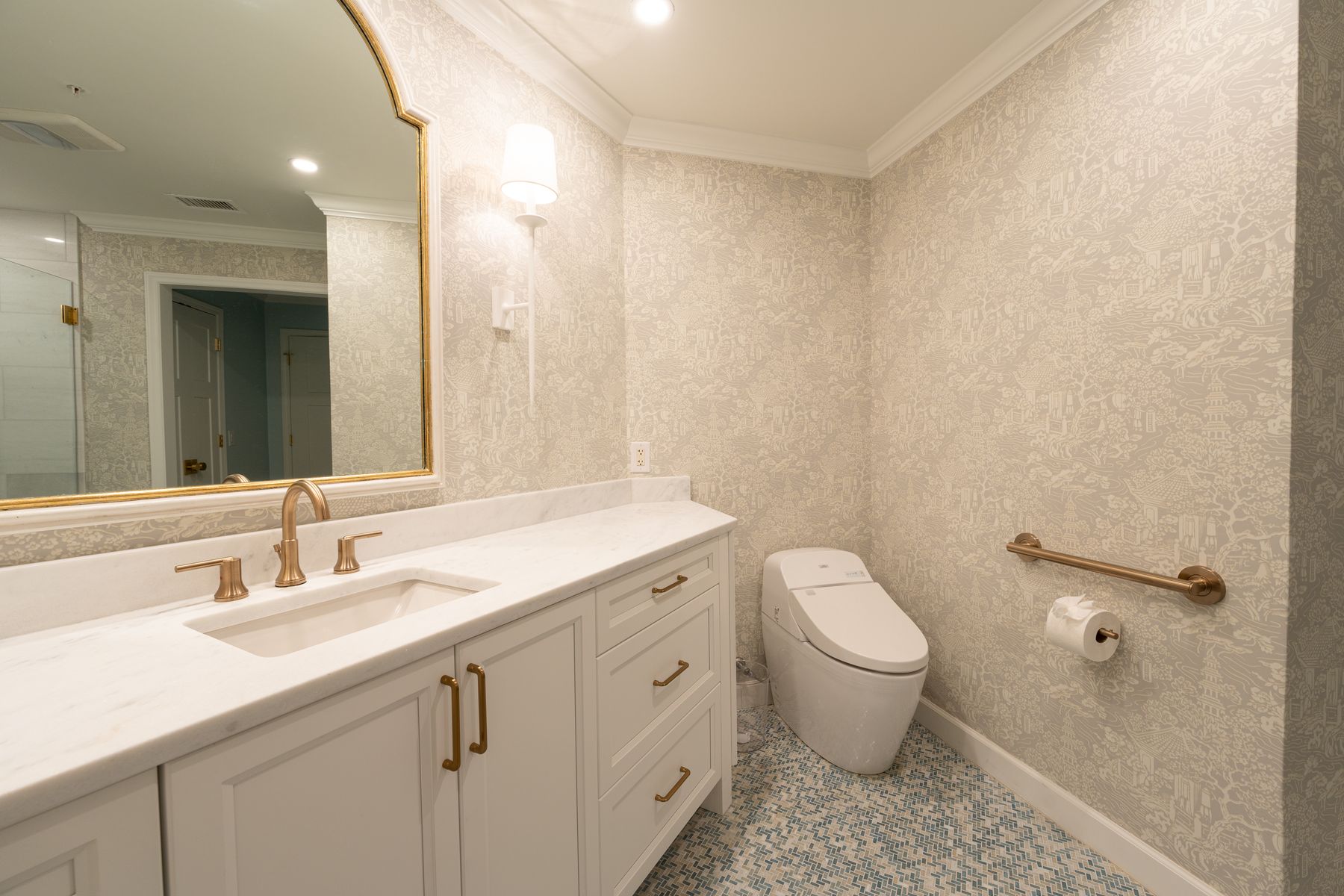
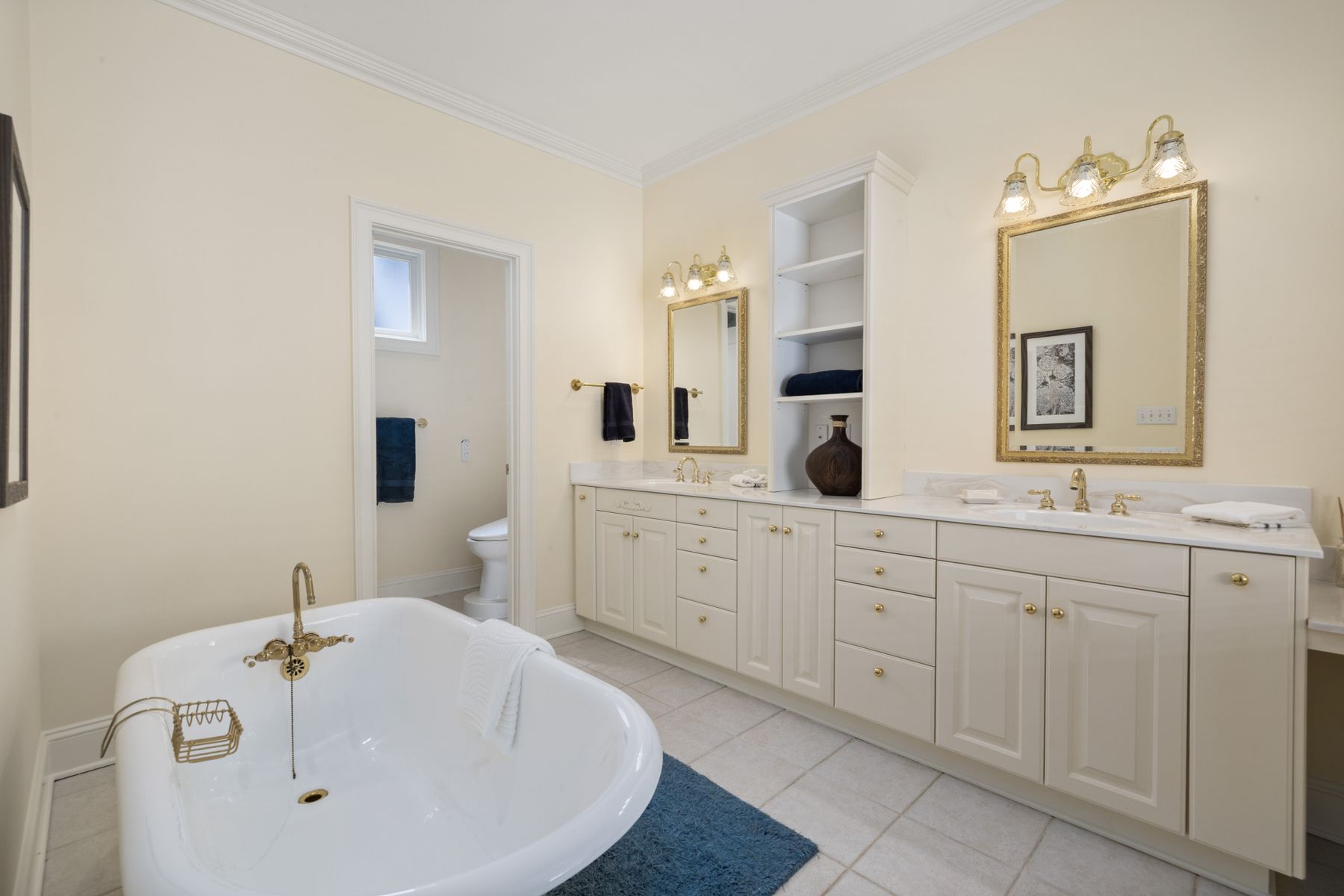
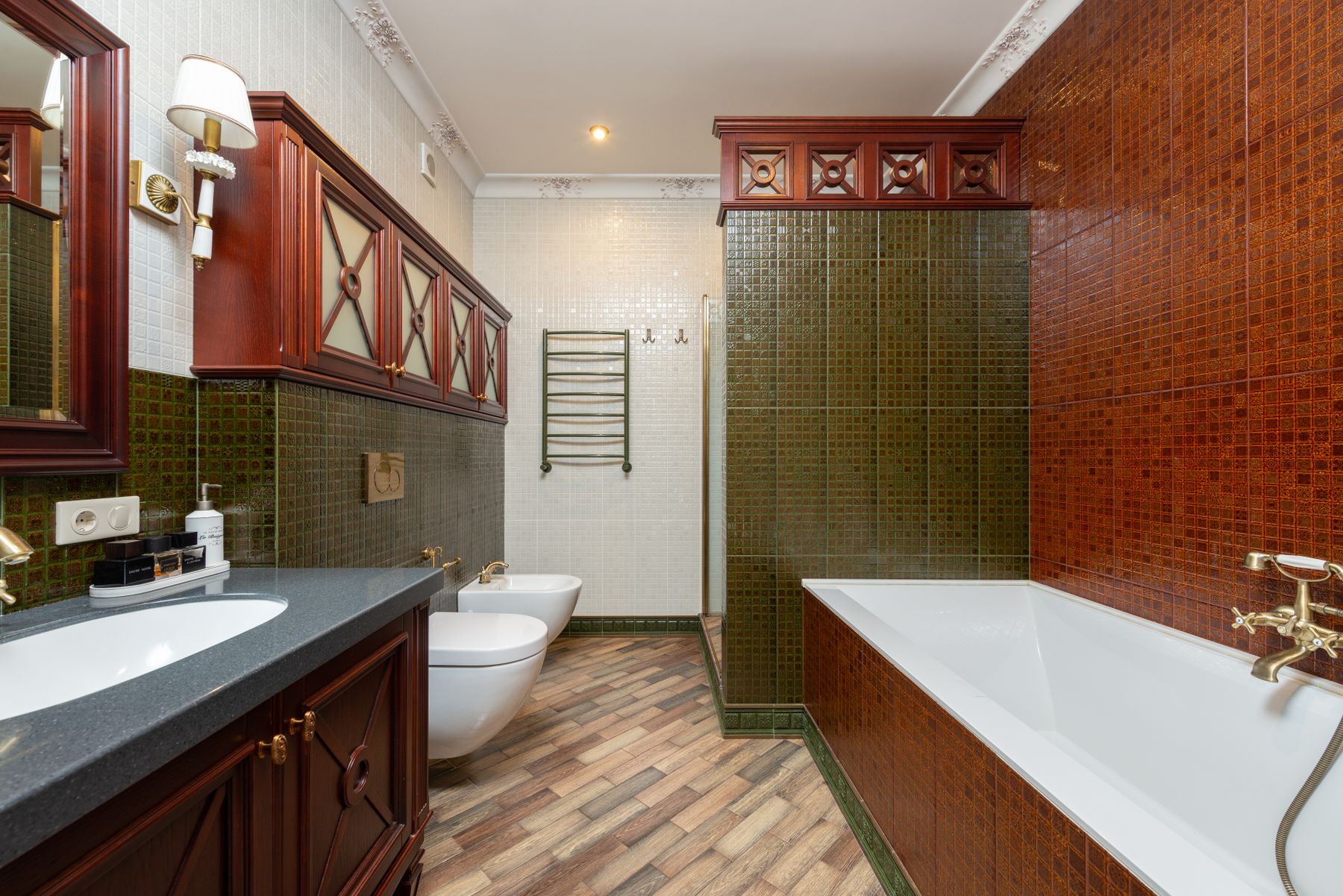
Use white or muted tile, stone, painted or timber cabinetry and one warm or polished metal as the durable base. The room can feel classic without making every fixture historically specific. Align the vanity, mirrors, bath and major finish boundaries before adding decorative hardware. Waterproofing, ventilation and slip resistance remain the primary technical requirements behind the visual composition.
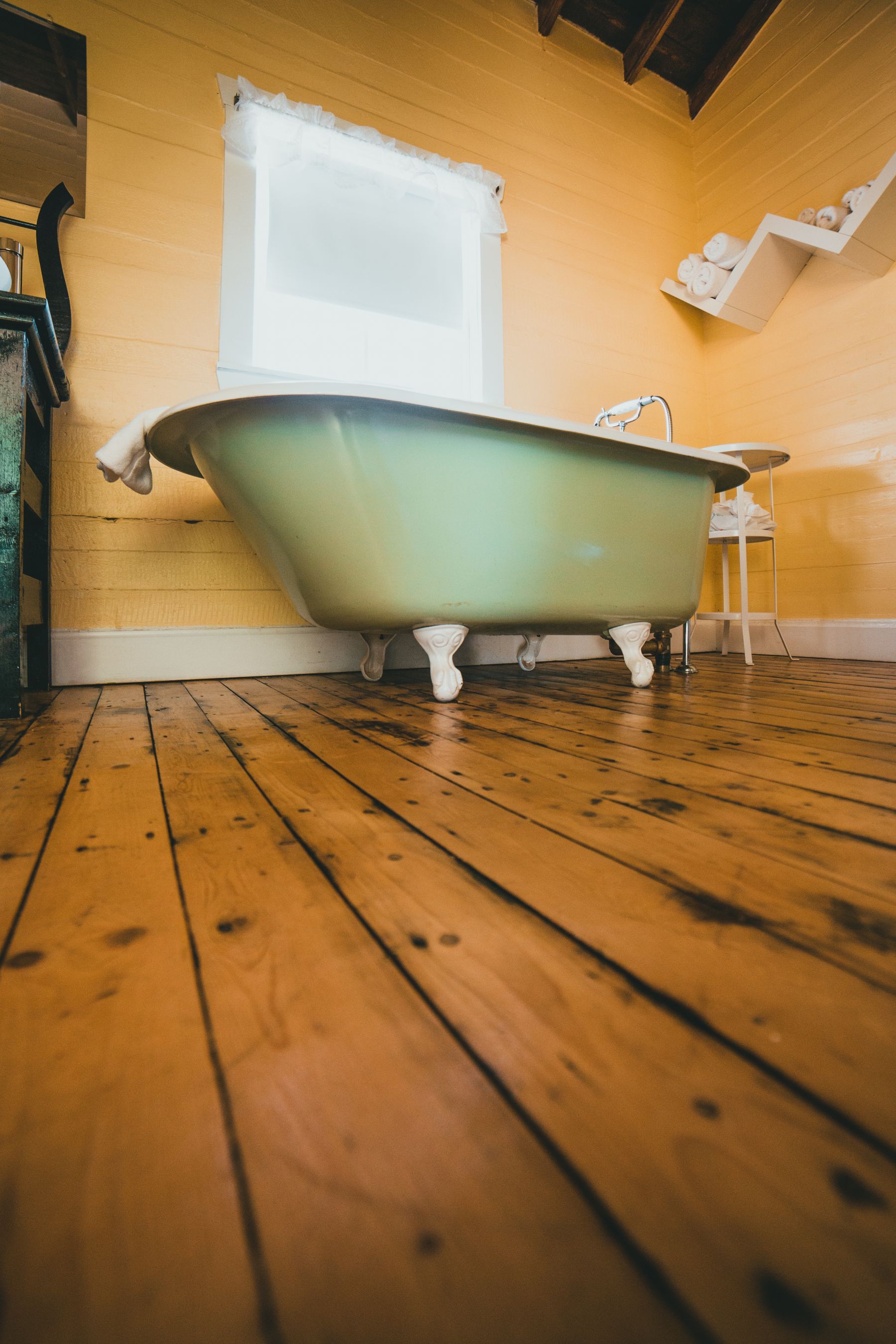
Use One Familiar Bath Shape as an Anchor
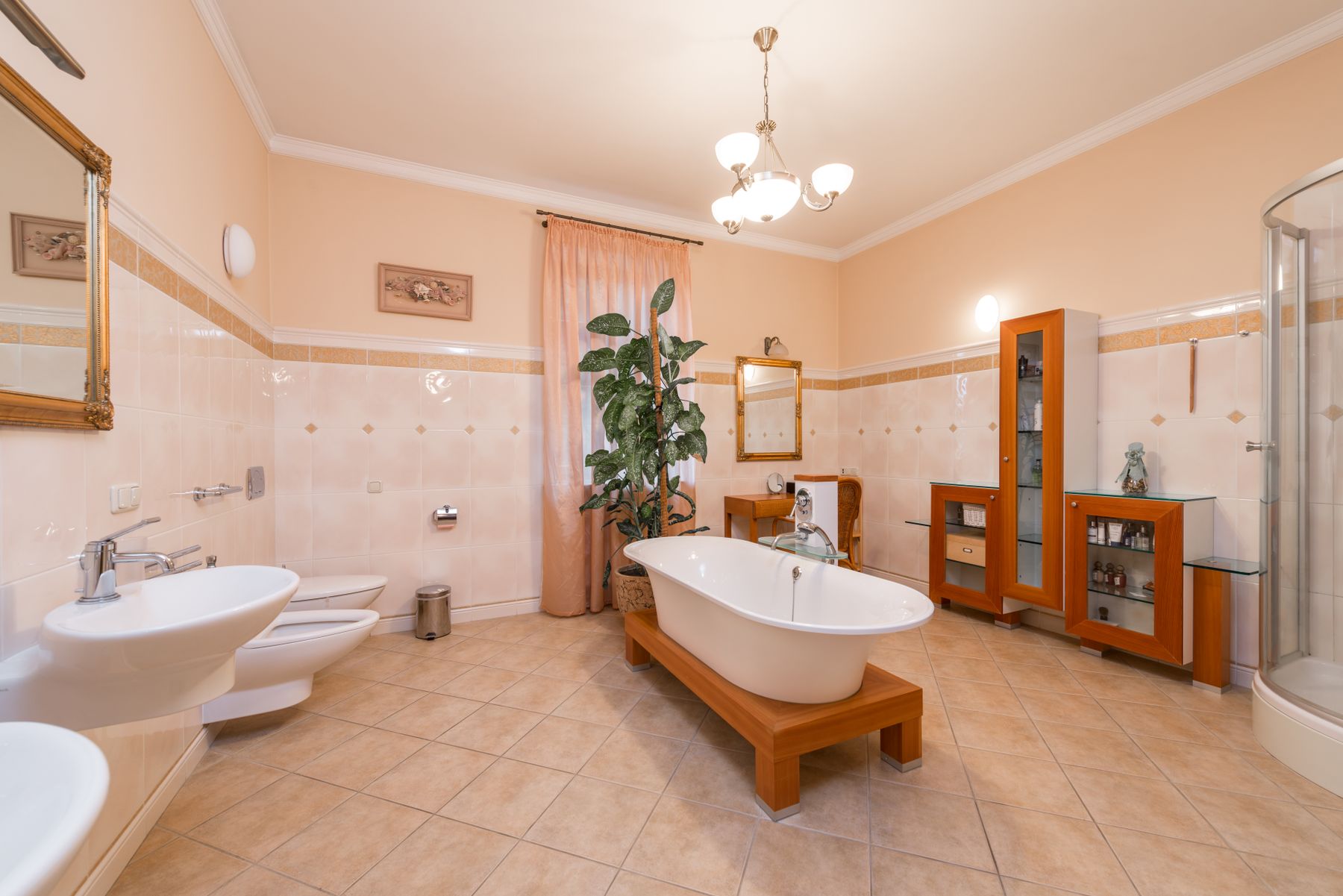
A clawfoot, pedestal or softly shaped freestanding bath can provide enough historical association for the entire bathroom. Keep tile, shower glass and storage simpler so the room does not become a period set. Check floor loading, filler position, step-over height and cleaning access before choosing by silhouette. A well-proportioned built-in bath can be equally classic when space is limited.
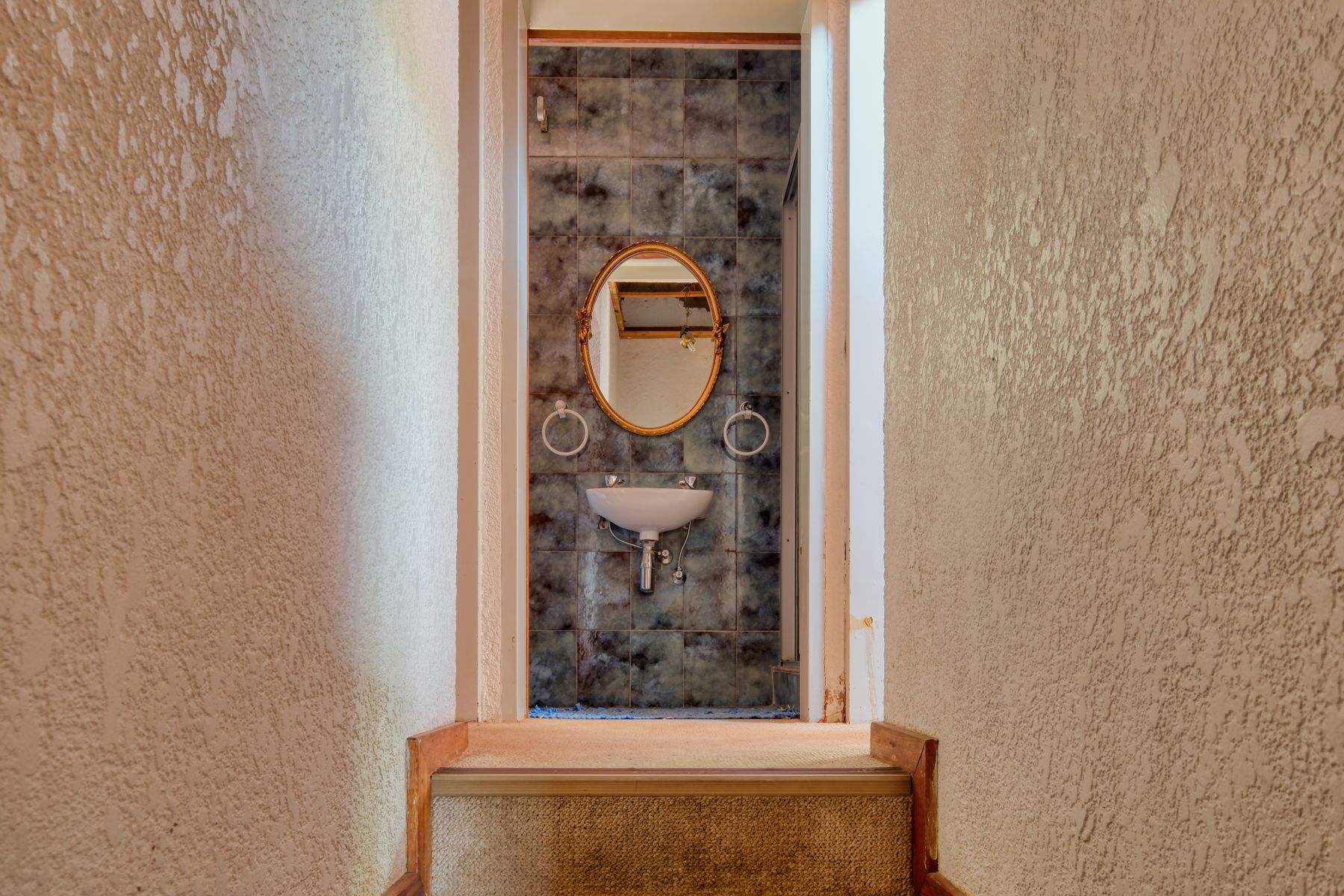
Let a Shaped Mirror Supply the Curve
An oval, arched or gently framed mirror introduces a familiar classic form at a useful focal point. Keep nearby sconces and trim quieter so its outline remains legible. The mirror still needs to serve users at the correct height and width; decorative shape should not reduce the practical viewing area. Repeat the curve only where it strengthens the whole apartment rather than turning into a motif.
Put Pattern on the Layer That Can Change
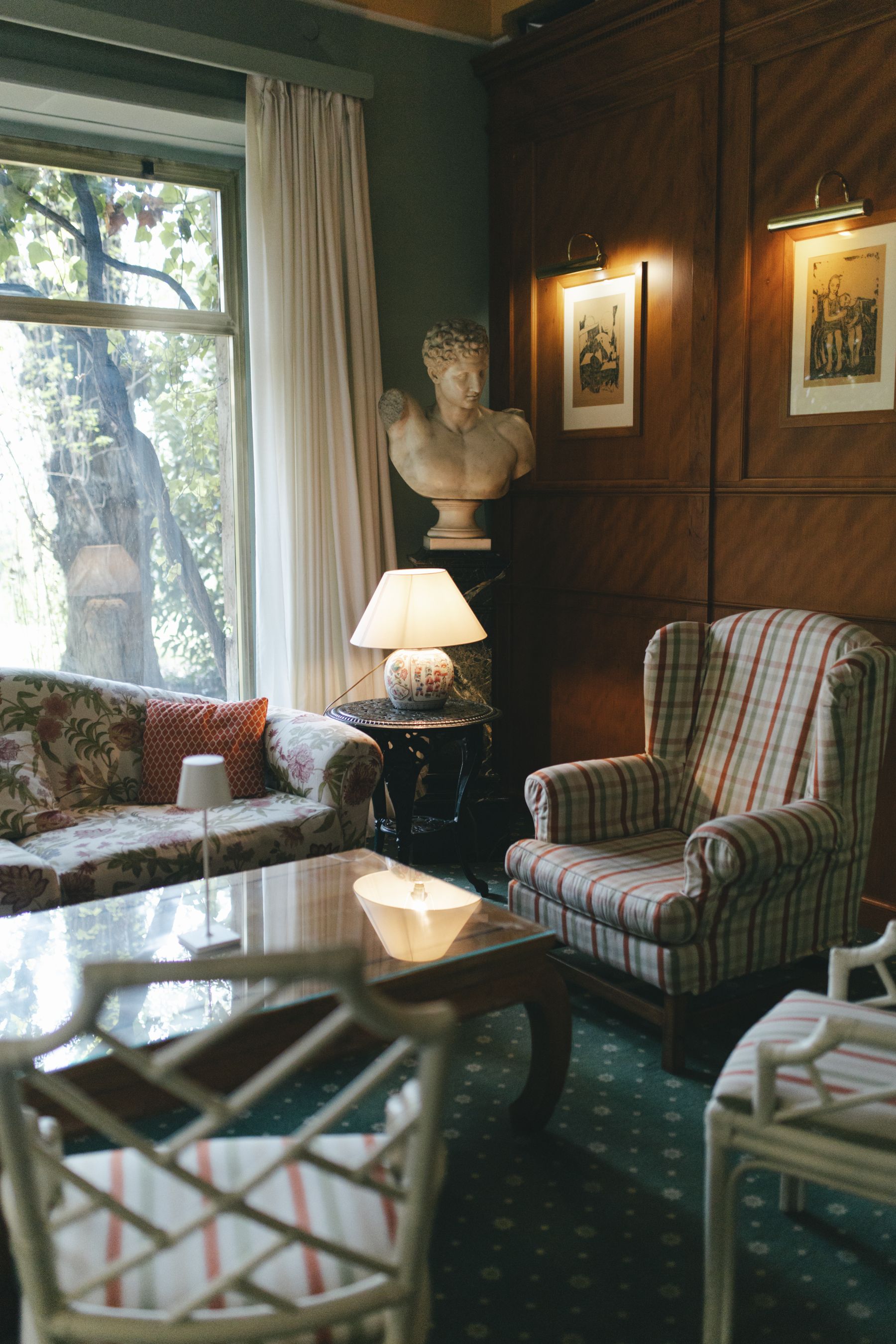
Wallpaper, curtains, cushions and rugs are effective places for stripes, florals or small-scale motifs because they can change without rebuilding the apartment. Use pattern at a clear boundary and allow solid materials to give it rest. In bathrooms and kitchens, confirm moisture, ventilation and cleaning suitability. Avoid stacking several nostalgic motifs simply because each appears classic on its own.
Use Daylight to Keep Classic Materials Fresh
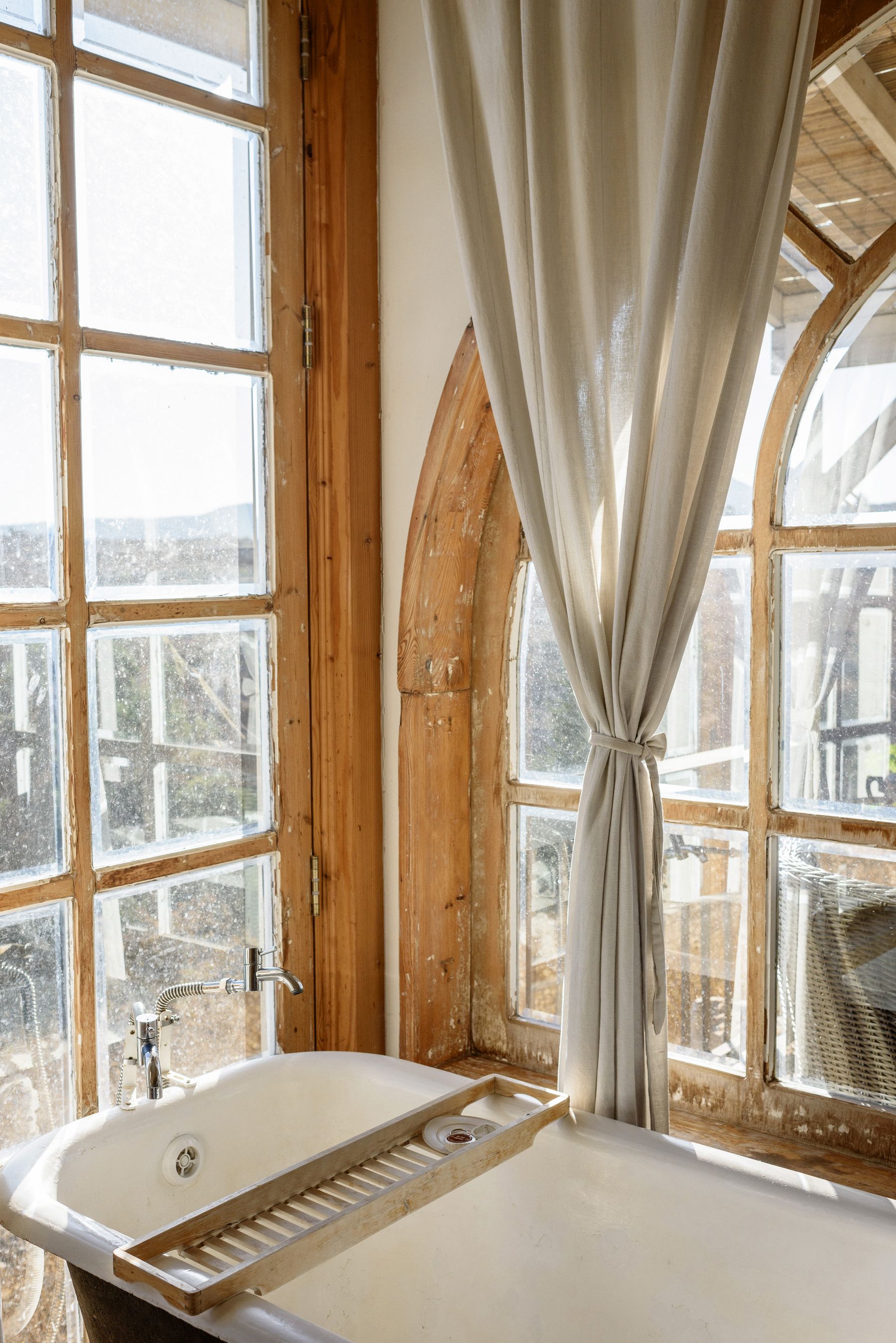
Preserve the strongest daylight path and keep tall storage from crowding important windows where possible. Layer window treatments so privacy, glare and thermal comfort can be adjusted without closing the room permanently. Pale walls do not need to be stark white; a warm reflective tone can support wood and stone. Observe the apartment through the day before choosing deep paint or heavy curtain fabric.
Build Storage Into a Furniture-Like Composition
Framed doors, visible plinths and measured hardware can make cabinetry feel more established than a flat anonymous wall. The internal plan must still follow real belongings, plumbing, equipment and access. Use closed storage for mixed everyday objects and reserve glazed or open areas for a limited, maintainable display. In narrow apartments, one concentrated storage wall may create more order than several decorative chests.
Give Art Scale and a Clear Boundary
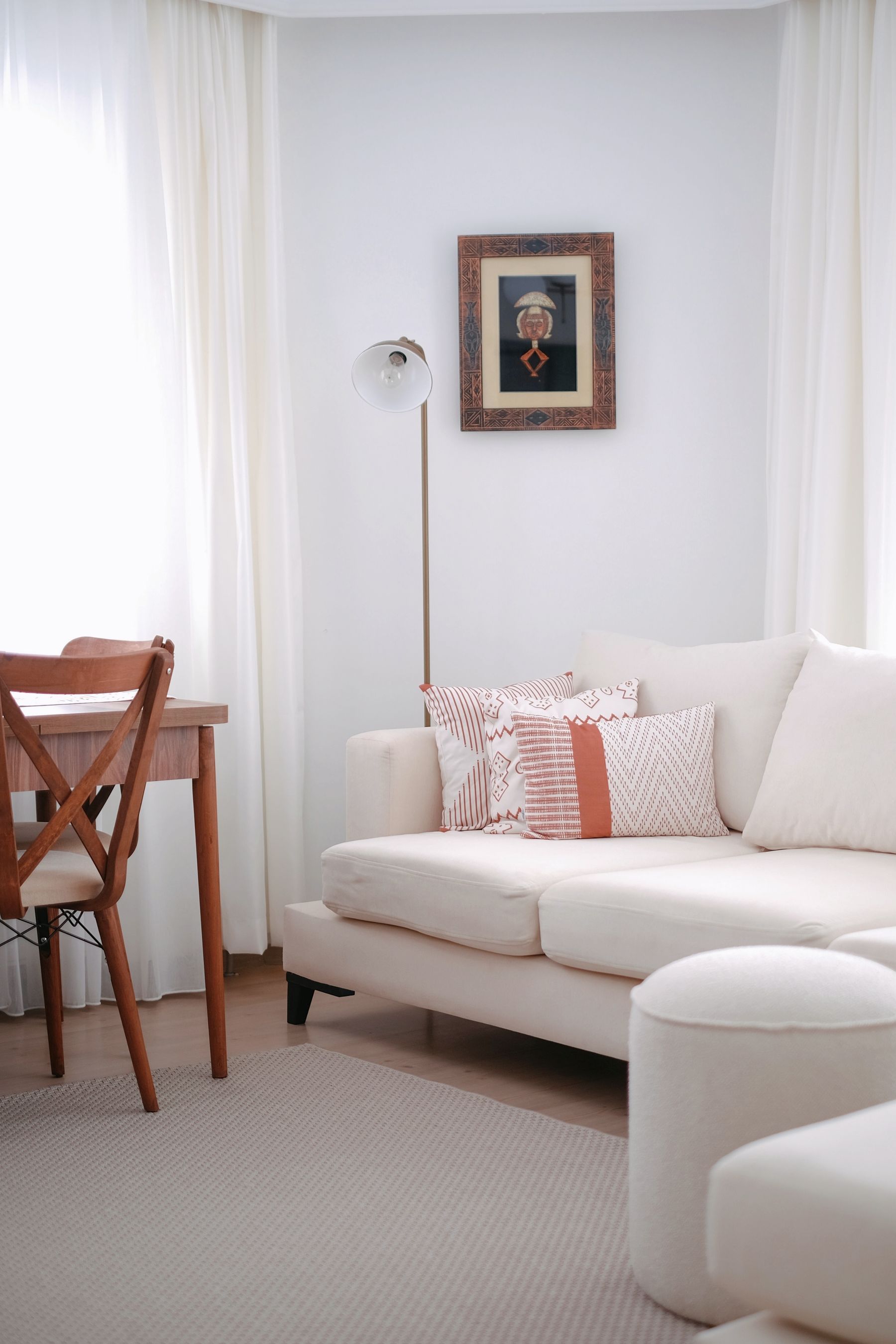
Classic rooms need not rely on landscapes, portraits or antique frames. Contemporary art, photography and locally made work can provide tension against familiar architecture when scale and placement are resolved. Center the work on the furniture or wall relationship that matters, not automatically on the room. Verify ownership and reproduction rights for imagery used publicly, and avoid protected recognizable art in stock selections.
Layer Decorative and Task Lighting Separately
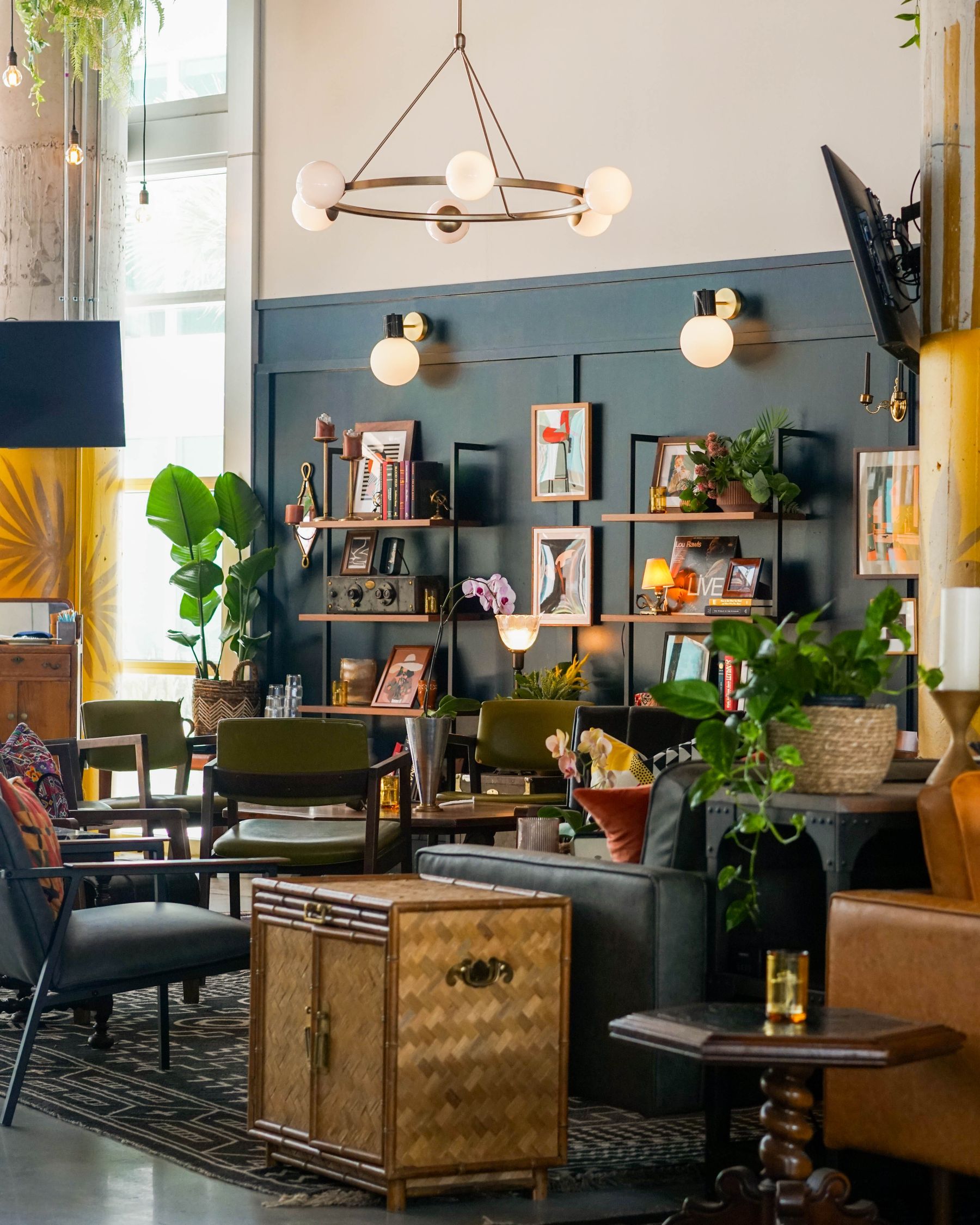
A chandelier, pendant or pair of sconces can reinforce a central axis, but decorative lighting should not be asked to serve every activity. Add focused sources for reading, cooking, work and grooming, then control the layers independently. Keep metal finishes related without insisting on an exact match. Fixture scale, glare and position matter more than ornate detail.
Frame Windows Without Overdressing Them
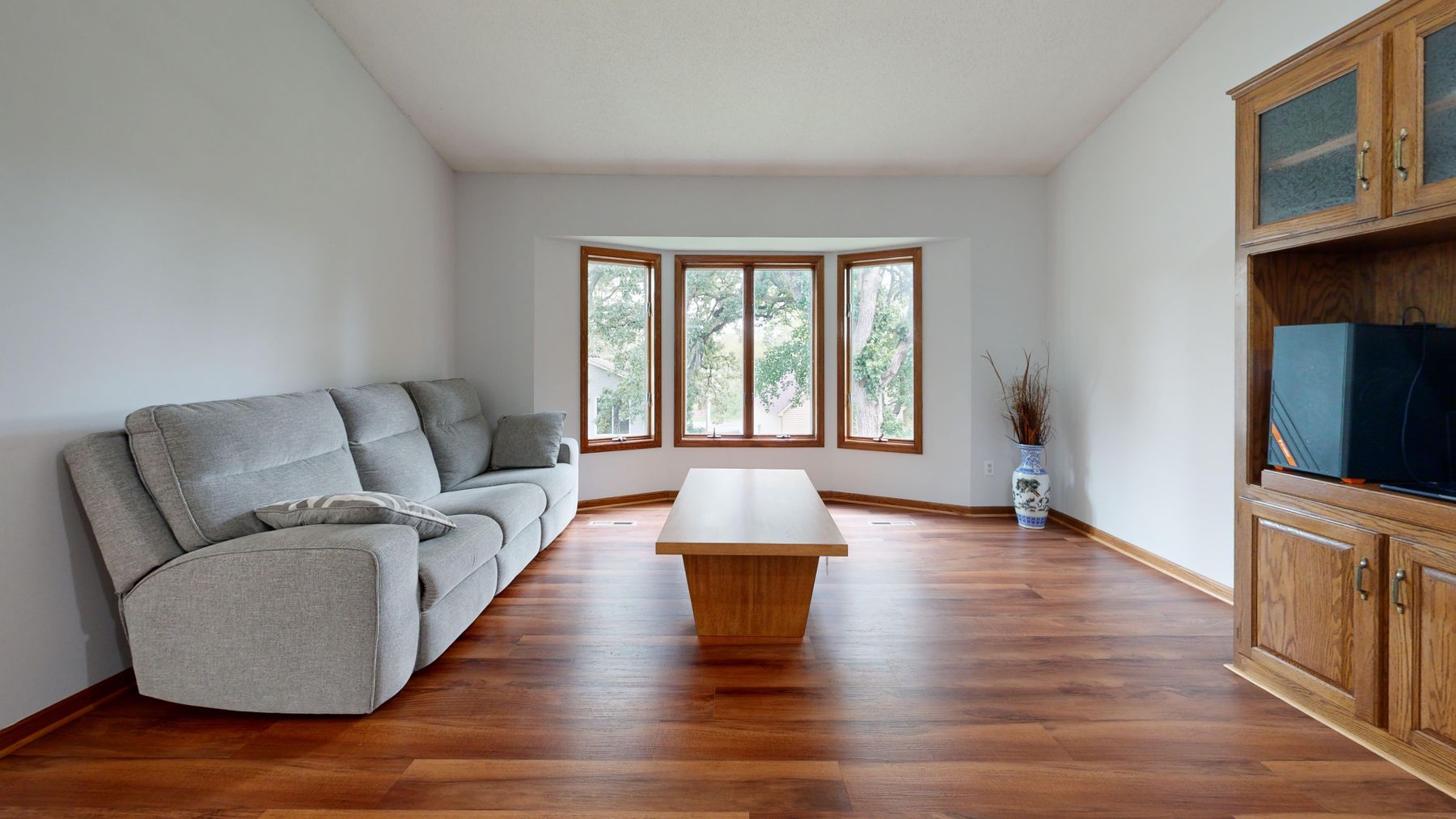
Curtains can add height, softness and acoustic control, especially around tall or bay windows. Mount them in relation to the architecture, provide enough stack-back to reveal useful glass and choose lining for privacy and heat rather than bulk alone. Roman shades or simpler blinds may suit compact windows better than elaborate layered treatments. The window should remain functional for ventilation, cleaning and everyday access.
Scale Classic Style for a Small Apartment
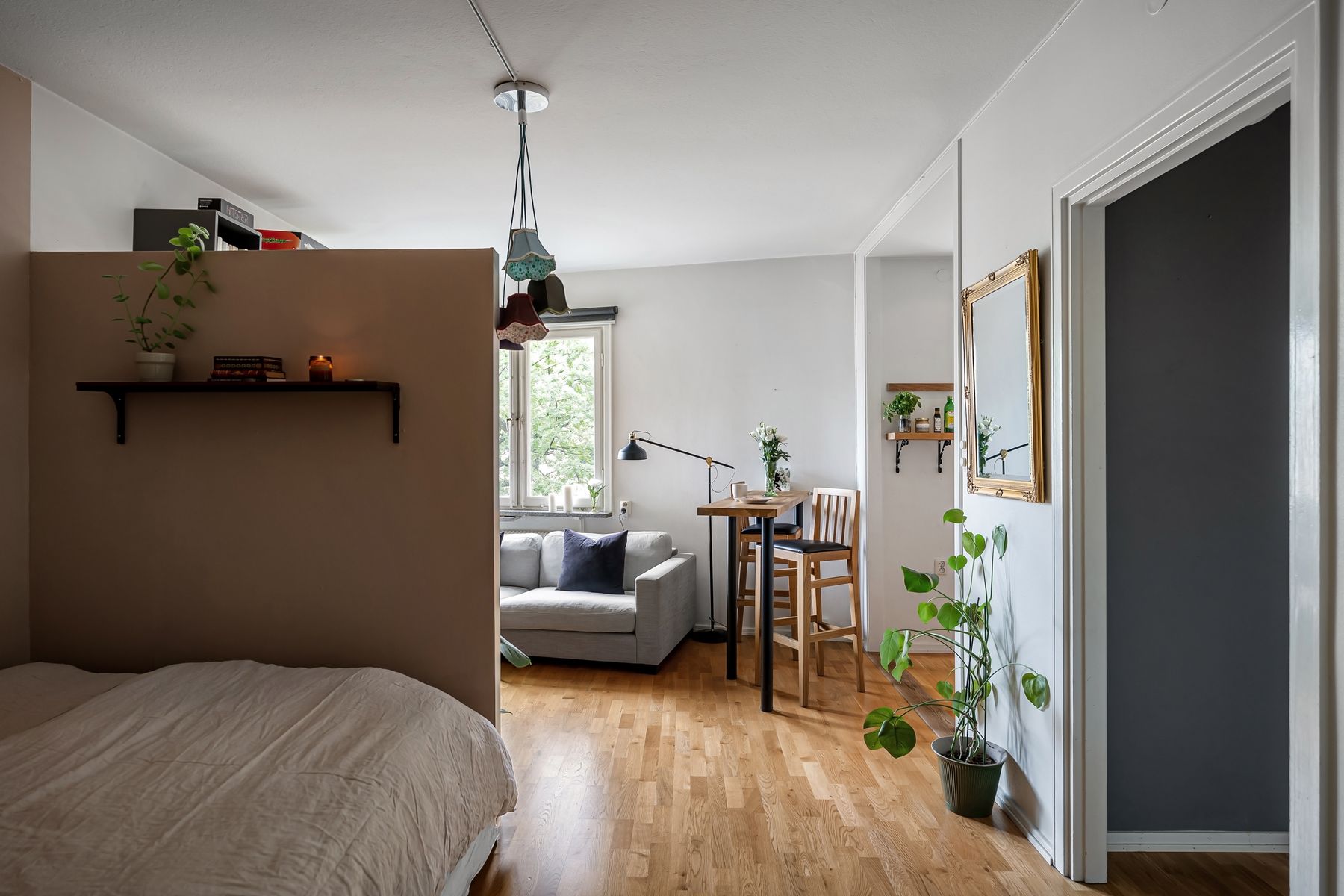
A small apartment needs the same hierarchy with fewer elements. Choose one substantial comfortable sofa, a dining piece sized for real use, concentrated storage and one architectural or decorative focus. Use framed details selectively and avoid undersized furniture scattered around the perimeter. Repeating one wood tone, metal family or soft color across zones can create continuity without purchasing a matched suite.
Keep Classic Distinct From Traditional, Vintage and Luxury
Traditional design more explicitly follows established European decorative conventions and furniture arrangements. Vintage emphasizes genuinely older or secondhand pieces, patina and collected history. Luxury focuses on exceptional materials, scale, customization and finish, which can overlap with classic style but is not required by it. Keep the Classic Apartment page centered on enduring proportion, familiar forms and durable function so each neighboring destination can serve a distinct search intent.