Identify the Apartment You Actually Have
Record ceiling height, window proportions, door alignments, floor pattern, fireplace condition, wall depth and every feature that appears original. A Haussmann-inspired room can support elaborate profiles, but a former service apartment or postwar flat may call for a leaner response. Do not manufacture a grand salon where the plan and scale cannot sustain it. The most credible Parisian scheme interprets the building's real logic, then adds contrast through furniture, art and color.
Preserve Moldings Without Making Them Untouchable
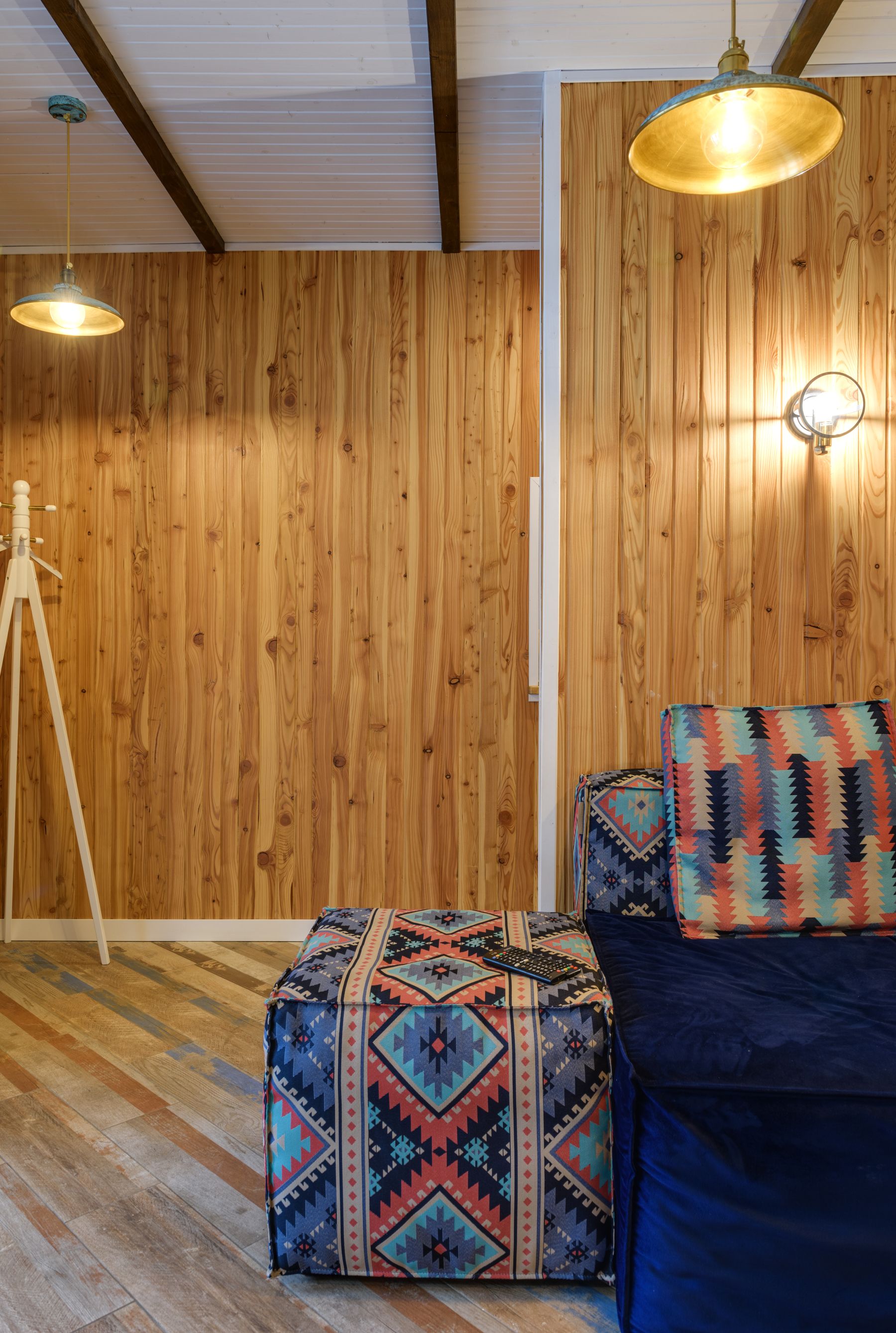
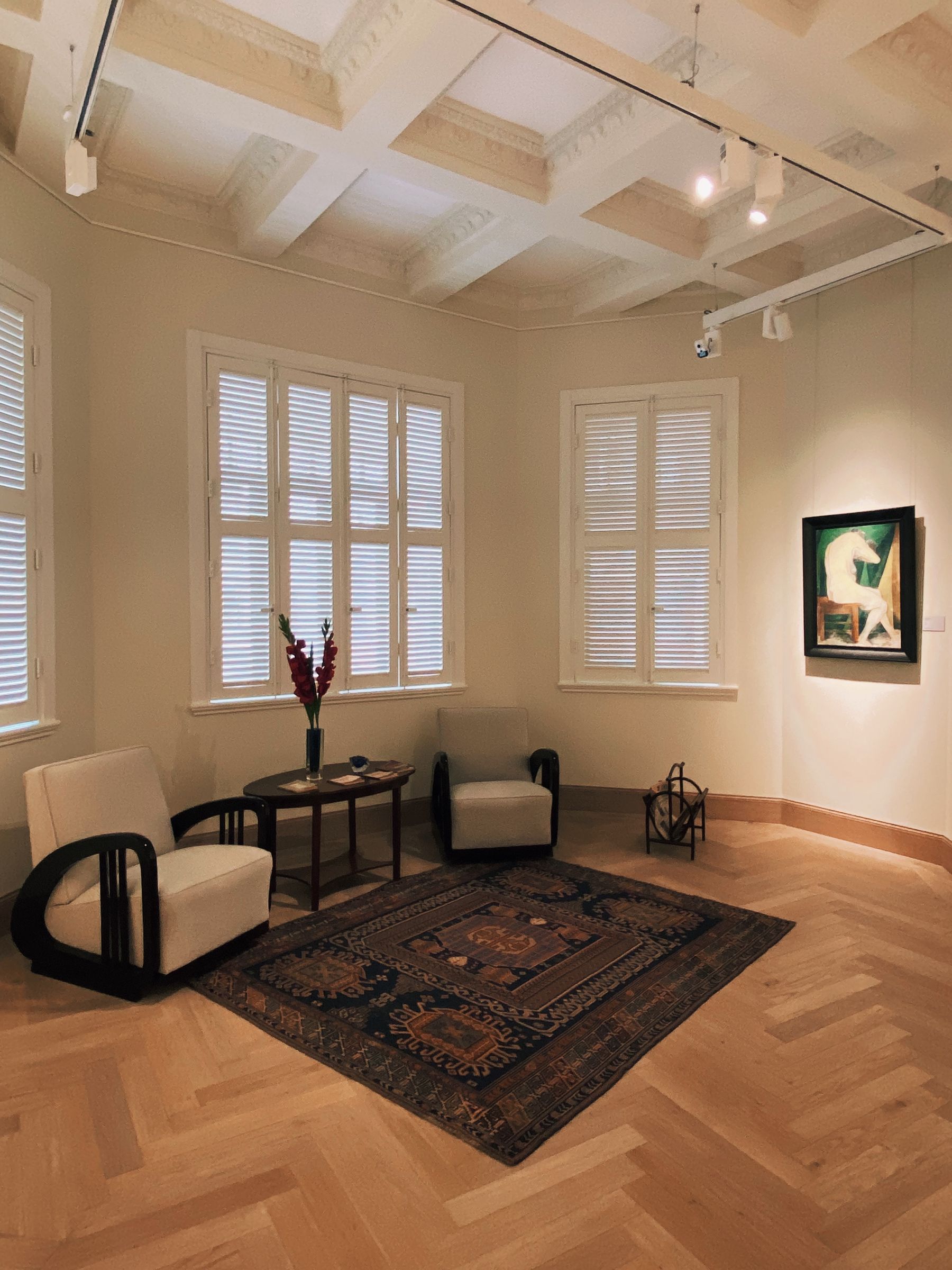
Repair and retain sound cornices, panel moldings and ceiling roses before adding new decoration. Their purpose is to organize large planes, frame openings and create shadow, not merely to signal luxury. Where profiles are missing, repeat only lines that relate to doors, windows or room proportions. In a plain apartment, a carefully drawn panel layout may work, but lightweight applied trim should not interrupt switches, storage or furniture. Paint can unify original and repaired sections without erasing relief.
Treat Parquet as Architecture
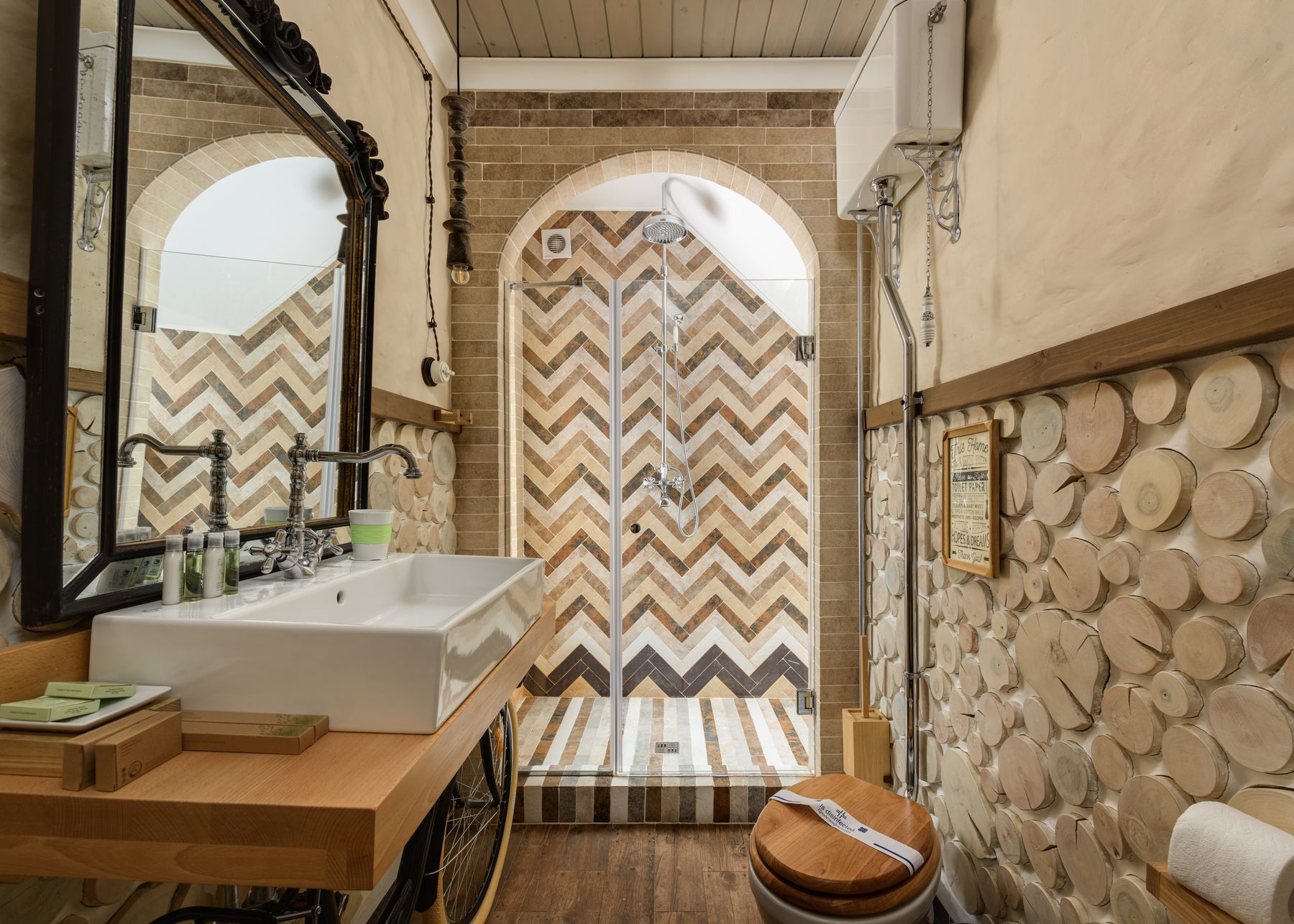
Restore existing parquet when its wear, thickness and substrate allow, accepting some tonal variation as evidence of age. If installing new timber, choose board scale and pattern according to the room rather than using the smallest available blocks as a decorative badge. Herringbone creates a broken rhythm; chevron forms stronger directional lines. Align the field deliberately with the main axis and plan borders, thresholds and radiator pipes before work begins. Large rugs should reveal enough pattern to explain the floor.
Let the Fireplace Anchor One Room
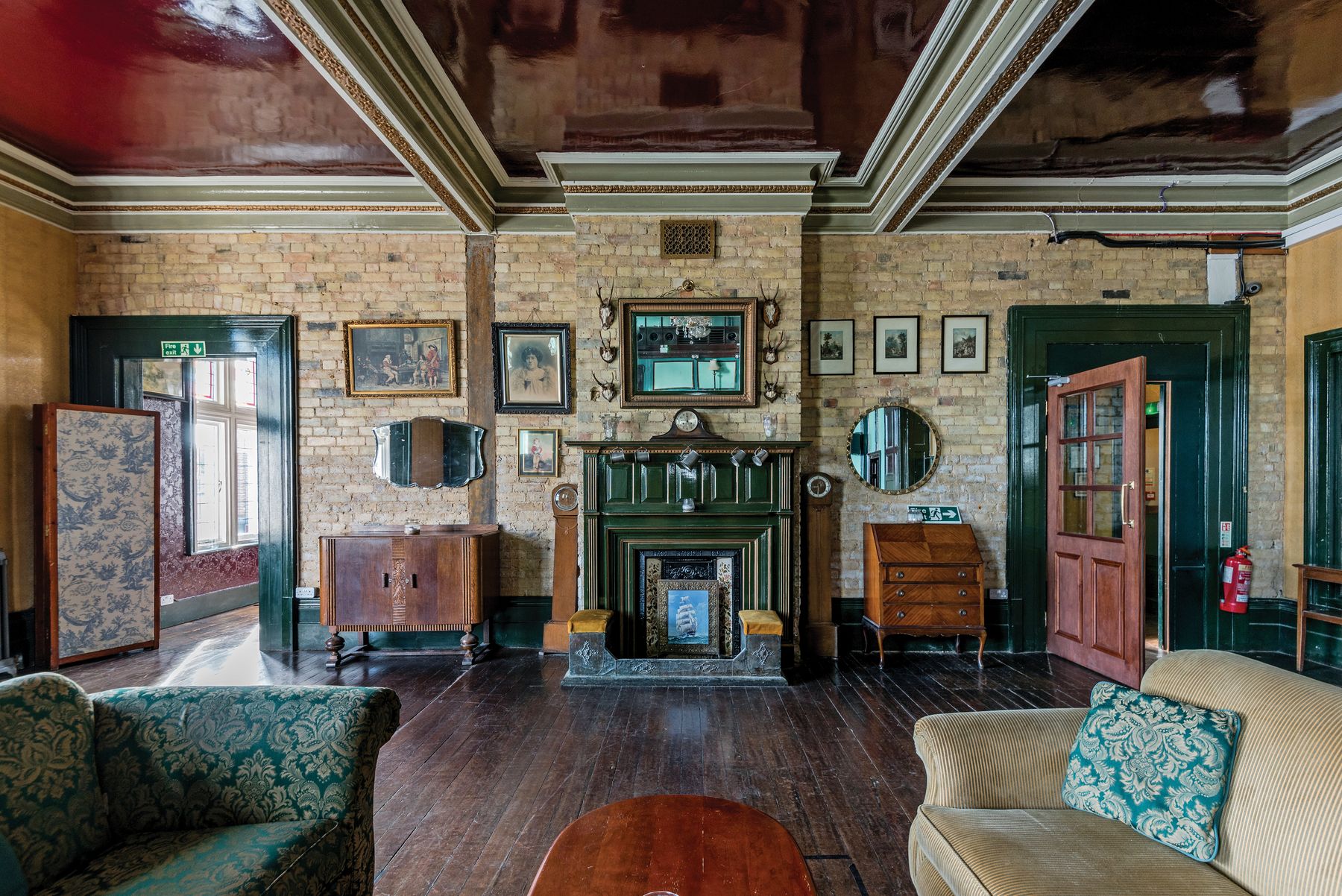
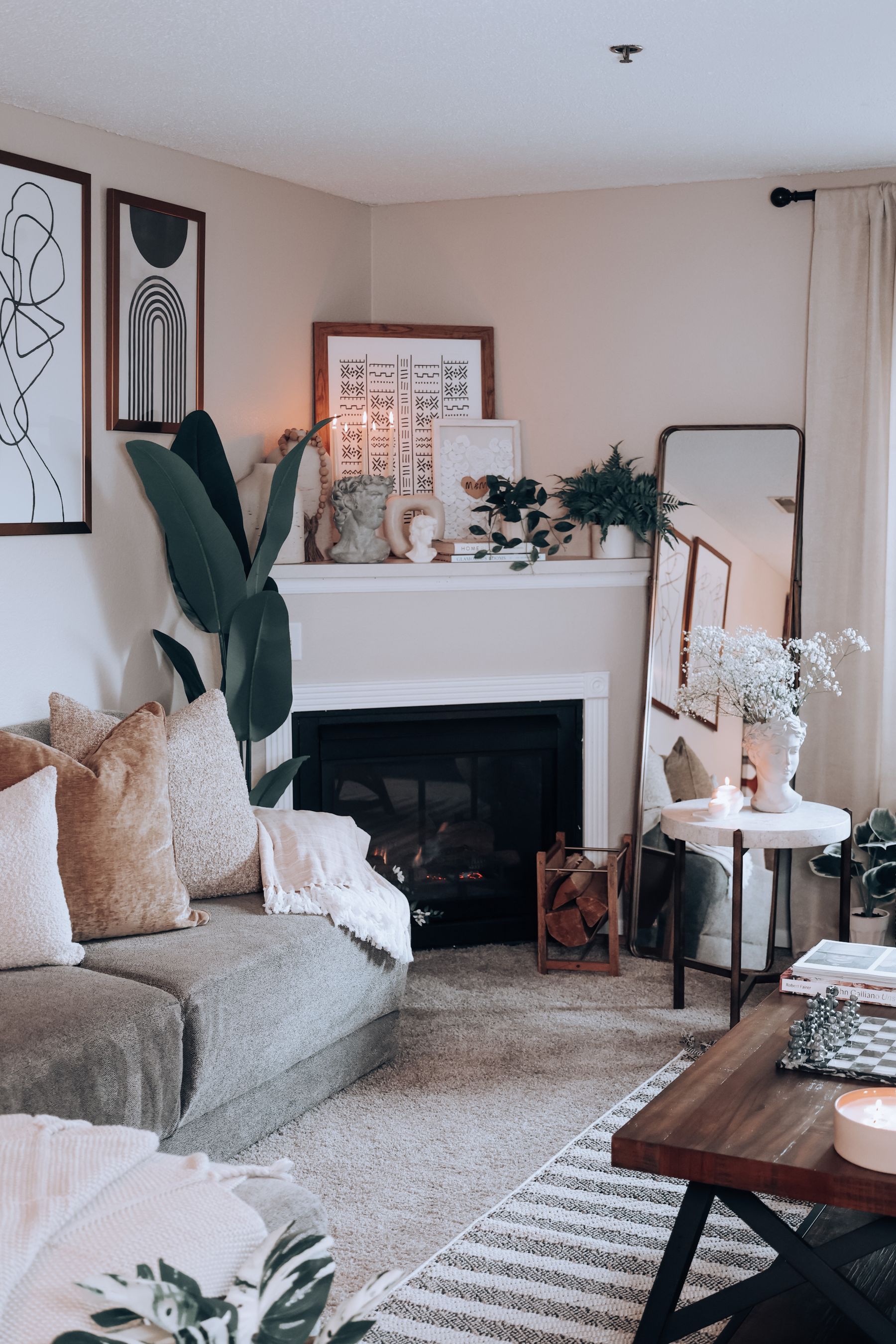
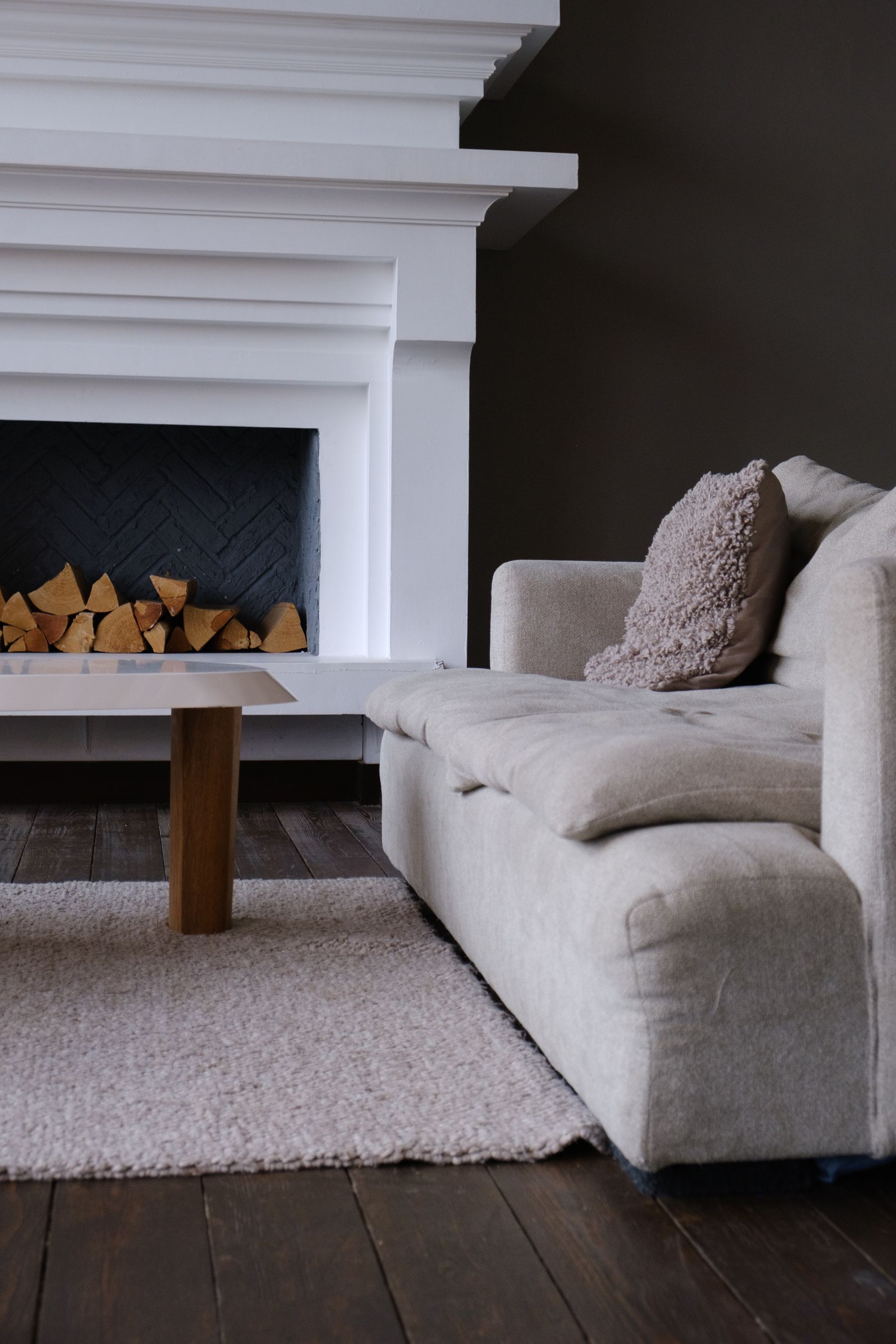
An original marble or stone fireplace can establish the room even when it is no longer operational. Verify flue, hearth and fire safety before use, then arrange seating so the surround participates without forcing strict symmetry. Keep the mantel edited: one artwork, mirror or sculptural group is stronger than many small French-themed objects. Where no fireplace exists, a shallow mantel may supply proportion in a rental, but it should read as furniture rather than pretend to be historic fabric.
Use a Gilded Mirror Once, and Deliberately
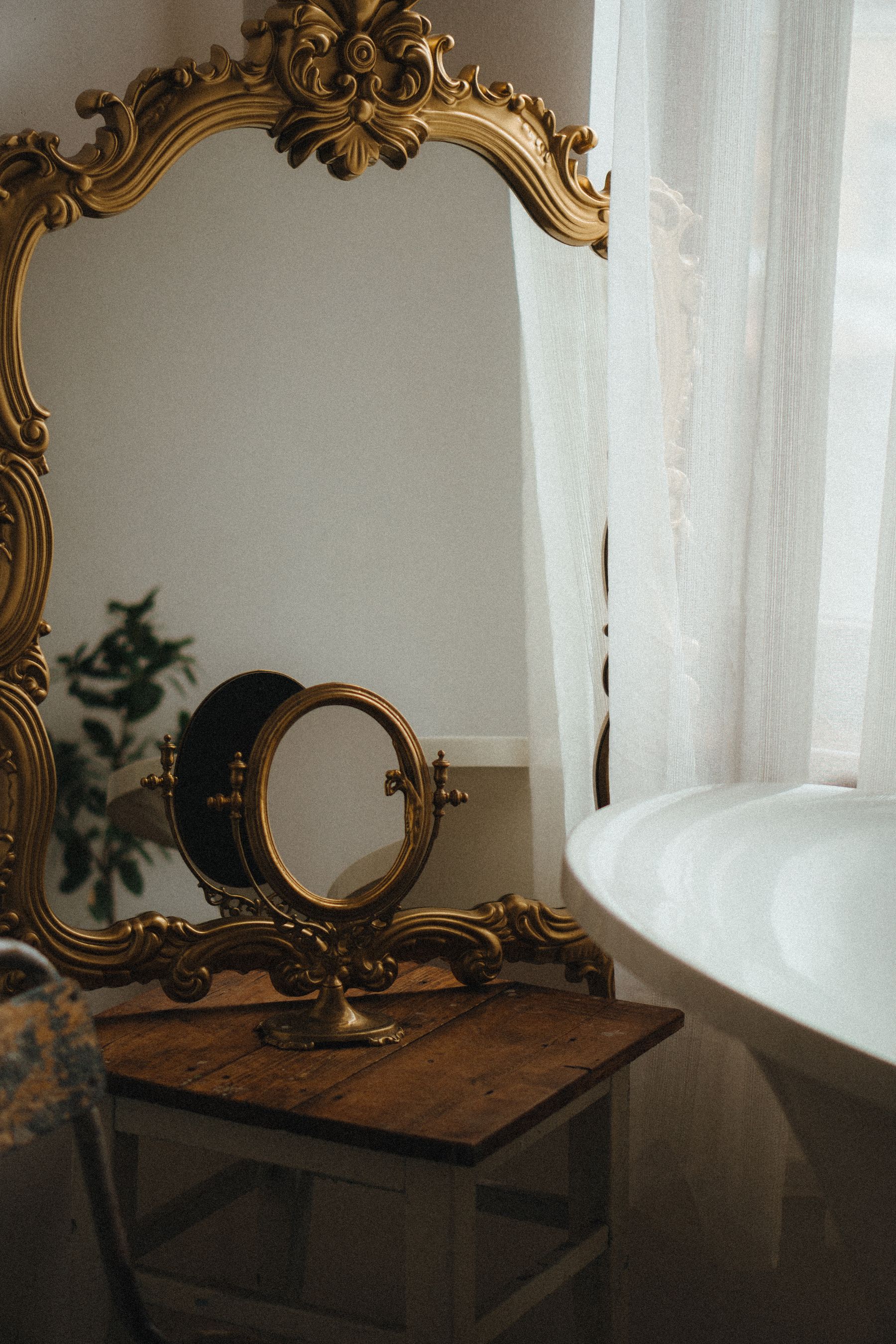
Choose a mirror by scale, reflected view and frame quality before its association with Paris. Over a mantel, its width should relate to the surround; in an entry or dressing zone, it must serve the user's height and route. Genuine wear can soften gilding, while aggressive artificial distress often looks theatrical. Avoid repeating ornate gold frames in every room. A single strong mirror gains authority when modern lighting, simple textiles and clear wall space prevent it from becoming part of a costume set.
Frame Tall Windows Without Smothering Them
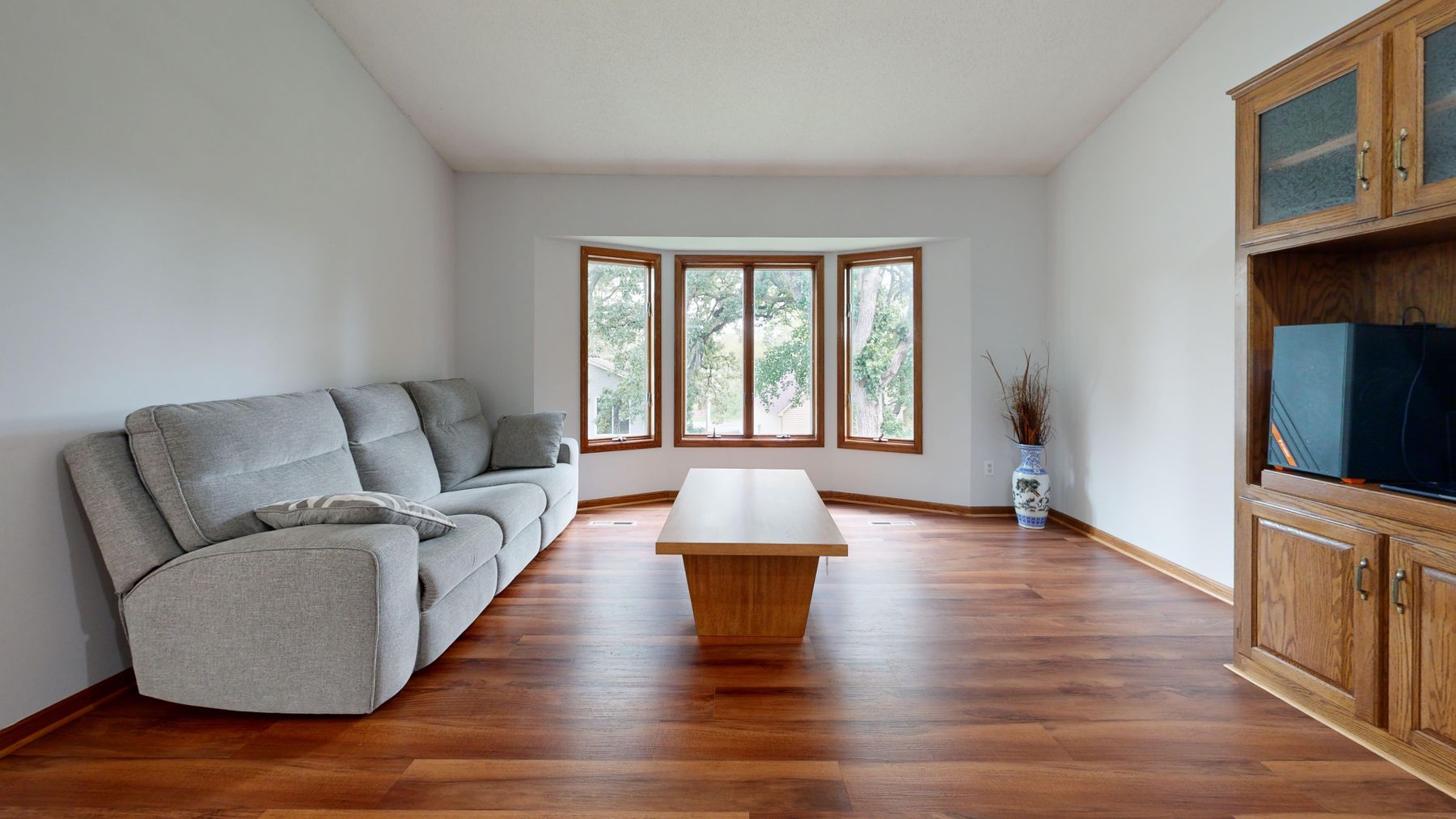
Mount curtains to respect the full height of the opening and allow fabric to stack beyond the glass when wall width permits. Use sheers for diffuse privacy and a denser layer for sleep, glare or heat rather than leaving heavy drapery closed throughout the day. Fabric should have enough weight to hang cleanly but need not be velvet or silk to feel elegant. In narrow rooms, a blind within the reveal may preserve usable wall and radiator access more effectively.
Build the Palette From Plaster, Timber and Stone
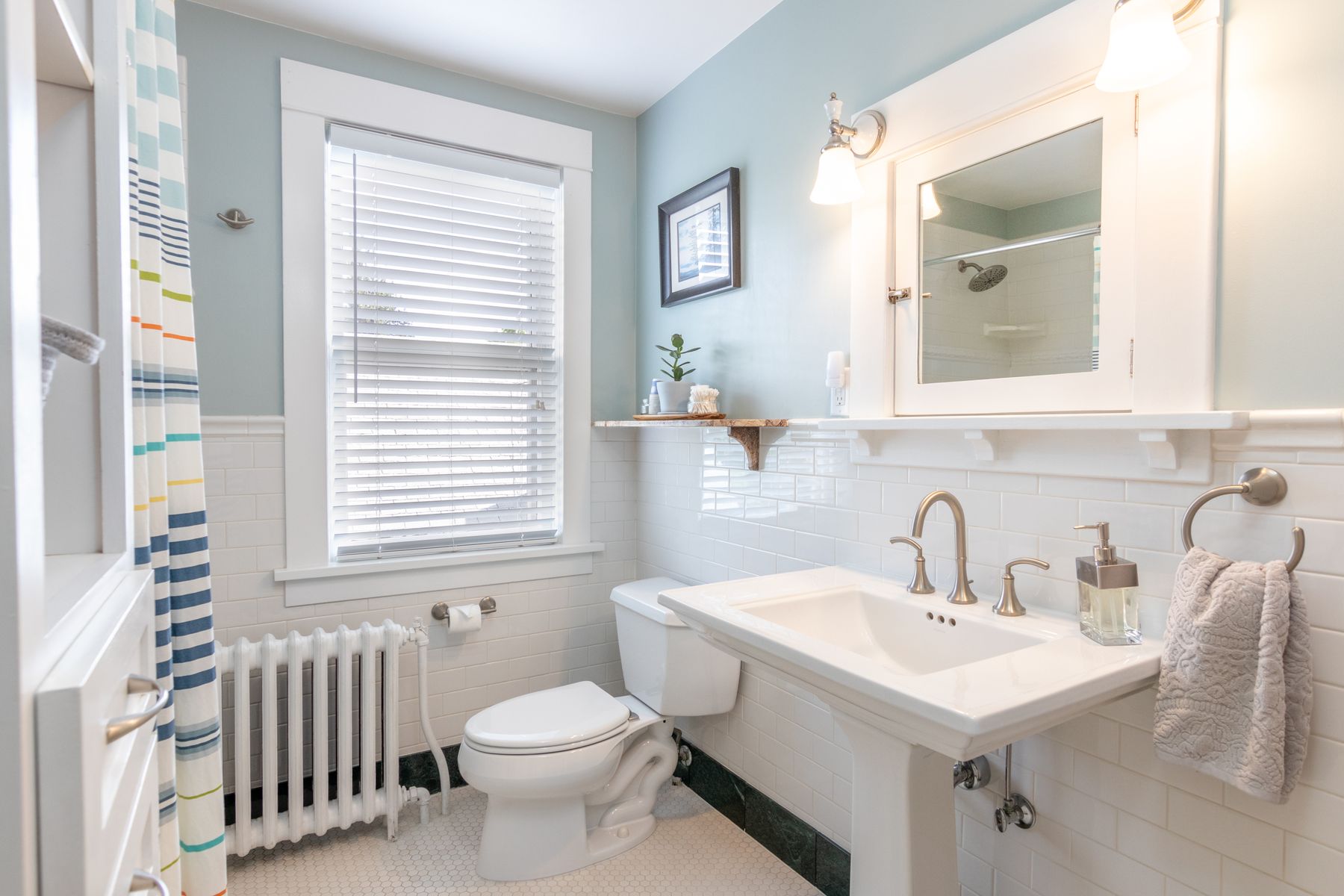
Start with the actual color of parquet, marble, limestone, plaster and old metal. Warm white, putty, chalk, mushroom and pale grey often provide a useful envelope, but the correct undertone depends on those fixed materials and the light outside the windows. Use several close values so walls, trim and textiles remain distinct. Stark white can sharpen contemporary art, yet it may also make aged stone or honeyed timber look dirty; sample every pale tone directly against what will remain.
Allow Strong Color to Feel Parisian
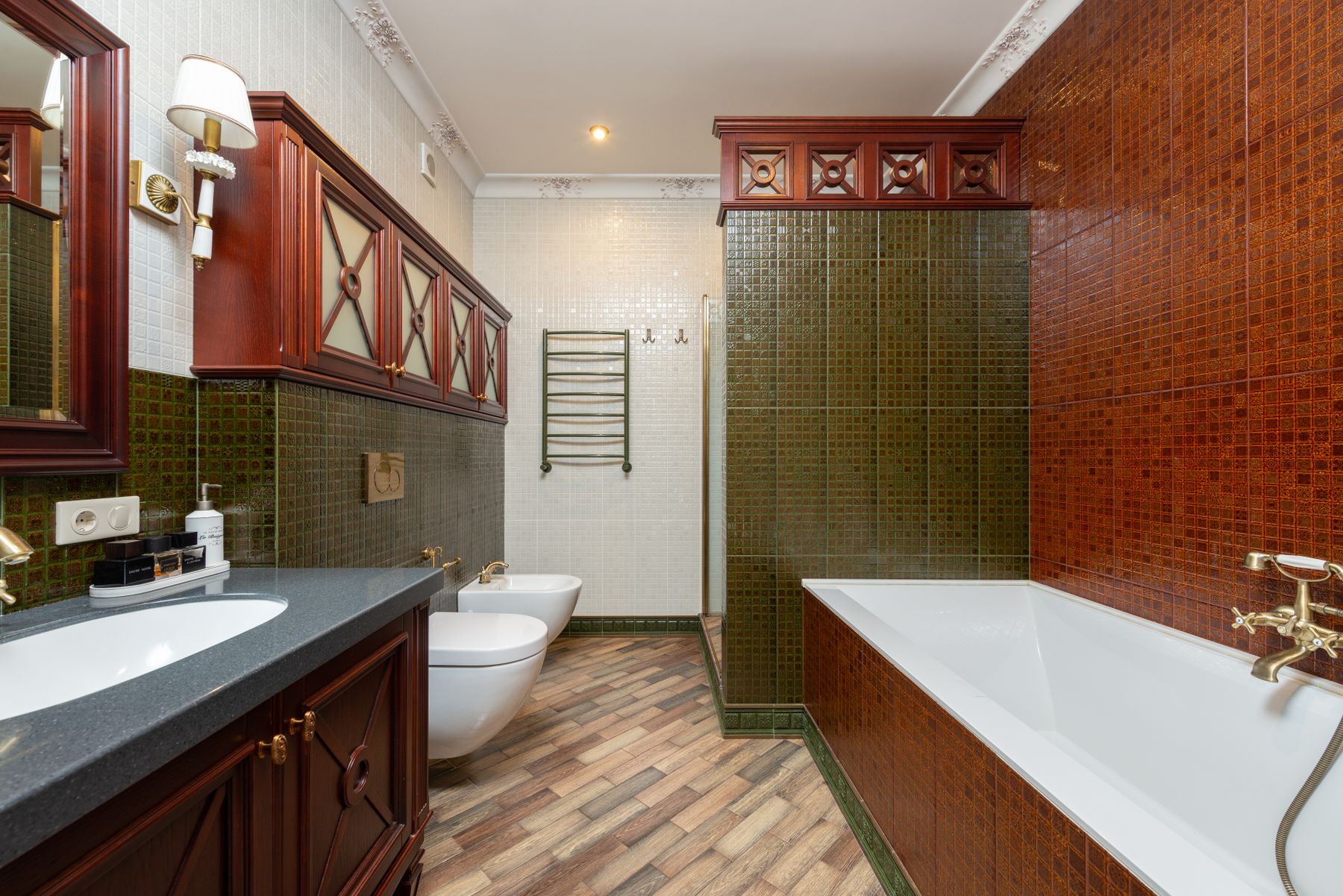
Parisian interiors are not restricted to cream and black. Use olive, oxblood, aubergine, tobacco, cobalt or powder blue on a concentrated wall, entry, cabinetry or substantial upholstered piece. Relate the color to stone, timber and art rather than adding equal accents throughout. A dark entry can create a deliberate transition into brighter rooms, while colored joinery gives storage architectural weight. Test saturated paint beside ornate profiles because deep color emphasizes shadow and can make small moldings visually busier.
Mix Antiques With Contemporary Shapes
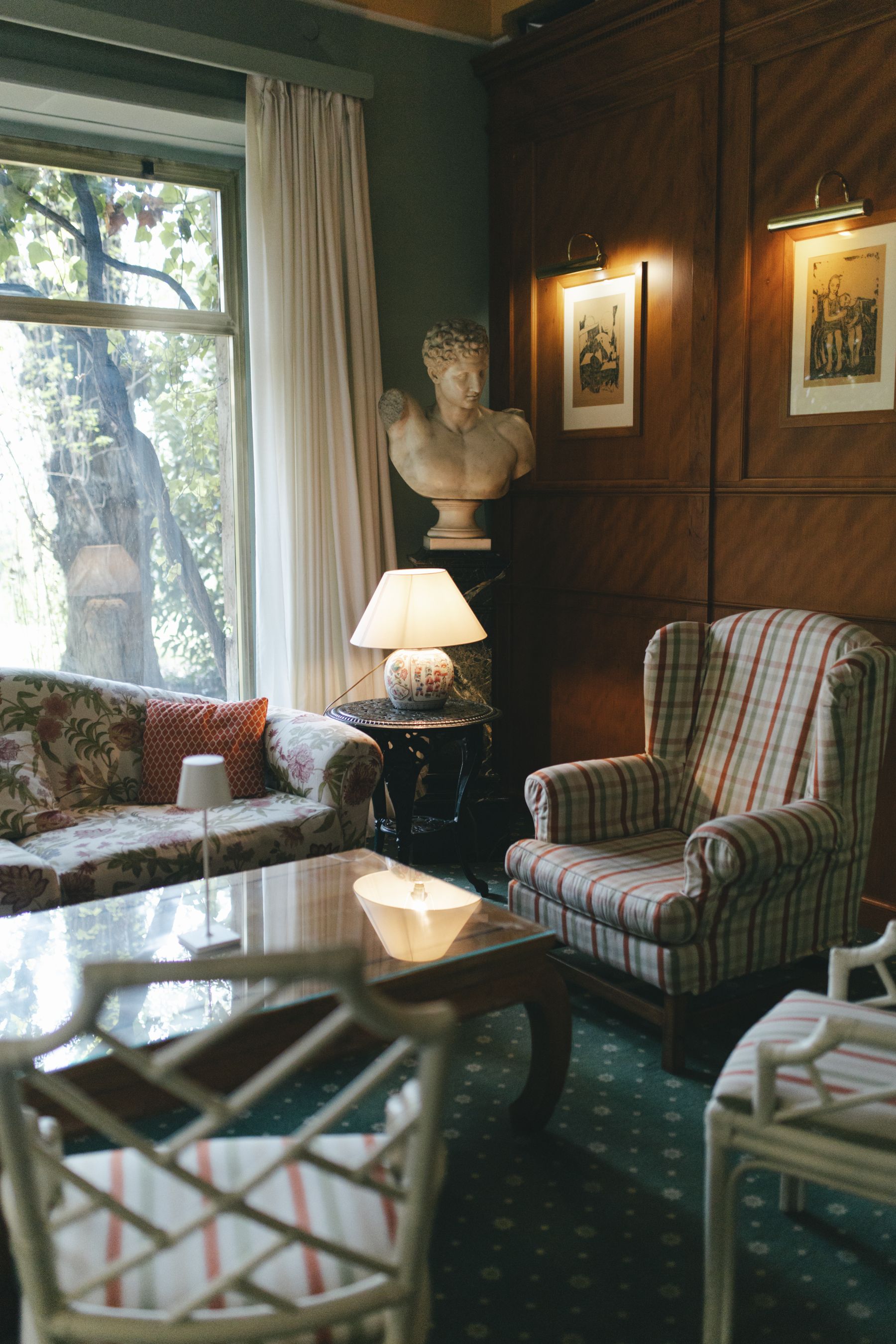
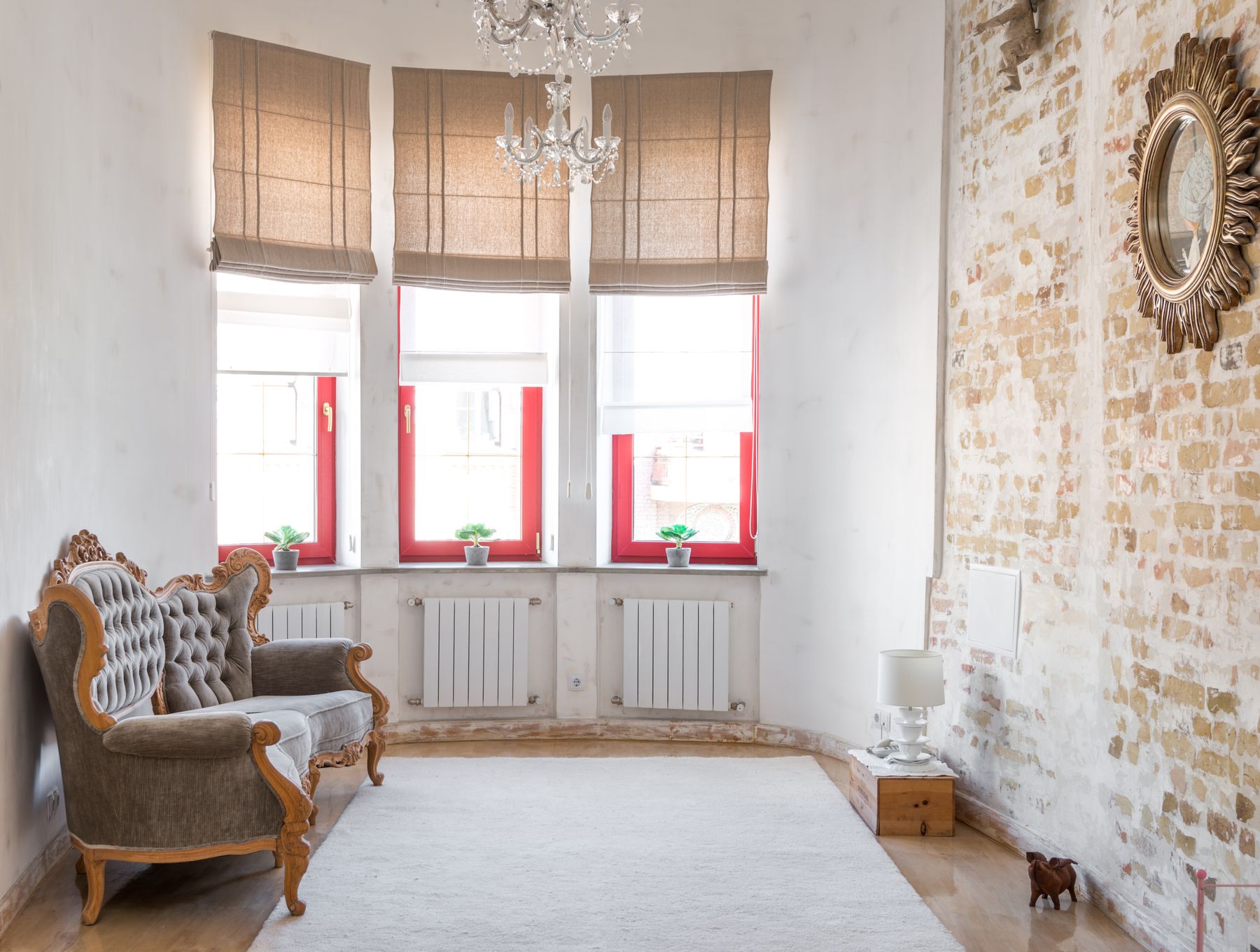
Start with one antique or vintage anchor whose function, construction and dimensions suit the room: an armchair, commode, dining table or cabinet. Add contemporary pieces with cleaner profiles so the contrast remains visible. Match neither wood tones nor periods too perfectly; instead, repeat a curve, metal temperature or upholstery value. Inspect old furniture for structural weakness, pests, unstable finishes and unsafe electrics. A collected room should still provide comfortable seating, clear routes and surfaces at useful heights.
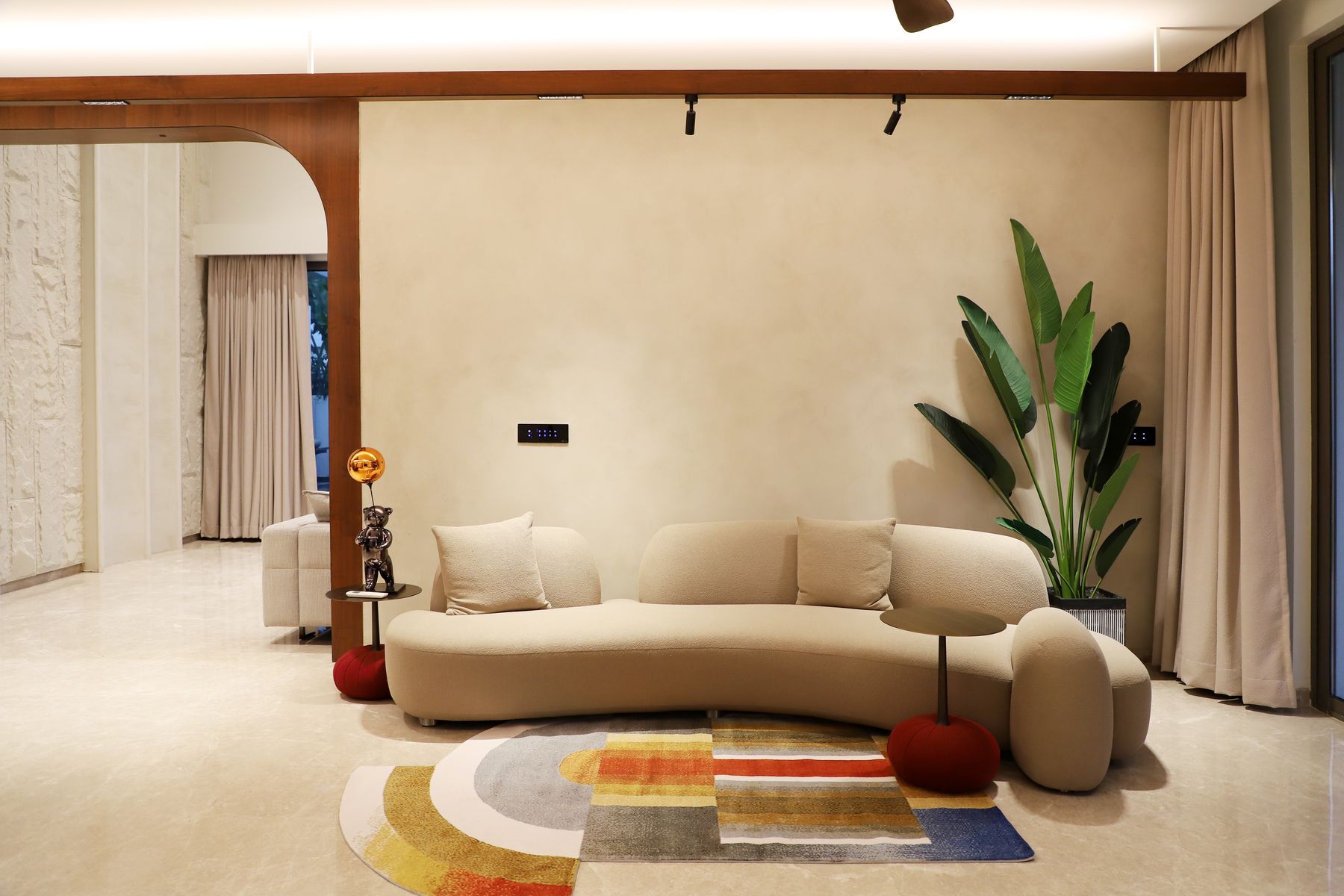
Use Low Modern Furniture to Set Off Tall Rooms
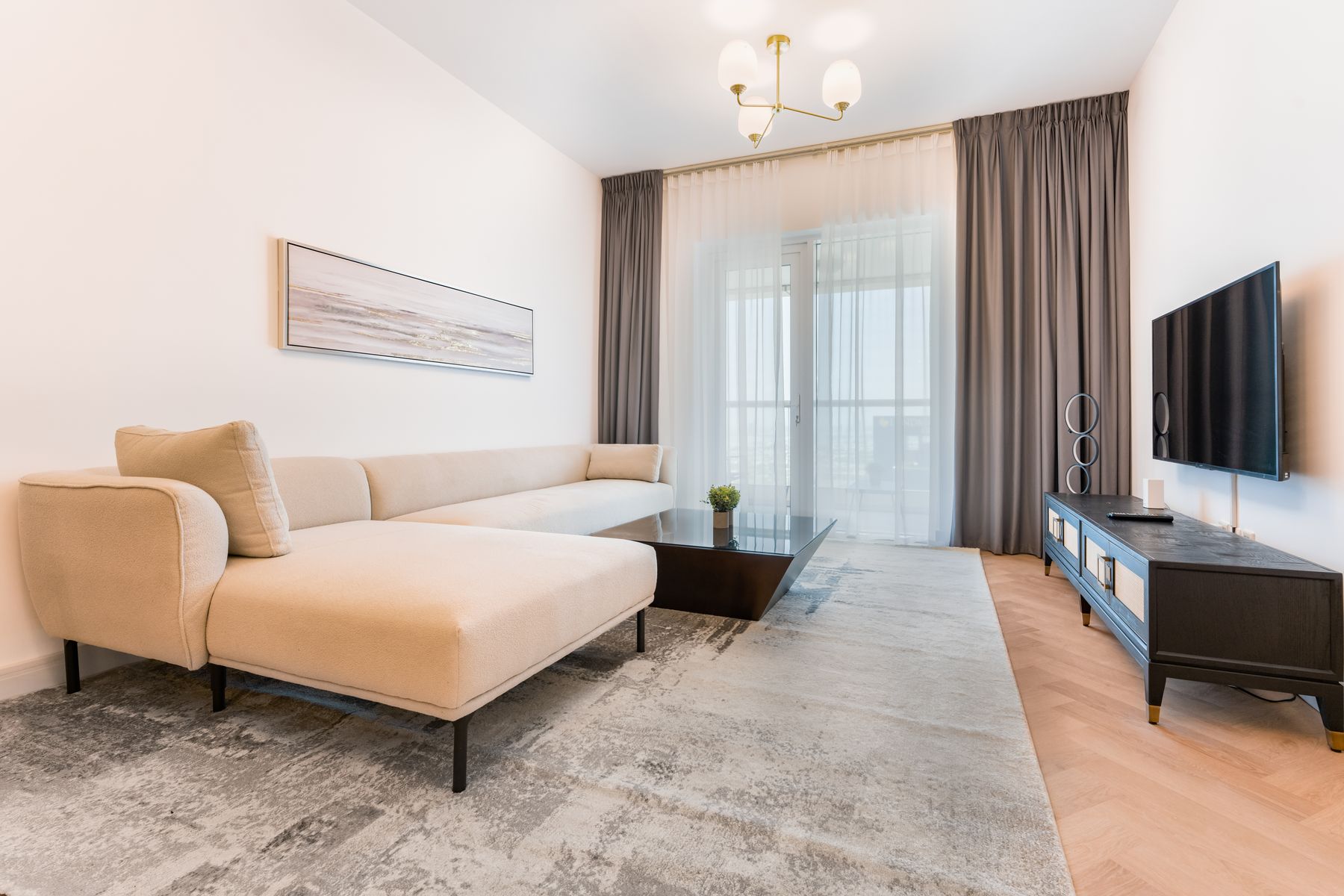
Low sofas, lounge chairs and tables can create a calm horizontal layer beneath tall windows and ornate ceilings. The furniture must still support real seat height, depth and mobility; extreme low profiles are not universally comfortable. Use one or two sculptural shapes rather than filling the room with design icons. Their simplicity lets paneling, parquet and art carry detail, while a curve can soften strict architectural axes. Keep the route around the group generous enough for the furniture to appear intentional.
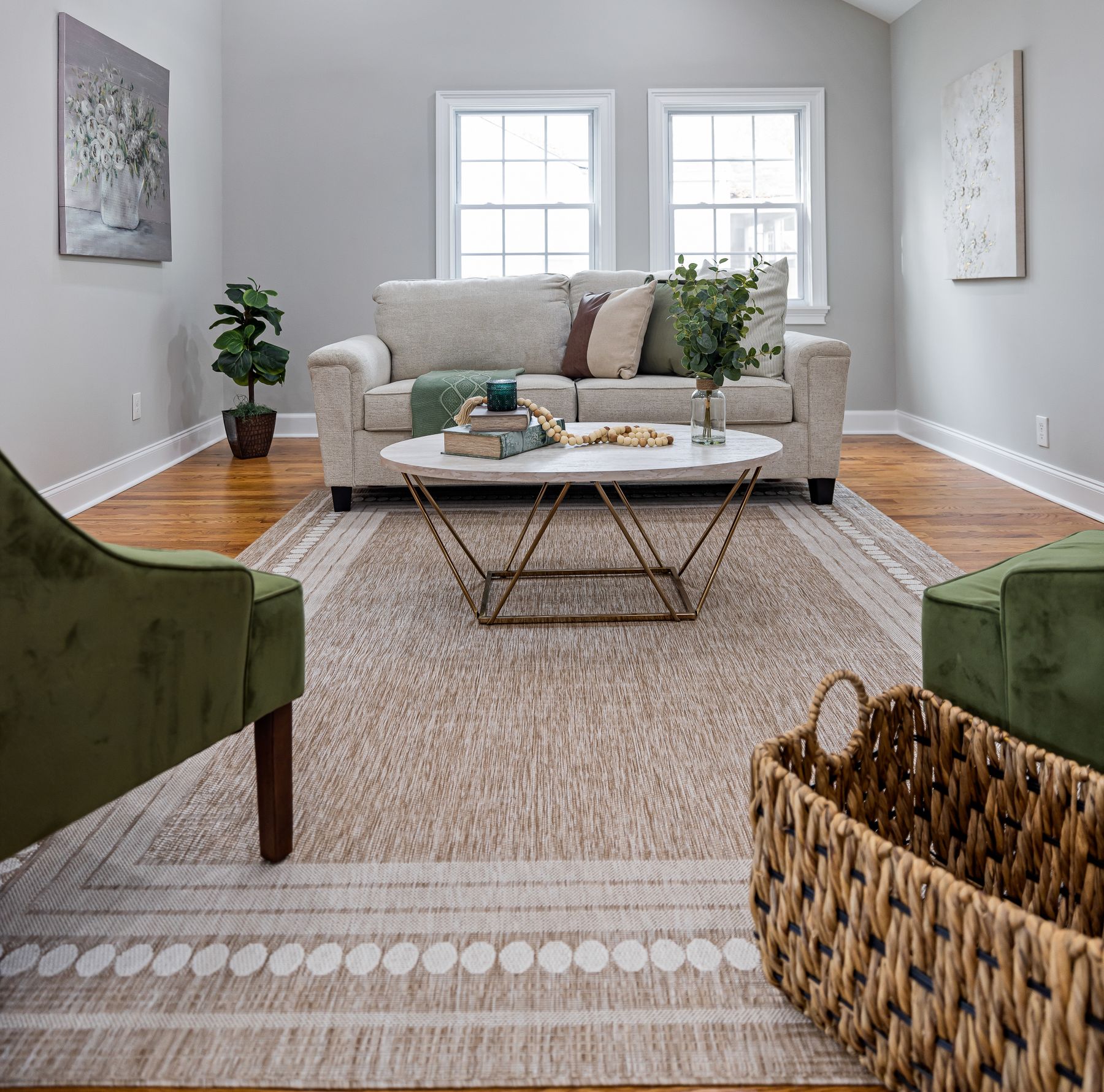
Arrange the Salon for Conversation
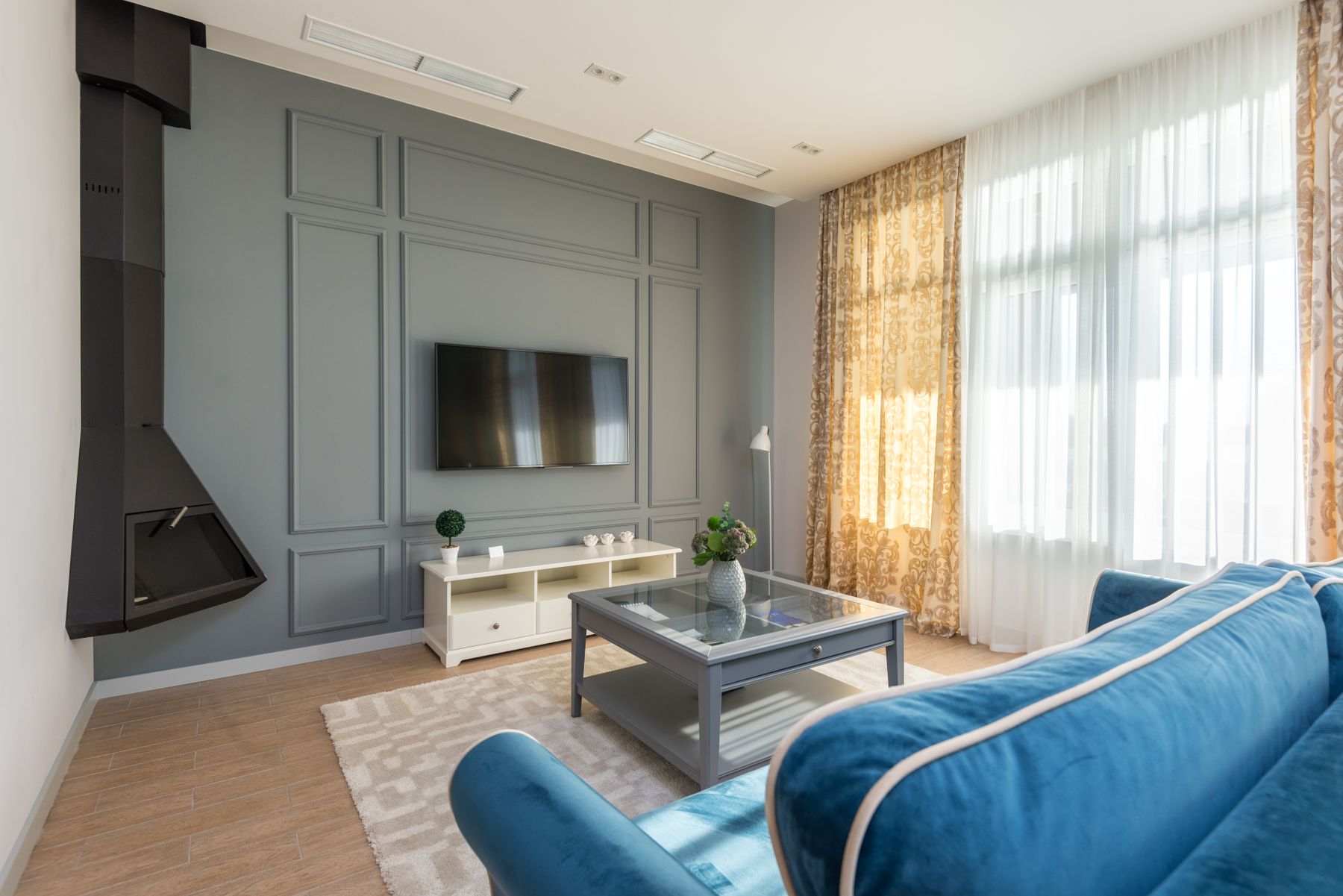
Orient the main seats so conversation works without shouting across a ceremonial void. A sofa, two unlike chairs and one reachable table may create a more believable salon than a matching suite pushed against the walls. Decide whether the fireplace, art, view or media is the primary focus, then let the other elements remain secondary. If a television is required, place it at a usable height and manage cables without building an oversized feature wall that overwhelms the architecture.
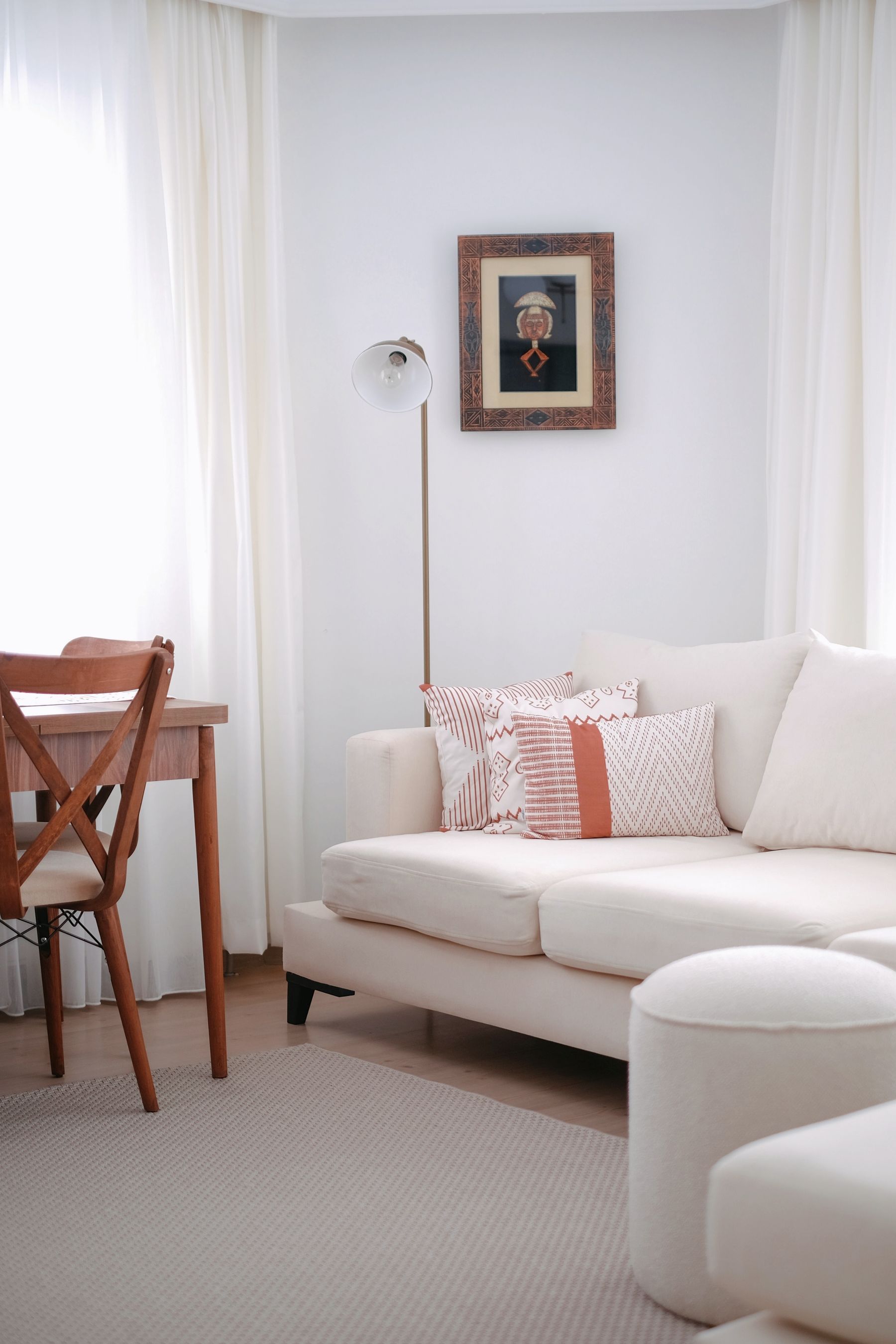
Give Art Authority Instead of Using It as Filling
Choose art for emotional and visual relevance rather than because it depicts Paris. A large contemporary work can sit inside a molding field, lean above a mantel or interrupt a formal axis. Leave enough wall for its edges and color to register. Frames need not match the room's metal or timber, but their visual weight should suit the work. Protect valuable pieces from direct sun, damp and heat, and avoid positioning them where doors or tall lamps obscure the normal view.
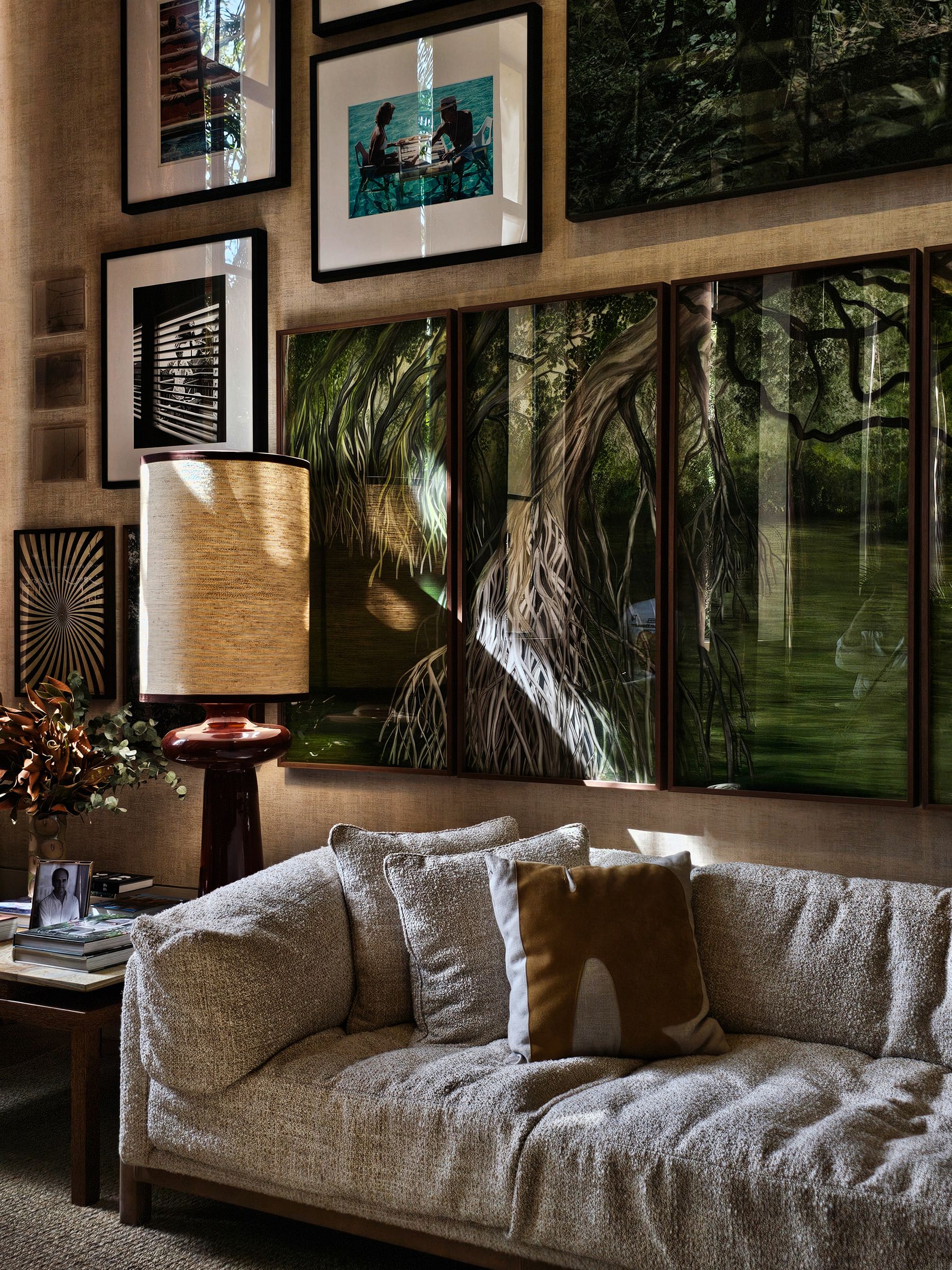
Build a Gallery Wall With a Strong Perimeter
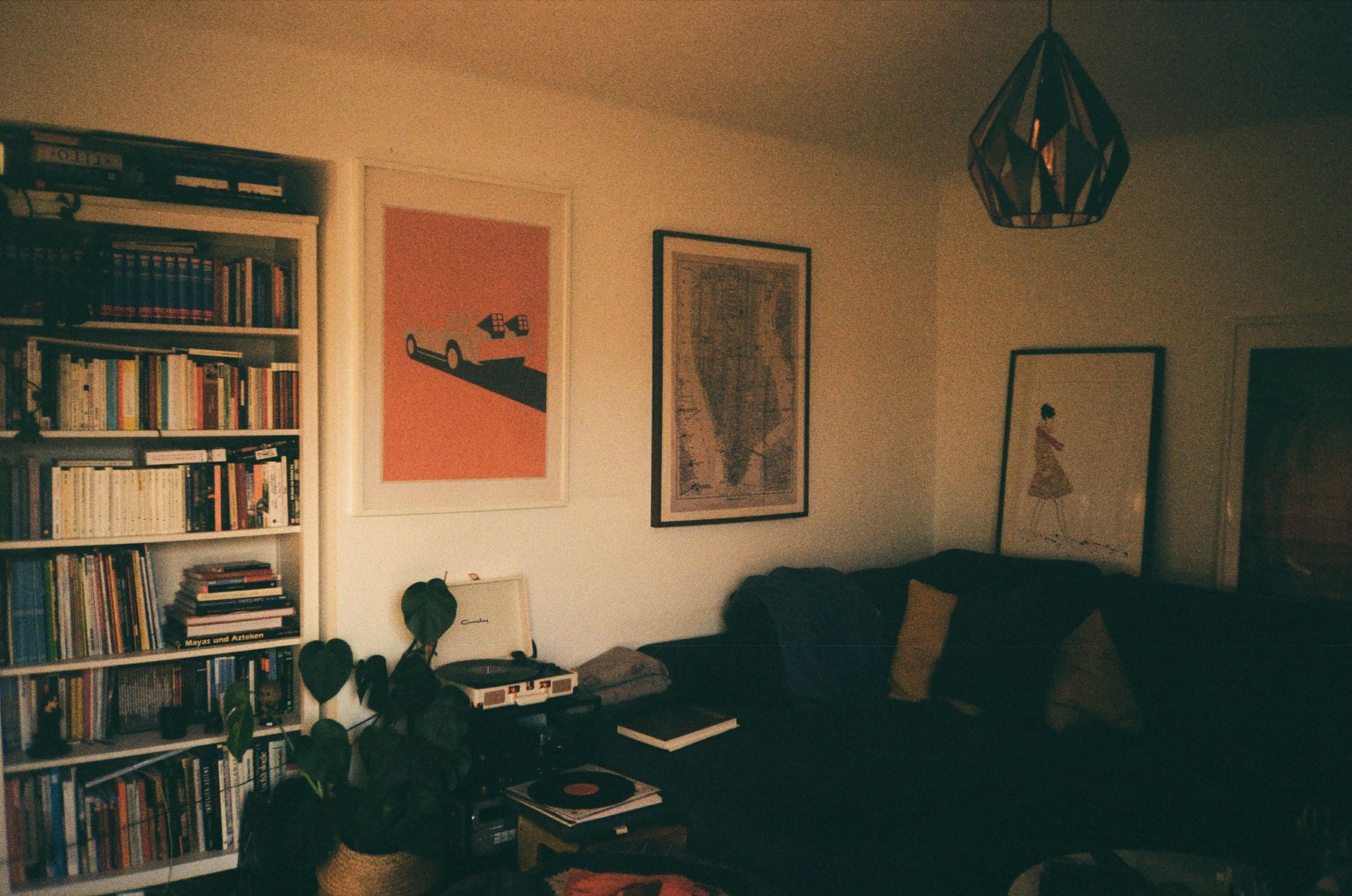
Combine photographs, drawings, paintings and prints around one clear organizing idea: a shared memory, color range, frame family or subject. Establish the outer rectangle first, then vary sizes within it. A gallery can work on a plain wall or within broad paneling, but crowding narrow moldings creates conflict. Use archival fixings appropriate to the wall and keep the lowest works safe from furniture and daily contact. Collections should grow slowly rather than be purchased as a pre-matched decorative set.
Layer Rugs and Textiles Over Formal Bones
Use a rug large enough to connect the seating group, leaving a deliberate border of parquet where possible. Faded pattern, graphic contemporary design and saturated color can all work if their scale supports the room. Mix velvet, linen, wool and cotton according to wear and season rather than using every luxurious fabric at once. Curtains, upholstery and cushions should not repeat an identical motif. A few textiles with different ages and textures make the apartment feel inhabited rather than installed.
Combine a Chandelier With Local Light
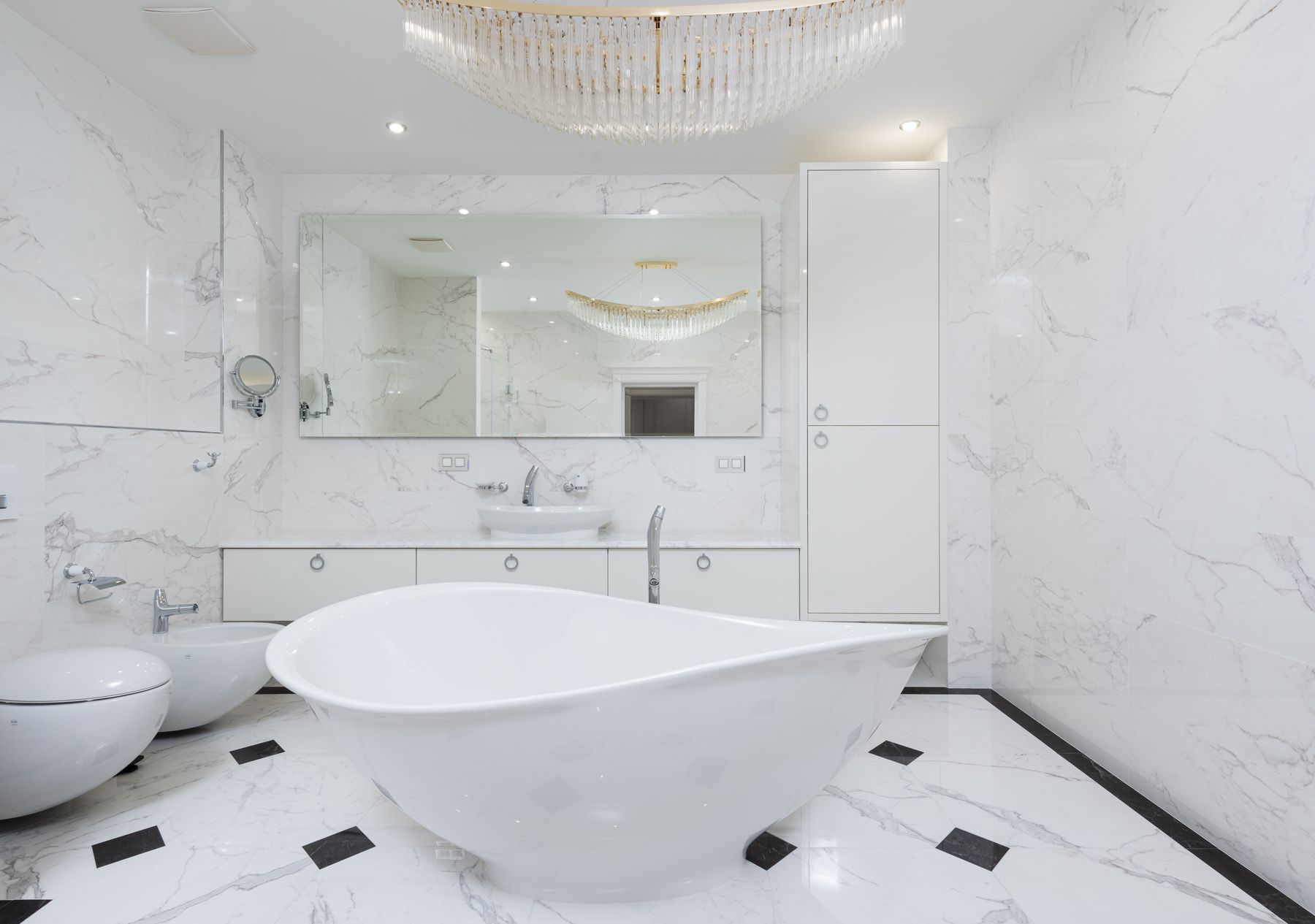
Use the ceiling rose and furniture plan to locate a chandelier, not the geometric center of an empty room by default. Confirm ceiling strength, drop height, dimming and the view from adjacent spaces. A decorative pendant supplies ambient sparkle but rarely supports reading, dining and art on its own. Add floor, table or wall lights at lower levels with compatible color temperature and good rendering. In a small apartment, one sculptural fixture may carry more presence than several undersized pendants.
Use Wall Lights to Support the Architecture
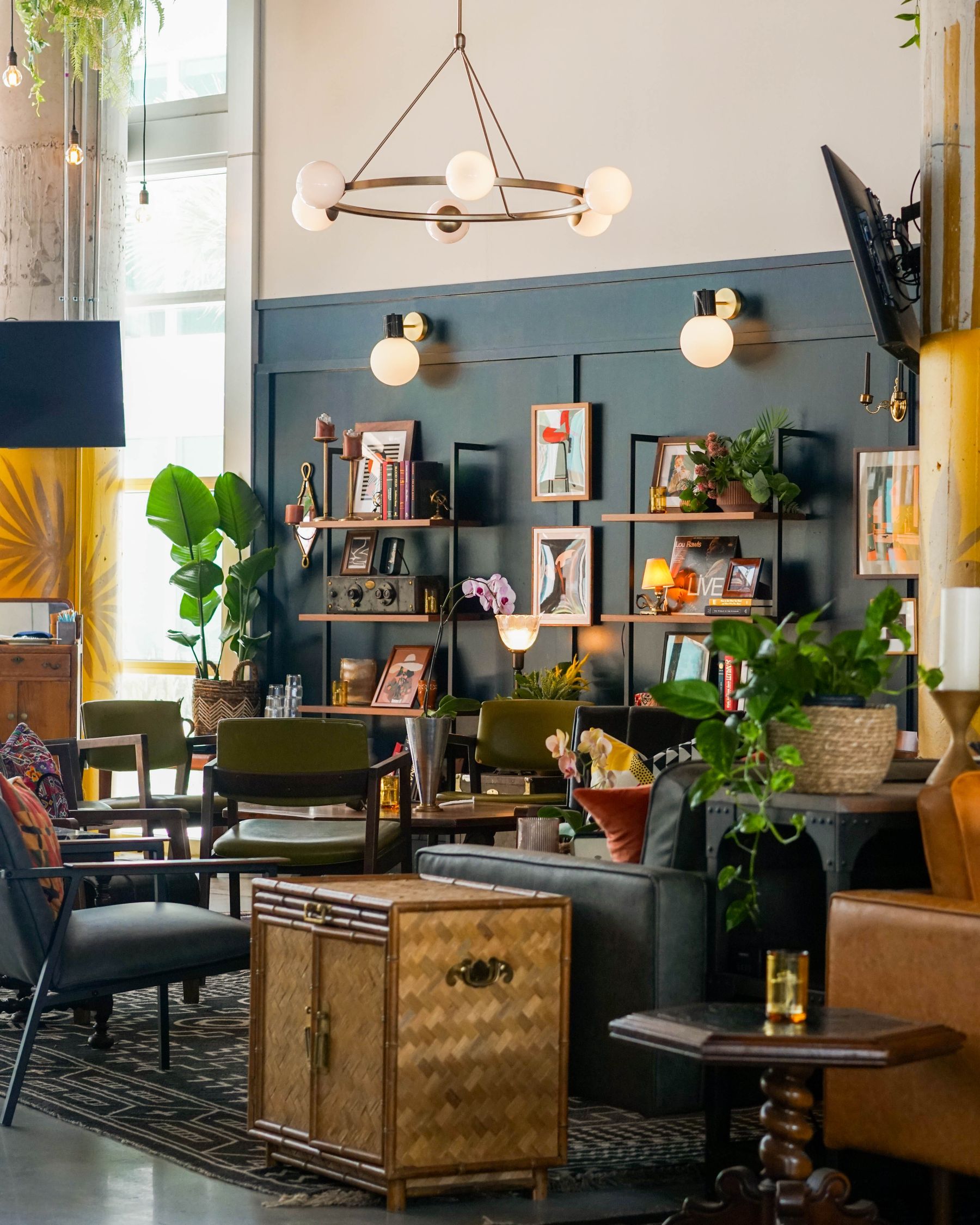
Place sconces where they illuminate a route, reading position, artwork or broad wall plane. Align them with molding fields and furniture rather than scattering pairs for symmetry alone. Rewiring an old wall requires care; surface-mounted cable, plug-in sconces or floor lamps may be safer reversible alternatives in rentals. Select shades and bulbs that prevent glare at seated eye level. A restrained contemporary fitting can sharpen ornate architecture more effectively than a reproduction fixture chosen only for period appearance.
Make Dining Feel Cultured, Not Café-Themed
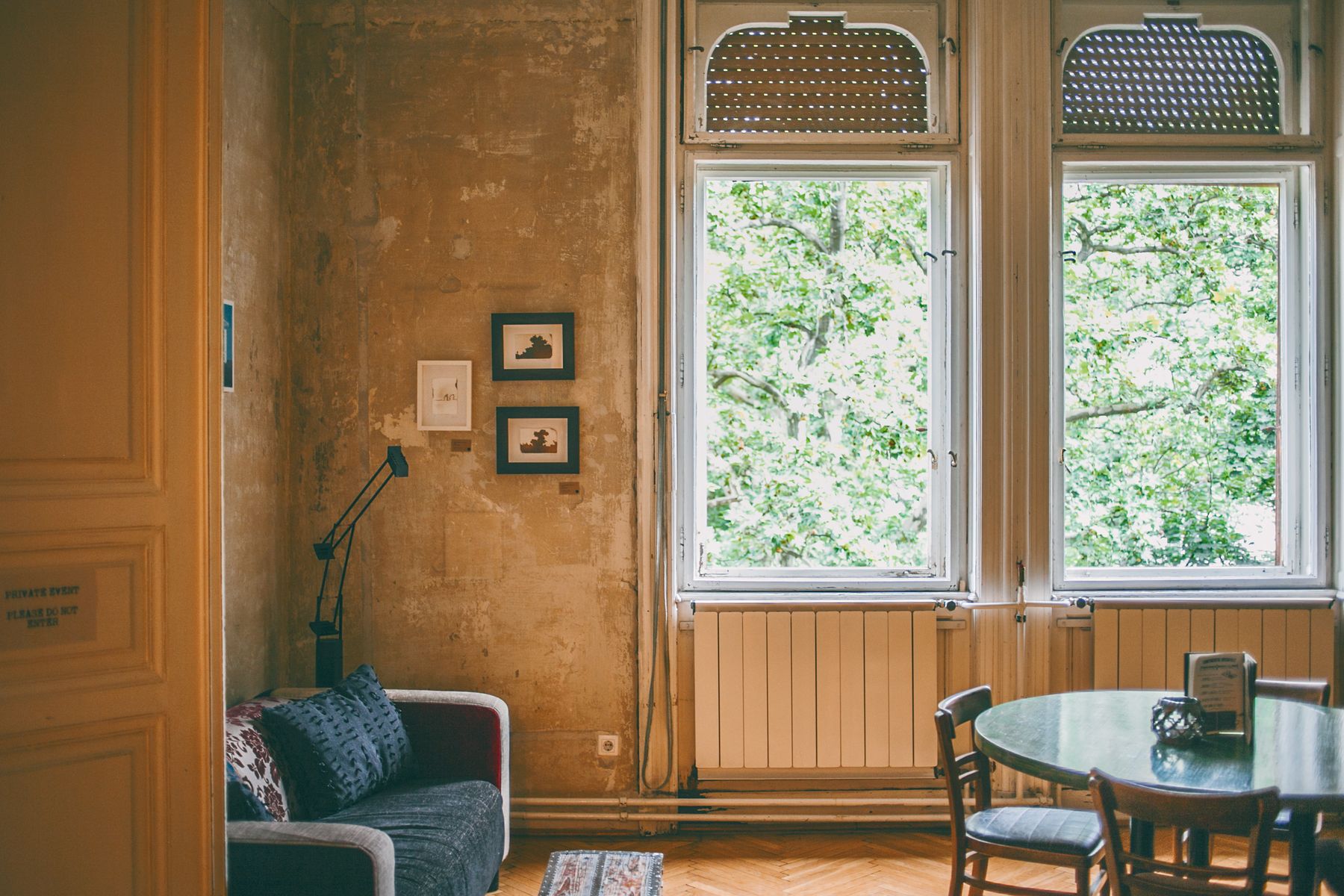
Choose a table that supports everyday meals, work and guests within the available clearance. Mixed chairs can feel collected when seat heights and comfort remain compatible; a bench or banquette may help a narrow plan. Add one pendant, artwork or cabinet with enough scale to establish the zone. Avoid making striped awnings, menu boards, Eiffel Tower prints and identical café chairs carry the concept. The room should feel ready for conversation and food rather than designed as a restaurant set.
Integrate a Contemporary Kitchen Quietly
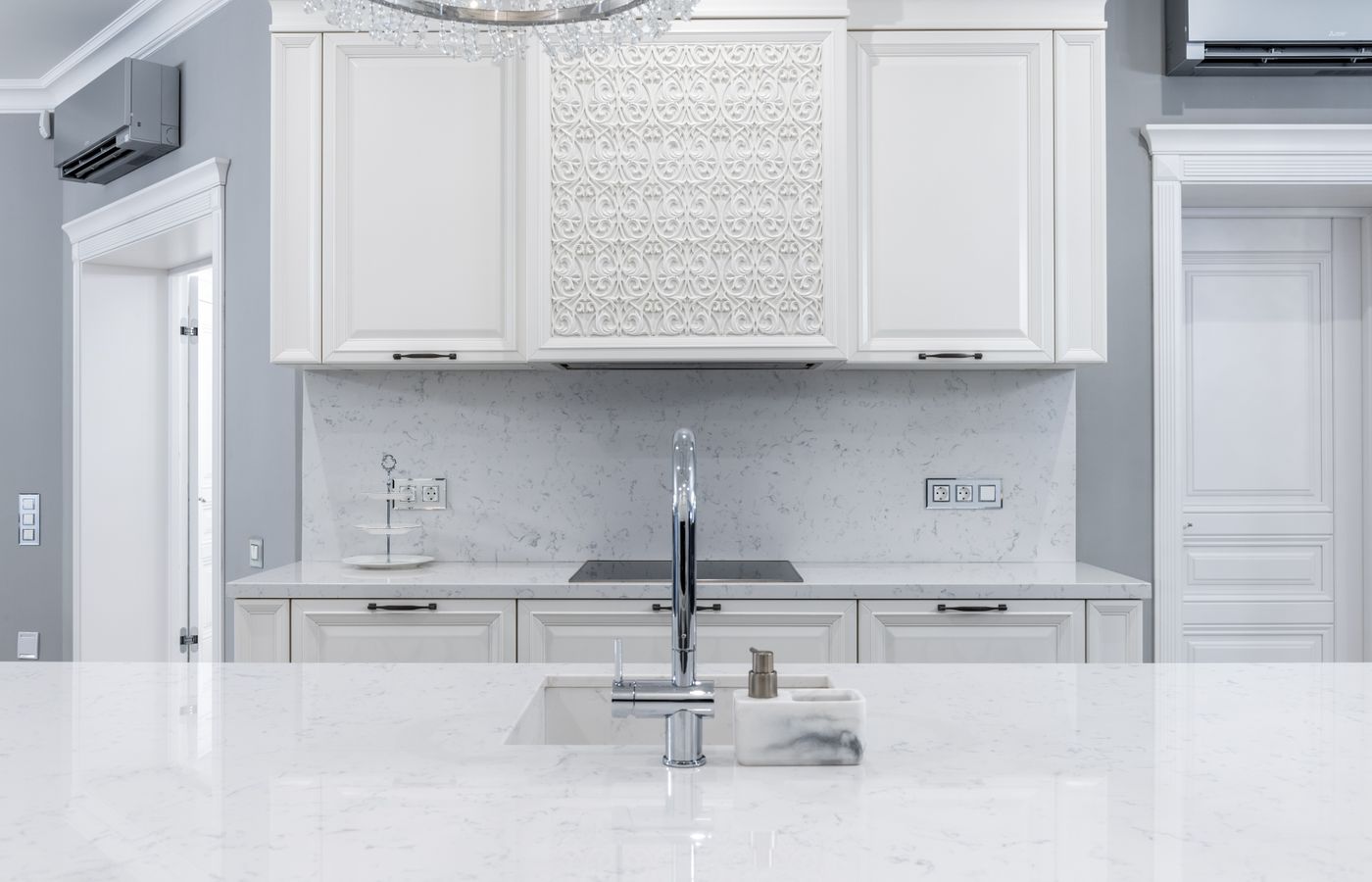
Resolve workflow, ventilation, appliances and storage before selecting decorative fronts. In an open apartment, tall cabinetry can read as a paneled wall when reveals and hardware are consistent, while an island or table may provide a more relaxed center. Use marble, limestone, stainless steel or timber according to maintenance and cooking habits, not just Parisian association. Preserve original cornices and doors where possible instead of running new cabinetry through them, and allow clearly modern equipment to remain honest.
Give the Bathroom One Refined Gesture
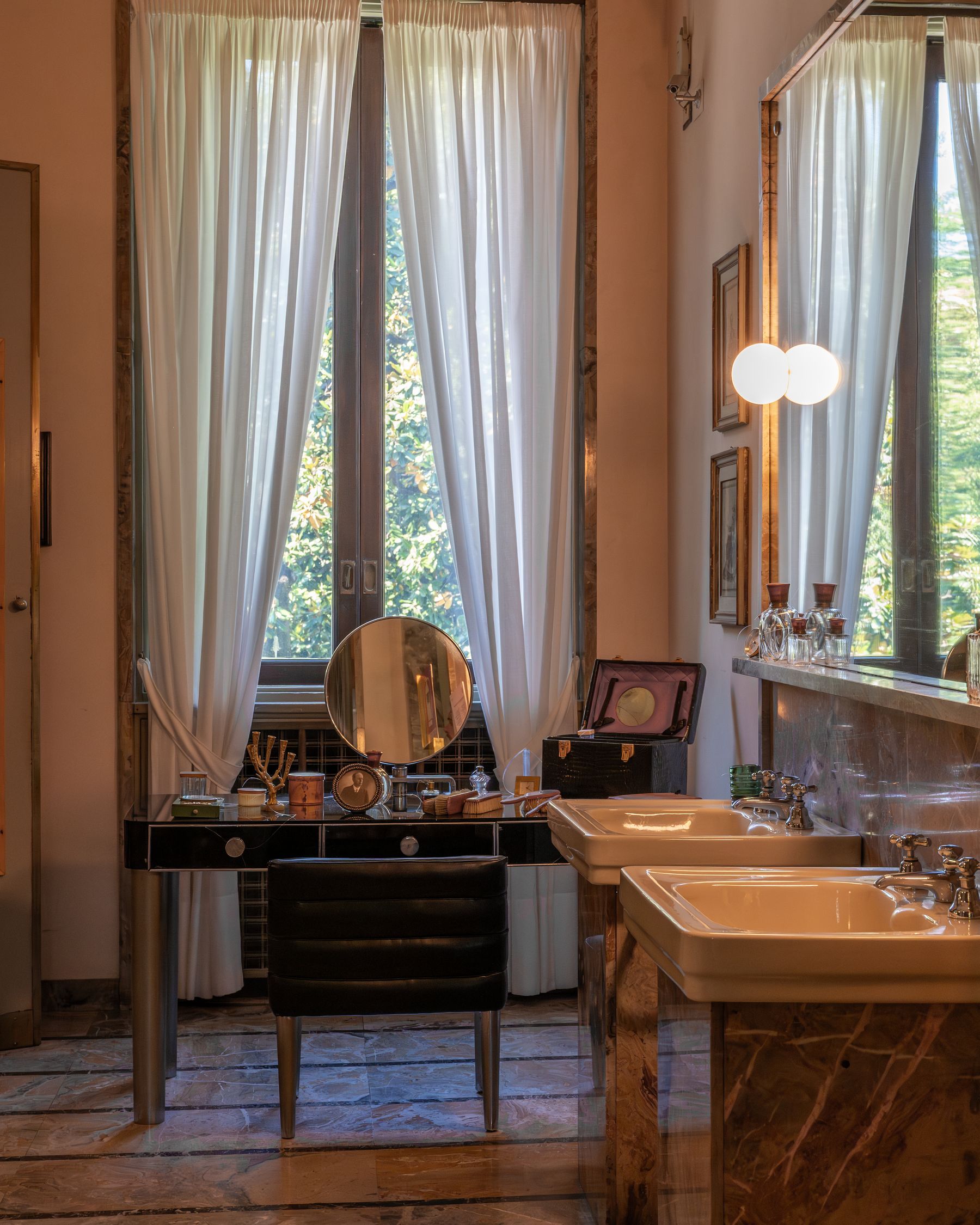
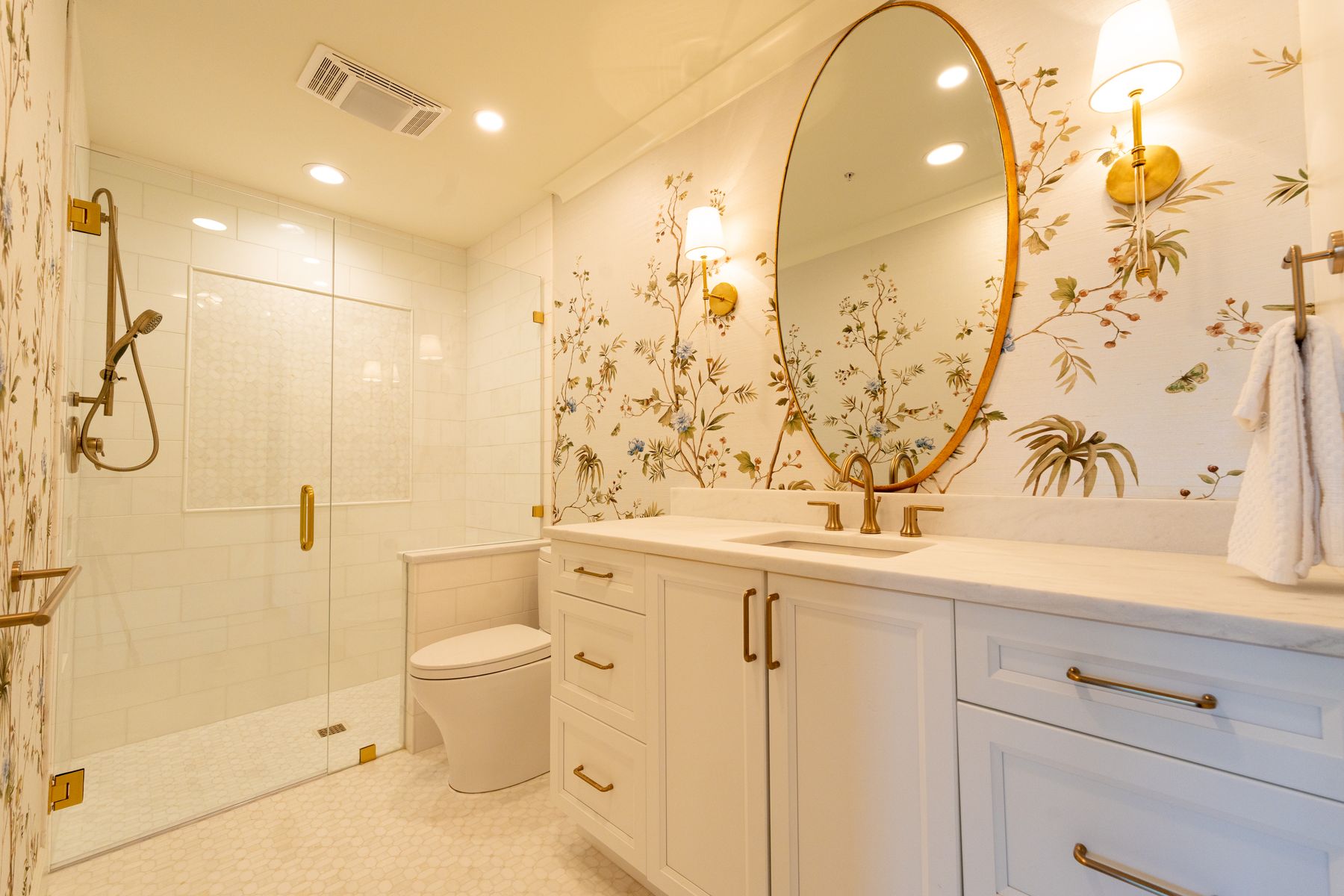
Choose a focal gesture such as a shaped bath, veined stone vanity, framed shower or substantial mirror, then keep surrounding decisions quieter. Waterproofing, ventilation, slip resistance, storage and cleaning access remain non-negotiable. Brass or aged metal can add warmth, but the finish should suit water quality and maintenance. A compact bathroom may feel more Parisian through proportion, wall lighting and a furniture-like vanity than through ornate tile on every surface.
Hide Storage Without Flattening Every Wall
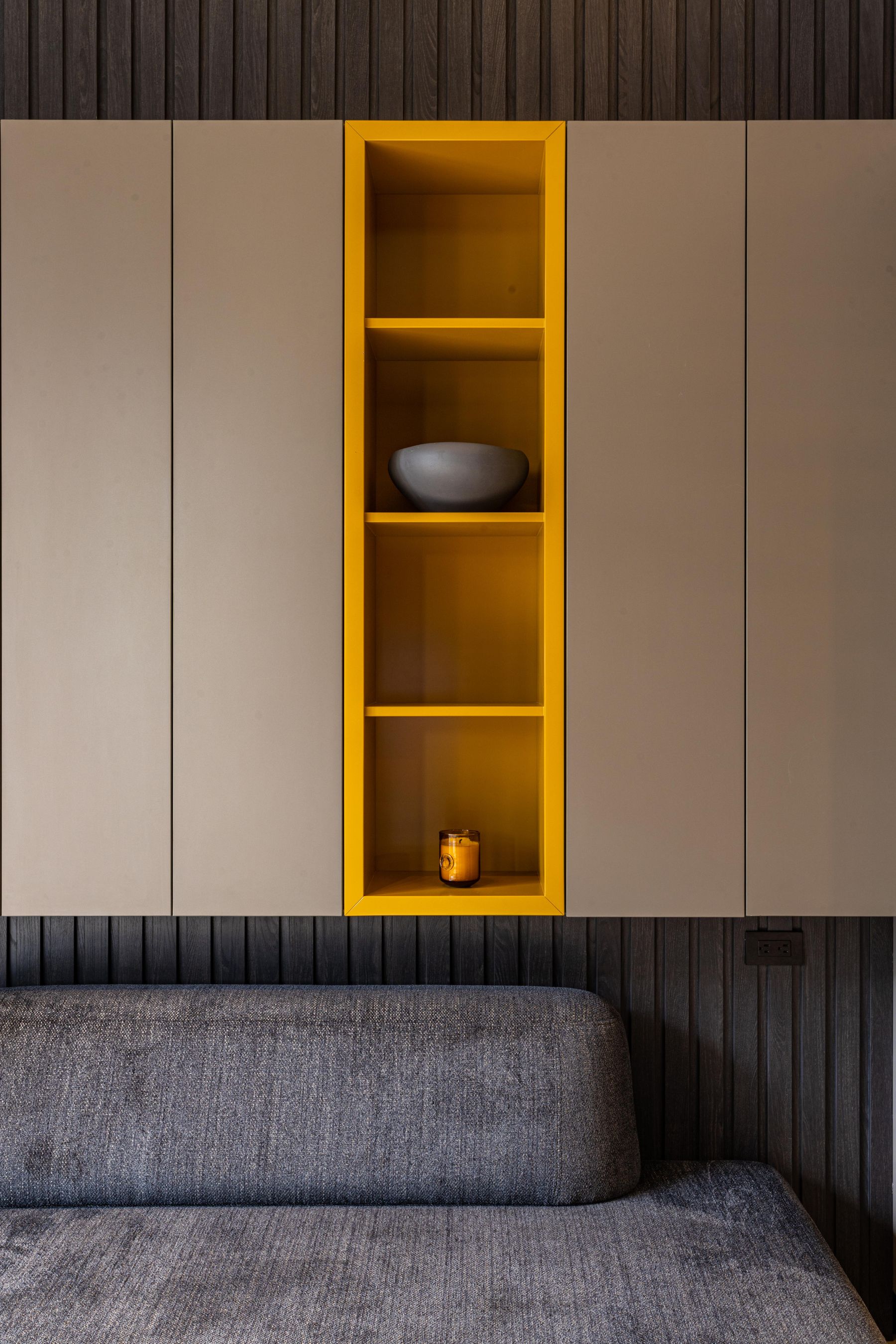
Place full-height storage on secondary walls, in an entry spine or around an existing recess rather than covering every paneled elevation. Door proportions can echo room geometry without applying false moldings indiscriminately. Combine closed fronts for practical clutter with one open area for books, art or daily objects. Service access, ventilation and door swing should remain explicit. In rented or historic rooms, a freestanding armoire may provide substantial capacity while preserving original fabric and moving with the occupant.
Adapt Parisian Character to a Small Apartment
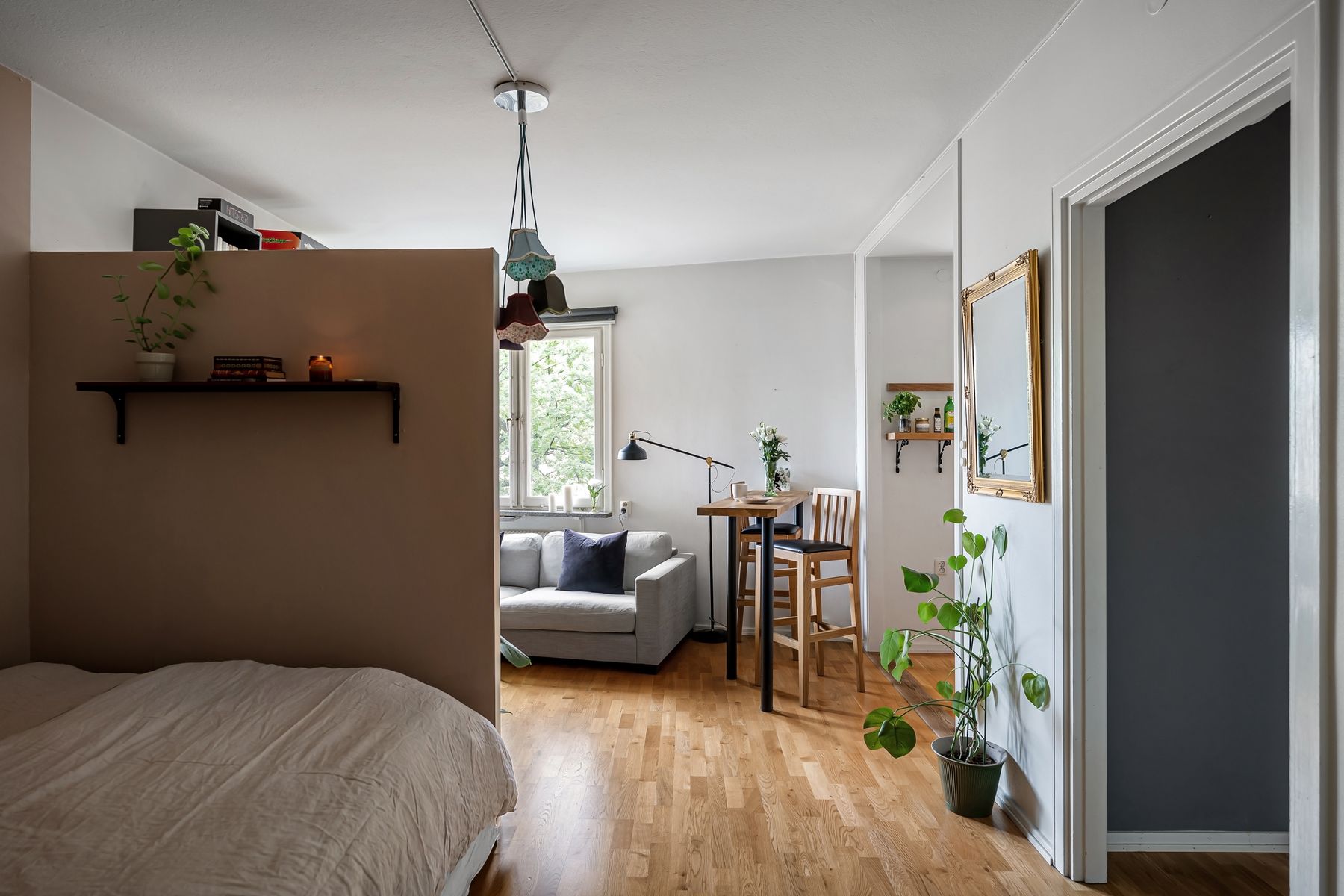
Choose one architectural or collected anchor—a mirror, old table, deep color, artwork or elegant light—then protect circulation, daylight and storage. Use furniture with real comfort and appropriate depth rather than filling the plan with many delicate occasional pieces. A curtain, glazed screen or cabinet can separate sleep or work without destroying borrowed light. Compact Parisian apartments are part of the city's design reality, so restraint and multifunction matter more than reproducing a formal salon.
Make Rental Changes Reversible but Substantial
Use full-length curtains, a large rug, freestanding storage, plug-in sconces, furniture-scale mirrors and one removable color or wallpaper zone where the lease and substrate permit. A false mantel or tall screen can introduce proportion if it is stable and clearly reversible. Keep original doors, hardware and fittings labeled and stored safely if removal is approved. Concentrate the budget on elements that move to the next home, and document the starting condition before drilling, painting or applying film.
Let Wear and Patina Remain Selective
Retain softened timber, aged brass, minor stone variation and repaired plaster where they are stable and meaningful. Patina should not excuse loose joints, peeling lead paint, unsafe wiring, pests or surfaces that cannot be cleaned. Pair visibly aged elements with dependable upholstery, current electrics and well-maintained kitchens and bathrooms. Artificial distress on every new object removes the contrast that makes genuine age valuable. Record specialist treatments so future cleaning does not damage original finishes.
Keep Parisian Distinct From Classic, Vintage and Luxury
Classic design prioritizes enduring proportion and familiar forms; vintage design centers genuinely older objects and mixed eras; luxury emphasizes exceptional material, space or craft. Parisian style may use all three, but its strongest identity is the conversation between city architecture, cultured collections and present-day life. Keep an unexpected modern sofa, assertive artwork or playful color so the room does not become a generic formal interior. The result should feel personal and evolving, not like a preserved period room.